New Castle of Ansembourg
Helperknapp Mersch Luxemburg
castle, chateau
Grand château d'Ansembourg
Helperknapp Mersch Luxemburg
castle, chateau
Schloss Ansemburg
Helperknapp Mersch Luxemburg
castle, chateau
The New Castle of Ansembourg, in central Luxembourg is one of the castles belonging to the Valley of the Seven Castles
Le grand château d'Ansembourg, aussi appelé nouveau château d'Asembourg est un château luxembourgeois situé sur la commune de Helperknapp
Das Schloss Ansemburg in der gleichnamigen luxemburgischen Ortschaft Ansemburg der Gemeinde Helperknapp ist ein Schloss im Stil der Renaissance und wurde zwischen 1639 und 1647 von dem Hüttenbesitzer Thomas Bidart im Tal der Eisch errichtet
Previous names
New Castle of Ansembourg, Grand château d'Ansembourg, Schloss Ansemburg
Description
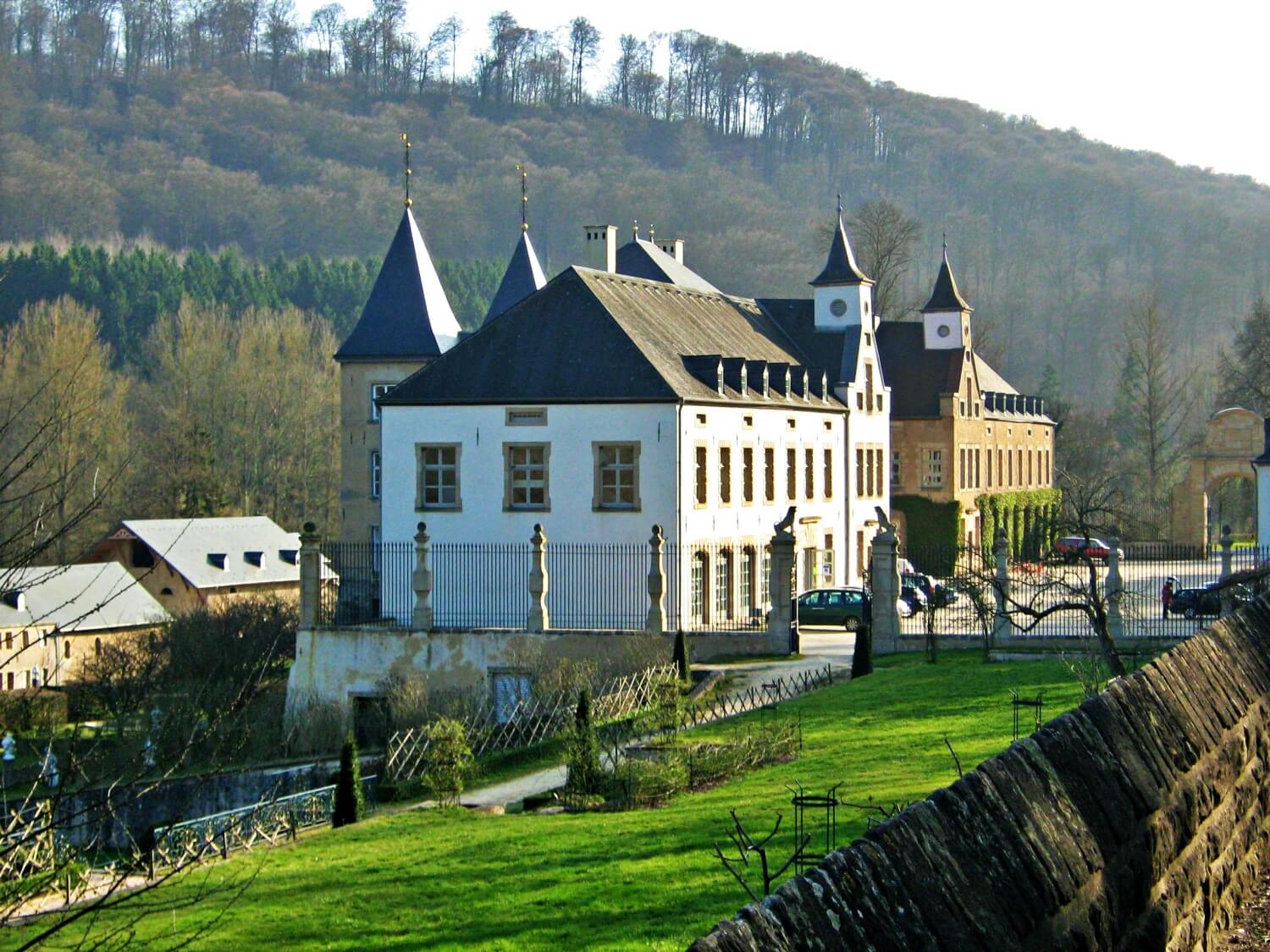
The New Castle of Ansembourg, in central Luxembourg is one of the castles belonging to the Valley of the Seven Castles. Located about one kilometre or just over half a mile below the Old Castle of Ansembourg, it was built by the industrialist Thomas Bidart in 1639.
History
In 1639, Thomas Bidart built the central part of today's castle as a comfortable house surrounded by walls and towers, two of which still stand. Originally from Liège in Belgium, Bidart, who was a pioneer of Luxembourg's iron and steel industry, named the building Maison des Forges (House of the Ironworks). During the Thirty Years' War, he tapped the region's many water sources and exploited its timber and iron, manufacturing arms at a foundry close to the old castle. As a result, his family prospered, earning rights to the title of Lords of Amsembourg which had belonged to the Raville family until 1671.
It was the de Marchant family who, after inheriting the property by marriage, undertook its astonishing transformation into today's modern-looking castle. In 1719, the courtyard was extended with two wings on either side of the original building. The southern gable was enhanced with a magnificent arch where four statues represent the four continents. Fitted with two small towers, the new façade overlooked the gardens which were connected to the castle through an arcade. The first-floor balcony above the porch provided an excellent view of the gardens, complete with flowerbeds and a fountain. Between 1740 and 1750, Lambert Joseph de Marchant et d'Ansembourg further improved the gardens and extended the buildings on the north side of the main courtyard so that they could be used as stables and lodgings for the castle staff. In 1759, Count Lambert Joseph added the impressive Baroque gateway bearing the arms of de Marchant of Ansembourg and Velbruck.
The castle today
In the early 1970s the castle hosted an foreign studies program for students from three American private Catholic Colleges. Students lived in the newly created dorms on the second floor, and took classes in Literature, Art History, Music Education, and Foreign Language. They also assisted with art restoration and teaching music at DuPont International School. One of the partner colleges, Mercy College of Detroit, sent professors. Students had complete access to the castle and its furnishings, including the Music Room that had pink gilt furniture and a grand piano.
Since 1987, the castle has belonged to the Japanese new religious organisation Sûkyô Mahikari which uses the castle as its European and Africa headquarters and holds monthly Ceremonies and seminars throughout the year for its members. Sukyo Mahikari promotes such concepts as "The Baptism by Fire." which can be survived with "Salvation by Divine Light." The members claim to be able to radiate Divine Light from their hands after attending a three day seminar.
Sukyo Mahikari has undertaken substantial renovation work with the assistance of Luxembourg's Service des Sites et Monuments nationaux. Initially work was centred on reinforcing the foundations and walls and on restoring the staircase of honour on the upper terrace in the gardens. From 1999, the statues and the fountains in the garden were repaired while the roofs over the two wings and the central section were rebuilt. Work is now concentrated on restoring the oldest part of the building which dates from the 17th century.
The castle gardens are open to visitors from 9 am every day. The castle also hosts a number of cultural events during the year.
Le grand château d'Ansembourg, aussi appelé nouveau château d'Asembourg est un château luxembourgeois situé sur la commune de Helperknapp.
Il fait partie de la vallée des sept châteaux.
Histoire
Construit en 1639 par un pionnier de la métallurgie, Thomas Bidart, le château est de style Renaissance: une exception parmi les autres châteaux (médiévaux) de la vallée.
En 1624, M. Bidart, originaire de Dinant en Wallonie (Belgique), commença à exploiter une fonderie à Septfontaines (Simmerschmeltz) ainsi qu'une forge près de la rivière de l'Eisch, en contrebas de l'ancien château.
On trouvait, dans cette vallée, du minerai de fer, du bois abondant permettant de faire du charbon, ainsi que de l'eau - tout ce qu'il fallait pour fabriquer armes et outils requis par la guerre de Trente Ans qui embrasait toute l'Europe. Son entreprise avait pour base un bail avec la famille de Raville, de la noblesse locale.
Après quelques années, il avait atteint un degré de prospérité tel qu'il acquit progressivement les propriétés et titres de la famille de Raville, qui entre temps s'était appauvrie. Entre 1639 et 1647, il construisit la « maison de maître des forges », qui constitue toujours l'élément essentiel de la partie centrale du château.
Le domaine a connu une importante métamorphose au xviiie siècle, alors que les héritiers de Thomas Bidart se virent élevés au rang de baron (1728), puis de comte de Marchant et d'Ansembourg, puis de comte du Saint-Empire (1749-1750).
Aujourd'hui, Ansembourg est une zone protégée au niveau national et européen. La vallée de l'Eisch, appelée vallée des sept châteaux depuis le xixe siècle, s'est creusée dans un socle de grès du Luxembourg, remontant à l'époque triasique.
Les bâtiments appartiennent à la communauté religieuse japonaise Sukyo Mahikari depuis 1986 et ne sont pas ouverts au public.
Jardins
Les jardins remarquables du château sont ouverts au public tout au long de l'année. Ils furent tracés à partir de 1750, dans la seconde période de construction du domaine. Le jardin baroque à la française fut rénové avec l'aide financière de l'UE.
Dans ces jardins en terrasses, jalonnés de plantes exotiques et d’arbres fruitiers, on trouve également des statues, escaliers et fontaines d’exception.
Das Schloss Ansemburg in der gleichnamigen luxemburgischen Ortschaft Ansemburg der Gemeinde Helperknapp ist ein Schloss im Stil der Renaissance und wurde zwischen 1639 und 1647 von dem Hüttenbesitzer Thomas Bidart im Tal der Eisch errichtet. Sein Nachfahr Lambert-Joseph de Marchant vergrößerte es im 18. Jahrhundert. Um das „neue Schloss“ nicht mit der auf einem Berg gelegenen älteren Burganlage von Ansemburg zu verwechseln, wird das Schloss oft als Nouveau Château bezeichnet. Burg und Schloss zählen zum „Tal der sieben Schlösser“, dem Motto, unter welchem für das Eischtal touristisch geworben wird.
Der im französischen Stil angelegte Barockgarten des Schlosses wurde mit EU-Finanzhilfe renoviert und ist öffentlich zugänglich. Das Schloss selbst ist seit 1986 Eigentum der japanischen Religionsgemeinschaft Sukyo Mahikari und nicht zu besichtigen.
Useful information
Free
Free
Free
Free
WC
info@gcansembourg.eu
-
-
External links
Nearby castles
Ansembourg Castle
Helperknapp
0.7km
castle, chateau
Hollenfels Castle
Helperknapp
1.3km
castle, chateau
Septfontaines Castle
Habscht
6.0km
castle, chateau
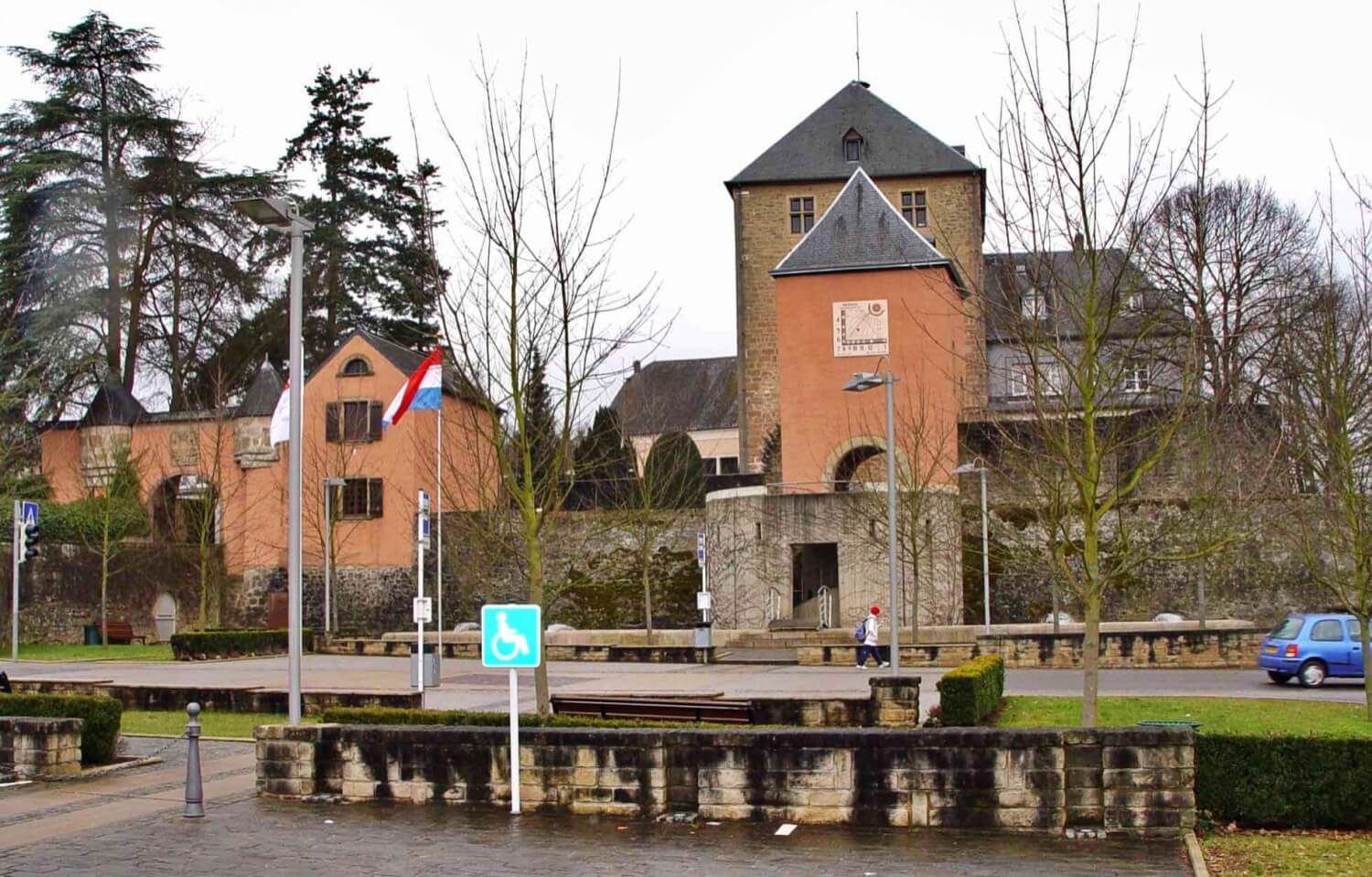
Mersch Castle
Mersch
6.6km
castle, chateau
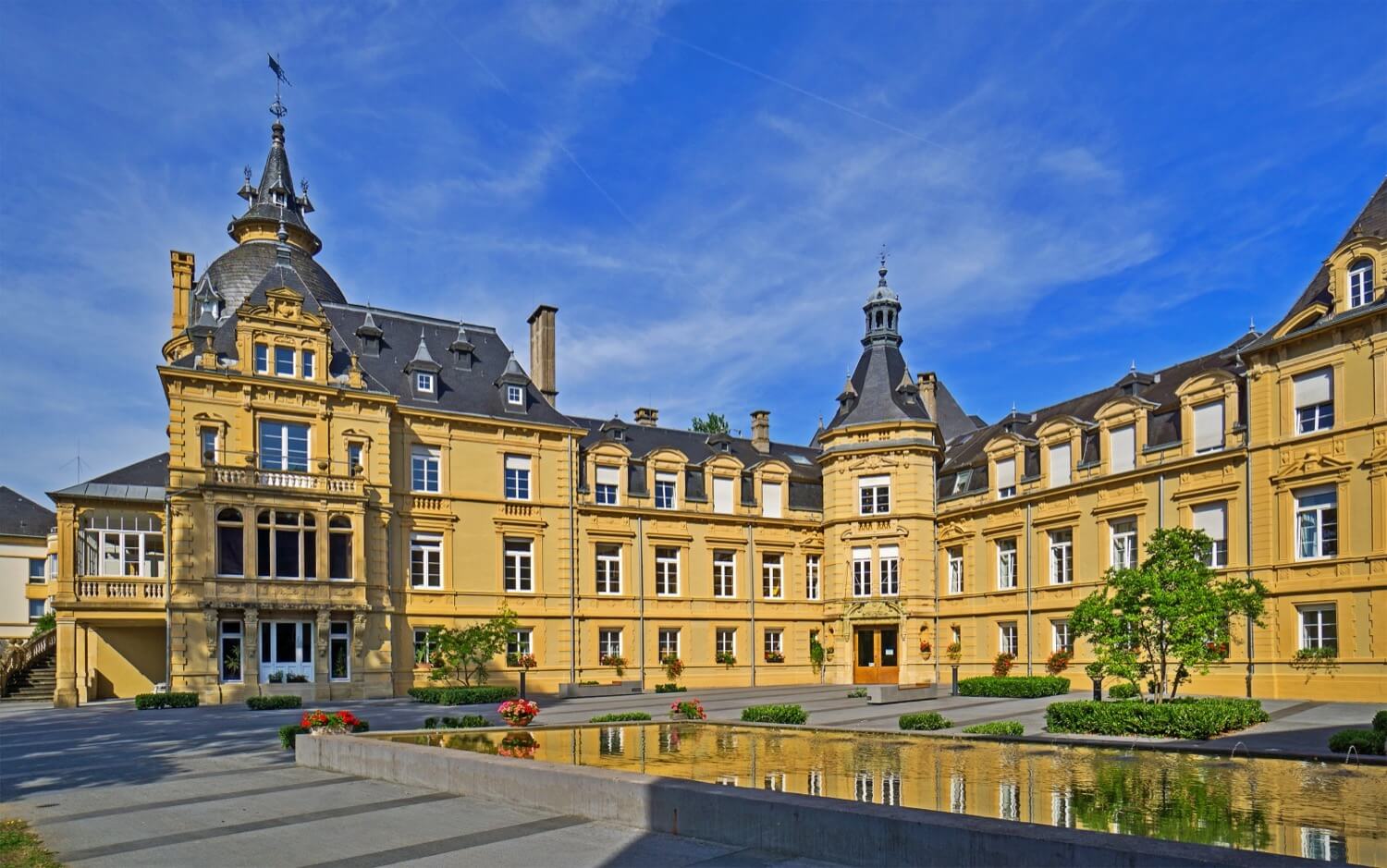
Heisdorf Castle
Steinsel
7.1km
castle, chateau
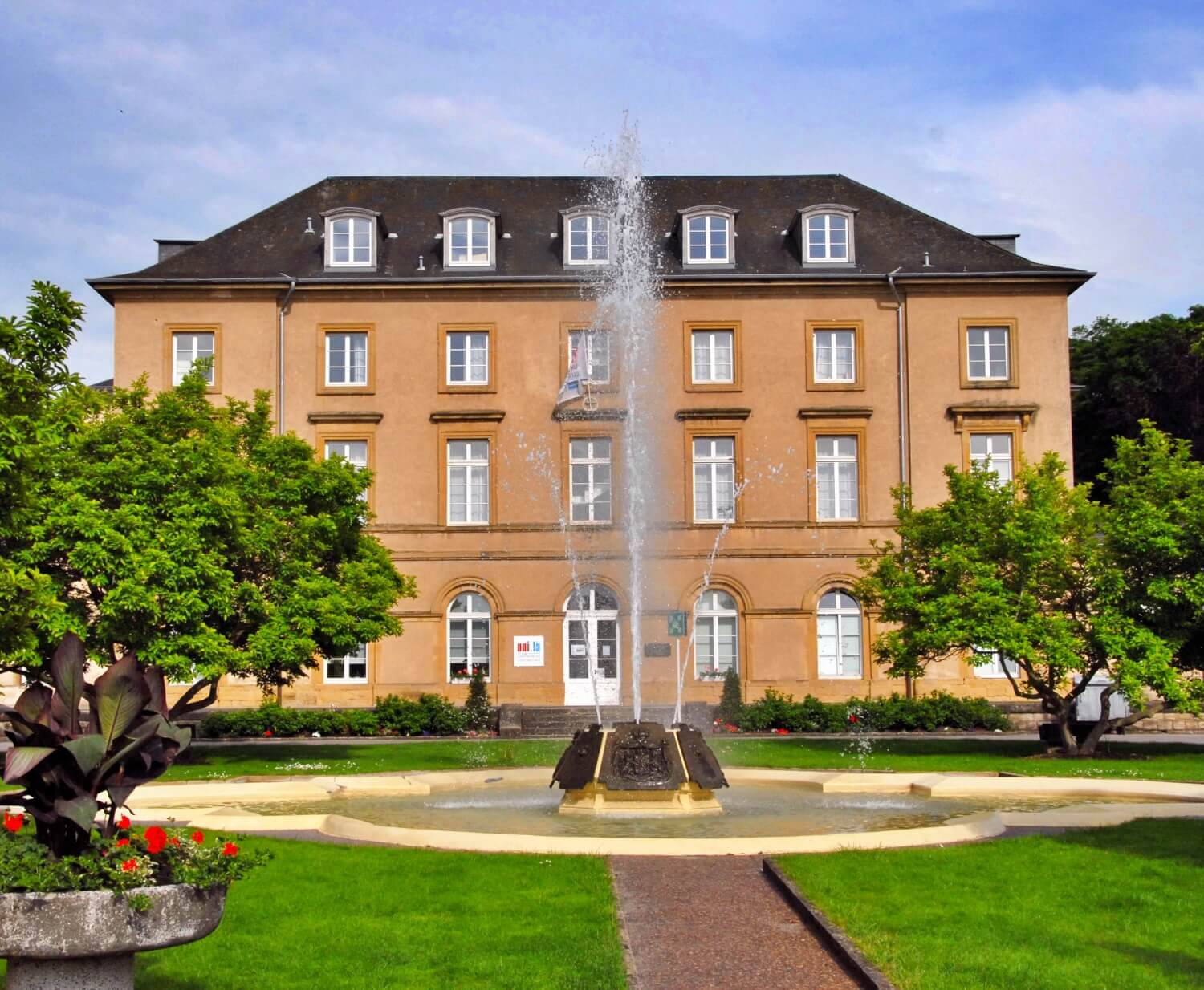
Walferdange Castle
Walferdange
7.7km
castle, chateau
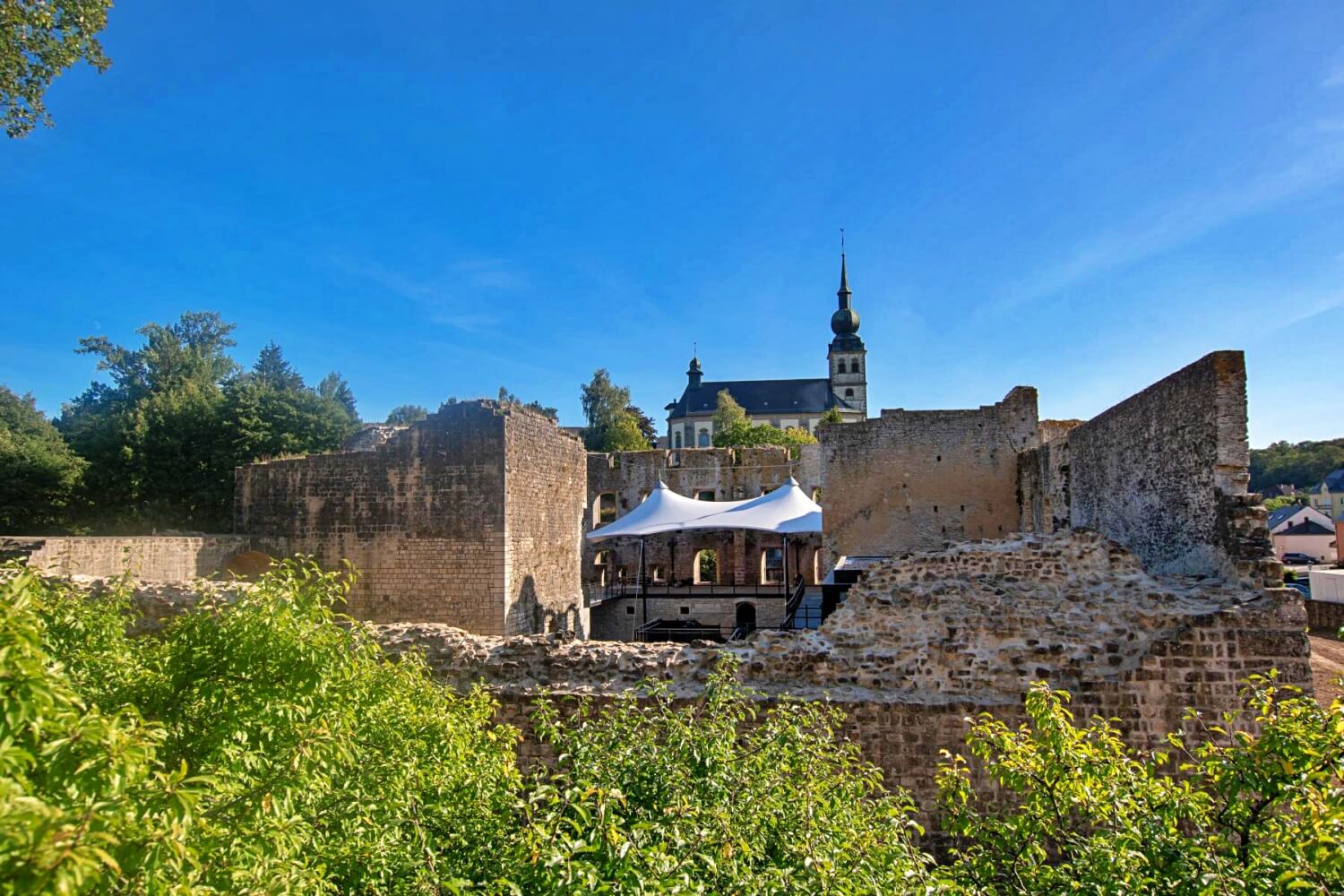
Koerich Castle
Koerich
7.7km
castle, chateau