Kráľovský Chlmec
Kráľovský Chlmec Košice county Slovakia
castle ruin
Kráľovský Chlmec
Kráľovský Chlmec Košický kraj Slovakia
zrúcanina hradu
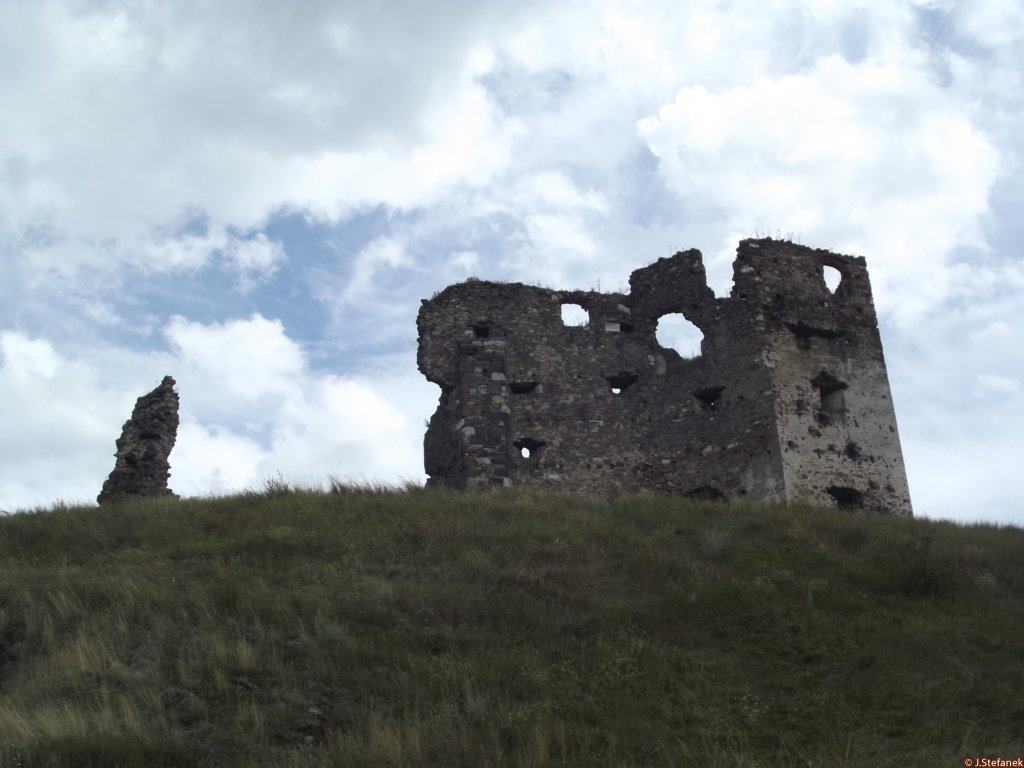
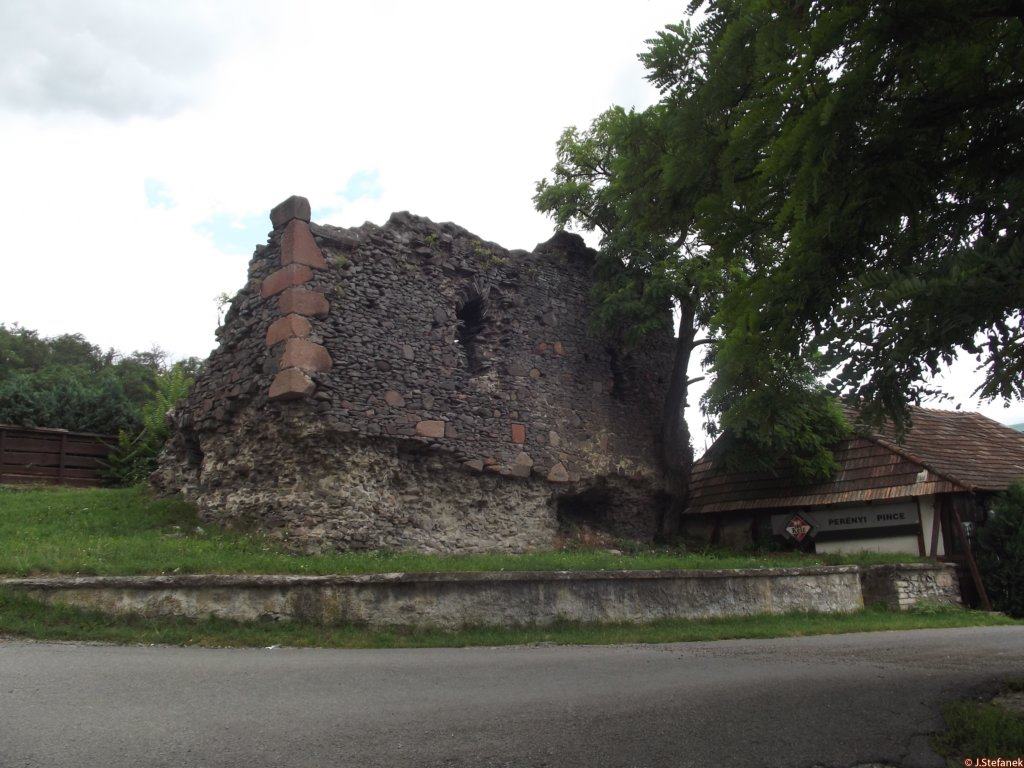
Castle ruins, according to some sources castellum - fortified mansion, known as Csonkavár, lies on a hill at the eastern foot of the Chlmecky Hills on the outskirts of the town Kráľovský Chlmec
Zrúcanina hradu, podľa niektorých zdrojov castellum - opevnený kaštieľ, známy ako Csonkavár, leží na vyvýšenine východného úpätia Chlmeckých pahorkov na okraji mesta Kráľovský Chlmec
Previous names
Helmech, Csonkavár, Királyhelmec
Roads
From the main road that leads through the town of Kráľovský Chlmec (Svätušská Street), we get the best along Hlavná Street to the narrow streets like Podhradská and František Rákóczi. Although it is possible to get to the ruins by car (very steep slope), we recommend to park the car in a narrow street on Fr. Rákóczi, from there it is really just a short walk - we go straight and after a while we reach the crossroads of Fr. Rákóczi-Z.Lórántffy and Podhradská streets. Here we take the steep aisle on the left, which leads us directly to the ruins of Csonkavár. Right next to the ruins is a medieval restaurant (cellar).
Z hlavného ťahu, ktorý vedie mestom Kráľovský Chlmec (Svätušská ulica) sa dostaneme najlepšie po Hlavnej ulici až k úzkym uličkám ako Podhradská a Františka Rákócziho. Hoci sa autom dá vyjsť až k zrúcanine (strmý svah), odporúčame odstaviť auto v úzkej uličke na Fr.Rákócziho, odtiaľ je to naozaj len kúsok peši - vydáme sa rovno a po chvíli dôjdeme na rázcestie Fr. Rákócziho-Z.Lórántffyovej a Podhradskej. Tu sa vyberieme strmou uličkou vľavo, ktorá nás zavedie priamo k zrúcanine Csonkavár. Hneď pri zrúcanine je stredoveko zariadená reštaurácia (pivnica).
Description
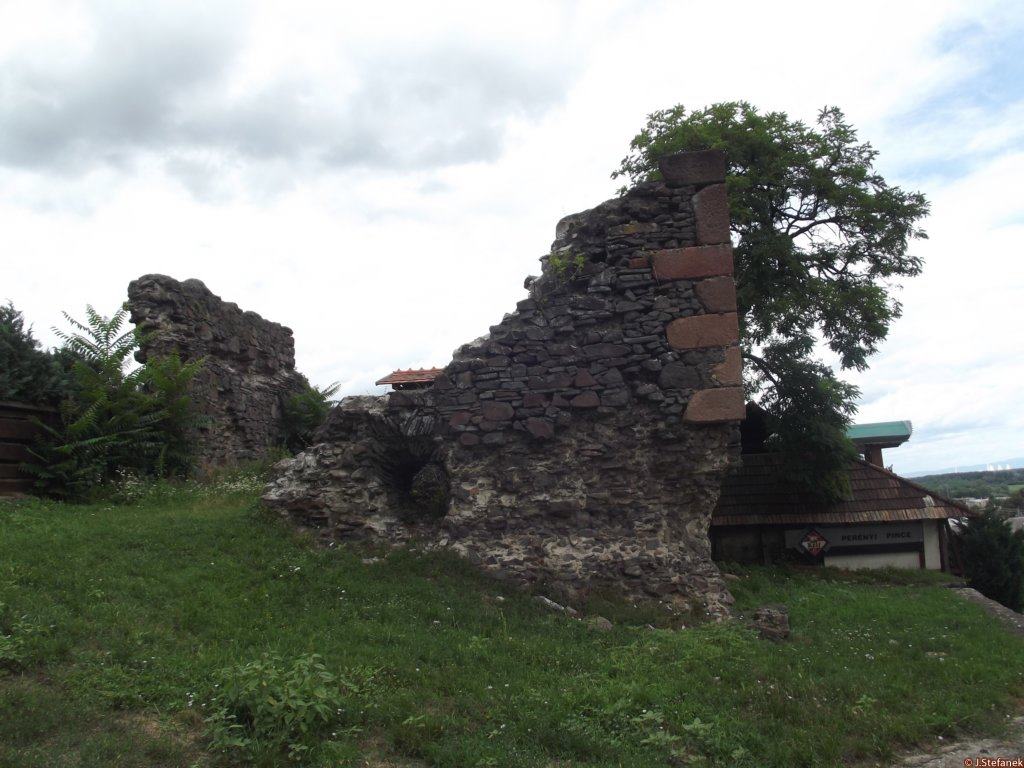
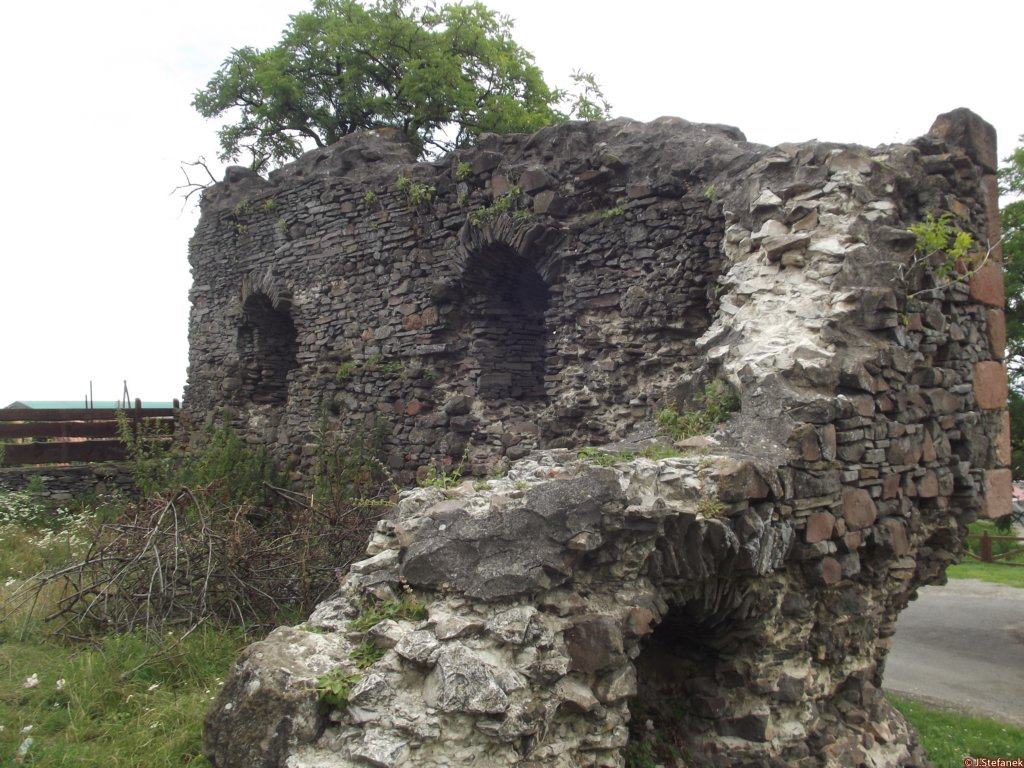
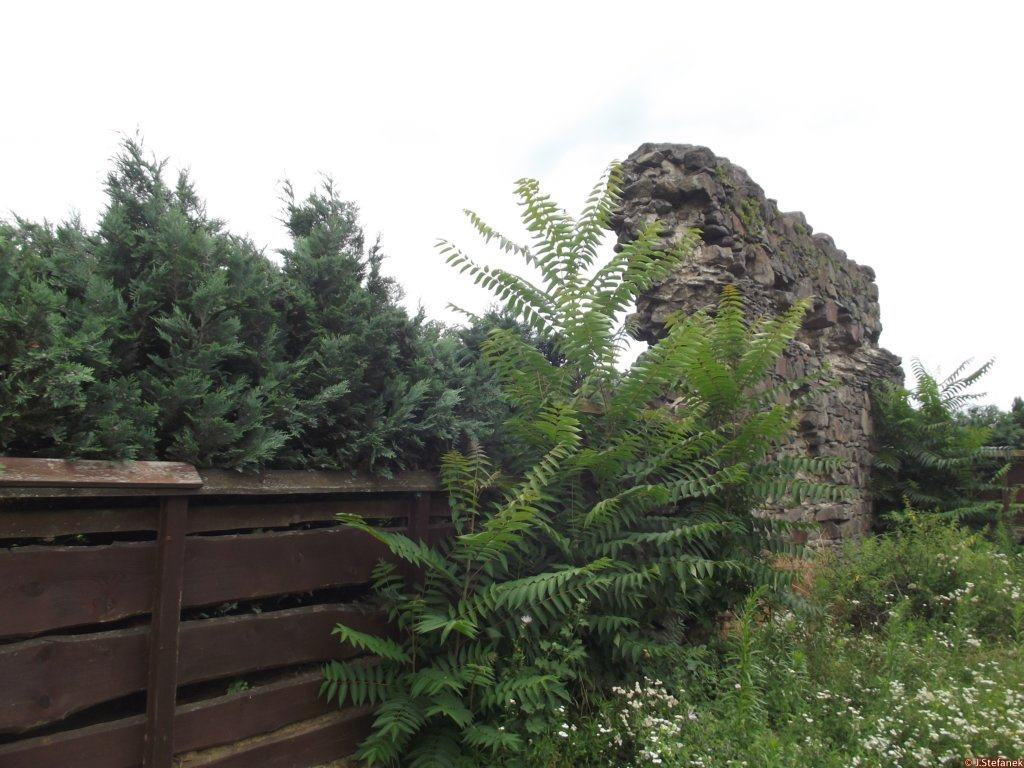
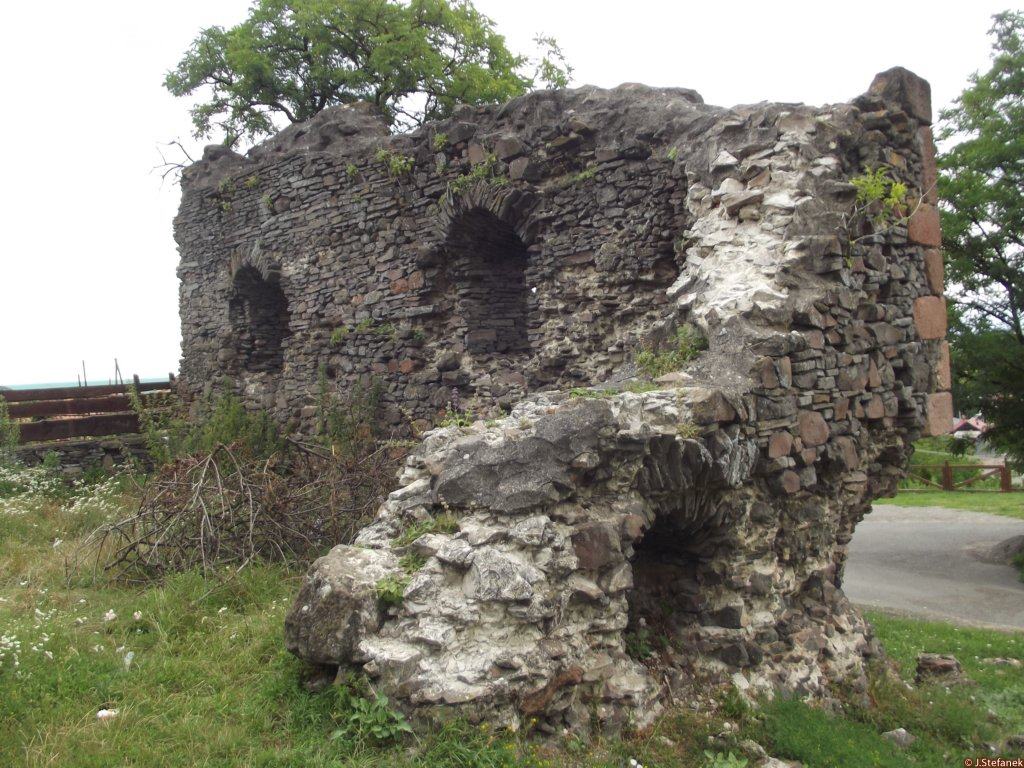
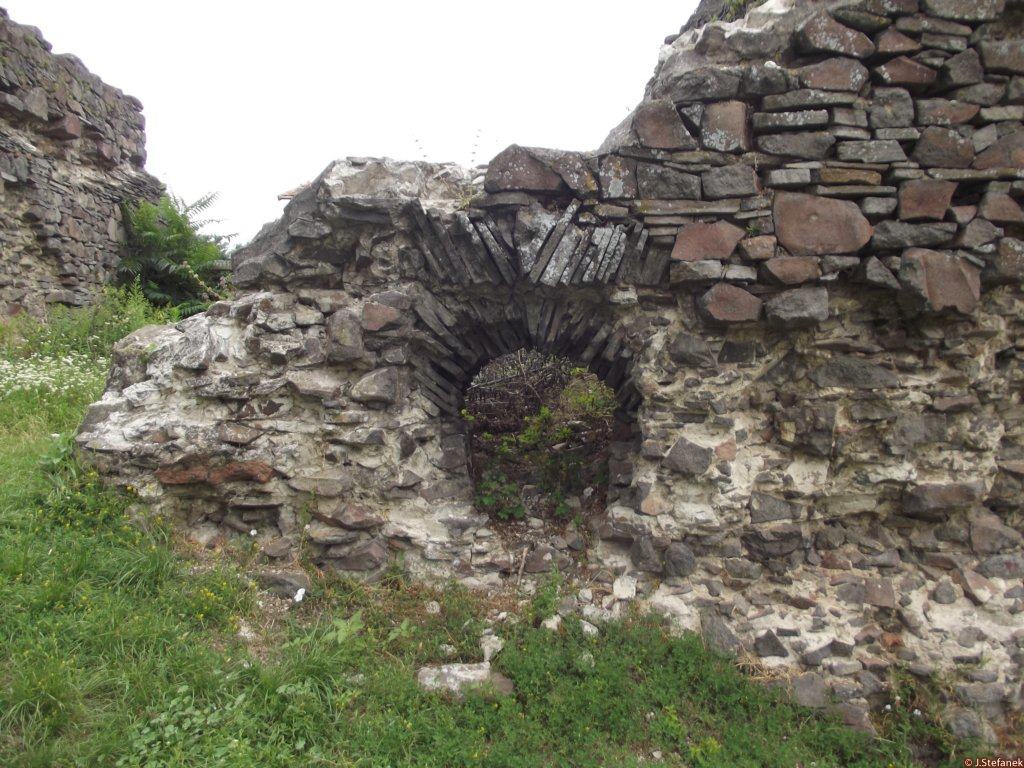
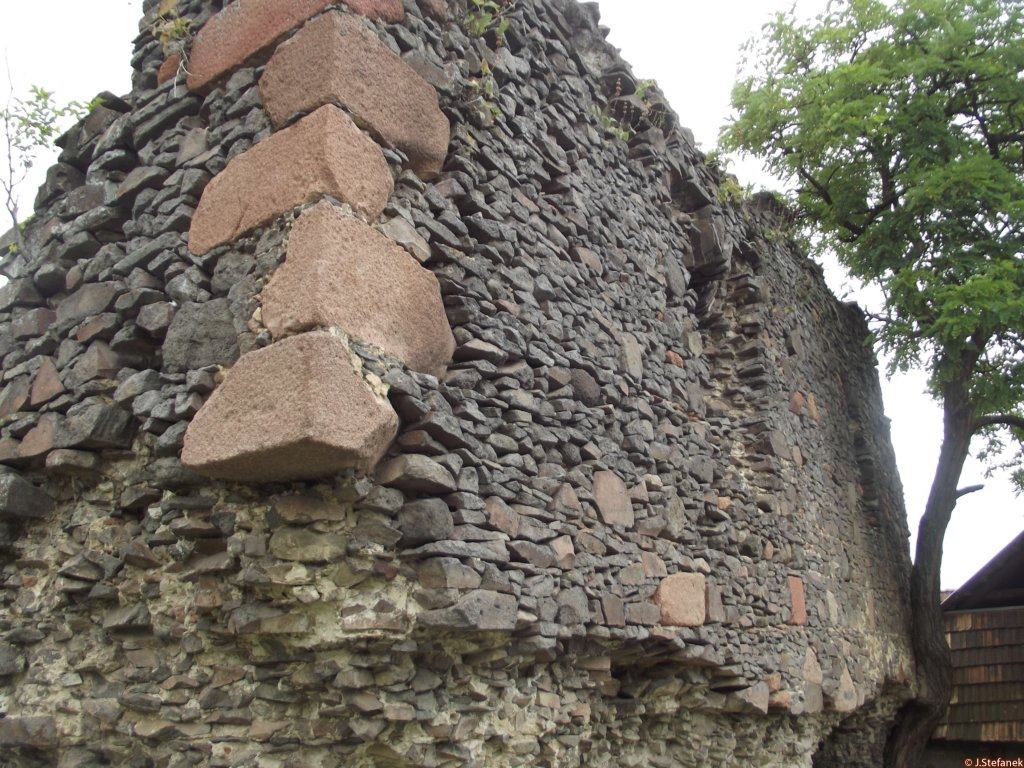
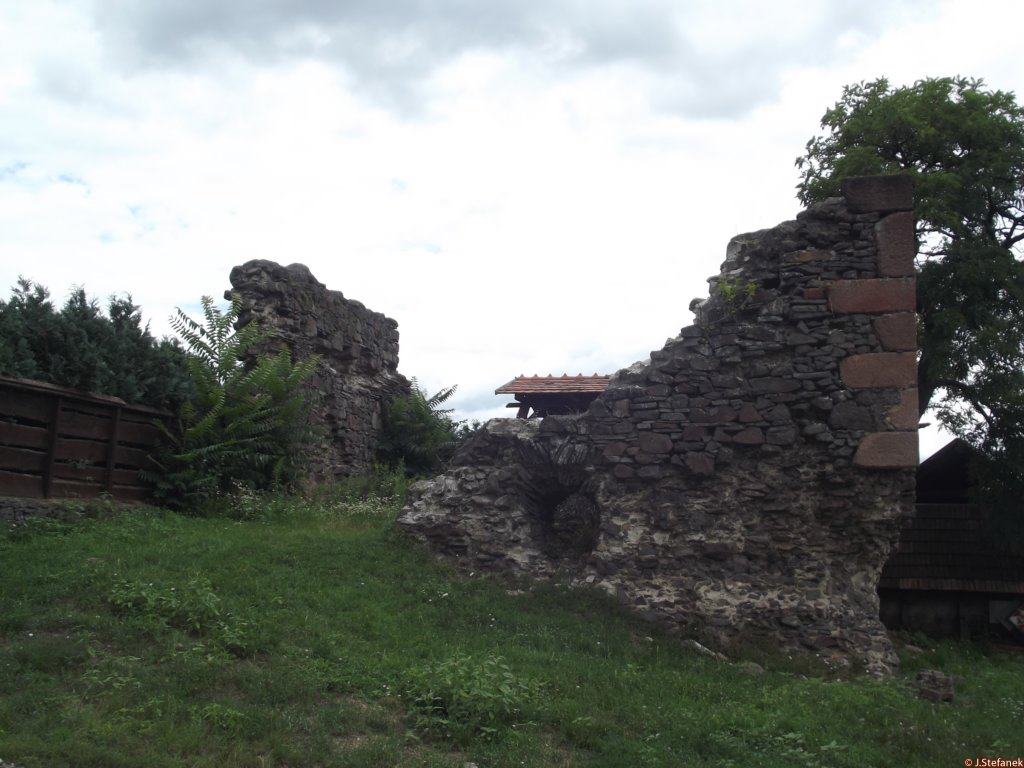
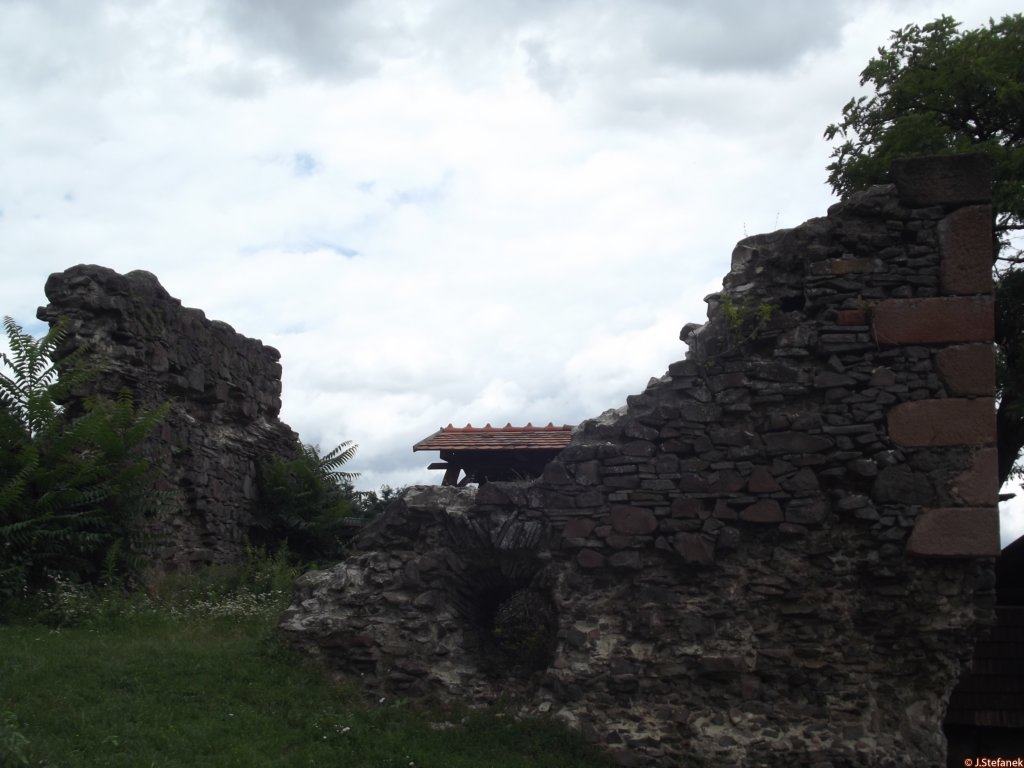
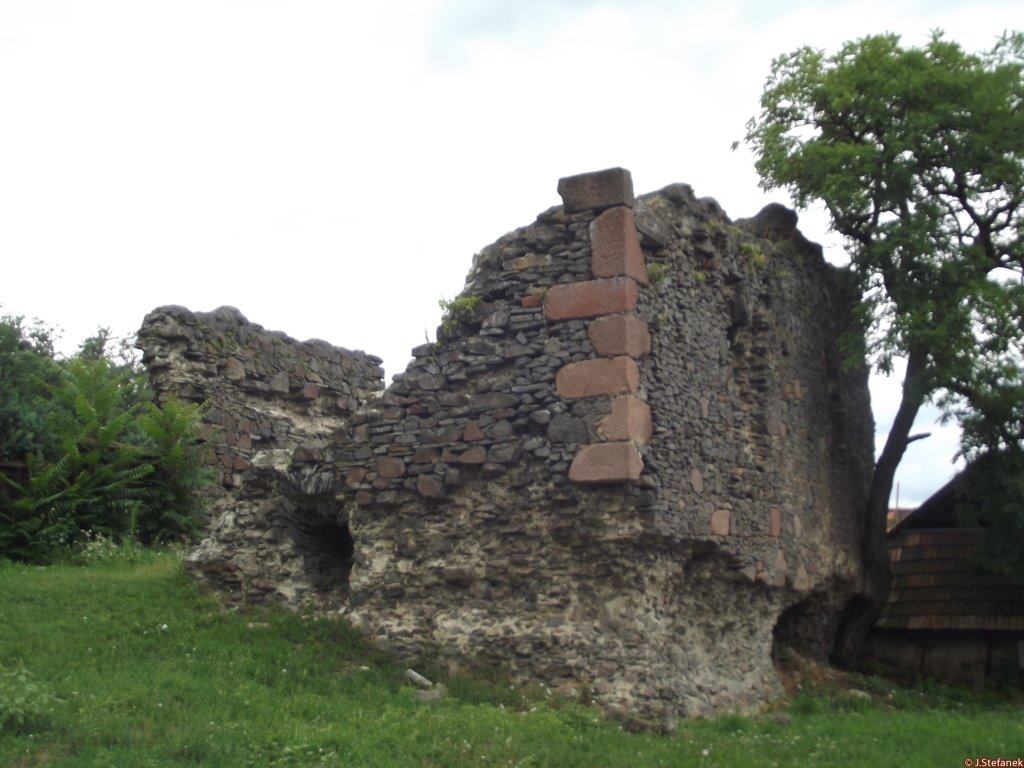
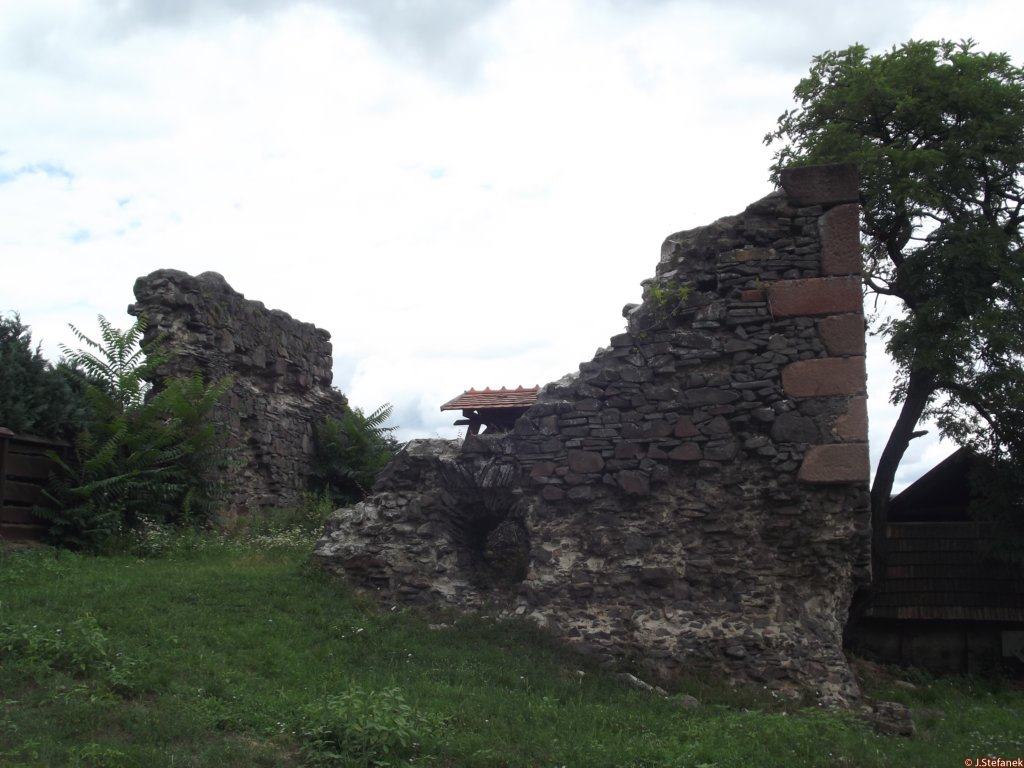
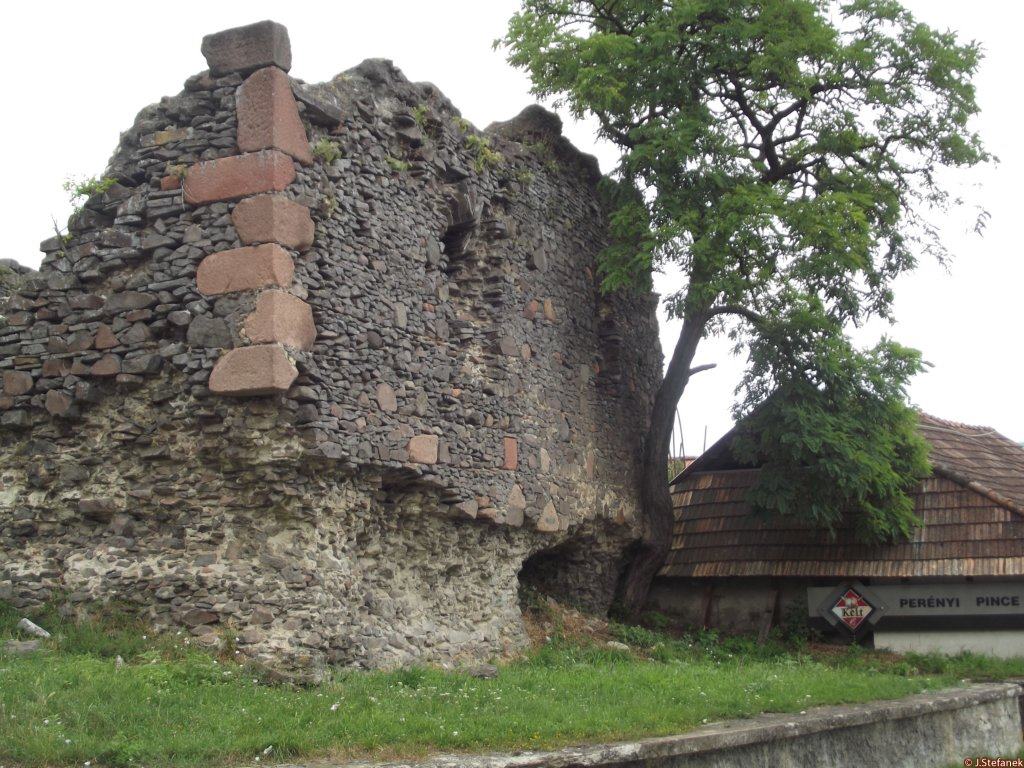
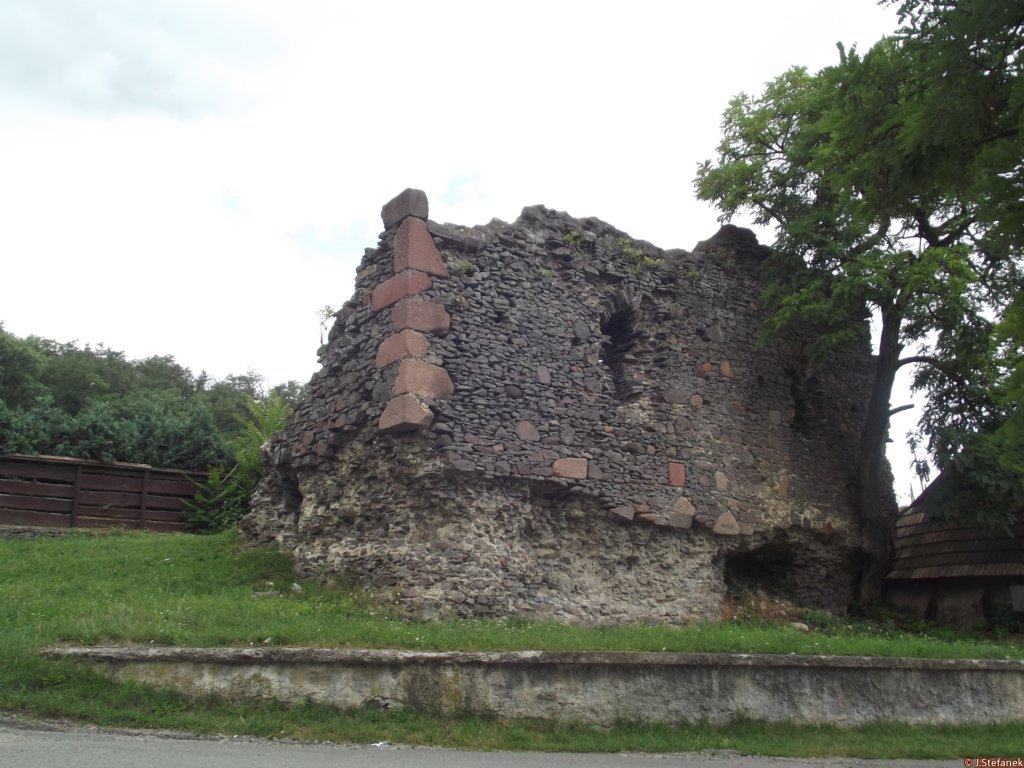
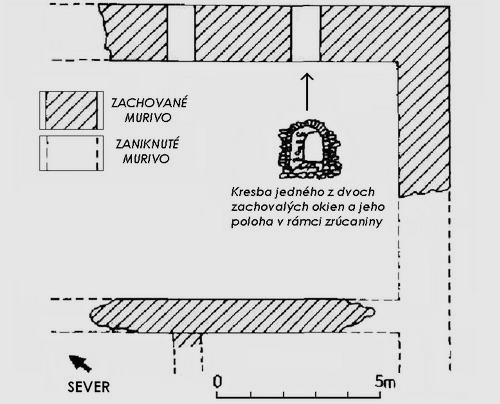
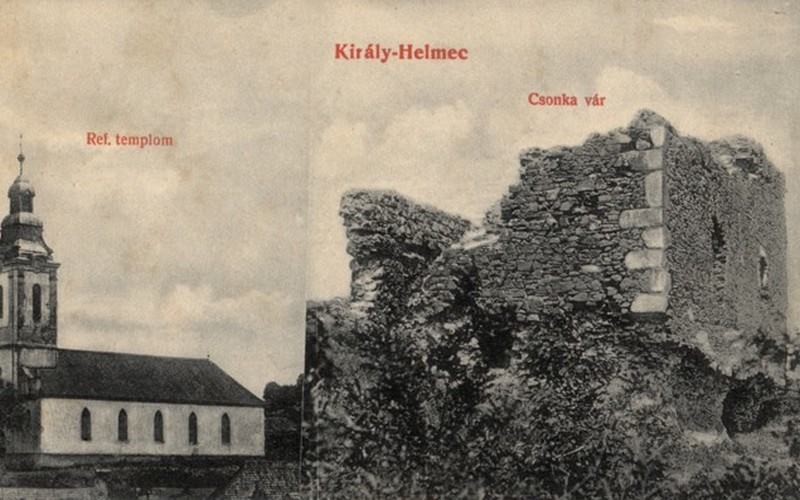
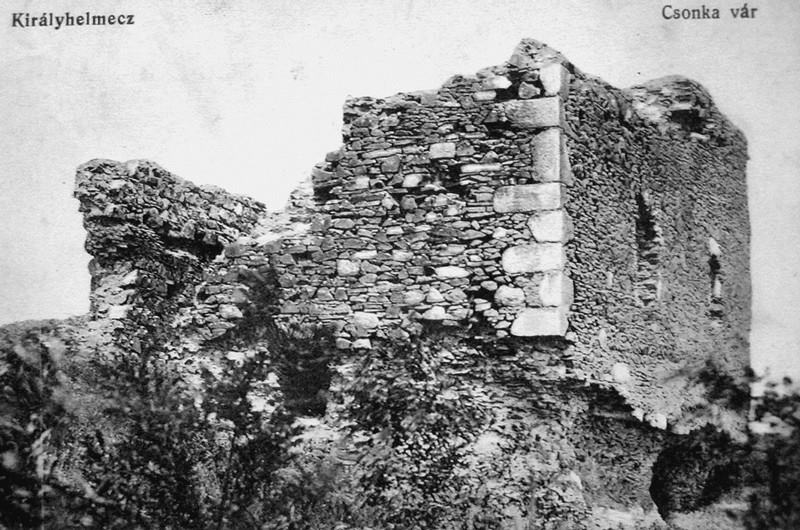
To date, only a few walls and part of the cellar have been preserved from Csonkavár. It has been in such a condition for centuries, what its name says after all - the Hungarian Csonkavár can be translated as "Castle of the Wreckage".This cultural-historical monument was an aristocratic seat of the manor type. The dilemma around the castle in Chlmec lies mainly in the question whether it was a real fortified building. In the surrounding terrain there is no sign of any significant fortification. The small-scale written records and most of the material findings are more conducive to the theory that it was rather a late-medieval stone dwelling; reminiscent of the early form of the mansion. The preserved building was once two-storey, while on the first floor there are two windows with a semicircular vaulting in the northeastern wall. In the south-eastern wall, the remains of the barrel vault from the quarry stone have been preserved, which were probably embedded later. The corners of the building are built from large carved tufit blocks with dimensions of 35-40 x 60-70 x 40 cm.
Do dnešného dňa sa z Csonkaváru zachovalo iba niekoľko múrov a časť pivničných priestorov. V takomto stave je už celé stáročia, o čom hovorí napokon i jeho názov – maďarské Csonkavár možno totiž preložiť ako „Hrad trosiek“, „Troskohrad“ či „Okyptený hrad“.Táto dnes už kultúrno-historická pamiatka predstavuje šľachtické sídlo kaštieľovitého typu. Dilema okolo hrádku v Chlmci spočíva najmä v otázke, či bol vôbec skutočnou opevnenou stavbou. V okolitom teréne nevidno žiadne stopy po výraznejšej fortifikácii. Málopočetné písomné záznamy a väčšina hmotných nálezov väčšmi nahrávajú teórii, že išlo skôr o neskorostredovekú kamennú obytnú stavbu, teda akési šľachtické sídlo kaštieľovitého typu, resp. pripomínajúce ranú formu kaštieľa. Zachovaný objekt bol kedysi dvojpodlažný, pričom na prvom poschodí sú v severovýchodnej stene zachované dve okienka s polkruhovým zaklenutím. V juhovýchodnej stene sa zachovali zvyšky valenej klenby z lomového kameňa, ktoré boli zapustené zrejme až dodatočne. Nárožia stavby sú vybudované z veľkých tesaných tufitových kvádrov s rozmermi 35-40 x 60-70 x 40 cm.
Plan
-
History
Sources about the origin of the castle are very unclear and differ in information. According to some sources, the castle was built before the arrival of the Hungarians in Slovakia, others date the origin of the castle around 1414 or even later, at the beginning of the 16th century. Some hypotheses attribute the origin of the castle to Matúš of Pavloviec, resp. the Palóczi family in general. The only thing about the genesis of the castle is that it was built very late, first sometime in the second half of the 15th century. However, most of the existing evidence suggests that the more likely period of origin is the turn of the 15th and 16th centuries or the beginning of the 16th century.
The first written reports about Chlmec can be found in the deed of King Andrew II. from 1214. But it is a mention of the village Chlmec itself and not the castle. In it, the king confirmed to the Leches post office the ownership of the property, which was donated to the emerging post office by the Bishop of Vacov, Boleslav. Chlmec was one of the donated villages with territorial property belonging to it. It is interesting that he already had the status of a market place at that time. At the turn of the 13th and 14th centuries, Dionýz had a manor house in Chlmec. In 1323, Karol Róbert had him and his relatives confiscated the property of Chlecice and gave it to the nobleman Mikč. Chlmec was owned by Mikča and his heirs at the beginning of the second half of the 14th century. The village changed owners again in 1403, when Sigismund of Luxembourg donated it to the nobleman Matúš of Pavloviec. Kráľovský Chlmec is first mentioned as a town in a written record from 1461. In the 15th century, the owners of the castle were the lordly families of the Palóczi family, the Pelejtej family, the Ujfaluss family and the Zbuďaj family. At the end of the 15th century, it was the property of the Palóczi family, whose last male descendant, Anton Palóczi, fell in the Battle of Mohács (1256).
The castle was then inherited by his wife, Magdaléna Pašajová, but she could not keep it. The influential and greedy oligarch Peter Perényi was interested in him. He seized the castle by force and had this property confirmed by King Ján Zápoľský, of whom he was a supporter. Later, however, he joined Ferdinand and participated in his coronation as the guardian of the crown. When Ferdinand learned that Perényi was playing on several sides, he had him imprisoned. Although he was later willing to release him after paying 40,000 ducats as compensation for property he had seized by force, his imprisonment undermined Perényi's health and he died on his way from prison to Vienna (1548). In the same year, the 46th legal article was published, which ordered the collapse of many castles, including Kráľovský Chlmec. Since then, the castle has not been restored. In 1598, Štefan Báthory became the owner of the ruins and surrounding property. Later (1610) the co-owners were the Daróczy family, the Thelegdi family, the Nyáry family and the Gobo family, and in 1654 also the Rákócz family family. In 1690, part of Chlmec was bought by its old owners, the Premonstratensian monks, who 7 years later received another part from Juraj Rákóczi II. for 18,000 gold. Later, Chlmec became the property of the landscape palatine Juraj Thurzo, after which it was inherited by his son Imrich Thurzo and after his death Zuzana Lorantffy, who built a manor house preserved in Chlmec.
Zdroje o vzniku hradu sú veľmi nejasné a rozchádzajú sa v informáciách. Podľa niektorých zdrojov hrad vznikol ešte pred príchodom Maďarov na územie Slovenska, iné datujú vznik hradu okolo roku 1414 alebo ešte neskôr, až začiatkom 16. storočia. Niektoré hypotézy pripisujú vznik hrádku Matúšovi z Pavloviec, resp. rodu Palócziovcov vo všeobecnosti. O genéze hrádku je isté len to, že vznikol veľmi neskoro, najskôr až niekedy v druhej polovici 15. storočia. Väčšina existujúcich dôkazov však naznačuje, že pravdepodobnejšie obdobie vzniku je prelom 15. a 16. storočia alebo začiatok 16. storočia.
Prvé písomné správy o Kráľovskom Chlmci nájdeme v listine kráľa Ondreja II. z roku 1214. Jedná sa ale o zmienku o samotnej obci Chlmec a nie hradu. Kráľ v nej potvrdil leleskému prepoštovi vlastníctvo majetkov, ktoré vznikajúcemu prepošstvu daroval vacovský biskup Boleslav. Jednou z darovaných dedín s územnými majetkami k nej patriacimi bol aj Chlmec. Zaujímavý je fakt, že už vtedy mal status trhového miesta. Na prelome 13-ho a 14.storočia mal v Chlmci kúriu šľachtic Dionýz. Jemu a jeho príbuzným dal Karol Róbert v roku 1323 skonfiškovať chlmecké majetky a udelil ich šľachticovi Mikčovi. Chlmec bol vo vlastníctve Mikča a jeho dedičov aj začiatkom druhej polovice 14. storočia. Dedina opäť menila vlastníka v roku 1403, kedy ju Žigmund Luxemburský daroval šľachticovi Matúšovi z Pavloviec. Kráľovský Chlmec sa ako mestečko prvýkrát uvádza v písomnom zázname z roku 1461. V 15.storočí boli majiteľmi hradu panské rodiny Palócziovcov, Pelejtejovcov, Ujfalussiovcov a Zbuďajovcov. Koncom 15. storočia bol majetkom rodiny Palócziovskej, ktorej posledný mužský potomok, Anton Palóczi, padol v bitke pri Moháči (1256).
Hrad potom zdedila jeho manželka, rodená Magdaléna Pašajová, avšak nevedela si ho udržať. Mal o neho záujem vplyvný a chamtivý oligarcha Peter Perényi. Zmocnil sa hradu násilím a toto vlastníctvo si nechal potvrdiť od kráľa Jána Zápoľského, ktorého bol prívržencom. Neskôr sa však pridal k Ferdinandovi a na jeho korunovácii sa zúčastnil ako strážca koruny. Keď sa Ferdinand dozvedel, že Perényi hrá na viaceré strany, tak ho dal uväzniť. Síce neskôr bol ochotný ho pustiť po zaplatení 40 000 dukátov ako náhradu za majetky, ktorých sa násilím zmocnil, ale pobyt vo väzení podlomil Perényiho zdravie a na ceste zo žalára do Viedne zomrel (1548). V tom istom roku bol vydaný 46. zákonný článok, ktorý prikázal zrútiť mnoho hradov a medzi nimi i Kráľovský Chlmec. Od tých čias už nebol hrad obnovený. V roku 1598 sa stal majiteľom zrúcaniny a okolitého majetku Štefan Báthory. Neskôr (1610) boli spolumajiteľmi Daróczyovci, Thelegdiovci, Nyáryovci a Gobocovci a roku 1654 i Rákócziovci. Roku 1690 kúpili časť Chlmca jeho starí majitelia, premonštráti, ktorí o 7 rokov neskôr získali ďalšiu časť od Juraja Rákócziho II. za 18 000 zlatých. Neskôr sa Chlmec stal majetkom krajinského palatína Juraja Thurzu, po ňom ho zdedil jeho syn Imrich Thurzo a po jeho smrti Zuzana Lorantffy, ktorá postavila v Chlmci dodnes zachovaný kaštieľ.
Myths and legends
There are no myths available.
K tomuto objektu nie sú dostupné žiadne povesti
Useful information
The ruin is currently inaccessible, reconstruction is underway.
Zrúcanina je aktuálne neprístupná, prebieha rekonštrukcia.
Nearby castles