Starý Zámok
Banská Štiavnica Banská Bystrica county Slovakia
castle, chateau
Starý zámok
Banská Štiavnica Banskobystrický kraj Slovakia
hrad, zámok
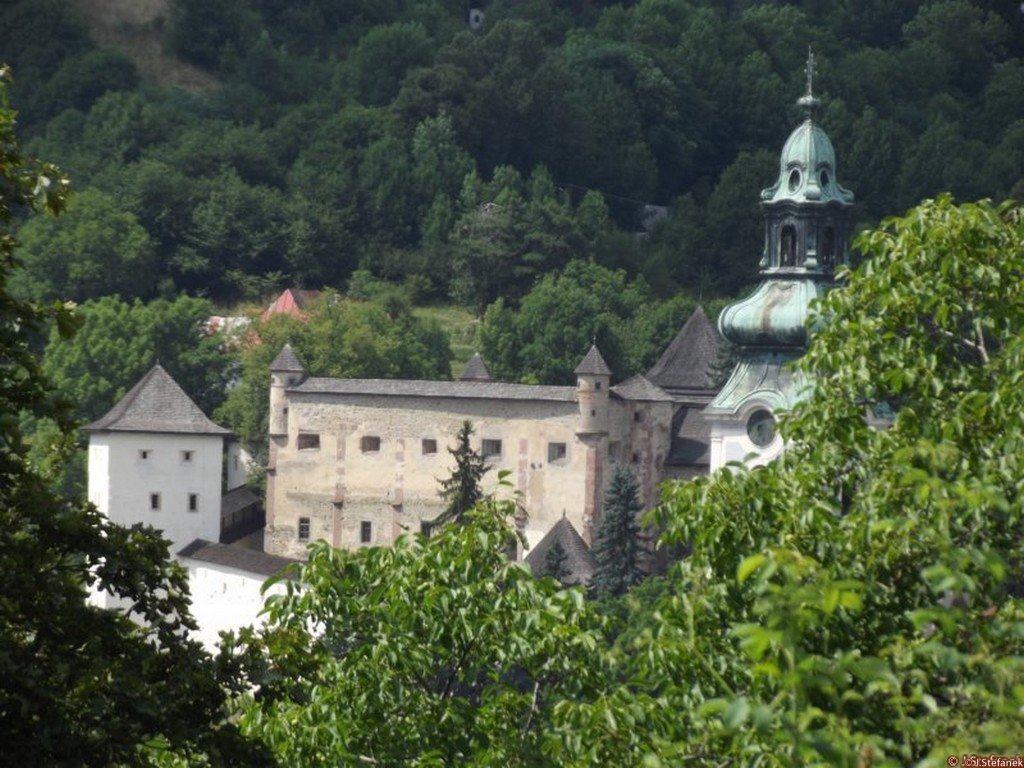
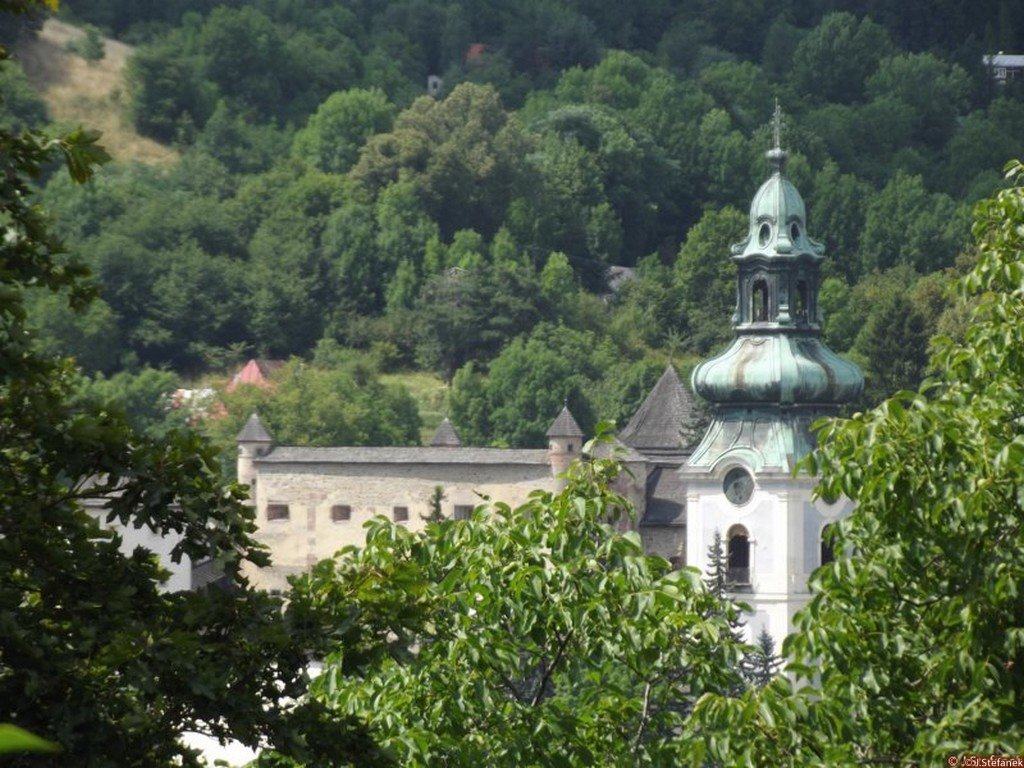
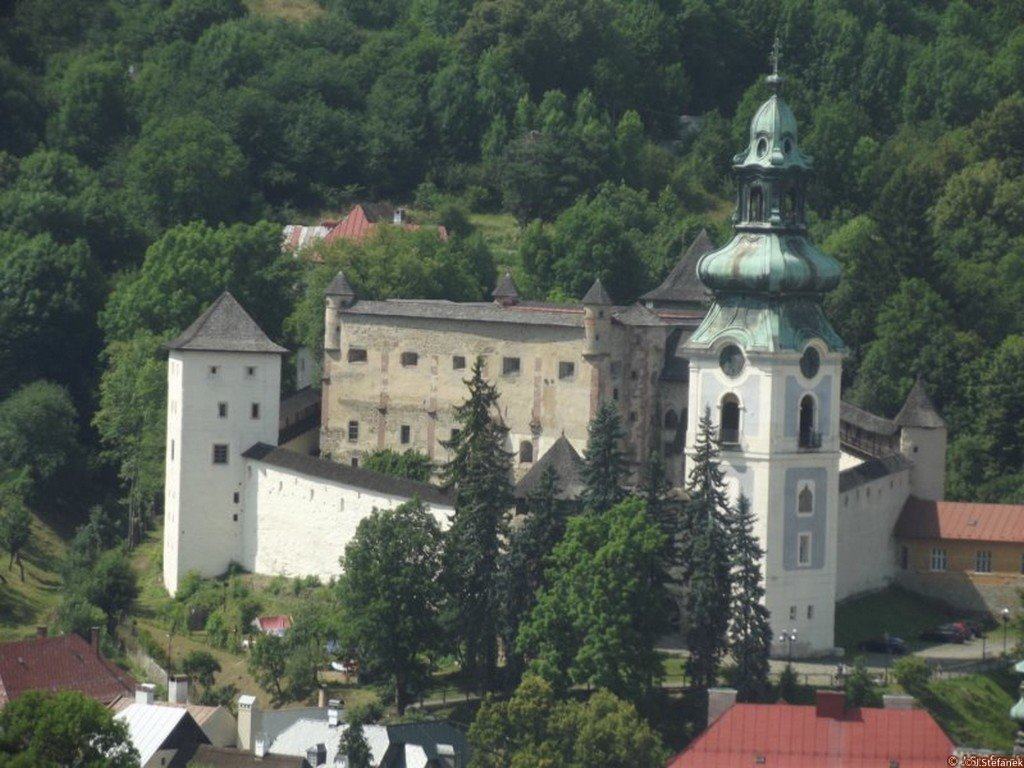
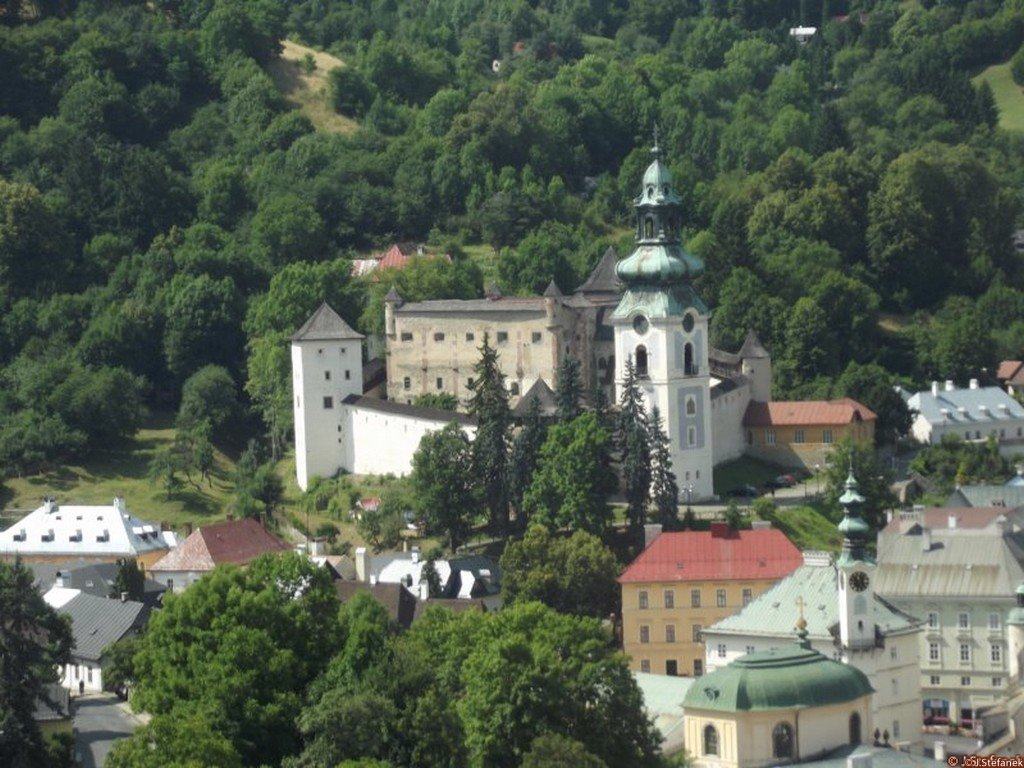
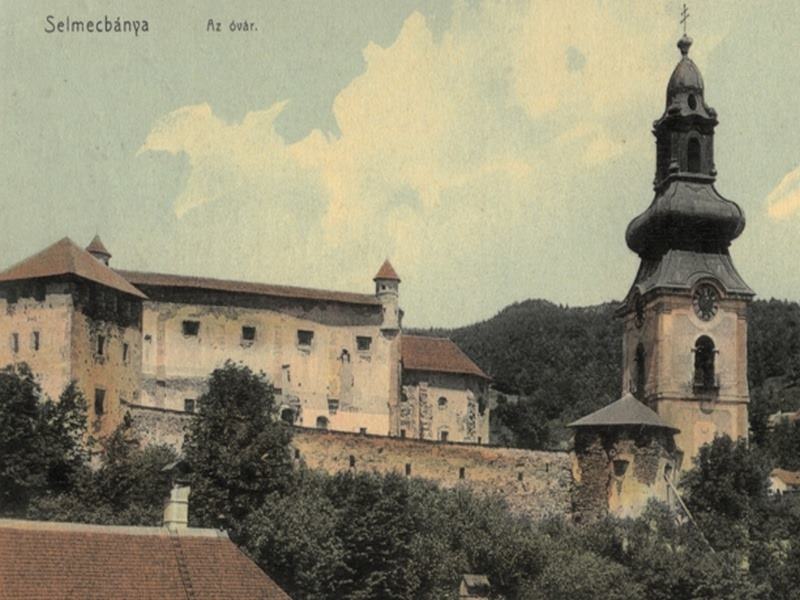
The Old Castle, which was created by the reconstruction of the fortified church, is situated at the foot of the descending ridge northwest above the Trojičné square in Banská Štiavnica
Starý zámok, ktorý vznikol prestavbou opevneného kostola, je situovaný na úpätí klesajúceho hrebeňa severozápadne nad Trojičným námestím v Banskej Štiavnici
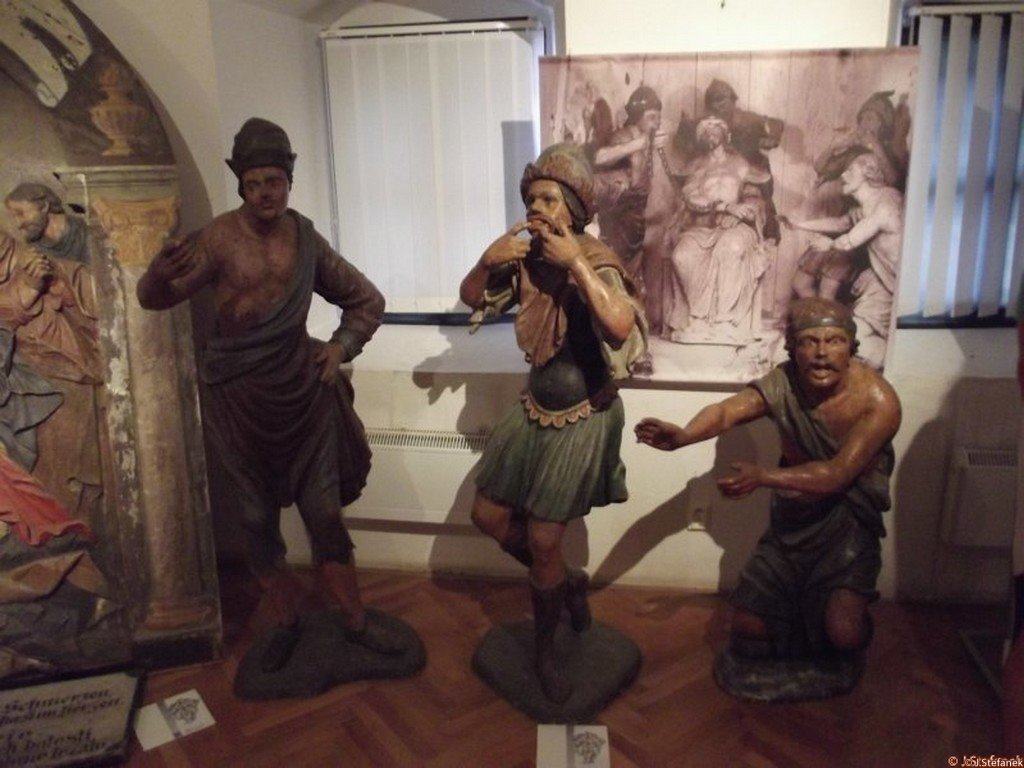
Previous names
Starý hrad, Óvár
Roads
Starý zámok (Old Castle) is one of the landmarks of Banská Štiavnica, situated above the Svätá Trojica square. On the narrow Starozámocká street we can get by car to the parking lot in front of the castle.
Starý zámok je jednou z dominant mesta Banská Štiavnica, situovaný nad námestím Svätej Trojice. Po úzkej Starozámockej ulici sa dostaneme autom až na parkovisko pred zámkom.
Description
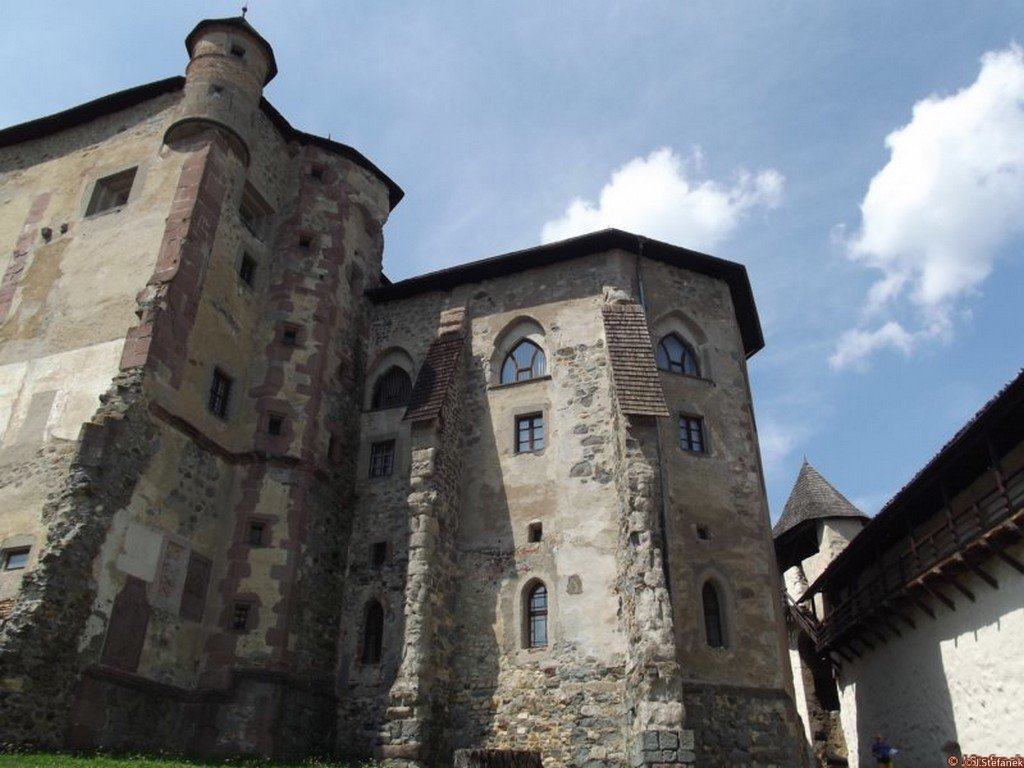
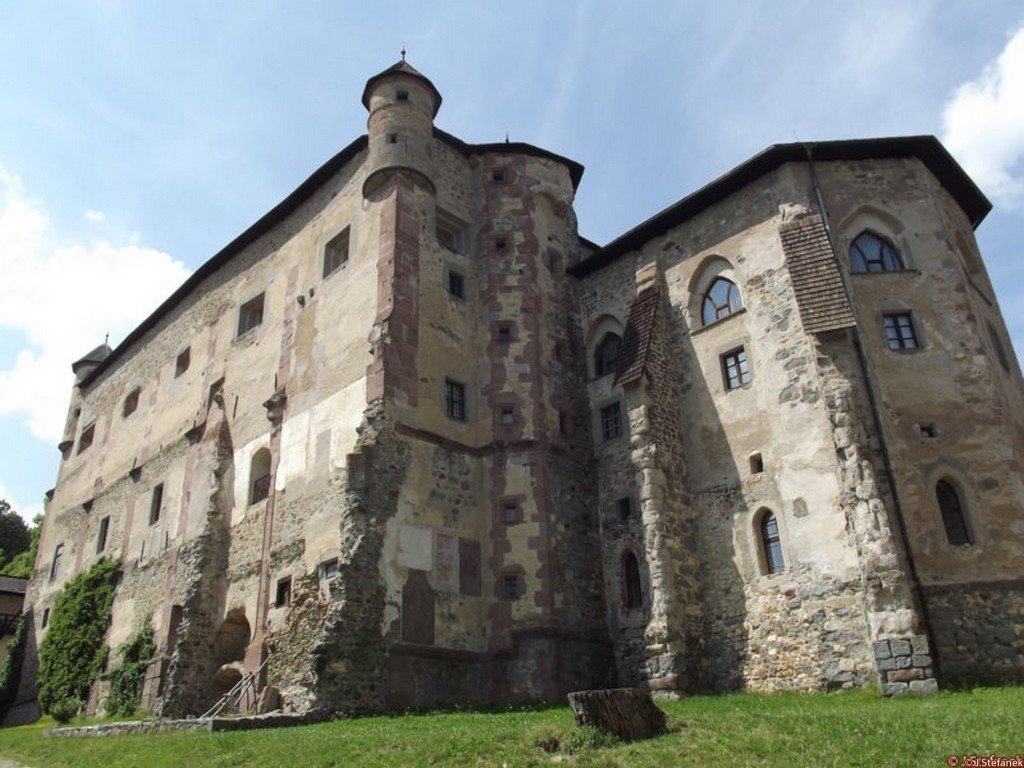
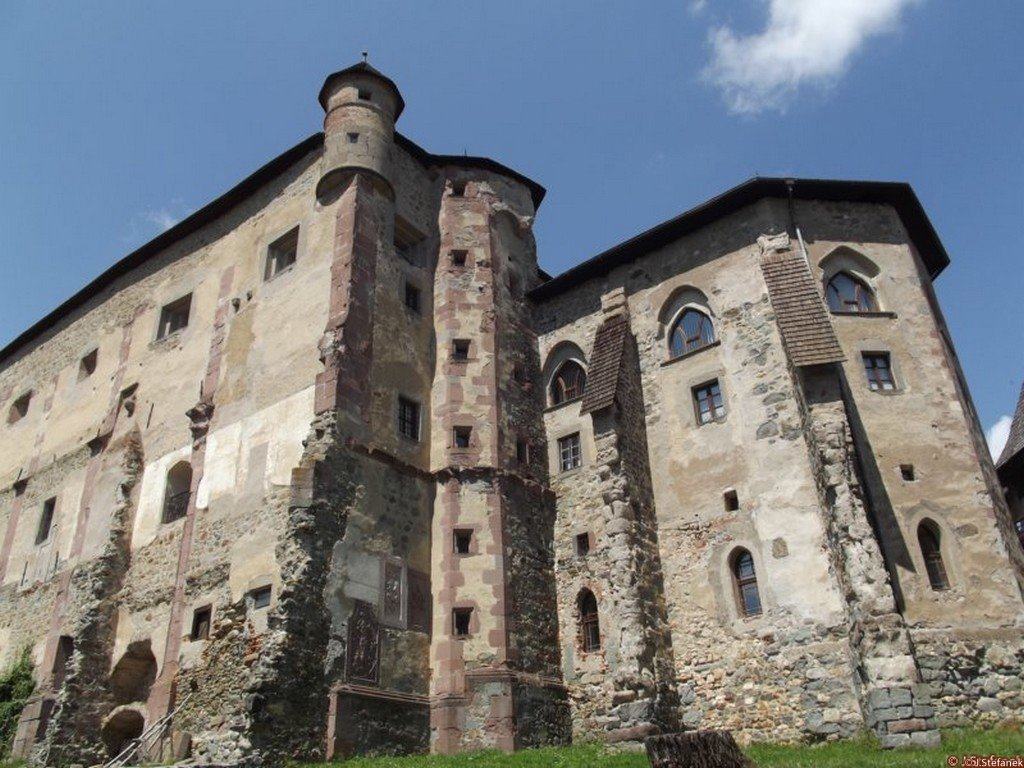
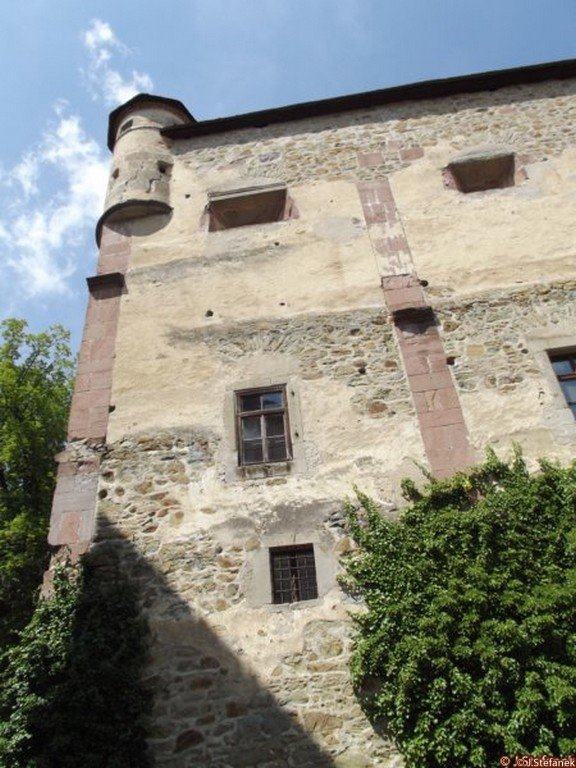
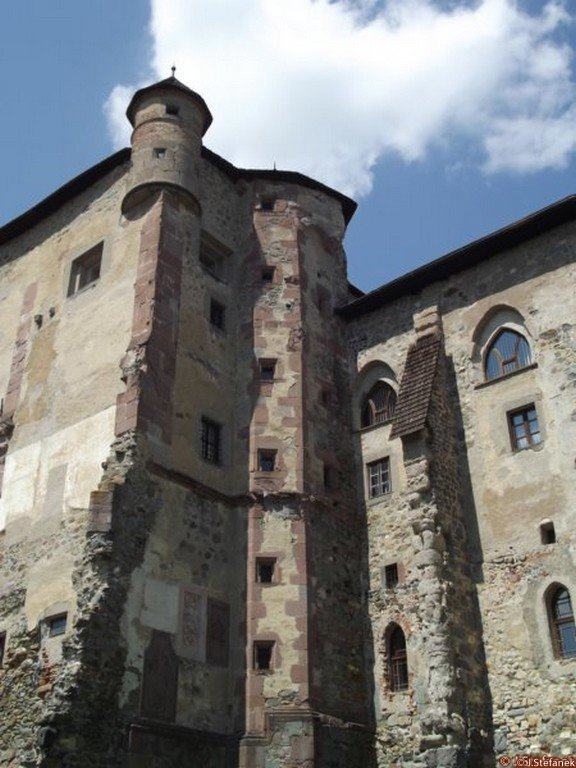
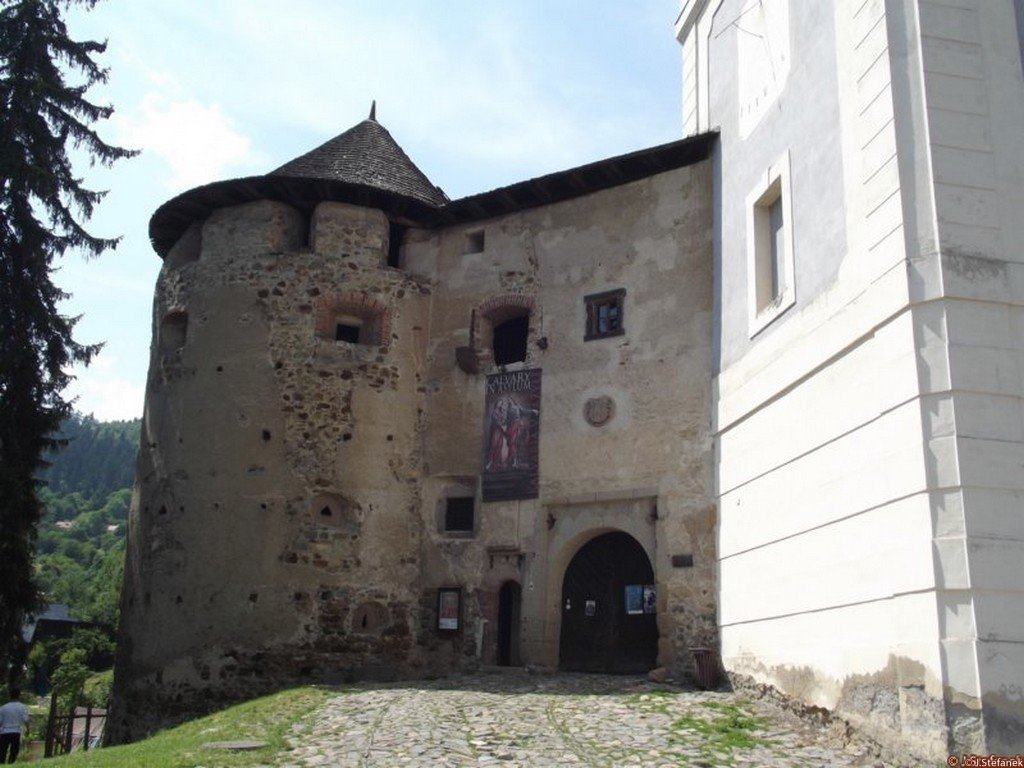
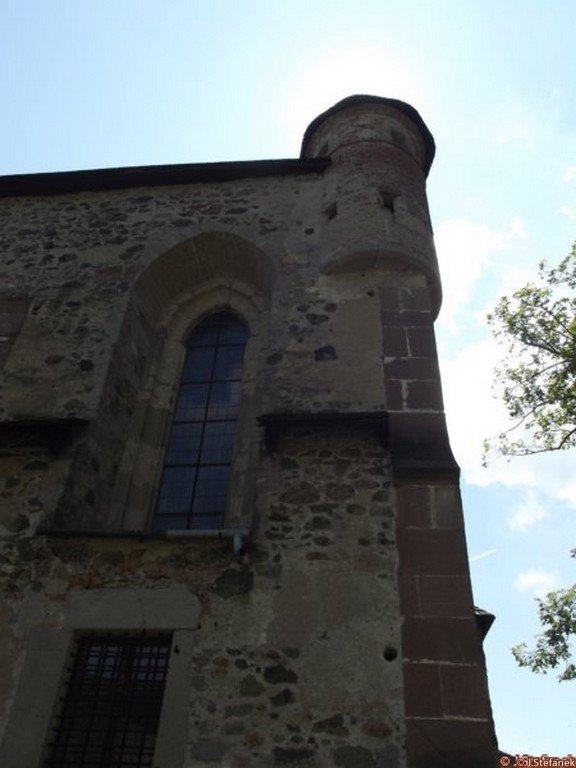
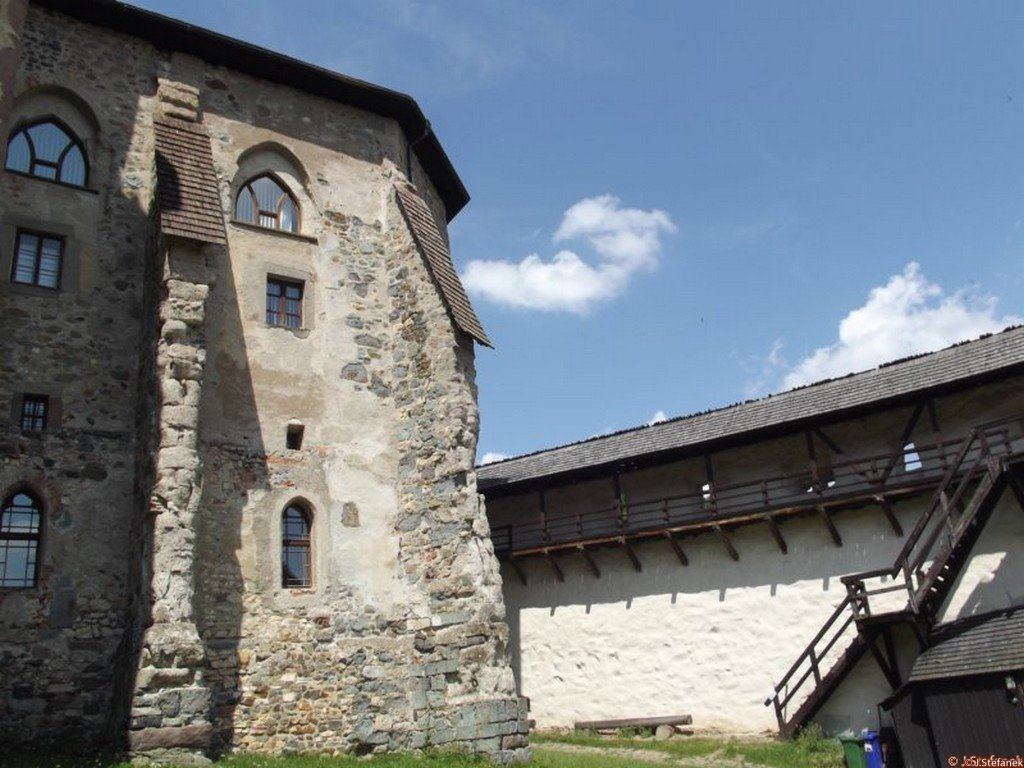
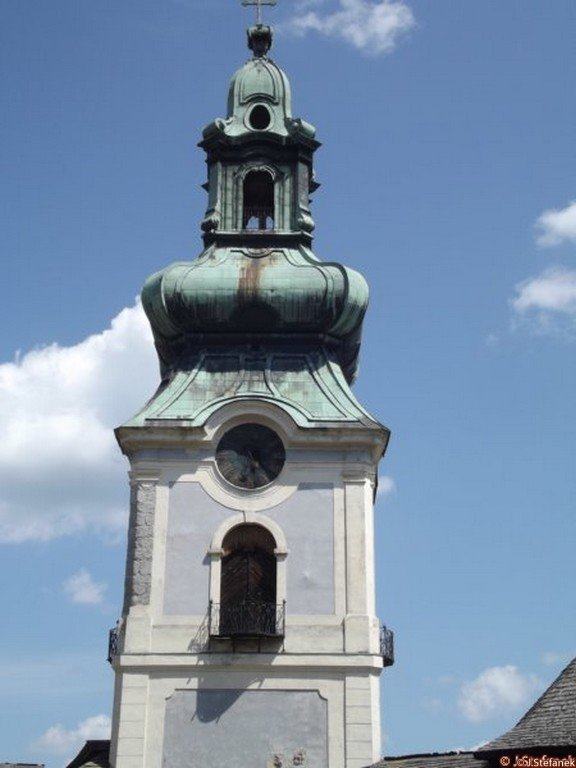
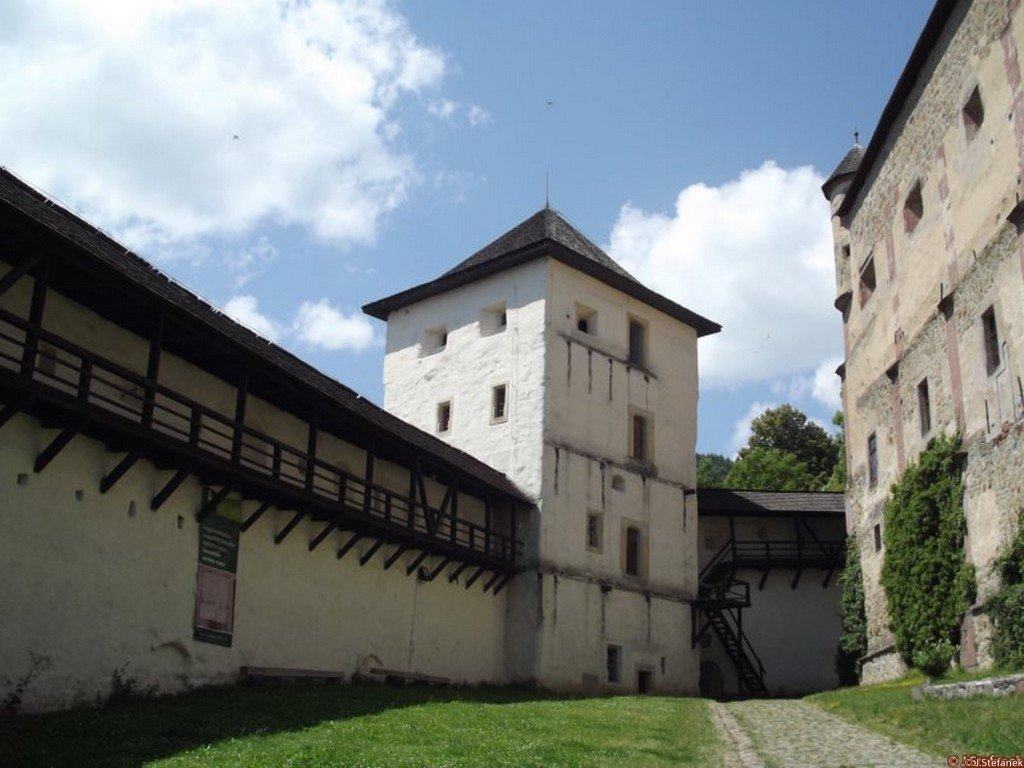
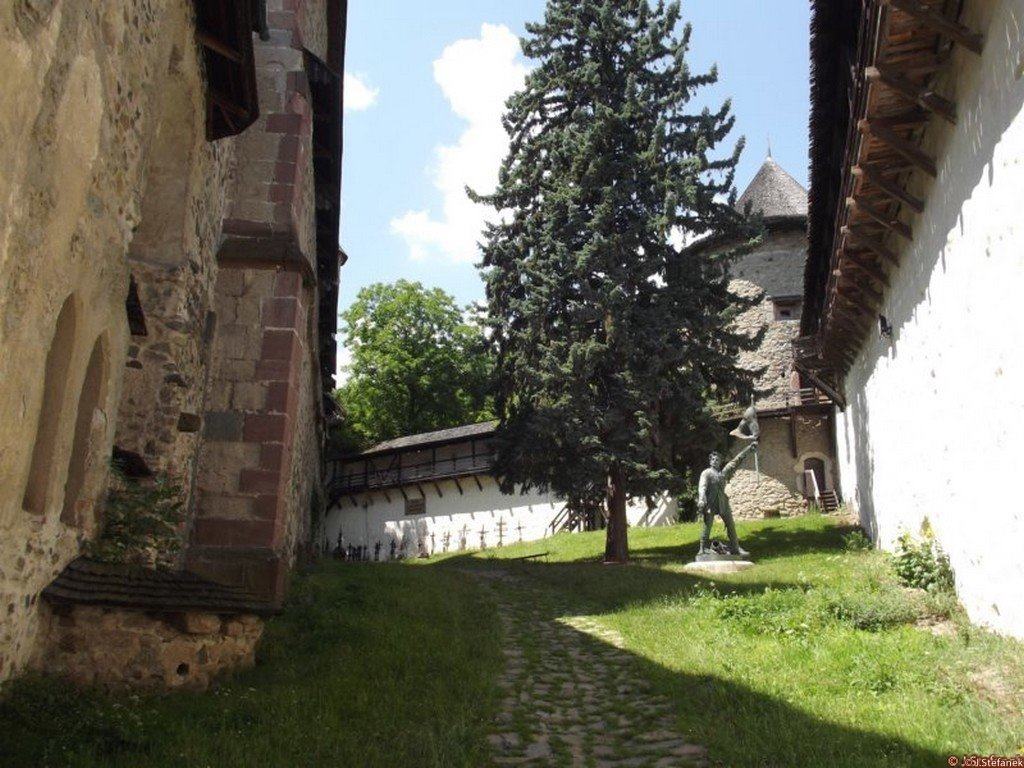
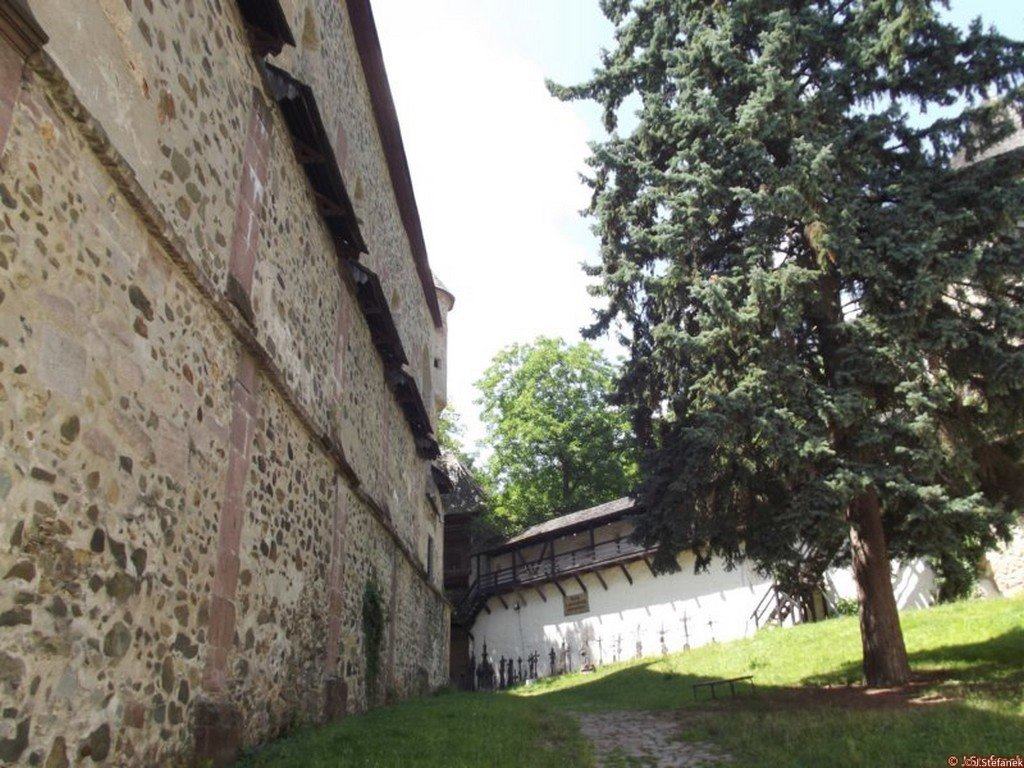
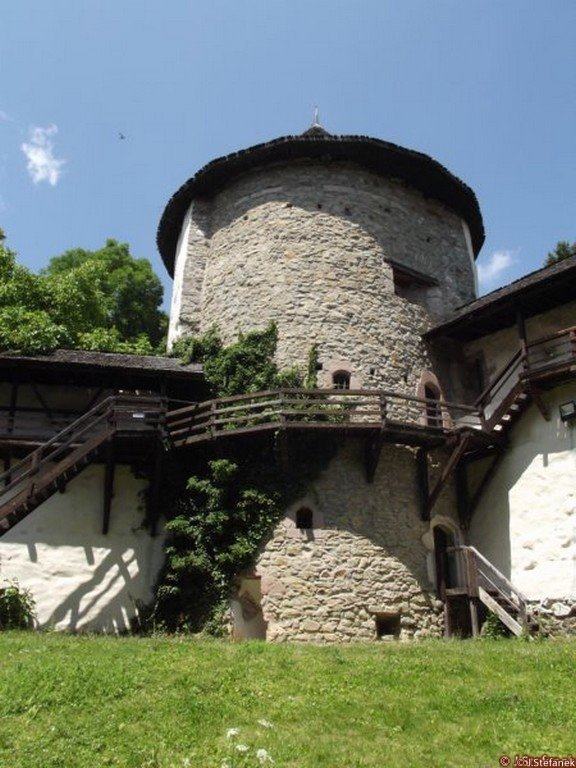
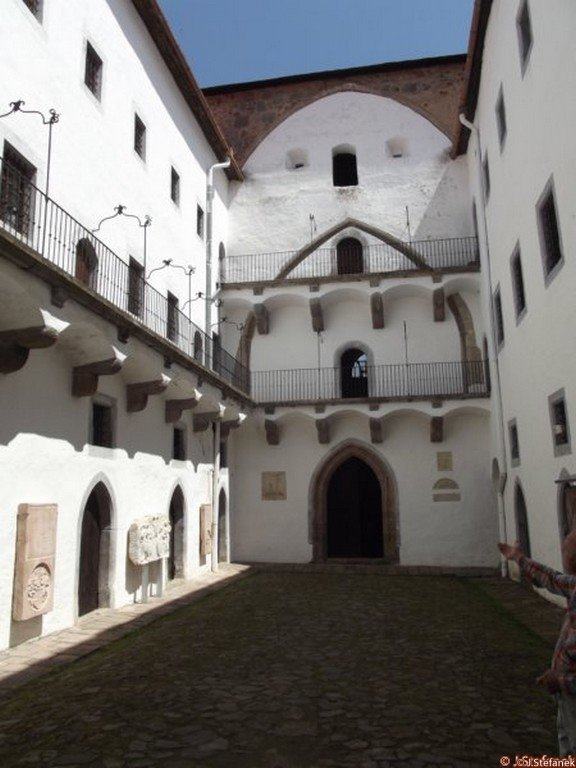
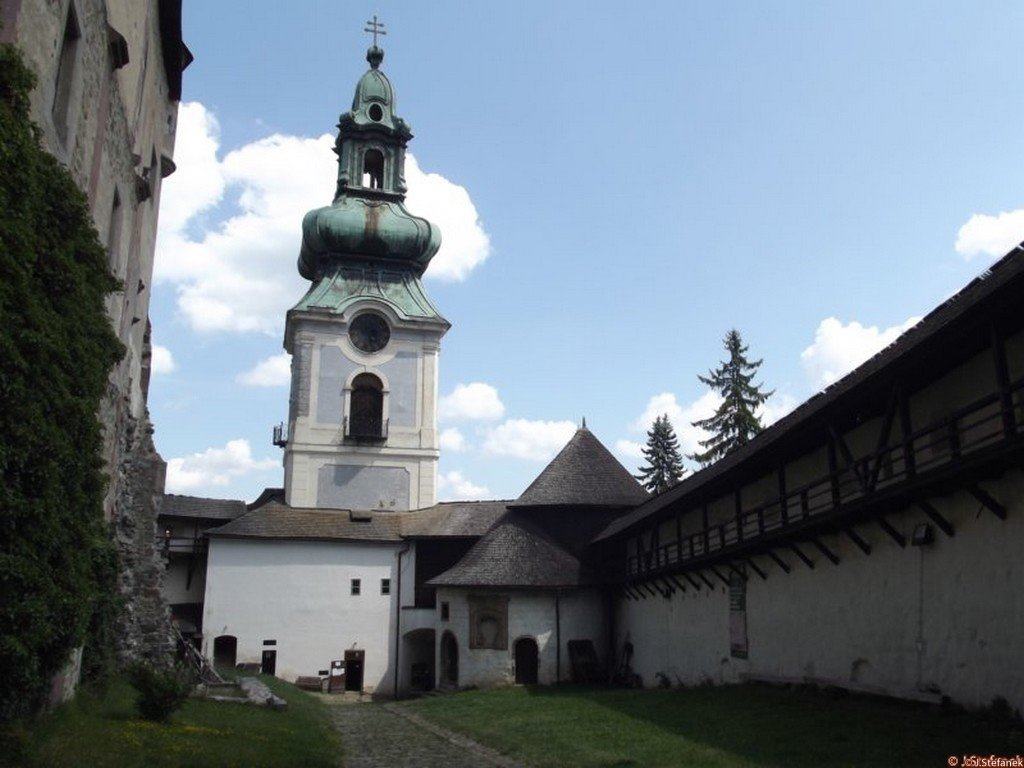
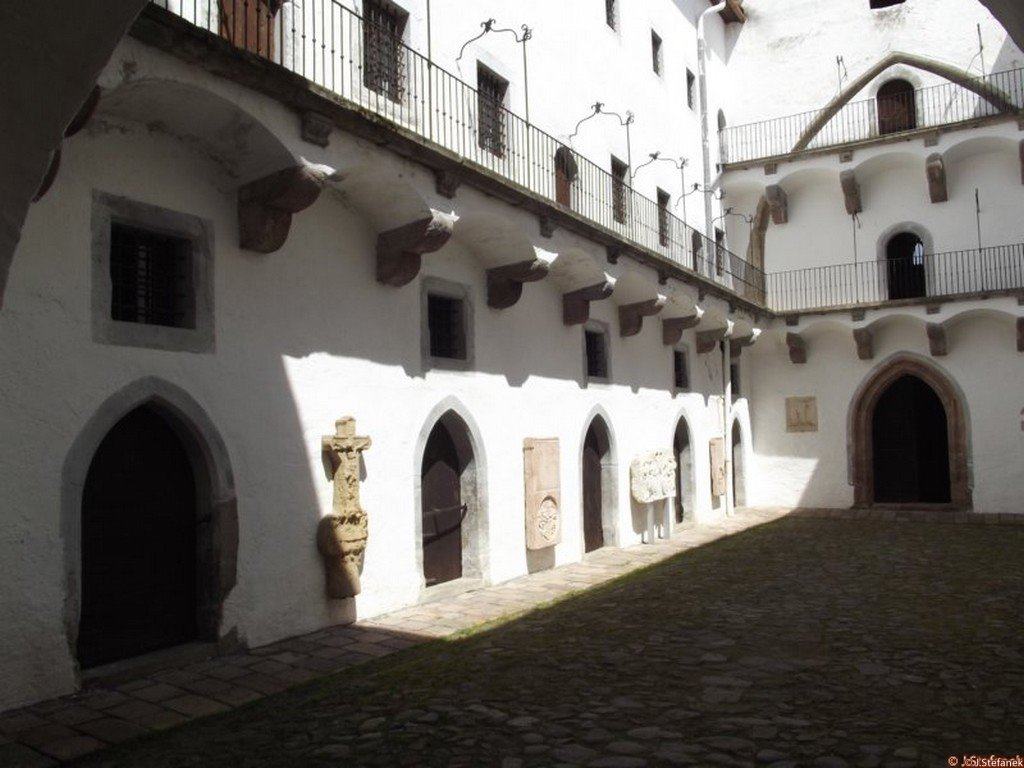
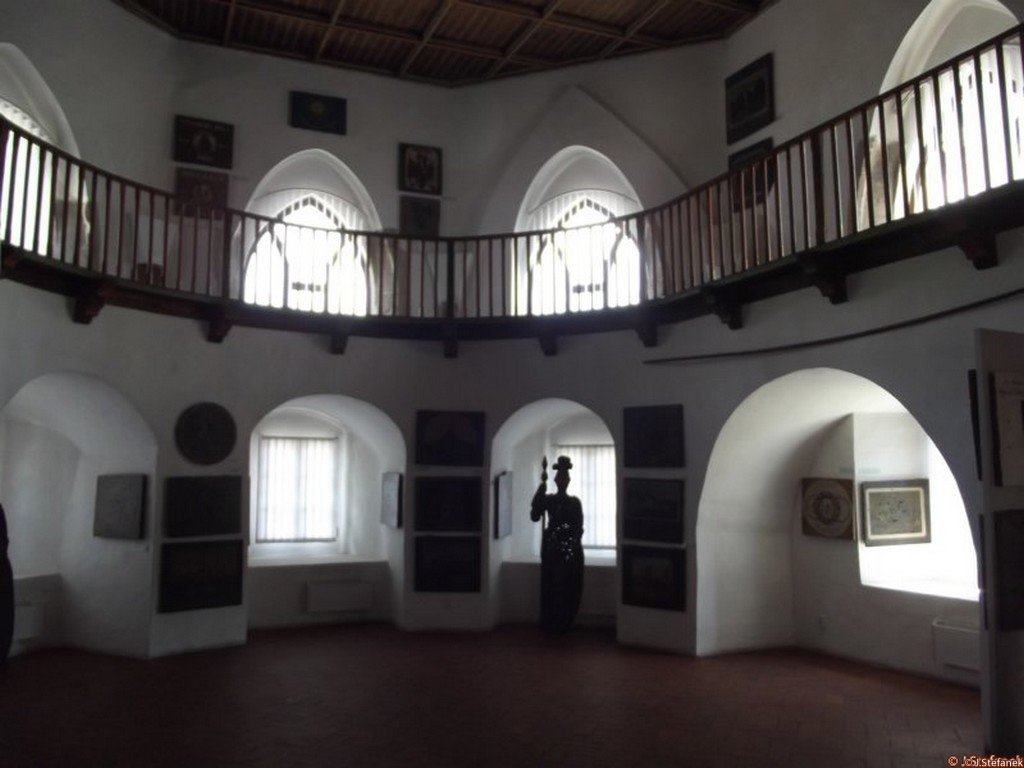
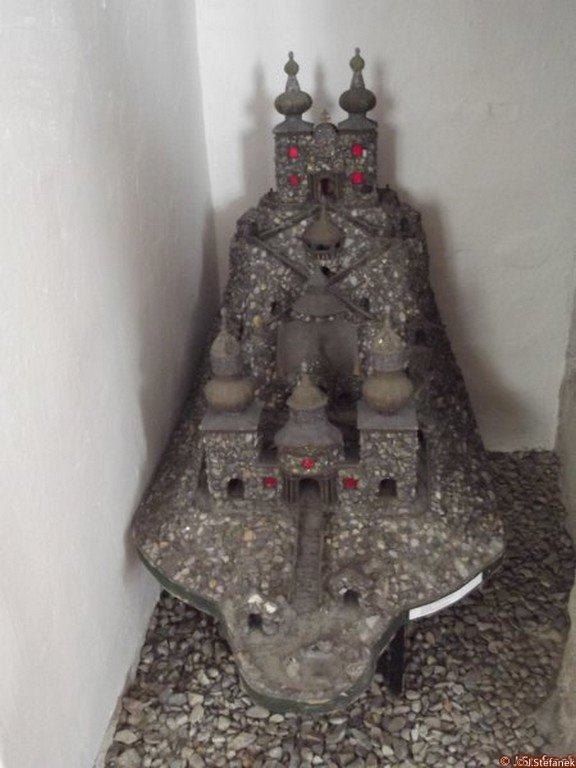
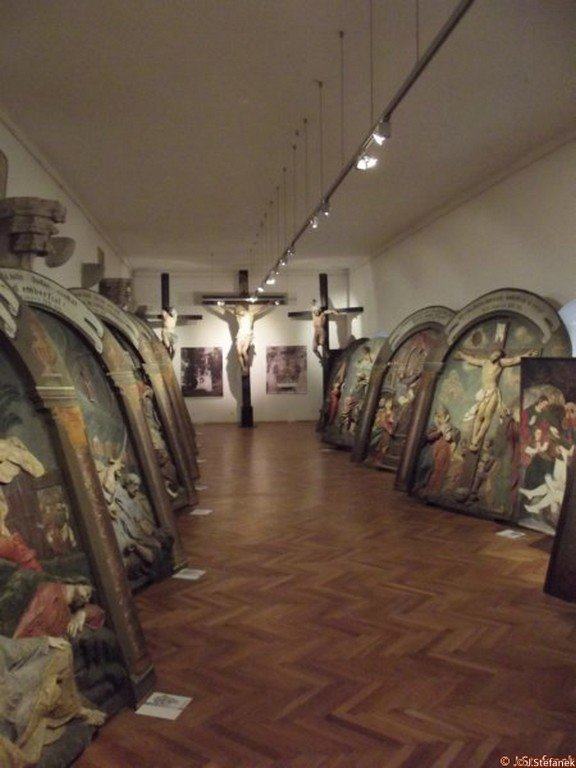
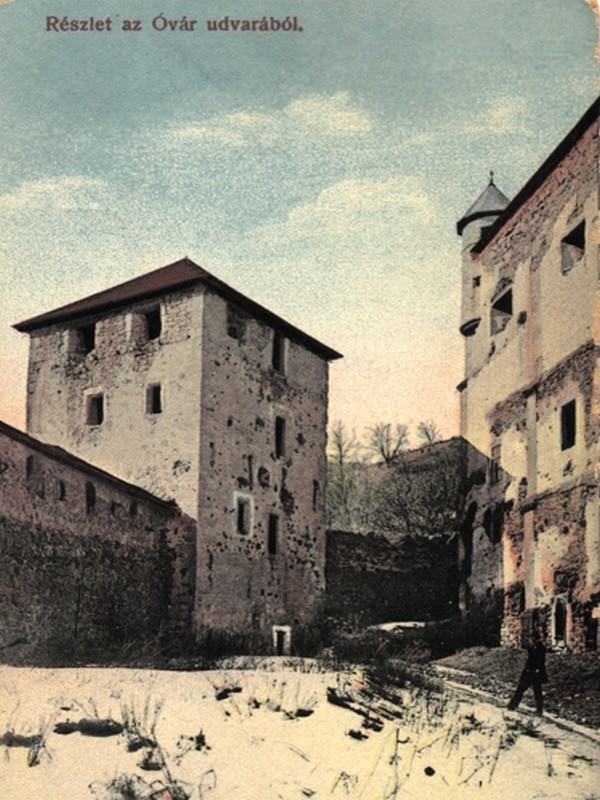
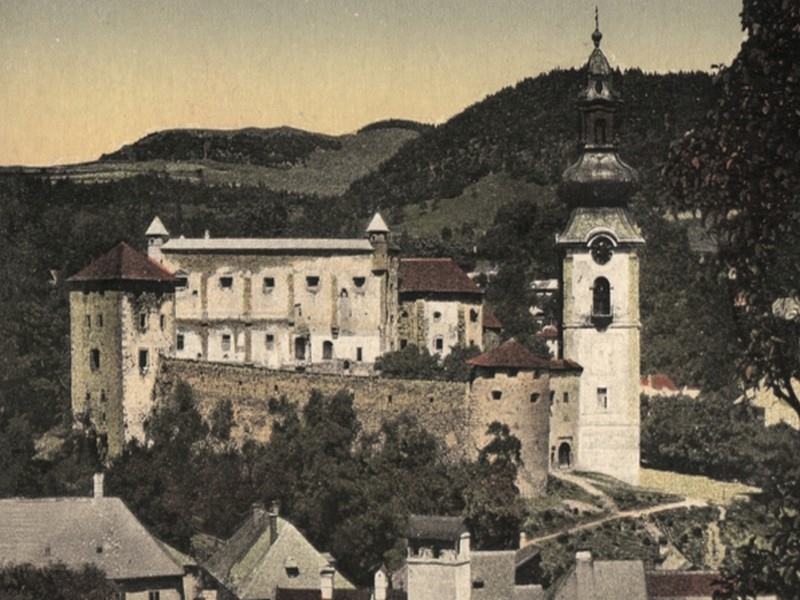
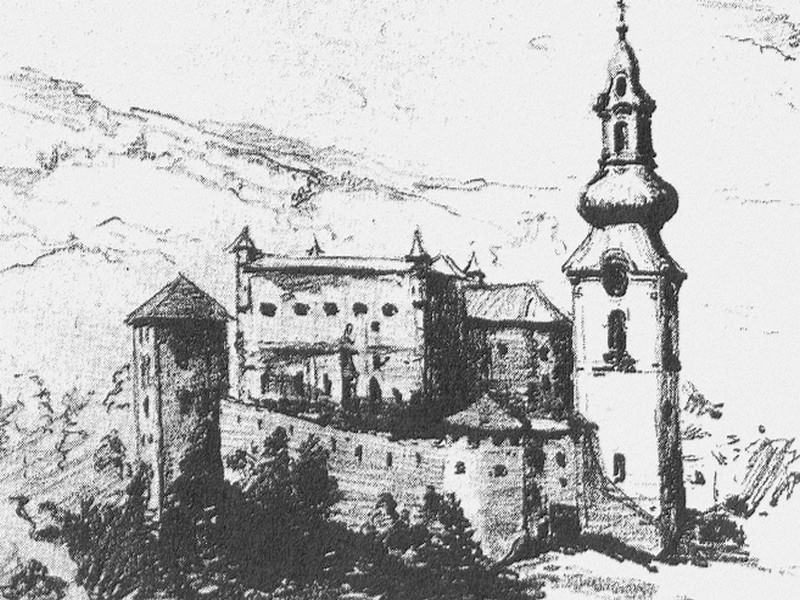
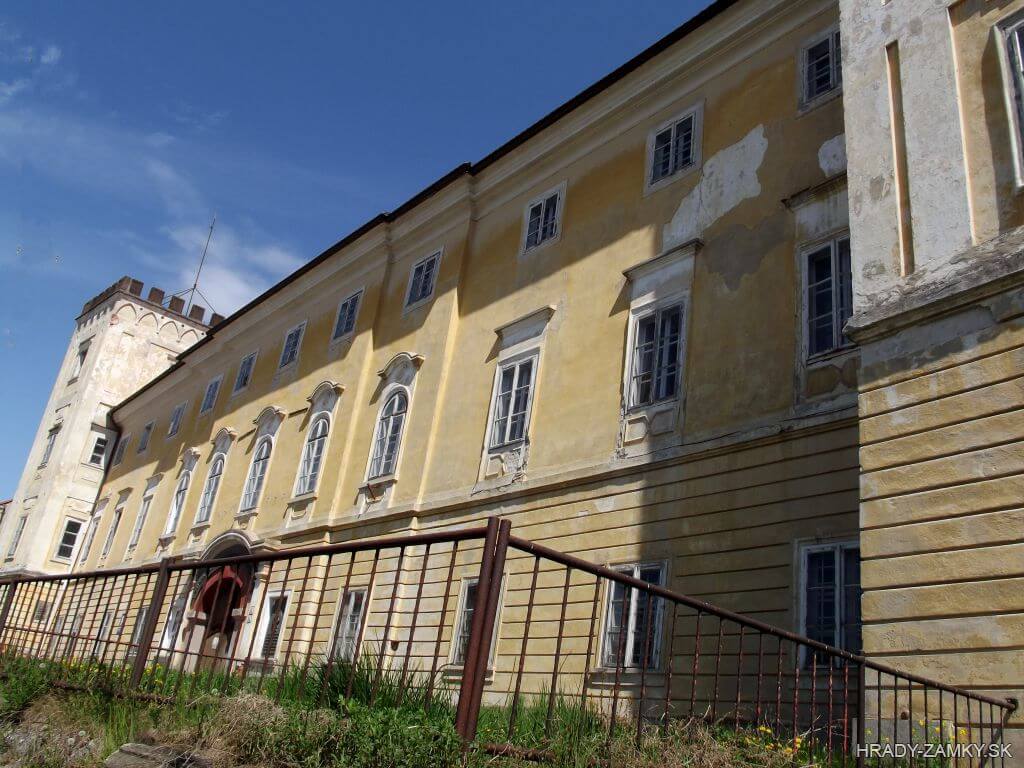
Four-wing block building with a courtyard, characterized by austere facades with cannon loopholes and tower-shaped bay windows on the corners that were part of the defense signaling system. The core of the old chateau is the original Romanesque Basilica of the Virgin Mary with three ships built before the Tartar invasion. The fortress is surrounded by massive stone fortifications with round bastions. The fortification also involved the Gothic residential tower Himmelreich, a karner and a massive prismatic gate, today highlighted by a richly profiled roof. A staircase with stone portals and fragments of wall paintings has been preserved since the Renaissance reconstruction. The remains of the Gothic church are documented by fragments of vaults, a burst, the original vaulted presbytery and a circular staircase.The exhibitions at the Old Castle represent the history of the whole Banská Štiavnica region. The old castle is an example of various building styles - from the Romanesque chapel of St. Michael to the baroque entrance tower.
Štvorkrídlová bloková stavba s nádvorím, charakteristická strohými fasádami s delovými strieľňami a vežovitými arkiermi na nárožiach, ktoré boli súčasťou signalizačného systému obrany. Jadrom starého zámku je pôvodná románska Bazilika Panny Márie s troma loďami postavená ešte pred tatárskym vpádom. Pevnosť je obohnaná mohutným kamenným opevnením s kruhovými baštami. Do opevnenia bola zapojená aj gotická obytná veža Himmelreich, karner a mohutná hranolovitá brána, dnes zvýraznená bohato profilovanou strechou. Z čias renesančnej prestavby sa zachovalo schodište s kamennými portálmi a fragmenty nástenných malieb. Zvyšky gotického kostola dokumentujú fragmenty klenieb, prípor, pôvodné klenuté presbytérium a kruhové schodište.Expozície na Starom zámku predstavujú návštevníkom históriu celého banskoštiavnického regiónu. Starý zámok je ukážkou rôznych stavebných štýlov – od románskej kaplnky sv. Michala, až po barokovú vstupnú vežu.
Plan
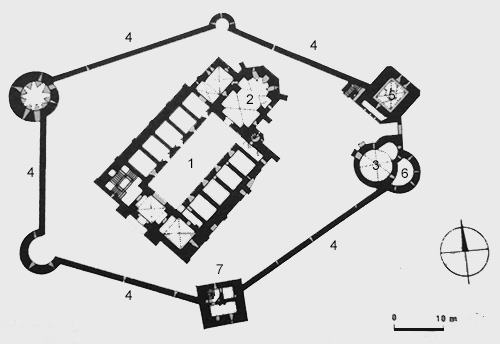
Legend to the ground plan
- 1 - inner courtyard
- 2 - chapel
- 3 - Romanesque carner
- 4 - outer fortification with bastions
- 5 - town bell tower
- 6 - cannon bastion
- 7 - bastion HimmelreichsSource: PLAČEK M.
- BÓNA M.
- Encyklopédia slovenských hradov
Legenda k pôdorysu
- 1 - vnútorné nádvorie
- 2 - kaplnka
- 3 - románsky karner
- 4 - vonkajšie opevnenie s baštami
- 5 - mestská zvonica
- 6 - delová bašta
- 7 - bašta HimmelreichZdroj: PLAČEK M.
- BÓNA M.
- Encyklopédia slovenských hradov
History
The importance of the town of Banská Štiavnica before the Tartar invasion is also evidenced by the existence of two monumental church buildings - the Dominican Church on the lower edge of the medieval town and the parish church, a three-nave Romanesque basilica built in the cemetery with a Romanesque carner between two valleys. The town, which had belonged to the property of Hungarian queens since 1424 and which supported the queen widow Elizabeth and the interests of her underage son Ladislav Pohrobek in the dynastic struggles after the death of King Albrecht, was attacked in May 1442 by the troops of its opponents headed by Simon Rozgonyi. Banská Štiavnica was looted and burned. A year later, the city was hit by an earthquake. The inhabitants thought more and more about their safety and fortified the parish church of the Virgin Mary with a wall reinforced with bastions.
In the years 1495 to 1515, the church was rebuilt into a basilica and the fortifications were added round bastions and cannon openings. The fortifications were supplemented by a moat and a rampart, which were completed after an increase in the Turkish threat, which also changed the entire reconstruction of the complex. A significant strengthening of the walls of the basilica created a defensive fortress - a town castle, which was to protect the mining town.
In the 1660s, further modifications were made and the last significant work on the defense complex was carried out in 1777, when the entrance tower was rebuilt. In the 19th century, when the original function of the fortress no longer existed, part of it served the needs of the city archives, library, city police, but also as a butcher's ice house or gym. Since 1900, the Old Castle has served as a city museum and the complex has been a national cultural monument since 1950.
Význam mesta Banská Štiavnica pred tatárskym vpádom dokladá aj existencia dvoch monumentálnych cirkevných stavieb - kostola dominikánov na dolnom okraji stredovekého mesta a farského kostola, trojloďovej románskej baziliky postavenej v areáli cintorína s románskym karnerom medzi dvoma údoliami. Mesto, ktoré od r.1424 patrilo medzi majetky uhorských kráľovien a ktoré v dynastických bojoch po smrti kráľa Albrechta podporovalo kráľovnú vdovu Alžbetu a záujmy jej maloletého syna Ladislava Pohrobka, v máji 1442 prepadli vojská jej odporcov na čele so Šimonom Rozgonyim. Banskú Štiavnicu vyplienili a vypálili. O rok neskôr mesto zasiahlo i zemetrasenie. Obyvatelia čoraz viac mysleli na svoju bezpečnosť a farský kostol Panny Márie opevnili hradbou zosilnenou baštami.
V rokoch 1495 až 1515 bol kostol prestavaný na baziliku a opevneniu pribudli oblé bašty a strieľňové otvory na delá. Opevnenie dopĺňala priekopa a val, ktoré boli dobudované po zvýšení tureckého ohrozenia, ktoré zároveň zmenilo celú prestavbu komplexu. Výrazným spevnením múrov baziliky vznikla obranná pevnosť – mestský hrad, ktorý mal chrániť banské mesto.
V 60. rokoch 16. storočia boli vykonané ďalšie úpravy a posledné výraznejšie práce na obrannom komplexe boli vykonané v roku 1777, kedy bola prestavaná vstupná veža. V 19. storočí, kedy už pôvodná funkcia pevnosti pominula, slúžila jej časť pre potreby mestského archívu, knižnice, mestskej polície, ale aj ako ľadovňa mäsiarov či telocvičňa. Od r.1900 slúži Starý zámok ako mestské múzeum a komplex je od roku 1950 národnou kultúrnou pamiatkou.
Myths and legends
Himmelreich
The premises of the Himmelreich prismatic tower, incorporated into the outer fortifications, contrary to the name - translated as the kingdom of heaven, were used as a prison and torture chamber.
Lost women
The Templars settled in Banská Štiavnica. They rebuilt their monastery into a castle and took care of the security of the city. People respected them. Soon there was no hearing of thefts, raids or other robberies. It was all the more surprising when one day the townspeople began to lose their daughters. They sought them in vain, along with the Templars. They found no sign of them anywhere. Only once in the church in the Old Castle did a beggar fall asleep. It was night when he was awake from a dream and noticed a red monk descending into the underground by candlelight with a basket full of food. Burning with curiosity, he looked behind him and ran to City Hall in the morning to announce what he had seen. The Templars kept the lost women in a crypt under the altar. Pretending to free them from the hands of the kidnappers, they wanted to exchange them for gold. Outraged townspeople saved the poor, hanged the command of the Templars, expelled the other red monks from Banská Štiavnica and used their seat as a town castle.
Himmelreich
Priestory hranolovej veže Himmelreich, včlenenej do vonkajšieho opevnenia, v rozpore s pomenovaním - v preklade kráľovstvo nebeské, bývali využité ako väzenie a mučiareň.
Stratené ženy
V Banskej Štiavnici sa usadili templári. Svoj kláštor prestavali na zámok a starali sa o bezpečnosť mesta. Ľudia ich mali v úcte. Onedlho tu nebolo počuť o krádežiach, prepadoch ani iných zbojstvách. Tým viac prekvapilo, keď sa jedného dňa začali mešťanom strácať dcéry. Nadarmo ich spolu s templármi hľadali. Nikde po nich nenašli ani stopy. Až raz v kostole v Starom zámku zaspal akýsi žobrák. Bola už noc, keď precitol zo sna a zbadal červeného mnícha ako pri svetle sviečky s košíkom plným jedla zostupuje do podzemia. Horiac od zvedavosti nazrel za ním a ráno bežal do radnice oznámiť, čo videl. Templári držali stratené ženy v krypte pod oltárom. Predstierajúc ich oslobodenie z rúk únoscov ich chceli vymeniť za zlato. Rozhorčení mešťania úbožiačky zachránili, komtúra templárov obesili, ostatných červených mníchov z Banskej Štiavnice vyhnali a ich sídlo využili ako mestský hrad.
Useful information
Opening hours and admission
Otváracia doba a vstupné
External links
Nearby castles
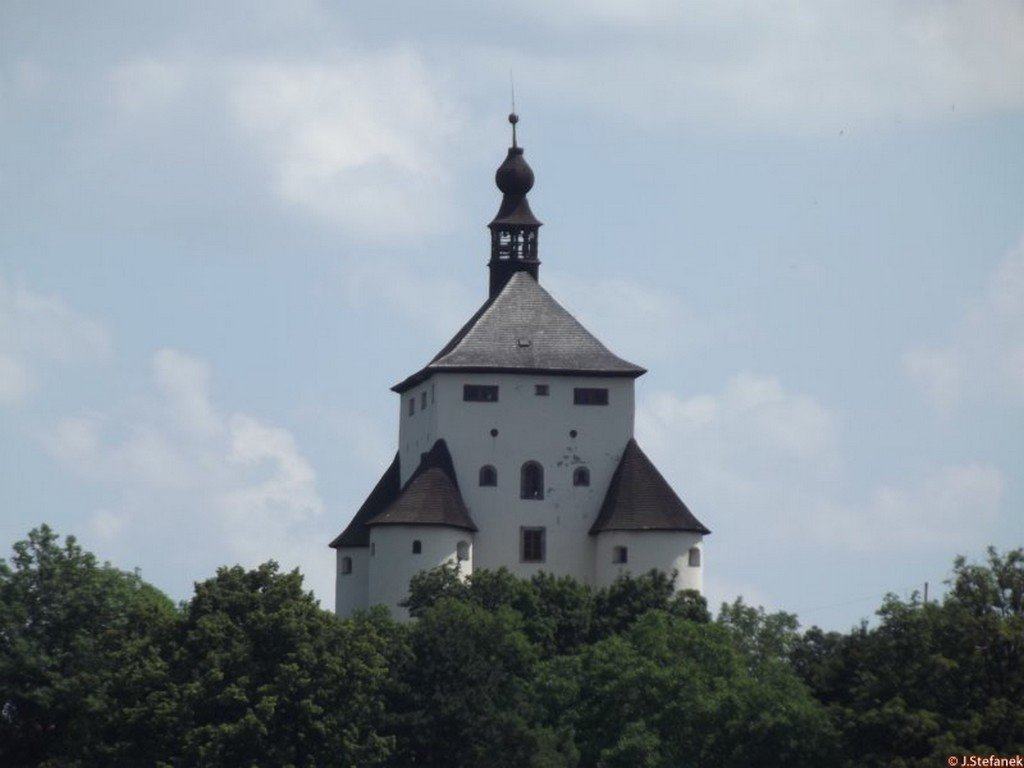
Nový Zámok
Banská Štiavnica
0.6km
watchtower
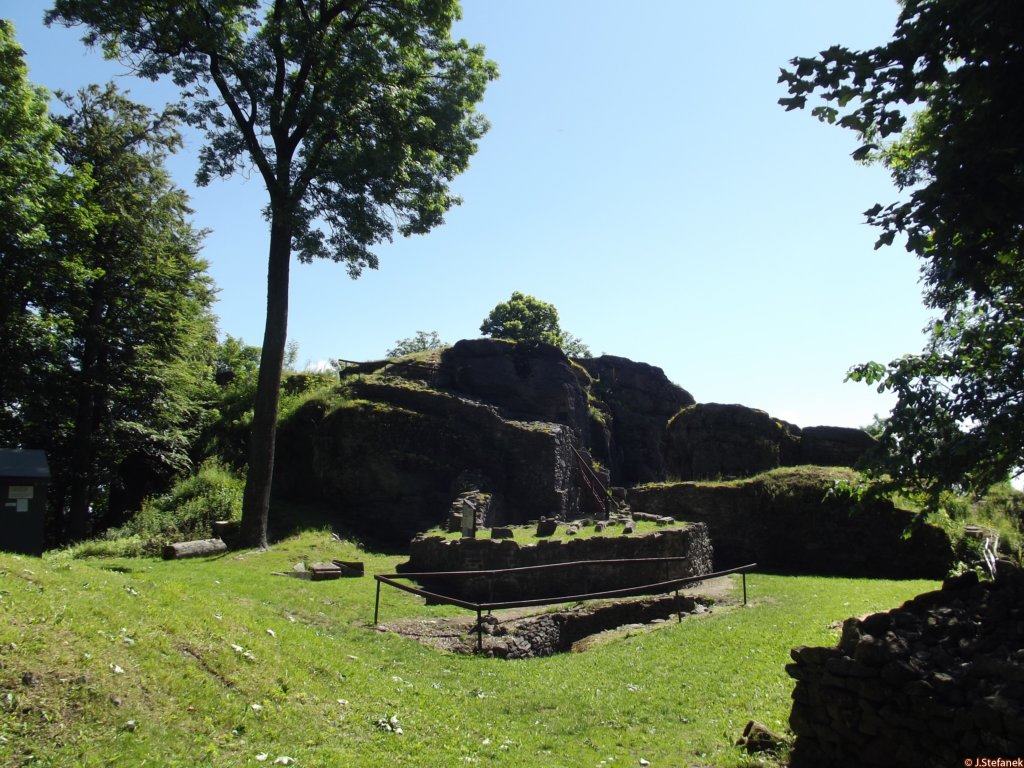
Sitno
Ilija
6.5km
castle ruin
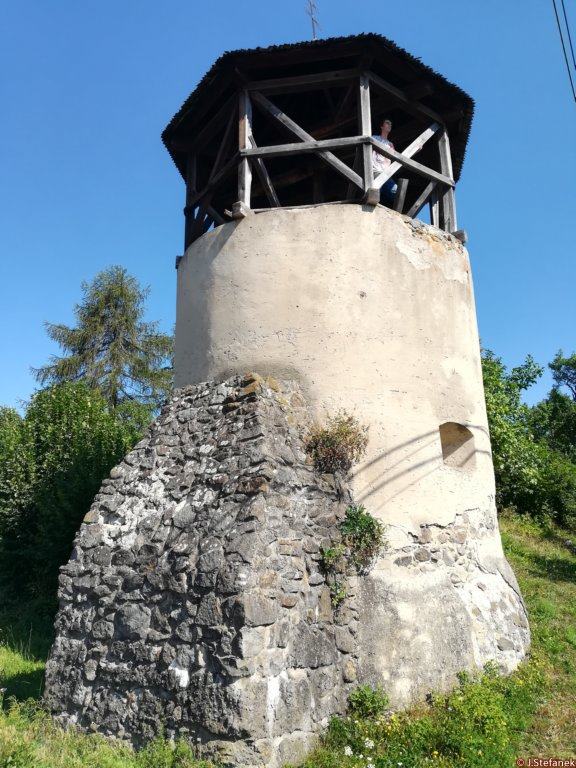
Žibritov
Žibritov
10.1km
watchtower
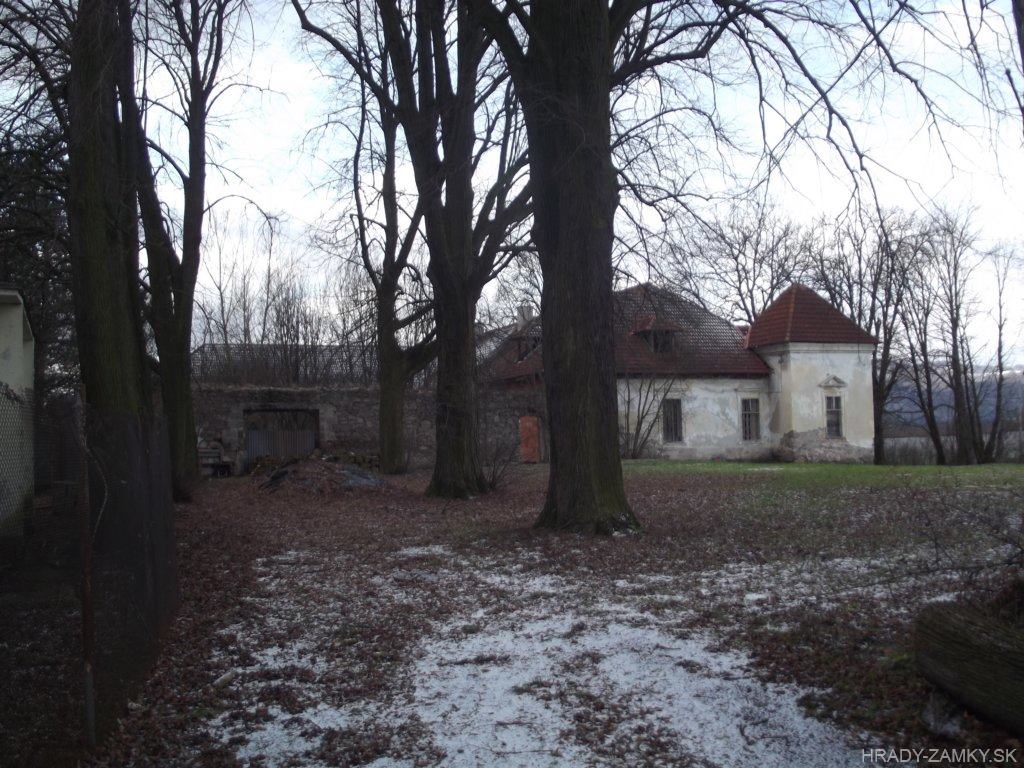
Hliník nad Hronom
Hliník nad Hronom
12.2km
manor, mansion
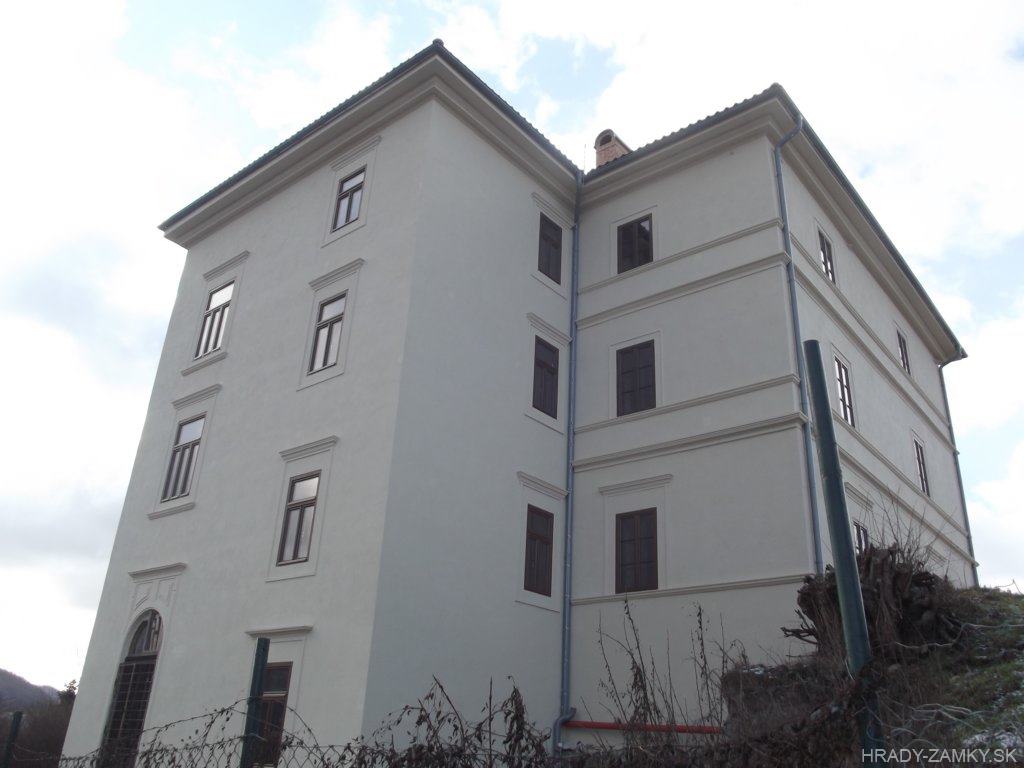
Žarnovica
Žarnovica
12.9km
manor, mansion
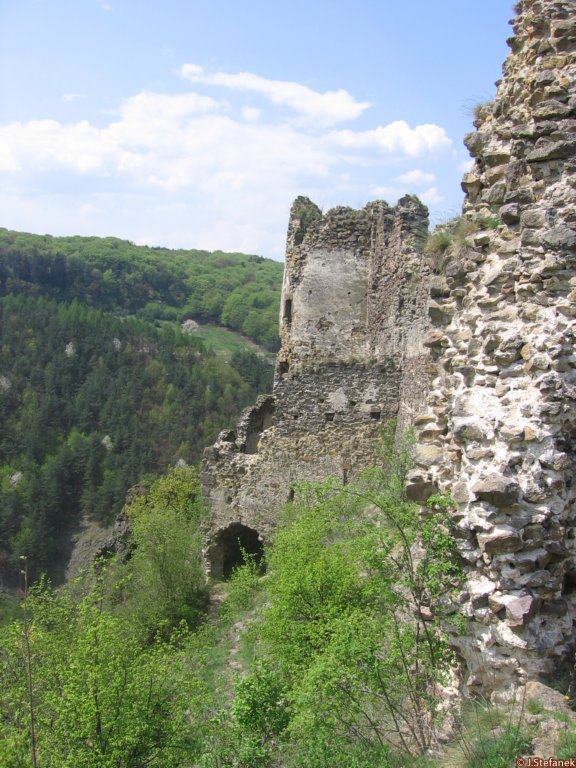
Šášov castle
Šášovské Podhradie
13.3km
castle ruin
Žiar nad Hronom
Žiar nad Hronom
14.1km
manor, mansion