Šášov castle
Šášovské Podhradie Banská Bystrica county Slovakia
castle ruin
Šášov
Šášovské Podhradie Banskobystrický kraj Slovakia
zrúcanina hradu
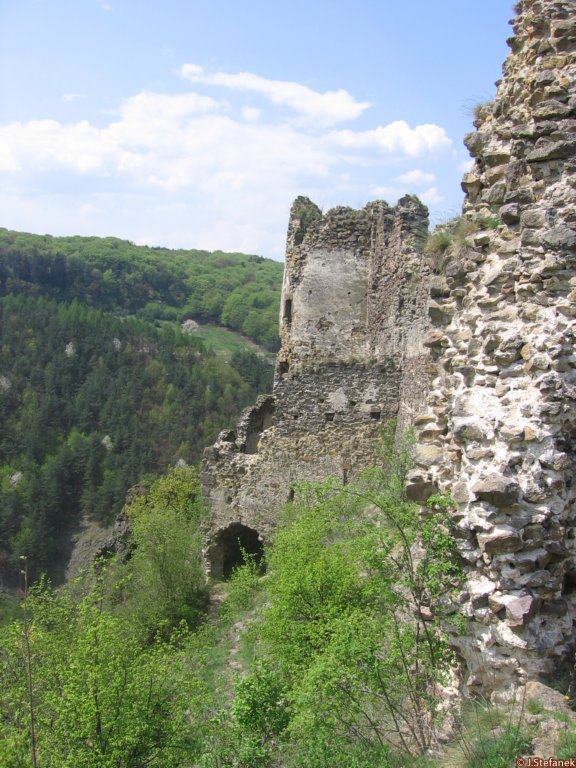
The ruins of the castle are situated in the outskirts of the Štiavnické vrchy hills on a steep, left bank rock directly above the valley of the river Hron. Located in the village Šášovské Podhradie
Zrúcanina hradu je situovaná v okrajovej polohe Štiavnických vrchov na strmom, ľavobrežnom brale priamo nad dolinou rieky Hron. Nachádza sa v obci Šášovské Podhradie
Previous names
Susal, castrum de Susol, Saasku, castrum Saaskw, Sassow, Saskő, Szászkő, Sachsenstein
Roads
The ascent to the Šášov castle begins right in the village of Šášovské Podhradie, where there are a few parking spaces next to the building in which the museum is established. From there, a green marked hiking trail leads to the castle.
Výstup k hradu Šášov začína priamo v obci Šášovské Podhradie, kde je pár miest na parkovanie popri budove, v ktorom je zriadené i múzeum. Odtiaľ vedie na hrad zeleno značená turistická trasa.
Description
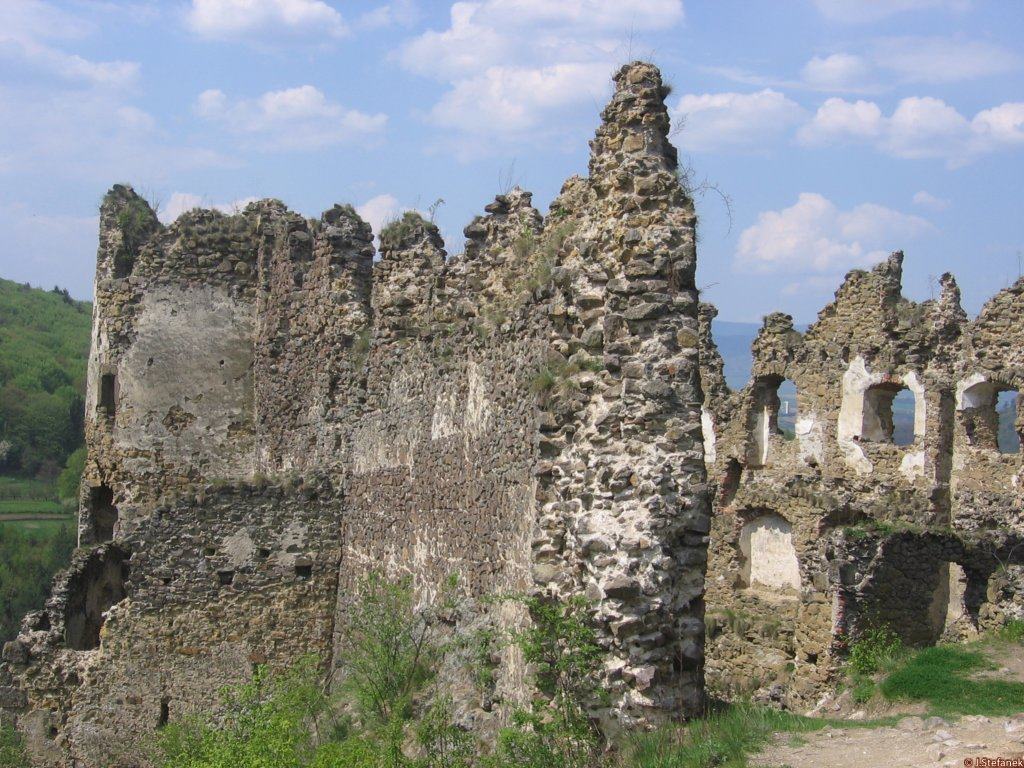
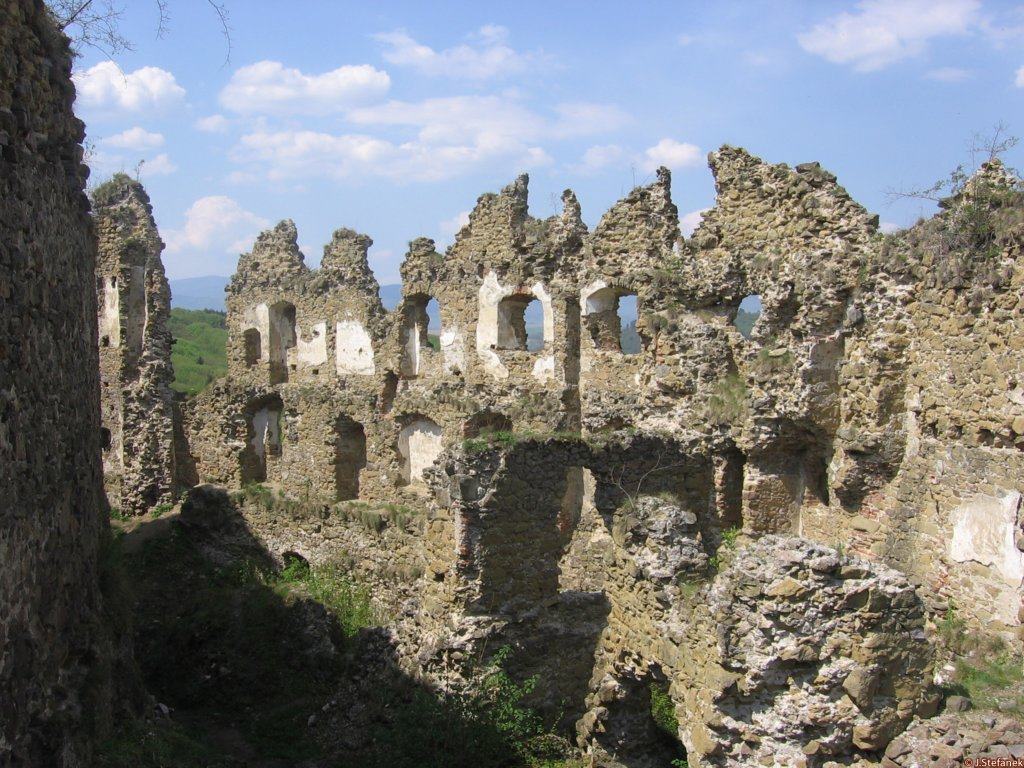
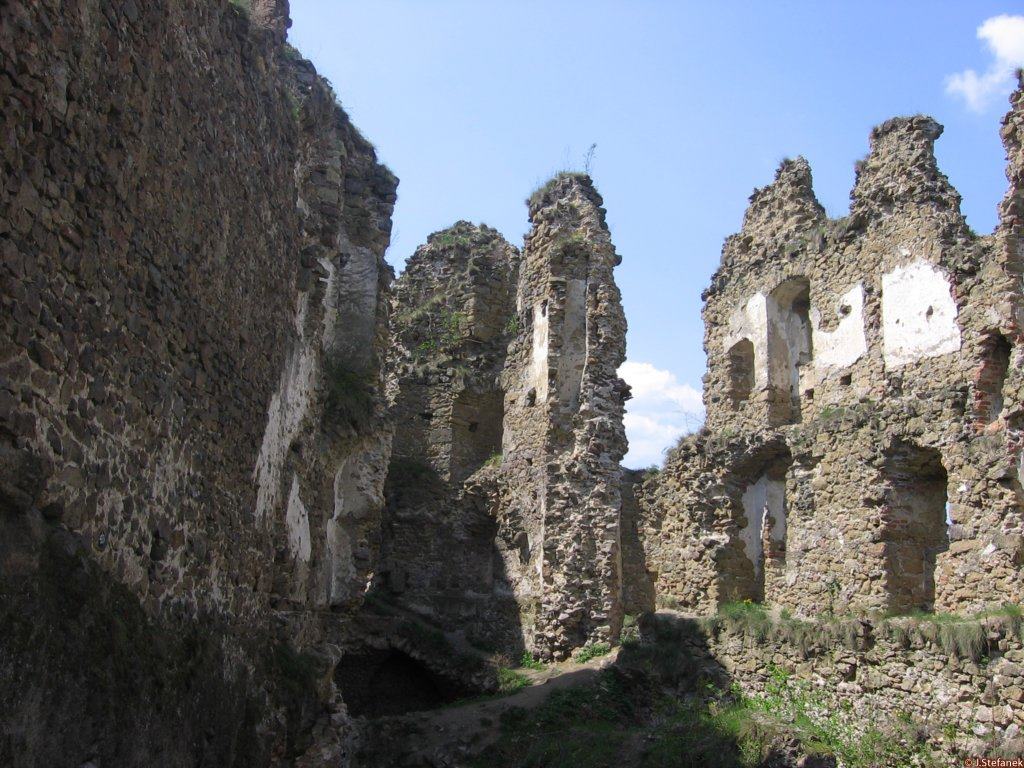
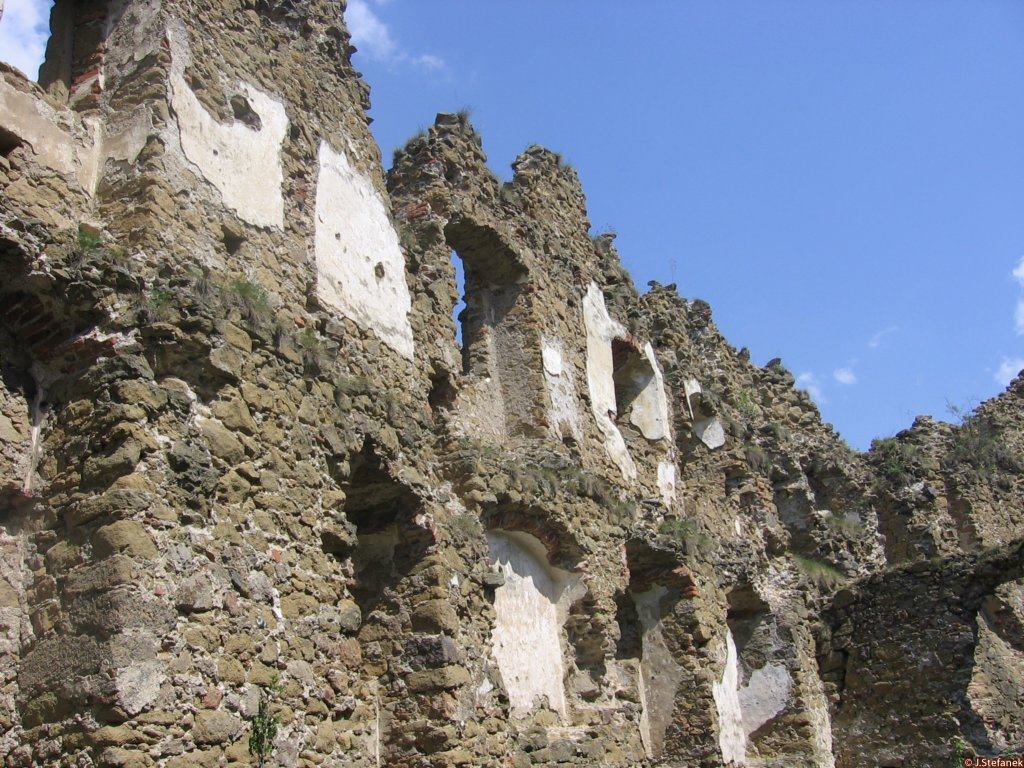
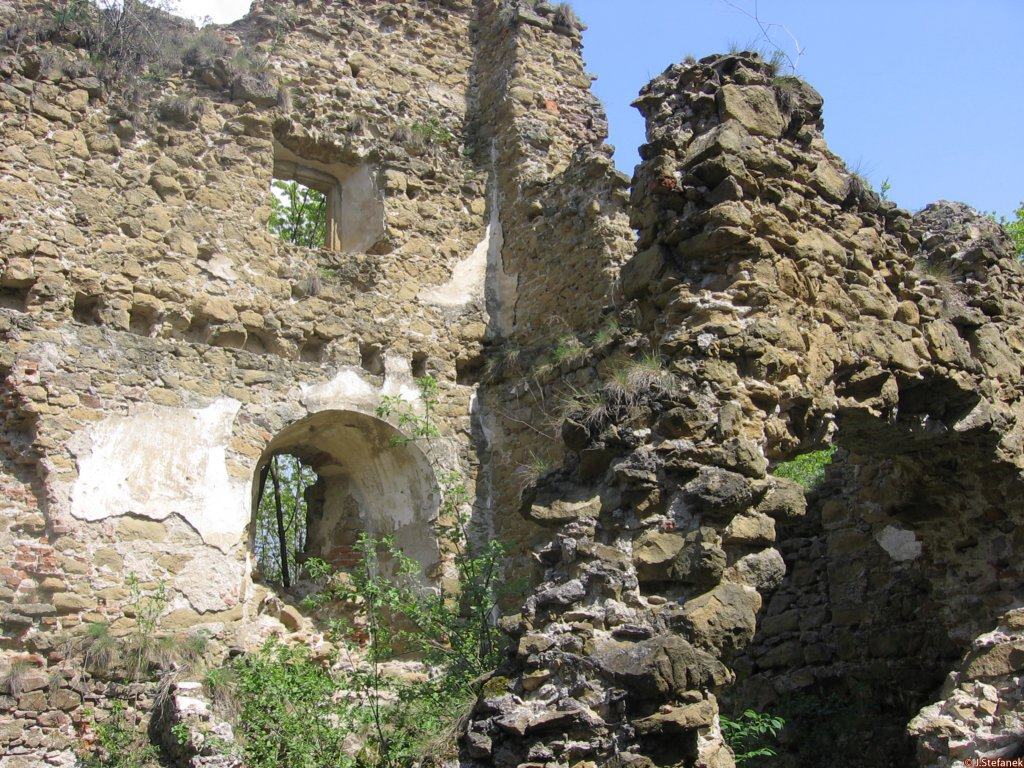
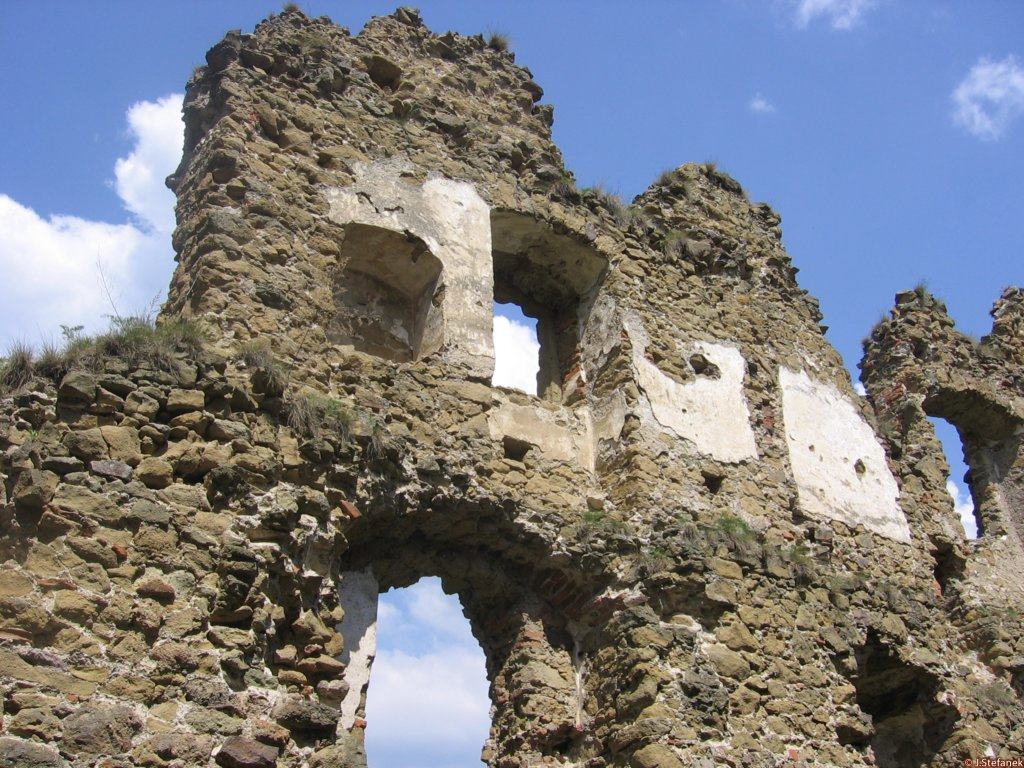
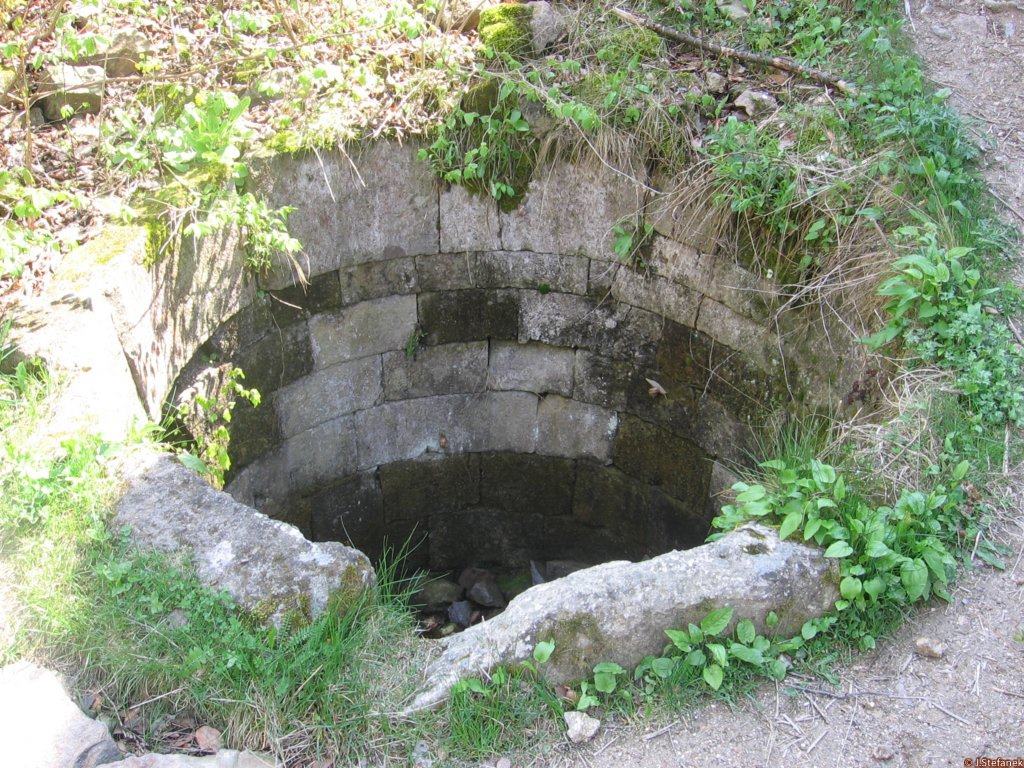
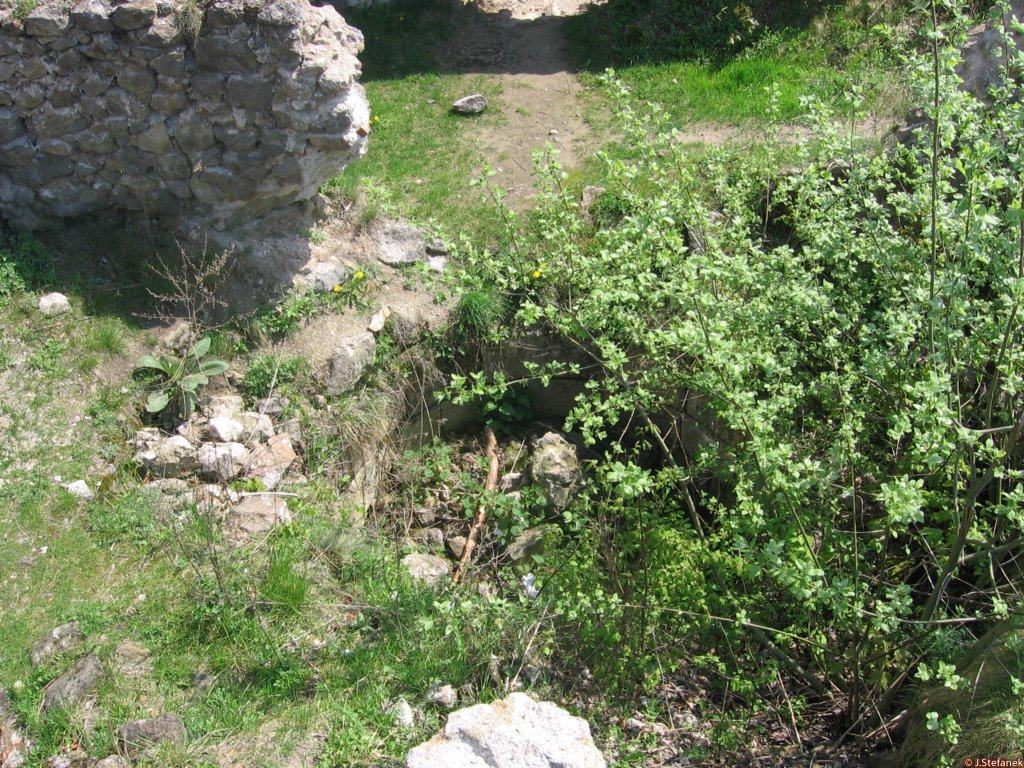
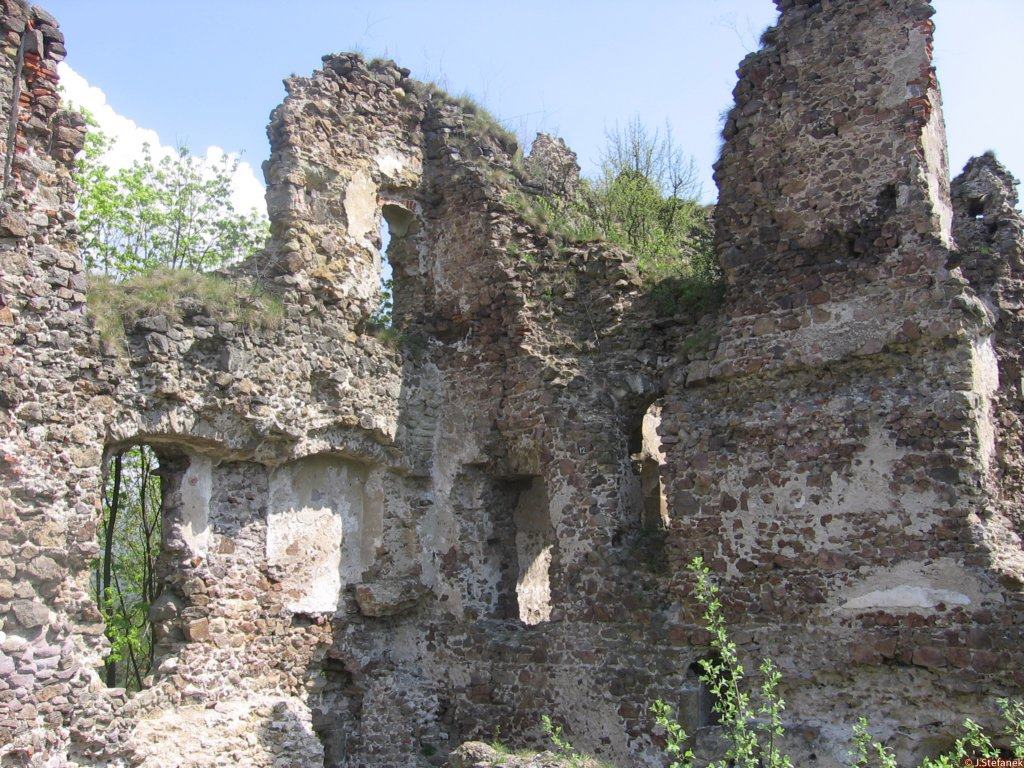
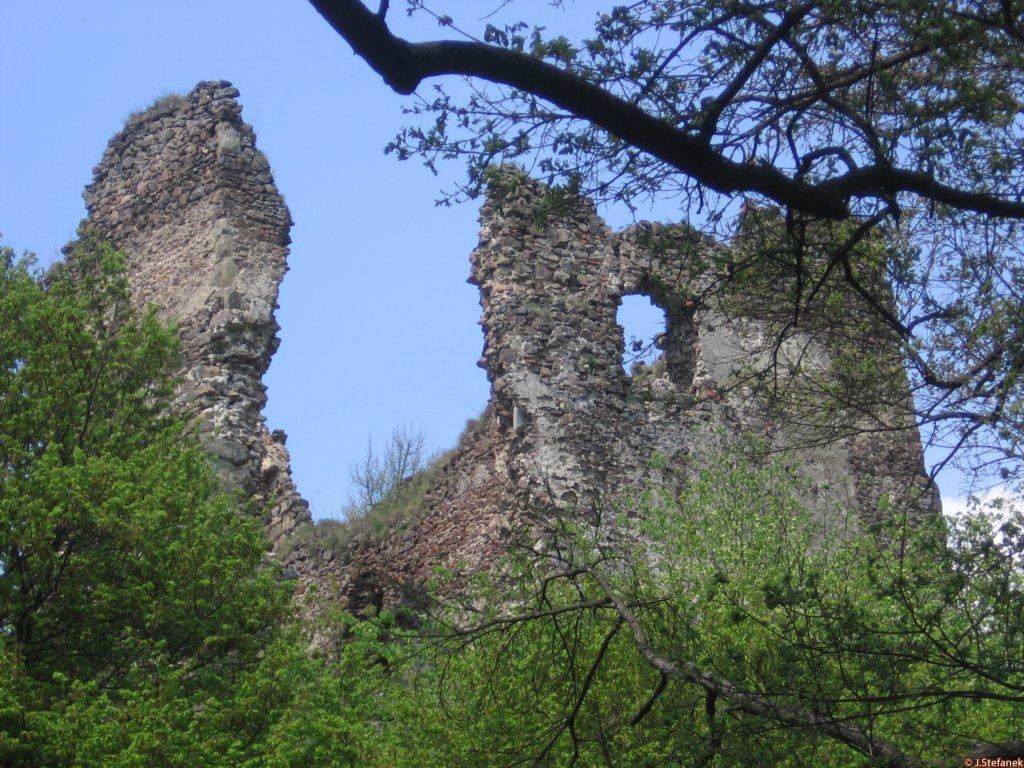
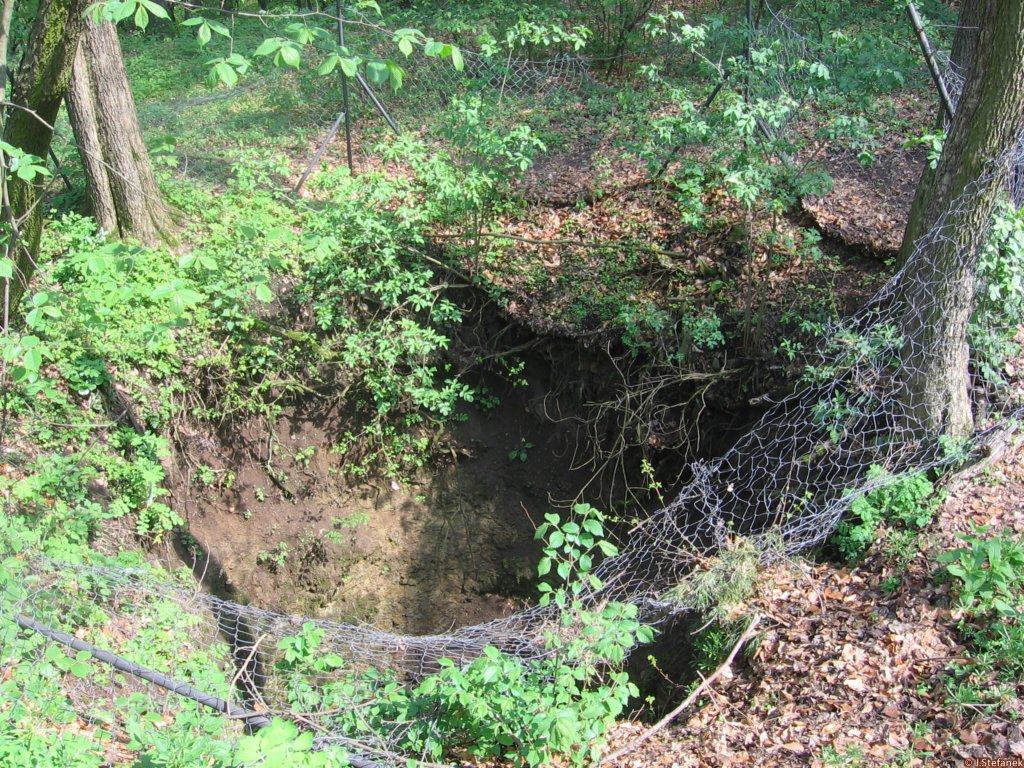
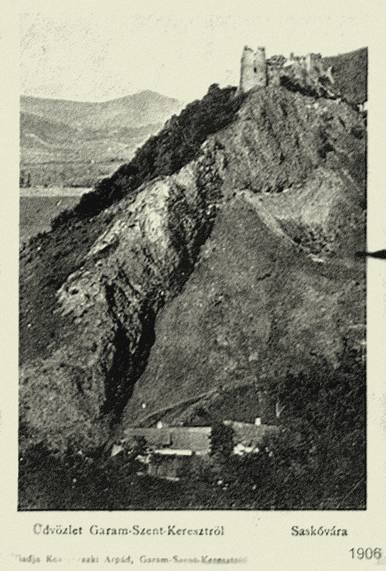
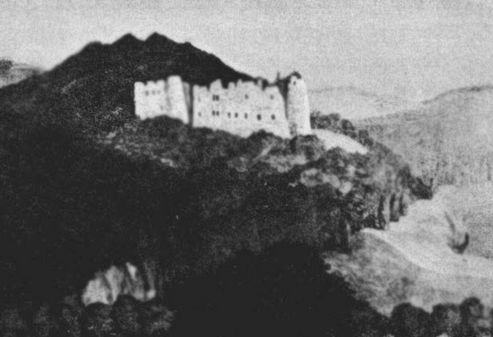
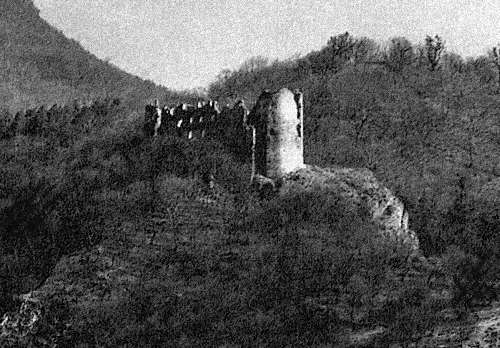
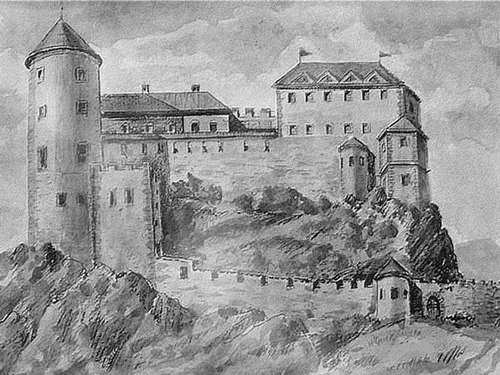
The ruins of Šášov Castle are concentrated around a central elongated inner castle topped with a circular bastion. In front of it is the access road to the castle, which led here through the bailey with a small bastion. The castle has been preserved a relatively large and large part, full of interesting architectural details.The dominant buildings here were the cylindrical tower at the entrance on the west side and the palace on the east side. In the elongated courtyard a circular tank was dug as the only source of drinking water. The construction of the northern palace was associated with greater water consumption, and in the middle of the courtyard was excavated a second tank. However, the final solution to the water supply at Šášov Castle was a permanent source - a well in the bailey. The highest Gothic palace, which forms the basis of the upper castle, was often rebuilt. In the long narrow inner courtyard were occupied residential buildings and at the end of the terrace at the highest point was a palace, later secured by a triangular tower. The upper castle was considered from the palace to the courtyard, which was closed by a large round bastion protecting the entrance to the upper castle. In front of it, the fortified courtyard was lined with residential buildings at the end with a round watchtower.The castle was well fortified in the Renaissance. On the neck of the mountain back was a spacious lower courtyard, which provided defense of the Gothic-Renaissance upper castle.
Zrúcaniny Šášovského hradu sa sústreďujú okolo ústredného pretiahnutého vnútorného hradu zakončeného kruhovou baštou. Pred ňou sa nachádza prístupová cesta do hradu, ktorá tu viedla cez predhradie s malou baštou. Z hradu sa zachovala pomerne veľká a rozľahlá časť, plná zaujímavých architektonických detailov.Dominantné stavby tu predstavovali valcová veža pri vstupe na západnej strane a palác na východnej strane. Na podlhovastom nádvorí bola vykopaná kruhová cisterna ako jediný zdroj pitnej vody. So stavbou severného paláca súvisela i väčšia spotreba vody, a tak uprostred nádvoria vyhĺbili druhú cisternu. Konečné riešenie zásobovania vodou na Šášovskom hrade však predstavoval až trvalý zdroj - studňa v predhradí. Najvyššie položený gotický palác, ktorý tvorí základ horného hradu, bol často prestavovaný. Na dlhom úzkom vnútornom dvore boli rozmiestnené obytné budovy a na konci terasy na najvyššom mieste bol palác, zabezpečený neskôr trojhrannou vežou. Horný hrad sa zvažoval smerom od paláca k nádvoriu, ktoré uzatvárala veľká okrúhla bašta, chrániaca vstup do horného hradu. Pred ňou ležiace opevnené nádvorie lemovali obytné budovy na konci s okrúhlou strážnou vežou.Hrad bol dobre opevnený aj v renesancii. Na šiji horského chrbta bolo priestranné dolné nádvorie, ktoré zabezpečovalo obranu goticko-renesančného horného hradu.
Plan
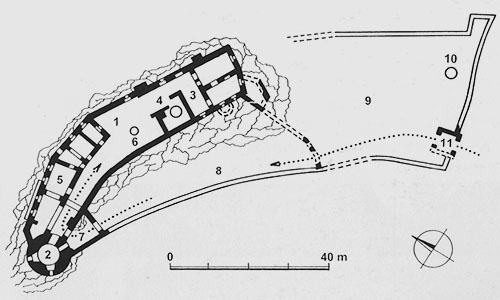
Legend to the ground plan
- 1-upper castle
- 2-tower
- 3-Gothic palace
- 4-chapel with cistern
- 5-renaissance dwellings and outbuildings
- 6-second cistern
- 7-entrance gate
- 8-first fort
- 9-second fort
- 10- well
- 11-entrance gate
Legenda k pôdorysu
- 1-horný hrad
- 2-veža
- 3-gotický palác
- 4-kaplnka s cisternou
- 5-renesančné obydlia a hospodárske budovy
- 6-druhá cisterna
- 7-vstupná brána
- 8-prvé predhradie
- 9-druhé predhradie
- 10-studňa
- 11-vstupná brána
History
In the past, when the Tatar raids subsided, brothers Vincent and Peter of the Vancha / Bancsa family, Vančaj / probably founded the foundations of a castle called Susal. However, the initial history of the castle is unknown. It is first mentioned in a document from 1253. In 1283, the brothers of Cardinal Štefan, Tomáš, son Petrov and Orbas exchanged their parish estate for Šášov Castle with the Archbishop of Esztergom Lodomier. Around 1306, the castle was occupied by the troops of Matúš Čák Trenčiansky. The castle was owned only until 1321, when Matúš Čák died. Until 1329, Count Ján and Imrich Bečej of Štiavnica were castle castles in Šášov. In 1336, the castle was the castellan son of Imrich Bečej, called Vesszös (Prútkár), who forcibly appropriated six villages belonging to the town of Štiavnica. He was succeeded by Ladislav Köbölkuthy (1352). During the castellanism of Köbölkuthy, the people of Štiavnica turned with a written bill to King Ľudovít, who, by order of April 21, 1352, returned the appropriated villages to the Štiavnica family. These castellans also disturbed the Hronsko-Svatobeňadice abbey, plundered it and, whenever possible, damaged its property. The castellans Baška of Kostoliany (1362) and Peter of Branč (1373) did an extraordinary amount of damage. In 1387, King Sigismund donated the castle and manor to Baron Frank and Simon Szécsény. In 1390, Sigismund donated the castle to Lenšťak of Jelšava, after whom his son Juraj inherited it. In 1393, the king exchanged it for Šariš Castle with Juraj of Štítnik. In 1401 the owner of the castle was Sigismund of Štítnik, son of Juraj, in 1413 the castle became a royal property again.
In 1424, King Sigismund donated the Shashites to his wife, Queen Barbara. In the years 1441-1447, the castle was owned by the Hussite Peter Kollár. In 1477, King Matej Korvín donated Šášov Castle and Revište to his wife Beatrix. After the death of King Matej, the widow Beatrix donated Šášov to the Archbishop of Jáger, Urban Dóczy of Veľká Lúče. The Dóczy family rebuilt the castle into a fortified Renaissance aristocratic residence, secured by a fort. Šášov was the property of the Dóczy family until 1647, when, after the extinction of the family, it became the property of the mining chamber. In 1650, Gašpar Lippay acquired the castle estate.
Busy times came from 1664, when Count Souches and the imperial army defeated the Turkish troops in many places and obtained some castles from them. In 1677, however, the defenders of the castles of Šášov and Revište did not withstand the cruel onslaught of Imrich Thököly's army. Šášov Castle was destroyed around 1708, when the imperial troops blew up the castle at the last moment so that Turkish troops would not get it. However, Revište Castle remained in its entirety for unknown reasons. However, Šášov has not been repaired since then and could not perform a defensive function. Since then, the castle was deserted.
The first project of restoring the castle began in 2009, when the niche of the western window opening of the second above-ground floor began to be restored on the cannon bastion. Since 2013, more intensive rescue work has been underway at the castle under the leadership of the Šášov Castle Rescue Association.
V minulosti, keď utíchli nájazdy Tatárov, postavili pravdepodobne bratia Vincent a Peter z rodu Vancha /Bancsa, Vančaj/ základy hradu s názvom Susal. Počiatočná história hradu je však neznáma. Prvý raz sa spomína v listine z roku 1253. V roku 1283 bratanci kardinála Štefana, Tomáš, syn Petrov a Orbas zamenili svoje farnádske panstvo za hrad Šášov s ostrihomským arcibiskupom Lodomierom. Okolo r.1306 hrad obsadili vojská Matúša Čáka Trenčianskeho. Hrad vlastnili len do r.1321, keď Matúš Čák zomrel. Až do roku 1329 boli na Šášove hradnými kastelánmi štiavnický komorný gróf Ján a Imrich Bečej. V roku 1336 bol na hrade kastelánom syn Imrich Bečeja, zvaný Vesszös (Prútkár), ktorý si násilne privlastnil šesť dedín, patriacich mestu Štiavnica. Jeho následníkom bol Ladislav Köbölkuthy (1352). Za kastelánstva Köbölkuthyho sa Štiavničania obrátili s písomnou ponosou na kráľa Ľudovíta, ktorý rozkazom zo dňa 21.apríla 1352 vrátil privlastnené dediny Štiavničanom. Títo kasteláni znepokojovali i opátstvo hronsko-svätobeňadické, plienili ho a keď sa dalo, poškodzovali jeho majetky. Neobyčajne mnoho škôd narobili kasteláni Baška z Kostolian (1362) a Peter z Branča (1373). V r.1387 kráľ Žigmund daroval hrad a panstvo barónom Frankovi a Simonovi Szécsényovcom. V Roku 1390 Žigmund daroval hrad Lenšťakovi z Jelšavy, po ňom ho zdedil jeho syn Juraj. V roku 1393 ho kráľ zamenil za hrad Šariš s Jurajom zo Štítnika. V roku 1401 bol majiteľom hradu Žigmund zo Štítnika, syn Jurajov, v roku 1413 sa hrad stal opäť kráľovským majetkom.
V roku 1424 kráľ Žigmund daroval Šášov svojej manželke, kráľovnej Barbore. V rokoch 1441-1447 mal hrad vo vlastníctve husita Peter Kollár. V r.1477 kráľ Matej Korvín daroval hrad Šášov i Revište svojej manželke Beatrix. Po smrti kráľa Mateja vdova Beatrix darovala Šášov jágerskému arcibiskupovi Urbanovi Dóczymu z Veľkej Lúče. Rod Dóczyovcov hrad prestaval na opevnené renesančné šľachtické sídlo, zabezpečené predhradím. Šášov bol majetkom rodiny Dóczyovcov až do roku 1647, keď sa po vymretí rodu dostal do vlastníctva banskej komory. V roku 1650 získal hradné panstvo kúpou Gašpar Lippay.
Rušné časy nastali od roku 1664, keď gróf Souches s cisárskym vojskom na mnohých miestach porazil turecké vojská a získal od nich niektoré hrady. V roku 1677 však obrancovia hradov Šášov a Revište nevydržali krutý nápor vojska Imricha Thökölyho. Hrad Šášov bol zničený okolo r.1708, keď cisárske vojská v poslednej chvíli vyhodili hrad do vzduchu, aby ho turecké vojská nezískali. Hrad Revište však z nezistených príčin zostal celý. Šášov však od tej doby nebol opravený a nemohol tak plniť obrannú funkciu. Odvtedy hrad pustol.
Prvý projekt obnovy hradu začal v roku 2009, kedy sa na delovej bašte začal obnovovať záklenok západného okenného otvoru druhého nadzemného podlažia. Od roku 2013 na hrade prebiehajú intenzívnejšie záchranné práce pod vedením Združenia na záchranu hradu Šášov.
Myths and legends
The legend of the castle
It is said that there is a mysterious underground corridor that was supposed to lead from the castle to the manor house in Ladomerská Vieska. There is a buried woman with a child and her husband, who found their death there during a fire in the Ladomer manor house at the beginning of the 17th century while trying to escape by flame.
A rumor about a clown
The lord of Zvolen was returning from hunting day by day annoying. He crossed the mountain, and the bears seemed to swallow the ground. You also drew the court fool out of him. Supposedly, shouldn't he be chasing the beast? If so, well. In the morning, the master took his word for it. They went, and they went. The sun was approaching the horizon when they finally cast a bushy macaque. Well, don't worry. The hunter was missing from the coveted prey. It was bad. Sasha didn't want hunting fame, but when he saw the irritated monster of his companion bloody, he grabbed an ax and cut. It so happened that the lord had a castle built on a cliff above the place of the match and out of gratitude he gave it to his rescuer. After him, they named the fortress Šašov.
Povesť o hrade
Údajne existuje tajuplná podzemná chodba, ktorá mala viesť z hradu až do kaštieľa v Ladomerskej Vieske. V nej sa nachádza zasypaná žena s dieťaťom i manželom, ktorí tam našli svoju smrť počas požiaru v ladomerskom kaštieli začiatkom 17.storočia pri pokuse uniknúť plameňom.
Povesť o šašovi
Zvolenský hradný pán vracal sa z poľovačky deň čo deň mrzutejší. Horu prechodil krížom-krážom a medvede akoby zem prehltla. Aj dvorný blázon si z neho utiahol. Vraj, či mu nemá zver nadháňať? Keď tak, nuž dobre. Ráno ho pán vzal za slovo. Šli, a šli. Slnko sa už schyľovalo k obzoru, keď konečne naďabili na maca huňatého. Dobre abo nebárs. Zoči-voči vytúženej koristi lovec chybil. Bolo zle. Šašo po poľovníckej sláve netúžil, ale keď videl, ako vydráždená ozruta spoločníka mu krvaví, chytil sekeru a ťal. Tak sa stalo, že na brale nad miestom zápasu pán dal vystavať hrad a z vďačnosti ho daroval svojmu záchrancovi. Po ňom pevnosť nazvali Šašovom.
Useful information
The ruins are freely accessibleMore info
Zrúcanina je voľne prístupnáViac informácií
External links
Nearby castles
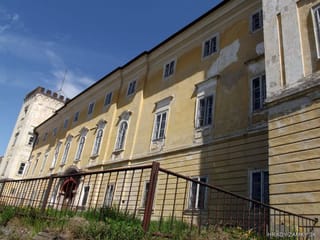
Žiar nad Hronom
Žiar nad Hronom
2.8km
manor, mansion
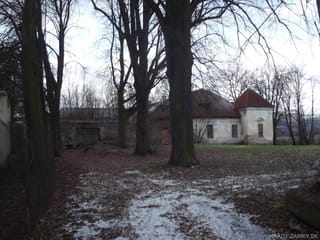
Hliník nad Hronom
Hliník nad Hronom
9.5km
manor, mansion
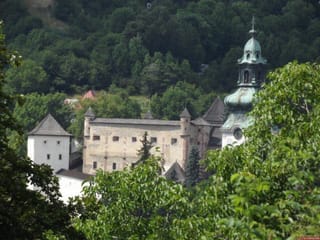
Starý Zámok
Banská Štiavnica
13.3km
castle, chateau
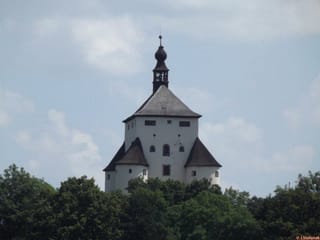
Nový Zámok
Banská Štiavnica
13.7km
watchtower
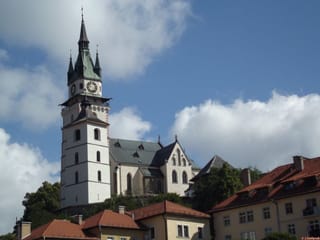
Kremnica
Kremnica
14.2km
castle, chateau
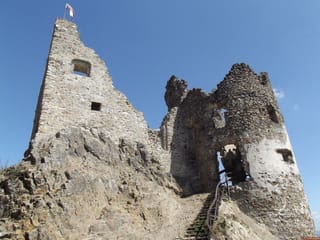
Revište
Revištské Podzámčie
14.5km
castle ruin
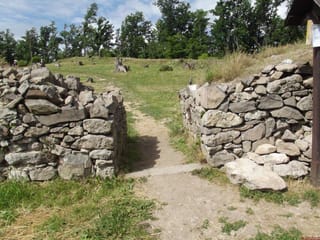
Pustý hrad
Zvolen
15.6km
castle ruin