Revište
Revištské Podzámčie Banská Bystrica county Slovakia
castle ruin
Revište
Revištské Podzámčie Banskobystrický kraj Slovakia
zrúcanina hradu
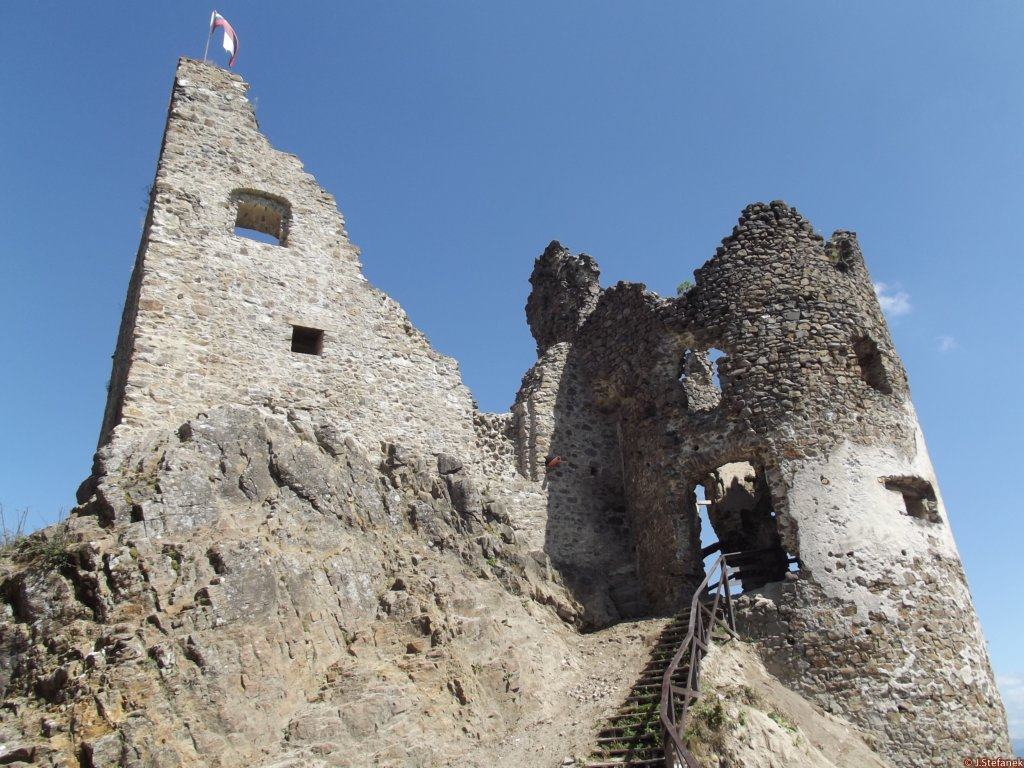
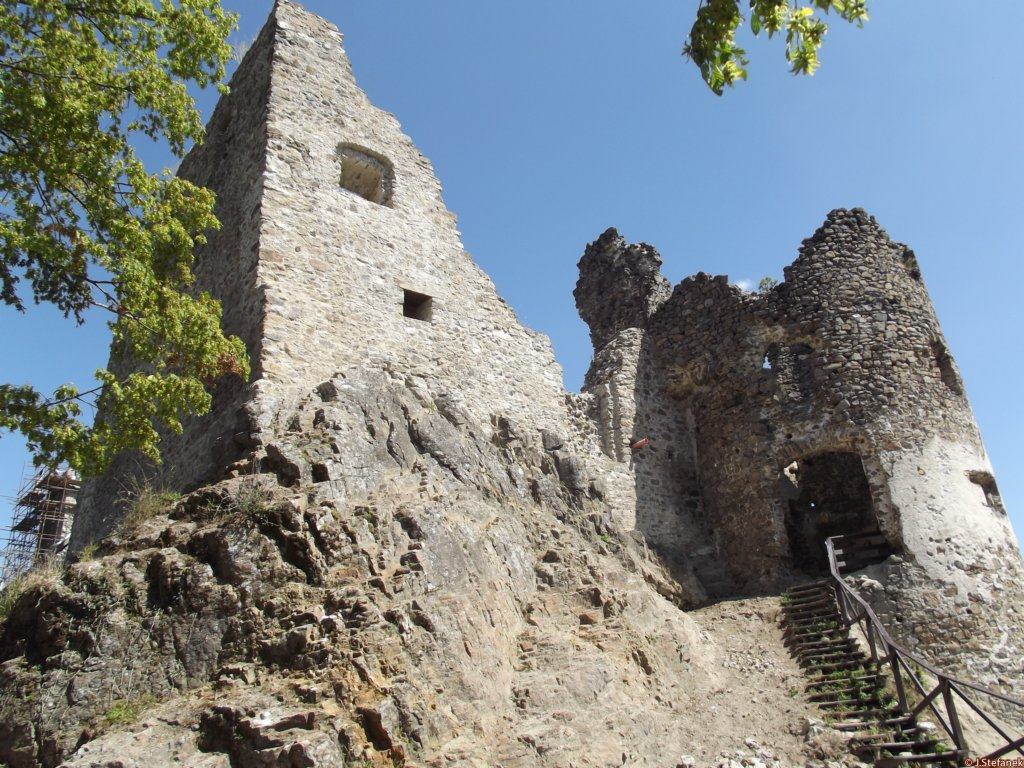
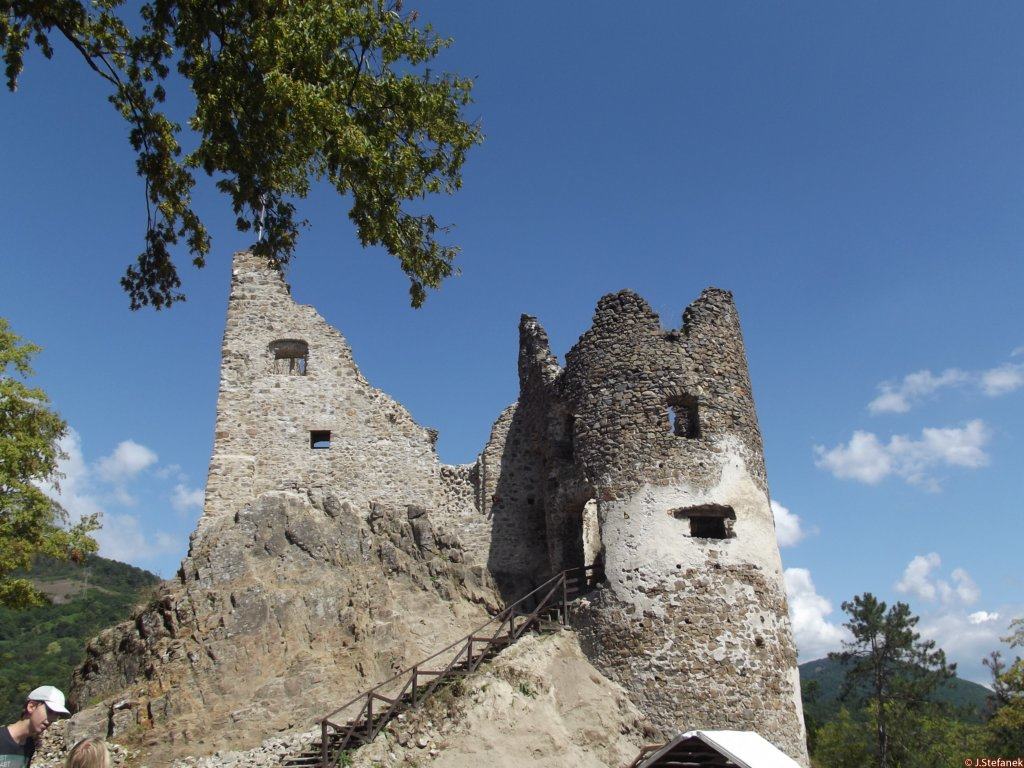
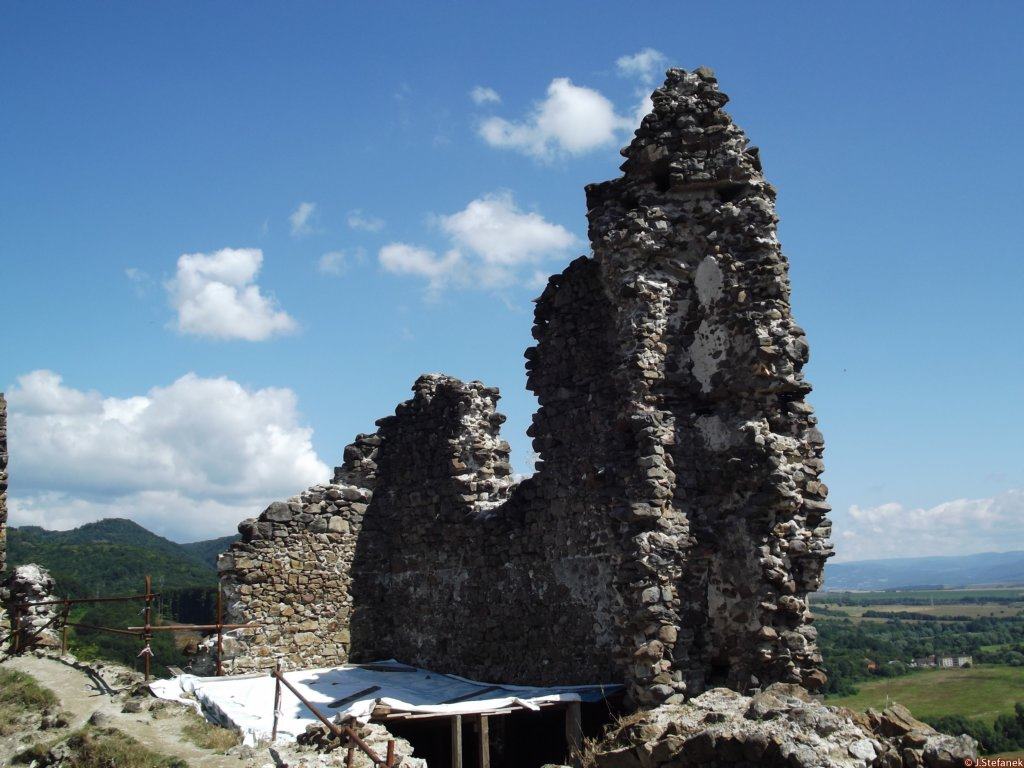
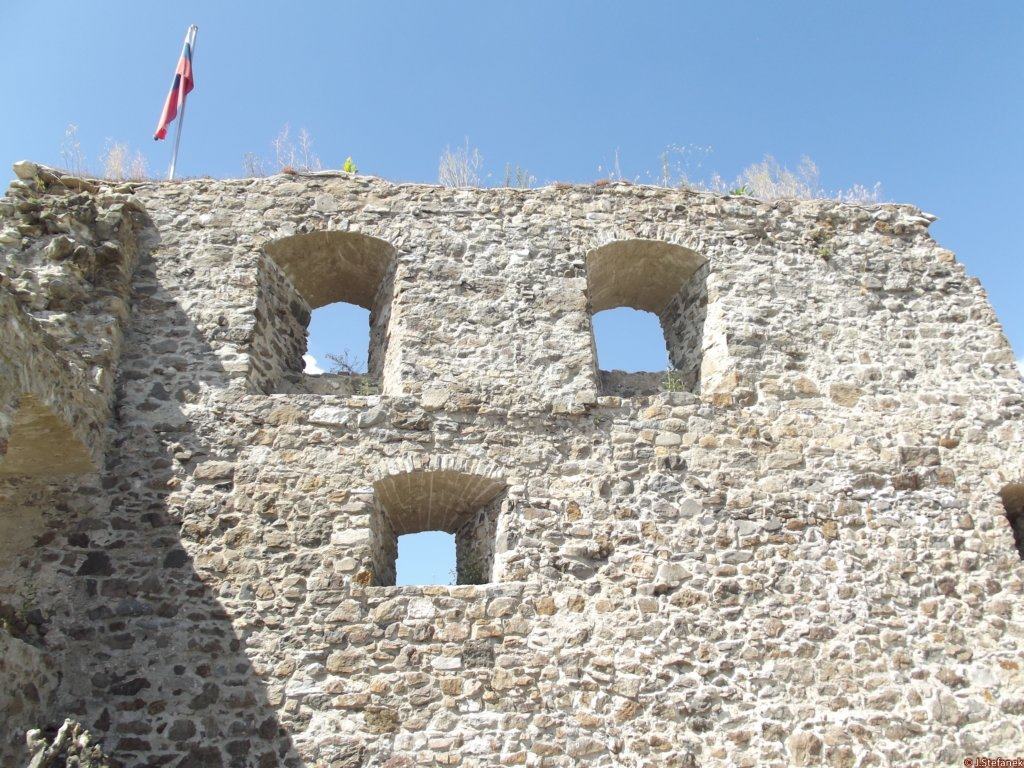
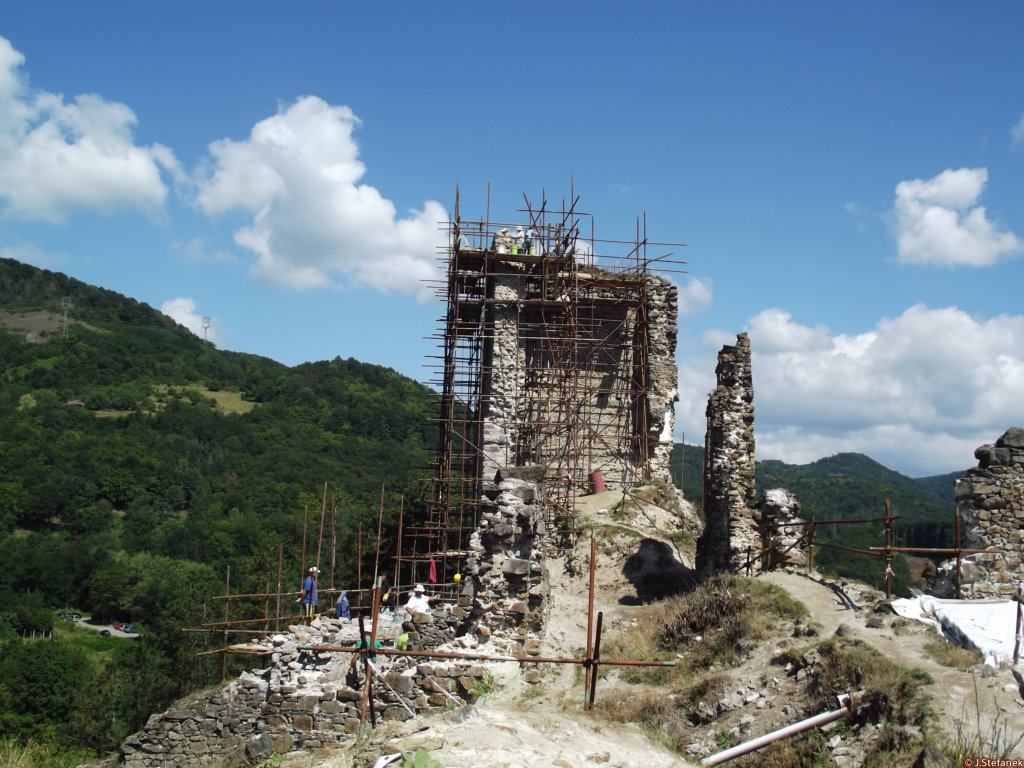
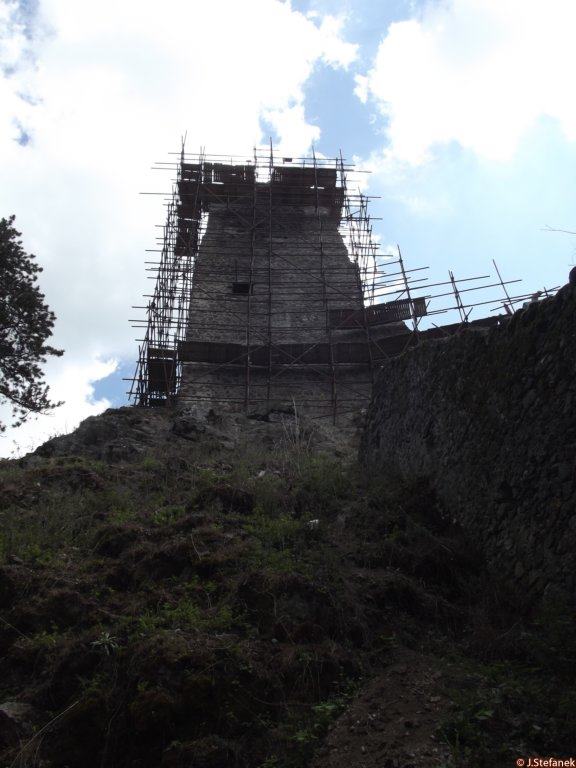
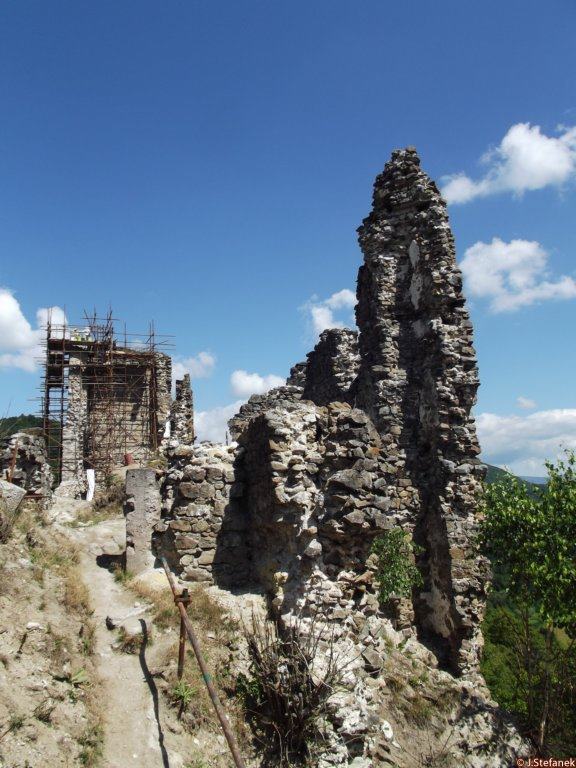
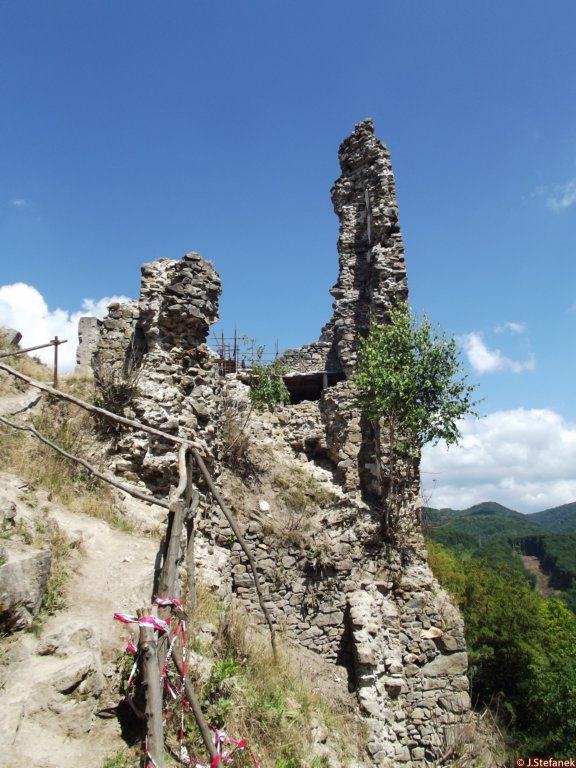
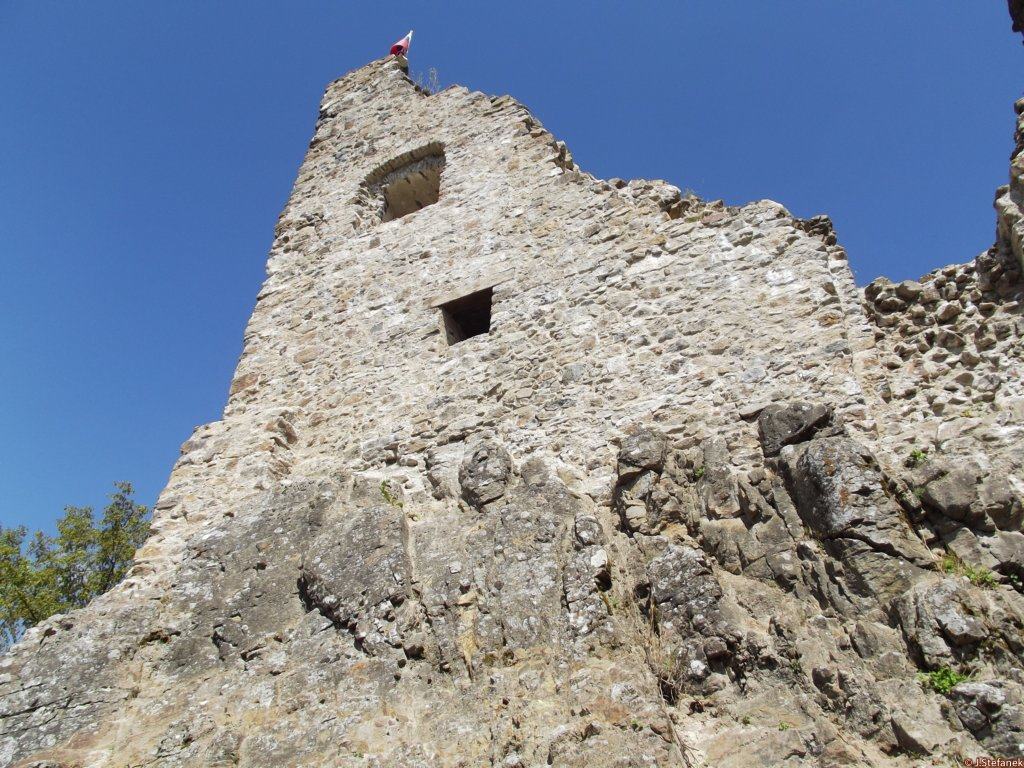
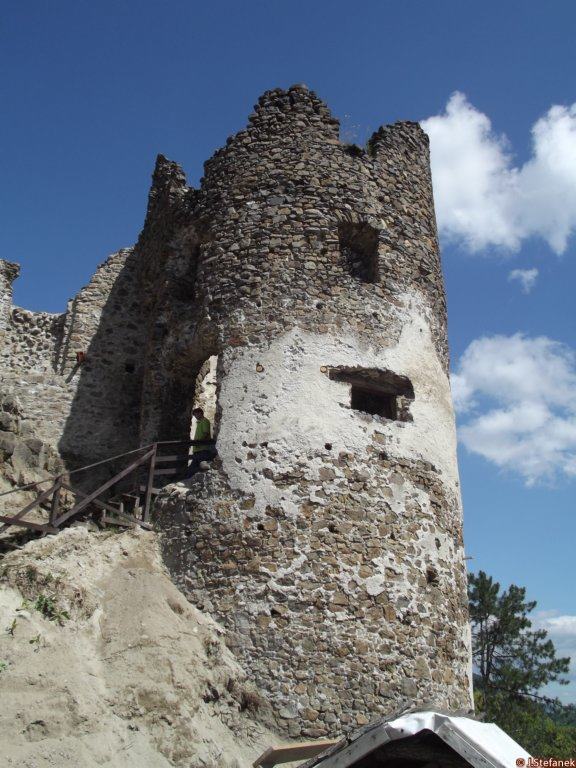
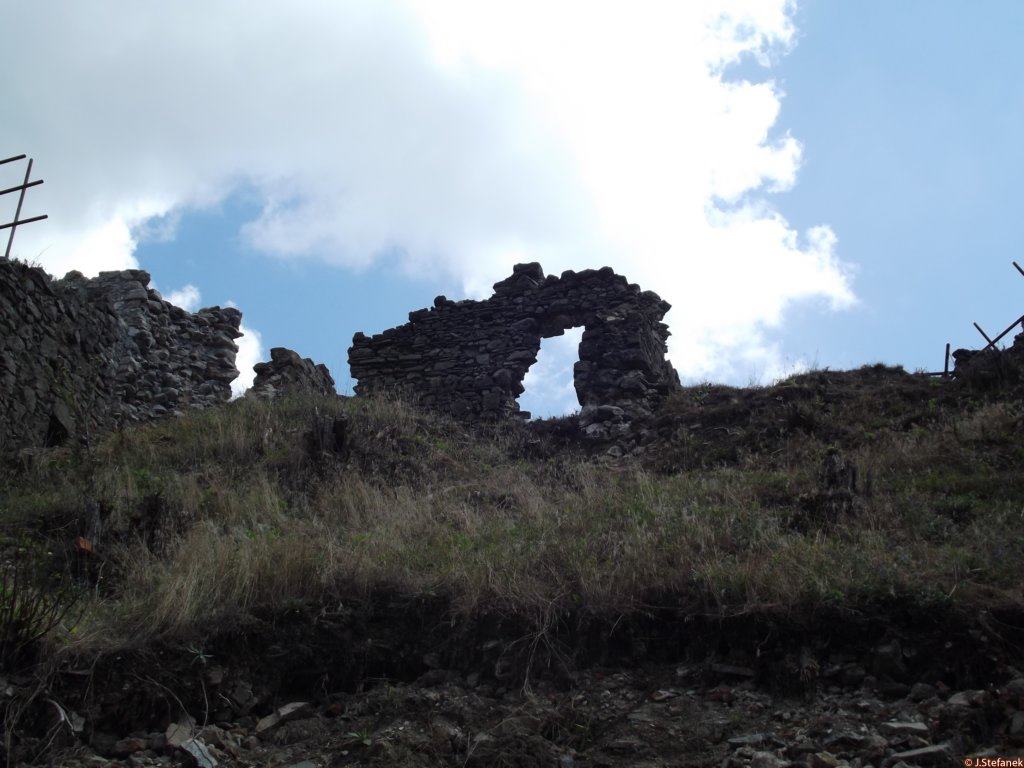
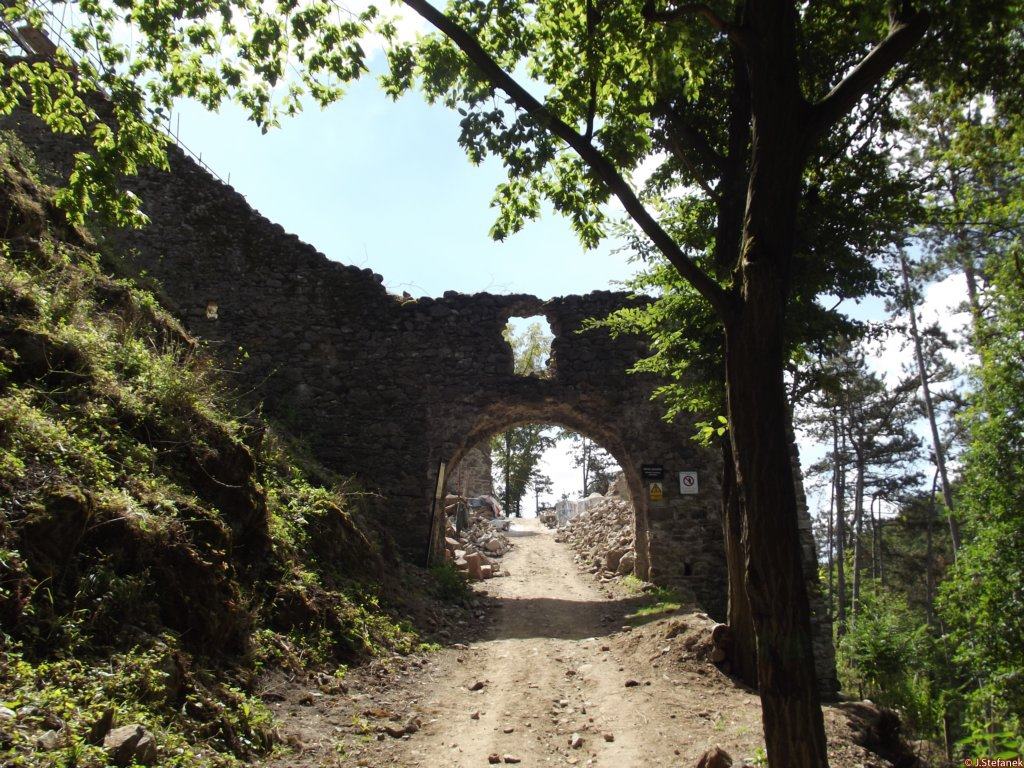
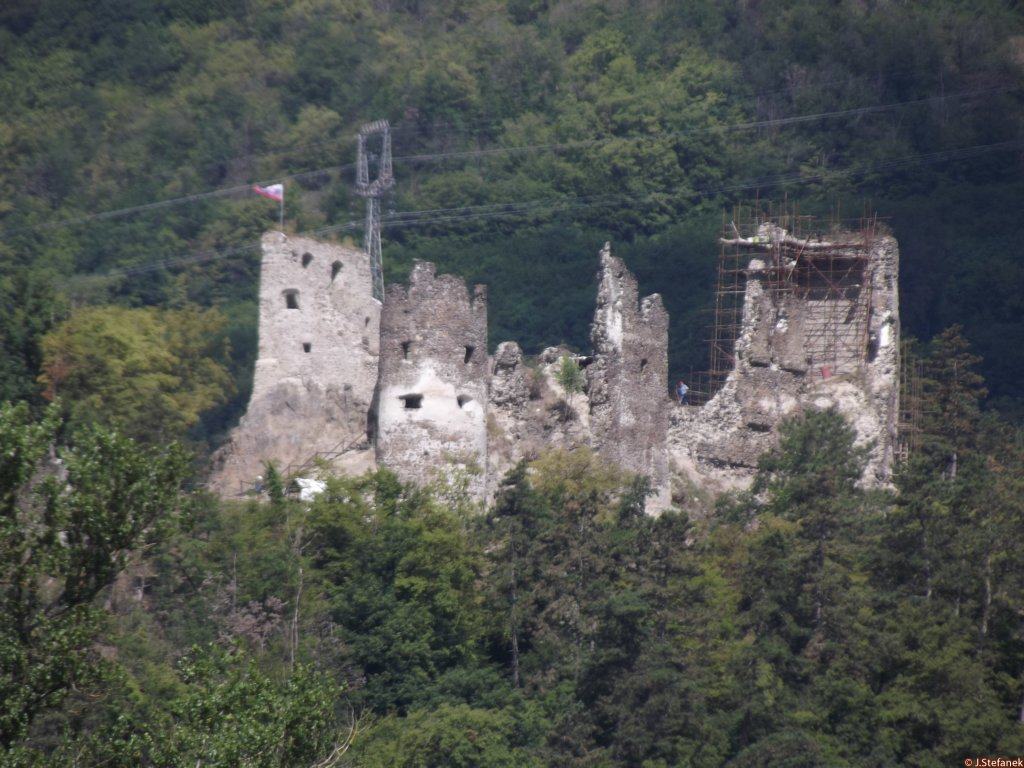
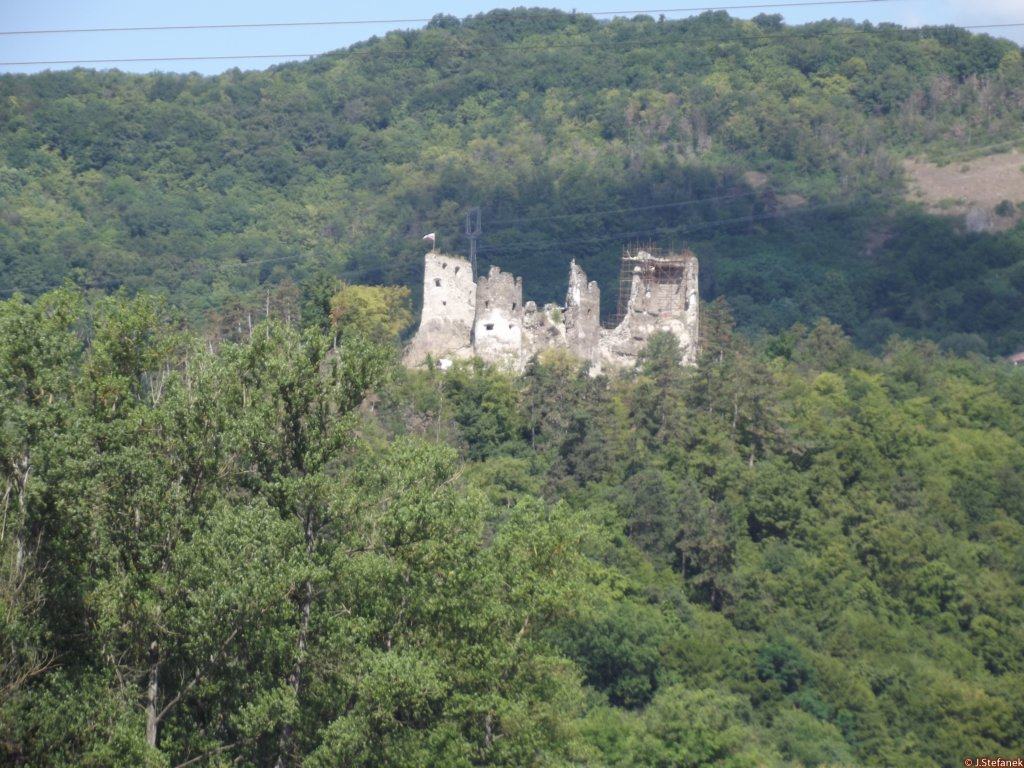
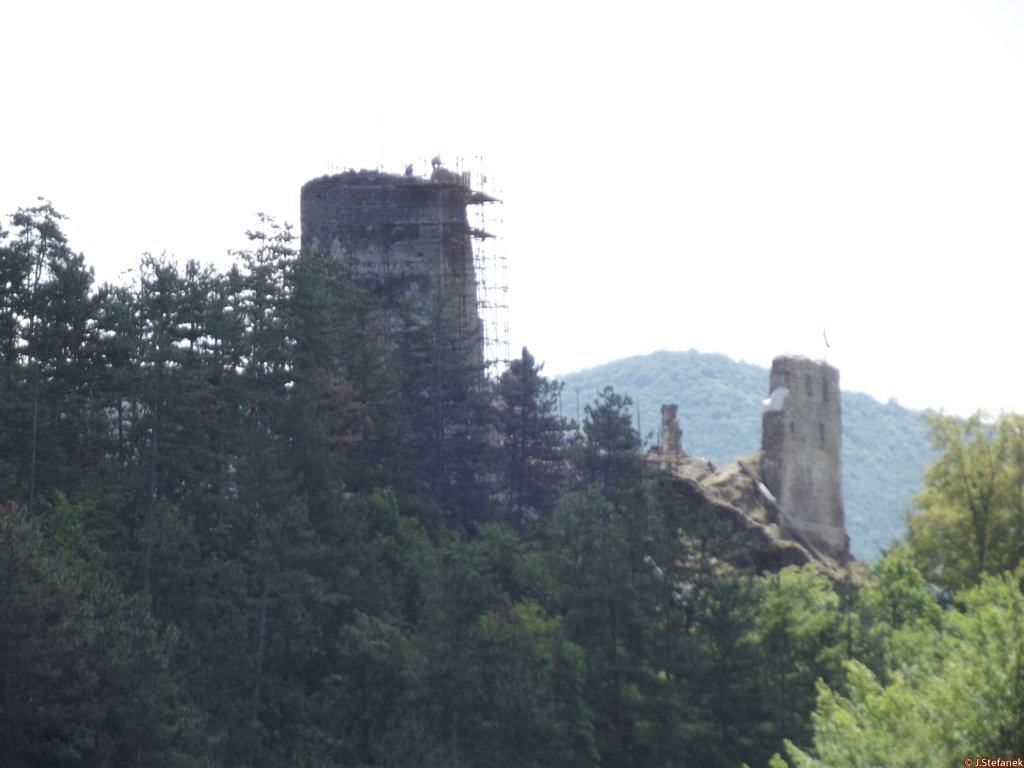
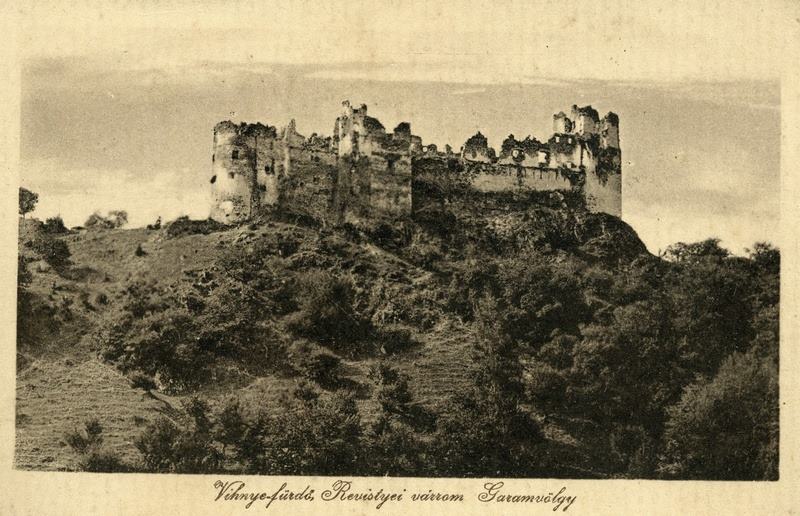
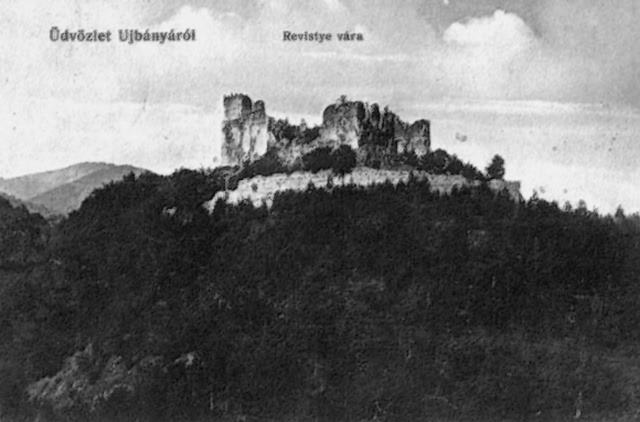
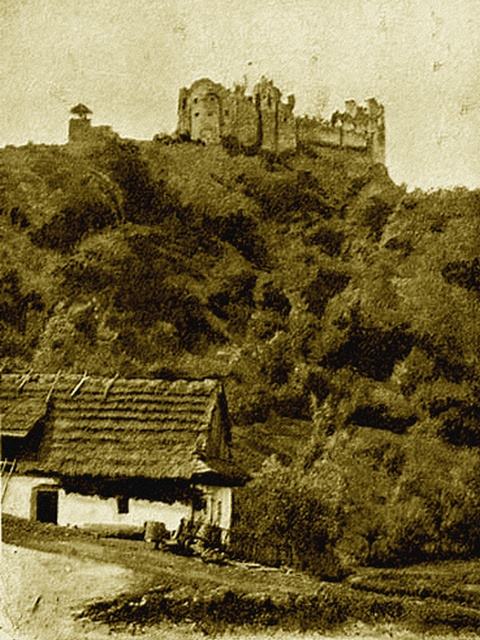
The ruins of the castle on a steep andesite hill, in the eastern edge of the Vtáčnik mountain range, situated above the Žiar Basin in the village of Revištské Podzámčie
Zrúcanina hradu na strmom andezitovom kopci, vo východnej okrajovej polohe pohoria Vtáčnik, situovaná nad Žiarskou kotlinou v obci Revištské Podzámčie
Previous names
Reuisce, Reuise, Ryuche, Revistye, Reuisthye
Roads
Trasa 1: Access to Revište castle is after the construction of the educational trail pleasant and undemanding, with a slight climb through the forest. The starting point is the village of Revištské Podzámčie, where we get to the restaurant Pod Hradom. From here, straight along a narrow asphalt road about 800m to the parking lot. The road is really very narrow, so you have to be careful with the car, if it goes against another vehicle, it is difficult to avoid each other. The educational trail - Owners of Revište Castle (yellow route), consisting of 8 boards, starts right in the parking lot. Don't be fooled by the location of the castle, which from this point of view seems to be on the opposite side.
Trasa 1: Prístup na hrad Revište je po vybudovaní náučného chodníka príjemný a nenáročný, s miernym stúpaním cez les. Východiskovým bodom je obec Revištské Podzámčie, kde sa dostaneme k reštaurácii Pod Hradom. Odtiaľto rovno po úzkej asfaltovej cestičke asi 800m k parkovisku. Cesta je naozaj veľmi úzka, takže s autom treba byť opatrný, v prípade, že pôjde oproti iné vozidlo, je problematické sa navzájom vyhnúť. Priamo na parkovisku začína náučný chodník - Majitelia hradu Revište (žltá trasa), pozostávajúci z 8 tabúľ. Nedajte sa zmiasť polohou hradu, ktorý sa z tohto pohľadu zdá byť na opačnej strane.
Trasa 2: If you are a good tourist and you prefer steep, but shorter routes, then the original ascent to the castle begins about 200m from the restaurant in the village. We park by the restaurant and walk a few meters along a narrow asphalt road as in route no. 1, and at the point where the railing ends, we turn right and on a steeper ascent through the forest to reach the castle gate.
Trasa 2: Ak ste zdatný turista a uprednostňujete krkolomné, no kratšie trasy, tak pôvodný výstup na hrad začína asi 200m od spomínanej reštaurácie v obci. Zaparkujeme pri reštaurácii a pár metrov sa prejdeme po úzkej asfaltovej ceste ako v trase č.1, a v mieste, kde končí zábradlie, odbočíme vpravo a strmším výstupom cez les sa dostaneme až k hradnej bráne.
Description
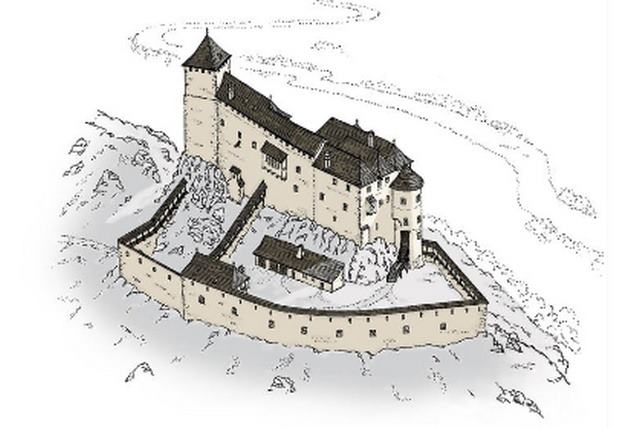
The shape and layout of the castle complex was determined by a narrow rock ridge, which was interrupted at the narrowest place by a massive moat ditch for defense reasons. Above it was a prismatic residential tower. From the south, the wall was fed with a wall defining a narrow longitudinal courtyard. Apparently from the beginning was part of the courtyard tank, which has been preserved to this day.At the end of the 19th century, the west facade of the palace collapsed with a bay window, and other masonry of the unsecured ruins gradually disappeared. The last declines of the castle from 2003 include the spontaneous destruction of part of the fortification. In 2012 was built nature trail, which greatly simplified access to the castle.
Podobu a dispozíciu hradného komplexu určoval úzky skalný hrebeň, ktorý v najužšom mieste z obranných dôvodov prerušili mohutnou šijovou priekopou. Nad ňou bola situovaná hranolová obytná veža. Z juhu sa na vežu napájal hradbový múr vymedzujúci úzke pozdĺžne nádvorie. Zrejme už od začiatku bola súčasťou nádvoria cisterna, ktorá sa zachovala dodnes.Na konci 19.storočia sa zrútilo západné priečelie paláca s arkierom a postupne zanikli aj ďalšie murivá nezabezpečenej zrúcaniny. K posledným úbytkom hradu z r.2003 patrí samovoľná deštrukcia časti hradby predhradia. V r.2012 bol vybudovaný náučný chodník, ktorý výrazne zjednodušil prístup k hradu.
Plan
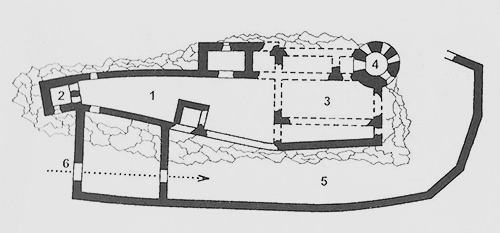
Legend to the ground plan
- 1 - upper castle
- 2 - prismatic tower
- 3 - residential and operational buildings
- 4 - cylindrical bastion
- 5 - renaissance fort
- 6 - entrance gate
Legenda k pôdorysu
- 1 - horný hrad
- 2 - hranolová veža
- 3 - obytné a prevádzkové objekty
- 4 - valcová bašta
- 5 - renesančné predhradie
- 6 - vstupná brána
History
The territory of Revištka (Terra Ryvchke) with the stream of the same name has appeared in written sources since 1228, when it fell into the hands of the county of Leustach with the consent of King Andrew II. The year of the castle's origin is probably incorrectly stated as 1265 in many sources. Although this year is actually mentioned in some documents, these documents were issued on the territory of today's Croatia, which is most likely the castle of the same name in Croatia. The result of the dendrochronolic analysis of archaeologists is also authoritative, according to which the oldest masonry dates back to the beginning of the 14th century. Therefore, there is a presumption that the castle could have been built by Matúš Čák or one of his family members to defend access to his domain from the east.
The first credible mention of the castle is a document from 1331, which states "Comes Michael vicecastellanus Joanis de Reuise", ie vice-castellan Revišťa. In the first half of the 14th century, the castle and manor were owned by the Komoróczy family. In a written document of King Louis I from 1352, it is stated that the king donated property in the Hron Valley to Master Vesezos as a reward for the beheading of the king's adversary. After the death of Louis I in 1388, the castle was owned by Queen Mary, who also donated it with Žarnovica to Master Frank. In 1391, King Sigismund donated the Luxembourg Castle to Ladislav Sáróim [of Šároviec], the ancestor of the Levick family. In 1414, Sárói's son gave the manor to Peter Cseh in advance. The Revišt estate soon became the property of the queen again, but from 1427 it was owned by Petr Cseh, who owned it until 1442, when he formed an alliance with the Országh family from Gúta [Kolárovo], which also concerned the Revište castle.
In the forties of the 15th century, the castle was occupied for several years by the garrison of Ján Jiskra of Brandýs, and subsequently, until 1479, it often changed owners. The manor became the property of the king again and when King Matej Korvín wanted to get back the backed Šášov castle from Ján Kolár for 6 thousand gold, he gave him only a thousand and for the next 5 thousand he gave him the Revište castle, which he had previously bought from Jiskr. A year later, the Archbishop of Esztergom, Ján Vitéz, became the new owner of the castle. The manor returned to the ownership of the king, who last donated it in 1479 to the Bishop of Jáger, Urban of Veľká Lúč, whose relatives and descendants with the surname Dóczy then owned the castle for almost two centuries. The full name Dóczy de Nagy Lucse was not used until the 16th century. After the death of Urban, in 1492, the Reviště manor became the property of his brothers and after 1500 it belonged to their sons Ladislav and František. The Dóczy family, as the owners of three estates in the vicinity of mining towns, became dangerous feudal lords for the entire mining area. They often did not even respect the calls and regulations of the monarch. The last lord of the castle in Revište of the Dóczy family, Žigmund, was beheaded by the Turks after the conquest of Žarnovice on August 4, 1647. His wife Euprozin was dragged to Constantinople as a slave to the Sultan. Ladislav Dóczy also died in the same year, and in 1648 Melchior, both at Šášov Castle. The male branch of the Dóczy family died out with them.
From 1662, the Reviště estate passed into the administration of the main chamber-county office in Banská Štiavnica. During the uprising of Imrich Tököly, a crew of German mercenaries in the imperial service lived in Revište. Poorly paid mercenaries handed over the castle in 1677 without a fight to Tököly's soldiers, who plundered and burned it. The castle was repaired by the Banská Štiavnica Chamber and served until 1792 as a hostel for officials of the Mining Chamber. This year it burned down since a lightning strike. It has fallen into disrepair ever since.
Since 1918, the forest property, including the land under the castle, has been transferred to the administration of the Forests of the Slovak Republic, and since 2011 the Revište Castle Rescue Association has been trying to save the castle.
Územie Revištka (Terra Ryvchke) s rovnomenným potokom sa v písomných prameňoch objavuje od r.1228, keď sa dostalo do rúk župana Leustacha so súhlasom panovníka Ondreja II. Rok vzniku hradu sa v mnohých zdrojoch pravdepodobne nesprávne uvádza ako 1265. Hoci sa tento rok skutočne v niektorých listinách spomína, tieto listiny boli vydané na území dnešného Chorvátska, čiže s najväčšou pravdepodobnosťou sa jednalo o rovnomenný hrad v Chorvátsku. Smerodatný je aj výsledok dendrochronolickej analýzy archeológov, podľa ktorej najstaršie murivo pochádza až zo začiatku 14. storočia. Preto existuje domnienka, že hrad mohol dať postaviť Matúš Čák alebo jeden z jeho familiárov na obranu prístupu do jeho domény z východu.
Prvou dôveryhodnou zmienkou o hrade je listina až z roku 1331, v ktorej sa uvádza "Comes Michael vicecastellanus Joanis de Reuise", teda vicekastelán Revišťa. V prvej polovici 14. storočia hrad a panstvo vlastnila rodina Komoróczyovcov. V písomnom dokumente kráľa Ľudovíta I. z roku 1352 je uvedené, že kráľ daroval majetky v údolí Hrona majstrovi Vesezosovi, ako odmenu za sťatie kráľovho protivníka. Po smrti Ľudovíta I. v roku 1388 bol hrad vo vlastníctve kráľovnej Márie, ktorá ho darovala aj so Žarnovicou magistrovi Frankovi. V r.1391 daroval kráľ Žigmund Luxemburský hrad Ladislavovi Sáróimu [zo Šároviec], predkovi rodu Levickovcov. V roku 1414 dal Sáróiho syn panstvo do zálohy Petrovi Csehovi. Revištské panstvo sa onedlho opätovne stalo majetkom kráľovnej, avšak od roku 1427 už bolo vo vlastníctve Petra Cseha, ktorý ho vlastnil do roku 1442, kedy uzatvoril spojenectvo s rodinou Országhovcov z Gúty [Kolárovo], čo sa týkalo aj hradu Revište.
V štyridsiatich rokoch 15.storočia hrad na niekoľko rokov obsadila posádka Jána Jiskru z Brandýsa a následne až do roku 1479 často menil majiteľov. Panstvo prešlo znovu do vlastníctva kráľa a keď kráľ Matej Korvín chcel späť získať zálohovaný hrad Šášov od Jána Kolára za 6 tisíc zlatých, dal mu len tisíc a za ďalších 5 tisíc mu dal do zálohy hrad Revište, ktorý predtým kúpil od Jiskru. O rok neskôr sa novým vlastníkom hradu stal ostrihomský arcibiskup Ján Vitéz. Panstvo sa vrátilo do vlastníctva kráľa, ktorý ho poslednýkrát daroval V r.1479 jágerskému biskupovi Urbanovi z Veľkej Lúče, ktorého príbuzní a potomkovia s prímením Dóczy hrad potom vlastnili takmer dve storočia. Celé meno Dóczy de Nagy Lucse začali používať až v 16. storočí. Po smrti Urbana, v r.1492, sa revištské panstvo dostalo do vlastníctva jeho bratov a po roku 1500 patrilo ich synom Ladislavovi a Františkovi. Dóczyovci, ako majitelia troch panstiev v okolí banských miest, sa stali nebezpečnými feudálmi pre celú banskú oblasť. Často nerešpektovali ani výzvy a nariadenia panovníka. Posledný hradný pán na Revišti z rodu Dóczyovcov, Žigmund, bol sťatý Turkami po dobytí Žarnovice, dňa 4. augusta 1647. Jeho ženu Eufrozínu odvliekli do Carihradu, ako otrokyňu sultána. V tom istom roku zomrel aj Ladislav Dóczy a v roku 1648 Melchior, obaja na Šášovskom hrade. Nimi vymrela mužská vetva rodiny Dóczyovcov.
Od roku 1662 prešlo revištské panstvo do správy hlavného komorno-grófskeho úradu v Banskej Štiavnici. Počas povstania Imricha Tökölyho sídlila na Revišti posádka nemeckých žoldnierov v cisárskych službách. Zle platení žoldnieri vydali roku 1677 hrad bez boja Tökölyho vojakom, ktorí ho vyplienili a vypálili. Hrad dala banskoštiavnická komora opraviť a slúžil ešte do roku 1792 ako ubytovňa pre úradníkov banskej komory. V tomto roku vyhorel od úderu blesku. Od tej doby chátra.
Od r.1918 prešli lesné majetky vrátane pozemku pod hradom do správy Lesov Slovenskej Republiky a od r.2011 sa o záchranu hradu snaží Združenie na záchranu hradu Revište.
Myths and legends
The rumor says
Neither the tiring droughts nor the devastating floods did as much damage as the looting Turks. Only the castle lord of Reviště could prevent them from looting. The news of his youthful deeds came to the ears of Pasha's daughter, and she burned behind the hero with burning desire. She left the Turkish camp on Revište unnoticed. When his father found out, he became very upset. He challenged the one who had lured his child to a ruthless duel. While the lord of the castle was reading Pasha's letter, the messenger secretly poured poison into a glass of wine out of great zeal. The next day, Pasha was riding on a foamy horse under the castle, where a knight in full armor was already waiting for him. The Turk rushed against him. A terrible cut through the jatagan was enough and the opponent fell to the ground. As soon as Pasha looked under the helmet of the trained juice, the world twisted with him. His soulless daughter lay on the lawn after the splashing Hron.
Povráva sa
Ani úmorné suchá, ani ničivé povodne nenarobili toľko škôd ako rabujúci Turci. Iba revištský hradný pán im vedel v plienení zabrániť. Zvesť o jeho junáckych činoch sa poniesla do uší pašovej dcéry a ona zahorela za hrdinom spaľujúcou túžbou. Nepozorovane ušla z tureckého tábora na Revište. Keď sa to otec dozvedel, veľmi sa rozčertil. Toho kto mu dieťa odvábil, vyzval na neľútostný súboj. Zatiaľ, čo hradný pán čítal pašov list, posol mu z veľkej horlivosti potajomky nasypal do čaše vína jed. Na druhý deň docválal paša na spenenom koni pod hrad, kde ho už čakal rytier v plnej zbroji. Turek sa vyrútil proti nemu. Stačil hrozný sek jatagánom a protivník padol k zemi. Len čo sa paša pozrel pod prilbicu skoleného soka, zakrútil sa ním svet. Na trávniku po špľachotavom Hrone ležala jeho bezduchá dcéra.
Useful information
The ruin is freely accessible. The ruins are undergoing reconstruction
Zrúcanina je verejnosti voľne prístupná. Na zrúcanine prebieha rekonštrukcia
Nearby castles
Žarnovica
Žarnovica
4.2km
manor, mansion
Hliník nad Hronom
Hliník nad Hronom
5.0km
manor, mansion
Rudno
Rudno nad Hronom
11.3km
castle ruin
Žiar nad Hronom
Žiar nad Hronom
12.6km
manor, mansion
Starý Zámok
Banská Štiavnica
14.2km
castle, chateau
Šášov castle
Šášovské Podhradie
14.5km
castle ruin
Nový Zámok
Banská Štiavnica
14.7km
watchtower