Rišňovce
Rišňovce Nitra county Slovakia
manor, mansion
Rišňovce
Rišňovce Nitriansky kraj Slovakia
kaštieľ
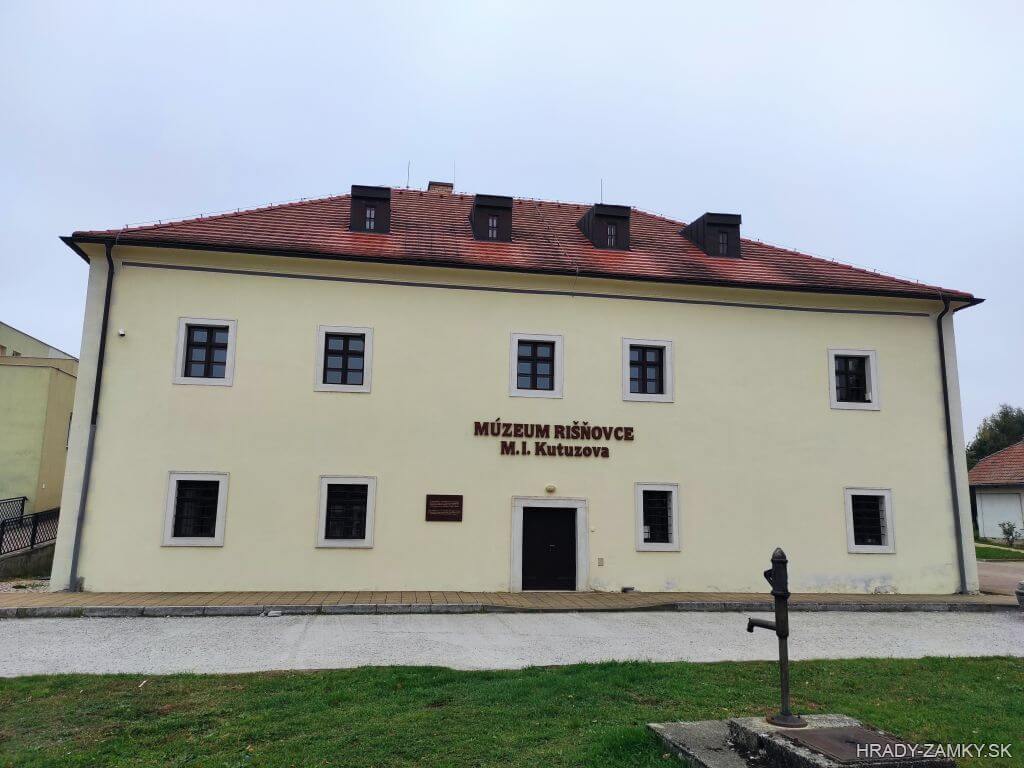
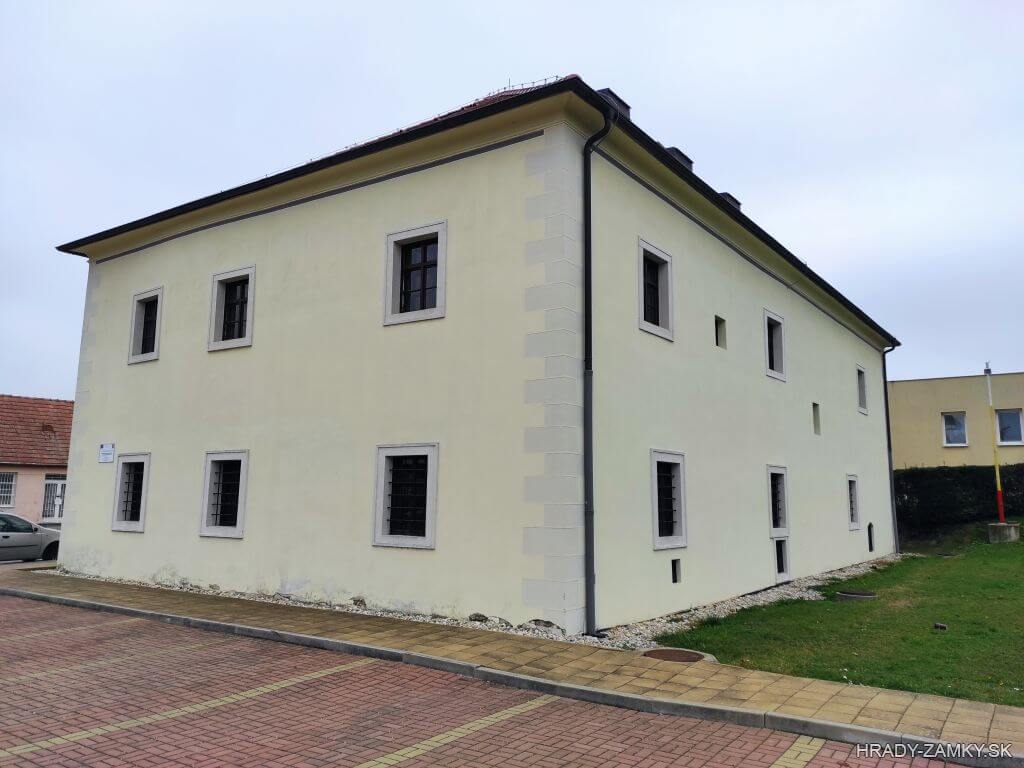
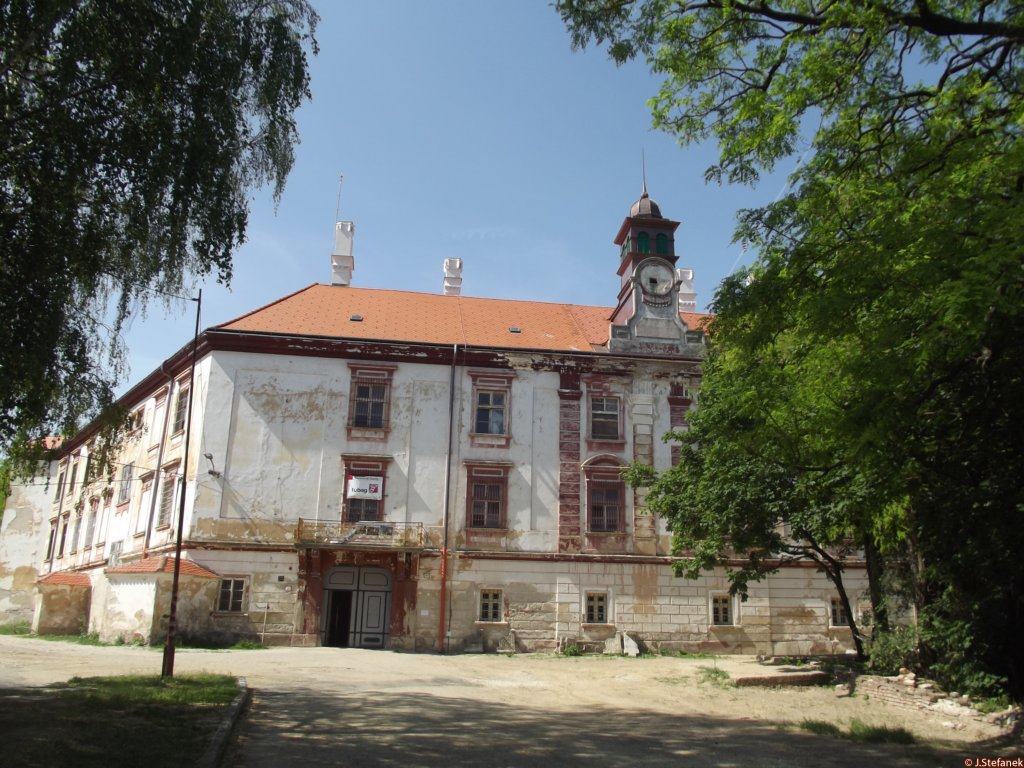
The reconstructed, originally fortified renaissance manor house is located directly in the village of Rišňovce, in the Nitra Uplands, about 18 km northwest of Nitra city.
Zrekonštruovaný, pôvodne opevnený renesančný kaštieľ sa nachádza priamo v obci Rišňovce, v Nitrianskej pahorkatine, asi 18 km severozápadne od mesta Nitra
Previous names
Rechen, Eghazasrechen, Alsó-Récsény, Dolne Rissowcze, Unter Ritschen, Dolní Ryssňowce, Kysrechen, Felsö-Récseny, Horne Rissowcze, Ober Ritschen, Horní Rissňowce
Roads
In the village of Rišňovce, we turn from the main road in front of the supermarket into a narrow street, from which we turn right behind the church to the right, which leads us to the manor house. It is possible to park right next to the manor house, or a few meters further opposite the pet shop.
V obci Rišňovce z hlavnej cesty odbočíme pred supermarketom do úzkej uličky, z ktorej hneď za kostolom odbočíme vpravo na cestu, ktorá nás dovedie až ku kaštieľu. Hneď vedľa kaštieľa je možné zaparkovať, prípadne pár metrov ďalej oproti predajni chovateľských potrieb.
Description
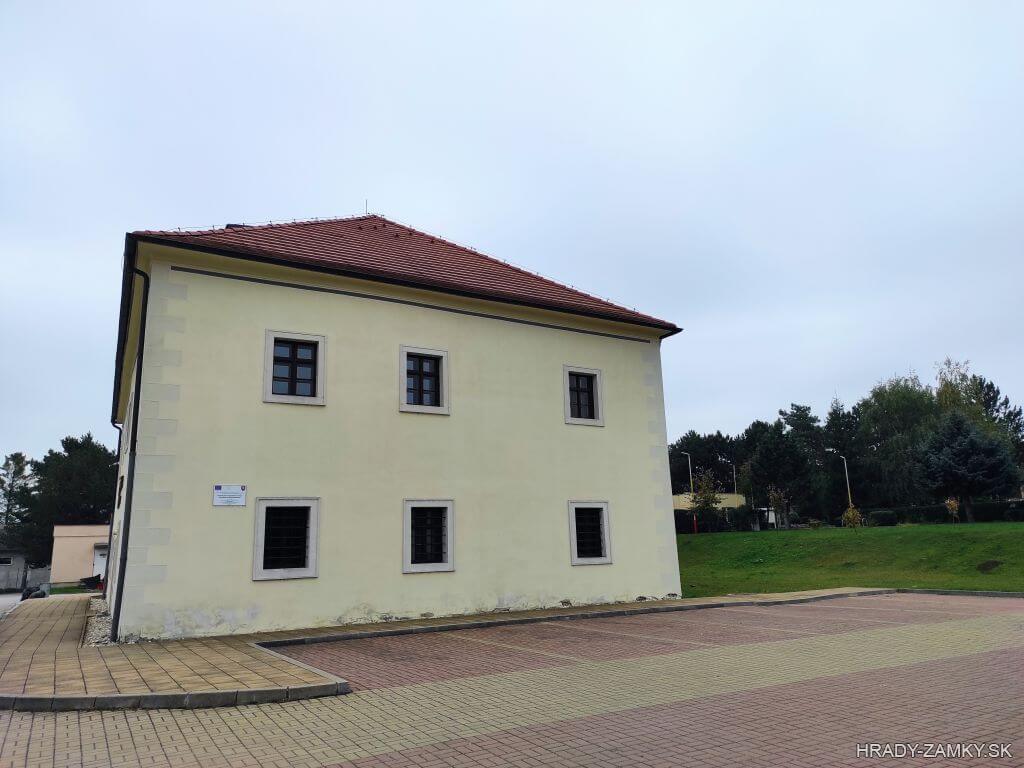
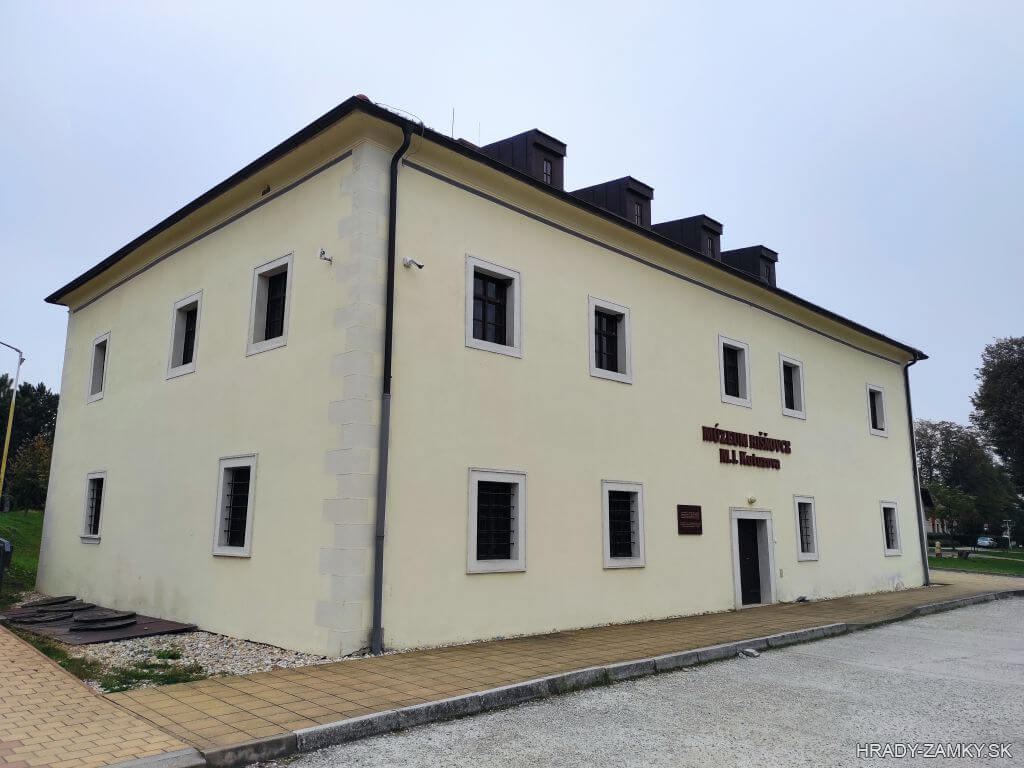
The manor house was built on a plain and was protected by a fortification with bastions, the last remnants of which were removed in the 20th century. It was a three-room block ground-floor and one-lane basement building. Its building history can be divided into four stages of development:The first stage took place at the beginning of the 17th century, when the building was restored and enlarged by a three-room tract and also increased by a second floor. The basement and the above-ground areas were vaulted with barrel vaults with ridge lunettes.In the second stage, we can include the modification of the facade with painted geometric decoration in the first quarter of the 18th century.The third stage of modifications was focused on the interior, especially the middle room in today's southern tract, the black kitchen with an open fireplace and the space on the first floor with a staircase outlet, due to the construction of central chimney vents. At that time, a fireplace was built on the first floor of the north wing of the north wing, using Renaissance and Gothic architectural elements to frame its openings.The last stage was the early Baroque renovation, while the Renaissance building was left in its layout. Other modifications were related to the change of use of the building and disrupted the integrity of the building.In 1994, an in-depth monument research was carried out, and in 2010-2012 a comprehensive reconstruction of the manor took place. It currently serves as a museum.
Kaštieľ bol postavený na rovine a ochranu mu zabezpečovalo opevnenie s baštami, ktorého posledné zvyšky boli odstránené v 20. storočí. Bola to trojpriestorová bloková prízemná a jednotraktová podpivničená stavba. Jeho stavebnú históriu možno rozdeliť do štyroch vývinových etáp.Prvá etapa prebehla začiatkom 17. storočia, kedy bola stavba obnovená a zväčšená o trojpriestorový trakt a tiež zvýšená o druhé nadzemné podlažie. Suterén a priestory nadzemnej časti boli zaklenuté valenými klenbami s hrebienkovými lunetami.Do druhej etapy môžeme zaradiť úpravu fasády maľovanou geometrickou výzdobou v prvej štvrtine 18. storočia.Tretia etapa úprav bola zameraná na interiér, hlavne na strednú miestnosť v dnešnom južnom trakte, čiernu kuchyňu s otvoreným ohniskom a priestor na poschodí s vyústením schodiska, v dôsledku vybudovania centrálnych komínových prieduchov. Pravdepodobne bol vtedy v strednej miestnosti severného traktu na poschodí vybudovaný krb s použitím renesančných a gotických architektonických článkov na orámovanie jeho otvorov.Poslednou etapou bola rano-baroková úprava, pričom renesančný objekt bol ponechaný v jeho dispozičnej štruktúre. Ďalšie úpravy súviseli so zmenou využitia objektu a narušili celistvosť stavby.V roku 1994 bol realizovaný hĺbkový pamiatkový výskum a v rokoch 2010-2012 prebehla komplexná rekonštrukcia kaštieľa. V súčasnosti slúži ako múzeum.
History
The construction of the Renaissance mansion dates back to the beginning of the second half of the 16th century, but no written records have been preserved from this period. We also don't have much information about the owners of the manor. In his 4th volume Notitia Hungariae Novae Historico-Geographica (1742), Matej Bel mentions the Rišňovský family, which was allegedly connected with the settlement of Horné and Dolné Rišňovce, and the manor house, damaged by Turkish wars and other events, belonged to the Sandor family. There is currently only a few data available on this genus, e.g. Mikuláš Sandor had a sacristy added to the church. Nicholas' son Sigismund built a chapel in his late wife Johana in the Lower Cemetery cemetery. Their son Rudolf was the richest landowner in Dolné Rišňovce.
During the construction of the church, a private chapel was established on the floor of the manor house in 1772, where services were temporarily held.
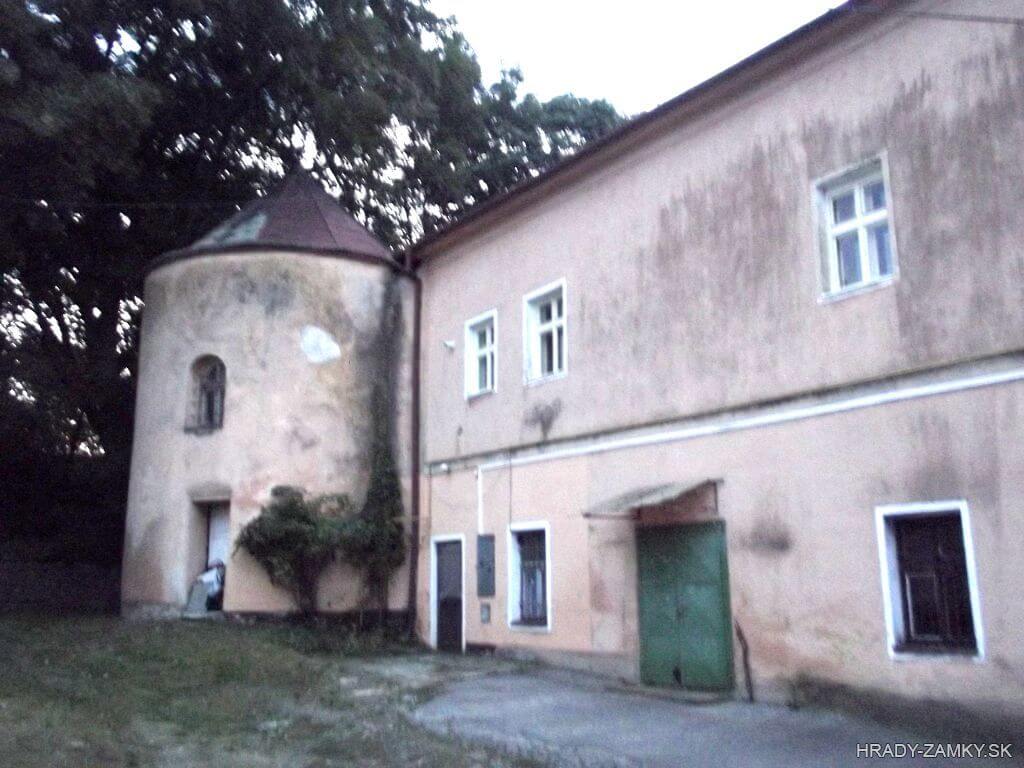
The manor is one of the oldest buildings in this village. The plot of the manor is bordered on the north side by a ground floor building and a local road that leads to the church. This building was called a "bastion" and in the past had a perimeter wall divided by two round protrusions, which no longer exist today. They were removed in the 20th century.
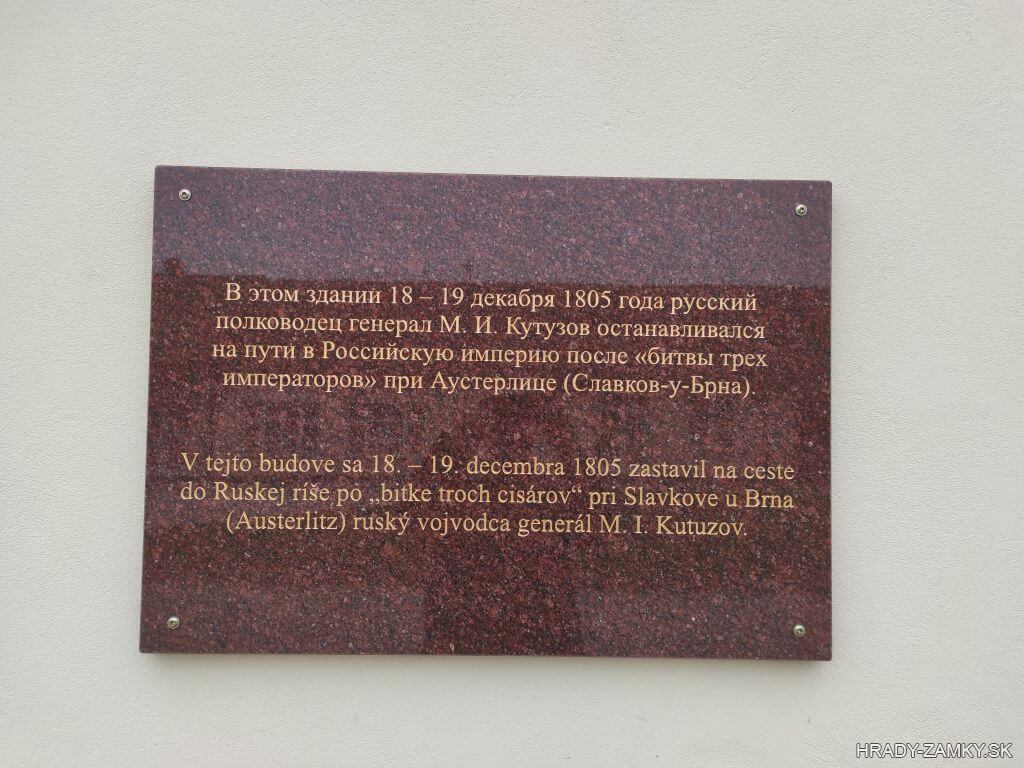
In December 1805, after the defeat of Allied Austrian and Russian troops by Napoleon's army in the battle of Austerlitz, the well-known Duke Kutuzov spent the night there.
The manor house was rebuilt several times and the last modifications that took place during the 20th century were mostly purposeful and the architectural parts of the building were largely destroyed. These reconstructions were mainly related to the change of use of the building.
Written references have been preserved from a later period and it is stated that at the end of the 19th century the village was owned by Pavel Weisz and later by Count Kuffner of Sládkovičov (until 1918). For a short time, the manor belonged to the Baroness of Kállas near Nitra. After the property was divided, the landowner František Němec, who owned the manor until the end of World War II, received a share.
From 1945 until the end of the sixties, the building functioned as a state burgher school. It was then used for storage purposes, later ceased to be used completely and began to decay.
In 1994, the Slovak Monuments Institute carried out in-depth monument research in the manor.
In the years 2010 to 2012, the manor was completely renovated, funding was covered by European funds and part of the municipality. She established the Mikhail Illarionovich Kutuzov Museum in the manor, to which the Embassy of the Russian Federation and the Russian Center for Science and Culture in Bratislava actively contributed.
Výstavba renesančného kaštieľa sa datuje do začiatku druhej polovice 16. storočia, no z tohto obdobia sa nezachovali žiadne písomné zmienky. O vlastníkoch kaštieľa tiež nemáme veľa informácií. Matej Bel sa vo svojom 4. zväzku Notitia Hungariae Novae Historico-Geographica (r. 1742) zmieňuje o rode Rišňovských, ktorý bol údajne spätý s usadlosťou Horné a Dolné Rišňovce a kaštieľ, poškodený tureckými vojnami a inými udalosťami, patril kompossesorátu rodu Sandor. O tomto rode je v súčasnosti k dispozícii iba zopár údajov, napr. Mikuláš Sandor dal pristaviť ku kostolu sakristiu. Mikulášov syn Žigmund postavil svojej zosnulej manželke Johane na dolnorišňovskom cintoríne kaplnku. Ich syn Rudolf bol najbohatším zemepánom Dolných Rišňoviec.
Počas výstavby kostola bola na poschodí kaštieľa v roku 1772 zriadená súkromná kaplnka, kde boli dočasne slúžené bohoslužby.
Kaštieľ patrí medzi najstaršie budovy v tejto obci. Parcela kaštieľa je zo severnej strany ohraničená prízemnou budovou a miestnou komunikáciou, ktorá smeruje ku kostolu. Tento objekt bol nazývaný ako "bašty" a v minulosti mal obvodový múr členený dvomi oblými výstupkami, ktoré dnes už neexistujú. Boli odstránené v 20. storočí.
V decembri 1805 v ňom po porážke spojeneckých rakúskych a ruských vojsk armádou Napoleona v bitke pri Slavkove nocoval známy vojvodca Kutuzov.
Kaštieľ bol v niekoľkých etapách viackrát prestavaný a posledné úpravy, ktoré prebehli v priebehu 20. storočia boli väčšinou účelové a do veľkej miery boli zničené architektonické časti budovy. Tieto prestavby súviseli hlavne so zmenou využitia objektu.
Písomné zmienky sa zachovali až z neskoršieho obdobia a v nich je uvedené, že koncom 19. storočia bola obec v majetku Pavla Weisza a neskôr grófa Kuffnera zo Sládkovičova (až do roku 1918). Krátku dobu patril kaštieľ barónke z Kállas pri Nitre. Po rozparcelovaní majetkov dostal časť statkár František Němec, ktorému patril kaštieľ až do konca 2. svetovej vojny.
Od roku 1945 do konca šesťdesiatych rokov budova fungovala ako štátna meštianska škola. Potom sa využívala pre skladové účely, neskôr prestala byť využívaná úplne a začala chátrať.
V roku 1994 realizoval Slovenský pamiatkový ústav v kaštieli hĺbkový pamiatkový výskum.
V rokoch 2010 až 2012 kaštieľ kompletne zrekonštruovali, financovanie bolo pokryté z európskych fondov a časť z prostriedkov obce. Tá v kaštieli zriadila múzeum Michaila Illarionoviča Kutuzova, k čomu aktívne prispelo veľvyslanectvo Ruskej federácie a Ruské centrum vedy a kultúry v Bratislave.
Myths and legends
There are no myths available.
K tomuto objektu nie sú dostupné žiadne povesti
Useful information
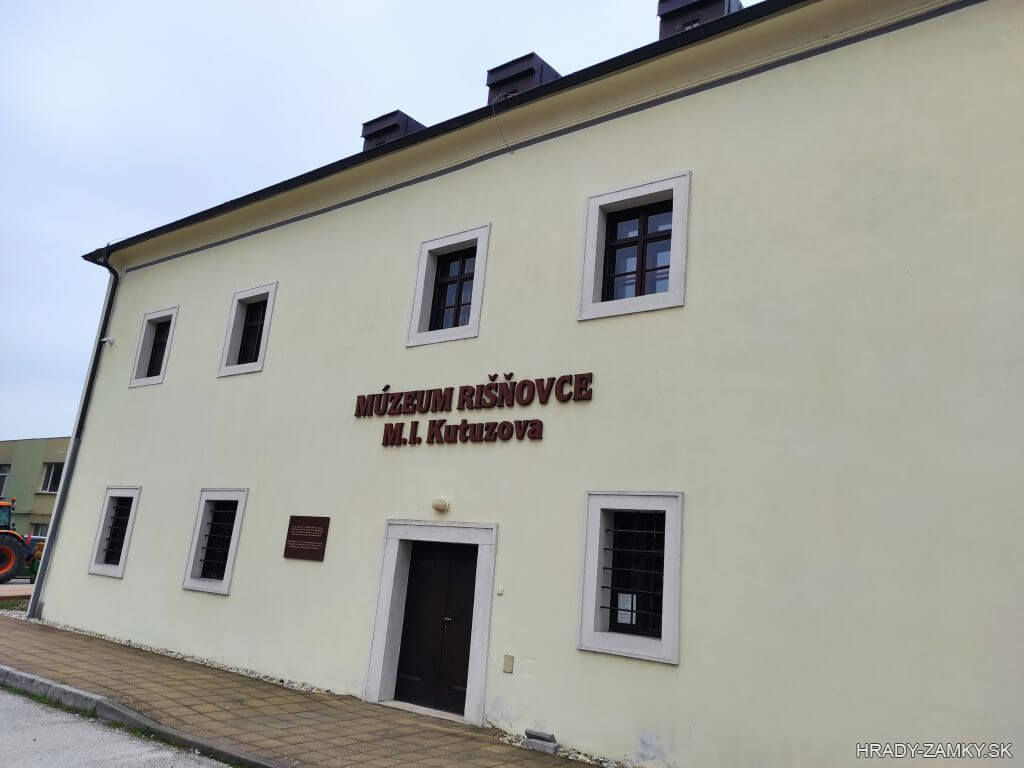
The M.I. Kutuzov Museum is located in the manor house. The tour can be arranged at the Municipal Office.More info
V kaštieli sa nachádza Múzeum M.I.Kutuzova. Prehliadku je možné si dohodnúť na Obecnom úrade.Viac informácií
External links
Nearby castles
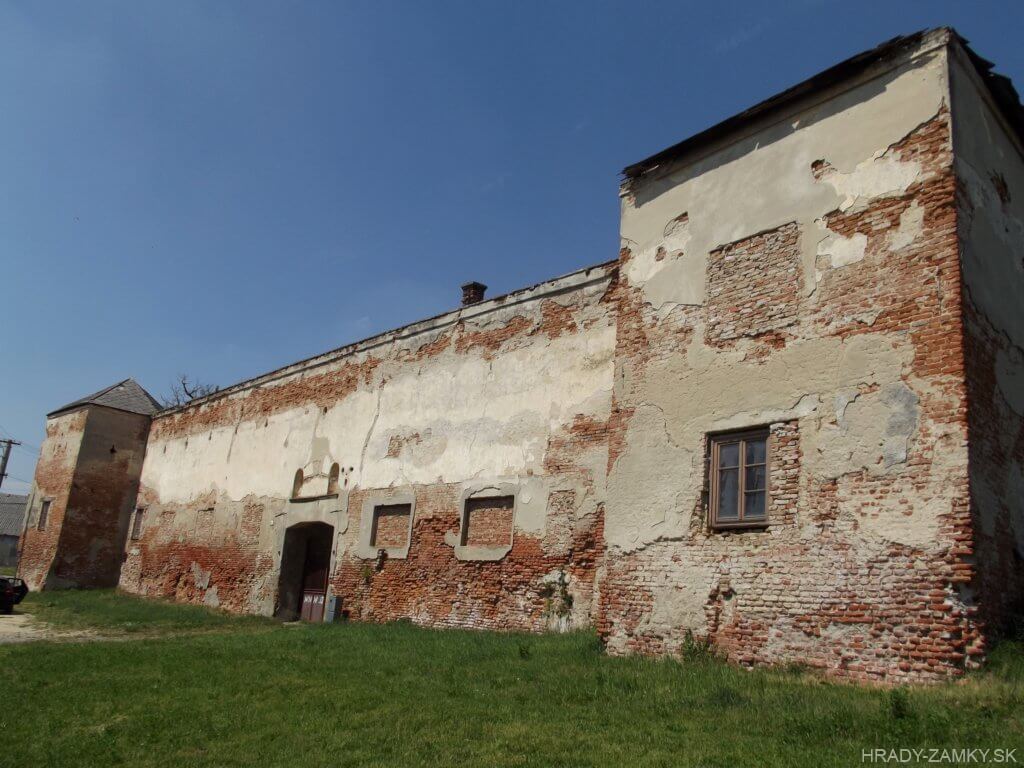
Lukáčovce mansion
Lukáčovce
4.1km
manor, mansion
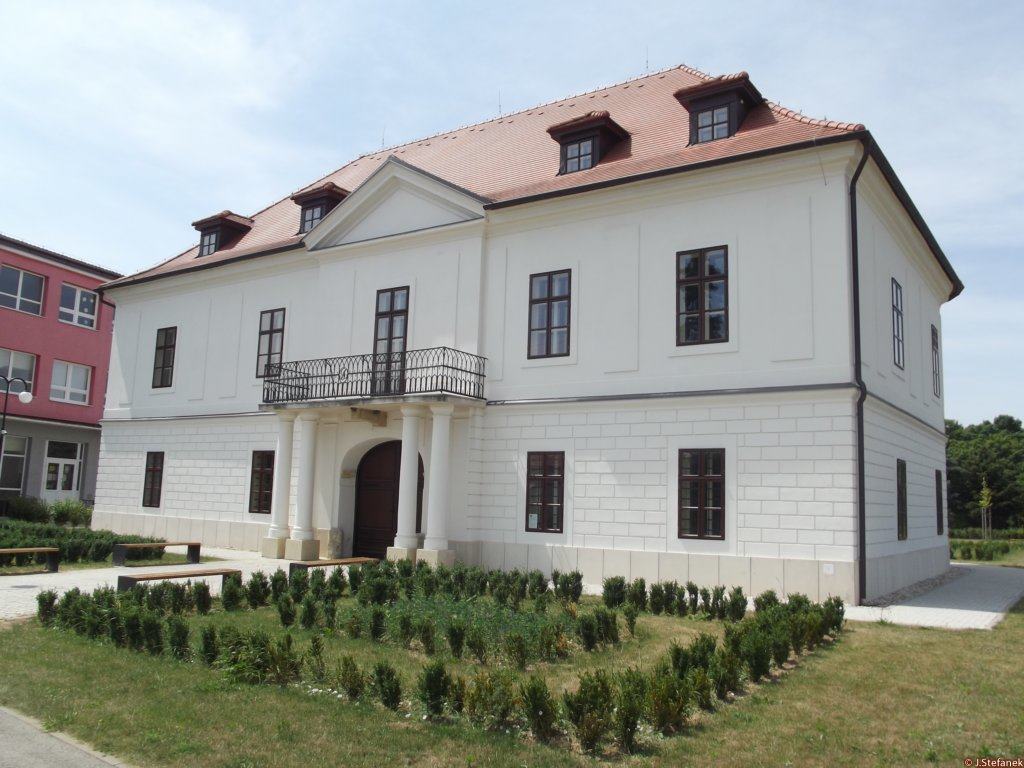
Nové Sady
Nové Sady
8.1km
manor, mansion
Hlohovec
Hlohovec
10.0km
castle, chateau
Horné Trhovište
Horné Trhovište
11.5km
manor, mansion
Leopoldov fort
Leopoldov
12.3km
fortress
Koplotovce
Koplotovce
13.7km
manor, mansion
Šintava
Sereď
14.5km
manor, mansion