Hajná Nová Ves
Hajná Nová Ves Nitra county Slovakia
manor, mansion
Hajná Nová Ves
Hajná Nová Ves Nitriansky kraj Slovakia
kaštieľ
Originally a renaissance manor house in the village of Hajná Nová Ves, located on the Bojnian Uplands, part of the Nitra Uplands, SW of Topoľčany
Pôvodne opevnený renesančný kaštieľ v obci Hajná Nová Ves, ležiacej na Bojnianskej pahorkatine, časti Nitrianskej pahorkatiny, JZ od Topoľčian




Previous names
Hajnowejsa, Hajnová Ves, Szeptencújfalu
Roads
The manor is located almost in the center of Hajná Nová Ves, surrounded by a park. In the village we pass the road No. 1736. Basically, we go around the park next to the church and at the first possible turn we turn right and after a while we turn right again onto a narrow path. We continue here for a few more meters. We can park the car along the road on the lawn. From there we walk a few meters to the manor house by a path between the houses.
Kaštieľ sa nachádza takmer v centre obce Hajná Nová Ves, obklopený parkom. V obci prejdeme cestou č.1736. V podstate obídeme park popri kostole a na prvej možnej odbočke odbočíme vpravo a po chvíli opäť vpravo na úzku cestičku. Tu pokračujeme ešte niekoľko metrov. Auto môžeme odsaviť popri ceste na trávnatej ploche. Odtiaľ prejdeme peši pár metrov ku kaštieľu cestičkou pomedzi domami.
Description
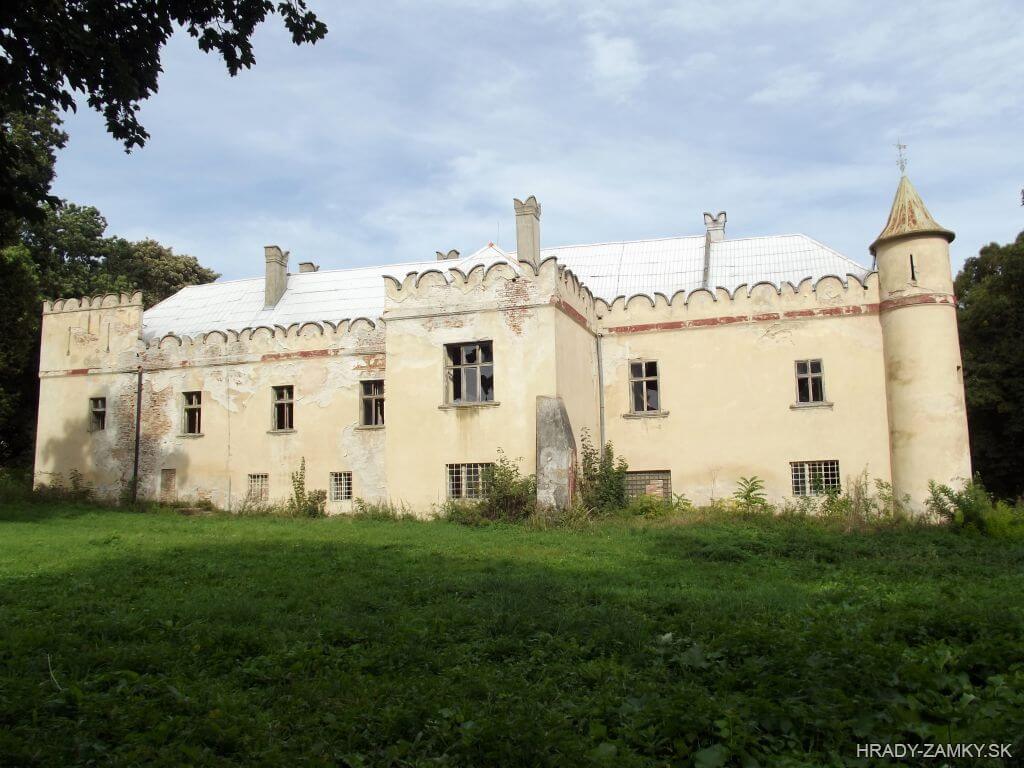
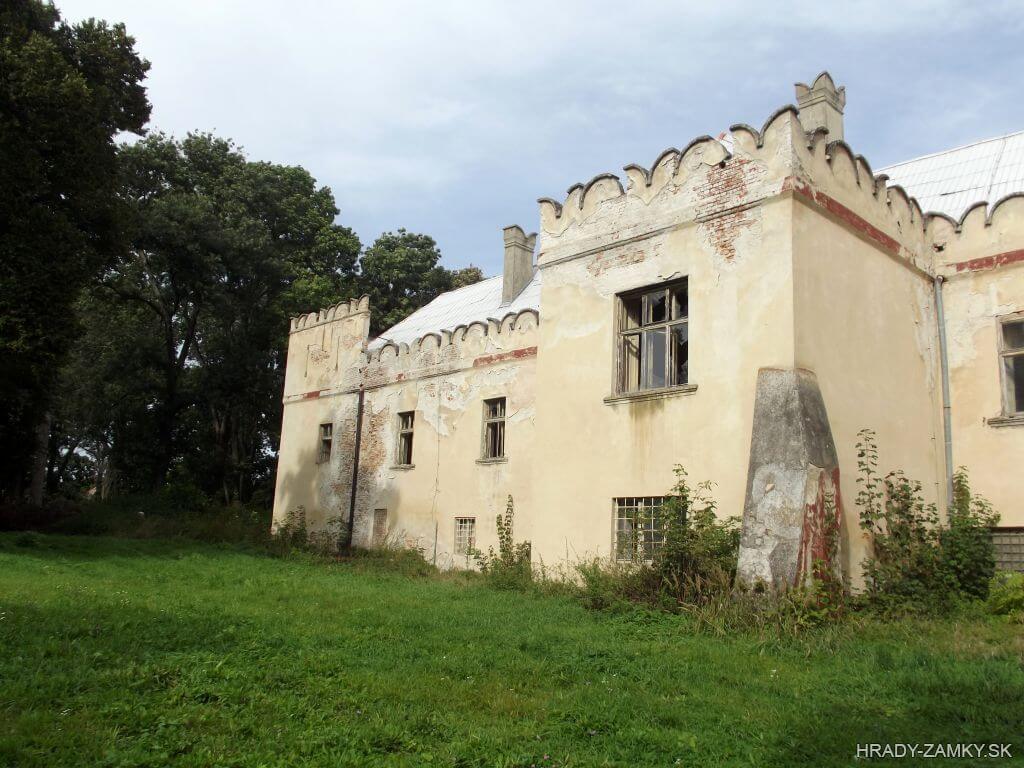
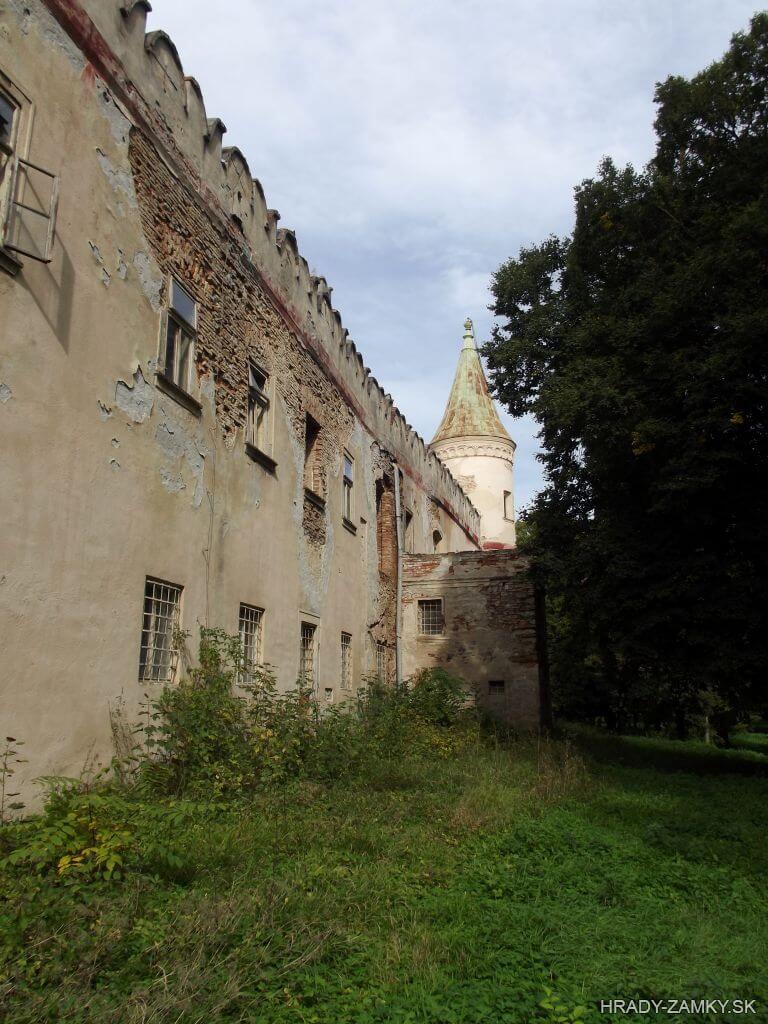
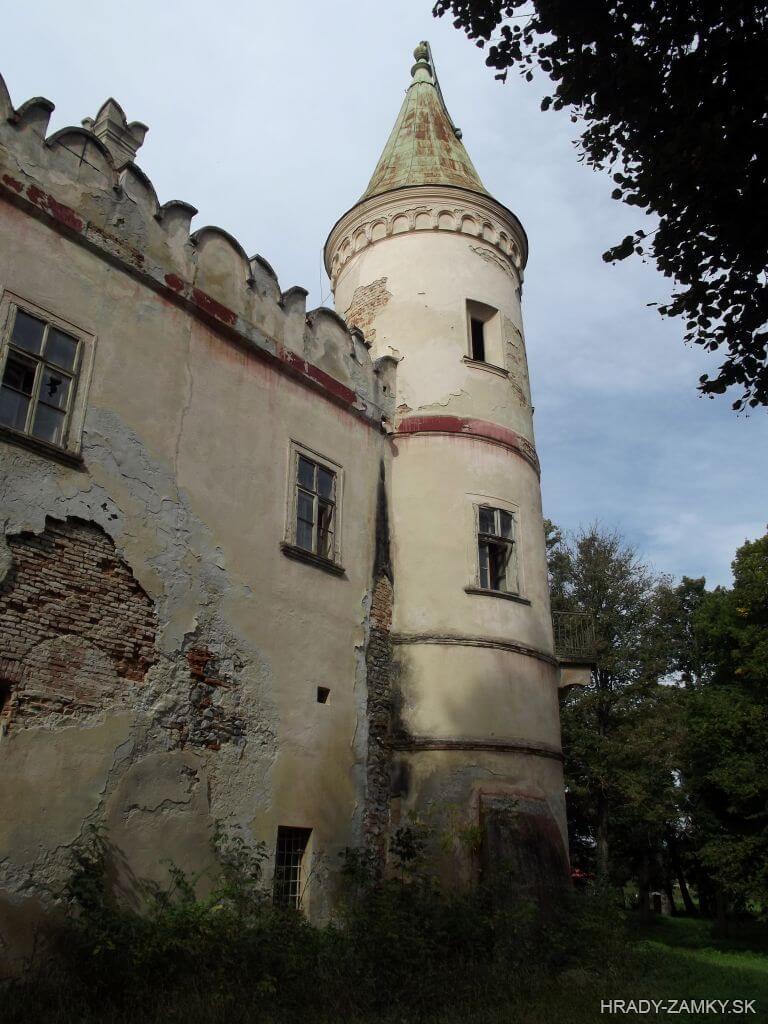
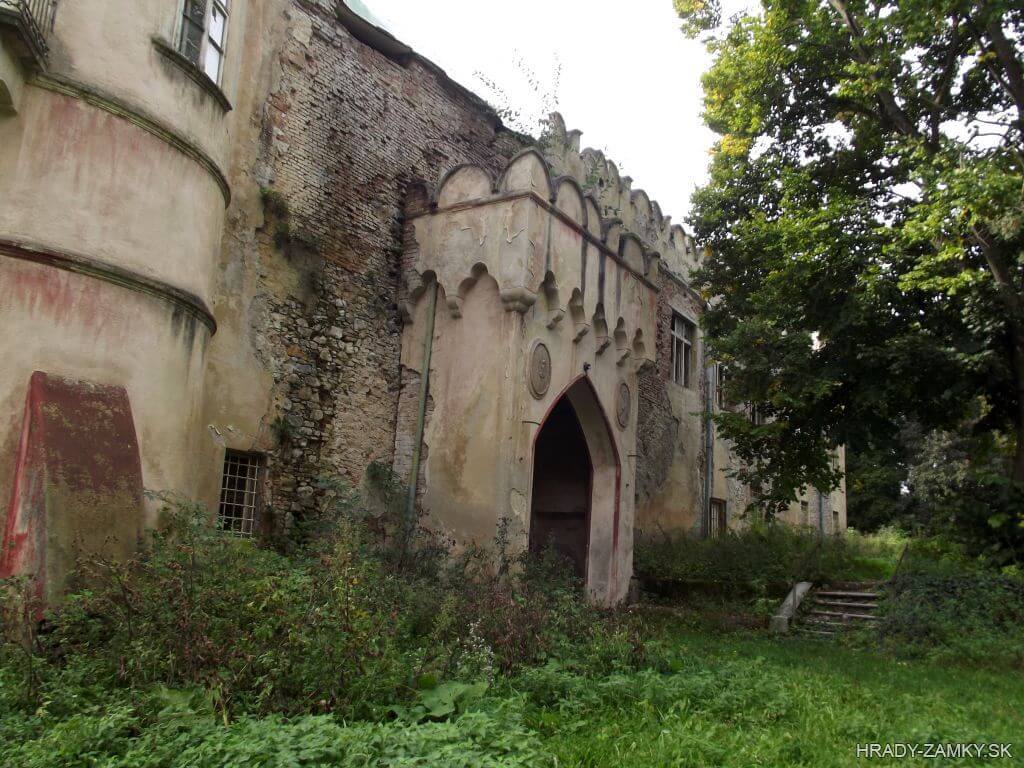
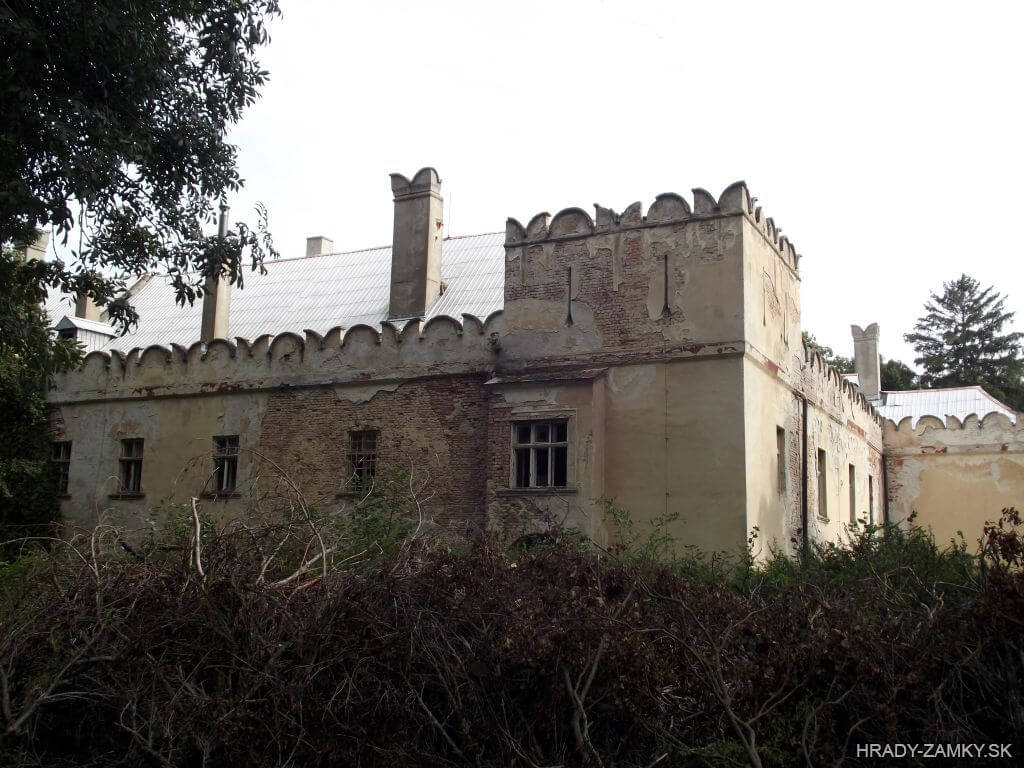
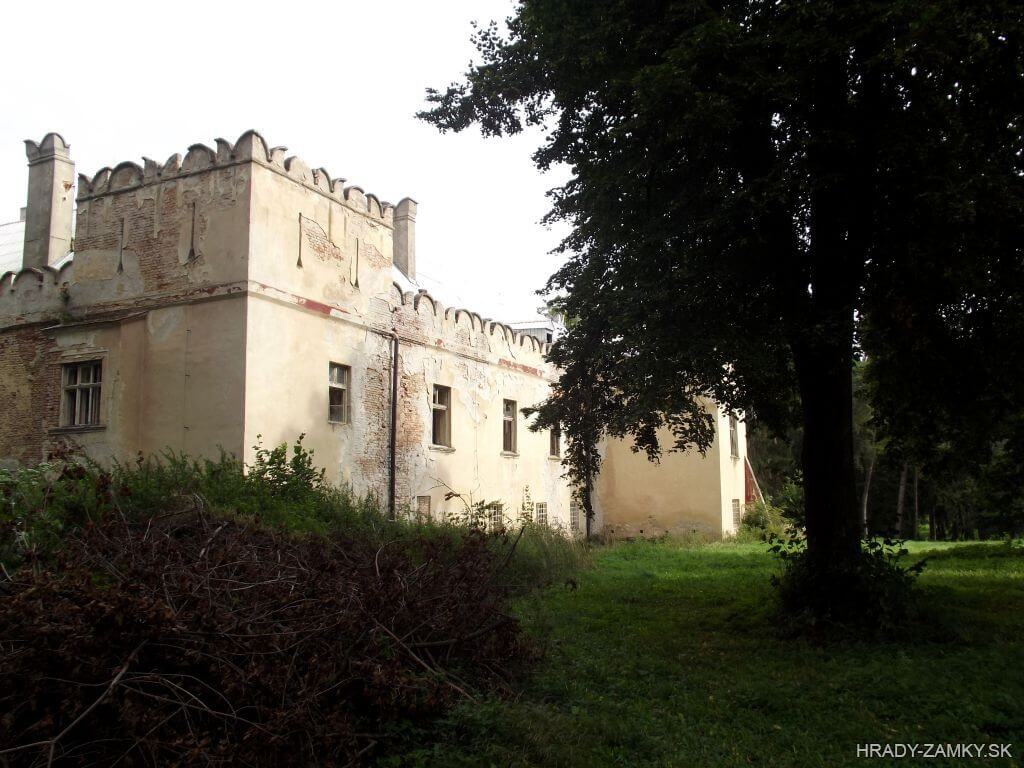
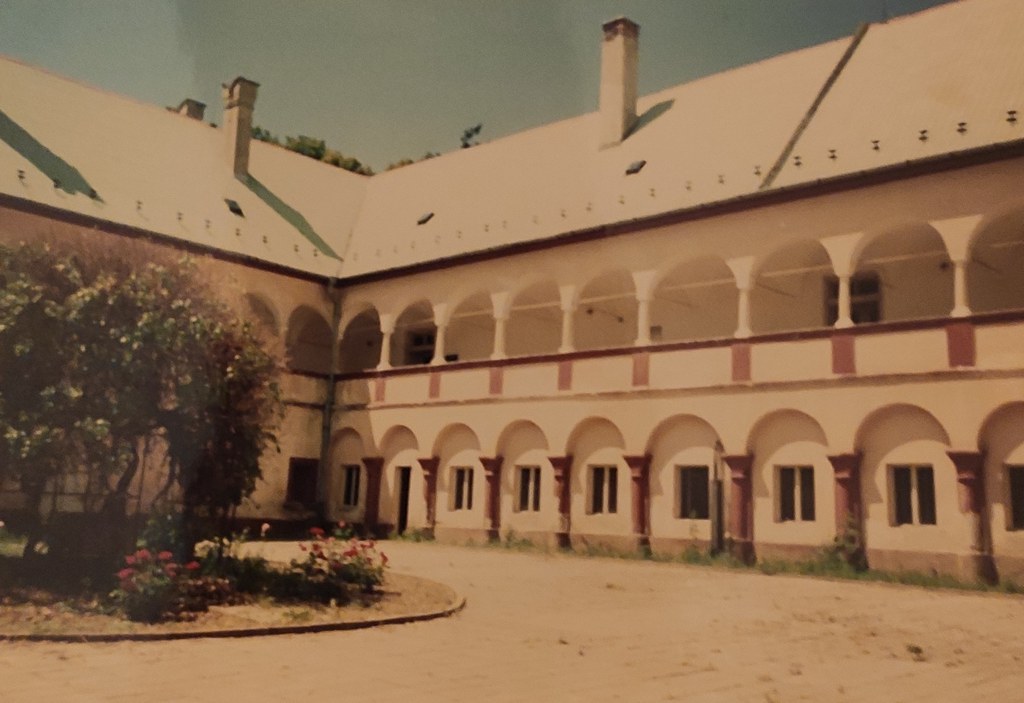
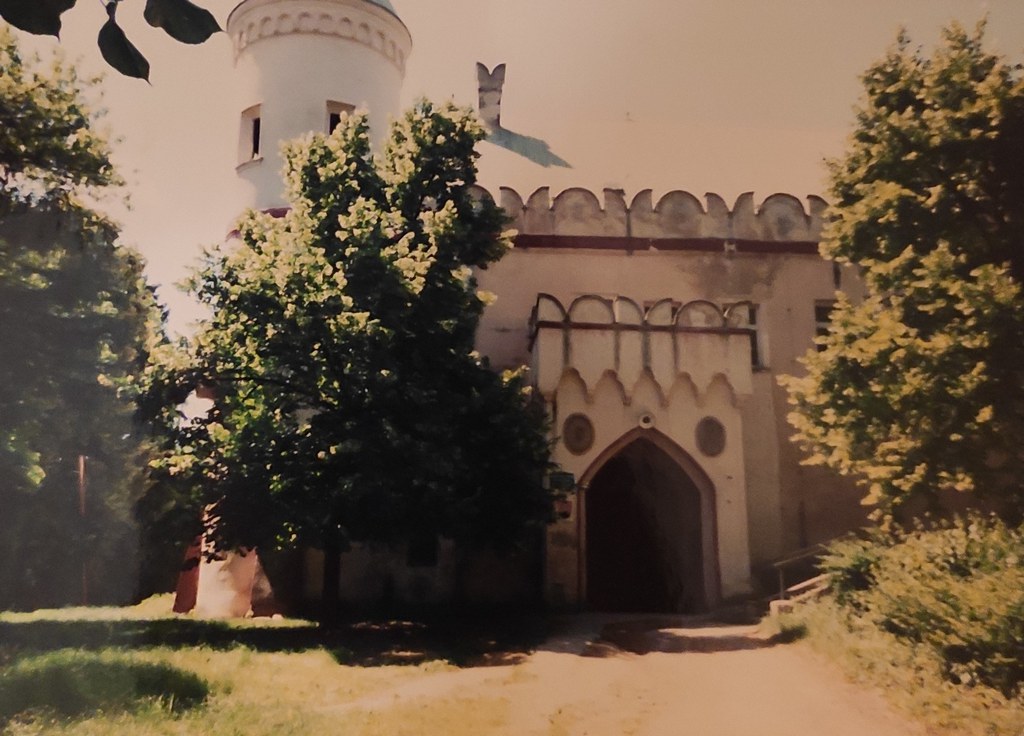
The four-winged, multi-storey manor house has undergone only minor alterations and has retained its Renaissance style. It has two corner towers. From the side of the courtyard, they line the three wings of the arcade, on the second floor in the form of an open arcade corridor. The non-style restoration and modification in 1896 and 1924 highlighted the fortified character of the building in order to reconstruct the historical state in a romanticizing spirit.Coffered ceilings and stucco decoration have been preserved. In 2008, architectural and historical research was carried out. At present, the building is in a desolate state and dilapidated.
Štvorkrídlový, poschodový kaštieľ prešiel len menšími úpravami a zachoval si renesančnú slohovú čistotu. Má dve nárožné veže. Zo strany nádvoria lemujú tri krídla arkády, v druhom podlaží formou otvorenej arkádovej chodby. Neoslohová obnova a úprava v rokoch 1896 a 1924 vyzdvihla pevnostný charakter objektu s cieľom rekonštruovať historický stav v romantizujúcom duchu.Zachovali sa kazetové stropy a štukatérska výzdoba. V roku 2008 bol realizovaný architektonicko-historický výskum. V súčasnosti je objekt v dezolátnom stave a chátra.
History
Originally a fortified Renaissance manor house with the chapel of St. Imrich was built in 1609, probably on the older foundations of the nobles by Tomáš Vizkelety. Later, the manor belonged to the Ocskay and Zerdahelyi family.
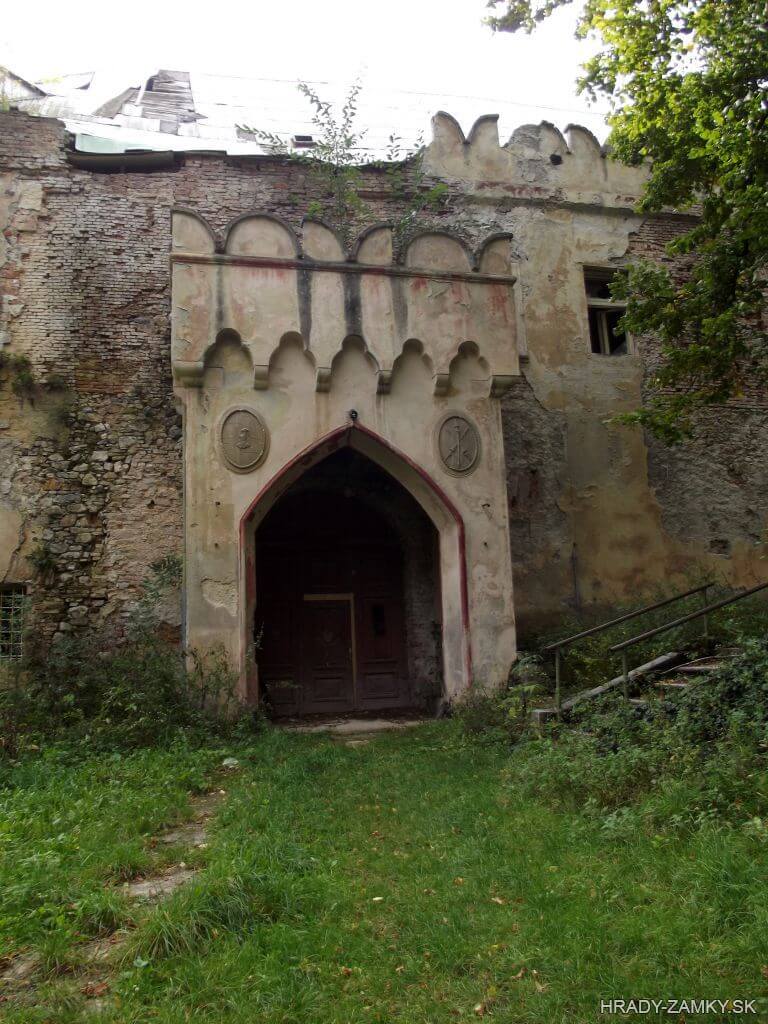
The last aristocratic owners of the manor were Albert Emil von Steiger-Münsingen von Relle and his wife Maria Judyte Eleonora Eugenia Ludmił Zamoyska (their coats of arms dated 1896 are located on the sides of the entrance gate) and their daughter Marie Eugenie Alexander Ludmila Albertine.
It was rebuilt in the Classicist period in 1816 and romanticized in 1896 and 1924.
Until 1993, the building housed a special boarding school and a practical school. It was financially difficult for the school to maintain the manor house with the park, so it sold it to a private owner in 2003.
However, the manor house has been a cultural monument since 1963 and the park was declared a protected natural monument in 1984. The sale of the park violated the law, which prohibits the transfer of state ownership of land with third degree protection to other persons. This sale is therefore invalid and litigation is taking place. For a private owner, the manor house without a park is worthless and is currently in a desolate state and dilapidated.
Pôvodne opevnený renesančný kaštieľ s kaplnkou sv. Imricha dal postaviť v roku 1609 pravdepodobne na starších základoch šľachtic Tomáš Vizkelety. Neskôr kaštieľ patril rodine Ocskayovcov a Zerdahelyiovcov.
Poslednými šľachtickými vlastníkmi kaštieľa boli Albert Emil von Steiger-Münsingen von Relle a jeho manželka Maria Judyta Eleonora Eugenia Ludmiła Zamoyska (ich erby datované rokom 1896 sú umiestnené po stranách vstupnej brány) a tiež ich dcéra Marie Eugenie Alexandra Ludmilla Albertine.
V období klasicizmu ho v roku 1816 prestavali a v rokoch 1896 a 1924 romanticky upravili.
Do roku 1993 v objekte sídlila Špeciálna základná škola internátna a praktická škola. Pre školu bolo finančne náročné udržiavať kaštieľ aj s parkom, preto ho v roku 2003 predala súkromnému majiteľovi.
Kaštieľ je však kultúrnou pamiatkou od roku 1963 a park bol za chránenú prírodnú pamiatku vyhlásený v roku 1984. Predajom parku tým došlo k porušeniu zákona, ktorý zakazuje prevod vlastníctva štátu s pozemkom s tretím stupňom ochrany na iné osoby. Tento predaj je teda neplatný a vedú sa súdne spory. Pre súkromného majiteľa je kaštieľ bez parku bezcenný a v súčasnosti je v dezolátnom stave a chátra.
Myths and legends
There are no myths available.
K tomuto objektu nie sú dostupné žiadne povesti
Useful information
The mansion is dilapidated and is in private hands
Kaštieľ chátra a je v súkromných rukách
Nearby castles
Horné Obdokovce
Horné Obdokovce
4.5km
manor, mansion

Nitrianska Blatnica
Nitrianska Blatnica
5.4km
manor, mansion
Oponice manor
Oponice
11.0km
manor, mansion
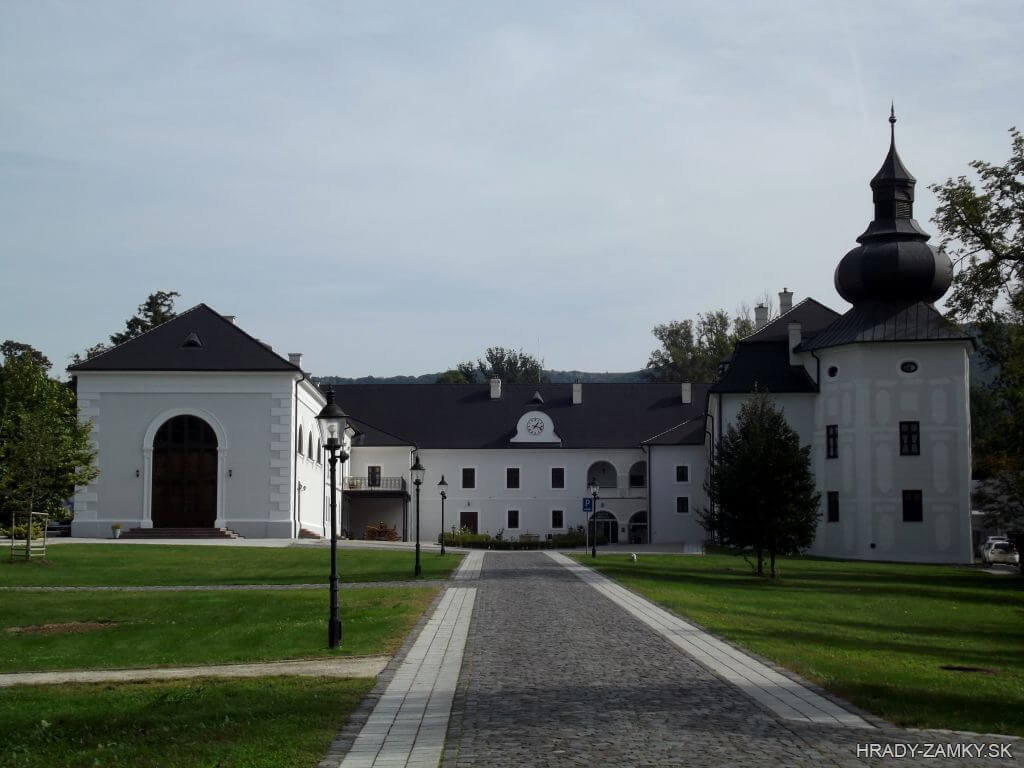
Oponice - Apponyi mansion
Oponice
11.6km
manor, mansion
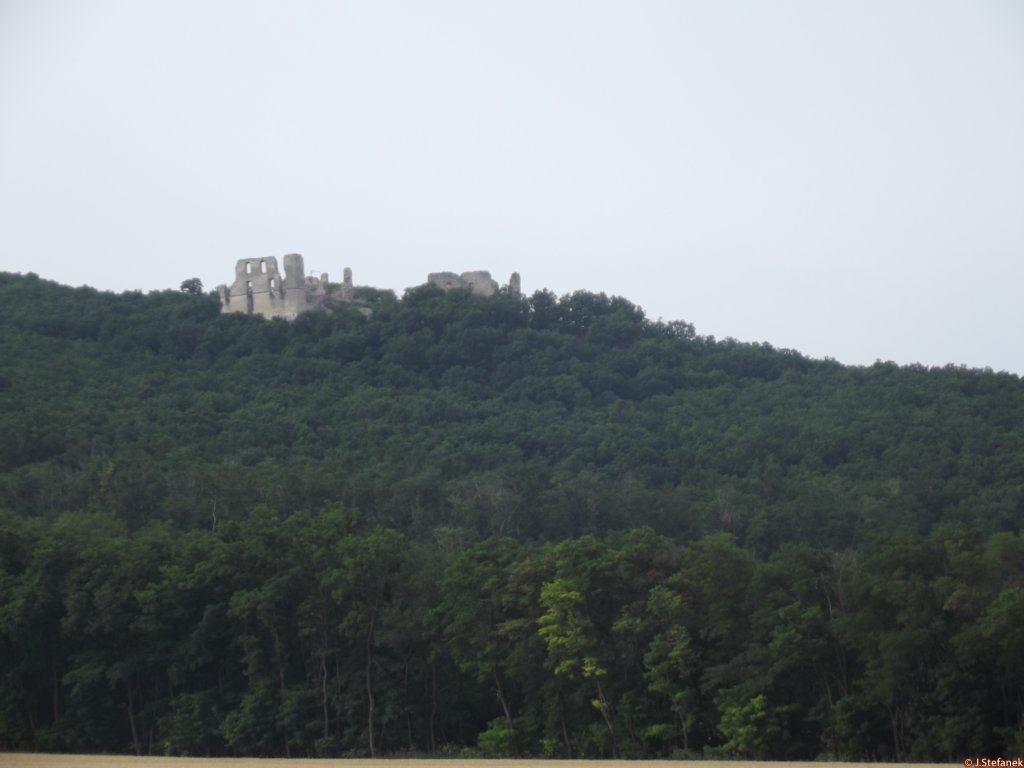
Oponice
Oponice
13.3km
castle ruin
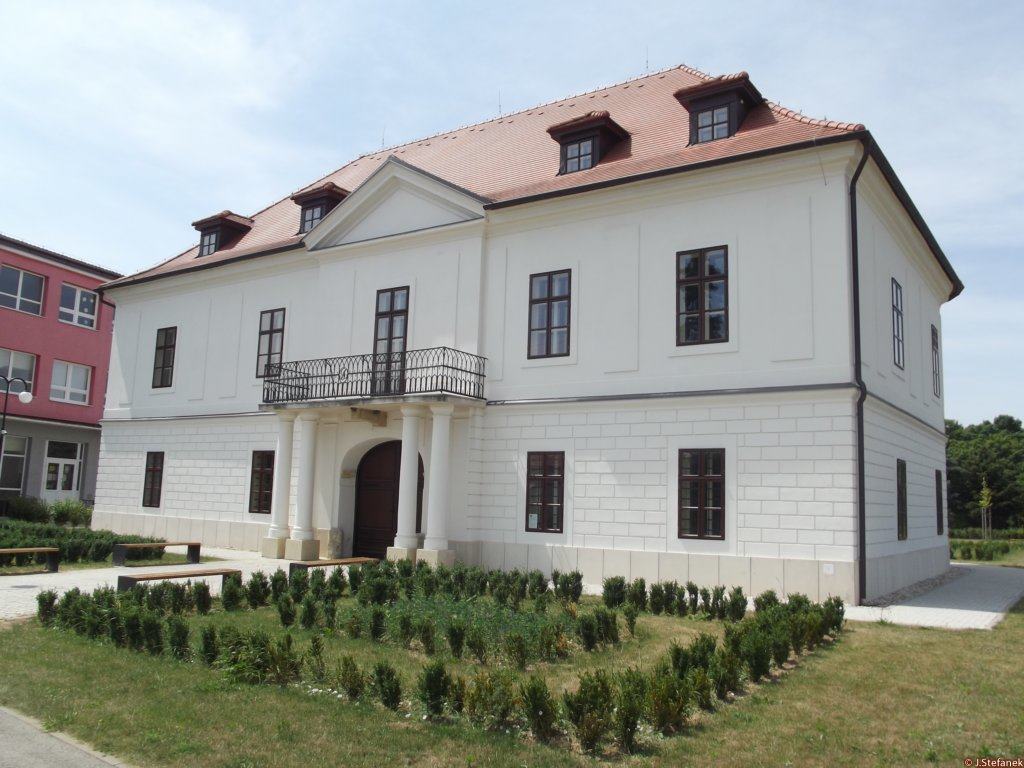
Nové Sady
Nové Sady
13.6km
manor, mansion
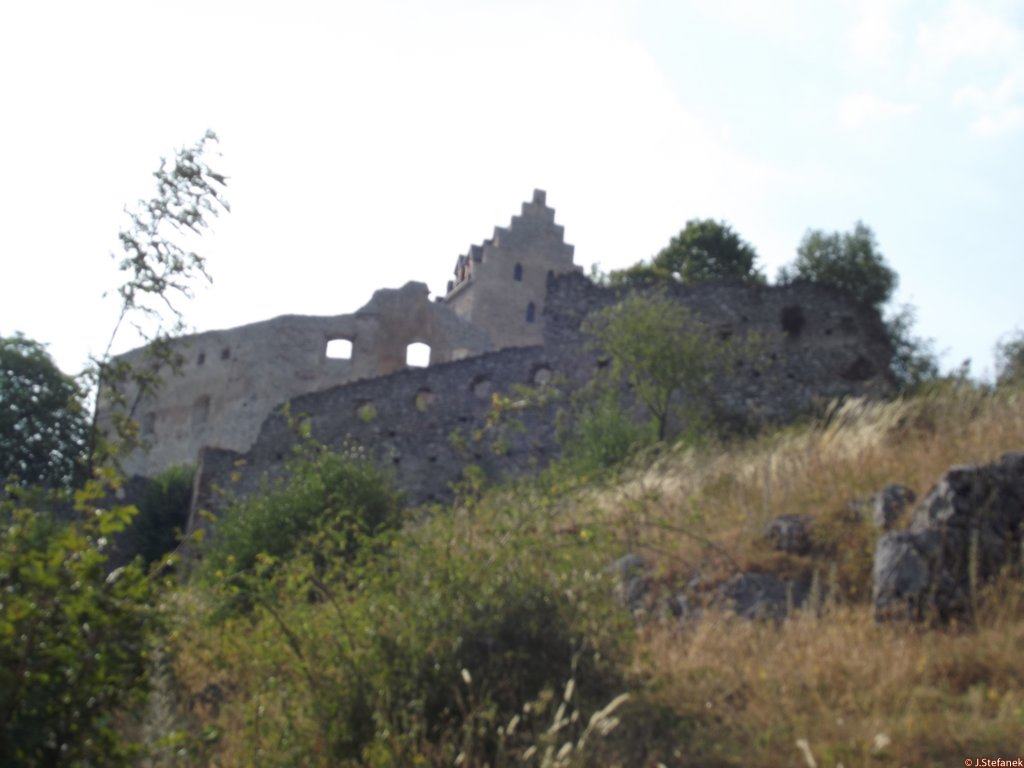
Topoľčany castle
Podhradie okr. Topoľčany
13.8km
castle ruin