Topoľčany castle
Podhradie okr. Topoľčany Nitra county Slovakia
castle ruin
Topoľčiansky hrad
Podhradie okr. Topoľčany Nitriansky kraj Slovakia
zrúcanina hradu
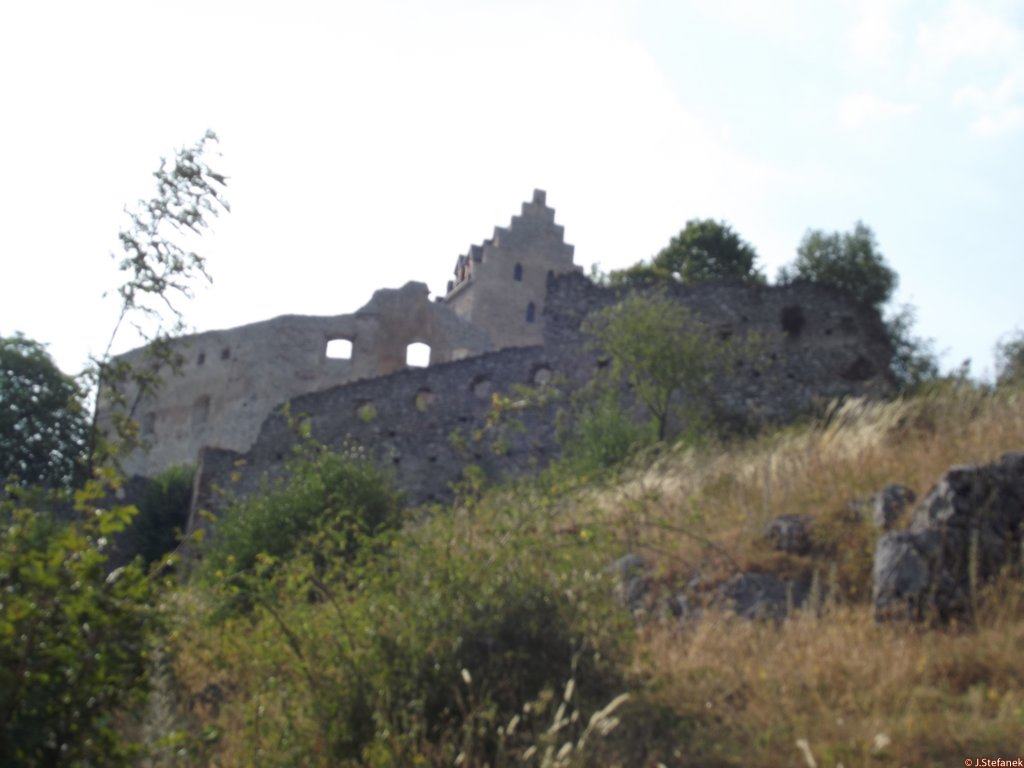
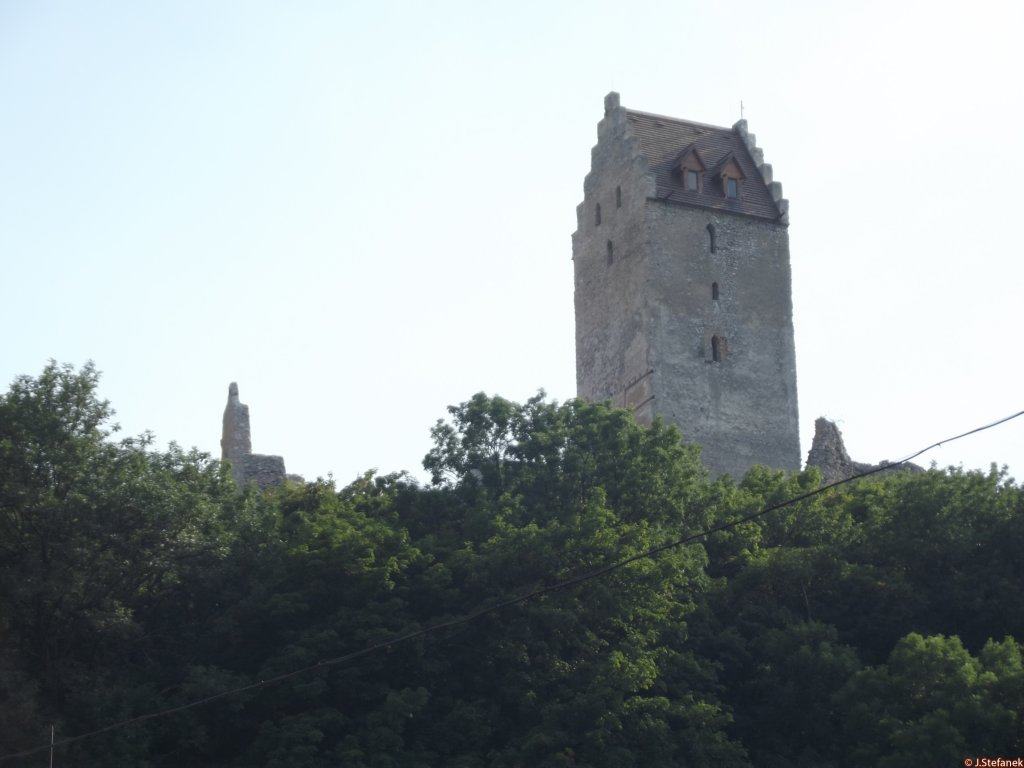
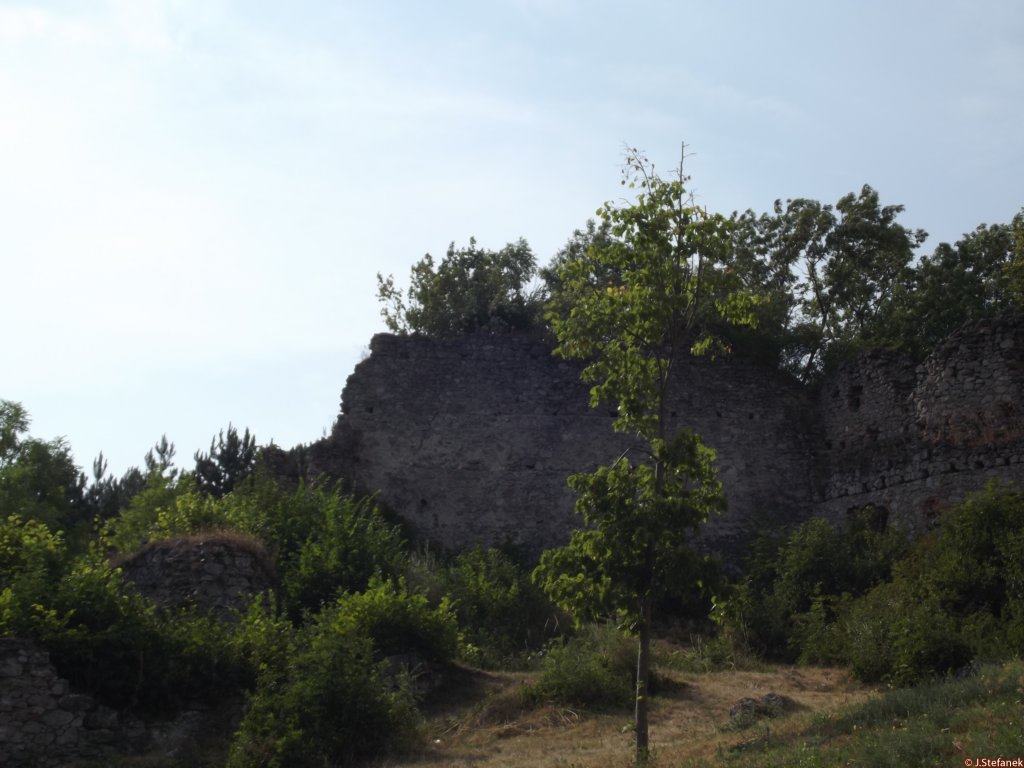
The ruins of the castle, which rises directly above the village Podhradie on a partially wooded hill. Dolomite castle brough is part of the eastern part of the Považský Inovec geomorphological complex
Zrúcanina hradu, ktorý sa vypína bezprostredne nad obcou Podhradie na čiastočne zalesnenom vrchu s nadmorskou výškou 490 m n. m. Dolomitové hradné bralo je súčasťou východnej časti geomorfologického celku Považský Inovec
Previous names
Nagytapolcsány vára
Roads
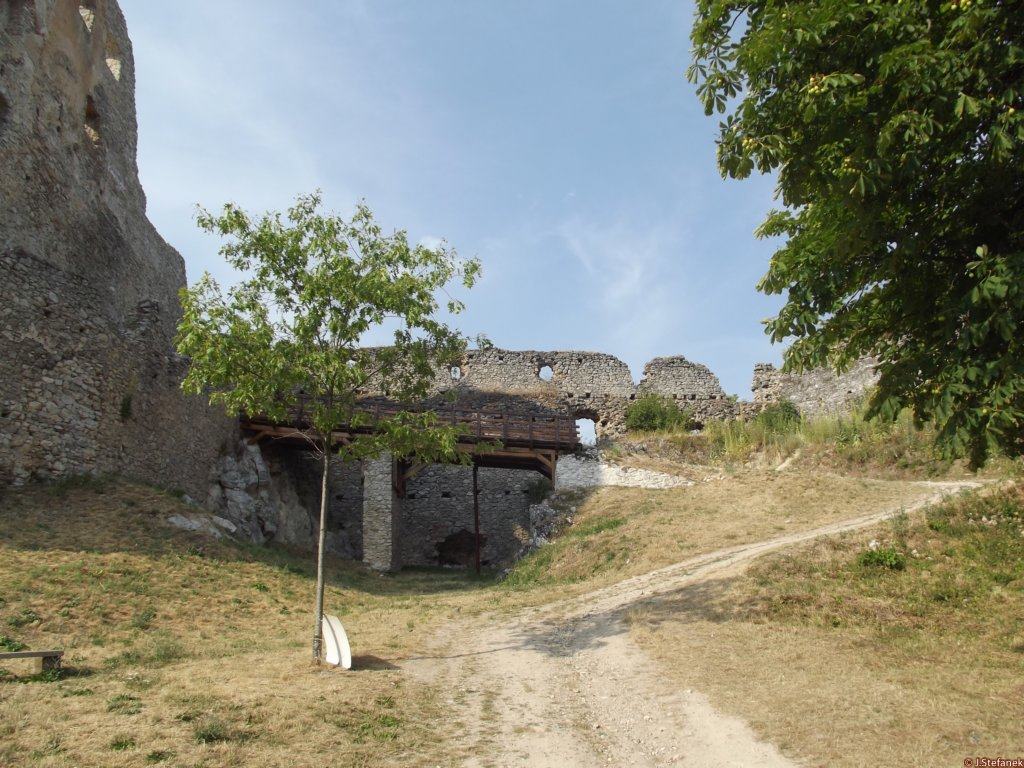
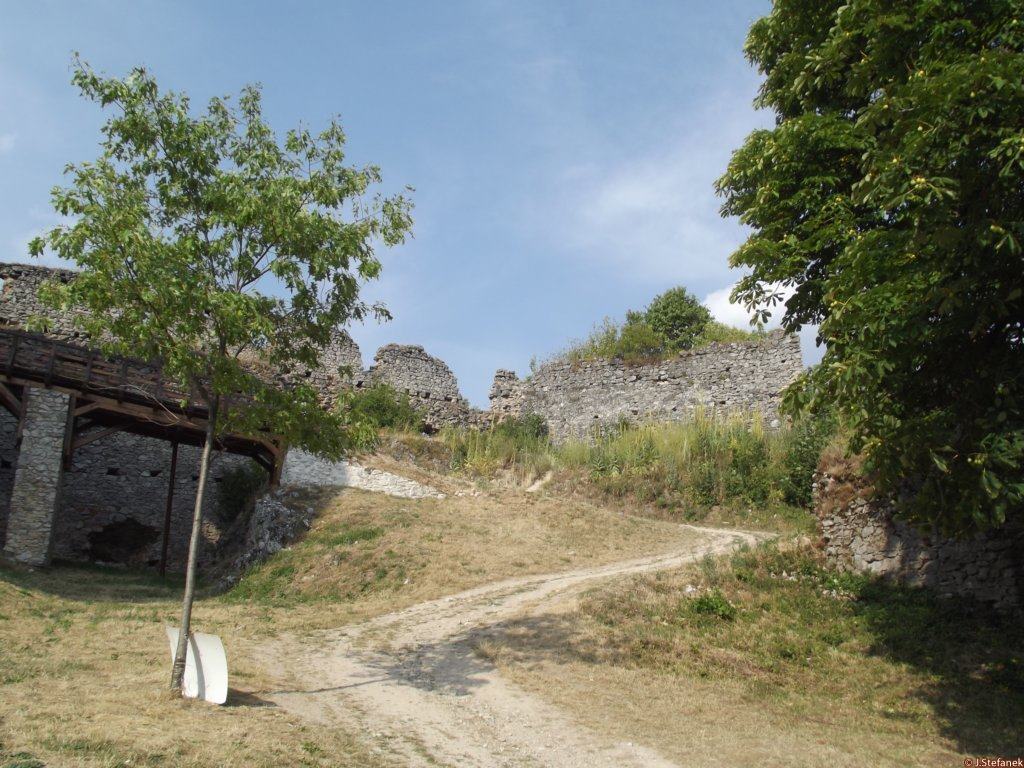
Topoľčiansky castle is located in the village Podhradie near the recreation center Duchonka, near Topoľčiany. By car we get through the surrounding villages and alleys directly to Podhradie. After a relatively difficult climb through the streets of the village, we ascend to the church, which is located below the castle. There is a small parking lot, from where we can walk on a narrow asphalt road next to the church. Soon the asphalt road will turn into a dirt road. The climb is relatively tough, but it is short.
Topoľčiansky hrad sa nachádza v obci Podhradie blízko rekreačného centra Duchonka, neďaleko Topoľčian. Autom sa dostaneme cez okolité obce a uličky priamo do Podhradia. Po relatívne náročnom stúpaní ulicami obce vystúpime celkom až ku kostolu, ktorý sa nachádza pod hradom. Tu je menšie parkovisko, odkiaľ sa peši vyberieme úzkou asfaltovou cestou popri kostolu. Čoskoro sa asfaltová cesta zmení na poľnú cestu. Stúpanie dá zabrať, no je relatívne krátke.
Description
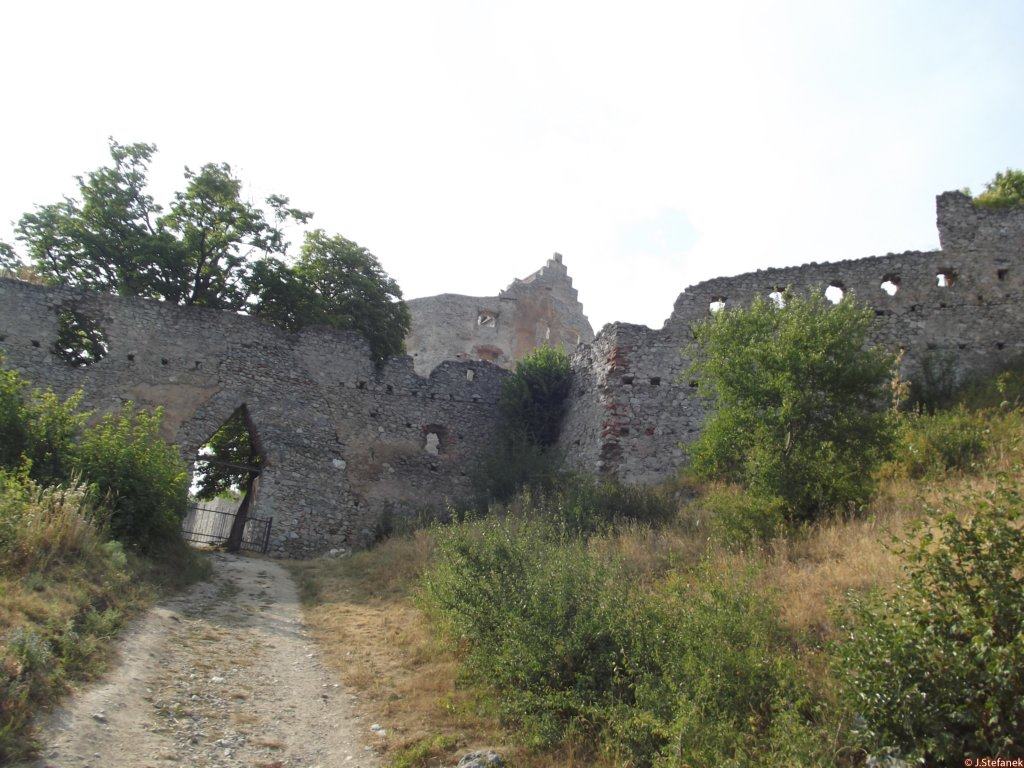
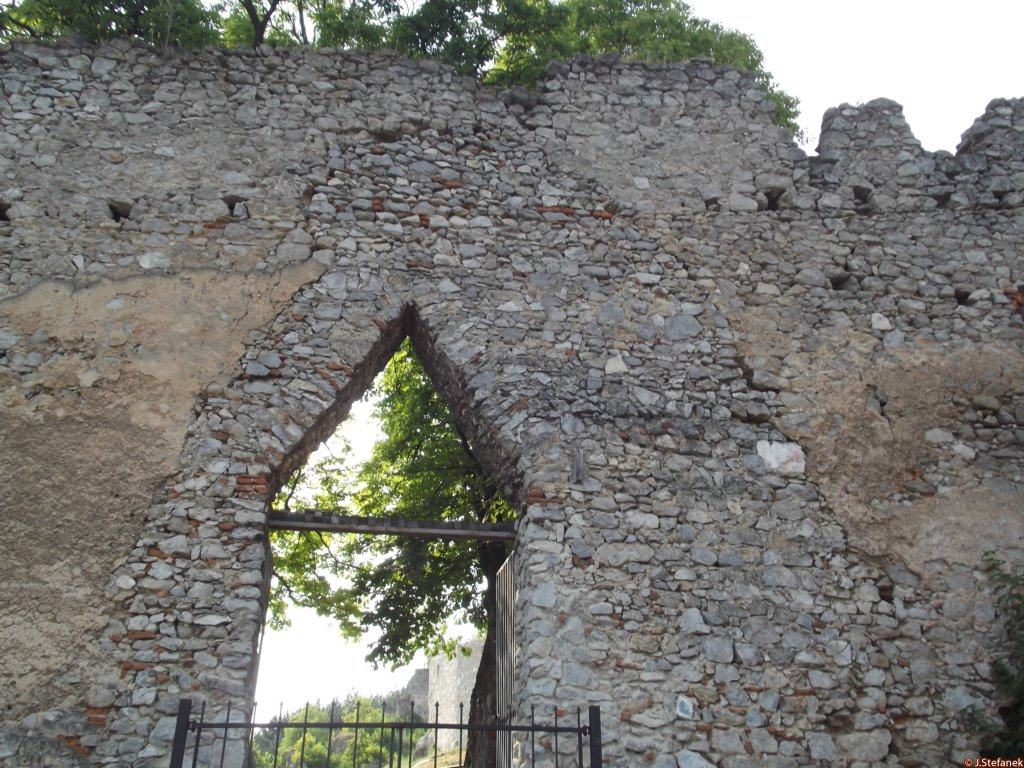
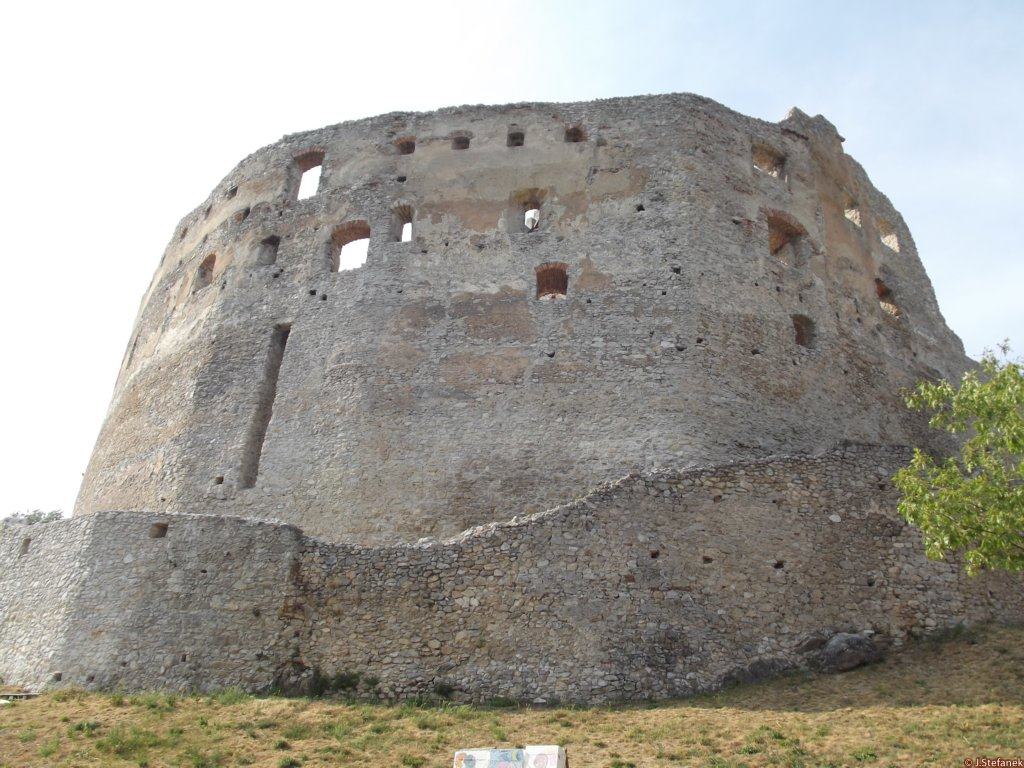
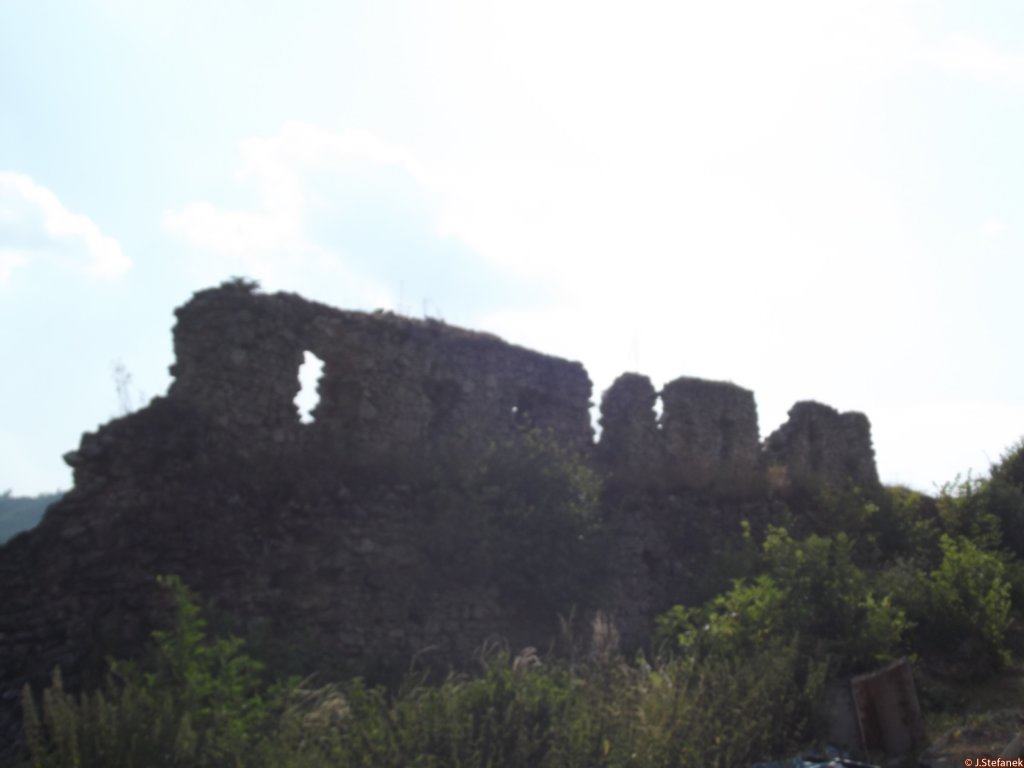
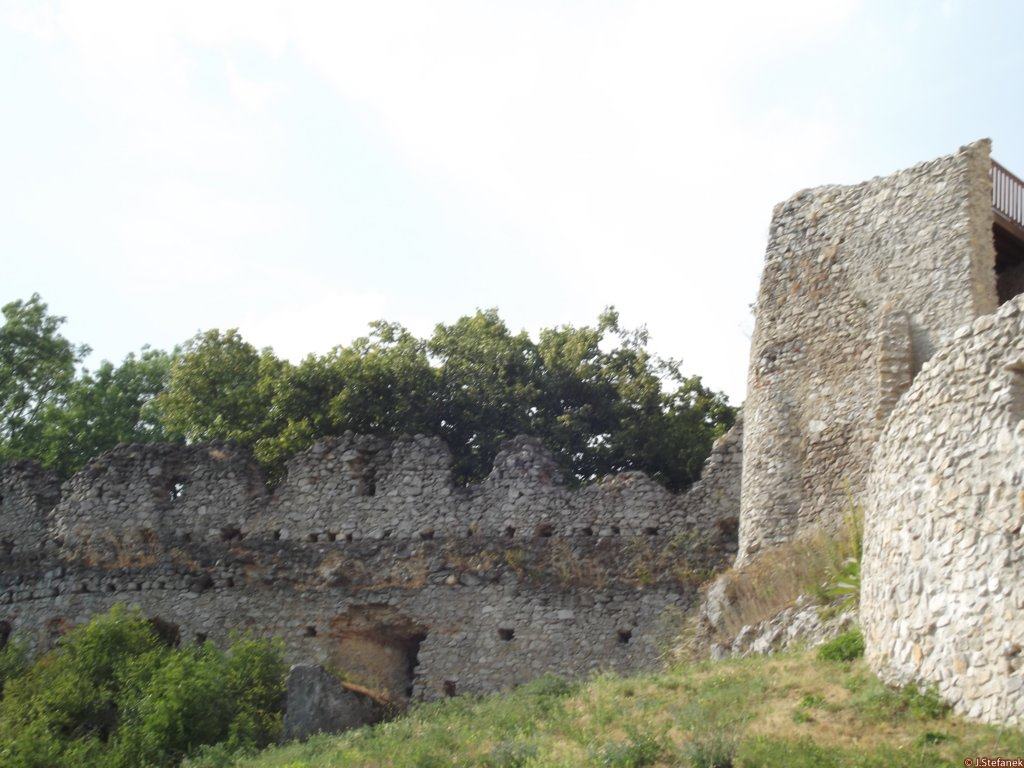
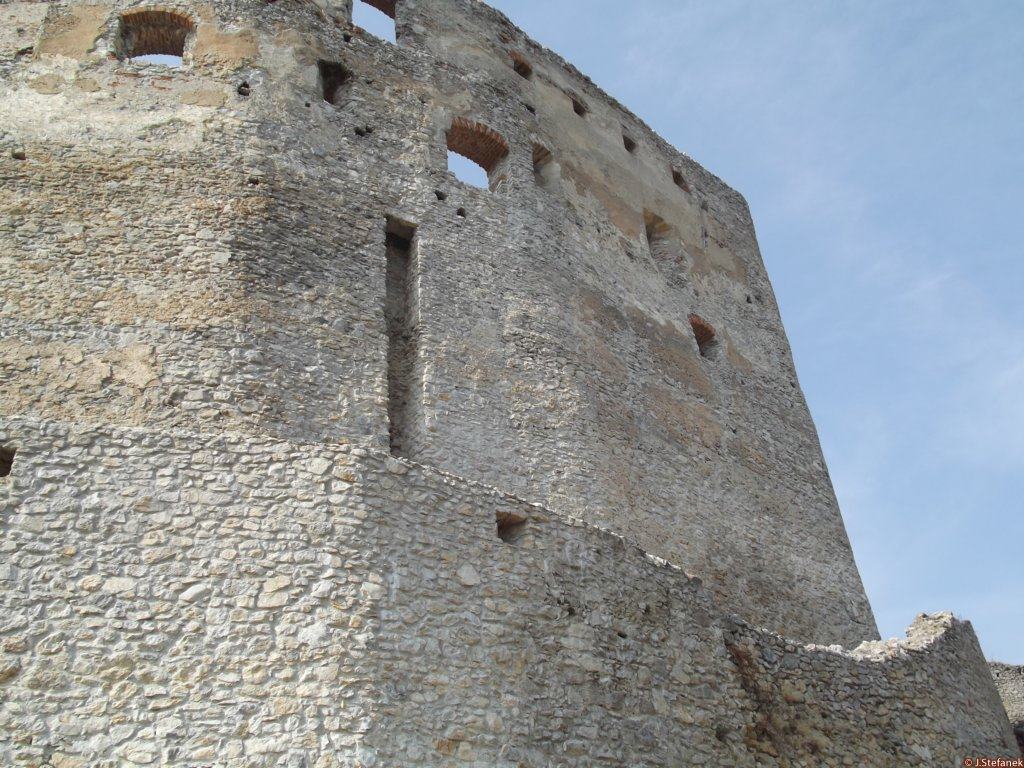
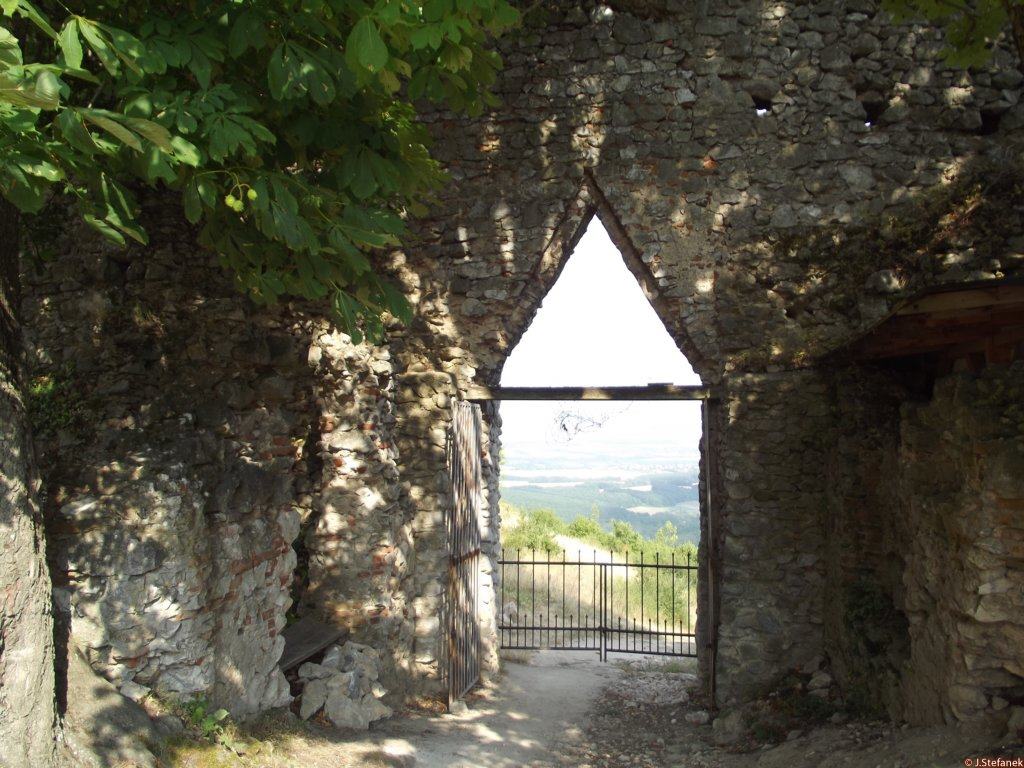
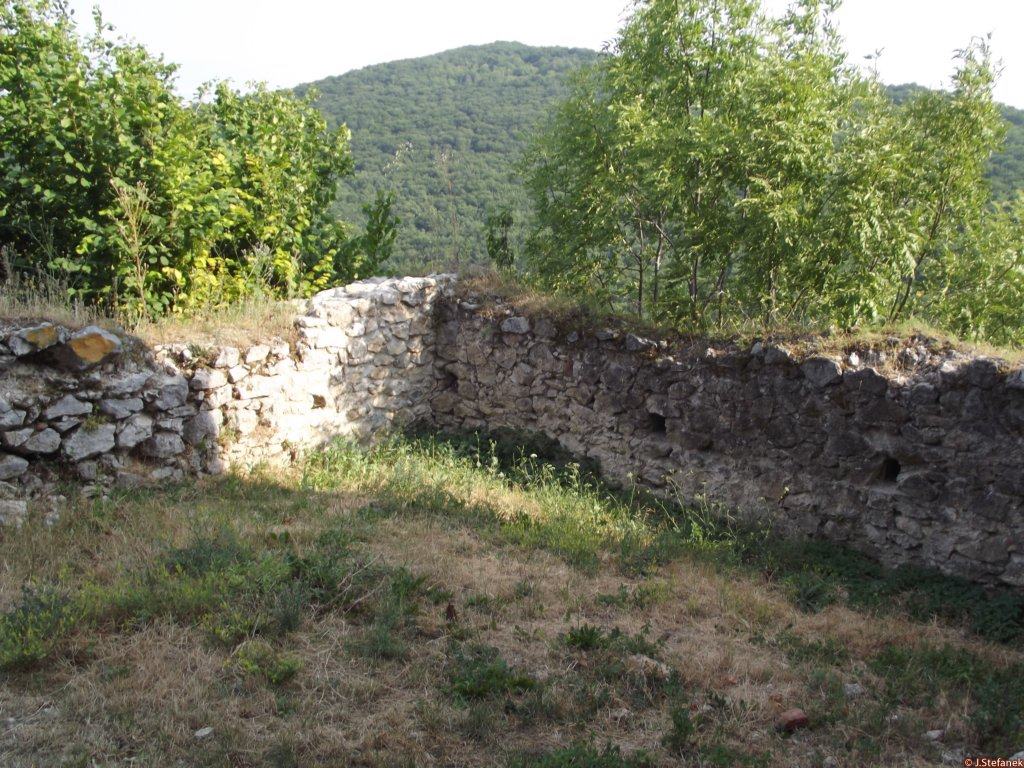
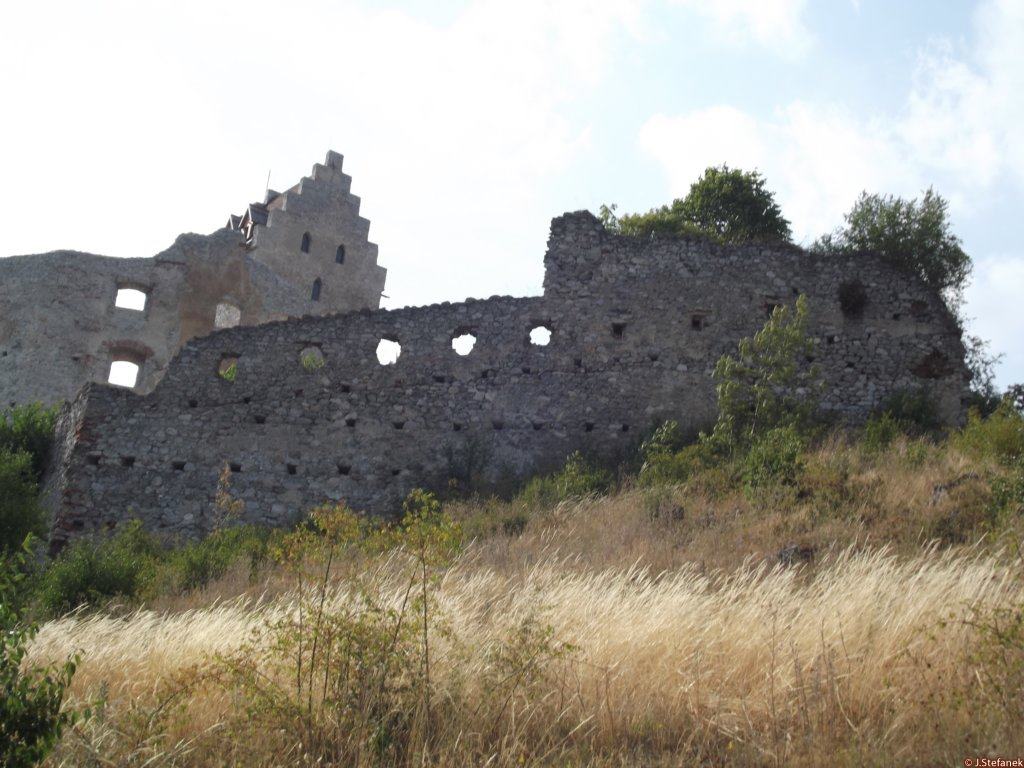
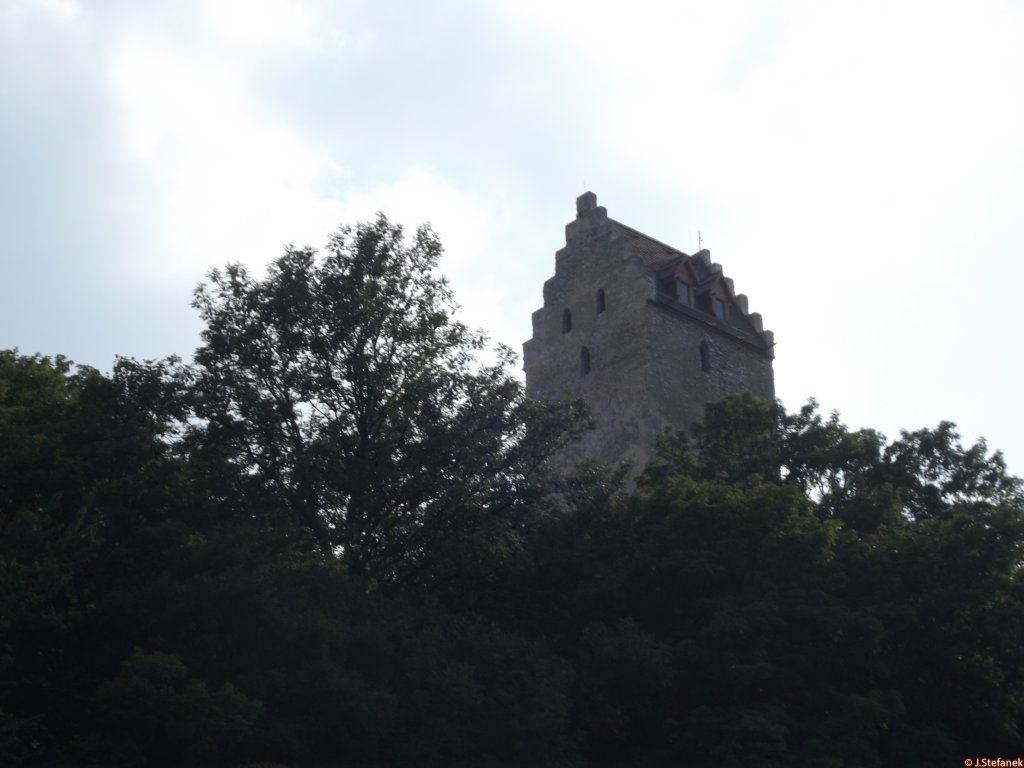
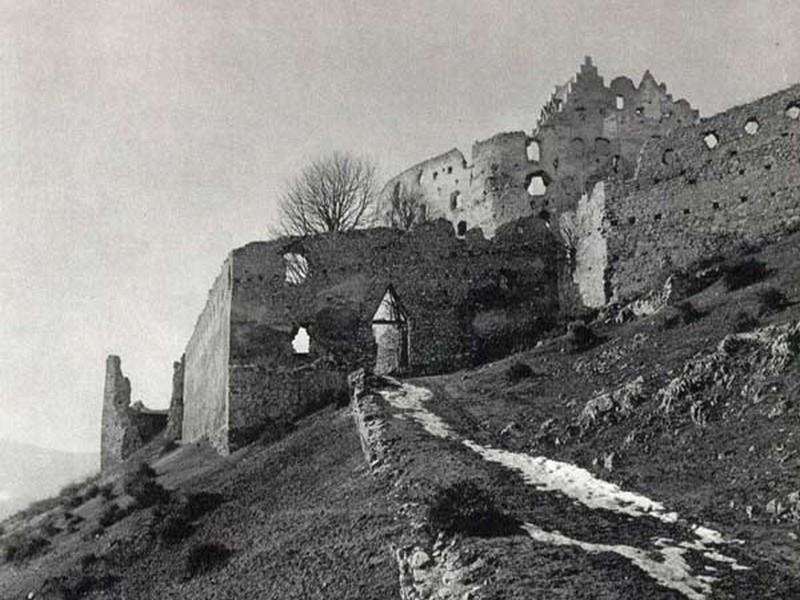
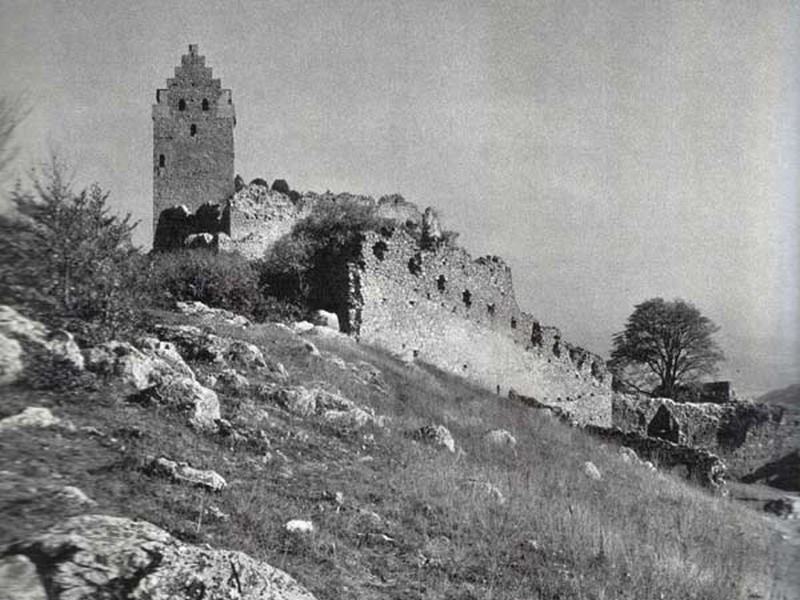
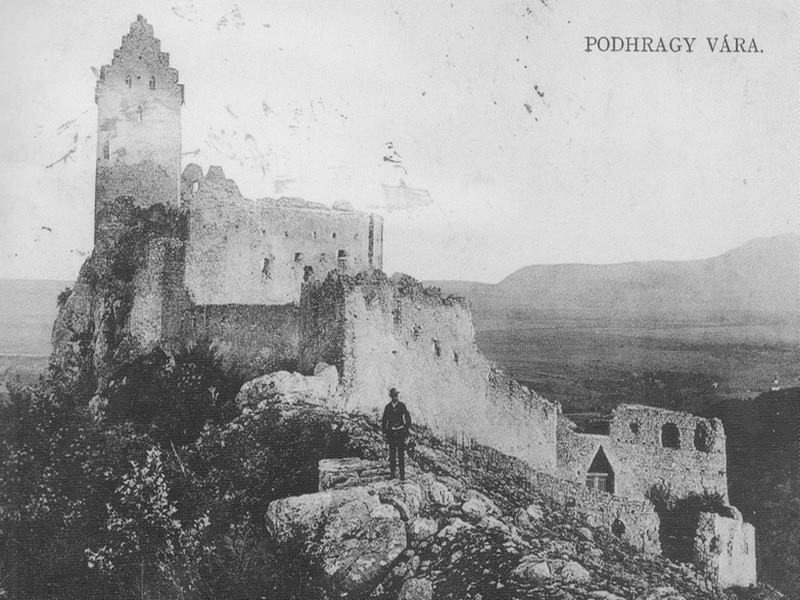
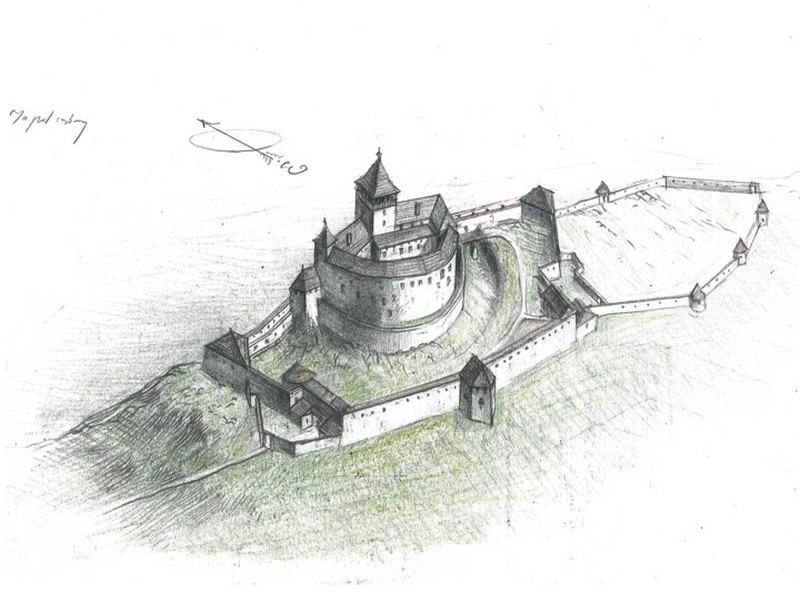
The characteristic and main parts of the castle have been preserved to this day - a prismatic stepped tower, the walls of the upper castle (there are also foundations of the palace and other buildings), which created an elliptical courtyard, and the walls of the first fortress. The castle is still entered from the east and west, in places where the original gates of the first pre-castle from the 16th century were. The other east-facing bailey, for the most part, no longer stands, but is well identifiable in the field.Since 1999, the castle has been partially conserved and has been cleaned of the woody plants. In the interior of the best preserved prismatic tower was created a small exhibition on the history of the castle.
V areáli hradu sa dodnes zachovali jeho charakteristické a hlavné časti - hranolová stupňovito ukončená veža, hradby horného hradu (v jeho areáli sú aj základy paláca a ďalších budov), ktoré vytvorili nádvorie elipsovitého tvaru, a hradby prvého predhradia. Do hradu sa stále vstupuje od východu a západu, v miestach, kde boli aj pôvodné brány prvého predhradia zo 16 storočia. Druhé, na východ orientované, predhradie, z väčšej časti už nestojí, no je v teréne dobre identifikovateľné.Od roku 1999 sa hrad čiastočne konzervuje a bol očistený od náletových drevín. V interiéri najlepšie zachovalej hranolovej veže bola vytvorená malá expozícia k dejinám hradu.
Plan
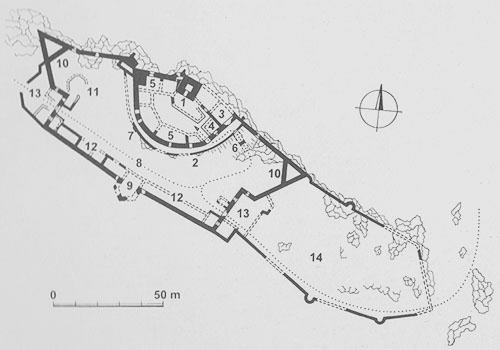
Legend to the ground plan
- 1 - residential refuge tower
- 2 - early Gothic wall
- 3 - palace
- 4 - chapel
- 5 - residential buildings
- 6 - load-bearing pillar
- 7 - park wall
- 8 - first fort
- 9 - polygonal bastion
- 10 - cannon bastions
- 11 - mill
- 12 - farm buildings
- 13 - fortification with guards
- 14 - second fortification
Legenda k pôdorysu
- 1 - obytná útočisková veža
- 2 - včasnogotická hradba
- 3 - palác
- 4 - kaplnka
- 5 - obytné budovy
- 6 - nosný pilier
- 7 - parkanový múr
- 8 - prvé predhradie
- 9 - polygonálna bašta
- 10 - delové bastióny
- 11 - mlyn
- 12 - hospodárske objekty
- 13 - predbránie so strážnicami
- 14 - druhé predhradie
History
The oldest written mention dates from 1235, where it is listed as a royal property. The origin of the castle, which is today known as Topoľčiansky Castle, is associated with the aristocratic Čákovci family, which became the owner of the Topoľčany estate around 1260. The donation of property was also associated with obligations, which included the construction of castles to protect the kingdom. Historians assume that the castle was built by Matúš Čák Trenčiansky, sometime in the early 14th century. Since the Topoľčany estate was situated in the valley of the Nitra river, a suitable place for the construction of the castle as the center of the estate and at the same time as a fortified point was found on its edge. The place was a dolomite dome above the settlement of Hrnovce, from which the later developed village of Podhradie. An important factor in choosing the place was the fact that there was a good view of the valley of the river Nitra and a visual connection with the castle Uhrovec, the castle on Michal's hill above the Kolačno village, with Topoľčany itself and also with the castle Gýmeš in the Tríbeč mountains.
The oldest part of Topoľčiansky Castle was the Gothic upper castle, which consisted of a residential prismatic tower and a perimeter wall. Around the perimeter wall, there was a massive moat dug into the rock from the outside. This oldest construction phase dates back to the first half of the 14th century and was most probably initiated by Matúš Čák. In 1321, after the death of Matúš Čák, the castle became the property of the king.
In the period from 1389 to 1430, the castle belonged to the Széchényi family. Around 1432, the division of the Topoľčiansky castle estate into two halves is assumed. The town of Topoľčany and its surroundings were subject to the Hussites, and the castle itself with nearby villages was managed by the castellan of the original owner, Ladislav of Sečany. After the Hussites left Topoľčany, in 1443, the royal treasurer Michal Országh became the owner of "their" half of the Topoľčany castle estate. Since Ladislav of Sečany had no male descendants, he bequeathed his half of the estate of the manor to his daughter Hedvige and her husband Albert of Lučenec (Lossonczy). The estate of Topoľčany remained divided between the Országh and Lossonczy family until the end of the 16th century. In the turbulent and rich 16th-century battle with the Turks, the owners expanded the castle by the first fort with a pair of opposite entrance gates. The center of the southern wall was secured by a pentagonal artillery bastion. In addition, the walls were equipped with a brick walkway and crevice shooting ranges. During the second half of the 16th century, the upper castle was also modernized, its walls were raised and equipped with shooting ranges for hooks and light cannons. Another extensive reconstruction at the end of the 16th century was organized by the new owner of the castle estate, the royal tavern and later Hungarian palatine Žigmund Forgách, who was the third husband of Anna Lossonczy. The castle with the manor received a special donation from Emperor Rudolf II. in 1595, which also brought together the divided manor of Topoľčany. The Forgách family owned it until the beginning of the 18th century. Sigismund expanded the living quarters of the castle, built new farm buildings in the forecourt and buildings for guards were erected above its gates.
After the defeat of the Francis II. uprising Rákóczi's royal chamber confiscated the damaged castle and the entire Topoľčianske estate to Šimon Forgách. Since then, the castle has been abandoned, but it has been maintained, as the castle Chapel of the Assumption of the Virgin Mary stood in its area. It served the faithful from Podhradie until the end of the 18th century, because no church had been built in the village until then. In 1714, the Topoľčany castle estate was acquired by Peter Berényi. The last owners of the castle were the Stummer family, who moved to a representative spacious manor house in Tovarníky in the middle of the 18th century. At the turn of the 19th and 20th centuries, Baron Augustín Stummer had the crumbling castle partially preserved and romanticized it. The repairs most affected the appearance of the tower, which they slightly increased and completed with two stepped gables of the gable roof, thus acquiring its unique characteristic silhouette. There is a record in the municipal chronicle of Podhradie that the Stummer family last repaired the castle in 1925. In November 1994, the film Elf was directed in the castle courtyard under the direction of director Ľudovít Kocka. In June 1999, a strong storm with the wind caused the collapse of the eastern facade of the palace on the upper castle, which had been destroyed. In the same year, conservation work was started.
Najstaršia písomná zmienka pochádza z roku 1235, kde sa uvádza ako kráľovský majetok. Vznik hradu, ktorý je dnes známy ako Topoľčiansky hrad, sa spája so šľachtickým rodom Čákovcov, ktorý sa stal okolo roku 1260 vlastníkom panstva Topoľčany. S darovaním majetkov boli spojené aj povinnosti, ku ktorým patrila aj výstavba hradov slúžiacich na ochranu kráľovstva. Historici predpokladajú, že hrad vystaval až Matúš Čák Trenčiansky, niekedy na začiatku 14. storočia. Keďže panstvo Topoľčany bolo situované v údolí rieky Nitra, vhodné miesto na výstavbu hradu ako strediska panstva a súčasne ako opevneného bodu sa našlo na jeho okraji. Tým miestom bola dolomitové bralo nad osadou Hrnovce, z ktorej sa neskôr vyvinula obec Podhradie. Dôležitým faktorom pri výbere miesta bola skutočnosť, že z tohto brala bol dobrý výhľad do údolia rieky Nitry a vizuálne spojenie s hradom Uhrovec, hradom na Michalovom vrchu nad obcou Kolačno, so samotnými Topoľčanmi a taktiež s hradom Gýmeš v pohorí Tríbeč.
Najstaršou časťou Topoľčianskeho hradu bol gotický horný hrad, ktorý tvorila obytná hranolová veža a obvodový múr. Okolo obvodového múru bola z vonkajšej strany mohutná, do skaly zahĺbená priekopa. Táto najstaršia stavebná fáza sa datuje do 1. polovice 14. storočia a jej iniciátorom bol najpravdepodobnejšie Matúš Čák. Roku 1321, po smrti Matúša Čáka, sa hrad dostal do vlastníctva kráľa.
V období od roku 1389 do roku 1430 patril hrad Széchényiovcom. Asi v roku 1432 sa predpokladá rozdelenie Topoľčianskeho hradného panstva na dve polovice. Mesto Topoľčany s okolím totiž podliehalo husitom a samotný hrad s blízkymi dedinami spravoval kastelán pôvodného majiteľa Ladislava zo Sečian. Po odchode husitov z Topoľčian, v roku 1443, sa majiteľom "ich" polovice hradného panstva Topoľčany stal kráľovský pokladník Michal Országh. Keďže Ladislav zo Sečian nemal mužských potomkov, odkázal svoju polovicu majetkov panstva dcére Hedvige a jej manželovi Albertovi z Lučenca (Lossonczy). Topoľčianske panstvo zostalo rozdelené medzi Országhovcov a Lossonczyovcov až do konca 16. storočia. V nepokojnom a na boje s Turkami bohatom 16. storočí rozšírili vlastníci hrad o prvé predhradie s dvojicou protiľahlých vstupných brán. Stred južnej hradby zabezpečili päťbokou delostreleckou baštou. Hradby boli navyše vybavené murovanou ochodzou a štrbinovými strieľňami. V priebehu 2 polovice 16. storočia sa modernizoval aj horný hrad, jeho hradby zvýšili a vybavili strieľňami na hákovnice a ľahké delá. Ďalšiu rozsiahlu prestavbu na konci 16. storočia organizoval už nový vlastník hradného panstva, kráľovský taverník a neskorší uhorský palatín Žigmund Forgách, ktorý bol tretím manželom Anny Lossonczy. Hrad s panstvom získal osobitnou donáciou od cisára Rudolfa II. v roku 1595, čím zároveň došlo k spojeniu rozdeleného Topoľčianskeho panstva. Forgáchovci boli jeho majiteľmi až do začiatku 18. storočia. Žigmund rozšíril obytné priestory hradu, postavil nové hospodárske objekty v predhradí a nad jeho bránami vznikli budovy pre stráže.
Po porážke povstania Františka II. Rákócziho kráľovská komora skonfiškovala poškodený hrad a celé Topoľčianske panstvo Šimonovi Forgáchovi. Odvtedy zostal hrad opustený, no naďalej bol udržiavaný, keďže v jeho areáli stála hradná Kaplnka Nanebovzatia Panny Márie. Ta slúžila veriacim z Podhradia až do konca 18. storočia, pretože v obci nebol dovtedy postavený žiadny kostol. V roku 1714 Topoľčianske hradné panstvo získal Peter Berényi. Poslednými majiteľmi hradu boli Stummerovci, ktorí sa v polovici 18. storočia presťahovali do reprezentačného priestranného kaštieľa v Tovarníkoch. Na prelome 19. a 20. storočia rozpadávajúci sa hrad nechal barón Augustín Stummer čiastočne zakonzervovať a romanticky ho upravil. Opravy sa najviac dotkli vzhľadu veže, ktorú mierne zvýšili a dostavali dvoma stupňovitými štítmi sedlovej strechy, čím získala svoju neopakovateľnú charakteristickú siluetu. V obecnej kronike Podhradia je zápis, že Stummerovci naposledy opravovali hrad v roku 1925. V novembri 1994 sa v priestoroch hradného nádvoria nakrúcal film Škriatok pod vedením režiséra Ľudovíta Kocku. V júni 1999 silná búrka s vetrom spôsobila, že sa zrútilo východné priečelie paláca na hornom hrade, ktoré už bolo dlhodobo veľmi deštruované. V tom istom roku sa prikročilo aj ku konzervačným prácam.
Myths and legends
Bold man Turda
When the Hussites besieged Topoľčiansky Castle, they wanted its defenders to starve. However, under the guidance of the young man Turda, they dug an escape corridor during the day and night. This saved many people´s lives and provided food into the castle. When the enemies saw what had happened , they left enraged. The news of the bold and wise Turd, who invented the survival plan , got into the ears of the king himself, and praised the hero with a castle, which he defended so bravely.
A knight and a dragon
The castle was once ruled by a heartless and cruel knight with a dragon in his coat of arms. When the Turks invaded the country, the knight allied with them and plundered the surrounding villages. One day the knight left the castle again, looting with the Turks. The sky darkened and a fiery ribbon shot out of the cloud. It looked like a dragon knight from the coat of arms and hit a rider dressed in iron. He fell helplessly to the ground after being struck by a dragon lightning and was dead on the spot. It was the retribution of heaven for the atrocities that the villain inflicted on innocent people who, unlike him, protected the country from the Turks.
Smelý Turda
Keď husiti obľahli Topoľčiansky hrad, chceli jeho obrancov umoriť hladom. Tí však pod vedením mládenca Turdu, vo dne a v noci kopali únikovú chodbu, ktorou sa potom zachránilo veľa ľudí a do hradu prúdila poživeň. Keď sa nepriateľom nepodarilo obyvateľov hradu vyhladovať, nazúrení odišli. Zvesť o smelom a múdrom Turdovi, ktorý všetko vymyslel, sa dostala do uší samotného kráľa a ten hrdinu obdaroval hradom, ktorý tak statočne uhájil.
Rytier a drak
Na hrade kedysi vládol bezcitný a krutý rytier, ktorý mal v erbe draka. Keď Turci napadli krajinu, rytier sa s nimi spolčil a drancoval spolu s nimi okolité dediny. Jedného dňa znovu rytier vyrazil z hradu, lúpil spolu s Turkami. Obloha stemnela a z mraku vyšľahľa ohnivá stuha. Vyzerala ako drak rytiera z erbu a zasiahla jazdca odetého do železa. Ten po zásahu dračieho blesku bezvládne klesol na zem a bol na mieste mŕtvy. Bola to odplata nebies za ukrutnosti, čo zloduch napáchal na nevinných ľuďoch, ktorí na rozdiel od neho chránili krajinu pred Turkami.
Useful information
The ruin is freely accessible, but in limited time.More info
Zrúcanina je voľne prístupná, avšak v omedzenom čase.Viac informácií
External links
Nearby castles
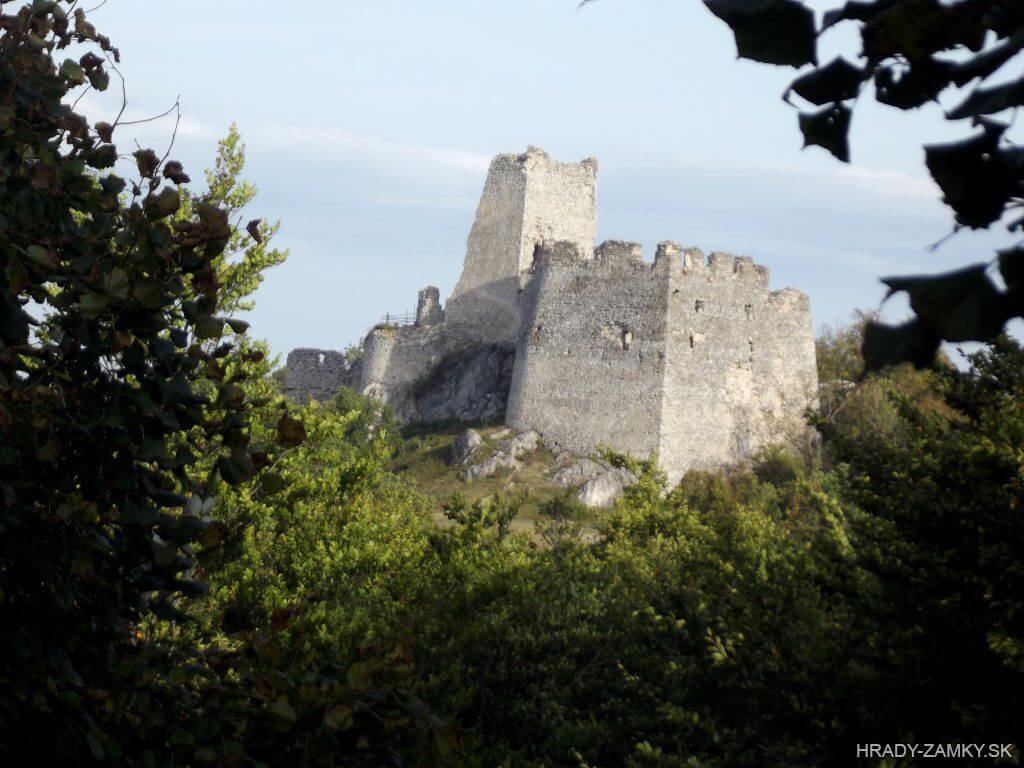
Tematín
obec Hrádok
9.1km
castle ruin
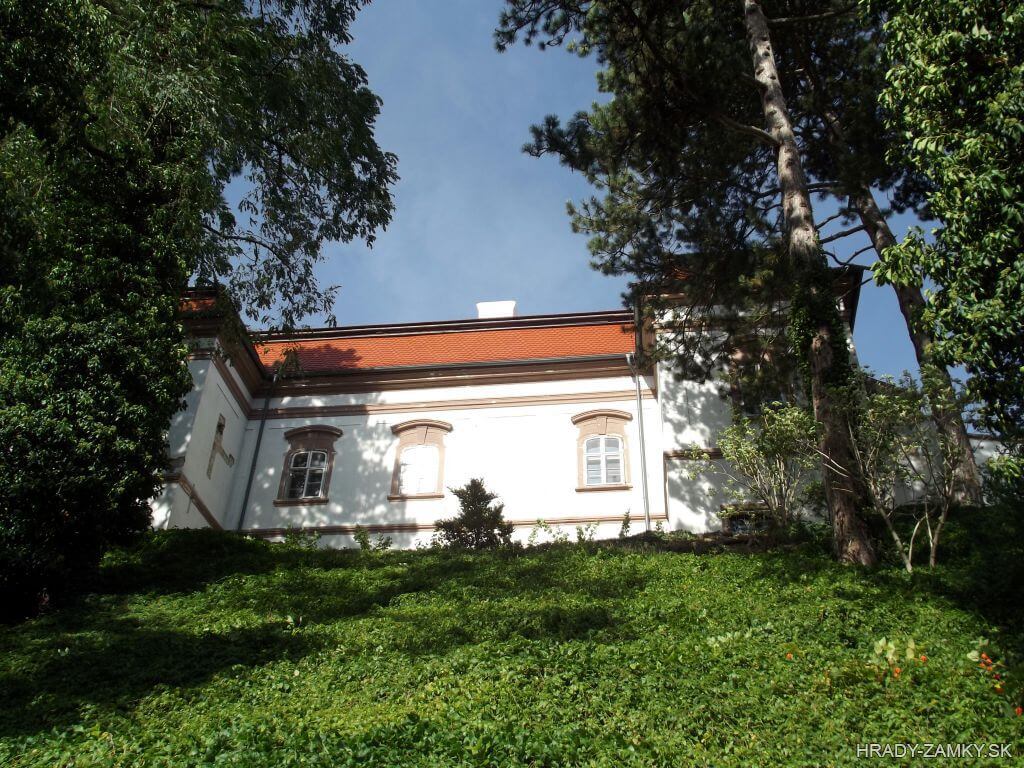
Lúka mansion
Lúka
12.4km
manor, mansion

Nitrianska Blatnica
Nitrianska Blatnica
12.8km
manor, mansion
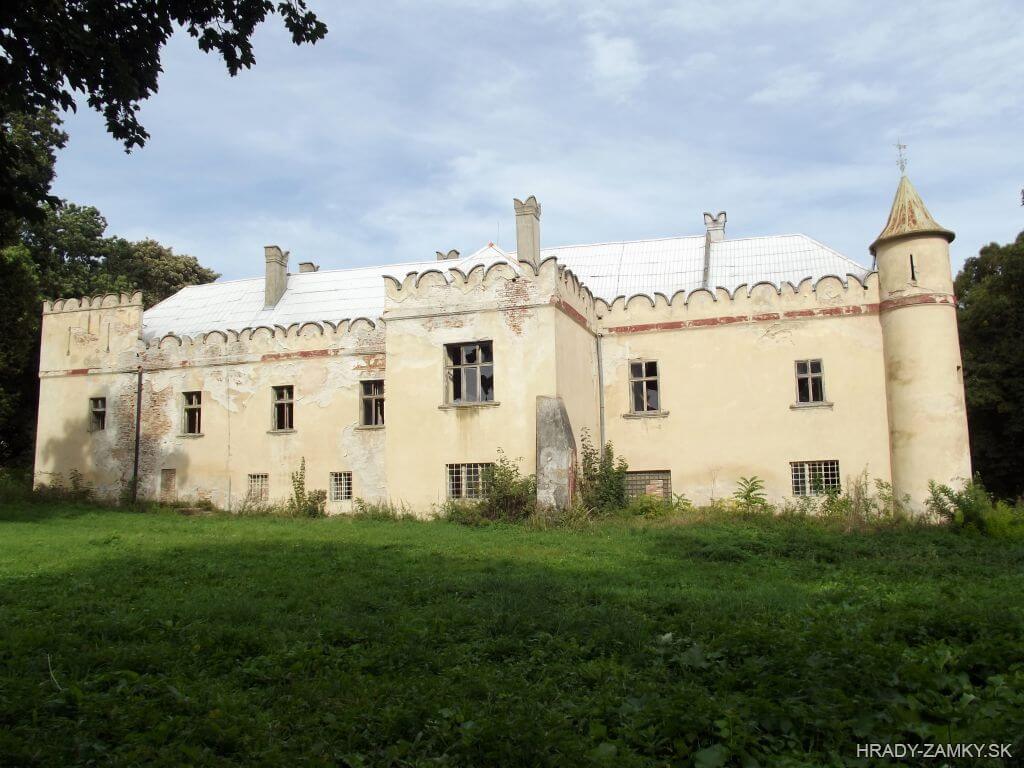
Hajná Nová Ves
Hajná Nová Ves
13.8km
manor, mansion
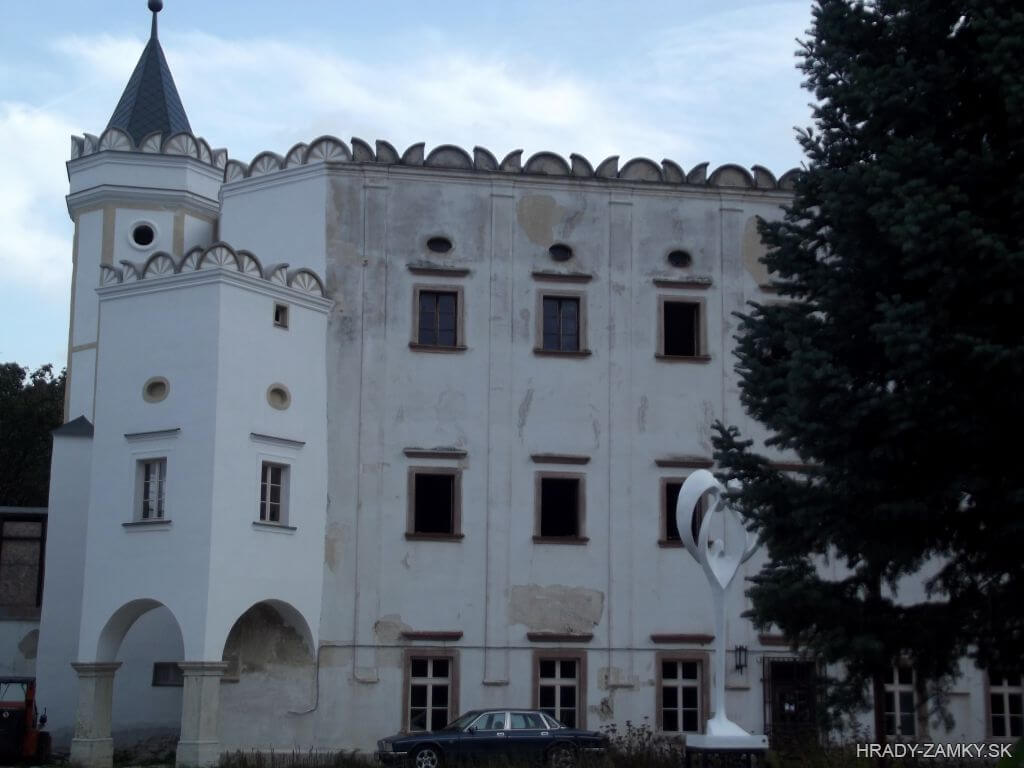
Moravany nad Váhom
Moravany nad Váhom
15.0km
manor, mansion
Bošany mansion
Bošany
17.0km
manor, mansion
Horné Obdokovce
Horné Obdokovce
18.1km
manor, mansion