Nitrianska Blatnica
Nitrianska Blatnica Nitra county Slovakia
manor, mansion
Nitrianska Blatnica
Nitrianska Blatnica Nitriansky kraj Slovakia
kaštieľ
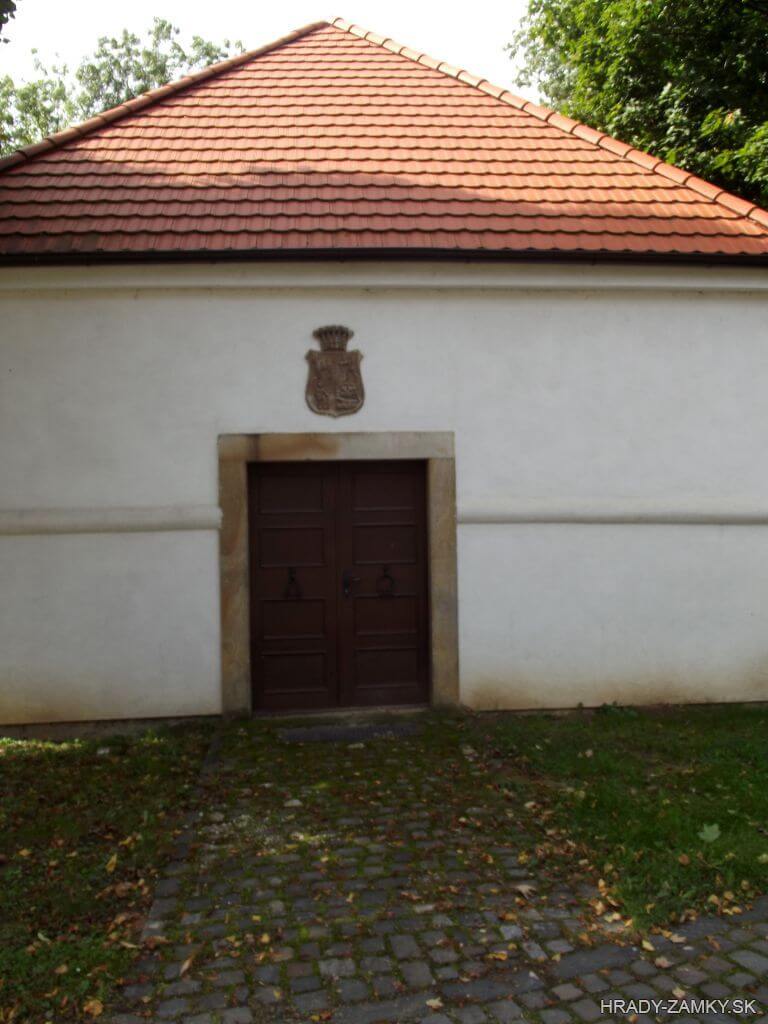
Originally an early Renaissance manor house with fortifications, it is located in the village of Nitrianska Blatnica, in the NW part of the Nitra Uplands, at the foot of the Marhát hill in the Považský Inovec mountain range.
Pôvodne ranorenesančný kaštieľ s opevnením sa nachádza v obci Nitrianska Blatnica, v SZ časti Nitrianskej pahorkatiny, pod úpätím vrchu Marhát v pohorí Považského Inovca.

Previous names
Sarfew, Sarfia, Šárfia, Šarfia, Nyitrasarfő
Roads
The manor is located directly in the village Nitrianska Blatnica. Along the main road, in the village we get to the colorful building of the fire station and post office, and immediately after it we turn left. We continue along this road until we pass the Municipal Office and on the right side we find a parking area along the road. It is possible to park here, the manor house with the park is directly opposite. The mentioned path further leads to the Chapel of St. George.
Kaštieľ sa nachádza priamo v obci Nitrianska Blatnica. Po hlavnej ceste sa v obci dostaneme k farebnej budove hasičskej zbrojnice i pošty a hneď za ňou odbočíme vľavo. Po tejto ceste pokračujeme až kým neminieme Obecný úrad a na pravej strane nájdeme odstavnú plochu pre autá popri ceste. Tu je možné zaparkovať, kaštieľ s parkom je hneď oproti. Spomínaná cesta ďalej vedie k rotunde Sv. Juraja.
Description
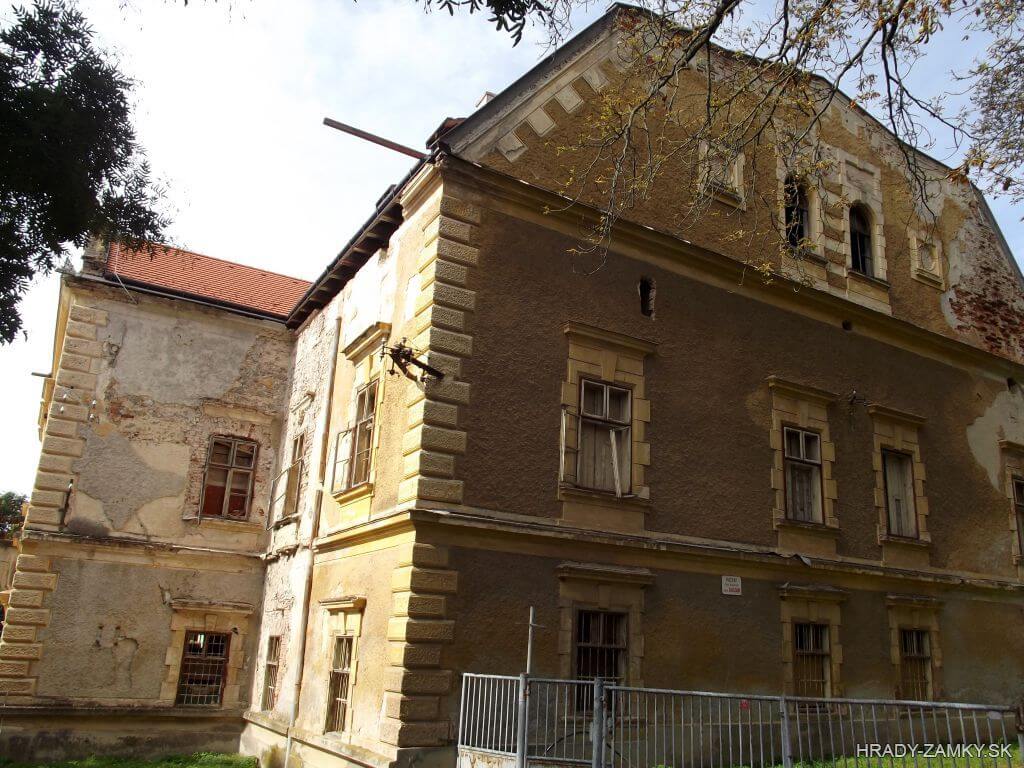
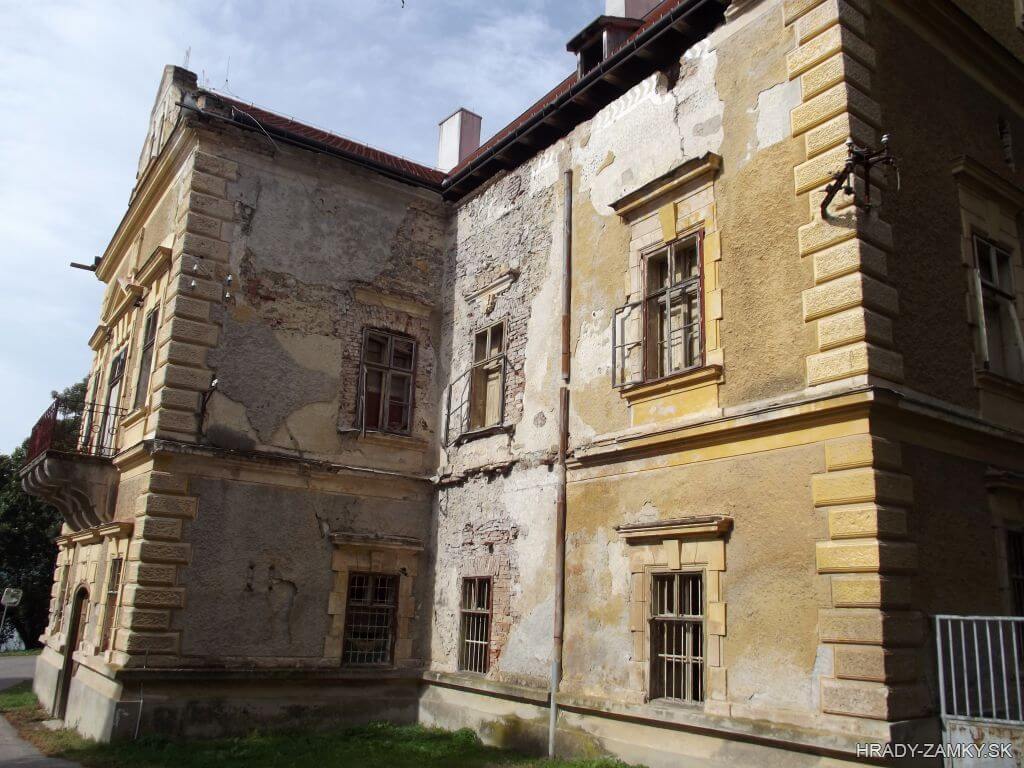
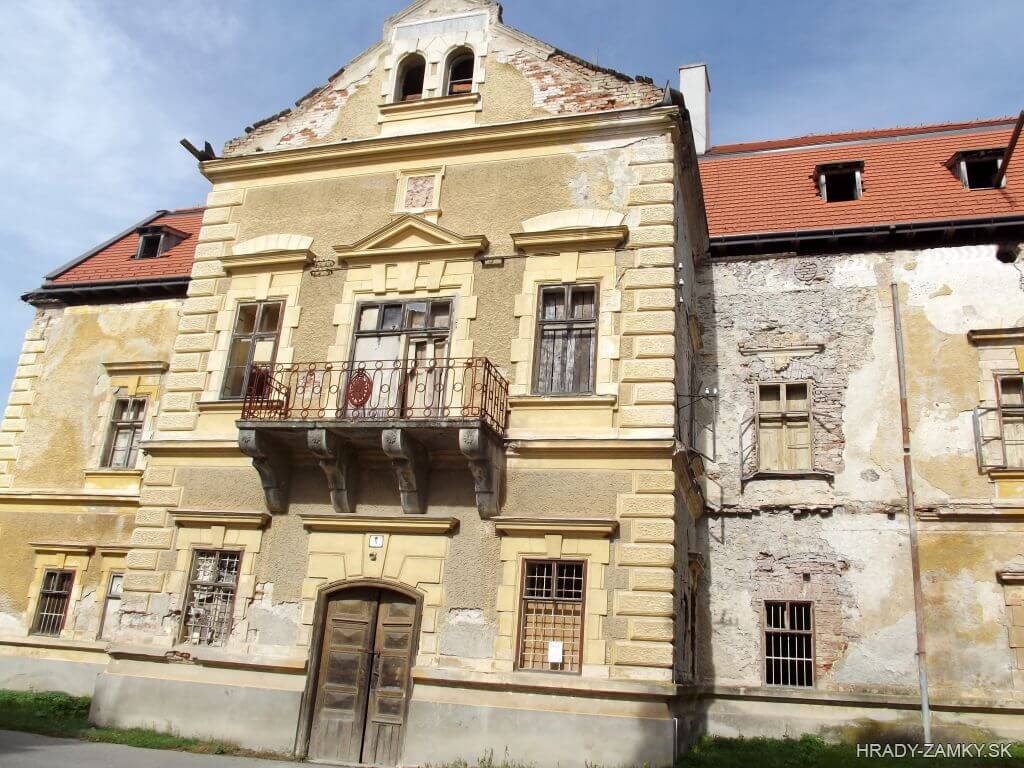
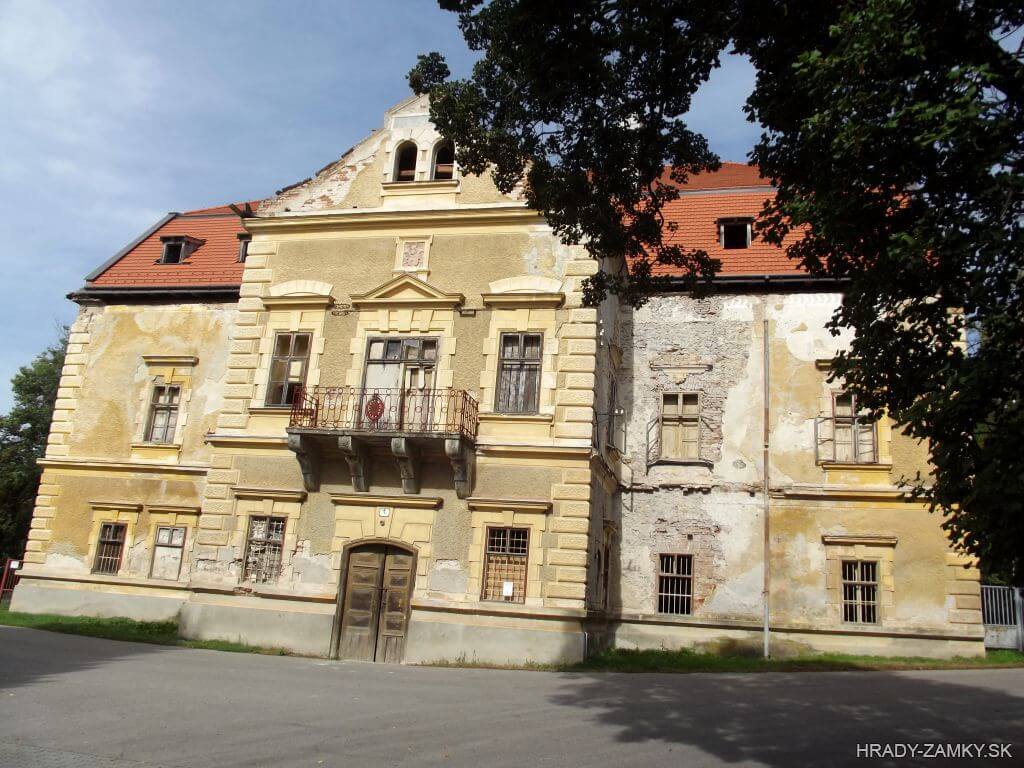
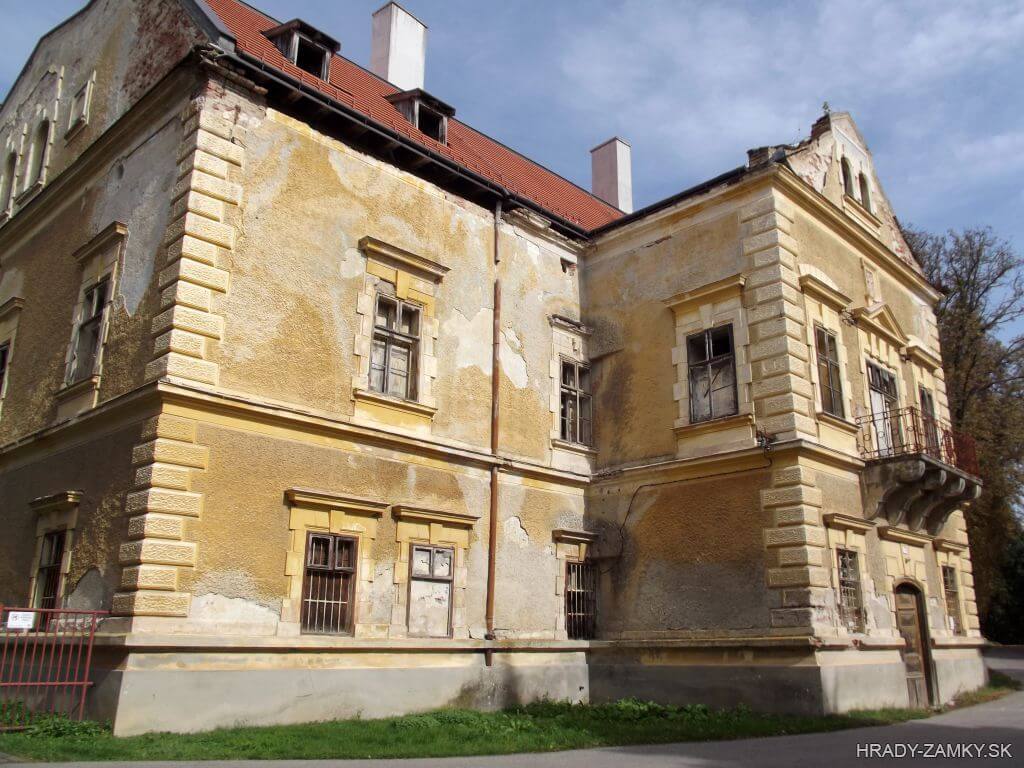
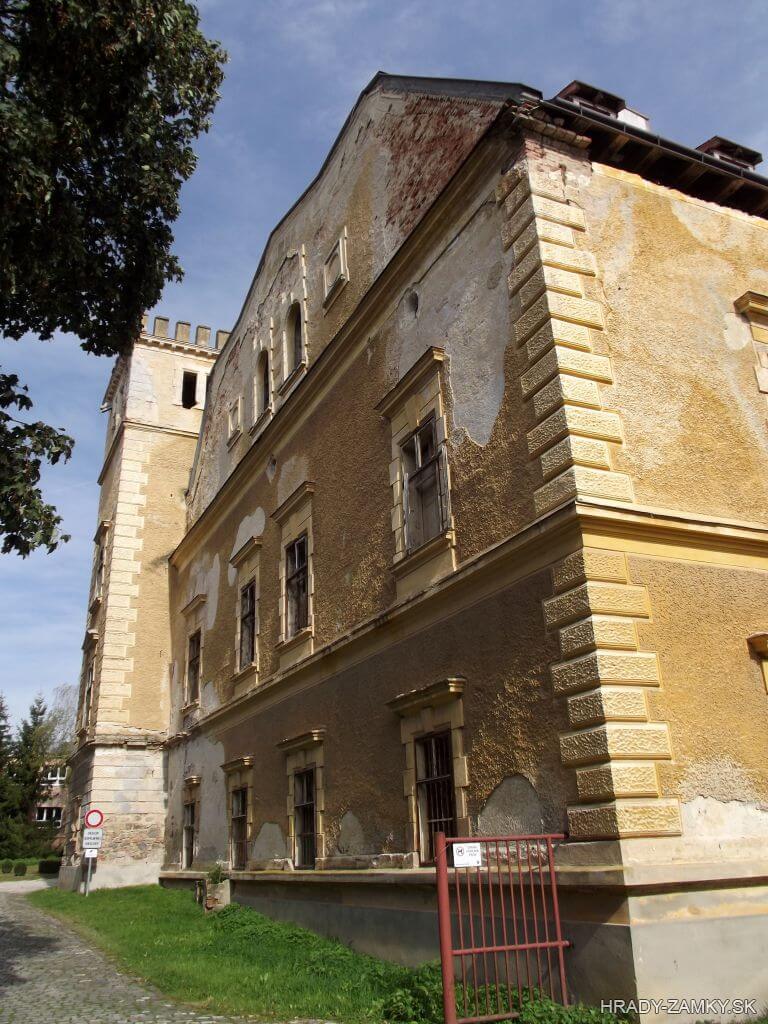
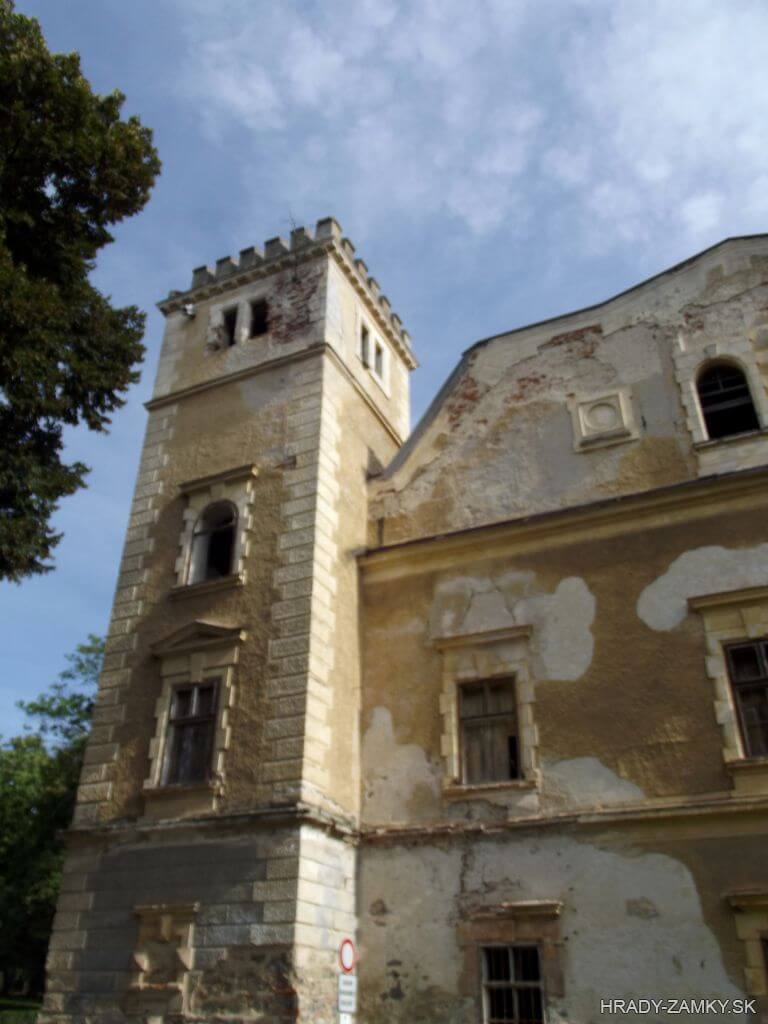
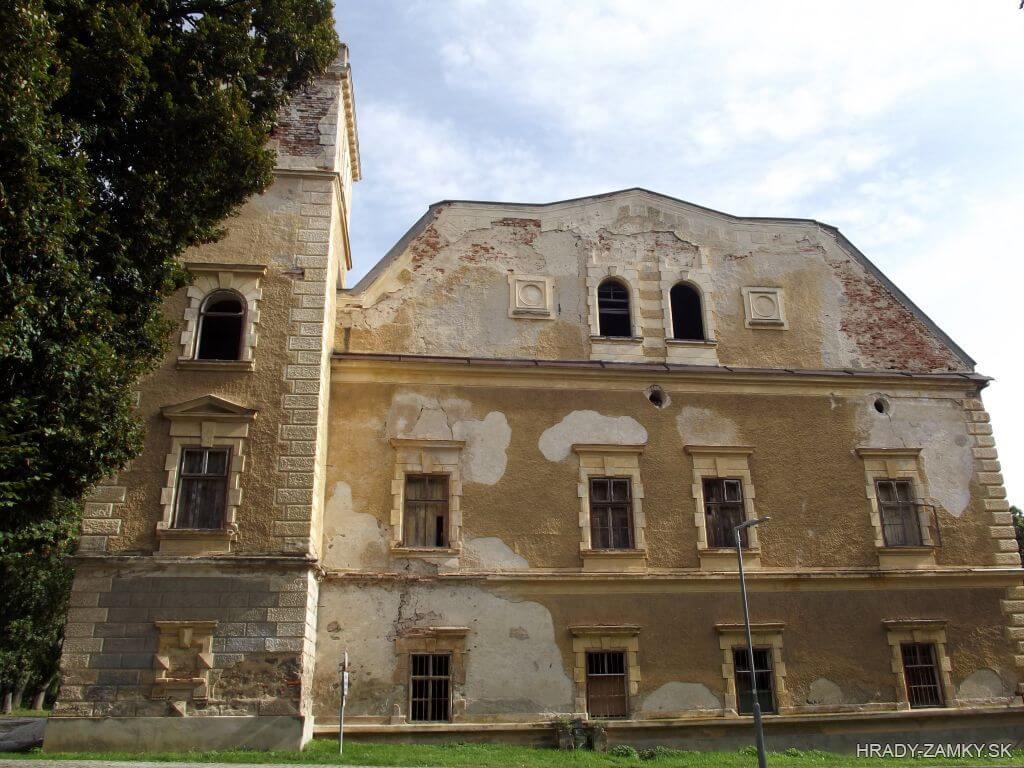
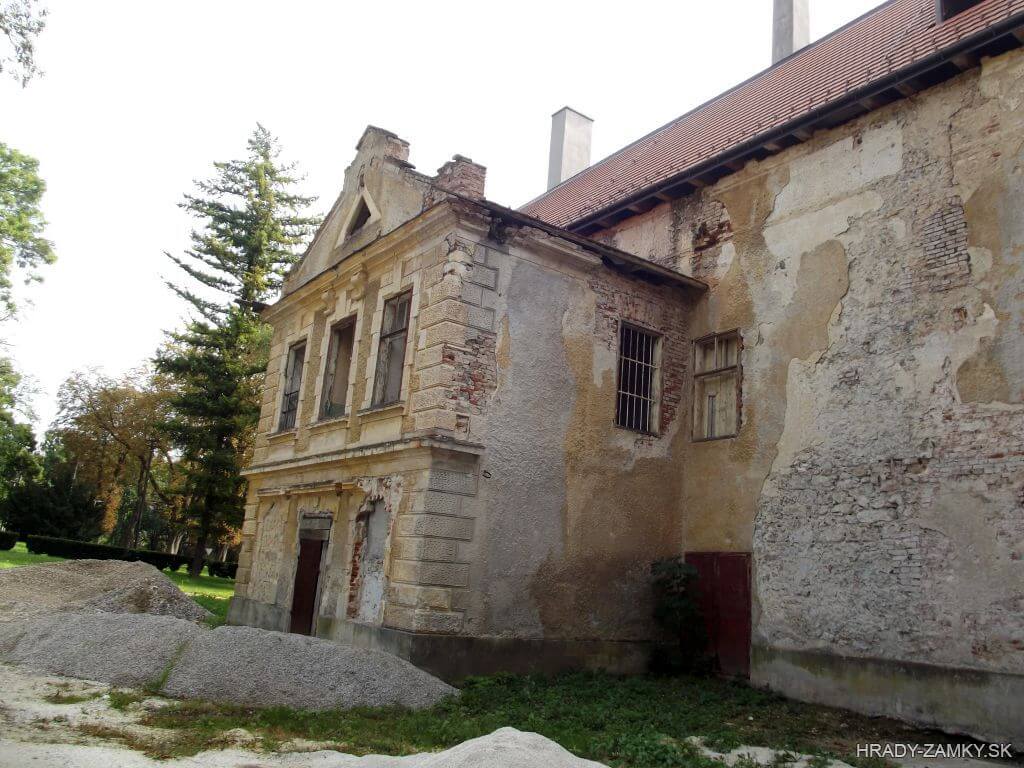
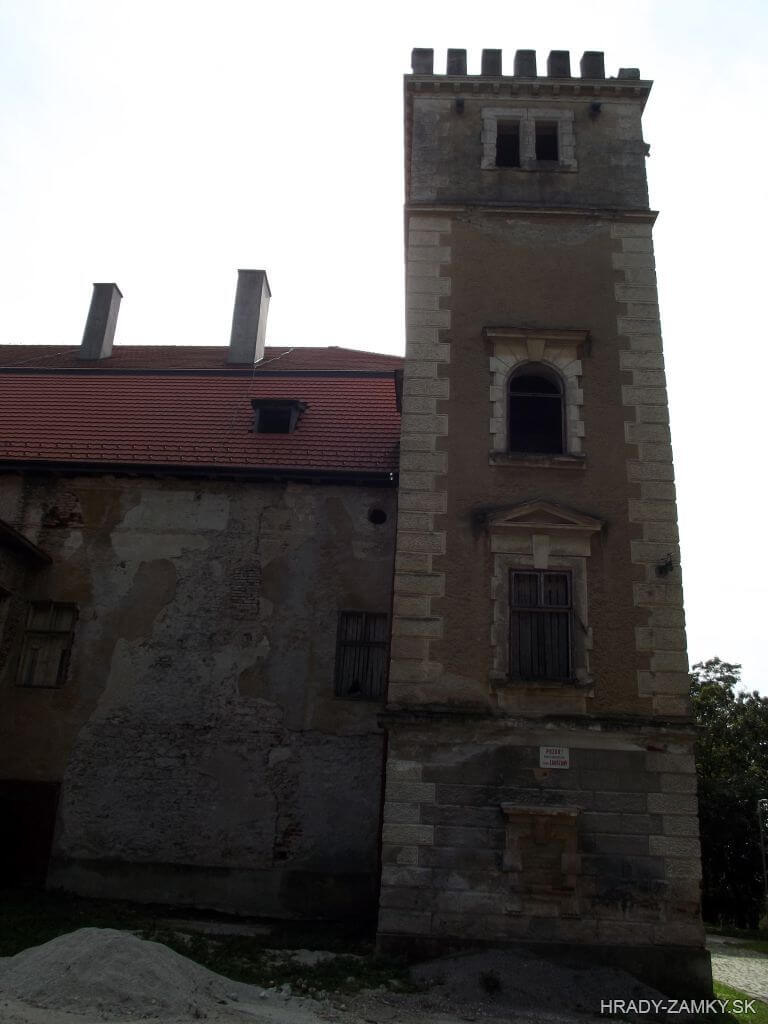
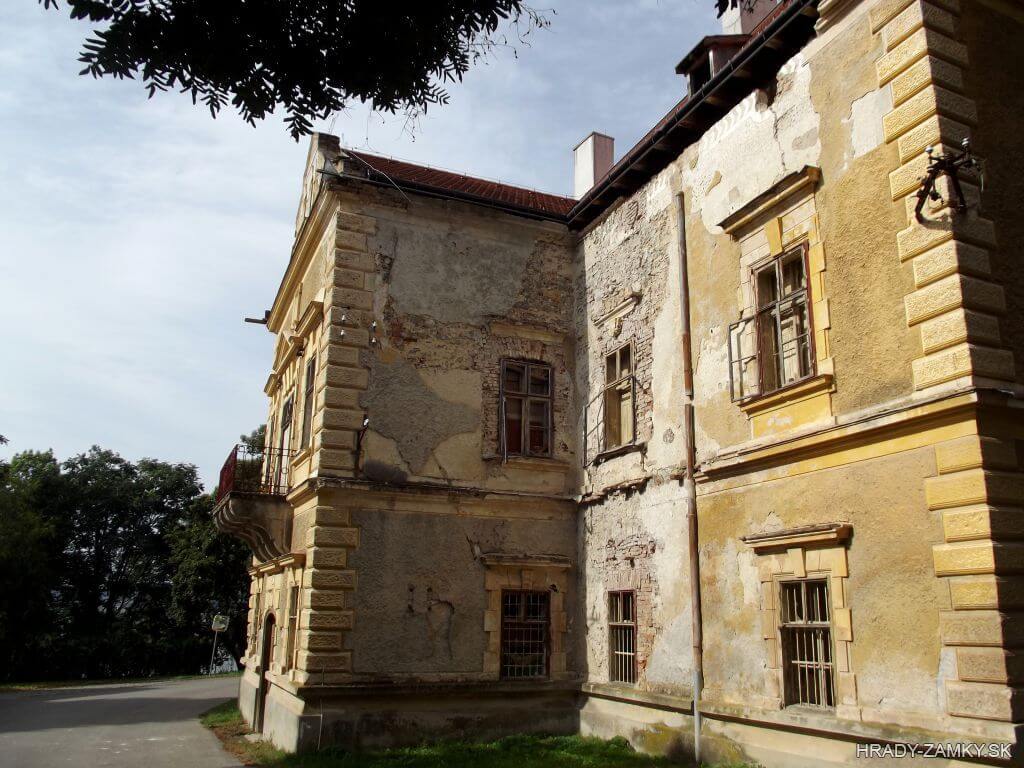
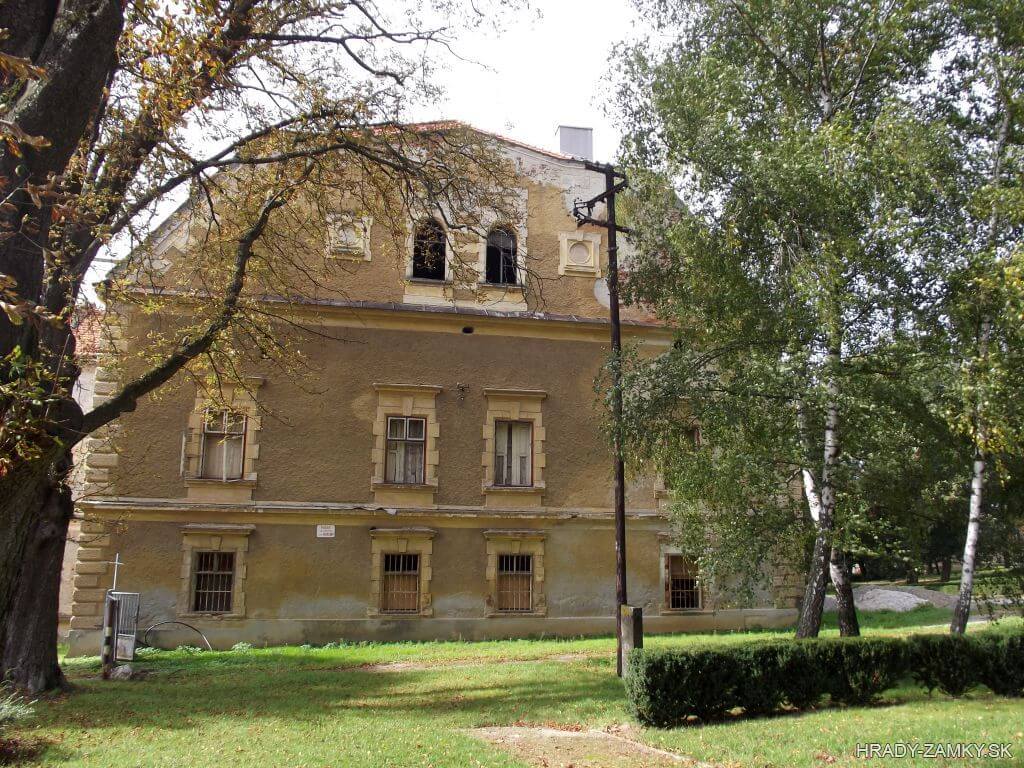
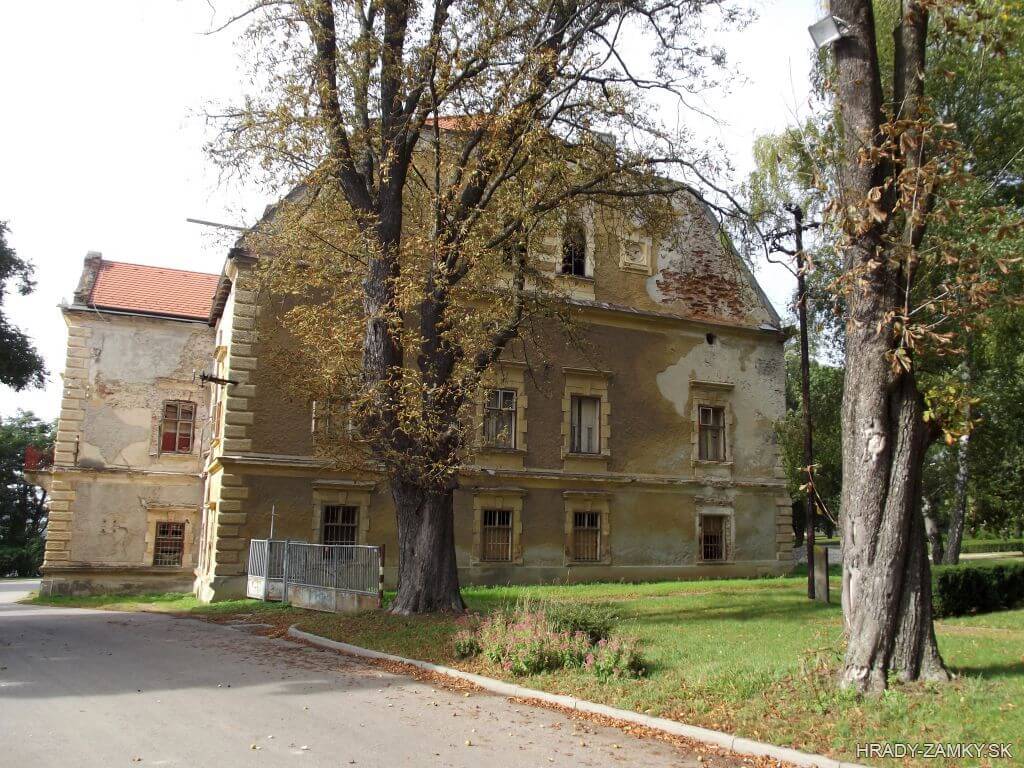
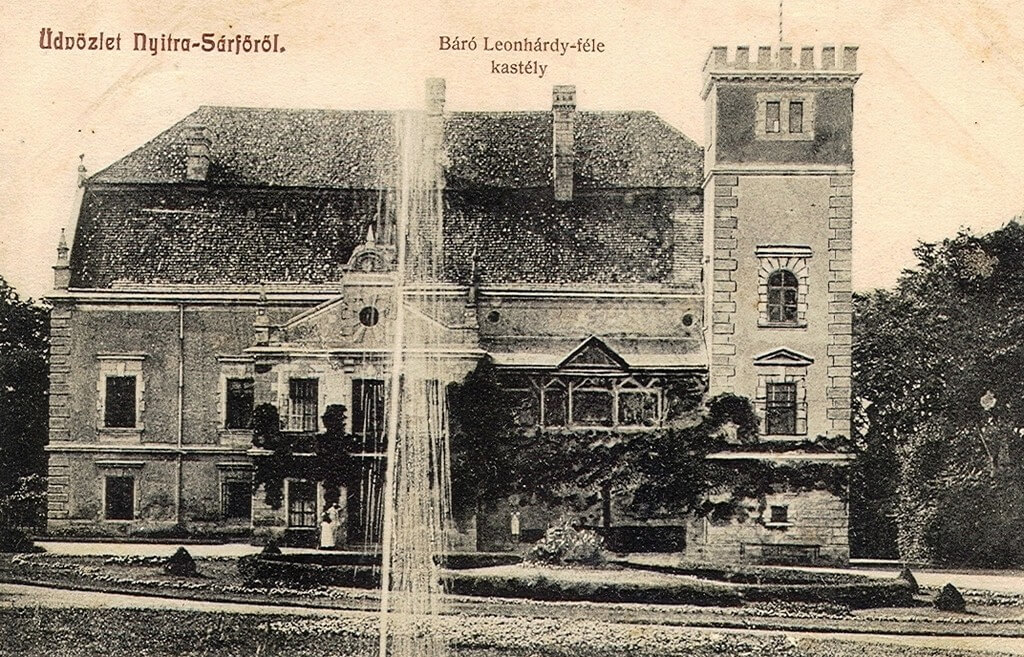
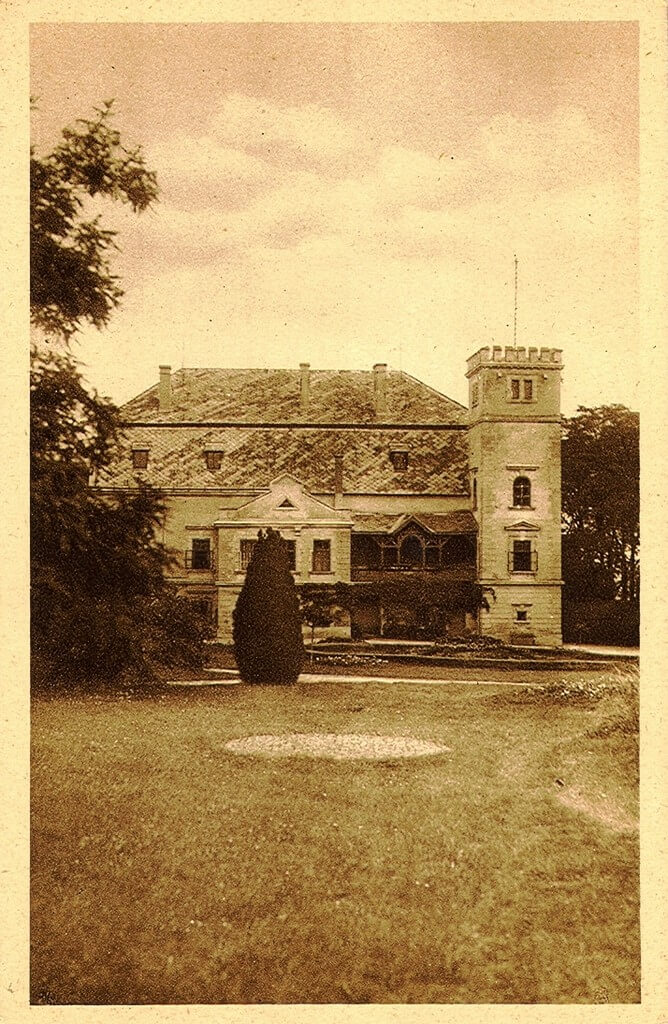
The manor house was fortified with two bastions, but after reconstructions it lost its fortress character. It is a two-storey block building with a rectangular floor plan. The Renaissance period has two stages. In the first stage, the floor plan of the manor house acquired its current shape with an entrance tower. The central courtyard was surrounded by single sections on three sides and the fourth eastern side was closed by a full wall. The building was two-storey and the tower was open. In the second renaissance stage, the tower was closed and the manor house was built with an attic with round window openings. The decorative geometric decoration of the corners, the crown of the attic and the crown of the tower with sgraffito became a significant enrichment of the facades. The Baroque reconstruction later brought radical changes. The inner courtyard was built up and a staircase was added to the entrance tower from the west side. Most of the rooms were vaulted with barrel vaults with sections. In the 19th century, stone portals and window linings were probably replaced. The building received a new, mansard roof.In the 1970s, the manor house was radically repaired for plaster, roofing and wooden structures. The walls in the middle tract were removed, creating one space, the barrel vault was torn down and the space was vaulted with a false vault. In most rooms, the floors made of artificial stone were replaced, the parquet floors were removed. At present, the manor house is dilapidated, only the roof and the tower have been restored. The manor also includes an English park. In 2016, an architectural-historical research was carried out, the aim of which was to periodize building history and link them to the names of specific owners.
Kaštieľ bol opevnený dvoma baštami, avšak po prestavbách stratil svoj pevnostný ráz. Je dvojpodlažnou blokovou stavbou s pôdorysom obdĺžnika. Renesančné obdobie má dve etapy. V prvej etape pôdorys kaštieľa získal dnešný tvar so vstupnou vežou. Centrálne nádvorie bolo obstavané jednotraktami z troch strán a štvrtá východná strana bola uzavretá plným múrom. Objekt bol dvojpodlažný a veža otvorená. V druhej renesančnej etape bola uzavretá veža a kaštieľ bol nadstavaný o atiku s okrúhlymi okennými otvormi. Výrazným obohatením fasád sa stala dekoratívna geometrická výzdoba nároží, koruny atík a koruny veže sgrafitom. Radikálne zmeny priniesla neskôr baroková prestavba. Vnútorného dvor bol zastavaný a k vstupnej veži bol zo západnej strany pristavaný schodiskový priestor. Väčšina miestností bola zaklenutá valenými klenbami s výsečami. V 19.storočí došlo pravdepodobne k výmene kamenných portálov a okenných obložení. Objekt dostal novú, manzardovú strechu.V 70-tych rokoch 20. storočia došlo k radikálnej oprave kaštieľa, týkajúcej sa omietok, krytiny a drevených konštrukcií. V strednom trakte boli odstránené múry, čím vznikol jeden priestor, valená klenba bola strhnutá a priestor bol zaklenutý falošnou klenbou. Vo väčšine miestností boli vymenené podlahy z umelého kameňa, odstránené boli parketové podlahy. V súčasnosti kaštieľ chátra, obnovená je len strecha a veža. Ku kaštieľu patrí aj anglický park. V r.2016 prebehol architektonicko-historický výskum, ktorého cieľom bola periodizácia stavebných dejín a ich prepojenie s menami konkrétnych majiteľov.
Plan
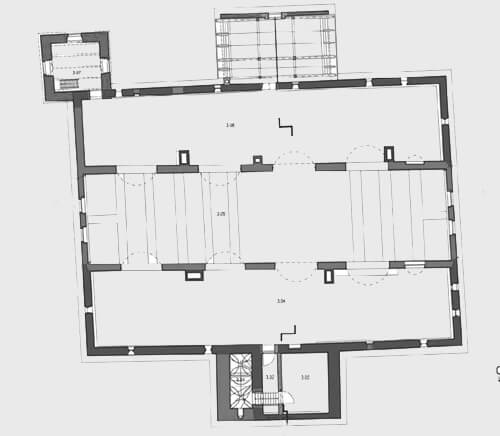
Legend to the ground plan
- Source: Miroslav Matejka
Legenda k pôdorysu
- Zdroj: Miroslav Matejka
History
In 1583, King Rudolf allowed Ladislav Zeleméry to rebuild two of his mansions, one in Nitrianská Blatnice and the other in Borša on a fortified manor house. Ladislav Zeleméry was one of the leading anti-Ottoman commanders. It could be deduced from the permit for permission that a manor house was established in Nitrianská Blatnice between 1569 and 1583, and after 1583 a fortified manor house. The manor house was fortified with two bastions, but after various reconstructions it later lost its fortress character.
After the death of Ladislav in 1592, Zeleméry's property was divided between his sons and his wider family. The last descendants Štefan and Ladislav Jr. Zeleméry did not leave any male descendants, so the Dóczy family became interested in their residence. At the time of the acquisition, however, the Dóczy family did not respect the property claims of the Zeleméry family's heirs along the women's line, which provoked a wave of protests.
In the middle of the 17th century, when the Dóczy family was on the verge of extinction, the widow of Baron Štefan Hédervár, Baroness Alžbet Eszterházy, became interested in their property. Ferdinand III. in 1648 he confirmed the fact that Alžbeta and her little son Baron Vavrinec Hédervári were to inherit Revište and Nitrianska Blatnica. However, Vavrinec Hédervári died as a child and the last male descendant of the Ján Hédervári family could not have any official descendants. In 1658, King Leopold I left Hédervár Castle and the manor house in Nitrianská Blatnice to the daughter of Alžbeta Eszterháza and poor Štefan Hédervári, Baroness Katarína Hédervári and her husband Ján Viczay. Elizabeth lived mainly in Hédervár and did not show much interest in the manor. Therefore, she donated half of the manor to her cousin Ján Eszterházy. Ján had all the buildings of the manor house repaired, including the fortifications, and further modifications were made during the second late Renaissance construction phase, including the adaptation of the entrance portal to the basement or the facades. The preserved documents show that it was a quasi of 2 mansions - outer and inner, or upper and lower. The last owners of the Eszterházy family were František and after his death in 1747 Karol Eszterházy. After Karol's death, his widow, Countess Amalia Limburg-Stirum, also invested in the manor, from whom Adam Rajcsányi and his wife Anna Maria Platthy received a deposit for 20 years. Adam continued to make further alterations to the manor and restored the fortifications with towers.
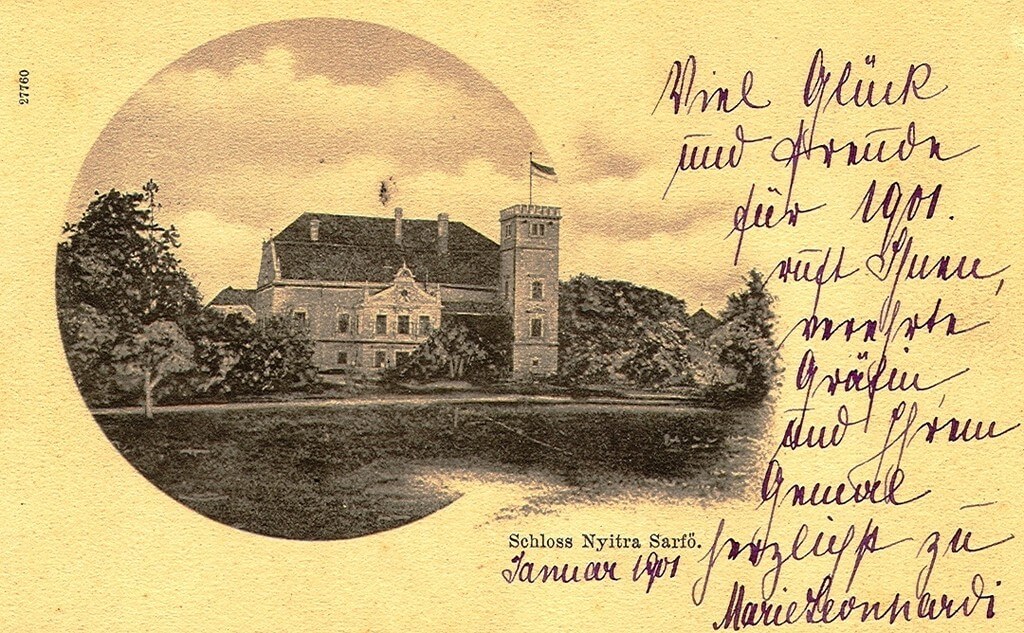
After the expiration of the advance in 1780, the manor was acquired by the son of Amália Limburg-Stirum, Count Kazimír Eszterházy, who financially compensated the investments of the Rajcsány family. As early as 1784, however, he left the manor to Ján Zerdahelyi. The manor was then managed by his descendants Paul and Paul's nephew Viktor Zerdahelyi. Around 1848, Viktor sold the manor to Gustav Appel, who used the manor until 1870. Gustav was the youngest son of the Hunyady family. In 1871, the manor house was bought by the businessman Alojz Haase from Austria, who probably initiated a non-serviceable reconstruction, after which the manor house acquired its current appearance.
Alojz was inherited from the manor by his daughter Mária Haas, the wife of officer Kurt Leonhardy, according to whom the manor is often referred to as Leonhard's. His descendants owned the manor until 1945. After the Second World War, the manor served as a health facility for war veterans, later as a school, cinema, municipal office and also an agricultural cooperative.
After 1989, there was a significant devastation of the building and theft of material. In 2008, the current owner restored the roof and bricked up the windows of the first floor.
Kráľ Rudolf v roku 1583 povolil Ladislavovi Zelemérymu prebudovanie dvoch jeho kúrií, jednu v Nitrianskej Blatnici a druhú v Borši na opevnené kaštiele. Ladislav Zeleméry patril medzi popredných protiosmanskych veliteľov. Z povoľovacej listiny by sa dalo vydedukovať, že medzi rokmi 1569 - 1583 vznikla v Nitrianskej Blatnici kúria a po roku 1583 opevnený kaštieľ. Kaštieľ bol opevnený dvoma baštami, avšak po rôznych prestavbách neskôr stratil pevnostný ráz.
Po smrti Ladislava st. Zeleméryho v roku 1592 došlo k deleniu majetkov medzi jeho synov a širšie príbuzenstvo. Poslední potomkovia Štefan a Ladislav ml. Zeleméry po sebe nezanechali žiadnych mužských potomkov a preto sa o ich rezidenciu začali zaujímať Dóczyovci. Dóczyovci pri nadobudnutí ale nerešpektovali majetkové nároky dedičov Zeleméryovcov po ženskej línii, čo vyvolalo vlnu protestov.
V polovici 17. storočia, keď sa rod Dóczyovcov nachádzal na pokraji vymretia, sa o ich majetky začala zaujimať vdova po barónovi Štefanovi Hédervárim barónka Alžbeta Eszterházy. Ferdinand III. v roku 1648 potvrdil fakt, že Alžbeta a jej malý syn barón Vavrinec Hédervári majú zdediť Revište a Nitriansku Blatnicu. Avšak Vavrinec Hédervári zomrel v detskom veku a posledný mužský potomok rodu Ján Hédervári nemohol mať žiadnych oficiálnych potomkov. Panovník Leopold I. v roku 1658 prenechal hrad Hédervár a kaštieľ v Nitrianskej Blatnici dcére Alžbety Eszterházy a nebohého Štefana Héderváriho barónke Kataríne Hédervári a jej manželovi Jánovi Viczaymu. Alžbeta žila prevažne v Hédervári a nejavila veľký záujem o kaštieľ. Preto polovicu kaštieľa darovala svojmu bratrancovi Jánovi Eszterházymu. Ján dal opraviť všetky budovy kaštieľa vrátane opevnenia a došlo aj k ďalším úpravám v rámci druhej neskororenesančnej stavebnej fázy vrátane adaptácie vstupného portálu do suterénu, či úpravám fasád. Zo zachovaných dokumentov vyplýva, že sa jednalo kvázy o 2 kaštiele - vonkajší a vnútorný, alebo horný a dolný. Poslednými majiteľmi z rodu Eszterházy boli František a po jeho smrti v roku 1747 Karol Eszterházy. Po Karolovej smrti ešte do kaštieľa investovala jeho vdova grófka Amalia Limburg-Stirum, od ktorej potom kaštieľ získal do zálohu na 20 rokov Adam Rajcsányi a jeho manželka Anna Maria Platthy. Adam pokračoval v ďalších úpravách kaštieľa a obnovil aj opevnenie s vežami.
Po uplynutí doby zálohu v roku 1780 získava kaštieľ syn Amálie Limburg-Stirum, gróf Kazimír Eszterházy, ktorý finančne kompenzoval investície Rajcsányiovcov. Už v roku 1784 však kaštieľ prenechal Jánovi Zerdahelyimu. Kaštieľ potom ešte spravovali jeho potomkovia Pavol a Pavlov synovec Viktor Zerdahelyi. Viktor okolo roku 1848 predal kaštieľ Gustávovi Appelovi, ktory kaštieľ užíval až do roku 1870. Gustáv bol najmladším synom Hunyadyovcov. V roku 1871 kúpil kaštieľ podnikateľ Alojz Haase z Rakúska, ktorý pravdepodobne inicioval neoslohovú prestavbu, po ktorek kaštieľ nadobudol súčasný vzhľad.
Po Alojzovi zdedila kaštieľ jeho dcéra Mária Haase, manželka dôstojníka Kurta Leonhardyho, podľa ktorého sa kaštieľ často aj označuje ako Leonhardovský. Jeho potomkovia vlastnili kaštieľ až do roku 1945. Po druhej svetovej vojne kaštiel slúžil ako ozdravovacie zariadenie pre voj-
nových veteránov, neskôr ako škola, kino, obecný úrad a tiež aj poľnohospodárske družstvo.
Po roku 1989 došlo k výraznej devastácii objektu a rozkrádaniu materiálu. Súčasný majiteľ v roku 2008 obnovil strechu a zamuroval okná prvého nadzemného podlažia.
Myths and legends
There are no myths available.
K tomuto objektu nie sú dostupné žiadne povesti
Useful information
The manor is not open to the public
Kaštieľ nie je prístupný verejnosti
Nearby castles
Hajná Nová Ves
Hajná Nová Ves
5.4km
manor, mansion
Horné Obdokovce
Horné Obdokovce
9.2km
manor, mansion
Moravany nad Váhom
Moravany nad Váhom
9.3km
manor, mansion
Horné Trhovište
Horné Trhovište
12.1km
manor, mansion
Topoľčany castle
Podhradie okr. Topoľčany
12.8km
castle ruin
Lúka mansion
Lúka
12.9km
manor, mansion
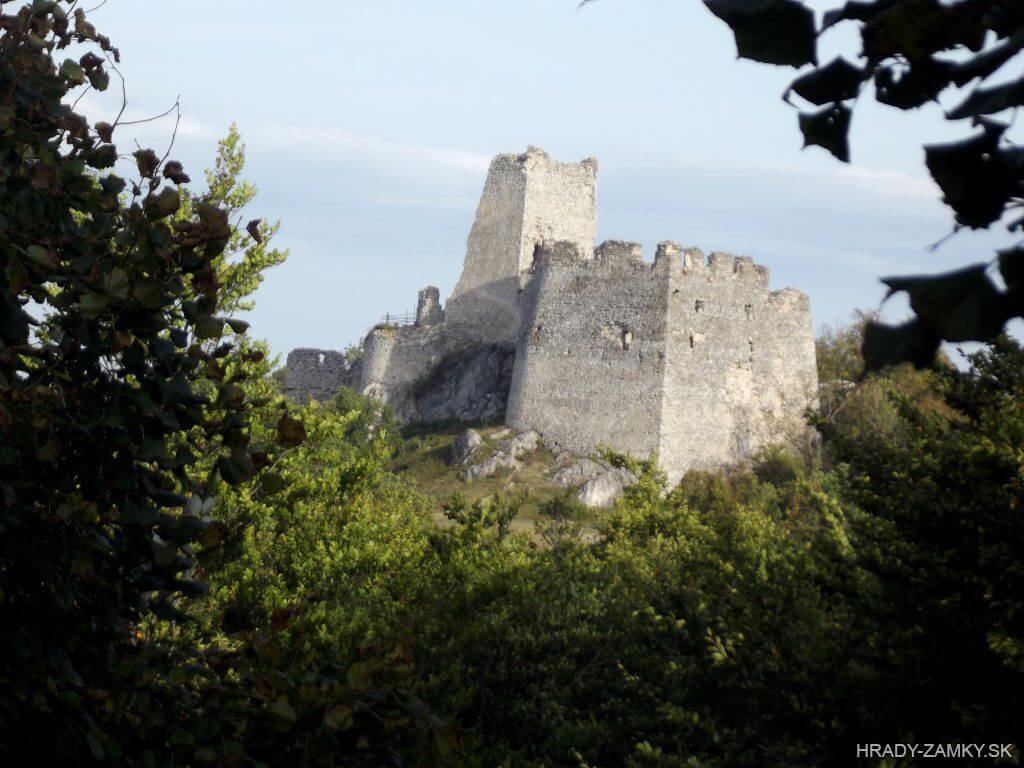
Tematín
obec Hrádok
13.6km
castle ruin