Bzovík
Bzovík Banská Bystrica county Slovakia
monastery
Bzovík
Bzovík Banskobystrický kraj Slovakia
kláštor
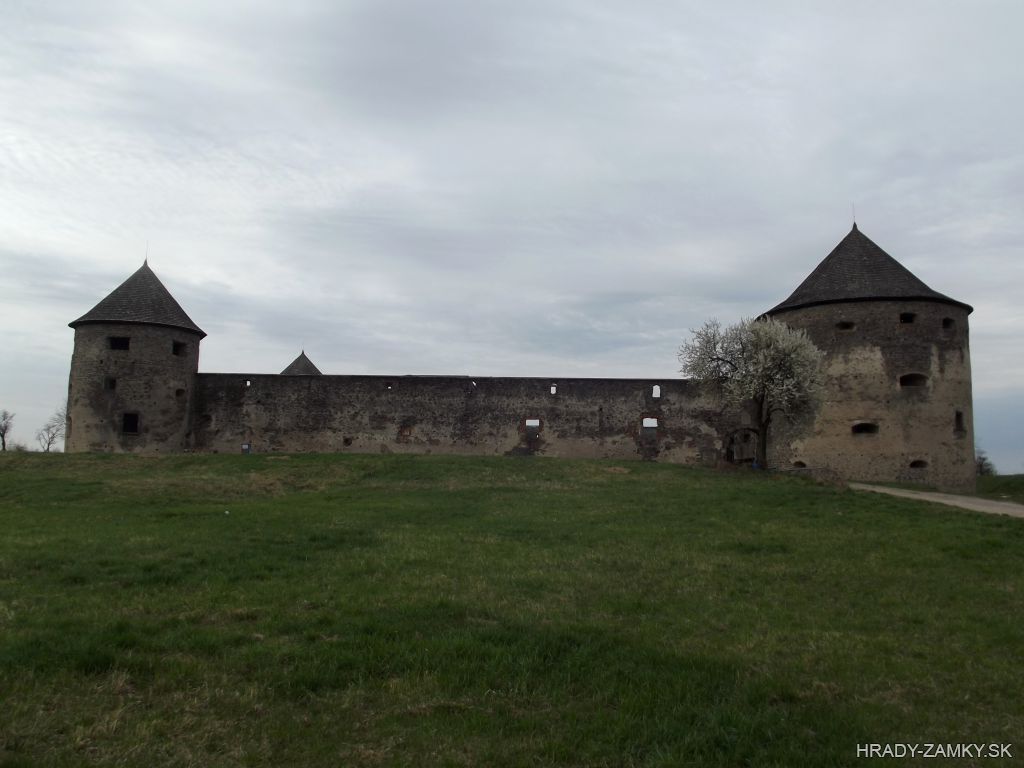
The ruins of a gothic-renaissance anti-Turkish fortress, a former Premonstratensian monastery, is located in the area of the Bzovik Upland on the Krupinska Plain, directly in the village of Bzovík near the town of Krupina
Zrúcanina bývalého kláštora, neskôr protiturecká pevnosť, situovaná v oblasti Bzovíckej pahorkatiny na Krupinskej Planine, priamo v obci Bzovík
Previous names
Bozok, Bozók, Bozouk, Bozook, Kis Bozok, Bzowík
Roads
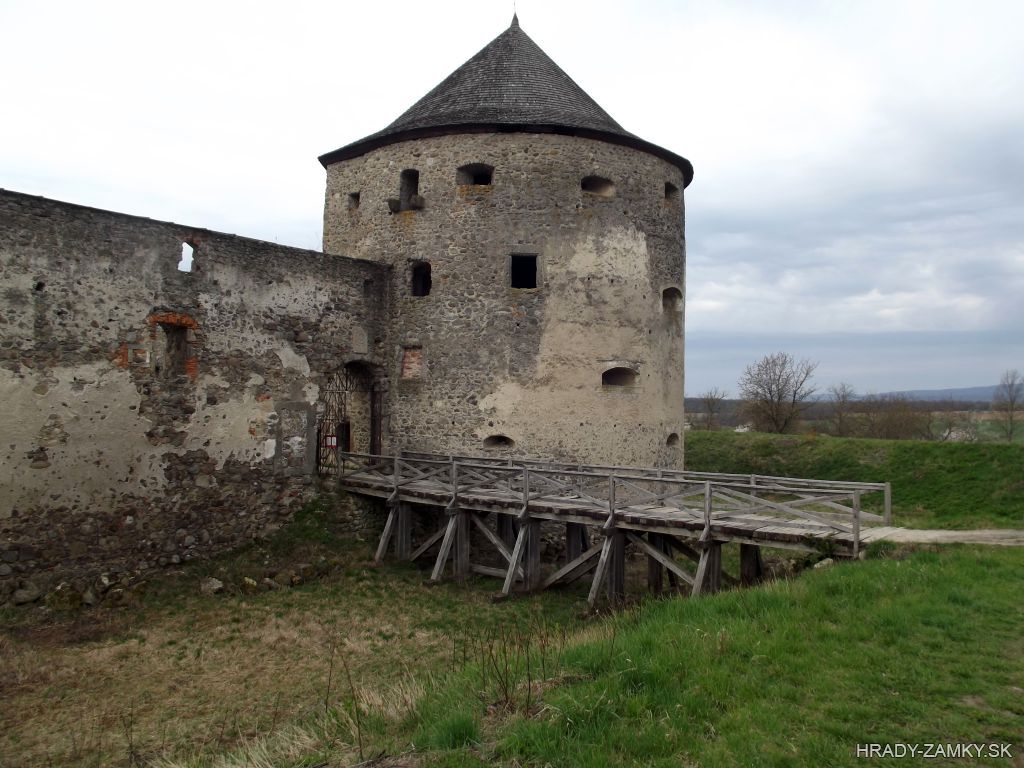
Former monastery Bzovík is located in the village Bzovík. In the village next to the church we turn to the road leading to the village of Uňatín. After this road we continue straight along the houses and at the second left turn, after about 400 meters, turn to the side of the field, gravelly sprinkled path that leads directly to the ruins. Directly in front of the access bridge we can easily get by car.
Bývalý kláštor Bzovík sa nachádza priamo v obci Bzovík. V obci popri kostole odbočíme na cestu vedúcu na obec Uňatín. Po tejto ceste pokračujeme stále rovno popri domčekoch a pri druhej odbočke vľavo, asi po 400 metroch, zahneme na vedľajšiu poľnú, štrkom posypanú cestičku, ktorá vedie priamo k zrúcanine. Priamo pred prístupový most sa dostaneme bez problémov aj autom.
Description
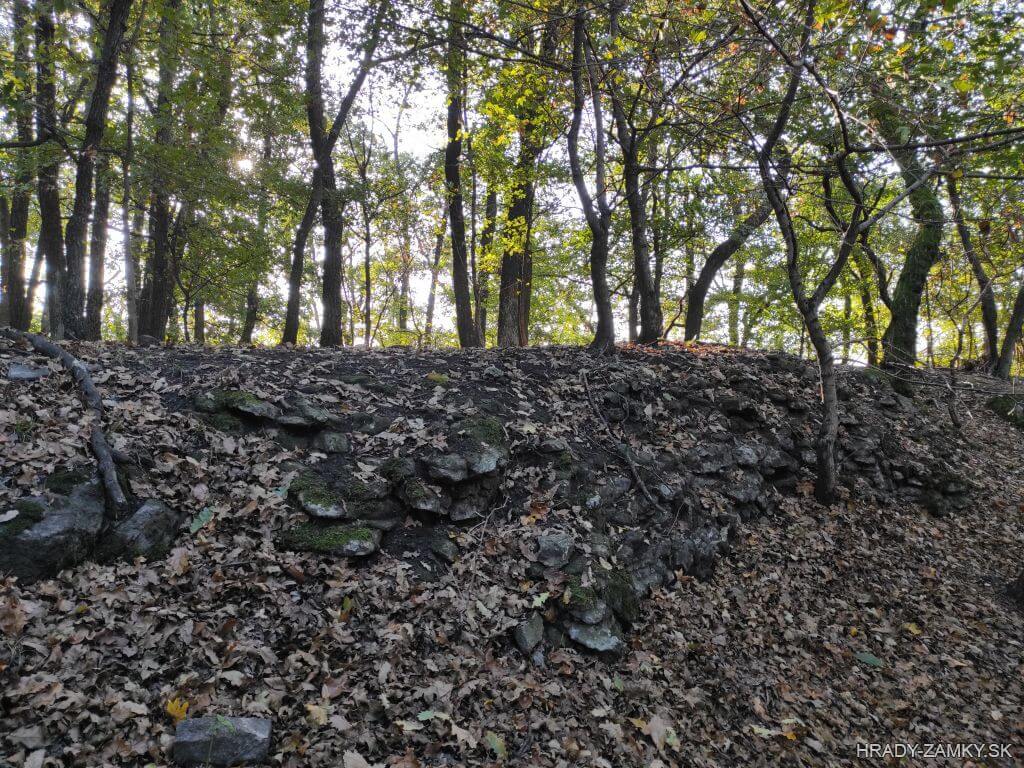
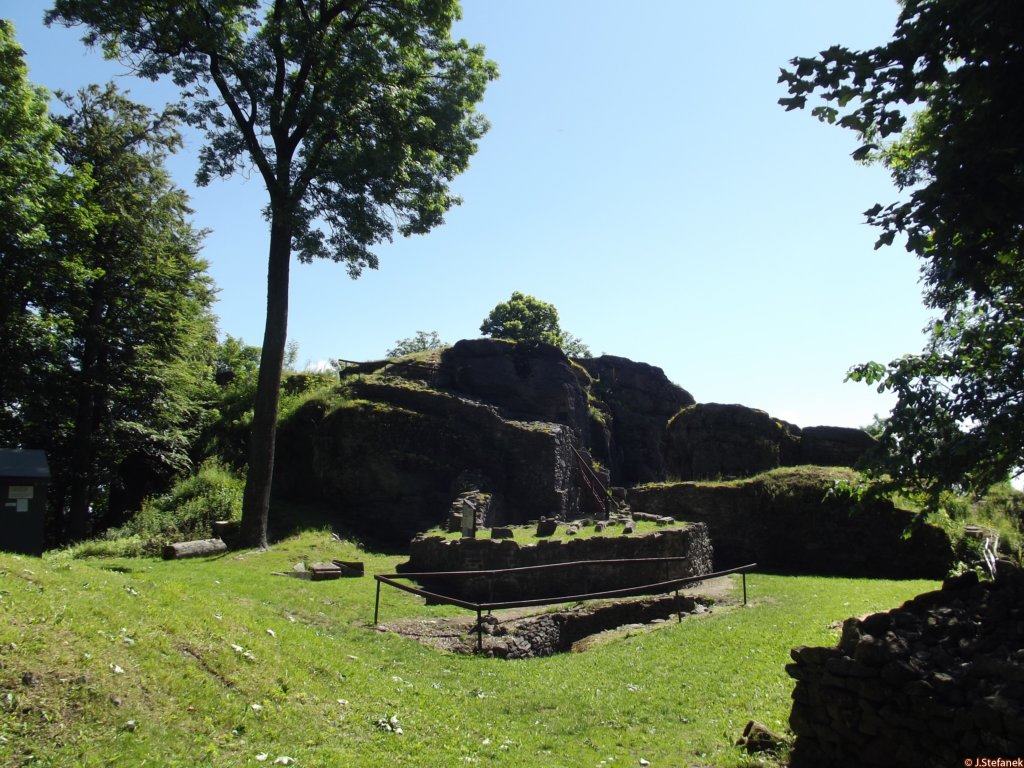
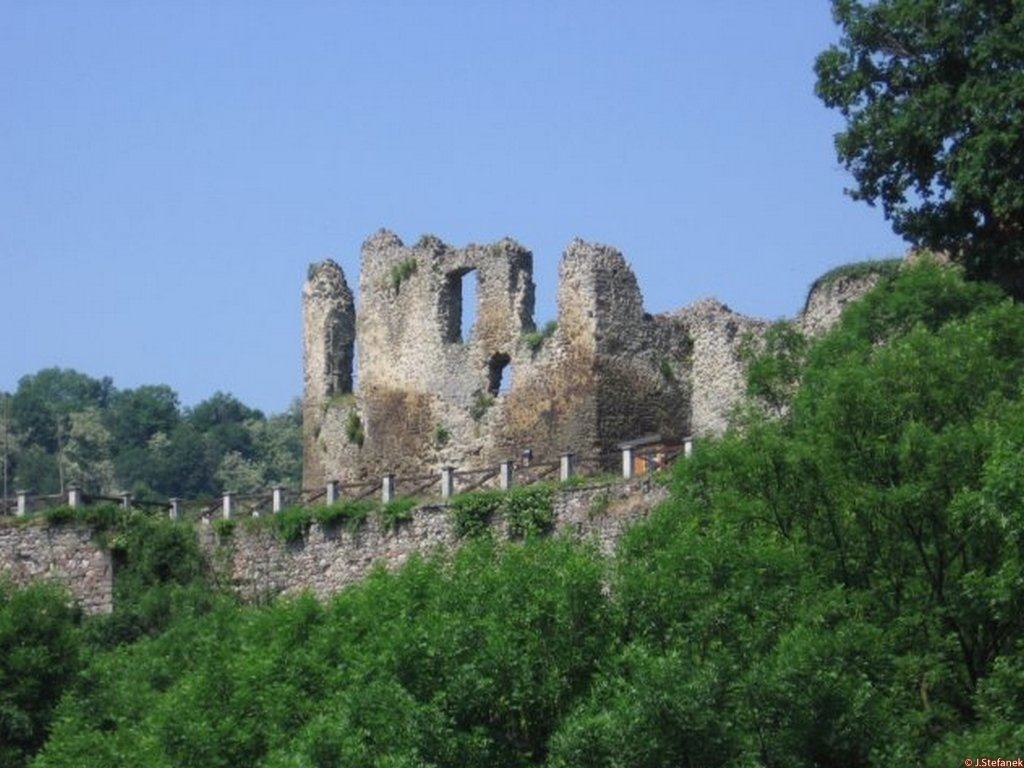
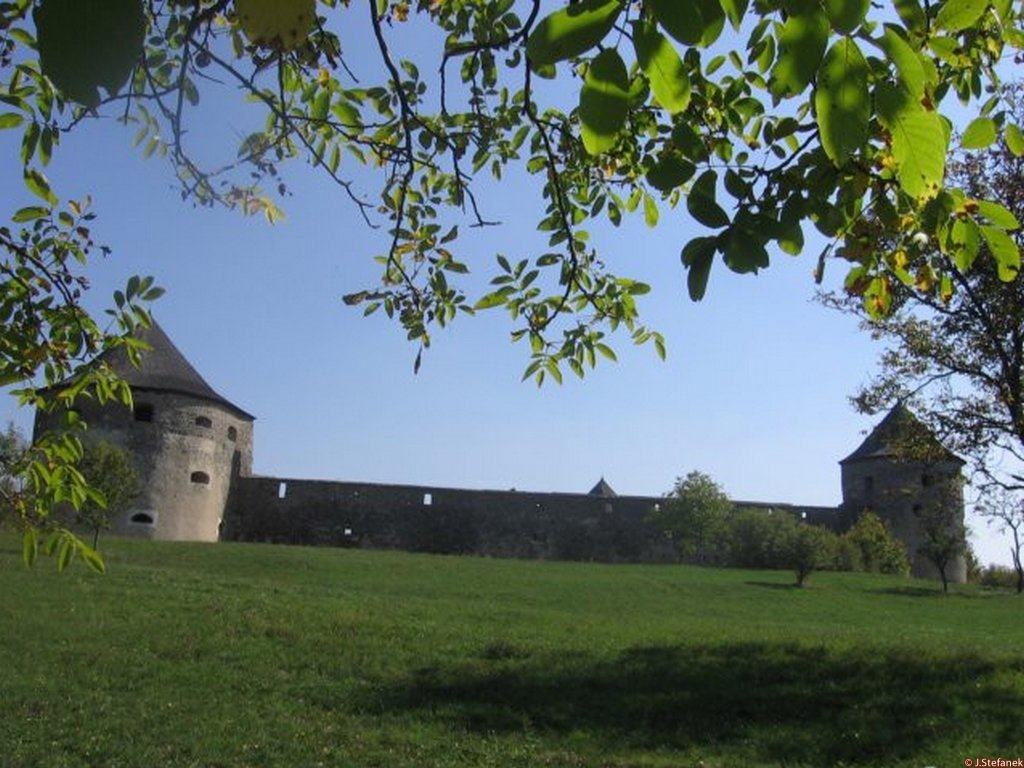
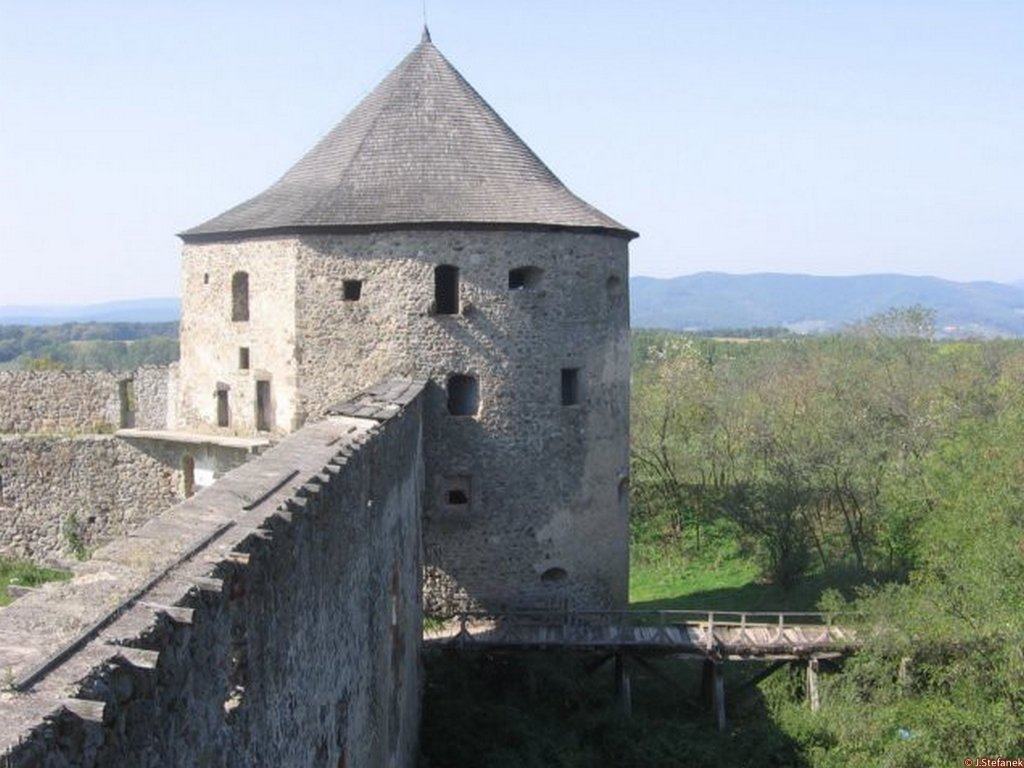
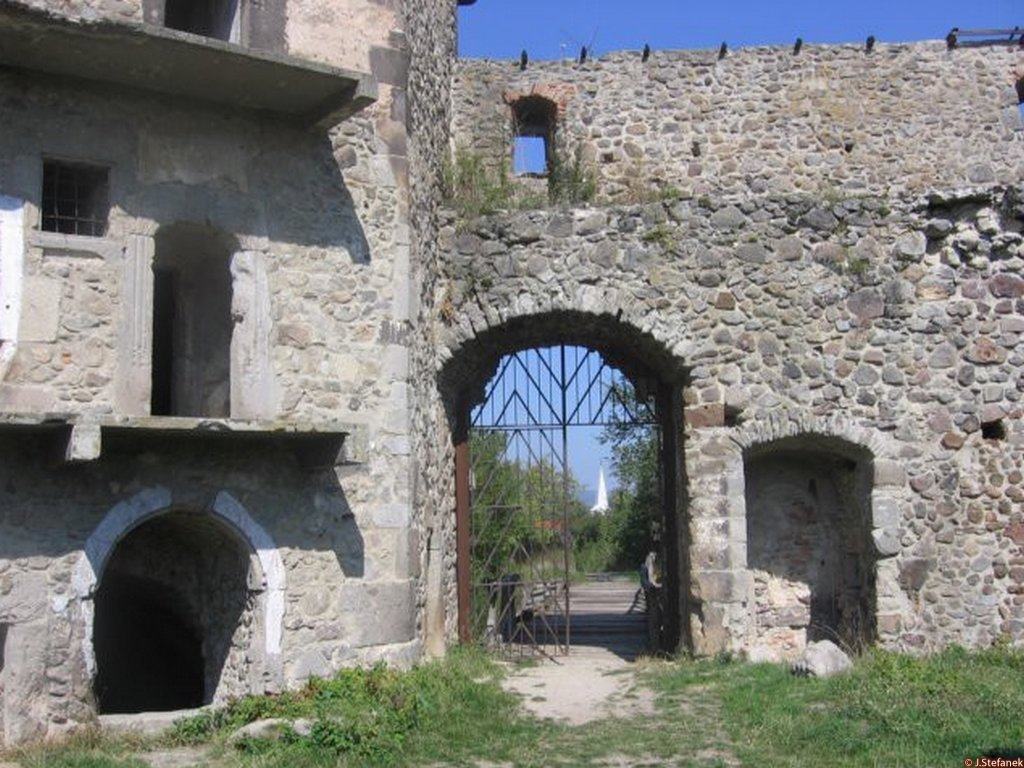
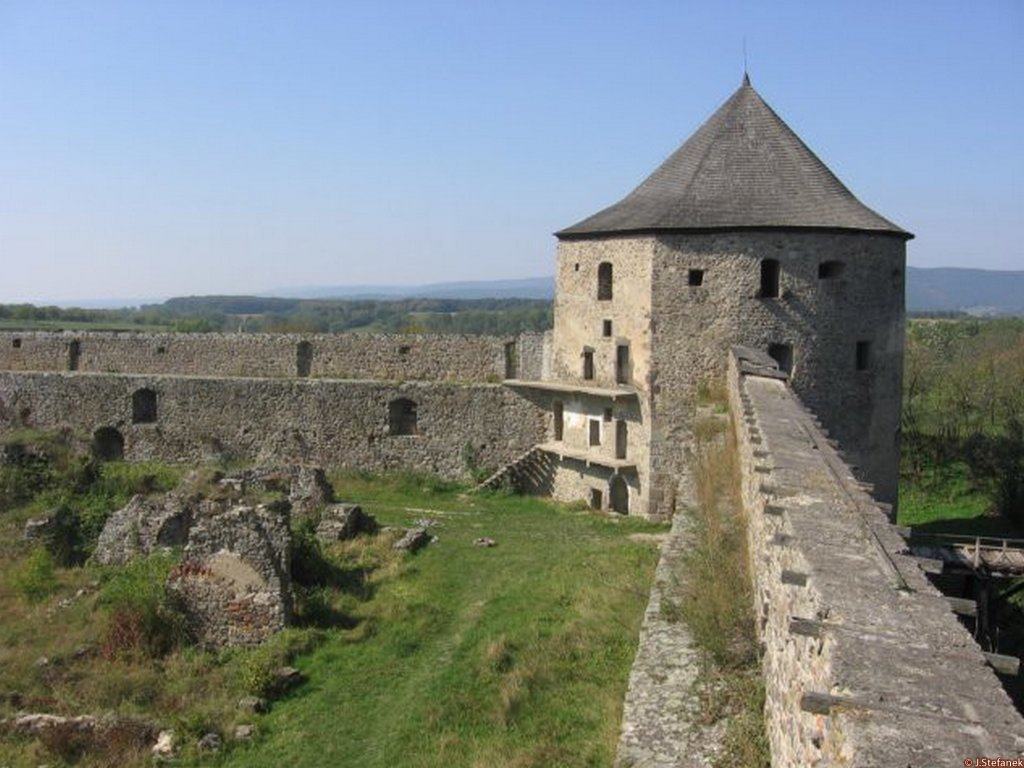
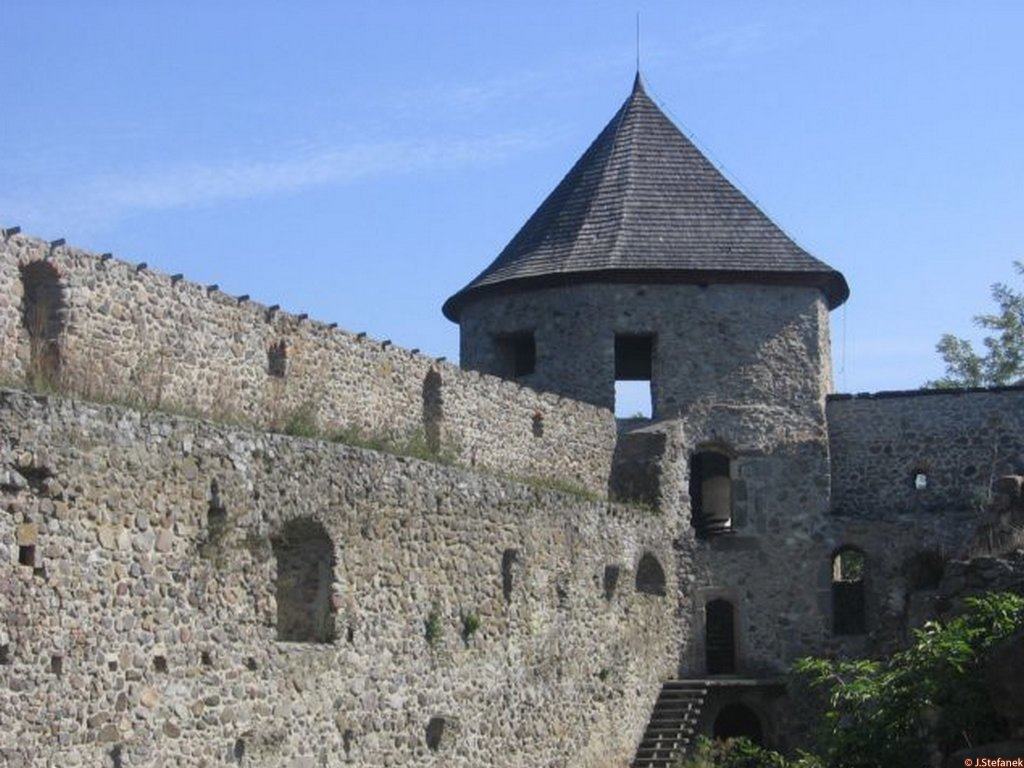
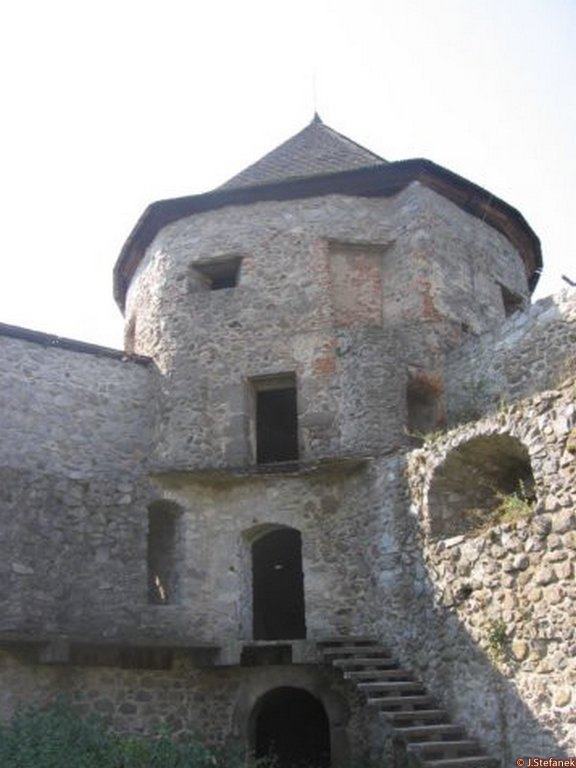
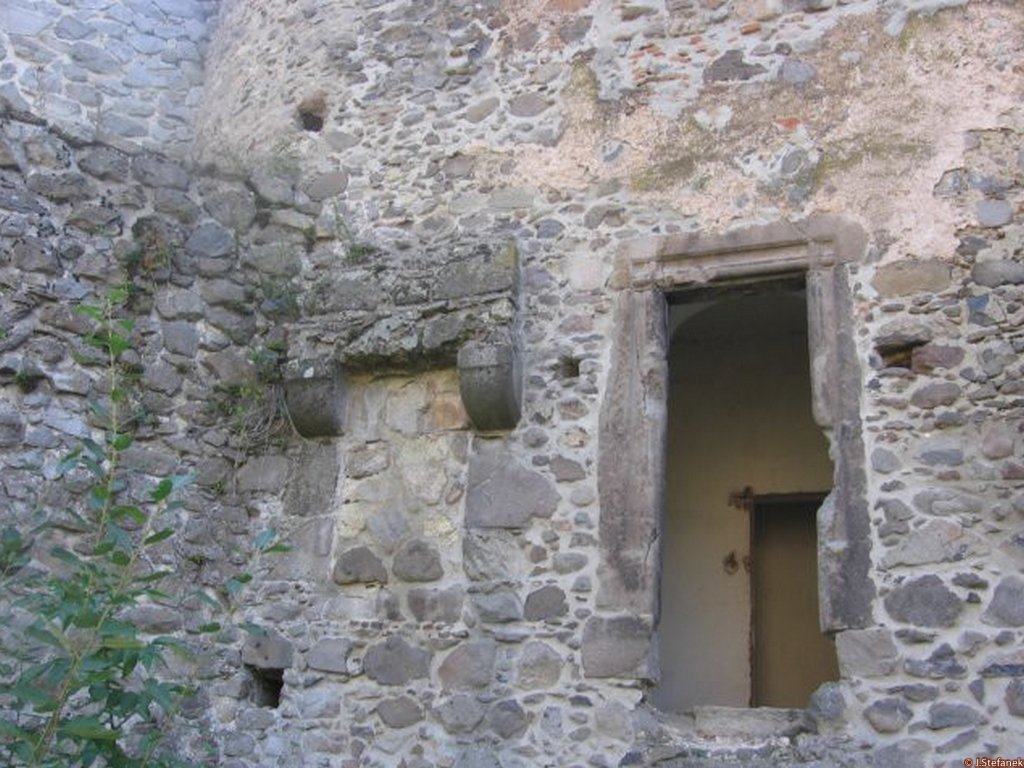
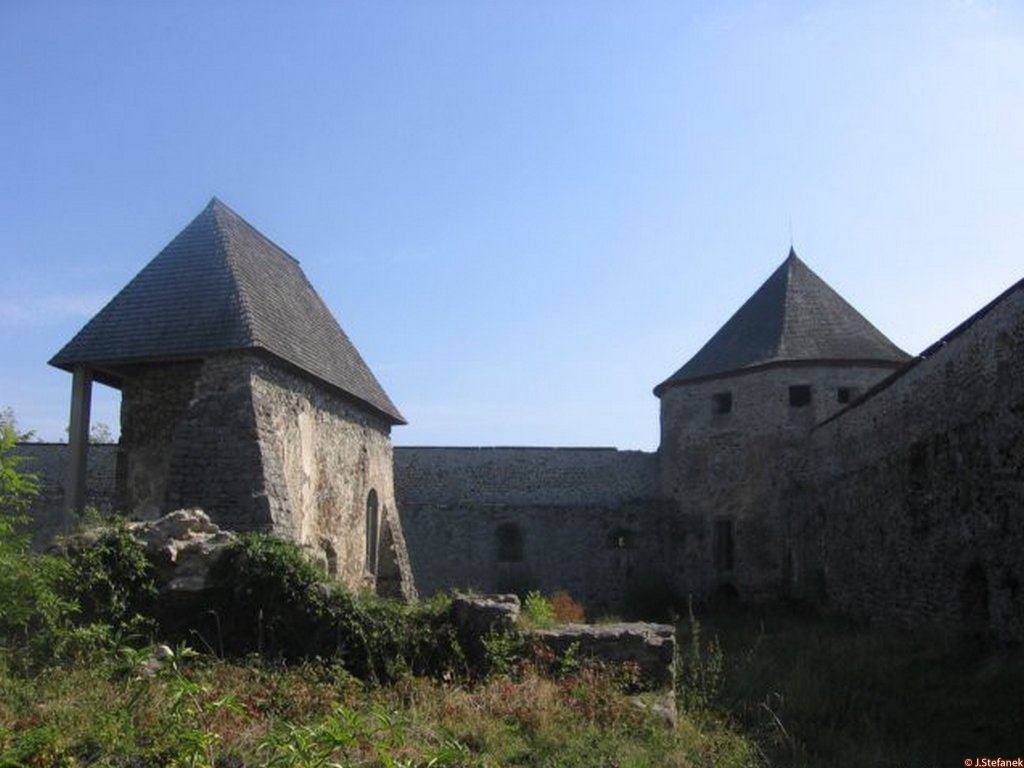
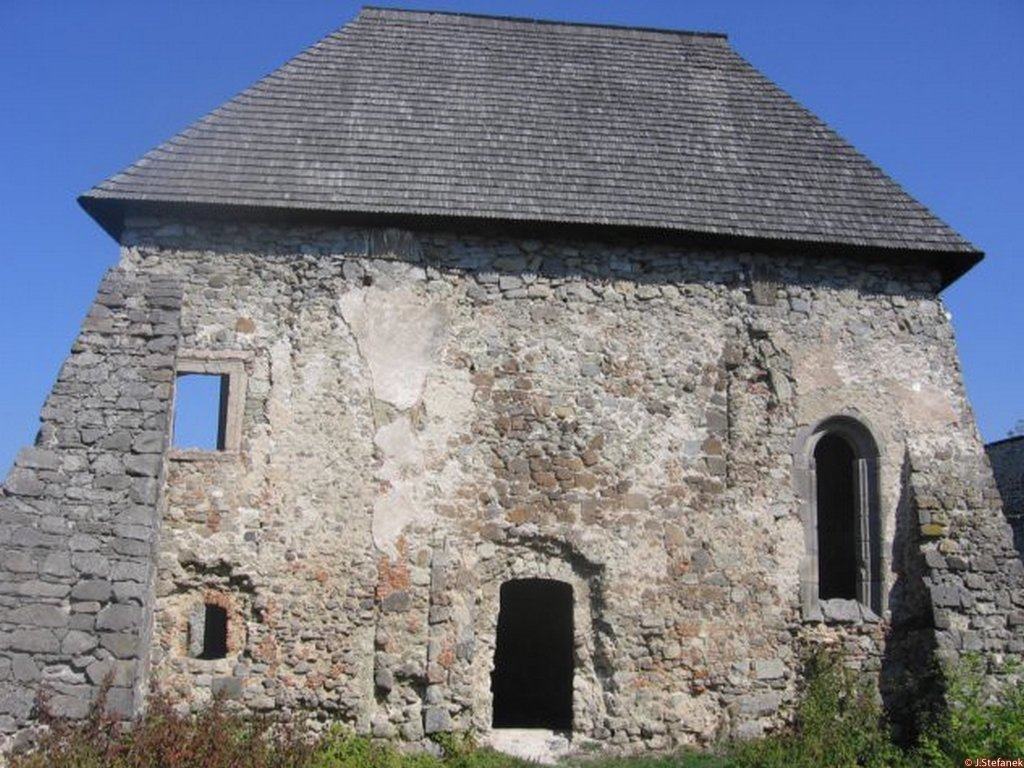
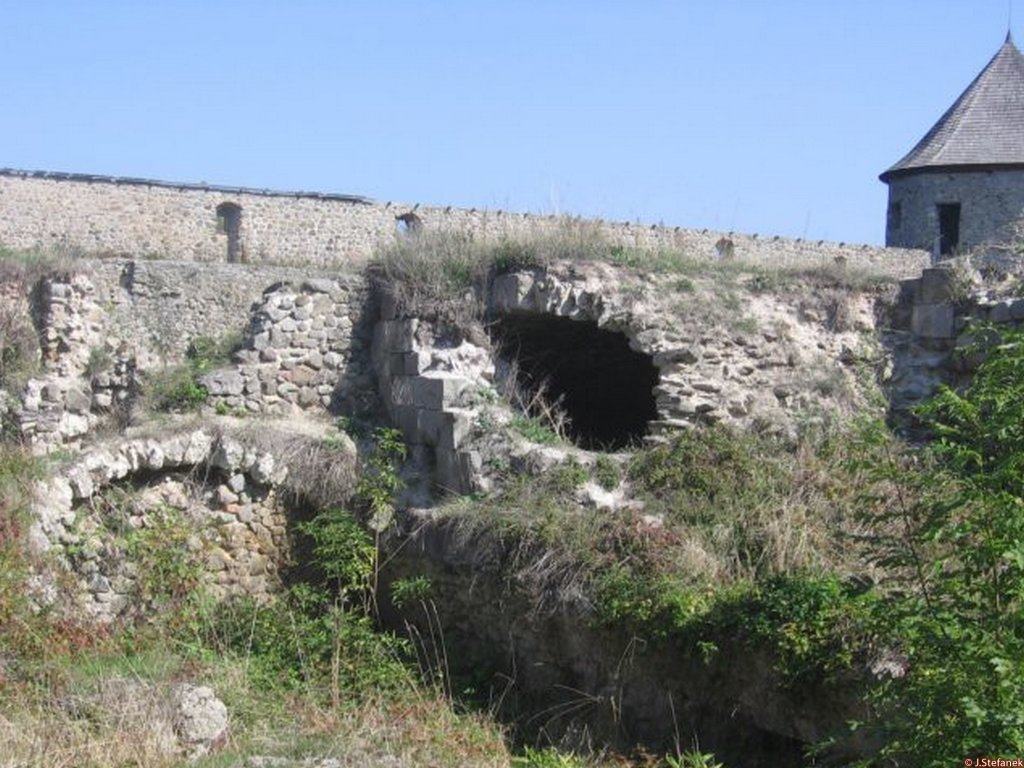
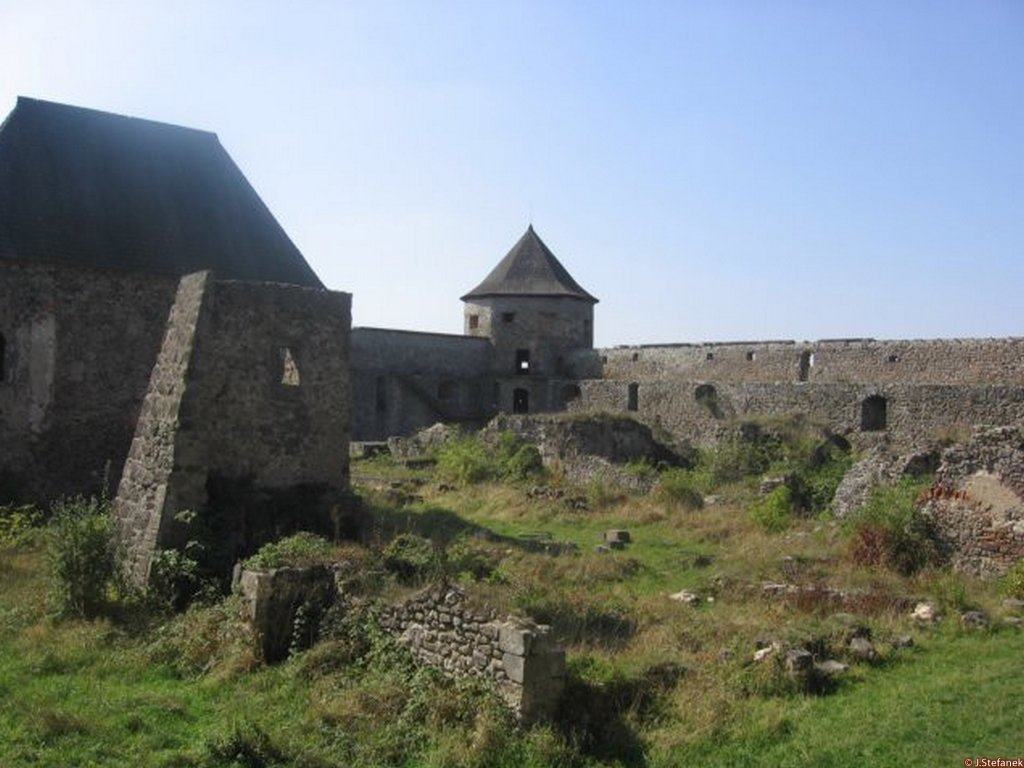
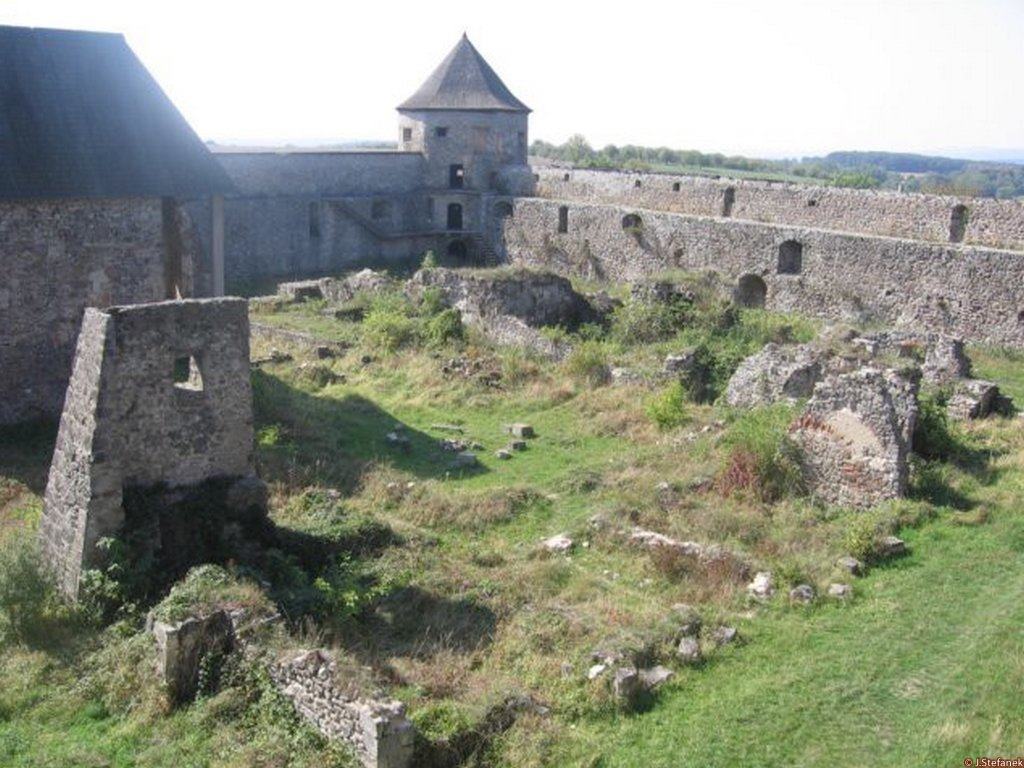
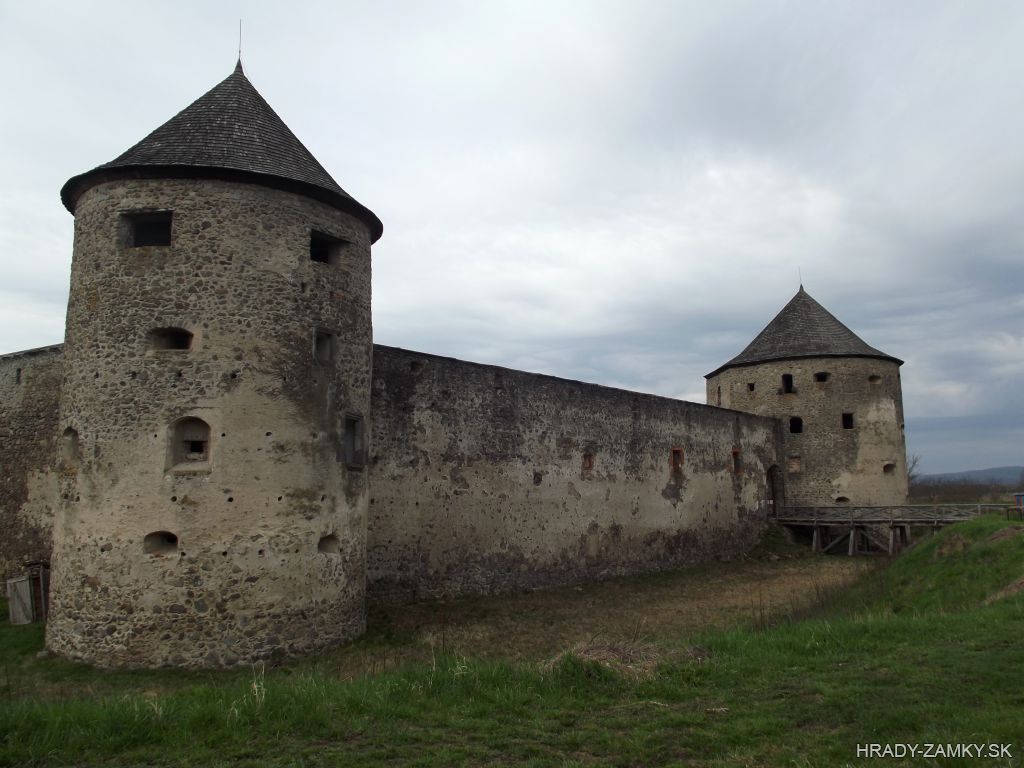
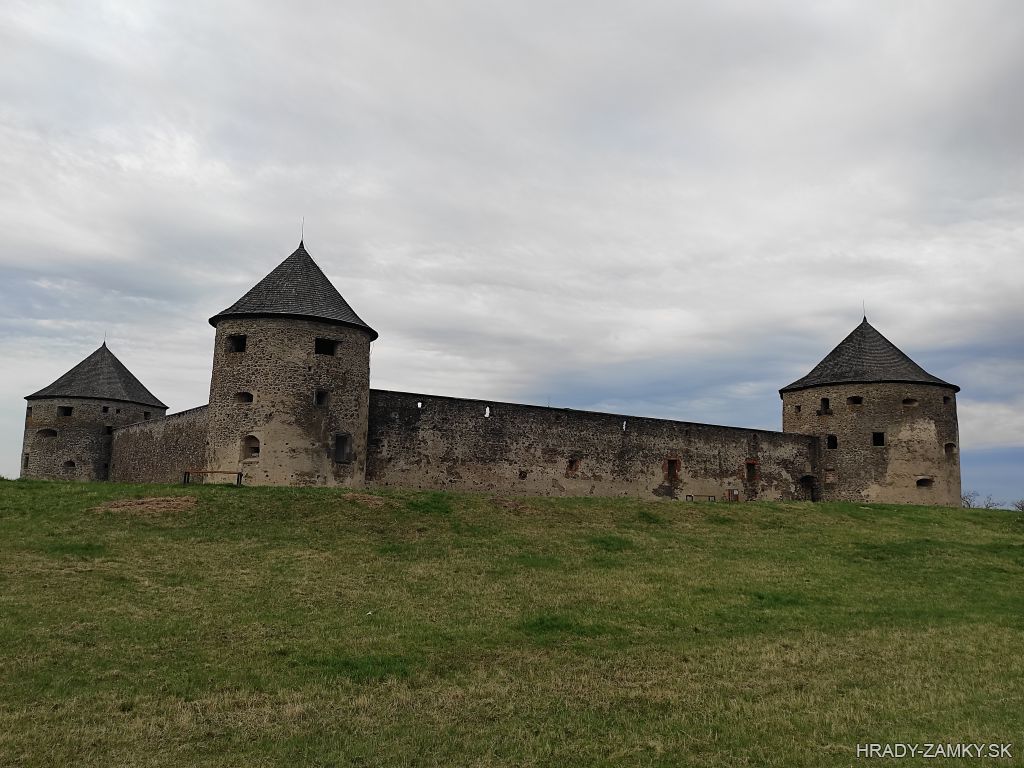
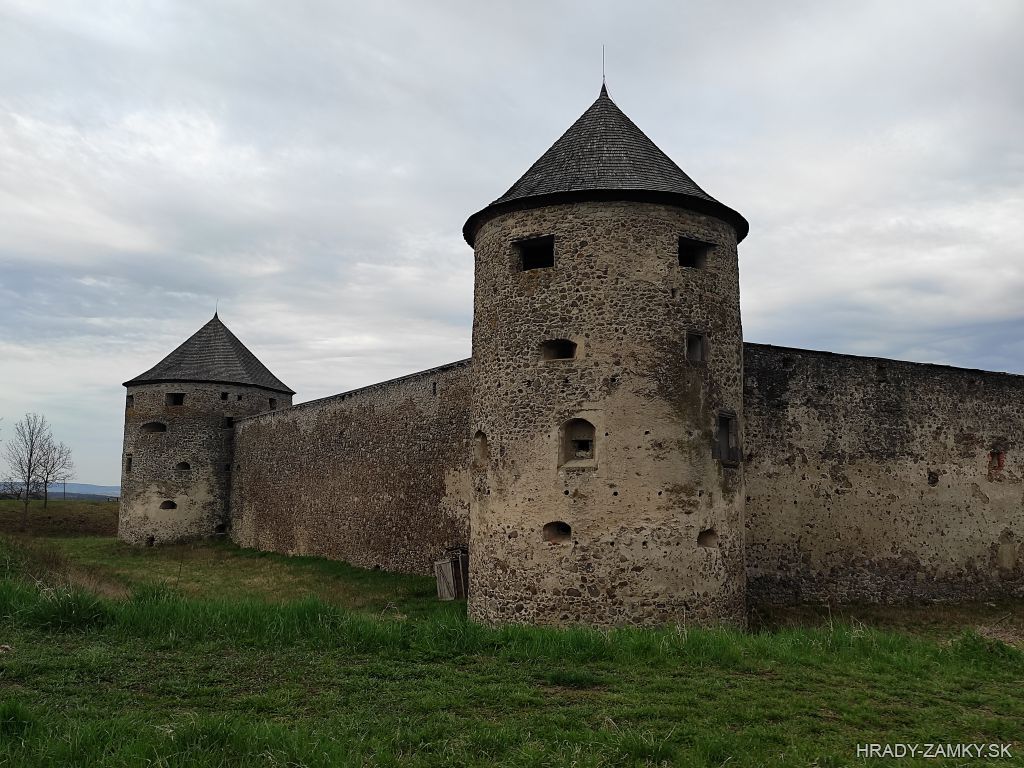
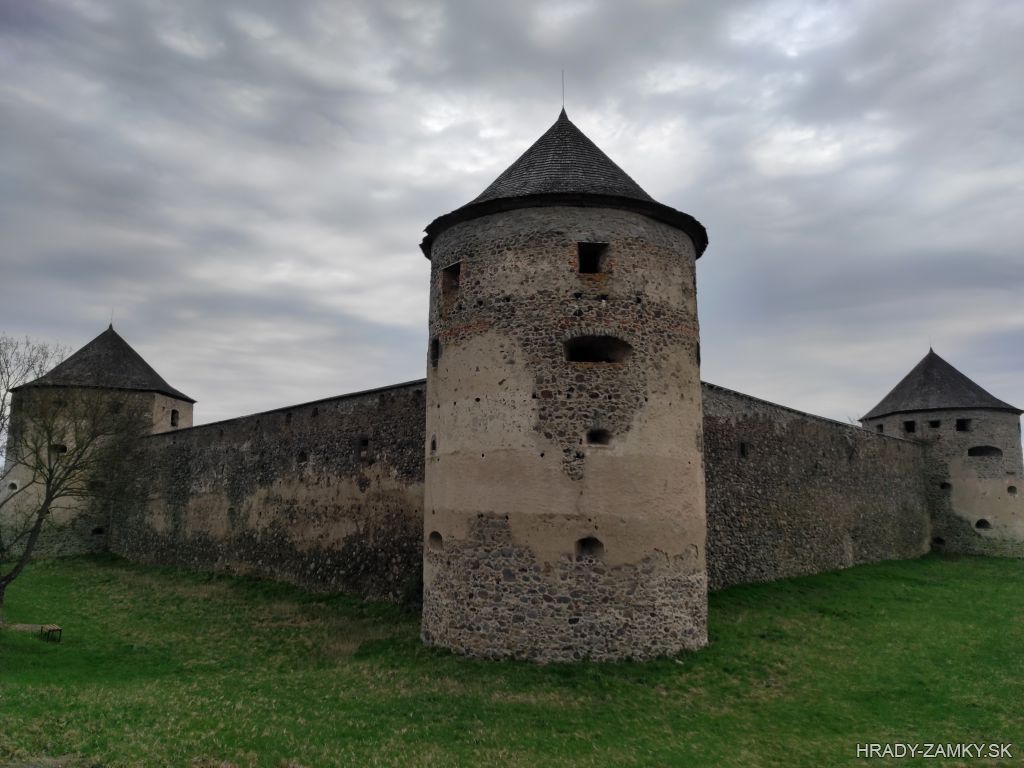
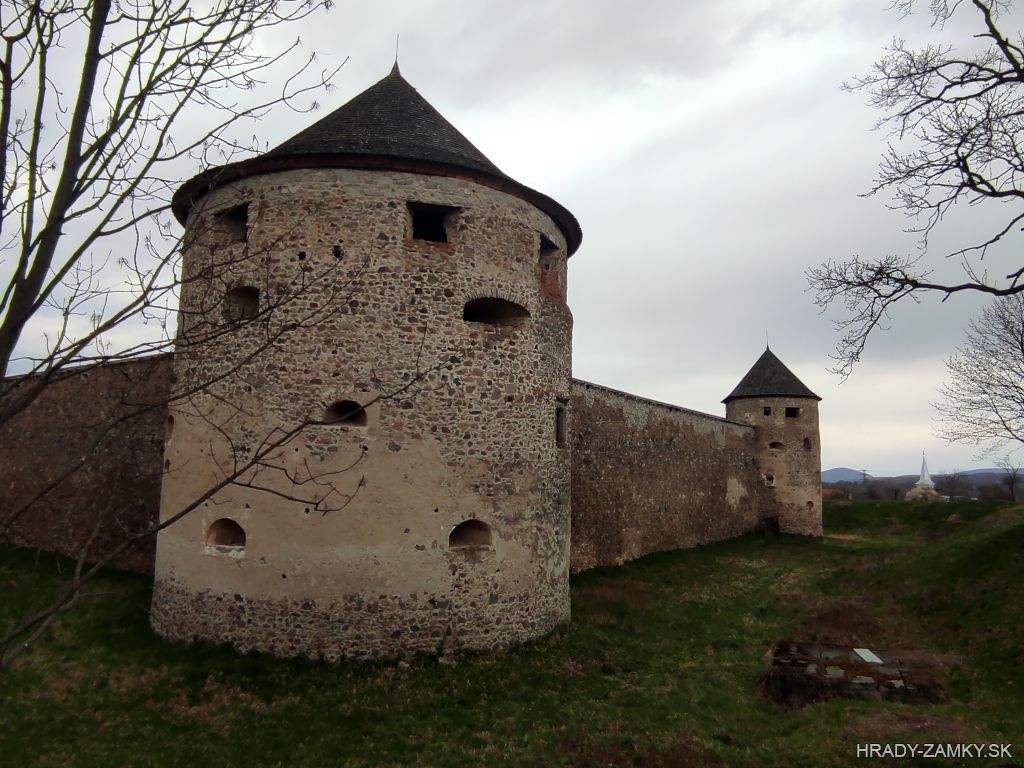
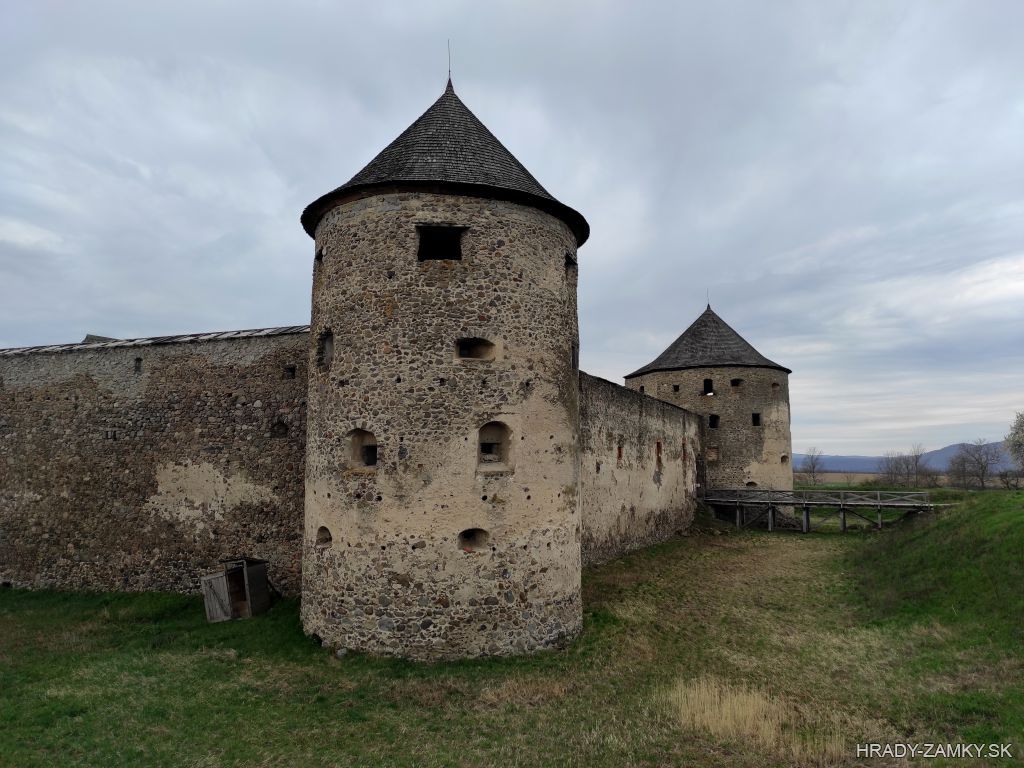
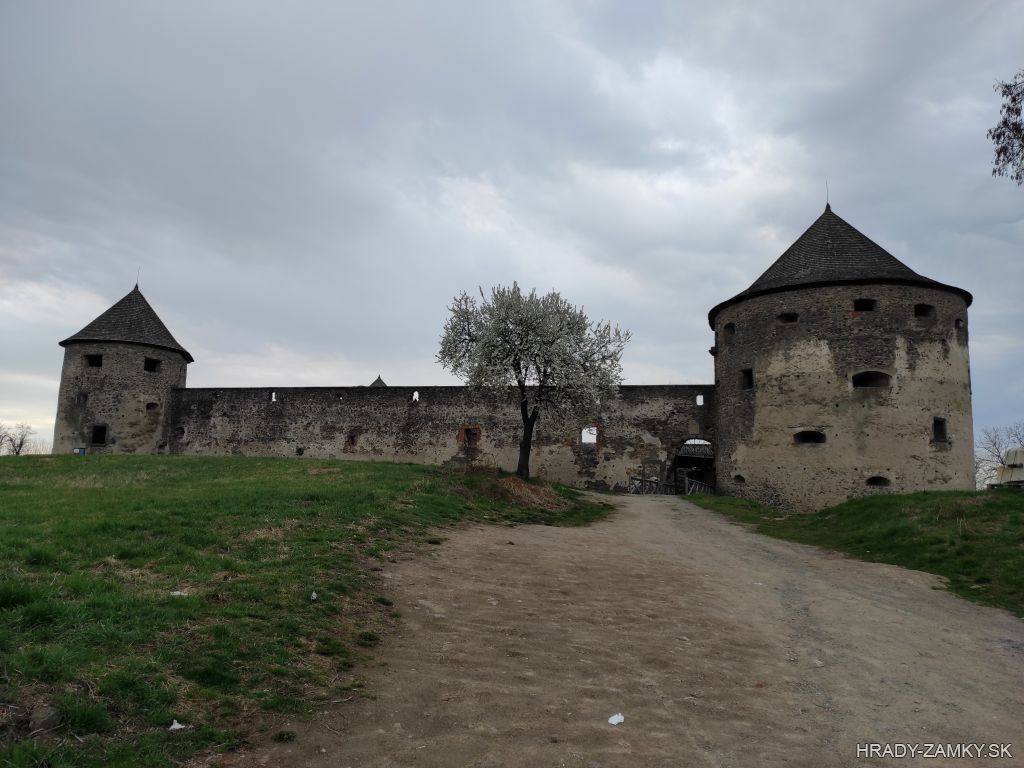
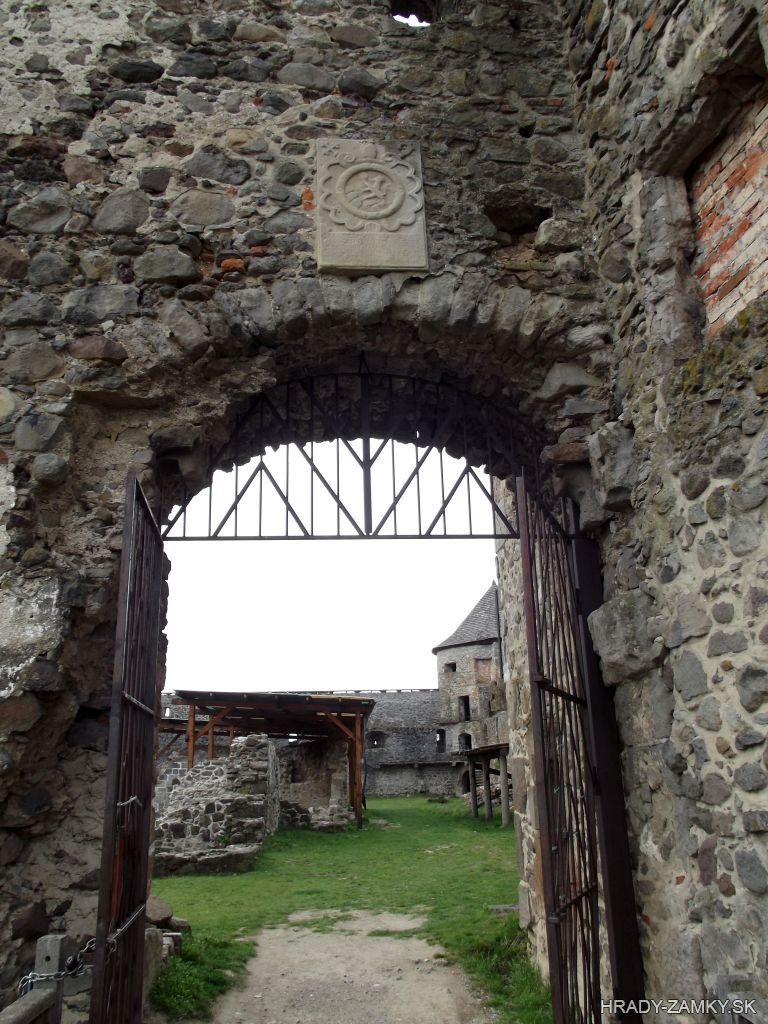
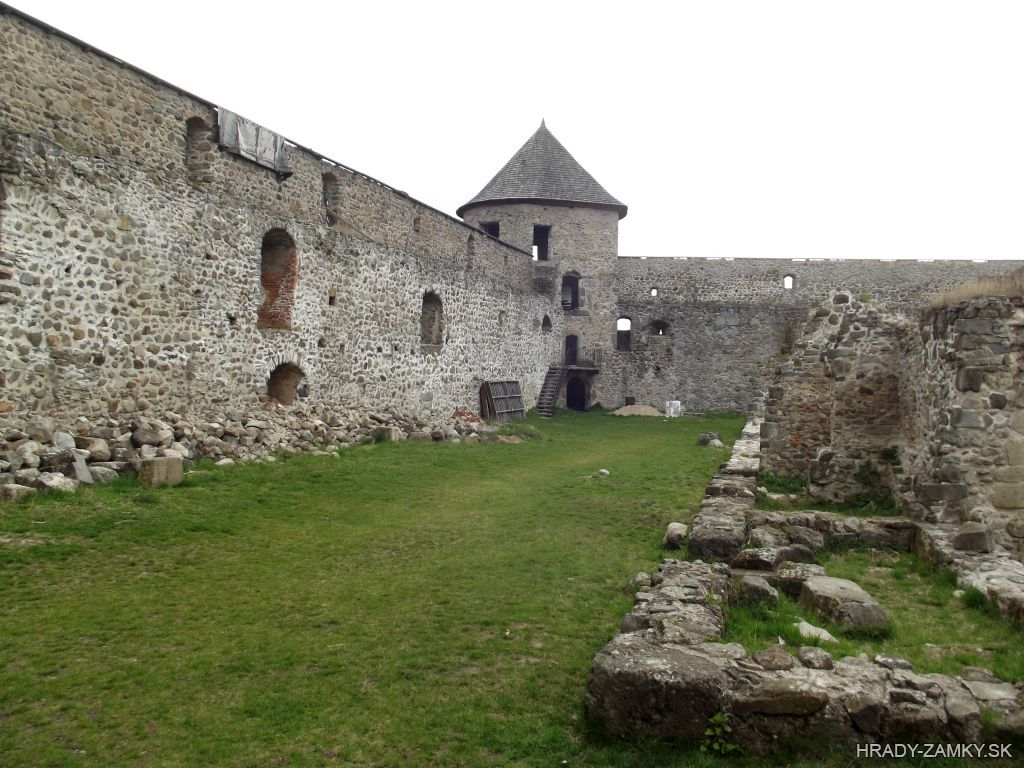
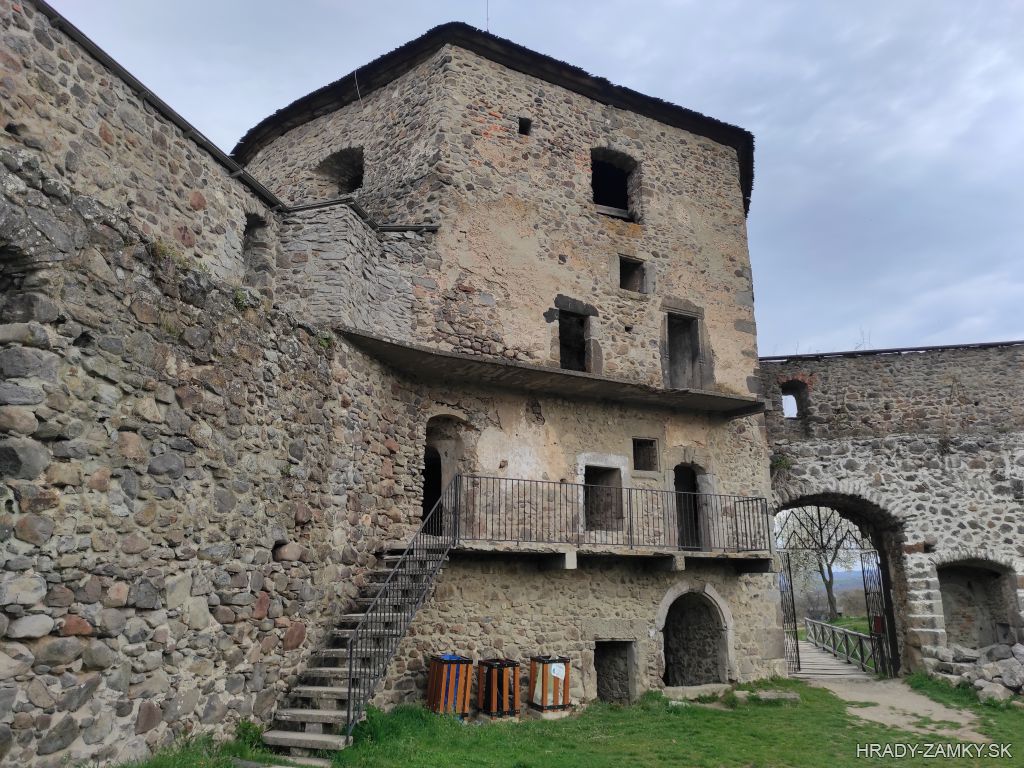
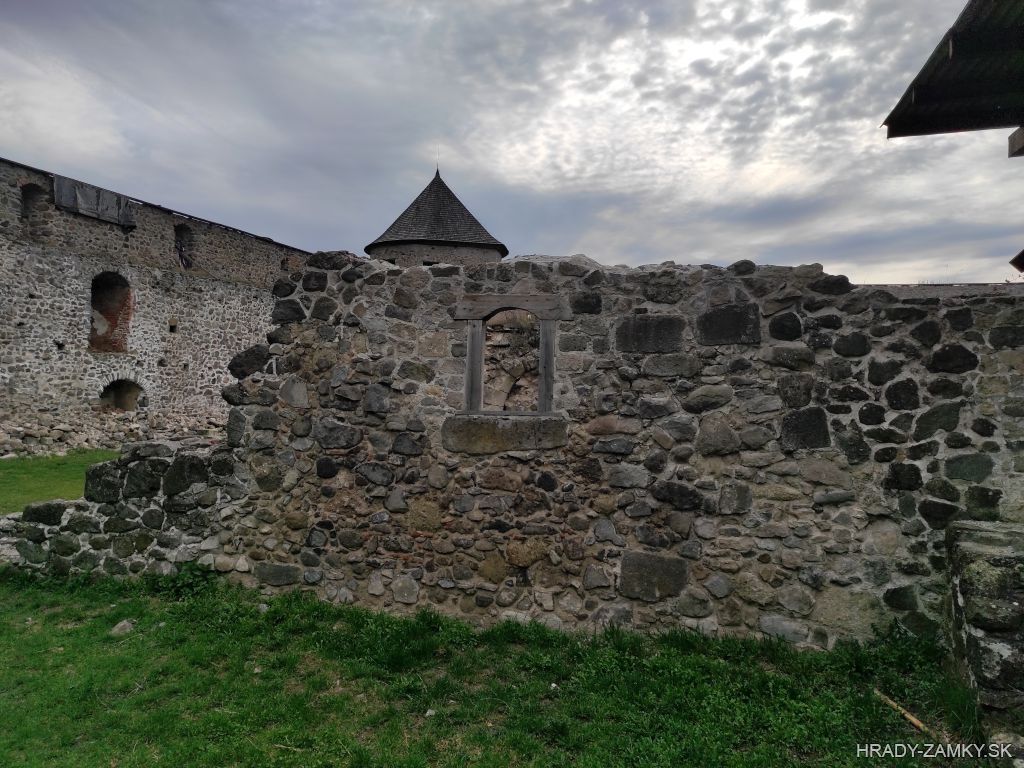
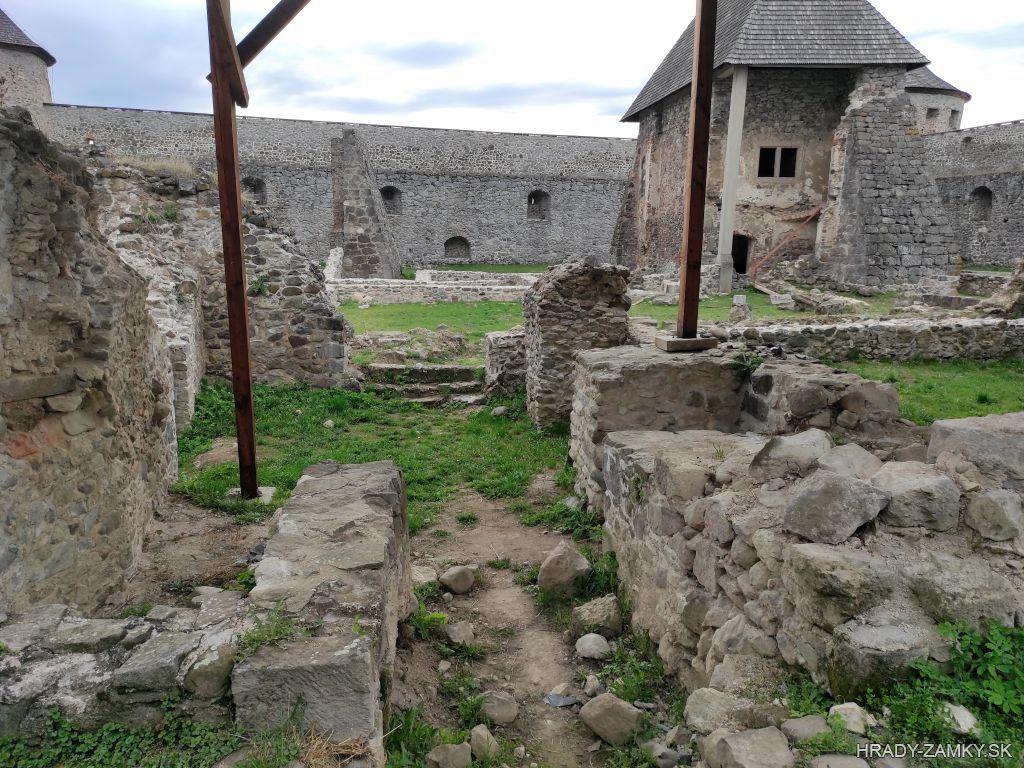
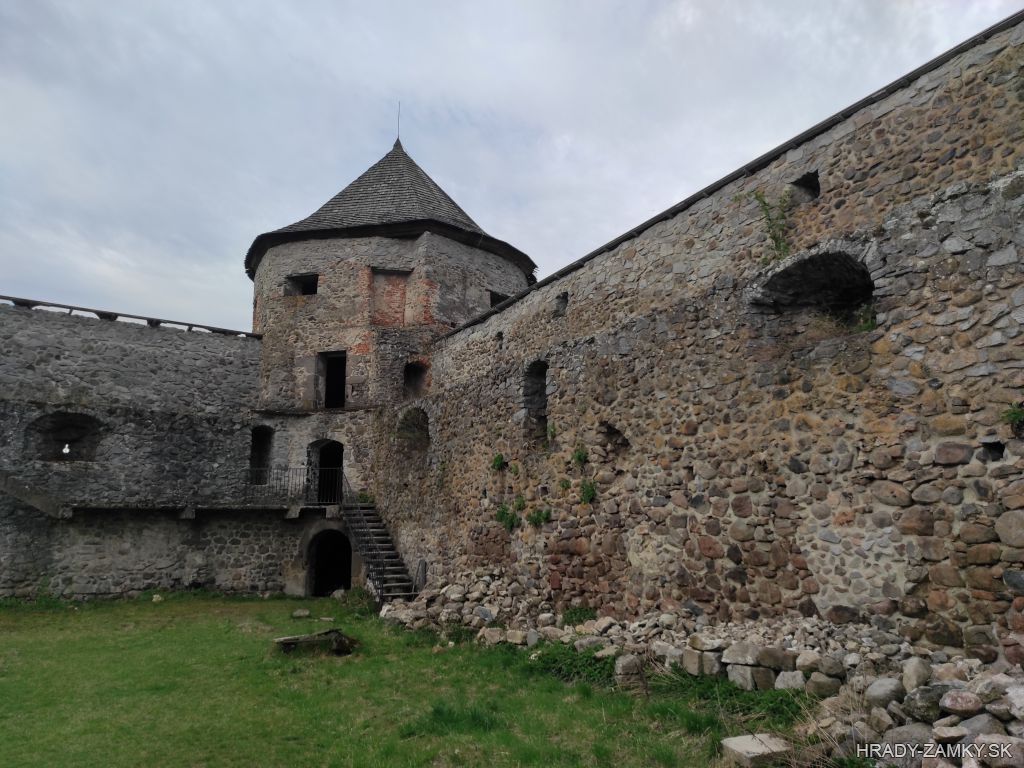
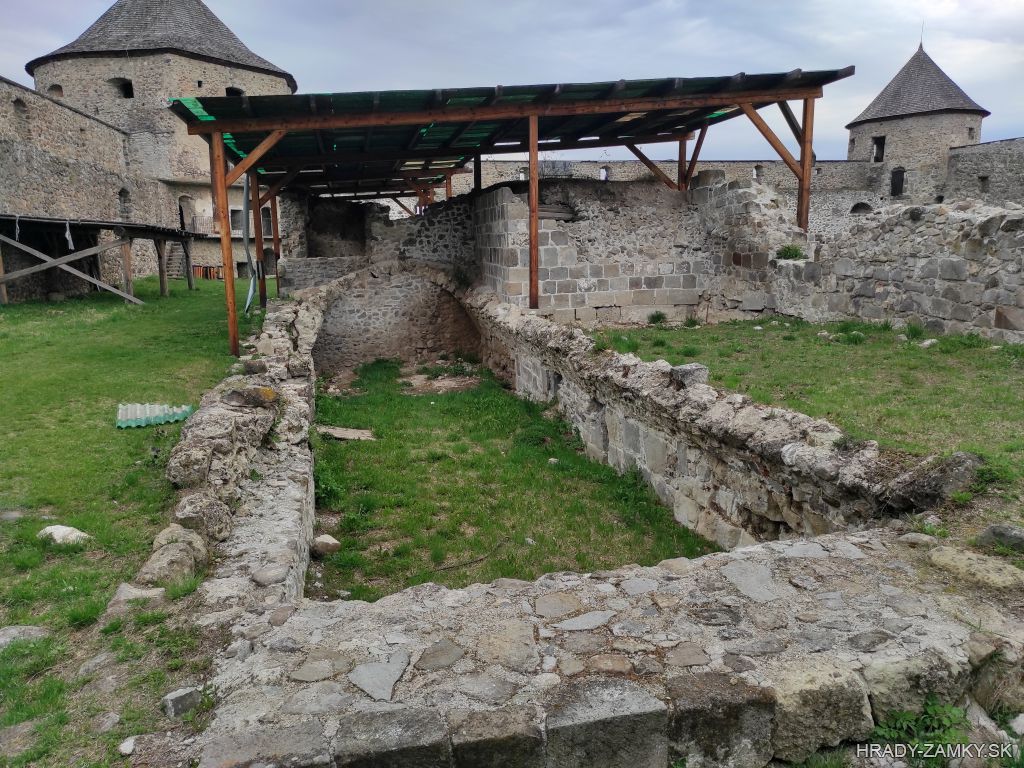
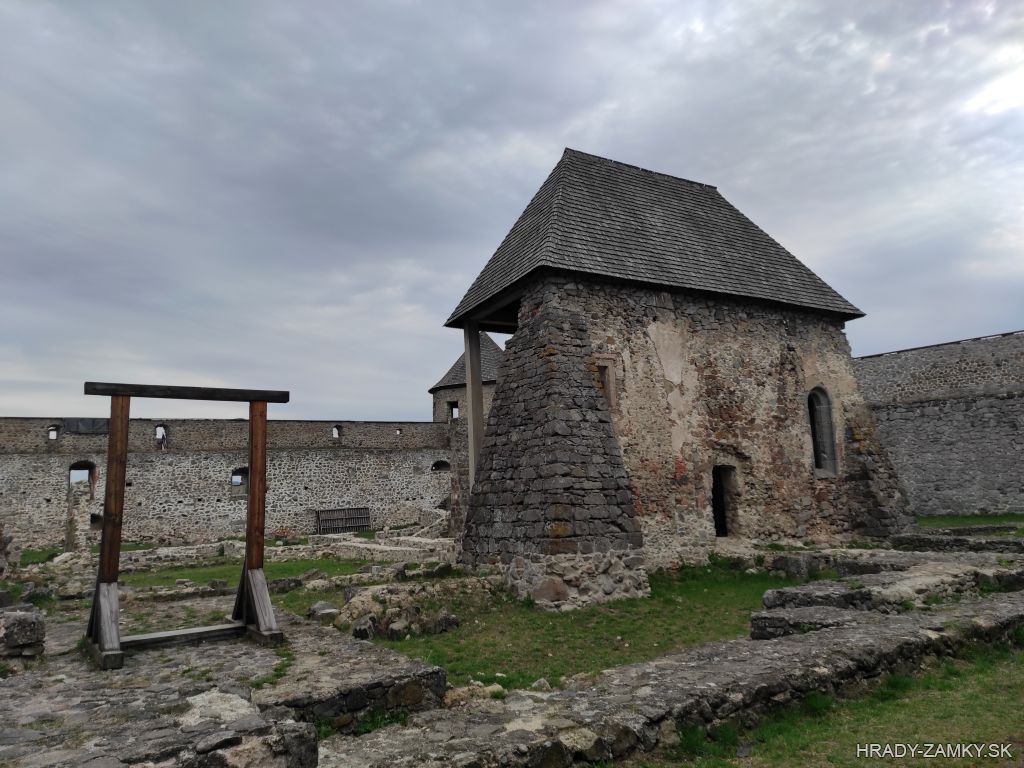
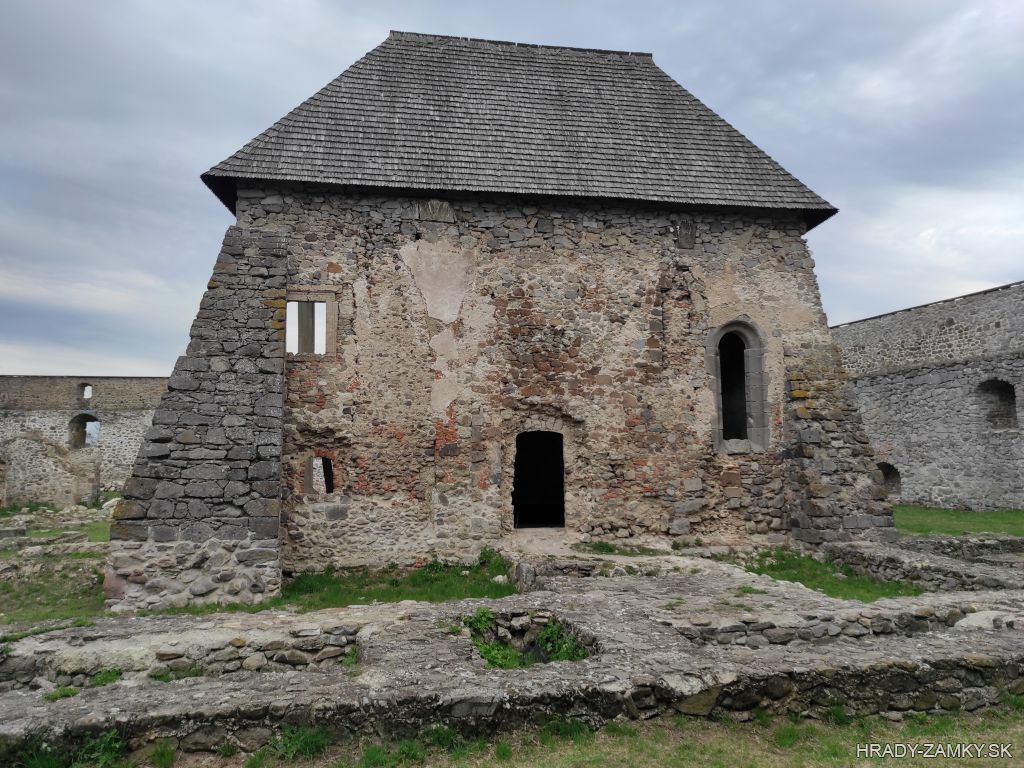
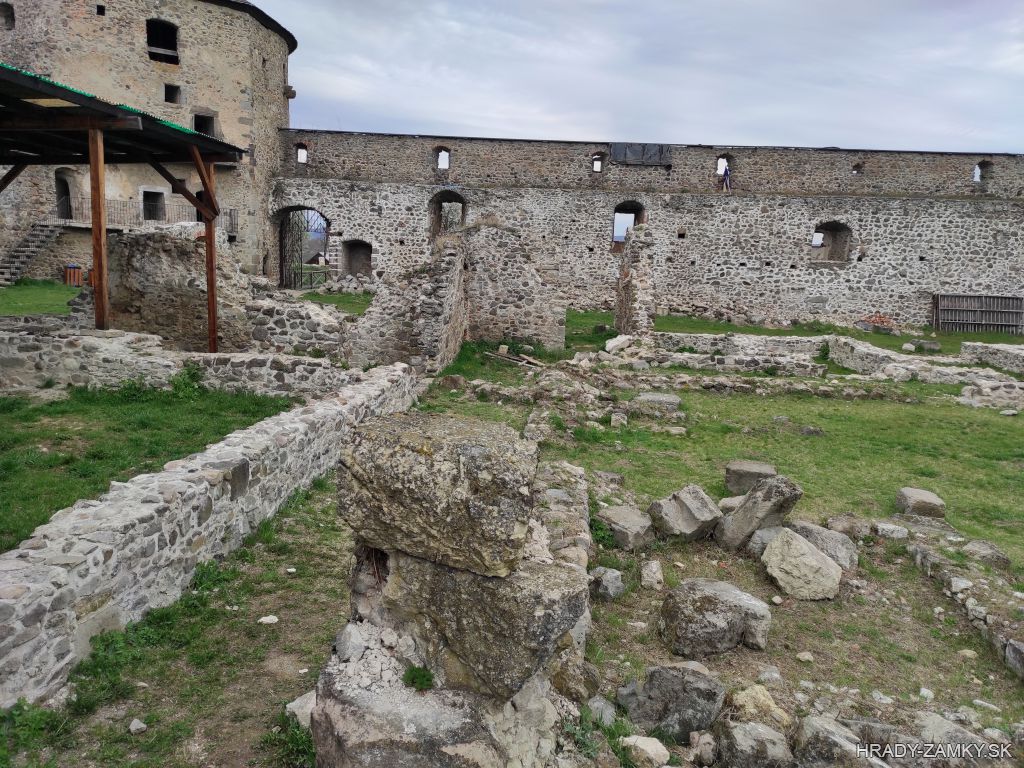
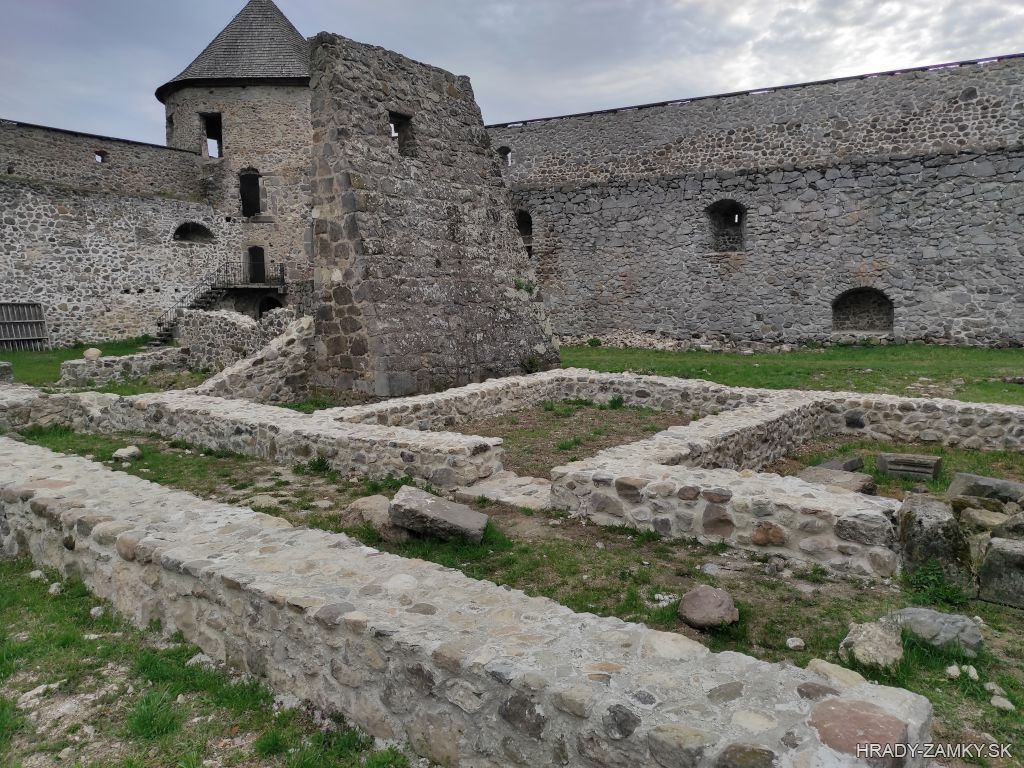
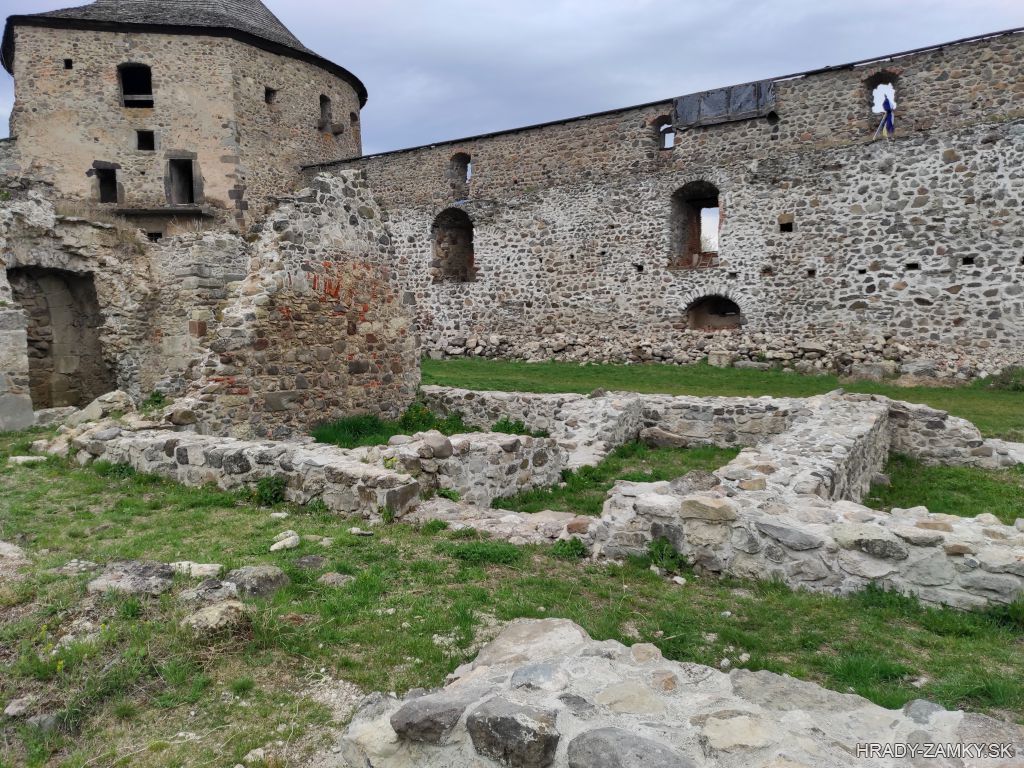
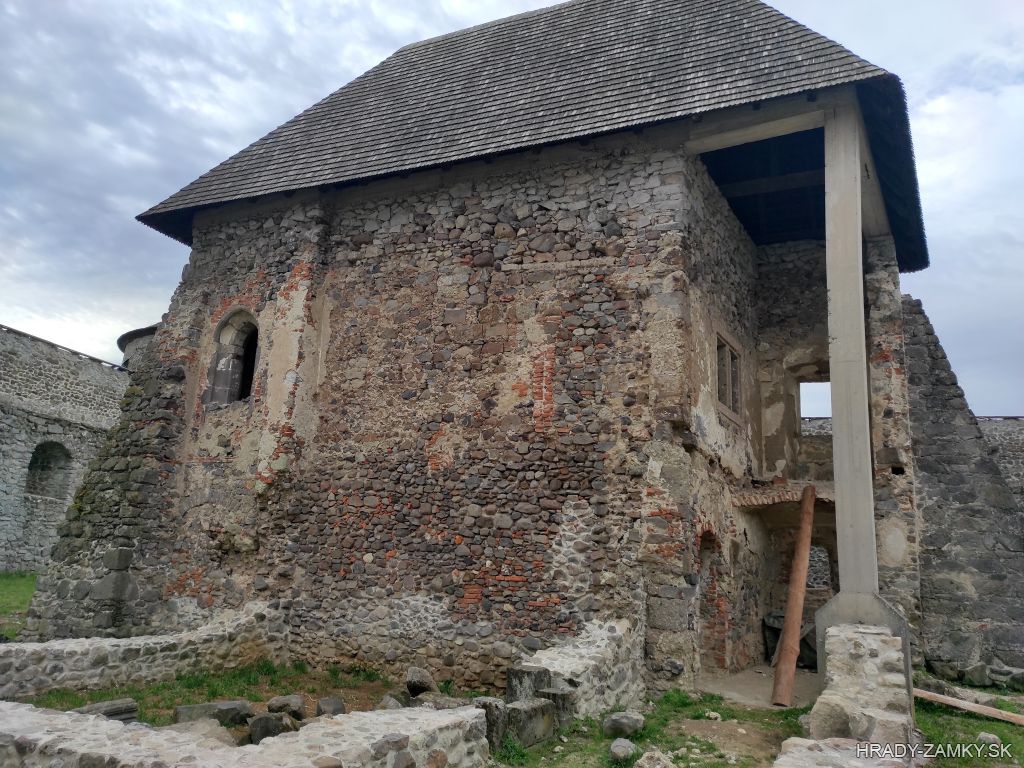
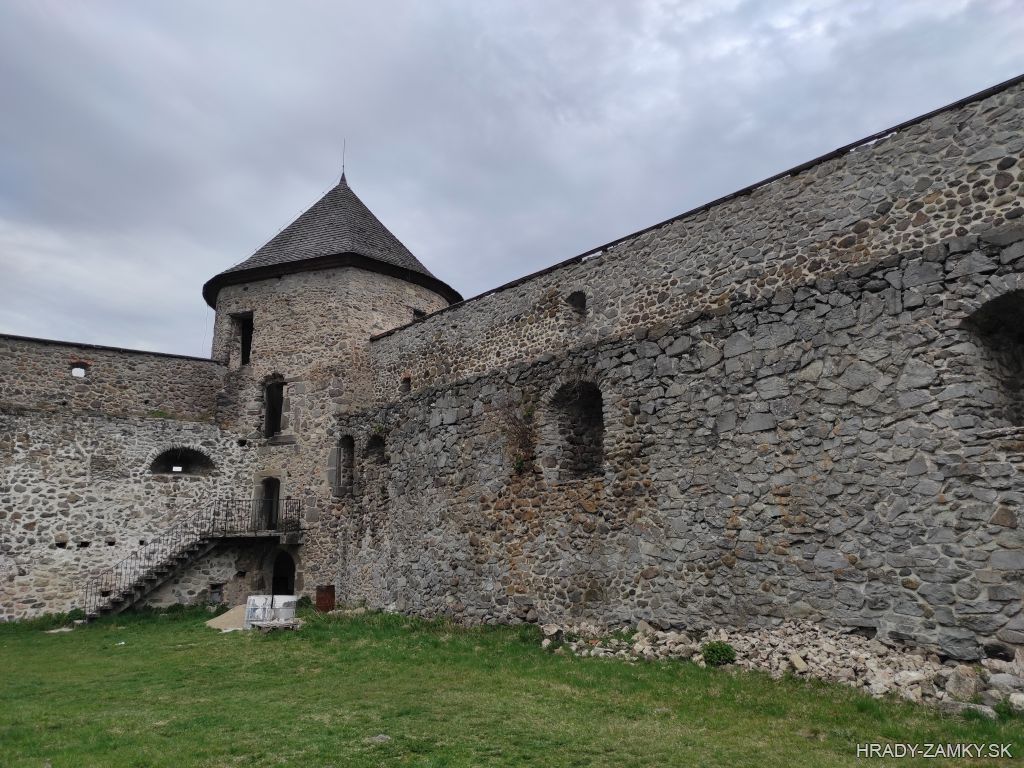
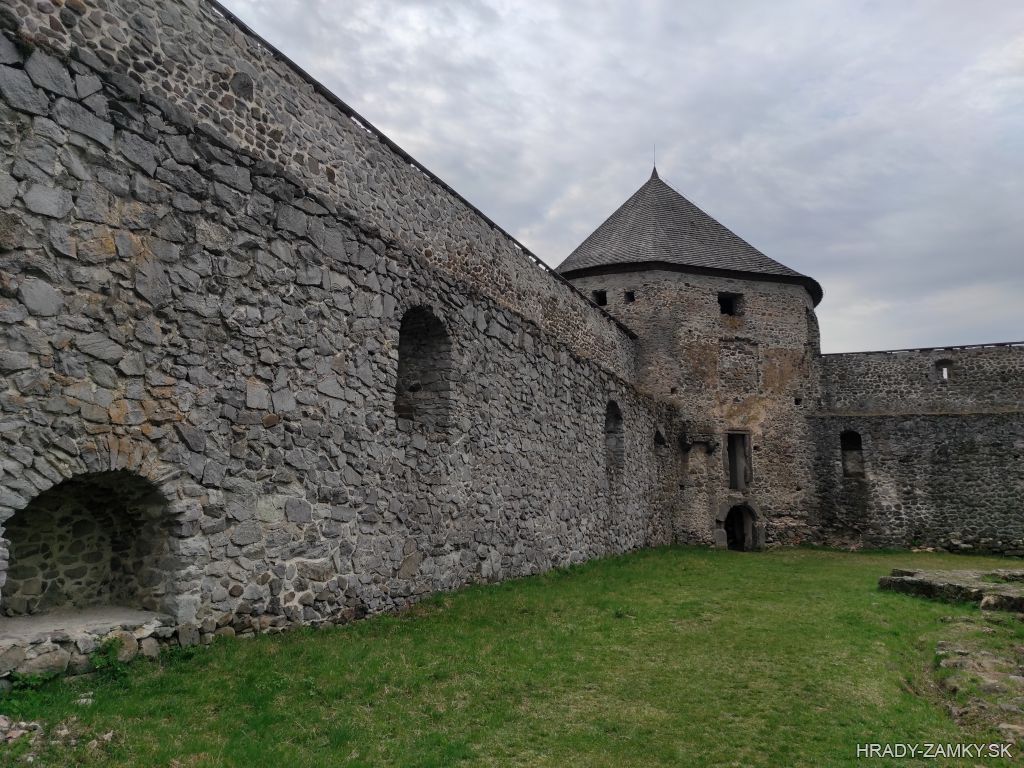
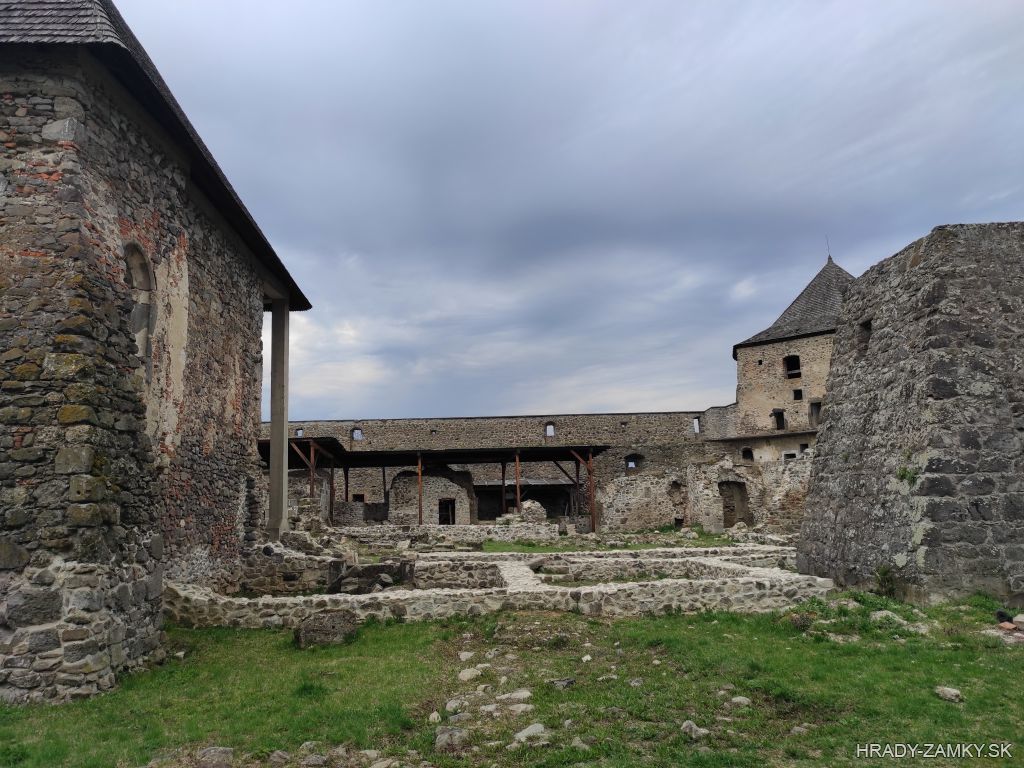
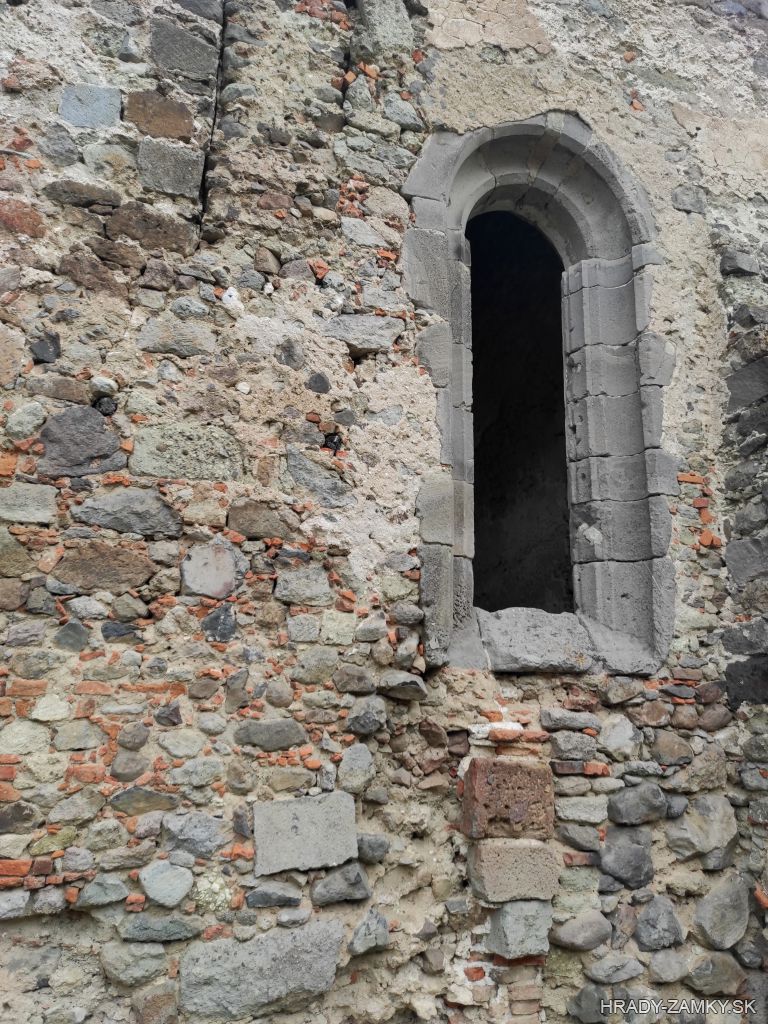
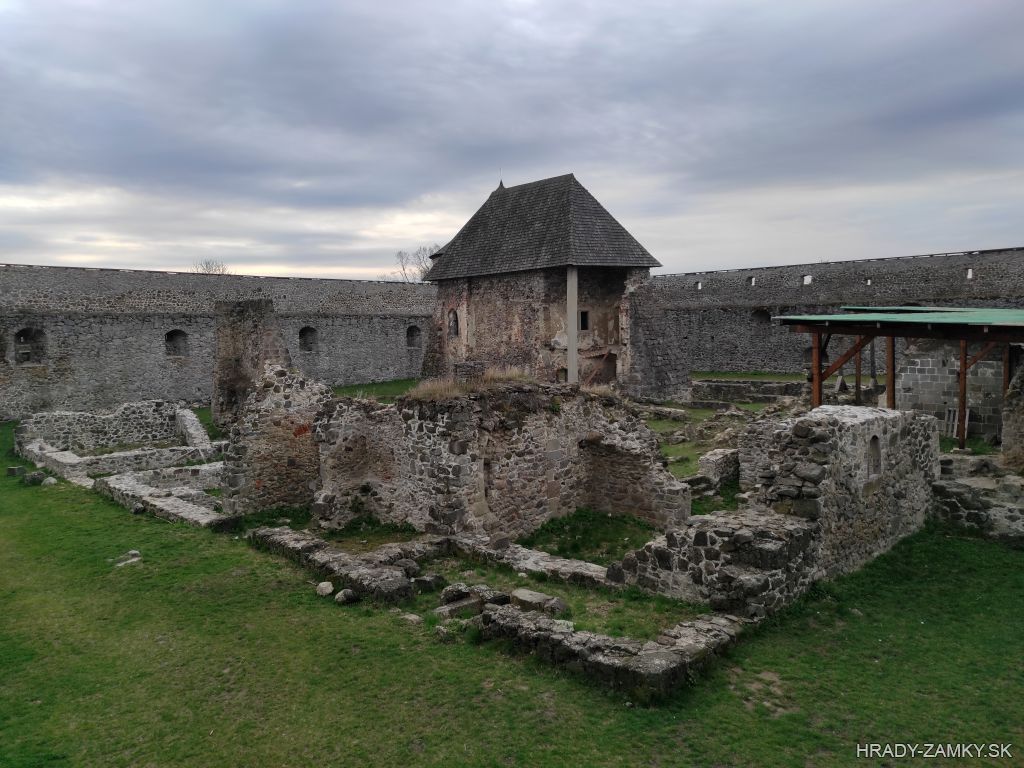
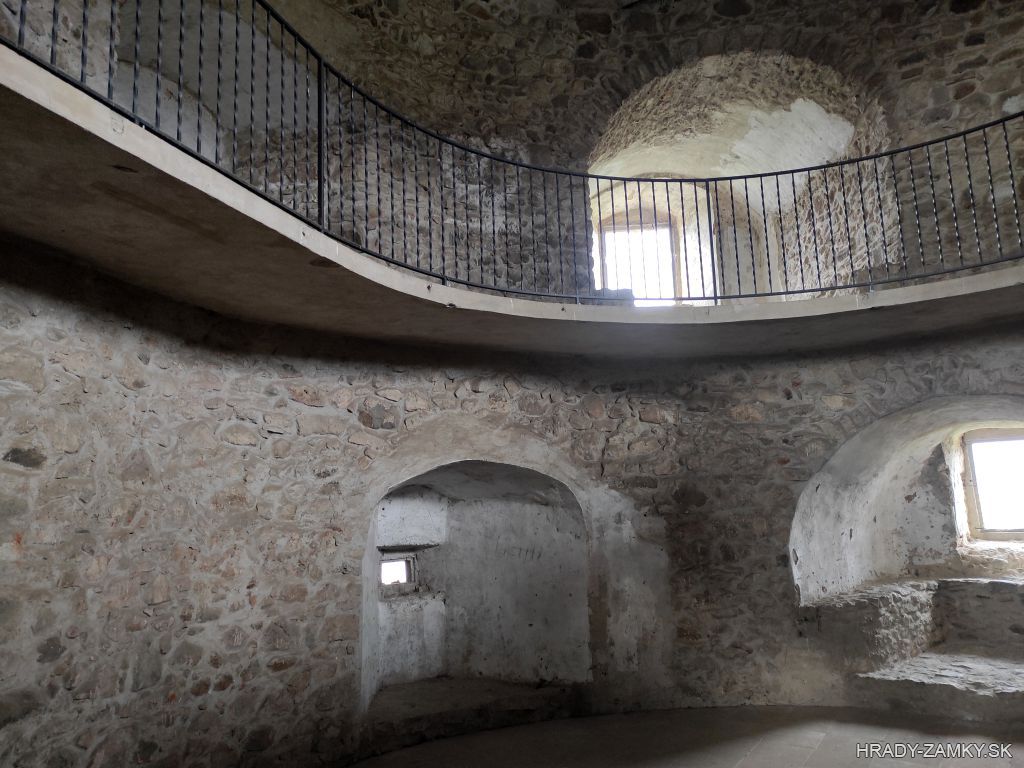
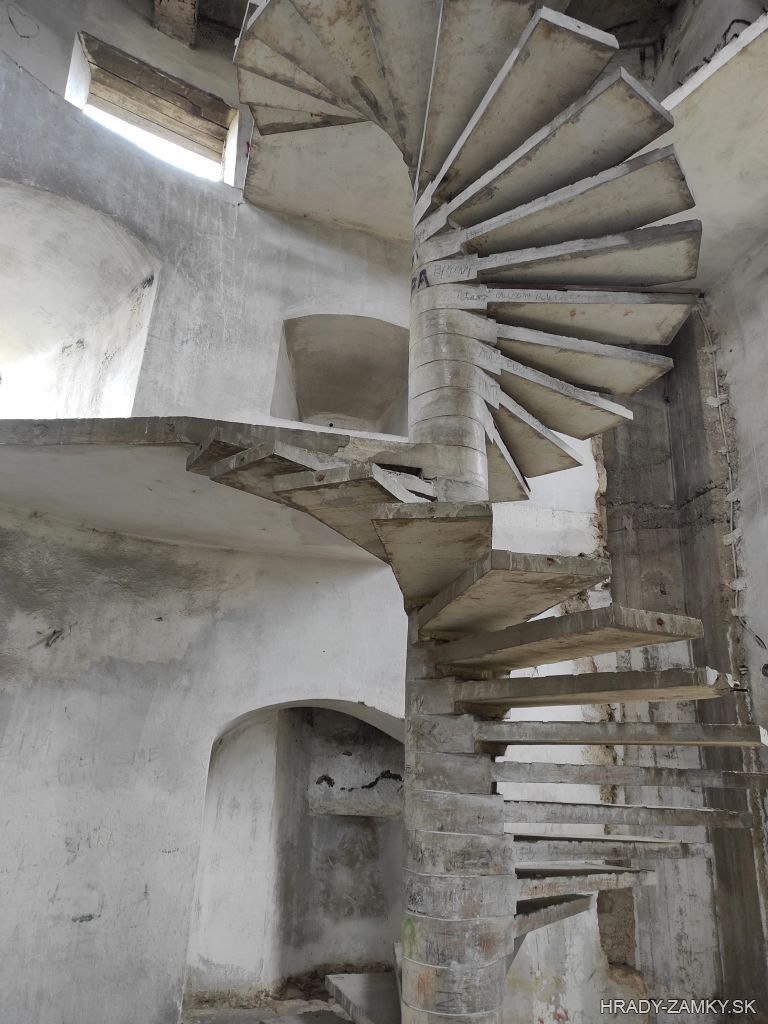
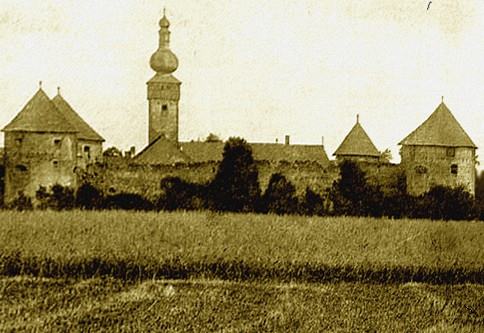
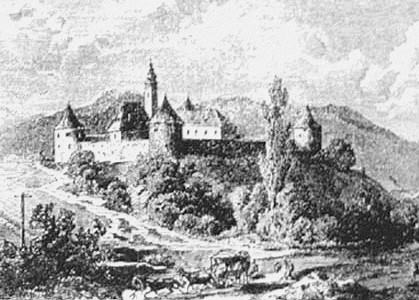
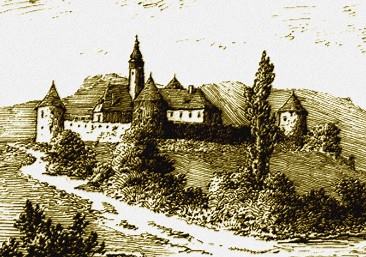
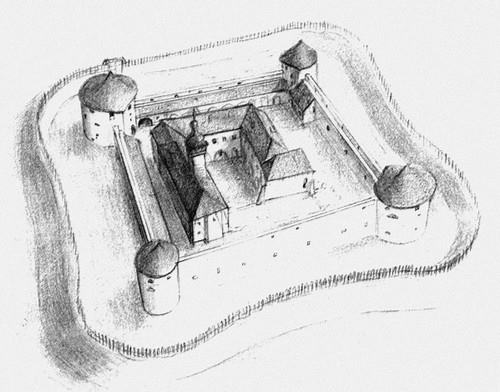
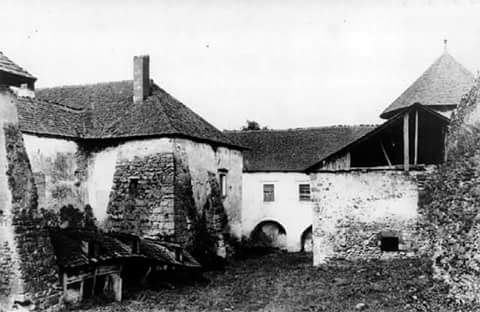
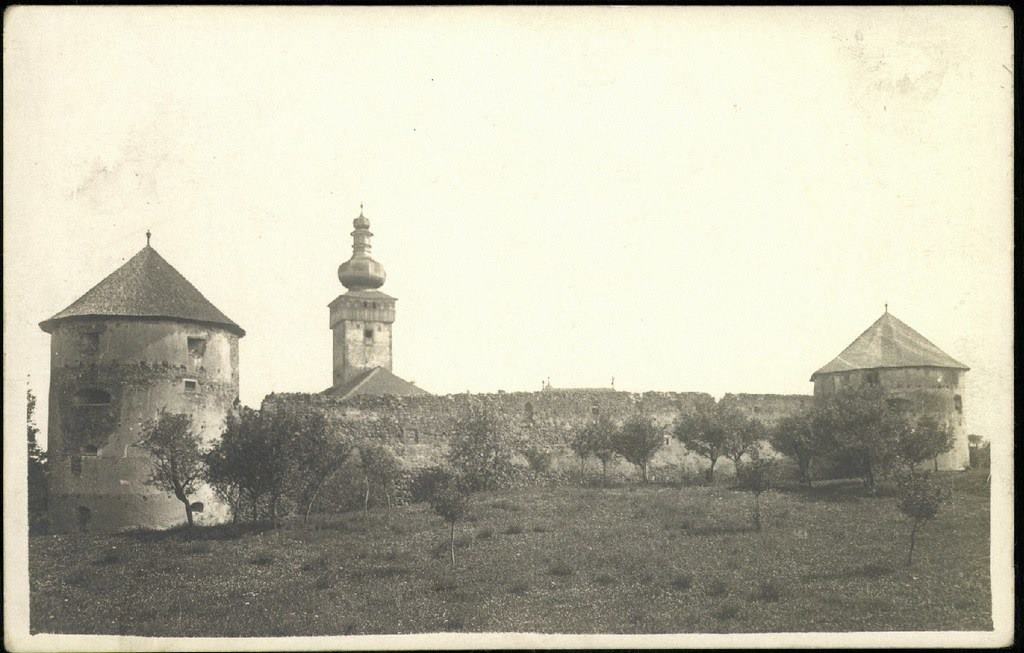
Only the ruins of the former monastery have been preserved, showing the extent and arrangement of the buildings. Only one of the former monastery buildings stands today - the Gothic sacristy, later converted into a chapel, while the others are demolished to the ground. There is a significant human intervention, especially in individual bastions, where one can see an attempt to adapt to modern times by introducing wiring and setting metal frames. The appearance of the whole monument is spoiled especially by unsuitable building material used for partial reconstruction - concrete. In one of the corner bastions are even artificially created concrete spiral stairs, which are interesting, but together with other interventions spoil the historical impression of the monument.It is worth noting the reconstruction of the roofing of the individual bastions and the castle chapel. On four corner bastions are large cannon holes, originally lined with sgraffito ornamentation. There are also renaissance barrel vaults with lunettes and a staircase in the wall thickness.The original Romanesque church, built of stone blocks, was two-towered, to its northern side were added Gothic sacristy and monastery with orbiting cloister and paradise courtyard. A monumental fortification, on the corner with four elevated rounded bastions, was protected by a moat. Individual bastions were accessible by gallery and gothic-renaissance portals, on some of them are initials of S. B. (Sigismundus Balassa) and dating 1545.
Z areálu bývalého kláštora sa zachovali už len ruiny, ktoré podávajú obraz o rozsahu a usporiadaní budov. Z bývalých budov kláštora stojí dnes len jedna - gotická sakristia, neskôr pozmenená na kaplnku, ostatné sú zbúrané až do základov. Badať tu výrazný zásah človeka najmä v jednotlivých baštách, kde je vidieť pokus o prispôsobenie modernej dobe zavedením elektroinštalácie a zasadením kovových zárubní. Vzhľad celej pamiatky kazí najmä nevhodný stavebný materiál použitý na čiastočnú rekonštrukciu - betón. V jednej z nárožných bášt sú dokonca umelo vytvorené betónové točité schody, ktoré sú síce zaujímavé, ale spolu s ostatnými zásahmi kazia historický dojem pamiatky.Za povšimnutie stojí snaha o rekonštrukciu strešnej krytiny jednotlivých bášt a hradnej kaplnky. Na štyroch nárožných baštách sú veľké delové otvory, pôvodne lemované sgrafitovou ornamentikou. V baštách sa nachádzajú aj renesančné valené klenby s lunetami a schodisko v hrúbke múru.Pôvodný románsky kostol, postavený z kamenných kvádrov, bol dvojvežový, k jeho severnej strane pristavali gotickú sakristiu a kláštor s obiehajúcou krížovou chodbou a rajským dvorom. Monumentálne opevnenie, na nároží so štyrmi prevýšenými oblými baštami, chránila vodná priekopa. Jednotlivé bašty boli prístupné ochodzou a goticko-renesančnými portálmi, na niektorých sú iniciálky S. B. (Sigismundus Balassa) a datovanie 1545.
Plan
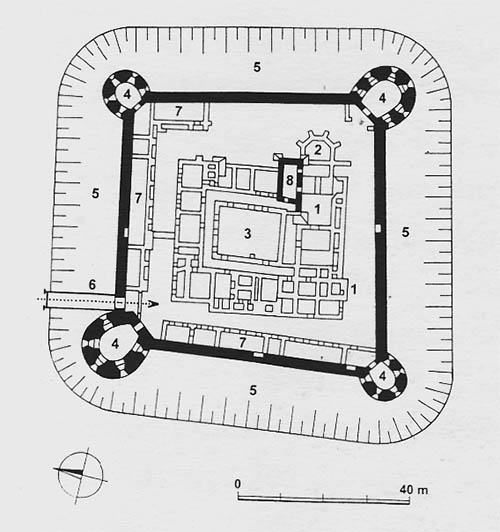
Legend to the ground plan
- 1-Romanesque church
- 2-Gothic sanctuary of the church
- 3-paradise courtyard of the monastery
- 4-corner cannon bastions
- 5-moat
- 6-access bridge
- 7-farm and operating buildings
- 8-castle chapel
Legenda k pôdorysu
- 1-románsky kostol
- 2-gotická svätyňa kostola
- 3-rajský dvor kláštora
- 4-nárožné delové bašty
- 5-priekopa
- 6-prístupový most
- 7-hospodárske a prevádzkové budovy
- 8-hradná kaplnka
History
In the years 1124-31, Lampert of the Hont-Pázmány family with his wife Žofia and son Mikuláš built a monastery with a Cistercian abbey in honor of King Štefan. In 1135 King Belo II. he wrote the property and the population of the monastery. In the years 1180-1181, the Premonstratensian monastery acquired the monastery. The Premonstratensian monks of St. Norbert, who founded a small monastery in Prémontré and a new monastery. This Premonstratensian priory was actually a kind of branch of the French Riéval or the Moravian Gradec. The Bzovík priory played an important role in history and in 1262 it was also supported by Belo IV. The monastery church was built in the first half of the 12th century, although it was first mentioned in 1285. The monastery was often the subject of disputes. In 1351 there were bloody disputes over property with Krupina. The victim of these disputes was the monk Robert with two servants, who was murdered. The reconciliation of both parties did not occur until 1431. However, Bzovík did not rest for a long time, and already in 1433 he faced the attack of the Hussites, who burned down the monastery. The Gothic reconstruction of the area dates from this period, from the years 1444-1446. However, the repaired monastery complex was set on fire in 1471 by the people of Krupina.
However, the priory then fell during the constant turbulent times, until it disappeared in 1530. During this period, the monastery was militarily attacked by Count Sigismund I. Balassa, who was a supporter of the Reformation. After the monastery was occupied for fear of the Turks, he began rebuilding the monastery into a fortress. The church was abolished. Of the towers, only the north was left, which served as an observation tower. The whole monastery was surrounded by a high castle wall and 4 bastions were built on the corners. There were loopholes in the wall and bastions, which were connected by walkways. A moat was built around the fortress. During the reconstruction, the monastery was besieged by the Turks, but without success. The original Bzovíč monastery became an anti-Turkish fortress.
After Balassa's death in 1559, the fortress was acquired by his widow Barbora, born Fánchyová, and in 1562 by Dennai Fánchy Juraj. The Fánchy family owned the fortress until the middle of the 17th century. The Szelényi, Boriov and Baloghov families were also among the owners to whom the building was later deposited. In 1658 it was the property of Sidónia Balassa. In 1678, Bzovík was occupied and burned by the troops of Imrich Thököly. After their departure in 1680-1686, the area became the property of the Jesuits and later Juraj Szelepcsényi, who acquired it for the church. At this time there was a baroque reconstruction of the fortress. The Esztergom chapter was the owner of the fortress until 1908, when it sold it to Štefan Sluk. In 1911, the woodworking company Moric Schmiedl and son from Šahy were based in the complex. In r. 1925-1927 the Bzovík estate ceased to exist.
The first and most significant research activity in this locality was archaeological research in 1931 and 1932 under the leadership of V. Mencl. The research provided a lot of information about parts of the monument that no longer exist. The foundation masonry of the original church was uncovered, which was later backfilled.
According to some sources, during World War II, the fort's buildings severely damaged German troops and demolished the north tower. However, the conscious destruction and dismantling of the fortress probably occurred in 1945, when the material was used for construction purposes. In 1948, the property was sold to Štefan Halász of Bzovík. In 1952, the building became the property of the state. In 1964 it became a cultural monument.
The restoration of the monument and the removal of the walls above ground level did not occur until 1967-1969 under the leadership of G. Balaša. In 2003 and 2004, the Department of Archeology of UK in Bratislava had some activities here under the leadership of M. Slivka and M. Hladík.
In 2015, archaeological research was conducted under the direction of Ján Beljak in collaboration with archaeologist Peter Debnár. In addition to excavation work, landscaping and cleaning was also carried out. The research was focused mainly on the western part of the internal development. During the research, pottery and various small objects and tiles were found.
V rokoch 1124-31 Lampert z rodu Hont-Pázmányovcov so svojou manželkou Žofiou a synom Mikulášom postavili na počesť kráľa Štefana kláštor s cistercitským opátstvom. V r.1135 kráľ Belo II. spísal majetok a obyvateľstvo kláštora. V rokoch 1180-1181 získali kláštor premonštráti. Premonštráti boli stúpenci sv. Norberta, ktorý založil v Prémontré malý kláštor a novú rehoľu. Toto premonštrátske prepoštstvo bolo vlastne akousi pobočkou francúzskeho Riévalu alebo moravského Gradca. Bzovícke prepoštstvo zohralo dôležitú úlohu v histórii a v r.1262 ho podporil aj Belo IV. Kláštorný kostol postavili v prvej polovici 12.storočia, hoci sa prvýkrát spomína až v roku 1285. Kláštor bol často objektom sporov. V r.1351 to boli krvavé spory o majetok s Krupinou. Obeťou týchto sporov sa stal mních Robert s dvomi sluhami, ktorý bol zavraždený. K zmiereniu oboch strán došlo až v r.1431. Bzovík si však dlho neoddýchol, a už v r.1433 čelil útokom husitov, ktorí kláštor vypálili. Z tohto obdobia, z rokov 1444-1446, pochádza gotická prestavba areálu. Opravený kláštorný areál však podpálili v roku 1471 Krupinčania.
Prepošstvo však potom za stálych nepokojných čias upadlo, až v roku 1530 zaniklo. V tomto období kláštor vojensky napadol gróf Žigmund I. Balassa, ktorý bol prívržencom reformácie. Po obsadení kláštora z obavy pred Turkami začal s prestavbou kláštora na pevnosť. Kostol bol zrušený. Z veží bola ponechaná len severná, tá slúžila ako pozorovacia veža. Celý kláštor obohnal vysokým hradným múrom a na rohoch dal vybudovať 4 bašty. V múre i baštách boli strielne, ktoré boli spojené ochodzami. Okolo pevnosti bola vybudovaná vodná priekopa. Ešte počas prestavby došlo k obliehaniu kláštora Turkami, ale bez úspechu. Pôvodný bzovícky kláštor sa stal protitureckou pevnosťou.
Po Balassovej smrti v roku 1559 pevnosť získala jeho vdova Barbora, rodená Fánchyová a v r.1562 Dennai Fánchy Juraj. Rodina Fánchyovcov vlastnila pevnosť až do polovice 17.storočia. Medzi majiteľov, ktorým bol neskôr objekt daný do zálohu, patrili aj rodiny Szelényiovcov, Boriovcov a Baloghovcov. V r.1658 bol majetkom Sidónie Balassovej. V roku 1678 Bzovík obsadili a vypálili vojská Imricha Thökölyho. Po ich odchode v r.1680-1686 sa areál stal majetkom jezuitov a neskôr Juraja Szelepcsényiho, ktorý ho získal pre cirkev. V tejto dobe došlo k barokovej prestavbe pevnosti. Ostrihomská kapitula bola vlastníkom pevnosti do r.1908, keď ho predala Štefanovi Slukovi. V r.1911 sídlila v areáli drevokupecká firma Moric Schmiedl a syn zo Šiah. V r. 1925-1927 Bzovícke panstvo zaniklo.
Prvou a najvýraznejšou výskumnou aktivitou v tejto lokalite bol archeologický výskum v rokoch 1931 a 1932 pod vedením V. Mencla. Výskum priniesol mnohé informácie o už neexistujúcich častiach pamiatky. Bolo odkryté základové murivo pôvodného kostola, ktoré neskôr aj zasypali.
Podľa niektorých zdrojov počas druhej svetovej vojny budovy pevnosti značne poškodili nemecké vojská a zbúrali severnú vežu. Pravdepodobne však k vedomému zničeniu a rozobratiu pevnosti došlo až v roku 1945, keď bol materiál použitý na stavebné účely. V r.1948 bol majetok odpredaný Štefanovi Halászovi zo Bzovíka. V r.1952 sa objekt stal majetkom štátu. V roku 1964 sa stáva kultúrnou pamiatkou.
K pamiatkovej obnove a vytiahnutiu múrov nad úroveň terénu došlo až v rokoch 1967 - 1969 pod vedením G. Balašu. V rokoch 2003 a 2004 tu vyvíjala aktivity Katedra archeológie UK v Bratislave pod vedením M.Slivku a M.Hladíka.
V roku 2015 prebehol archeologický výskum pod vedením Jána Beljaka v spolupráci s archeológom Petrom Debnárom. Mimo výkopových prác bola realizovaná aj úprava a vyčistenie terénu. Výskum bol zameraný prevažne na západnú časť vnútornej zástavby. Počas výskumu sa našla keramika a rôzne drobné predmety a kachlice.
Myths and legends
There are no myths available.
Povesť o hrade
Na múroch pevnosti noc čo noc sa tmolí prízrak dcéry urodzeného pána Balašu, na ktorej sa vyvŕšili mnísi vyhnaní z kláštora jej otcom. Nevinnú uniesli, v utrpení pripravili o život a ona sa trápi, plače, žalostí.
Useful information
The monastery ruin is freely accessible to the public. If the object is closed, the keys can be borrowed at the Municipal Office in the village.
Zrúcanina kláštora je verejnosti voľne prístupná. V prípade, že je objekt zatvorený, kľúče sa dajú požičať na Obecnom úrade v obci.
Nearby castles