Modrý Kameň
Modrý Kameň Banská Bystrica county Slovakia
castle ruin
Modrý Kameň
Modrý Kameň Banskobystrický kraj Slovakia
zrúcanina hradu
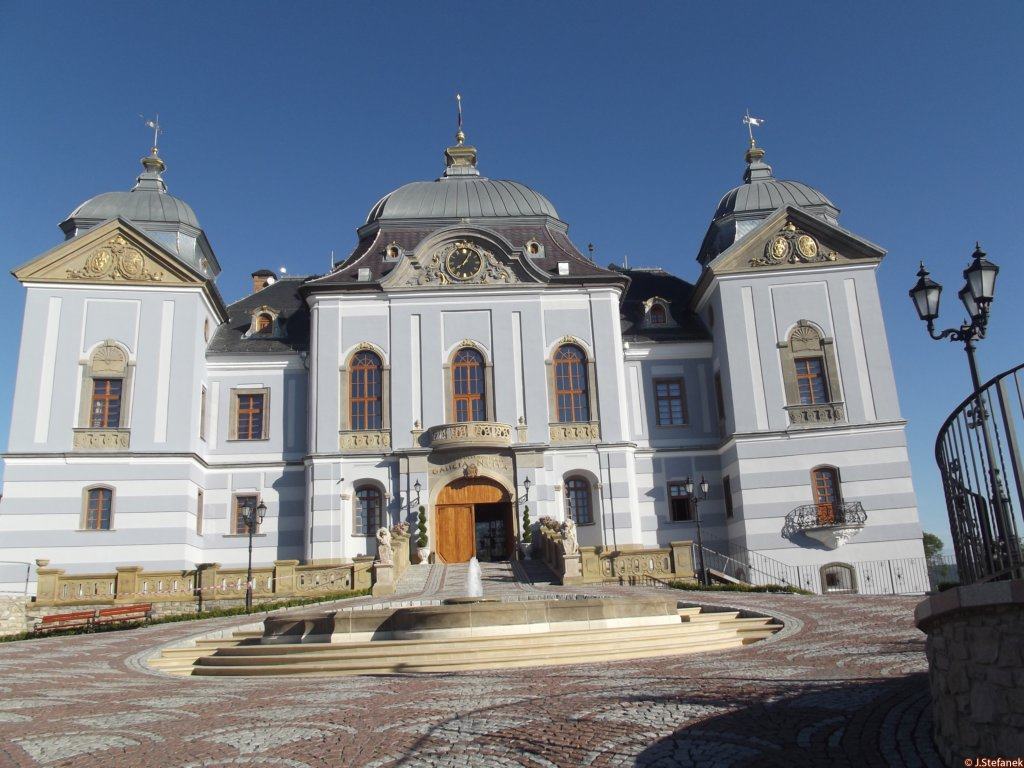
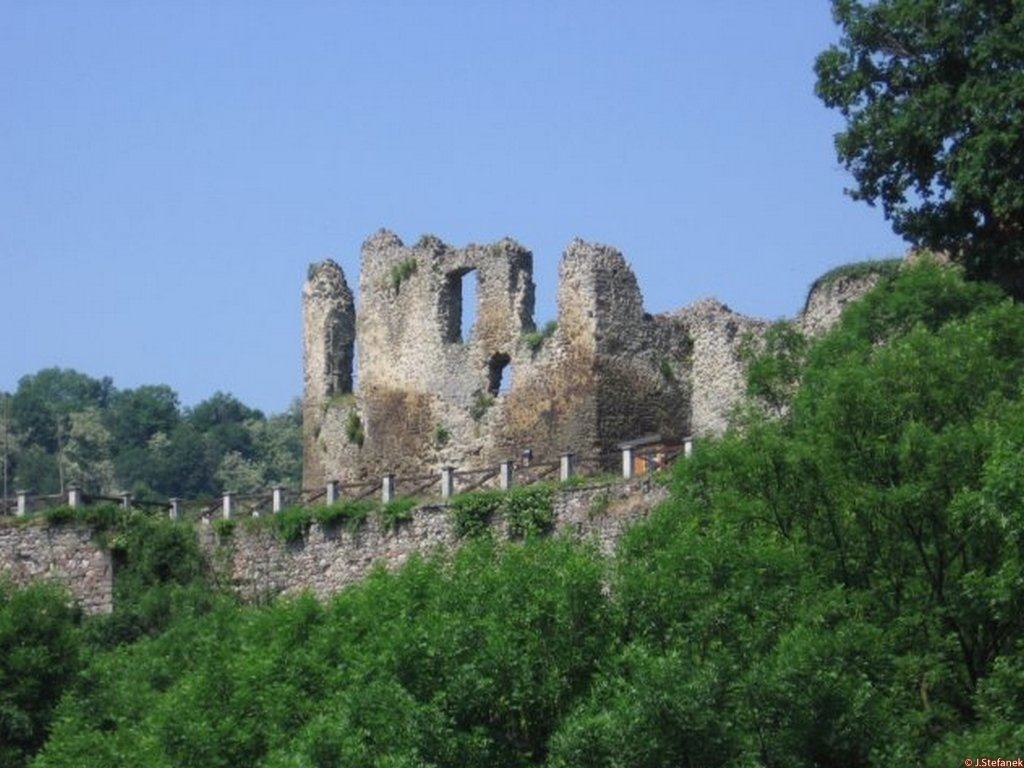
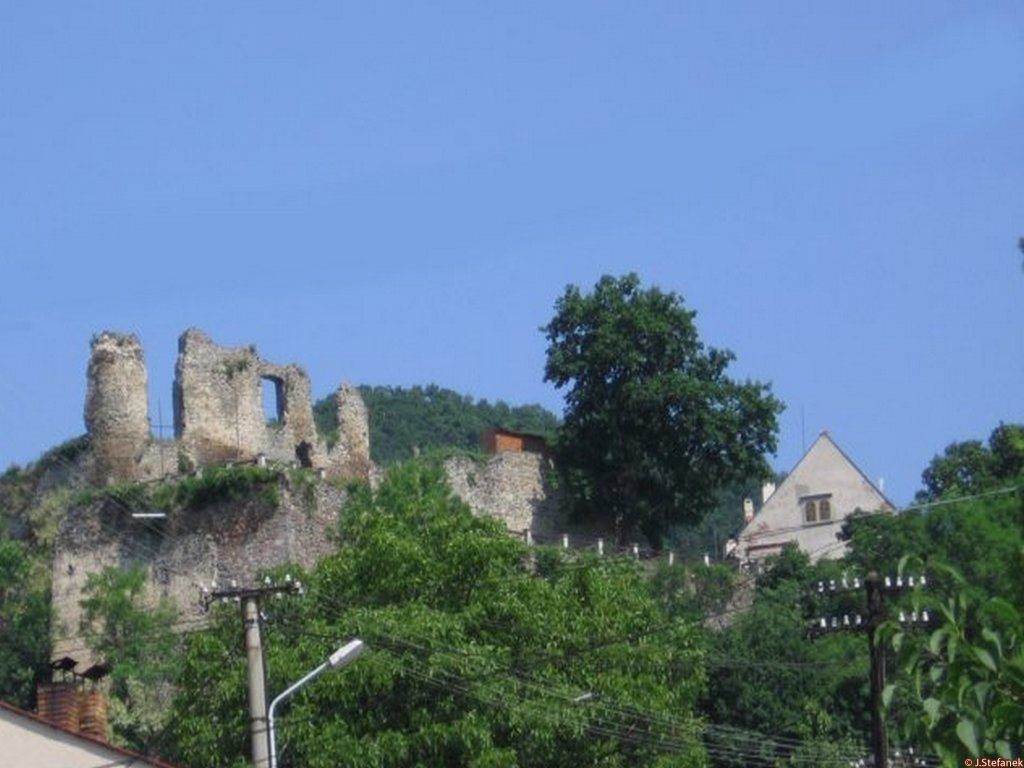
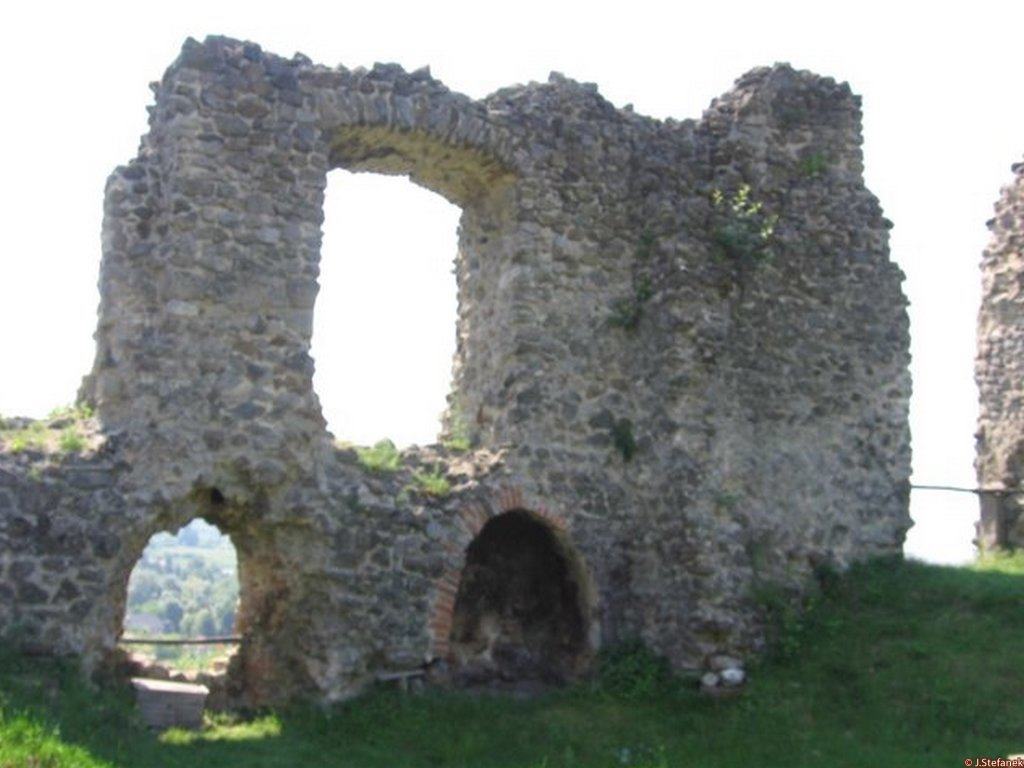
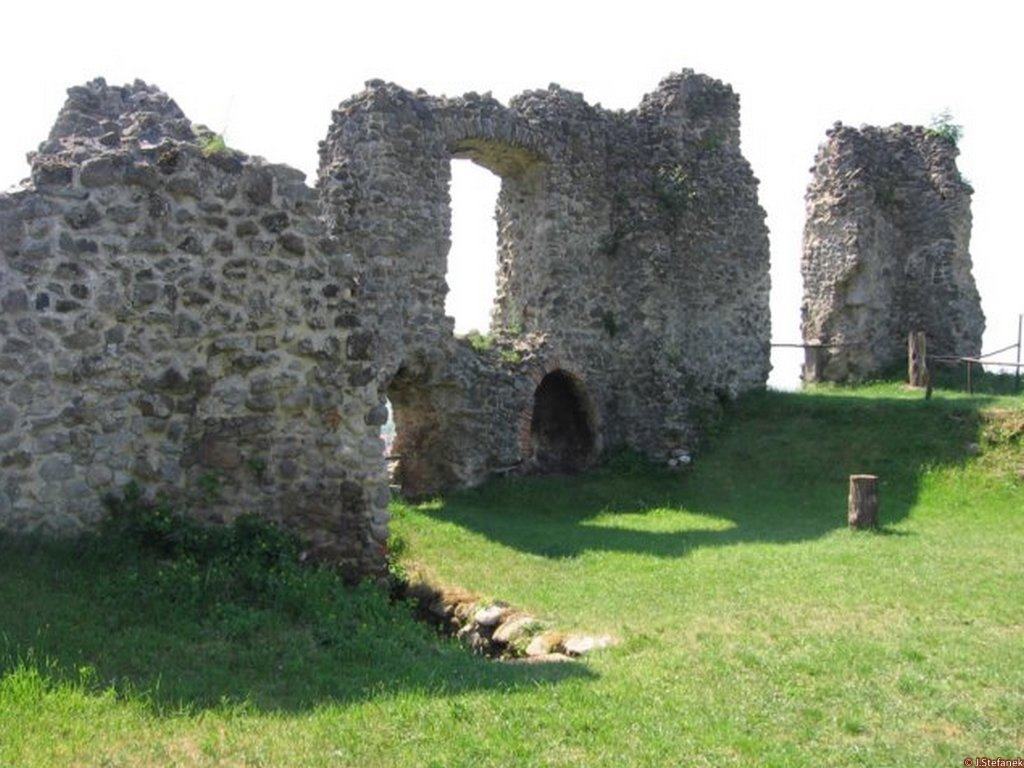
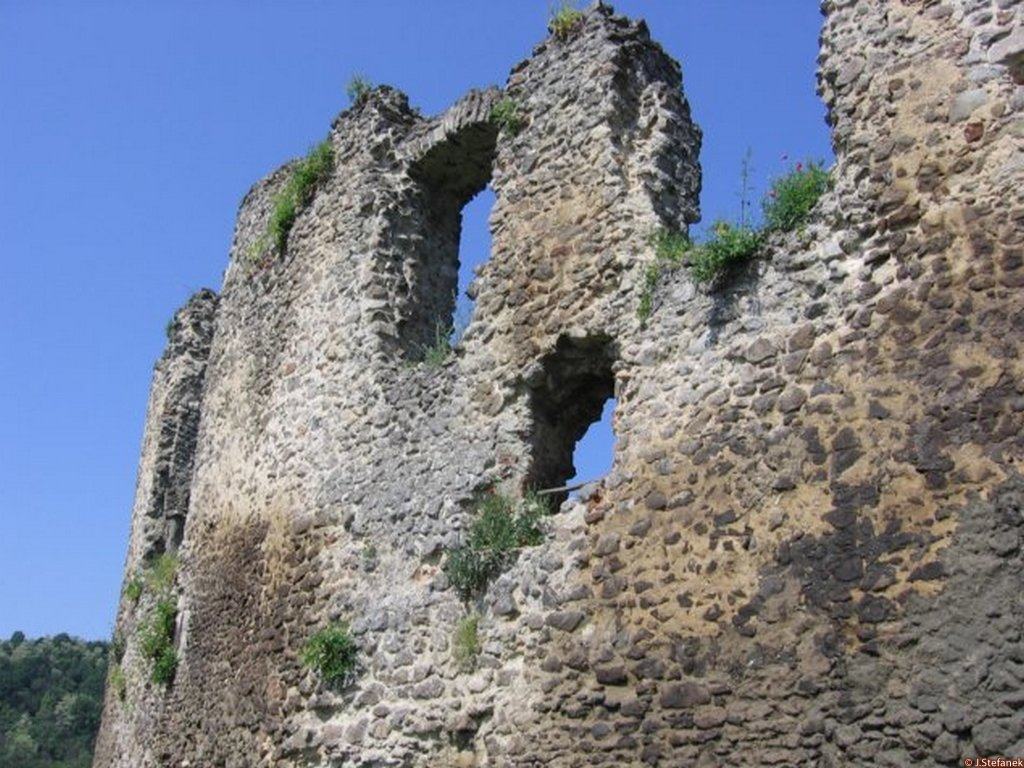
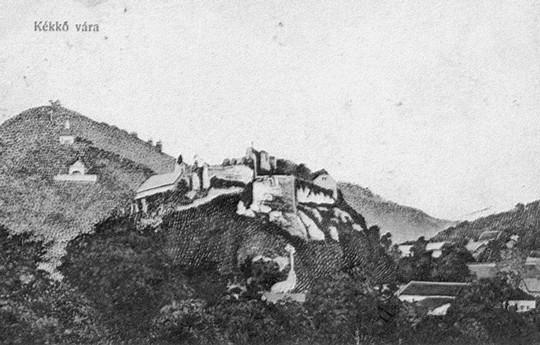
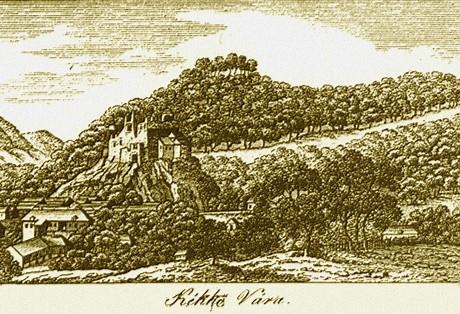
The ruins of the gothic castle Modrý Kameň with a preserved Baroque mansion is located in the peripheral zone of the Krupina Plateau directly in the smallest town in Slovakia - Modrý Kamen
Zrúcanina gotického hradu so zachovaným barokovým kaštieľom sa nachádza v okrajovom pásme Krupinskej planiny priamo v najmenšom meste na Slovensku - v Modrom Kameni
Previous names
Keykkw, Kekkew, Kékkö, Blauenstein
Roads
Access to Modrý Kameň castle is not challenging at all, as the castle is located in the same named town. There are two access roads to the castle. If we come by car from the north side (from Zvolen), a turn to Pánská cesta right at the beginning of the village will lead us to the parking lot in front of the castle. We can get to it also from the other side of Zámocká street directly from the town.
Prístup k hradu Modrý Kameň nie je vôbec náročný, nakoľko sa hrad nachádza priamo v rovnomennom mestečku. K hradu vedú dve prístupové komunikácie. Ak prichádzame autom zo severnej strany (od Zvolena), odbočka na Pánsku cestu hneď na začiatku obce nás dovedie až k parkovisku pred hradom. Dostaneme sa k nemu aj z druhej strany Zámockou ulicou priamo z mesta.
Description
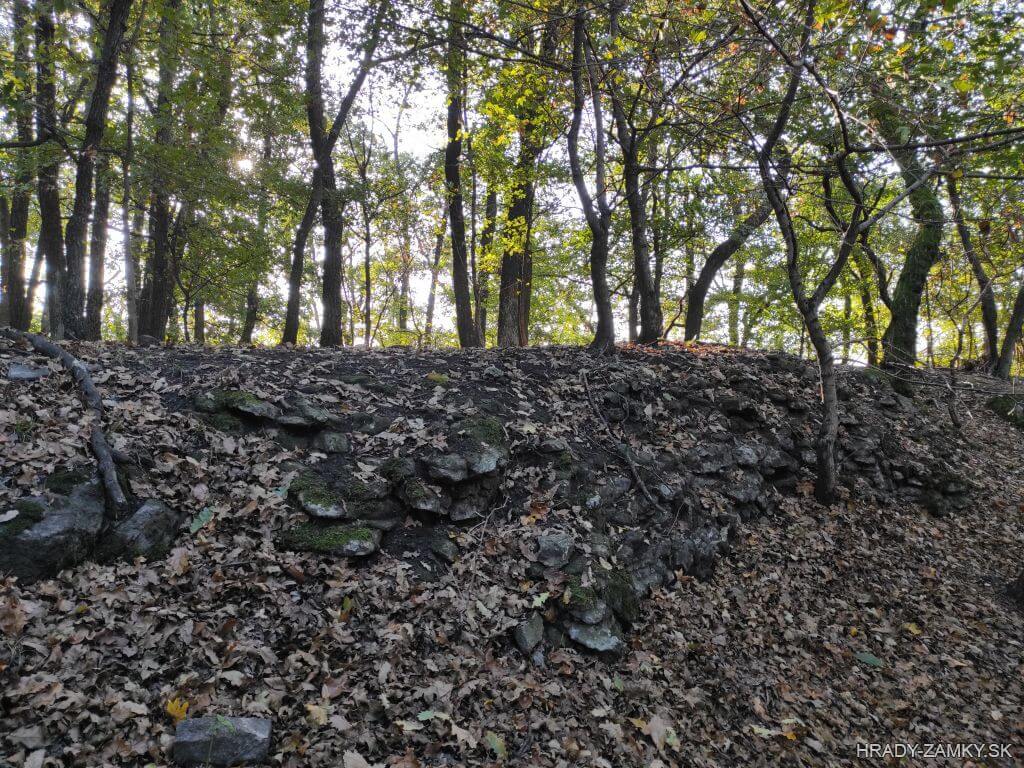
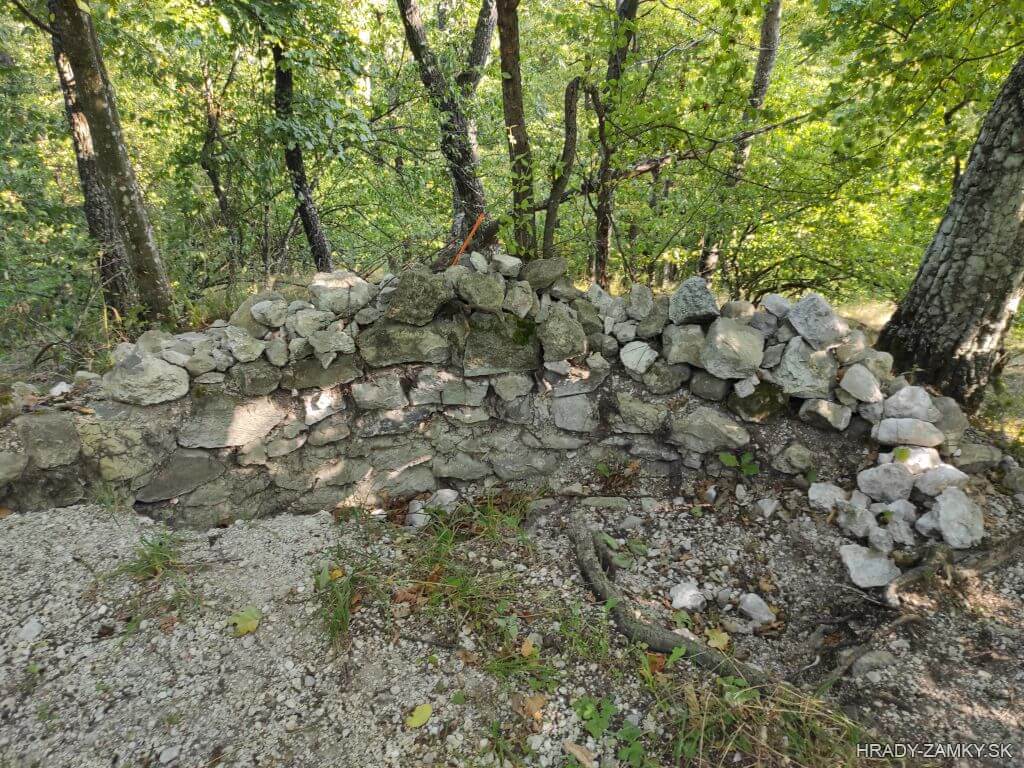
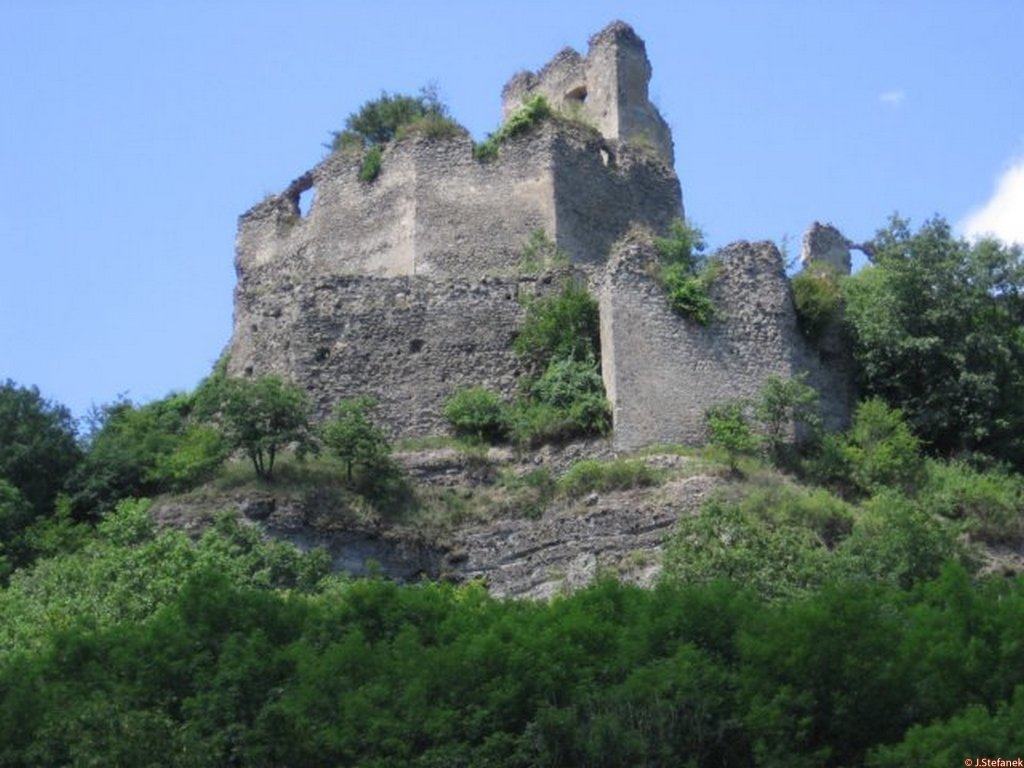
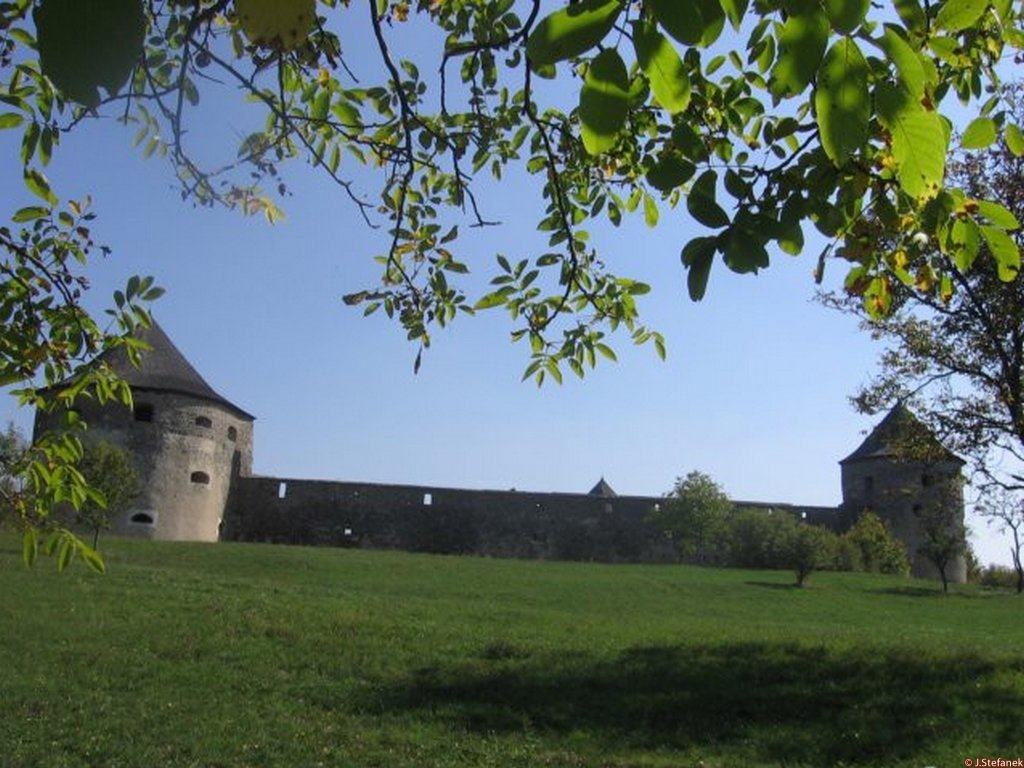
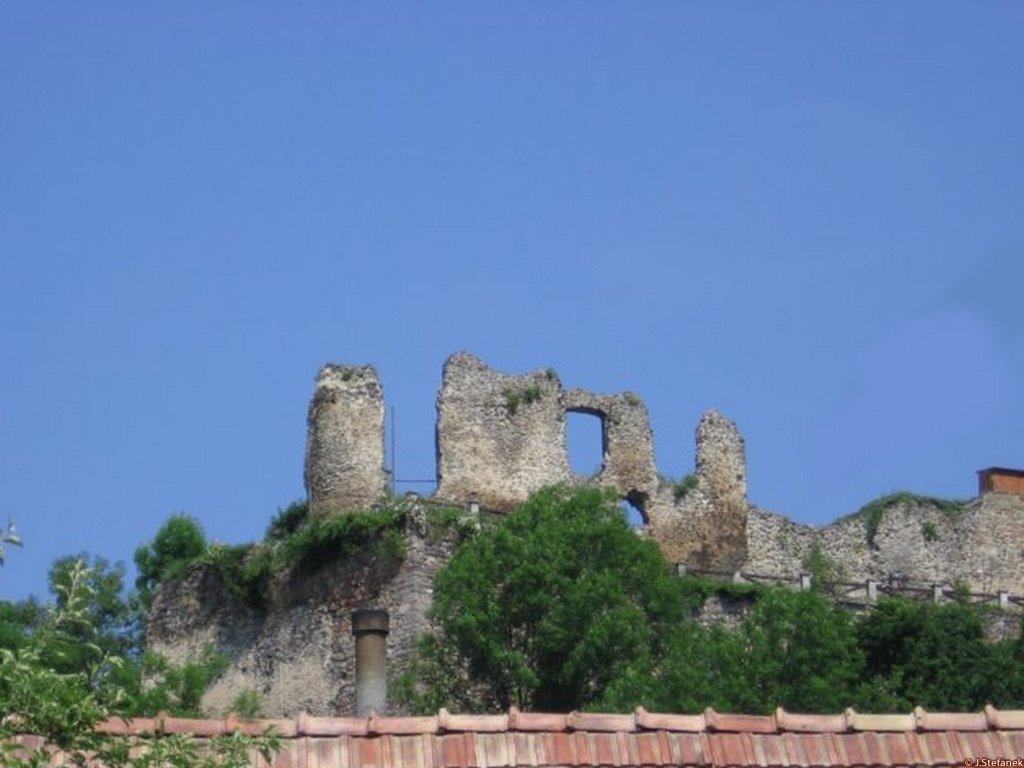
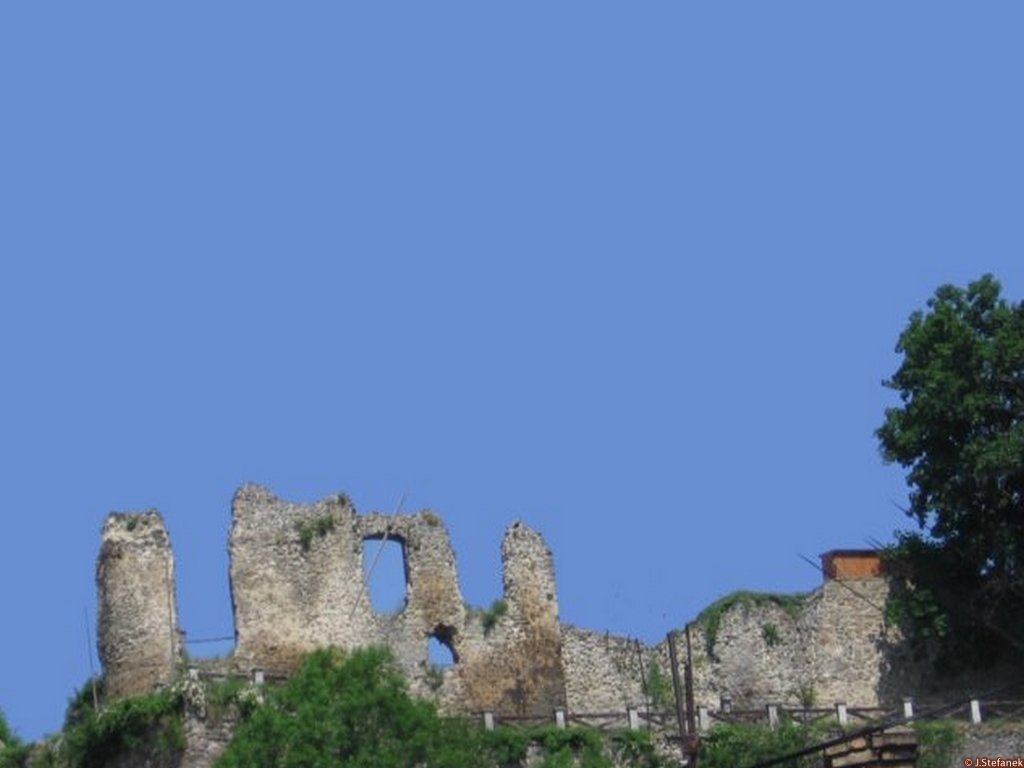
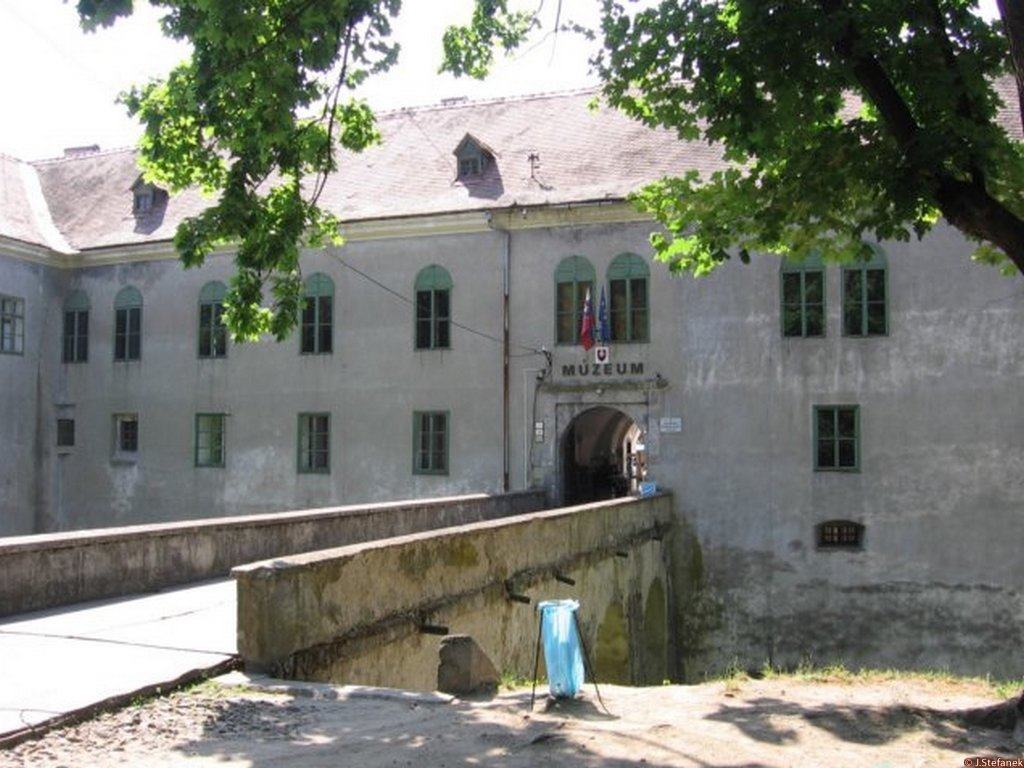
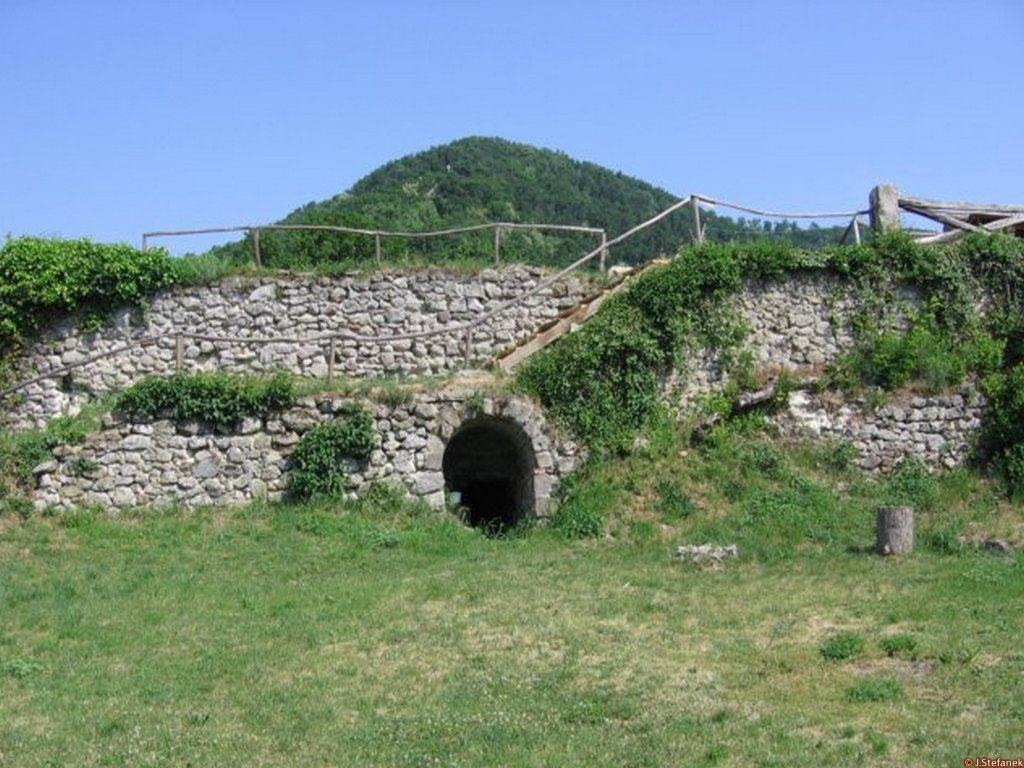
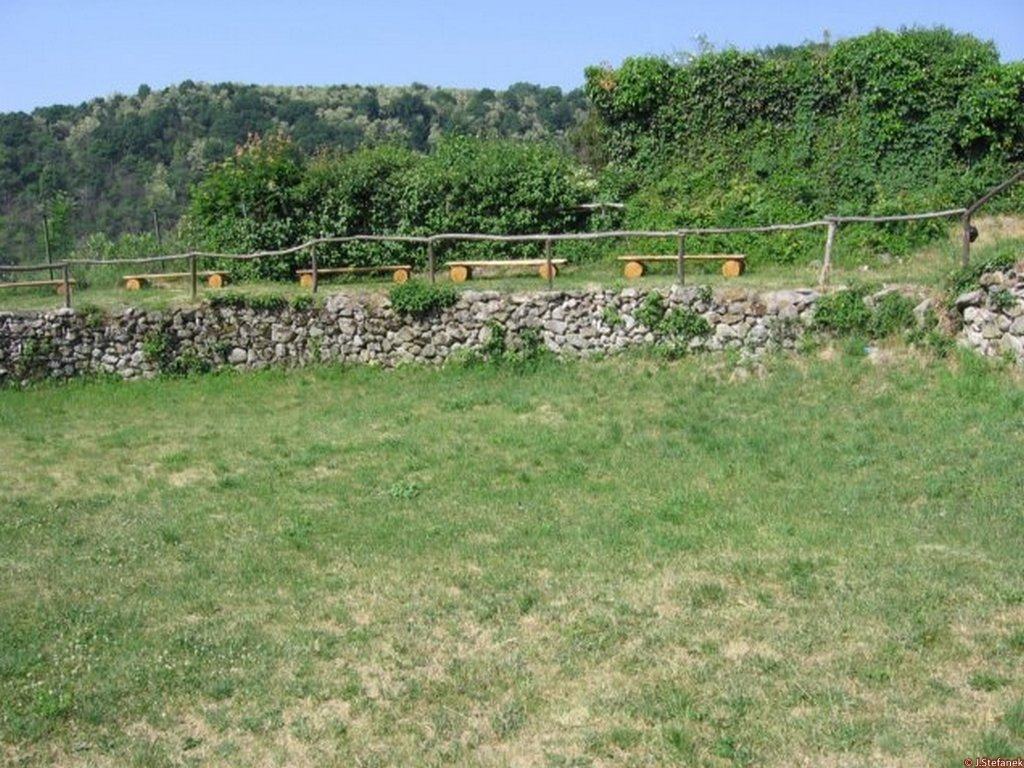
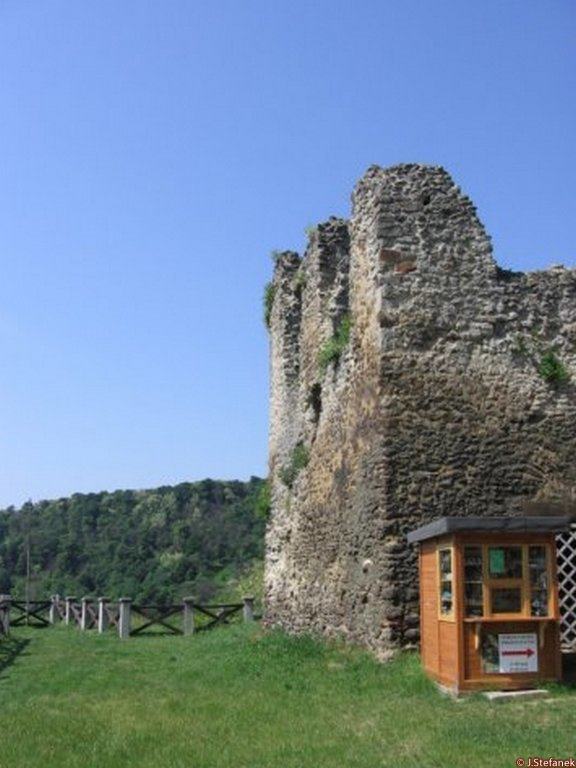
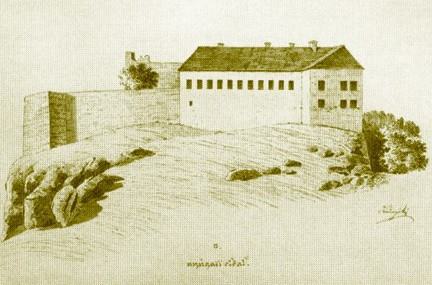
The ruins of the upper castle were converted into a park with terraces offering nice views of the countryside. The walls of the castle core were partially preserved. However, the ruin asks for deeper restoration and conservation, as the masonry is released due to weathering.The castle walls have preserved some openings, especially the bay window and windows. The lower, residential part is built on a lower terrace with an irregular U-shaped ground plan, accessible by a stone main portal, to which a bridge leading through the castle moat opens. The residential part was created by the Baroque reconstruction of the lower castle, the annex of the chapel and the courtyard wing. A distinctive element of this modification is the triaxial entry bay with gable superstructure. The entrance facade of the chapel is situated in the courtyard, highlighted by a triangular gable. The passage between the lower and upper castle is formed by a wall, closing the lower courtyard, into which is a straight staircase of the former park baroque adaptation. In front of the castle there is a renovated manor house, which currently houses the Museum of Puppet Cultures and Toys.In the interior of the manor house are also interesting rooms with vaults and arched arcade corridors. The chapel with the embankment occupies two floors. We also recommend to take a look at the short underground corridors that once formed a system of corridors and connected several castles.
Zrúcanina horného hradu bola upravená na park s terasami poskytujúcimi pekné výhľady na krajinu. Múry jadra hradu boli čiastočne zakonzervované. Zrúcanina si však pýta hlbšiu obnovu a konzerváciu, nakoľko tam vďaka poveternostným vplyvom dochádza k uvoľnovaniu muriva.Hradné múry majú zachované niektoré otvory, najmä arkiera a okien. Dolná, obytná časť je postavená na nižšej terase s pôdorysom v tvare nepravidelného U, prístupná kamenným hlavným portálom, do ktorého ústi most vedúci cez hradobnú priekopu. Obytná časť vznikla barokovou prestavbou dolného hradu, prístavbou kaplnky a dvorového traktu. Výrazným prvkom tejto úpravy je trojosový vstupný rizalit so štítovou nadstavbou. Vstupné priečelie kaplnky je situované do nádvoria, zvýraznené trojuholníkovým štítom. Prechod medzi dolným a horným hradom tvorí múr, uzatvárajúci dolné nádvorie, do ktorého je situované priamočiare schodište niekdajšej parkovej barokovej úpravy. V predhradí sa nachádza renovovaný kaštieľ, v ktorom v súčasnosti sídli Múzeum bábkarských kultúr a hračiek.V interiéri kaštieľa sú tiež zaujímavé miestnosti s klenbami a klenuté arkádové chodby. Kaplnka s emporou zaberá dve podlažia. Odporúčame pozrieť si aj krátke podzemné chodby, ktoré kedysi pravdepodobne tvorili sústavu chodieb a spájali viacero hradov.
Plan
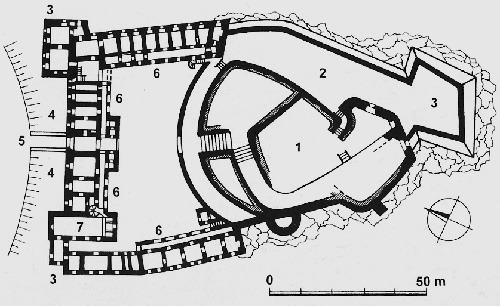
Legend to the ground plan
- 1-upper castle
- 2-artillery platform
- 3-corner bastions
- 4-neck moat
- 5-access bridge
- 6-baroque manor house
- 7-chapel
Legenda k pôdorysu
- 1-horný hrad
- 2-delostrelecká plošina
- 3-nárožné bastióny
- 4-šijová priekopa
- 5-prístupový most
- 6-barokový kaštieľ
- 7-kaplnka
History
The date of construction of this aristocratic residence can only be assumed on the basis of written sources, which state the year 1285. However, a memorial plaque on the building mentions the origin of the castle before the invasion of the Tatars in 1241. From the mention from 1285 we learn about the supposed owner and builder of the castle, which was Peter Forró. After his death, the castle was acquired by the sons of Casimir of the Hont-Pázmány family. But already in 1290 it was recaptured by Peter's siblings, the founders of the Balašov family, whose descendants owned the castle until the end of feudalism. The castle was later forcibly seized by Matúš Čák, but after his death the king returned the castle to the ancestors of the Balass family. The first known owner was the Zvolen county governor, regional prosecutor Ditrich. In 1562, King Ferdinand I of Habsburg appointed the owner of the castle, Ján Balassa, as the mayor of Zvolen and commander of the troops of the mining area. The rapid progress of the Turks in the years 1567-1568 caused an increase in the castle's defenses by building new buildings designed for artillery and the residence of a larger garrison.
As early as 1575, however, the Blue Stone was attacked by the Turks and after three days of siege, it was finally conquered. In 1578, the Turks expanded the area of the castle with palisades. In 1588, the Hungarian army tried to conquer the castle, but without success. However, they managed to burn down the fort and even the castle core. As part of the anti-Turkish offensive at the end of the 16th century, a military operation led by Mikuláš Pálffy succeeded in reclaiming most of the fortresses. During the retreat, however, the Turks blew up the Blue Stone Castle, so Sigismund Balassa had to costly reconstruct it after its re-acquisition in 1609-1612. Probably during this period, the artillery platforms were also modernized and the SE quadrangular bastion was built. At the site of the older fortification, a three-winged palace structure was gradually formed in the floor plan of an irregular U, including a chapel. At the time of the estate uprisings at the beginning of the 17th century, the castle owner Žigmund Balassa applied for the position of prince of Transylvania. He did not hesitate to associate with the Turks, only to gain majority support. However, his intention was revealed and the Blue Stone Castle was conquered by the royal army in 1616 and Sigismund was imprisoned. However, Turkish attacks on this area continued until the Turks regained the castle in 1659. The repeated damage to the castle is also mentioned in 1663, when it was again conquered by the rebel army of Imrich Thököly.
After this period, the castle core was no longer restored, only Gábor Balassa had the palace in the forecourt rebuilt in the first half of the 18th century (1730) into a comfortable manor house. The manor then acquired its present appearance, and the entire reconstruction was completed with the consecration of the castle chapel in 1759. At the end of the 19th century, the ruins of the upper castle were converted into a park with terraces and the walls of the castle core were preserved as a monument in 1998. The last owner of the castle was Countess Almášiová, who in 1923 sold the entire complex to the state. At present, the manor houses the Museum of Puppet Cultures and Toys.
Dátum výstavby tohto šľachtického sídla možno len predpokladať na základe písomných prameňov, ktoré uvádzajú rok 1285. Pamätná tabuľa na objekte však vznik hradu spomína už pred vpádom Tatárov v r.1241. Zo zmienky z r.1285 sa dozvedáme o predpokladanom majiteľovi a staviteľovi hradu, ktorým bol Peter Forró. Po jeho smrti hrad získali synovia Kazimíra z rodu Hont-Pázmányovcov. Ale už v r.1290 ho vydobyli späť Petrovi súrodenci, zakladatelia rodu Balašovcov, ktorého potomkovia hrad vlastnili až do konca feudalizmu. Hradu sa neskôr násilne zmocnil Matúš Čák, ale po jeho smrti kráľ vrátil hrad predkom rodu Balassovcov. Prvým známym majiteľom bol zvolenský župan, krajský prokurátor Ditrich. V r.1562 vymenoval kráľ Ferdinand I. Habsburský majiteľa hradu Jána Balassu za zvolenského župana a veliteľa vojsk banskej oblasti. Rýchly postup Turkov zapríčinil v rokoch 1567-1568 zvýšenie obranyschopnosti hradu vybudovaním nových objektov určených pre delostreľbu a na pobyt väčšej posádky.
Už v r.1575 však Modrý Kameň napadli Turci a po troch dňoch obliehania ho nakoniec dobyli. V r.1578 Turci rozšírili plochu hradu palisádami. V r.1588 sa uhorské vojsko pokúšalo hrad dobyť, ale neúspešne. Podarilo sa však vypáliť predhradie a dokonca i hradné jadro. V rámci protitureckej ofenzívy koncom 16.storočia sa vojenskou operáciou na čele s Mikulášom Pálffym podarilo vydobiť väčšinu pevností späť. Pri ústupe však Turci hrad Modrý Kameň vyhodili do povetria, preto ho Žigmund Balassa musel po znovunadobudnutí v r.1609-1612 nákladne zrekonštruovať. Pravdepodobne v tomto období sa zmodernizovali aj delostrelecké plošiny a bol vybudovaný JV štvorboký bastión. Na mieste staršieho opevnenia sa postupne sformovala trojkrídlová palácová stavba v pôdoryse nepravidelného U vrátane kaplnky. V čase stavovských povstaní na začiatku 17.storočia sa hradný majiteľ Žigmund Balassa uchádzal o funkciu sedmohradského kniežaťa. Neváhal sa spriahnuť ani s Turkami, len aby získal väčšinovú podporu. Jeho zámer bol však odhalený a hrad Modrý Kameň bol v r.1616 kráľovským vojskom dobytý a Žigmund bol uväznený. Turecké útoky do tejto oblasti však naďalej pokračovali až kým v r.1659 opäť Turci nezískali hrad. Opätovné poškodenie hradu sa spomína aj v r.1683, keď ho zasa dobýjalo povstalecké vojsko Imricha Thökölyho.
Po tomto období už hradné jadro viac obnovené nebolo, len palác v predhradí dal Gábor Balassa v prvej polovici 18.storočia (1730) barokovo prestavať na pohodlný kaštieľ. Kaštieľ vtedy získal dnešnú podobu, pričom celá prestavba bola zavŕšená posvätením hradnej kaplnky v r.1759. Koncom 19.storočia bola zrúcanina horného hradu upravená na park s terasami a múry jadra hradu boli v r.1998 pamiatkovo zakonzervované. Poslenou majiteľkou hradu bola grófka Almášiová, ktorá v r.1923 celý areál predala štátu. V súčasnosti sa v kaštieli nachádza Múzeum bábkarských kultúr a hračiek.
Myths and legends
It's rumoured
Below the castle is a cobweb of secret passages, the exits of which are guarded by roosters. The Balassos have valuables hidden in one hole. The last one he knew about them perished in the Turkish war, and with him the secret of the hiding place was gone forever.
The legend of the castle
When this event happened, the lord of the castle was Imrich Balaša. There was a brave warrior on the battlefield, but at home with his beloved wife as silent as a lamb, a rattling pigeon. He adored his wife, there was no request that he would not fulfill even at the cost of the greatest sacrifices. Their days were spent in bliss. It was not even known to Balaš that the day could come when happiness in the tree of their lives would bloom, wither, the fog would fall into the hearts, the autumn would fall over his heads. One evening they were sitting by an open arch. Imrich Balaša was frozen. He received very restless news from the royal court. He spoke barely a few words to Barbora throughout the evening. Unaccustomed to such behavior, unaware of anything bad, she asked him in a low voice: - My dear, why are you so sad? You haven't even looked at me today. Vera, that's not nice of you! - Please leave me alone today! - Imrich replied. - I have a lot to worry about. Just lie down nicely. - And why is that? - I'm telling you, go to sleep! - I'm not going without you! - But I told you that I have a lot of worries, I have to think about solving all sorts of questions and I need peace for that. But she woke up in her wife, as in every woman in a similar case, she stamped her foot. - And I'm not going, I'll stay here with you! The lord of the castle blushed and became nervous. He took her hand, but quite gently, and pulled her to the door. She began to defend herself, to stand up and to shout. She managed to slip out of his hands. She jumped to the open arch and looked at her husband somehow childishly defiantly, but not angrily. But he saw her gaze in a disturbed mind in a completely different light. He jumped up to her, grabbed her briskly around the waist, lifted her up, and seeing nothing, not feeling, threw her into the dark abyss below the castle. He heard a dull thud, a painful cry, then there was a dead silence. His mind cleared. The voice of conscience began to echo. - Killer, killer! - his conscience shouted in him and Imrich Balaša went to drown the excruciating remorse in a glass of wine. In the morning, he spread among the servants that the castle lady had died of a catchy disease, and to prevent further infection, she was taken to the cemetery at night and buried immediately. The servants, knowing that there was always agreement between them, did not doubt the truth of these words. In spirit, everyone regretted Balasha and his wife Barbora. Balasha suffered terrible torment and could not understand how he could have committed such a crime against his beloved wife. After all, he adored and loved her devoutly and faithfully, and yet he murdered her ... It was a momentary obscuration of the mind, he judged and began to drink again to overwhelm the remorse. Read more...
The days passed and the castle began to whisper that the castle lady had not died a natural death. The assumptions were confirmed by the fact that that evening some heard a scream in the room and then a painful cry ... And Balaša became more and more indulged in his drinking. On black nights, his wife appeared to him in a dream. She threatened him with a bloodied hand and dragged him into the abyss with her. He heard her calling voice, her sighs and lamentations. The creeps also slowly spread among the people, and it is no wonder that they were also discussed at the royal court. The king sent one of his captains, named Schramm, to the castle to be sure and possibly not to condemn the innocent Balash, who was to help him in the battles against the Turk. He was a very smart man. He ordered him to investigate everything thoroughly, and if the reports turned out to be true, he should allegedly have Balaša imprisoned immediately. Schramm soon came to the castle, and Balaša received it with respect and the usual grandiose hospitality. He placed his entourage among the servants and also had a great feast for him. He led the captain into the dining room. - I was just walking around, - Schramm began, - and I thought it wouldn't be nice of me not to visit you. - Thank you very much, my friend! Make me feel at home. - Well, let's drink! They emptied a glass of good wine and soon a casual debate on all sorts of things developed between them. It was not even clear to Balaš that the visit of the court captain, with whom he once fought against the Turk, could also have some hidden goals. They drank and had fun. Schramm was careful. He hadn't said a word about his wife yet, so as not to provoke outrage prematurely. The door opened in the dining room and Balašov's most loyal servant entered. He called the master aside and whispered to him that one of the captain's German soldiers had spoken out and said that the captain had come to catch Balasha. - Thank you, friend, you will receive a reward, - said the lord of the castle quite calmly and went to have fun further with his guest. When Schramm saw that the wine was already overcoming Balaša and felt that his moment had come, he said as if only by chance: - Imrich, only now do I know that I did not even greet your mistress and you did not even bother to introduce her to me. - My wife died! Balaš sighed, looking terribly wildly at his companion. - Did she die? I didn't even know that. So accept my condolences. And when did she die? It was already boiling and boiling in Balaš's soul, but he controlled himself. - Recently, - he replied. - What disease? Just a few days ago I heard about her beauty hymns ?! Schramm asked, his face marked by the sweaty smile that Balasa noticed. Every vein, every nerve in him tensed, forcing him to grab and strangle the captain, but he controlled himself for now. Apparently he was quite calm. He got up from the table and walked over to the guest. Apparently he was quite calm. "I'll explain the whole thing to you, my friend," he began to speak slowly and quietly, though anger broke inside him. - One evening I was sitting with Barbora right at this table, where we are now sitting and drinking wine. At that time, however, we did not drink wine. Suddenly we swayed for a little bit, I jumped towards her, like now to you, I grabbed her around the waist, like you now, I lifted her into the air, like you now, you know ...
I dragged her to the open window, how am I dragging you now and you know what I did next? - he snorted venomously. Schramm wanted to shout, but there was no time, because at that moment the castle lord threw him into the abyss. - Do you understand now? I threw her out the window as much as you do now! Chachacha ... Chachacha ... There was another muffled thud, a scream, and Schramm exhaled with scattered limbs at the bottom of the abyss. Balasha drank a glass of wine and wiped his sweaty forehead. He called his most faithful servant. - I don't think I need to explain to you what happened here. You understand I can't stay here. Saddle the two best horses, we'll leave now. Under the veil of night, they set out for Poland, where Balaša spent a full fifteen years in voluntary exile. Fifteen years, what an eternity for a brave warrior. It was not until fifteen years later that the king forgave him for his terrible sins. Old Balaša went to his old residence - a witness to his happiness and unhappiness. His face was serious and plowed with deep wrinkles. The breeze was playing with its grays. - If only I could see my beautiful castle! The horse walked slowly. It was the same horse on which he had once escaped from a crime scene ... Suddenly a joyful cry came from the old man's breasts. - Blue Stone! Lesík caught this name and carried it further to the castle. Even the horse, an unreasonable animal, stood as if overwhelmed with joy. Balaša looks, looks and smiles happily. Window, that unfortunate window is now open, a window that used to. . once ... - God, forgive my guilt! Forgive the old man ... His face turned pale, he swayed in the saddle, and then he fell to the hard ground.
Povráva sa
Pod hradom je pavučina tajných chodieb, ktorých východy strážia kohúty. V jednej diere majú Balassovci ukryté cennosti. Posledný, čo o nich vedel, zahynul v tureckej vojne a s ním odišlo naveky aj tajomstvo skrýše.
Povesť o Modrokamenskom hrade
Keď sa táto udalosť prihodila, pánom hradu bol Imrich Balaša. Na bojišti bol udatný bojovník, ale doma pri milovanej manželke tichučký ako baránok, hrkútajúci holúbok. Zbožňoval svoju manželku, nebolo žiadosti, ktorú by jej i za cenu najväčších obetí nebol vyplnil. Ich dni sa míňali v blaženosti. Balašovi ani na um neprišlo, že môže prísť deň, keď šťastie na strome ich života odkvitne, uvädne, hmla padne do sŕdc, jeseň zaveje nad hlavami. Raz večer sedeli pri otvorenom obloku. Imrich Balaša bol namrzený. Veľmi nepokojné správy mu došli z kráľovského dvora. Za celý večer prehovoril s Barborou ledva niekoľko slov. Ona nezvyknutá na takéto správanie, nič zlého netušiac, opýtala sa ho tichým hlasom: - Imriško môj, prečo si taký smutný? Ani si sa dnes ešte na mňa ani nepozrel. Veru, to nie je od teba pekné! - Prosím ťa, dnes ma nechaj na pokoji! – odpovedal Imrich. – Mám mnoho starostí. Choď si len pekne ľahnúť. - A to prečo? - Vravím ti, choď spať! - Ja bez teba nejdem! - Ale veď som ti povedal, že mám mnoho starostí, musím rozmýšľať o riešení všelijakých otázok a na to potrebujem pokoj. Ale v manželke sa vzbudila, ako v každej žene v podobnom prípade spupnosť, dupla nôžkou. - A nejdem, ostanem tu pri tebe! Hradný pán očervenel a znervóznel. Chytil ju za ruku, ale celkom jemne a ťahal ju so sebou k dverám. Začala sa brániť, vzpierať nohami a kričať. Podarilo sa jej vyšmyknúť sa mu z rúk Priskočila k otvorenému obloku a pozrela na manžela akosi detsky vyzývavo, ale nie zlostne. No on jej pohľad v rozrušenej mysli videl v celkom inom svetle. Priskočil k nej, chytil ju surovo okolo pása, zdvihol do výšky a nič nevidiac, necítiac, vrhol ju do tmavej priepasti pod hradom. Počul tupý úder, bolestný výkrik, potom nastalo mŕtve ticho. V mysli sa mu vyjasnilo. Hlas svedomia sa mu začal ozývať. - Vrah, vrah! – kričalo v ňom svedomie a Imrich Balaša šiel utopiť mučivé výčitky v čaši vína. Ráno rozchýril medzi služobníctvom, že hradná pani umrela na chytľavú chorobu a aby sa zabránilo ďalšej nákaze, ešte v noci ju odviezli na cintorín a hneď pochovali. Služobníctvo, vediac, že medzi nimi bola vždy zhoda, nepochybovalo o pravdivosti týchto slov. V duchu všetci ľutovali Balašu a jeho ženu Barboru. Balaša trpel hrozné muky a nijako nevedel pochopiť, ako sa mohol dopustiť takého zločinu na milovanej manželke. Veď ju zbožňoval a miloval oddane a verne a predsa ju zavraždil... Bolo to chvíľkové zatemnenie mysle, usúdil a zase začal piť, aby zahlušil výčitky svedomia. Čítaj ďalej...
Dni sa míňali a na hrade sa začalo pošepkávať, že hradná pani neumrela prirodzenou smrťou. Domnienky boli potvrdené tým, že onoho večera niektorí počuli v komnate krik a potom bolestný výkrik... A Balaša sa čím ďalej, tým väčšmi oddával pijatike. Za čiernych nocí sa mu vo sne zjavovala jeho žena. Hrozila mu zakrvavenou rukou a ťahala ho so sebou do priepasti. Počul jej volajúci hlas, jej vzdychy a náreky. Chýry sa pomaly dostali aj medzi ľud a nie div, že sa o nich začalo hovoriť aj na kráľovskom dvore. Kráľ, aby mal istotu a prípadne neodsúdil nevinného Balašu, ktorý mu bol napomoci v bitkách proti Turkovi, vyslal na hrad jedného zo svojich kapitánov, menom Schramm. Bol to veľmi bystrý človek. Prikázal mu, aby všetko dôkladne pozisťoval a v prípade, že by sa správy ukázali pravdivými, nech vraj Balašu dá hneď zavrieť do väzenia. Schramm zanedlho prišiel na hrad a Balaša ho prijal s úctou a zvyčajnou veľkopanskou pohostinnosťou. Jeho sprievod umiestnil medzi služobníctvom a aj preň dal usporiadať skvelú hostinu. Kapitána zaviedol do jedálne. - Išiel som práve okolo, - začal Schramm, - a myslel som si, že by nebolo odo mňa pekné, keby som ťa nenavštívil. - Ďakujem ti srdečne, priateľ! Cíť sa u mňa ako doma. - No, teda si aj vypime! Vyprázdnili na dúšok čaše dobrého vína a zanedlho sa rozvinula medzi nim i nenútená debata o všelijakých veciach. Balašovi ani len na um neprišlo, že by návšteva dvorného kapitána, s ktorým kedysi bojoval proti Turkovi, mohla mať aj nejaké skryté ciele. Pili a zabávali sa veselo. Schramm bol opatrný. Ešte ani slovko nenadhodil o jeho manželke, aby predčasne nevzbudil pohoršenie. Dvere sa na jedálni otvorili a vstúpil Balašov najvernejší sluha. Zavolal pána nabok a pošepol mu, že jeden z kapitánových nemeckých vojakov sa preriekol a povedal, že kapitán prišiel Balašu zlapať. - Ďakujem ti, priateľ, dostaneš odmenu, - povedal hradný pán celkom pokojne a išiel sa zabávať ďalej so svojim hosťom. Keď Schramm videl, že víno už Balašu premáha a cítil, že jeho chvíľa nadišla, nadhodil akoby len náhodou: - Imrich, až teraz badám, že som ani nepozdravil tvoju paniu a ty si sa ani nedovtípil mi ju predstaviť. - Moja manželka umrela! – vzdychol Balaša, podívajúc sa hrozne divo na svojho spoločníka. - Umrela? To som ani nevedel. Tak prijmi moju sústrasť. A kedy umrela? V Balašovej duši už vrelo a kypelo, ale ovládol sa. - Nedávno, - odpovedal. - No a na akú chorobu? Len pred pár dňami som počul o jej kráse chválospevy ?! – opýtal sa Schramm a jeho tvár poznačil potuteľný úsmev, ktorý Balaša spozoroval. Napäla sa v ňom každá žilka, každý nerv, nútilo ho, aby kapitána chytil a zaškrtil, ale ovládol sa Nateraz. Naoko bol celkom pokojný. Vstal od stola a podišiel k hosťovi. Naoko bol celkom pokojný. - Ja ti vysvetlím celú vec, priateľ, - začal hovoriť pomaly a ticho, hoci vo vnútri ním lomcoval hnev. – Raz večer som sedel s Barborou práve pri tomto stole, kde teraz sedíme a pijeme víno. Vtedy sme však víno nepili. Odrazu sme sa pre akúsi maličkosť povadili, ja som skočil k nej, ako teraz k tebe, chytil som ju okolo pása, ako teraz teba, zdvihol som ju do povetria, ako teraz teba, vieš...
Privliekol som ju k otvorenému oknu, ako vlečiem teraz teba a vieš, čo som potom spravil? – zasipel jedovato. Schramm chcel vykríknuť, ale už nebolo času, lebo v tej chvíli ho hradný pán vrhol do priepasti. - No a teraz už rozumieš? Aj ju som tak vyhodil oknom ako teraz teba! Chachacha... Chachacha... Zasa bolo počuť tlmený náraz, výkrik a Schramm s rozdrúzganými údmi vydýchol na dne priepasti. Balaša vypil na dúšok čašu vína a utrel si spotené čelo. Zavolal svojho najvernejšieho sluhu. - Myslím, že tebe nemusím vysvetľovať, čo sa tu stalo. Chápeš, že tu ostať nemôžem. Osedlaj dva najlepšie kone, hneď odídeme. Pod závojom noci sa pustili smerom na Poľsko, kde Balaša v dobrovoľnom vyhnanstve strávil plných pätnásť rokov. Pätnásť rokov, aká to večnosť pre smelého bojovníka. Až po pätnástich rokoch mu kráľ odpustil jeho hrozné hriechy. Starý Balaša sa pobral na svoje staré sídlo – svedka svojho šťastia i nešťastia. Jeho tvár bola vážna a zoraná hlbokými vráskami. Vetrík sa hral s jeho šedinami. - Len keby som videl môj krásny hrad! Kôň šiel pomaly. Bol to ten istý kôň, na ktorom kedysi utekal z miesta zločinu... Odrazu sa radostný výkrik vydral zo starcových pŕs. - Modrý Kameň! Lesík pochytil toto meno a niesol ho ďalej k hradu. I kôň, nerozumné zviera, zastal akoby schvátený radosťou. Balaša pozerá, pozerá a usmieva sa blažene. Okno, ono nešťastné okno je teraz otvorené, okno, ktorým kedysi. . kedysi... - Bože, odpusť moje viny! Odpusť starcovi... Jeho tvár zbledla, zakýval sa v sedle a potom spadol na tvrdú zem.
Useful information
Opening hours and admission
Otváracia doba a vstupné
External links
Nearby castles