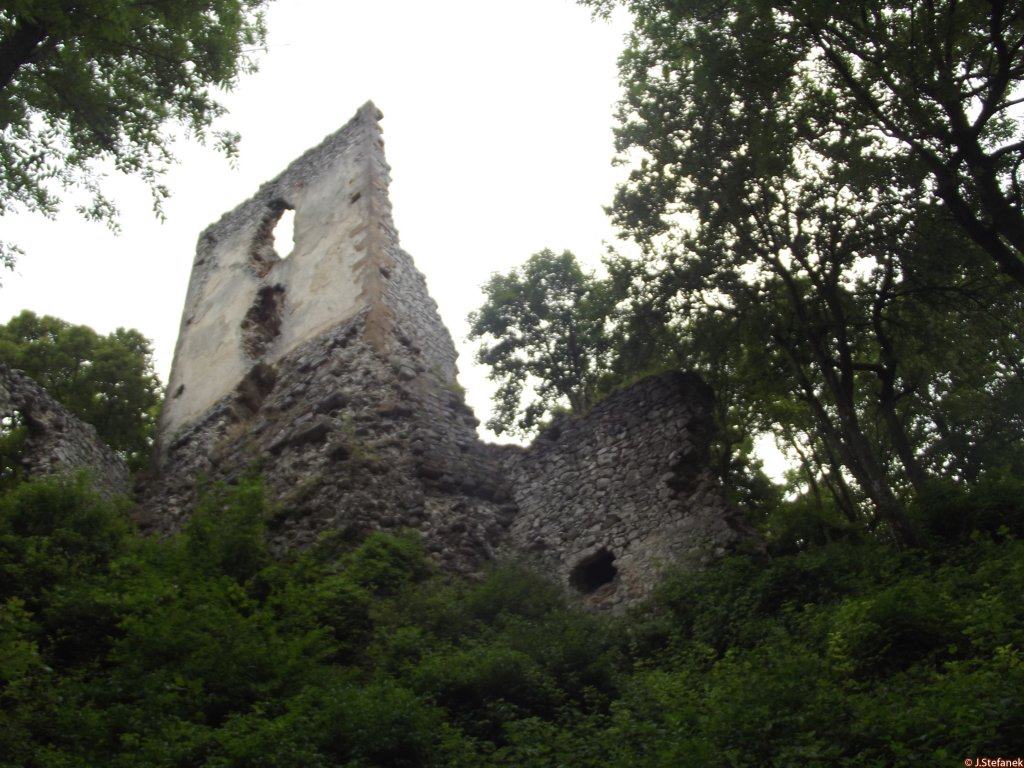
Čachtice castle
Čachtice Trenčín county Slovakia
castle ruin
Čachtice
Čachtice Trenčiansky kraj Slovakia
zrúcanina hradu
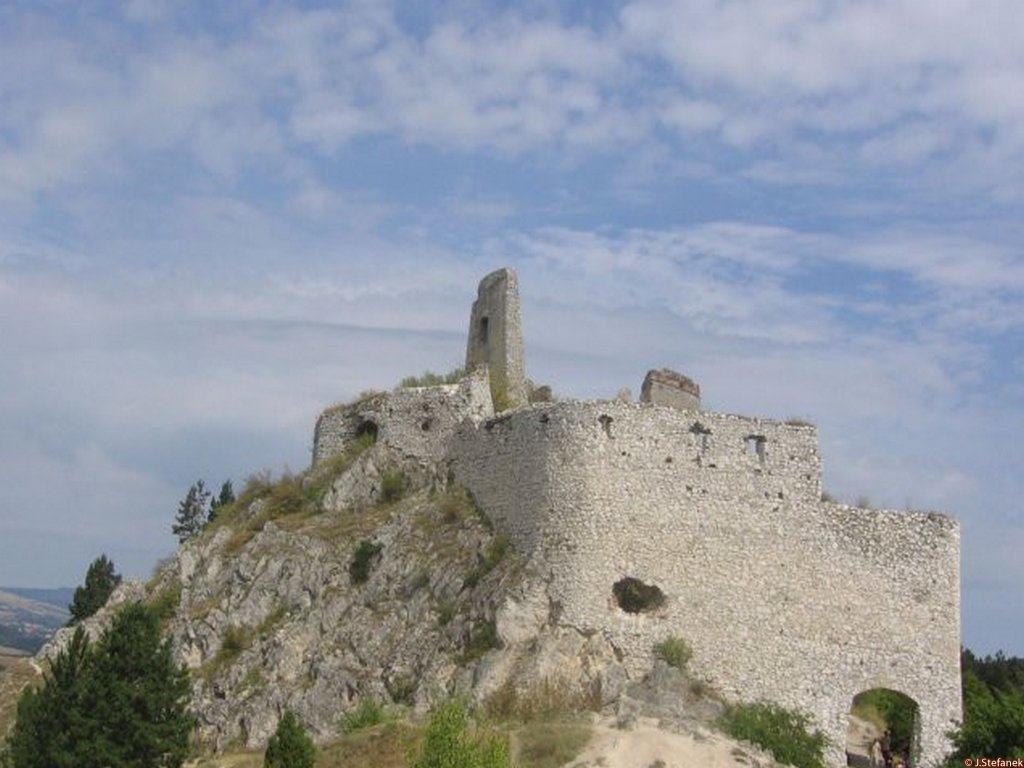
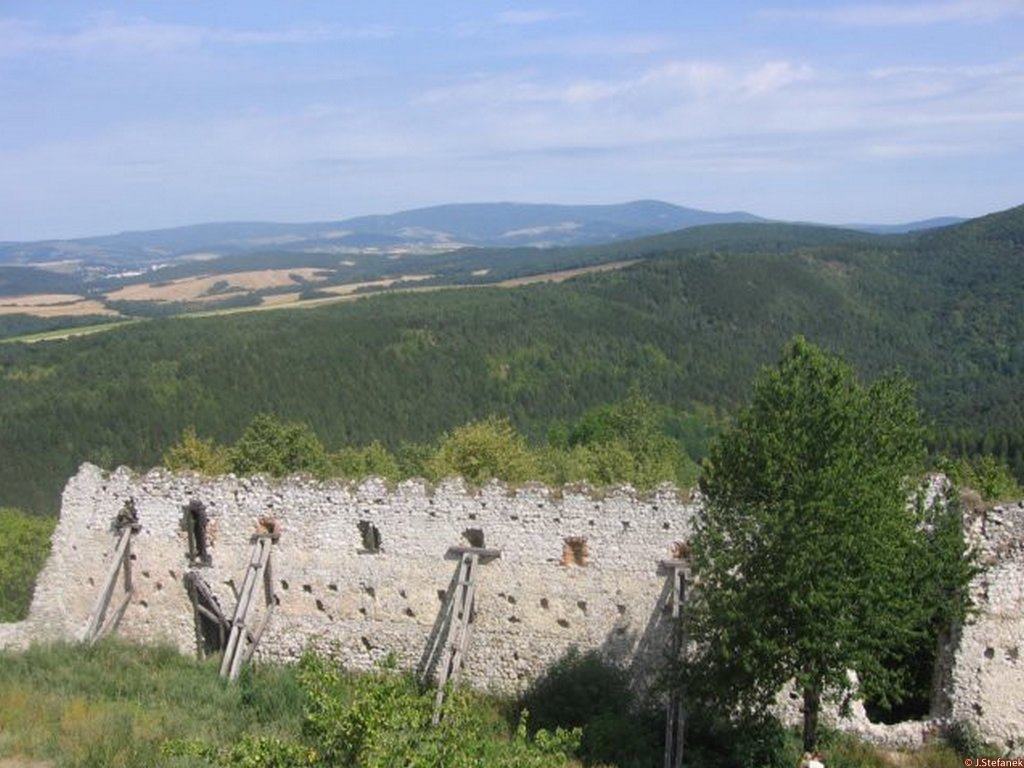
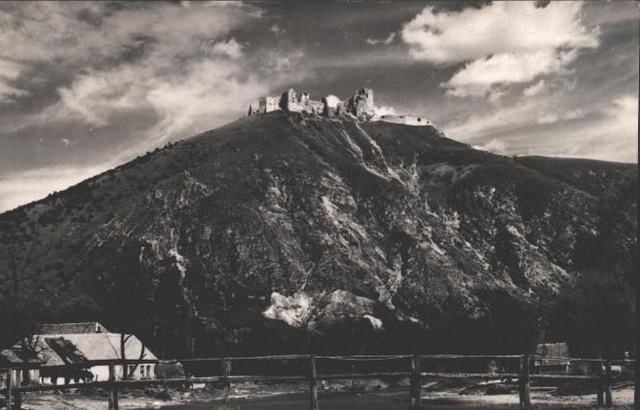
The castle is situated on a limestone-dolomite hill in the Čachtice Kras, above the brook Jablonka in the northernmost part of the Little Carpathians. It lies between the villages of Čachtice and Višňové
Hrad je situovaný na vápencovo-dolomitovom vrchu v Čachtickom krase, nad prielomom potoka Jablonka v najsevernejšej časti Malých Karpát. Leží medzi obcami Čachtice a Višňové.
Previous names
Chekche, Chehte, Csejte
Roads
Trasa 1: It is possible to get to the tolled upper car park by car along the narrow Podzámská road, which leads to the castle between the houses near the Draškovič manor, but there is a limited number of places. From there, we continue on the asphalt path with a slight ascent to the castle.
Trasa 1: Autom je možné sa dostať na spoplatnené horné parkovisko po úzkej Podzámskej ceste, ktorá vedie na hrad pomedzi domy blízko Draškovičovského kaštieľa, no je tu obmedzený počet miest. Odtiaľ pokračujeme po asfaltovej ceste peši miernym stúpaním až k hradu.
Trasa 2: We can also park in the village near the Draškovič manor house, from where we can walk along the aforementioned Podzámská street between the houses and follow the green route all the way to the castle.
Trasa 2: Zaparkovať môžeme aj v obci blízko Draškovičovského kaštieľa, odkiaľ sa peši vyberieme spomínanou Podzámskou ulicou pomedzi domy a držíme sa neustále tejto zelenej TZT až k hradu.
Trasa 3: Green hiking route from the village of Višňové over a rocky slope.
Trasa 3: Zelená turistická trasa z obce Višňové cez skalnatý svah.
Trasa 4: Access by yellow route not far from Višňové village from the direction of Nové Mesto n. Váhom. Bypassing the castle hill we will reach the castle through a steep pine forest.
Trasa 4: Prístup žltou TZT neďaleko Višňového zo smeru od Nového Mesta n. Váhom, obchádzajúc hradný vrch, sa strmým borovicovým lesom dostaneme k hradu.
Description
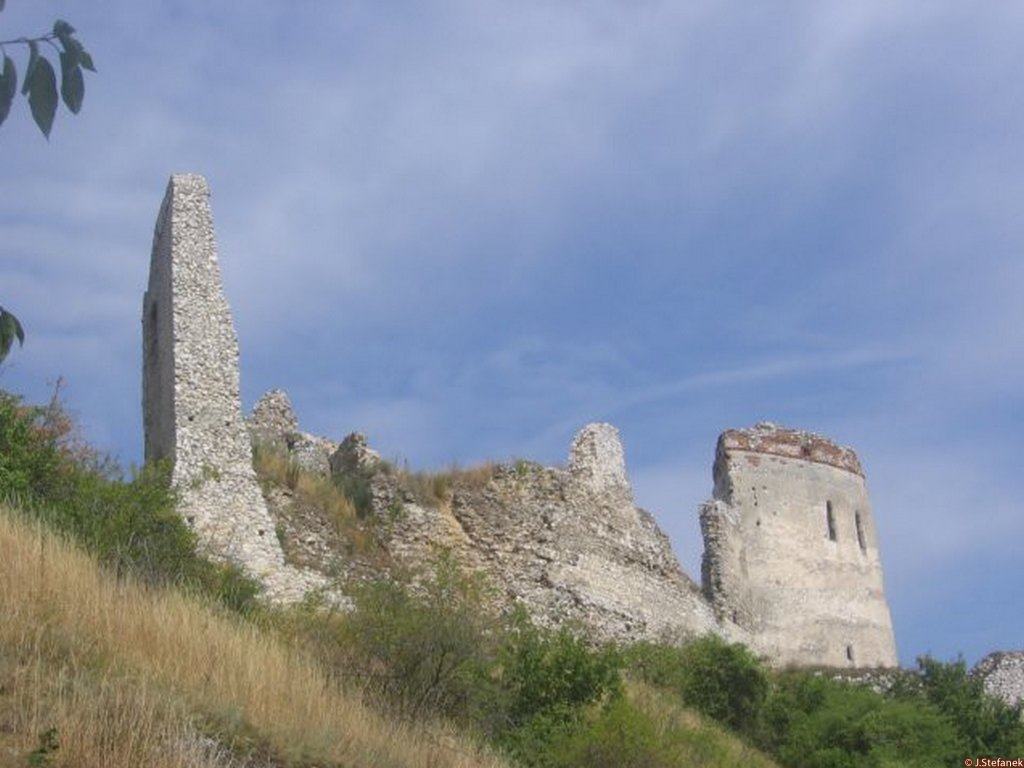
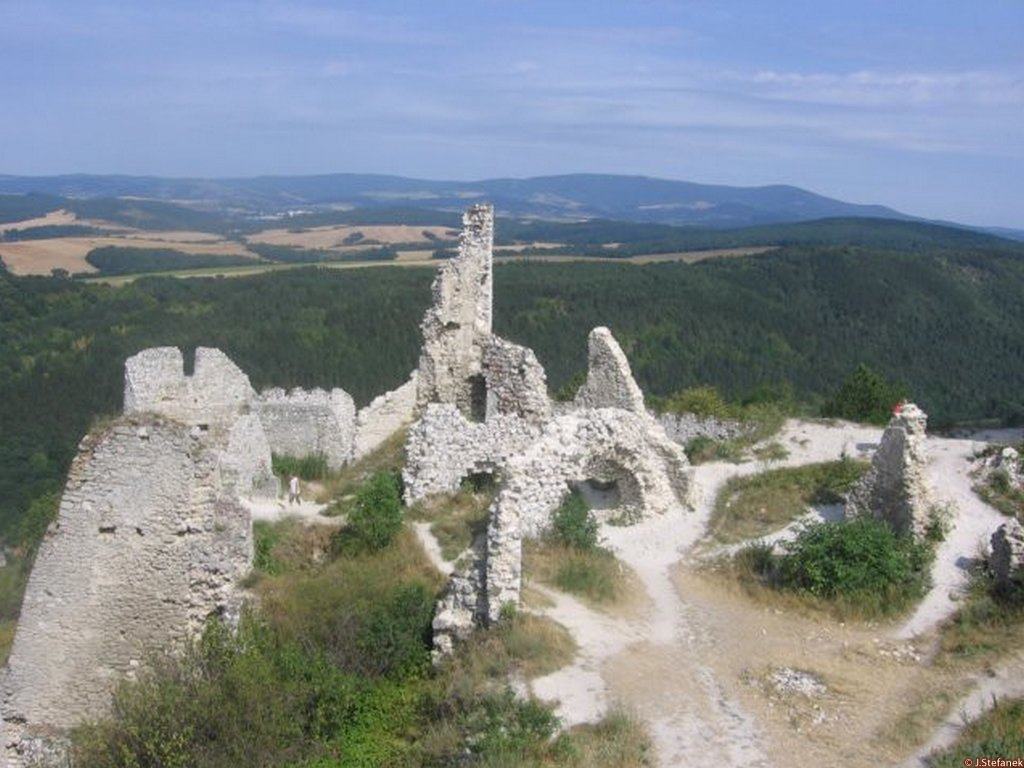
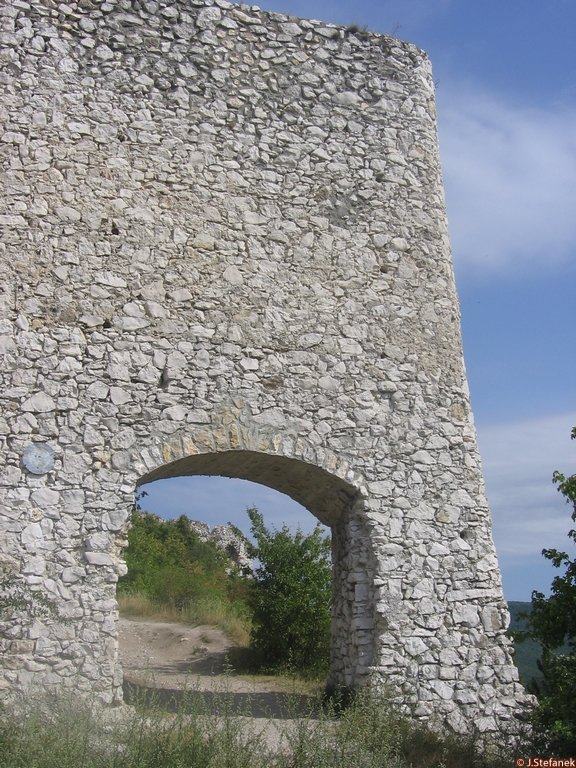
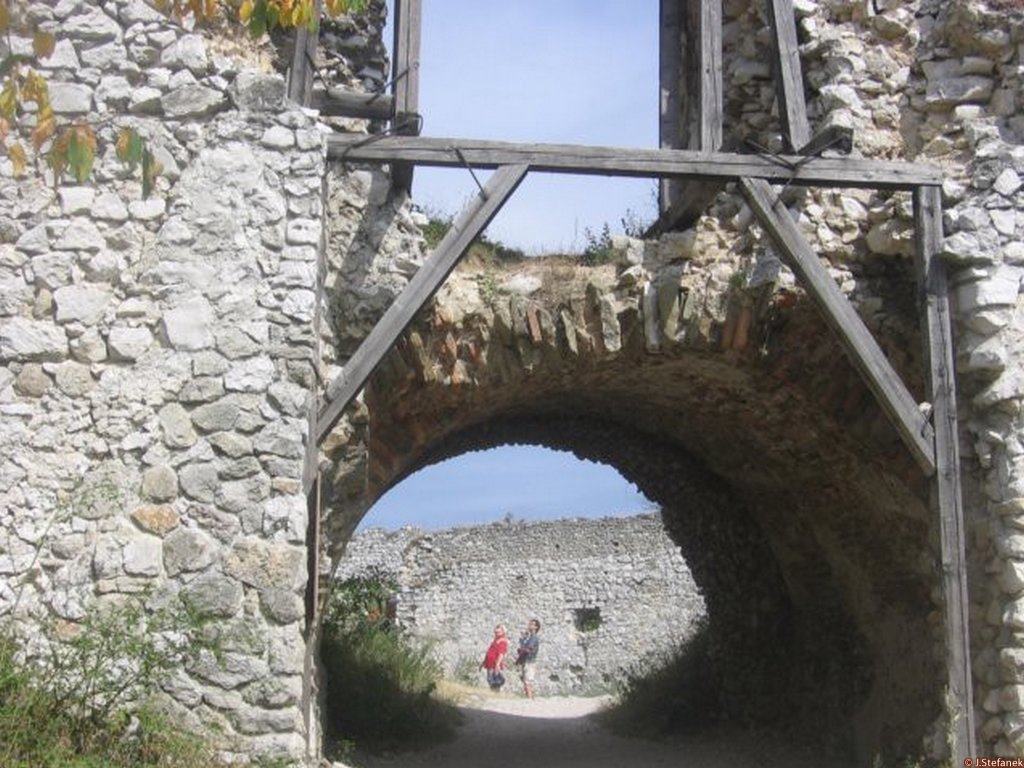
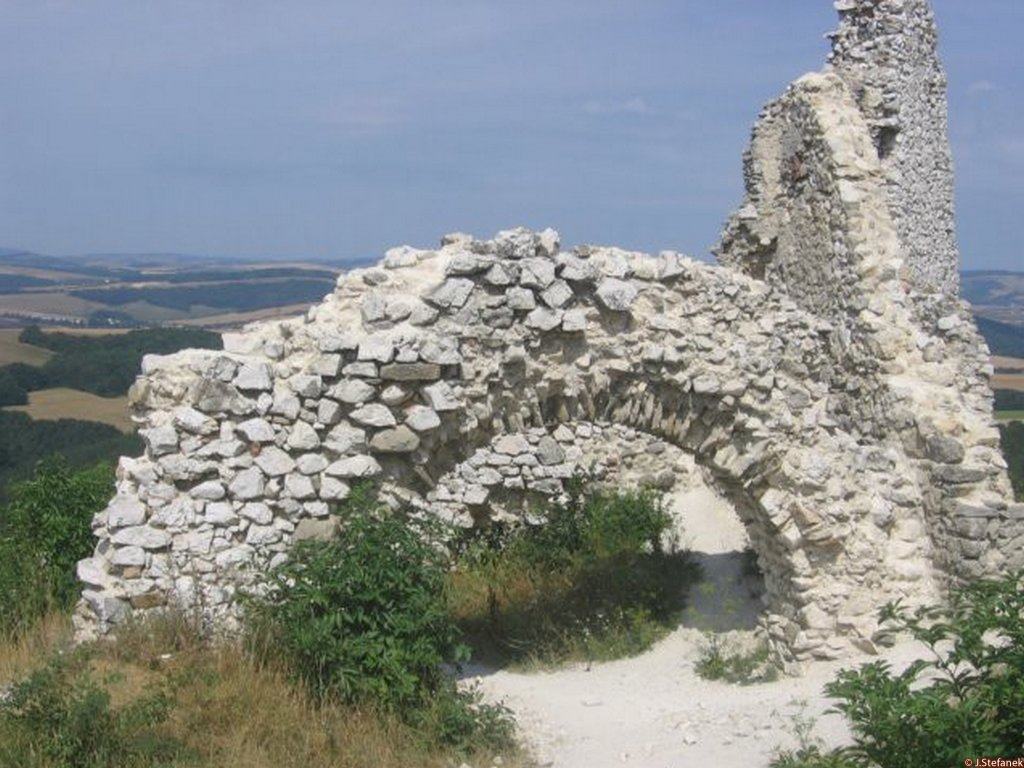
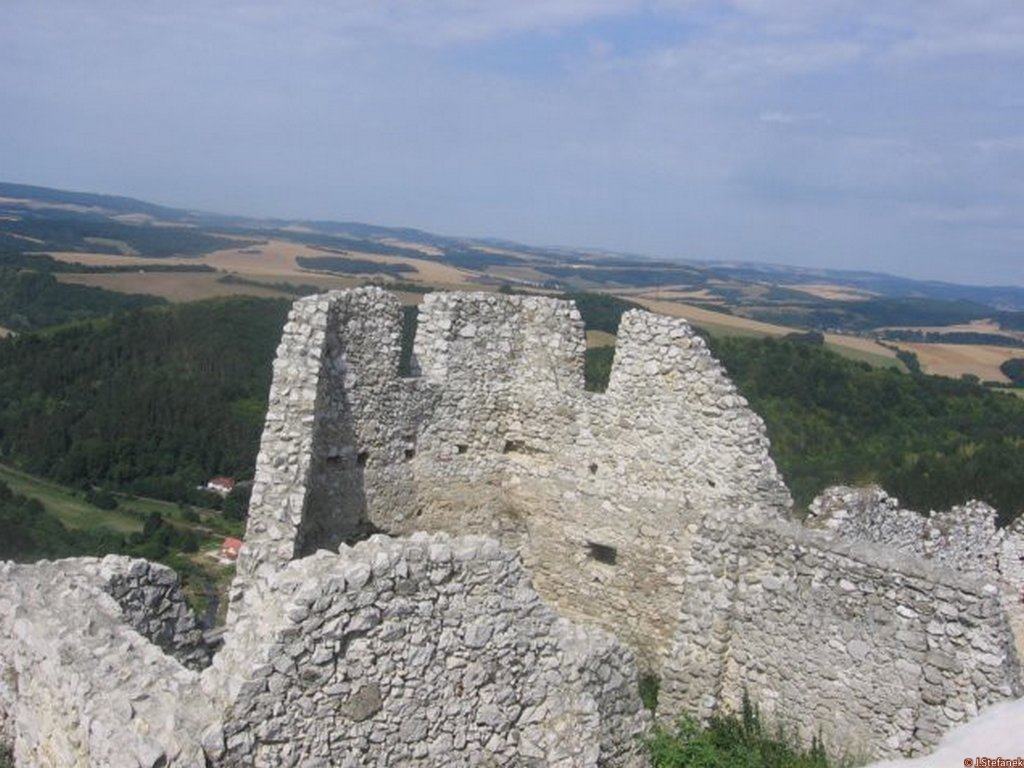
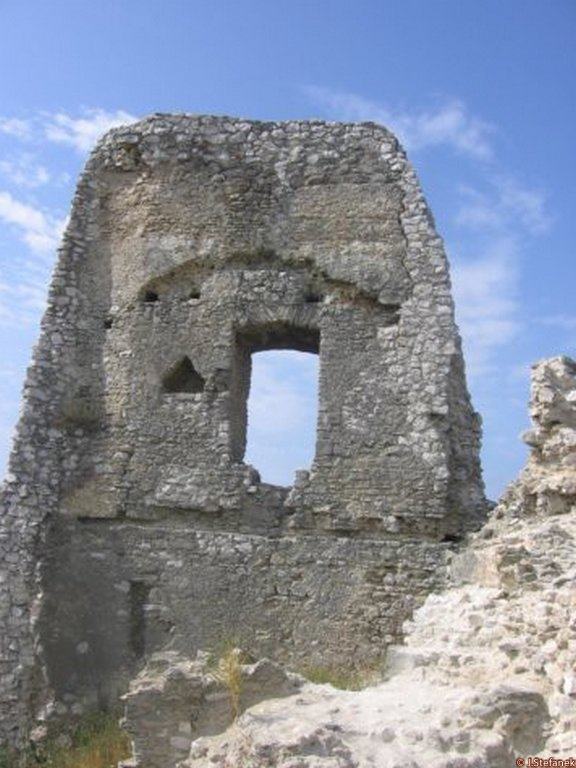
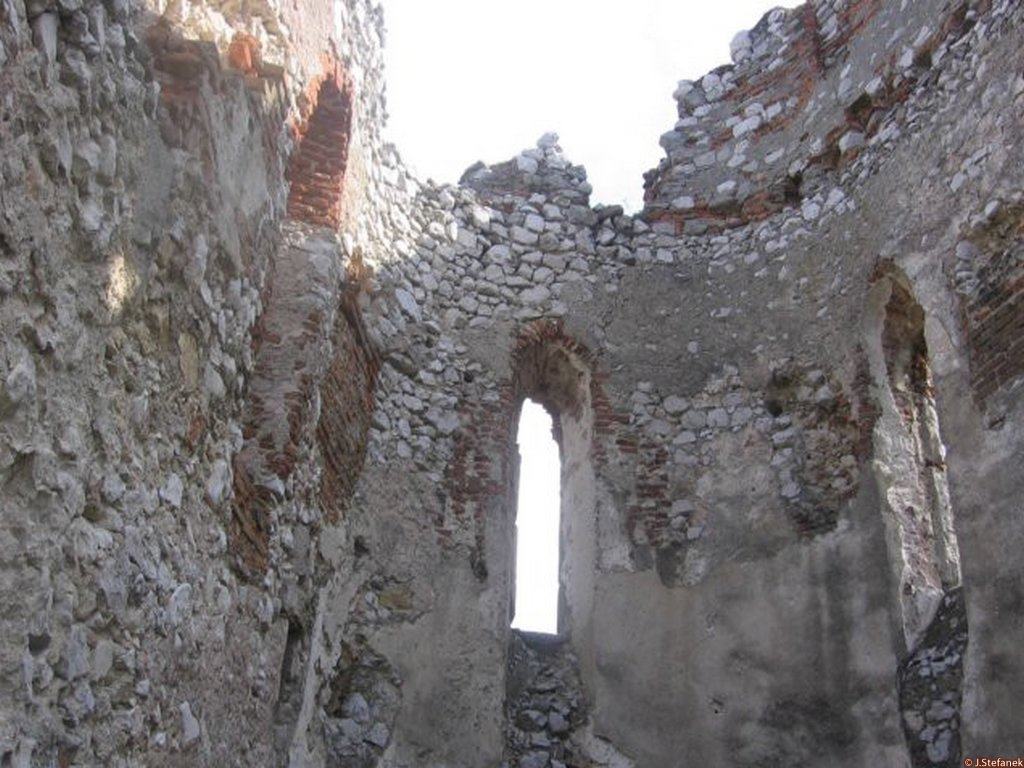
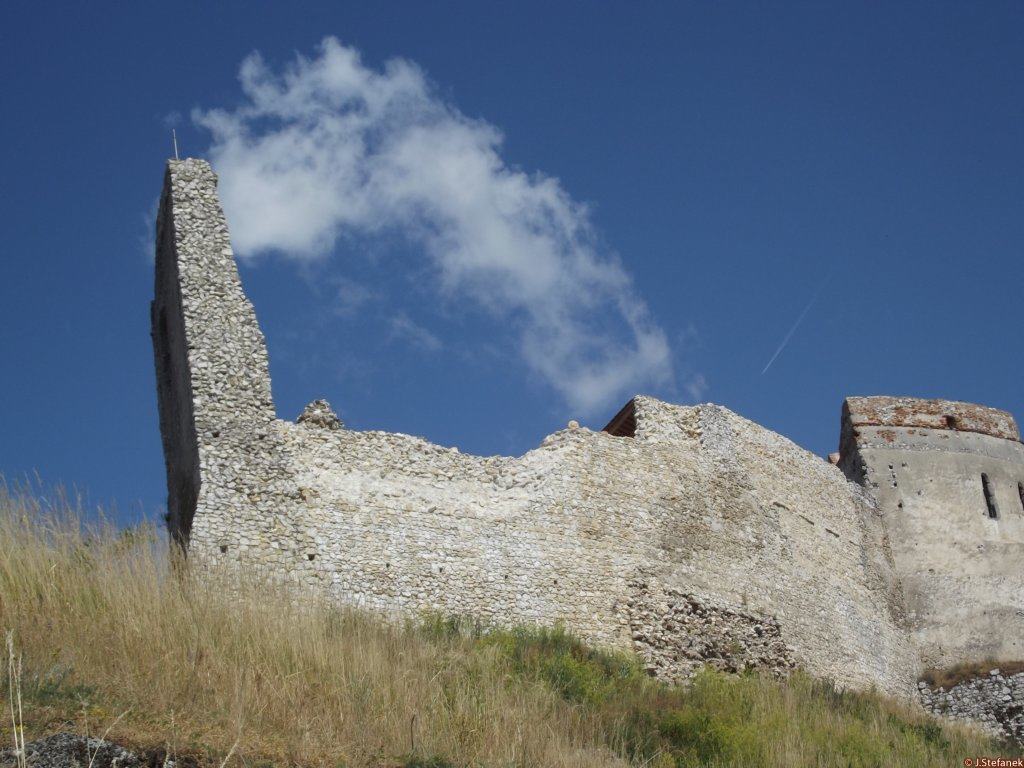
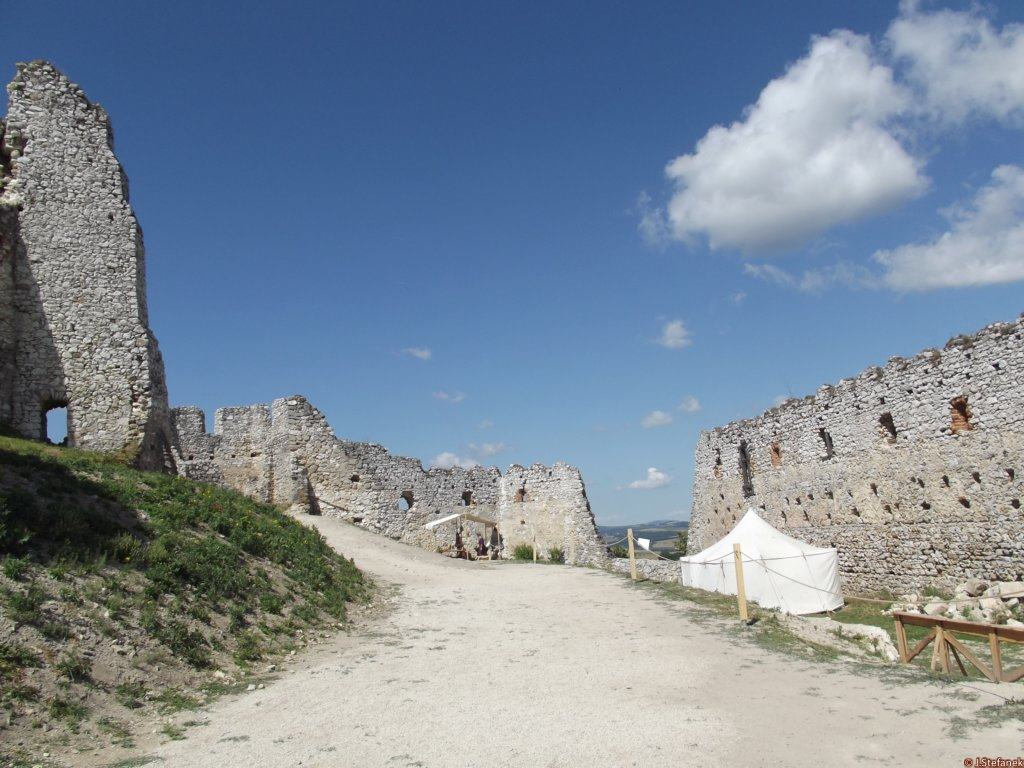
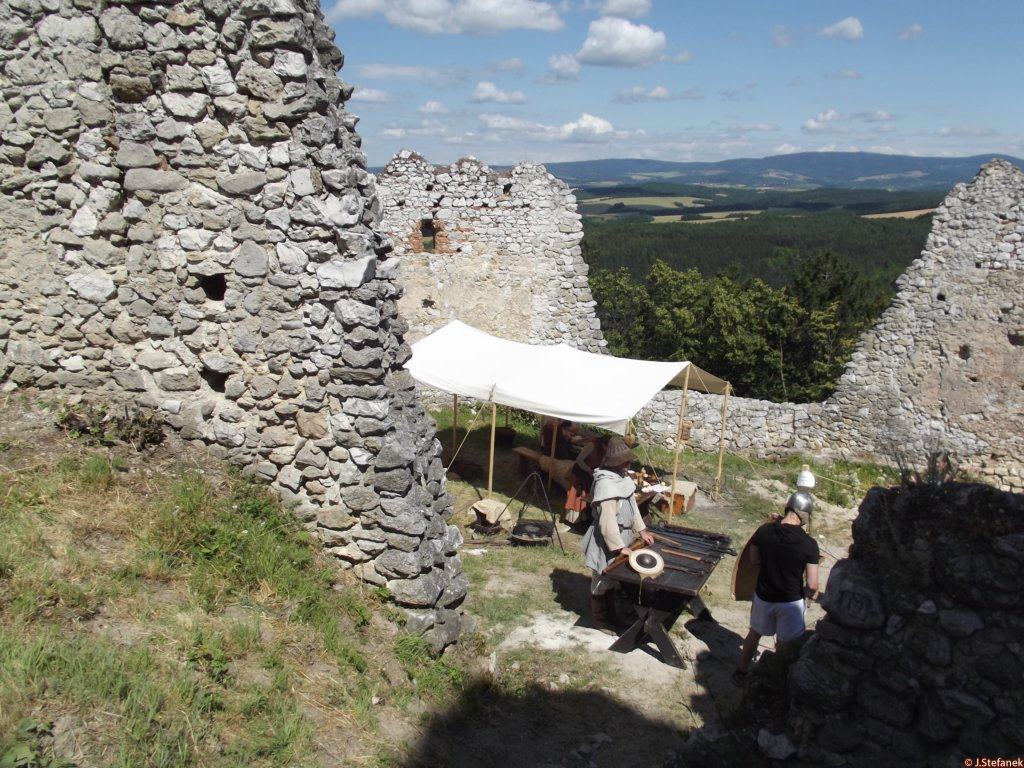
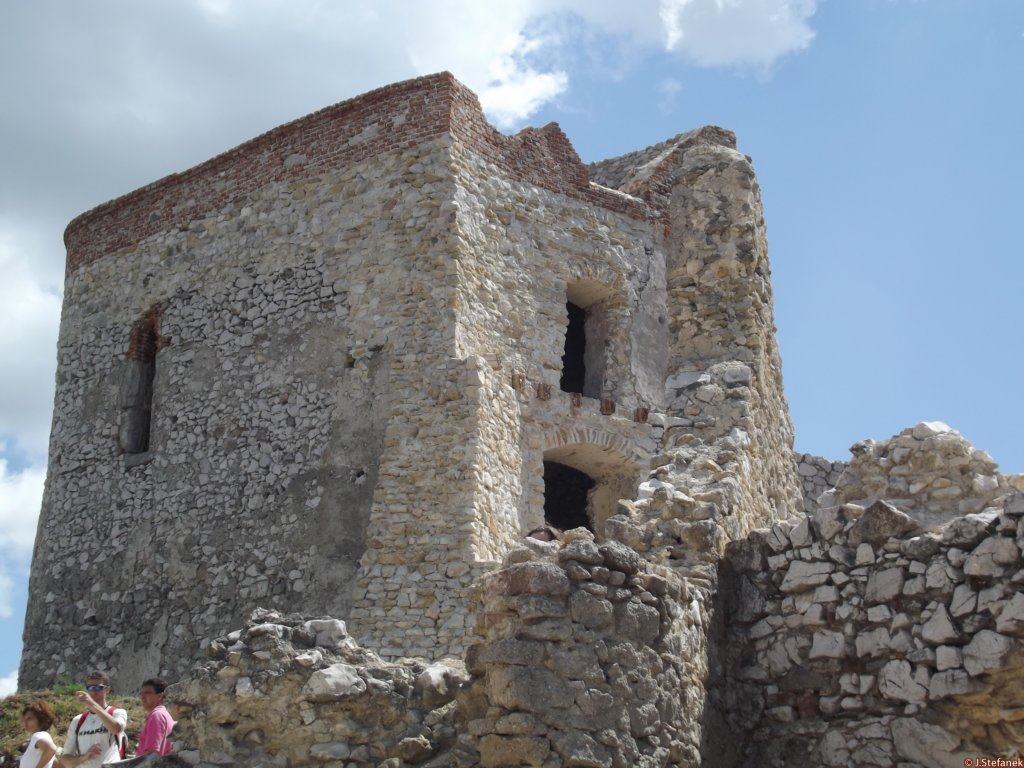
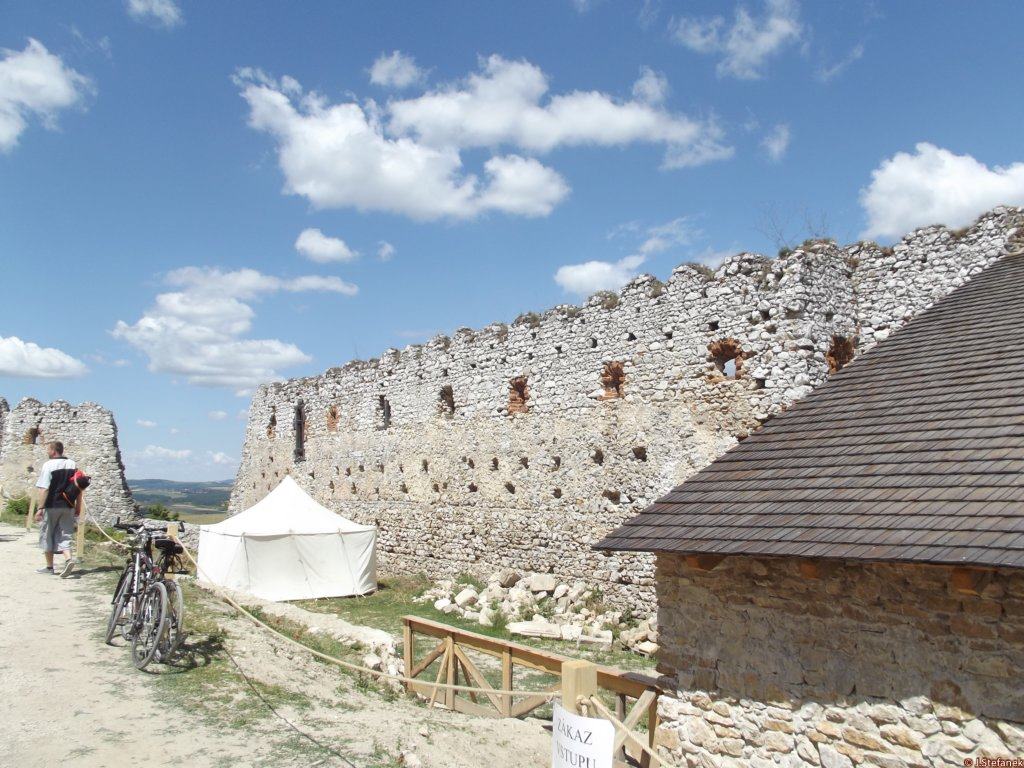
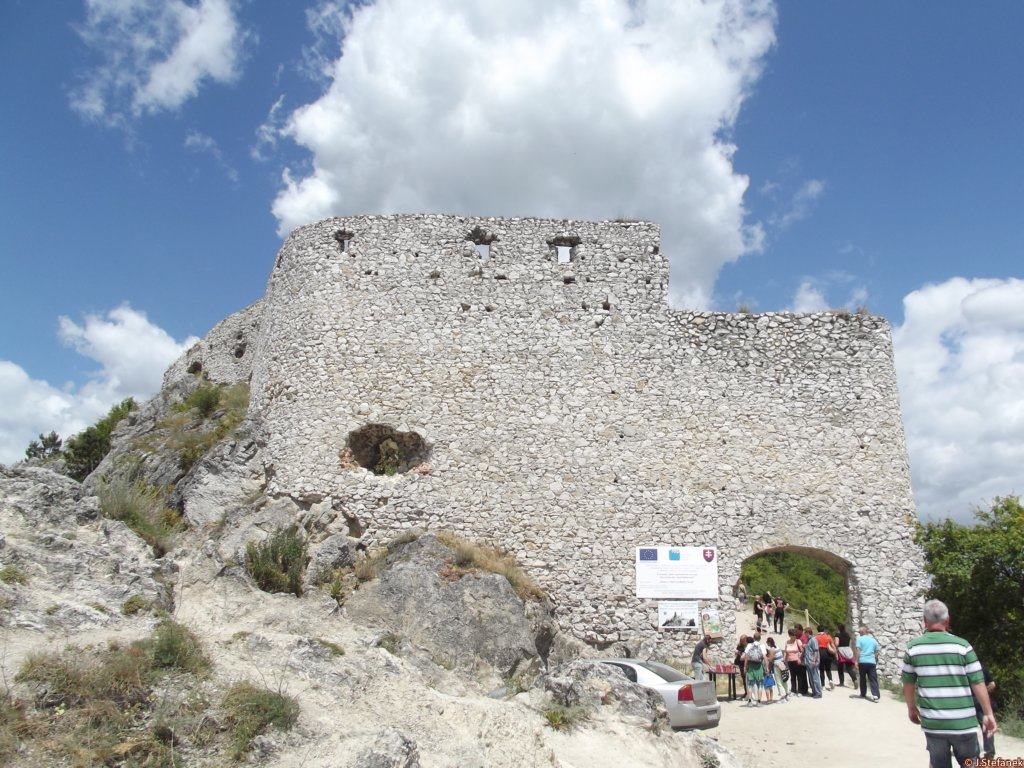
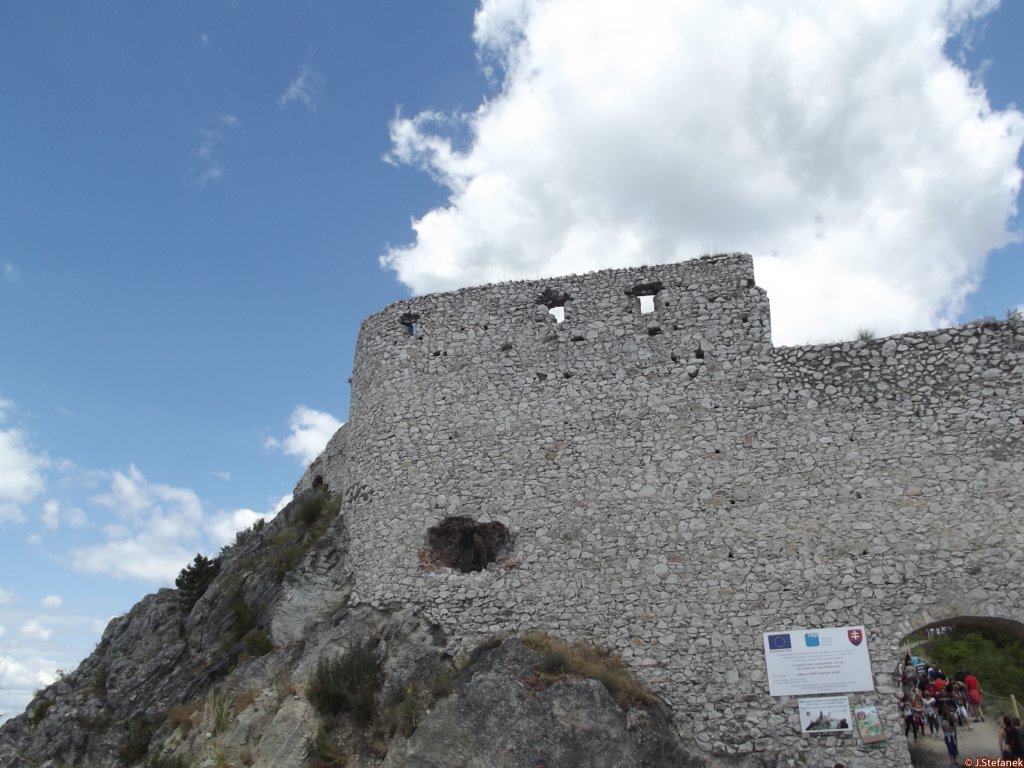
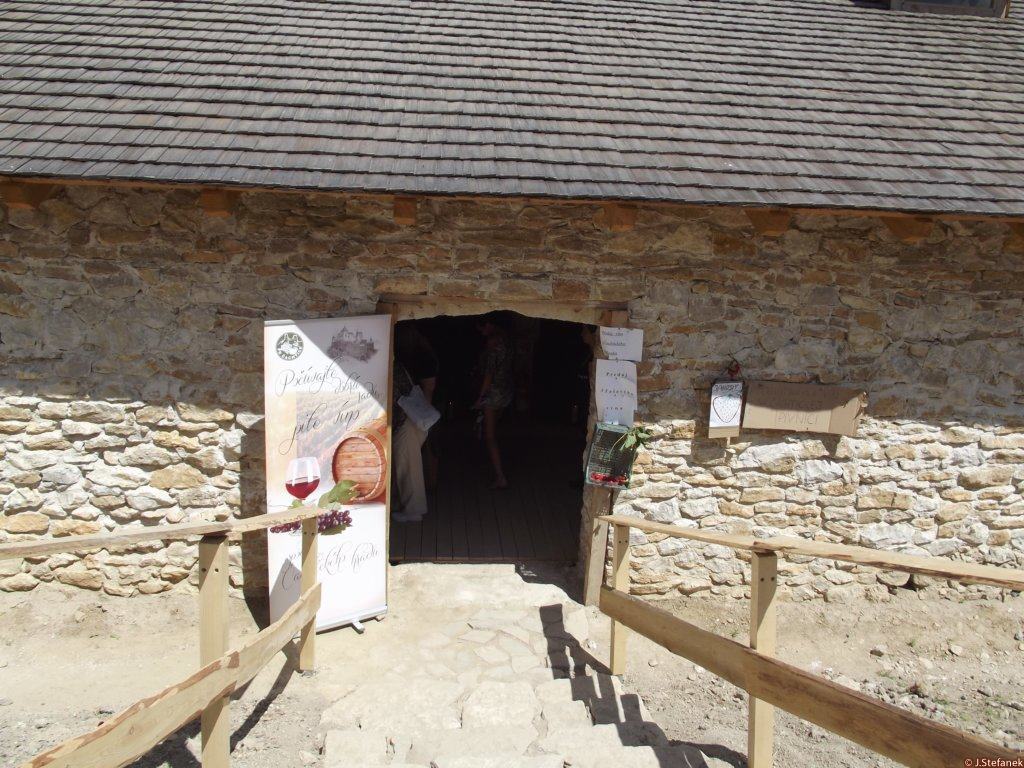
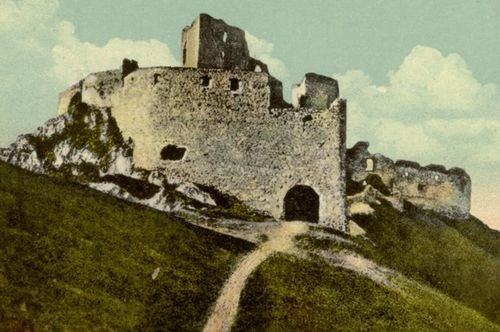
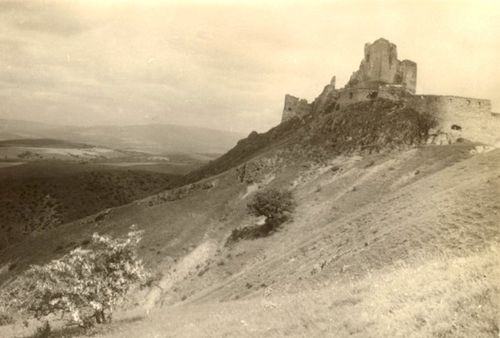
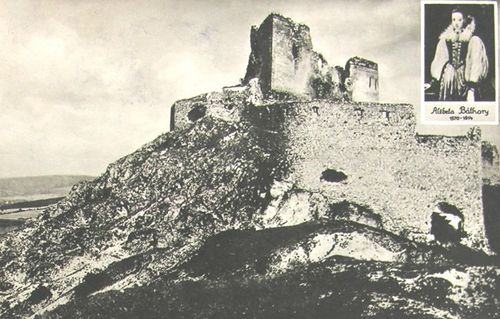
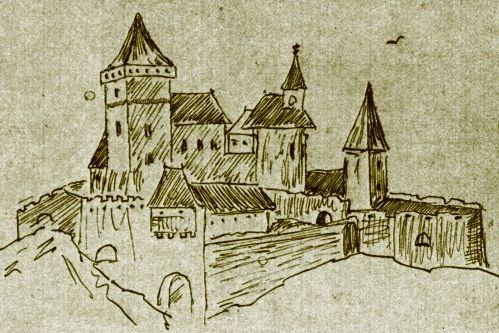
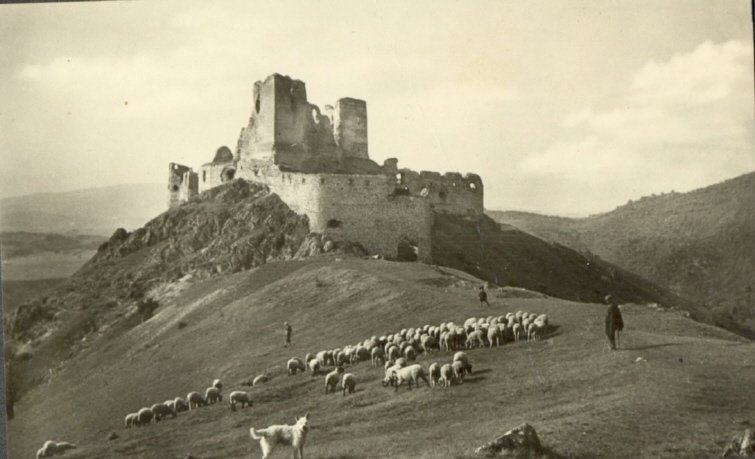
Although the castle is already a ruin, it still boasts beautiful remains of massive walls and parts of towers. The buildings that formed part of Čachtice Castle are now relatively well identifiable. The fortifications have retained the remnants of label Renaissance attics, the upper castle are fragments of the original plaster with paintings. The castle is shrouded in historical legends and mysteries associated with Countess Bathory.At the highest point of the castle was built a palace with a prismatic and horseshoe tower, which was also located a chapel. Other buildings were built around the upper courtyard gradually in the 14th century, while the large courtyard of the middle castle was lined with farm buildings just on the outskirts. Another palace and chapel came from the time of the Stibor reconstruction. The lower courtyard, which was mainly used for defense, was accessible from the upper ridge over a ditch cut in the rock. In the second half of the 16th century, there was a long connecting tunnel between the lower courtyard and the Renaissance courtyard. In the first half of the 16th century a manor house was built under the castle.In 2012-2014 the castle underwent an extensive reconstruction. The farm building was completed and roofed, the vaults were restored, a lookout terrace was built, and the tower was roofed. The castle was opened to the public after reconstruction in 2014.
Z hradu je už síce zrúcanina, no napriek tomu sa pýši nádhernými zvyškami masívnych stien a časťami veží. Budovy, ktoré tvorili súčasť Čachtického hradu, sú dnes pomerne dobre identifikovateľné. Opevnenia si zachovali zvyšky štítkových renesančných atík, na hornom hrade sú fragmenty pôvodných omietok s maľbami. Hrad je zahalený rúškom historických legiend a tajomstiev spojených s grófkou Bathory.Na najvyššom mieste hradného brala bol postavený palác s hranolovou a podkovovitou vežou, v ktorej bola umiestnená aj kaplnka. Okolo horného nádvoria vznikali postupne v 14.storočí ďalšie budovy, zatiaľ čo veľké nádvorie stredného hradu iba na okraji lemovali hospodárske budovy. Z čias stiborovských úprav pochádza ďalší palác a kaplnka. Dolné nádvorie, ktoré slúžilo najmä obrane, bolo prístupné z horného hrebeňa ponad priekopu vysekanú v skale. Medzi dolným dvorom a renesančným nádvorím bol v druhej polovici 16.storočia dlhý spojovací tunel. V prvej polovici 16.storočia vznikol pod hradom kaštieľ.V rokoch 2012-2014 na hrade prebehla rozsiahlejšia rekonštrukcia. Dostavala a zastrešila sa hospodárska budova, obnovili sa klenby, vybudovala sa vyhliadková terasa, zastrešila veža. Hrad bol verejnosti znovu sprístupnený po rekonštrukcii v r. 2014.
Plan
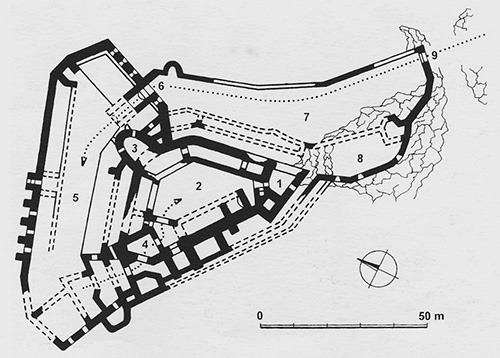
Legend to the ground plan
- 1-dwelling tower
- 2-upper castle
- 3-horseshoe tower with a chapel
- 4-entrance area to the upper castle
- 5-first fort
- 6-tunnel entrance to the fort
- 7-second fort
- 8-artillery platform
- 9-entrance gate
Legenda k pôdorysu
- 1-obytná veža
- 2-horný hrad
- 3-podkovovitá veža s kaplnkou
- 4-vstupný priestor do horného hradu
- 5-prvé predhradie
- 6-tunelovitý vstup do predhradia
- 7-druhé predhradie
- 8-delostrelecká plošina
- 9-vstupná brána
History
It is assumed that the castle was built by Kazimír from the Hont-Pázmány family around 1263. According to the oldest mentions of the castle, in 1276 Kazimír's sons Peter and Pongrác successfully defended the castle from the invasion of the Czech King Otakar II. At the end of the 13th century, Matúš Čák Trenčiansky seized the castle. After his death in 1321, he was occupied by the gunmen of Karel Robert. In 1392 he received Stibor I Castle, a gift from King Sigismund of Luxembourg. Stibor amassed a huge fortune and became the richest feudal lord of Hungary. His property included about 15 castles. He called himself "Dominus Vagi" / Mr. Vahu /. Stibor I died in 1414 and his extensive property was inherited by his son Stibor II., Who died in 1434 without leaving a descendant. The castle then fell into the hands of Michal Országh de Guth. During his era, a three-storey chapel was built on the castle, from which a wooden choir is located in the Gothic chapel of St. Anthony. Under Matej Korvín, Michal Országh became a palatine and gained other privileges that stimulated the business life and economic prosperity of the manor. Another member of the Országh family, František, also recovered from Vladislav II in 1510. confirmation of exemption of Čachtice from taxes. The last members of this family were Ladislav, the mayor of Novohrad and Heveš, and his son Krištof, who became a regional judge. Because he died in 1567 without descendants, the Čachtice estate with the castle passed into the hands of the monarch as crown property.
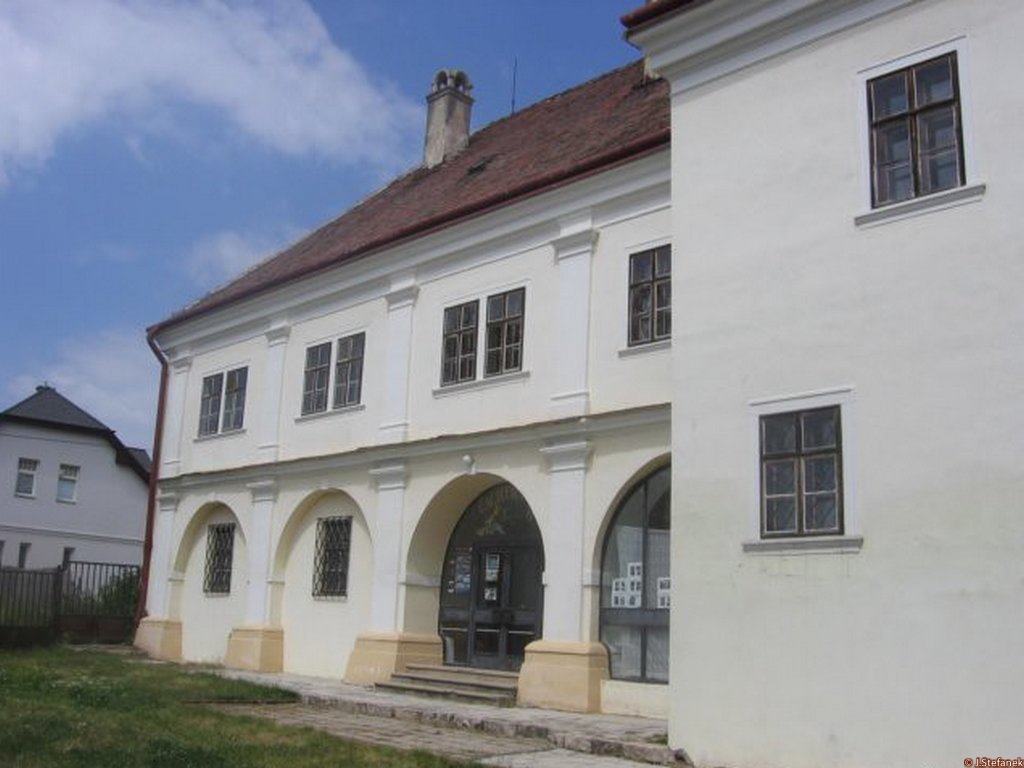
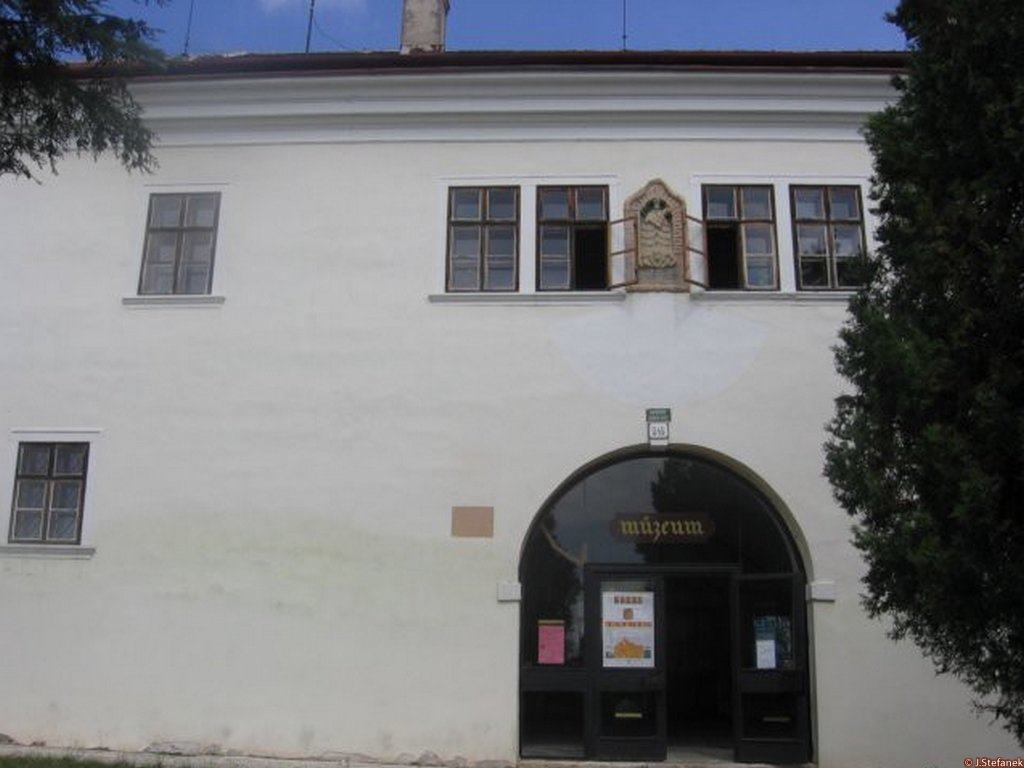
In 1569, the castle and the surrounding manor were deposited by the Nádašdy family, for 50,000 forints and in exchange for Kanizsa Castle. František Nádašdy, also known as the famous Turk killer, received the castle for himself and his descendants into permanent ownership only in 1602, for 36,000 forints. After the death of František I. Nádašdy in 1604, his widow Elizabeth Báthory inherited Čachtice Castle and the manor. Thanks to it, Čachtice Castle became "sadly" famous. According to legend, Elizabeth Bathory committed several murders and crimes that were unparalleled until then, but not long after. She was said to be obsessed with the desire for beauty, and she was sure that when she bathed in the blood of young girls, she would rejuvenate. So she began to torture and kill her maids mercilessly, and she also brought more and more girls to the castle. She committed these crimes for a quarter of a century, in the years 1585 - 1610. After her crimes were discovered, Elizabeth Báthory was sentenced in 1610 to a life in prison at Čachtice Castle, where she died on 21 August 1614. However, there was never a proper trial about her actions, and so various rumors and gossip arose. No one knows the real truth and probably won't even know it anymore. Thus, Čachtice Castle remained shrouded in mystery and its legend spread throughout the world. After Elizabeth's death, her children, her son Pavol, daughter Katarína, married to Juraj Drugeth, and daughter Anna, married to Mikuláš Zrínský, inherited the property. Elizabeth Báthory's family used to live in the manor house, which stood in the town of Čachtice, during the life of František Nádašdy.
After the death of Elizabeth Báthory, the castle served only as a fortress. In 1663 there were Turkic raids near the castle. In 1671, the Vienna Chamber confiscated all the property of Francis II. Nádasdy, including the castle, because he was accused of conspiring against the emperor and of participating in the Velosen uprising. Nádašdy was executed and the imperial army looted, set fire to and destroyed the Čachtice manor house and damaged the castle as well. Finally, in 1695, the royal chamber divided the manor between the important families of Homonnai Drugeth and Erdödy. During the uprising of František Rákóczi II. the castle played its last role in the war, when in 1703 it fell into the hands of the rebels after fierce fighting. In 1707, Imperial General Guido, at the head of 4,000 infantry and cavalry, surrounded and occupied the castle. A year later, on Rákóczi's orders, almost after a day of fighting, the castle was reoccupied by troops led by Commander De La Motte. In the same year, after the Battle of Trenčín, Čachtice Castle was again seized by imperial mercenaries, who destroyed the walls of the fortress so that the castle could never be used by the insurgents. Since then, the castle is in ruins.
Predpokladá sa, že hrad postavil Kazimír z rodu Hont-Pázmányovcov už okolo r.1263. Podľa najstarších zmienok o hrade, v r.1276 Kazimírovi synovia Peter a Pongrác úspešne ubránili hrad pred nájazdom českého kráľa Otakara II. Na konci 13.storočia sa hradu zmocnil Matúš Čák Trenčiansky. Po jeho smrti v r.1321 ho obsadili ozbrojenci Karla Roberta. V r.1392 získal hrad Stibor I., darom od kráľa Žigmunda Luxemburského. Stibor si nazhromaždil obrovský majetok a stal sa najbohatším feudálom Uhorska. Medzi jeho majetky patrilo asi 15 hradov. Sám sa nazýval “Dominus Vagi“ /pán Váhu/. Stibor I. zomrel v roku 1414 a jeho rozsiahly majetok po ňom zdedil syn Stibor II., ktorý však v r.1434 zomrel bez zanechania potomka. Hrad sa potom dostal do rúk Michalovi Országhovi de Guth. Počas jeho éry bola na hrade dobudovaná trojpodlažná kaplnka, z ktorej drevený chór je umiestnený v gotickej kaplnke svätého Antona. Michal Országh sa za Mateja Korvína stal palatínom a získal ďaľšie výsady, ktoré podnietili obchodný život a hospodársku prosperitu panstva. Ďaľší príslušník rodiny Országhovcov František v roku 1510 vymohol aj od Vladislava II. potvrdenie o oslobodení Čachtíc od daní. Poslednými členmi tohto rodu boli Ladislav, župan v stoliciach Novohrad a Heveš, a jeho syn Krištof, ktorý sa stal krajinským sudcom. Pretože zomrel v roku 1567 bez potomkov, čachtické panstvo s hradom prešlo ako korunný majetok do rúk panovníka.
V r.1569 dostal hrad a okolité panstvo do zálohu rod Nádašdyovcov, za 50 000 forintov a výmenou za hrad Kanizsa. František Nádašdy, známy tiež ako slávny turkobijec, dostal hrad pre seba i pre svojich potomkov do trvalého vlastníctva až v r.1602, za 36 000 forintov. Po smrti Františka I. Nádašdyho v r.1604, zdedila Čachtický hrad aj s panstvom jeho vdova Alžbeta Báthory. Vďaka nej sa Čachtický hrad ´smutne´ preslávil. Podľa legendy sa Alžbeta Báthory dopustila viacerých vrážd a zločinov, ktoré dovtedy, ale ani dlho potom nemali obdoby. Údajne bola posadnutá túžbou po kráse, a bola si istá, že keď sa bude kúpať v krvi mladých dievčat, omladne. Tak začala nemilosrdne mučiť a zabíjať svoje slúžky, a taktiež si na hrad dovádzala ďalšie a ďalšie dievčatá. Tieto zločiny páchala celé štvrťstoročie, a to v rokoch 1585 – 1610. Po odhalení jej zločinov bola Alžbeta Báthory odsúdená v r.1610 na doživotný pobyt vo väzení na Čachtickom hrade, kde aj 21. augusta 1614 zomrela. Nikdy sa však riadny súdny proces ohľadom jej počínania nekonal, a tak vznikali rôzne fámy a klebety. Skutočnú pravdu nikto nepozná a už ju asi ani poznať nebude. Tak zostal Čachtický hrad zahalený rúškom tajomstva a jeho legenda sa rozšírila po celom svete.
Po smrti Alžbety zdedili majetok jej deti, syn Pavol, dcéra Katarína, vydatá za Juraja Drugetha, a dcéra Anna, vydatá za Mikuláša Zrínskeho. Rodina Alžbety Báthory už za života Františka Nádašdyho bývala v panskom kaštieli, ktorý stál v mestečku Čachtice. Po smrti Alžbety Báthory hrad slúžil len ako pevnosť. V blízkosti hradu došlo v r.1663 k turkotatárskym nájazdom. V r.1671 Viedenská komora zhabala všetok majetok Františka II. Nádasdyho, vrátane hradu, pretože ho obvinili zo sprisahania proti cisárovi a z účasti na vešeléniovskom povstaní. Nádašdyho popravili a cisárske vojsko vyrabovalo, podpálilo a zničilo Čachtický kaštieľ a poškodilo aj hrad. Kráľovská komora napokon v r.1695 rozdelila panstvo medzi významné rody Homonnai Drugeth a Erdödy. Za čias povstania Františka Rákócziho II. zohral hrad poslednú vojnovú rolu, keď sa v r.1703 po prudkých bojoch dostal do rúk povstalcov. V r.1707 cisársky generál Guido na čele 4000 pešiakov a jazdcov hrad obkľúčil a obsadil. O rok neskôr na príkaz Rákócziho, takmer po celodennom boji, hrad znovuobsadili vojská na čele s veliteľom De La Motte. V tom istom roku po trenčianskej bitke sa Čachtického hradu opäť zmocnili cisárski žoldnieri, ktorí zničili steny pevnosti, aby hrad nemohli už nikdy využiť povstalci. Odvtedy je hrad v ruinách.
Myths and legends
The legend of the castle
In the ruins at night you can hear the crying and wailing of girls tortured by the Elisabeth Bathory.
Legend about the Lady of Čachtice
Elisabeth Bathory, heartless and cruel, punished even the smallest offense of her maids as painfully as possible. A gloomy castle lady usually punished the girls for work which was not finished properly. For example: breaking a vessel, for an order not carried out to complete satisfaction by pinning or wounding with scissors, applying a hot trowel to the body, ignited in oil , soaked and wrapped in woolen threads, undressing at winter nights, etc. Once a vain-minded commander sat in front of a mirror and, irritated by the maid's slight inadvertence, struck her so hard on the face that the maid was covered in blood. The drop sprayed on the tyrant's face, and as she wiped it, it seemed to her that her skin was whiter and fresher than before. So now she had finally found the rejuvenating power she had been searching in vain for so long. A bath in a girl's blood removed traces of beginning old age. With the help of two old maids and the castle monster Ficko, Elisabeth Bathory wasted three hundred girls in a few years, who gradually disappeared without a trace and no one knew what had happened to them.
The bloody secret was finally revealed by chance. A young man, whose sweetheart had also mysteriously disappeared, searched for her for so long that he found her corpse. Unfortunately, revenge drove him from place to place until he came to Prešpork, where the palatine Juraj Thurzo was just sitting in public court and accusing Báthoryčka of a hundred-fold cruel murder. He unexpectedly surprised a judge and found a corpse of a killed girl who had not yet been removed. This evidence was soon supplemented by others, which resulted in a life sentence for a perverted woman. Juraj Homonnay got half of the manor when he married Katarína Nádasdy - the daughter of that villain. The second half was donated by King to the Erdody family after the beheading of Francis II. Nádasdy. Until a few years ago, they showed a cellar in which the unfortunates were murdered, as well as a vessel in which they caught warm blood and carried a superstitious mistress. People didn't like to walk near this blood-soaked place at night, because it was common to hear terrifying moans and yawns, and even to see the murdered girls walking. Now that the whole castle is in ruins, the ghosts seem to have calmed down.
Povesť o hrade
V zrúcaninách po nociach čuť plač a nárek dievčat umučených Čachtickou paňou. Sú tu tiež nesmierne poklady, ale tie môže získať iba ten, kto v belčove z čerešne odkolísaný bude, ktorá v rozvalinách hradu vyrástla.
Povesť o Čachtickej pani
Alžbeta Báthoryčka, bezcitná a ukrutná, neženského srdca, otrokyňa divých náruživostí, trestala i najmenší priestupok svojich chyžných čo najbolestnejšie a kochala sa celé hodiny na mukách úbohých trýznených bytostí. Za prácu nedohotovenú do poslednej nitky, za rozbitie nádoby, alebo za príkaz nevykonaný na úplnú spokojnosť trestala chmúrna hradná pani zvyčajne pichaním špendlíkmi alebo poranením nožničkami, prikladaním horúceho hladidla na telo, zapaľovaných do oleja namočených a okolo prstov omotaných vlnených nití, alebo kázala vinníčky za zimných nocí vyzliecť, poliať vodou a priviazať k studni. Raz sedela márnomyseľná veliteľka pred zrkadlom a podráždená malinkým nedopatrením chyžnej udrela ju tak mocne po tvári, že slúžku zaliala krv. Kvapka strekla na tyrankinu tvár a keď si ju utrela, zazdalo sa jej, že je na tom mieste jej plať belšia a sviežejšia ako predtým. Teraz teda konečne našla omladzujúci prostriedok, ktorý márne tak dlho a horlivo hľadala vo všakovakých kúzlach a čarách. Kúpeľ v dievčenskej krvi odstráni stopy začínajúcej sa staroby. Pomocou dvoch starých služobníc a hradného netvora Ficka zmárnila Alžbeta Báthoryčka za niekoľko rokov do tristo dievčat, ktoré postupne bez stopy zmizli a nik sa nedozvedel, čo sa s nimi stalo.
Krvavé tajomstvo napokon odhalila náhoda. Istý mládenec, ktorého milá tiež záhadne zmizla, tak dlho po nej pátral až našiel jej mŕtvolu. Žiaľ a pomsta hnala ho z miesta na miesto, až kým neprišiel do Prešporka, kde palatín Juraj Thurzo práve zasadal na verejnom súde a obžaloval Báthoryčku zo stonásobnej ukrutnej vraždy. Neslýchaná žaloba na osobu pochádzajúcu z kniežacieho domu pohla palatína, aby sám začal vyšetrovanie. Nečakane prekvapil zločinnú ženu a našiel práve usmrtené dievča, ktoré ešte nestihli odstrániť. Tento dôkaz bol čoskoro doplnený inými, ktoré mali za následok doživotný žalár pre zvrhlú ženu a smrť sťatím a upálením pre spoluvinníkov na prelievaní toľkej nevinnej krvi. Po troch rokoch prísneho väzenia odňala smrť Alžbetu Báthoryčku ramenu pozemskej spravodlivosti a odovzdala ju ešte prísnejšej, pred ktoru sa nič neukryje a nemožno uplatniť nijaký ohľad. Polovicu panstva dostal Juraj Homonnay, keď sa oženil s Katarínou Nádasdyovou - dcérou onej tigrice. Druhú polovicu daroval kráľ Erdodyovcom po sťatí Františka II. Nádasdyho. Ešte pred niekoľkými rokmi ukazovali pivnicu, v ktorej nešťastníčky vraždili, ako aj nádobu, do ktorej chytali teplú krv a niesli poverčivej panej. Ľudia neradi chodili nočným časom blízo tohoto krvou skropeného miesta, lebo vraj nebolo zvláštnosťou počuť vždy hrôzostrašné stenanie a jajkanie, ba dokonca aj vidieť kráčajúce zavraždené dievčatá. Keďže teraz je celý hrad v rozvalinách, zdá sa že duchovia sa utíšili a upokojili, nuž neznepokojujú ani iných.
Useful information
Opening hours and admission
Otváracia doba a vstupné
External links
Nearby castles
Lúka mansion
Lúka
11.5km
manor, mansion
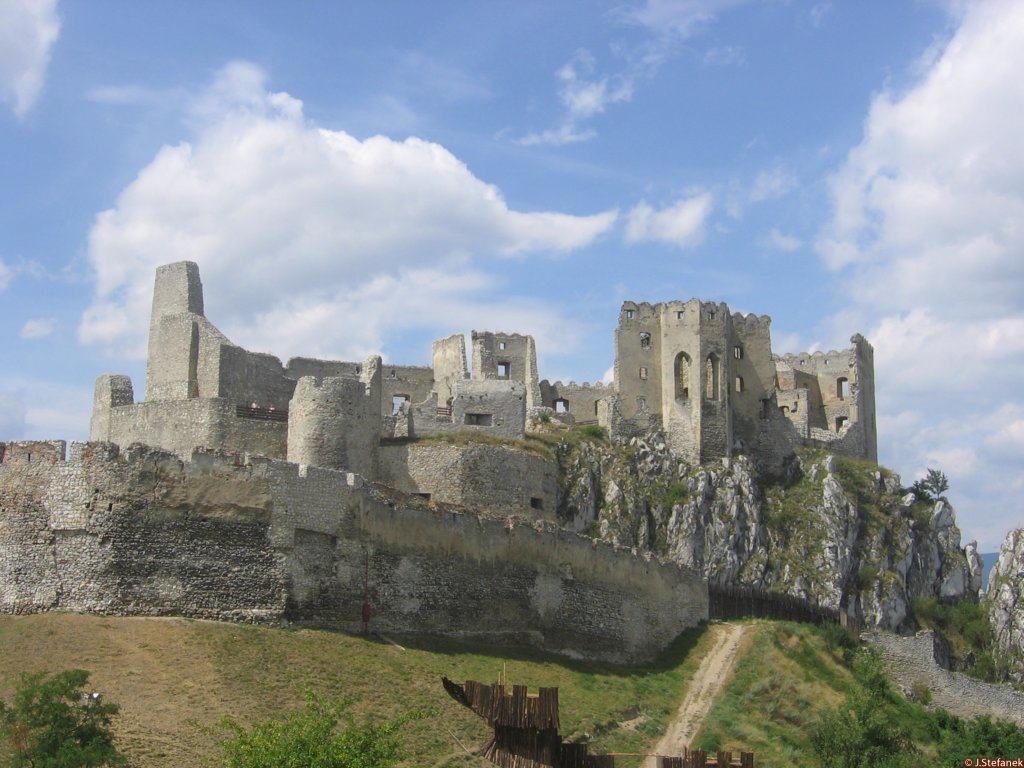
Beckov
Beckov
12.5km
castle ruin
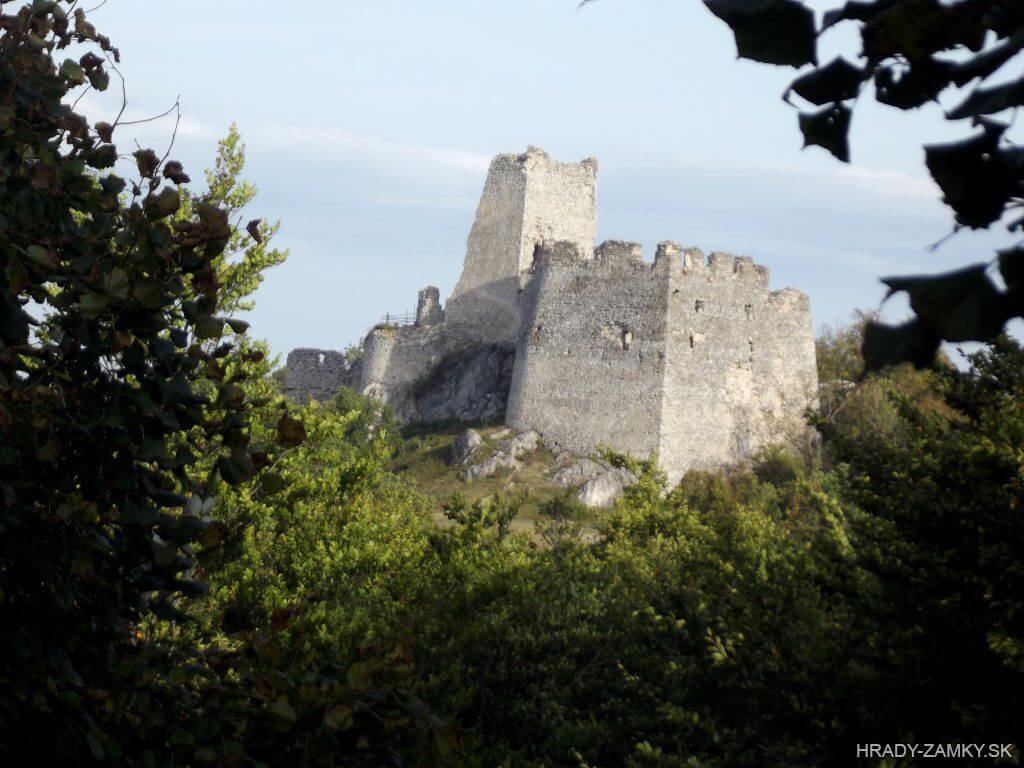
Tematín
obec Hrádok
13.4km
castle ruin
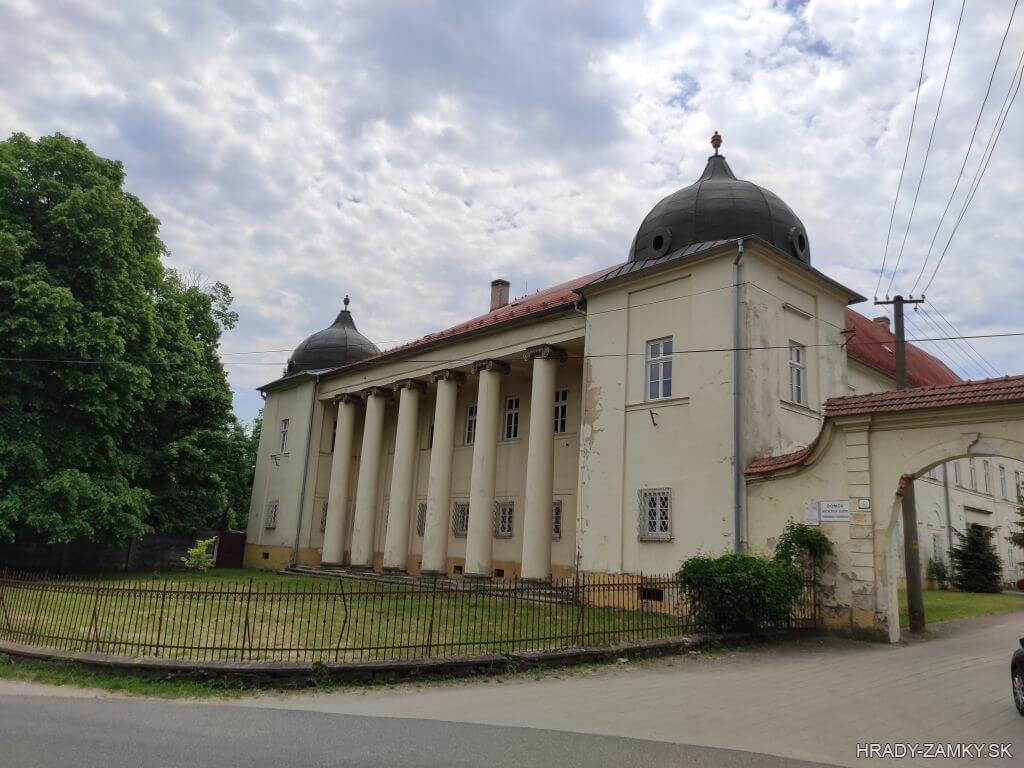
Zemianske Podhradie
Zemianske Podhradie
13.9km
manor, mansion
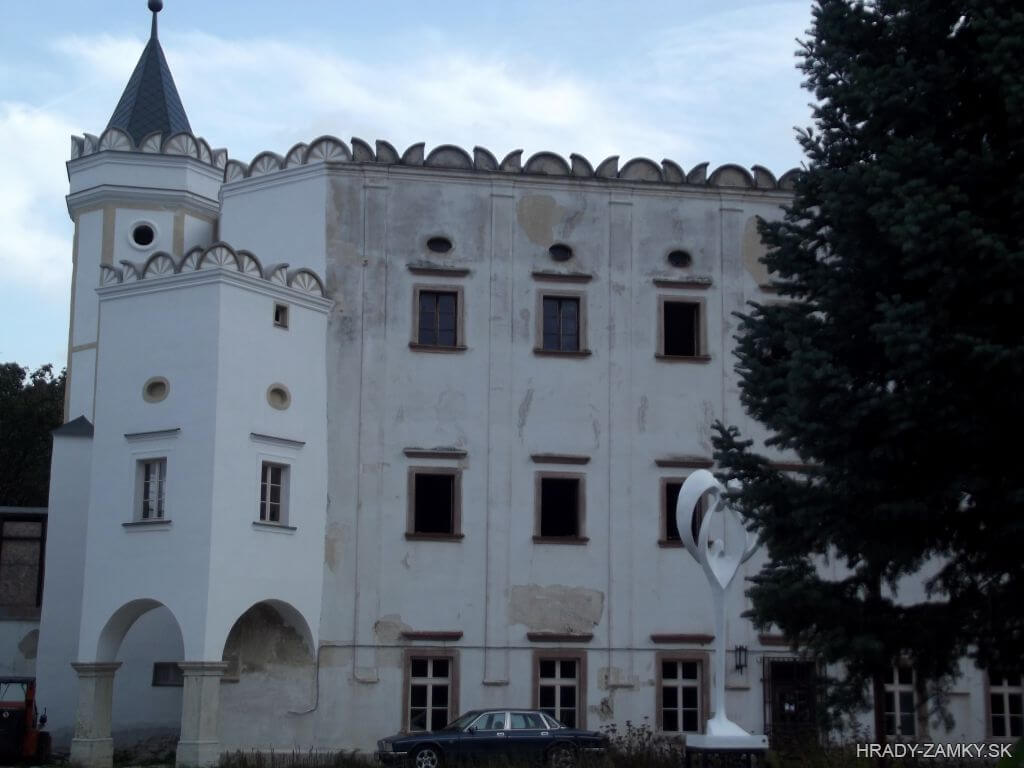
Moravany nad Váhom
Moravany nad Váhom
15.4km
manor, mansion

Chtelnica
Chtelnica
20.2km
manor, mansion
Dobrá Voda
Dobrá Voda
21.4km
castle ruin