Pogány Castle in Păclișa
Comuna Totești Județul Hunedoara Romania
castle, chateau
Castelul Pogány
Comuna Totești Județul Hunedoara Romania
castle, chateau
Pogány-kastély (Poklisa)
Comuna Totești Județul Hunedoara Romania
castle, chateau
Unfortunately, data about the history of the origins of the Pogány-castle are very incomplete
Castelul Pogány din Păclișa, județul Hunedoara a fost construit, în stil baroc, în jurul anului 1800
Sajnos a poklisai Pogány-kastély építéstörténetéről nagyon hiányosak az adatok, a művészettörténeti értékében nem kimagasló épületet teljesen kihagyta a szakirodalom
Previous names
Pogány Castle in Păclișa, Castelul Pogány, Pogány-kastély (Poklisa)
Description
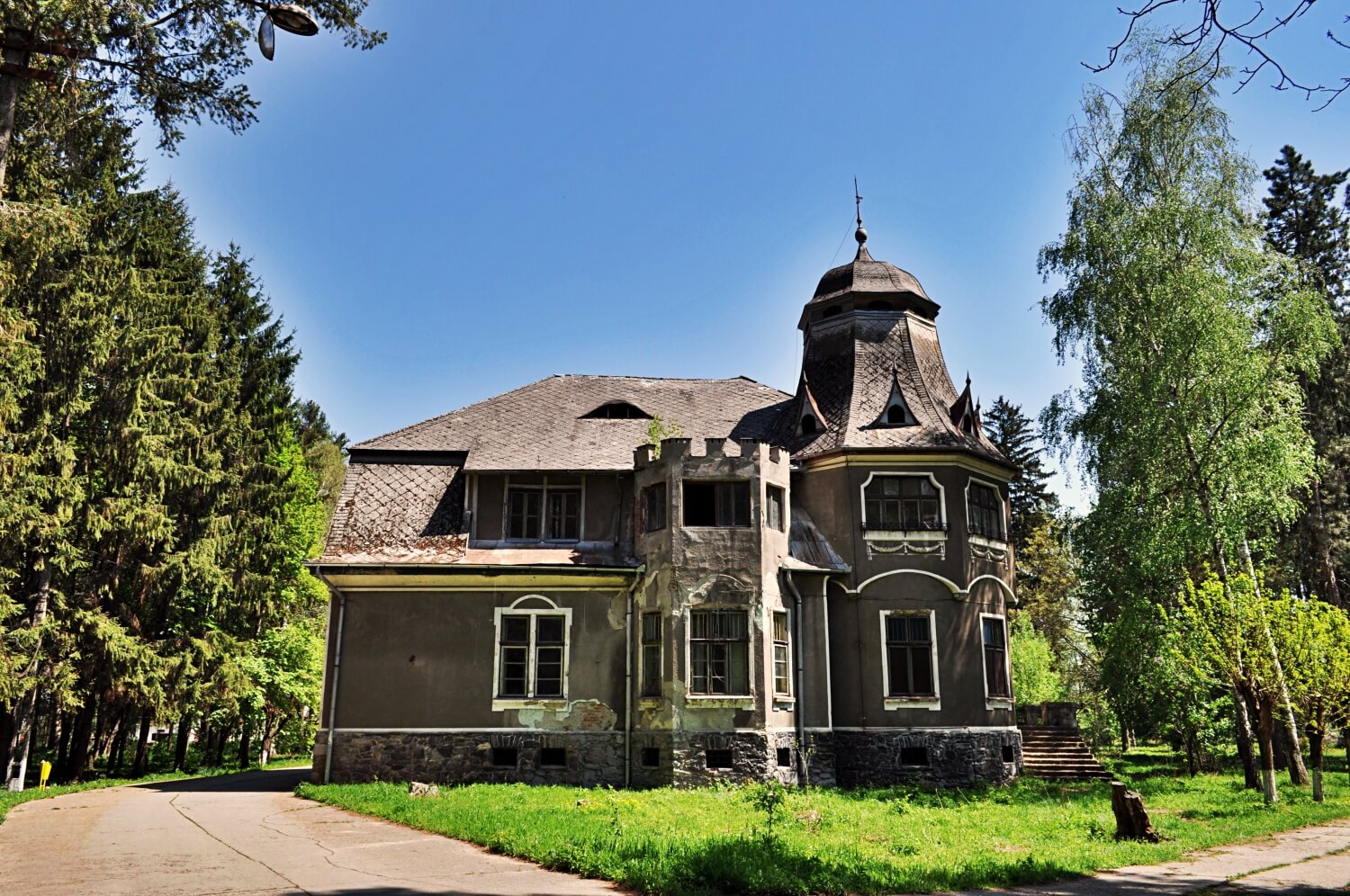
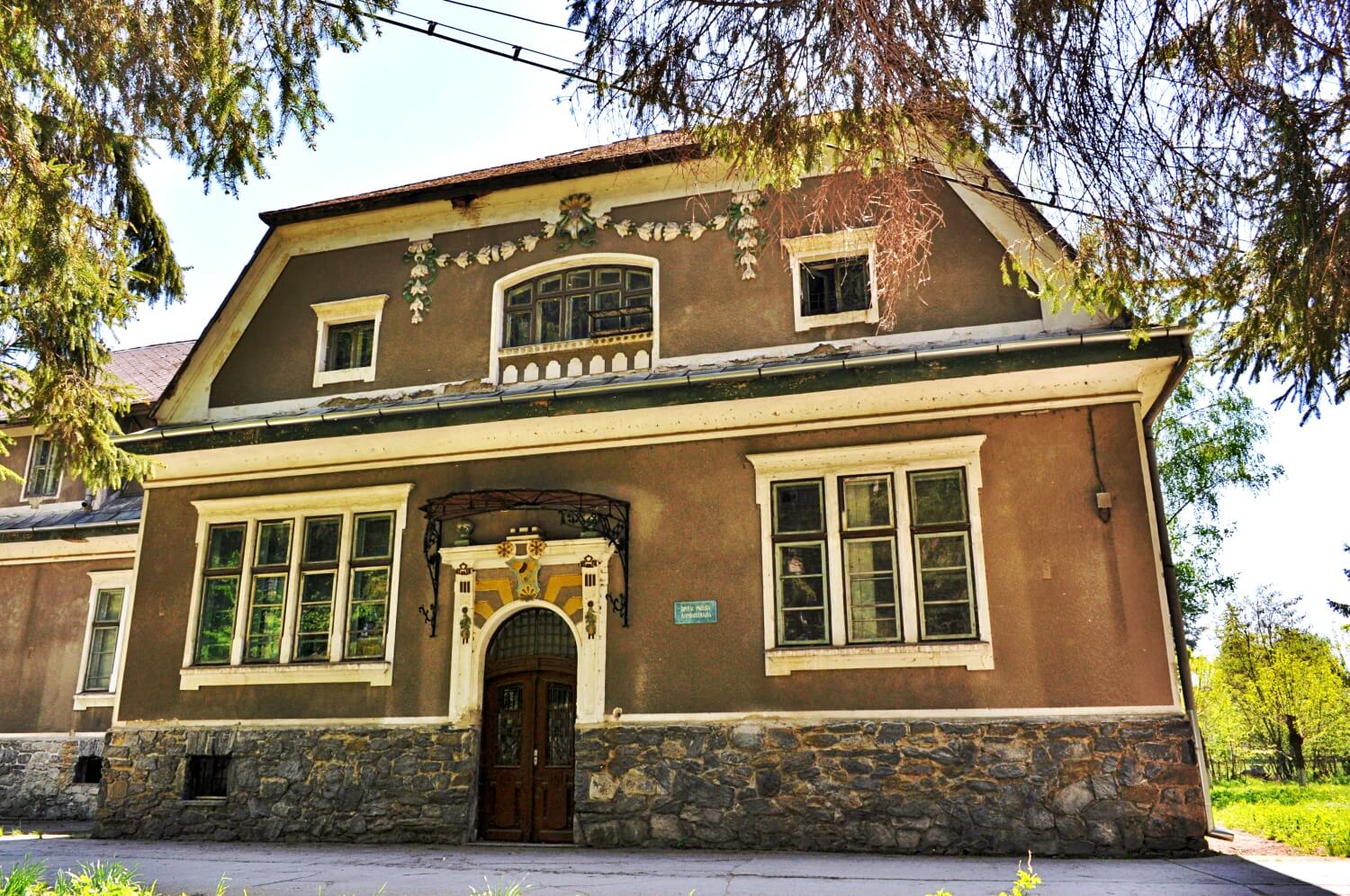
Unfortunately, data about the history of the origins of the Pogány-castle are very incomplete. The building without outstanding artistic values, has been neglected by the art historians. It is only presumed, that this property belonged to the Pogány family from Clopotiva in the 19th century, especially Pogány György, and his son, Pogány Károly can be assumed to have had close connections to this castle.
György was still a student in the 1830s at Aiud, but already before the revolution from 1848, he had become the vice-count of Alba de Jos County. He was the one, who captured Varga Katalin, the leader of the mineworkers’ movement from the “Metaliferi” Mountains in 1847. In 1858 he became a judge, and in 1961 ha was already the count of the Alba de Jos County. His son, Károly (1848-1925) was born in Aiud, he finished his primary and secondary education in his hometown, and then he attended the law school in Budapest. Between the years 1875-1901 he was elected member of the Parliament several times.
The two-storey castle, with a mansard roof and corner-tower, lies on an 18 acred estate, in the middle of a park established in the second half of the 19th century. The park is crossed by a river, and near the castle one can find a fishpond as well. The building, which has an irregular ground-plan, has been constructed in several phases. The castle in its today’s form was most probably built in the second half of the 19th century by rebuilding and complementing an already existing part of the edifice dating from the 18th century. After the nationalization process, the building hosted the office of a rehabilitation center for handicapped children. The latest partial renovation processes took place in the 1990s, but the building still needs more work to be done.
The estate has been restored to the family’s living offspring, Pogány György, who is living in Aiud.
https://castleintransylvania.ro/
Castelul Pogány din Păclișa, județul Hunedoara a fost construit, în stil baroc, în jurul anului 1800. Figurează, împreună cu parcul proprietății, pe noua listă a monumentelor istorice sub codul LMI: HD-II-a-A-03402.
Istoric și trăsături
Castelul Pogány din Păclișa, județul Hunedoara, se află la aproximativ 15 km de Parcul Național Retezat, și la 6 km de Hațeg. Castelul, construit la începutul secolului al XIX-lea, este dispus pe două niveluri și conține 22 de camere. Edificiul este înconjurat de un parc, străbătut de un pârâu, cu alei pentru plimbări. Fiind construit în secolul al XIX-lea, clădirea se încadrează în stilul baroc.
După cel de-al doilea război mondial, castelul a fost ocupat de armata rusă care a construit în incinta acestuia o cazarmă pentru soldați. În prezent ansamblul găzduiește Spitalul de Neuropsihiatrie Infantilă ”Dr. V. Ilea”, castelul fiind folosit de spital ca și sediu de administrație.
Unele lucrări de reabilitare au fost efectuate la începutul anilor 90, iar începând cu 2001, o nouă serie de lucrări au fost demarate.
Sajnos a poklisai Pogány-kastély építéstörténetéről nagyon hiányosak az adatok, a művészettörténeti értékében nem kimagasló épületet teljesen kihagyta a szakirodalom. Csak feltételezni lehet, hogy az itteni birtokkal a klopotivai Pogányok XIX. századi családtagjai hozhatók összefüggésbe, ezek közül Pogány György és fia, Pogány Károly igényelnek különösen nagy figyelmet.
György a 30-as években még nagyenyedi diák volt, de a forradalom előtti időszakban már ő Alsó-Fehér vármegye alispánja. 1847-ben ő fogatta el az Érchegység-beli bányászmozgalom vezetőjét, Varga Katalint, 1858-ban törvényszéki elnök, 1961-ben pedig a vármegye főispánja lett. Fia, Károly (1848-1925) Nagyenyeden született, szülővárosában tanult, majd Budapesten tanult jogot. 1875-1901 között többször is országgyűlési képviselő volt.
A kétszintes, saroktornyos, manzárdtetős kastély egy 18 hektáros, a XIX. század második felében kialakított park közepén fekszik. A parkot egy patak szeli át, a kastély közelében pedig kisebb halastó van. A szabálytalan alaprajzú épület láthatóan több szakaszban épült, feltehetően egy korábbi, 18. századi épületrész felhasználásával, kiegészítésével kapta mai alakját a XIX. század végén. Az államosítás után fogyatékos gyerekek rehabilitációs központjának irodájaként használták. Legutóbbi, részleges felújítására az 1990-es években került sor, de jelenleg is felújításra szorulna.
A birtokot visszakapta a család Nagyenyeden élő leszármazottja, Pogány György.
https://kastelyerdelyben.ro/
Useful information
Free
Closed for visiting
-
-
Nearby castles
Nopcsa Castle (Săcel)
Santamaria - Orlea
3.7km
castle, chateau
Nalatzi-Fay Castle
Hateg
5.2km
castle, chateau
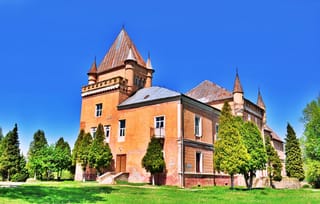
Kendeffy Castle
Santamaria - Orlea
7.3km
castle, chateau
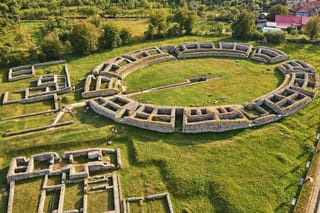
Ulpia Traiana Sarmizegetusa
Comuna Sarmizegetusa
8.9km
castle, chateau
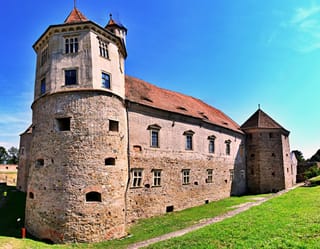
Colț Fortress
Comuna Râu de Mori
9.4km
fortress
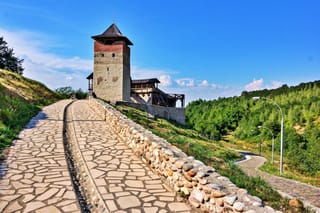
The Mălăiești Fortress
Salasu de Sus
10.3km
fortress
Corvin Castle
Municipiul Hunedoara
20.8km
castle, chateau