Corvin Castle
Municipiul Hunedoara Județul Hunedoara Romania
castle, chateau
Castelul Corvinilor (Huniazilor)
Municipiul Hunedoara Județul Hunedoara Romania
castle, chateau
Vajdahunyadi vár
Municipiul Hunedoara Județul Hunedoara Romania
castle, chateau
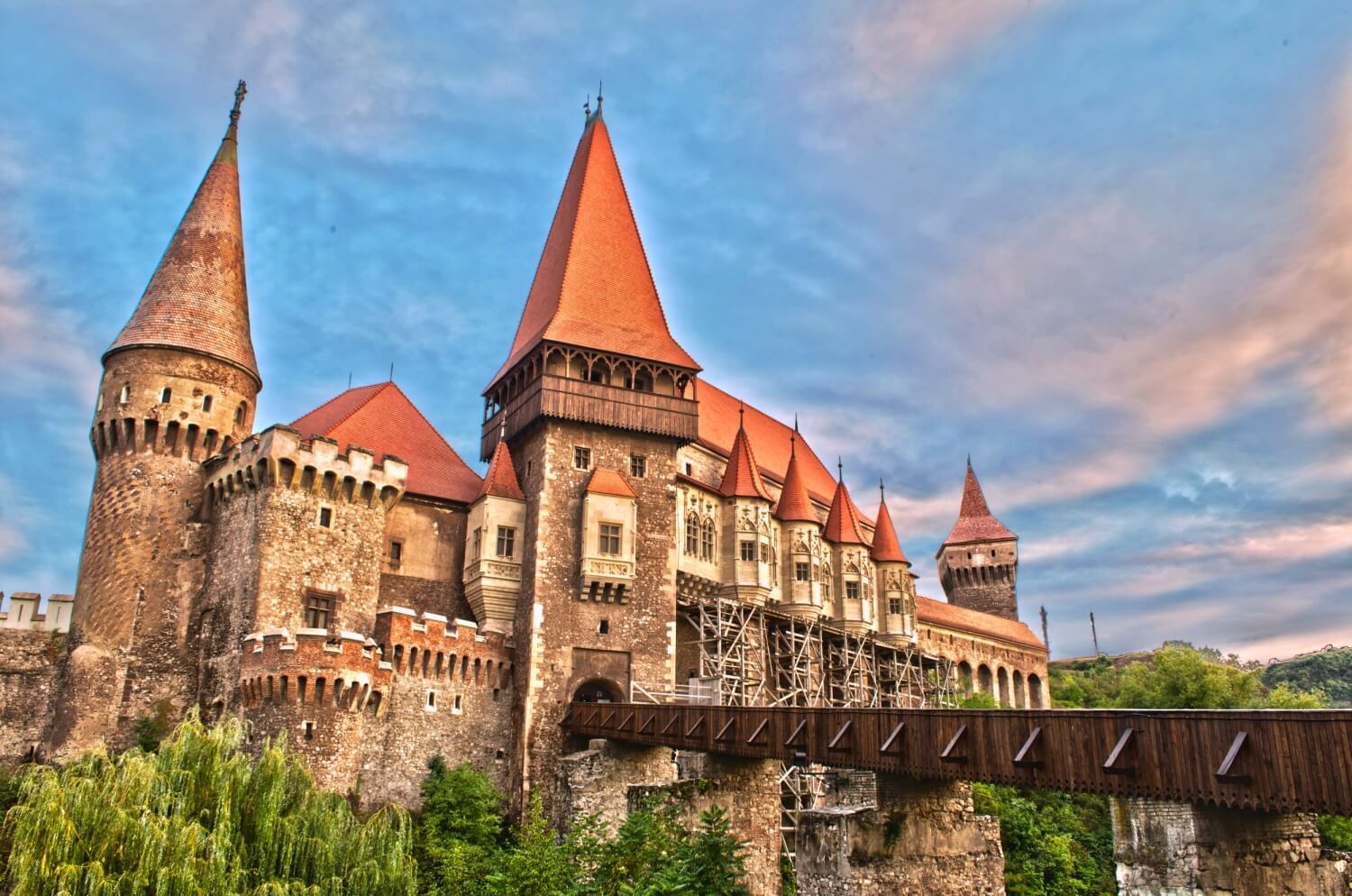
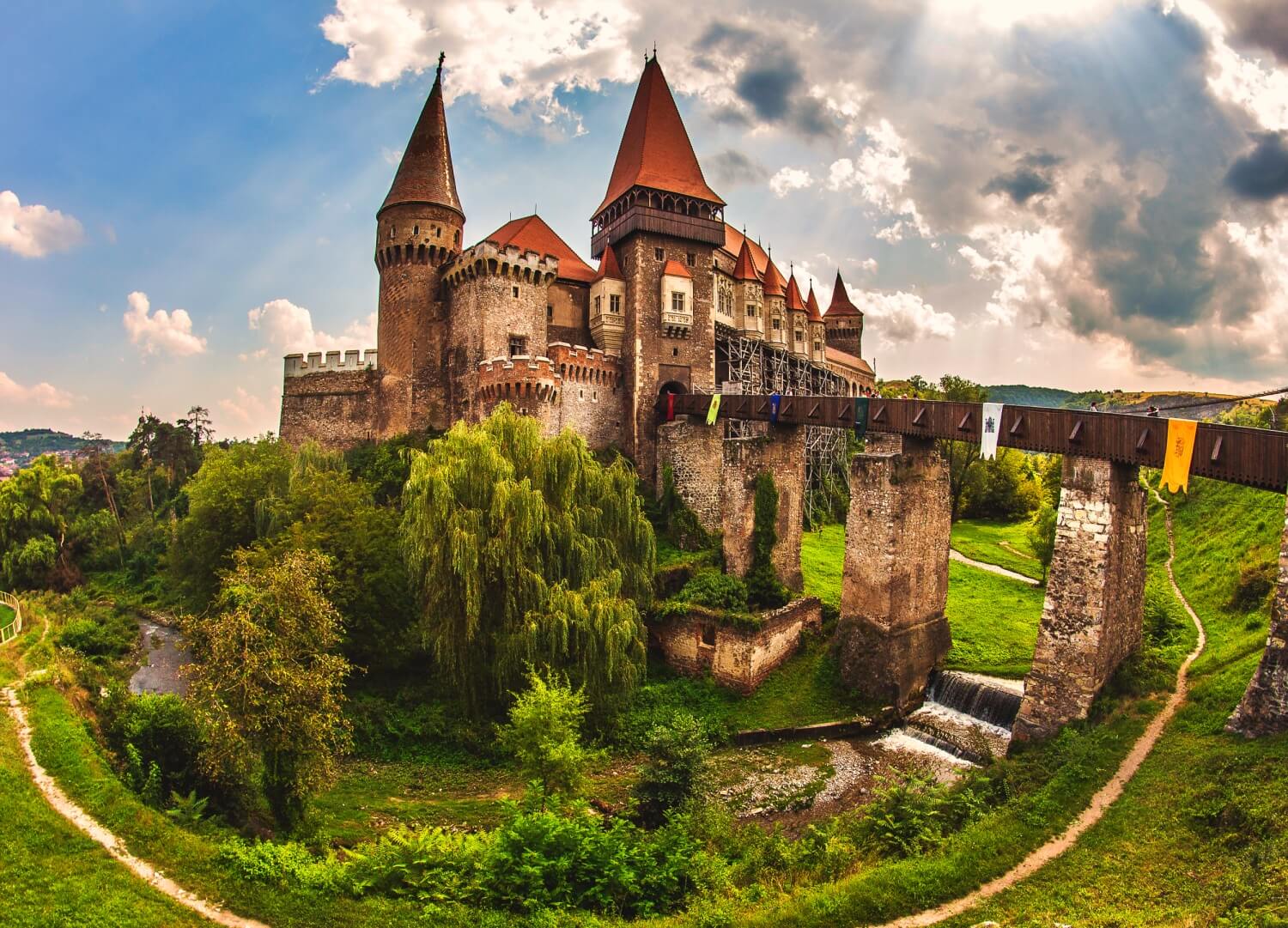
Corvin Castle, also known as Hunyadi Castle or Hunedoara Castle, is a Gothic-Renaissance castle in Hunedoara, Romania
Castelul Corvinilor, numit și Castelul Huniazilor sau al Hunedoarei, este cetatea medievală a Hunedoarei, unul din cele mai importante monumente de arhitectură gotică din România
A vajdahunyadi vár középkori eredetű vár a romániai (erdélyi) Vajdahunyadon
Previous names
Corvin Castle, Castelul Corvinilor (Huniazilor), Vajdahunyadi vár
Description
Corvin Castle, also known as Hunyadi Castle or Hunedoara Castle, is a Gothic-Renaissance castle in Hunedoara, Romania. It is one of the largest castles in Europe and is featured as one of the Seven Wonders of Romania.
History
Corvin Castle was laid out in 1446, when construction began by order of Voivode of Transylvania John Hunyadi (Hungarian: Hunyadi János, Romanian: Iancu or Ioan de Hunedoara), who wanted to transform the former keep built by Charles I of Hungary. The castle was originally given to John Hunyadi's father, Voyk (Vajk), by Sigismund of Luxembourg, king of Hungary and Croatia, as severance in 1409. It was also in 1446 that John Hunyadi was elected as the regent governor by the Diet.
Built in a Renaissance-Gothic style and constructed over the site of an older fortification on a rock above the smaller Zlaști River, the castle is a large and imposing structure with tall towers, bastions, an inner courtyard, diversely coloured roofs, and myriad windows and balconies adorned with stone carvings. The castle also features a double wall for enhanced fortification and is flanked by both rectangular and circular towers, an architectural innovation for the period's Transylvanian architecture. Some of the towers (the Capistrano Tower, the Deserted Tower and the Drummers' Tower) were used as prisons. The Buzdugan Tower (a type of mace after which it was named) was solely built for defensive purposes and it had its exterior decorated with geometric motifs. The rectangular-shaped towers have large openings to accommodate larger weapons.
The castle has three large areas: the Knight's Hall, the Diet Hall and the circular stairway. The halls are rectangular in shape and are decorated with marble. The Diet Hall was used for ceremonies or formal receptions whilst the Knight's Hall was used for feasts. In 1456, John Hunyadi died and work on the castle stagnated. Starting with 1458, new commissions were being undergone to construct the Matia Wing of the castle. In 1480, work was completely stopped on the castle and it was recognised as being one of the biggest and most impressive buildings in Eastern Europe.
The 16th century did not bring any improvements to the castle, but during the 17th century new additions were made for aesthetic and military purposes. Aesthetically, the large new palace was built facing the town. A two-level building, it hosted living chambers and a large living area. For military purposes, two new towers were constructed: the White Tower and the Artillery Tower. Also, the external yard was added for administration and storage.
The current castle is the result of a fanciful restoration campaign undertaken after a disastrous fire and many decades of total neglect. It has been noted that modern "architects projected to it their own wistful interpretations of how a great Gothic castle should look".
Description
As one of the most important properties of John Hunyadi, the castle was transformed during his reign. It became a sumptuous home, not only a strategically enforced point. With the passing of the years, the masters of the castle had modified its look, adding towers, halls and guest rooms. The gallery and the keep - the last defense tower (called "Neboisa" which means "Don't be afraid" in Serbo-Croatian language), which remained unchanged from John Hunyadi's time, and the Capistrano Tower (named after the saint, Franciscan friar from the Battle of Belgrade in 1456) are some of the most significant parts of the construction. Other significant parts of the building are the Knights' Hall (a great reception hall), the Club Tower, the White bastion, which served as a food storage room, and the Diet Hall, on whose walls medallions are painted (among them there are portraits of Matei Basarab, rulers from Wallachia, and Vasile Lupu, ruler of Moldavia). In the wing of the castle called the Mantle, a painting can be seen which portrays the legend of the raven from which the name of the descendants of John Hunyadi, Corvinus came.
Legacy
Tourists are told that it was the place where Vlad the Impaler, Prince of Wallachia, was held prisoner by John Hunyadi, Hungary's military leader and regent during the King's minority. Later, Vlad III entered a political alliance with John Hunyadi, although the latter was responsible for the execution of his father, Vlad II Dracul. Because of these links, the Hunedoara Castle is sometimes mentioned as a source of inspiration for Castle Dracula in Bram Stoker's 1897 horror novel Dracula. In fact, Stoker neither knew about Vlad's alliance with Hunyadi, nor about Hunyadi's castle. Instead, Stoker's own handwritten research notes confirm that the novelist imagined Castle Dracula to be situated on an empty top in the Transylvanian Călimani Mountains near the former border with Moldavia.
In the castle yard, near the 15th-century chapel, there is a 30-metre deep (98 ft) well. According to the legend, this fountain was dug by 3 Turkish prisoners to whom liberty was promised if they reached water. After 15 years they completed the well, but their captors did not keep their promise. It is said that the inscription on a wall of the well means "you have water, but not soul". Specialists, however, have translated the inscription as "he who wrote this inscription is Hasan, who lives as slave of the giaours, in the fortress near the church".
The final action sequence of the 2015 Bollywood movie Singh Is Bling starring Akshay Kumar was shot at the castle.
In 2018, the castle was used as the "Cârța Monastery" in the horror movie The Nun.
Castelul Corvinilor, numit și Castelul Huniazilor sau al Hunedoarei, este cetatea medievală a Hunedoarei, unul din cele mai importante monumente de arhitectură gotică din România.
Este considerat unul dintre cele mai frumoase castele din lume, fiind situat în „top 10 destinații de basm din Europa”.
Castelul Hunedoarei este cea mai mare construcție medievală cu dublă funcționalitate (civilă și militară) din România aflată încă „în picioare”.
Istoric
Castelul a fost ridicat în secolul al XV-lea de Iancu de Hunedoara pe locul unei vechi întărituri, pe o stâncă la picioarele căreia curge pârâul Zlaști. Este o construcție impunătoare, prevăzută cu turnuri, bastioane și un donjon. Castelul a fost restaurat și transformat în muzeu.
Cetatea a fost una dintre cele mai mari și vestite proprietăți ale lui Iancu de Hunedoara. Construcția a cunoscut în timpul acestuia însemnate transformări, servind atât drept punct strategic întărit, cât și drept reședință feudală. Cu trecerea anilor, diverșii stăpâni ai castelului i-au modificat înfățișarea, îmbogățindu-l cu turnuri, săli și camere de onoare. Galeria și donjonul . Ultimul turn de apărare (turnul „Ne boisa” = Nu te teme), rămase neschimbate de pe timpul lui Ioan de Hunedoara, precum și Turnul Capistrano (după numele lui Ioan de Capistrano, un vestit călugăr franciscan) reprezintă câteva dintre cele mai semnificative părți ale construcției. Mai pot fi amintite Sala Cavalerilor (o mare încăpere de recepții), Turnul buzduganelor, Bastionul alb care servea drept depozit de bucate și Sala Dietei, având medalioane pictate pe pereți (printre ele se găsesc și portretele domnilor Matei Basarab din Țara Românească și Vasile Lupu din Moldova). În aripa castelului numită Matia se mai deslușește destul de vag, o pictură referitoare la legenda cu corbul de la care se zice că își trag numele urmașii lui Ioan de Hunedoara (Corvini). În curtea castelului, alături de capela zidită tot în timpul lui Ioan de Hunedoara, se află o fântână adâncă de 30 de metri. Conform legendelor, această fântână ar fi fost săpată de trei prizonieri turci, cărora li s-a promis libertatea dacă vor ajunge la stratul de apă. Dar după 15 ani de trudă, când au terminat fântâna, stăpânii nu s-au ținut de cuvânt. Se spunea că inscripția de pe zidul fântânii înseamnă „Apă ai, inimă n-ai!”. În realitate, conținutul descifrat de specialiști este Cel care a scris această inscripție este Hasan, care trăiește ca rob la ghiauri, în cetatea de lângă biserică.
Localizare
Accesul la Castelul Corvinilor se poate realiza pe DN7 (E15) până în dreptul localității Sântuhalm, dinspre est sau vest, iar de acolo urmând DJ 687 până în orașul Hunedoara. Intrarea se face dinspre localitatea Sântuhalm urmând bulevardele Traian, Republicii și Libertății.
În prezent
În anul 2014, castelul a fost vizitat de peste 230.000 de turiști. În 2015, Castelul Corvinilor a avut 287.000 de vizitatori, în 2016 a fost vizitat de 300.193 turiști. În 2017, monumentul istoric din Hunedoara a primit vizita a 69.000 de oameni. În 2018, Castelul Corvinilor a înregistrat peste 351.000 de turiști.
A vajdahunyadi vár középkori eredetű vár a romániai (erdélyi) Vajdahunyadon. Mikszáth Kálmán „a várak királyának” nevezte.
Története
1409. október 18-án kelt oklevelében Luxemburgi Zsigmond Vajk (Woyk) kenéznek, Hunyadi János apjának adományozta a hunyadi birtokot, amelyről később a család a nevét is vette. A család ezután építette a mai vár elődjét, birtokközpontul. Hunyadi János kormányzósága alatt a várban élt felesége, Szilágyi Erzsébet. Az apjától örökölt kicsiny erősséget Hunyadi János ekkor építette ki rangjához méltó lovagvárrá.
Később két jelentős építési periódus formálta a várat: Bethlen Gábor 17. század eleji és Zólyomi Dávidné század közepi átalakításai.
1618-ban került az iktári Bethlen család tulajdonába. Bethlen Gábor átalakíttatta és külső védművekkel erősíttette meg a várat, majd az uradalommal együtt unokaöccsének, Bethlen Istvánnak adományozta. Annak 1632-es halála után rövid ideig felesége, Széchy Mária lakta. 1648-ban Zólyomi Dávidné Bethlen Katalin szerezte meg.
Egyik épülete 1685-ben „vasas ház”-ul, azaz vasraktárként szolgált.
1725-től a kincstári uradalom hivatalai kaptak benne helyet. A várat utoljára 1784-ben használták katonai célra, amikor a vármegyei nemesség nagy része itt talált védelmet a Horea-felkelés elől.
1807-es látogatásakor I. Ferenc elrendelte felújítását, de a munkálatoknak 1818-ban egy villámcsapás okozta tűz vetett véget. A szabadságharc után a járási hivatalok is a várban működtek. 1854-ben ismét tűz pusztította.
1868-ban Arányi Lajos népszerűsítő kampánya nyomán közadakozásból kezdték meg az évtizedekig elhúzódó helyreállítást. Eredetileg Rudolf főhercegnek szánták, a magyar nemzet ajándékaként. A helyreállítást előbb Schulcz Ferenc, majd 1870 és 1874 közt Steindl Imre irányította. Ők a kor felfogása szerint egységesen gótikus stílusúvá igyekeztek „visszaalakítani” a várat. Egyes részeket megsemmisítettek vagy kiemeltek és helyükre újakat toldottak be (ezeket a változtatásokat később részben kijavították). Steindl alakította ki a tetők mai formáját. Tudományos igényű restaurálása Möller István nevéhez köthető (1907–1913). 1956 óta ismét folyamatos helyreállítási munkák zajlanak a várban.
A vár belépőjegy ellenében látogatható. Belső tereiben történelmi, régészeti és néprajzi tárgyakat állítanak ki.
Az 1896-os millenniumi kiállítás Alpár Ignác által tervezett Történelmi Épületcsoportja jelentős részben a vajdahunyadi vár részleteinek utánzatából áll. Az ún. Vajdahunyad vára előbb fából épült föl a budapesti Városligetben, majd a nagy siker miatt Alpár 1908-ig kőből újraépítette. Tartalmazza többek között a Nebojsza-torony és a Mátyás-loggia másolatát.
A vár bejárása
Négy hatalmas pillérre támaszkodó fahíd vezet át a Zalasd által kivájt mély és széles árkon. Baloldalt, a város felőli parton építtette Bethlen a huszárvárat, amelyben hajdan raktárak, a tiszttartók helységei és a vadászkutyák óljai álltak. A Kaputorony az 1440-es években épült, korábban a bejárás pont az ellenkező oldalon, a várudvar déli sarkában található Ókaputornyon át esett a várba. A Kaputoronyból nyílik a lejárás a kazamatákba.
Nyugati oldalán húzódik a vár palotaszárnya, amely Hunyadi János alatt épült. Ennek alsó szintjét a lovagterem foglalja el, falán 17. századi freskóval. A felső szinten található az ún. Országház, nevével utalva rá, hogy Hunyadi kormányzósága idején itt zajlottak le a fontosabb tárgyalások. Bethlen a Kaputorony és a palotaszárny közötti, korábbi védelmi teret „asszonyház”-zá építette át. A palotaszárny külső, erkélyes-fiatornyos szerkezetét a korábbi, védelmi célú építmények felhasználásával alakították ki.
A Kaputorony keleti oldalán kívülről a Buzogány-torony és a Corvin János-bástya zárja le az ún. Aranyházat, amelynek belső falához 1458 után Szilágyi Erzsébet építtette a Mátyás-loggiát: ez az első fennmaradt reneszánsz építmény Erdélyben. Rajta korabeli, késő gótikus freskó látható.
Az Aranyházhoz délnyugatról csatlakozik a várkápolna. Ez eredetileg 1442 és 1446 között épült, de Bethlen jelentősen átépítette. Arrébb tolta a boltozatot, belső összeköttetést létesítve az Aranyházzal. Az Aranyház és a várkápolna alá Bethlen kívülről ágyúteraszt építtetett.
A várkápolna délnyugati oldalánál egy kisebb udvaron áll a vár kútja, melynek kávájára egy török rab a 16. század közepén, arab betűkkel a következő török nyelvű feliratot véste: „ezt Hasszán írta, a gyaurok foglya a templom melletti várban”. A vár keleti oldalának további szakaszát a Bethlen-szárny foglalja el. Ezt a 19. századi helyreállításkor Rudolf főherceg személyes céljaira szánták. Belső felén látható a Steindl-féle beavatkozások ma is látható legjelentősebbike: a neogótikus loggia.
A szárny külső, északkeleti sarkán áll a Hímes-torony. Az egész várat a déli oldalon kívülről a Fehér-rondella zárja le. A délnyugati rész az ún. Királyház, melyet Zólyomi Dávidné építtetett. Belső oldalán a csigalépcsőt rejtő Királylépcső-toronynyal, külső oldalán pedig a Kapisztrán-toronynyal kapcsolódik a palotaszárnyhoz. Az egyetlen kandalló, amely a középkori Magyar Királyság idejéből fennmaradt, a Kapisztrán-toronyban található. A Kapisztrán-toronyból felvonóhídon keresztül közelíthették meg a védők ostrom esetén a vártól 35 méterre lévő Nebojsza-tornyot. A név jelentése szerbül: „Ne félj!” A Hunyadi idején fölépült ötszintes külső erődöt utolsó menedéknek szánták arra az esetre, ha az ostromlók behatoltak volna a várba. Gyilokjáró vezet hozzá.
Useful information
10.00 RON
36.00 RON
Students: 7.00 RON
Seniors: 17.00 RON
0 - 5 years: free
28.00 RON
Students: 5.00 RON
Seniors: 12.00 RON
- WC
- WiFi
- Information tables
contact@castelulcorvinilor.ro
- Pets are not allowed
- Photo: 5.00 RON
- Guided tours in forein languages: 67.00 RON
- Accessible for wheelchairs
-
-
External links
Nearby castles
Magna Curia Castle
Municipiul Deva
15.2km
castle, chateau
Fortress of Deva
Deva
15.5km
fortress
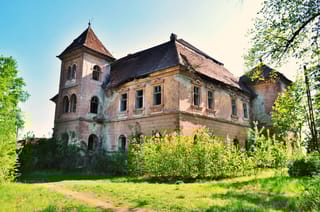
Nalatzi-Fay Castle
Hateg
17.9km
castle, chateau
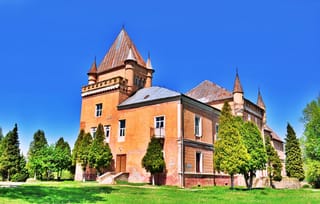
Kendeffy Castle
Santamaria - Orlea
18.9km
castle, chateau
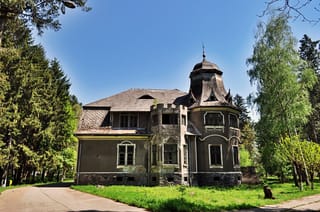
Pogány Castle in Păclișa
Comuna Totești
20.8km
castle, chateau
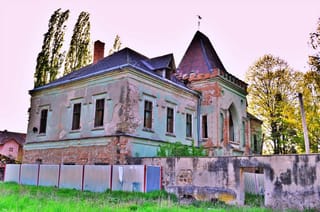
Nopcsa Castle (Săcel)
Santamaria - Orlea
21.1km
castle, chateau