Kendeffy Castle
Santamaria - Orlea Hunedoara Romania
castle, chateau
Castelul Kendeffy
Santamaria - Orlea Hunedoara Romania
castle, chateau
Kendeffy-kastély (Őraljaboldogfalva)
Santamaria - Orlea Hunedoara Romania
castle, chateau
Kendeffy Castle is located in Sântămăria Orlea, Hunedoara County, being built by the Kendeffy family in 1782
Castelul Kendeffy se află în localitatea Sântămăria Orlea din județul Hunedoara
A kastély északi, központi tömbjén nyílik a főbejárat
Previous names
Kendeffy Castle, Castelul Kendeffy, Kendeffy-kastély (Őraljaboldogfalva)
Description
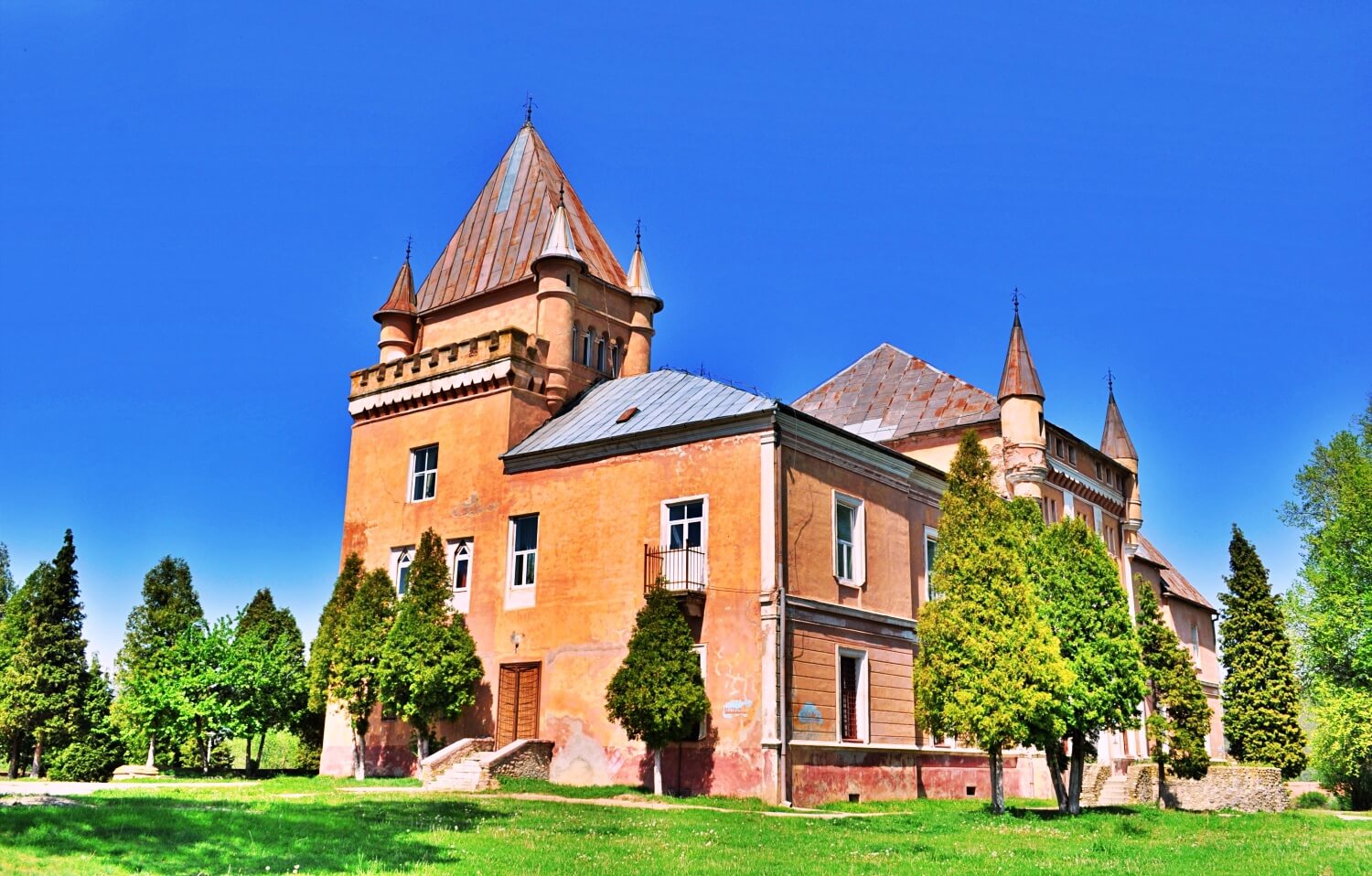
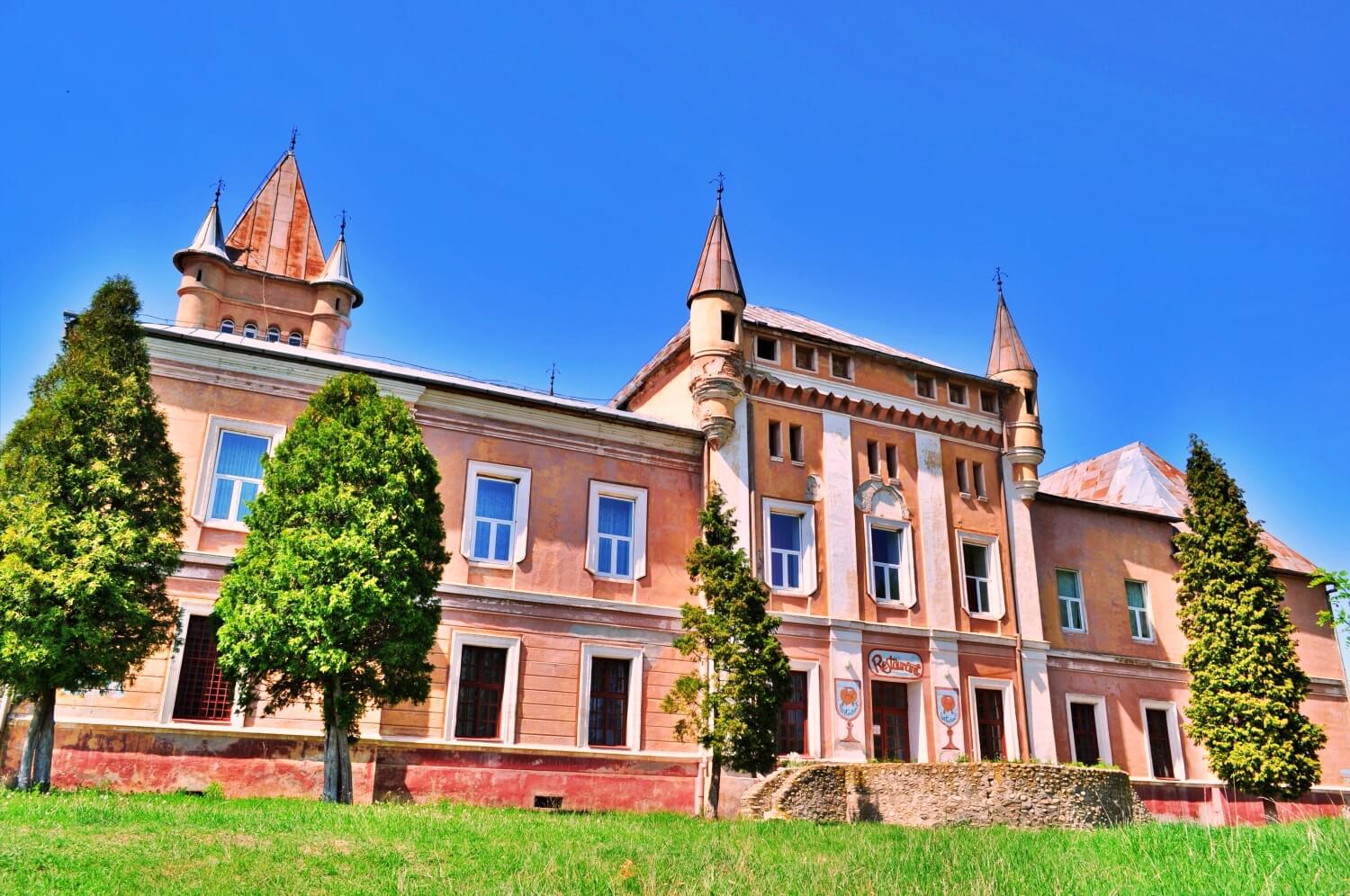
Kendeffy Castle is located in Sântămăria Orlea, Hunedoara County, being built by the Kendeffy family in 1782. Kendeffy was a family of very rich nobles at that time, who needed a residence in Țara Hațegului. The beautiful building was nationalized in 1946 by the communists, and in 1982 the castle was taken over by the Hunedoara county administration and transformed into a hotel. The castle is listed on the list of historical monuments in Hunedoara County (2010). Kendeffy Castle is one of the most beautiful castles in Transylvania and was built in 1782 by Count Elek Kendeffy, a member of a family of very rich nobles. The access can be made from the national road Simeria - Hațeg - Petroșani that crosses the village Sântămăria-Orlea, in the center of the village on the right on the road to Vadu and Săcel. The castle is private property.
The history of the Kendeffy family
The Kendeffy family was of Cumanian origin, the first documentary attestation of which dates from 1236. Ioan, son of Kende from Râu de Mori, was exempted from any princely service by the Transylvanian voivode in 1406, and in 1415 he already had noble privilege. King Sigismund gives a coat of arms to the aforementioned Ioan.
Ioan had two sons, so the family split into two branches, the Kendeffy and the Kenderessy. Both brothers received the broadsword right from King Matthias Corvinus. The raising of the family politically and economically was possible especially through marriages, carried out with members of the families of high nobles, in this way the Kendeffy family procured large estates in the southern part of Hunedoara county, in the Haţeg region. The family owned three imposing residences in the area, including the castle from Sântămăria-Orlea, which had several construction phases. The first written proof of the constructions made at Sintămăria-Orlea is a contract from 1777, referring to the construction of the building. The commemorative plaque placed above the main entrance, which marks the date of 1782, also refers to this construction phase.
The beauty of the castle - past and present
Kendeffy Castle is located near the center of the village, rising above the road that connects the villages of Râu de Mori and Sântămăria-Orlea. The building has an almost rectangular plan and is composed of three units, and draws attention mainly due to its monumental tower. The castle, placed on a height delimited by a parapet built of stone and brick, and accessible by two ramps, has a predominantly neo-Gothic aspect, through the following architectural elements: the tower, the battlemented railing, vials, broken arched windows, the small balcony, and due to its asymmetrical composition. The old furniture of the castle has almost completely disappeared. Based on the written inventories and the few photographs from the period, it can be said that at the end of the 19th century carved oak pieces of furniture dominated, and in the rooms with representative function (such as the living room and the smoking room), on In addition to the pretentious furniture, a series of art objects, books, weapons, game trophies were on display. Using coats of arms and painted shields, the interiors tried to evoke the Middle Ages, this trend joining organically the romantic way in which the facades of the building were designed.
https://www.gohunedoara.com/
Castelul Kendeffy se află în localitatea Sântămăria Orlea din județul Hunedoara. A fost construit de către familia Kendeffy în 1782, o familie de nobili foarte bogați la acea vreme, care aveau nevoie de o reședință în Țara Hațegului. Edificiul a fost naționalizat în 1946 de către comuniști, iar din anul 1982 castelul a fost preluat de către administrația județeană Hunedoara și transformat în hotel.
Castelul este clasat pe lista monumentelor istorice din județul Hunedoara (2010) cu cod LMI HD-II-a-A-03446.
Istoric și trăsături
Familia Kendeffy este de origine cumană, prima mențiune documentară a familiei datând din secolul al XIII-lea. În secolul al XIV-lea, familia dobândește privilegii artistocratice; în anul 1462 Matei Corvin acordă astfel de privilegii fraților Kendeffy. Familia Kendeffy ajunge în rândul celor mai înstărite și influente familii din Comitatul Hunedoarei. În secolul al XVIII-lea, familia avea în proprietate trei castele. Castelul din Sântămăria-Orlea a fost construit în stil gotic, tot în secolul al XVIII-lea, de către contele Elek Kendeffy, pe locul fostului conac. La începutul secolului al XIX-lea, clădirea s-a extins, i s-a adăugat un manej, iar în a doua parte a acestui secol, Árpád Kendeffy îl transformă în stil neogotic. Transformarea a fost opera arhitectului József Schulz și a restauratorului și decoratorului Ferenc Storno.
A fost naționalizat în anul 1948, iar în anii 1960 s-au organizat tabere de vară în parcul castelului. În anii 1980 castelul a fost transformat în hotel.
Clădirea are un plan dreptunghiular, este compusă din trei unități, cel mai spectaculos find turnul monumental. Elementul cel mai spectaculos al fațadei principale este placa barocă, opera a sculptorului clujean József Hoffmayer, pe care se văd urmele blazoanelor familiilor Kendeffy și Bethlen, și inscripția referitoare la construcție: „AEDES/ QUAS HOSPES VIDES/ NON TAM OPERIS MOLE ET ORNATU/ QUAM/ QUIETATAE/ HABITATIONIS COMMODITATE/ ILLUSTRES/ DEO IPSO/ SUMMO ET EX SUPERANTISSIMO/ DIVINARUM HUMARUMOUE [sic!] RERUM/ RECTORE/ FATORUMQUE ARBITRO/ QUO SINE FRUSTRA LABORATUR/ AUXILIUMN [sic!] TE/ FELICITER CONSTITUIT/ ALEXIUS KENDEFI/ COMES DEI [sic!] MALOMVIZ/ SACR[AE] CAES[ARAE] REGIAEQ[UE] ET APOST[OLICAE]/ MAIEST[ATIS] IN SUMMO M[AGNI]. PRINCIP[ATUS] TRANSYLV[ANIAE]/ SENATU CONSILIARISQ[UE] ACT[UALIS] ET INT[IMUS]/ CUM CONIUGE CARISSIMA/ CHRISTINA BETHLENIA/ NATA COMITISSA/ EASQUE [sic!]/ DEO STATORI/ CARIS PIGNORIBUS ET AMICIS/ EX VOTO DICAVIT/ ANNO AE[RAE?/TATIS?] CH[RISTI] MDCCLXXXII”. (În traducere: Clădirea pe care o vezi, străine, nu se distinge datorită muncii enorme și prin decorațile sale, ci datorită liniștii și a confortului unei locuințe calme, pe care cu ajutorul Dumnezeului cel mare, directorul și apărătorul înțelept al treburilor divine și terestre, fără a cărui sfat orice muncă ar fi în zadar, a construit-o Elek Kendeffy, conte de Râu de Mori, consilierul intim al alteței sale imperiale și regale, și a marelui principe al Transilvaniei, cu soția sa iubită, contesa Krisztina Bethlen, cu copiii săi, au făgăduit-o pentru Dumnezeu în anul 1782).
După moda secolului al XIX-lea, Árpád Kendeffy și-a dorit amenajarea unui parc englez în jurul castelului, care a fost realizat de peisagistul Wilhelm Klensky. În parc se găsea o mare varietate de arbori, inclusive specii rare.
A kastély északi, központi tömbjén nyílik a főbejárat. A toronnyal aszimmetrikus kialakítást alkotó kastély központi része háromszintes, attikaemelettel záródik. Leglátványosabb részlete a bejárat fölött található barokk kőtábla a Kendeffy és Bethlen családok címereivel.
A kun származású Kendeffy-család a XIII. században tűnik fel először a forrásokban és a XIV. században már országos nemesi kiváltsággal rendelkeznek, majd Mátyás király 1462-ben pallosjogot is ad a Kendeffy testvéreknek. Hunyad vármegye egyik legbefolyásosabb, legnagyobb erdő- és földbirtokkal rendelkező családjainak sorába kerülnek. Politikai és gazdasági megerősödésükkel a XVIII. századra három kastélyt is birtokoltak. Az őraljaboldogfalvi kastélyt a XVIII. század második felében építették, Gróf Kendeffy Elek idején, frissen megszerzett grófi címét reprezentáló épületként. A korábbi udvarház helyén a XVIII. században egy barokk kastély épült, amely a későbbi évszázadokban számos átalakításon ment keresztül. A XIX. század elején lovardával is bővülő épület még szintén ennek a századnak a második felében Kendeffy Árpád idején neogótikus stílusban újjáépült. Végül 1946-ban államosították és az 1960-as évektől nyári táborokat működtettek a kastély parkjában, az épületet pedig az 1980-as években szállodává alakították. Egykori építtetőinek örökösei 2006-ban visszakapták.
A barokk kastély átalakítása Schulcz József építész és id. Storno Ferenc restaurátor, festő és belső dekorátor nevéhez fűződik. A téglalap alaprajzú, három egységből álló épület egyik legjellegzetesebb része a torony, lőréses mellvédjével, fiatornyaival, csúcsíves ablakaival. A négyszintes, sátortetővel fedett torony a nyugati oldalon emelkedik. A kastély északi, központi tömbjén nyílik a főbejárat. A toronnyal aszimmetrikus kialakítást alkotó kastély központi része háromszintes, attikaemelettel záródik. Leglátványosabb részlete a bejárat fölött található barokk kőtábla a Kendeffy és Bethlen családok címereivel. A központi részt és tornyot egy kétszintes épületegység választja el, amely a korábbi barokk épület térkiosztását követi. Az itt található termeket faragott gerendás famennyezet, fiókos dongaboltozat fedi. Az emeleten az egyik leglátványosabb rész, az ácsolt csúcsíves fa dongaboltozattal fedett díszterem, ahonnan szintén két faragott kazettás famennyezetes termekbe lehet eljutni. A kastély eredeti tölgyfából faragott bútorai mára sajnos nem maradtak meg.
A romantikus hangulatot azonban továbbra is megőrizte a kastély, nemcsak tömegkiképzésének köszönhetően, hanem annak az angolparknak is, amely körbeveszi azt. Kendeffy Árpád által megbízott Wilhelm Klensky tájépítész 1874-ben készítette el a park terveit. A kastély előtt egy terasz került kialakításra gótizáló parterekkel. Tovább haladva alvó Vénusz szobor, rózsalugas, pavilon kapott helyet, de egy mesterséges tó is kialakításra került. A park gazdag faállományával szoros egységben állt a kastéllyal, amelynek látványos hátteret biztosított a távoli Retyezát-hegység.
https://kastelyerdelyben.ro/
Useful information
Free
Information tables
The Castle is abandoned, no visiting
-
-
Nearby castles
Nalatzi-Fay Castle
Hateg
2.6km
castle, chateau
Nopcsa Castle (Săcel)
Santamaria - Orlea
4.3km
castle, chateau
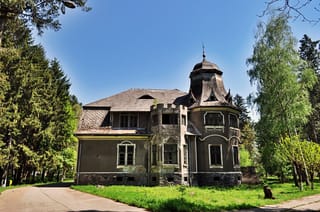
Pogány Castle in Păclișa
Comuna Totești
7.3km
castle, chateau
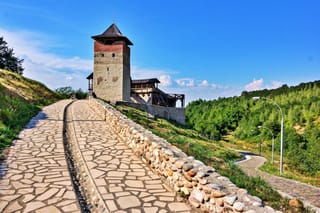
The Mălăiești Fortress
Salasu de Sus
11.8km
fortress
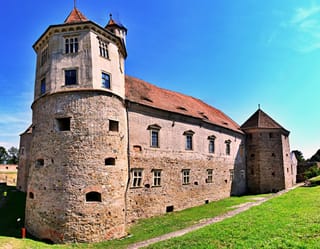
Colț Fortress
Comuna Râu de Mori
14.3km
fortress
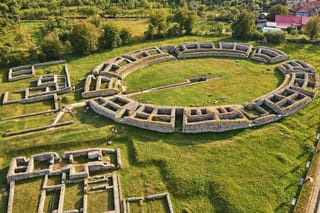
Ulpia Traiana Sarmizegetusa
Comuna Sarmizegetusa
16.1km
castle, chateau
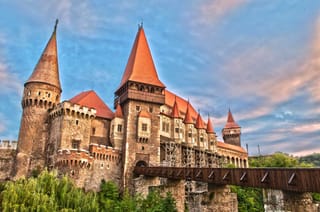
Corvin Castle
Municipiul Hunedoara
18.9km
castle, chateau