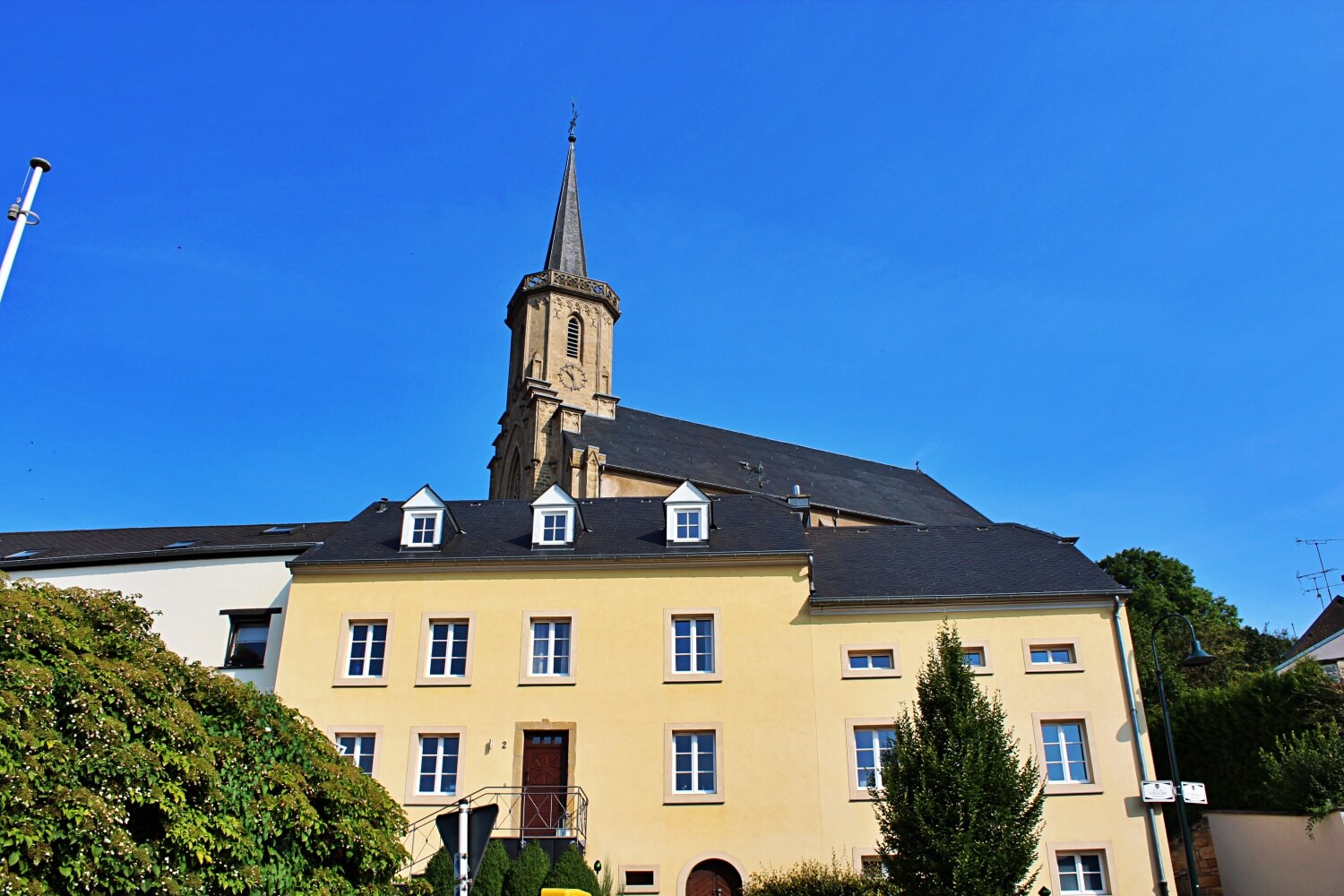
Fischbach Castle
Fischbach Mersch Luxemburg
castle, chateau
Château de Fischbach
Fischbach Mersch Luxemburg
castle, chateau
Fischbach Castle is a castle in Luxembourg
Le château de Fischbach est un château situé aux environs de la commune de Fischbach au cœur du Luxembourg
Previous names
Fischbach Castle, Château de Fischbach, Schloss Fischbach
Description
Fischbach Castle is a castle in Luxembourg. It is situated near the town of Fischbach, in central Luxembourg.
History
Fischbach has the longest history of any of Luxembourg's castles. The Abbey of Echternach, the wealthiest institution in Luxembourg for centuries, was the first owner of the estate of Fischbach. Records show the first liege independent of the Church took possession of the castle in 1050. The castle underwent several renovations and alterations, including complete destruction in 1635, during the Thirty Years' War.
During the second quarter of the 19th century, industrialist and metallurgist Auguste Garnier owned the castle and turned the estate into an industrial centre by constructing blast furnaces there. Grand Duke William II was the first head of state to own the castle in 1847, when he bought the estate to consolidate his political control of Luxembourg and to placate the local populace after the Belgian Revolution. He immediately ordered the demolition of Garnier's blast furnaces.
In 1884, Duke Adolphe of Nassau, who would become Grand Duke of Luxembourg when the personal union of the Netherlands and Luxembourg ended in 1890, bought Fischbach Castle from Grand Duke William III.
During the Nazi occupation of the Second World War, Fischbach served as a rest home for German artists, calling it Künstlerheim Fischbach. Despite this designation, Fischbach did not avoid the looting of art and historic artefacts that befell other palaces in Luxembourg. However, unlike the other palaces, it was not renovated or partly demolished to suit the Nazis' intentions, leaving it habitable by Grand Duchess Charlotte upon her return from exile.
Due to the unsuitability of the other royal palaces, Charlotte continued to live at Fischbach after the war, and took a liking to the place. Even after the full restoration of Berg Castle and the Grand Ducal Palace, Grand Duchess Charlotte lived at Fischbach for the rest of her reign. Indeed, even after she abdicated, in 1964, she remained at Fischbach until her death in 1985. Two years after Charlotte's death, Prince Henri and Princess Maria Teresa moved into the castle, where they lived until Henri succeeded his father, Jean, as Grand Duke, in 2000. Grand Duke Jean lived at Fischbach until his death on 23 April 2019. Hereditary Grand Duke Guillaume and Hereditary Grand Duchess Stéphanie moved into Fischbach Castle in late 2019 upon returning to Luxembourg after living in London for one year.
Le château de Fischbach est un château situé aux environs de la commune de Fischbach au cœur du Luxembourg.
Histoire
L'abbaye d'Echternach est la première propriétaire du domaine de Fischbach. Les archives montrent que le premier lige indépendant de celle-ci prend possession du château en 1050. L'édifice reçoit plusieurs rénovations et modifications avant d'être complètement détruit en 1635 au cours de la guerre de Trente Ans.
Pendant le deuxième quart du xixe siècle, l'industriel en métallurgie Auguste Garnier achète le château et le transforme en un centre industriel et y fait construire des haut-fourneaux. Le grand duc Guillaume II des Pays-Bas est le premier monarque à acheter le château en 1847, lorsqu'il y a eu besoin de renforcer son pouvoir politique sur le Luxembourg et apaiser la population après la Révolution belge. Il ordonne immédiatement la destruction des haut-fourneaux.
En 1884, l'ancien duc de Nassau, Adolphe achète le château de Fischbach au roi grand-duc Guillaume III.
Au cours de la Seconde Guerre mondiale, le château est utilisé comme maison de repos pour les artistes allemands sous le nom de allemand : Künstlerheim Fischbach. Malgré cet état de fait, le château n'échappe pas au pillage de ses œuvres d'art et pièces historiques à l'instar des autres palais du Luxembourg. Toutefois, contrairement à d'autres, il reste intact de toutes rénovations ou démolitions partielles pour satisfaire aux intentions des nazis, laissant l'endroit habitable à la grande-duchesse Charlotte de son retour d'exil.
En raison de l'indisponibilité des autres palais royaux, Charlotte continue à résider dans le château après la guerre. Même après la restauration du château de Colmar-Berg et du palais grand-ducal, la grande-duchesse y demeure jusqu'à la fin de son règne et jusqu'à sa mort en 1985. Deux ans après sa disparition, le prince Henri et la princesse María Teresa emménagent dans le château, où ils y vivent jusqu'à ce qu'Henri succède à son père, Jean, comme grand-duc en 2000. Le grand-duc Jean séjourne au château jusqu'à son décès le 23 avril 2019. À partir de février 2020, le grand-duc héritier, Guillaume et son épouse habitent dans le château.
Nearby castles
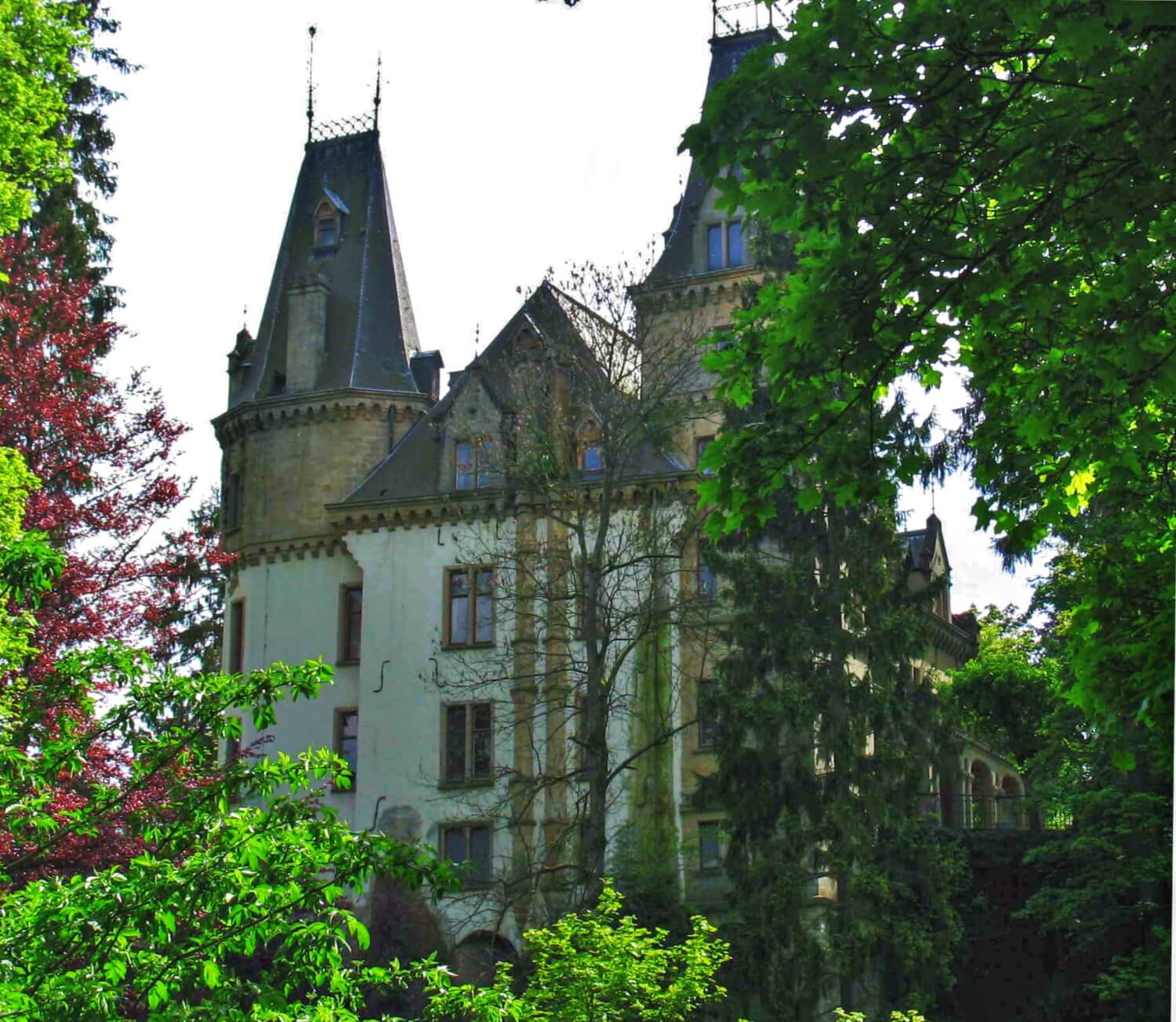
Meysembourg Castle
Larochette
2.5km
castle, chateau
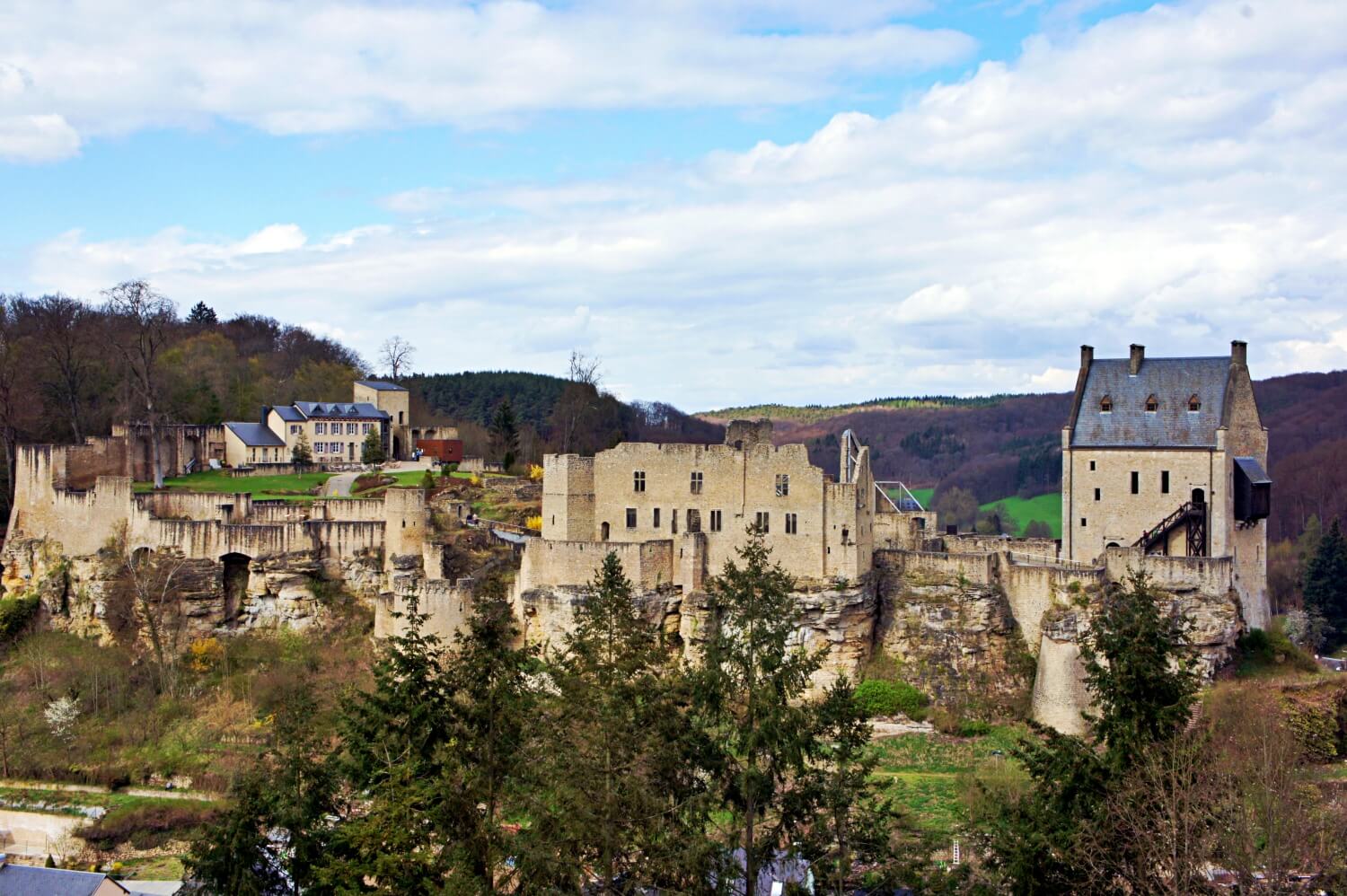
Larochette Castle
Larochette
4.8km
castle, chateau
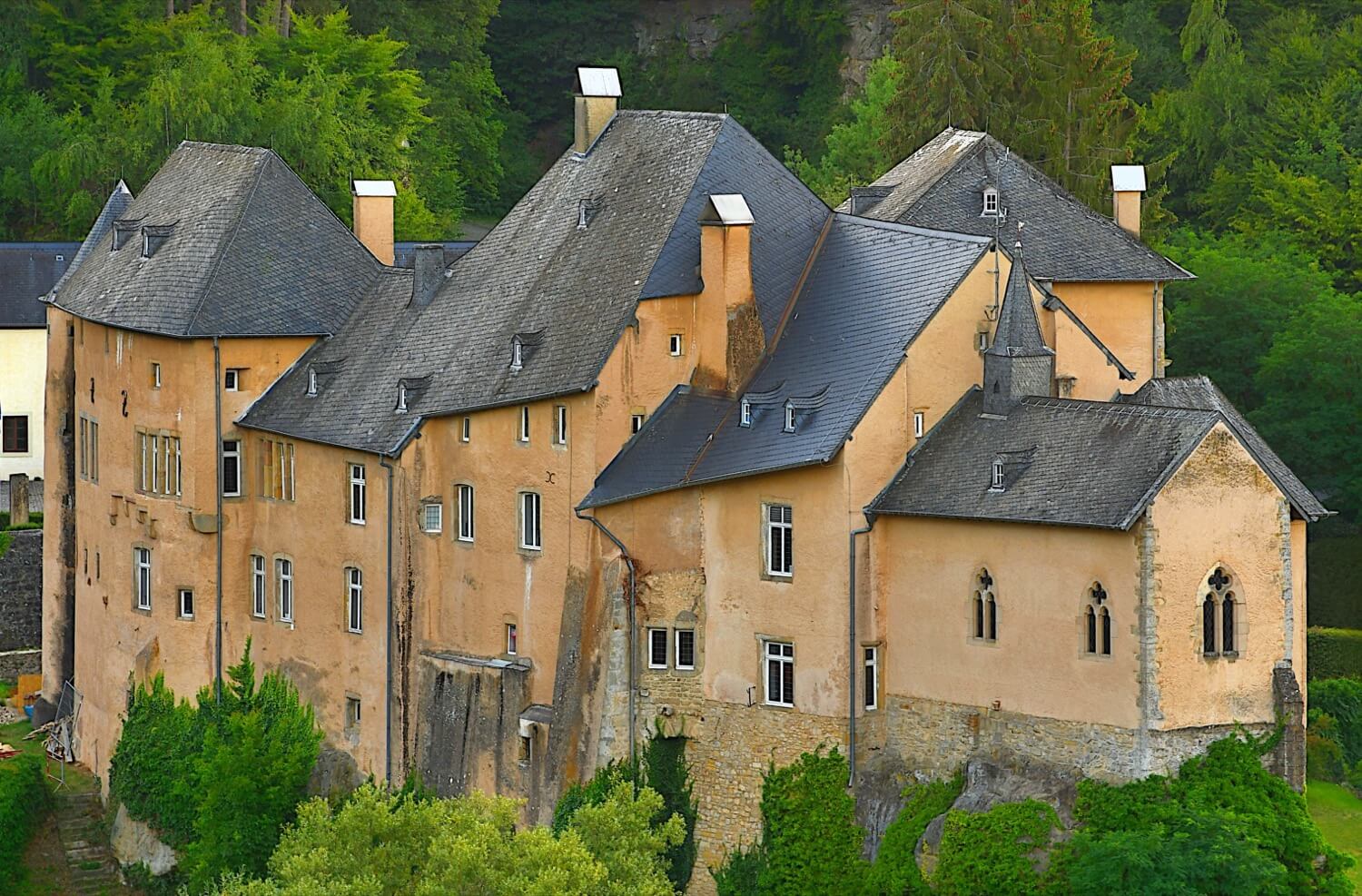
Bourglinster Castle
Junglinster
5.5km
castle, chateau
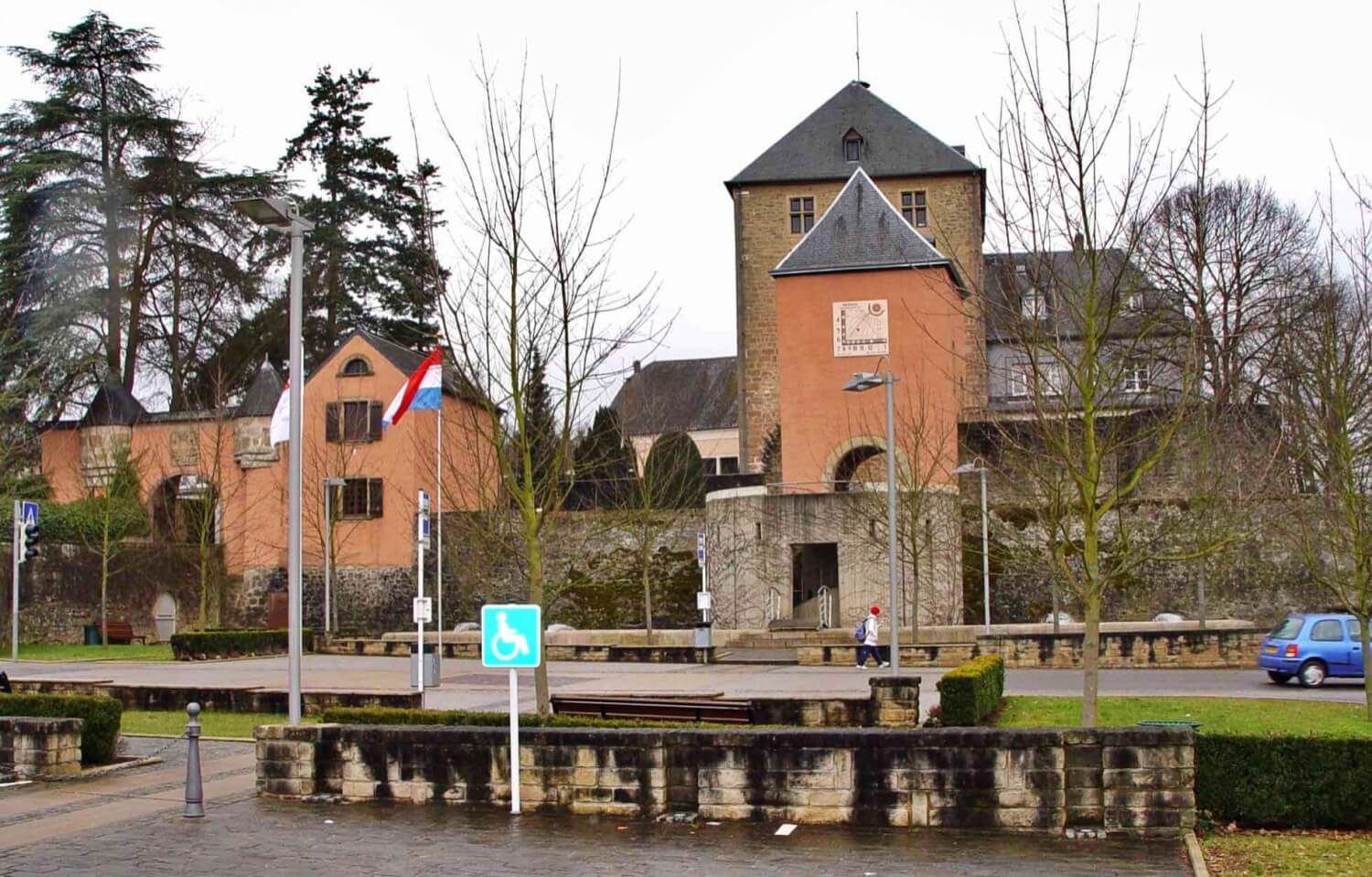
Mersch Castle
Mersch
6.0km
castle, chateau
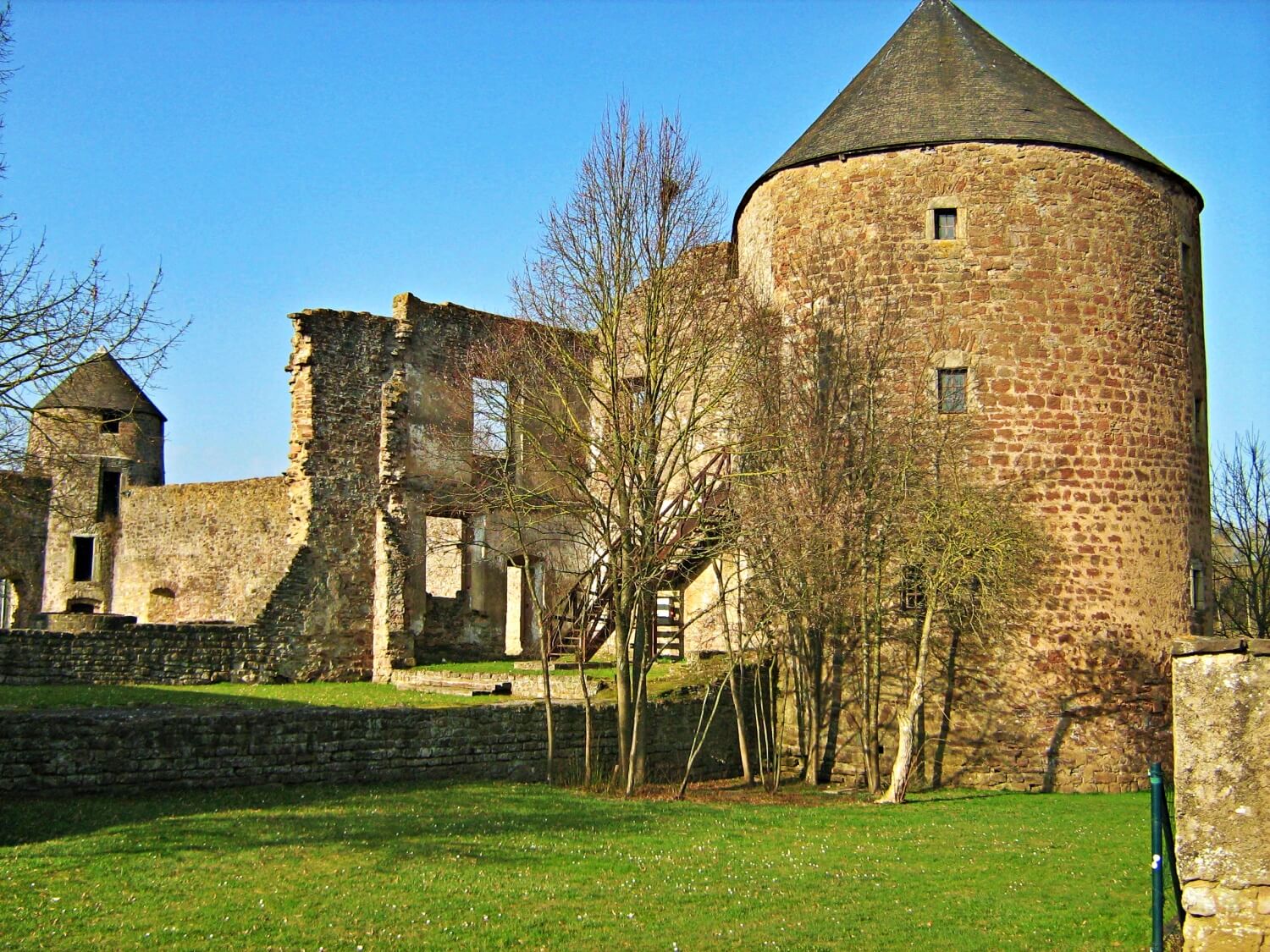
Pettingen Castle
Mersch
6.2km
castle, chateau
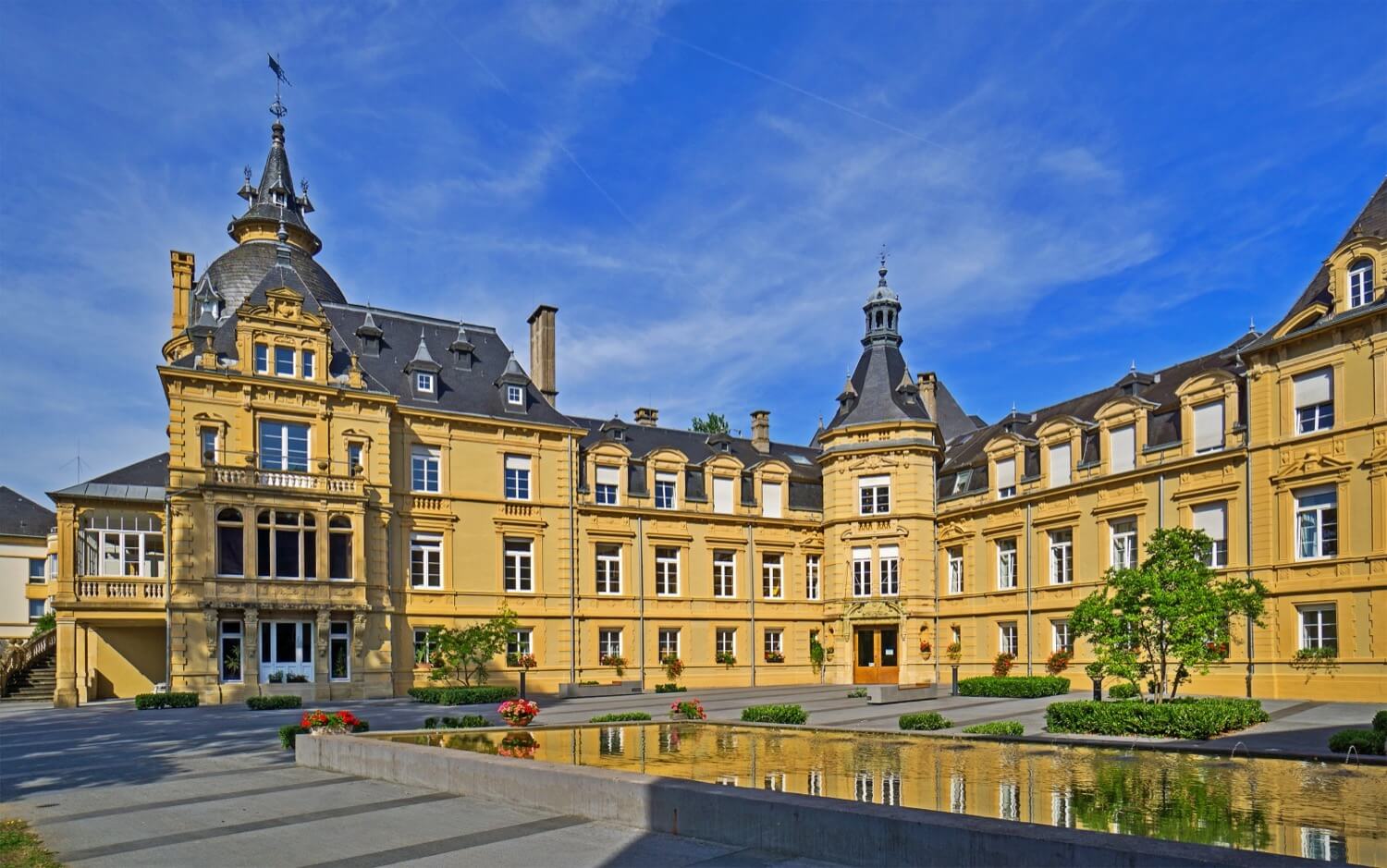
Heisdorf Castle
Steinsel
8.8km
castle, chateau
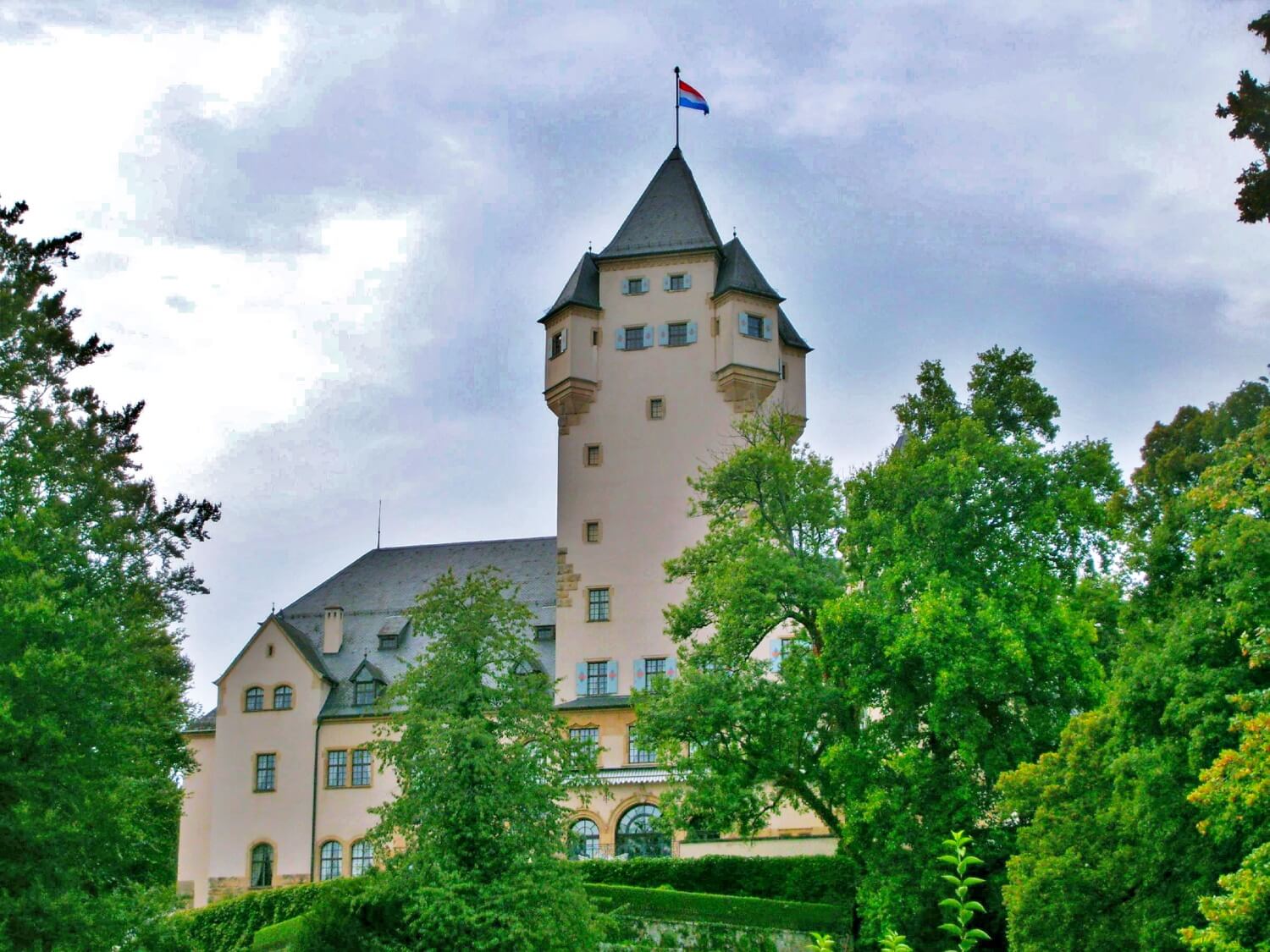
Berg Castle
Colmar-Berg
10.3km
castle, chateau