Castello di Monticelli
Provincia di Parma Emilia-Romagna Italy
castle, chateau
Castello di Monticelli
Provincia di Parma Emilia-Romagna Italy
castle, chateau
The name Monticelli has historic origins
Il castello di Monticelli era un maniero medievale, che sorgeva probabilmente sul luogo della villa Mariotti-Micheli, in prossimità della chiesa di San Donnino, a Monticelli Terme, frazione di Montechiarugolo, in provincia di Parma
Previous names
Castello di Monticelli, Castello di Monticelli
Description
The name Monticelli has historic origins. The name stems "... dal suo sito amenissimo che è un piccolo monticello in mezzo a vasta pianura" ("... from its heavenly site that is a small hill in the middle of a large valley" – from Annibale Mariotti, manuscript n.1423, Biblioteca Comunale Augusta of Perugia, 18th century).
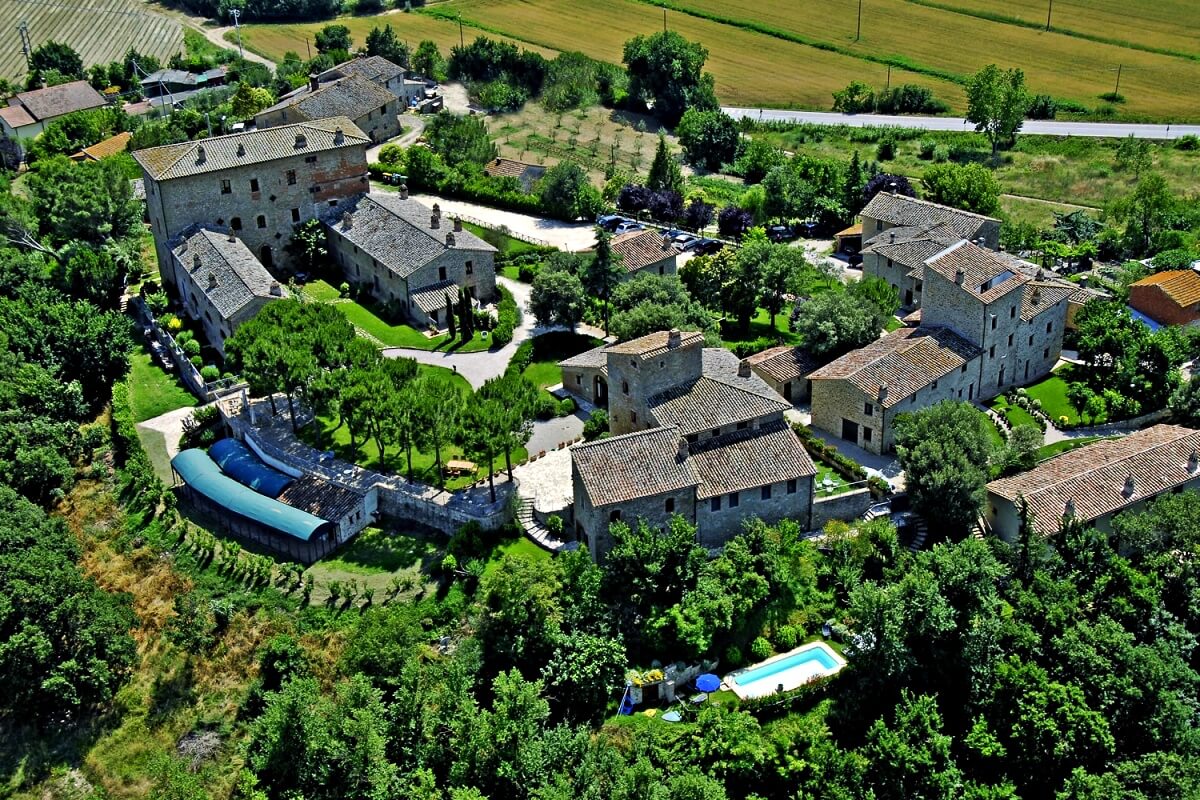
Castello Monticelli is located at the top of a small, prominent hill in the middle of a large valley. From the hilltop plateau there is a wonderful view for many kilometers in all directions. The city of Perugia, of Etruscan origin and the capital of the region of Umbria, is clearly visible from the castle and the surrounding gardens. At least 15 other hamlets and listed buildings are also visible at a distance. This made Monticelli an ideal location for a fortification in the advance defence system of the city.
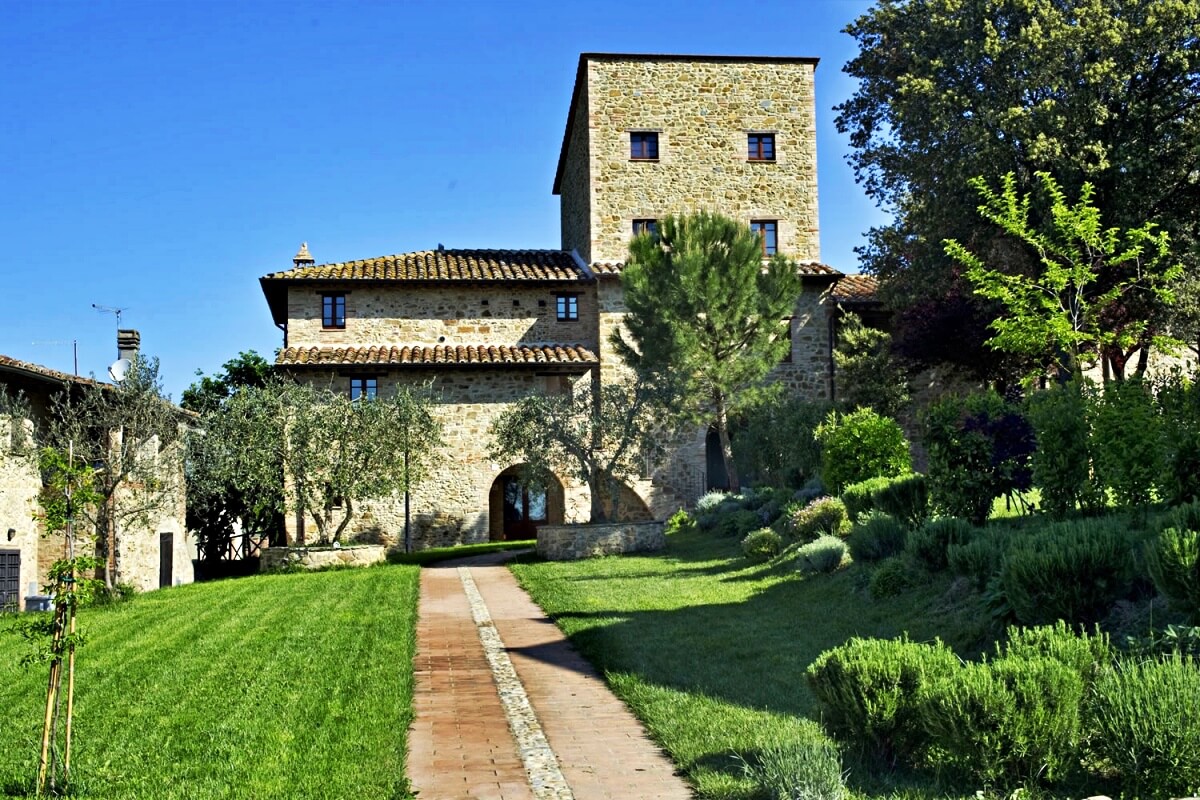
Two of the towers of Monticelli were built by the Eastern Roman Empire in the year 593 AD as part of the advance defence system of the city of Perugia against the Longobards. The “Byzantine Corridor” was a narrow strip of land linking Rome to Ravenna from 570 to 774 and its border west of Perugia was 40 meters from the towers. Two of the 4 existing towers have walls that are 1.5 meters thick. The thickness of walls often suggests something about their function and their age. The official name of Monticelli for the Italian Ministry of Cultural Affairs is “Castle or Antique Nucleus of Monticelli”, thus reminding us that in origin it was a fortress.
In Monticelli there is another, albeit indirect, sign of antiquity. In 1315-19 the Benedictines commissioned a fresco of Costanzo, the first bishop of Perugia, for the church of Saint Paolo in Monticelli. Costanzo, who is canonized but not declared a saint, is said to have been hiding for many days at Monticelli during a persecution of the Christians in 174 AD (Cardinal Ceasar Baronio, The Life of Saints, 16th century). The fact that the Benedectines of the Monastery of Saint Pietro in Perugia asked the painter Meo da Siena to depict also Costanzo, all in all a very minor figure compared to the nine others, is an indication that they remembered that he had been hiding at Monticelli almost 1150 years before.
In the 11th century the Benedictines of the Monastery of Saint Pietro in Perugia transformed the military structure into a fortified agricultural dependence of the monastery. Monticelli remained a Benedictine monastery for 500 years. In about 1470 Monticelli was sold to an aristocratic family which built a palace by filling the 5 meter space which separated two adjacent military towers and started using it as a summer and hunting residence.
The oldest still existing official document mentioning Monticelli dates from the year 1115, when pope Pasquale II (1099-1118) issued a papal bull stating that the church of Monticelli belonged to the important and powerful Benedectine Monastery of Saint Pietro in Perugia. Pasquale II is also remembered for having nominated in 1112, well before the discovery of America by Columbus, the first bishop of the American continent. The name of the bishop is Henricus, a Scandinavian which the pope nominated bishop of Groenland and Newfoundland, a peninsula of Canada.
Monticelli became a prison holding Austrian soldiers during World War I (1914-18). During WW II it again became a prison. From the autumn of 1942 to September 8th 1943 about 110 Yugoslav prisoners were held in it, mostly coming from Slovenia and Montenegro. As a result of war destruction, decades of neglect and the progressive deterioration of the buildings, Monticelli then became a simple farm, home for about 150 peasants and their families, storage for agricultural products, mainly wine and tobacco, and staples for pigs and cows. However, by the 1980’s it had become an abandoned ruin.
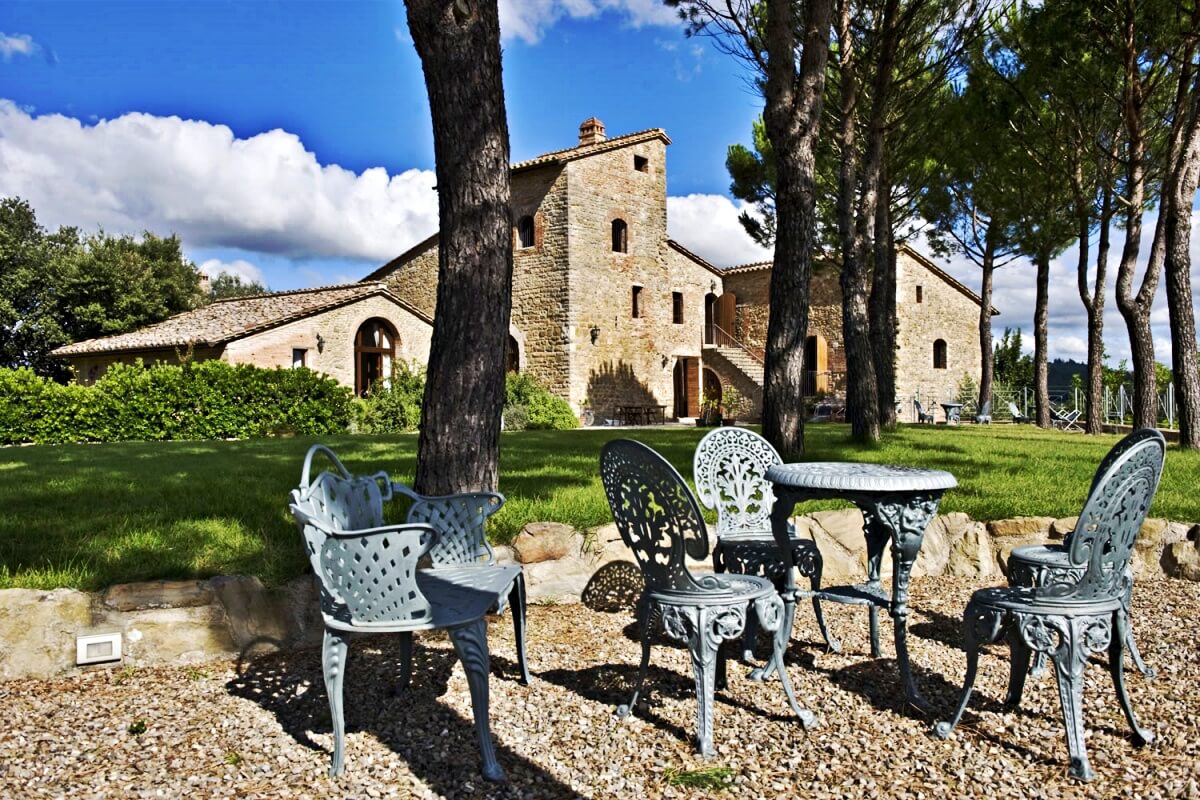
Thus Castello Monticelli changed its function more than six times in the course of its long history: it was a military structure from about 593 to 774, a Benedictine Monastery from the 11th century to 1470, a summer and hunting residence of aristocratic families until about World War I, a prison during the two World Wars, a farm from 1945 to about 1980 and a vacation resort from 2005 onwards. The towers and the surrounding annex buildings are to be preserved as monuments of national historic and artistic interest. The property is under the protection of the Italian Ministry of Cultural Affairs and the buildings are "listed" as part of the "Italian National Endowment".
http://www.castellomonticelli.com
Il castello di Monticelli era un maniero medievale, che sorgeva probabilmente sul luogo della villa Mariotti-Micheli, in prossimità della chiesa di San Donnino, a Monticelli Terme, frazione di Montechiarugolo, in provincia di Parma.
Storia
Il castello difensivo fu edificato originariamente entro il X secolo per volere della Diocesi di Parma, la cui investitura fu confermata ufficialmente nel 980 da parte dell'imperatore del Sacro Romano Impero Ottone II di Sassonia.
Intorno alla metà del XII secolo si impose sulla zona l'autorità del Comune di Parma. Nella prima metà del XIV secolo la città e il territorio da essa dipendente furono contesi da numerose famiglie: nel 1303 divenne signore di Parma Giberto III da Correggio, poi scacciato nel 1316;[3] nel 1335 se ne impossessò il signore di Verona Mastino II della Scala, ma nel 1341 li riconquistò Azzo da Correggio, che, probabilmente nello stesso anno, ospitò per qualche tempo nel castello di Monticelli il poeta Francesco Petrarca. Nel 1344 Azzo alienò Parma al marchese di Ferrara Obizzo III d'Este, che a sua volta nel 1346 la rivendette al signore di Milano Luchino Visconti.
Nel 1402, dopo la morte di Gian Galeazzo Visconti, Ottobuono de' Terzi si impose in città, allontanandone i Rossi, che per reazione iniziarono a compiere una serie di scorrerie in tutto il Parmense; il borgo e il castello di Monticelli furono messi a ferro e fuoco nel 1403 e nel 1404. Nel 1406 il duca Giovanni Maria Visconti assegnò al condottiero Guido Torelli, alleato dei Terzi, il castello e il feudo di Montechiarugolo, comprendente anche il maniero di Monticelli.
L'ultima testimonianza dell'esistenza della fortificazione risale al 1482, quando, durante la guerra dei Rossi, Giacomo de' Rossi, dopo aver riconquistato il castello di Basilicanova, se ne impossessò per conto della repubblica di Venezia, fino al termine del conflitto; fu forse allora che il castello fu distrutto.
In seguito, sulle rovine fu edificata la villa Mariotti-Micheli, restaurata in stile neoclassico nel 1830; all'interno dell'edificio è conservato un disegno a carboncino del Petrarca, risalente secondo la tradizione al suo soggiorno nel castello.
Useful information
GRATUITO
- WiFi
- Concerti ed eventi
- I giardini
info@castellomonticelli.com
Proprietà privata (un hotel)
-
External links
Nearby castles
Castello di Montechiarugolo
Provincia di Parma
4.1km
castle, chateau
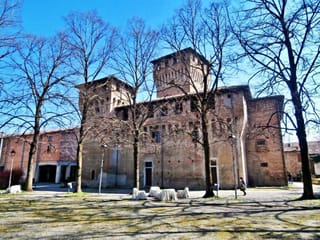
Castello di Montecchio Emilia
Provincia di Reggio Emilia
5.3km
castle, chateau
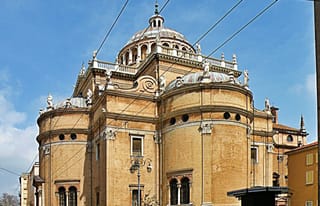
Museo costantiniano della Steccata
Provincia di Parma
10.5km
castle, chateau
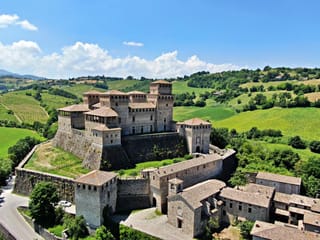
Castello di Torrechiara
Province of Parma
11.2km
castle, chateau
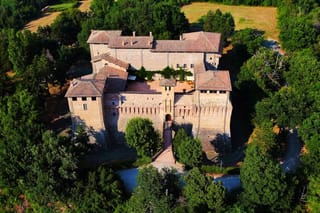
Castello di Felino
Province of Parma
12.2km
castle, chateau
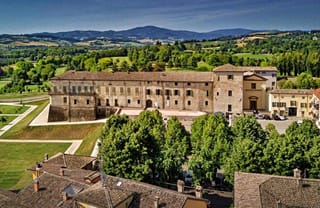
Rocca Sanvitale (Sala Baganza)
Provincia di Parma
12.4km
castle, chateau
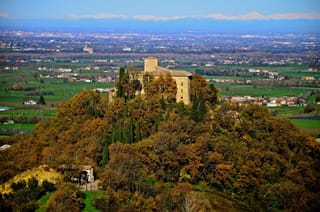
Bianello Castle
Province of Reggio Emilia
12.6km
castle, chateau