Zniev
Kláštor pod Znievom Žilina county Slovakia
castle ruin
Zniev
Kláštor pod Znievom Žilinský kraj Slovakia
zrúcanina hradu
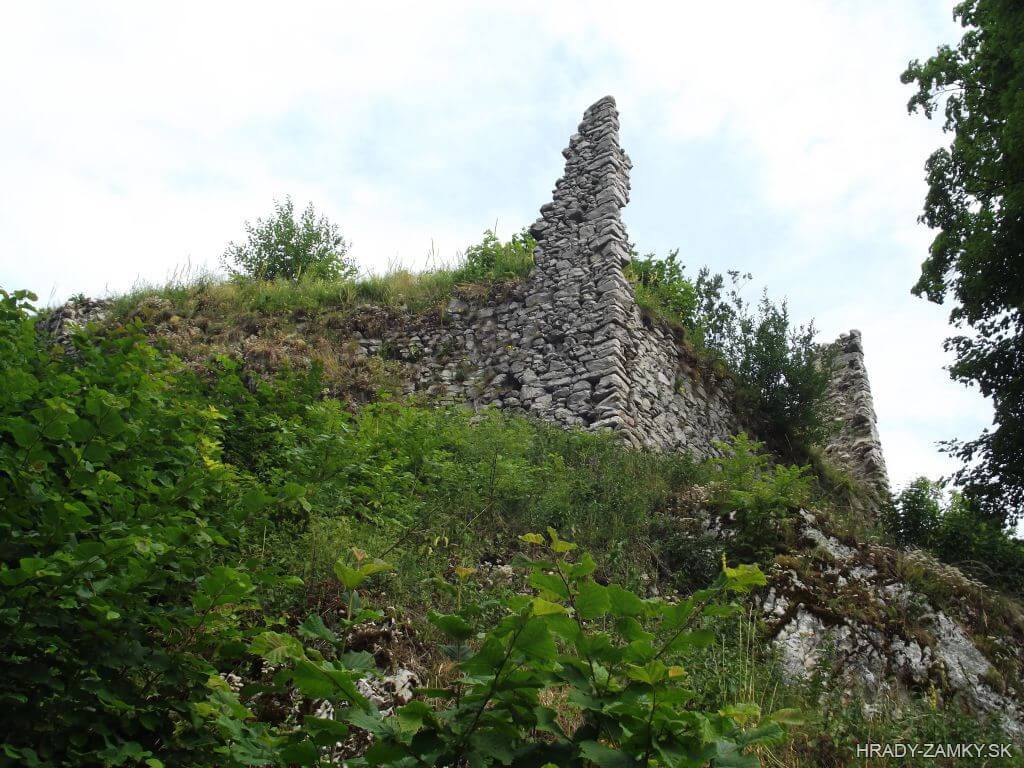
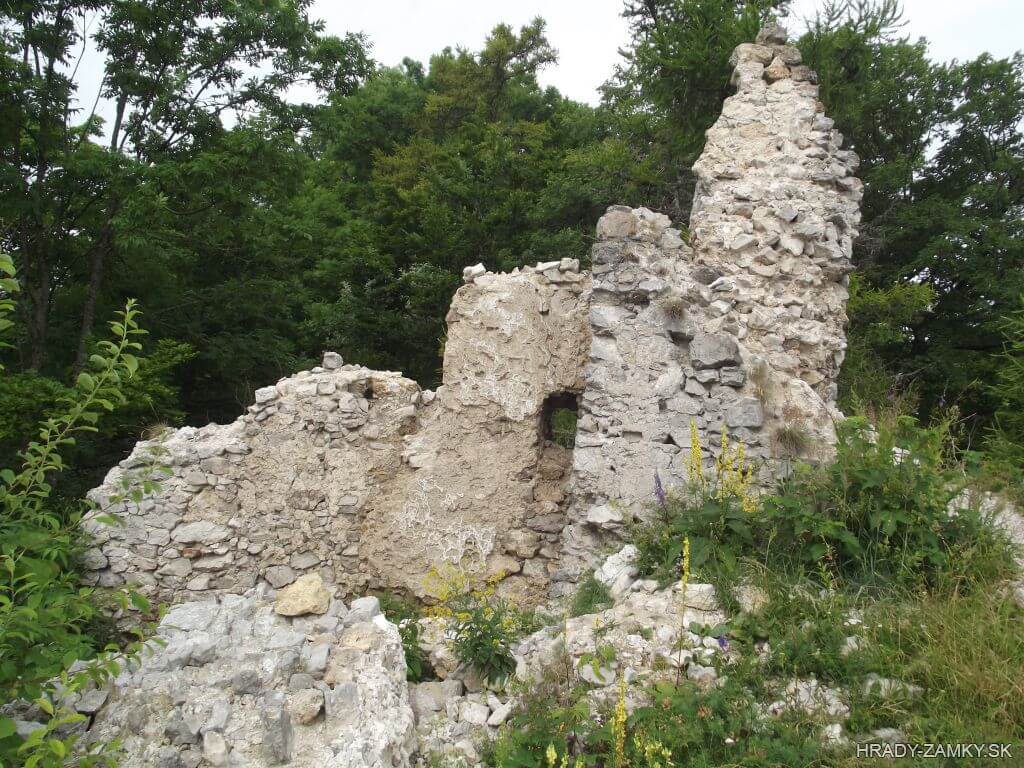
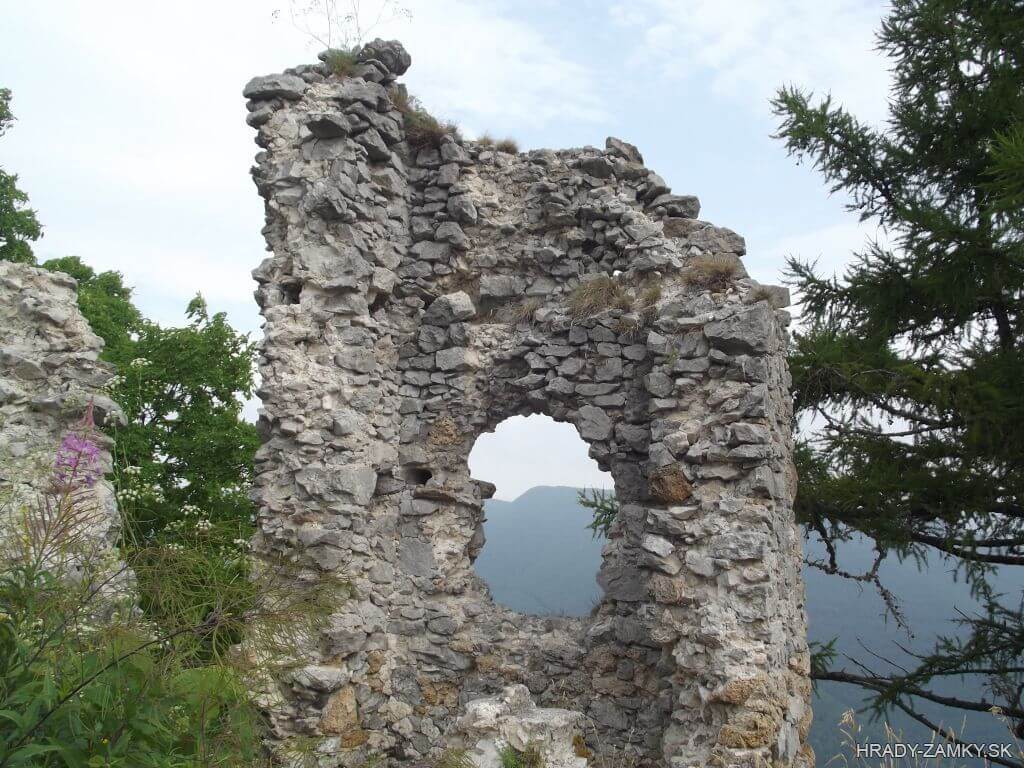
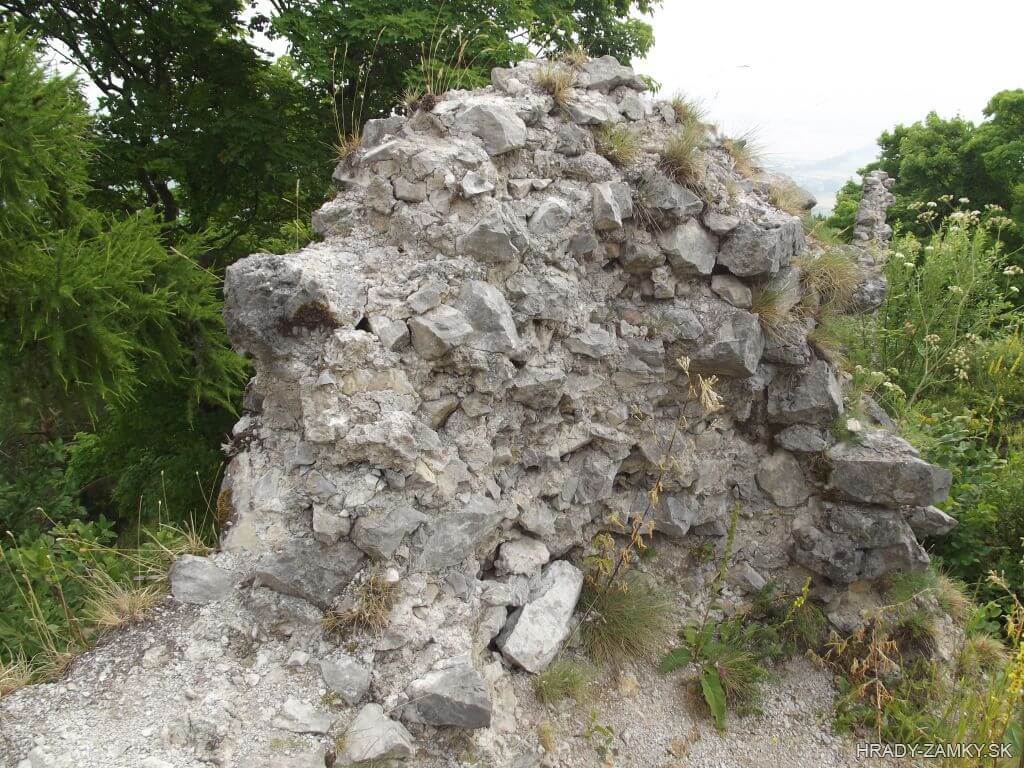
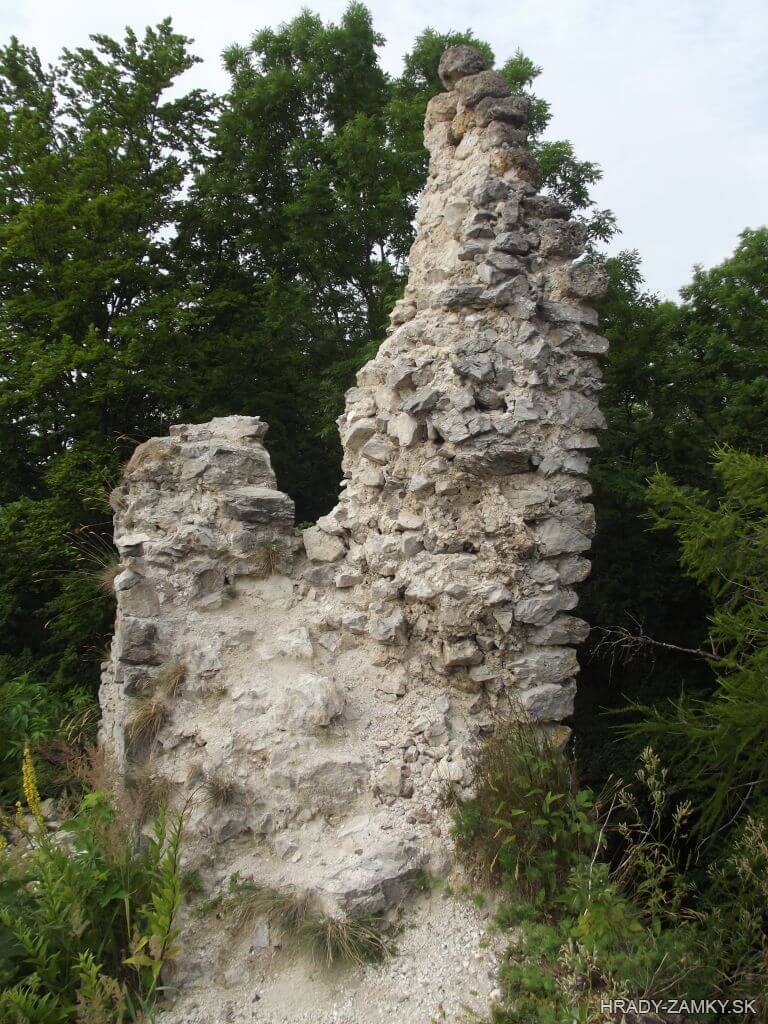
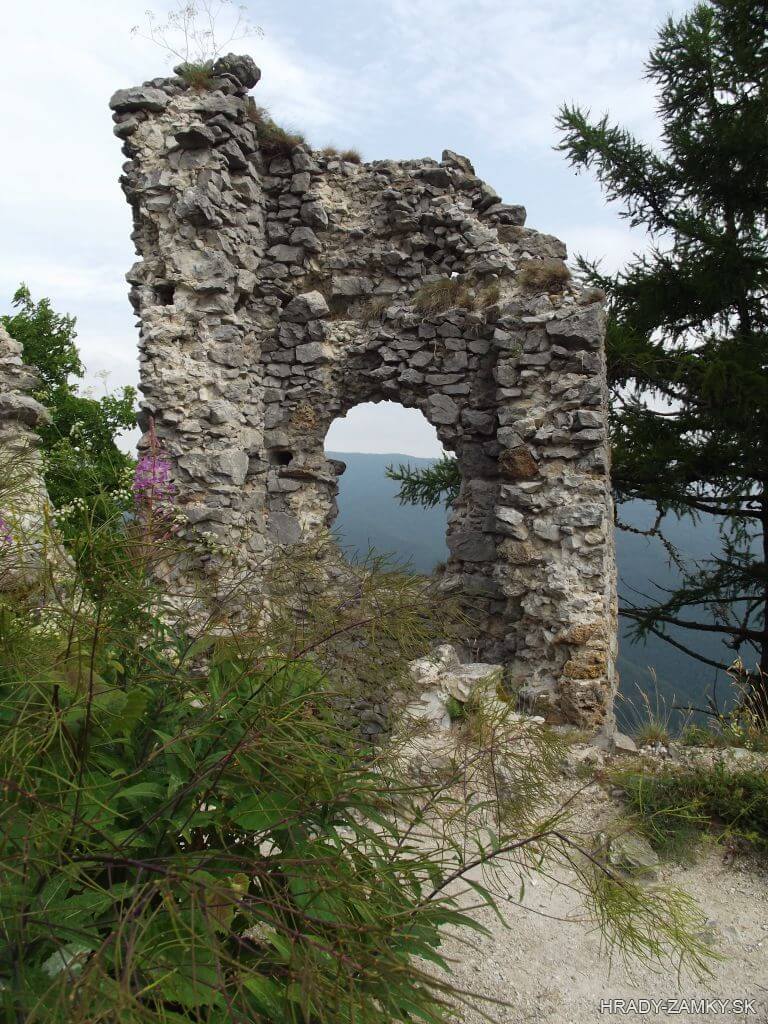
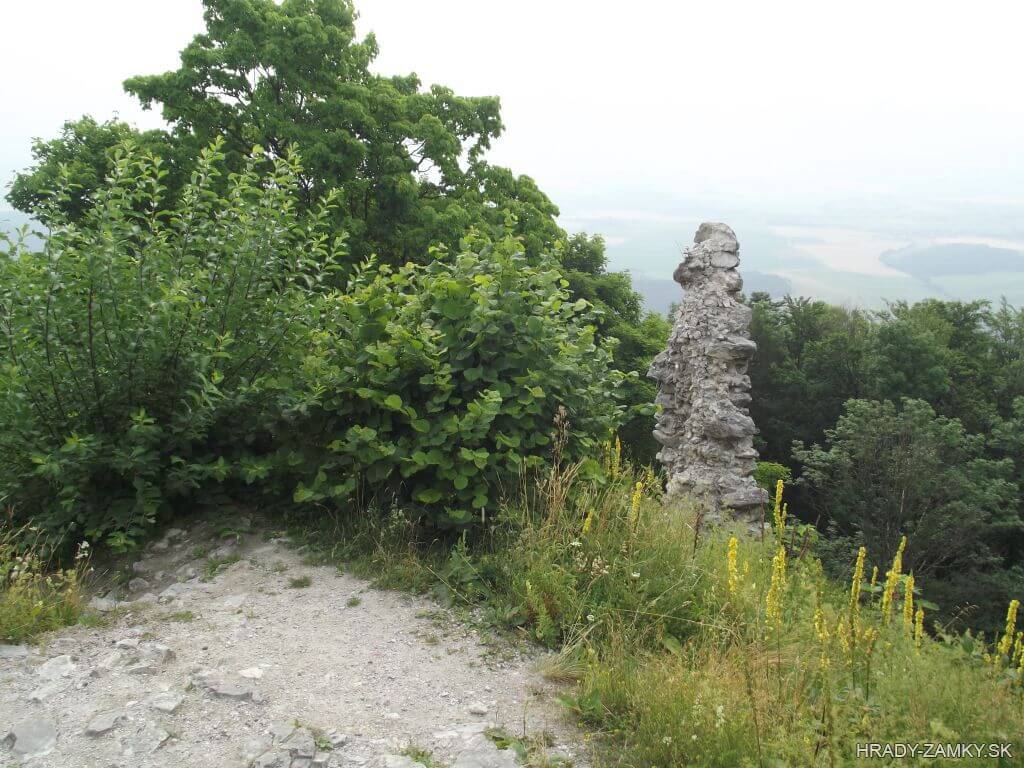
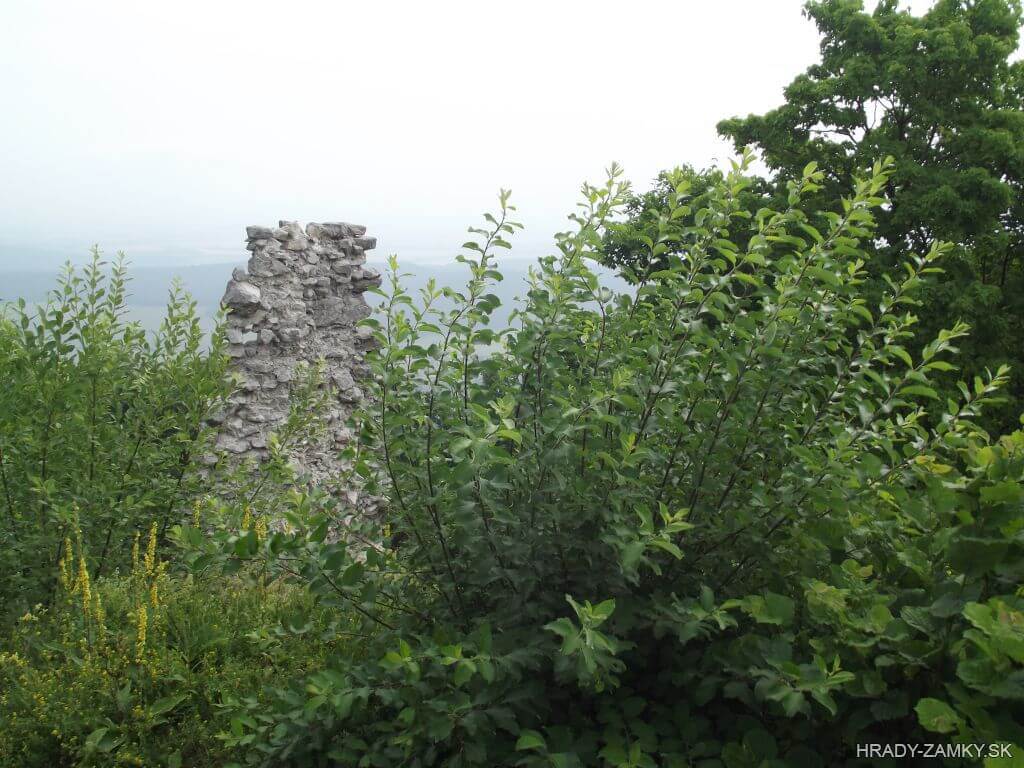
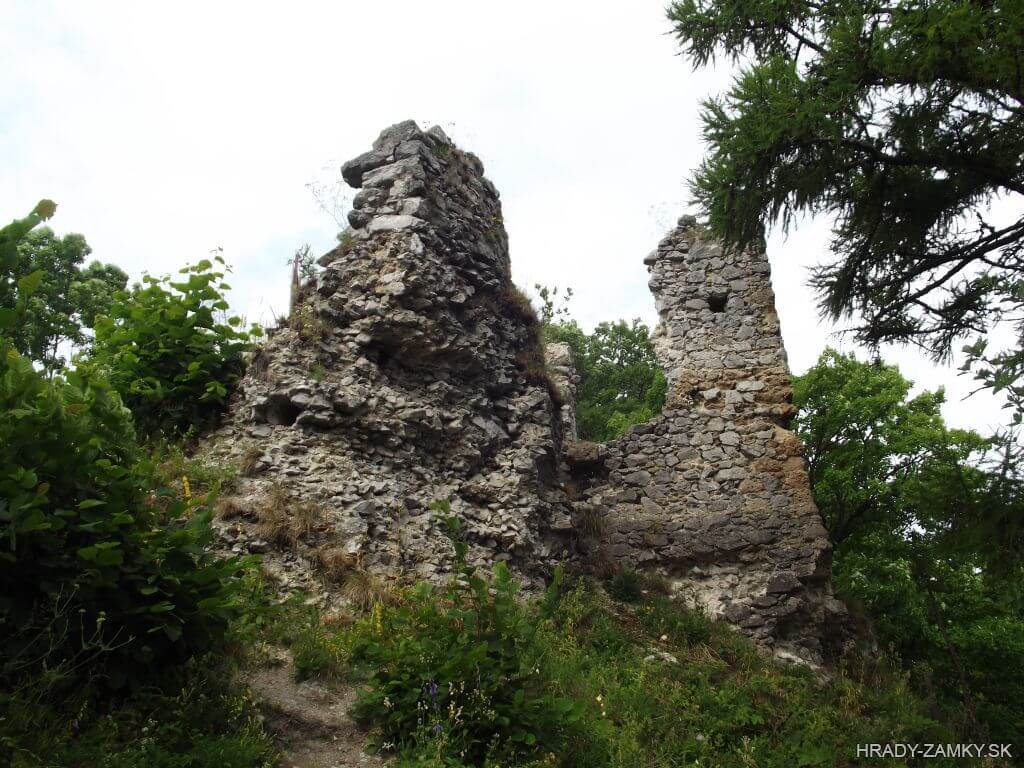
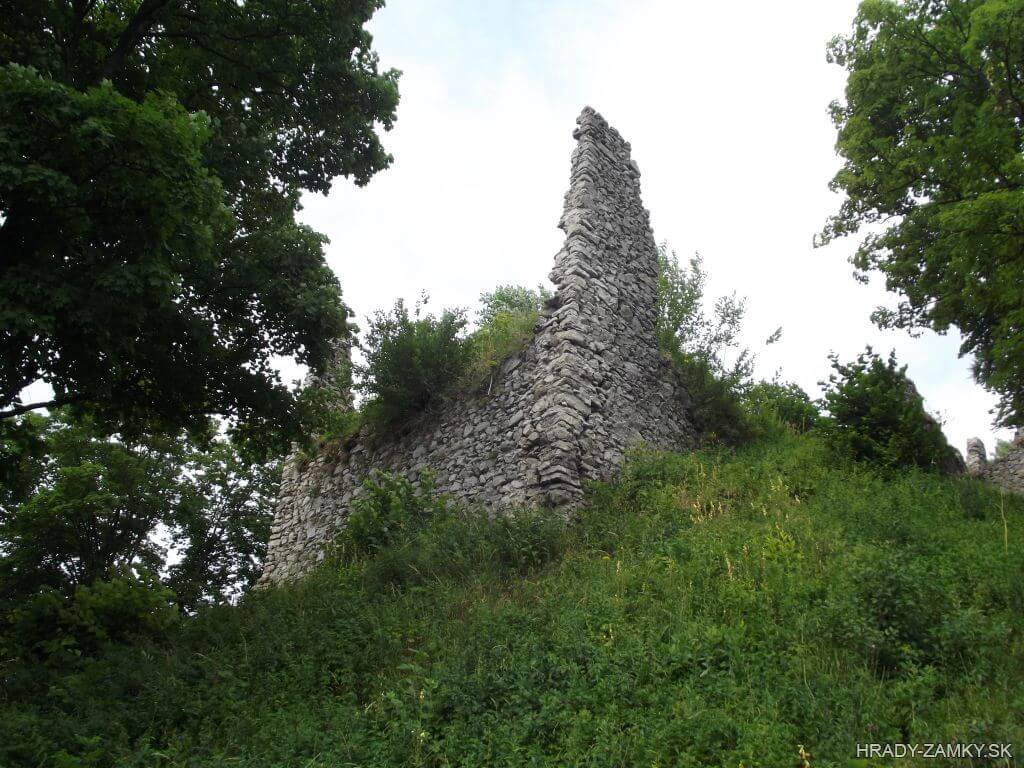
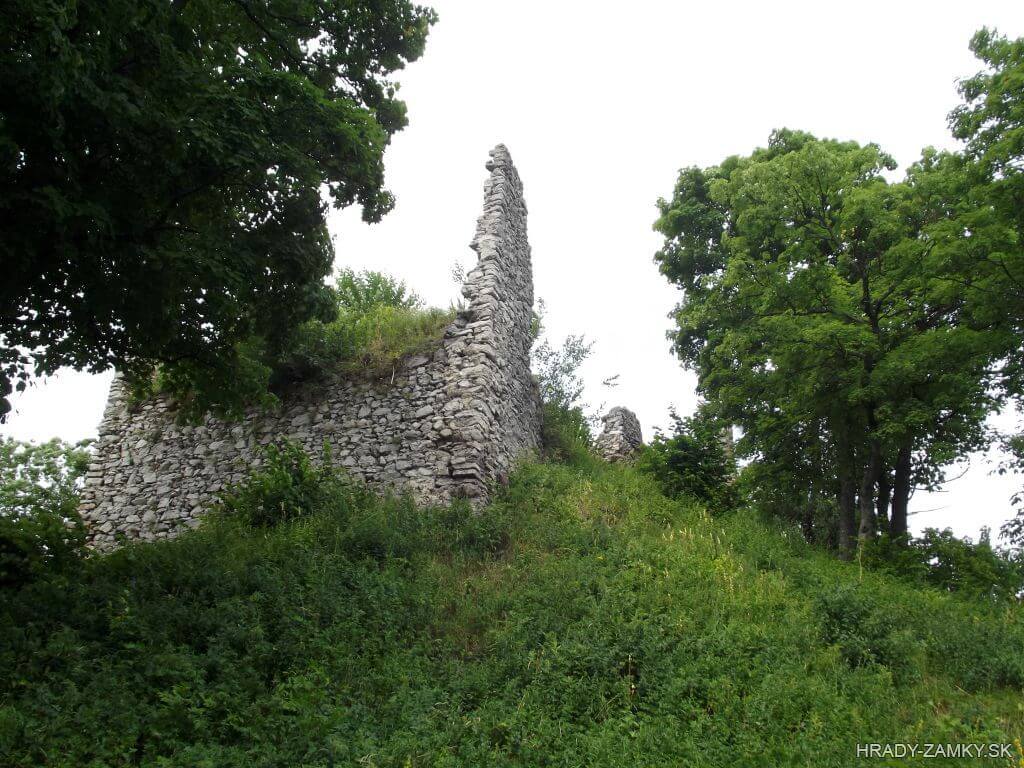
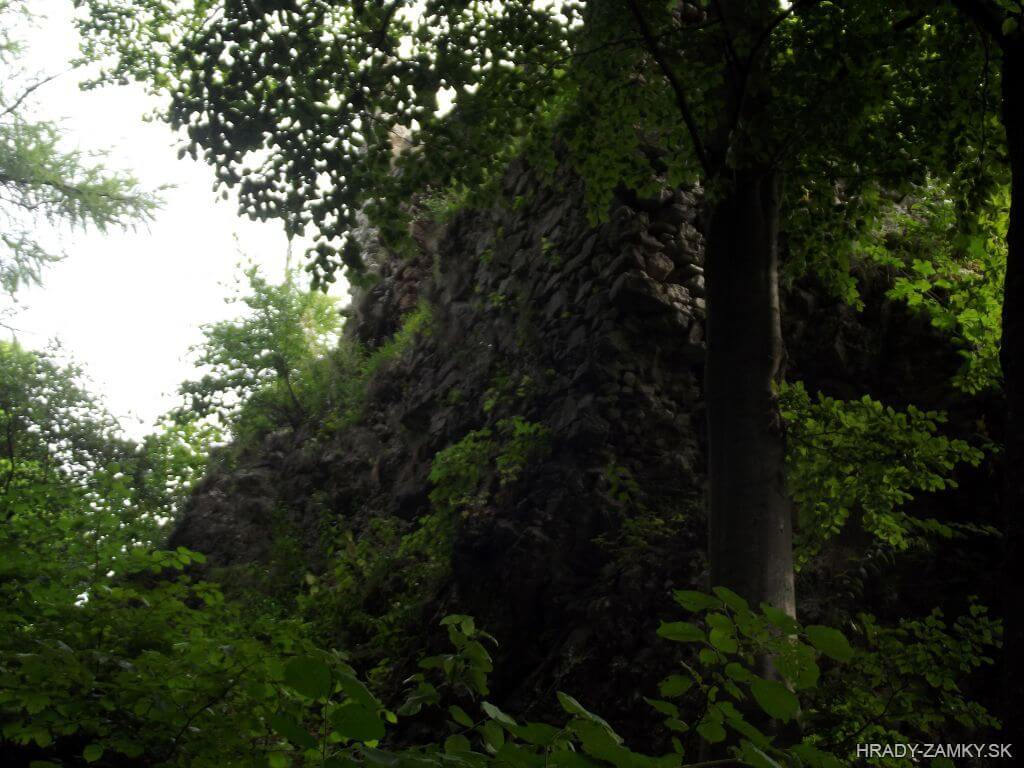
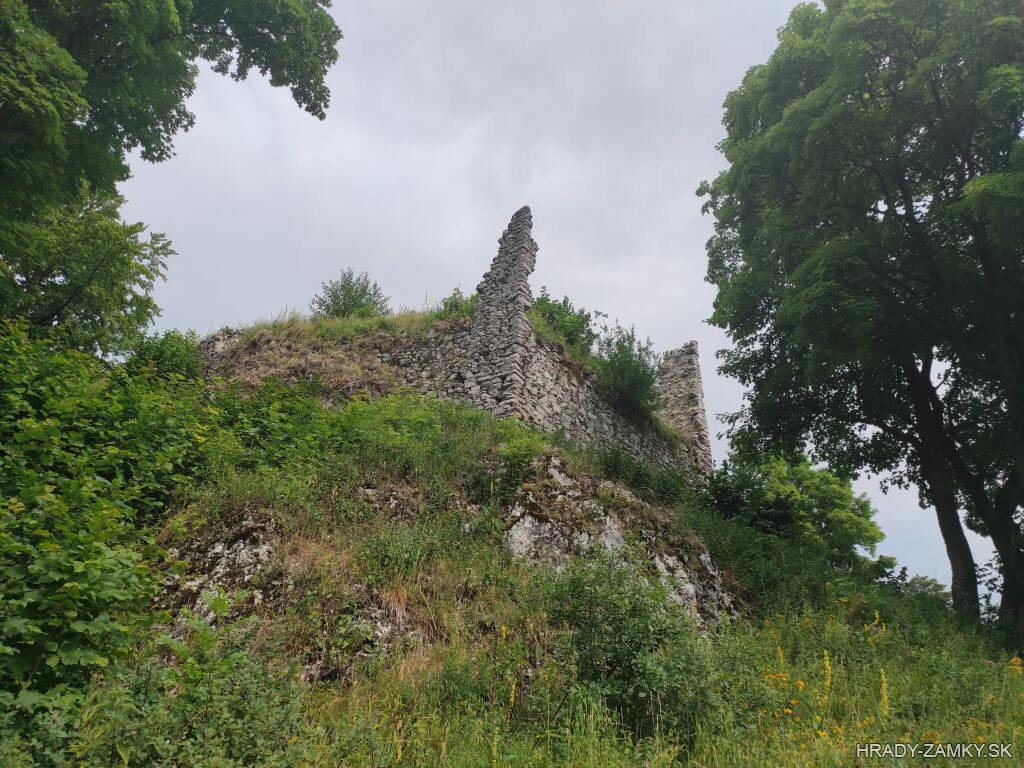
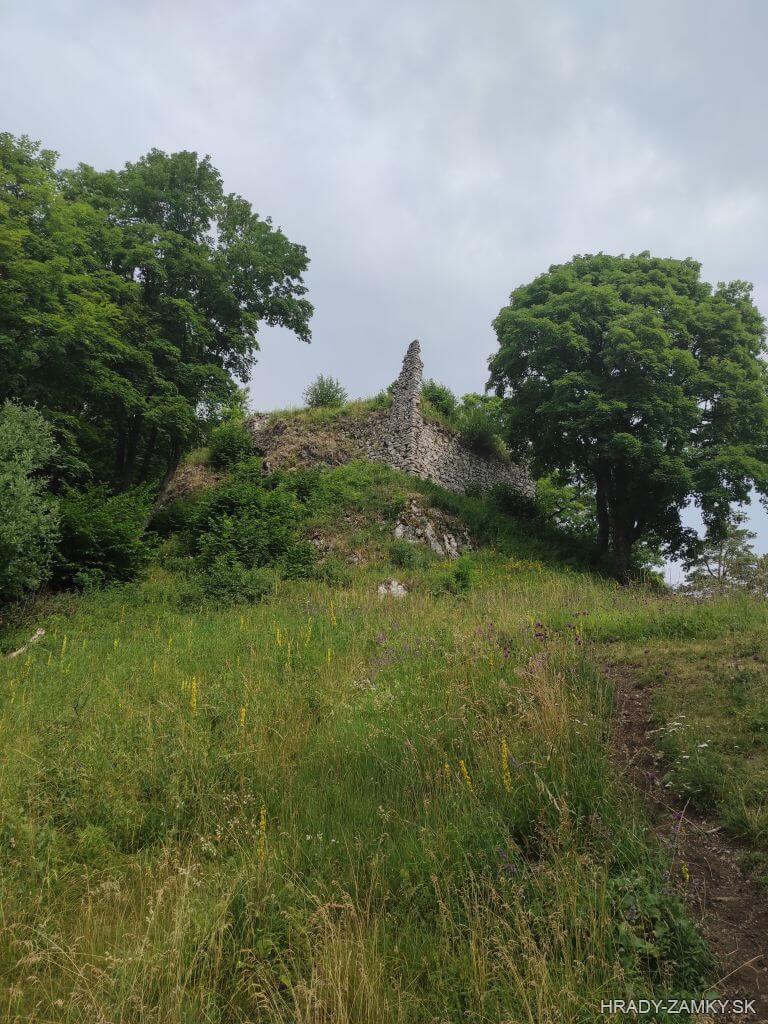
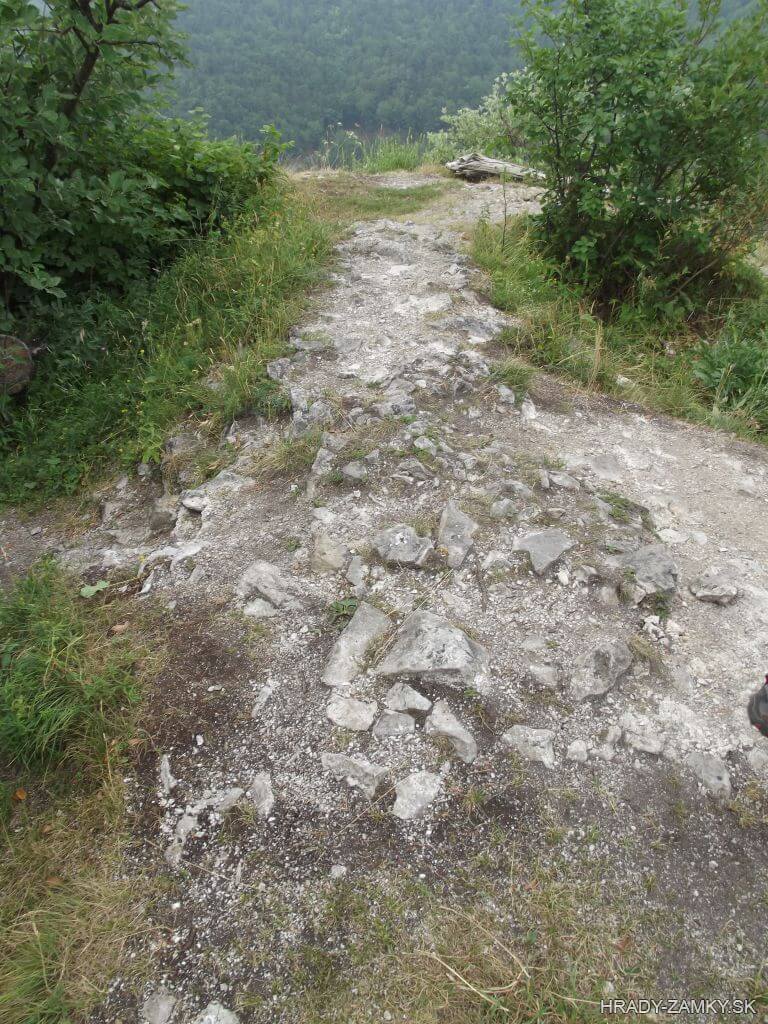
The ruins of the castle on the limestone hill Zniev, situated in the highest position of the ridge in the Žiar mountains and on the lower terrace above the village Kláštor pod Znievom
Zrúcanina druhého najvyššie položeného hradu na vápencovom vrchu Zniev, situovaná v najvyššej polohe hrebeňa v pohorí Žiar a na nižšie položenej terase nad obcou Kláštor pod Znievom
Previous names
Turus, Turucz, Turuch, Turul, Znio, Turčiansky hrad
Roads
In Kláštor pod Znievom, we get from A. Moyzesa Street to Cintorínska Street, where we park next to the local cemetery. From there we continue walking a short distance and slightly to the right along the green route we enter the forest. We continue next to the Calvary, which is interestingly located in the forest, then next to the shooting range by a relatively demanding and long ascent to the ruins of the lower castle. From the ruins of the lower castle, we still recommend continuing for about 10 minutes along the green route to the very top of Zniev. In addition to beautiful views, you can also see the slight remains of the upper castle Zniev. The ascent to the castle will brighten up the cult place of St. Margita Uhorská - fenced altar with the image of St. Margita, later smaller caves or views.
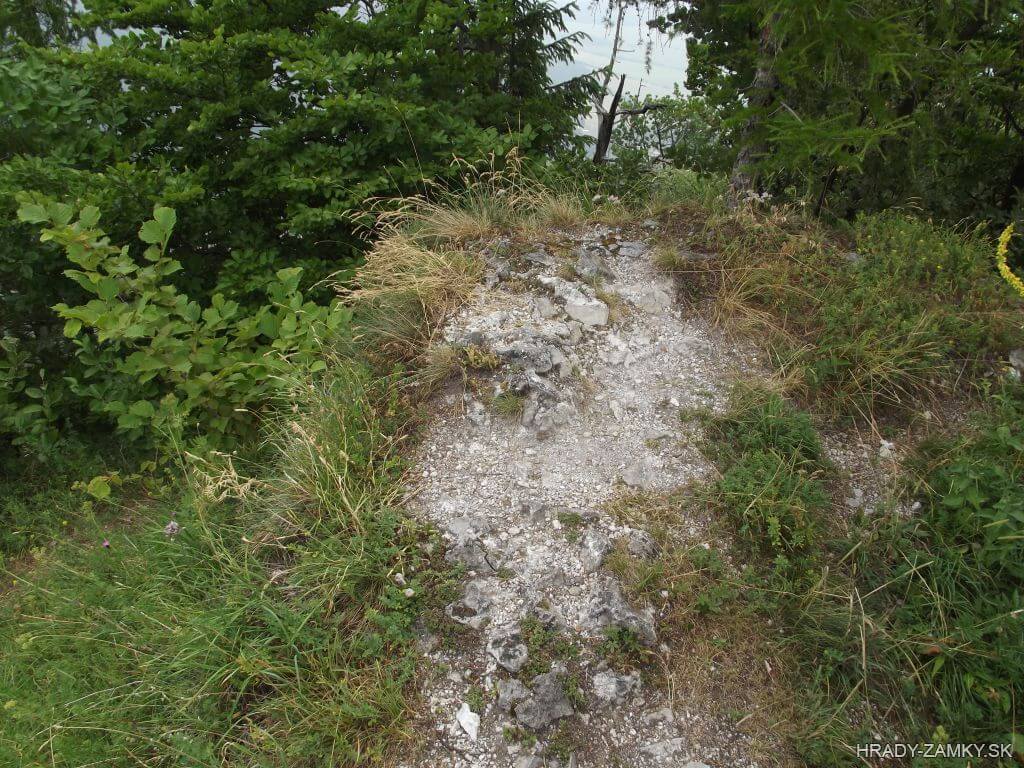
V Kláštore pod Znievom sa z ulice A. Moyzesa dostaneme na Cintorínsku ulicu, kde popri miestnom cintoríne zaparkujeme. Odtiaľ pokračujeme peši kúsok rovno a mierne vpravo po zelenej TZT vstúpime do lesa. Pokračujeme popri kalvárii, ktorá je zaujímavo umiestnená v lese, ďalej popri strelnici pomerne náročným a dlhým výstupom až k ruinám dolného hradu. Od zrúcanín dolného hradu ešte odporúčame pokračovať ešte zhruba 10 minút ďalej po zelenej trase až na úplný vrchol Znievu. Okrem nádherných výhľadov tu badať aj nepatrné zvyšky horného hradu Zniev. Výstup na hrad nám spestrí kultové miesto sv. Margity Uhorskej - ohradený oltár s vyobrazením sv. Margity, neskôr menšie jaskyne či vyhliadky.
Description
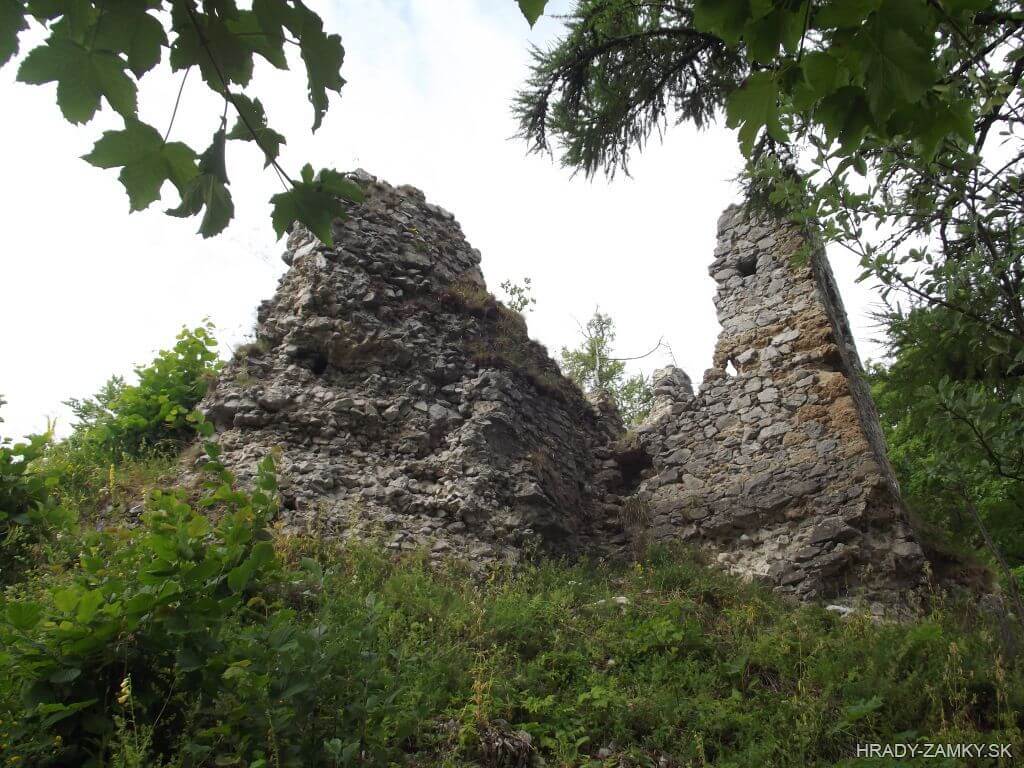
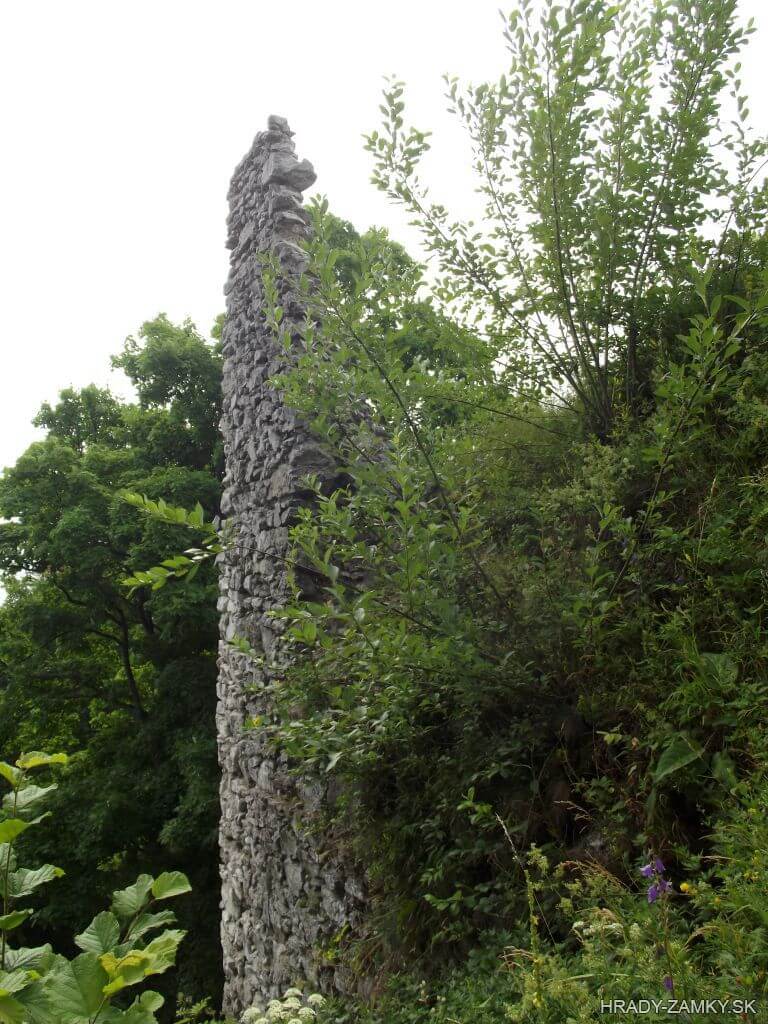
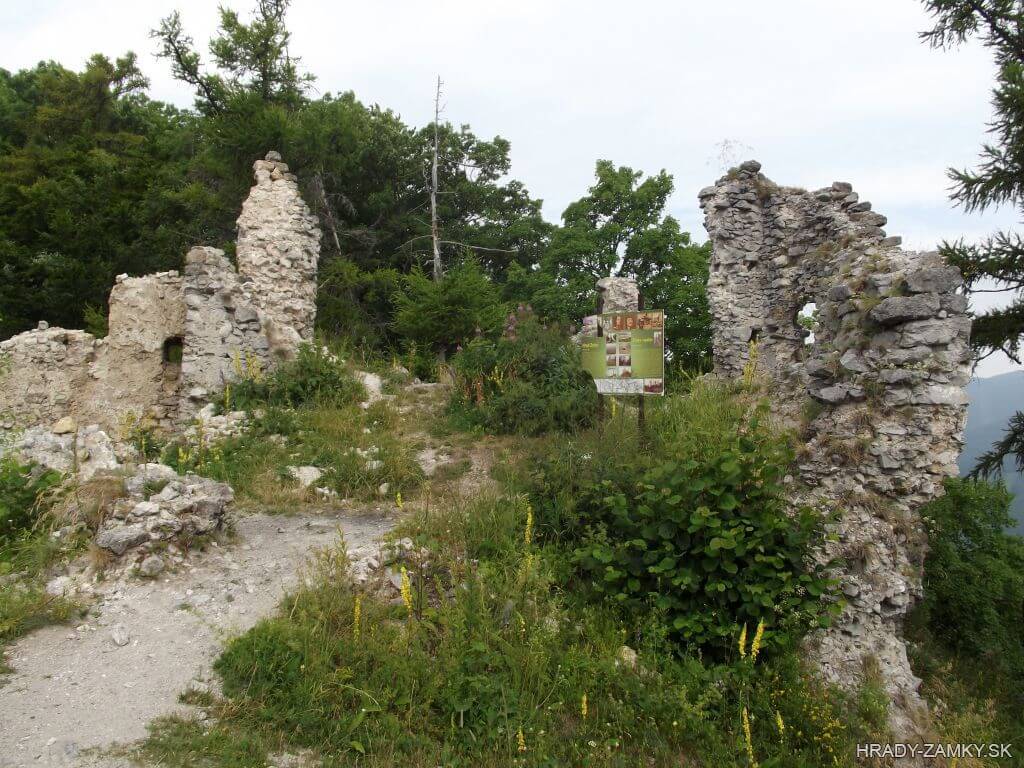
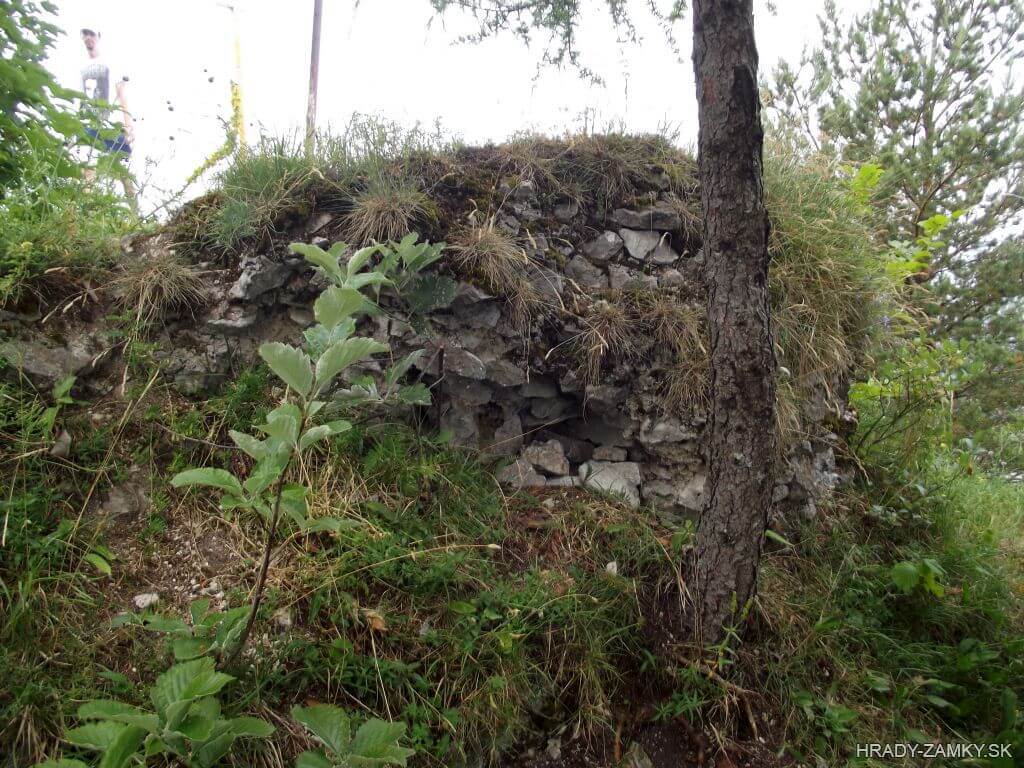
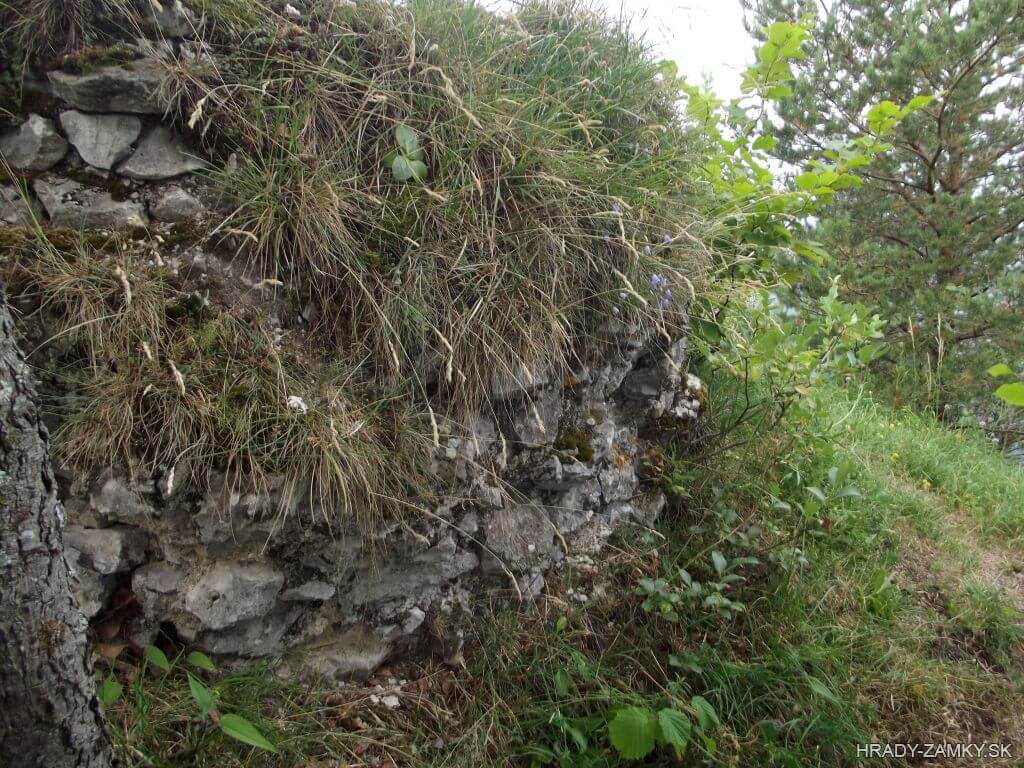
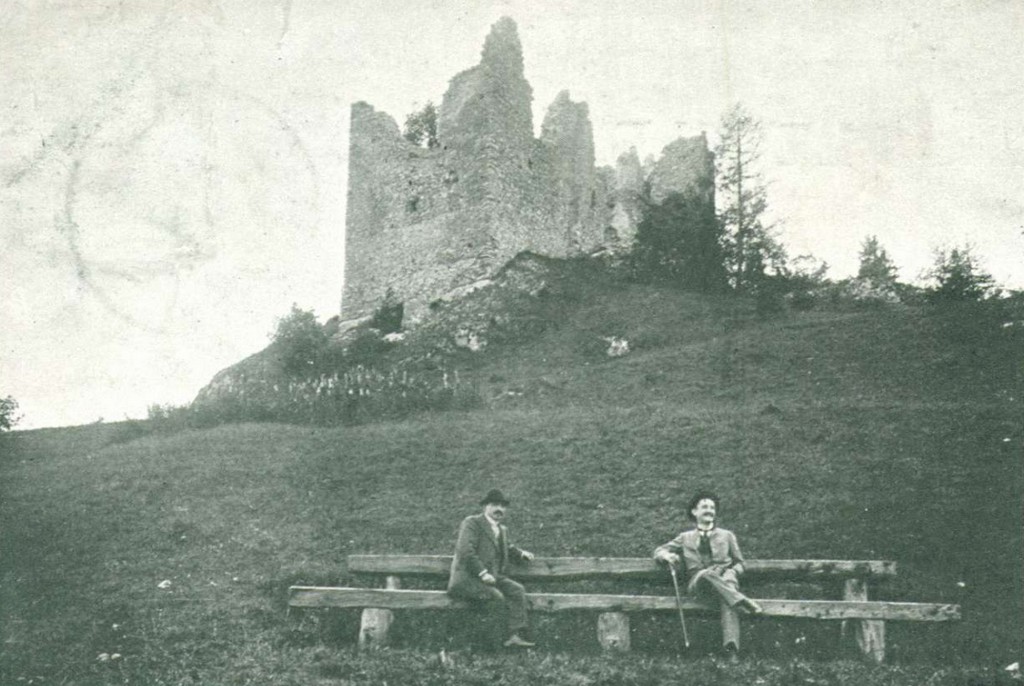
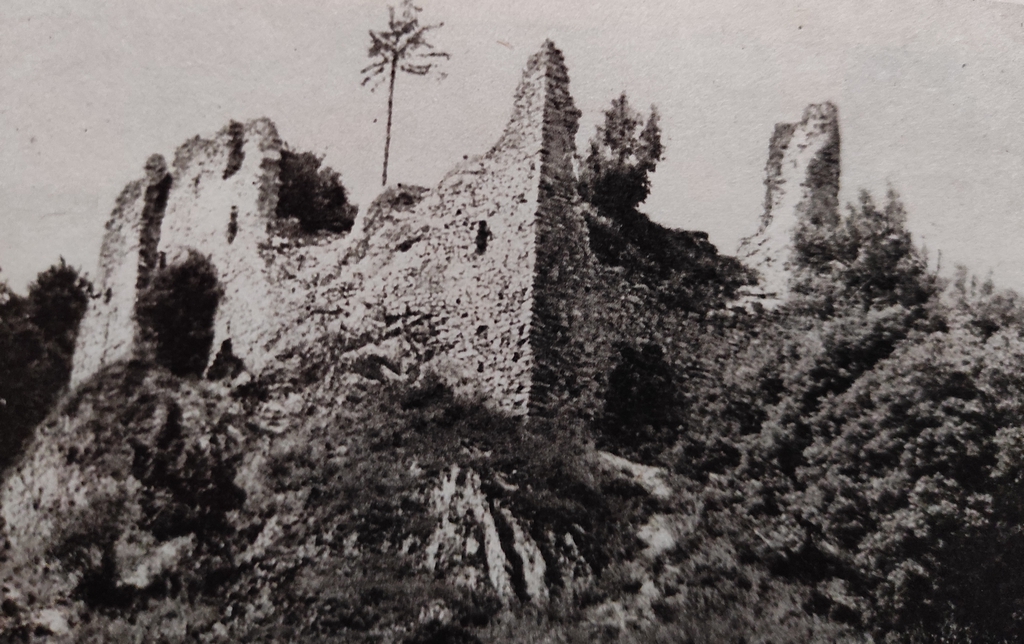
The castle consisted of a lower and an upper castle. It had a brick fortification and stretched at the edges of the top ridge. The considerably damaged originally prismatic tower with shooting ranges on the ground floor has been preserved, which was built to protect the road from Turiec to Ponitrie. The 14th-century two-storey building below has preserved corner stone blocks and the remains of a tarry nose on the north side.Of the later buildings, only the small turret attached to the elongated building on the east side has been preserved.
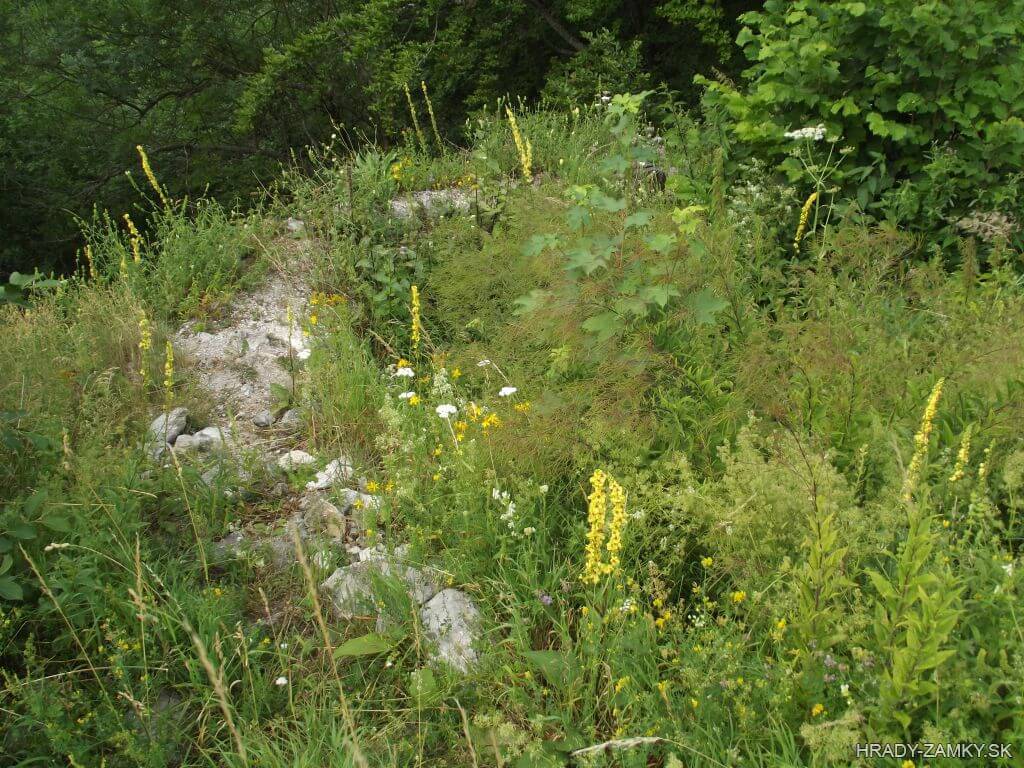
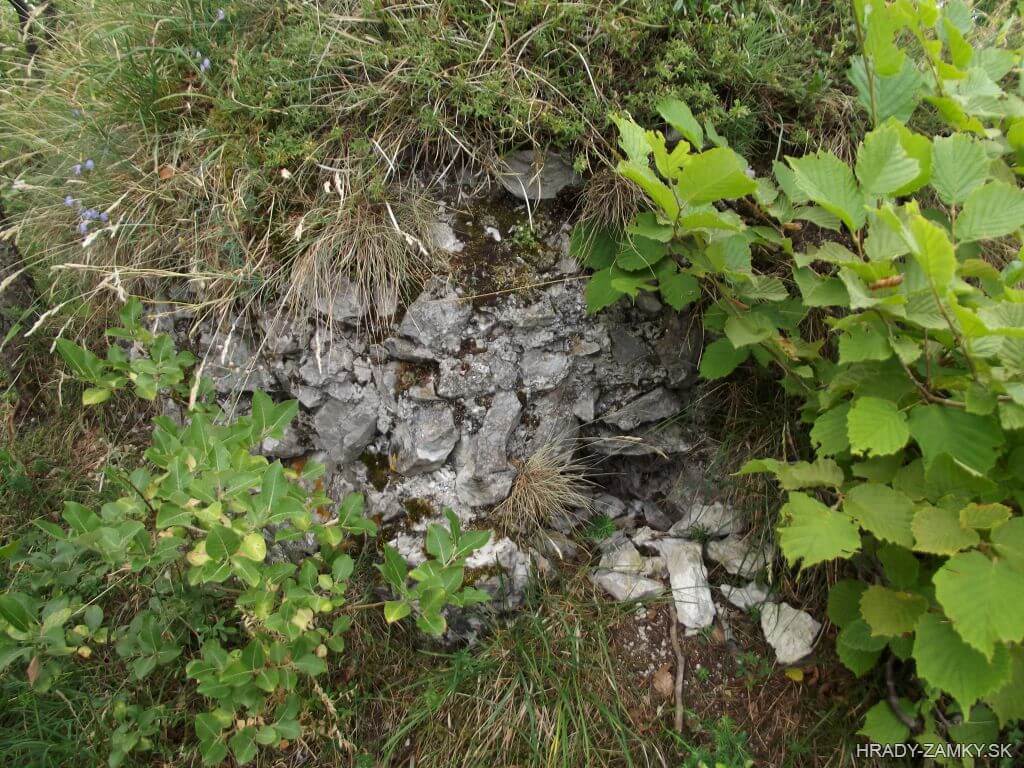
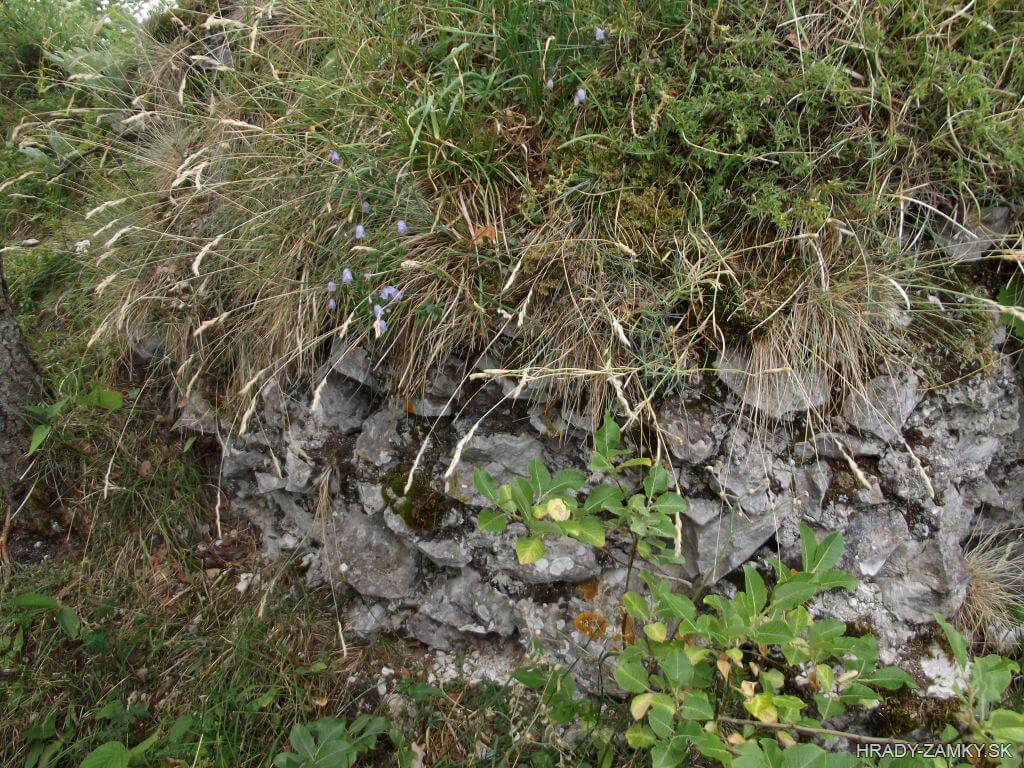
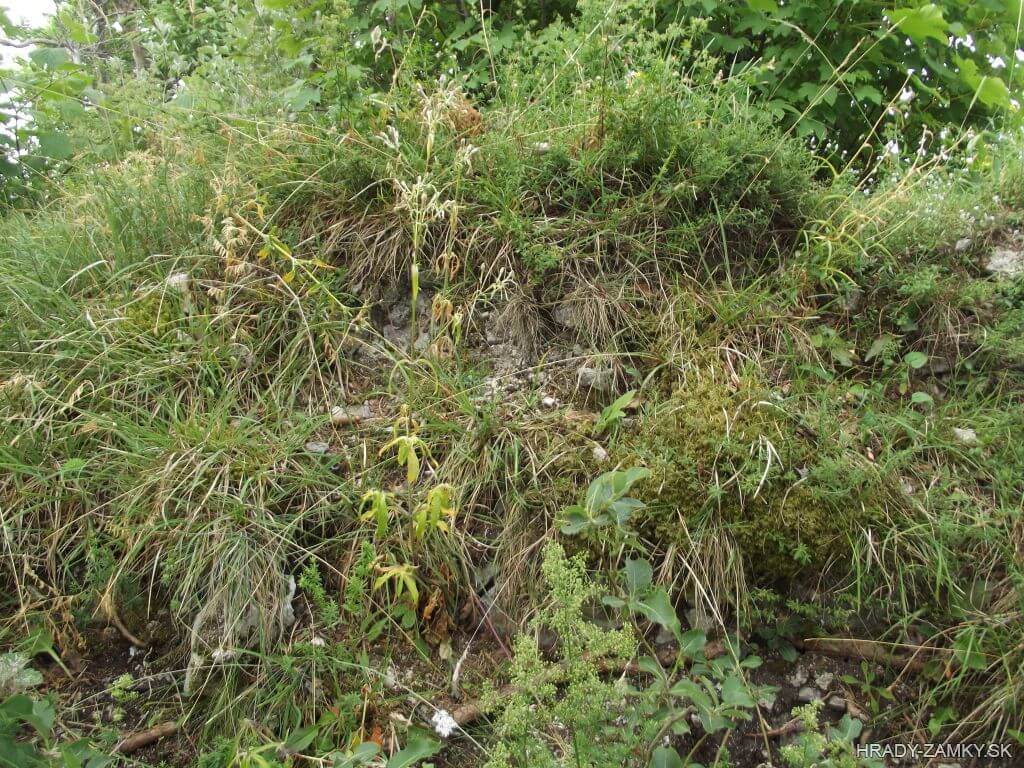
Hrad sa skladal z dolného a horného hradu. Mal murované opevnenie a rozpínal sa na okrajoch vrcholového hrebeňa. Zachovala sa značne poškodená pôvodne hranolová veža so strieľňami na prízemí, ktorá bola postavená na ochranu cesty z Turca do Ponitria. Nižšie situovaná poschodová budova zo 14. storočia má zachované nárožné kamenné kvádre a na severnej strane sú zvyšky smolného nosa. Z neskorších stavieb sa zachovala len vežička pristavaná k pozdĺžnej budove na východnej strane.Z ostatných objektov sú viditeľné len nepatrné, vegetáciou prerastené zvyšky múrov.
Plan
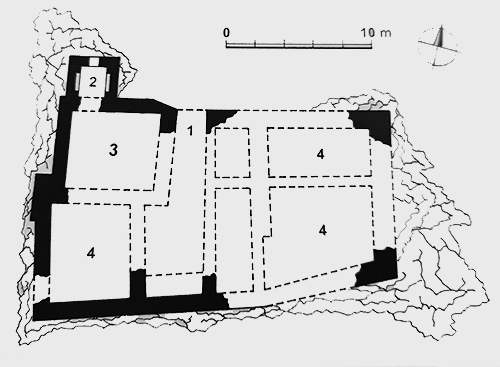
Legend to the ground plan
- 1 - entrance area
- 2 - defensive bastion
- 3 - older building
- 4 - living and operating spacesSource: NEŠPOR J.
- Za tajomstvami zrúcanín II. Zrúcaniny Stredného Slovenska
Legenda k pôdorysu
- 1 - vstupný priestor
- 2 - obranná bašta
- 3 - staršia budova
- 4 - obytné a prevádzkové priestoryZdroj: NEŠPOR J.
- Za tajomstvami zrúcanín II. Zrúcaniny Stredného Slovenska
History
In 1243, in a document of King Bela IV. mentions the castle as the castrum Turus (Turucz). However, it was probably built earlier in an older settlement, which in 1113 belonged to the Zobor Benedictine. In a later deed from 1253, the same monarch praises the merits of Ondrej of the Hont-Pázmány family, son of Ivanka, for his efforts in building the castle. It was probably built during the Tartar invasion in the years 1241 - 1242.
The castle was two-part with a brick stone fortification. Its dominant feature was a longitudinal towered palace surrounded by a wall.
From the middle of the 13th century it was a committee castle and bore the name Turčiansky hrad and in 1320 it became the property of the post office. Apparently at this time it was extended by a lower building on the east side. In the 14th century, Turiec was separated from the Zvolen capital and a separate Turčian capital was established. Sklabin Castle became its seat. The castle then got the name Zniev and its importance gradually declined.
In 1530, the castellan Gašpar Mičinský treacherously handed over the castle to Mikuláš Kostek, who was in the service of Ján Zápoľský. That is why the castle was severely damaged in 1532, during the conquest by the army of King Ferdinand I. At that time, the upper part of the castle was destroyed, but the lower castle was still maintained. Its main residential building at the end of the Middle Ages consisted of a three-storey palace building, which was created by extending an older residential tower. In 1538 the castle was acquired by František Révay and in 1545 the castle was fortified.
In the following decades, it often changed owners, who gradually repaired individual buildings, and the Renaissance palace was also rebuilt. In 1605 the castle was acquired by the Bočka family.
An archive of the convent was kept at the castle. However, the castle still lacked a modern fortification resistant to artillery, and therefore in 1680 the post office of Ziev ordered the archive to be moved to Sklabiňa. In 1681, the castle was conquered and burned by Thököly's insurgents. In 1705 the castle was occupied by Rákóczi's Kurucs.
The castle was then used as a refuge by the Jesuits. Even in the middle of the 18th century, the castle was maintained and guarded by two police stations. Its demise is expected sometime after 1773, when the Jesuit order was abolished. After this year, the castle gradually fell into disrepair.
In the years 1962 - 1963, archaeological research was carried out at the castle (G. Balaša).
V roku 1243 sa v listine kráľa Bela IV. spomína hrad ako castrum Turucz. Vznikol však ešte pravdepodobne predtým pri staršej osade, ktorá v roku 1113 patrila zoborským benediktínom. V neskoršej listine z roku 1253 ten istý panovník oceňuje zásluhy Ondreja z rodu Hont-Pázmányovcov, syna Ivankovho, za námahu pri stavbe hradu. Pravdepodobne k jeho stavbe došlo ešte za čias tatárskeho vpádu v rokoch 1241 - 1242.
Hrad bol dvojdielny s murovaným kamenným opevnením. Jeho dominantou bol pozdĺžny vežovitý palác obklopený hradbou.
Od polovice 13. storočia bol komitátnym hradom a niesol názov Turčiansky hrad a v roku 1320 sa stal majetkom prepošta. Zrejme v tomto čase ho rozšírili o nižšie položený objekt na východnej strane. V 14. storočí Turiec vyčlenili zo Zvolenskej stolice a vznikla samostatná Turčianska stolica. Jej sídlom sa stal Sklabinský hrad. Hrad získal potom názov Zniev a jeho význam postupne upadal.
V roku 1530 kastelán Gašpar Mičinský zradne odovzdal hrad Mikulášovi Kostkovi, ktorý bol v službách Jána Zápoľského. Hrad bol práve preto v roku 1532, pri dobýjaní vojskom kráľa Ferdinanda I., značne poškodený. Vtedy bola zničená horná časť hradu, dolný hrad však aj naďalej udržiavali. Jeho hlavnú obytnú budovu na konci stredoveku tvorila trojpodlažná palácová stavba, ktorá vznikla rozšírením staršej obytnej veže. V roku 1538 získal hrad František Révay a v roku 1545 dal hrad opevniť.
V nasledujúcich desaťročiach často menil majiteľov, ktorí postupne jednotlivé objekty opravovali a došlo tiež k renesančnej prestavbe paláca. V roku 1605 hrad získali Bočkaiovci.
Na hrade bol uschovaný archív konventu. Hradu však stále chýbalo moderné opevnenie odolávajúce delostreľbe, a preto v roku 1680 znievsky prepošt prikázal archív premiestniť na Sklabiňu. V roku 1681 potom hrad dobyli a vypálili Thökölyho povstalci. V roku 1705 hrad obsadili Rákócziho kuruci.
Hrad potom využívali ako útočisko jezuiti. Ešte v polovici 18. storočia hrad udržiavali a strážili dvaja strážnici. Jeho zánik sa predpokladá niekedy po roku 1773, kedy bol zrušený jezuitský rád. Po tomto roku hrad postupne upadal.
V rokoch 1962 – 1963 sa vykonal na hrade archeologický výskum (G. Balaša).
Myths and legends
The rumor about the Tartar siege of Zniev
When the Tatars defeated the Hungarian army of King Bela IV in the battle of the Slaná River in 1241, the king himself barely escaped his own death and fled. At the Zniev castle, he was overtaken by the Tatars, who surrounded the castle and attacked it. A wave of Tartar troops crashed into the walls of the castle after the wave, but the arrows from the Tartar bows could not break the solid stone walls. When they could not conquer the castle, they decided to starve its defenders until they surrendered themselves and betrayed the Hungarian king. Meanwhile, the king sat sadly in one of the castle chambers, wondering what to do. He was barely on his feet in hunger, and his crew was no better off. Suddenly, a door opened in the room where no one had noticed it before, and an unknown farmer walked out of the secret corridor.
He placed a basket full of crayfish on the table, plus two roast piglets. He told the king to feed one of the piglets to the starving defenders of the castle, but let the other piglet be thrown over the walls by the Tatars, thus deceiving them that there was still enough food in the castle. The deception really impressed and the Tatars withdrew from the castle. There was great joy at the castle and the king awarded the skilled farmer a noble title with the surname Rakovský as a reward, according to a basket with crayfish, which he brought to the castle through a secret corridor.
Povesť o tatárskom obliehaní Znieva
Keď v bitke pri rieke Slanej v roku 1241 porazili Tatári uhorské vojsko kráľa Bela IV., samotný kráľ ledva unikol vlastnej smrti a dal sa na útek. Na hrade Zniev ho dohnali Tatári, ktorí hrad obkľúčili a zaútočili naň. Na hradby hradu dorážala vlna tatárskych vojsk za vlnou, šípy z tatárskych lukov však nedokázali narušiť pevné kamenné múry. Keď nemohli hrad dobyť, rozhodli sa, že jeho obrancov nechajú vyhladovať, kým sa sami nevzdajú a nevydajú im uhorského kráľa. Kráľ zatiaľ smutne sedel v jednej z hradných komnát a rozmýšľal, čo si počne. Od hladu stál ledva na nohách a jeho posádka na tom nebola lepšie. Zrazu sa v komnate otvorili dvere na mieste, kde si ich nikto dovtedy nevšimol a z tajnej chodby vykročil neznámy sedliak.
Na stôl položil plný kôš rakov a k nim ešte aj dve pečené prasiatka. Kráľovi povedal, aby jedným prasiatkom nakŕmil vyhladovaných obrancov hradu, ale to druhé prasiatko nech vyhodia Tatárom cez hradby, čím ich oklamu, že na hrade je ešte potravín dosť. Lesť skutočne zapôsobila a Tatári od hradu odtiahli. Na hrade nastala veľká radosť a kráľ udelil šikovnému sedliakovi za odmenu šľachtický titul s priezviskom Rakovský, to podľa koša s rakmi, ktoré doniesol tajnou chodbou na hrad.
Useful information
The ruins are freely accessible
Zrúcanina je voľne prístupná
Nearby castles
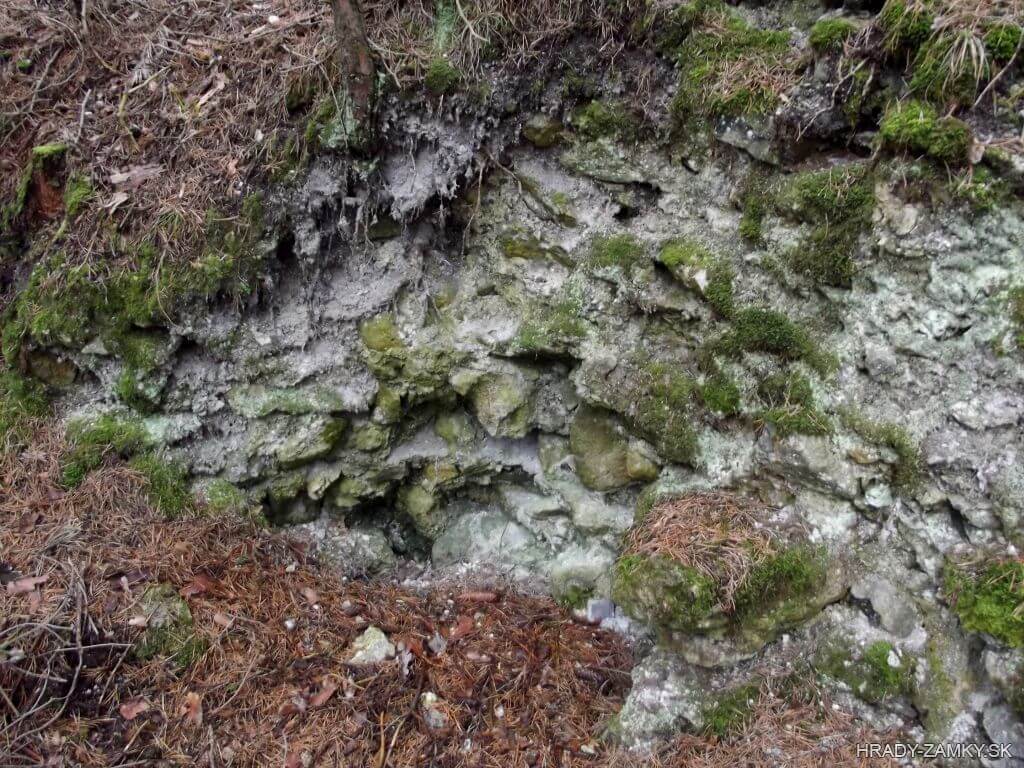
Slovenské Pravno
Slovenské Pravno
5.7km
castle ruin
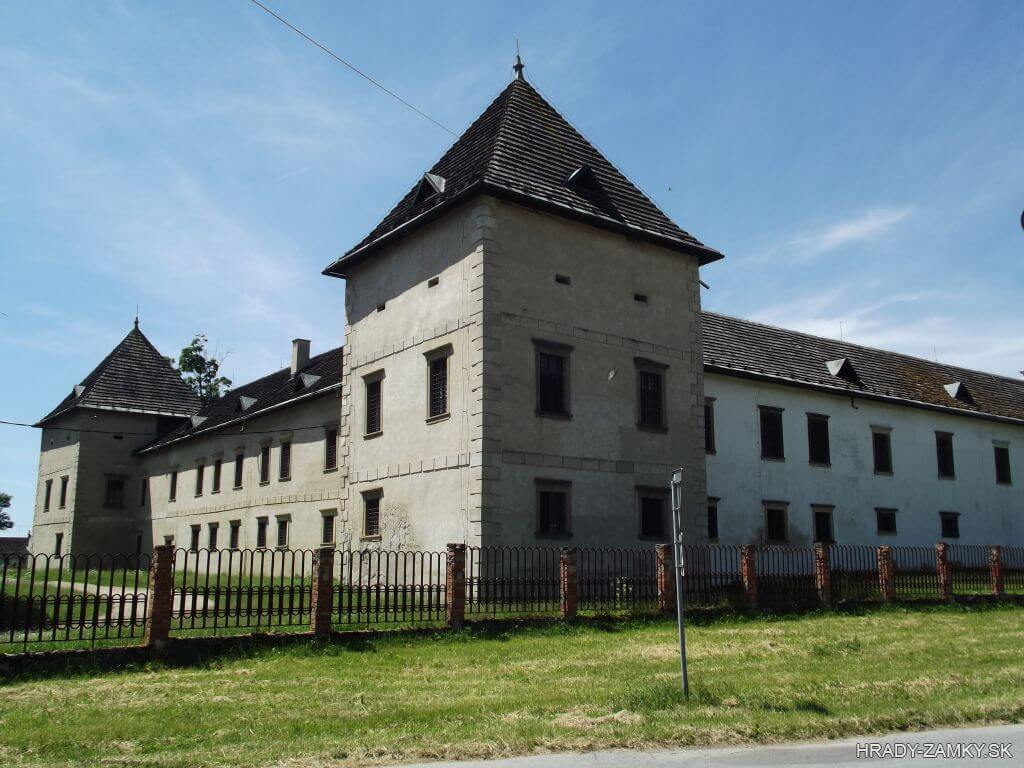
Trebostovo
Trebostovo
9.2km
manor, mansion
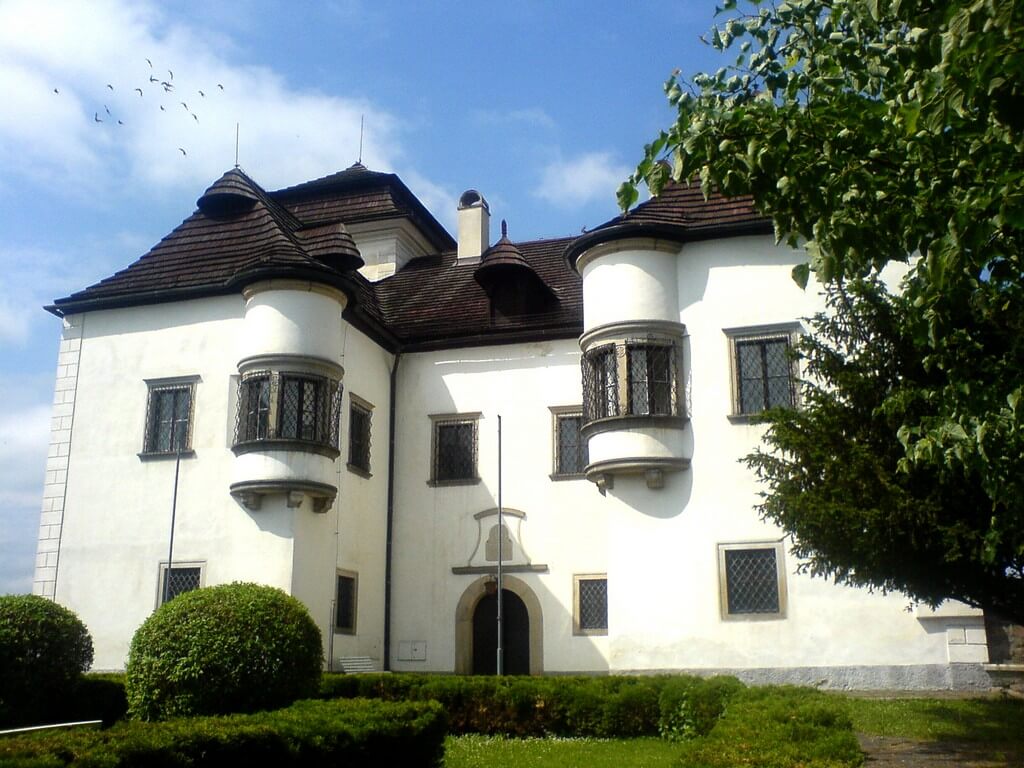
Diviaky
Turčianske Teplice
11.4km
manor, mansion
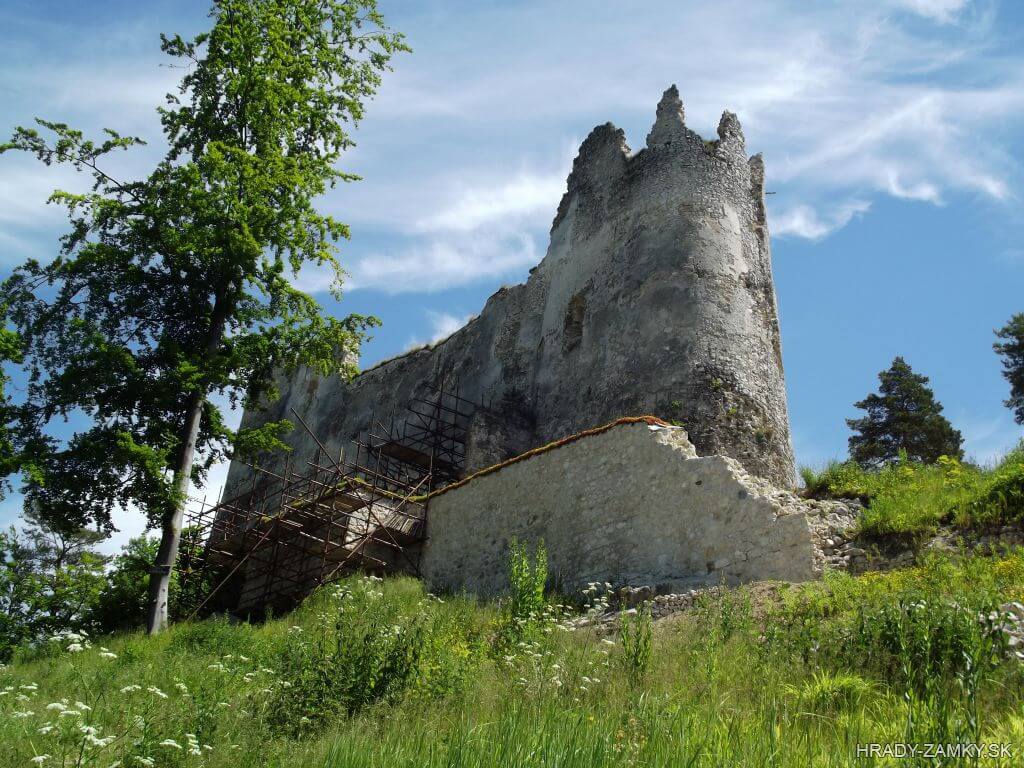
Blatnica
Blatnica
12.9km
castle ruin
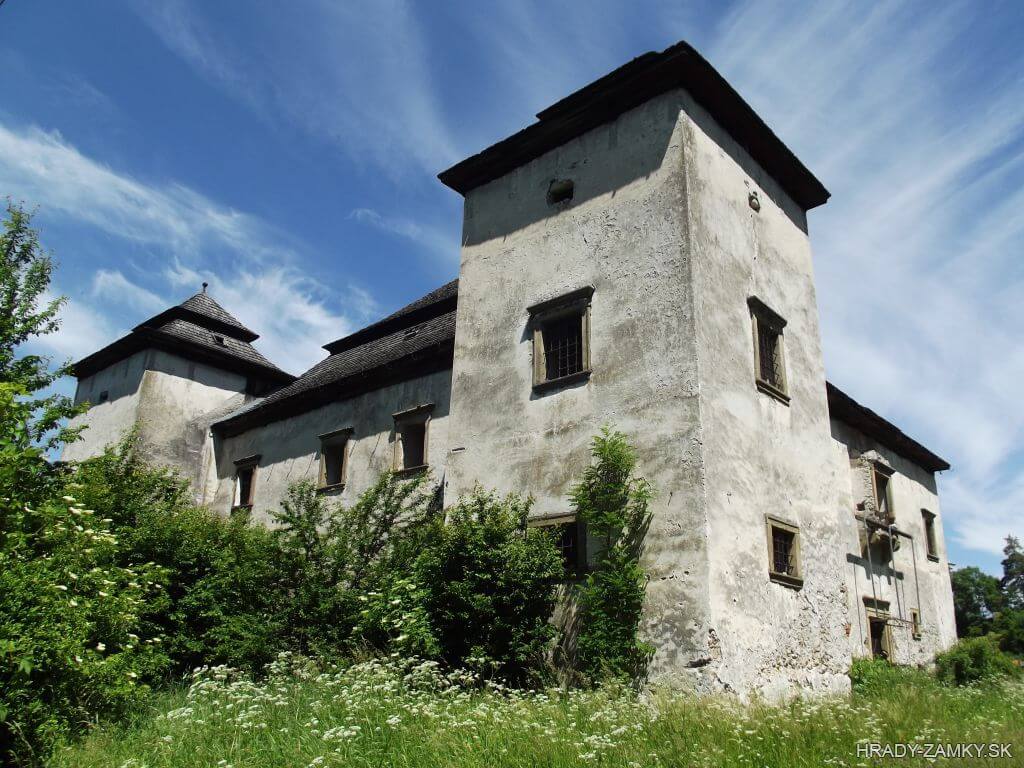
Necpaly
Necpaly
14.4km
manor, mansion
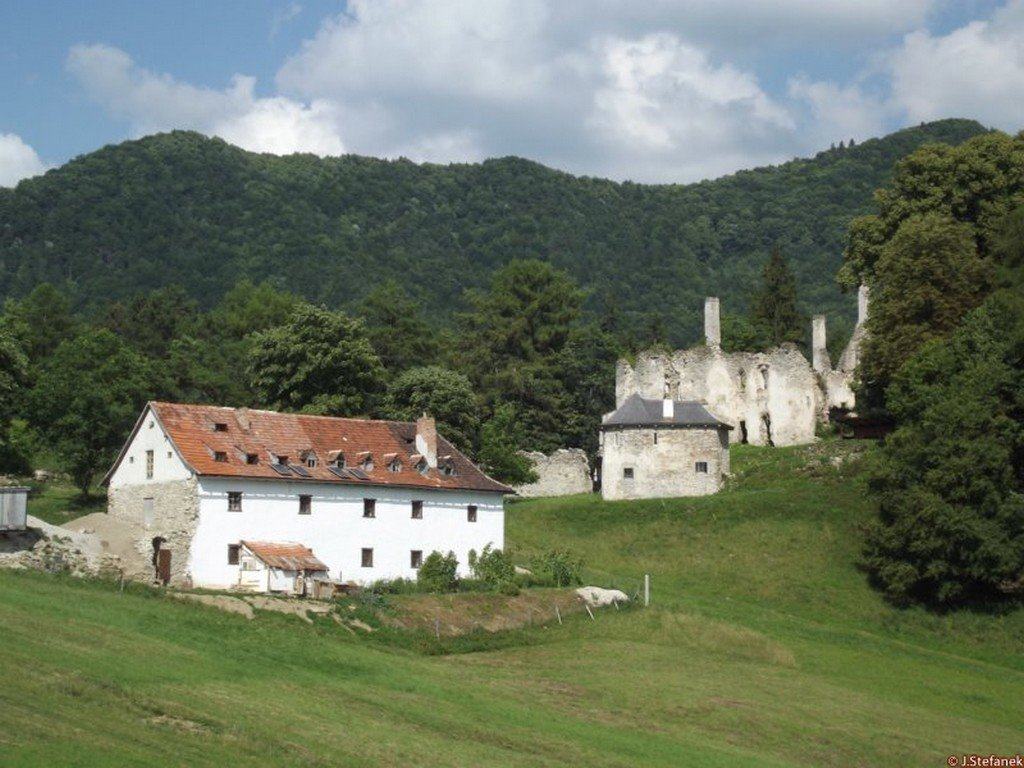
Sklabiňa castle
Sklabinský Podzámok
20.4km
castle ruin
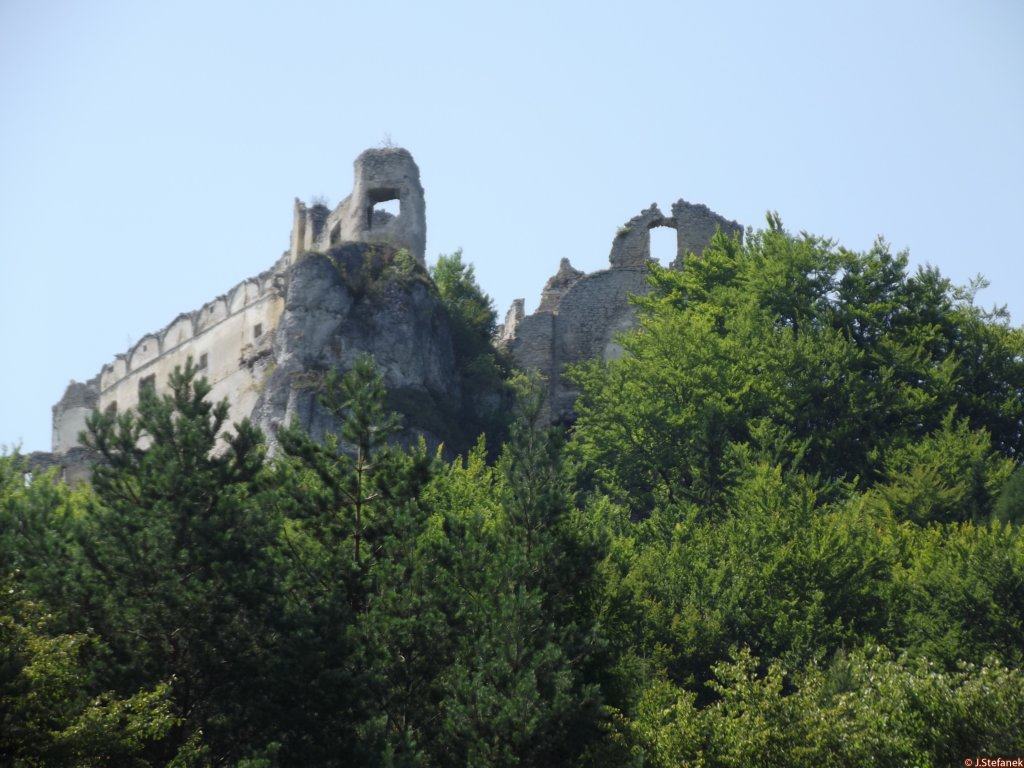
Lietava
Lietava
22.3km
castle ruin