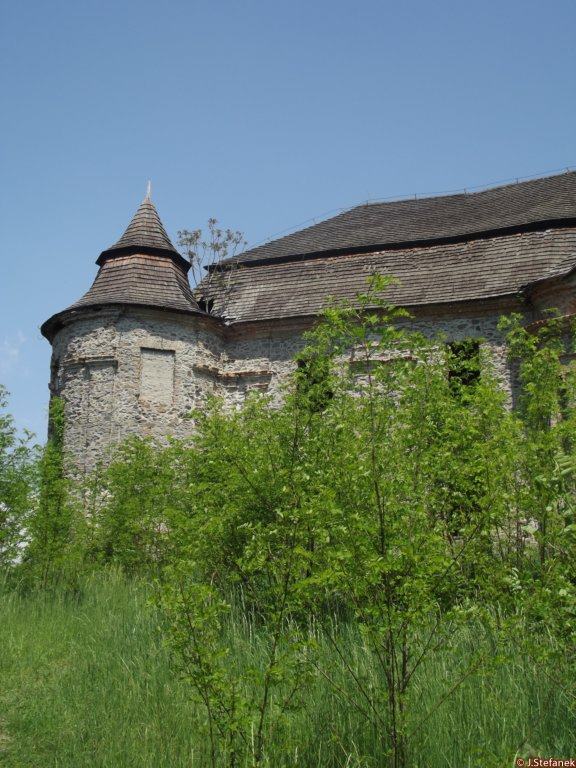
Šomoška
Šiatorská Bukovinka Banská Bystrica county Slovakia
castle ruin
Šomoška
Šiatorská Bukovinka Banskobystrický kraj Slovakia
zrúcanina hradu
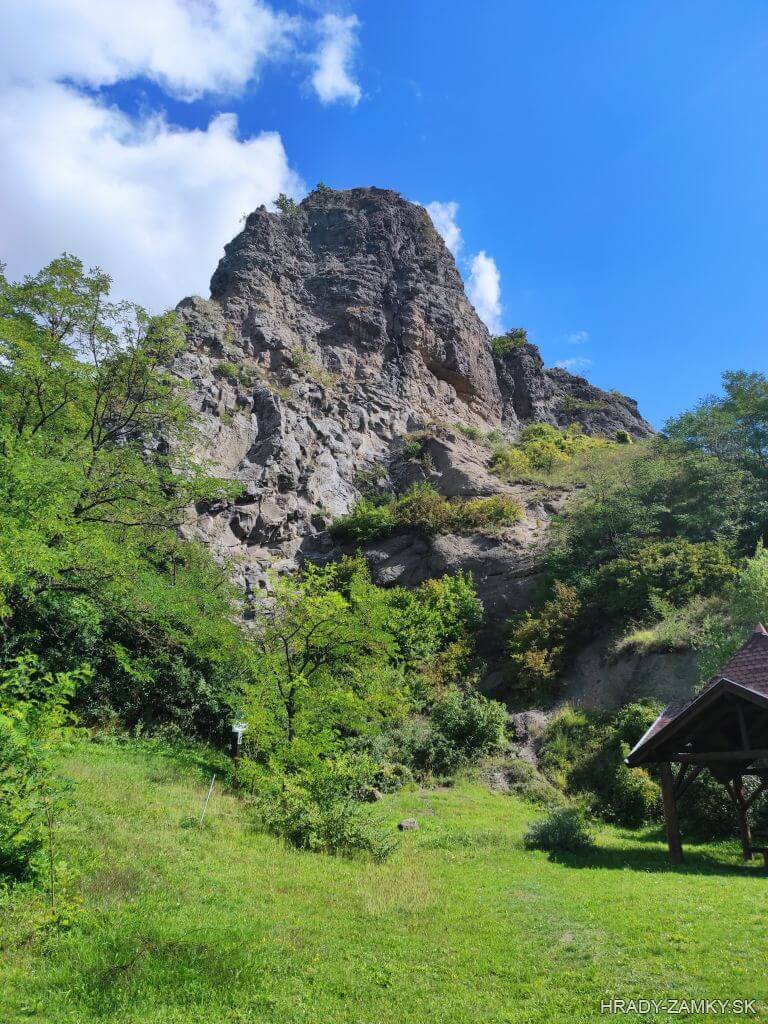
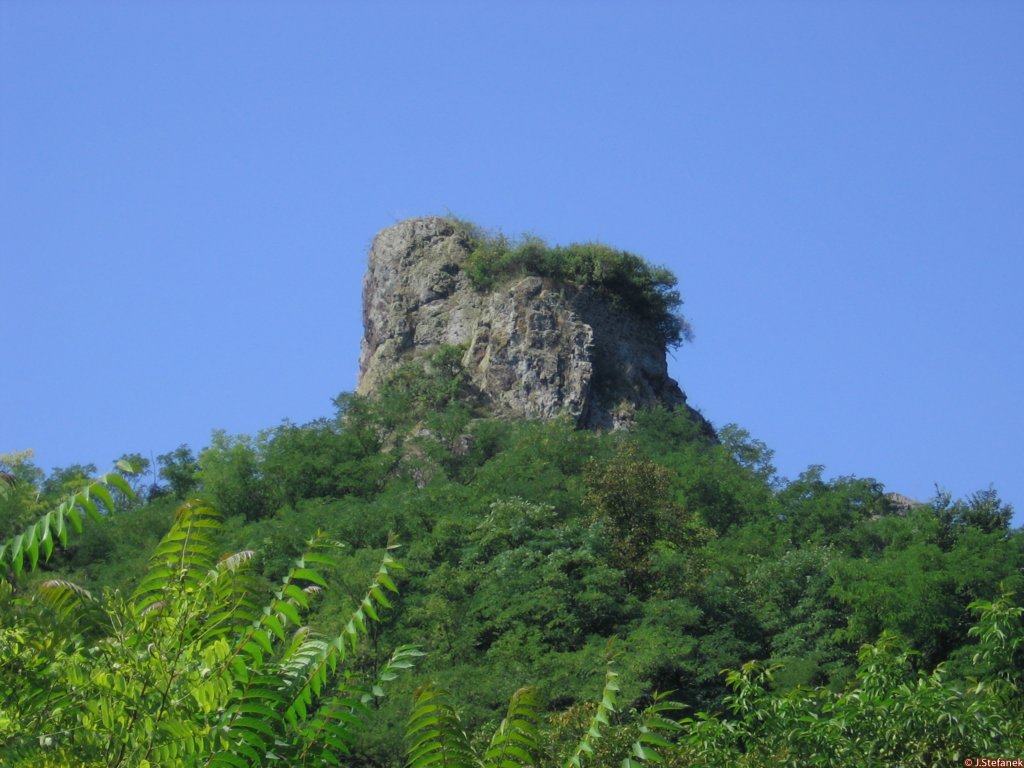
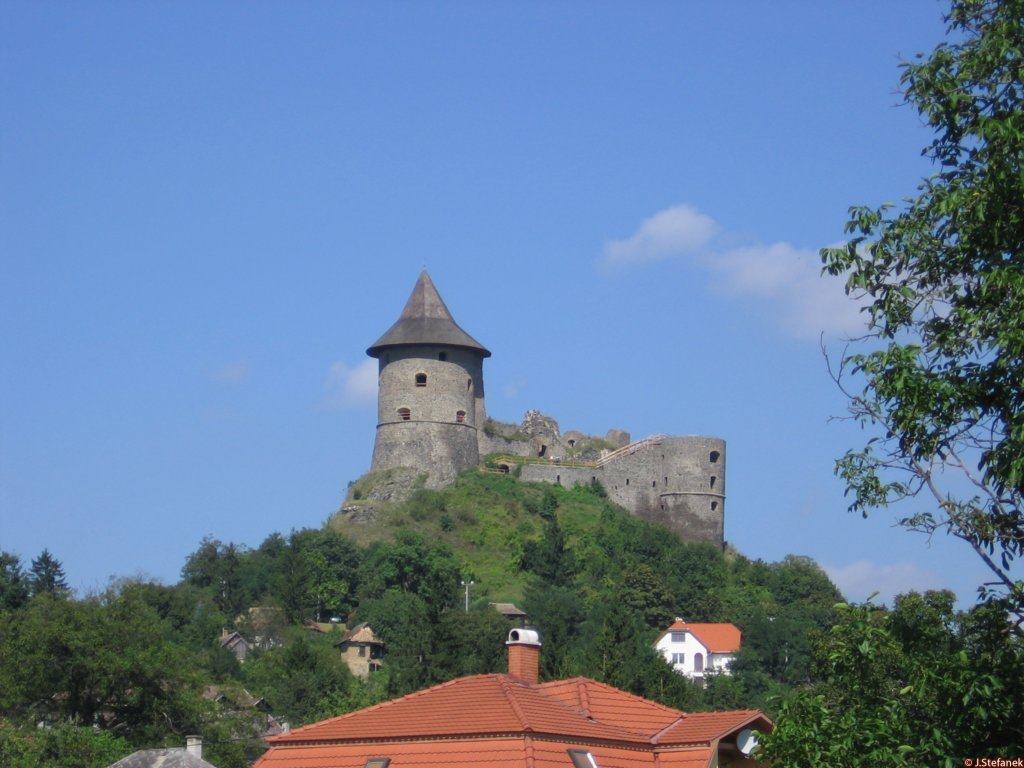
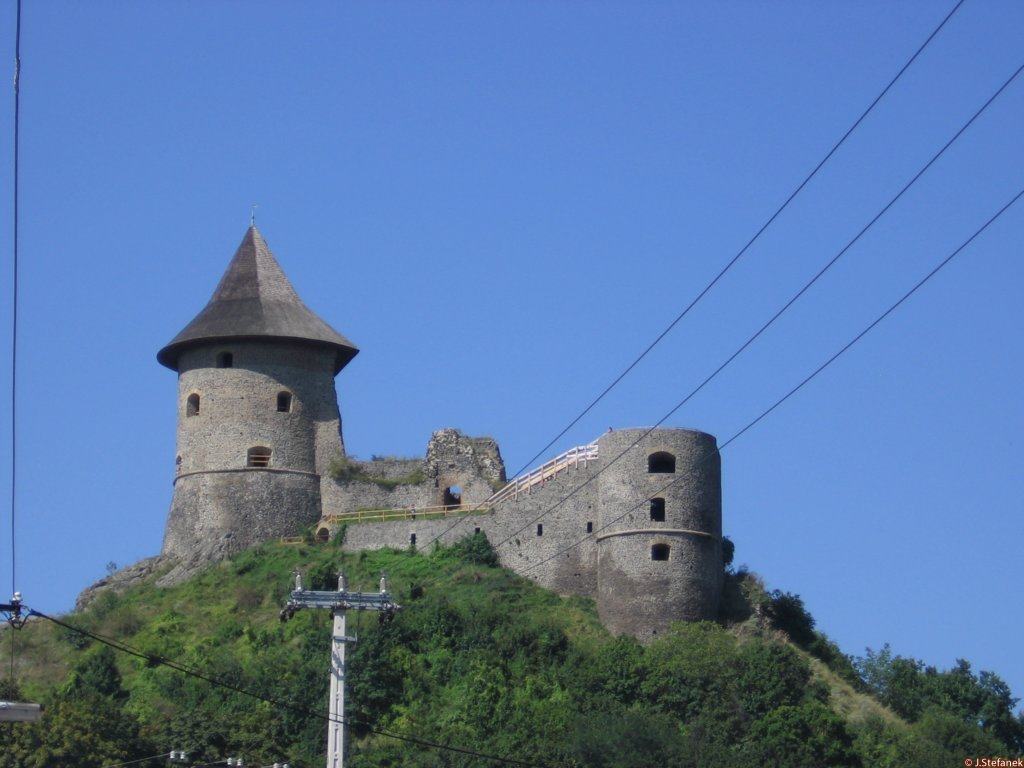
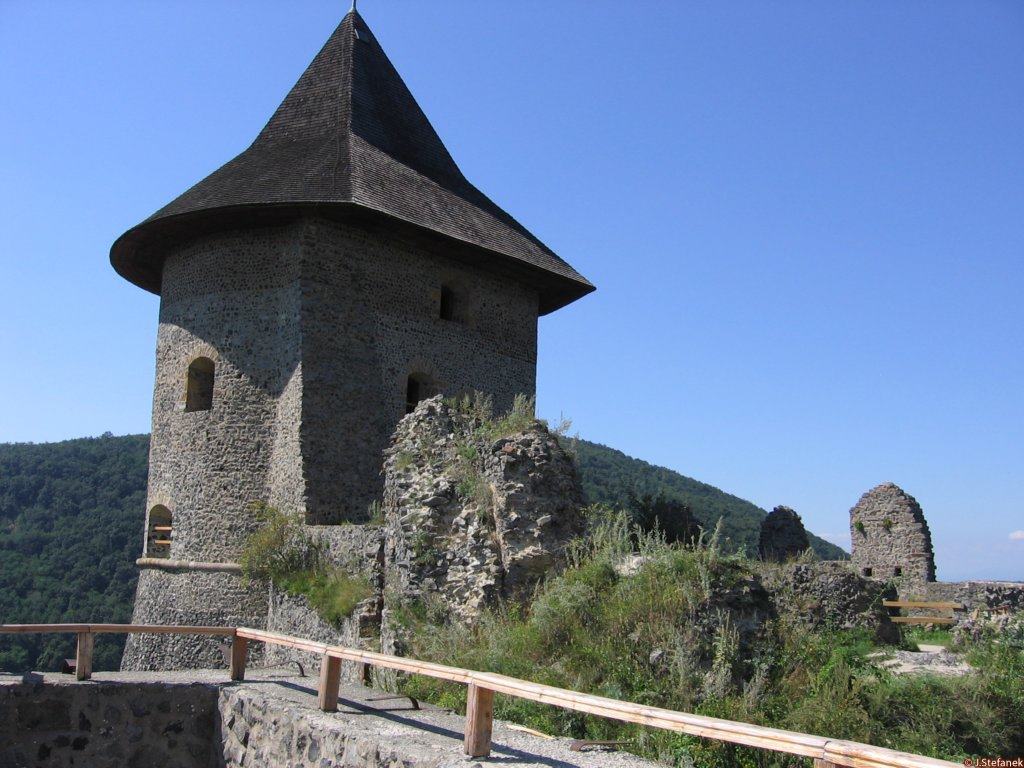
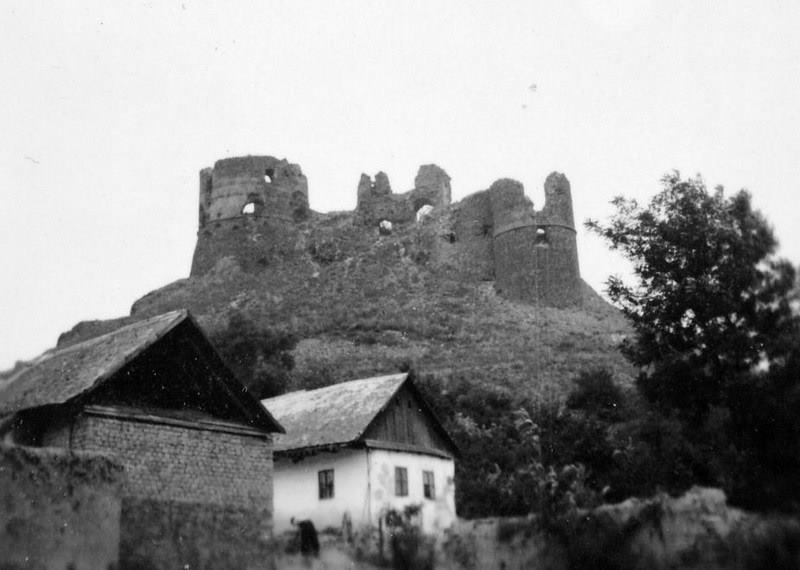
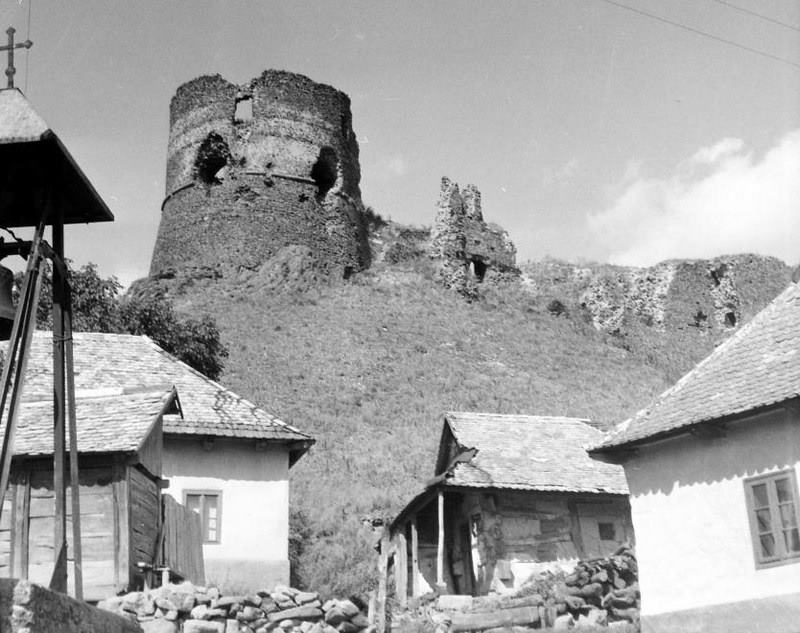
The preserved castle ruin is located on a conical basalt hill in Cerová vrchovina in close proximity to the border with Hungary
Konzervovaná zrúcanina hradu sa nachádza na kužeľovitom čadičovom vrchu v Cerovej vrchovine v tesnej blízkosti hranice s Maďarskou republikou.
Previous names
castrum Somoskw, Somoskew - Drieňový Kameň, Somoskó, Drienov
Roads
Trasa 1: The easiest way to get to the castle is from the Hungarian side. From the Slovak village of Šiatorská Bukovinka we get to the border with Hungary, where we go to the Hungarian village of Somoskőújfalu, from there a short distance to the next village of Somoskő, which is located in the immediate vicinity of the castle. We need to get to a street called Vároldali út. There is a parking lot directly under the castle and from there on foot a short ascent to the castle.
Trasa 1: Najjednoduchšie sa k hradu dostaneme z maďarskej strany. Zo slovenskej obce Šiatorská Bukovinka sa dostaneme až k hraniciam s Maďarskom, kde prejdeme do maďarskej obce Somoskőújfalu, odtiaľ kúsok do vedľajšej obce Somoskő, ktorá sa nachádza v bezprostrednej blízkosti hradu. Potrebujeme sa dostať na ulicu zvanú Vároldali út. Tu je priamo pod hradom parkovisko a odtiaľ peši kratučkým výstupom na hrad.
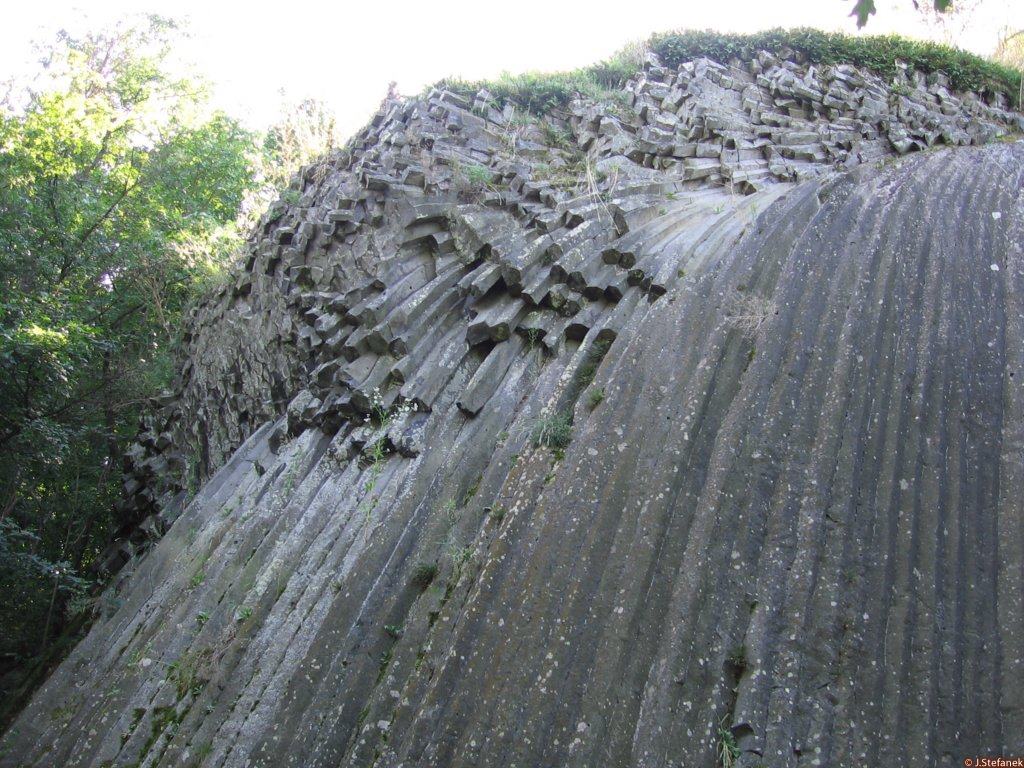
Trasa 2: Longer access to the castle is the road from the village Šiatorská Bukovinka. From the main road in the village, we turn at the triangular crossroads to a road that we go straight on, pass the crossroads and come to a point, where the roads separates again. Here we turn right onto a narrow asphalt road and after about 2 km we come to a large paid parking lot. There is an entrance to the Šomoška nature reserve. Next to the oval stone building called Simon's Tower there is an information panel with a map, from which we continue along the green route of the nature trail, which will take us to castle Šomoška.Below the castle there are rocky seas from crumbling basalt and a 9 m high famous Stone waterfall from interesting hexagonal basalt columns. On the Hungarian side, directly opposite the Šomoška castle, there is the Salgó castle, also visible from the Šomoška castle.
Trasa 2: Dlhším, ale krajším prístupom na hrad je cesta z obce Šiatorská Bukovinka. Z hlavnej cesty v obci odbočíme na trojuholníkovej križovatke na cestu, ktorou pôjdeme stále rovno, minieme križovatku a prídeme na rázcestie. Tu odbočíme na úzku asfaltovú cestu vpravo a asi po 2km prídeme na rozsiahle platené parkovisko. Je tu vstup do prírodnej rezervácie Šomoška. Vedľa oválnej kamennej budovy s názvom Šimonova veža stojí informačný panel s mapou, od ktorého pokračujeme po zelenej trase náučného chodníka, ktorou sa dostaneme až k hradu Šomoška.Pod hradom sa nachádzajú kamenné moria z rozpadávajúceho sa čadiča a 9m vysoký známy Kamenný vodopád zo zaujímavých šesťhranných čadičových stĺpcov. Na maďarskej strane, priamo oproti hradu Šomoška sa týči hrad Salgó, viditeľný aj z hradu Šomoška.
Description
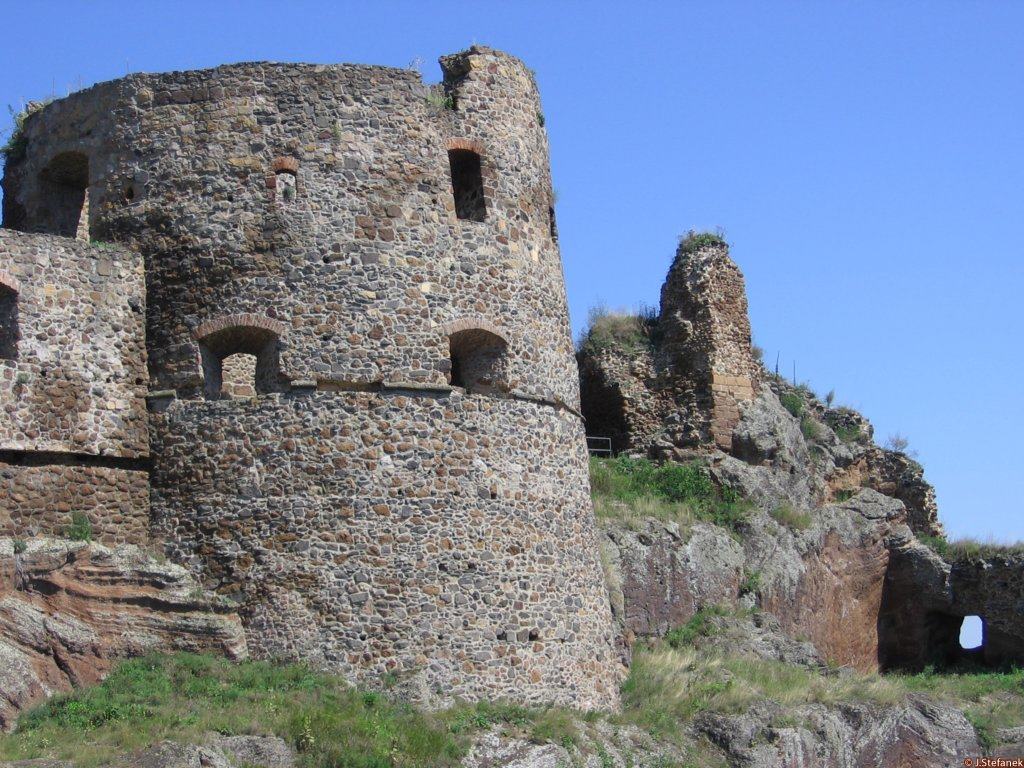
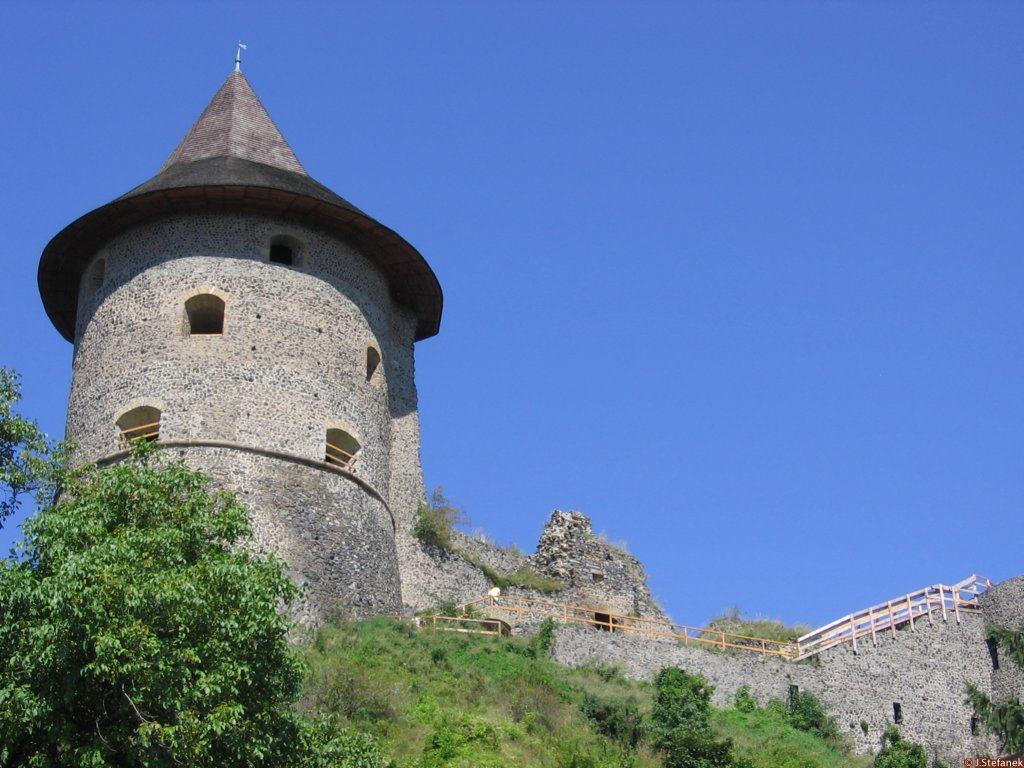
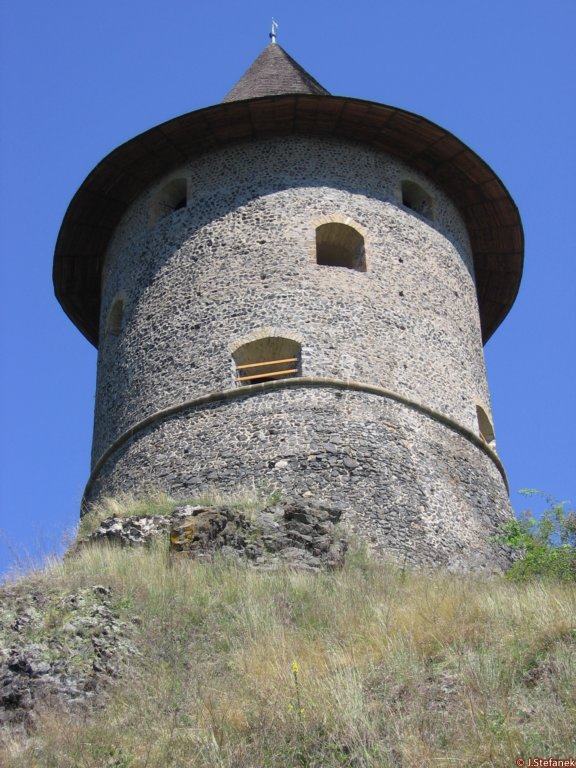
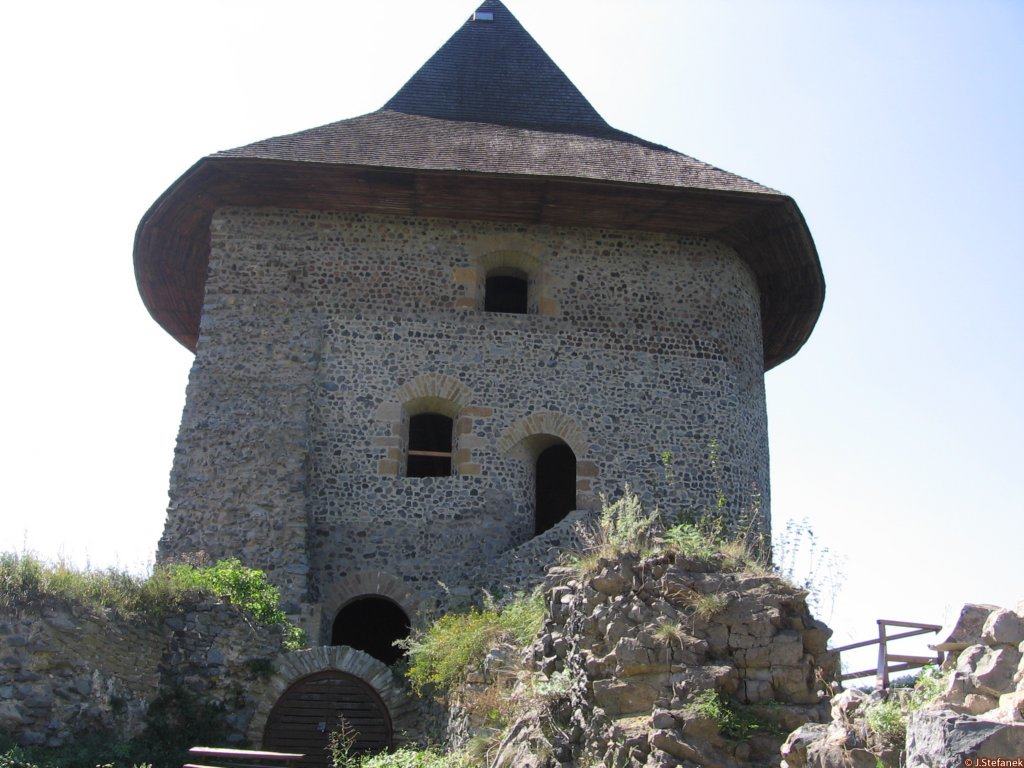
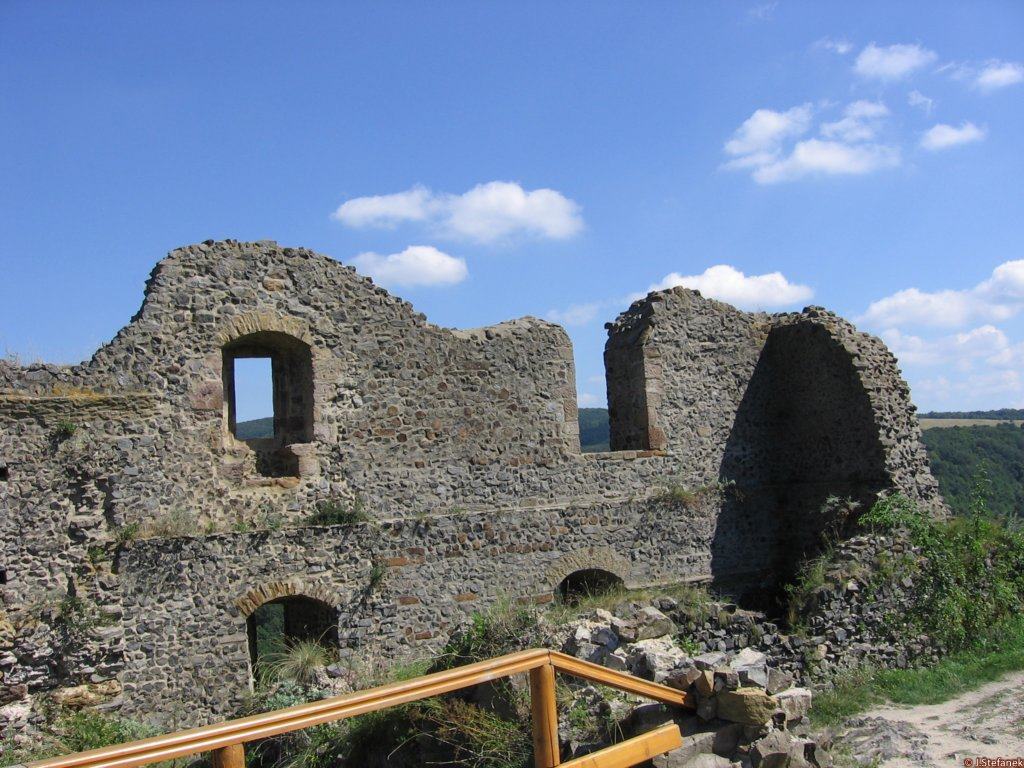
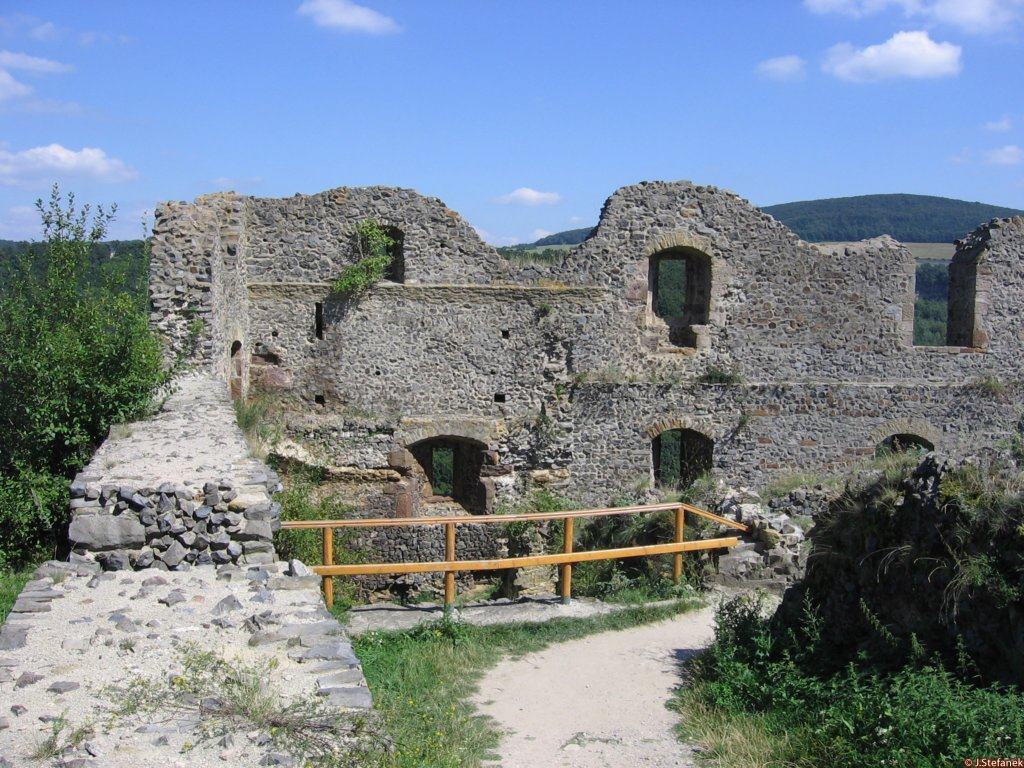
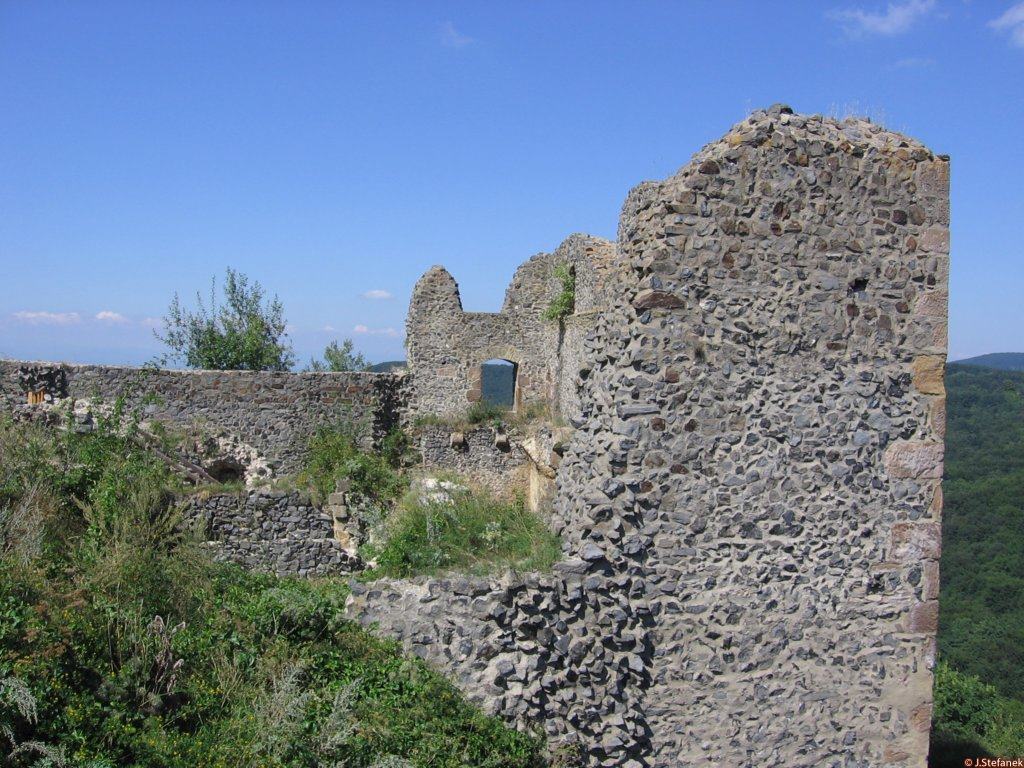
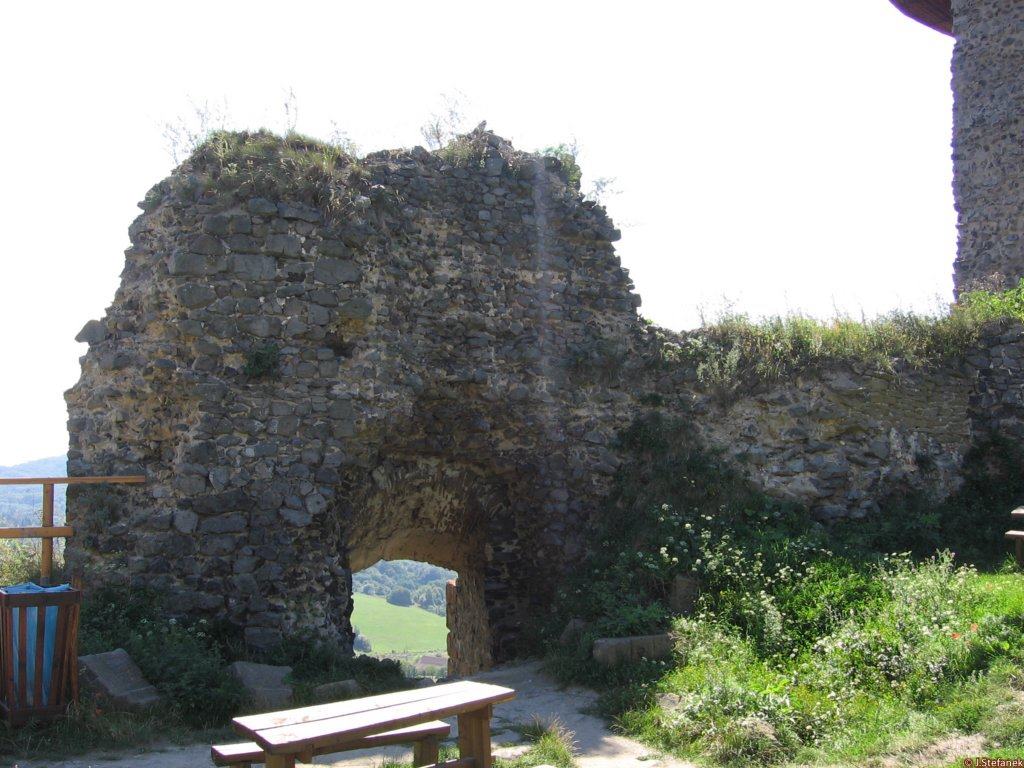
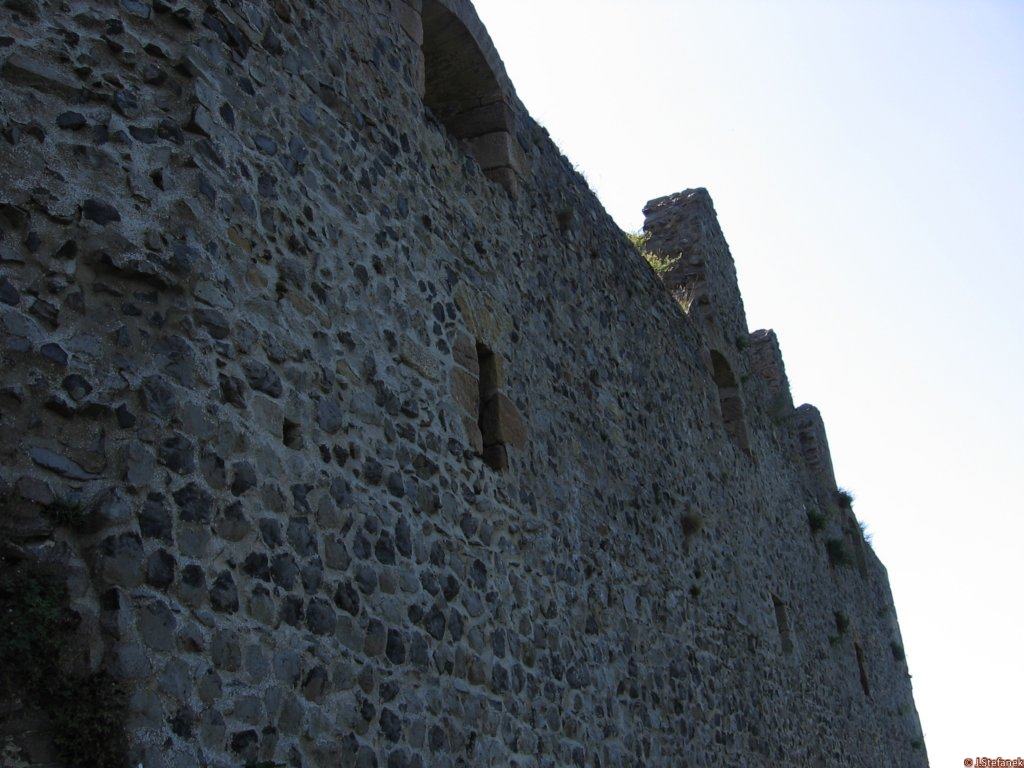
The castle core, enclosed by walls on an approximately triangular plan, occupies in the north the remains of a Gothic palace with a square tank on the ground floor. Between the palace and the remains of the SE building is the entrance to the courtyard with two other circular cisterns. During the Renaissance reconstruction of the castle, a cylindrical cannon tower, a horseshoe bastion were added to the triangle tops, and the third peak was reinforced with a circular entrance bastion, which covered the original castle gate. Between the tower and the bastions stretch defensive casemate corridors. The living space of the castle is extended by an extension to the outside of the eastern wall and the construction of a forward bastion with a polygonally terminated cannon platform reinforced the defense.Remains of window and portal openings, cannon firing and demanding framing of stone walls have been preserved.
Hradné jadro uzavreté hradbami na približne trojuholníkovom pôdoryse zaberajú na severe zvyšky gotického paláca so štvorcovou cisternou na prízemí. Medzi palácom a pozostatkami JV budovy je vstup na nádvorie s dvomi ďalšími kruhovými cisternami. Pri renesančnej prestavbe hradu pristavali k vrcholom trojuholníka valcovú delovú vežu, podkovovitú baštu a tretí vrchol spevnili kruhovou vstupnou baštou, ktorá zakryla pôvodnú hradnú bránu. Medzi vežou a baštami sa ťahajú obranné kazematové chodby. Obytné priestory hradu rozširuje prístavba k vonkajšej strane východnej hradby a vybudovanie predsunutého bastiónu s polygonálne ukončenou delovou plošinou posilnilo obranu.Zachovali sa zvyšky otvorov okien a portálov, delové strieľne a nárožné rámovanie kamenných múrov.
Plan
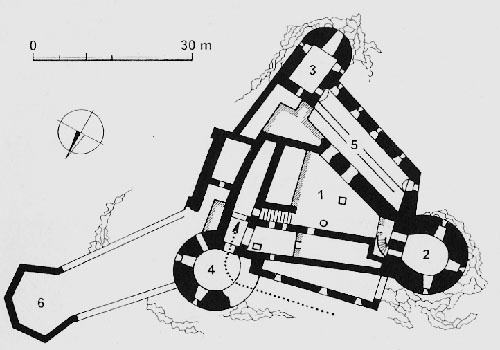
Legend to the ground plan
- 1-courtyard with adjoining palace
- 2-cylinder tower
- 3-bastion
- 4-entrance tower
- 5-artillery casemates
- 6-bastion with cannon platform
Legenda k pôdorysu
- 1-nádvorie s priľahlým palácom
- 2-valcová veža
- 3-bašta
- 4-vstupná veža
- 5-delostrelecké kazematy
- 6-bastión s delovou plošinou
History
The castle was probably built before 1291 by Peter from the Illéšov branch of the Kačič family (Kacsics family). In 1310, Peter's sons handed over the castle to Matúš Čák, who lost the castle after the battle of Rozhanovce in 1312 and a little later. In 1455, the last owner of this family, Ladislav, gave the manor and castle in advance to Albert Lossonczy and the land dignitary Michal Országh. In the middle of the 16th century, only the Štefan, the main captain of the Lower Mountain troops, represented the Lossonczy family. The fate of Štefan Lossonczy in the battle of Temesvár in 1552 was fatal for the castle, when the Turks occupied Šomoška and other surrounding castles. Although the castle was thoroughly fortified, Štefan's son-in-law Krištof Ungnad in 1576 could not defend it from a new onslaught of Turkish troops. As early as 1593, however, the castle was recaptured by the imperial dukes Mikuláš Pálfi and Krištof of Tiefenbach. The castle then belonged to Sigismund Forgach.
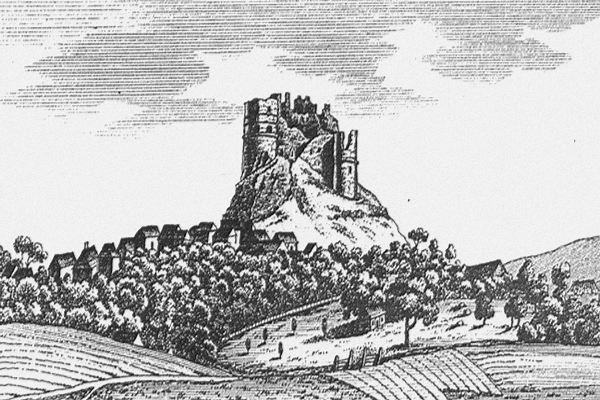
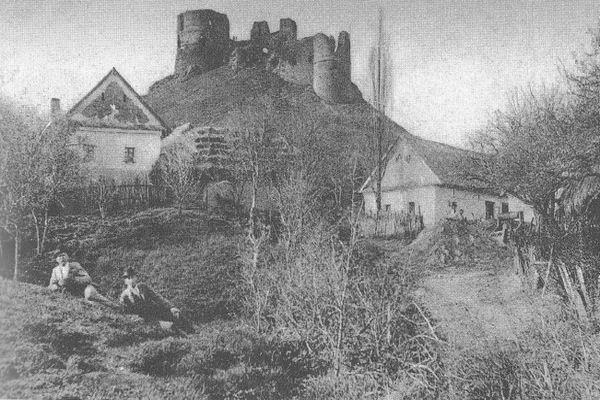
During the anti-Habsburg uprisings in 1605, the castle was occupied by the insurgents Štefan Bocskaya, in 1619 by the insurgents Gabriel Bethlen and in 1703 by the Kurucs of Francis II. Rákóczi. A year later, Simon, the grandson of Sigismund Forgách, joined the insurgents, for which Emperor Joseph I confiscated all his family property in 1709. In connection with the suppression of the Rákóczi uprising, the imperial army conquered the castle and, in order to prevent its unwanted re-use, blew it up. The castle gradually fell into disrepair, and the fire in 1826, allegedly caused by lightning, caused further damage and at this time the remaining preserved areas of the castle were demolished. Since then, the castle is in ruins.
At the end of the 20th century, a monumental ruin was built, during which one of the bastions was also roofed.
Hrad pravdepodobne pred rokom 1291 postavil Peter z Illéšovskej vetvy Kačičovcov (Kacsicsovcov). V r.1310 Petrovi synovia vydali hrad Matúšovi Čákovi, ktorý o hrad prišiel po bitke pri Rozhanovciach v r.1312 a o niečo neskôr, v r.1323 Karol Róbert odmenil vernosť Tomáša Kačiča z vetvy Szécsényiovcov a hrad mu daroval. V r.1455 posledný majiteľ z tohto rodu, Ladislav, dal panstvo s hradom do zálohu Albertovi Lossonczymu a krajinskému hodnostárovi Michalovi Országhovi. V polovici 16.storočia rod Lossonczyovcov reprezentoval už len Štefan, hlavný kapitán dolnouhorských vojsk. Osudným pre hrad bola smrť Štefana Lossonczyho v bitke pri Temesvári v r.1552, keď Turci obsadili Šomošku i ostatné okolité hrady. Hoci bol hrad dôkladne opevnený, Štefanov zať Krištof Ungnad ho v r.1576 nedokázal ubrániť pred novým náporom tureckých vojsk. Už v r.1593 však hrad dobyli späť cisárski vojvodcovia Mikuláš Pálfi a Krištof z Tiefenbachu. Hrad vtedy pripadol Žigmundovi Forgáchovi.
Počas protihabsburských povstaní v r.1605 obsadili hrad povstalci Štefana Bocskaya, v r.1619 povstalci Gabriela Bethlena a v r.1703 aj kuruci Františka II. Rákócziho. O rok neskôr sa k povstalcom pridal Šimon, vnuk Žigmunda Forgácha, za čo mu cisár Jozef I. v r.1709 zhabal všetky rodové majetky. V súvislosti s potláčaním Rákócziho povstania cisárske vojsko hrad dobylo, a aby zabránilo opätovnému nežiaducemu využitiu, vyhodilo ho do vzduchu. Hrad postupne chátral, a požiar v r.1826, údajne spôsobený bleskom, narobil ďalšie škody a v tomto čase boli zbúrané aj zvyšné zachované priestory hradu. Odvtedy je hrad v ruinách.
Koncom 20.storočia sa realizovalo pamiatkové zabezpečenie zrúcaniny, pri ktorom bola zastrešená aj jedna z bášt.
Myths and legends
The legend of the castle
Below the castle, in the old quarry, is an unveiling of the columnar separation of basalts, known as the Stone Waterfall. The fan of hexagonal prisms will not only attract today's visitors, but, as the walls of the castle prove, it also pleased its builders, who found the prepared building material here.
Castle for love
The Šomoška captain was worried about the head. His loved one's parents prevented them from getting married, arranged her wedding with another, and kept him in duty at the castle - a number of Turks who besieged the castle. When a saving thought occurred to him. At night he will kidnap the sweetheart, secretly marry and be back on the walls by morning. So he did. However, when the soldiers of the castle garrison noticed that the commander had escaped from the castle, they also took their feet on their shoulders. However, the captain did not find a sweetheart, because the Turks found out about her and kidnapped her. He also lost his love for the castle, which the enemy occupied without resistance.
Puppets in the castle
The castle lord of Šomoška was a big braggart. He did nothing of the Turks, who already occupied the neighboring castles, but on the contrary, he exhibited how he would pass through their minds. When the king once asked him for help, he sent almost the entire garrison to Zvolen and set up straw mannequins on the walls instead of his soldiers. After all, the Turk is a pagan and the pagan is stupid, he liked to talk. He even entrusted the defense of the castle to only one of his soldiers and went under the castle himself to attack the attackers with the remaining soldiers. Of course, he succumbed to Turkish superiority, and the commander of the straw army was left to the castle as a madman in the castle.
Povesť o hrade
Pod hradom, v starom lome, je odkryv stĺpovej odlučnosti čadičov, známy ako Kamenný vodopád. Vejár šesťbokých hranolov zaujme nielen dnešného návštevníka, ale, ako dokazujú múry hradu, potešil aj jeho budovateľov, ktorí tu našli prihotovený stavebný materiál.
Hrad za lásku
Šomošský kapitán mal starostí vyše hlavy. Rodičia jeho milej im bránili vziať sa, hotovali jej svadbu s iným a jeho držala na hrade povinnosť - množstvo Turkov, ktorí obliehali hrad. Až mu napadla spásonosná myšlienka. V noci unesie milú, tajne sa ožení a do rána bude naspäť na hradbách. Tak aj urobil. Keď však vojaci hradnej posádky zbadali, že veliteľ ušiel z hradu, zobrali aj oni nohy na plecia. Kapitán si však milú nenašiel, pretože sa o nej dozvedeli Turci a uniesli mu ju. Stratil tak svoju lásku aj hrad, ktorý nepriateľ bez odporu obsadil.
Bábky na hrade
Šomošský hradný pán bol veľký chvastúň. Nerobil si nič z Turkov, ktorí už poobsádzali susedné hrady, ale naopak, vystatoval sa, ako im prejde cez rozum. Keď ho raz kráľ požiadal o pomoc, poslal mu k Zvolenu takmer celú hradnú posádku a namiesto svojich vojakov dal na hradby nastavať slamené figuríny. Veď Turek je pohan a pohan je hlúpy, s obľubou si vravieval. Obranu hradu dokonca zveril len jednému svojmu vojakovi a sám odišiel pod hrad, aby útočníkov napadol so zvyšnými vojakmi. Samozrejme, že podľahol tureckej presile a veliteľa slameného vojska si rozchichúňaní Turci nechali na hrade ako dvorného blázna.
Useful information
Opening hours and admission
Otváracia doba a vstupné
External links
Nearby castles