Fiľakovo
Fiľakovo Banská Bystrica county Slovakia
castle ruin
Fiľakovo
Fiľakovo Banskobystrický kraj Slovakia
zrúcanina hradu
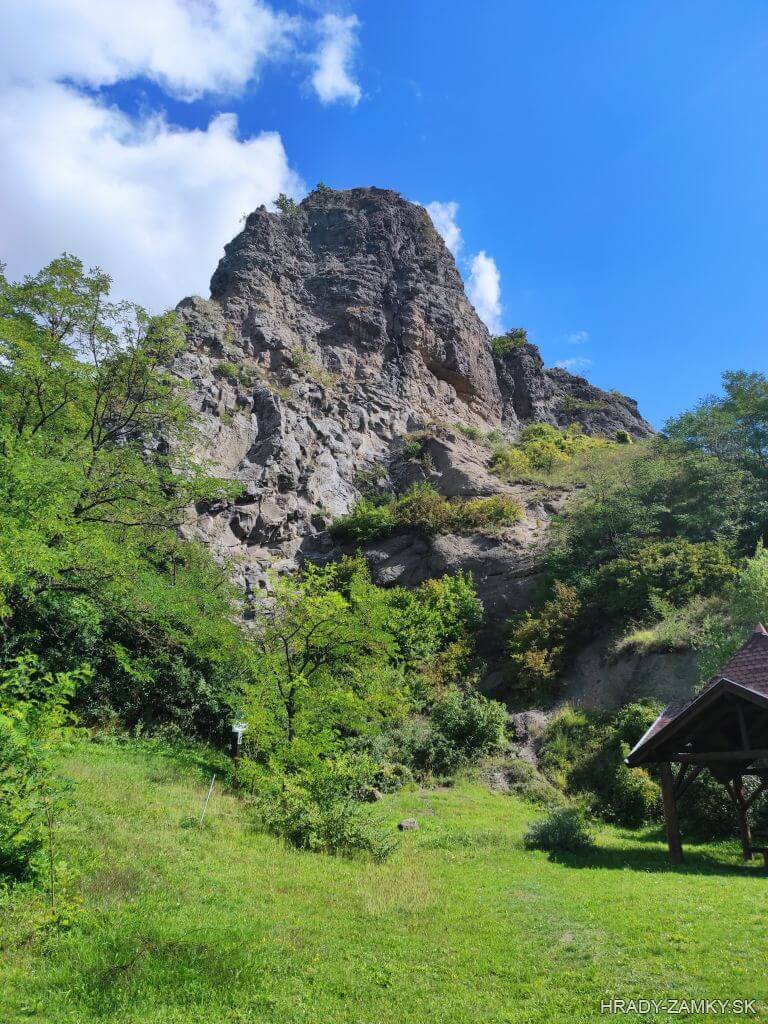
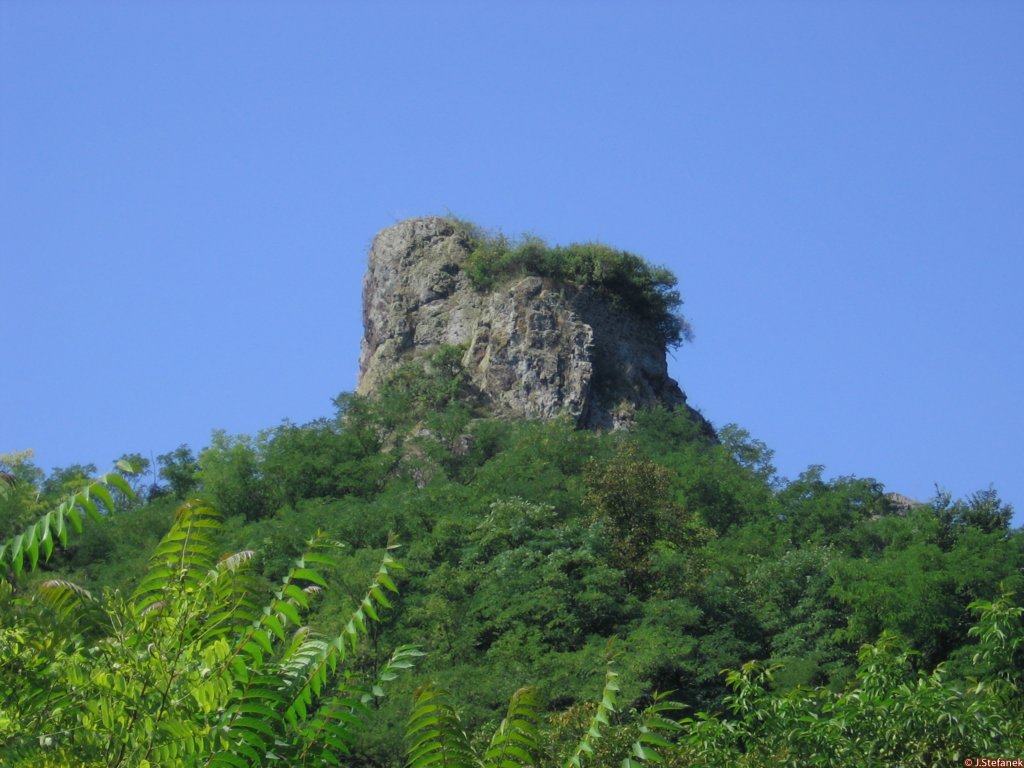
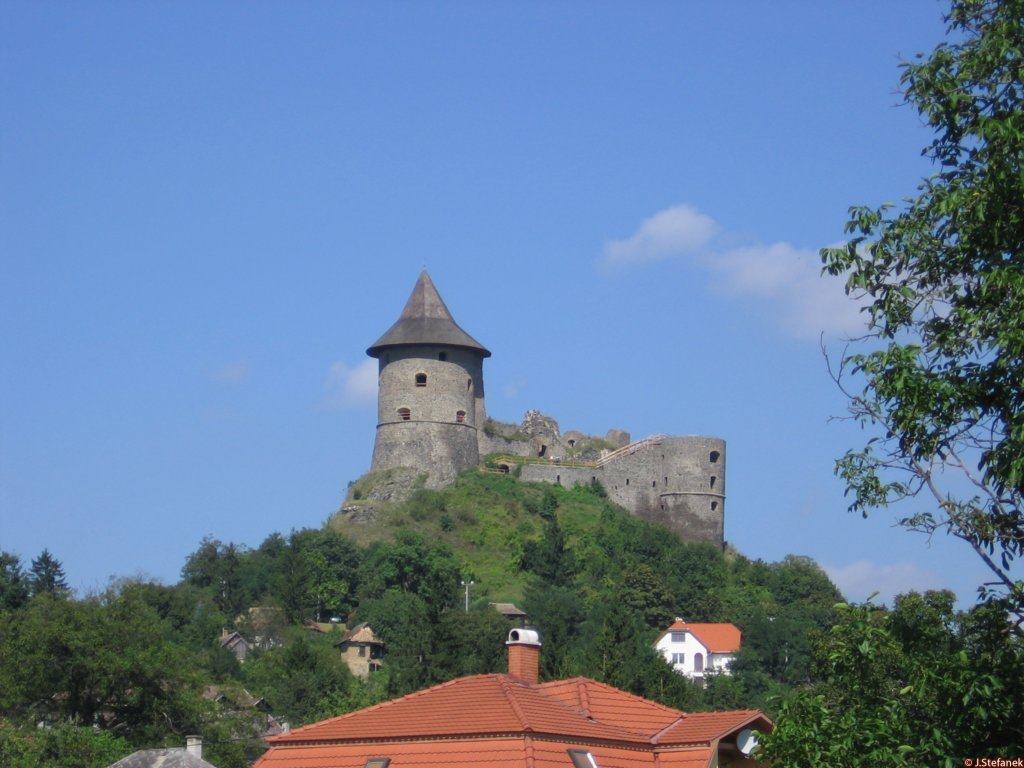
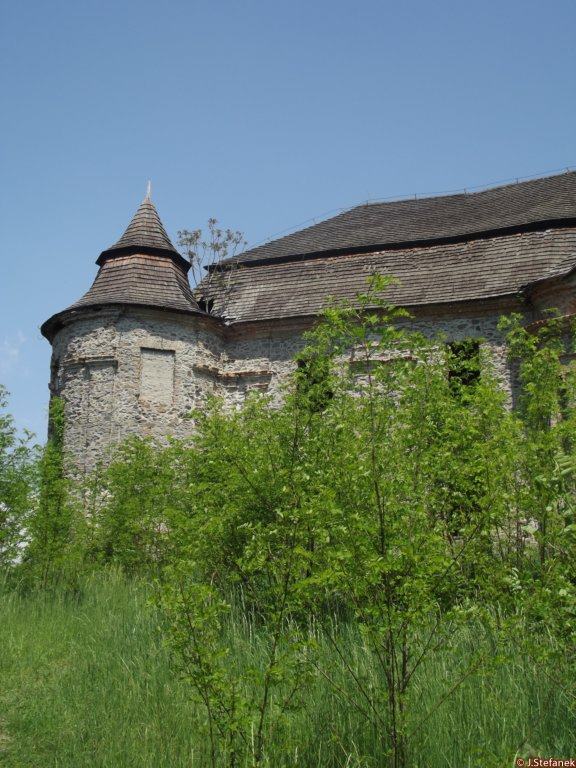
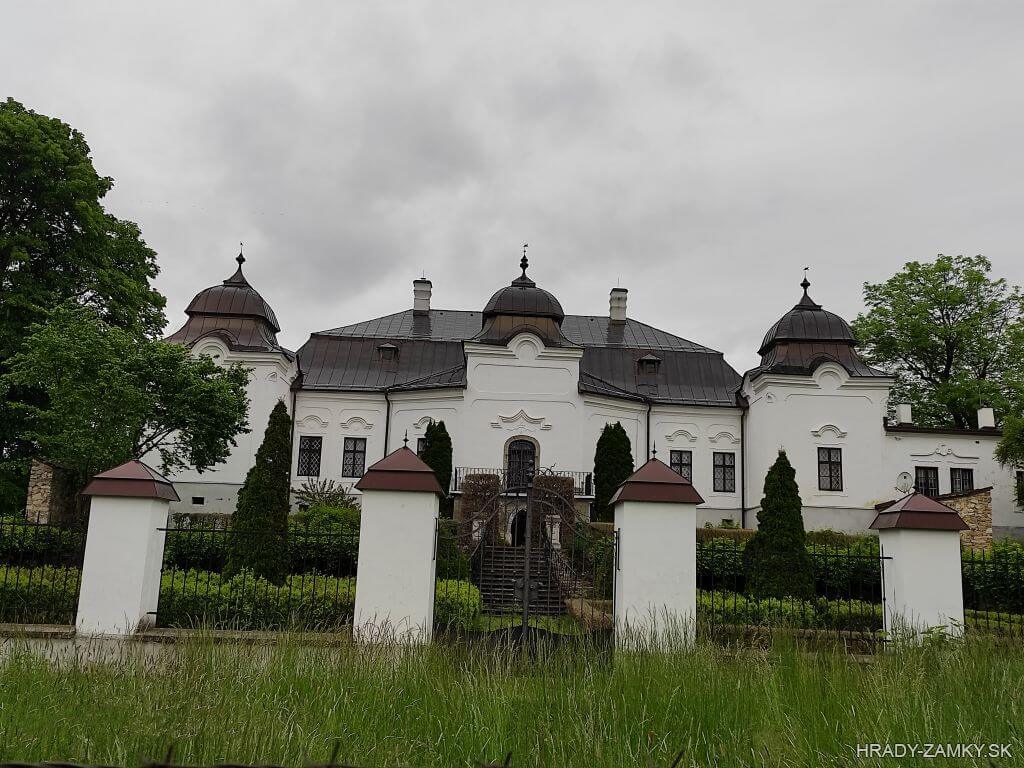
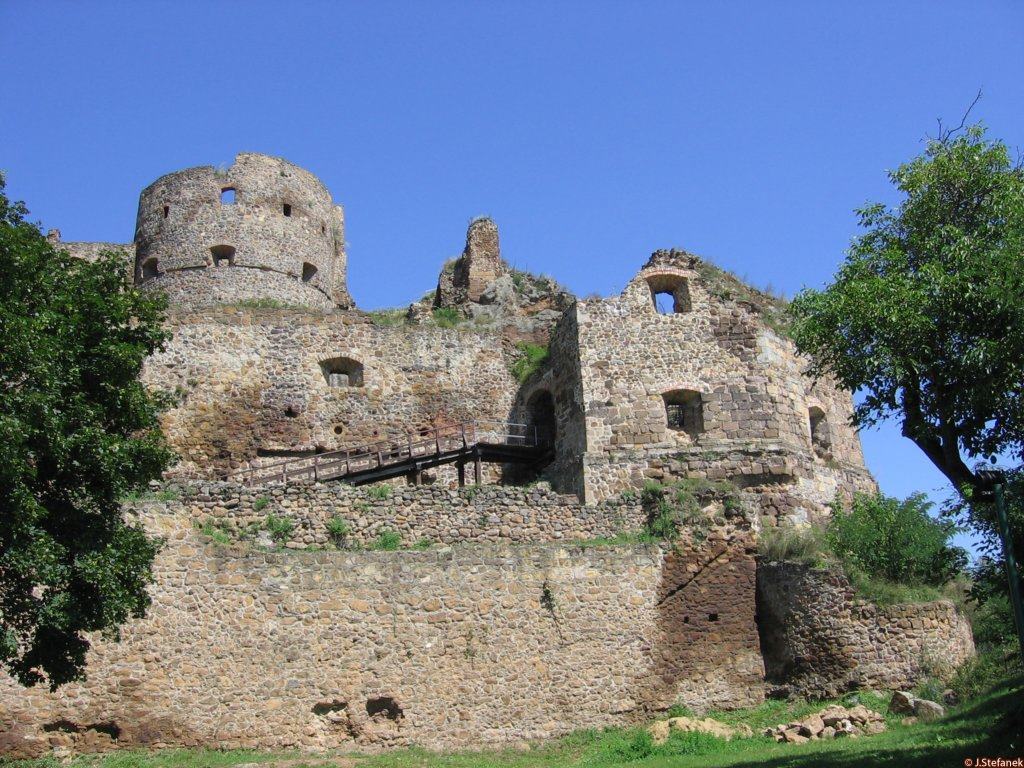
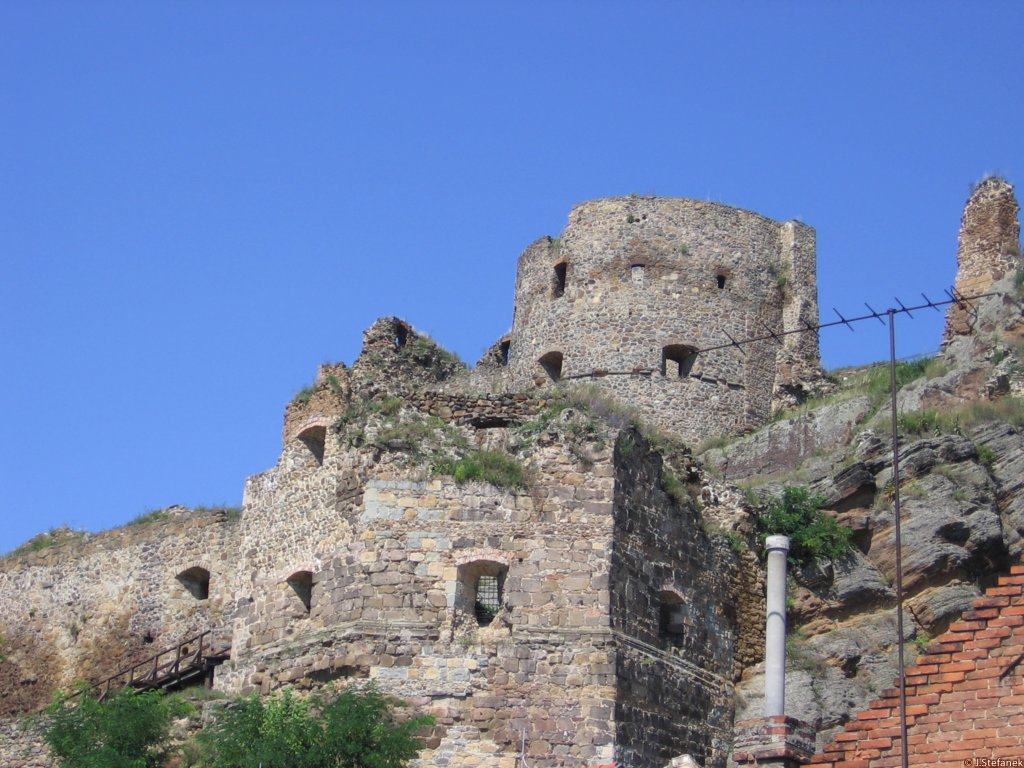
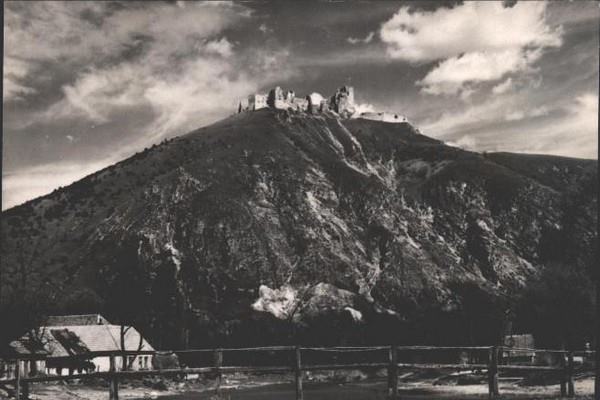
The castle is situated on a small but steep volcanic cliff of Cerová vrchovina, directly in Fiľakovo
Zrúcanina hradu je situovaná na nízkom sopečnom brale priamo v meste Fiľakovo
Previous names
Filek, Vilk, Villagkk, Vieleck, Filekinum, Filekwar, Filekow, Filakowo, Fileek, castrum Phylek, Fylek, Fileck, burg Villeck, Fileck, Filleck, Fülek
Roads
Fiľakovo castle is situated on a low volcanic cliff right in the town of Fiľakovo. We can park the car in the city center, for example in a relatively large parking lot, where Hlavná street meets Trhová. From there, the opposite Podhradská Street can be reached on foot in a few minutes. A smaller parking lot is also close to the castle, in the alley between Baštová and Podhradská.
Zrúcanina Fiľakovského hradu je situovaná na nízkom sopečnom brale priamo v meste Fiľakovo. Auto môžeme odparkovať v centre mesta, napríklad na pomerne veľkom parkovisku, kde sa stretáva Hlavná ulica s Trhovou. Odtiaľ sa protiľahlou Podhradskou ulicou za pár minút dostaneme peši k hradu. Menšie parkovisko je aj blízko pri hrade, v uličke medzi Baštovou a Podhradskou.
Description
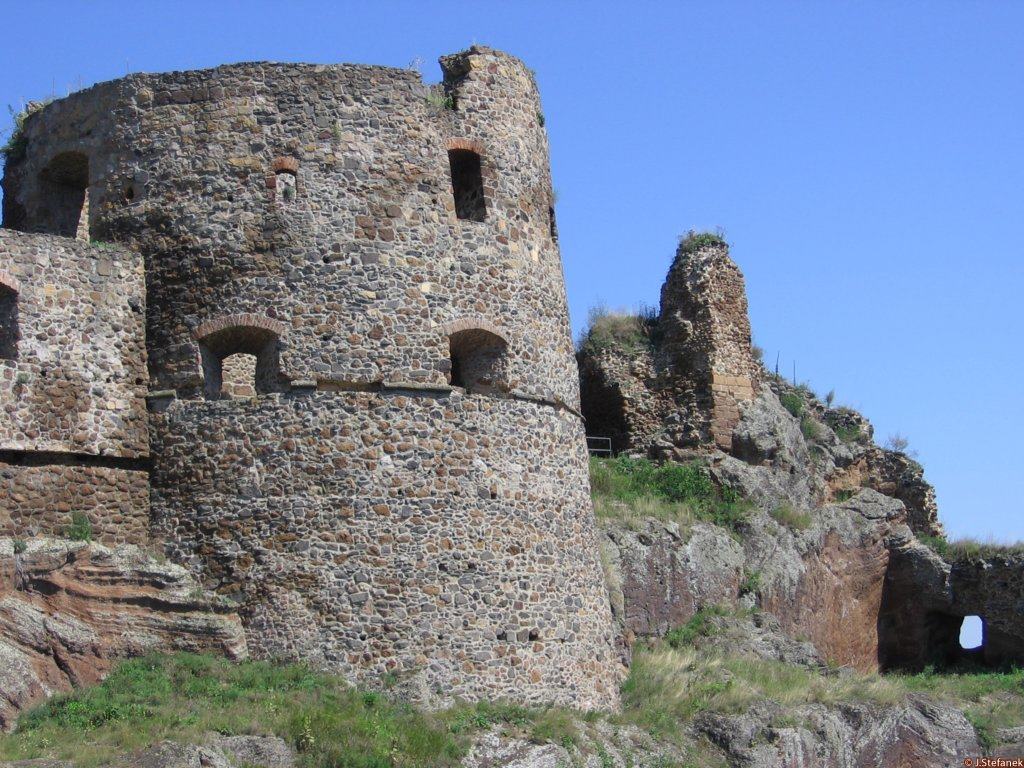
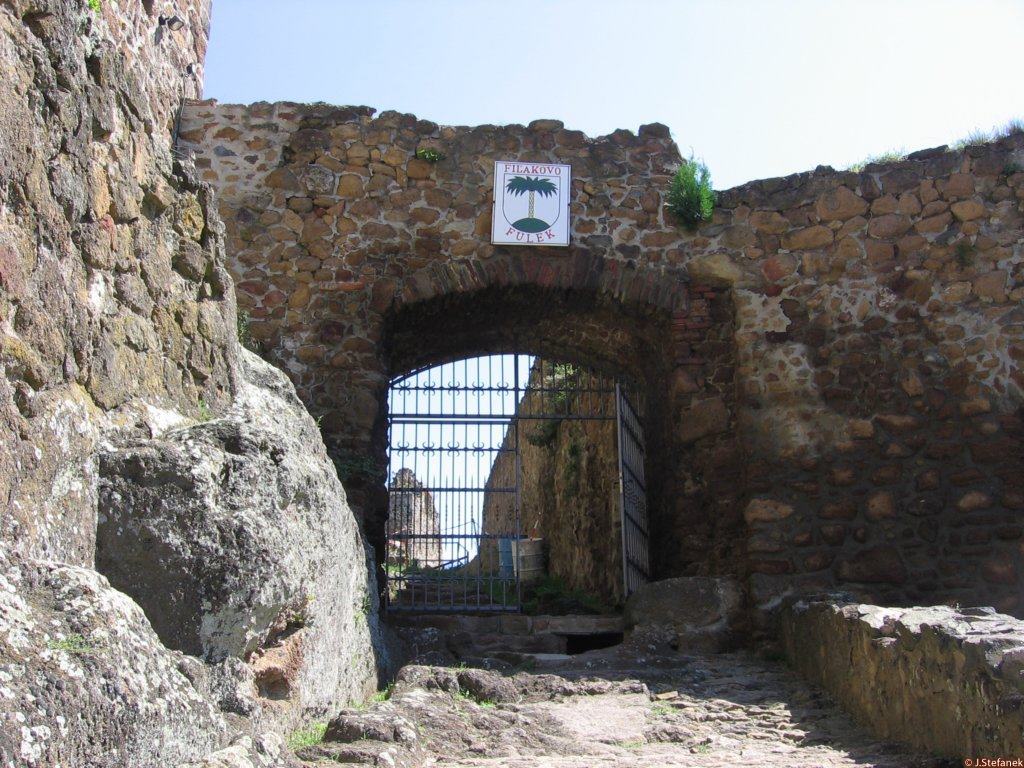
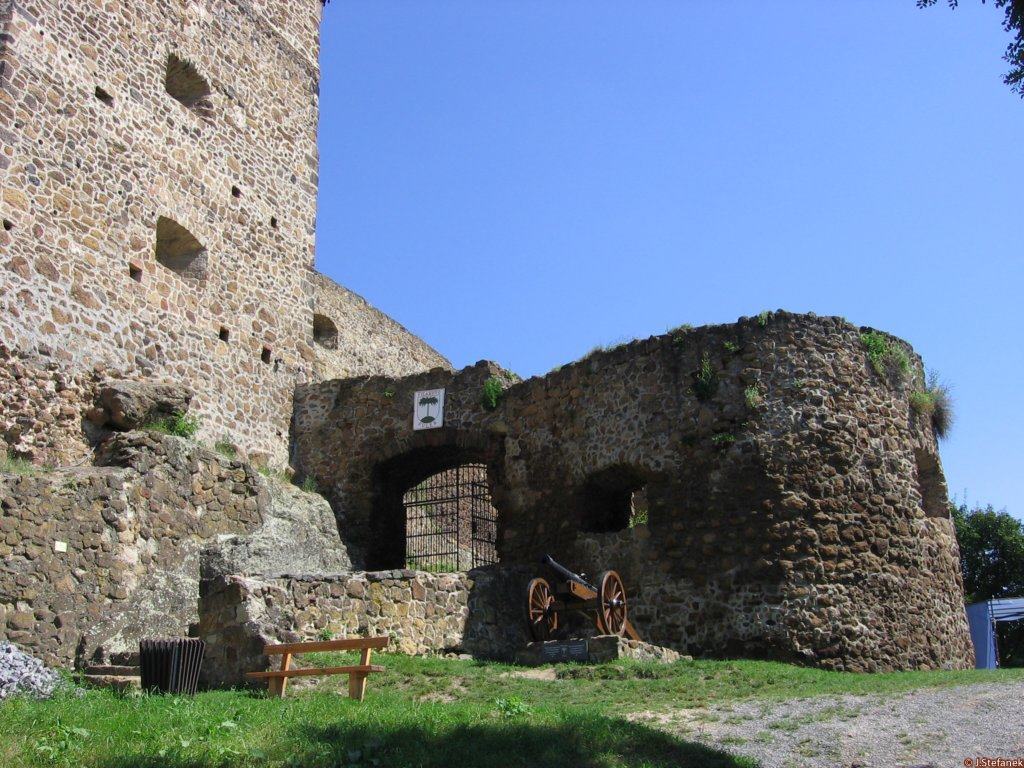
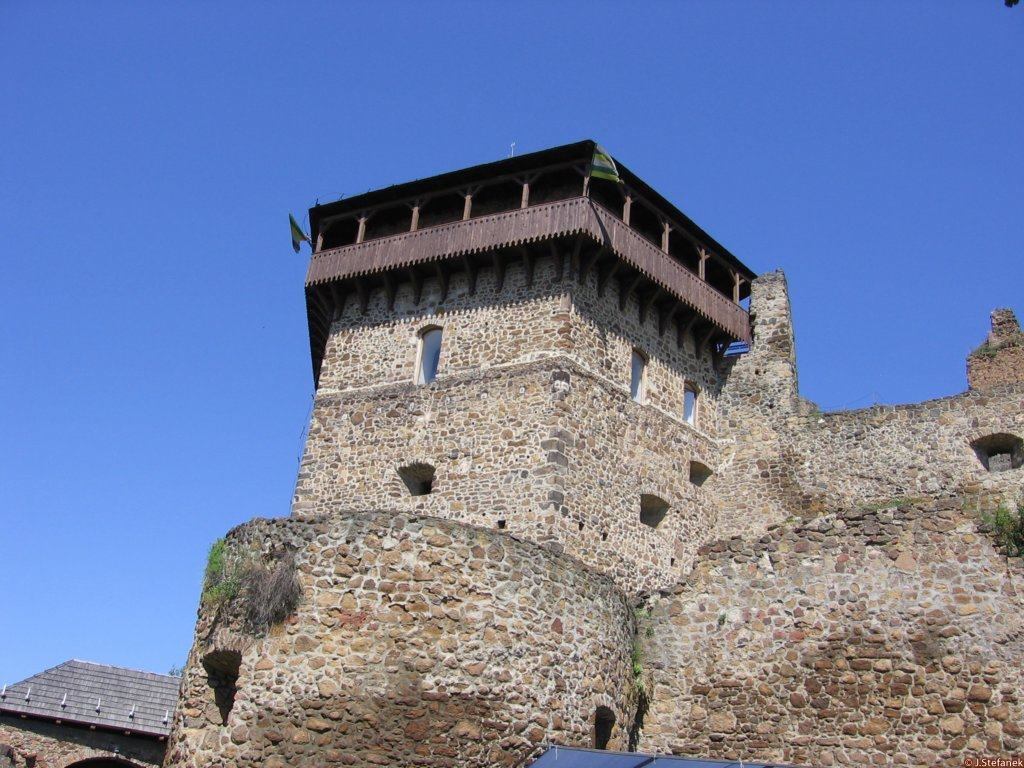
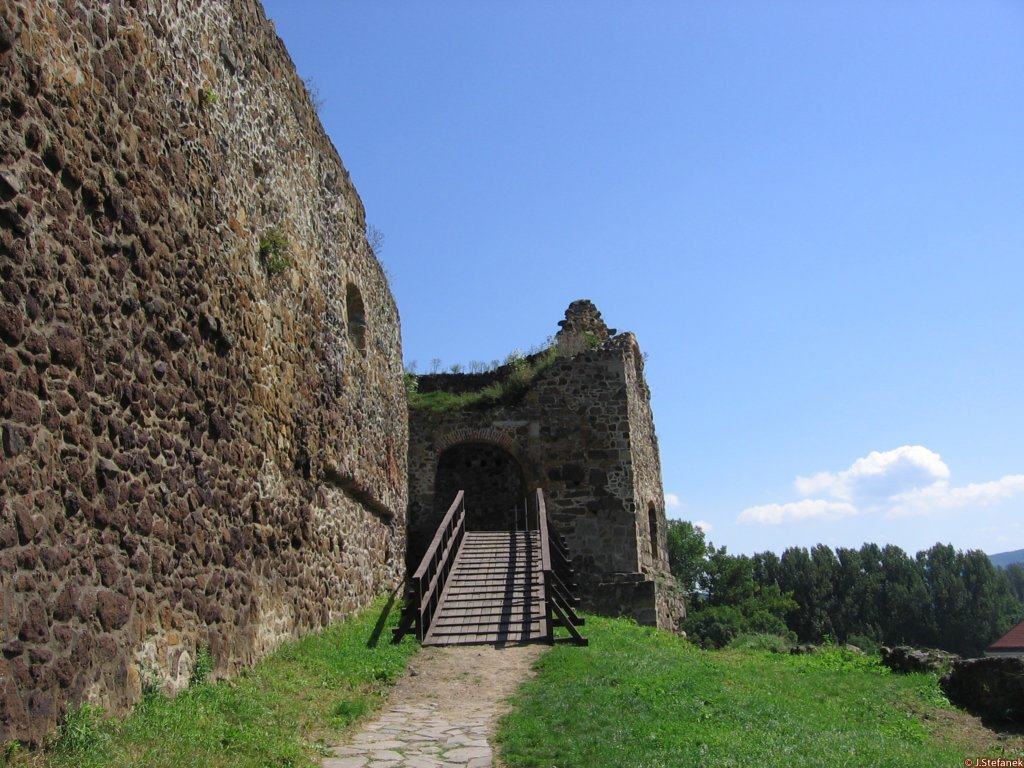
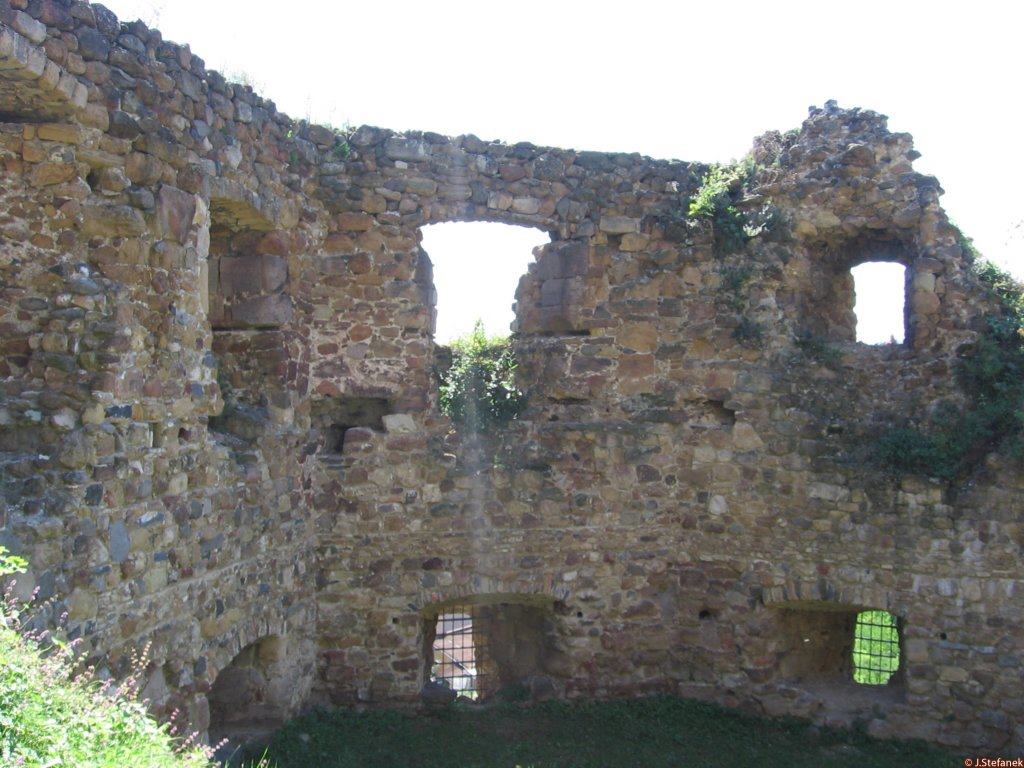
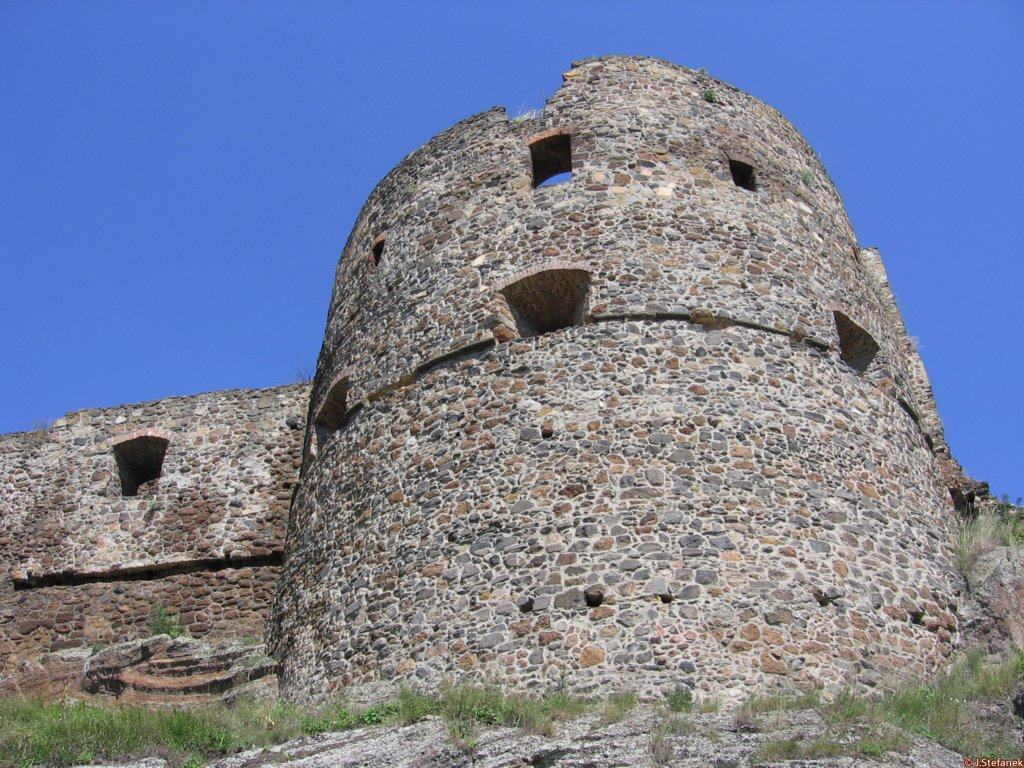
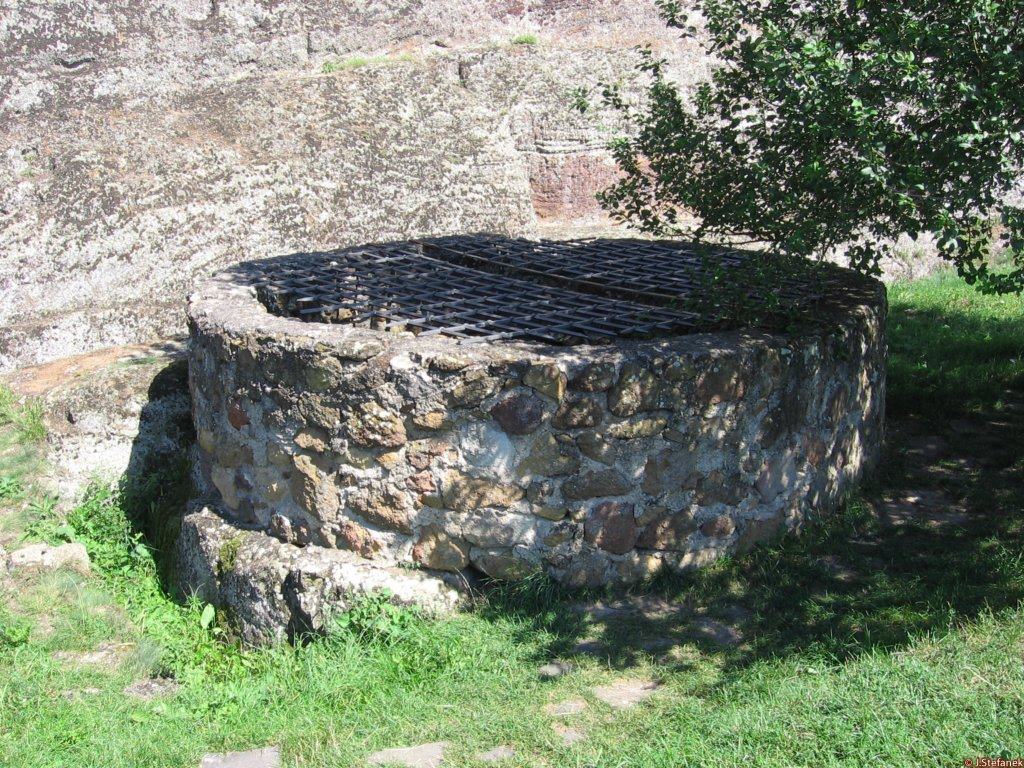
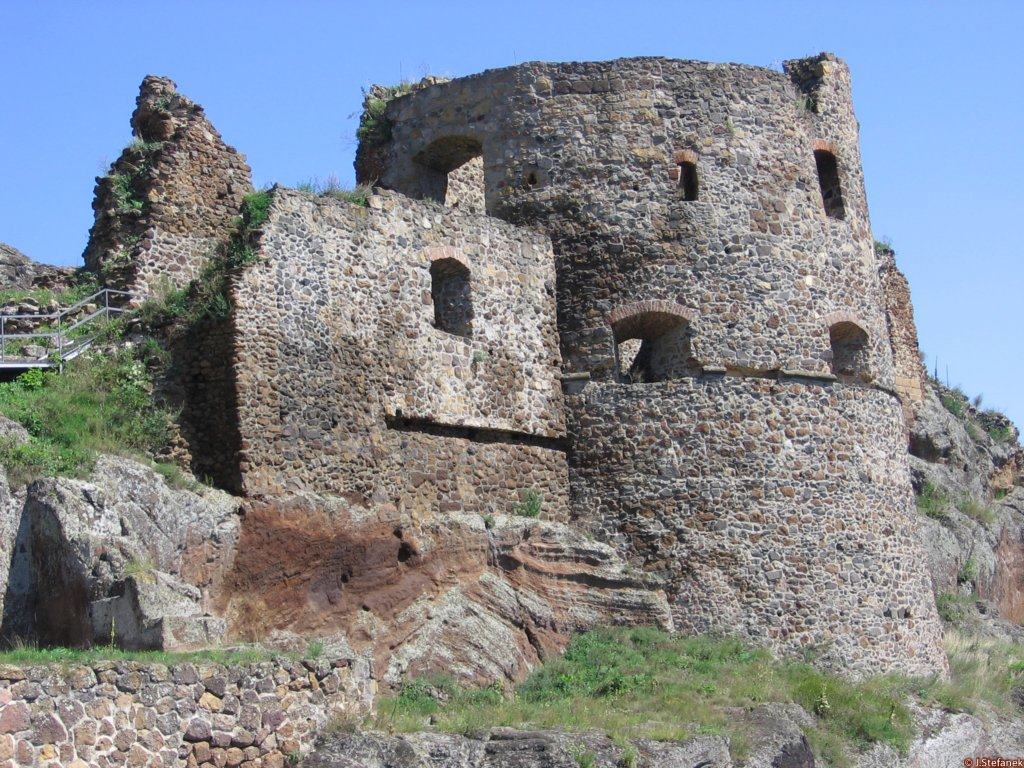
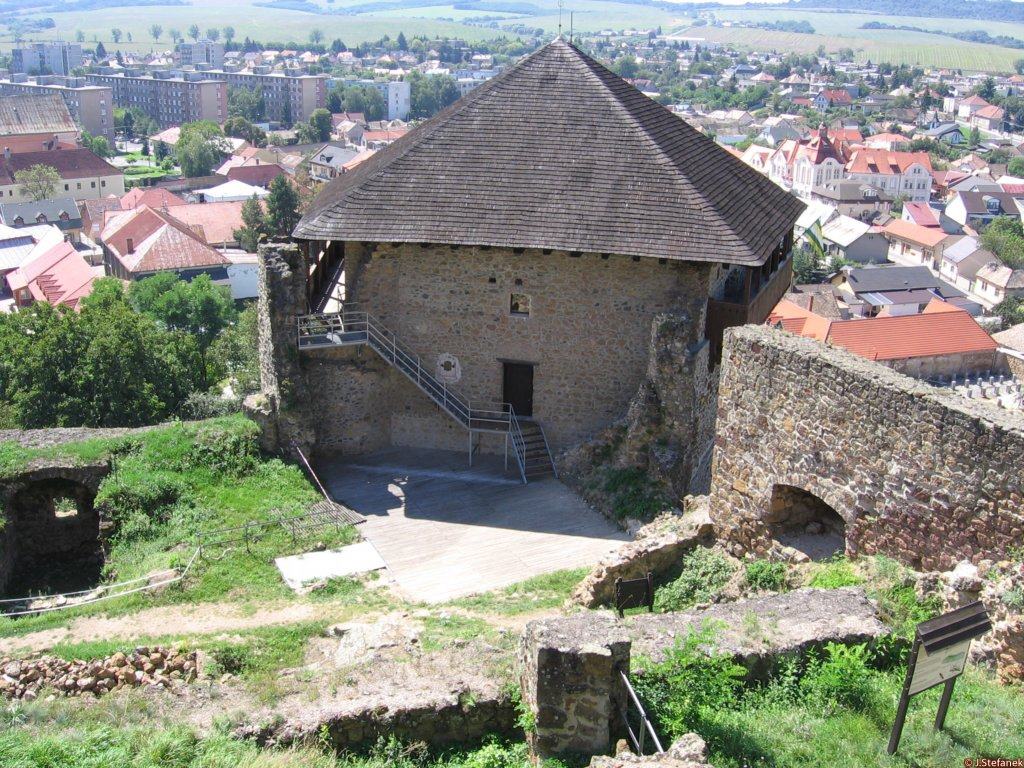
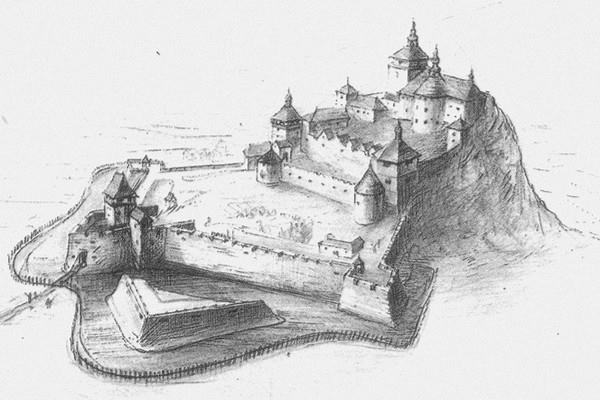
During the construction of the castle a rocky hill of volcanic origin was used, which was on the northern side of the vertical walls so high that it was enough to just sew them into the shape of the walls, and later break out the cannon holes. The original palace stood at the southern wall and was rebuilt many times. In the 12th century it consisted of a four-sided tower, a perimeter wall and a wall with palisades. Later, residential buildings forming the upper castle were added to them. During the rebuilding of the Bebek family, the old run was modified with a thick wall and the middle castle was surrounded by a stone wall. The southern wall of the Upper Castle Palace was reinforced in late Gothic, and a circular cistern was excavated in its western part, as there were always water problems in the castle. The lack of water was solved by the construction of additional tanks - three more are visible.Interesting is the closed corridor in front of the southern wall. through which the road to the gate passed. It is preserved in its entirety and finished with rounded bastions, probably from the late Gothic construction phase. However, the depiction of Fiľakovo from 1553 does not capture this corridor at all, so there are doubts about his dating.
Pri stavaní hradu bol využitý skalnatý vrch sopečného pôvodu, ktorý má na severnej strane zvislé steny také vysoké, že ich stačilo len pritesať do tvaru hradby, miestami doplniť a neskôr v nich vylámať delové otvory. Pôvodný palác stál pri južnej hradbe a bol mnohokrát prestavovaný. V 12. storočí ho tvorila štvorboká veža, obvodový múr a val s palisádami. Neskôr sa k nim pristavali obytné budovy tvoriace horný hrad. Počas prestavby Bebekovcov bola stará beža upravená hrubou obmurovkou a stredný hrad bol obohnaný kamennou hradbou. Južný múr paláca horného hradu bol v neskorej gotike ešte zosilnený a v jeho západnej časti bola vyhĺbená kruhová cisterna, nakoľko na hrade boli vždy problémy s vodou. Nedostatok vody riešili stavbou ďalších cisterien - viditeľné sú ešte ďalšie tri.Zaujímavý je uzavretý koridor pred južnou hradbou. ktorým prechádzala cesta k bráne predhradia. Je zachovaný v celistvosti a ukončený oblými baštami, pravdepodobne ešte z neskorogotickej stavebnej etapy. Vyobrazenie Fiľakova z r.1593 však tento koridor vôbec nezachytáva, preto o jeho datovaní existujú pochybnosti.
Plan
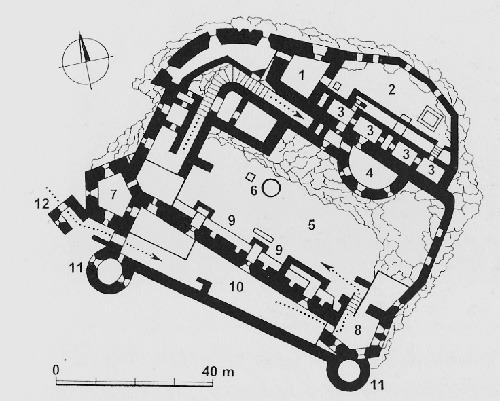
Legend to the ground plan
- 1-tower
- 2-courtyard of the upper castle
- 3-palace block
- 4-cannon bastion
- 5-lower castle
- 6-well and cistern
- 7-Bebek tower
- 8-pentagonal bastion
- 9-defensive wall
- 10-entrance corridor
- 11-round bastions
- 12-advanced entrance tower
Legenda k pôdorysu
- 1-veža
- 2-nádvorie horného hradu
- 3-palácový blok
- 4-delová bašta
- 5-dolný hrad
- 6-studňa a cisterna
- 7-Bebekova veža
- 8-päťboká bašta
- 9-obranný múr
- 10-vstupný koridor
- 11-kruhové bašty
- 12-predsunutá vstupná veža
History
The castle is one of the oldest stone fortifications in Slovakia and is securely documented in connection with the rebellion of Knight Folkuš in 1246. However, it was probably one of the places that resisted the destructive Mongol invasion in 1241 due to the brick construction. Despite the fact that it belonged to important castles, it fell into the royal hands only after it was conquered by Matúš Čák (1321). At the end of the 14th century, Sigismund of Luxembourg gave the castle an advance to a powerful family of lords from Jelšava, specifically to the palatine Leustach, but in 1435 the castle was taken over for the first time as an advance from Queen Barbora by the then flourishing Bebek family. Three years later, however, the castle was given to Ján Perényi by Albrecht of Habsburg. Štefan Perényi took part in the resistance against the king in 1471 in the interest of the Polish Casimir, for which the castle was besieged twice and in 1483 conquered by Ondrej Lábatlan.
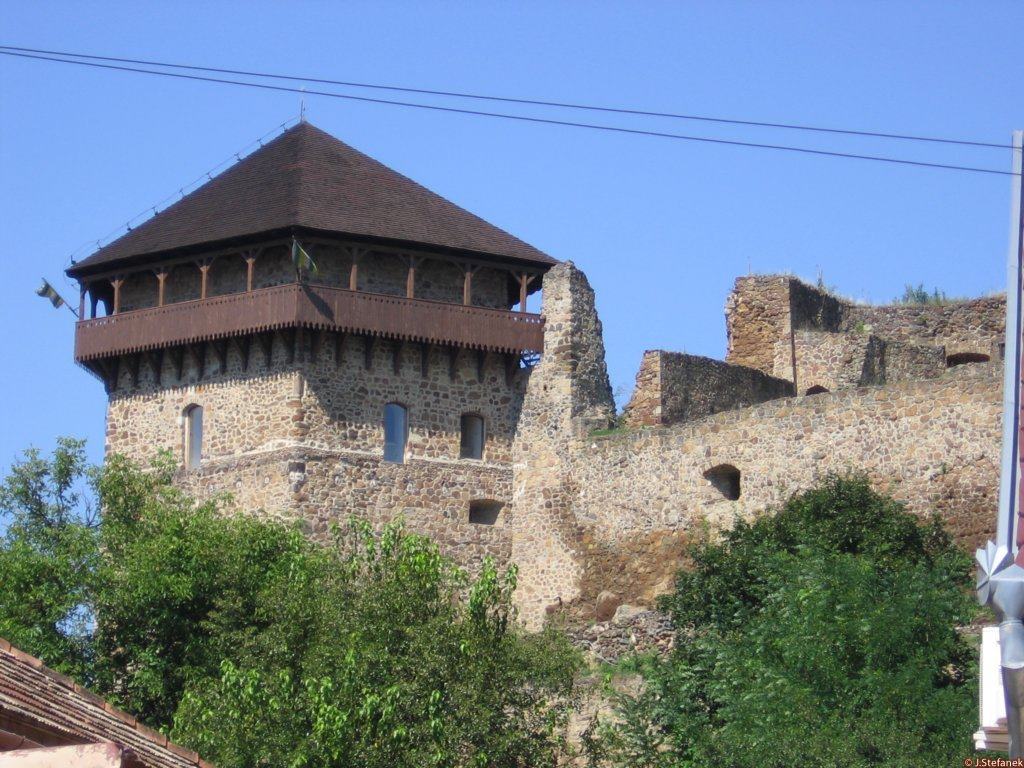
Since 1490, Captain Blažej Rakšai has been entrusted with the administration of the castle, whose daughter František Bebek married and receives the castle as a dowry. Due to the impending Turkish danger, František rebuilt and fortified the castle. To this day, the pentagonal tower built into the southeast corner of the middle castle bears his name. The castle was also equipped with an equally shaped gate tower. However, this did not help either, because the Turks on September 4, 1554 used the inattention of the garrison and occupied the castle almost without a fight. It took almost forty years before Mikuláš Pálffy regained the castle in 1593. However, this was not the end of Turkish power, which in 1596 conquered the beautifully fortified Jáger (Eger). Moreover, in 1605, the rebellious Štefan Bocskay managed to occupy the castle. Frequent military riots between the power groups of the Habsburg Empire and the emperor also forced rapid and repeated adjustments - in 1608, 1609, 1613 and again in 1619 (after the fire of 1615). In 1621, thanks to this, the castle was able to withstand the attack of the rebels Gabriel Bethlen and Juraj Rákóczi did not even attack it in 1644. During the uprising of Juraj I. Rákóczi, the commander of the Fiľak fortress, František Wesselényi, sided with the emperor. Ján Kemény and his army protected the rear of the insurgent units besieging Fiľakovo in 1644. At the beginning of August 1645, with a army of about 3,000, General Farkaš Puchaim pulled into Fiľakov. Juraj I. Rákóczi died in 1648, and in the same year the Thirty Years' War ended.
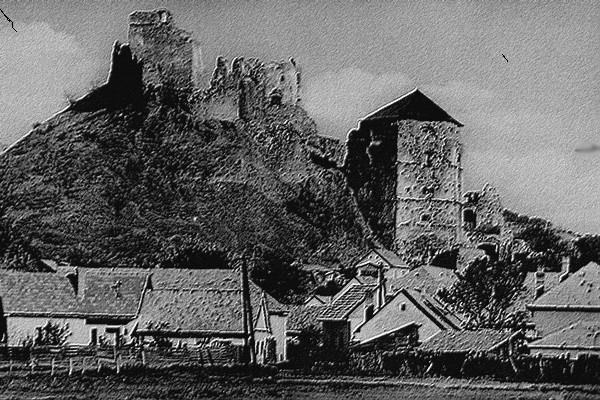
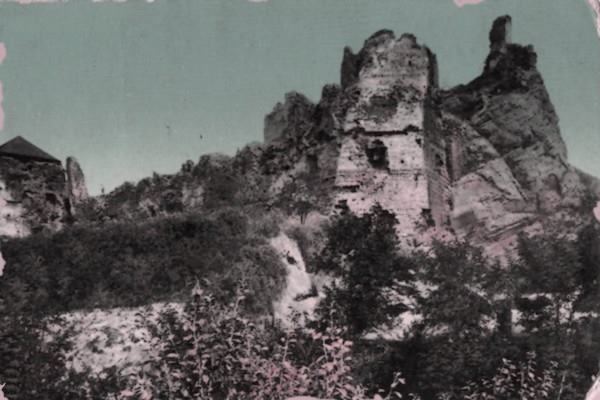
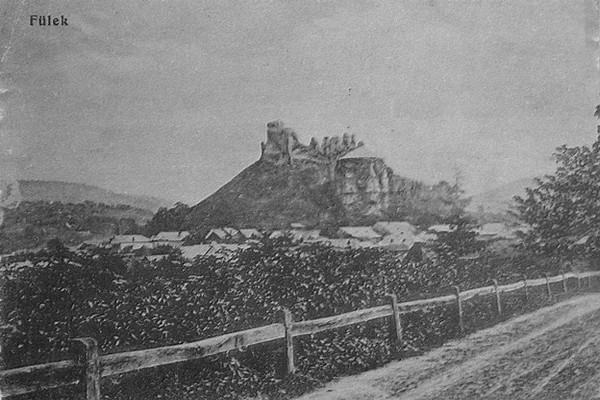
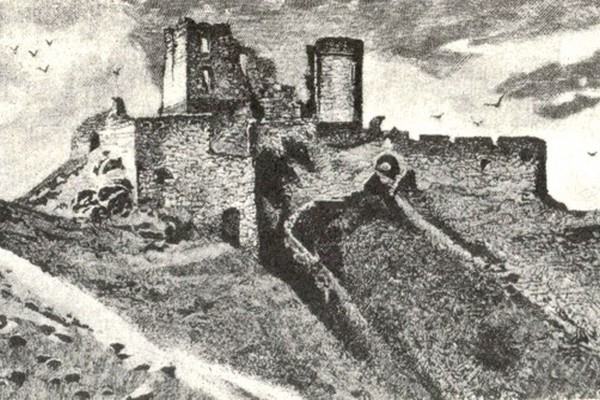
In the middle of the 17th century, three bastions were added to the lower castle. In the years 1650-1664 Adam Wesselényi was the captain of the castle, and from 1657 Štefan Koháry I became the hereditary captain and from 1667 Štefan Koháry II. Thököly attacked the castle in 1678, but did not recharge it. The last Turkish offensive after 1680 was fatal for the castle. A large army of Kurucs associated with the Turks surrounded the castle and, despite the heroic defense, conquered and demolished it after a month's siege in September 1682. The castle burned down and, together with the castle, the county archives burned down and the town was destroyed. The castle has been in ruins ever since. There was no restoration, but the later owners of the manor approached the ruins with a certain piety and respect. The castle ruins have been conserved since 1972, and after the reconstruction of the Bebek Tower, there is still a historical exhibition in it.
Hrad patrí k najstarším kamenným opevneniam na Slovensku a je bezpečne doložený v súvislosti s odbojným počínaním rytiera Folkuša už v roku 1246. Pravdepodobne však patril k tým miestam, ktoré vďaka murovanému vyhotoveniu odolali ničivému mongolskému vpádu v roku 1241. Pravdepodobne ho založil rod Kačičovcov, a napriek tomu, že patril k dôležitým hradom, do kráľovských rúk sa dostal až potom, čo sa ho podarilo vydobyť od Matúša Čáka (r.1321). Žigmund Luxemburský dal hrad na konci 14.storočia do zálohu mocnému rodu pánov z Jelšavy, konkrétne palatínovi Leustachovi, ale v roku 1435 prevzal hrad prvý raz ako záloh od kráľovnej Barbory vtedy prekvitajúci rod Bebekovcov. O tri roky neskôr však, už od Albrechta Habsburského, dostal hrad Ján Perényi. Štefan Perényi sa v roku 1471 v záujme poľského Kazimíra zúčastnil odboja proti kráľovi, kvôli čomu bol hrad dvakrát obliehaný a v roku 1483 Ondrejom Lábatlanom aj dobytý.
Od roku 1490 je správou hradu poverený kapitán Blažej Rakšai, ktorého dcéru si zobral za ženu František Bebek a hrad dostáva ako veno. Kvôli hroziacemu tureckému nebezpečiu František hrad prestaval a opevnil. Jeho meno dodnes nesie päťboká veža vstavaná do juhovýchodného nárožia stredného hradu. Hrad vybavil i rovnako tvarovanou bránovou vežou. Ani to však nepomohlo, lebo Turci 4. septembra 1554 využili nepozornosť posádky a hrad takmer bez boja obsadili. Trvalo takmer štyridsať rokov, kým hrad v roku 1593 získal naspäť Mikuláš Pálffy. Ani to však nebol koniec tureckej moci, ktorá roku 1596 dobyla skvelo opevnený Jáger (Eger). Navyše v roku 1605 sa vzbúrenému Štefanovi Bocskayovi podarilo hrad obsadiť. Časté vojenské nepokoje medzi mocenskými skupinami habsburskej ríše a cisárom si vynútili aj rýchle a opakované úpravy – v rokoch 1608, 1609, 1613 a znova v roku 1619 (po požiari 1615). V roku 1621 vďaka tomu hrad dokázal odolať útoku povstalcov Gabriela Bethlena a Juraj Rákóczi naň v roku 1644 ani nezaútočil. Počas povstania Juraja I. Rákócziho veliteľ fiľakovskej pevnosti František Wesselényi prešiel na cisárovu stranu. Ján Kemény so svojim vojskom chránil tylo povstaleckých jednotiek obliehajúcich Fiľakovo roku 1644. Začiatkom augusta 1645 s asi tritisícovým vojskom generál Farkaš Puchaim vtiahol do Fiľakova. V roku 1648 zomrel Juraj I. Rákóczi a v tom istom roku skončila aj tridsaťročná vojna.
V polovici 17.storočia bola k dolnému hradu pristavaná trojica bastiónov. V rokoch 1650-1664 je kapitánom hradu Adam Wesselényi, a od roku 1657 sa dedičným kapitánom stáva Štefan Koháry I. a od roku 1667 Štefan Koháry II., ktorý dáva v roku 1672 opraviť hradné múry akoby predpokladal vznik Thökölyho povstania. Thököly na hrad v roku 1678 síce zaútočí, ale nedobije ho. Osudná bola pre hrad až posledná turecká ofenzíva po roku 1680. Velké vojsko kurucov spojených s Turkami hrad obkľúčilo a napriek hrdinskej obrane ho po mesačnom obliehaní v septembri roku 1682 dobylo a zbúralo. Hrad vyhorel a spolu s hradom zhorel aj župný archív a mesto bolo zničené. Odvtedy bol hrad v ruinách. K obnove nedošlo, ale neskorší majitelia panstva pristupovali k zrúcanine s istou pietou a s rešpektom. Od r.1972 došlo ku konzervácii hradných ruín a po rekonštrukcii Bebekovej veže je v nej dodnes historická expozícia.
Myths and legends
There are no myths available.
Povesť o hrade
Turci obsadili pevnosť za tmy malým nechráneným okienkom v hornom hrade, ktorým ich zajatý druh pri upratovaní vyhadzoval odpadky. Kade šli smeti von, tade sa oni natlačili dnu, zatiaľ čo nič netušiaci drabanti bedlili pri zahasprovanej bráne.
Fülek
Podľa jednej z povestí mal za vznikom hradu stáť pastiersky pes menom Ucháň, po maďarsky Fülek. Ten mal nájsť pri pobehovaní za ovcami poklad, ktorý potom jeho majiteľ pastier minul na postavenie hradu. Z vďaky k psovi pomenoval hrad po ňom - Fülek. V preklade Fiľakovo.
Useful information
Opening hours and admission
Otváracia doba a vstupné
External links
Nearby castles