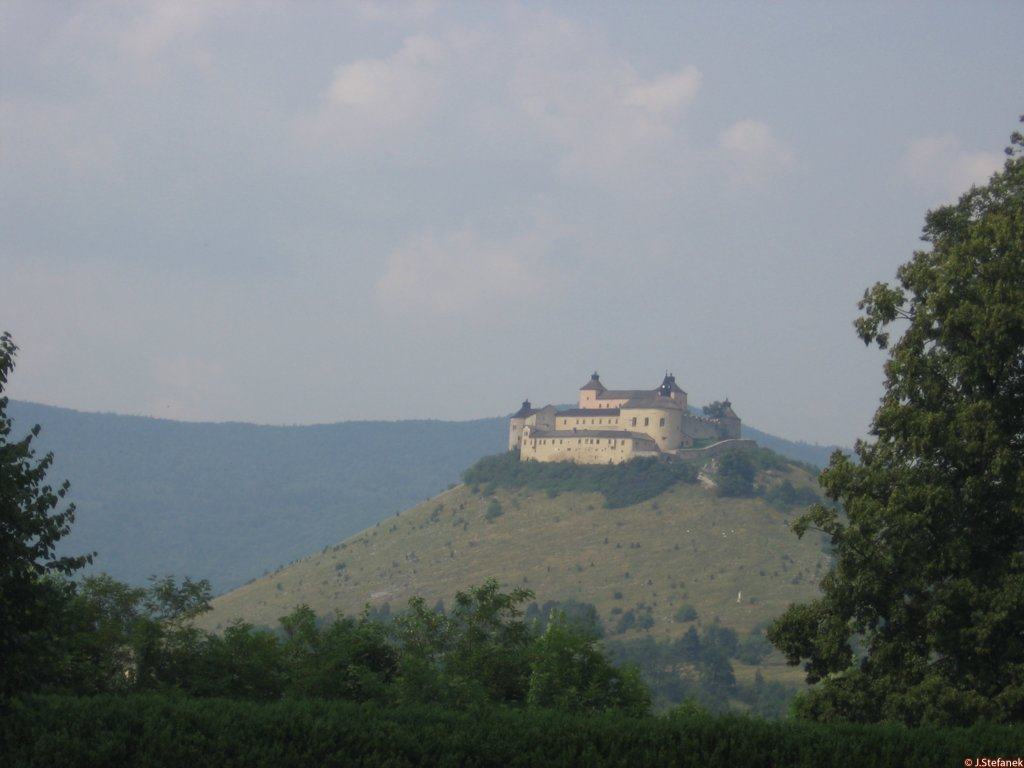
Turňa castle
Turňa nad Bodvou Košice county Slovakia
castle ruin
Turniansky hrad
Turňa nad Bodvou Košický kraj Slovakia
zrúcanina hradu
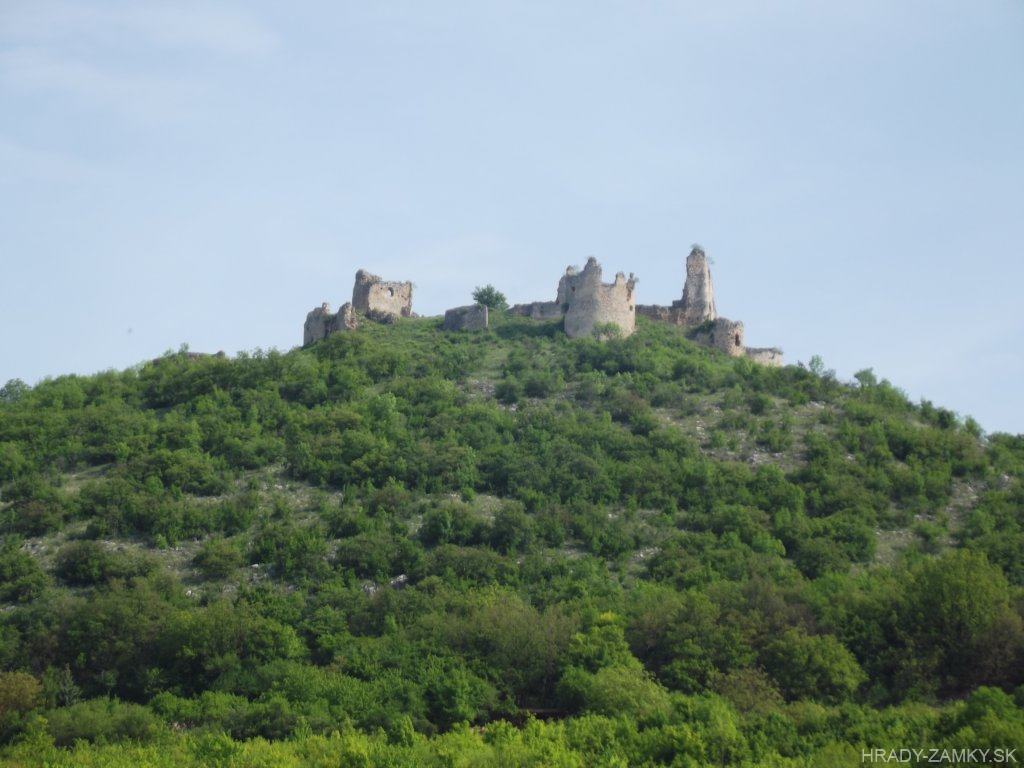
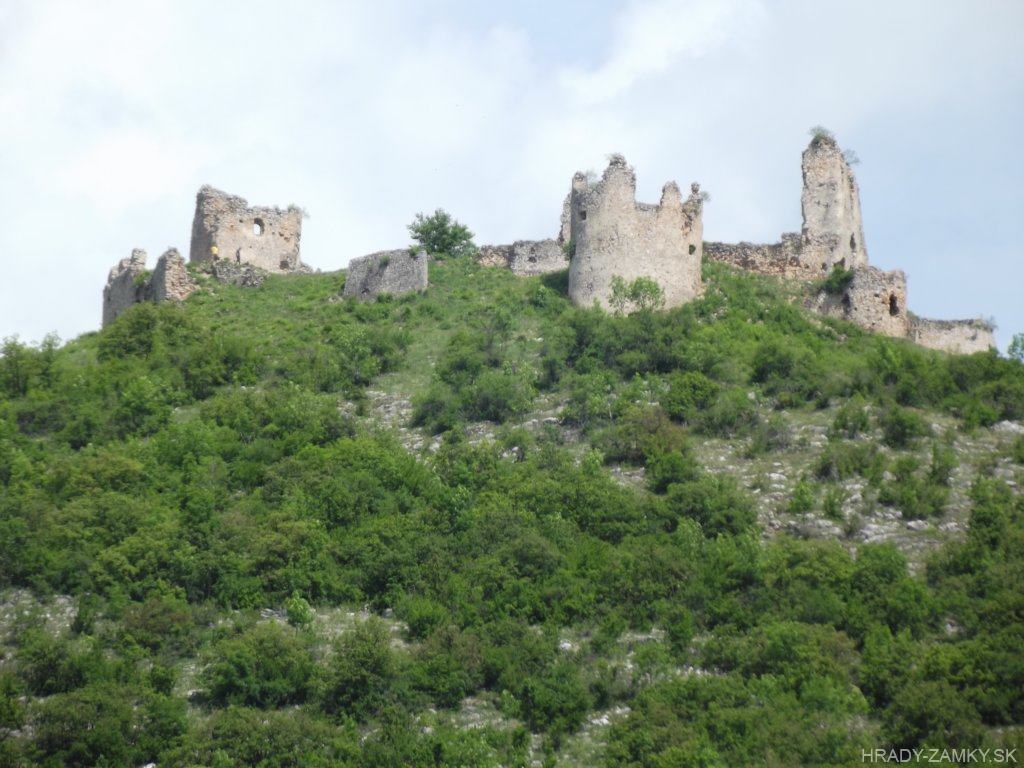
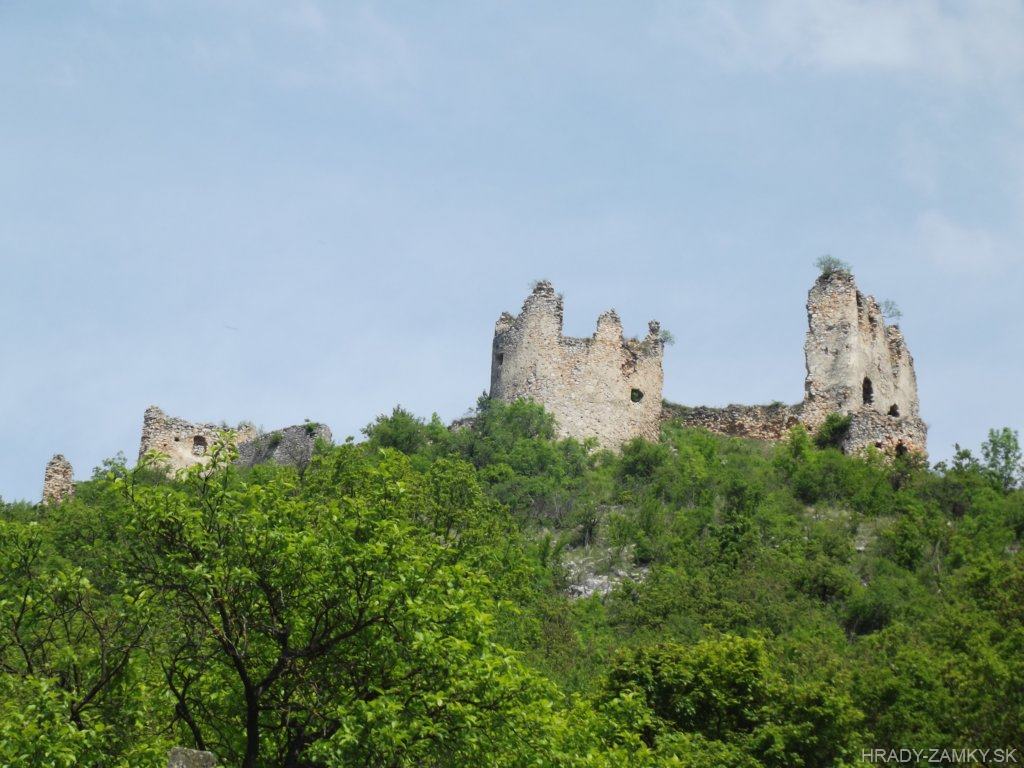
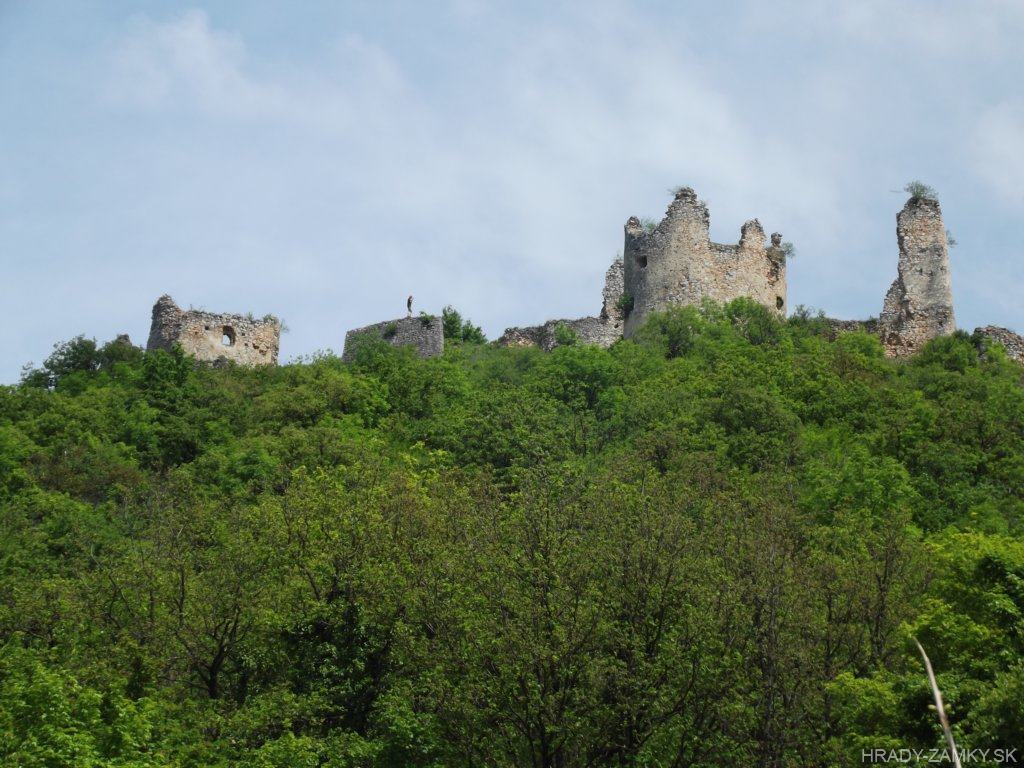
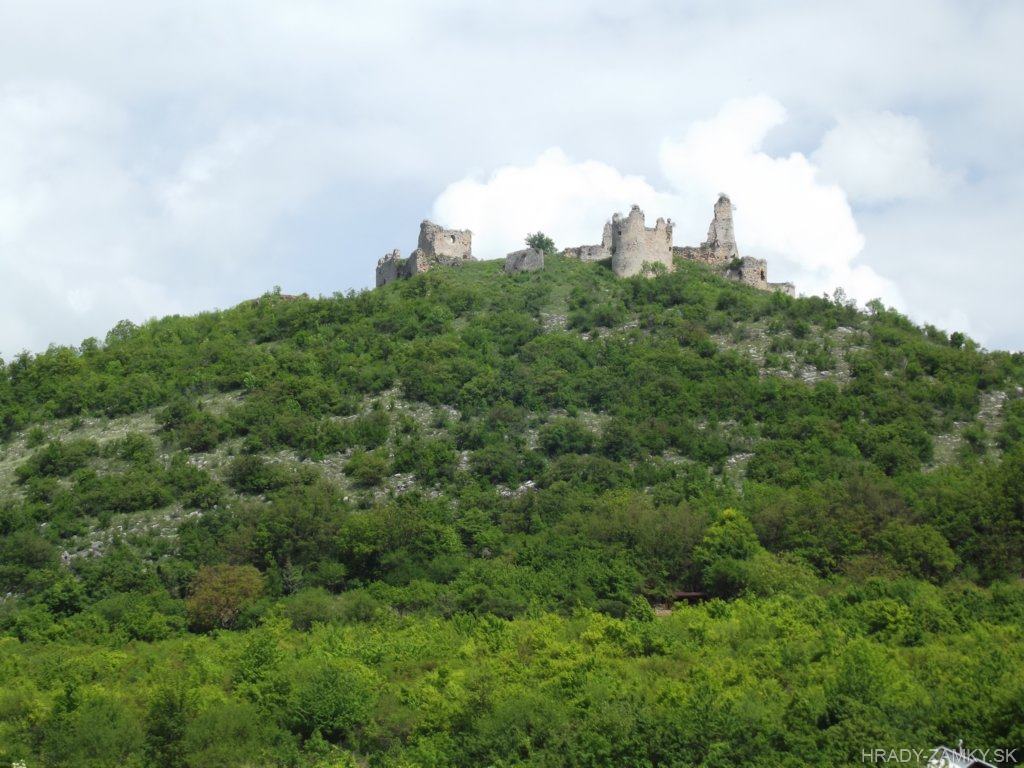
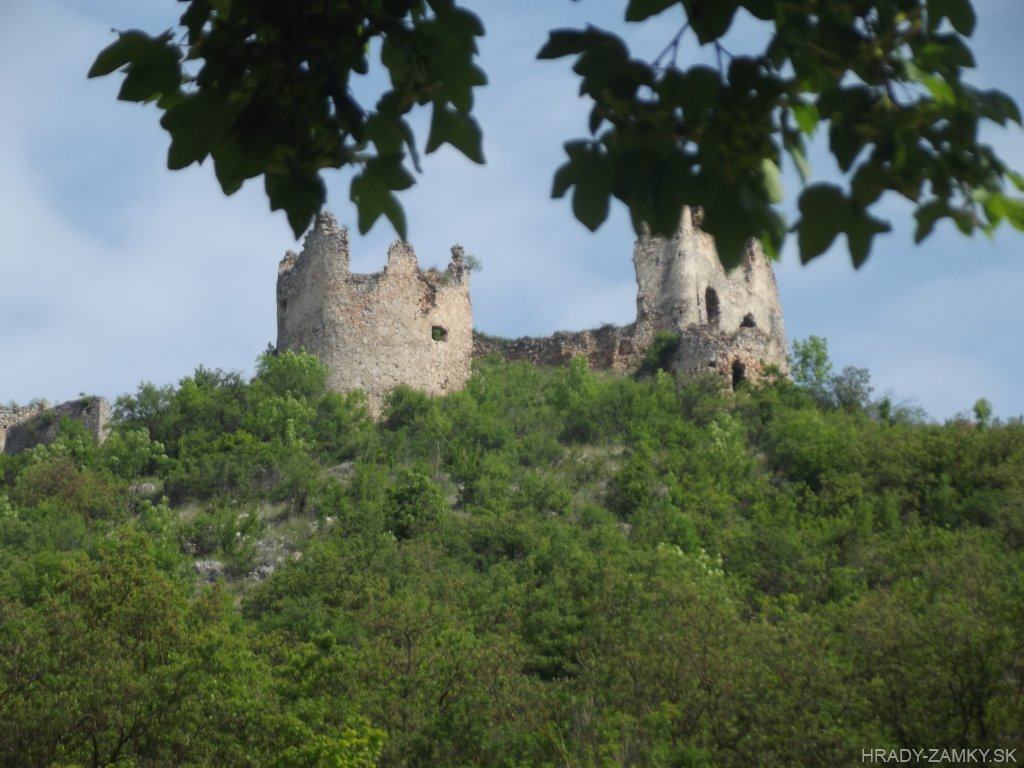
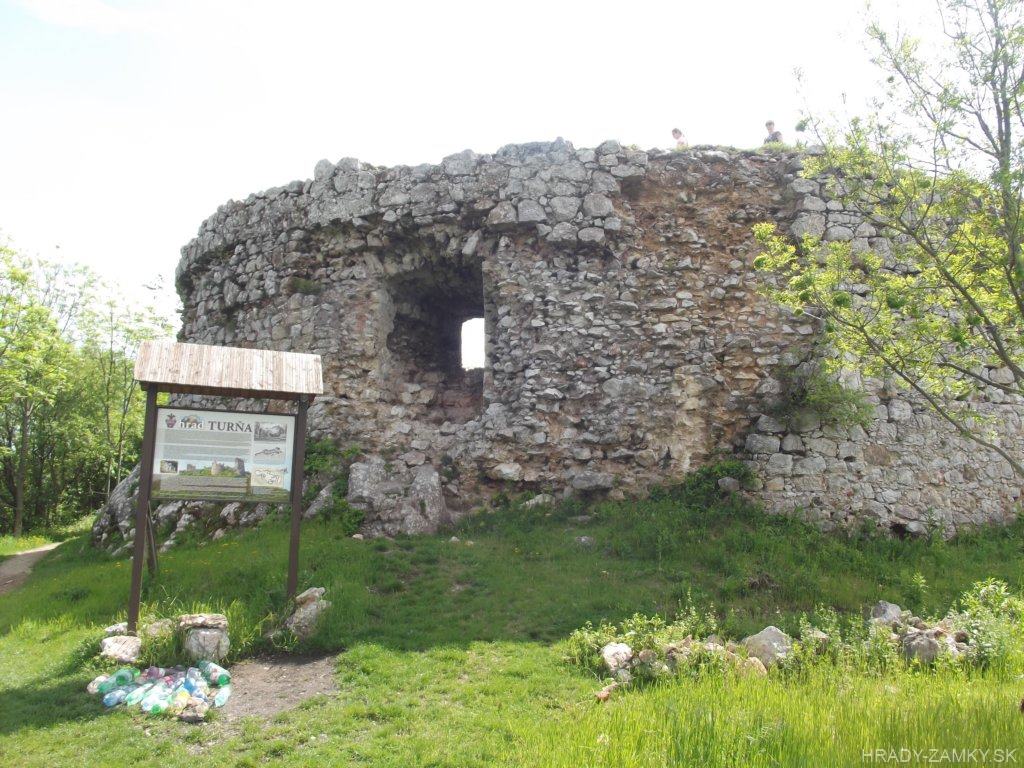
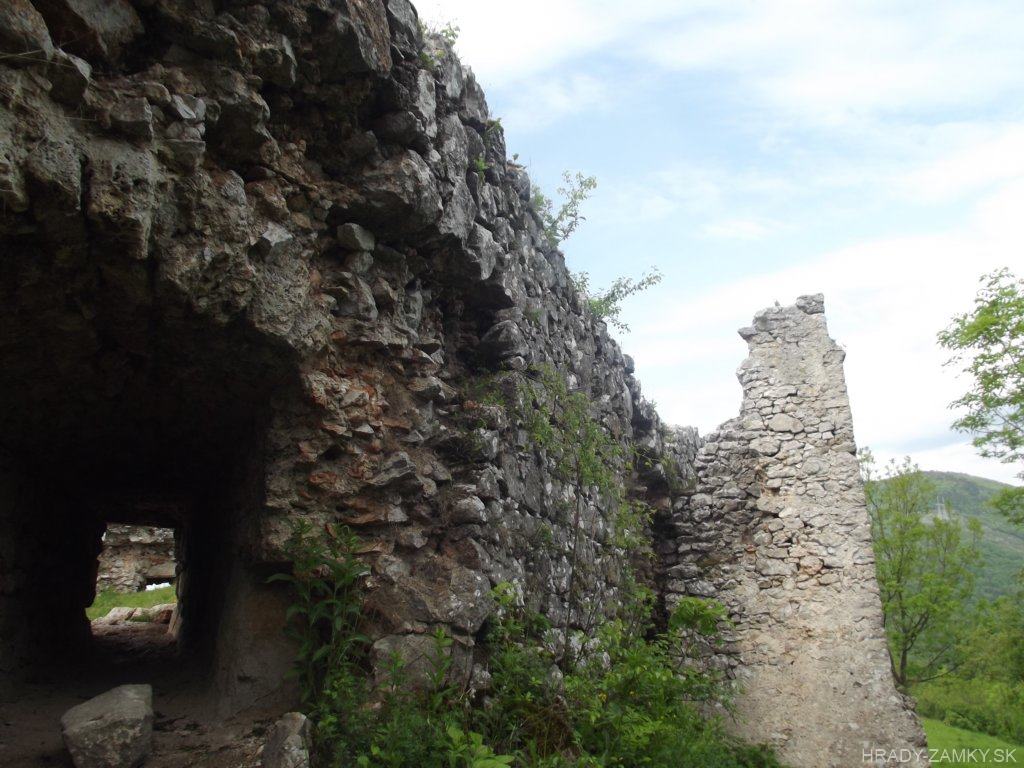
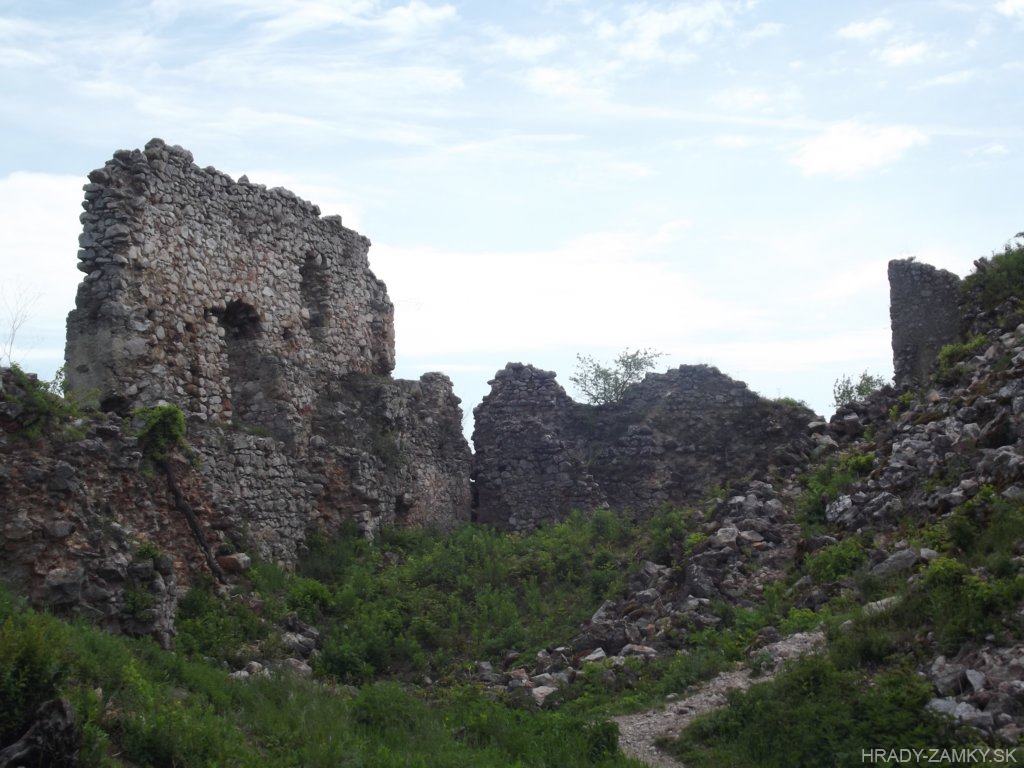
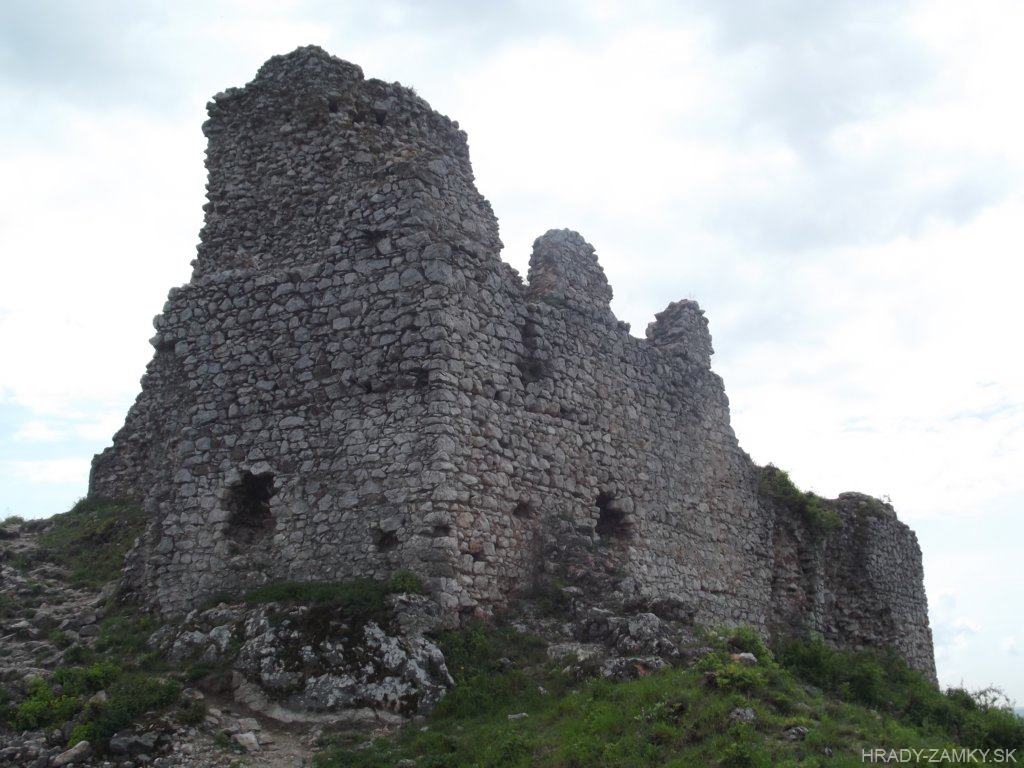
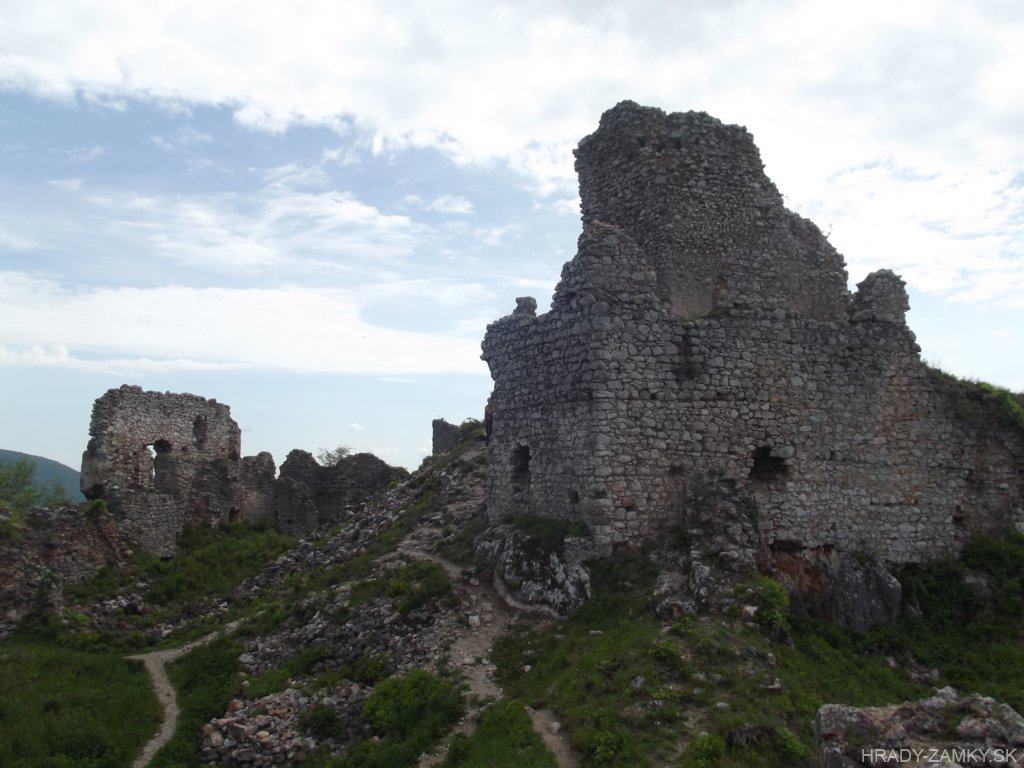
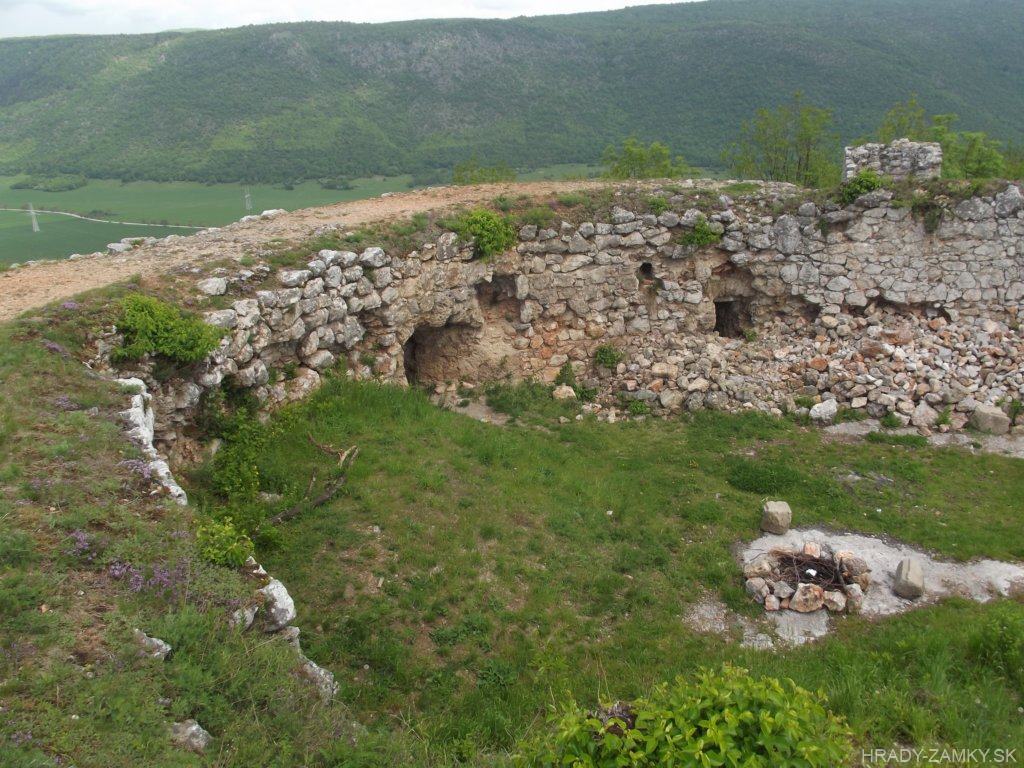
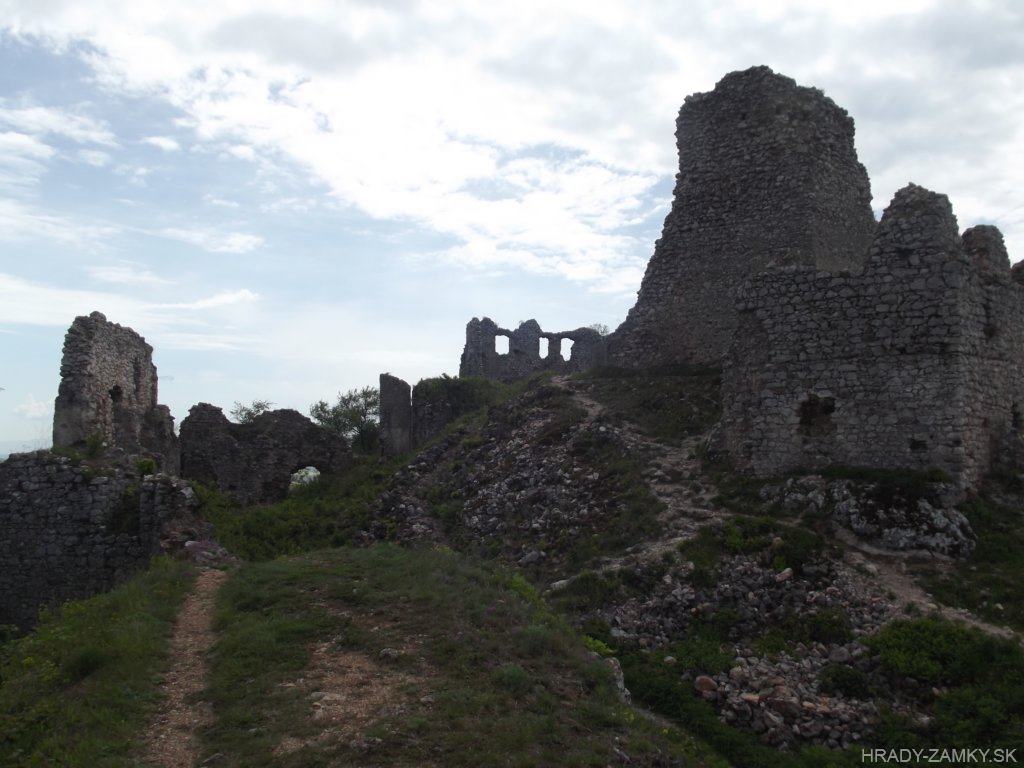
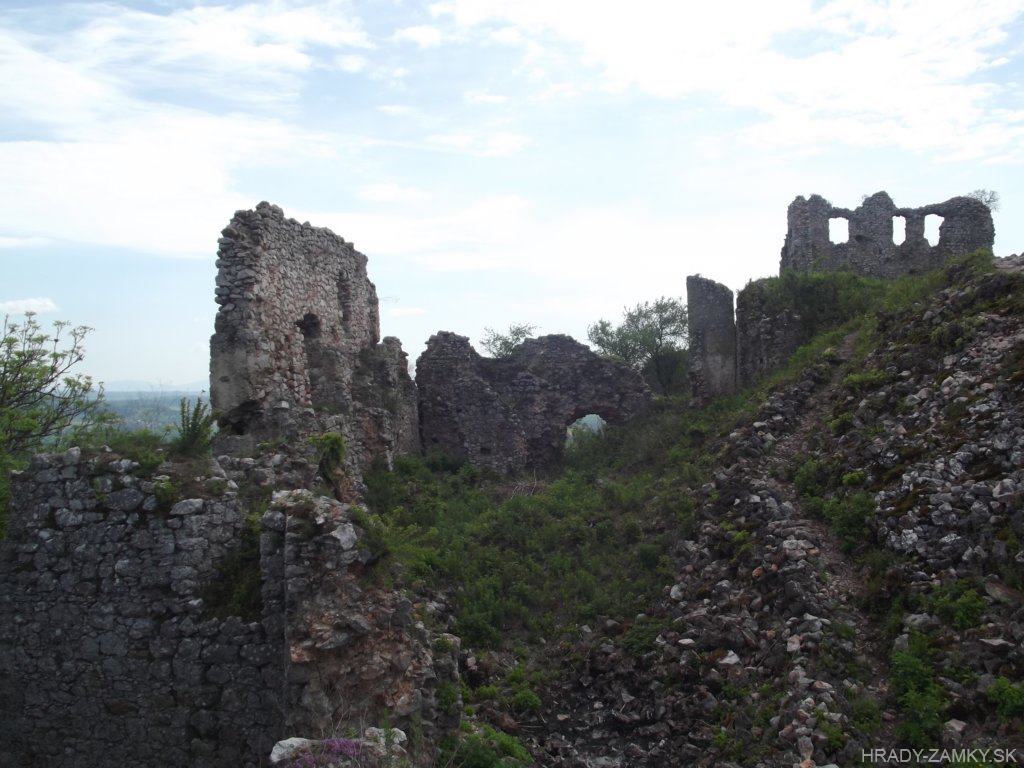
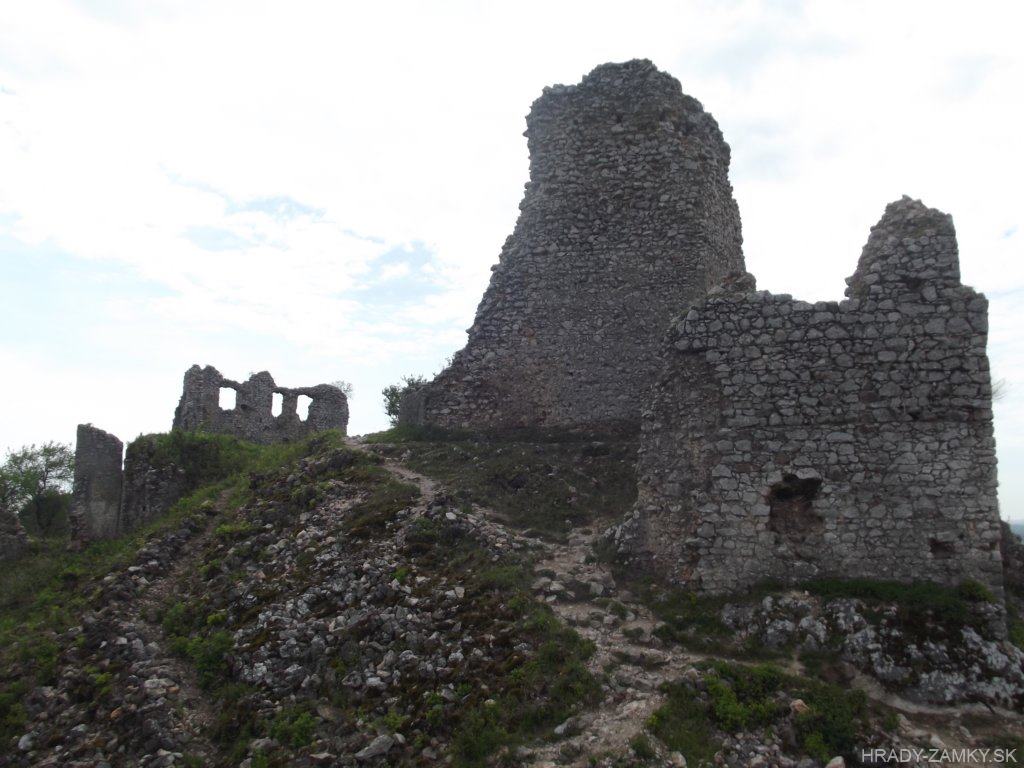
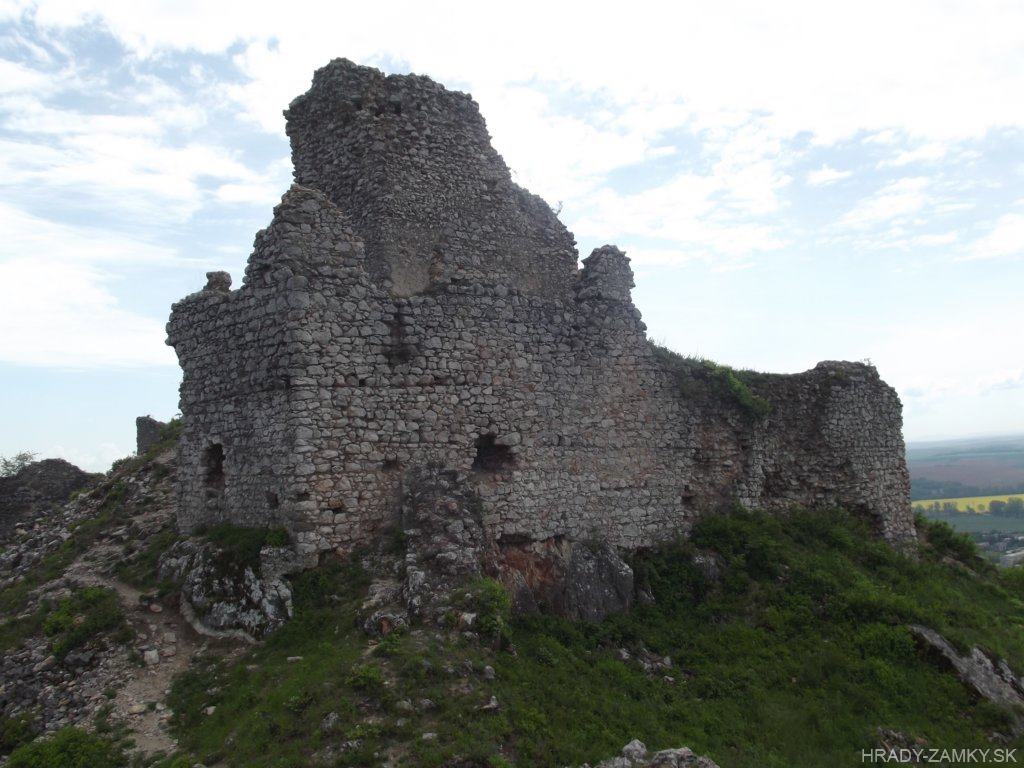
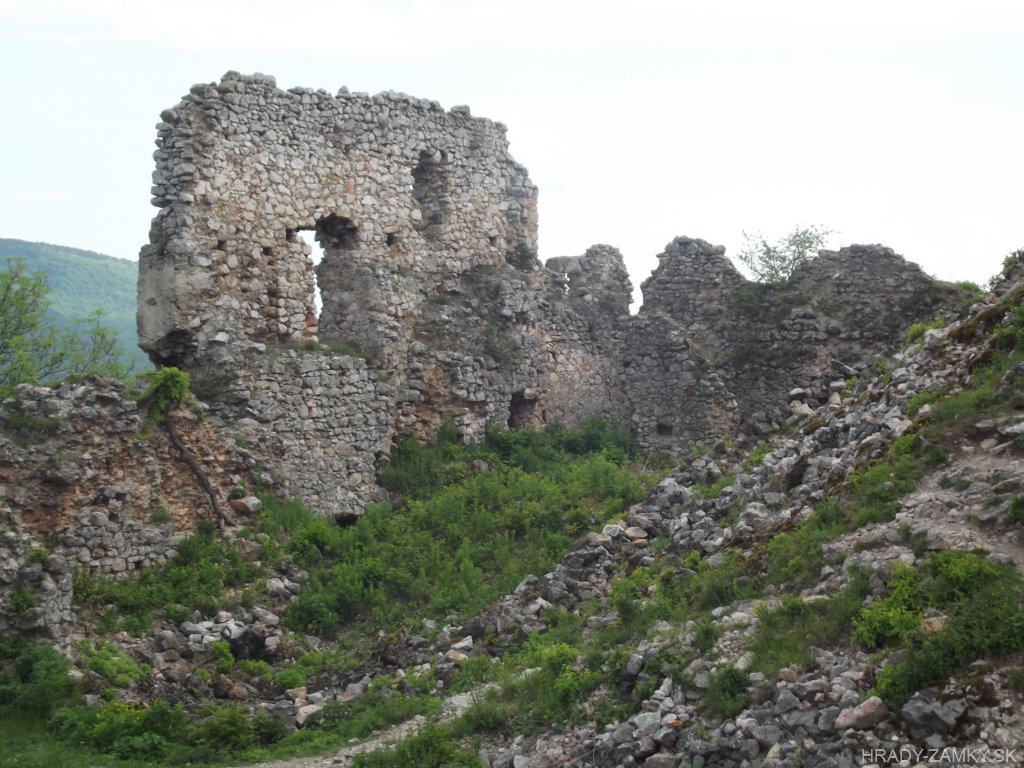
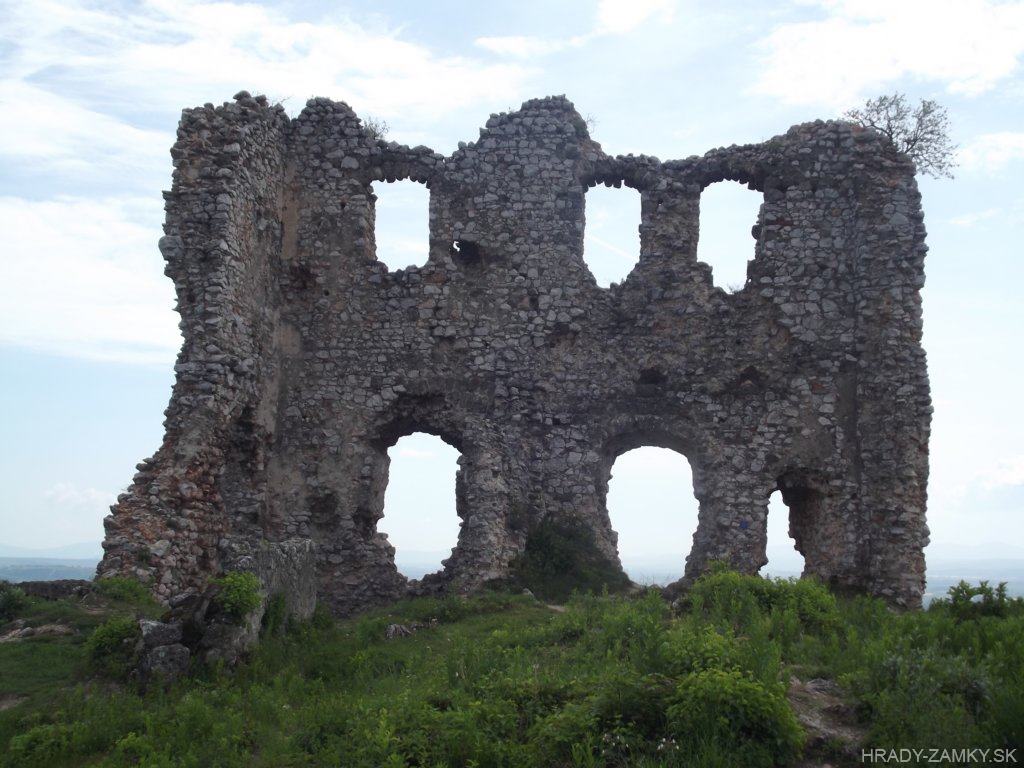
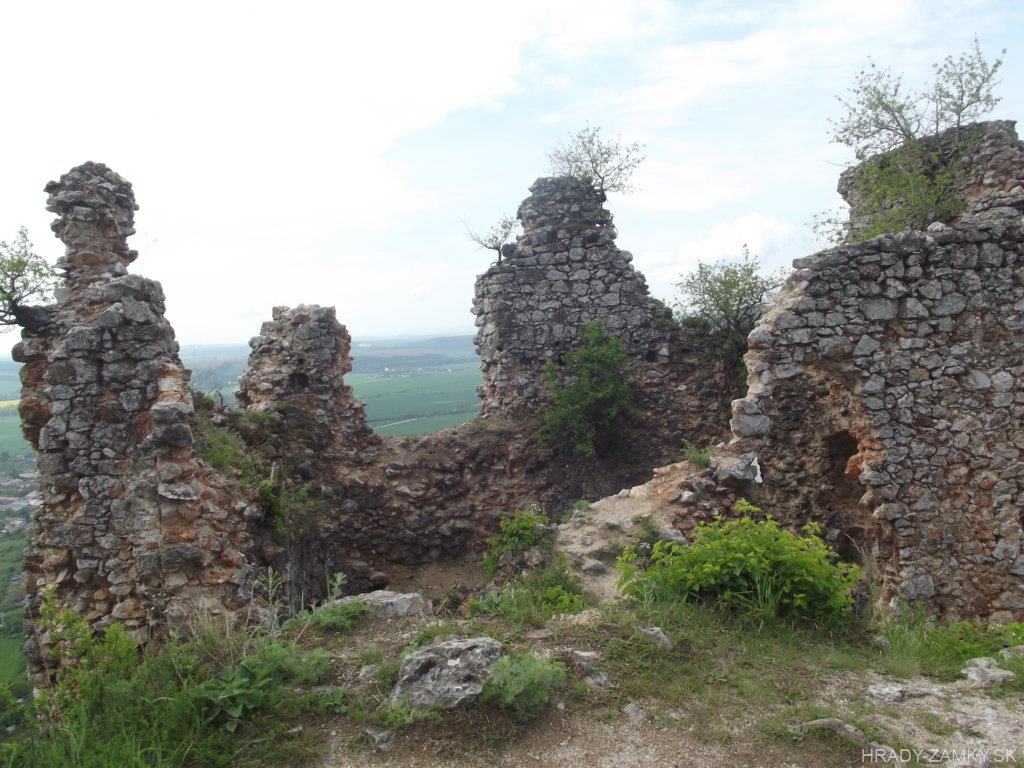
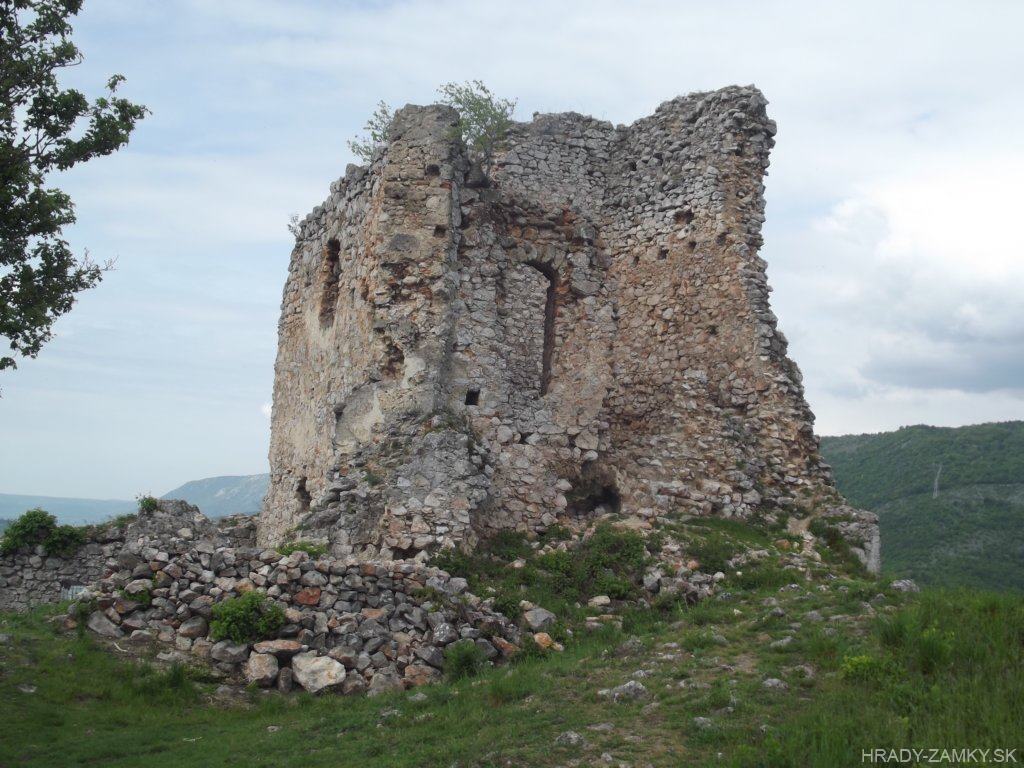
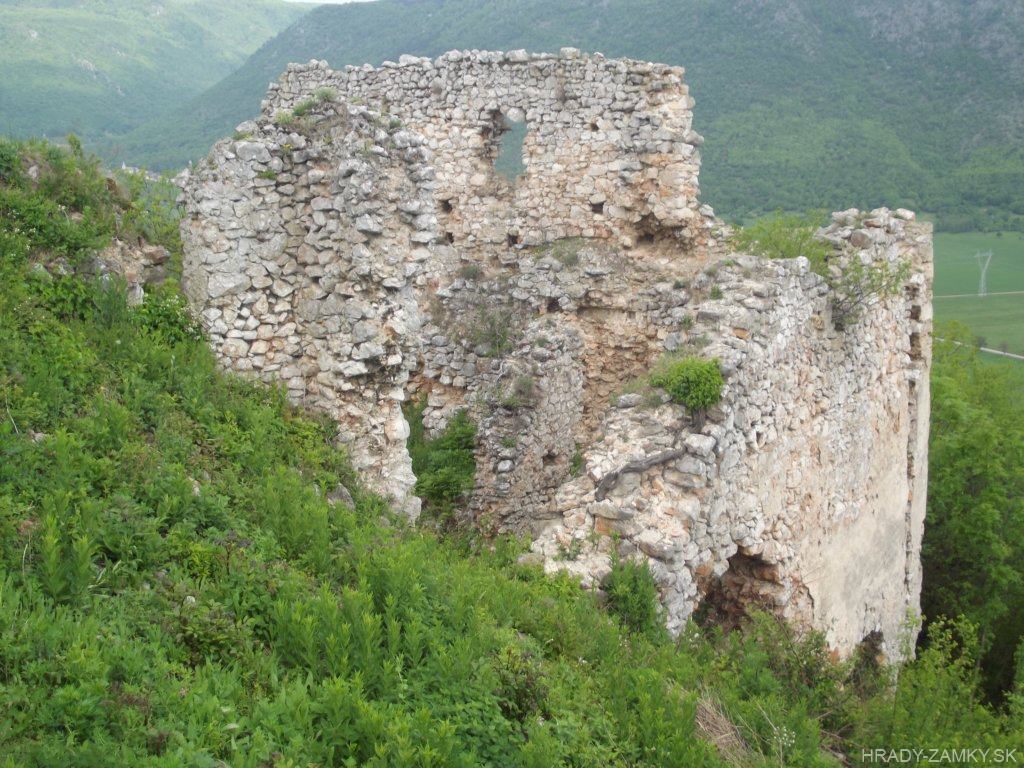
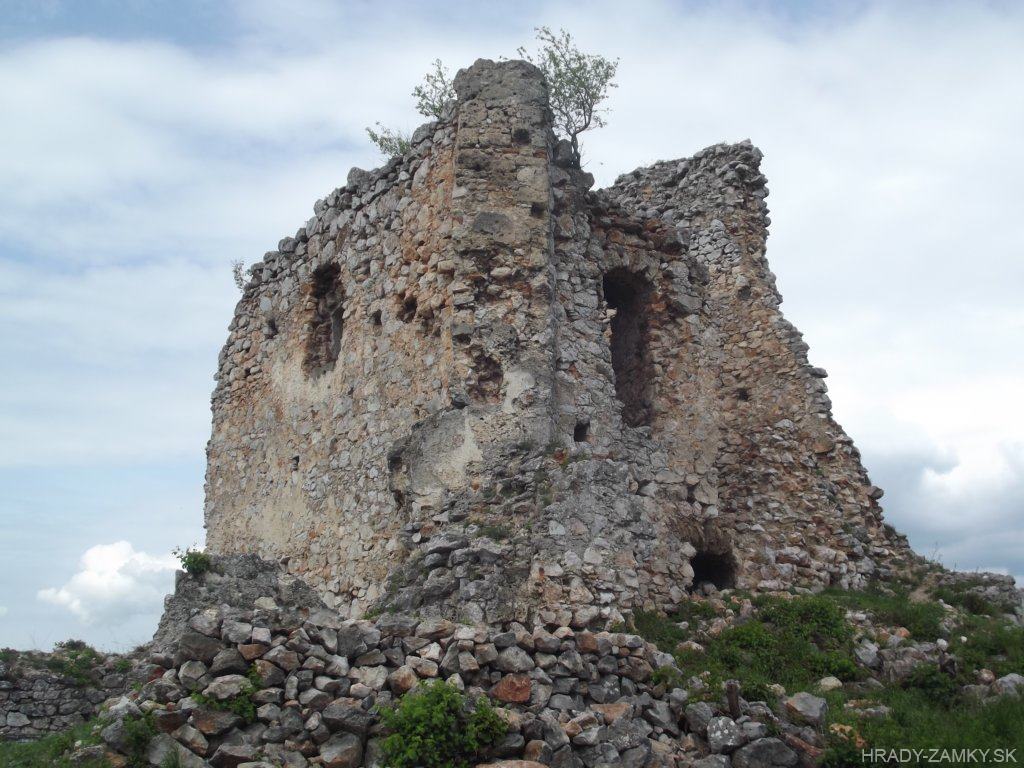
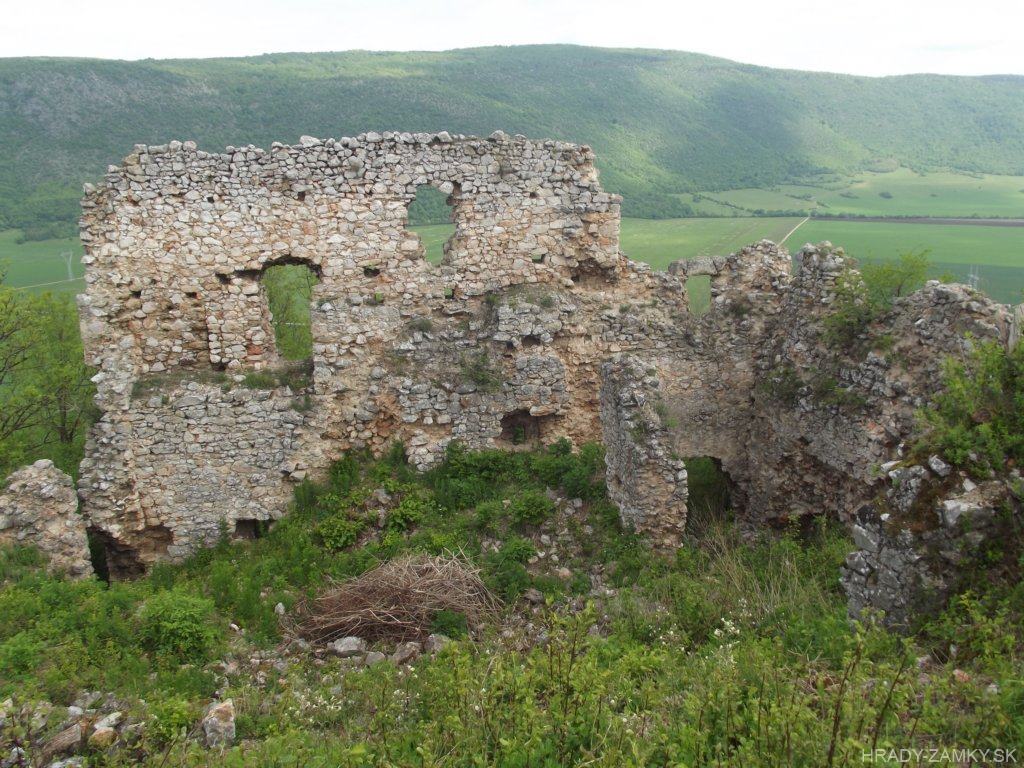
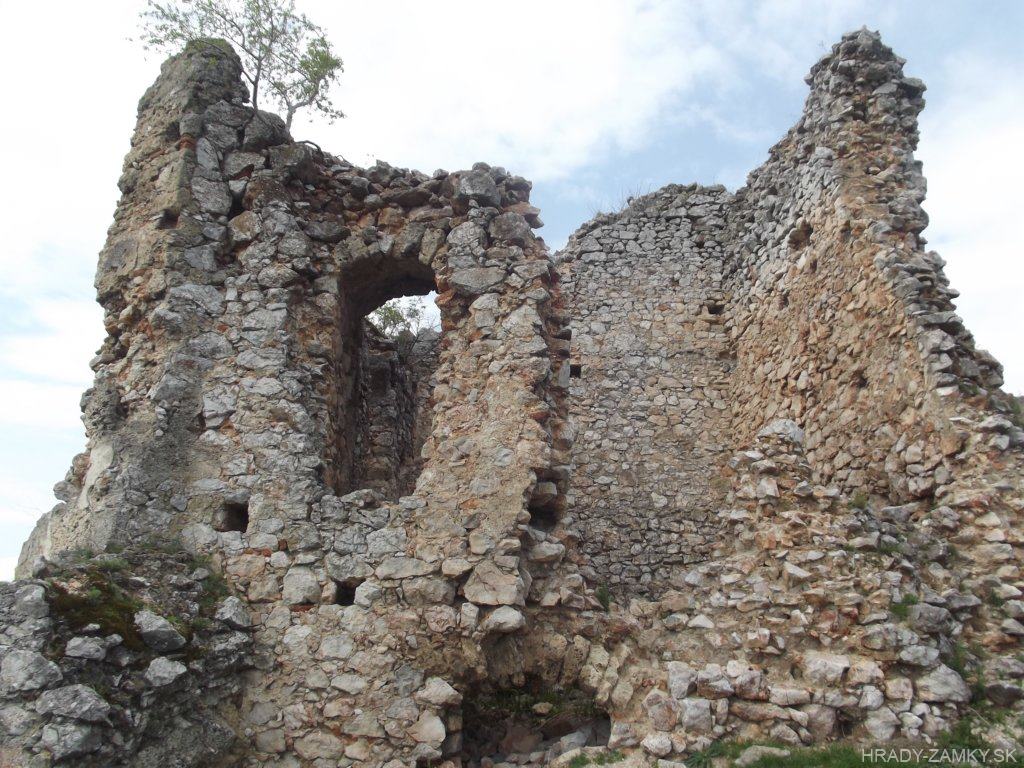
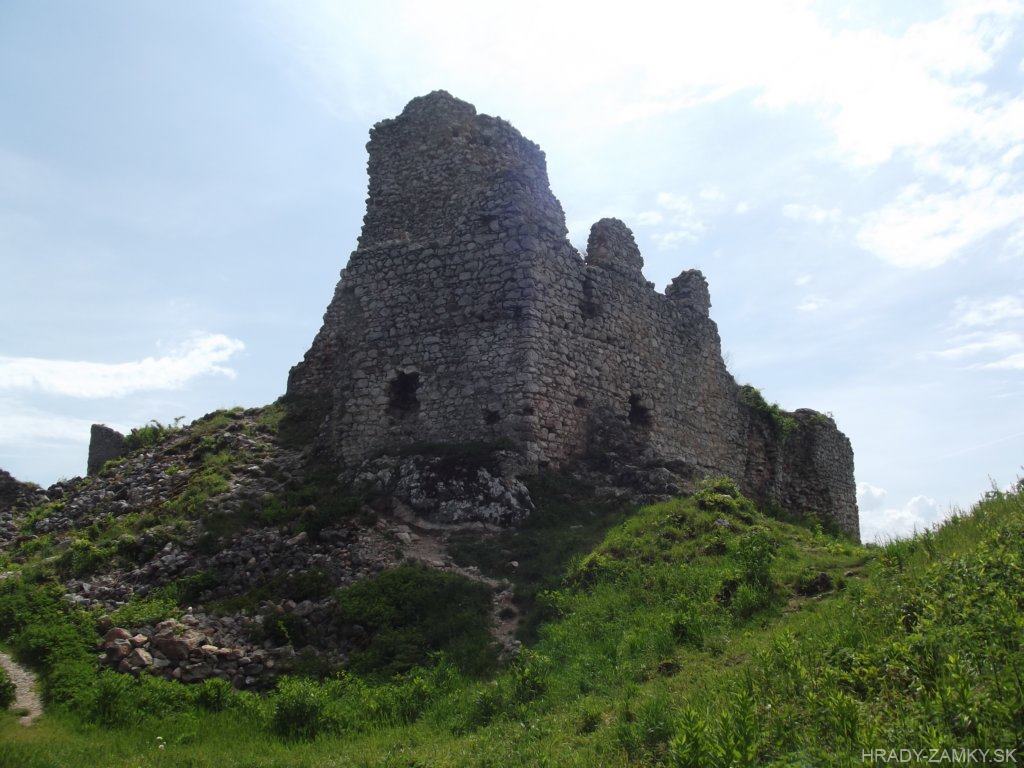
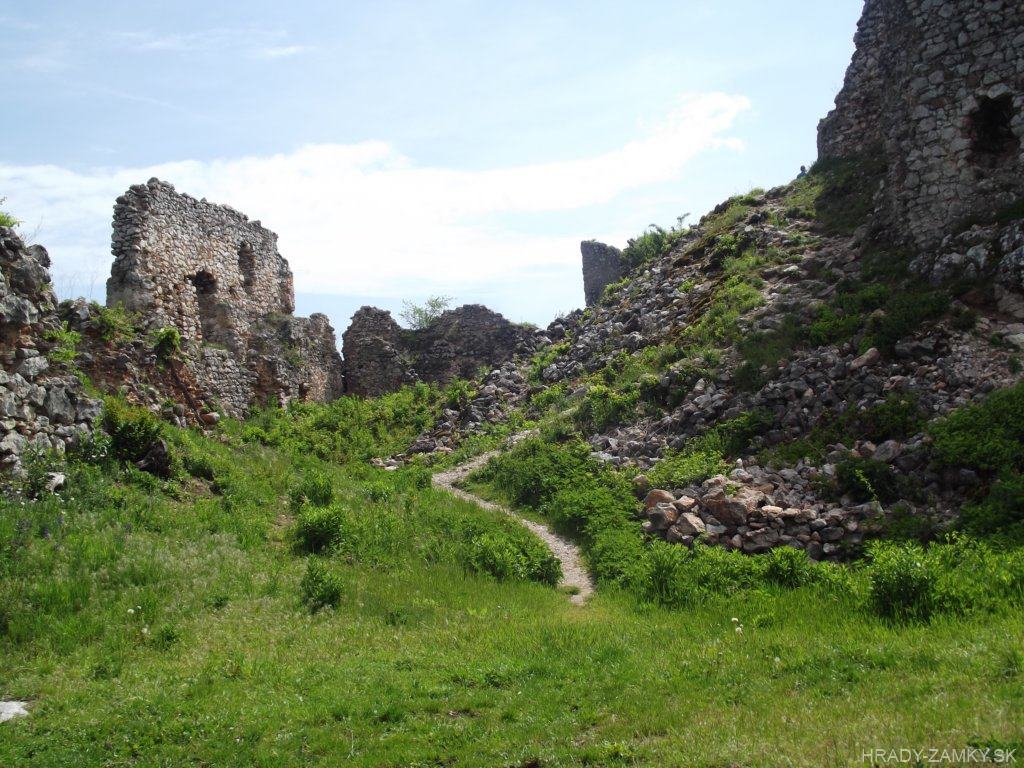
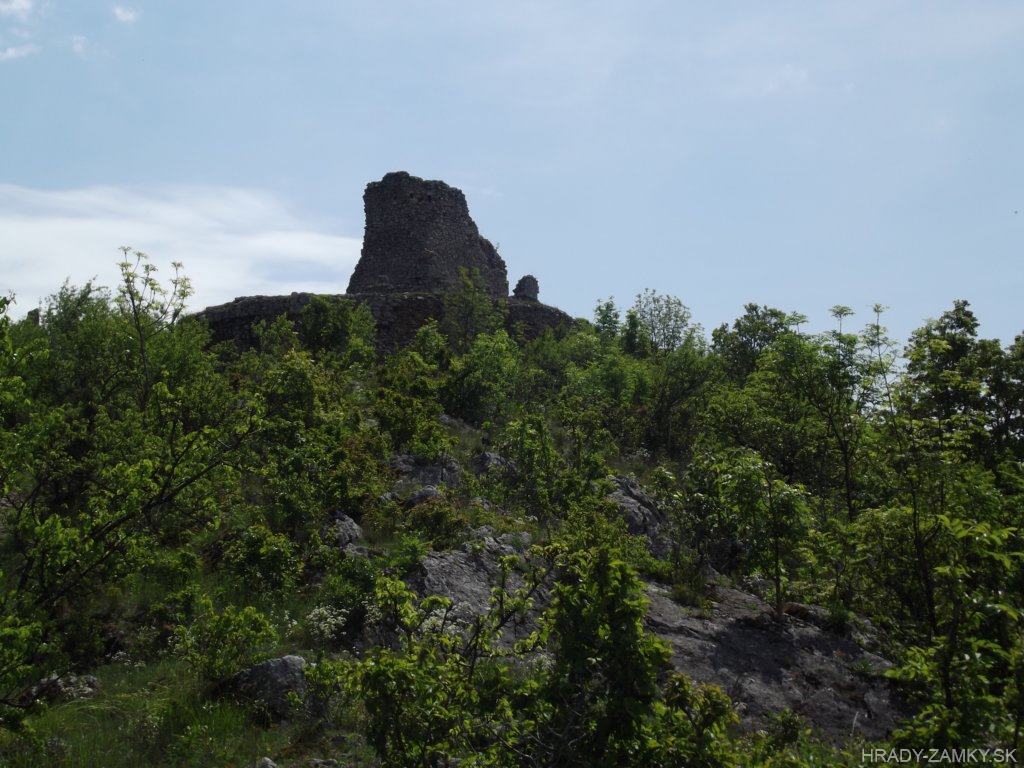
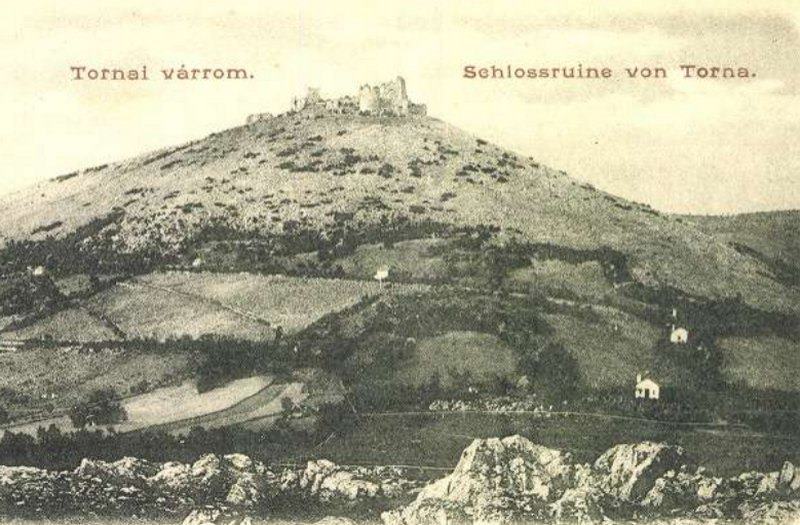
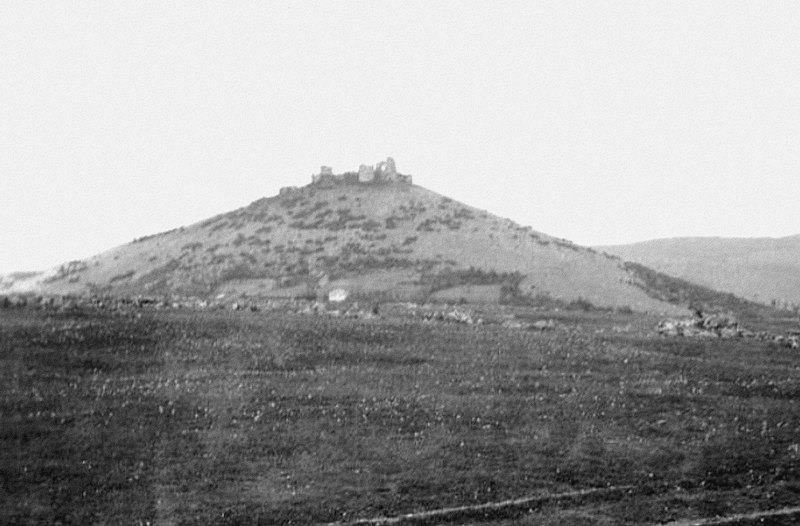
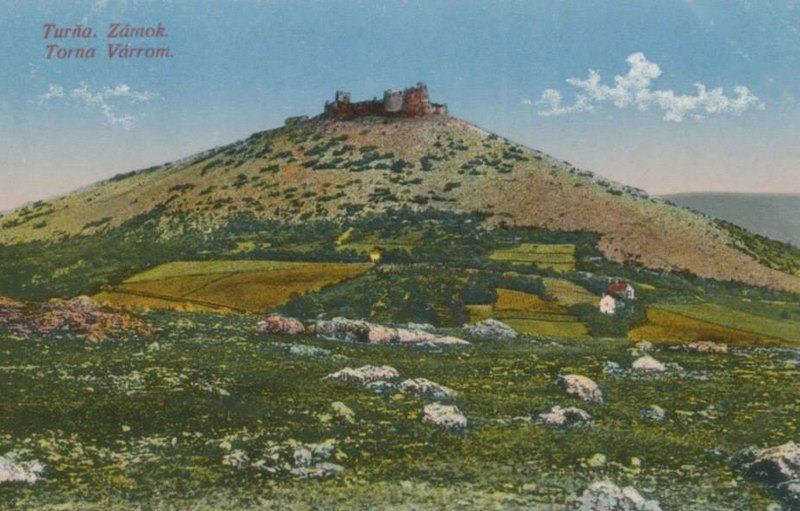
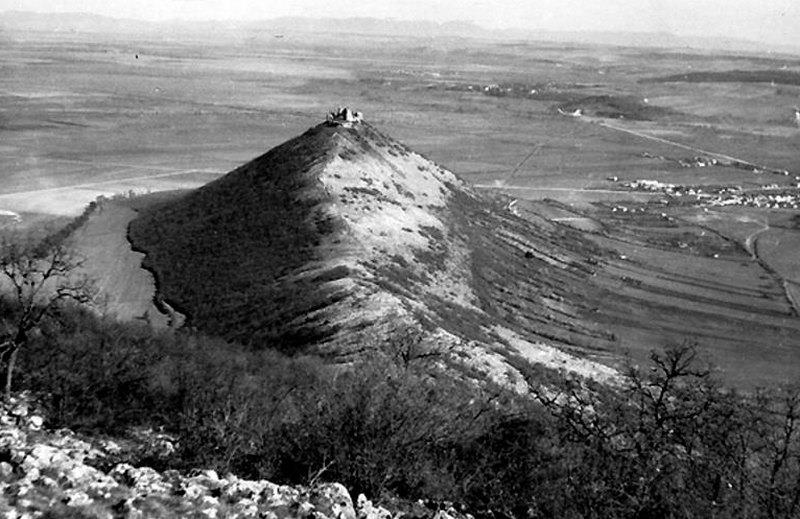
The ruins of the castle on the limestone hill of the Slovenský Kras, through which the edge of the Zádiel plateau runs above the Košice basin in the village of Turňa nad Bodvou
Zrúcanina hradu na vápencovom vrchu Slovenského krasu, ktorým okraj Zádielskej planiny vybieha nad Košickú kotlinu v obci Turňa nad Bodvou
Previous names
Thorna, Tornauara, Torna, Tornai vár
Roads
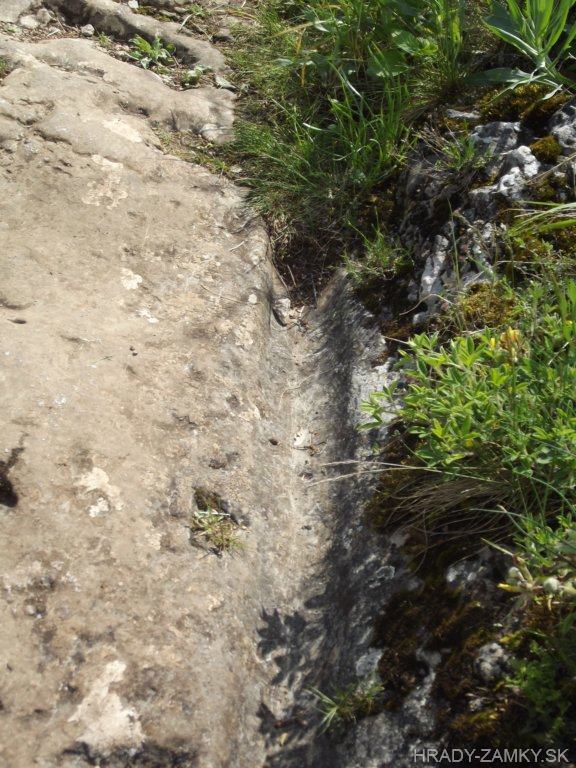
Trasa 1: The main road passes through the village of Turňa nad Bodvou, along which we reach the pond, which is visible from the road. Almost opposite the pond, on there is a turn to a large parking lot, where there is also a restaurant. From the car park, we walk towards the main road and turn left onto a dirt road that runs parallel to the main road. Soon we will turn left onto the blue and yellow hiking trail. Be careful not to miss this turn, the next turn leads to the village, you need to turn before it. This is followed by an ascent with a slight ascent in the Turniansky hradný vrch nature reserve, which in the last part makes the rocks a bit more difficult. From the Hradná stráň saddle, we no longer continue along tourist-marked routes, but we turn right and after a while we are at the castle. Notice the traces of medieval wagons carved into the rocks, and you can see them significantly even today.
Trasa 1: Cez obec Turňa nad Bodvou prechádza hlavná cesta, po ktorej sa dostaneme až k Turnianskemu rybníku, ktorý je viditeľný z cesty. Takmer oproti rybníku, na protiľahlej strane je odbočka k rozsiahlemu parkovisku, kde sa nachádza aj reštaurácia. Z parkoviska sa vyberieme peši smerom späť k hlavnej ceste a odbočíme doľava na poľnú cestu, ktorá vedie súbežne s hlavnou cestou. Onedlho odbočíme vľavo na modrú a žltú turistickú trasu. Pozor, aby sme túto odbočku neminuli, ďalšia odbočka vedie už do obce, treba odbočiť ešte pred ňou. Nasleduje výstup s miernym stúpaním v prírodnej rezervácii Turniansky hradný vrch, ktorý v poslednej časti trochu sťažia skaly. Od sedla Hradná stráň už nepokračujeme po turisticky značených trasách, no odbočíme vpravo a po chvíli sme na hrade. Všimnite si stopy stredovekých vozov, ktoré sa vryli do skál, a výrazne ich badať i v súčasnosti.
Trasa 2: Access from the village Háj, where there is a small parking lot near the cemetery next to the playground, from where we walk along the stream to the yellow route, which will lead us to the saddle Hradná stráň, from where we continue on the same route as the mentioned route No. 1 to the castle.
Trasa 2: Prístup z obce Háj, kde je menšie parkovisko neďaleko cintorína popri ihrisku, odkiaľ sa peši popri potoku napojíme na žltú trasu, ktorá nás dovedie až k sedlu Hradná stráň, odkiaľ pokračujeme rovnakou trasou ak v trase č.1 až na hrad.
Description
The oldest part of the castle is in its core standing prismatic tower, originally accessible only from the height of the first floor. It was the head of the almost defunct fortifications. In 1357 the castle was extended by a new Gothic palace north of the tower. The younger palace stood on the east side of the courtyard. On the southwest side was built cannon bastion and two other bastions in the south and east. Probably from this period comes a mighty northwest bastion, protecting the castle from access.The walls of bastions, fortifications, palaces and towers have been preserved to this day. The body of the castle was built from various rocks, such as wetterstein limestone and travertines.
Najstaršou časťou hradu je v jeho jadre stojaca hranolová veža, pôvodne prístupná len z výšky prvého poschodia. Stála v čele takmer zaniknutého opevnenia. V roku 1357 bol hrad rozšírený o nový gotický palác severne od veže. Mladší palác stál na východnej strane nádvoria. Na juhozápadnej strane bola postavená delová bašta a dve ďalšie bašty na juhu a východe. Pravdepodobne z tohto obdobia pochádza aj mohutný severozápadný bastión, chrániaci hrad od prístupu.Dodnes sa zachovali múry bášt, opevnenia, palácov a veže. Teleso hradu bolo vybudované z rôznych hornín, ako napr. wettersteinský vápenec a travertíny.
Plan
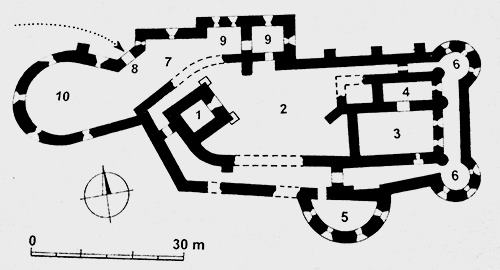
Legend to the ground plan
- 1 - prismatic tower
- 2 - inner castle
- 3 - palace
- 4 - presumed chapel
- 5 - cannon bastion
- 6 - corner bastions
- 7 - fortification
- 8 - entrance gate
- 9 - stables and hostels
- 10 - extended cannon bastion
Legenda k pôdorysu
- 1 - hranolová veža
- 2 - vnútorný hrad
- 3 - palác
- 4 - predpokladaná kaplnka
- 5 - delová bašta
- 6 - nárožné bašty
- 7 - predhradie
- 8 - vstupná brána
- 9 - stajne a ubytovne
- 10 - vysunutá delová bašta
History
The castle was built at the turn of the 13th and 14th centuries at the latest, but according to some researchers, already in 1198, when the village is mentioned (Tornus), there was a small castle. This locality was given to the predecessor of the Tornay family as a reward for the services he demonstrated in the defense of the country during the Tatar invasion of Hungary. We can consider him as the builder of a stone castle. The documents state that the castle was not built until 1357, when the village became the center of the castle estate. However, the then owner Ján Tornay expanded and repaired the castle this year. It was therefore a reconstruction of an older castle, which belonged to the Tornay family until 1406.
After the extinction of the Tornay family in 1406 by John II, King Sigismund annexed the castle to the crown. Three years later, he exchanged the manor with Pavel Bešeň of Ezdeg, and for a short time the castle was also acquired by Štefan called Šafár of Branč (1409), from whom the Bebek family acquired the property. Around 1448 he was occupied by Jiskr's troops and after them he was detained by his brothers until 1458. After the conditions were calmed down, the castle was in the hands of King Matej Korvín. Imrich Zápoľský and his wife bought the castle from him in 1476. After his death it was still owned by his widow Uršula Bebek, later the castle was inherited by members of her family. In the years 1540-50, František Bebek carried out new fortification work on the building, which forced the Turkish danger. It was part of a large anti-Turkish fortress system, belonging to the border castles. In 1567, the Bebek family died out with František's son Juraj, who was suspected of preparations for the anti-Habsburg uprising. His property was therefore occupied by the imperial army and the castle belonged to Captain Gašpar Magócsim. After the extinction of the male generation in 1611, the castle was inherited in the female line. The Kátai family is mentioned, later Barbora Móric, and by handing her over to Mikuláš, the property passed to the Keglevich family. The manor already at that time mostly lived in mansions.
In 1652 the castle was occupied by the Turks and in 1678 by the Kuruk troops of Imrich Thököly. A year later, Imperial General Leslie forced them to surrender. However, Thököly received the sultan's help and with the help of the Turks he regained the castle in 1683. However, after the crushing defeat of the Turks near Vienna, the imperial troops gained the upper hand and General Schultz conquered the castle in 1685. Because of the insurgents, he had the castle fortifications destroyed so that the castle would not become their support.
Soldiers were still housed in the castle in 1848, but probably due to their negligence the castle burned down and has been a ruin ever since. Cez 2.sv. During the war, the strategic position of the castle was used by German troops. The Turnian Castle Rescue Association is currently trying to restore the castle.
Hrad vznikol najneskôr na prelome 13. a 14. storočia, no podľa niektorých bádateľov tu už v r. 1198, kedy sa obec spomína (Tornus), stál malý hrádok. Túto lokalitu dostal predchodca rodu Tornayovcov ako odmenu za služby, ktoré preukázal pri obrane krajiny počas vpádu Tatárov do Uhorska. Jeho môžeme považovať za stavebníka kamenného hradu. V listinách sa uvádza, že hrad postavili až v roku 1357, keď sa obec stala strediskom hradného panstva. Vtedajší majiteľ Ján Tornay však hrad v tomto roku rozšíril a opravil. Išlo teda o prestavbu staršieho hradu, ktorý rodine Tornayovcov patril do roku 1406.
Po vymretí rodu Tornayovcov v r.1406 Jánom II., kráľ Žigmund hrad pričlenil korune. O tri roky neskôr panstvo vymenil s Pavlom Bešeňom z Ezdegu a na krátky čas hrad získal aj Štefan zvaný Šafár z Branča (1409), od ktorého zas majetky získali Bebekovci. Okolo roku 1448 ho obsadili Jiskrove vojská a po nich zostal zadržaný bratríkmi až do r.1458. Po upokojení pomerov mal hrad v rukách kráľ Matej Korvín. Imrich Zápoľský s manželkou od neho kúpili hrad v roku 1476. Po jeho smrti ho ešte vlastnila vdova Uršula Bebek, neskôr hrad zdedili príslušníci jej rodu. František Bebek v rokoch 1540-50 vykonal na objekte nové opevňovacie práce, ktoré si vynútilo turecké nebezpečenstvo. Bol súčasťou veľkej protitureckej pevnostnej sústavy, patriacej k pohraničným hradom. V r.1567 Bebekovci vymreli Františkovým synom Jurajom, ktorý bol podozrivý z príprav protihabsburského povstania. Jeho majetky preto obsadilo cisárske vojsko a hrad pripadol kapitánovi Gašparovi Magócsimu. Po vymretí mužského pokolenia v r.1611 sa hrad dedil v ženskej línii. Spomínajú sa Kátaiovci, neskôr Barbora Móric a jej vydajom za Mikuláša majetok prešiel na Keglevichovcov. Panstvo už v tom čase väčšinou bývalo v kaštieľoch.
V roku 1652 obsadili hrad Turci a v r.1678 aj kurucké vojská Imricha Thökölyho. O rok neskôr ich cisársky generál Leslie prinútil kapitulovať. Thököly však získal sultánovu pomoc a za pomoci Turkov hrad opäť v r.1683 získal. Avšak po zdrvujúcej porážke Turkov pri Viedni nadobudli cisárske vojská prevahu a generál Schultz v roku 1685 hrad dobyl. Kvôli povstalcom dal zničiť opevnenie hradu, aby sa hrad nestal ich oporou.
Na hrade boli ešte v r.1848 ubytovaní vojaci, ale pravdepodobne v dôsledku ich nedbalosti hrad vyhorel a odvtedy je ruinou. Cez 2.sv. vojnu strategickú polohu hradu využili nemecké vojská. O obnovu hradu sa v súčasnosti snaží združenie na záchranu Turnianskeho hradu.
Myths and legends
The rumor says
At night, the wailing ghost of a castle virgin appears on the walls, who out of jealousy shattered a young nobleman and blamed her sister. However, an ordered oath over the dead revealed the truth, and the convicted murderer thrust her deadly weapon into her chest herself.
Bandits and bishop
Once, robbers of the Eger bishop headed for Turnian Castle. The whole procession of the bishop was tied up and dressed in the clothes of church dignitaries. They got to the castle without difficulty, where they collected seven thousand gold coins from the helpless castle lord. They, still disguised as bishops, donated to the mayor of nearby Žarnov, because this settlement had an unjust debt to the lord of the castle, which he cruelly recovered from them. The villagers repaid the debt and came to thank the surprised church dignitary.
Povráva sa
Na hradbách sa za noci zjavuje kvíliaci prízrak hradnej panny, ktorá zo žiarlivosti skatovala mladého šľachtica a vinu zvalila na svoju sestru. Nariadená prísaha nad mŕtvym však odhalila pravdu a usvedčená vražedkyňa si smrtiacu zbraň vrazila sama do hrude.
Zbojníci a biskup
Raz pristavili zbojníci koč egerského biskupa smerujúci na Turniansky hrad. Celý sprievod biskupa poviazali a preobliekli sa do šiat cirkevných hodnostárov. Bez ťažkostí sa dostali na hrad, kde od bezmocného hradného pána zinkasovali sedem tisíc zlatých. Tie ešte vždy preoblečení do biskupských rúch venovali richtárovi neďalekého Žarnova, pretože táto osada mala u hradného pána nespravodlivý dlh, ktorý od nich krutým spôsobom vymáhal. Dedinčania dlh splatili a prekvapenému cirkevnému hodnostárovi sa prišli poďakovať.
Useful information
The ruins are freely accessible
Zrúcanina je voľne prístupná
Nearby castles