Šaľa mansion
Šaľa Nitra county Slovakia
manor, mansion
Šaľa
Šaľa Nitriansky kraj Slovakia
kaštieľ
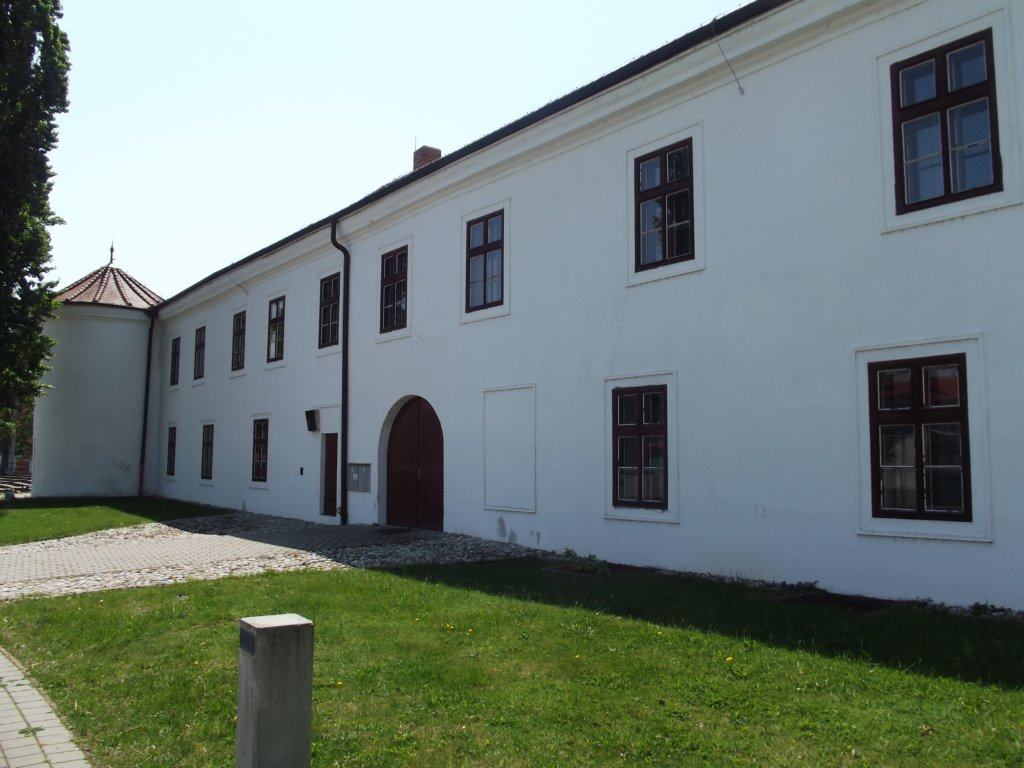
Renaissance mansion in the center of Šaľa, situated in the Podunajská plain on the right course of the river Váh
Renesančný kaštieľ v centre mesta Šaľa, ležiacom v Podunajskej rovine na pravom behu rieky Váh.
Previous names
Schala, Schelle, Vágsellye
Roads
Šaľa mansion is located right in the center of Sala. From the main road SNP, which passes through the city, we get to the street Petra Pázmaňa, where the mansion is located. It stands just behind the church of St. Margita Antiochijska. You can park along the road next to the mansion building.It currently houses a branch of the State Archives in Bratislava and is not open to the public.
Kaštieľ v Šali sa nachádza priamo v centre mesta Šaľa. Z hlavnej cesty SNP, ktorá mestom prechádza sa dostaneme na ulicu Petra Pázmaňa, na ktorej sa kaštieľ nachádza. Stojí hneď za kostolom Sv. Margity Antiochijskej. Zaparkovať je možné pozdĺž cesty vedľa budovy kaštieľa.V súčasnosti v ňom sídli pobočka Štátneho archívu v Bratislave a nie je prístupný verejnosti.
Description
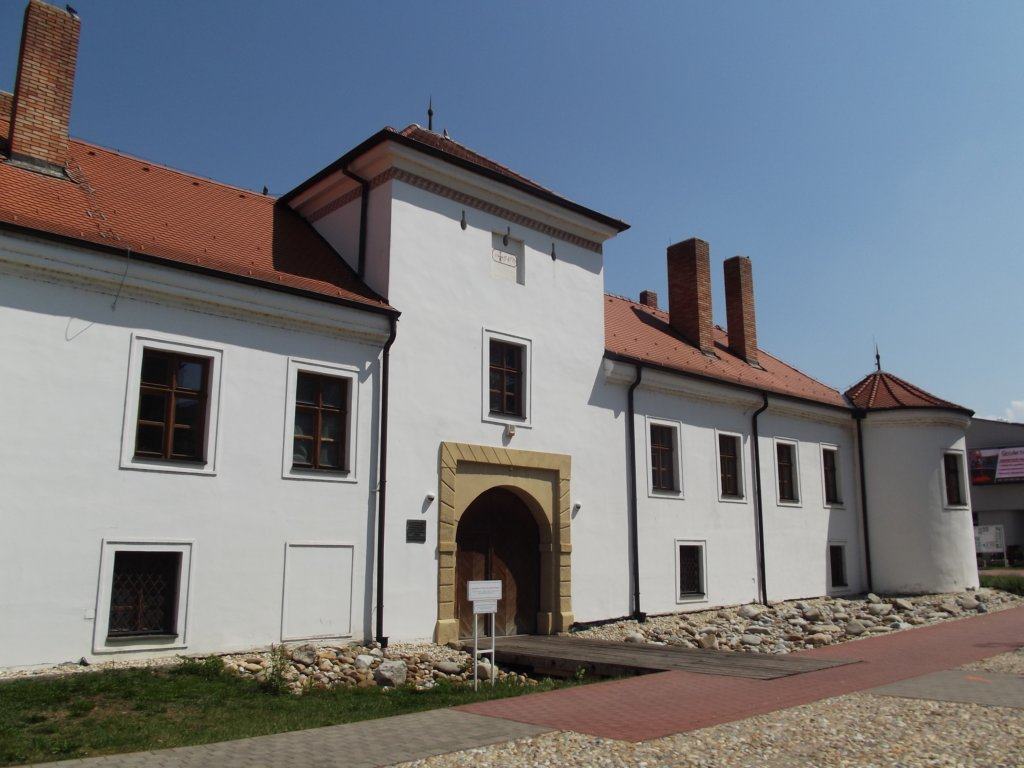
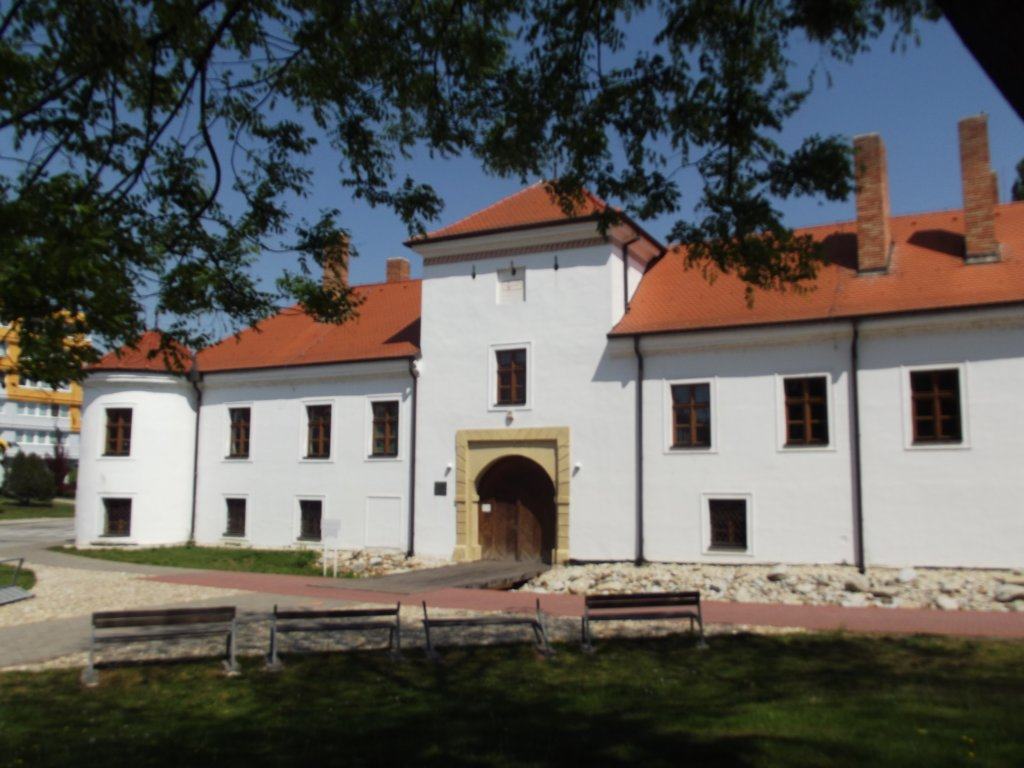
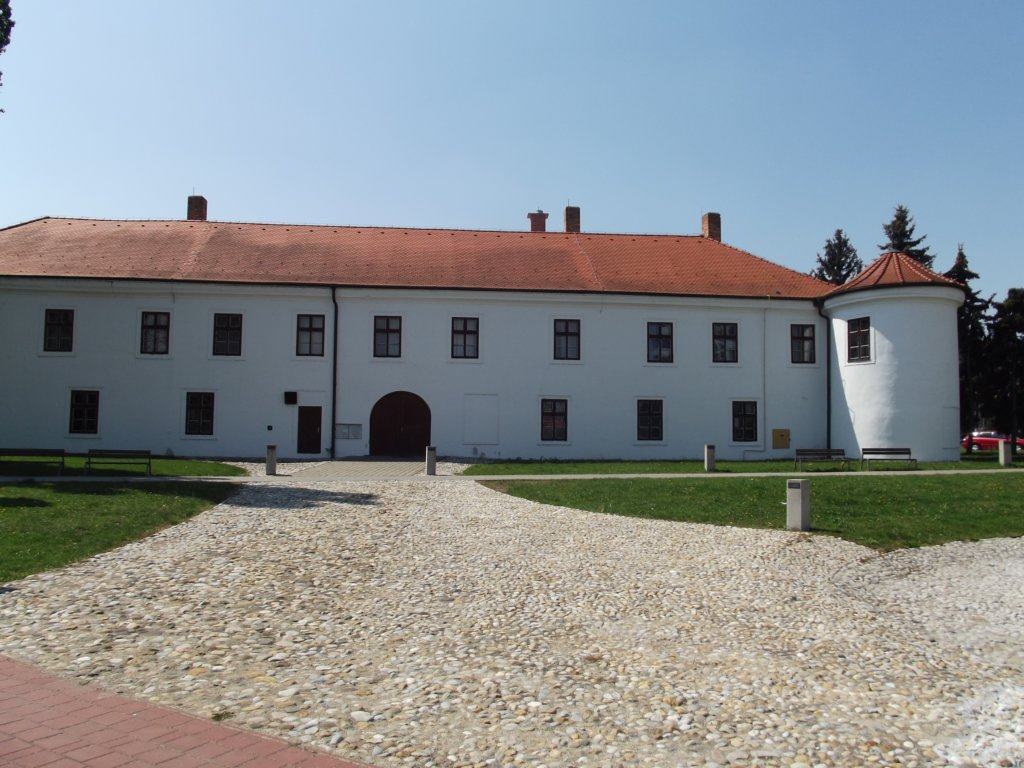
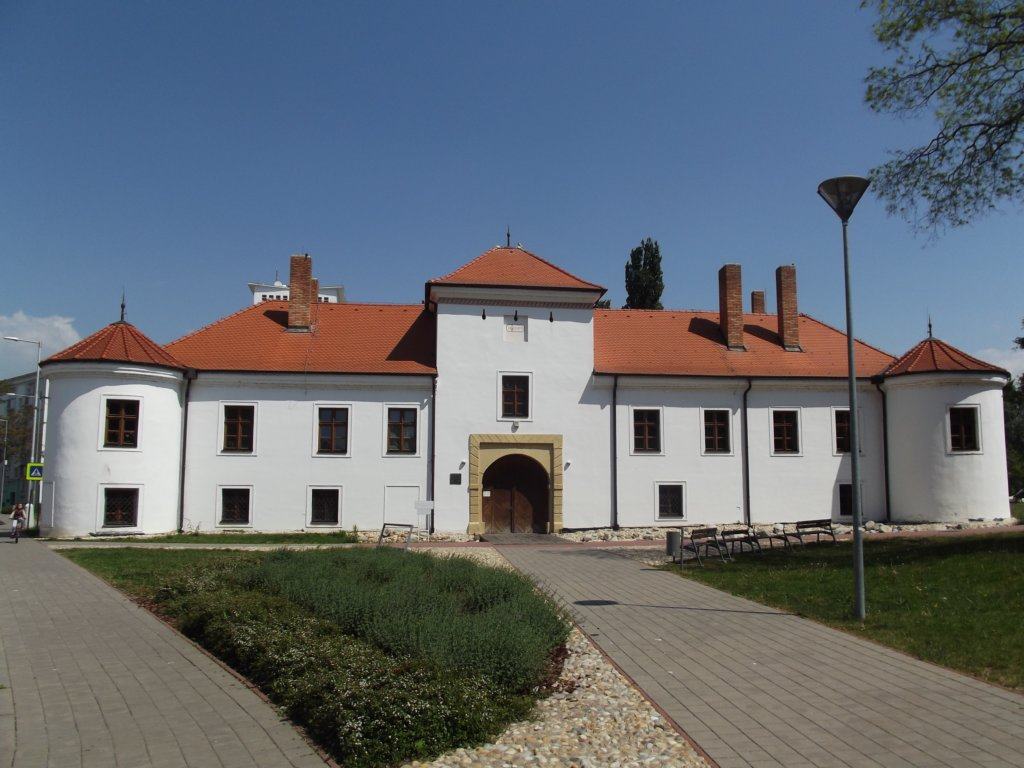
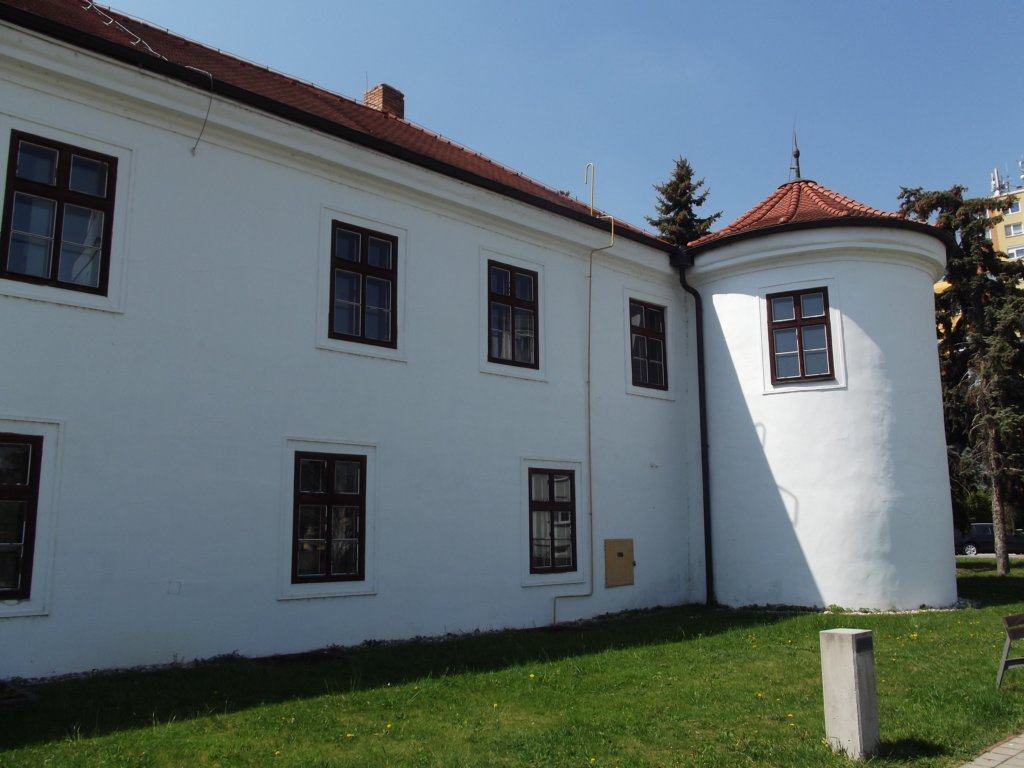
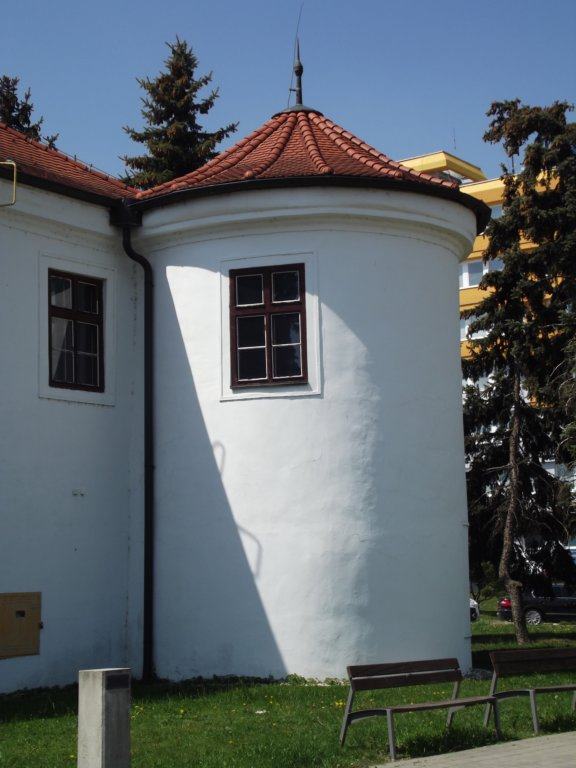
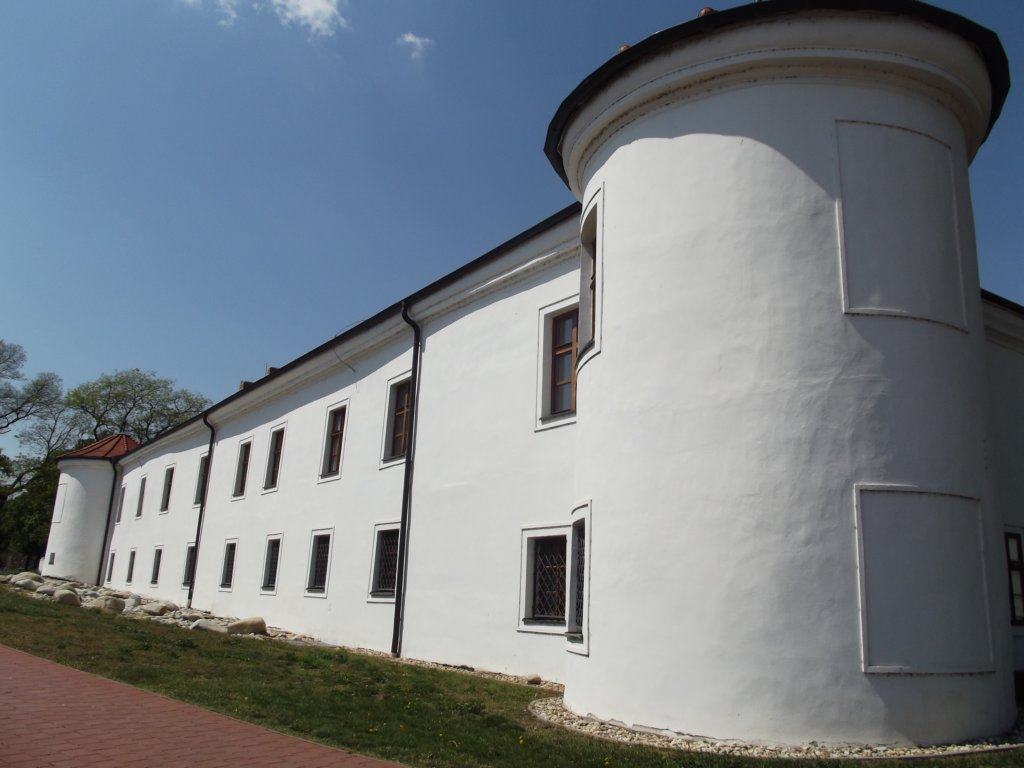
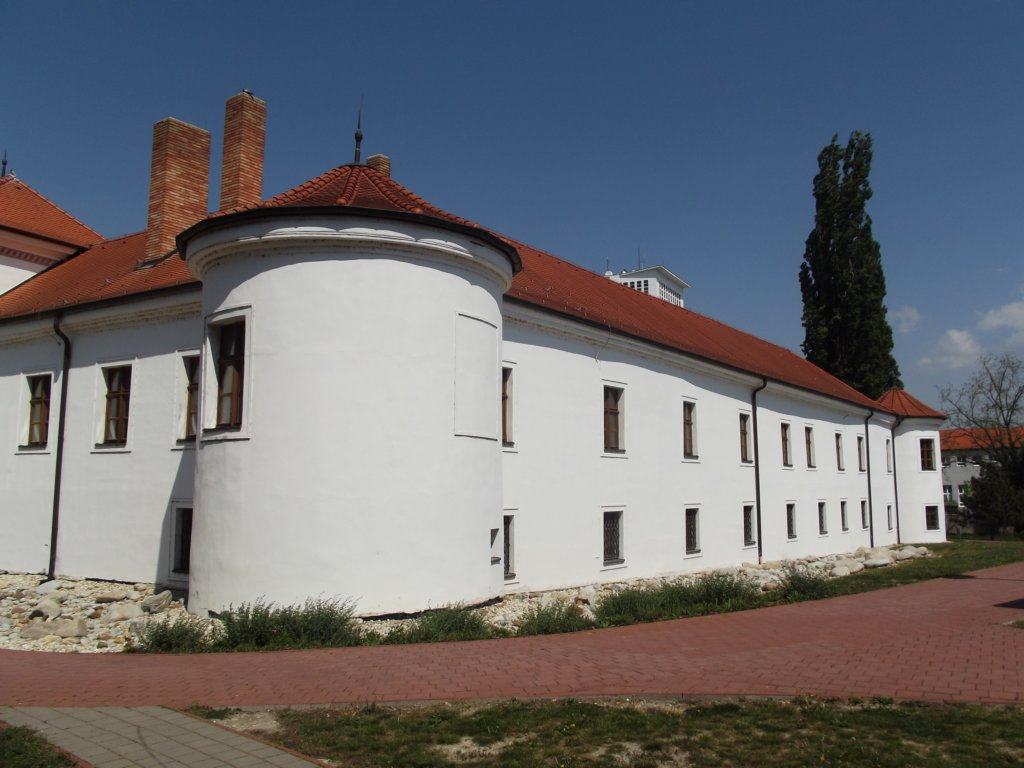
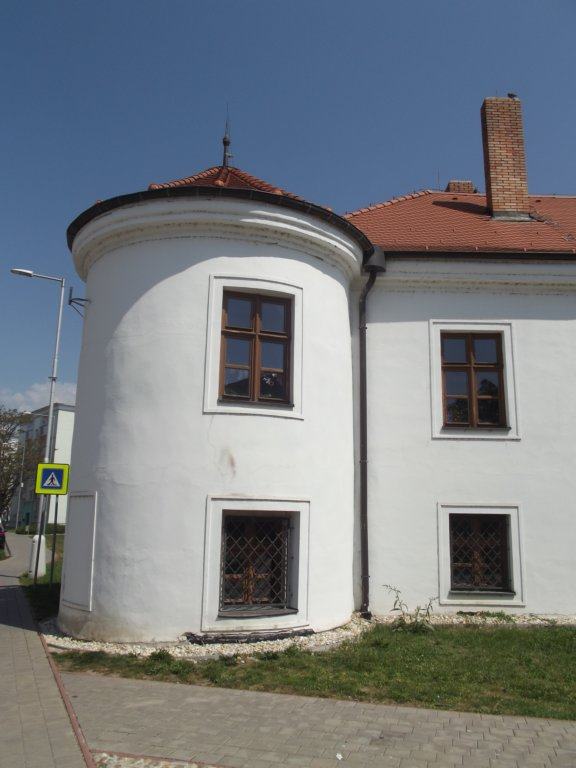
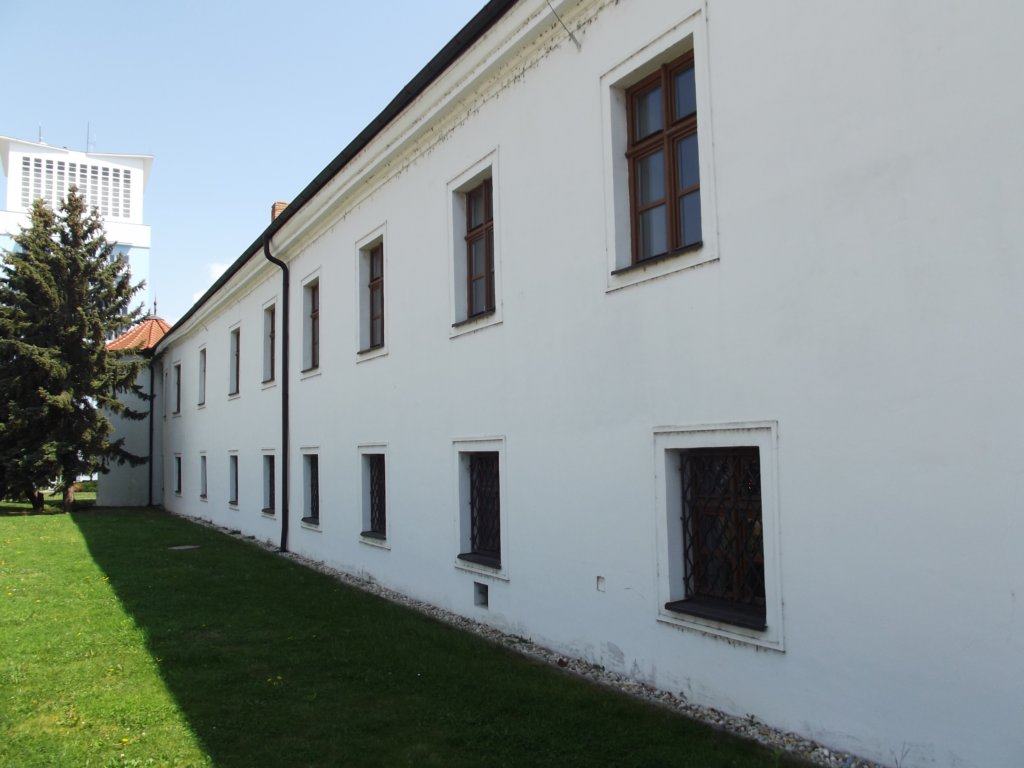
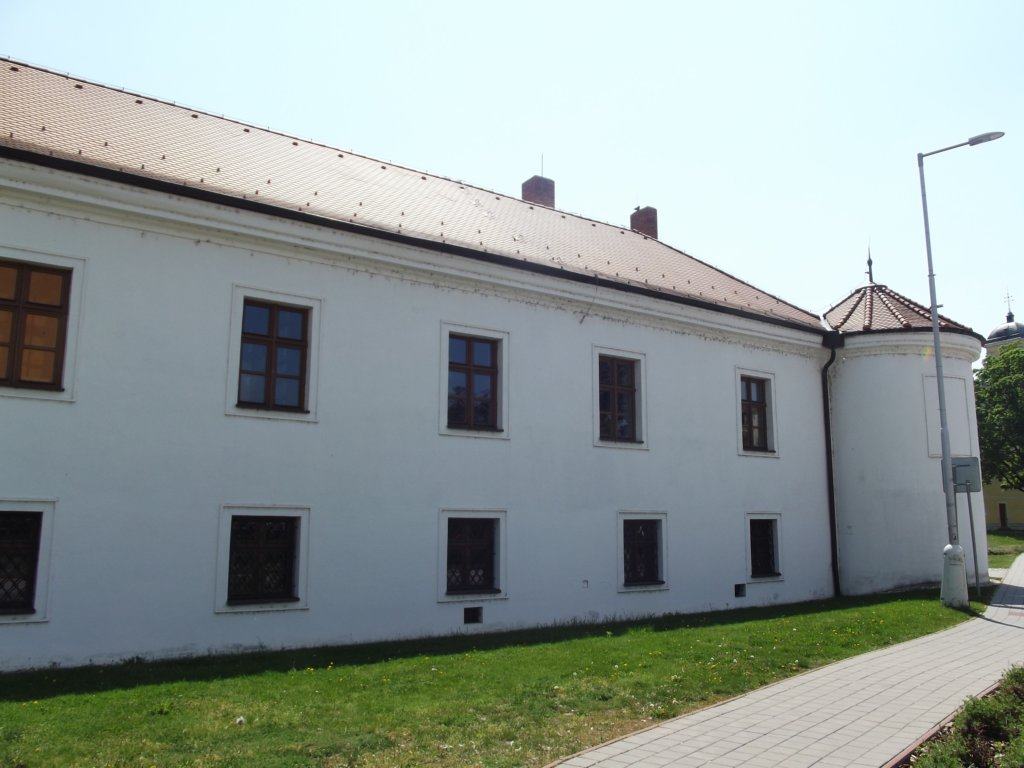
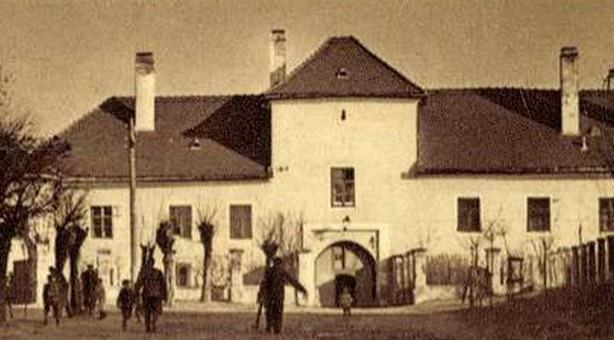
The mansion is basically a copy of the Renaissance chateau of the Thurzo dynasty in Bytča, while its Renaissance appearance and resemblance to the Bytčiansky Castle has been preserved to this day despite its later reconstructions.It is a storeyed fortified four-wing building with circular defensive bastions on the corners. The courtyard is lined with arcade corridors. Above the entrance to the facade is a square tower with loopholes. In the rooms on the ground floor there are preserved barrel vaults with slices, the rooms on the first floor are characterized by the use of Prussian and barrel vaults.
Kaštieľ je v podstate kópiou renesančného zámku rodu Thurzovcov v Bytči, pričom svoj renesančný vzhľad a podobnosť s Bytčianskym zámkom si napriek neskorším prestavbám zachoval dodnes.Je to poschodový opevnený štvorkrídlový objekt s kruhovými obrannými baštami na nárožiach. Nádvorie kaštieľa je lemované arkádovými chodbami. Nad vstupom na priečelí je štvorhranná veža so strieľňami. V miestnostiach na prízemí sa zachovali valené klenby s výsečami, priestory na poschodí charakterizuje použitie pruskej a valenej klenby.
History
The manor house, once a water castle, was probably built on the site of a medieval building from the 13th century. The fortified building in Šala was first mentioned in 1297 in a document of King Ondrej. The document states that the Austrian prince Albert occupied the monastery in Šala and rebuilt it into a fortress. Abraham Rúfus then regained this site and handed it over to the Turčian post office.
Mentions from the Castelians, who used the name "kastelani in Chelle", have been preserved from the 15th century, but the location of the castle (castellum) to which this designation refers is disputed. The records of the Bratislava City Archive mention the designation Sala, but Hungarian historians consider it to be the name of the locality of Čela on Žitný ostrov. However, we know one thing that the building remained the property of the Turčianske Premonstratensian order until the middle of the 16th century. For a time there was a college, which was built into a Renaissance mansion in the second half of the 16th century. Peter Pázmaň, Archbishop of Esztergom, for whom the manor house became a summer residence, was responsible for this.
In the sixties of the 17th century, the building was already used for defensive purposes and a fortification was built with a moat and raised walls. After the end of the Turkish danger, the manor house was rebuilt in 1729. Despite the alterations, however, the manor house has retained its Renaissance appearance. In 1774, however, he was no longer considered comfortable and was inhabited only by officials and gatekeepers. From the years 1793-1795, a list of works on the reconstruction of the manor house on the first floor has been preserved.
After the reconstruction, the manor served various purposes and was often rented. In addition to the administration of the manor, the archives of monasteries, which were abolished during the reign of Joseph II, were also concentrated in the building. Minor repairs also took place in the first half of the 19th century, when the premises lost their original significance and were inhabited not only by officials but also by tenants.
After the establishment of the Czechoslovak Republic, a gendarme station was located here, as well as a school. There was a study base and in the middle of the 20th century there were emergency flats, craft workshops and a machine-tractor station in the building. As a branch of the State Archives in Bratislava, the building began to be used after reconstruction in the late 1960s and early 1970s.
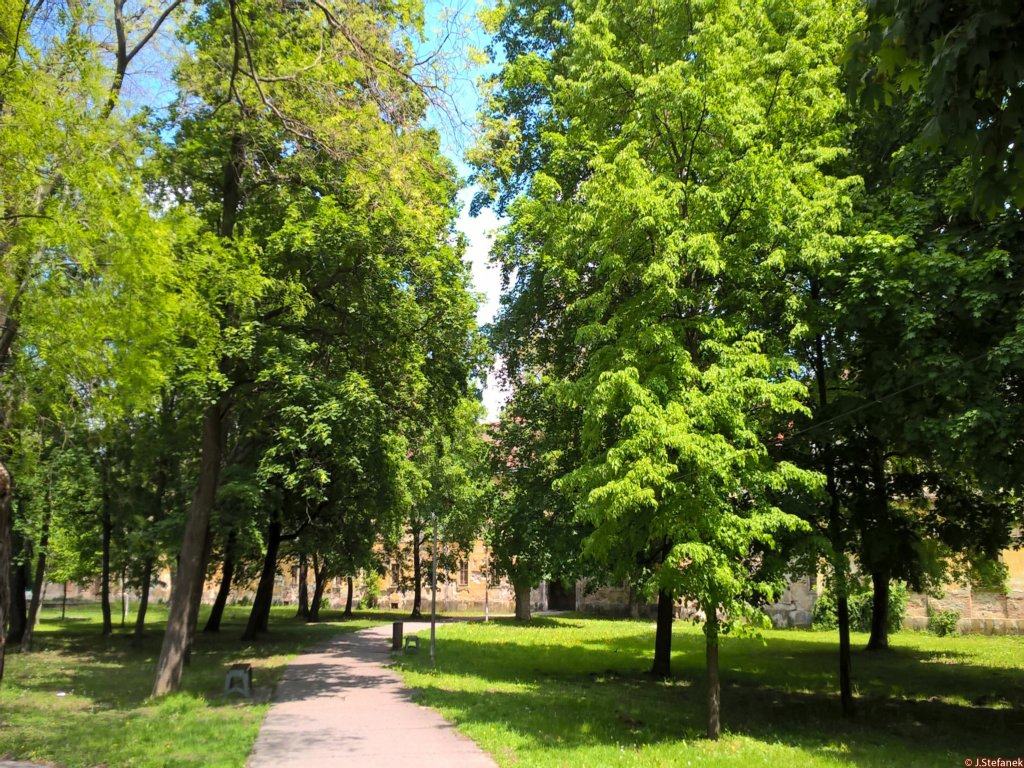
The last reconstruction of the manor took place in 1993. Work then continued in 1998 and in 2008 the repair of the exterior, including the roof and facade, was completed. However, the courtyard and part of the basement are currently in an unfavorable condition.
Kaštieľ, kedysi vodný hrad, bol pravdepodobne postavený na mieste stredovekého objektu z 13. storočia. Prvýkrát sa totiž opevnený objekt v Šali spomína v roku 1297 v listine kráľa Ondreja. V listine sa uvádza, že rakúsky princ Albert obsadil kláštor v Šali a prebudoval ho na pevnosť. Abrahám Rúfus túto lokalitu potom získal späť a odovzdal turčianskemu prepoštstvu.
Z 15. storočia sa zachovali zmienky od kastelánov, ktorí používali označenie „kastelani in Chelle“, no lokalita hradu (castellum), na ktoré sa toto označenie vzťahuje je sporná. V záznamoch bratislavského mestského archívu sa uvádza označenie Sala, no maďarskí historici ho považujú za názov lokality Čela na Žitnom ostrove. Vieme však jedno, že objekt zostal majetkom turčianskeho premonštrátského rádu až do polovice 16. storočia. Istý čas tu bolo kolégium, ktoré sa dobudovalo na renesančný kaštieľ v druhej polovici 16. storočia. Zásluhu na tom mal Peter Pázmaň, ostrihomský arcibiskup, pre ktorého sa kaštieľ stal letným sídlom.
V šesťdesiatych rokoch 17. storočia objekt už slúžil na obranné účely a bolo vybudované opevnenie s vodnou priekopou a zvýšenými múrmi. Po pominutí tureckého nebezpečenstva bol kaštieľ v roku 1729 prestavaný. Napriek úpravám si však kaštieľ zachoval svoj renesančný vzhľad. V roku 1774 už ale nebol považovaný za pohodlný a obývali ho len úradníci a strážca brány. Z rokov 1793-1795 sa ešte zachoval súpis prác o prestavbe kaštieľa na poschodí.
Po prestavbe kaštieľ slúžil na rôzne účely a bol často prenajímaný. Okrem správy panstva sa v objekte sústredili aj archívy kláštorov, ktoré boli zrušené ešte za čias panovania Jozefa II. K menším opravám došlo aj v prvej polovici 19. storočia, kedy už priestory stratili svoj pôvodný význam a obývali ich okrem úradníkov aj nájomcovia.
Po vzniku ČSR tu sídlila žandárska stanica, tiež aj škola. Boli tu priestory študijnej základiny a v polovici 20. storočia boli v budove núdzové byty, remeselnícke dielne a strojno-traktorová stanica. Ako pobočka Štátneho archívu v Bratislave sa budova začala využívať po rekonštrukcii koncom šesťdesiatych a začiatkom sedemdesiatych rokov 20. storočia.
K poslednej rekonštrukcii kaštieľa došlo v roku 1993. Práce potom pokračovali v roku 1998 a v roku 2008 bola dovŕšená oprava exteriéru, vrátane strechy a fasády. Nádvorie a časť suterénu je však v súčasnosti v nepriaznivom stave.
Myths and legends
There are no myths available.
K tomuto objektu nie sú dostupné žiadne povesti
Useful information
The interior is not open to the public
Interiér nie je prístupný verejnosti
Nearby castles