Dolný Hričov
Dolný Hričov Žilina county Slovakia
manor, mansion
Dolný Hričov
Dolný Hričov Žilinský kraj Slovakia
kaštieľ
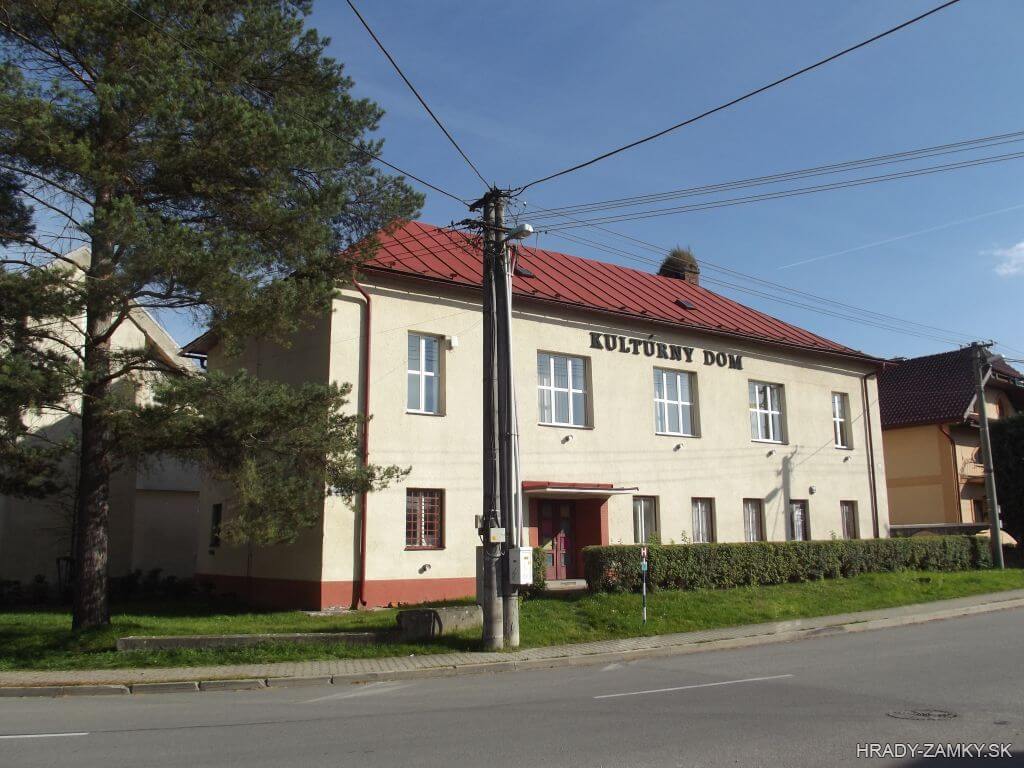
Originally a Renaissance manor house, built as a toll house with a fortified character, right in the village of Dolný Hričov, in the Bytčianska basin.
Pôvodne renesančný kaštieľ, postavený ako mýtnica s opevneným charakterom, priamo v obci Dolný Hričov, v Bytčianskej kotline.
Previous names
Also Hricho, Dolný Hrčow, Dolní Hryčow, Alsóhricsó, Alsóricsó
Roads
The village of Dolný Hričov is located only a few km west of Žilina. In the village we get to Osloboditeľov Street, on which we continue until the street turns right and crosses the street called Na Imranovec. There is a shop in front of which we can park. The manor is located directly opposite, on the other side of the street.
Obec Dolný Hričov sa nachádza len pár km na západ od Žiliny. V obci sa dostaneme na ulicu Osloboditeľov, po ktorej pokračujeme až kým sa ulica nestáča vpravo a križuje sa tu s ulicou Na Imranovec. Nachádza sa tu obchod, pred ktorým je možné zaparkovať. Kaštieľ sa nachádza hneď oproti.
Description
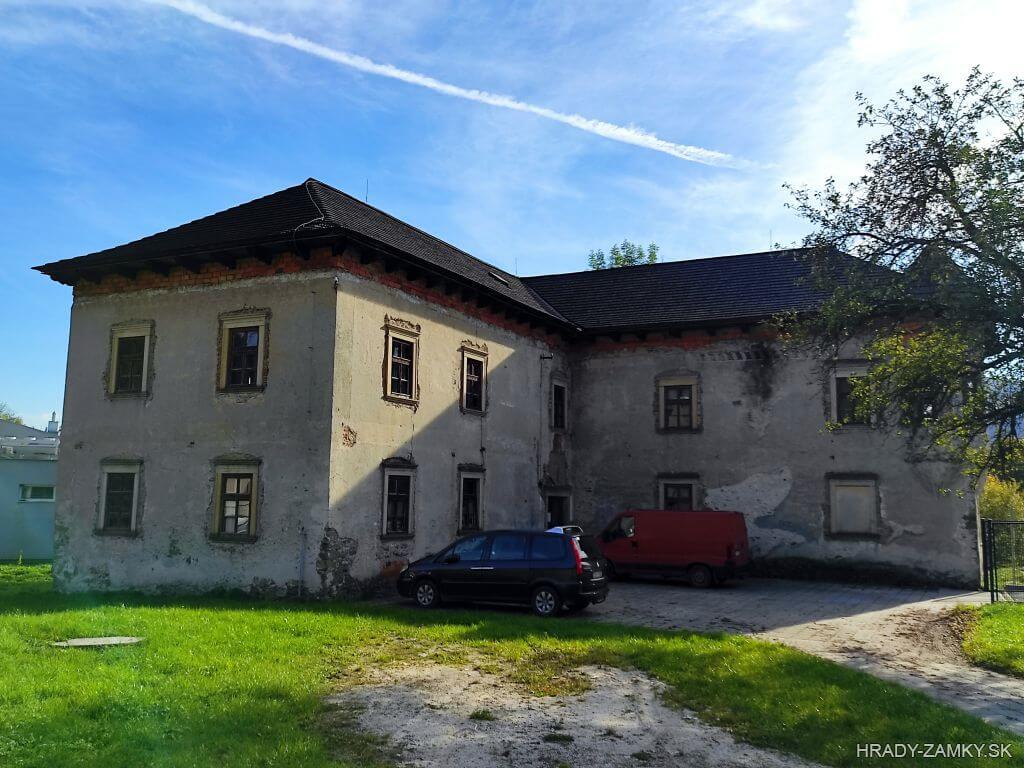
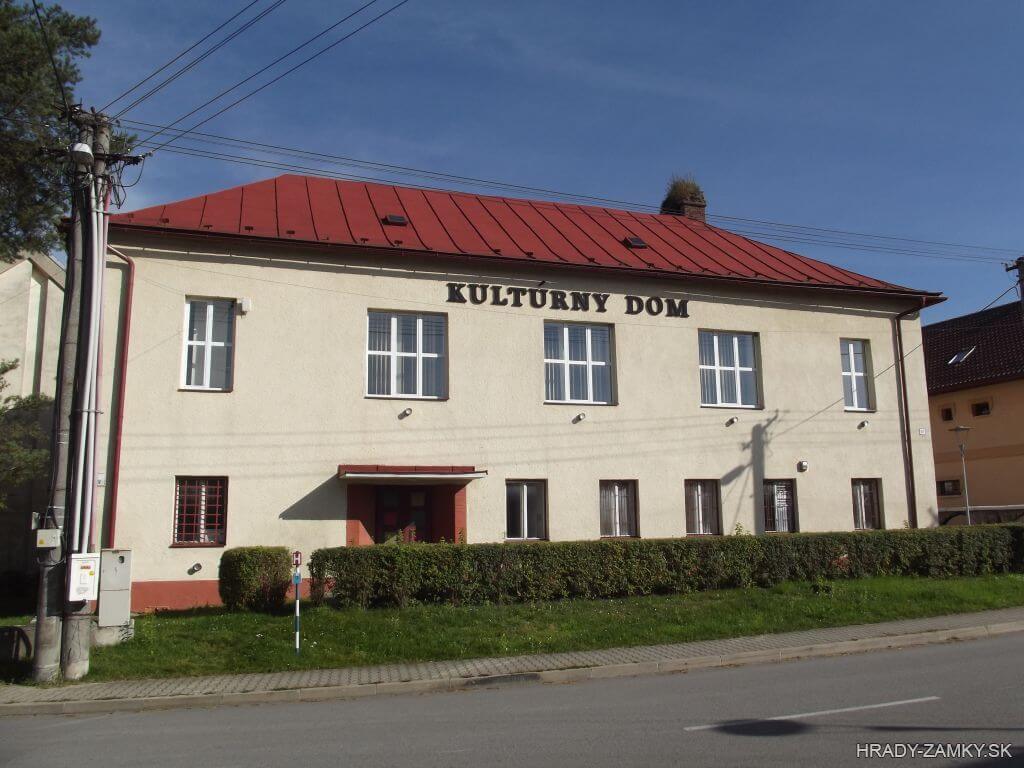
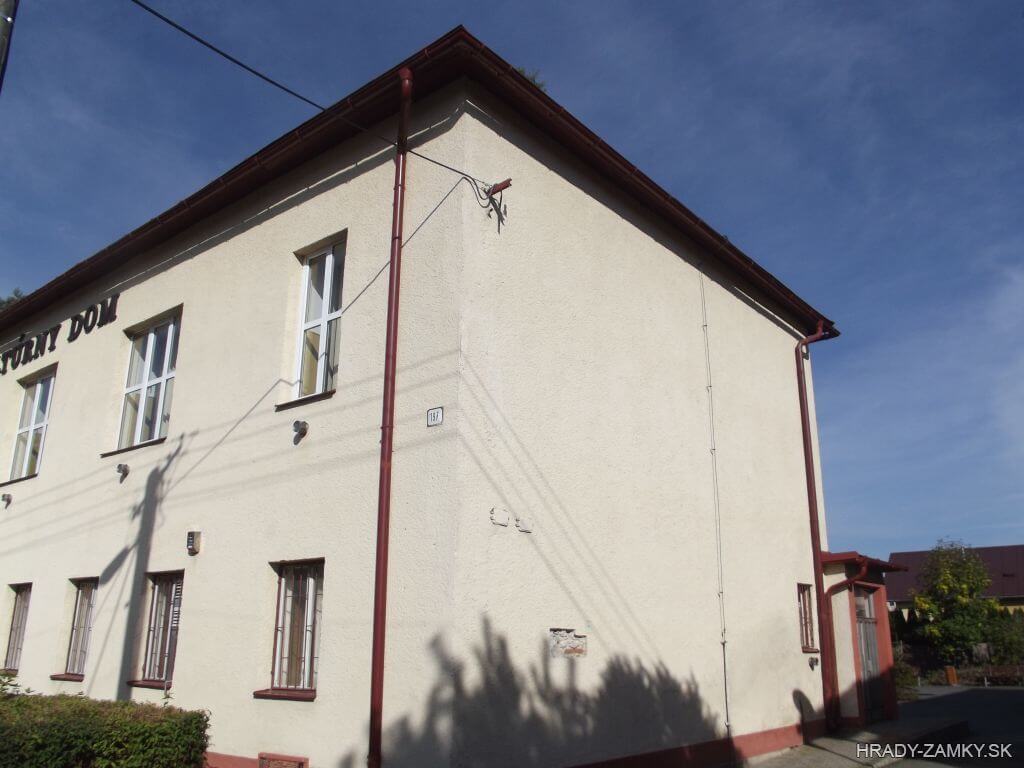
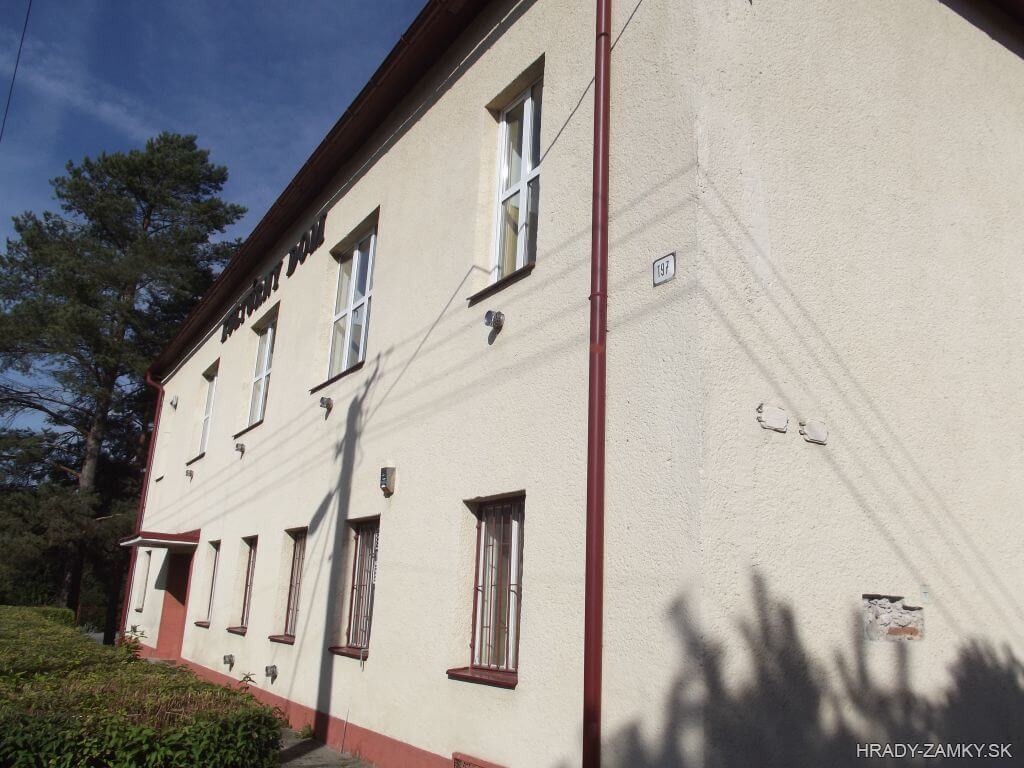
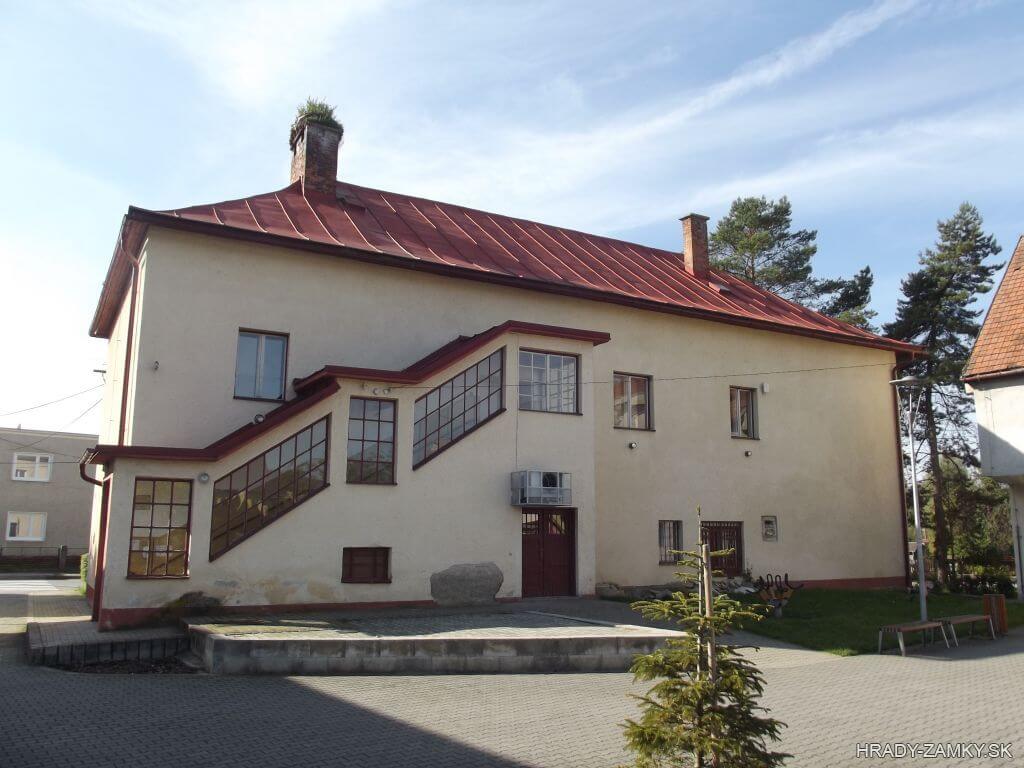
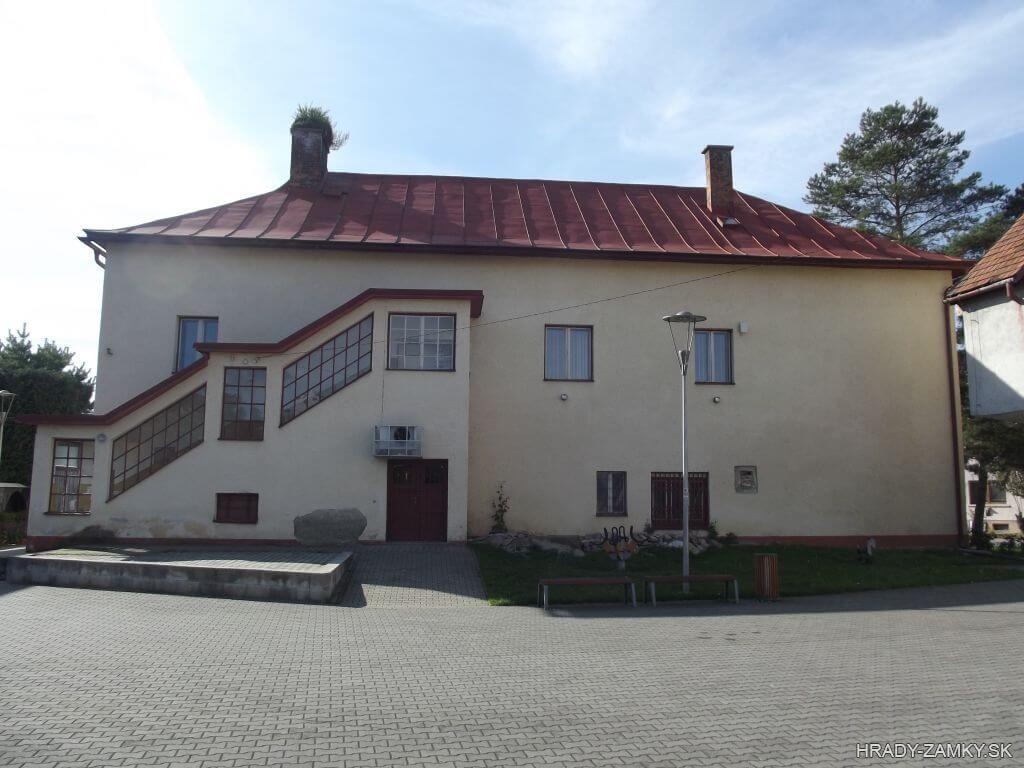
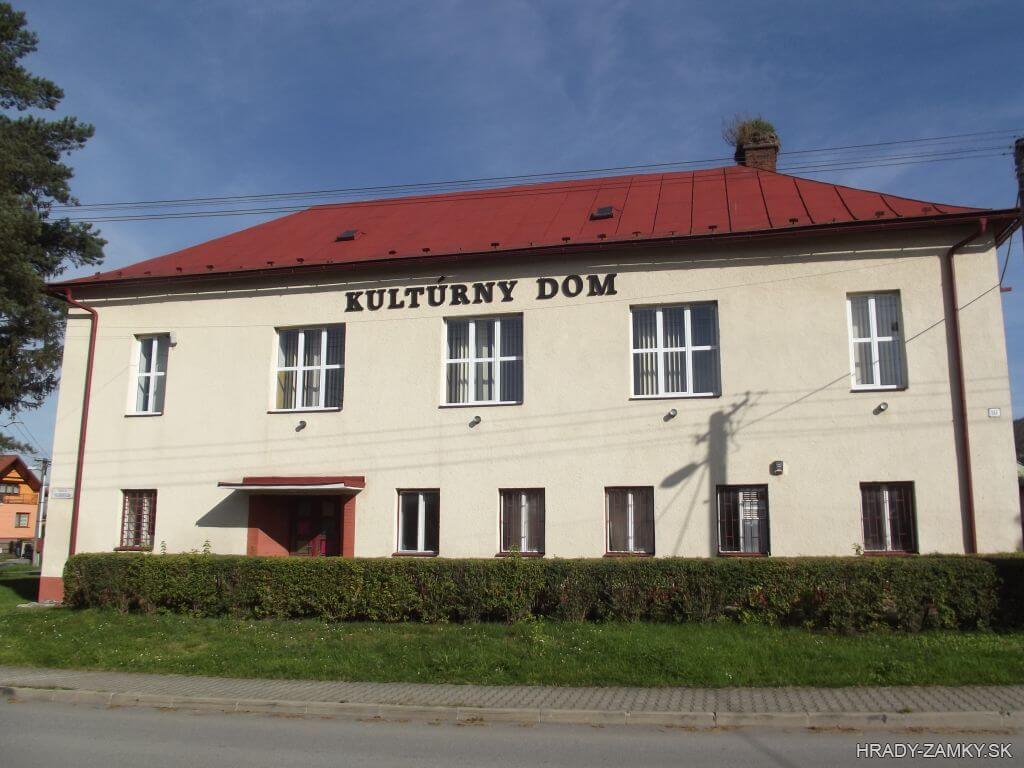
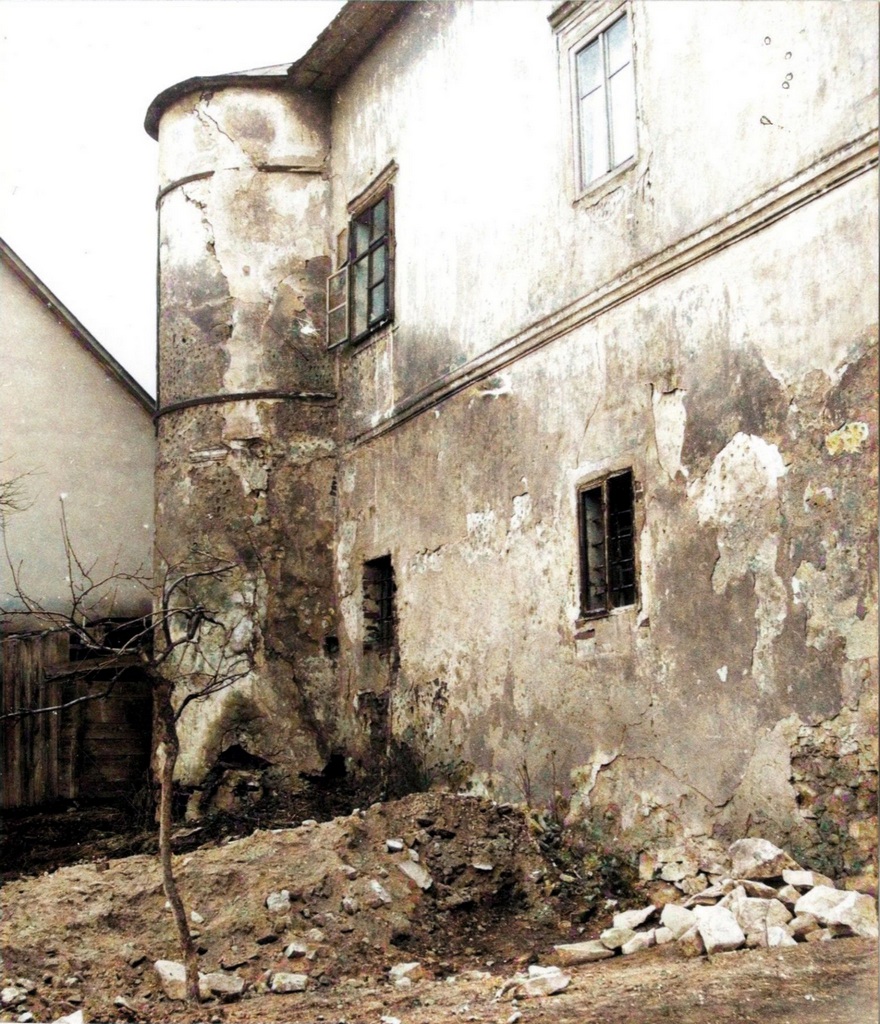
The manor is two-storey with a basement, and has a rectangular floor plan. It was originally built as a toll house with a defensive function with four bastions. The toll house had a passage where tolls were collected. The passage was abolished at the beginning of the 19th century. The manor house was modified in the first half of the 20th century, when three, probably rounded bastions were demolished. In the middle of the 20th century, a bastion was preserved on the NE corner, in which the toll collector and his guards lived. However, this last bastion was demolished during the adaptation of the manor to the cultural house in the years 1955-1956.The façade of the building was originally divided by windows, which in some places had a preserved lining with a cornice. Rooms on the ground floor have preserved Gothic vaults with lunettes, and upstairs rooms have flat ceilings and barrel vaults.
Kaštieľ je dvojpodlažný s podpivničením, a má obdĺžnikový pôdorys. Pôvodne bol postavený ako mýtnica s obrannou funkciou so štyrmi baštami. Mýtnica mala priechod, kde sa vyberalo mýto. Priechod bol zrušený na začiatku 19. storočia. Kaštieľ bol upravovaný v prvej polovici 20. storočia, keď boli zbúrané tri, pravdepodobne kruhové bašty. Na SV nároží bola ešte v polovici 50. rokov 20. storočia zachovaná jedna bašta, v ktorej sídlil mýtnik aj so strážou. Túto poslednú baštu však zbúrali pri adaptácii kaštieľa na kultúrny dom v rokoch 1955-1956.Fasáda budovy bola pôvodne členená oknami, ktoré mali miestami zachované ostenie s rímsou. Miestnosti na prízemí majú zachované gotické klenby s lunetami a na poschodí rovné stropy a valené klenby.
History
The manor house was probably built in 1556 for the Thurzo family by the Italian builder Ján Kilian from Milan, who was also involved in the reconstruction of the Bytča manor house. It was originally a landowner's toll house with a defensive character. The toll house had four bastions and a passage where tolls were collected. A toll collector with his guards lived in one of the bastions. The mentioned passage was abolished at the beginning of the 19th century.
Dolný Hričov was part of the Bytča estate, the last owners of the Eszterházy family sold it in 1868 to the rich timber merchant Leopold Popper. At the beginning of the 20th century, when the toll house was bought from Baron Popper by an urban community, the building was modified, during which three corner bastions were demolished.
After 1948, the manor belonged to the state and housed the Local National Committee, cinema, post office, library, cultural center, various offices etc. In the years 1955-1956, the manor house was converted into a cultural house, while the last bastion was demolished.
There are plans to turn the historic toll house in Dolný Hričov into an exhibition related to Hričov Castle. Related research revealed the original Renaissance plasters, which after the removal of modern plasters were preserved under the leadership of the restorer Peter Záhora. In addition to the original plaster, they also discovered a brick window, a fireplace or the original beam from the construction of the building. Georadar also made measurements at the site of the demolished tower, and apparently there are still foundations in the ground.
Other parts of the toll booth are also likely to be rebuilt in the future.
Kaštieľ dal pravdepodobne postaviť v roku 1556 pre Thurzovcov taliansky staviteľ Ján Kilian z Milána, ktorý sa angažoval aj v prestavbe bytčianskeho kaštieľa. Pôvodne sa jednalo o zemepanskú mýtnicu s obranným charakterom. Mýtnica mala štyri bašty a priechod, kde sa vyberalo mýto. V jednej z bášt sídlil mýtnik so strážou. Spomínaný priechod bol zrušený na začiatku 19. storočia.
Dolný Hričov bol súčasťou bytčianskeho panstva, poslední majitelia Eszterházyovci ho v roku 1868 predali bohatému obchodníkovi s drevom Leopoldovi Popperovi. Na začiatku 20. storočia, keď mýtnicu od baróna Poppera odkúpilo urbárske spoločenstvo, došlo k úpravám objektu, počas ktorých zbúrali tri nárožné bašty.
Po roku 1948 kaštieľ patril štátu a sídlil tu Miestny národný výbor, kino, pošta, knižnica, kultúrne stredisko, rôzne kancelárie a podobne. V rokoch 1955-1956 bol kaštieľ prerobený na kultúrny dom, pričom bola zbúraná aj posledná bašta.
Z historickej mýtnice v Dolnom Hričove plánujú urobiť expozíciu súvisiacu s hradom Hričov. S tým súvisiaci výskum odhalil pôvodné renesančné omietky, ktoré po odstránení novodobých omietok zakonzervovali pod vedením reštaurátora Petra Záhoru. Okrem pôvodných omietok objavili i zamurované okno, krb, či pôvodný trám z výstavby budovy. Georadarom sa robili aj merania na mieste zbúranej veže a podľa všetkého sa v zemi nachádzajú ešte základové murivá.
V budúcnosti sa pravdepodobne dočkajú obnovy aj ostatné časti mýtnice.
Myths and legends
There are no myths available.
K tomuto objektu nie sú dostupné žiadne povesti
Useful information
The manor serves the village as a cultural house
Kaštieľ slúži obci ako kultúrny dom
Nearby castles