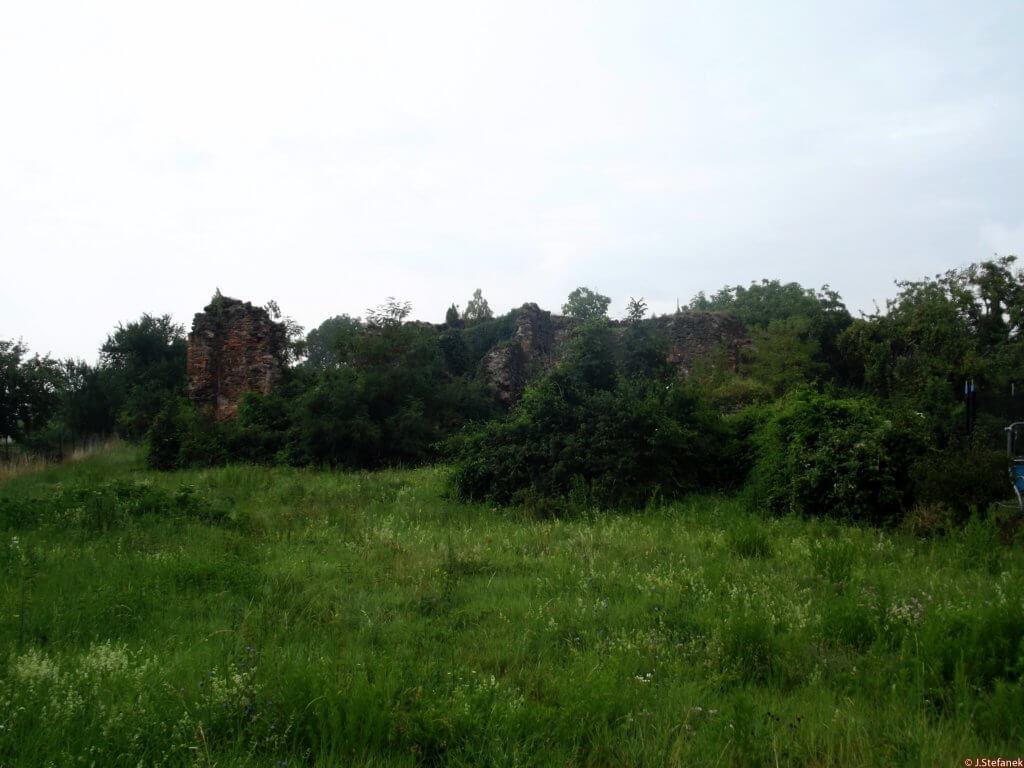
Brekov
Brekov Prešov county Slovakia
castle ruin
Brekov
Brekov Prešovský kraj Slovakia
zrúcanina hradu
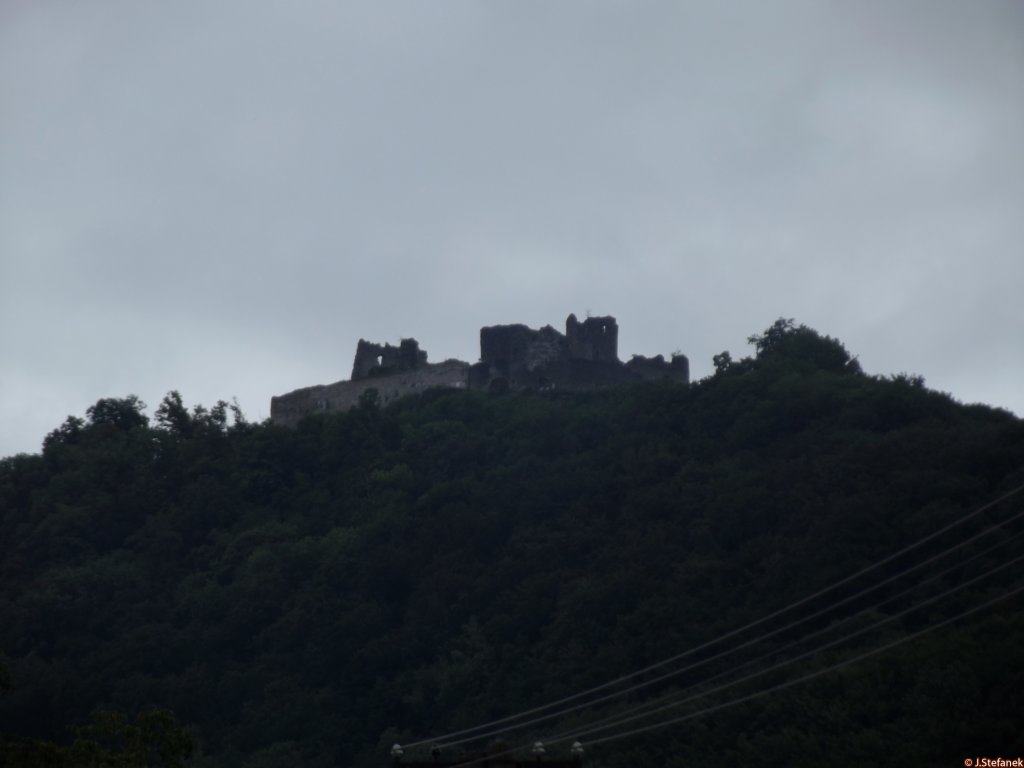
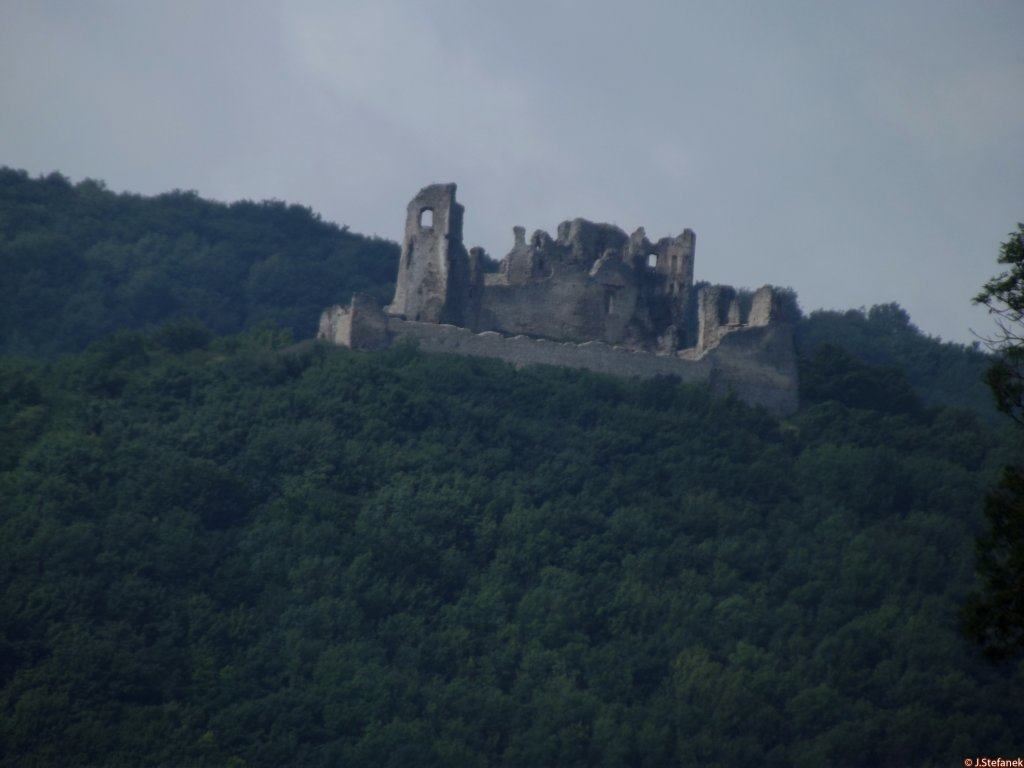
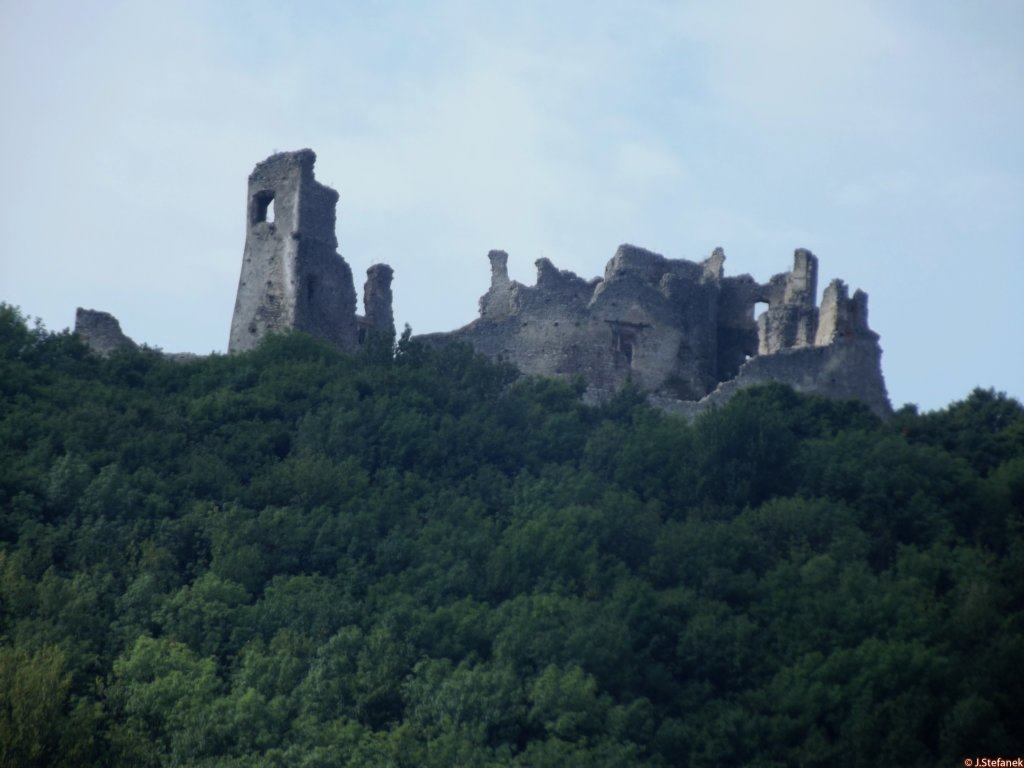
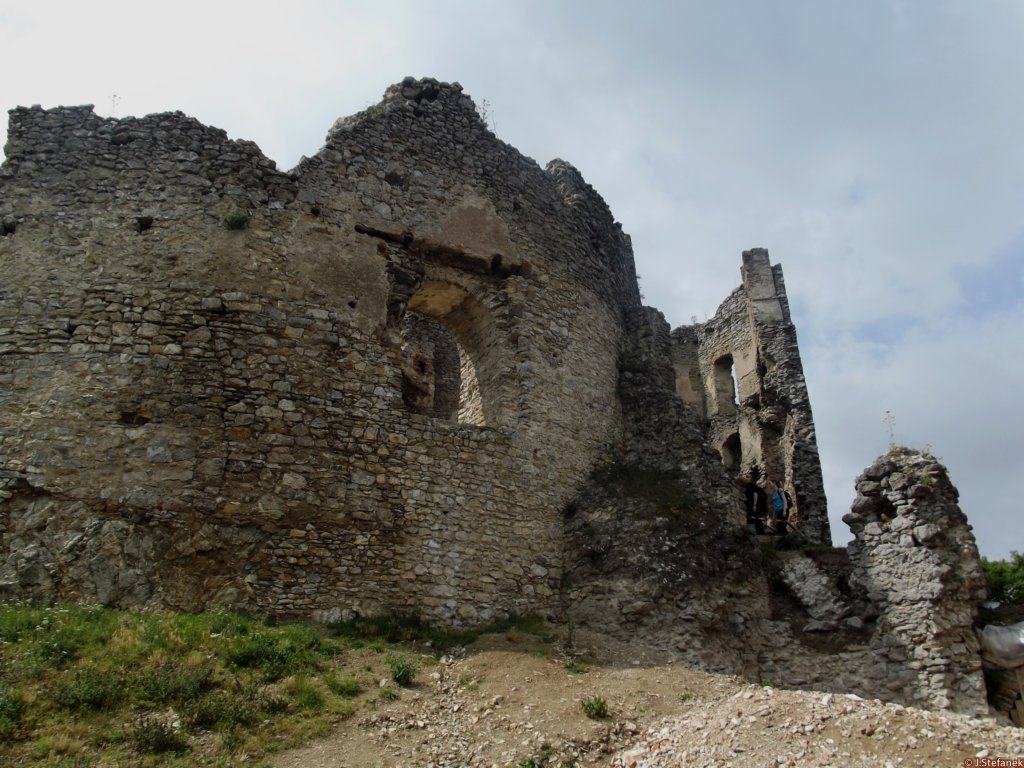
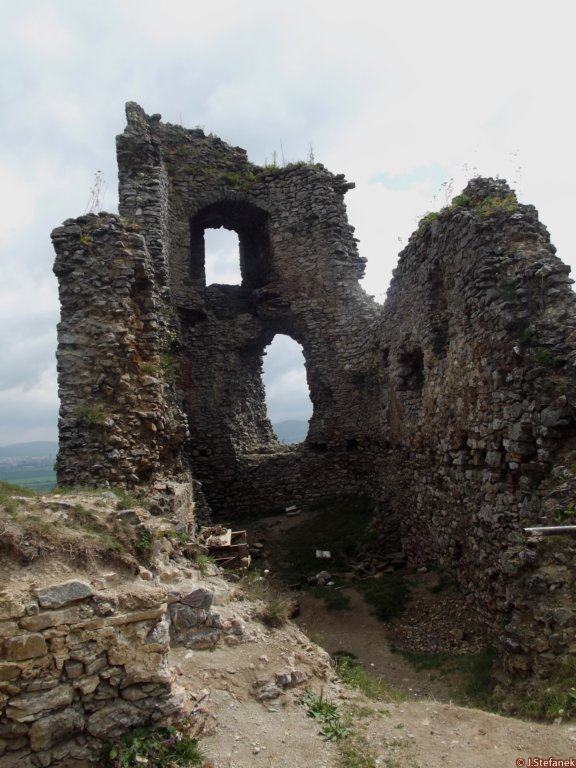
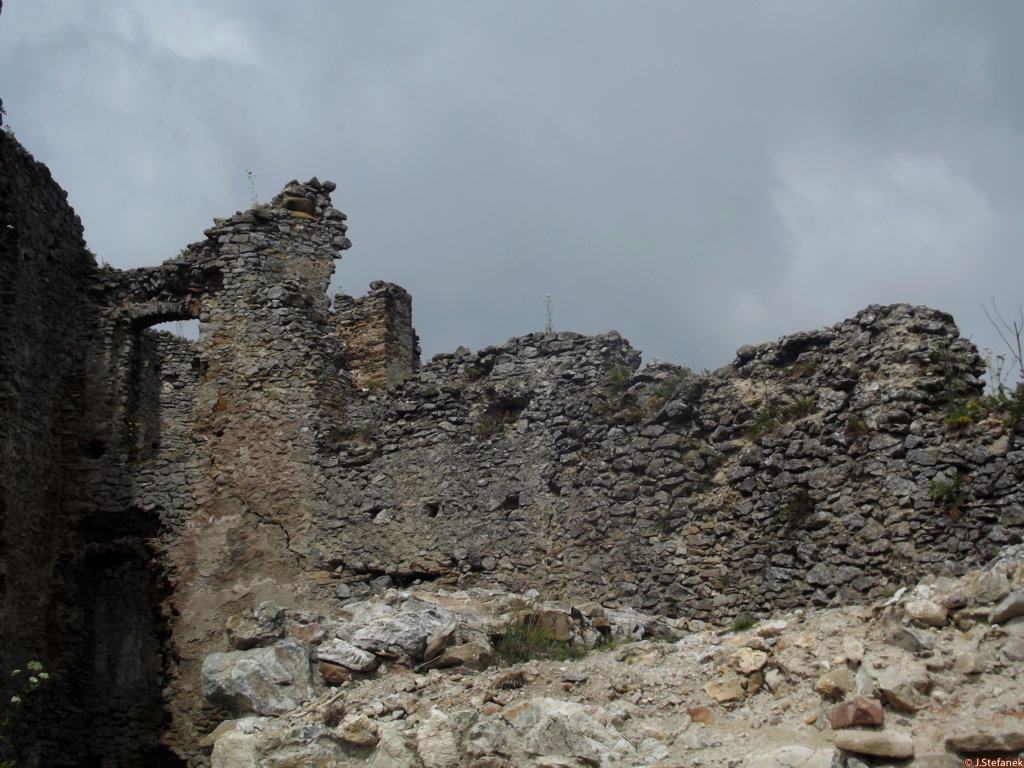
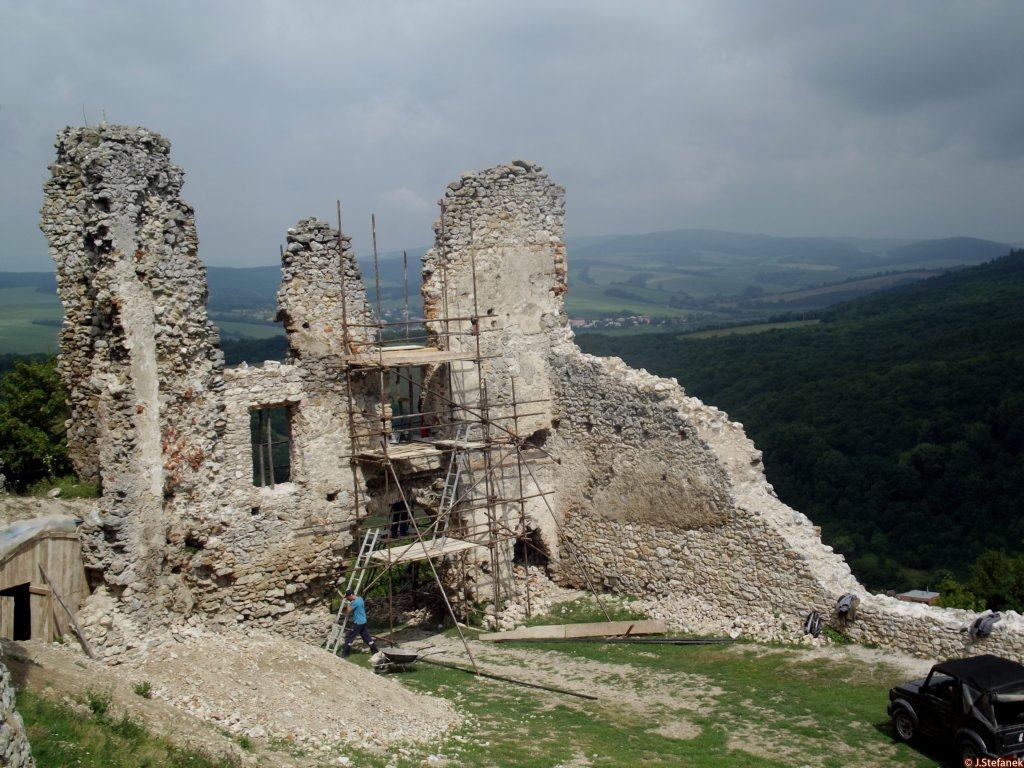
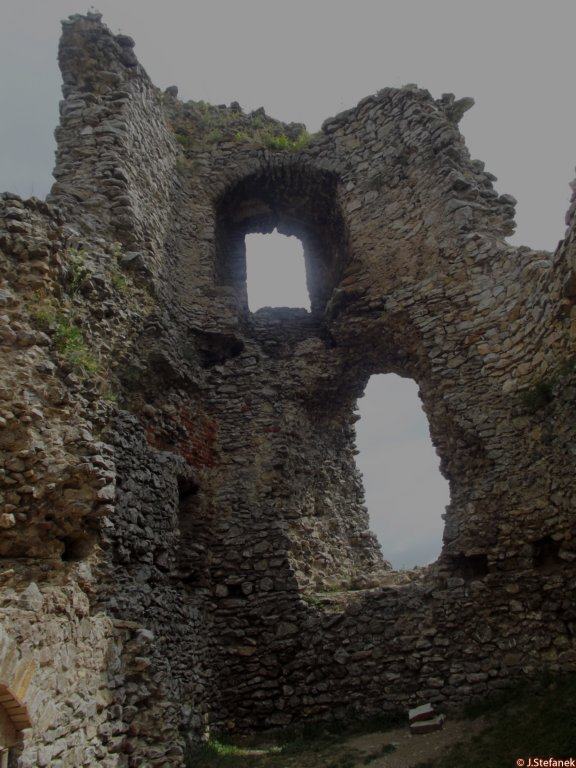
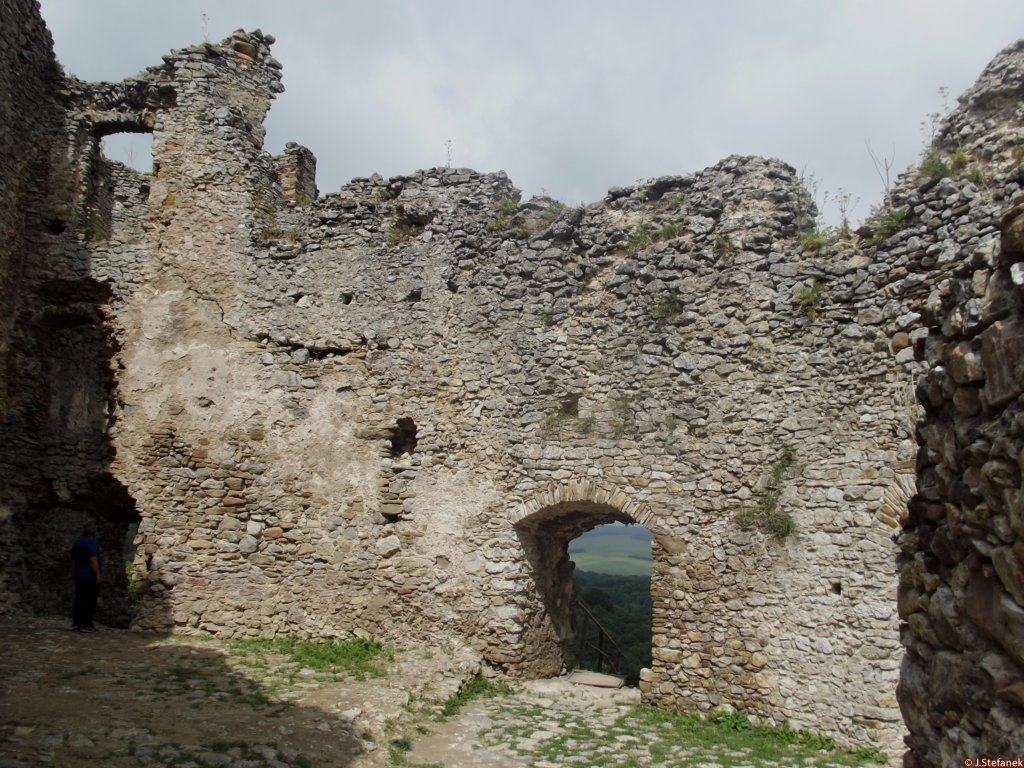
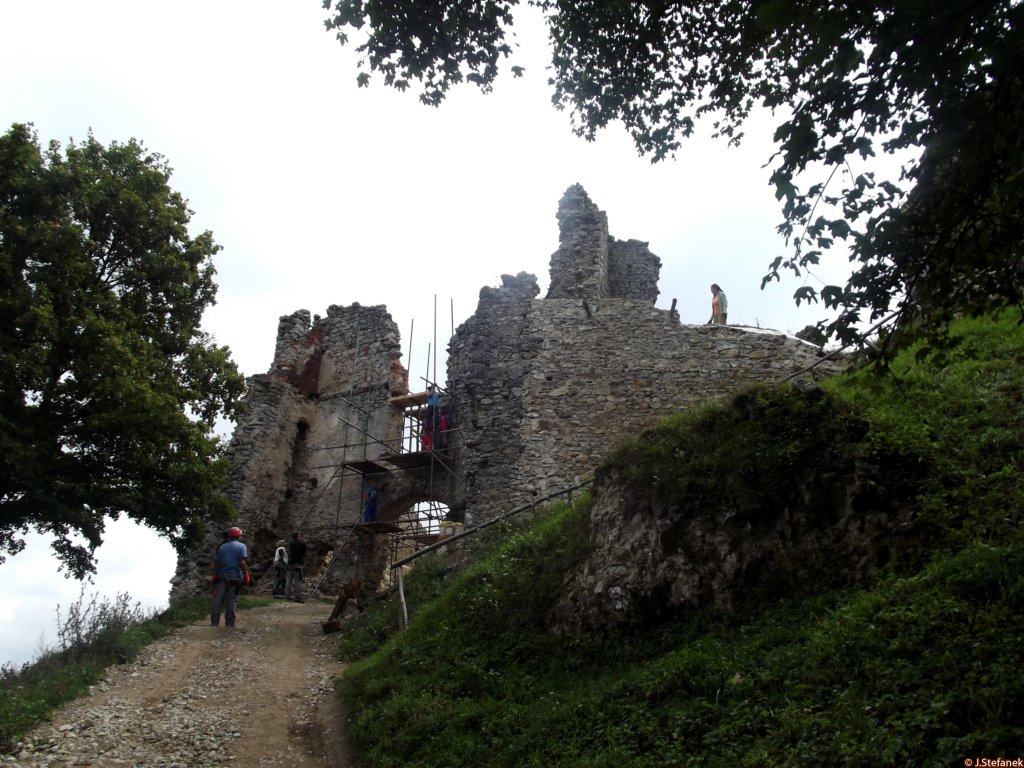
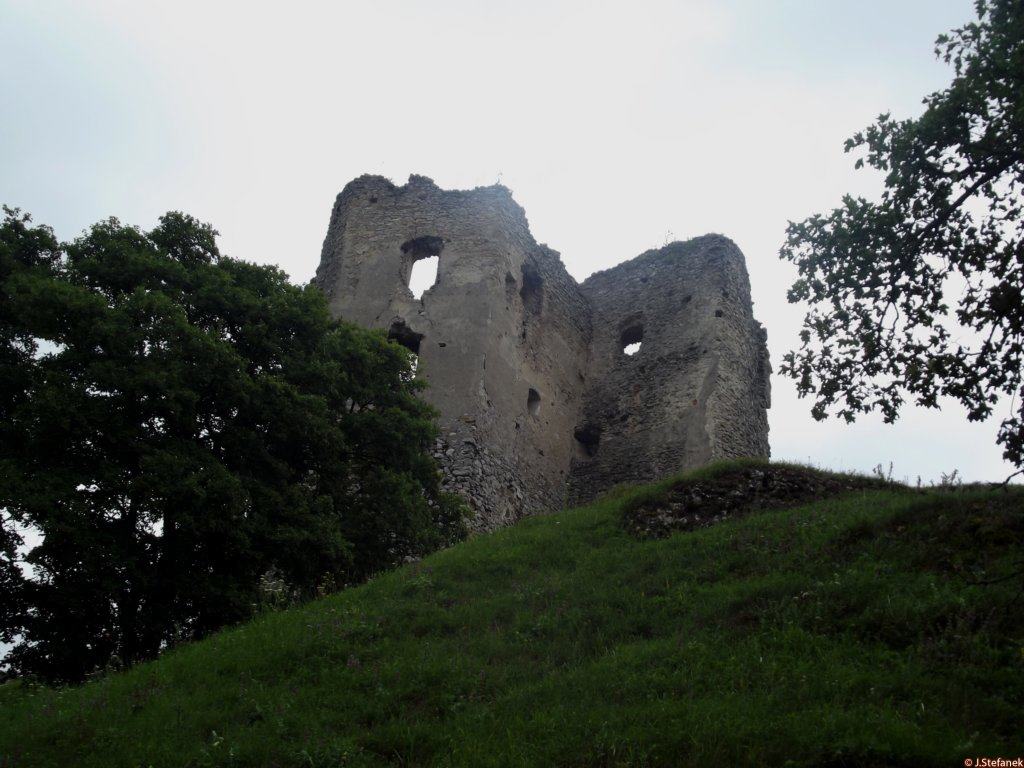
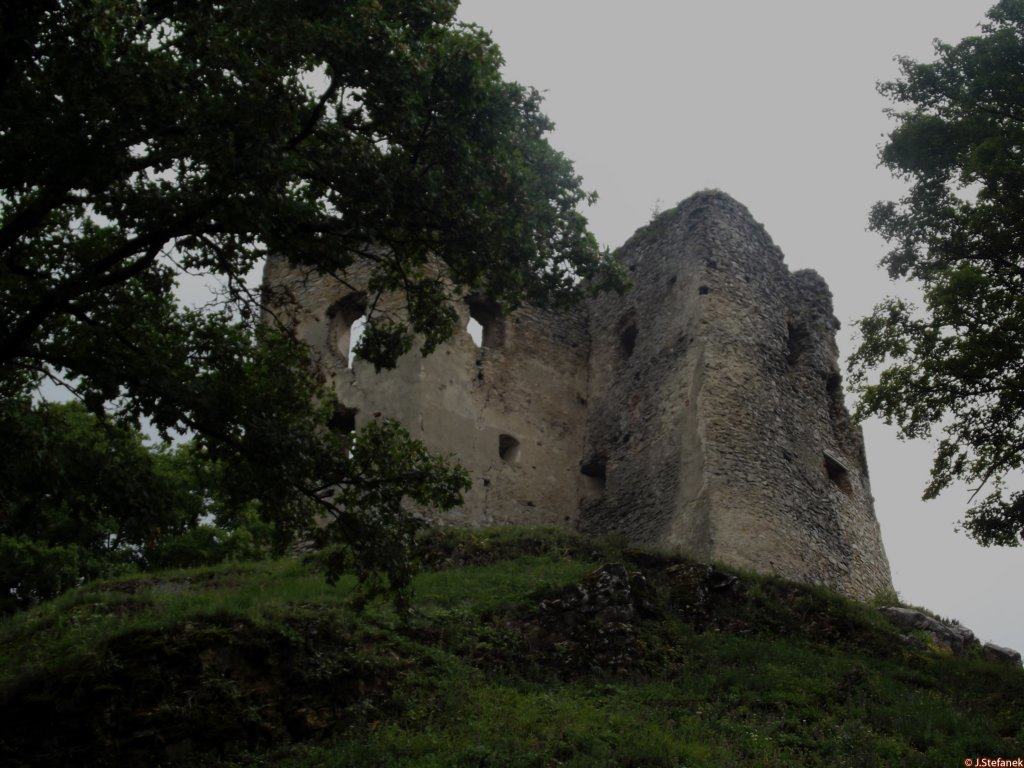
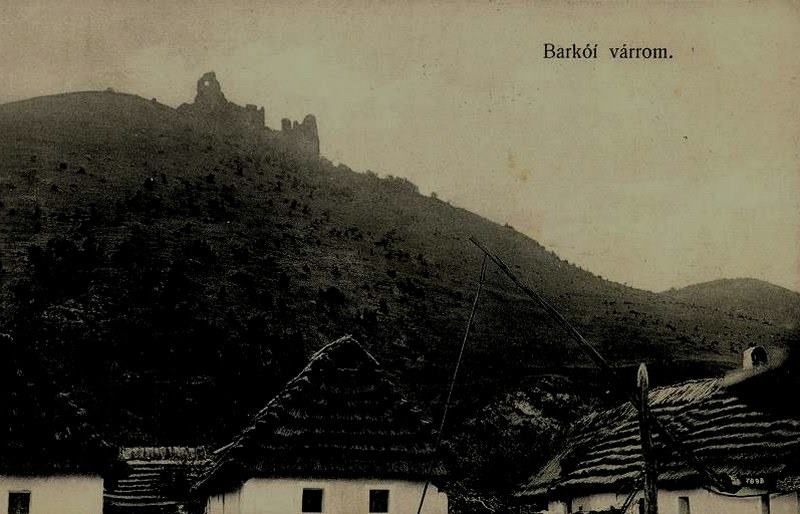
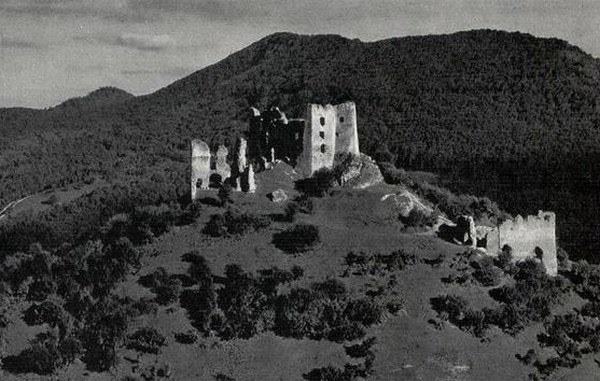
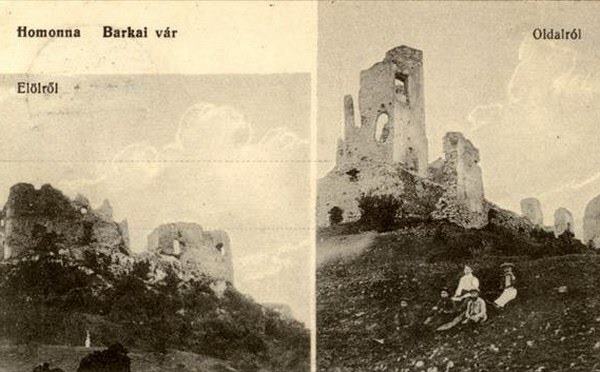
Castle ruins in Brekov, towering on the limestone hill of the Vihorlat Hills, above the breakthrough valley of the Laborec River
Zrúcanina hradu v obci Brekov, týčiaca sa na vápencovom kopci Vihorlatských vrchov, nad prielomovým údolím rieky Laborec.
Previous names
Barko, poss. Borko cum castro, castrum Borkó, castrum Barkou, Barkó
Roads
Trasa 1: From the main road leading through Brekov, we turn left after the Restaurant Pod hradom, where the yellow tourist route begins, and further along the road to the first turn, after which we take it to the left. We continue on the road further and soon we will reach the cemetery, where we turn left again and a few meters further there is a parking lot. From here we can walk to the castle on a slightly challenging climb.
Trasa 1: Z hlavnej cesty vedúcej cez Brekov odbočíme hneď za Reštauráciou pod hradom vľavo, kde začína žltá turistická trasa, a ďalej po ceste až po prvú odbočku, po ktorej to vezmeme do ľava. Pokračujeme po ceste ďalej a onedlho sa už dostaneme k cintorínu, kde opäť odbočíme vľavo a o pár metrov ďalej sa nachádza parkovisko. Odtiaľto sa peši dostaneme na hrad mierne náročným stúpaním.
Trasa 2: An unmarked route almost at the beginning of the village Brekov in the direction from Strážské. After a few meters, the second turn to the left of the main road. There is a road parallel to the main road, where we can park the car and from there walk on the southeast slope of the castle hill. We will get through it to the shallow saddle, where we will turn right. From there we are only a few meters away from the castle ruins.
Trasa 2: Neznačenou trasou takmer pri začiatku obce Brekov v smere od Strážskeho. Po pár metroch druhá odbočka vľavo od hlavnej cesty. Vedie tu cesta súbežná s hlavnou cestou, kde môžeme odstaviť auto a odtiaľ peši juhovýchodným svahom hradného vrchu. Dostaneme sa ňou o malú chvíľu do plytkého sedla, kde odbočíme doprava. K hradnej zrúcanine to máme odtiaľ už len pár metrov.
Description
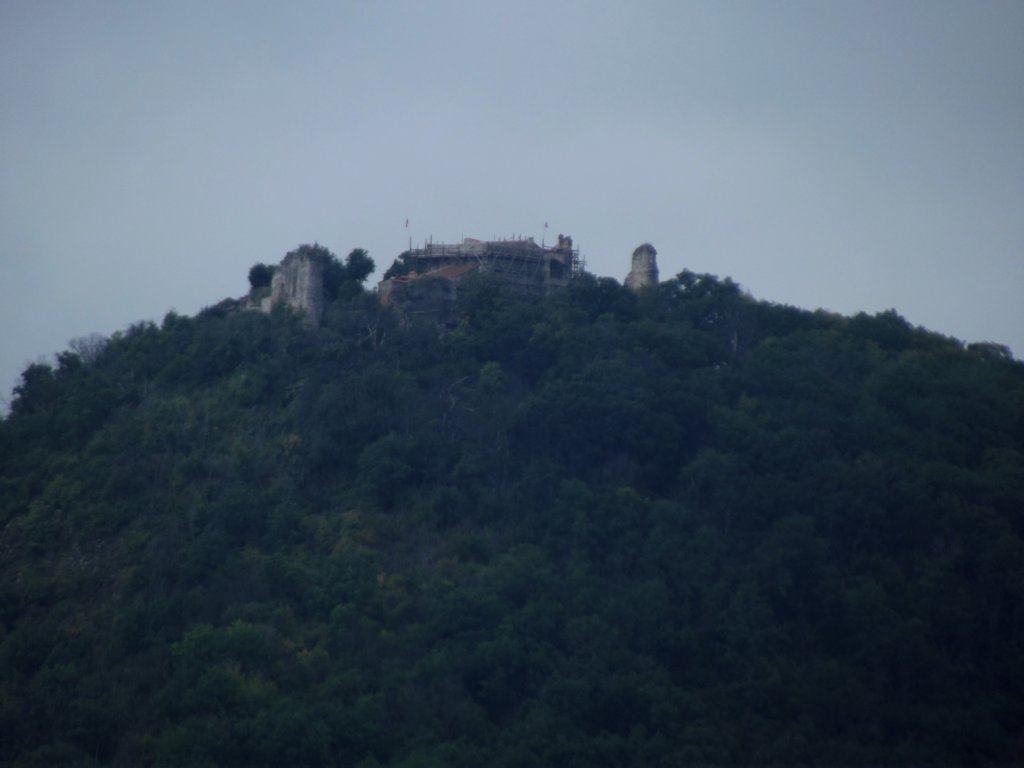
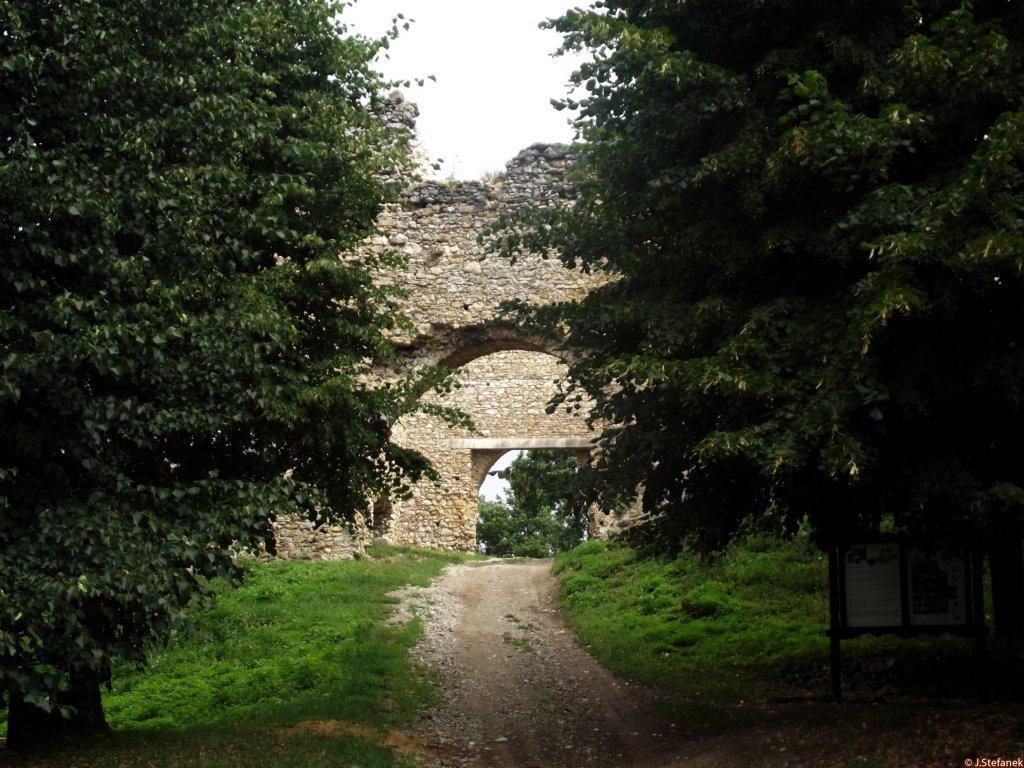
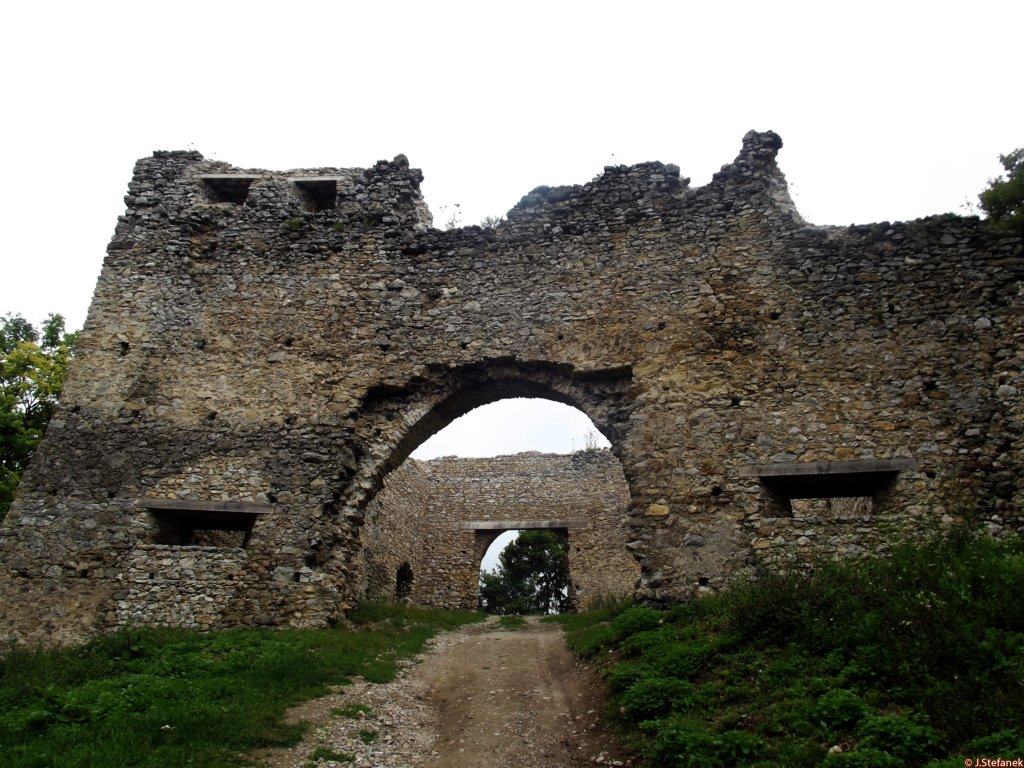
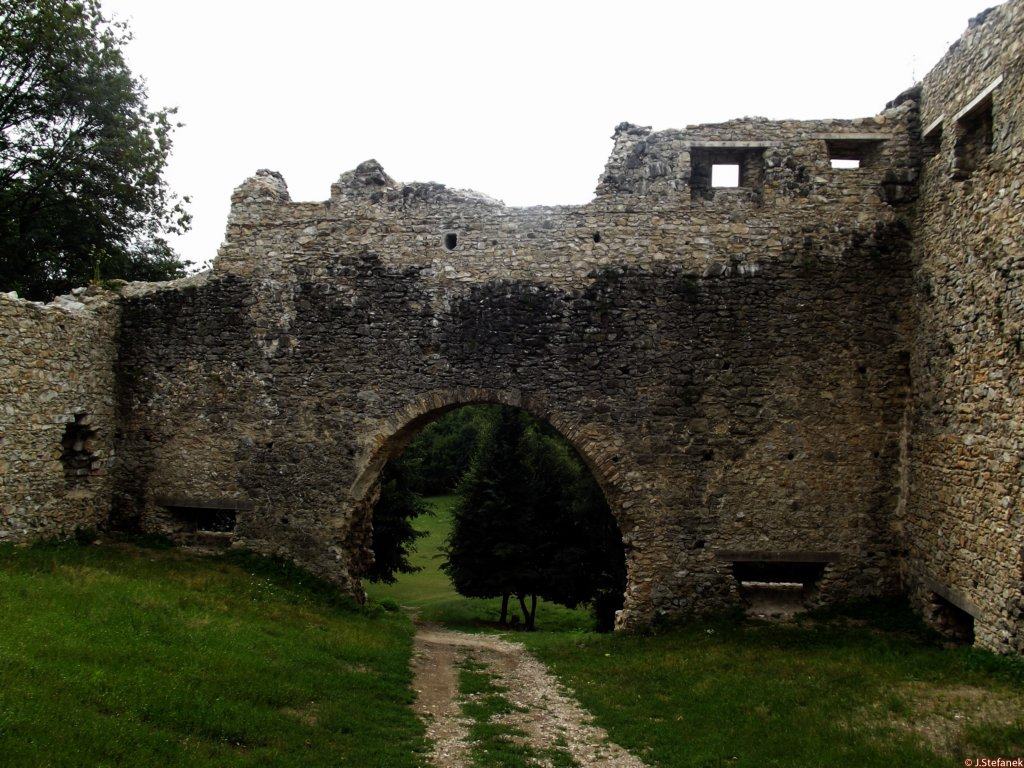
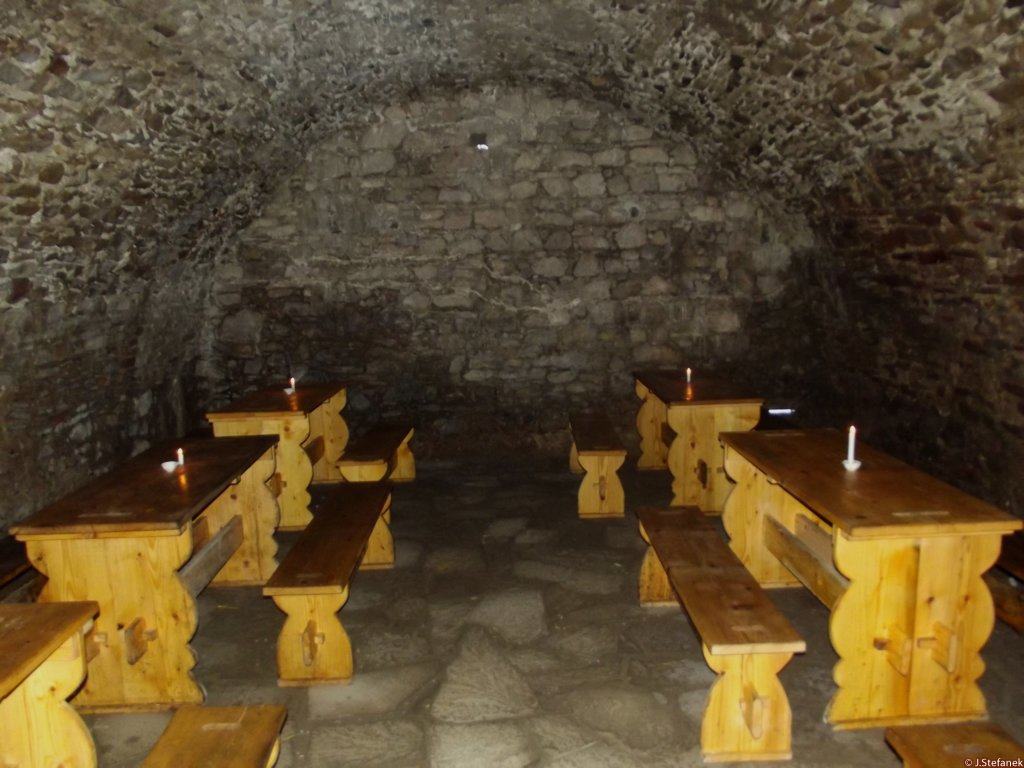
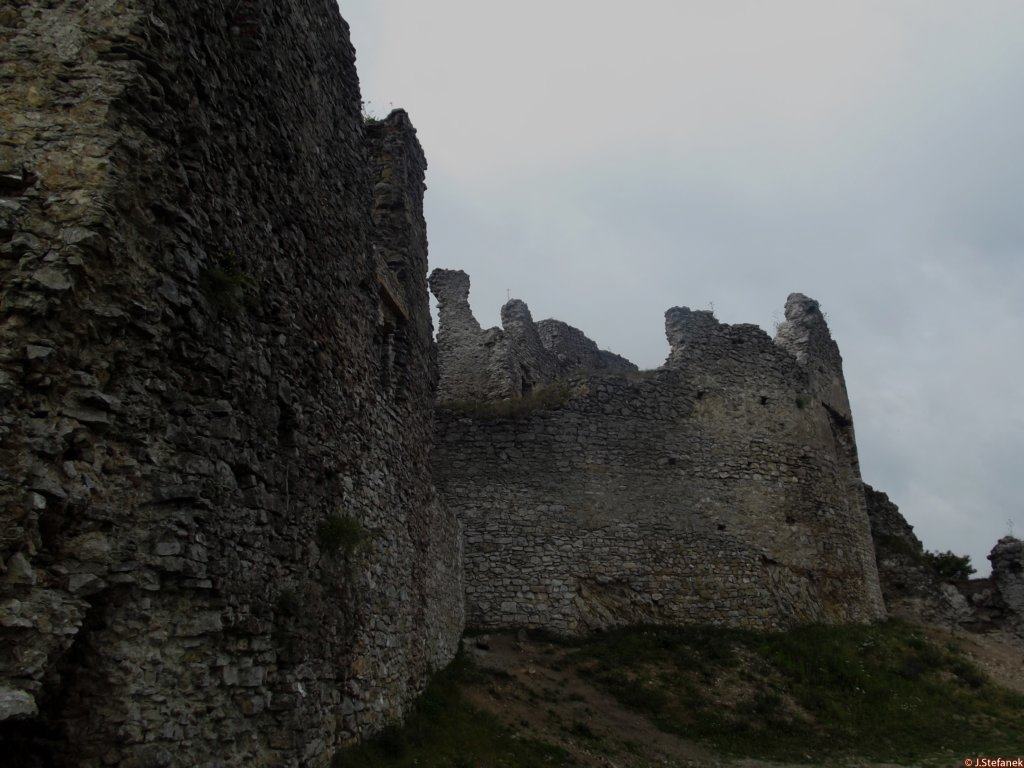
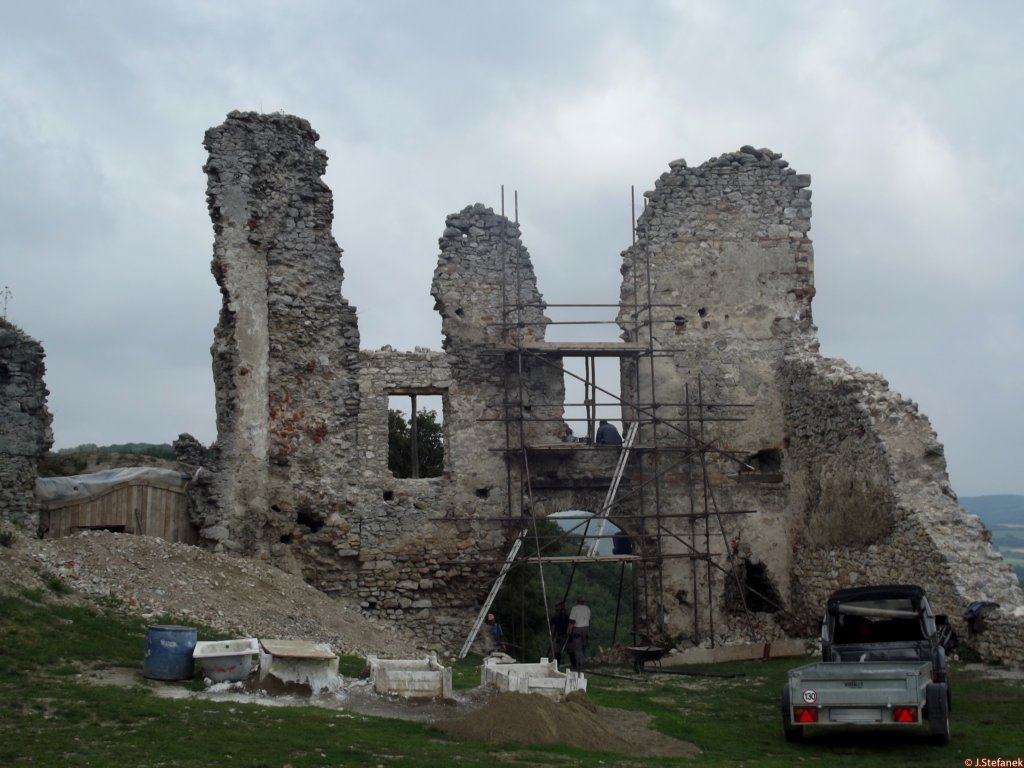
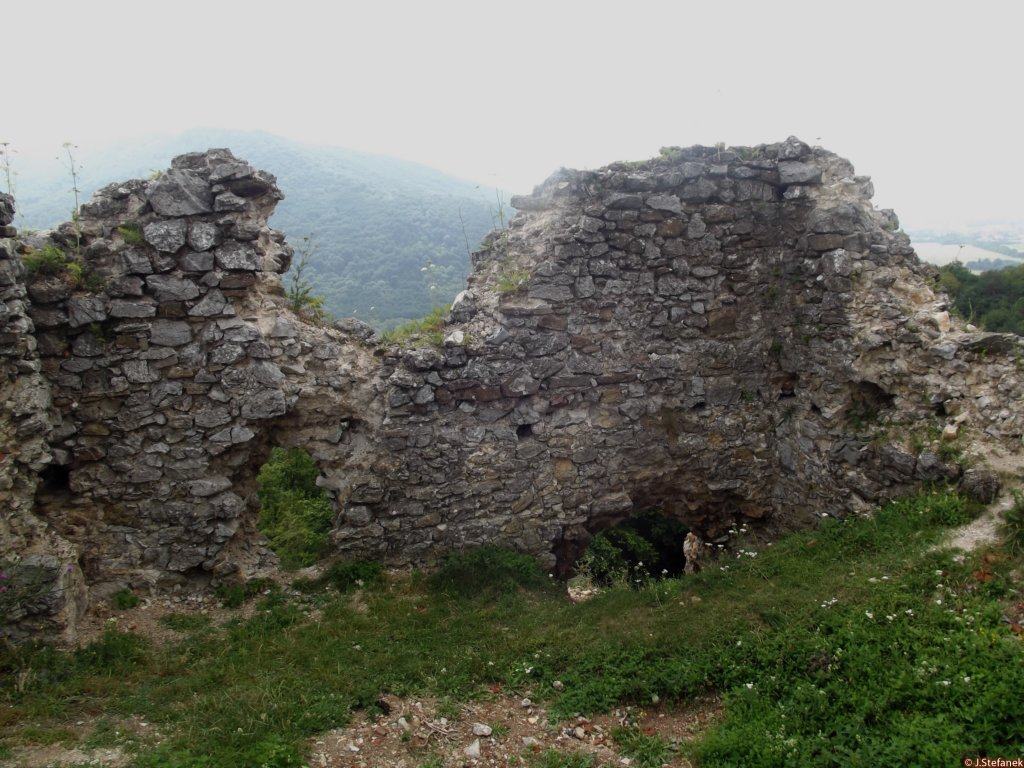
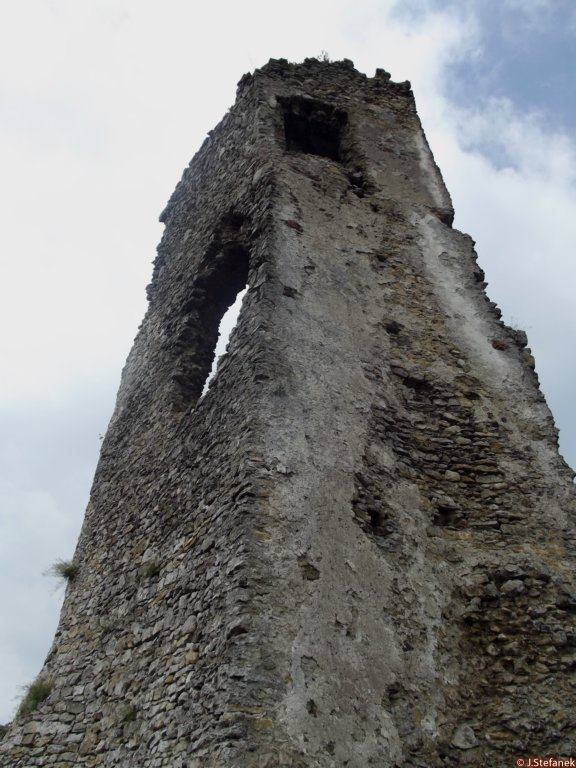
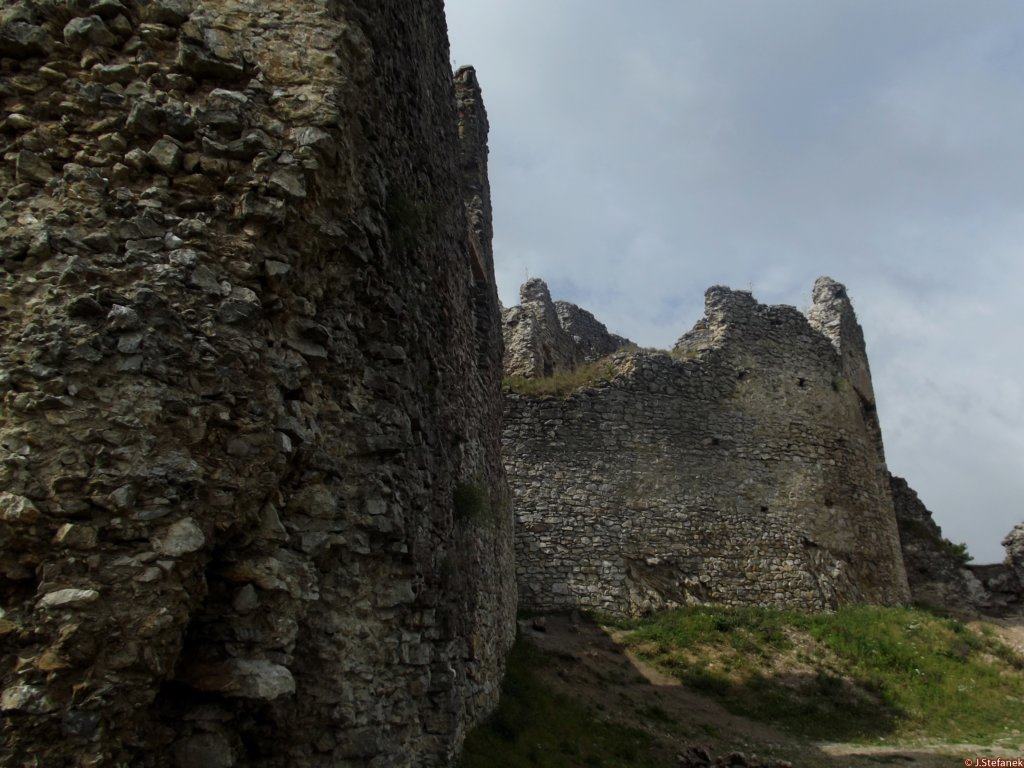
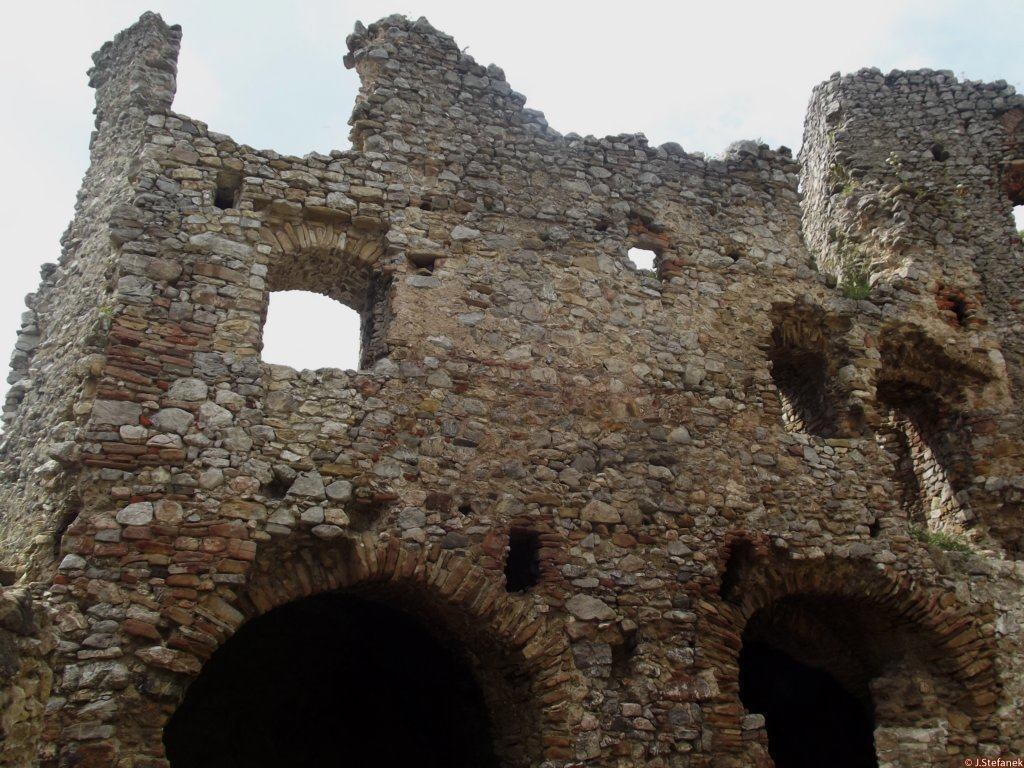
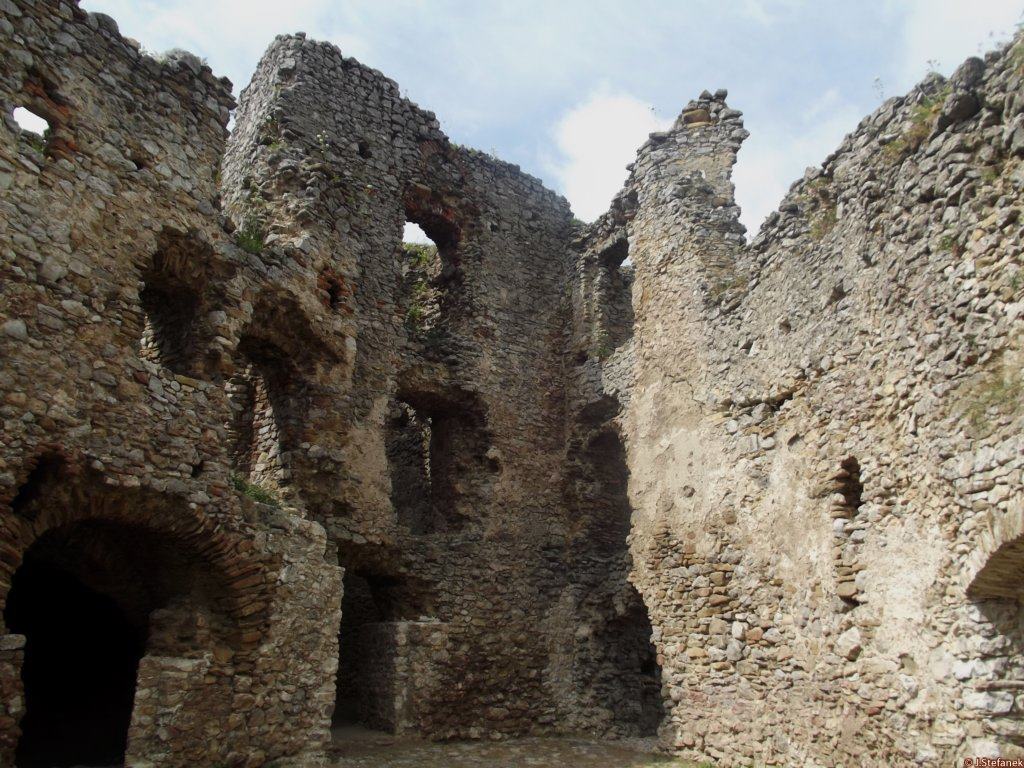
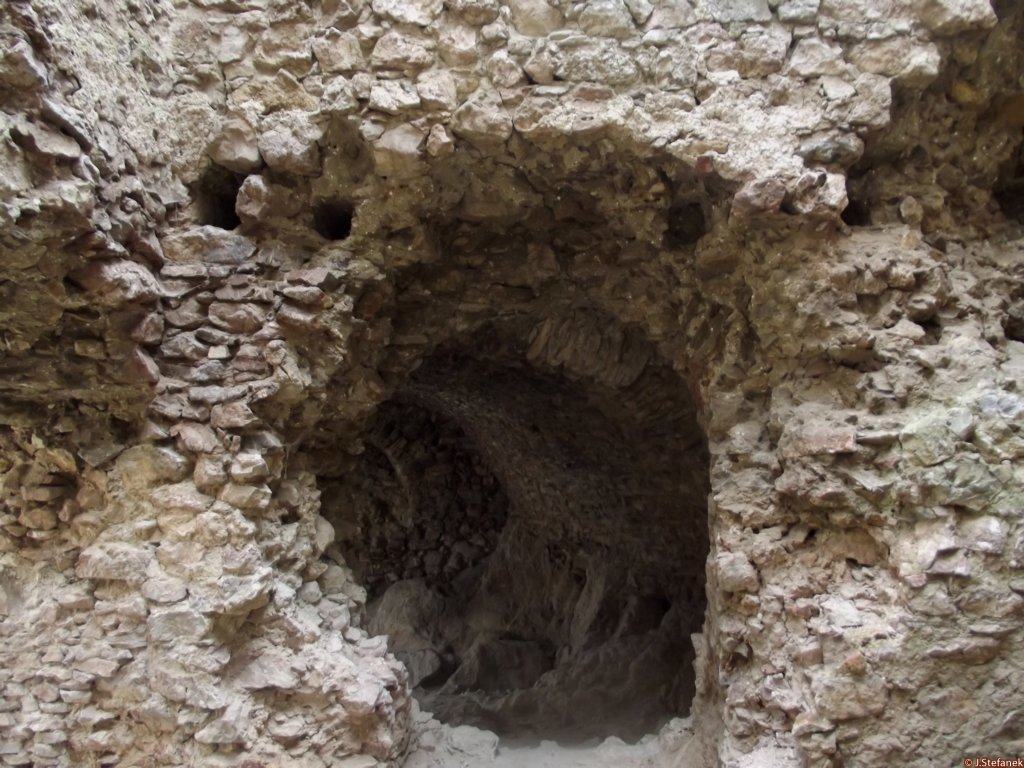
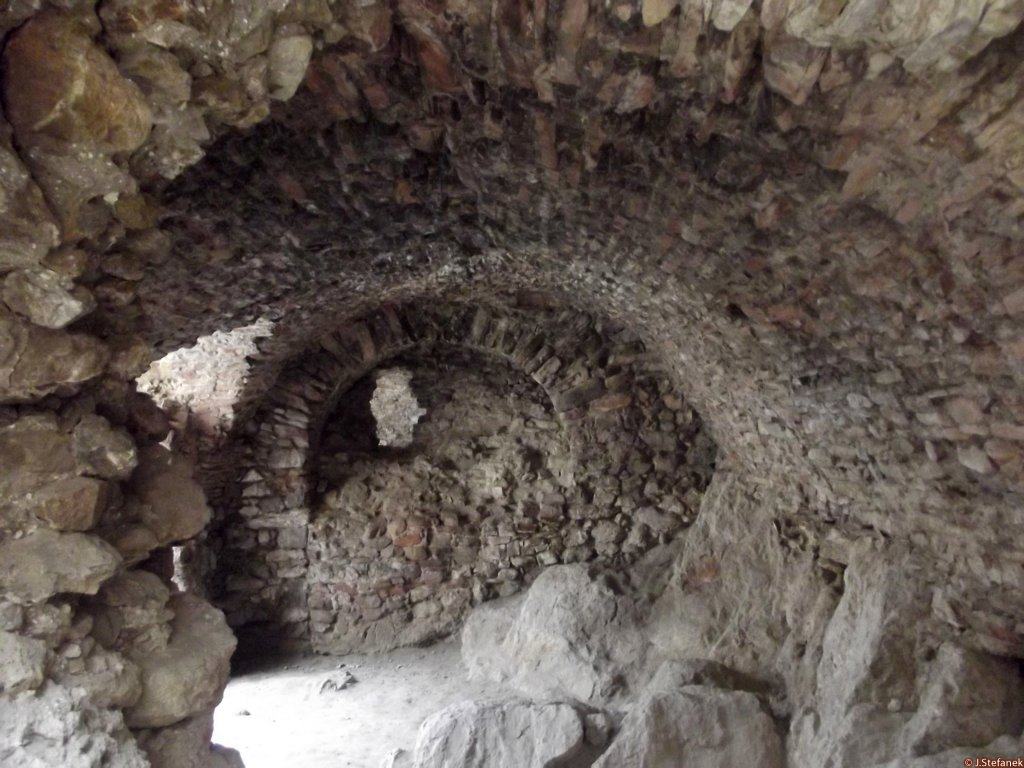
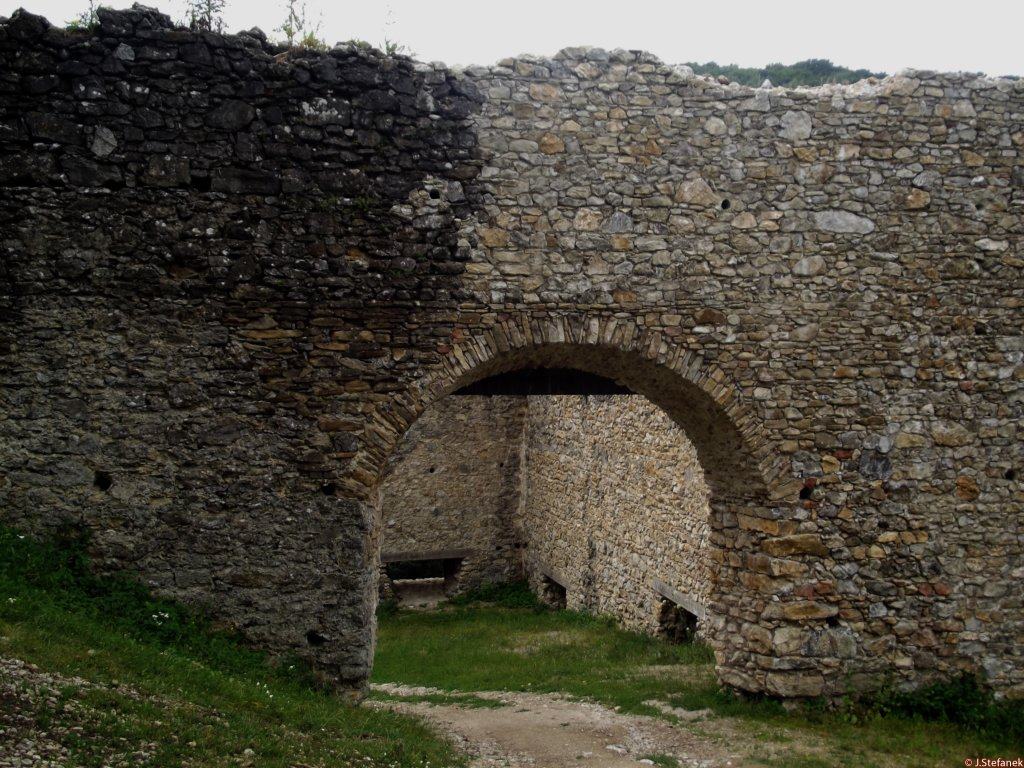
The massive western entrance gate of the bailey has been preserved, followed by the rest of the defensive ditch. The original castle had a ground plan layout in the shape of an oval on the SW deformed by a corner. The northern part of the building occupies a courtyard with residential buildings. The core of the castle was extended by an eastern extension probably with a chapel and a northern barrier. the entrance gate to this bailey was provided by a horseshoe bastion and the access in the second bailey was protected by two polygonal bastions. The outer wall of the building is a remnant of a Slavic fortified settlement from the 9-10th century.Just below the castle is a small museum with an exhibition of excavations and finds from the castle. The castle is under reconstruction. If interested, the guide will guide you through the castle and point out the castle cellar.
Zachovala sa mohutná západná vstupná brána predhradia, na ktorú nadväzuje zvyšok obrannej priekopy. Pôvodný hrad mal pôdorysnú dispozíciu v tvare oválu, na JZ deformovaného nárožím. Severnú časť objektu zaberá nádvorie s obytnými budovami. Jadro hradu bolo rozšírené o východnú prístavbu pravdepodobne s kaplnkou a o severné predhradie. vstupnú bránu do tohto predhradia zabezpečovala podkovovitá bašta a prístup v druhom predhradí chránili dve polygonálne bašty. Vonkajší val objektu je pozostatkom slovanského hradiska z 9-10.storočia.Priamo pod hradom sa nachádza menšie múzeum s expozíciou vykopávok a nálezov z hradu. Na hrade sa pracuje. V prípade záujmu vás sprievodkyňa povedie po hrade a poukazuje i hradnú pivnicu.
Plan
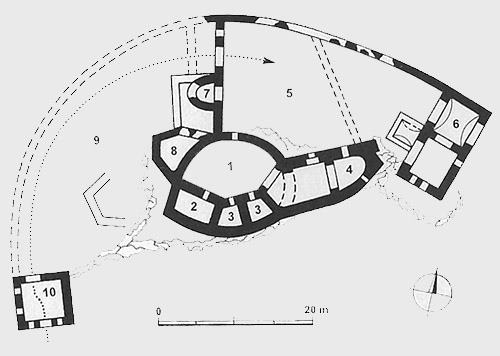
Legend to the ground plan
- 1 - courtyard of the upper castle
- 2 - tower
- 3 - palace
- 4 - chapel
- 5 - first fort
- 6 - defensive tower of the fort
- 7 - bastion
- 8 - late Gothic residential building
- 9 - second fort
- 10 - towered entrance gate
Legenda k pôdorysu
- 1 - nádvorie horného hradu
- 2 - veža
- 3 - palác
- 4 - kaplnka
- 5 - prvé predhradie
- 6 - obranná veža predhradia
- 7 - bašta
- 8 - neskorogotická obytná budova
- 9 - druhé predhradie
- 10 - vežovitá vstupná brána
History
The predecessor of the medieval castle Brekov was a small Slavic fortified settlement from 9-10. century. The castle is first mentioned in 1307, when it was acquired from the Michalovce branch of the Kaplonov family by Peter, Petény's son. After the anti-royal uprising in 1316, in which Peter was also a participant, the castle was occupied by royal troops and in 1321 Karol Róbert donated it to the nobles Drugeth of Humenné. Filip Drugeth became the owner.
During the Polish military invasions in the east in the second half of the 15th century, the castle was an important part of the defense. At that time, King Matej Korvín appointed Štefan Zápoľský as the captain of the north-eastern regions of Hungary, and in 1488 he also became a castle castle. The castle was probably fortified during his tenure. After the extinction of the Jagiellonians, dynastic fighting broke out, and in 1526, Brekov was the support of the troops of Štefan's son Ján Zápoľský. Štefan Drugeth (his mother Kristína Zápoľská was the half-sister of the elected king) was on the side of a relative. But even John's death did not resolve the dispute between the two rulers. Part of the nobility chose his son Ján Žigmund as ruler and the fighting began again. Meanwhile, in 1558, the main captain of the royal troops of Ferdinand I, Imrich Telekessy, conquered the castle. During the restoration, the fortification of the castle was improved by building polygonal bastions.
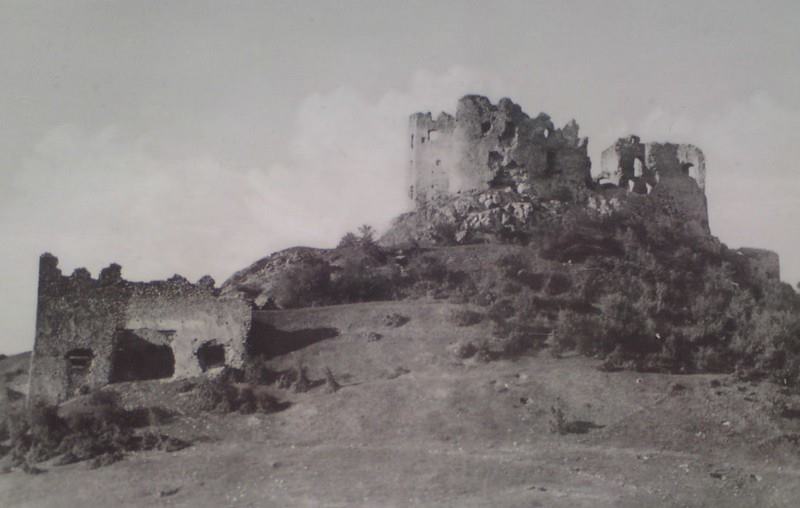
After the outbreak of Bethlen's uprising in 1619, the rebel troops occupied the castle and Gabriel Bethlen donated it to Juraj Széchy in 1624. But a year later, he was murdered by his own servants for cruelty. His widow Maria Drugeth then returned the castle to her family. In the next wave of uprisings, however, the castle was reconquered and ravaged in 1644 by insurgents, this time under the leadership of Juraj I. Rákóczi. The castle was only partially restored and suffered considerable damage in the last phase of the Thököly uprising in 1684. Although some of its parts were still habitable in 1698, the castle was gradually demolished.
Since 2009, the castle has been reconstructed and saved by the civic Association for the Rescue of Brekov Castle.
Predchodcom stredovekého hradu Brekov bolo neveľké slovanské hradisko z 9.-10. storočia. Hrad sa prvý raz spomína v r.1307, keď ho od michalovskej vetvy Kaplonovcov získal Peter, Petényov syn. Po protikráľovskej vzbure v r.1316, ktorej účastníkom bol aj Peter, hrad obsadili kráľovské vojská a v r.1321 ho Karol Róbert daroval šľachticom Drugethovcom z Humenného. Vlastníkom sa stal Filip Drugeth.
Počas poľských vojenských vpádov na východe v druhej polovici 15. storočia bol hrad dôležitým článkom obrany. Kráľ Matej Korvín vtedy vymenoval za kapitána severovýchodných oblastí Uhorska Štefana Zápoľského a v r.1488 sa stal aj kastelánom hradu. Pravdepodobne počas jeho pôsobenia bol hrad aj opevnený. Po vymretí Jagellovcov sa rozpútali dynastické boje a v r.1526 bol Brekov oporou vojsk Štefanovho syna Jána Zápoľského. Štefan Drugeth (jeho matka Kristína Zápoľská bola nevlastnou sestrou zvoleného kráľa) bol na strane príbuzného. No spor dvoch vladárov nevyriešila ani Jánova smrť. Časť šľachty si zvolila za panovníka jeho syna Jána Žigmunda a boje opäť začali. Medzitým v r.1558 hlavný kapitán kráľovských vojsk Ferdinanda I., Imrich Telekessy, hrad dobyl. Pri obnove bolo zlepšené opevnenie hradu vybudovaním polygonálnych bášt.
Po vypuknutí Bethlenovho povstania v r.1619 povstalecké vojská obsadili hrad a Gabriel Bethlen ho v r.1624 daroval Jurajovi Széchymu. No už o rok ho kvôli krutosti zavraždili jeho vlastní sluhovia. Jeho vdova Mária Drugeth potom vrátila hrad svojmu rodu. V ďalšej vlne povstaní však hrad v r.1644 opäť dobyli a spustošili povstalci, tentoraz pod vedením Juraja I. Rákócziho. Hrad bol obnovený už len čiastočne a značné škody utrpel aj v poslednej fáze Thökölyho povstania v r.1684. Niektoré jeho časti síce boli obývateľné ešte aj v r.1698, ale hrad už postupne zanikal.
Od roku 2009 prebieha rekonštrukcia a záchrana hradu občianskym Združením na záchranu Brekovského hradu.
Myths and legends
The rumor says
On dark nights, a ghost of a black horse appears in the ruins. It is allegedly the castle lord Barkóczi, whose horse Mišo cursed when his beloved dog was taken away from him. they beat the pony, starved him, and leaned on heavy furrows.
Arkur and Barkó
The evil robber knight Arkur got lost in a deep mountain once on a hunt. He came to a forest log cabin, where he met a beautiful girl. The girl caught his eye, fell in love with her and took her as his wife. On the rocky hill where he met her, he ordered the castle to be built as a wedding gift for his wife, who named her name Barkó - the Hungarian name Brekova. Friendly castle lady and gains the affection of all people. She diligently collected medicinal herbs and helped the suffering. Under her influence, the wild Arkur will also change. He gave up the looting and became a caring farmer who even cared about the safety of the whole region.
Povráva sa
Za temných nocí sa v zrúcanine zjavuje prízrak čierneho koňa. Je to údajne hradný pán Barkóczi, ktorého koniar Mišo preklial, keď mu odňali jeho milovaného pejka. koníka bili, trápili hladom a priahali do ťažkých fúr.
Arkur a Barkó
Zlý lúpežný rytier Arkur raz na poľovačke zablúdil v hlbokej hore. Prišiel k lesnému zrubu, kde stretol krásne dievča. Dievčina mu padla do oka, zaľúbil sa do nej a vzal si ju za manželku. Na skalnom vrchu, kde ju stretol, prikázal vystavať hrad ako svadobný dar svojej žene, ktorý pomenoval jej menom Barkó - maďarský názov Brekova. Prívetivá hradná pani si čoskoro získala náklonnosť všetkých ľudí. Usilovne zbierala liečivé byliny a pomáhala trpiacim. Pod jej vplyvom sa zmenil i divoký Arkur. Zanechal lúpenie a stal sa starostlivým hospodárom, ktorý dokonca dbal o bezpečnosť celého kraja.
Useful information
The ruin is freely accessible.
Zrúcanina je voľne prístupná.
Nearby castles