Jasenov
Jasenov Prešov county Slovakia
castle ruin
Jasenov
Jasenov Prešovský kraj Slovakia
zrúcanina hradu
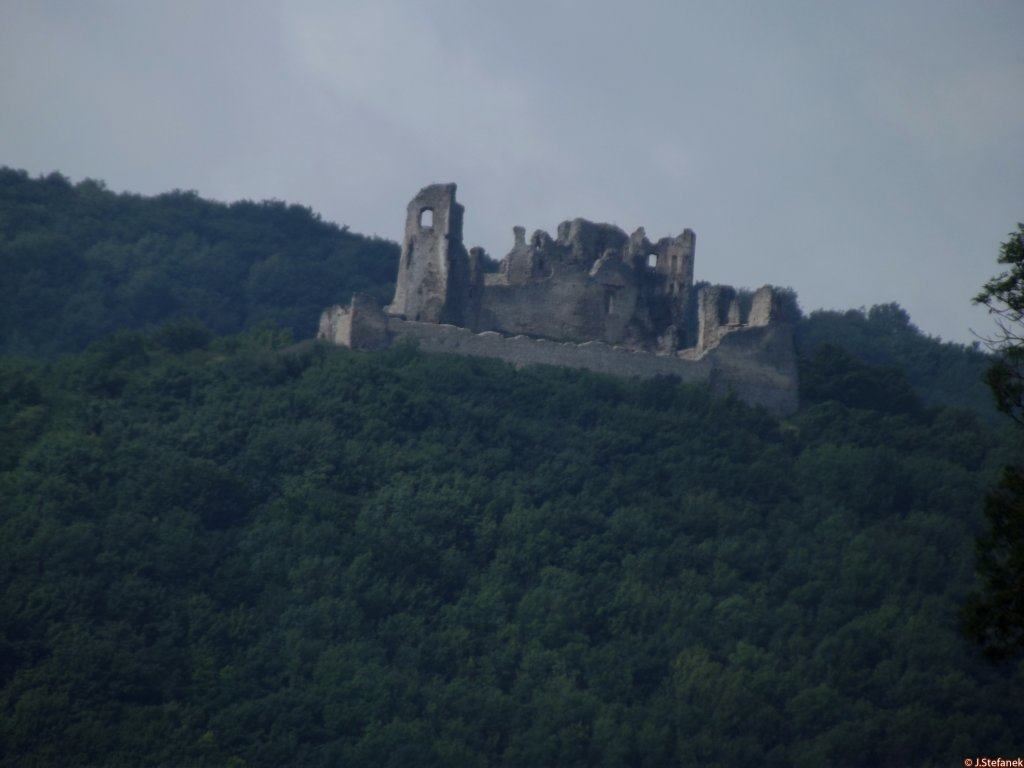
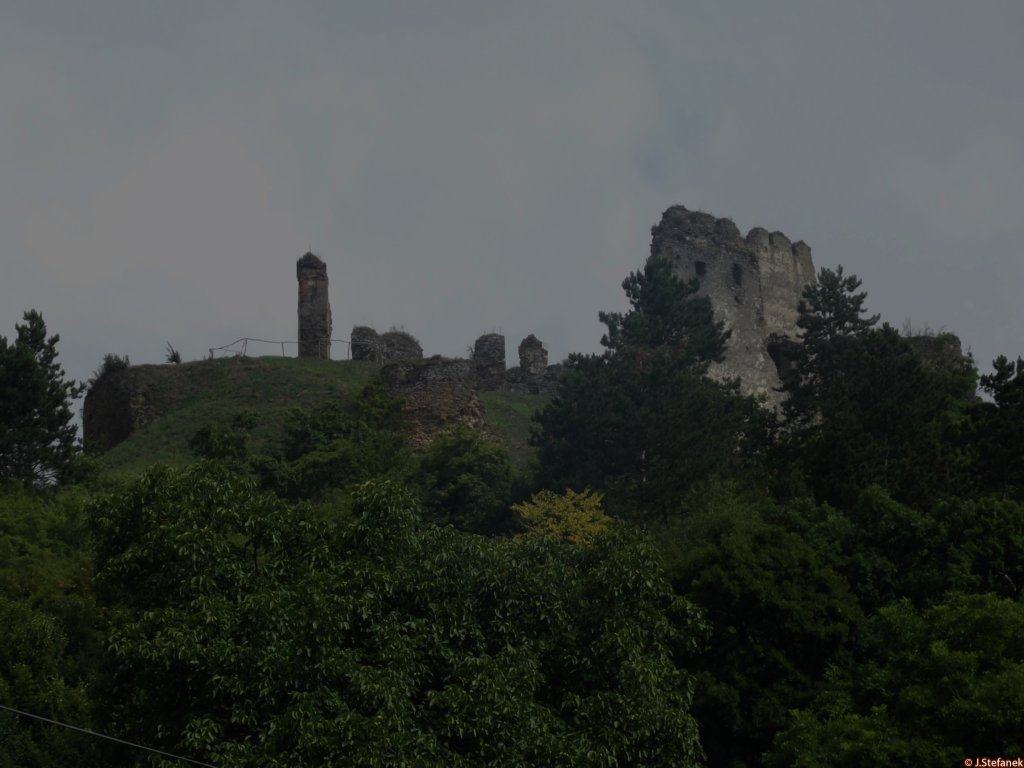
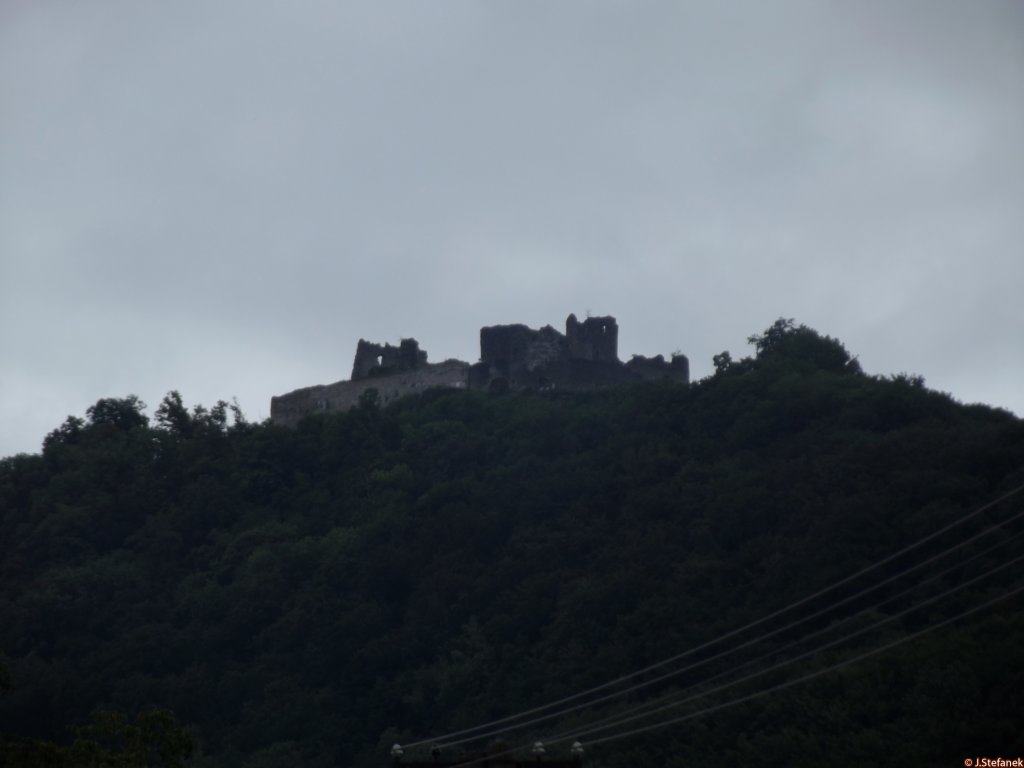
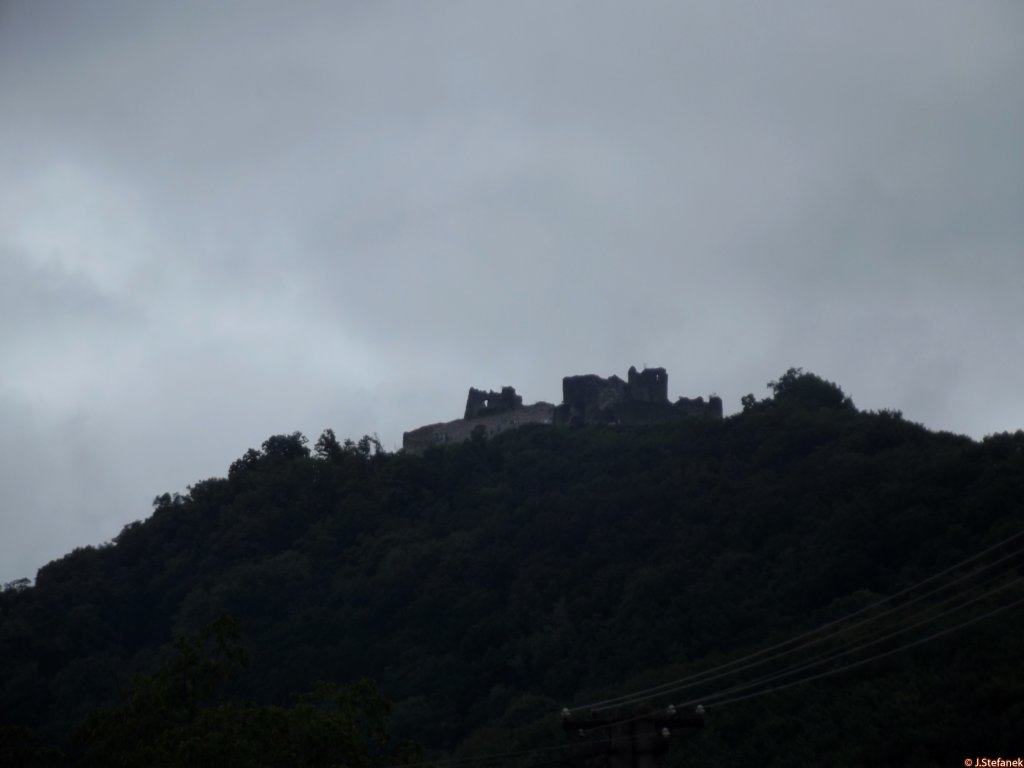
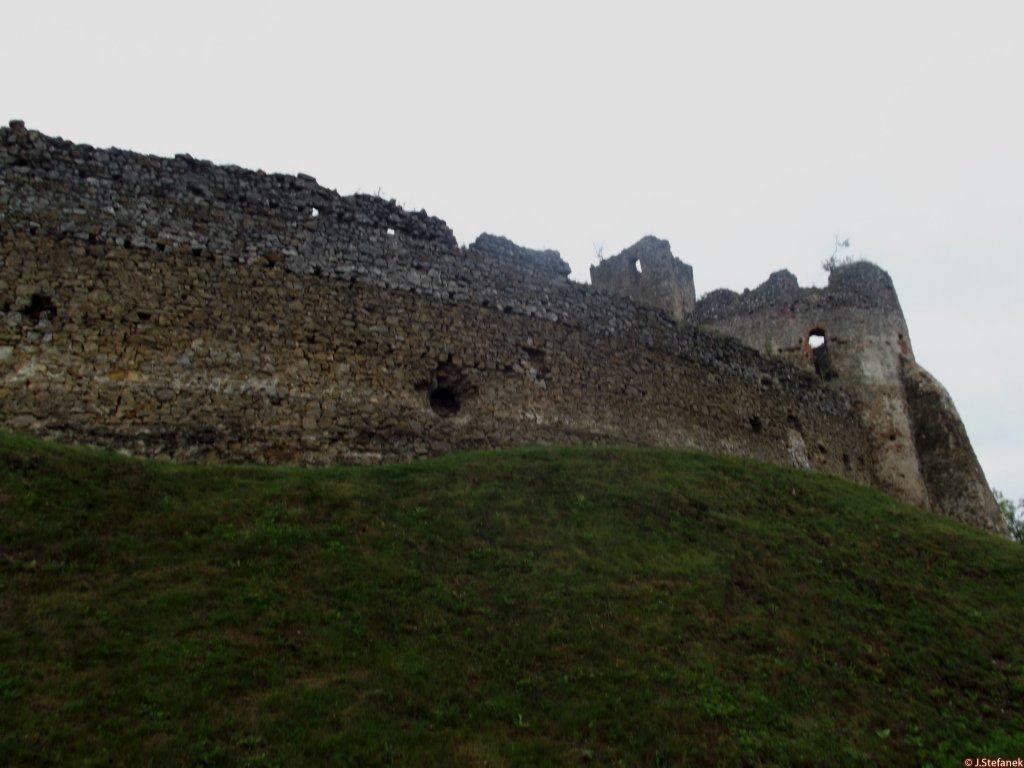
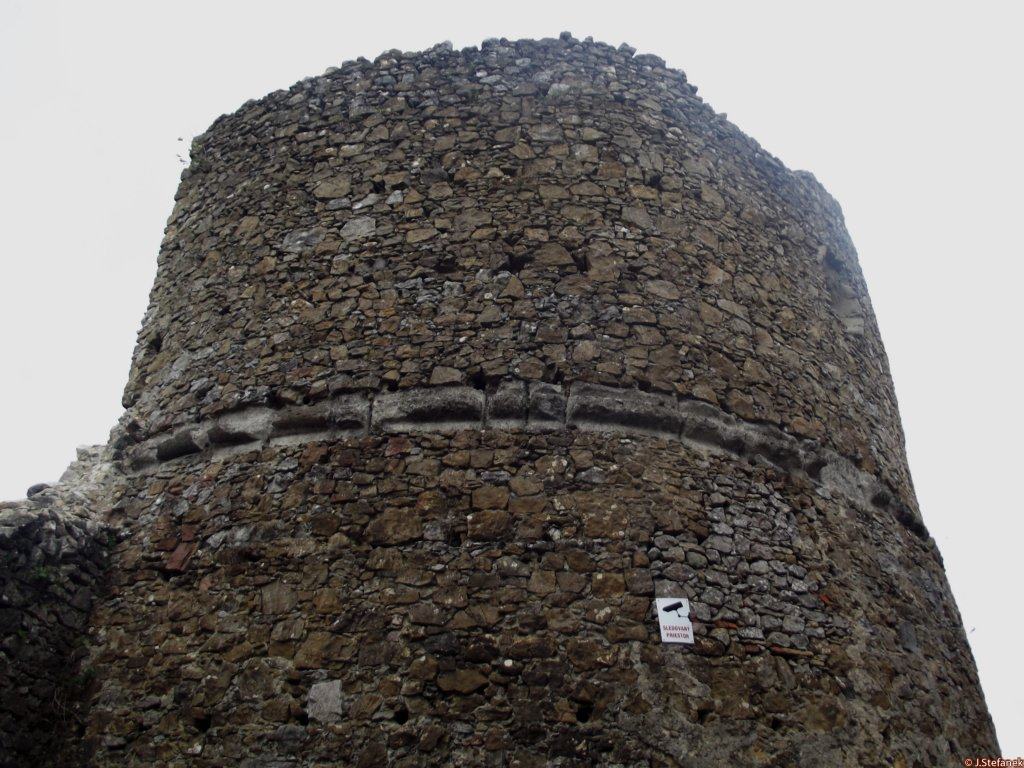
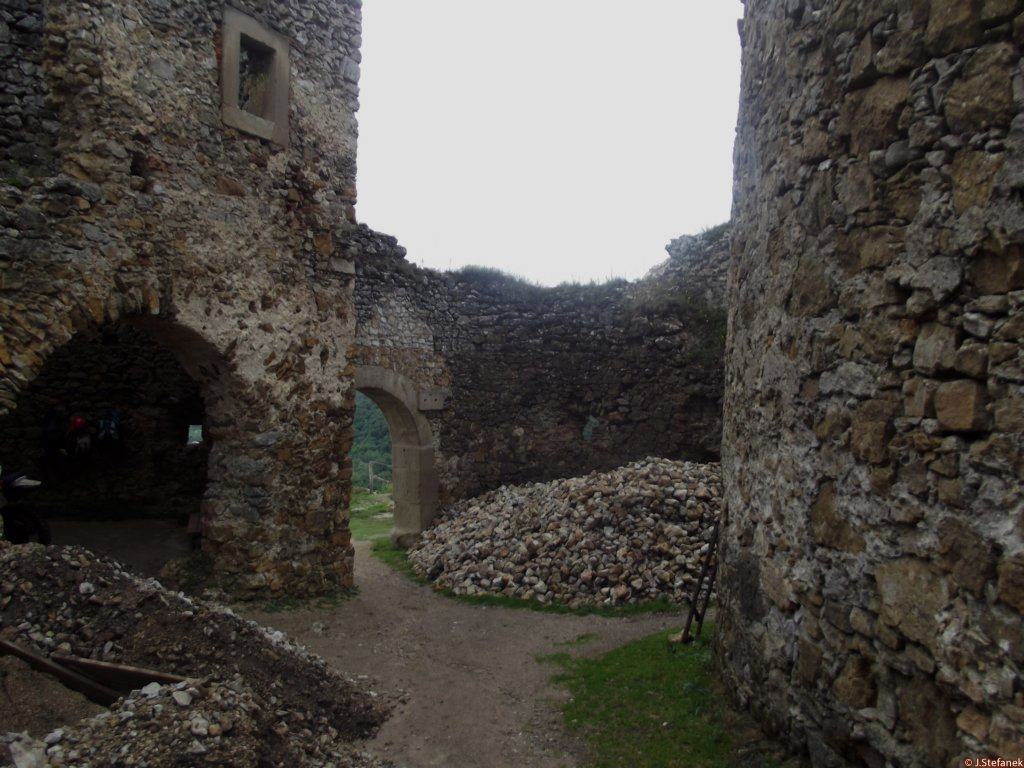
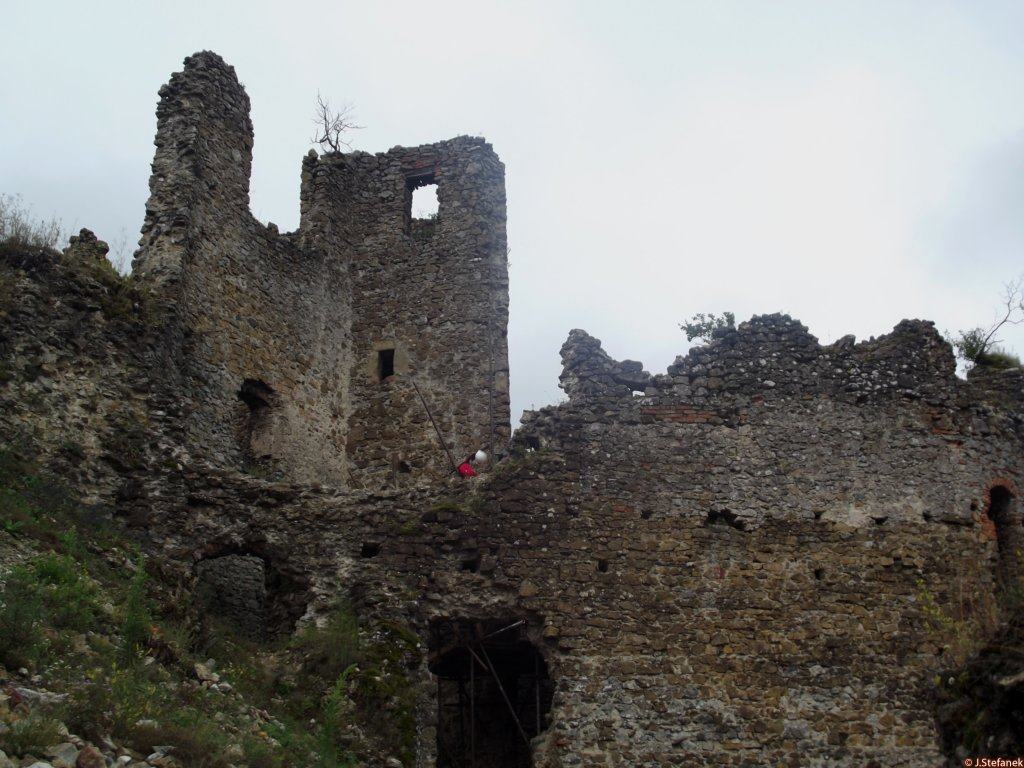
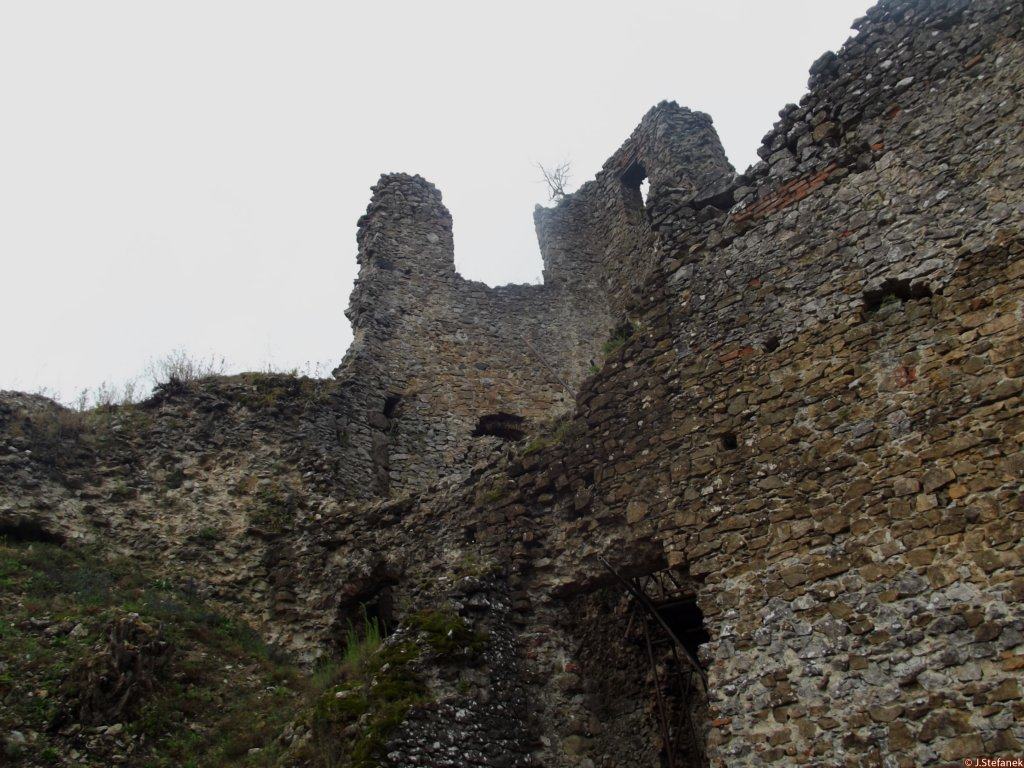
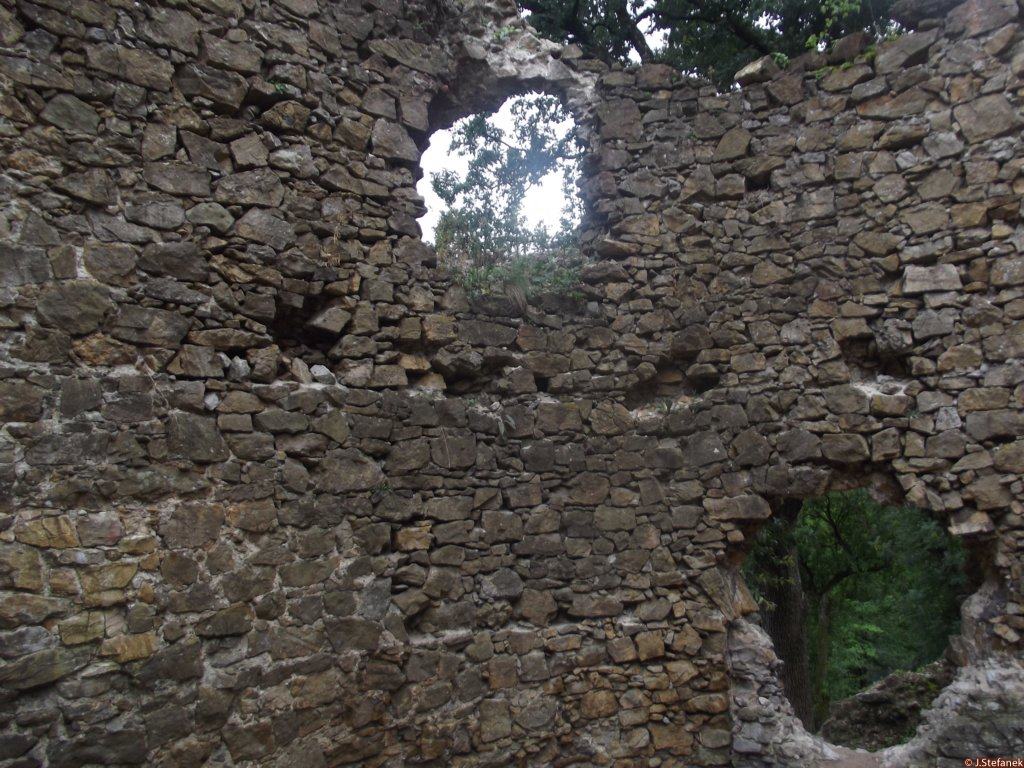
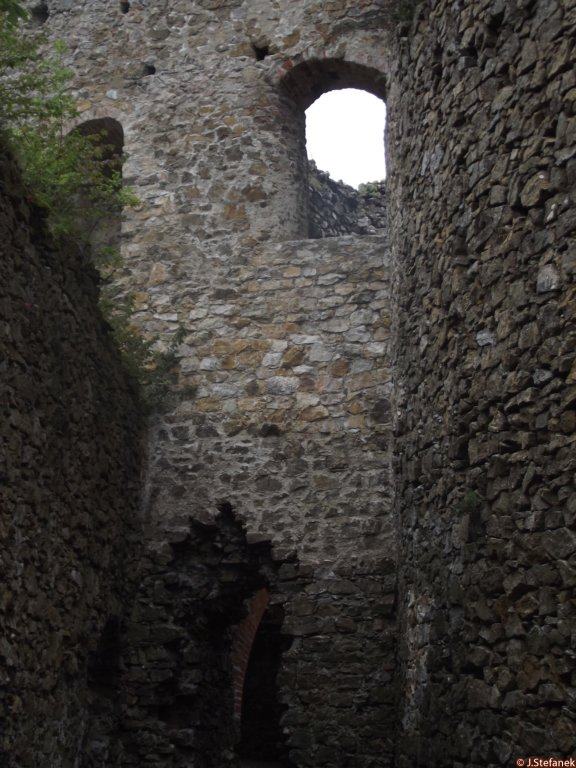
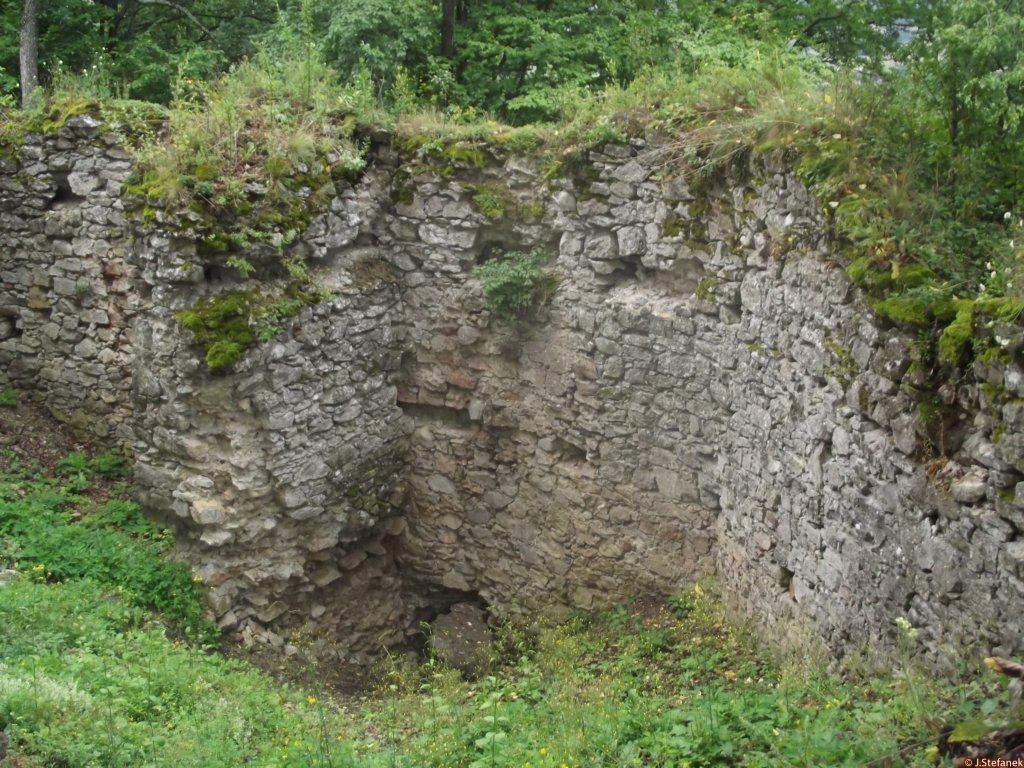
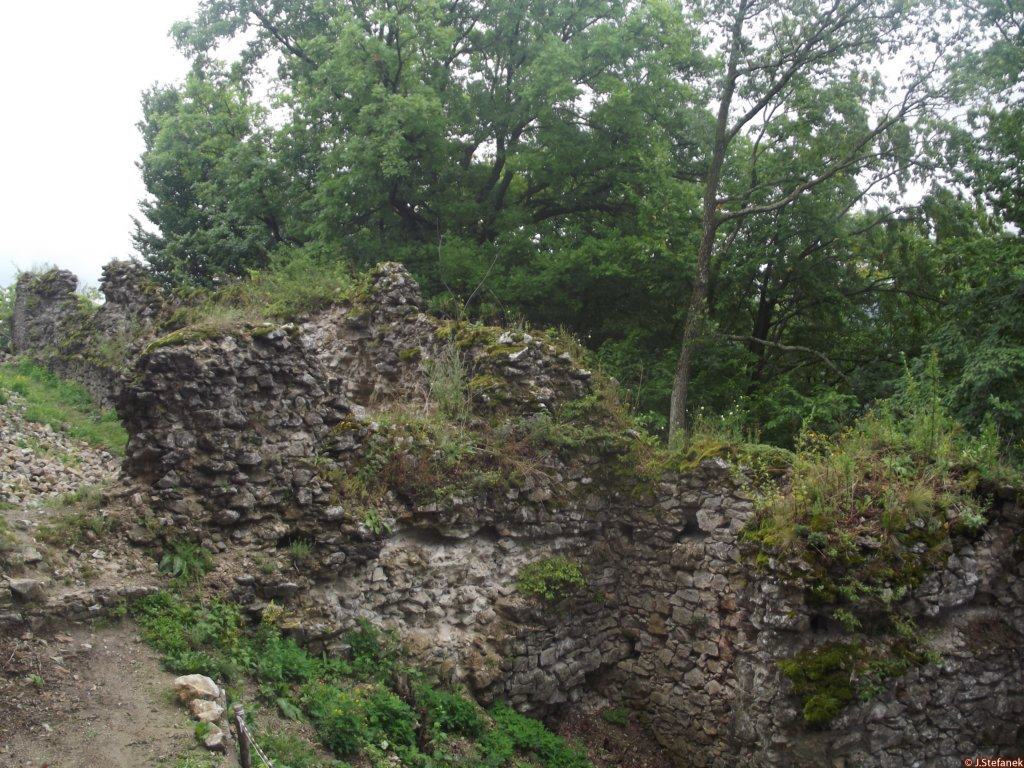
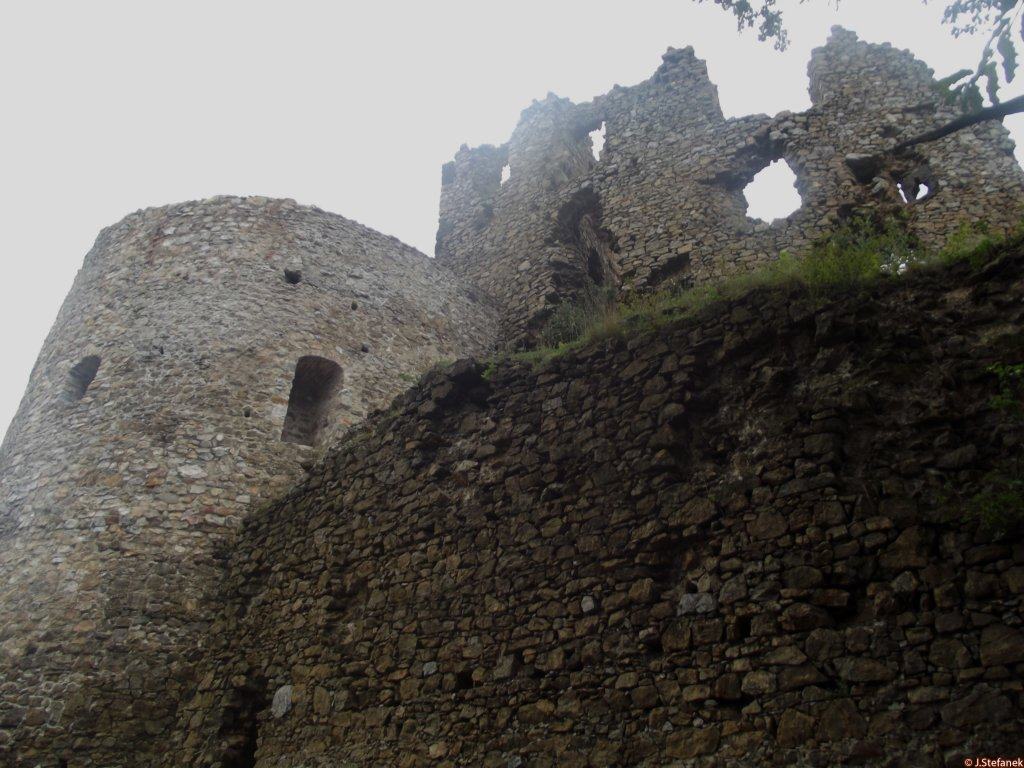
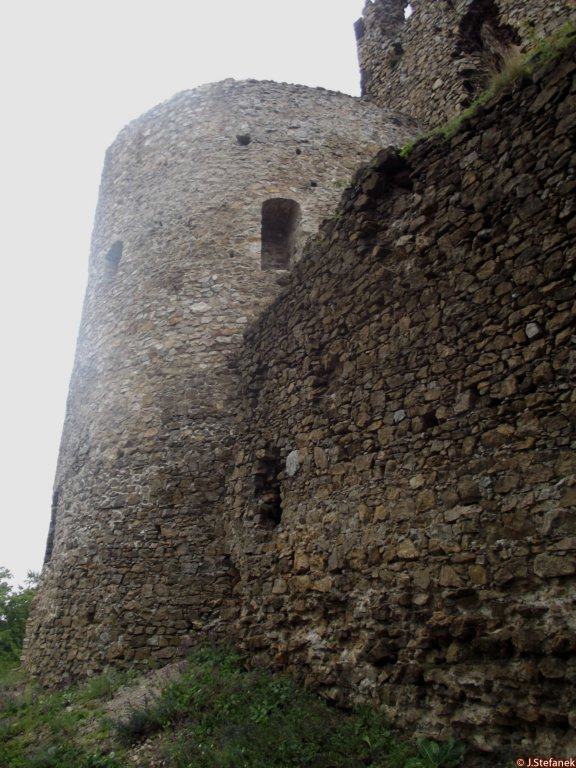
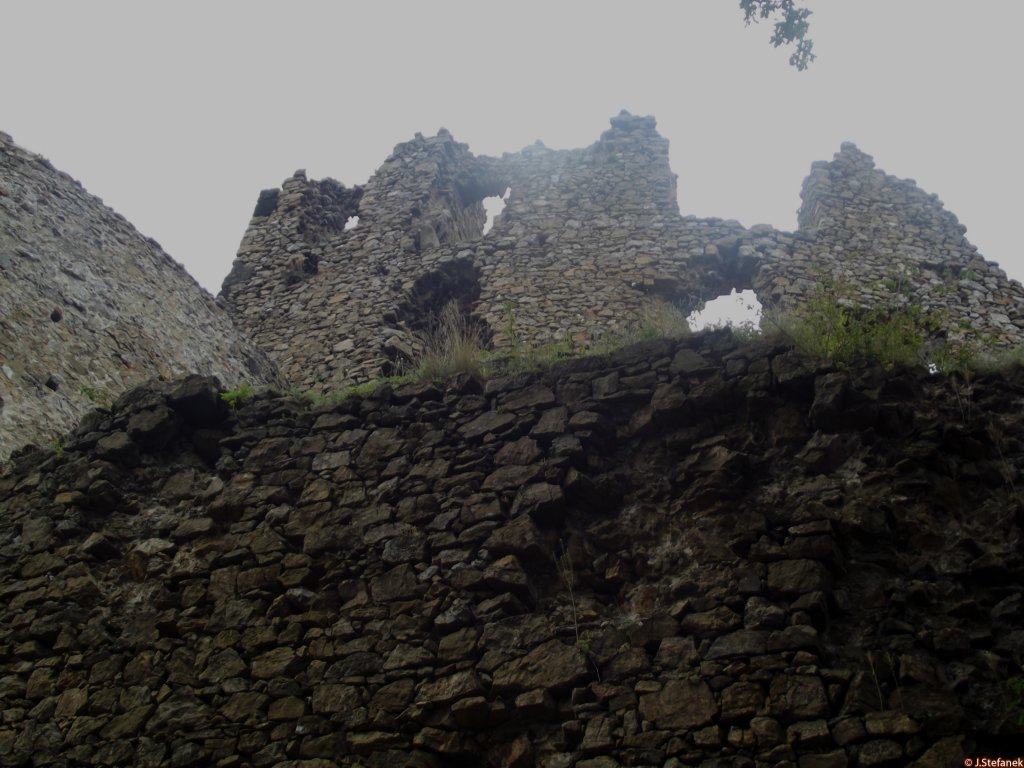
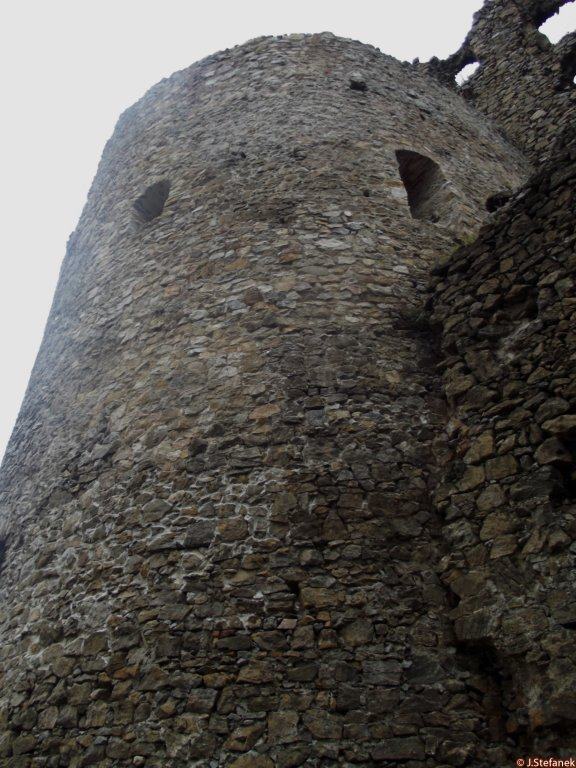
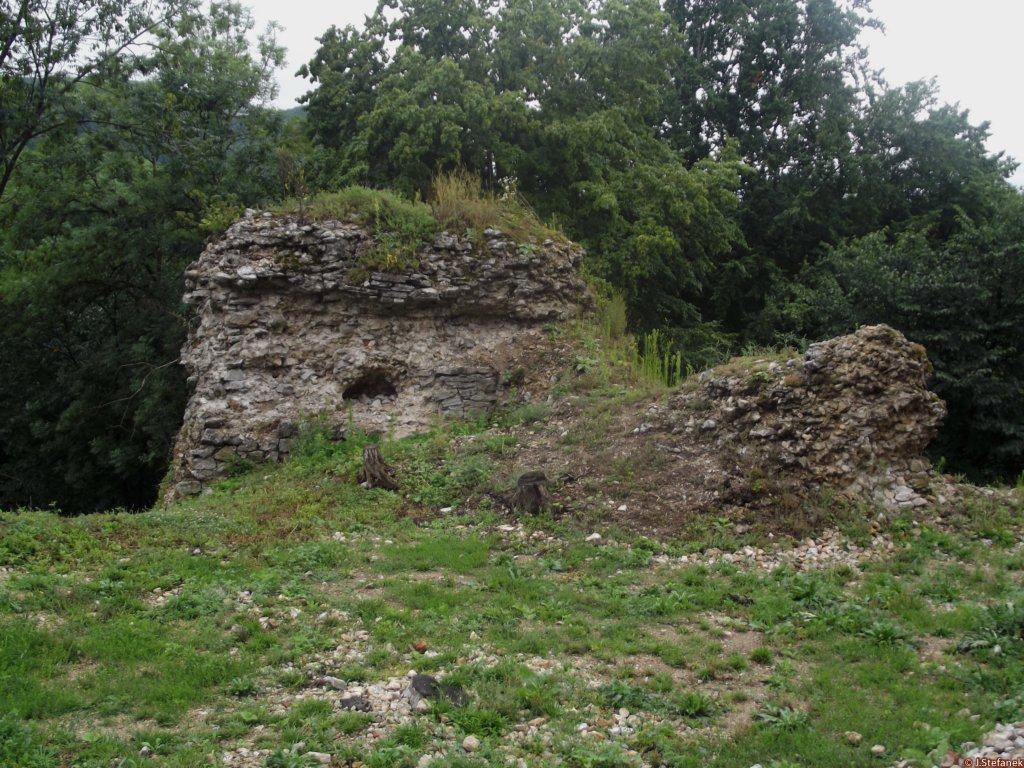
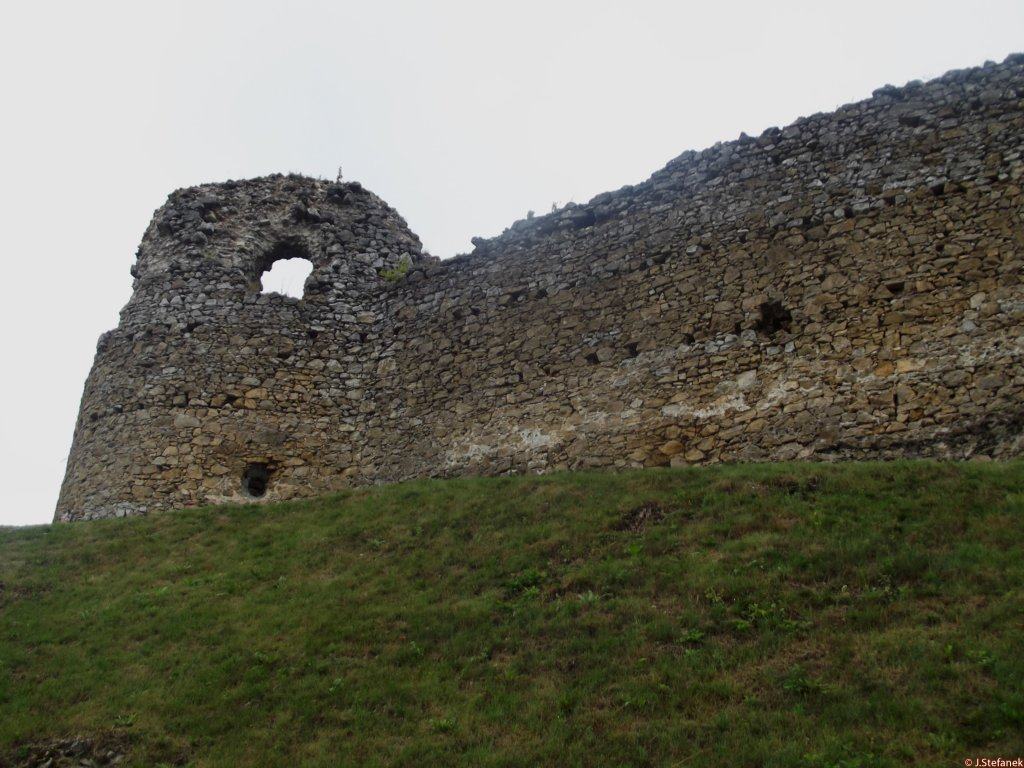
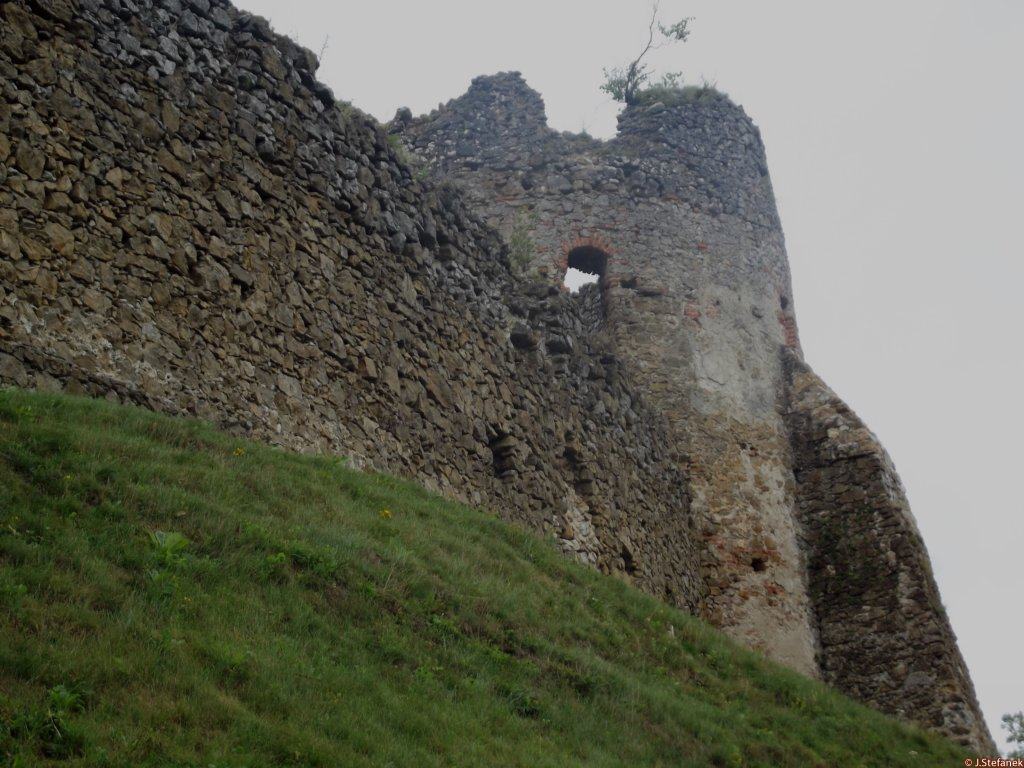
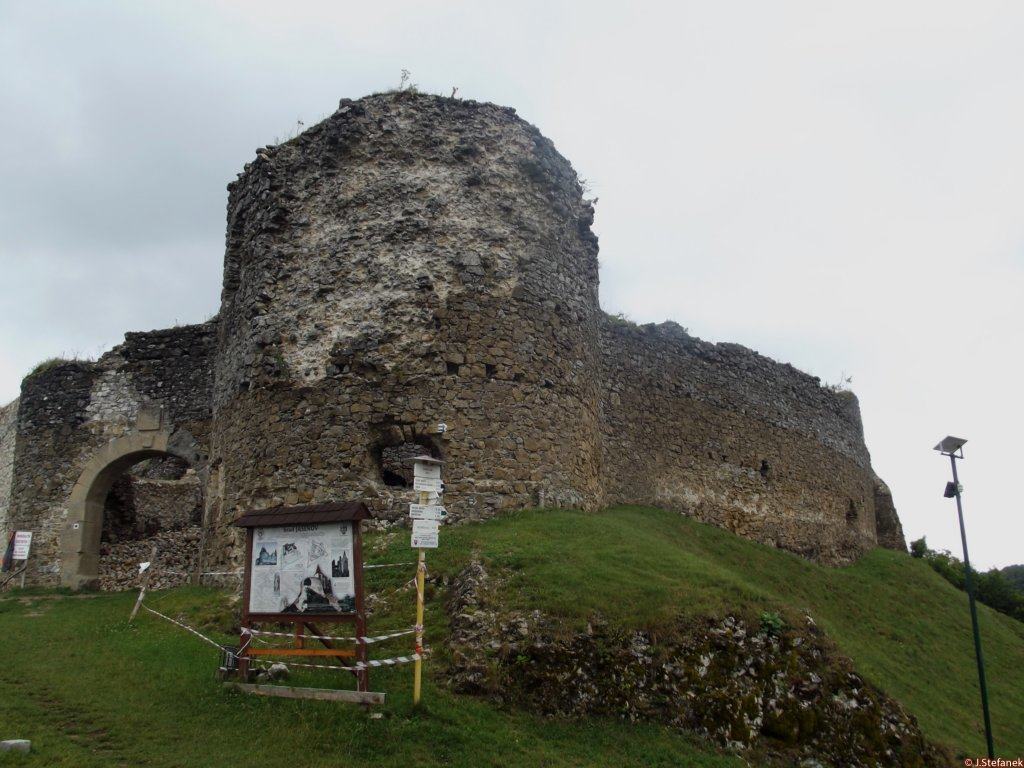
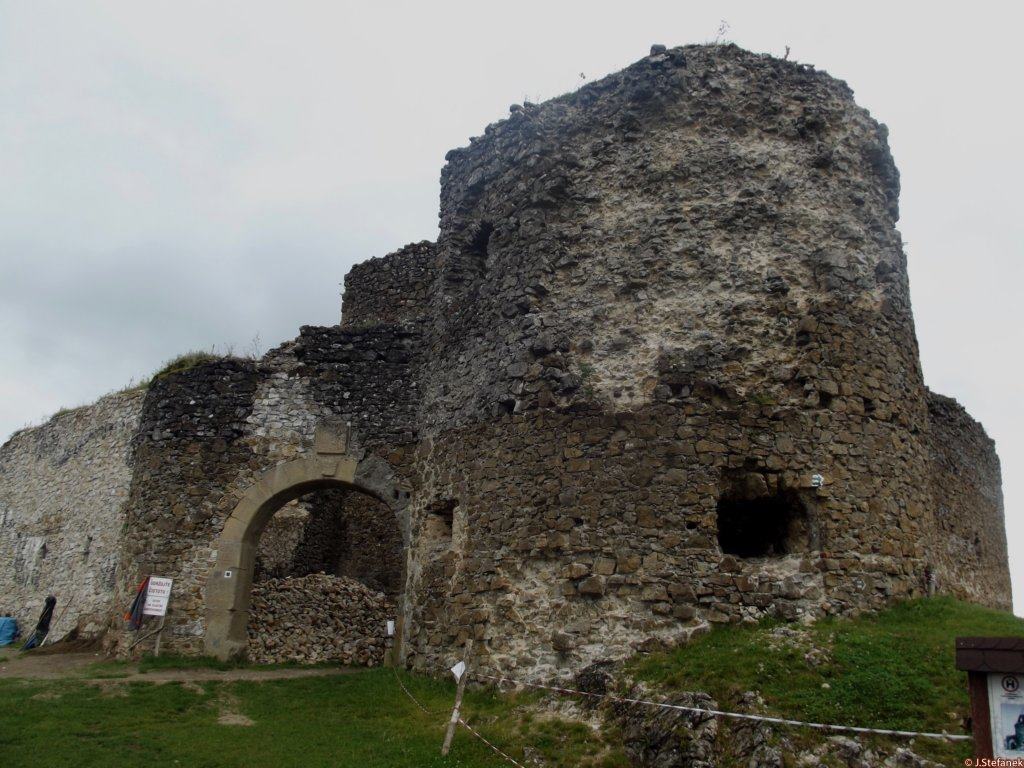
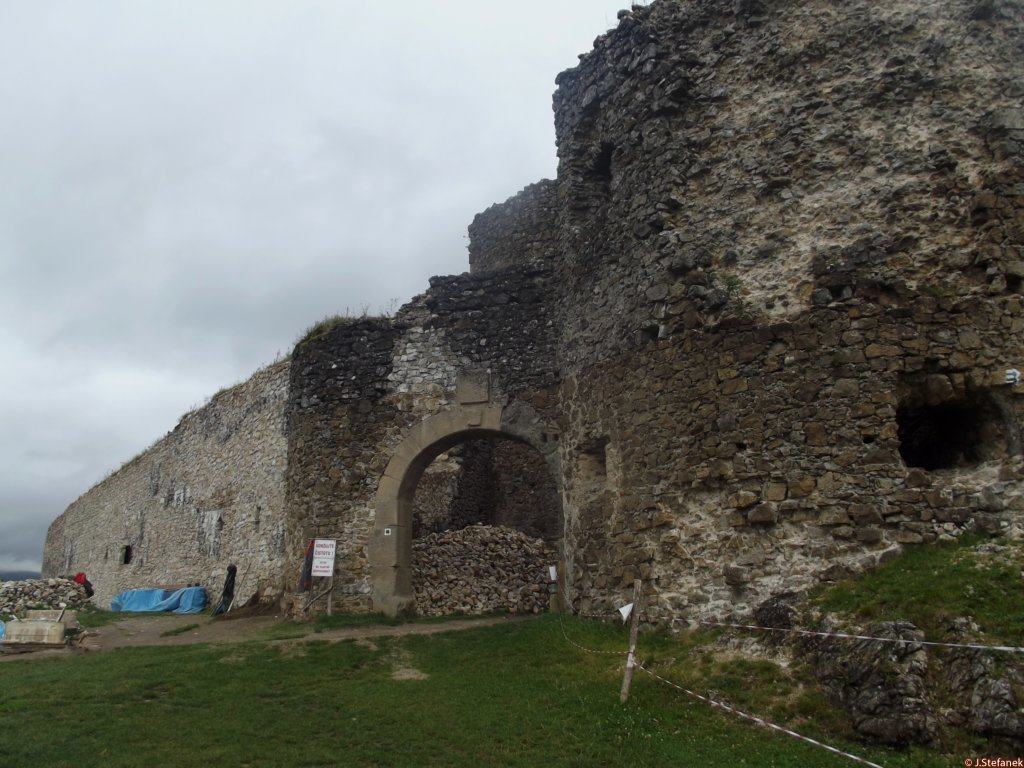
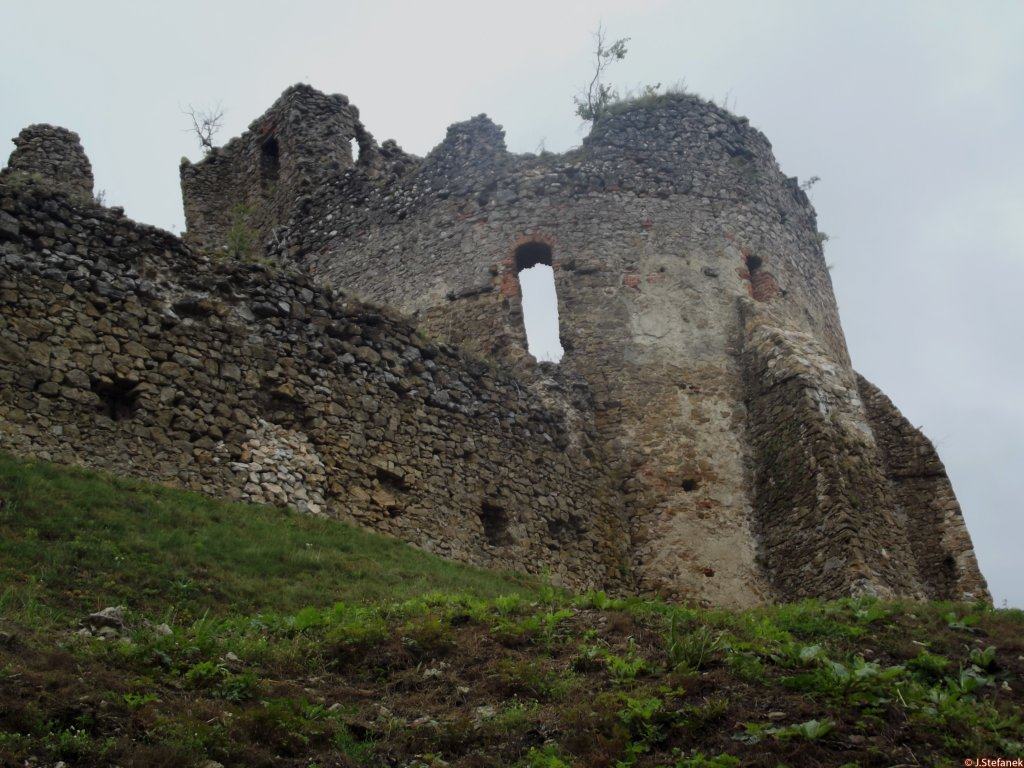
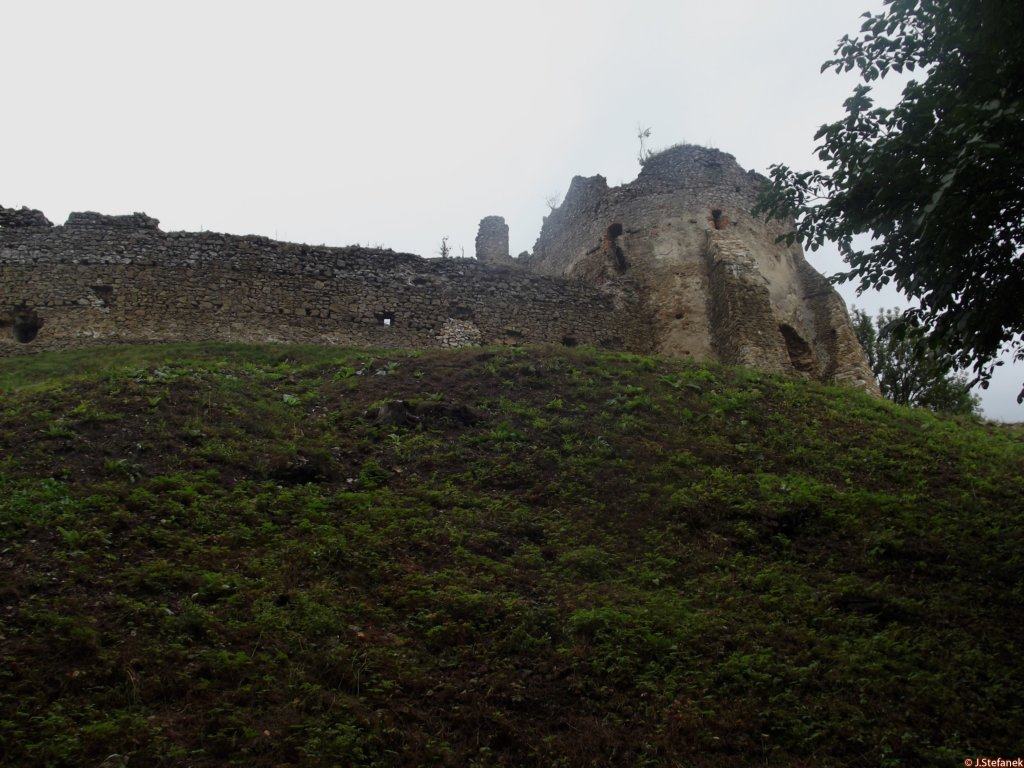
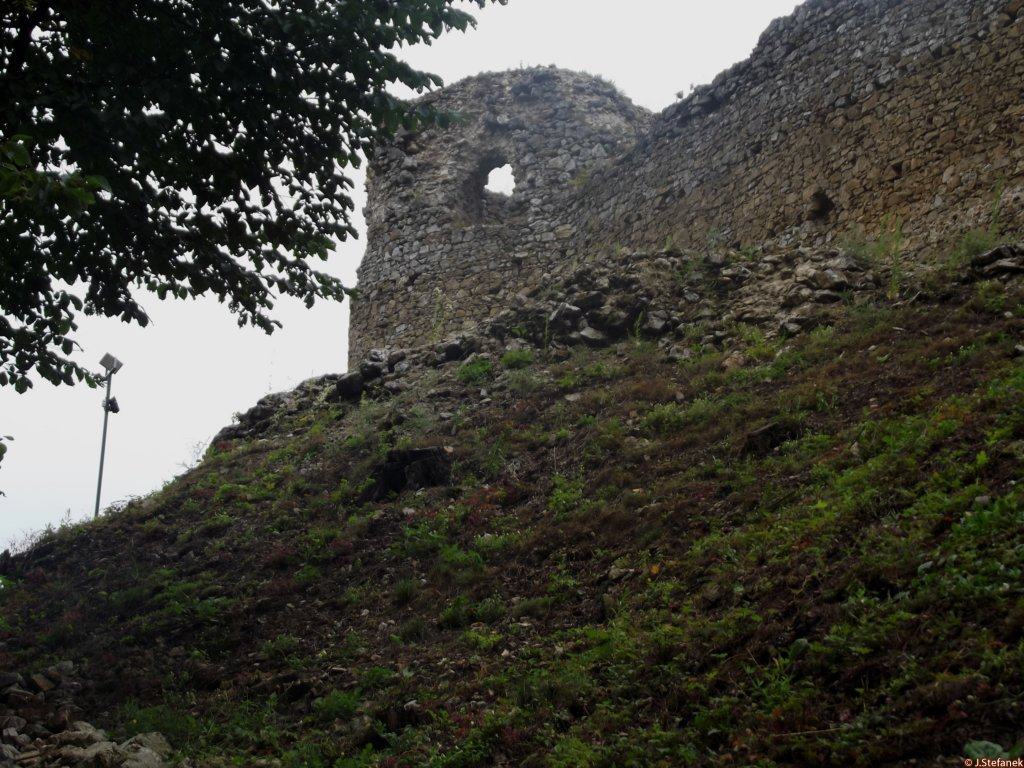
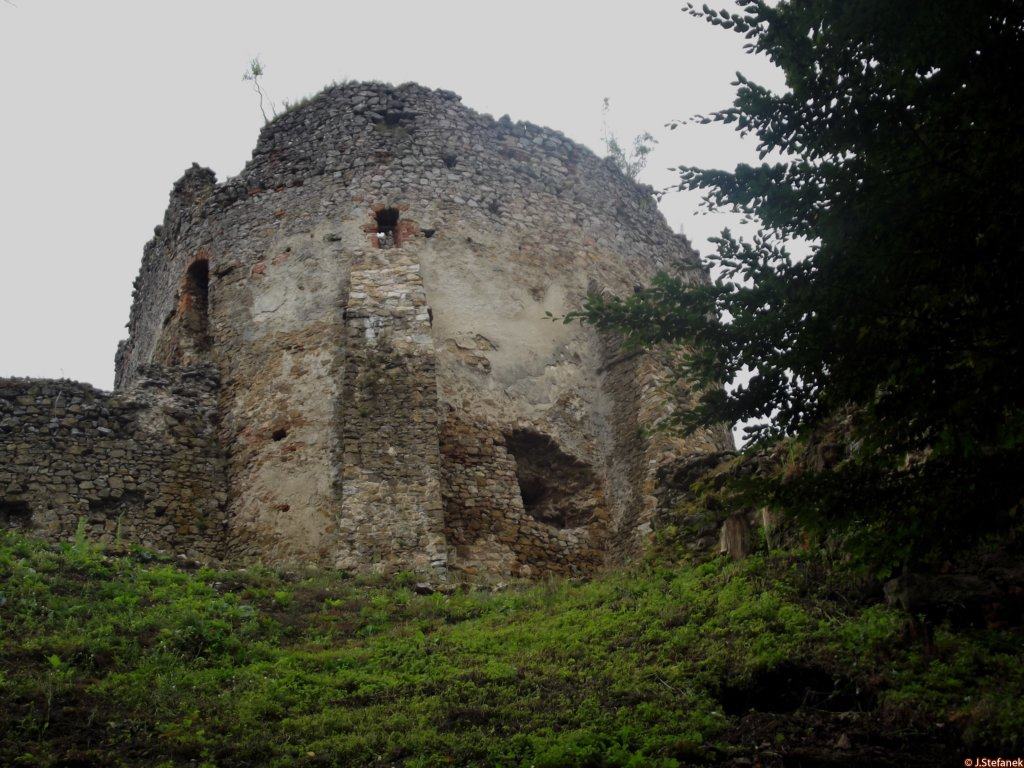
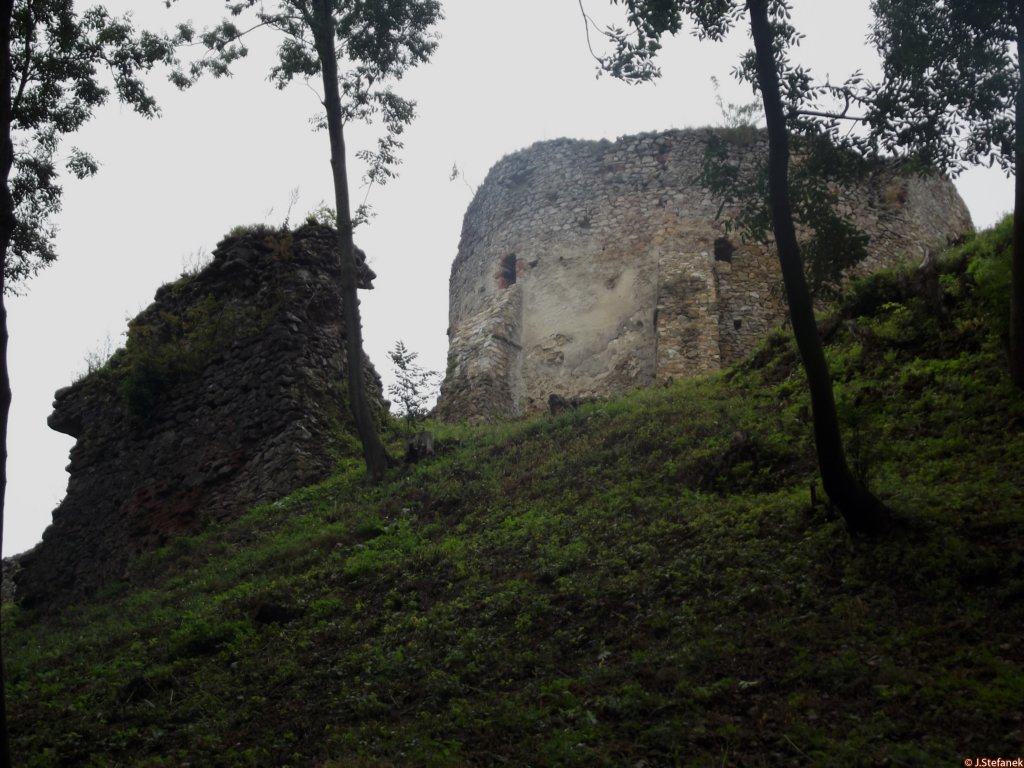
Large castle ruins on a rocky forested hill Humenské vrchy, belonging to Vihorlatské vrchy, in Jasenov
Veľká zrúcanina hradu na skalnatom zalesnenom kopci Humenských vrchov, patriacich pod Vihorlatské vrchy, v obci Jasenov
Previous names
Jesenov, castrum Jezenew, castrum Jezenew, castrum Jesenv, Jeszenő
Roads
Trasa 1: In the village of Jasenov we will follow the road No. 3831, which leads next to the Municipal Office, almost to the end of this road, where there is a bus stop and an information and direction sign. We continue near the signs along a narrow alley and after a while we turn right onto Podhradová Street, where we find a parking lot. A few meters from the parking lot, the blue trail begins with a relatively steep ascent through the forest to the castle.
Trasa 1: V obci Jasenov pôjdeme po ceste č.3831, ktorá vedie popri Obecnom úrade, až takmer na koniec tejto cesty, kde je autobusová zastávka a informačná a smerová tabuľa. Pokračujeme popri tabuliach po úzkej uličke a z nej po chvíli odbočíme vpravo na Podhradovú ulicu, kde nájdeme parkovisko. Pár metrov od parkoviska začína modrá TZT relatívne strmým výstupom cez les až k hradu.
Trasa 2: From the mentioned parking lot we continue on foot straight along the yellow trail, a few meters further we can theoretically come by car closer to the temporary parking lot on an uneven surface and continue on foot to the castle with a gentle climb, as the climb is spread over a longer trail.
Trasa 2: Zo spomínaného parkoviska pokračujeme peši ďalej rovno po žltej TZT, o pár metrov ďalej môžetme ešte teoreticky prísť aj autom bližšie k provizórnemu parkovisku na nerovnom povrchu a ďalej už peši pokračovať až k hradu miernejším stúpaním, kedže stúpanie je rozložené na dlhšom úseku.
Description
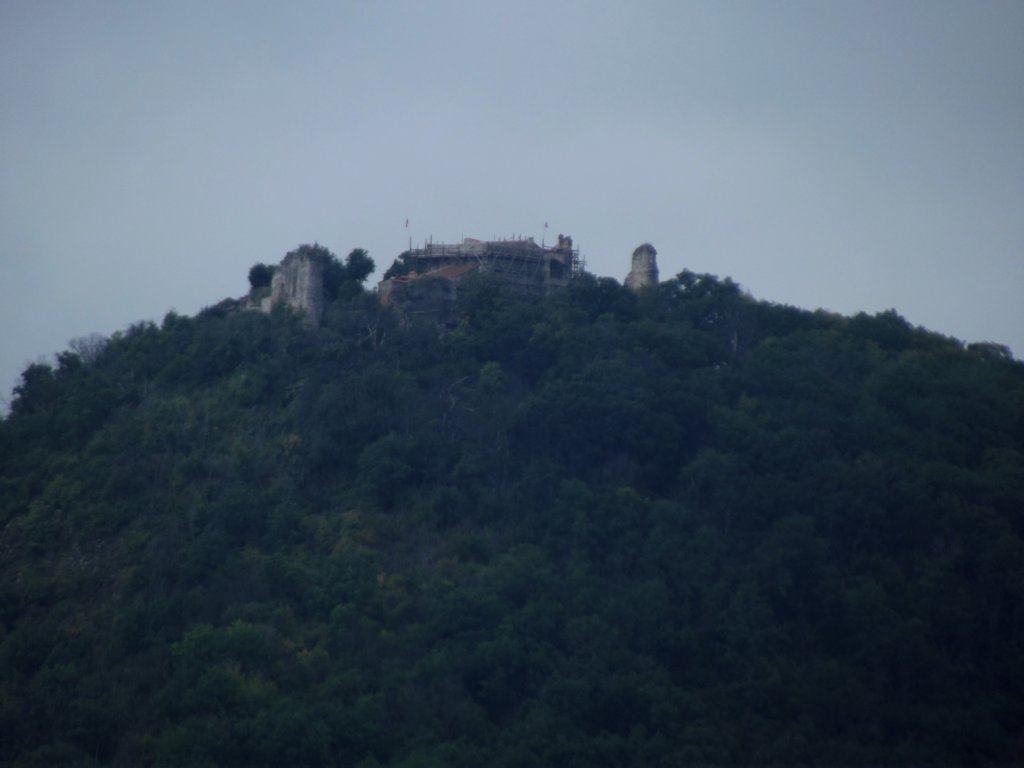
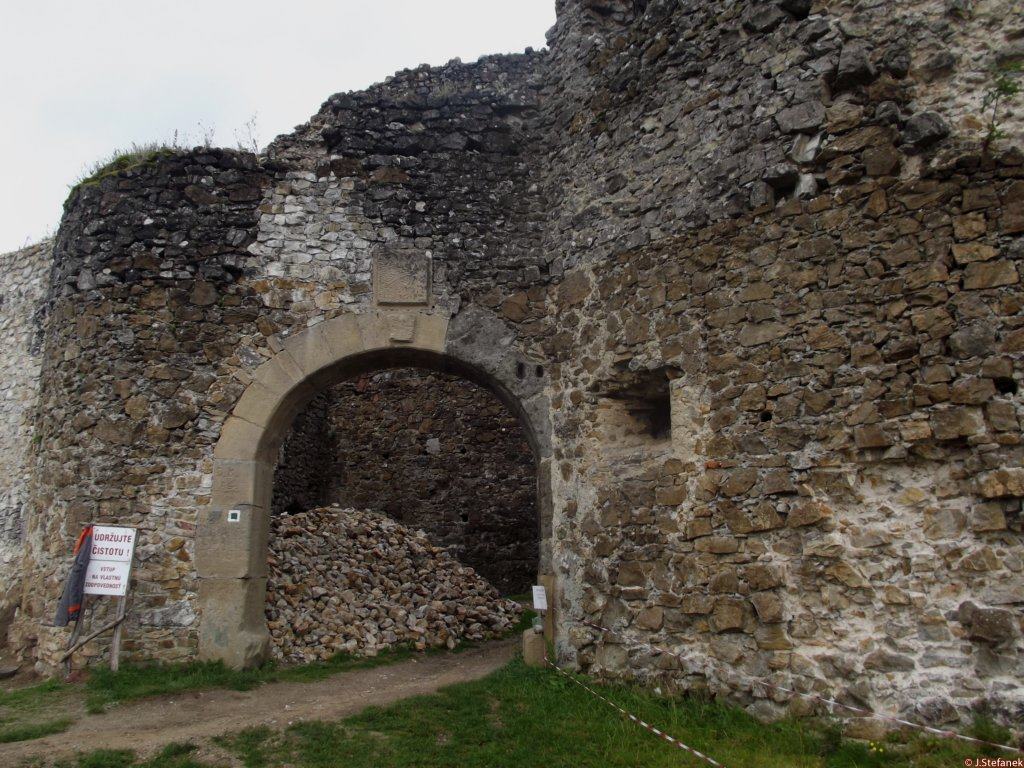
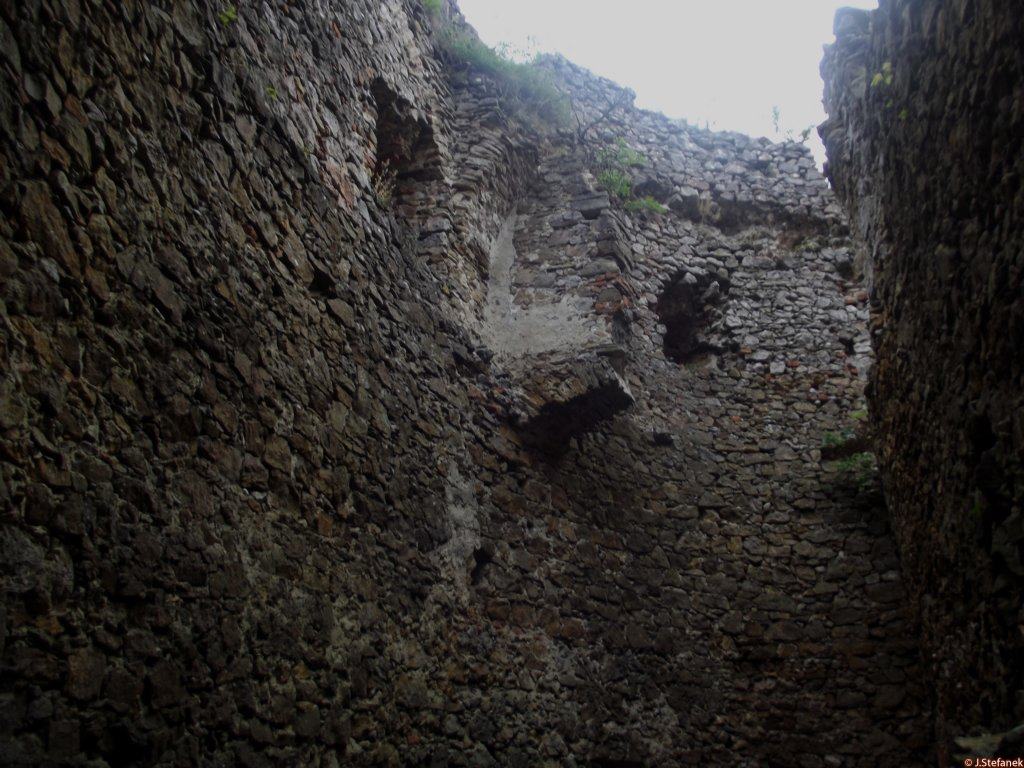
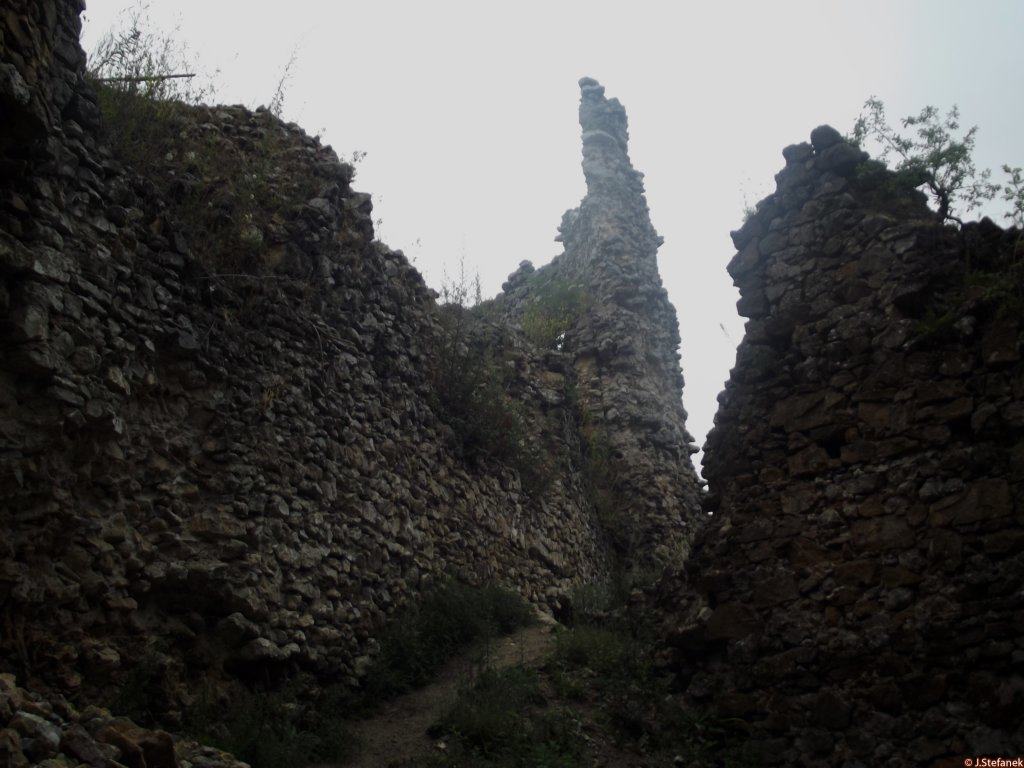
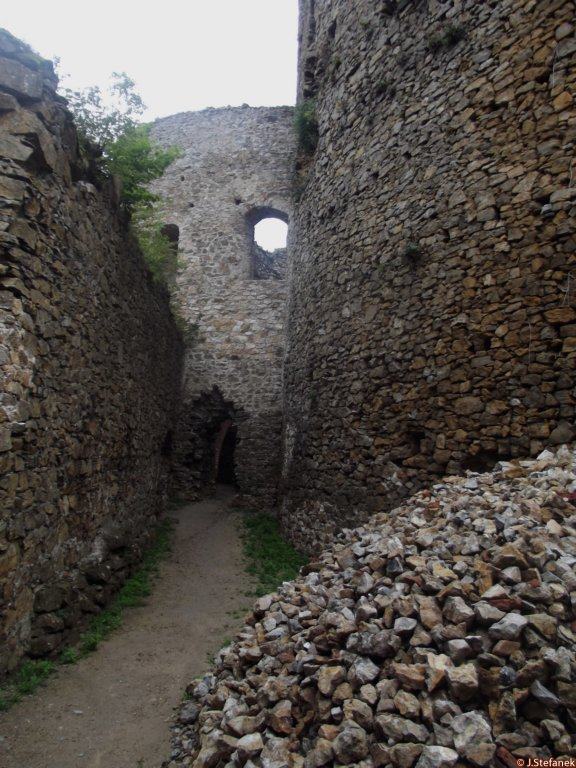
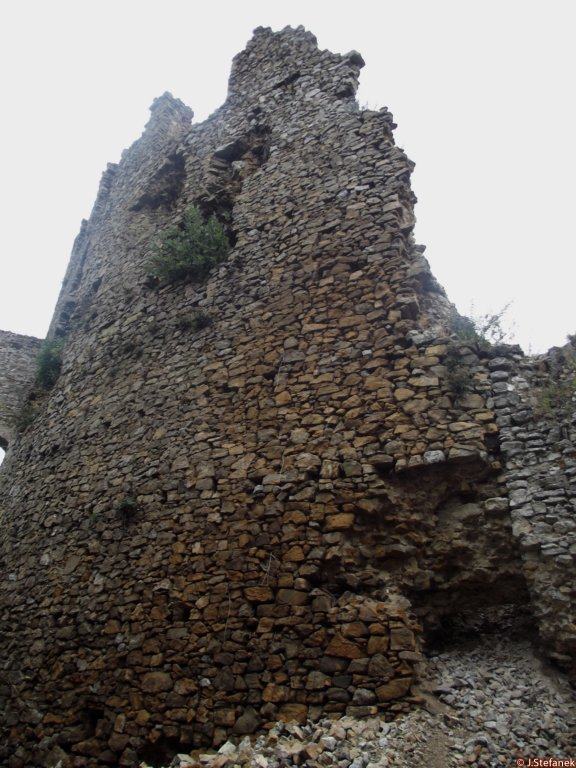
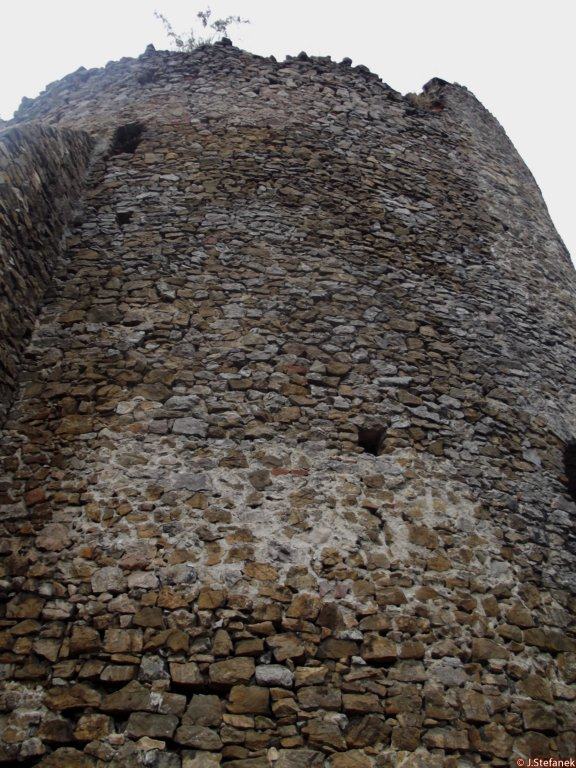
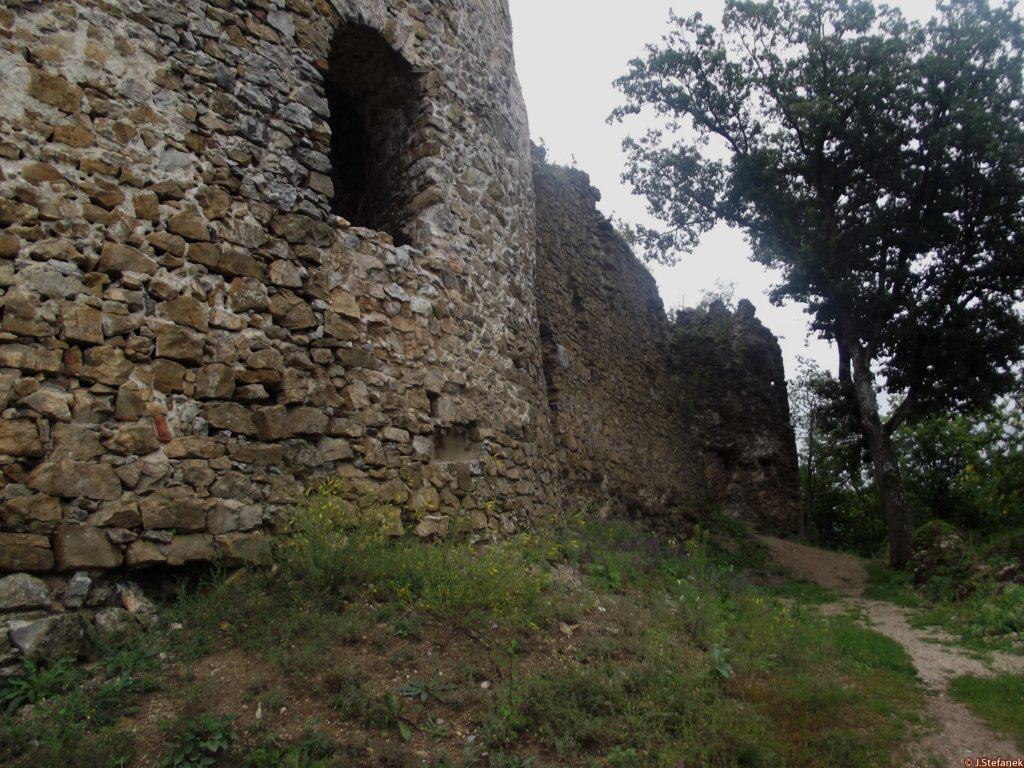
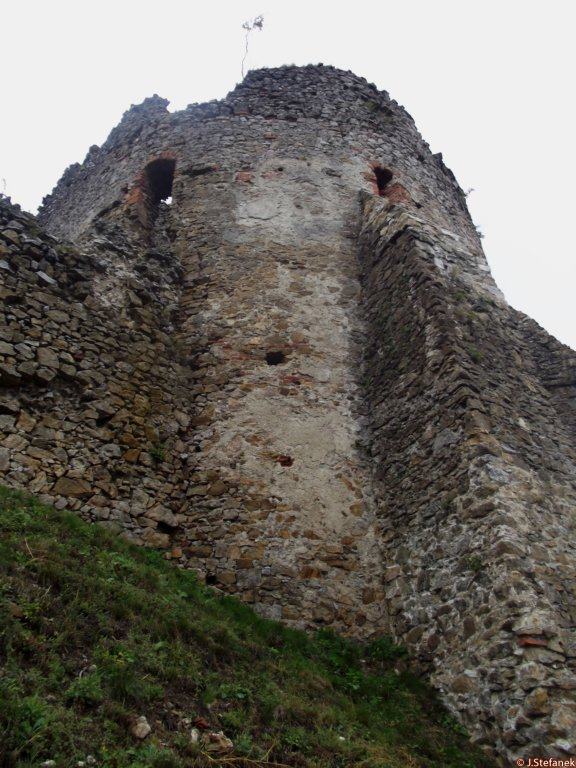
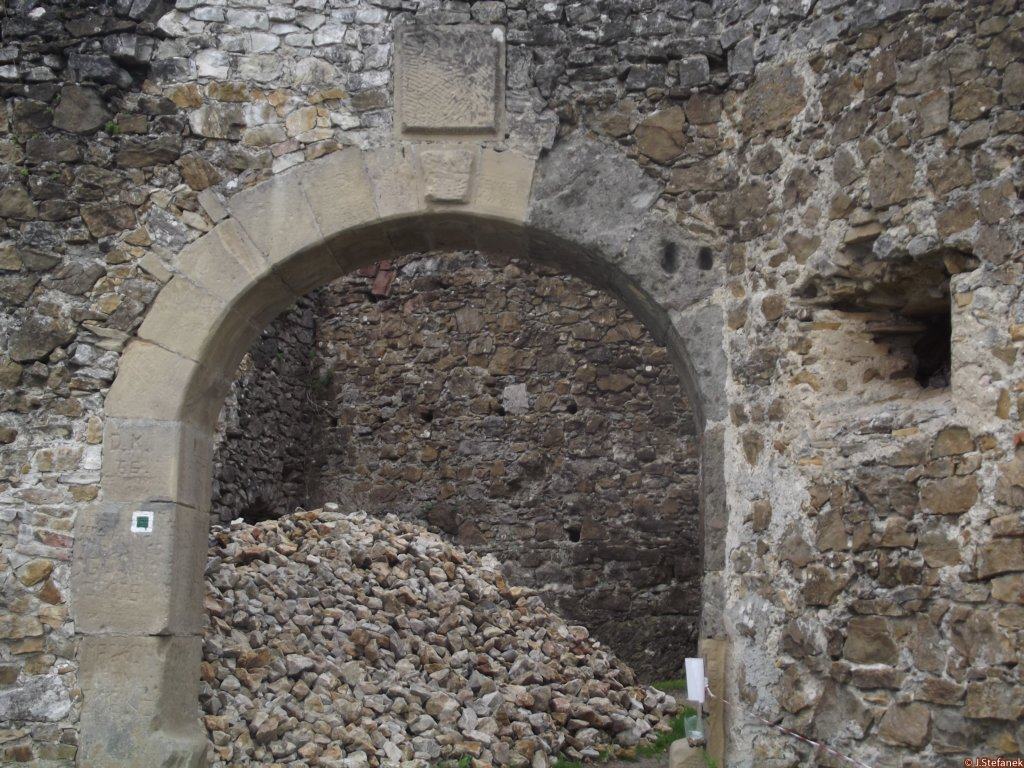
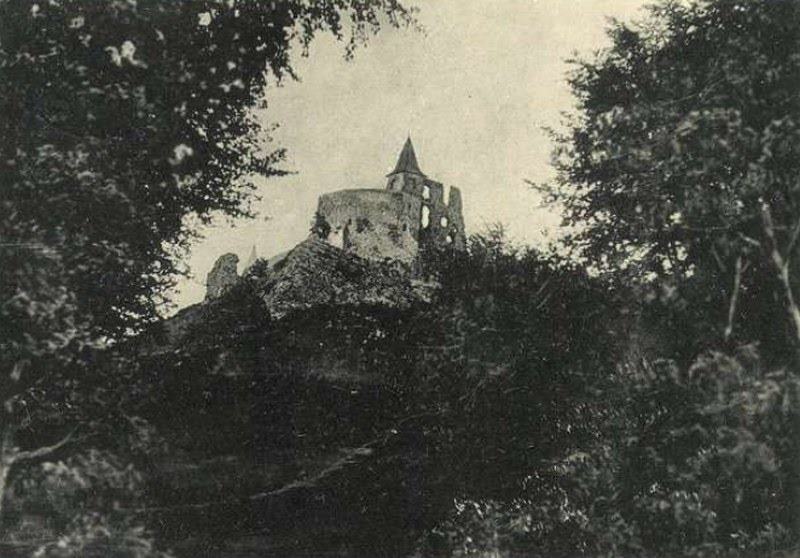
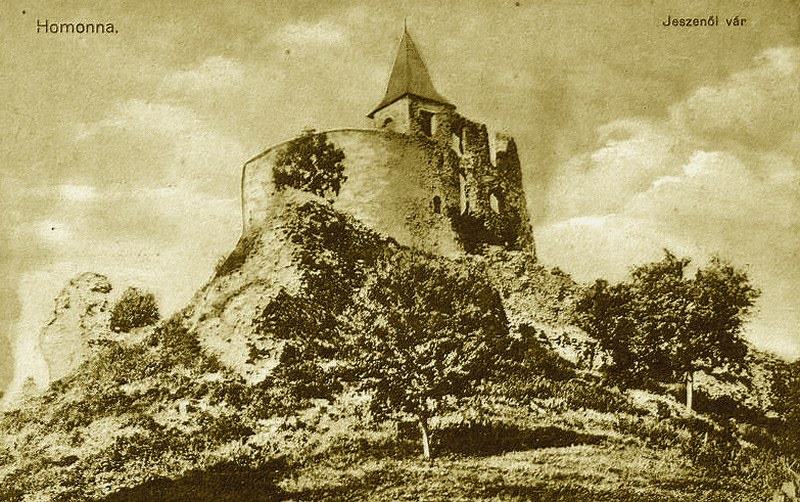
The upper castle consisted of a palace, a square tower and stone walls. This castle core is accessible through the back of the cannon bastion. It can be accessed from the western barrier, also secured by a cannon bastion. The castle was fortified in the first third of the 15th century. Further construction work was carried out at the turn of the 15th and 16th centuries, when they built several cannon bastions with gunfire. The next phase was the completion of fortifications in the mid-16th century. At the beginning of the 17th century, they reinforced the wall above the entrance to the upper castle and surrounded the castle with artillery bastions.The medieval castle has been preserved mainly the masonry palace and neck tower and the interior of the building little remains of Renaissance vaults. Stone walls are broken by irregular window openings, now without borders. From the original architectural details, a Gothic round window with a richly designed profiled lining has been preserved. Entrance semicircular Renaissance gate leads to the first courtyard.Nowadays, the castle has been under reconstruction since 2011, the progress of the reconstruction work carried out by the municipality of Jasenov is noticeable. The Association for the Rescue of Jasenov Castle also cooperates with the municipality. Surroundings of the castle is cleaned from trees and trees and open to visitors.
Horný hrad pozostával z paláca, štvorhrannej veže a kamenných hradieb. Toto hradné jadro je prístupné cez zadnú časť delovej bašty. Do nej sa vchádza zo západného predhradia, tiež zabezpečenou delovou baštou. Hrad bol opevnený v prvej tretine 15. storočia. K ďalším stavebným úpravám došlo na prelome 15 a 16.storočia, keď postavili niekoľko delových bášt so strielňami. Ďaľšou fázou bolo dobudovanie opevnenia v polovici 16.storočia. Začiatkom 17. storočia zosilnili múr nad vstupom do horného hradu a celý hrad obklopili delostreleckými bastiónmi.Zo stredovekého hradu sa zachovali predovšetkým murivá paláca a šijovej veže a v interiéri objektu nepatrné zvyšky renesančných klenieb. Kamenné múry členia nepravidelné otvory okien, dnes už bez orámovania. Z pôvodných architektonických detailov sa zachovalo gotické kruhové okienko s bohato riešeným profilovaným ostením. Vstupná polkruhová renesančná brána vedie na prvé nádvorie.V súčasnosti je hrad od roku 2011 v rekonštrukcii, badateľné sú pokroky rekonštrukčných prác, ktoré realizuje obec Jasenov. S obcou spolupracuje aj Združenie na záchranu Jasenovského hradu. Okolie hradu je vyčistené od náletových drevín a stromov a sprístupnené pre návštevníkov.
Plan
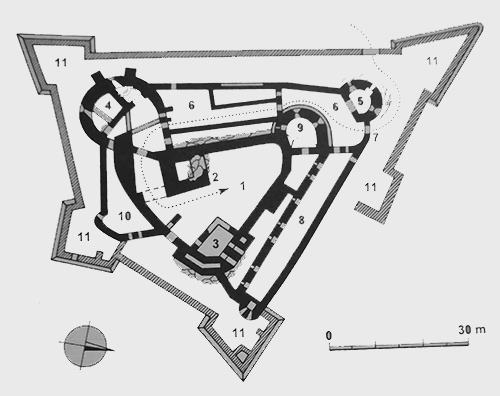
Legend to the ground plan
- 1 - upper castle
- 2 - tower
- 3 - palace
- 4 - large cannon bastion
- 5 - small cannon bastion
- 6 - western fort
- 7 - entrance gate
- 8 - northern defensive mezzanine
- 9 - cannon bastion
- 10 - southern fort
- 11 - star bastion fortification
Legenda k pôdorysu
- 1 - horný hrad
- 2 - veža
- 3 - palác
- 4 - veľká delová bašta
- 5 - malá delová bašta
- 6 - západné predhradie
- 7 - vstupná brána
- 8 - severné obranné medzimúrie
- 9 - delová bašta
- 10 - južné predhradie
- 11 - hviezdicové bastiónové opevnenie
History
Some sources attribute the founding of Jasenov Castle to the Gutkeled lords, to whom the documents of the Raškai and Butykai families refer. However, other sources state that the oldest part of Jasenov Castle was probably built by Master Peter, son of Petr Petény, at the turn of the 13th and 14th centuries. However, Peter then rebelled against the monarch and King Karol Róbert took away his property and donated it with the castle to the nobleman Filip Drugeth in 1317. In 1328, a year after Philip's death, the property was inherited by his nephew Viliam Drugeth. The Drugeths built a manor in Humenne at the end of the 14th century and began to use the surname de Hommonai.
When the Hungarian-Polish disputes subsided at the end of the 15th century, the threat of Ottoman aggression appeared, as well as political unrest after the extinction of the Jagiellonians. Gabriel Drugeth took advantage of this situation and started minting counterfeit coins at Jasenov Castle. The Drugeth line died out in 1610 after Gabriel, and the castle became the property of the second branch of the family. Later, the castle was acquired by Alžbeta Báthora's grandson - Ján Drugeth, who was appointed chief captain in 1635. In the anti-Habsburg uprising, Ján remained loyal to the monarch, and therefore in 1644 the insurgents of Juraj I. Rákóczi surrounded his castles and severely damaged Jasenov. The Drugeth family did not restore the destroyed castle, as at that time they were already completing the reconstruction of the Renaissance manor house in Humenné.
The castle belonged to the Csáky family in the 18th century and to the Andrássy family in the 19th century. At the end of the 19th to the beginning of the 20th century, it was partially preserved.
Niektoré zdroje pripisujú založenie hradu Jasenov pánom z rodu Gutkeled, na ktorých odkazujú písomnosti rodín Raškaiovcov a Butykaiovcov. Iné zdroje však uvádzajú, že najstaršiu časť hradu Jasenov dal pravdepodobne postaviť magister Peter, syn Petra Peténya, na prelome 13. a 14. storočia. Peter sa však potom vzbúril proti panovníkovi a kráľ Karol Róbert mu odobral majetky a daroval ich aj s hradom šľachticovi Filipovi Drugethovi v r. 1317. V r.1328, rok po Filipovej smrti, majetok zdedil jeho synovec Viliam Drugeth. Drugethovci si na konci 14. storočia postavili kúriu v Humennom a začali používať prídomok de Hommonai.
Keď na konci 15. storočia utíchli uhorsko-poľské spory, objavila sa hrozba osmanskej agresie a tiež aj politické nepokoje po vymretí Jagelovcov. Túto situáciu využil Gabriel Drugeth, ktorý na hrade Jasenov začal raziť falošné mince. Drugethovská línia vymrela v r.1610 po Gabrielovi a hrad sa dostal do vlastníctva druhej vetvy rodu. Neskôr hrad získal vnuk Alžbety Báthory - Ján Drugeth, ktorého v r.1635 vymenovali do funkcie hlavného kapitána. V protihabsburskom povstaní Ján zostal verný panovníkovi a preto v r.1644 povstalci Juraja I. Rákócziho obkľúčili jeho hrady a ťažko poškodili aj Jasenov. Drugethovci už zničený hrad neobnovili, keďže v tom období už dokončievali prestavbu renesančného kaštieľa v Humennom.
Hrad v 18. storočí patril Csákyovcom a v 19. storočí Andrássyovcom. Koncom 19. až začiatkom 20. storočia bol čiastočne konzervovaný.
Myths and legends
The rumor says
When Štefan Bocskaya's treasures were transported through Zemplín, Valentín Drugeth robbed the procession, seized 17 chariots and hid the loot, which also included two royal crowns, on Jasenov.
Castle lord monk
At the place below the castle, where the water from the stream once returned the beggar's gaze, a chapel grew up, where crowds of pious people gathered on Sundays. Only the lord of the castle, Drugeth, did not keep this day holy. One day, however, returning from the hunt, he fell from his horse by the chapel and broke his arm. In anger, he ordered the chapel to be demolished. However, his terrible pain only disappeared when he humbly returned to this miraculous place, where, out of gratitude for his healing, he had a monastery built and entered it himself as a pious monk.
Povráva sa
Keď cez Zemplín prevážali poklady Štefana Bocskaya, Valentín Drugeth prepadol sprievod, ukoristil 17 vozov a lup, v ktorom boli aj dve kráľovské koruny, ukryl na Jasenove.
Hradný pán mníchom
Na mieste pod hradom, kde kedysi voda z potôčika žobrákovi vrátila vyhasnutý zrak, vyrástla kaplnka, kde sa po nedeliach schádzali zástupy zbožného ľudu. Len hradný pán Drugeth nesvätil tento deň. Jedného dňa však, vracajúc sa z poľovačky, pri kaplnke spadol z koňa a zlomil si ruku. V hneve prikázal kaplnku zbúrať. Ukrutné bolesti sa mu však pominuli až vtedy, keď sa v pokore vrátil na toto zázračné miesto, kde z vďaky za uzdravenie dal postaviť kláštor a sám doň vstúpil ako zbožný mních.
Useful information
The ruin is freely accessible. The castle is undergoing reconstruction.
Zrúcanina je voľne prístupná. Na hrade prebieha rekonštrukcia.
Nearby castles