Bojnice castle
Bojnice Trenčín county Slovakia
castle, chateau
Bojnický zámok
Bojnice Trenčiansky kraj Slovakia
hrad, zámok
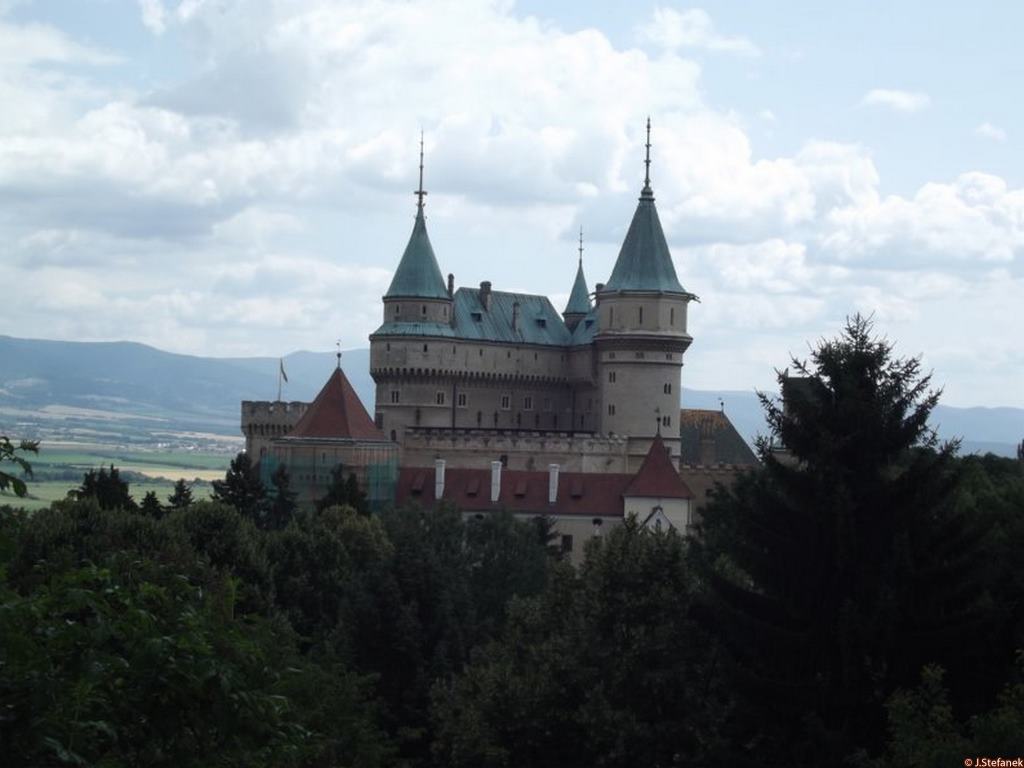
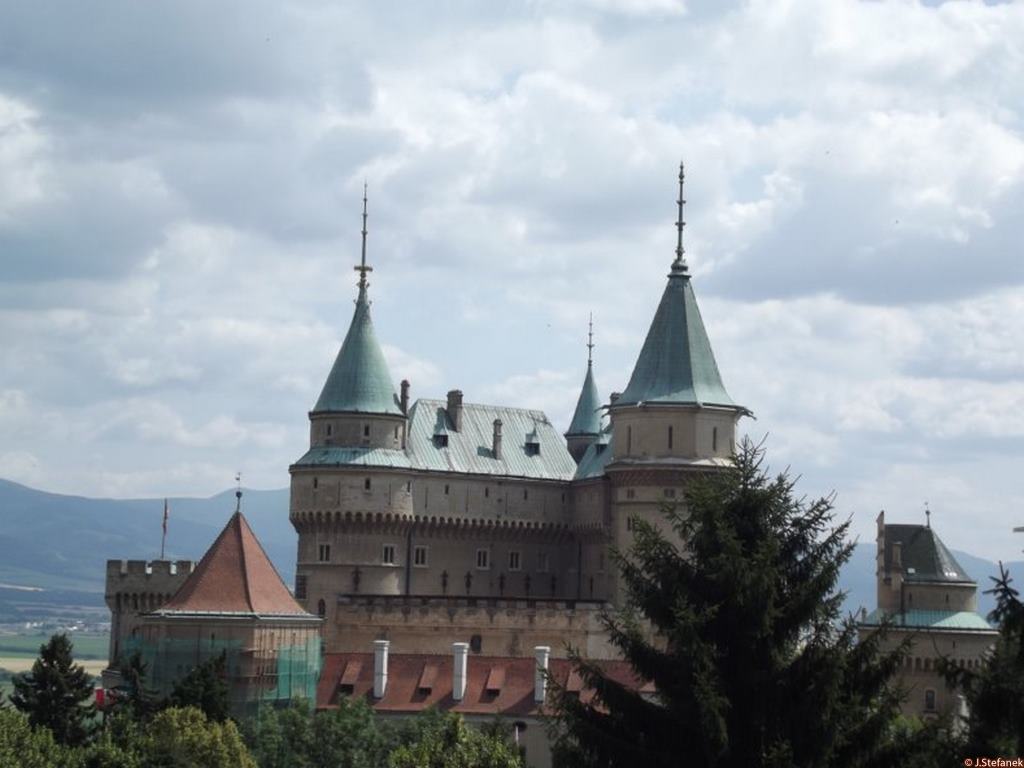
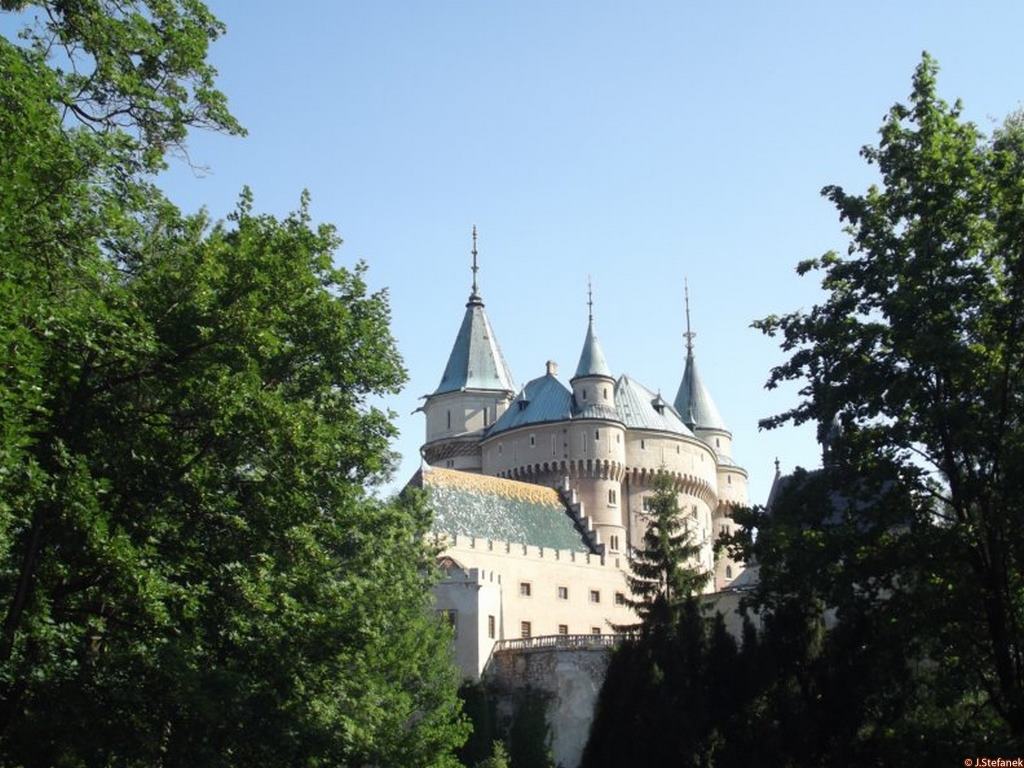
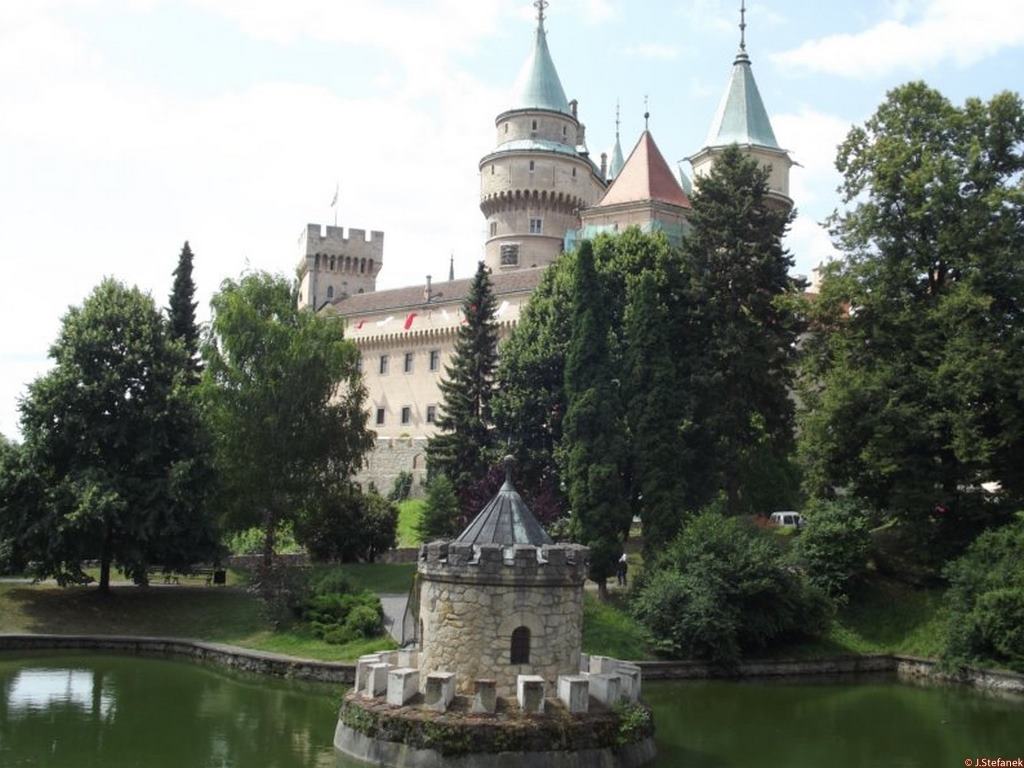
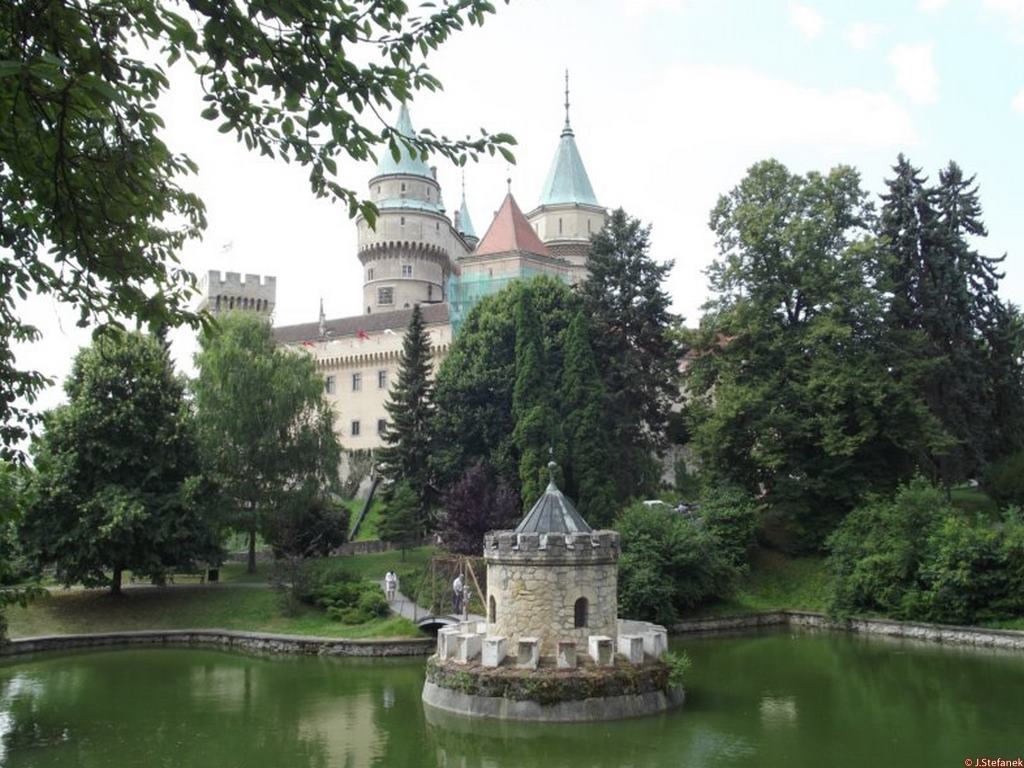
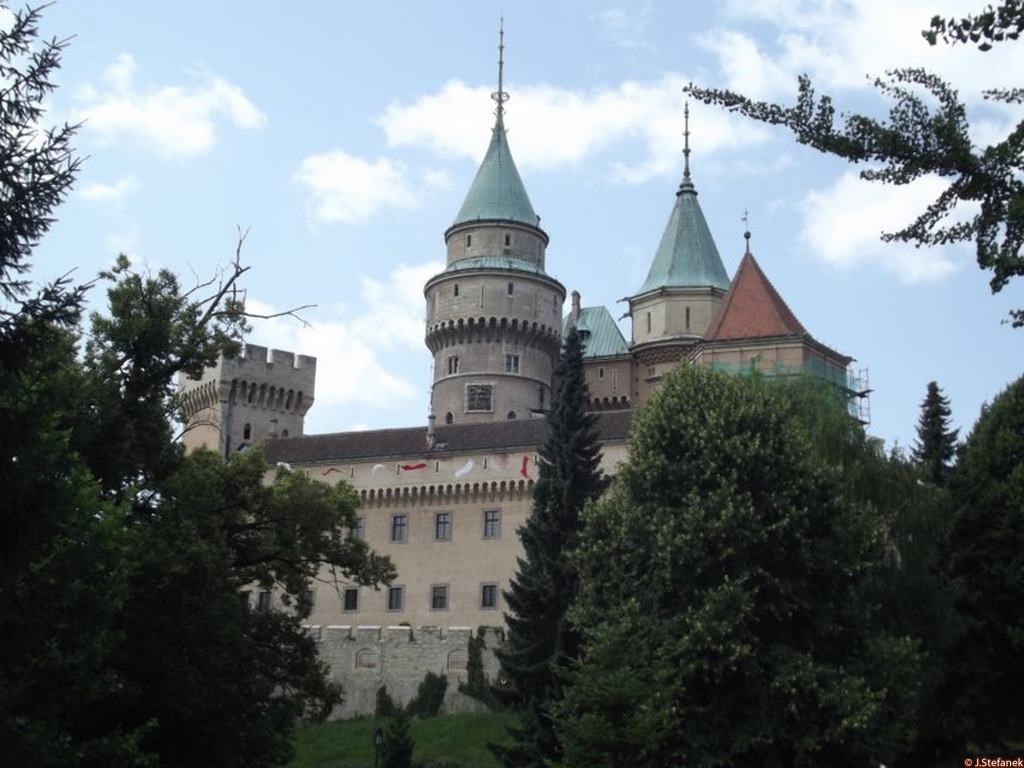
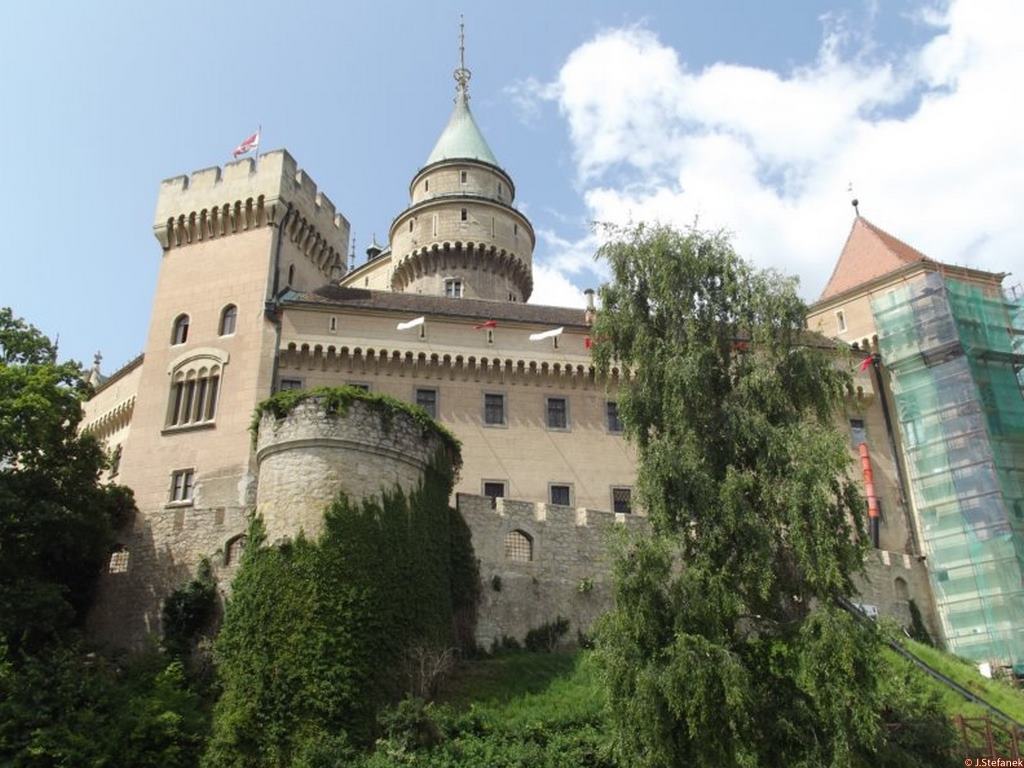
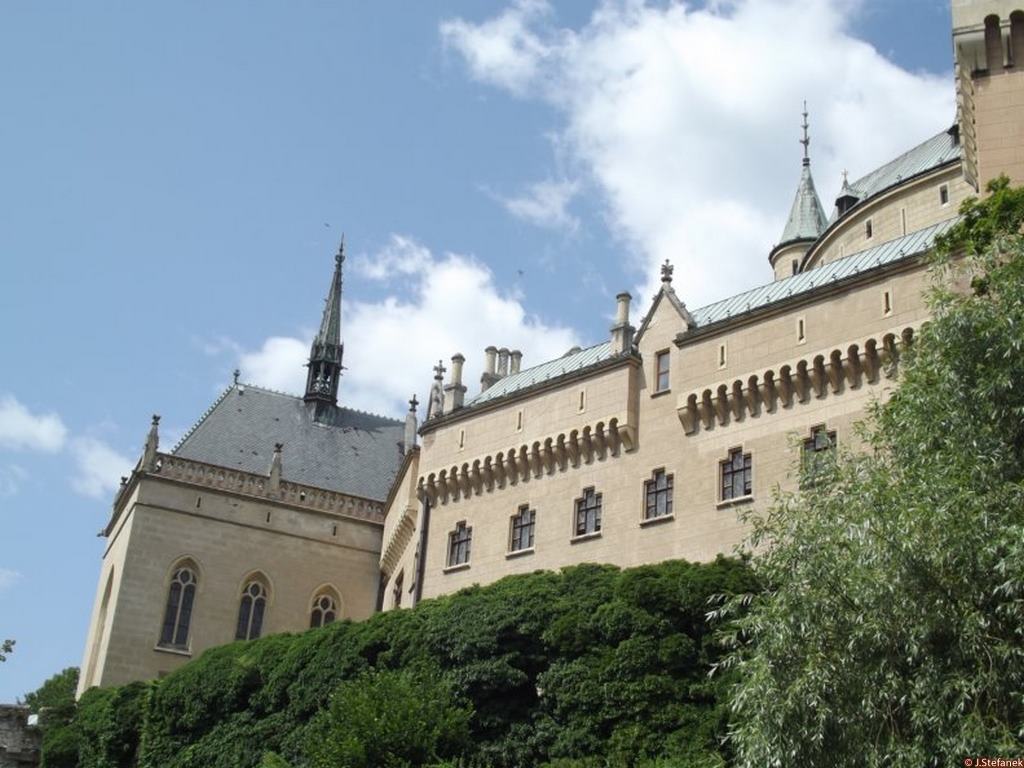
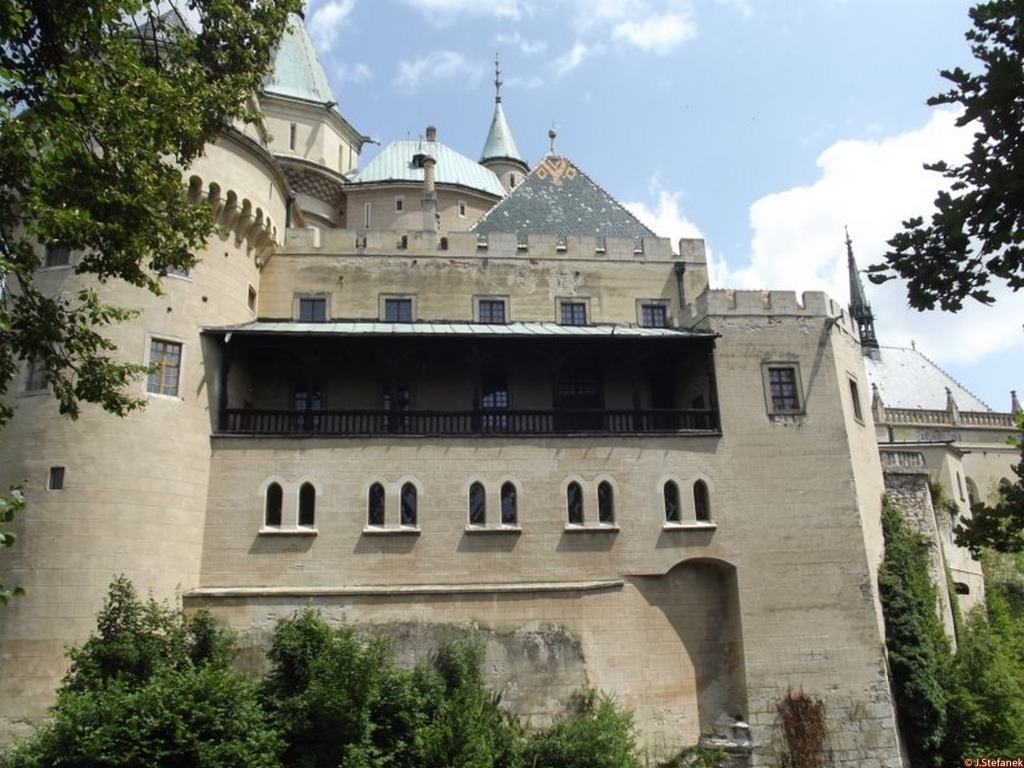
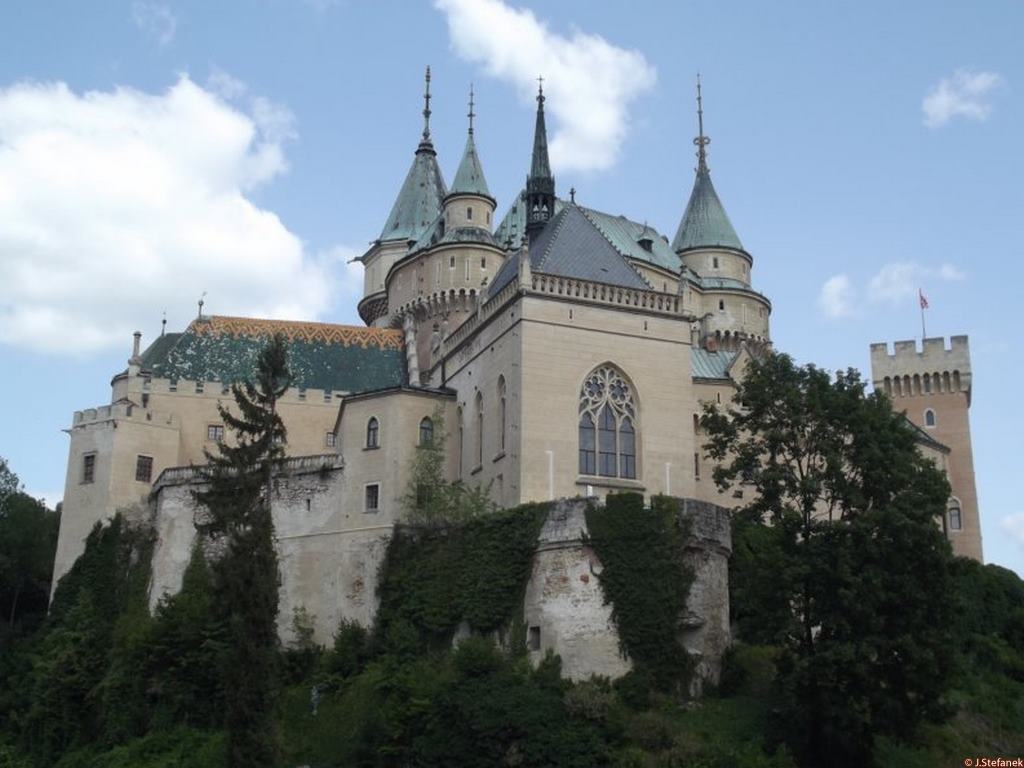
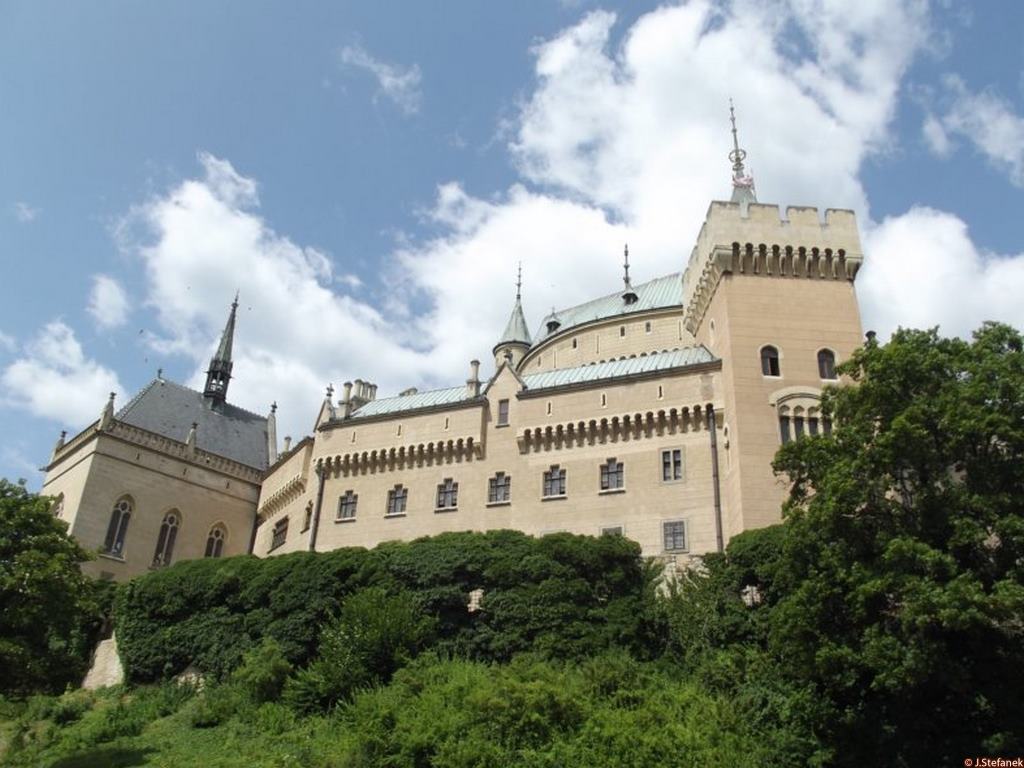
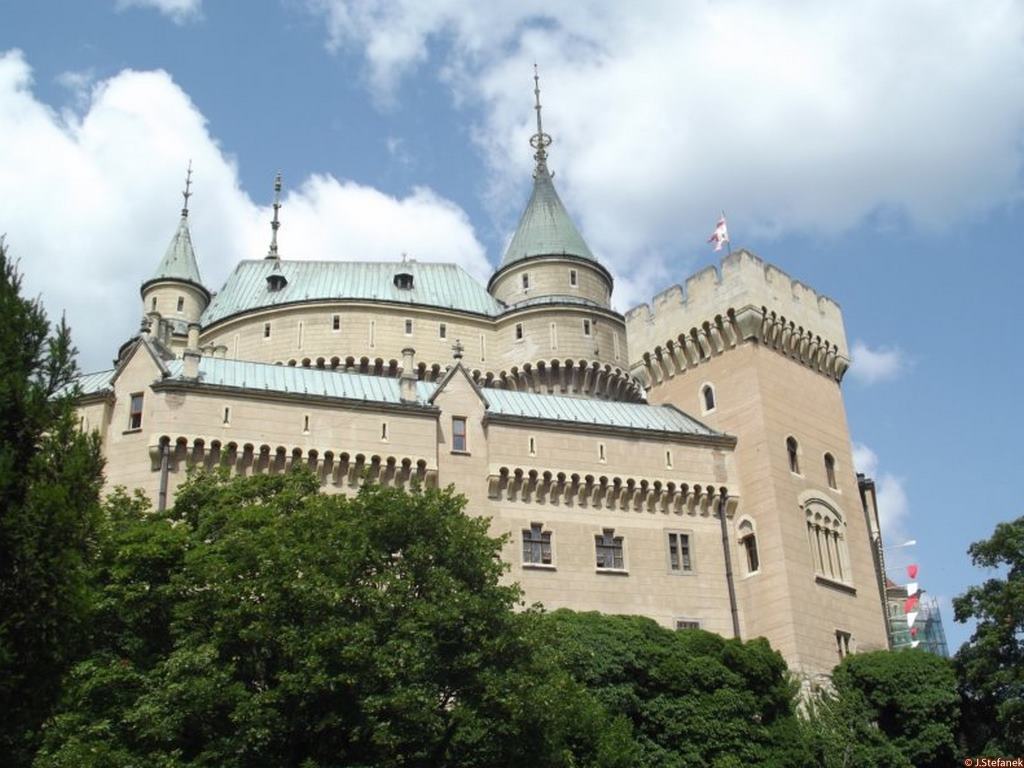
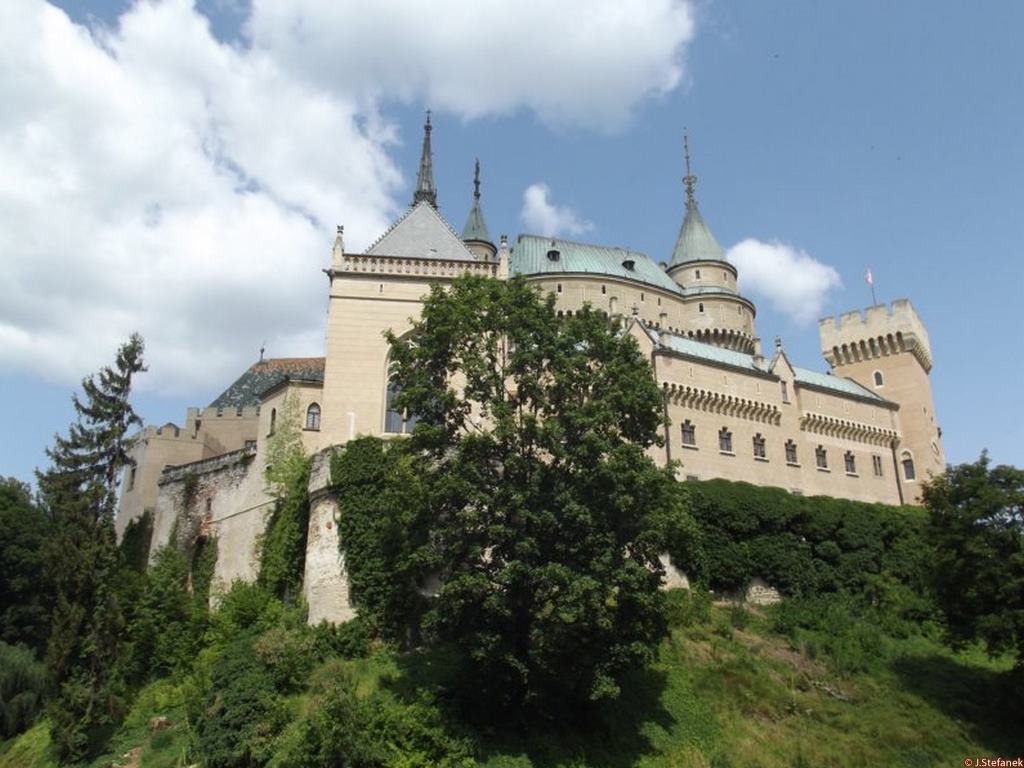
Romantic rebuilt castle, situated on the travertine hill of the Upper Nitra basin at the foot of the Strážov Hills, on the outskirts of the spa town of Bojnice
Romanticky prestavaný hrad, situovaný na travertínovej kope Hornonitrianskej kotliny pri úpätí Strážovských vrchov, na okraji kúpeľného mesta Bojnice.
Previous names
Baimoz, Waymich, Baymuch, Baymach, Boynicz, Bajmocz, Weintz, Bajmóc
Roads
Bojnice castle dominates in the town of Bojnice, access is quite simple. Whether we are coming from Prievidza or from Opatovce nad Nitrou, it is best to park in the large parking lot on the Kúpeľná Street. From here the castle is accessible by easy and short walk.The surroundings of the castle offer many attractions, the adjacent park with massive specimens of trees and a rare 700-year-old linden tree in front of the entrance to the castle. A part of the park is also a spacious zoological garden which contains many rare specimens of foreign fauna.
Bojnický zámok dominuje mestu Bojnice, prístup je úplne jednoduchý. Či už prichádzame od Prievidze alebo z Opatoviec nad Nitrou, najlepšie je zaparkovať na rozsiahlom centrálnom parkovisku na Kúpeľnej ulici, alebo na jednom z ďalších parkovísk okolo zámku. Odtiaľ je hrad dostupný ľahkou a krátkou prechádzkou.Okolie zámku ponúka mnoho atrakcií, priľahlý zámocký park s mohutnými exemplármi stromov a vzácnou zhruba 700 ročnou lipou pred vchodom do zámku. Súčasťou zámockého parku je aj priestranná zoologická záhrada sústreďujúca mnohé vzácne exempláre cudzokrajnej fauny.
Description
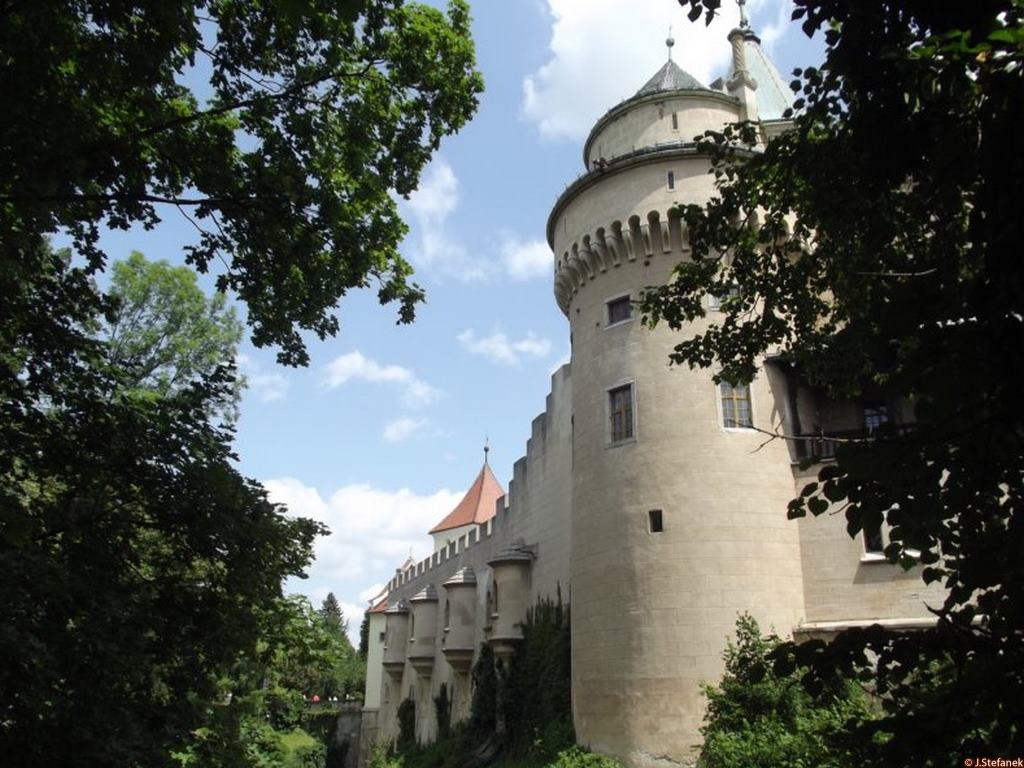
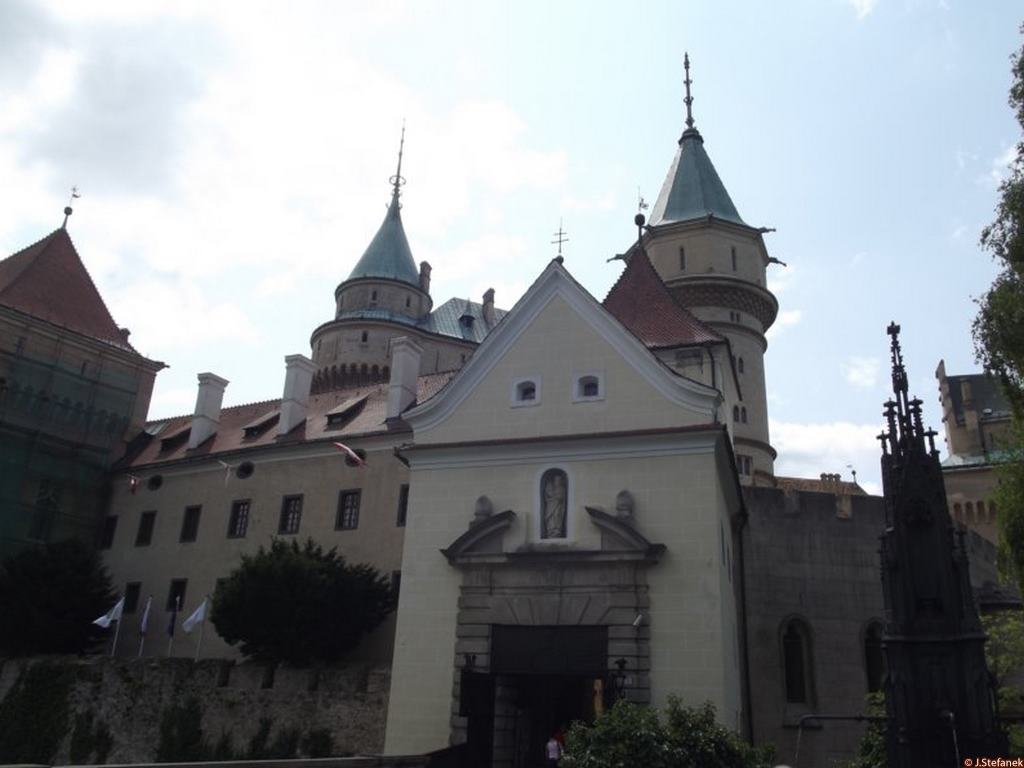
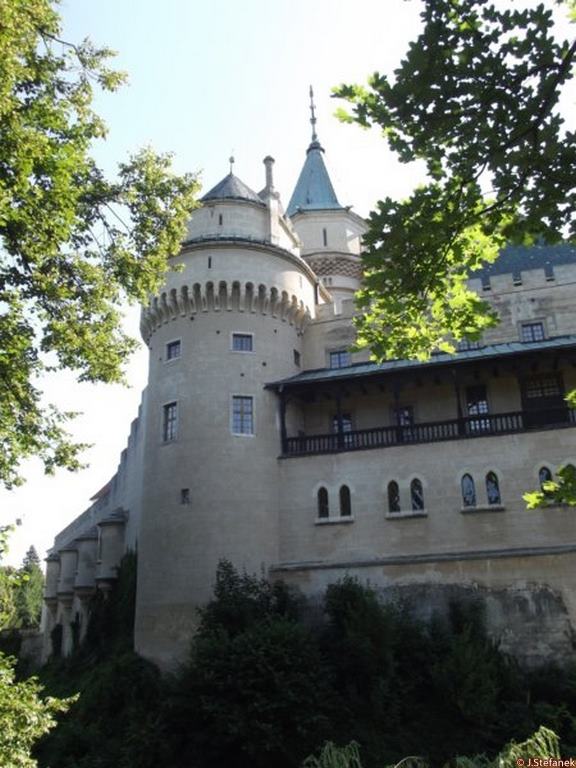
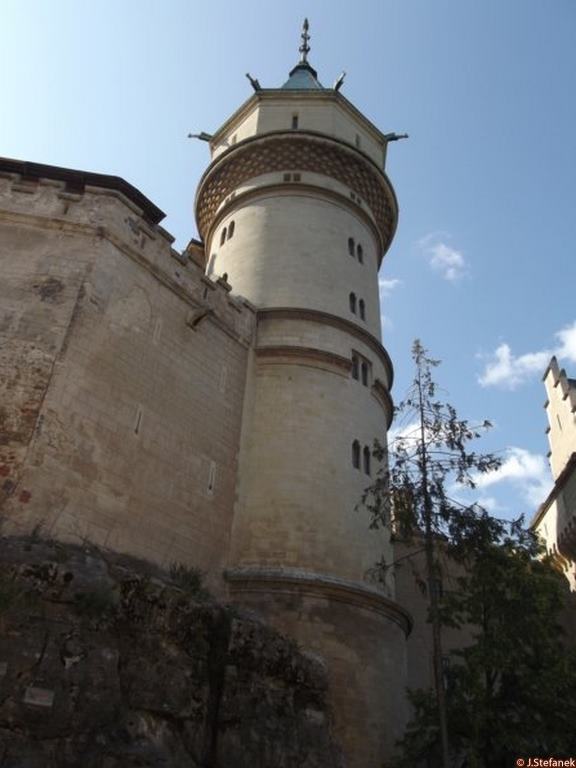
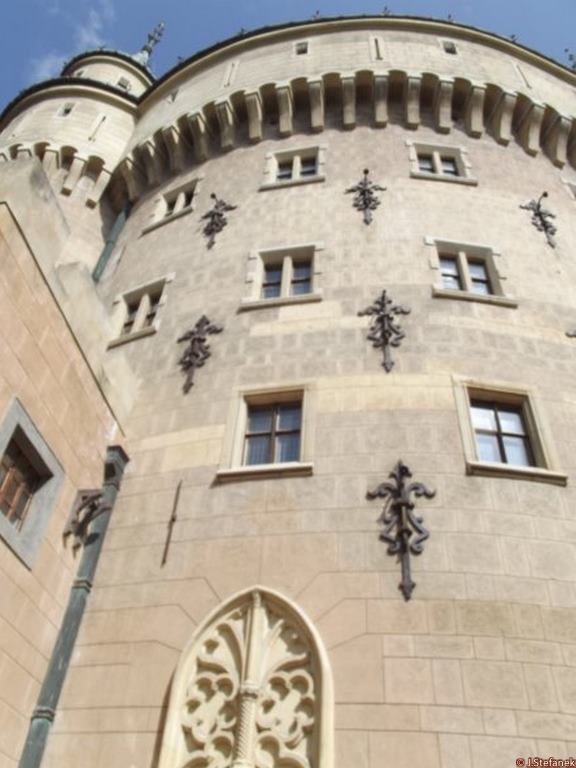
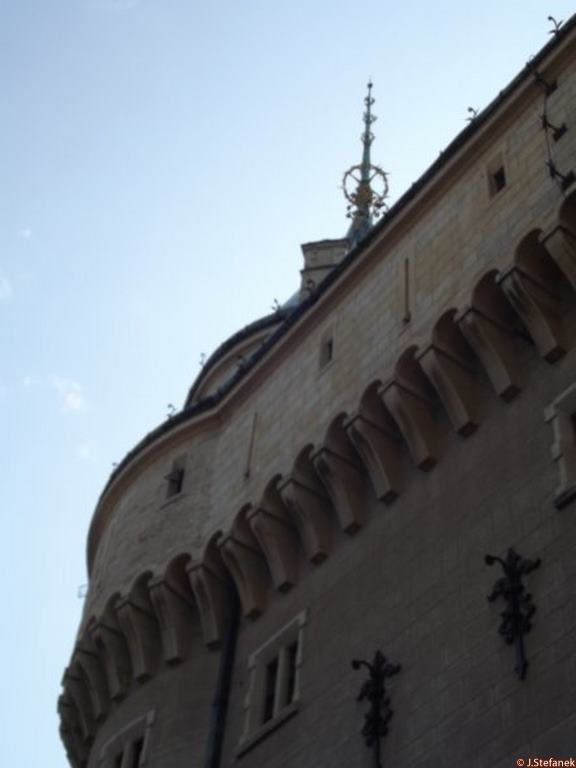
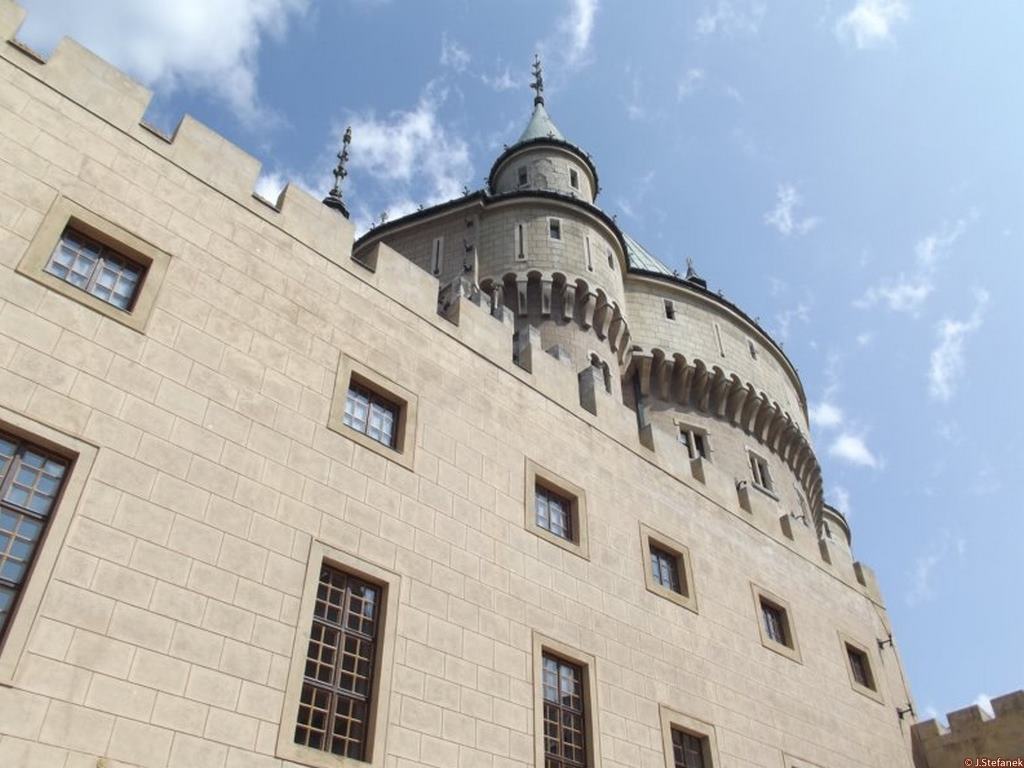
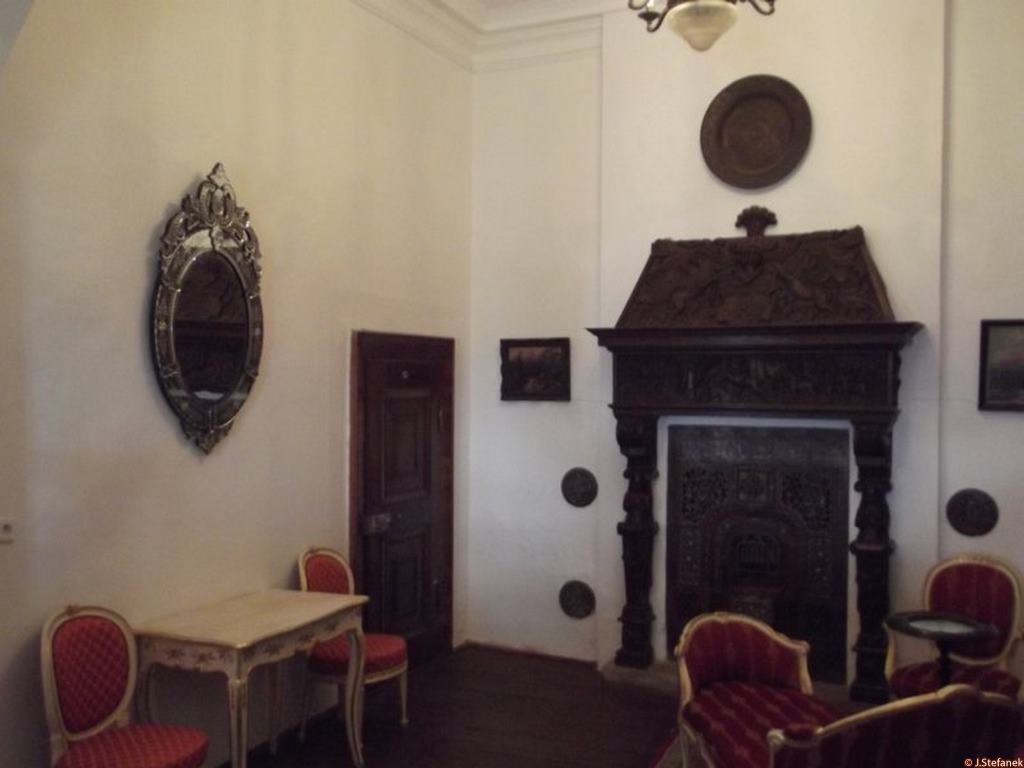
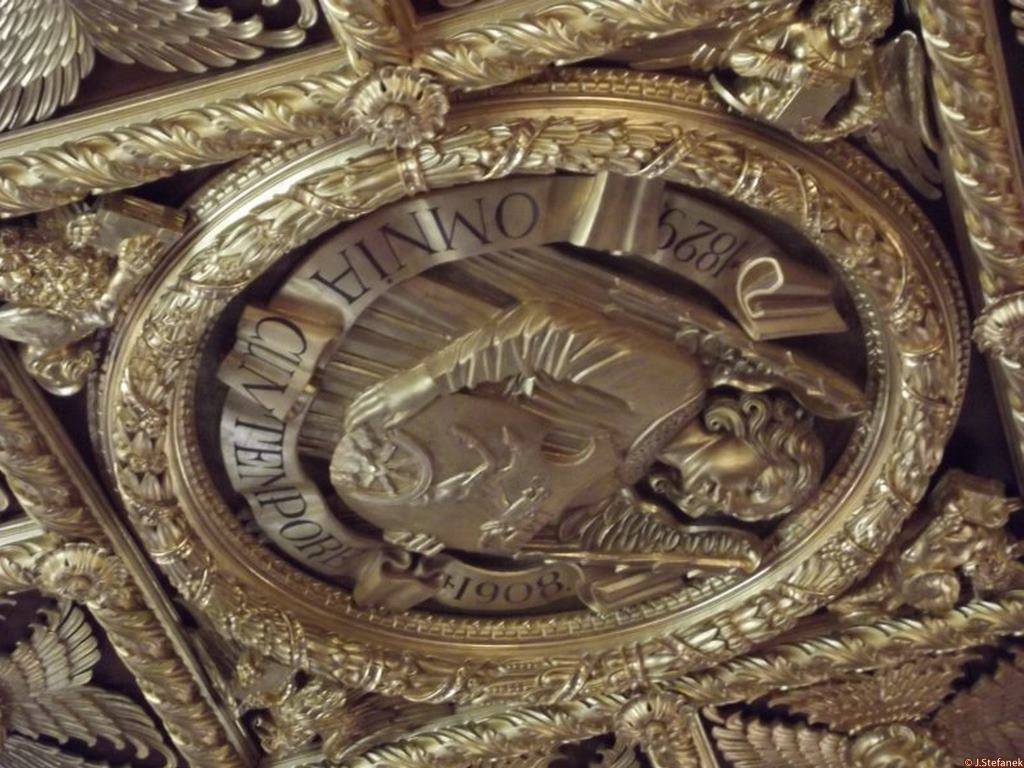
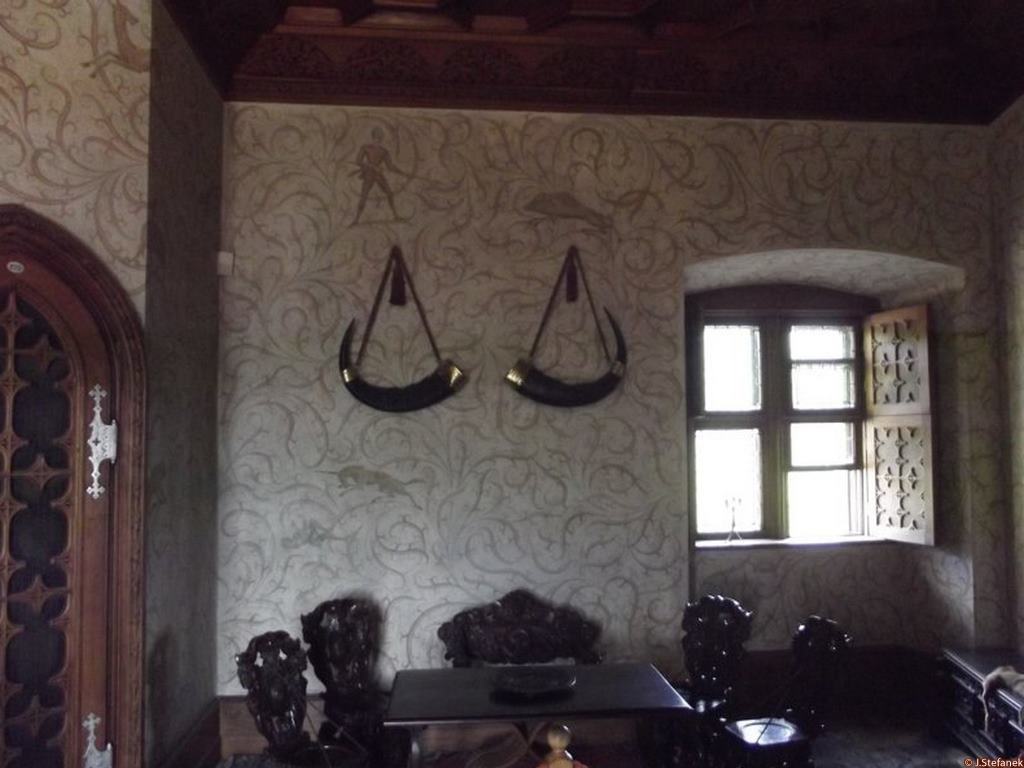
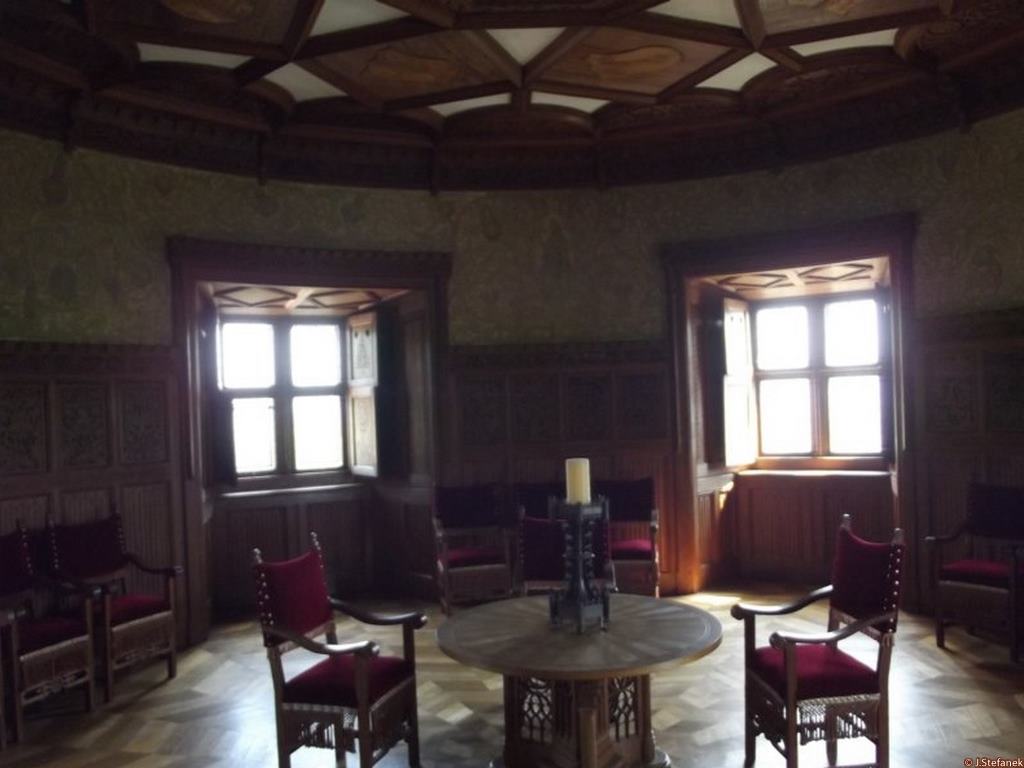
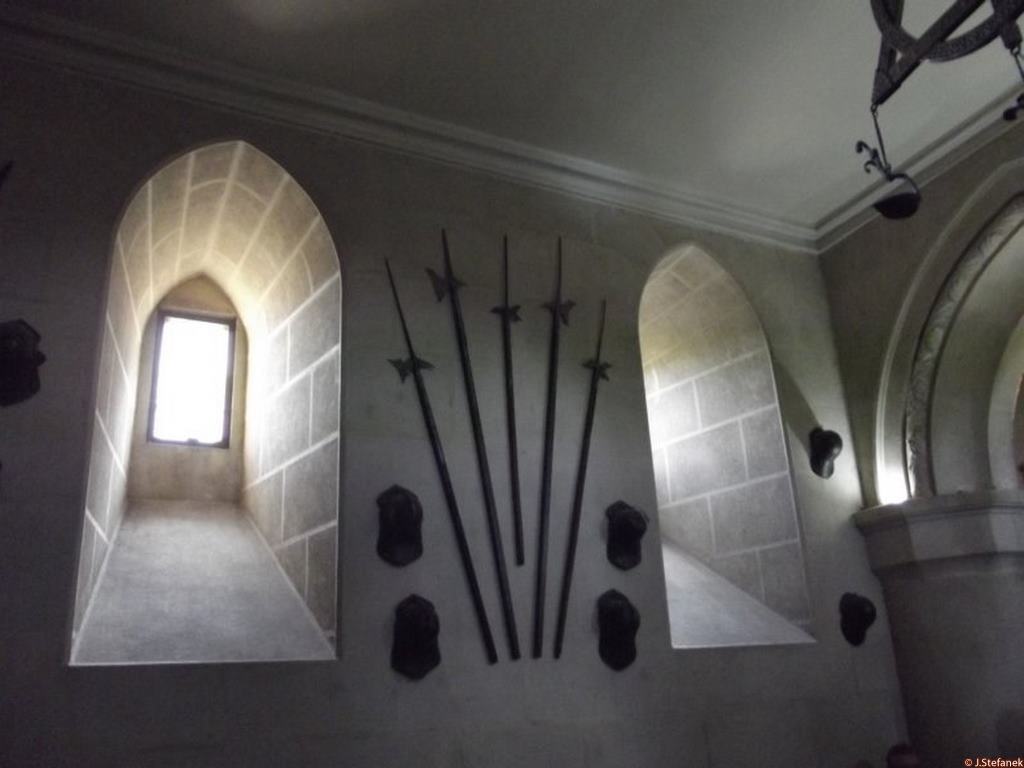
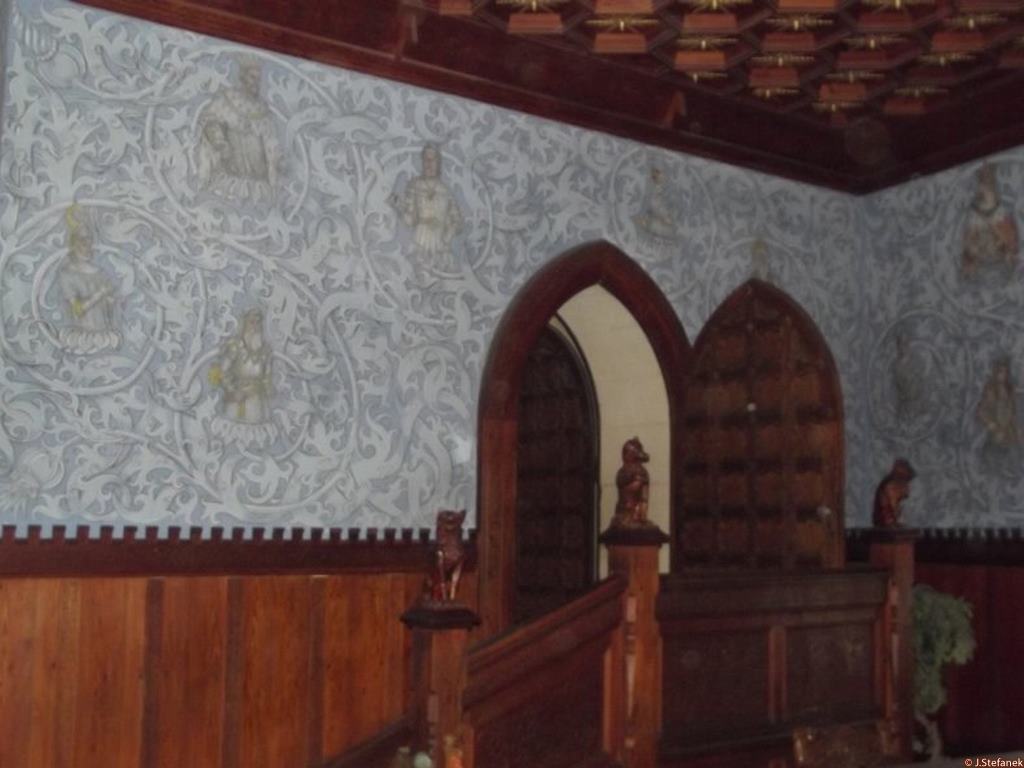
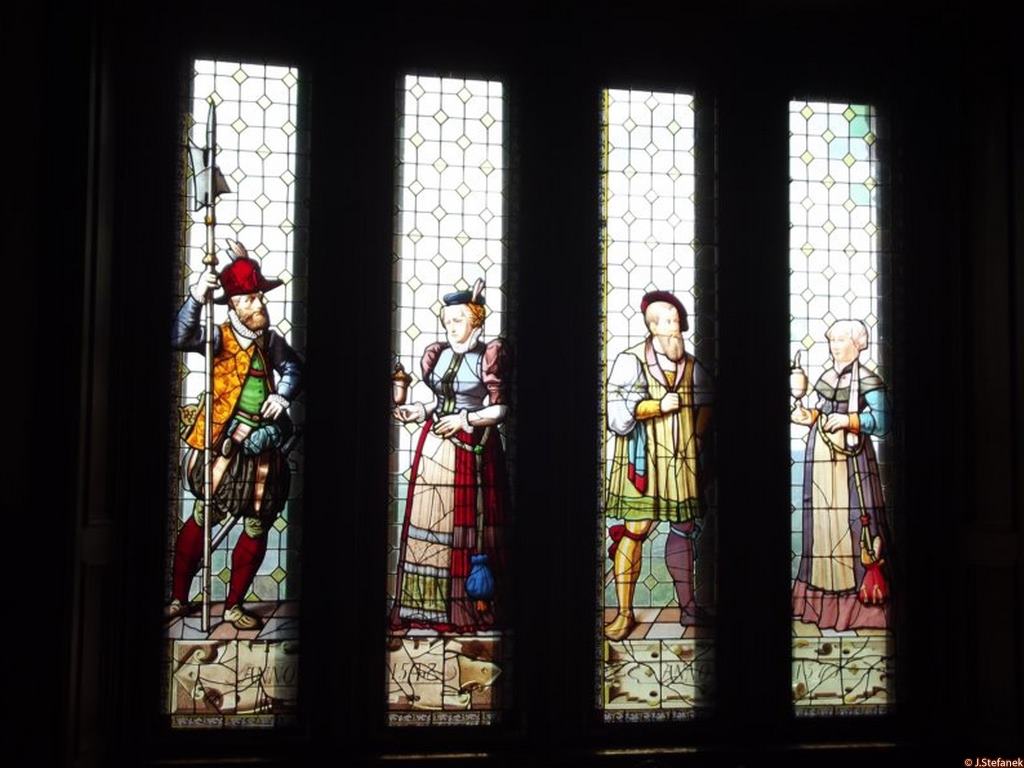
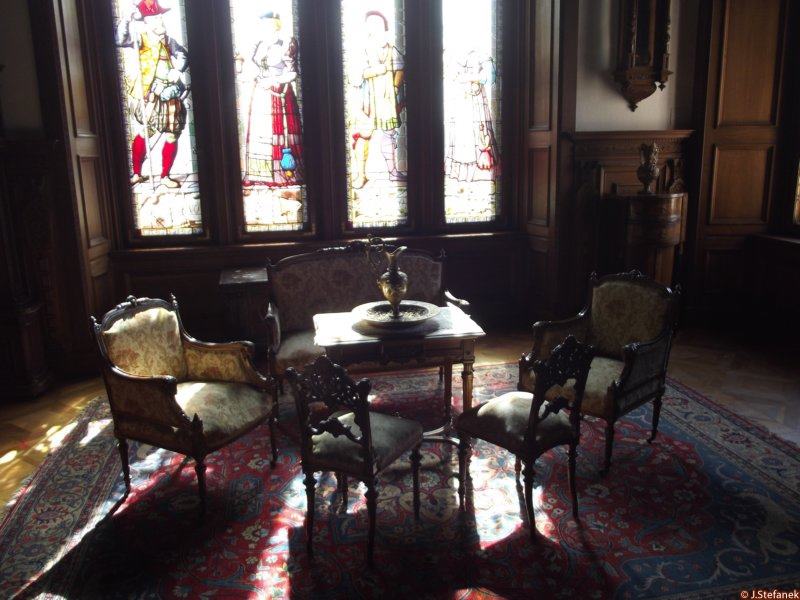
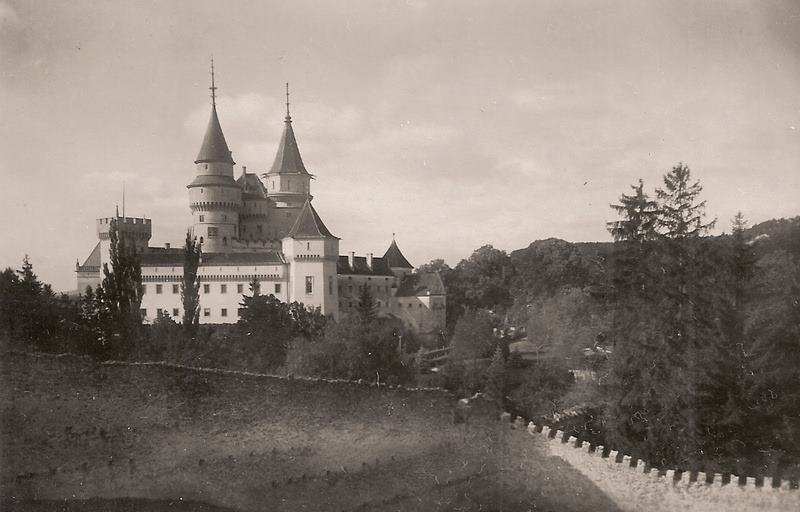
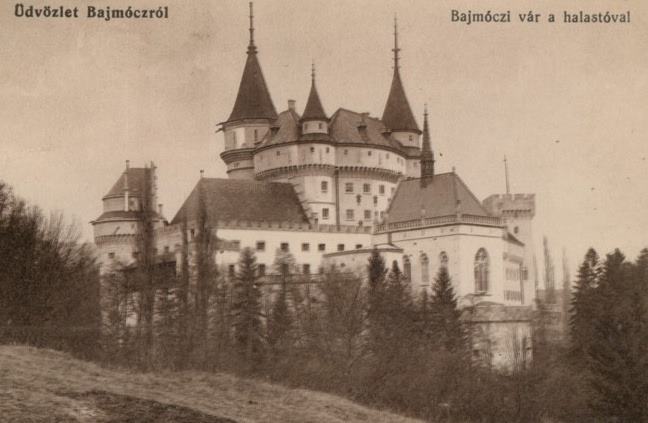
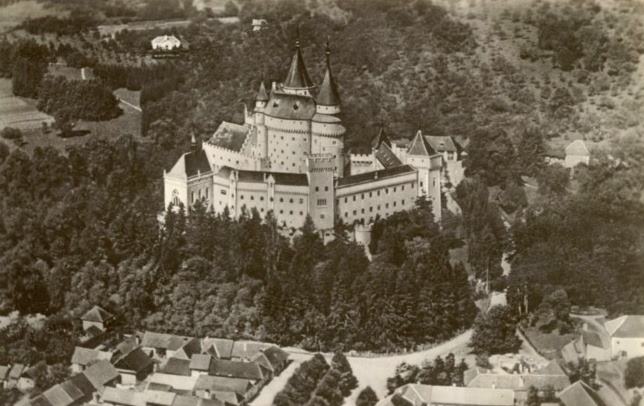
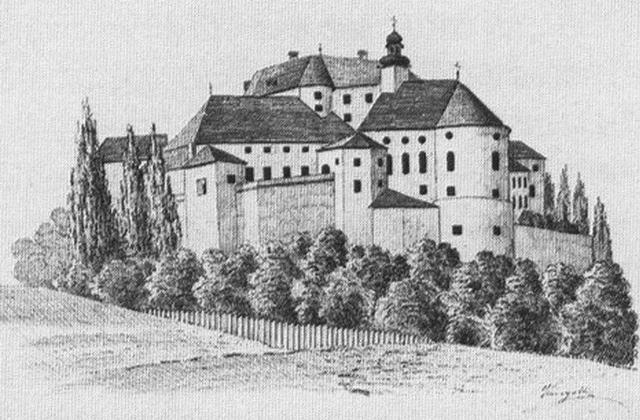
The castle area is surrounded by a moat. The form and extent of the early medieval castle are unknown, because its structures were modified during the later construction activity. This is one of the reasons why the remains of the high medieval stone castle from the 13th to the 14th century in the form of a perimeter wall and a part of the younger palace were uncovered only during research in 1994. The wall ended with a crenellation defined the area of the castle core of an oval ground plan, situated at the top of the hoop, while the palace annexed to the wall in the east retained only the northern wall with the entrance portal. To date, the best preserved is the northern prism tower with the passage of the main entrance gate and the second prism tower in the east, oriented towards the settlement below castle.The last builder was the Pálffy family. Similarly to other buildings in the country, they started a significant early baroque building activity, which was later respected by later reconstructions and alterations due to its high artistic value. Most of the castle's buildings gained a neo-gothic appearance with a new plastering block and a defensive items, while the interior was romantically and fundamentally rebuilt. The sudden death of Pállfy caused that the overall intent of the reconstruction was not completed, so the northern flank and the adjacent gate tower have kept its older baroque appearance.The concept of romantic reconstruction of the castle was also applied in the interiors of the building, according to the romantic ideas based on the medieval atmosphere of the 19th century. There are ensembles of neo-gothic style furnishings, salons, bedrooms, various rooms as well as older historical spaces, which complete the historical furniture, paintings and objects of handicrafts.
Areál hradu na úpätí obkolesuje obvodová priekopa. Podoba a rozsah ranostredovekého hradu sú neznáme, lebo jeho konštrukcie boli upravené počas neskoršej stavebnej činnosti. Aj preto boli zvyšky vrcholnostredovekého kamenného hradu z 13.-14.storočia v podobe obvodovej hradby a časti mladšieho paláca odkryté až pri výskumoch v r.1994. Hradba zakončená cimburím vymedzovala areál hradného jadra oválneho pôdorysu, situovaného na vrchole kopy, pričom k hradbe pristavaný palác na východe si zachoval len severnú stenu so vstupným portálom. Dodnes sa najlepšie zachovala severná hranolová veža s prejazdom hlavnej vstupnej brány a druhá hranolová veža na východe, orientovaná k podhradskej osade.Posledným staviteľom bol rod Pálffy. Podobne ako aj na ostatných svojich stavbách v krajine, začali s výraznou ranobarokovou stavebnou činnosťou, ktorú pre jej vysokú umeleckú hodnotu rešpektovali aj neskoršie prestavby a úpravy. Väčšina objektov hradu získala neogotickú podobu s novým omietkovým kvádrovaním a obranným podsebitím, pričom romanticky a zásadne prestavali aj interiér. Náhla Pállfyho smrť zapríčinila, že celkový zámer prestavby nebol ukončený, a tak si severné krídlo predhradia a priľahlá bránová veža s predbráním dodnes zachovali svoj starší barokový výzor.Koncepcia romantickej prestavby hradu sa uplatnila aj v interiéroch objektu, ktoré zariadili podľa romantických predstáv 19.storočia o stredovekej atmosfére. Nachádzajú sa tu súbory neogotického slohového zariadenia, salóny, spálne, rôzne miestnosti ako aj staršie historické priestory, ktoré dotvára historický nábytok, obrazy a predmety umeleckého remesla.
Plan
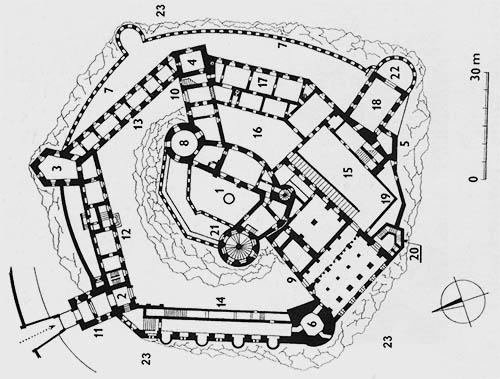
Legend to the ground plan
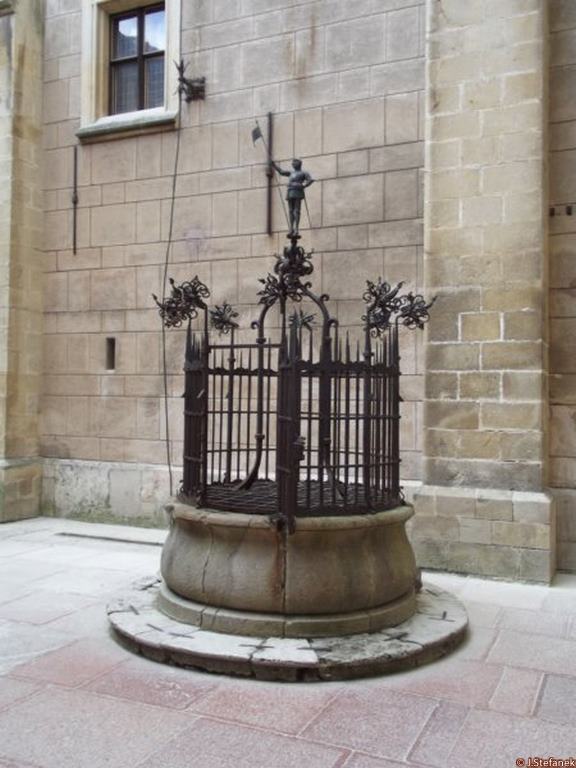
- 1 - courtyard of the upper castle with a cistern
- 2 - entrance tower
- 3 - large pentagonal tower
- 4 - prismatic tower
- 5 - sacristy
- 6 - semicircular tower
- 7 - fence wall
- 8 - cylindrical tower of the upper castle
- 9.10 - transverse through wings of the lower castle
- 11 - forecourt
- 12
- 13 - residential tracts of the fort
- 14 - neo-Gothic gallery
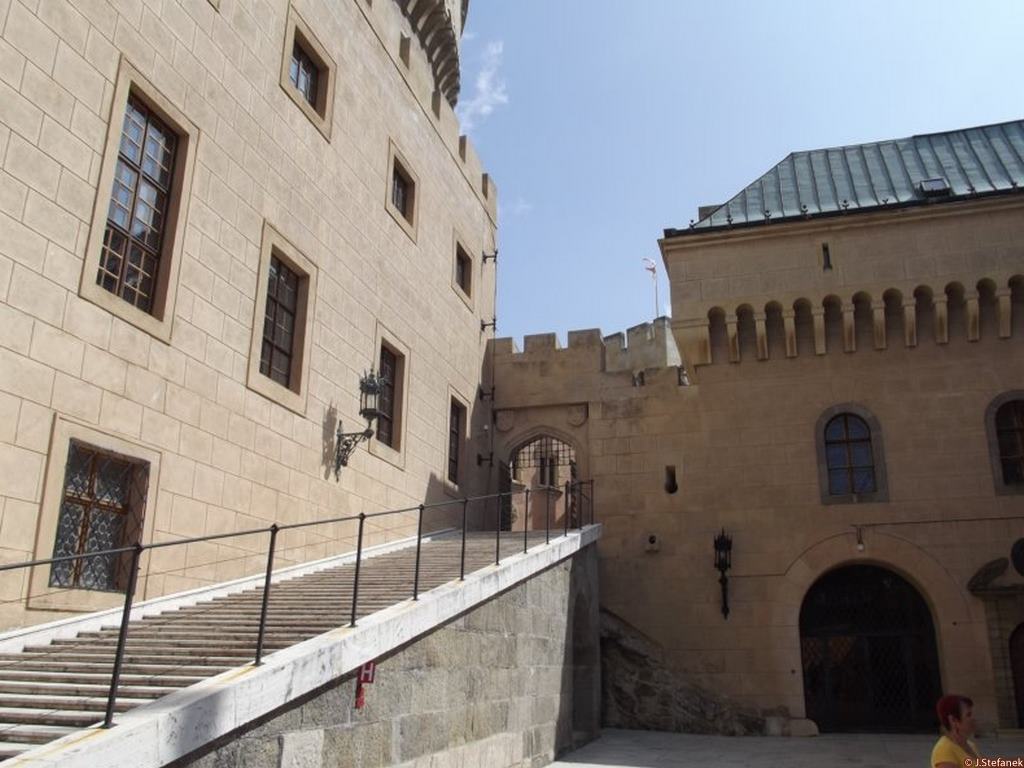
- 15 - second courtyard with riding staircase
- 16 - third courtyard
- 17 - county apartment
- 18 - chapel
- 19 - terrace with balustrade
- 20 - baroque gazebo
- 21 - neo-Gothic stair tower
- 22 - parka bastion
- 23 - moat
Legenda k pôdorysu
- 1 - nádvorie horného hradu s cisternou
- 2 - vstupná veža
- 3 - veľká päťboká veža
- 4 - hranolová veža
- 5 - sakristia
- 6 - polkruhová veža
- 7 - parkanový múr
- 8 - valcová veža horného hradu
- 9
- 10 - priečne priechodné krídla dolného hradu
- 11 - predbránie
- 12
- 13 - obytné trakty predhradia
- 14 - neogotická galéria
- 15 - druhé nádvorie s jazdeckým schodišťom
- 16 - tretie nádvorie
- 17 - grófsky byt
- 18 - kaplnka
- 19 - terasa s balustrádou
- 20 - barokový altánok
- 21 - neogotická schodisková veža
- 22 - parkanová bašta
- 23 - priekopa
History
Bojnice Castle is one of the oldest and most important monuments in Slovakia. It stands on a travertine hill above the city. It was originally a wooden castle and evolved from an older fortified settlement. The first written mention of the castle is from 1113 in a document of the Zobor abbey. It is believed that the castle was built by Kazimir shortly after the Tatar invasion. In 1299, Matúš Čák took it from the sons of Kazimír from the Bzovice branch of the Hont-Pázmány family. After Čák's death in 1321, the castle remained in the hands of the king, but in 1393 it was already in the possession of the lords of Jelšava, and the aristocratic families - Gileth, Leustach, Noffry - took over as other owners. During their ownership, the castle resisted the attack of the Hussites.
In 1489, King Matej Korvín donated the Bojnice castle together with the manor to his illegitimate son Ján Korvín. After the death of King Matej, the castle was seized by Zápoľský's troops and headed by Štefan Zápoľský until 1526. In 1527, King Ferdinand I. donated the castle to Alexej Thurzo. Thurzo modified the castle and rebuilt it into a comfortable Renaissance mansion. The original Gothic castle thus acquired the character of a Renaissance chateau with equally tall residential buildings grouped around the inner courtyard.
After the extinction of the Thurzo family (in 1636), the castle again belonged to the crown. A year later in 1637, Emperor Ferdinand III. gave Bojnice estate to Pavel Pálffy in advance for two hundred thousand gold. In 1643, the Pálffy family inherited Bojnice Castle. In Bojnice, the construction industry took over again and the castle got a baroque appearance. Construction activity at the castle subsided at the end of the 17th century. Its appearance did not change significantly during the 18th and 19th centuries. After a long period of stagnation and decline, the Bojnice estate with the castle was acquired in 1852 by its last aristocratic owner - Count Ján František Pálffy. Count Pálffy decided to rebuild the castle into a romantic chateau. He used French Gothic castles from the Loire Valley, the Pontifical Palace in Avignon, Gothic Tyrolean castles and early Renaissance Italian architecture as examples. The architect of the neo-Gothic reconstruction was Jozef Hubert. But the architect apparently became only an instrument in the hands of his customer with a highly refined artistic taste. Pálffy himself drew, designed and directed all the work. This last neo-Gothic reconstruction lasted 22 years (1889 - 1910).
Count Pálffy did not live to see its full completion, he died in Vienna on June 2, 1908 as an old bachelor. Because he had no direct heirs, disputes over relatives over inheritance broke out soon after his death. In 1923, a friendly agreement was concluded between the heirs of Count Pálffy and the Czech-Slovak state, in which collections were determined that will not be the subject of auctions. Auctions of Count Pálffy's art collections took place between 1924 and 1926.
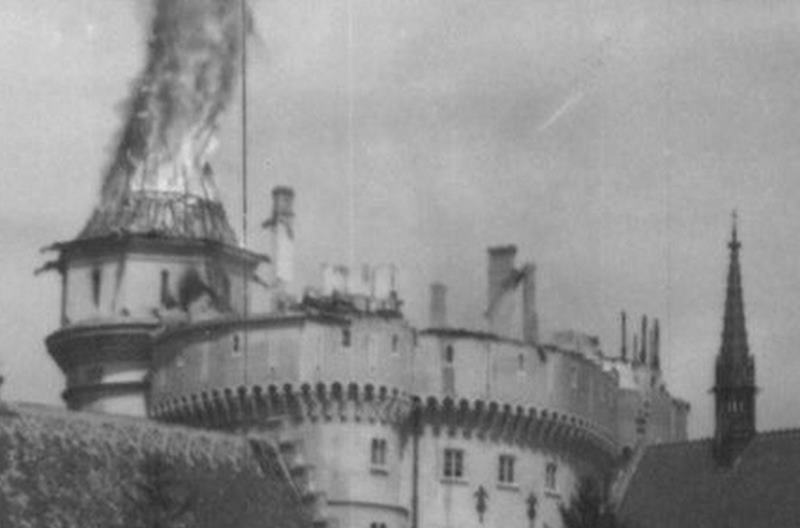
In 1939, the chateau and the land belonging to it were bought by the Baťa company. After the war, on the basis of Beneš's decrees, her property fell to the state. Five years later, on May 9, 1950, the castle burned down. At the expense of the state, the consequences of the fire were removed and the complete restoration of the castle was carried out. A cave was also discovered under the castle in the 1950s. At the same time, it was decided that a museum would be established here, which is part of the Slovak National Museum. The castle was declared a National Cultural Monument in 1970. 42 years after the death of Ján František Pálffy, his wish for the chateau to become a public museum was fulfilled.
Bojnický zámok patrí k najstarším a najvýznamnejším pamiatkam na Slovensku. Stojí na travertínovej kope nad mestom. Pôvodne bol hradom dreveným a vyvinul sa zo staršieho hradiska. Prvá písomná zmienka o hrade je z roku 1113 v listine zoborského opátstva. Predpokladá sa, že hrad dal postaviť Kazimír krátko po tatárskom vpáde. V roku 1299 ho od synov Kazimíra zo bzovíckej vetvy Hont-Pázmányovcov zabral Matúš Čák. Po Čákovej smrti v r.1321 hrad zostal v rukách kráľa, ale v r.1393 sa už nachádza v držbe pánov z Jelšavy a ako ďalší majitelia sa vystriedali šľachtické rody - Gilethovci, Leustachovci, Noffryovci. Počas ich vlastníctva odolal hrad útokom husitov.
V roku 1489 kráľ Matej Korvín daroval bojnický hrad spolu s panstvom svojmu nemanželskému synovi Jánovi Korvínovi. Po smrti kráľa Mateja sa hradu zmocnili Zápoľského vojská a na čele so Štefanom Zápoľským ho obývali až do roku 1526. V roku 1527 daroval kráľ Ferdinand I. hrad Alexejovi Turzovi. Turzovci hrad upravili a prestavali na pohodlné renesančné sídlo. Pôvodný gotický hrad dostal takto charakter renesančného zámku s rovnako vysokými obytnými budovami zoskupenými okolo vnútorného nádvoria.
Po vymretí rodu Turzovcov (v roku 1636) hrad opäť pripadol korune. O rok neskôr v roku 1637 dal cisár Ferdinand III. bojnické panstvo Pavlovi Pálffymu do zálohy za dvestotisíc zlatých. V roku 1643 dostali Pálffyovci Bojnický hrad do dedičnej držby. V Bojniciach znovu zavládol stavebný ruch a hrad dostal barokovú podobu. Stavebná aktivita na hrade utíchla koncom 17. storočia. Jeho podoba sa v priebehu 18. a 19. storočia podstatne nezmenila. Po dlhšom období stagnácie a úpadku získal bojnické panstvo s hradom v roku 1852 jeho posledný šľachtický majiteľ - gróf Ján František Pálffy. Gróf Pálffy sa rozhodol prestavať hrad na romantický zámok. Ako vzor použil francúzske gotické hrady z údolia rieky Loiry, pápežský palác v Avignone, gotické tirolské hrady i ranú renesančnú taliansku architektúru. Architektom neogotickej prestavby bol Jozef Hubert. No architekt sa zjavne stal iba nástrojom v rukách svojho zákazníka s vysoko vycibreným umeleckým vkusom. Sám Pálffy kreslil, navrhoval a riadil všetky práce. Táto posledná neogotická prestavba trvala 22 rokov (1889 - 1910).
Gróf Pálffy sa jej úplného dokončenia nedožil, zomrel vo Viedni 2.júna 1908 ako starý mládenec. Pretože nemal priamych dedičov, čoskoro po jeho smrti vypukli spory medzi príbuznými o dedičstvo. V roku 1923 bola uzavretá priateľská dohoda medzi dedičmi grófa Pálffyho a česko-slovenským štátom, v ktorej boli určené zbierky, ktoré nebudú predmetom dražieb. Dražby umeleckých zbierok grófa Pálffyho sa uskutočnili v rokoch 1924 - 1926.
V roku 1939 zámok a pozemky k nemu patriace kúpila firma Baťa. Po vojne, na základe Benešových dekrétov pripadol jej majetok štátu. O päť rokov neskôr, dňa 9. mája 1950 zámok vyhorel. Na náklady štátu sa odstránili následky požiaru a previedla sa celková obnova zámku. V päťdesiatych rokoch bola tiež objavená pod zámkom jaskyňa. Súčasne sa rozhodlo, že tu bude zriadené múzeum, ktoré je súčasťou Slovenského národného múzea. Zámok bol v roku 1970 vyhlásený za Národnú kultúrnu pamiatku. 42 rokov po smrti Jána Františka Pálffyho sa teda splnilo jeho prianie, aby sa zo zámku stalo múzeum prístupné verejnosti.
Myths and legends
The rumor says
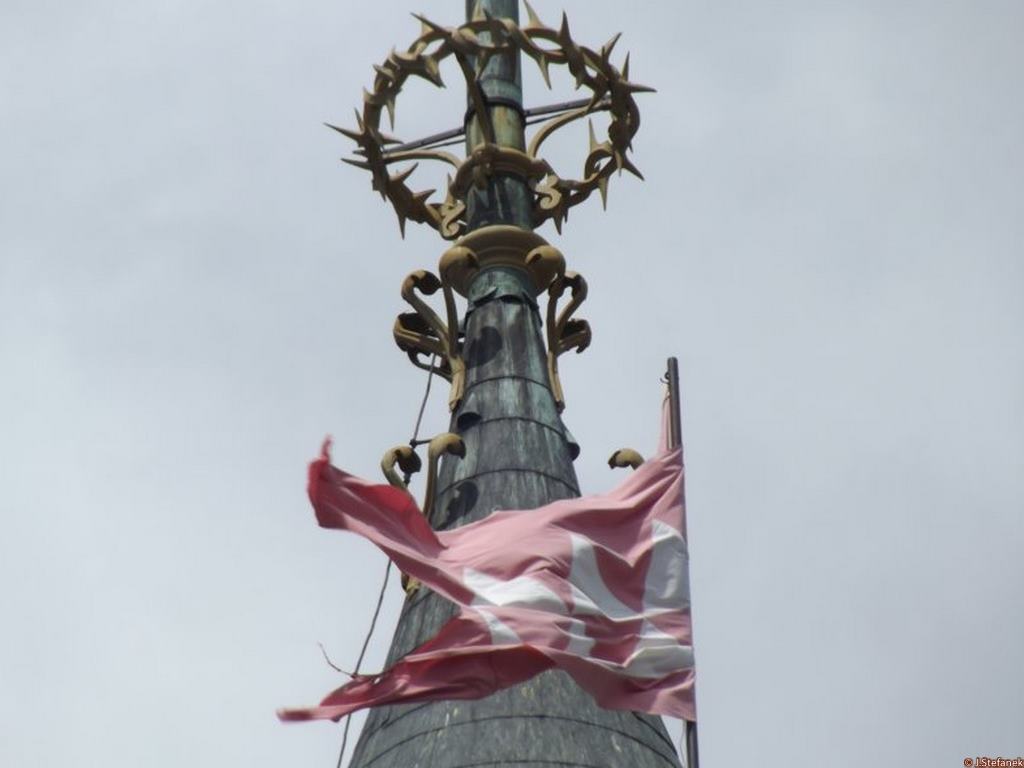
Count Pálffy, enchanted by a young noblewoman from a French chateau, prepared housing for her on his estate, similar to her birthplace. The parents did not give their daughter to a foreigner, and the ruined lover remembered his love by a restored castle, on top of a tower with a wreath similar to a crown of thorns.
Rumor of a black lady
The Reverend Lord lived in Bojnice Castle with his faithful and devoted wife, whom people said was an embodied angel. Everyone who came to her found peace and help with her until the fateful moment came and anger reigned in the castle. The young man returned from the long war after some time, and his relatives told him lies. While he was on the battlefield, his mistress had fun with foreign knights and wandered with them all night. The innocent woman swore in vain, her husband remained cold and had the whole matter decided by the court. A vicious family and false witnesses led the jurors to an unusual verdict. Due to the suspicion of infidelity, the young chateau lady present here, even with a child who was born after her husband's departure for the war, is obliged to jump from Huňady's tower into the stone moat. If she is innocent, nothing will happen to her, but if she has sinned, she will end her sinful life there.
On the day of this vicious test, the staff of the chateau and the whole crowds of Bojnice gathered under Huňady's tower and waited for the court and especially the chateau lord to change his mind. It didn't happen. A young woman, together with a small child in her arms, aware of her innocence, jumped into the depths, recommending herself to the Lord God. Instead of falling, the lady of the castle and the child rose up high into the sky. Surprised judges and a broken castle lord were about to leave when something crashed into a ditch. When they came to look at the place where the innocent castle lady was supposed to end, they found only torn clothes and broken heads with their tongues out. They are the heads of gossipers and envious people. It is a punishment for their mortal sins. Grieving the castle lord, despising himself, went to the monastery forever. Since then, strange voices have been heard beside Hunyady's tower. It confuses the souls of evil relatives. However, only those who are without sin will see them.
Bojnice well without water
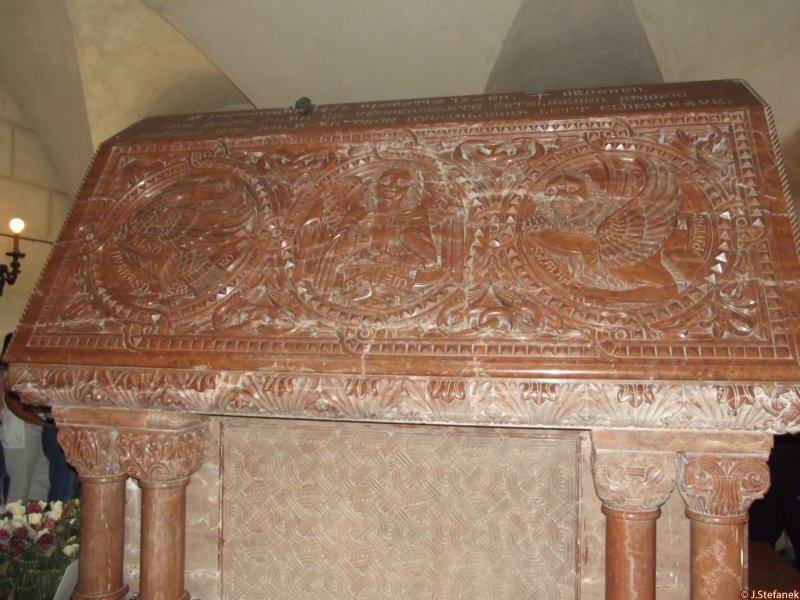
The mystery is also the well of Bojnice Castle, which is said to have never had any water in it. At the bottom lies a huge boulder, which according to legend blocks the entrance to the secret catacomb. It's hard to say what the truth is, because no one has moved the stone yet and found out what it is like with the alleged catacombs. Another mystery is the Bojnice altar. It is known that the altar was one of the most valuable treasures of the weirdo count, as evidenced by the strange fact that he placed it in the chapel exactly at the level of the sarcophagus, as if it were to perform some important function even when its owner is at his last resting place. The altar of Bojnice, bought by this great lover of art, is one of the most unique and most valuable objects in the castle's collections.
Stones from ducats
At the end of the 15th century, King Matej donated Bojnice Castle to his illegitimate son Ján Korvín. Ján also lived in Bojnice with his wife Blanka Sforzová. According to legend, the castle and its surroundings grew to the heart of the king himself. The beautiful surroundings and the spa, which already had a wide and far - good reach, often enticed the king to visit.
At that time, the castle was managed by the castellan Peter Póky. He was a deceitful and cruel man who decided that Bojnice Castle would be his. He abused the trust of a carefree young couple, robbed them, and robbed his subjects of ever-increasing taxes. He often argued that he was doing this only in the interests of his master, while storing the ducats in his own bags and chests.
One day a sick old man came to Bojnice, to a poor spa under the castle, to his death. He wanted to bathe in a healing spring. Kastelán Póky appropriated the healing spring and paid dearly for swimming in it. The old man asked him for mercy in vain, with nothing to pay. The warden's heart was hard. The wayfarer groaned, squinted, and even before he died, said terrible words, Let your black ducats, steward, turn to stone, and you yourself, perish by the hand of the executioner before the eyes of those whom you have humiliated and impoverished.
And it happened. The curse was fulfilled. Horrified, he ran to the highest tower of the castle, where he had hidden ducats hidden. When he opened the chests, the ducats turned into flat stones. Frightened, he screamed and poured everything out of the chests out the window into the ditch. Peter Póky was convicted of plotting against his master and quartered as a warning in St. Juraj in Buda in the year of Mr. 1496. All that remains is a bad memory and an old reputation.
Povráva sa...
Gróf Pálffy, očarený vraj mladou šľachtičnou z francúzskeho zámku, pripravil pre ňu na svojom panstve bývanie, obdobné jej rodisku. Rodičia dcéru za cudzinca nedali a zronenému zaľúbencovi pamiatkou na jeho lásku ostal vynovený zámok, na vrchole veže s vencom podobným na tŕňovú korunu.
Povesť o čiernej pani
Na Bojnickom zámku žil ctihodný pán spolu so svojou vernou a oddanou manželkou, o ktorej ľudia hovorievali, že bola stelesneným anjelom. Každý, kto k nej prišiel, našiel u nej potechu a pomoc, až kým nenadišla tá osudná chvíľa a v zámku zavládla zloba. Mladý z pán sa po určitej dobe vrátil z dlhej vojny a na to mu príbuzný nahovorili klamstvá. Kým bol on na bojisku sa jeho pani s cudzími rytiermi zabávala a prehýrila s nimi celé noci. Darmo sa nevinná žena zaprisahávala, jej muž zostal chladný a celú vec nechal rozhodnúť súdu. Zloprajná rodina a falošní svedkovia primäli porotcov k neobvyklému rozsudku. Z podozrievania nevery tu prítomná mladá zámocká pani aj s dieťaťom, ktoré sa narodilo po manželovom odchode do vojny, je povinná skočiť z Huňadyho veže do kamennej priekopy. Ak je nevinná, nič sa jej nestane, ak sa však prehrešila, tam skončí svoj hriešny život.
V deň tejto zlomyseľnej skúšky sa osadenstvo zámku a celé zástupy Bojničanov zhromaždili pod Huňadyho vežou a očakávali, či si to súd a hlavne zámocký pán nerozmyslia. Nestalo sa tak. Mladá žena spolu s malým dieťatkom v náručí, vedomá si svojej neviny, odporúčajúc sa pánu Bohu skočila do hĺbky. Namiesto pádu, zámocká pani aj s dieťaťom, vzniesla sa hore, vysoko do nebies. Prekvapení sudcovia a zlomený zámocký pán už chceli odísť, keď sa čosi s rachotom zrútilo do priekopy. Keď sa prišli pozrieť na miesto, kde mala pôvodne skončiť nevinná zámocká pani, našli tam len roztrhané šaty a rozbité hlavy s vyplazenými jazykmi. Sú to hlavy klebetníkov a závistlivcov. Je to trest za ich smrteľné hriechy. Zarmútený zámocký pán, pohŕdajúc sám sebou, odišiel navždy do kláštora. Odvtedy popri Huňadyho veži počuť čudesné hlasy. To mátožia duše zlých príbuzných. Uvidia ich však len tí, ktorí sú bez hriechu.
Bojnická studňa bez vody
Záhadou je aj studňa Bojnického zámku, o ktorej sa hovorí, že v nej nikdy nebola žiadna voda. Na dne leží obrovský balvan, ktorý podľa povestí zatarasuje vchod do tajnej katakomby. Ťažko povedať, aká je pravda, pretože kameňom nikto ešte nepohol a nezistil, ako to s údajnými katakombami je. Ďalšou záhadou je aj Bojnický oltár. Je známe, že oltár patril k najcennejším pokladom čudáckeho grófa, čo dokazuje i zvláštny fakt, že ho vsadil do kaplnky presne na úrovni sarkofágu, akoby mal plniť akúsi dôležitú funkciu i v dobe, kedy bude jeho majiteľ na mieste svojho posledného odpočinku. Bojnický oltár, ktorý zakúpil tento veľký milovník umenia, patrí k najväčším unikátom a najcennejším predmetom zámockých zbierok.
Z dukátov kamene
Koncom 15. storočia daroval Kráľ Matej Bojnický hrad, svojmu nemanželskému synovi Jánovi Korvínovi. Ján sídlil v Bojniciach aj so svojou ženou Blankou Sforzovou. Podľa povesti hrad a okolie prirástli k srdcu samotnému kráľovi. Krásne prostredie a kúpele, ktoré už vtedy mali široko - ďaleko dobrý chýr, často lákali kráľa na návštevu.
V tom období bol správcom zámku kastelán Peter Póky. Bol to ľstivý a krutý muž, ktorý si zaumienil, že Bojnický hrad bude jeho. Zneužíval dôveru bezstarostného mladého páru, okrádal ich a poddaných zdieral stále väčšími a vyššími daňami. Často sa vyhováral, že to robí len a len v záujme svojho pána, kým nahonobené dukáty odkladal do vlastných mešcov a truhlíc.
Jedného dňa prišiel do Bojníc, do chýrnych kúpeľov pod zámkom, na smrť chorý starec. Chcel sa vykúpať v liečivom prameni. Kastelán Póky si liečivý prameň privlastnil a nechal si za kúpanie v ňom draho platiť. Darmo ho starec prosil o zľutovanie, nemajúc čím zaplatiť. Tvrdé bolo správcovo srdce. Pocestný zastonal, zmeravel a ešte skôr než skonal, vyriekol strašné slová: Tvoje čierne dukáty, správca, nech sa premenia na kameň a ty sám, zhyň rukou kata pred zrakmi tých, ktorých si ponižoval a zbedačil.
I stalo sa. Kliatba sa splnila. Póky zdesený vybehol do najvyššej veže hradu, kde mal ukryté nahonobené dukáty. Keď otvoril truhlice, dukáty sa premenili na ploské kamienky. Vystrašený zreval a všetko z truhlíc vysypal von oknom do priekopy. Peter Póky za úklady proti svojmu pánovi bol odsúdený a na výstrahu rozštvrtený na námestí Sv. Juraja v Budíne roku pána 1496. Zostala po ňom len zlá spomienka a stará povesť.
Useful information
Opening hours and admission
Otváracia doba a vstupné
External links
Nearby castles
Dlžín
Dlžín
5.4km
castle ruin
Diviacka Nová Ves
Diviacka Nová Ves
7.3km
manor, mansion
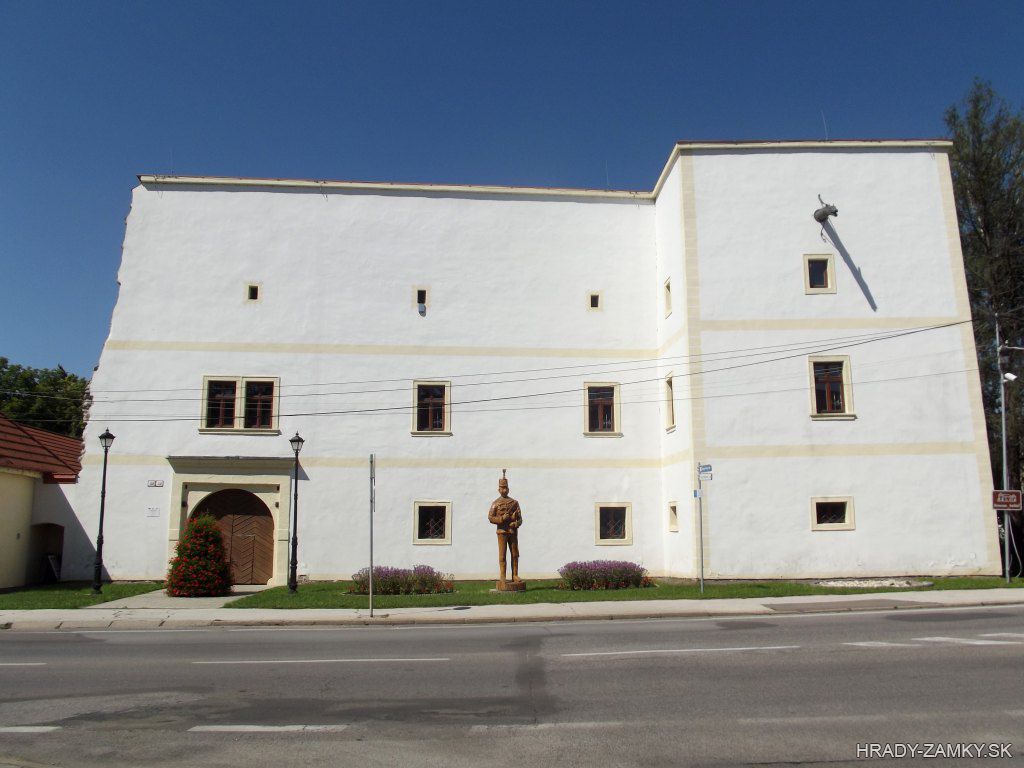
Zemianske Kostoľany
Zemianske Kostoľany
11.1km
manor, mansion
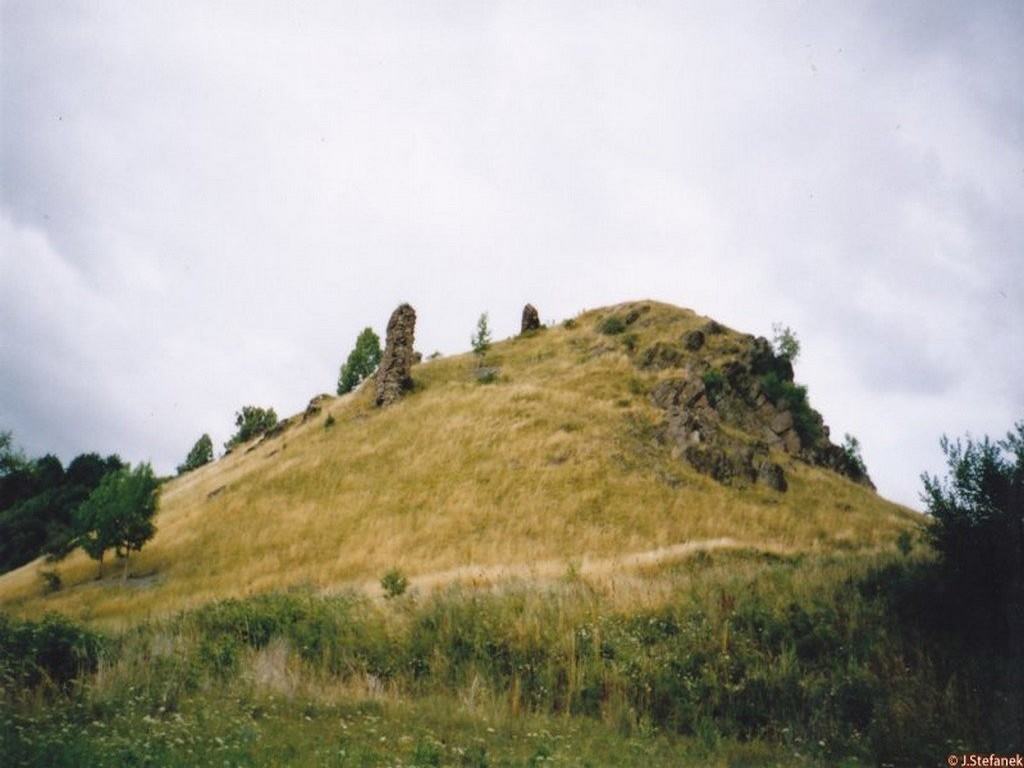
Sivý Kameň (Graystone)
Podhradie
11.4km
castle ruin

Uhrovec
Uhrovské Podhradie
14.0km
castle ruin
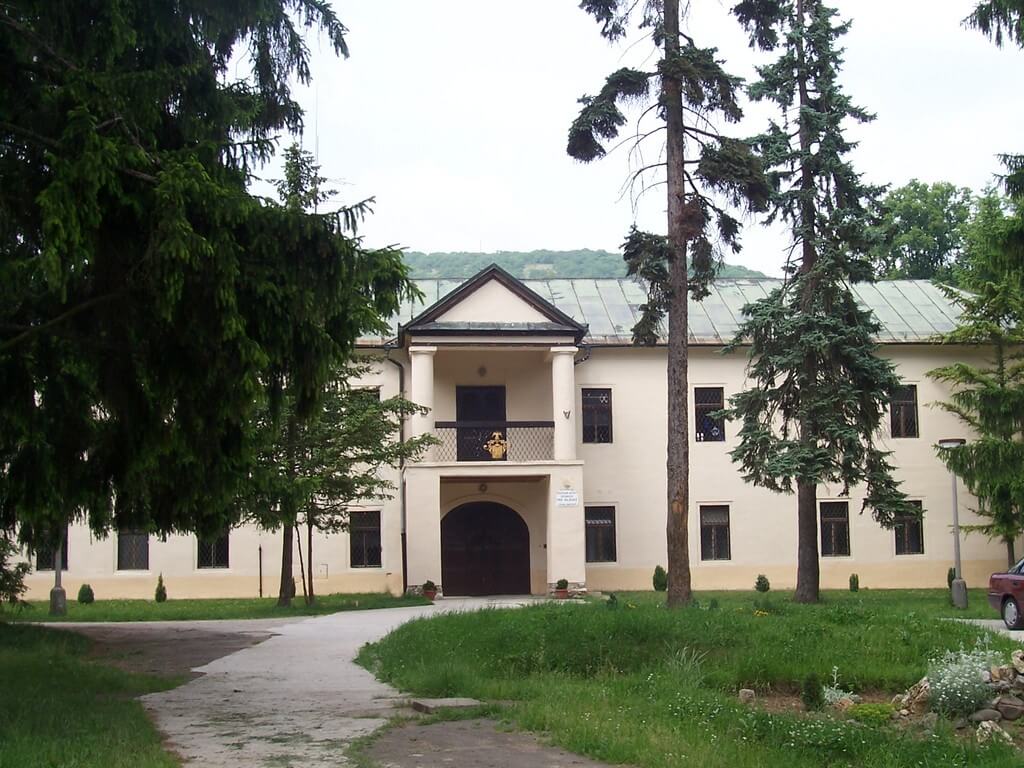
Chalmová
Bystričany-Chalmová
14.6km
manor, mansion

Čereňany
Čereňany
16.8km
manor, mansion