Hetiur Fortified Church
Sighisoara Mureş Romania
fortress
Biserica fortificată din Hetiur
Sighisoara Mureş Romania
fortress
Hétúr erődtemplom
Sighisoara Mureş Romania
fortress
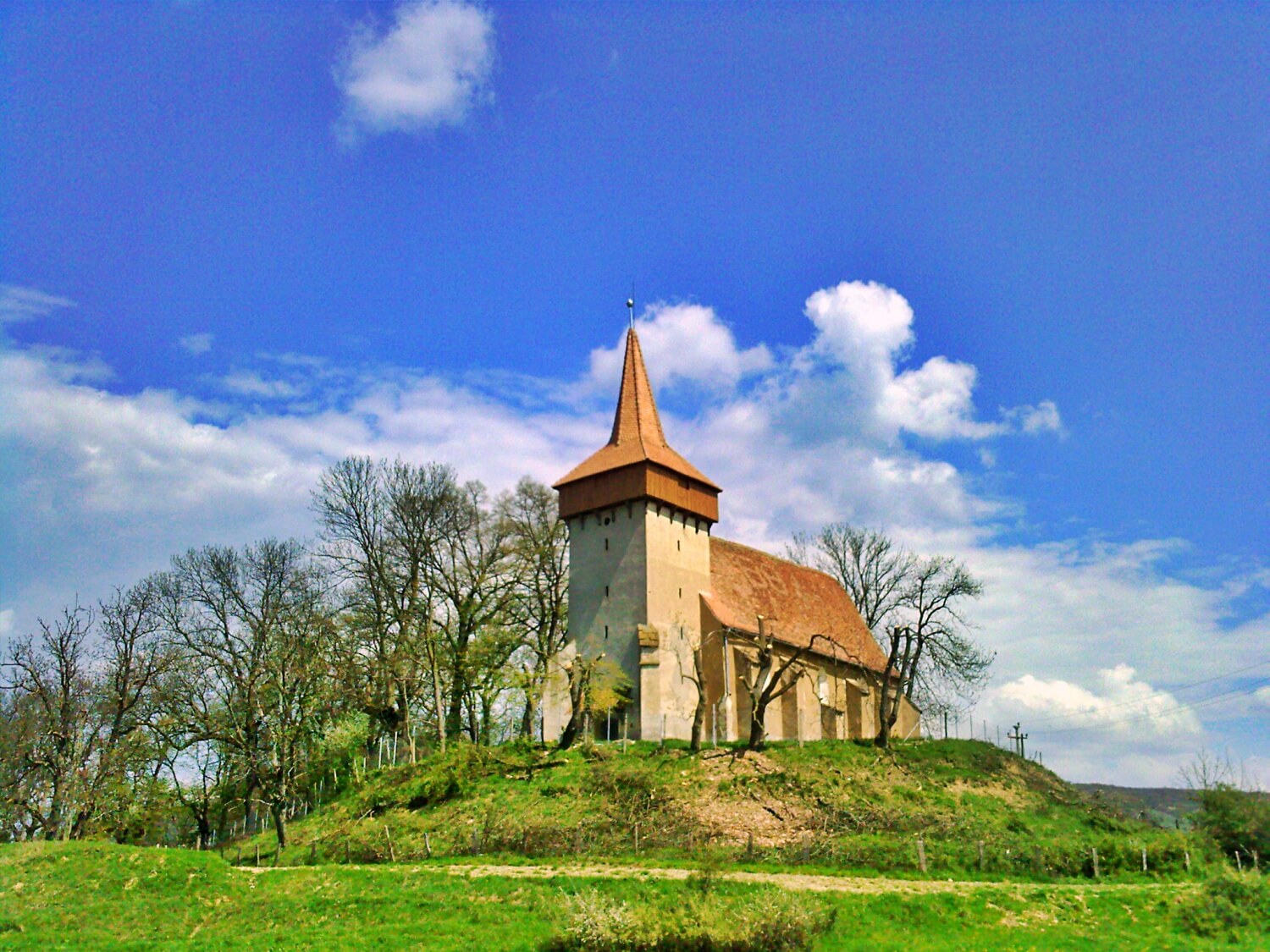
Inside the small village a hall church was erected in the 15th century, its chancel being closed by a polygonal construction
Biserica evanghelică din Hetiur este un monument istoric aflat pe teritoriul satului aparținător Hetiur al municipiului Sighișoara
Hétúr településen akkor halad át az Erdélybe utazó, amikor Marosvásárhelyről Segesvárra veszi az irányt, és már majdnem meg is érkezett a Segesvári Vár megcsodálásához
Previous names
Hetiur Fortified Church, Biserica fortificată din Hetiur, Hétúr erődtemplom
Description
Inside the small village a hall church was erected in the 15th century, its chancel being closed by a polygonal construction. A tower with defence level and spire was built on the western side of the today standing Gothic church. As suggested by the buttresses, the interior of the church was most probably covered with vaults, which were later on replaced by a flat ceiling. Only ruins are preserved from the defence wall. Inside the church the valuable works of two well known masters from Sighişoara can be admired: an altar built in 1789 by Johannes Folberth, and above it an organ with late Baroque prospectus that Samuel Binder built in 1850.
Place and surroundings
Located near “The Medieval Jewel of Romania”, Sighişoara, the village of Hetiur can be considered itself a historical precious stone. The walls of the fortified church hold, in a protective embrace, the valuable 1789 Baroque-style altar. The roots of the altar, as a place of worship, are much more deeply implanted in the past. Its name derives from the Latin term “alta ara”, which means elevation of the ground (initially, the altar was a pile of ground or stones). It symbolizes the meeting place between man and Divinity, in the majority of cultures being represented as the image of a table where man and his Creator sit together. In Christianity, the altar was a simple wooden table at first, later a stone table, finally being elevated over the martyrs’ graves in the shape of a sarcophagus. Over time, these simple constructions transformed themselves into real art works, the most important types being the following: the canopy altar (a Balanchine supported by columns), the winged altar (made of multiple paintings and panels) and the predella altar (the base of a painting representing scenes related to its main subject).
https://kirchenburgen.org/
Biserica evanghelică din Hetiur este un monument istoric aflat pe teritoriul satului aparținător Hetiur al municipiului Sighișoara. În Repertoriul Arheologic Național, monumentul apare cu codul 114596.01.
Localitatea
Hetiur, mai demult Hetur, Hetura (în dialectul săsesc Marembrich, în germană Marienburg, Meremberg, în maghiară Hétúr) este un sat ce aparține municipiului Sighișoara din județul Mureș, Transilvania, România. Prima atestare documentară datează din anul 1301.
Biserica
Biserica gotică de mici dimensiuni, sprijinită de contraforturi, este situată pe colina ce mărginește drumul european, la intrarea în sat. A fost construită în secolul XV, inițial biserică catolică, cu hramul Sfânta Maria, de unde și denumirea localității de „Marienburg”. Turnul-clopotniță, prevăzut cu drum de strajă, a fost ridicat în anul 1744. Clopotul datează din secolul XVI și este inscripționat cu textul „Iesus O Rex Gloriae Veni Cum Pace”. Altarul baroc din anul 1789 a fost realizat de meșterul sighișorean Johann Folbert. Biserica se află într-o stare avansată de degradare (tavanul stă să se prăbușească, pereții sunt scorojiți, mobilierul este deteriorat, amvonul a fost spart), fiind afectată și de numeroase acte de vandalism; și altarul a fost pângărit prin sustragerea statuii Mântuitorului de pe cruce. Orga, aflată deasupra altarului, a fost construită de Samuel Friedrich Binder în 1850; este deteriorată, nefuncțională.
Hétúr településen akkor halad át az Erdélybe utazó, amikor Marosvásárhelyről Segesvárra veszi az irányt, és már majdnem meg is érkezett a Segesvári Vár megcsodálásához. A falut először 1301-ben említik Hetwr néven, legfőbb látványossága a szász evangélikus templom, amely egy dombtetőn helyezkedik el az országút mellett.
Gótikus szász evangélikus temploma dombtetőre épült közvetlen az E60-as út mellé, így autóból is pazar látványt nyújt. A templom 1774–1775-ben épült. Egyik harangja a 14. század végéről való, míg a másikat 1544-ben öntötték.
https://www.terjhazavandor.ro/
Useful information
Free
Free
Visiting on a demand
-
-
Nearby castles
Daneş fortified church
Comuna Daneș
7.5km
fortress
Șaeș fortified church
Comuna Apold
12.4km
fortress
Betlen Castle (Criș)
Comuna Daneș
15.0km
castle, chateau
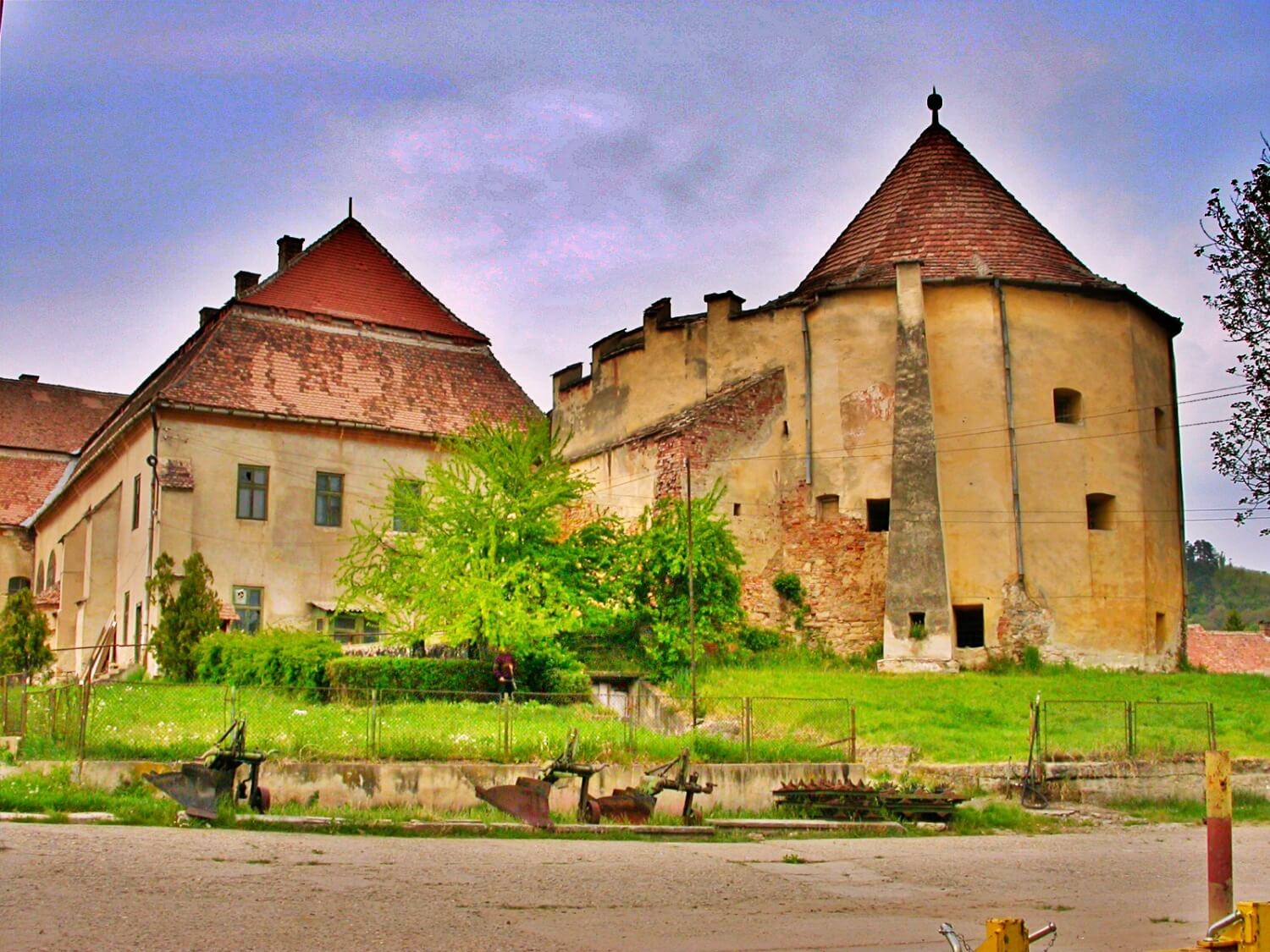
Apafi castle
Orașul Dumbrăveni
15.5km
castle, chateau
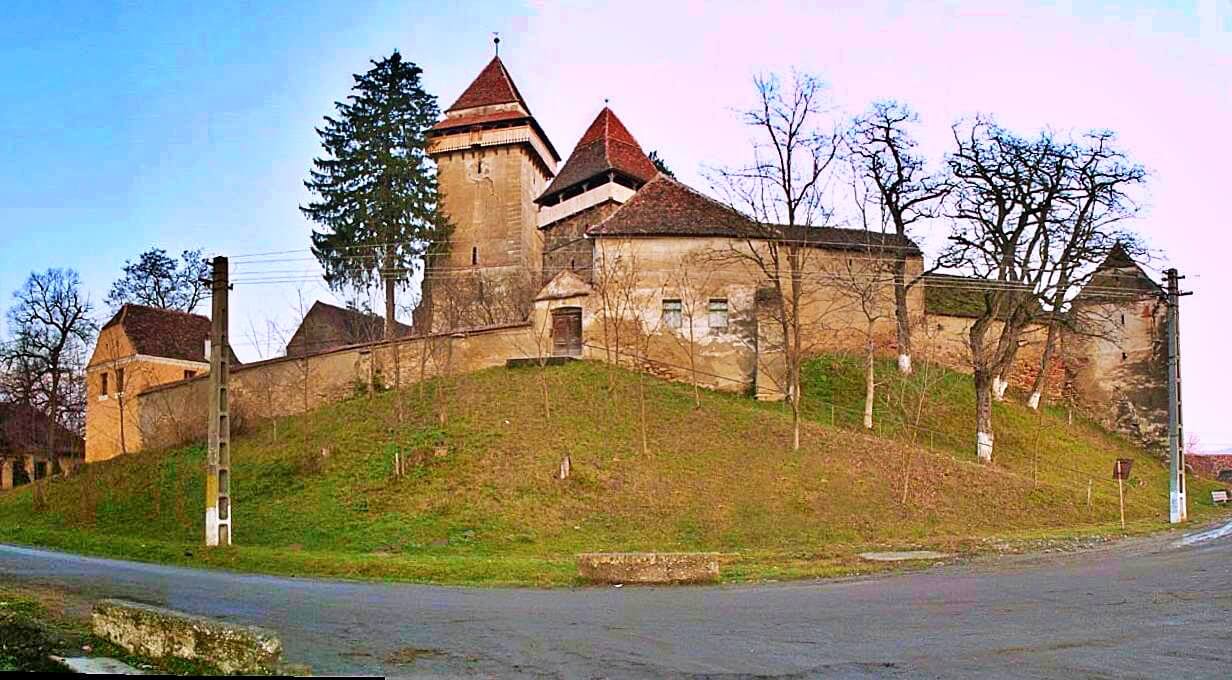
Apold Fortified Church
Comuna Apold
16.2km
fortress
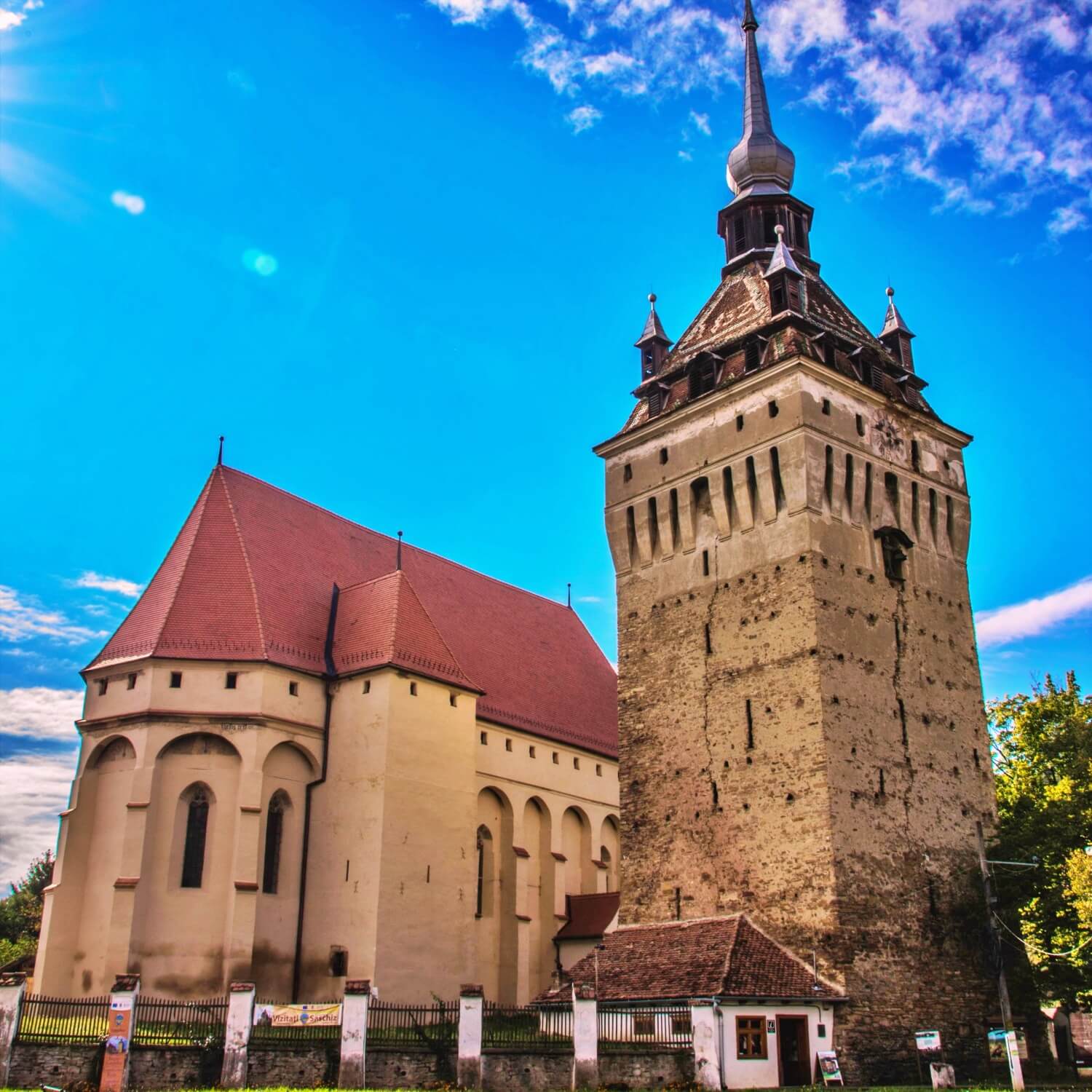
Saschiz fortified church
Comuna Saschiz
16.7km
fortress
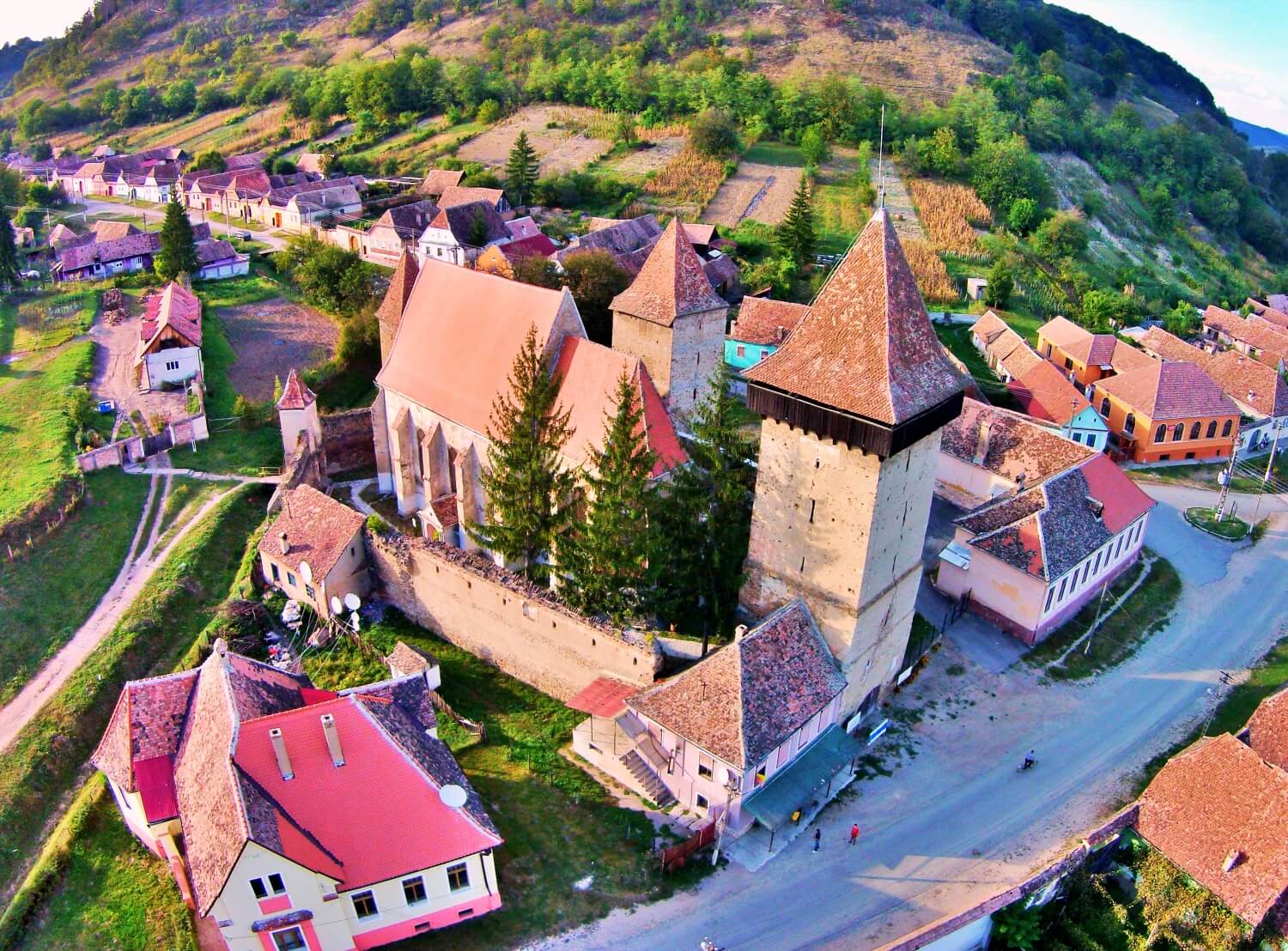
Valchid Evangelical fortified church
Comuna Hoghilag
18.2km
fortress