The Stock Exchange Palace
Porto Porto Portugal
manor, mansion
Palácio da Bolsa
Porto Porto Portugal
manor, mansion
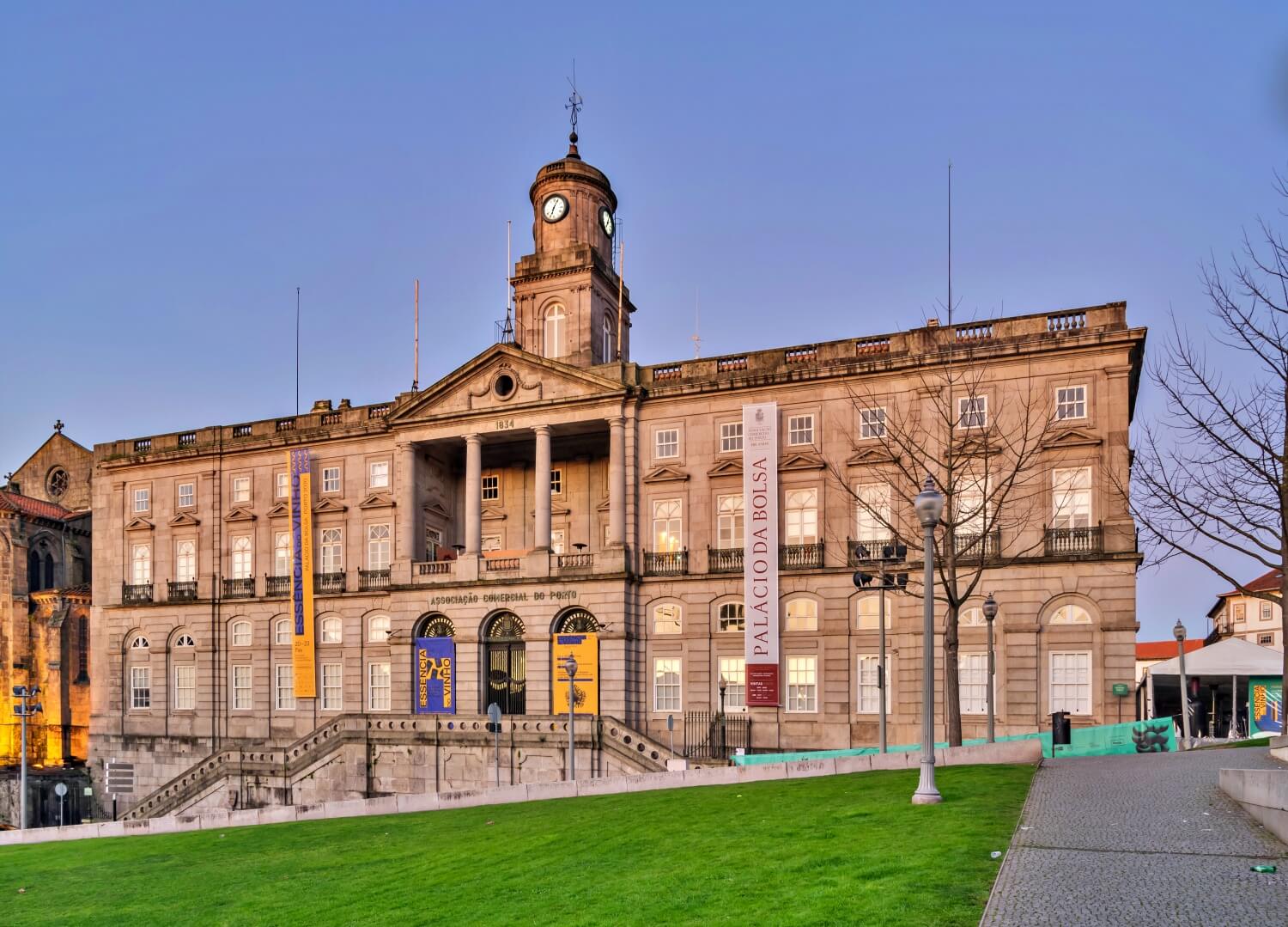
The Stock Exchange Palace (Portuguese: Palácio da Bolsa) is a historical building in Porto, Portugal
O Palácio da Bolsa, ou Palácio da Associação Comercial do Porto, na cidade do Porto, em Portugal, começou a ser construído em Outubro de 1842, em virtude do encerramento da Casa da Bolsa do Comércio, o que obrigou temporariamente os comerciantes portuenses a discutirem os seus negócios na Rua dos Ingleses, em pleno ar livre
Previous names
The Stock Exchange Palace, Palácio da Bolsa
Description
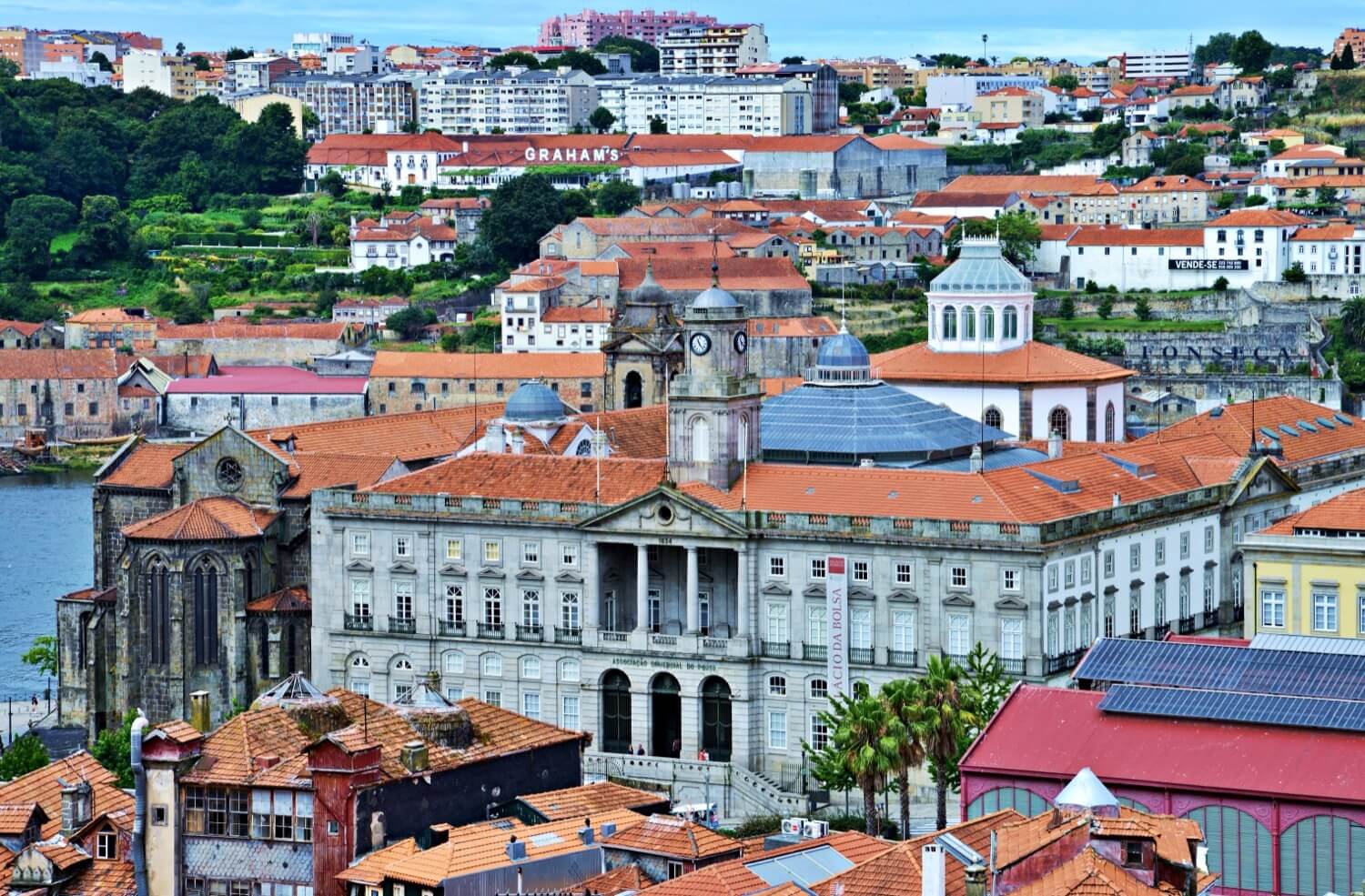
The Stock Exchange Palace (Portuguese: Palácio da Bolsa) is a historical building in Porto, Portugal. The palace was built in the 19th century by the city's Commercial Association (Portuguese: Associação Comercial do Porto) in Neoclassical style. It is located in the Infante D. Henrique Square in the historical centre of Porto, designated World Heritage Site by UNESCO.
History
The Palácio da Bolsa is located beside the St Francis Church of Porto, which was once part of the St Francis Convent, founded in the 13th century. In 1832, during the Liberal Wars, a fire destroyed the cloisters of the convent, sparing the church. In 1841, Queen Mary II donated the convent ruins to the merchants of the city, who decided to use the spot to build the seat of the Commercial Association.
Building work began in 1842 following the plans of Porto architect Joaquim da Costa Lima Júnior, who designed a Neoclassical palace of Palladian influence, inspired by previous structures built in the city. Most of the palace was finished by 1850, but the decoration of the interior was only completed in 1910 and involved several different artists.
The Palácio da Bolsa has been classified as a National Monument since 1982.
Art and architecture
The first architect of the Palácio was Joaquim da Costa Lima Júnior, who was in charge of the project from 1840 until 1860. He was responsible for the general design of the building, inspired by the Neopalladian architecture that was in fashion in Porto since the late 18th century, expressed in buildings like the Hospital of St Anthony (by English architect John Carr), the English Factory (by another Englishman, John Whitehead) and several projects by Portuguese architect Carlos Amarante.
The general structure of the Palácio was completed by 1850, but several architectural details were later entrusted to architects Gustavo Adolfo Gonçalves e Sousa (author of the stairway and the Arab Room), Tomás Augusto Soler (metallic dome of the courtyard) and Joel da Silva Pereira (Tribunal Room), among others.
The interior of the Palace, only finished in 1910, was magnificently decorated by several artists. The central courtyard (Nations' Courtyard - Pátio das Nações) is covered by a large metallic, octagonal dome with glass panels, designed by Tomás Soler and built after 1880. The lower part of the dome is decorated with the painted coats-of-arms of Portugal and the countries with which Portugal had commercial relations in the 19th century. To the back of the courtyard, a sumptuous stairway, built in 1868 by Gonçalves e Sousa, leads to the upper storeys and is adorned with busts by celebrated sculptors António Soares dos Reis and António Teixeira Lopes. The ceiling frescoes were painted by António Ramalho.
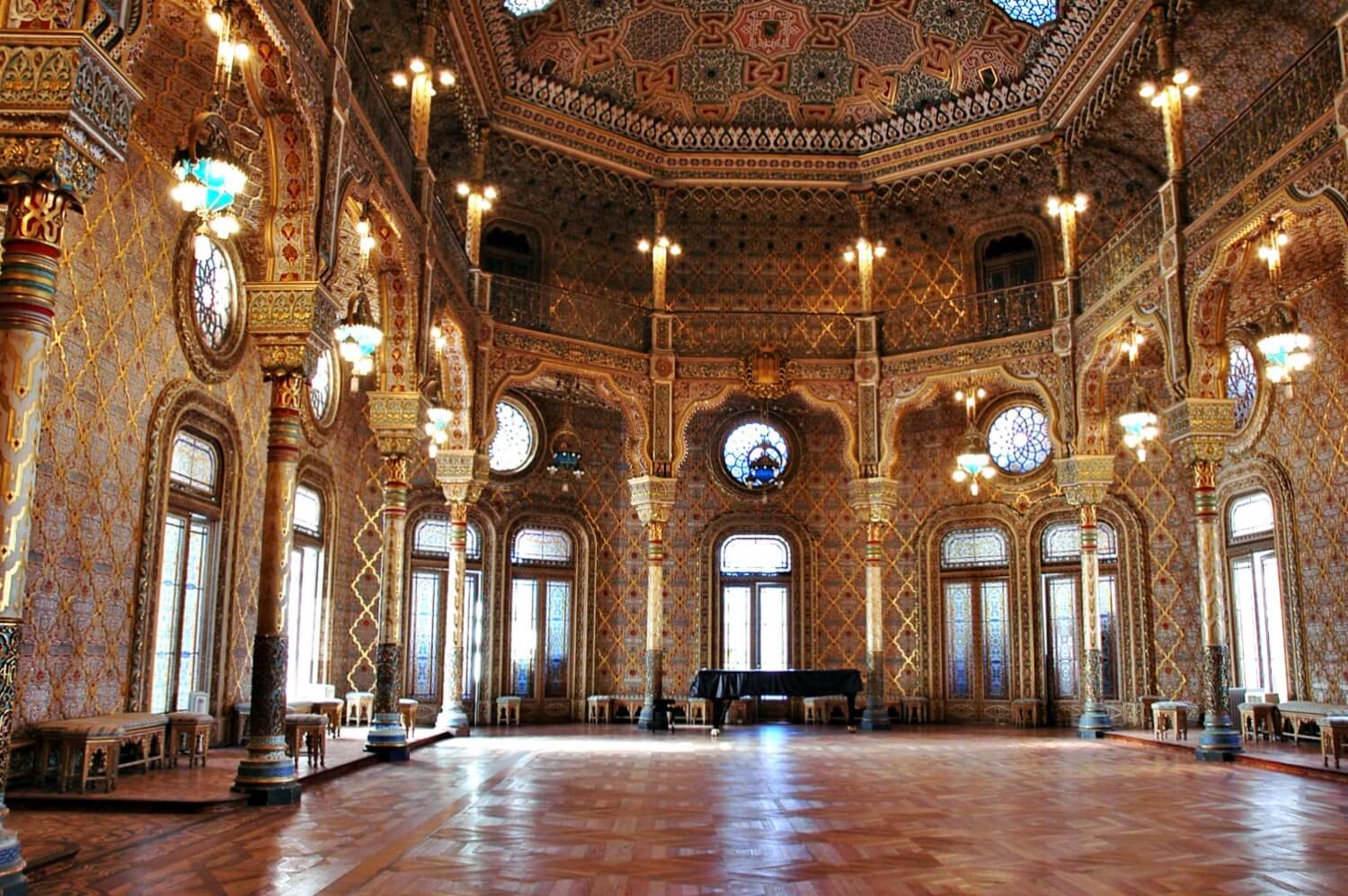
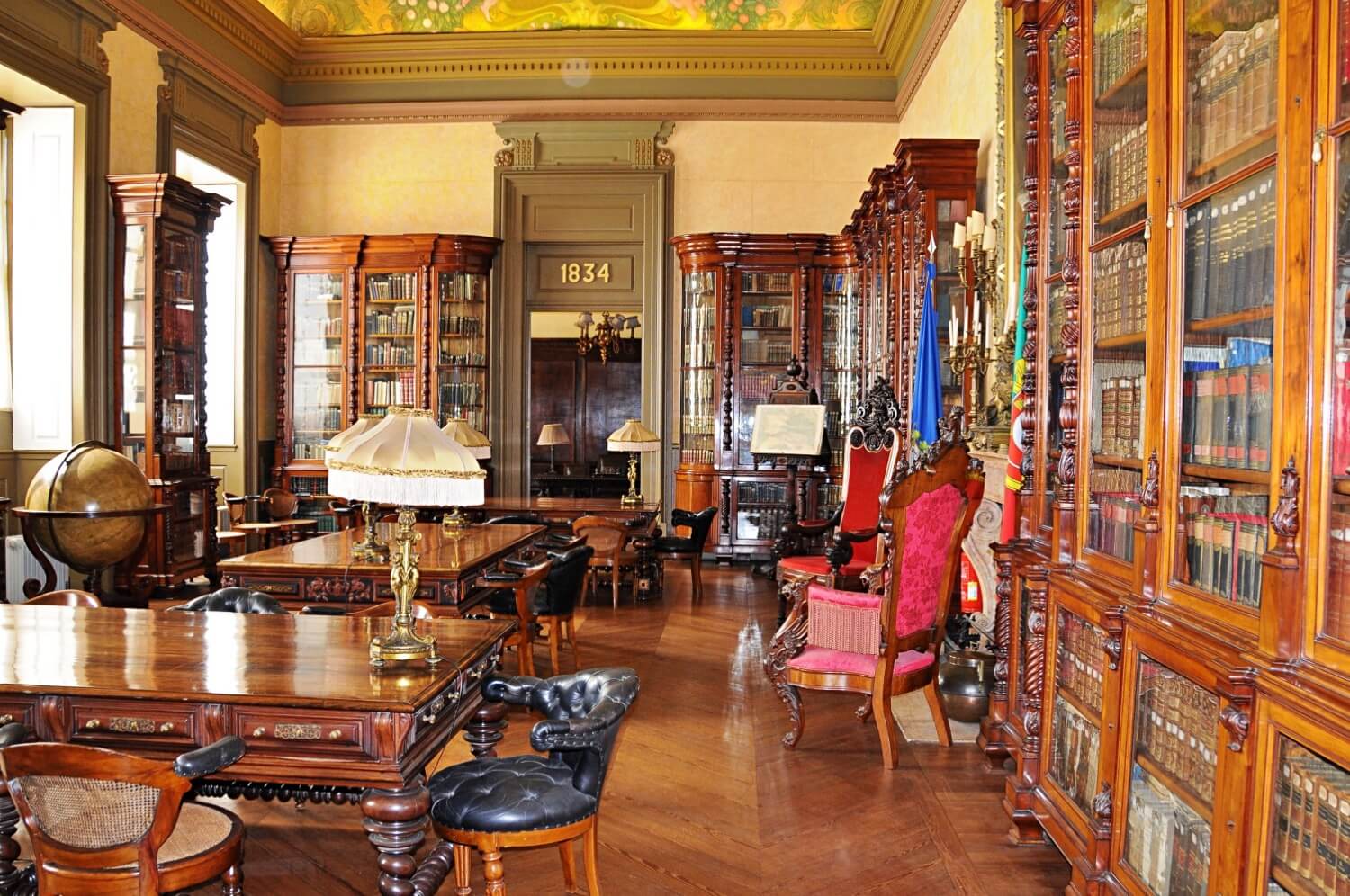
Several rooms of the Palace - Tribunal Room, Assembly Room, Golden Room - display furniture by José Marques da Silva, allegoric paintings by José Maria Veloso Salgado and João Marques de Oliveira, sculptures by Teixeira Lopes and many other works of art. The highlight of the Palace is, however, the Arab Room, built between 1862 and 1880 by Gonçalves e Sousa. The room is decorated in the exotic Moorish Revival style, fashionable in the 19th century, and is used as reception hall for personalities and heads of state visiting Porto.
O Palácio da Bolsa, ou Palácio da Associação Comercial do Porto, na cidade do Porto, em Portugal, começou a ser construído em Outubro de 1842, em virtude do encerramento da Casa da Bolsa do Comércio, o que obrigou temporariamente os comerciantes portuenses a discutirem os seus negócios na Rua dos Ingleses, em pleno ar livre.
Com uma mistura de estilos arquitectónicos o edifício apresenta em todo o seu esplendor, traços do neoclássico oitocentista, arquitectura toscana, assim como o neopaladiano inglês. Nas ainda por dentro e revestido a ouro.
Sede da Associação Comercial do Porto, serve agora para os mais diversos eventos culturais, sociais e políticos da cidade. O Salão Árabe detém o maior destaque de todas as salas do palácio devido, como o nome indica, a estuques do século XIX legendados a ouro com caracteres arábicos que preenchem as paredes e tecto da sala. É neste salão que tem lugar as homenagens a chefes-de-estado que visitam a cidade.
Na Sala dos Retratos encontra-se uma famosa mesa do entalhador Zeferino José Pinto que levou três anos a ser construída, revelando-se um "exemplar altamente qualificado em todas as exposições internacionais a que concorreu".
Visitas turísticas
O Palácio da Bolsa está aberto para Visitas turísticas pagas, sendo um dos edifícios patrimoniais mais procurados da cidade do Porto.
2013 - Em 2013, mais de 220 mil turistas escolheram o Palácio da Bolsa como local de paragem obrigatória. Foram sobretudo estrangeiros, provenientes de França, Espanha, Alemanha e Brasil, mas também Tailândia, Indonésia, Malásia ou Singapura totalizando mais de 40 países.
O número de visitantes portugueses (perto de 29 mil) foi ultrapassado pelos franceses (que passaram os 46 mil) em 2013.
2014 - Em 2014, o monumento reuniu mais de 250 mil turistas, o que representa um acréscimo de 15% face ao ano de 2013. O palácio foi sobretudo visitado por turistas estrangeiros, com destaque para os oriundos de França, Espanha, Alemanha, Brasil e Itália, representando os portugueses cerca de um quarto das presenças.
O número de visitantes portugueses, que ultrapassou os 68 mil, registou um crescimento de 146% face aos 27 mil do ano anterior, ultrapassando os franceses (37 mil) e os espanhóis (30 mil) no ‘ranking’ dos países de origem dos turistas que visitaram o palácio.
Useful information
1.00 EUR/1h
10.00 EUR
Student / Schools/ Senior: 6.50 EUR
0 - 12 years: free
turismo@cciporto.pt
Guided tours in foreign languages
-
External links
Nearby castles
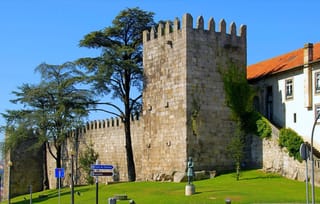
Muralha Fernandina do Porto
Porto
0.2km
castle, chateau
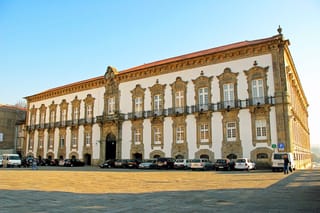
Episcopal Palace
Porto
0.4km
manor, mansion
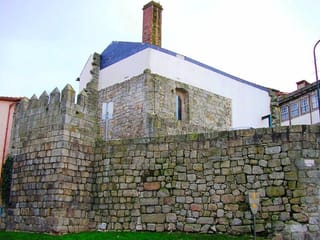
Muralha Primitiva
Porto
0.5km
castle, chateau
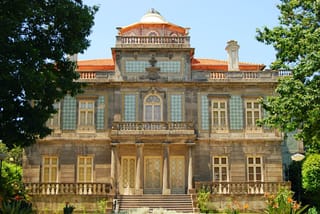
Pinto Leite Palace
Porto
1.3km
manor, mansion
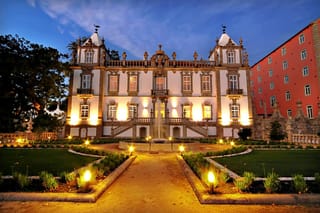
The Palace of Freixo
Porto
3.4km
manor, mansion
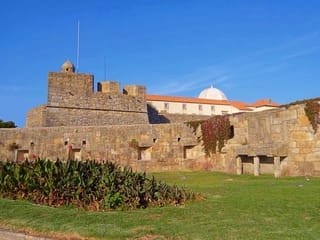
Forte de São João Baptista da Foz
Porto
5.0km
fortress
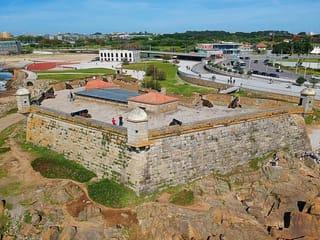
Fort of São Francisco do Queijo
Porto
6.9km
fortress