Bacalhôa Palace
Setúbal Setúbal Portugal
manor, mansion
Palácio da Bacalhoa
Setúbal Setúbal Portugal
manor, mansion
The Bacalhôa brand, established in 1922, has allays showed a search for the perfection of their wines
A Quinta da Bacalhoa é uma antiga propriedade da Casa Real Portuguesa
Previous names
Bacalhôa Palace, Palácio da Bacalhoa
Description
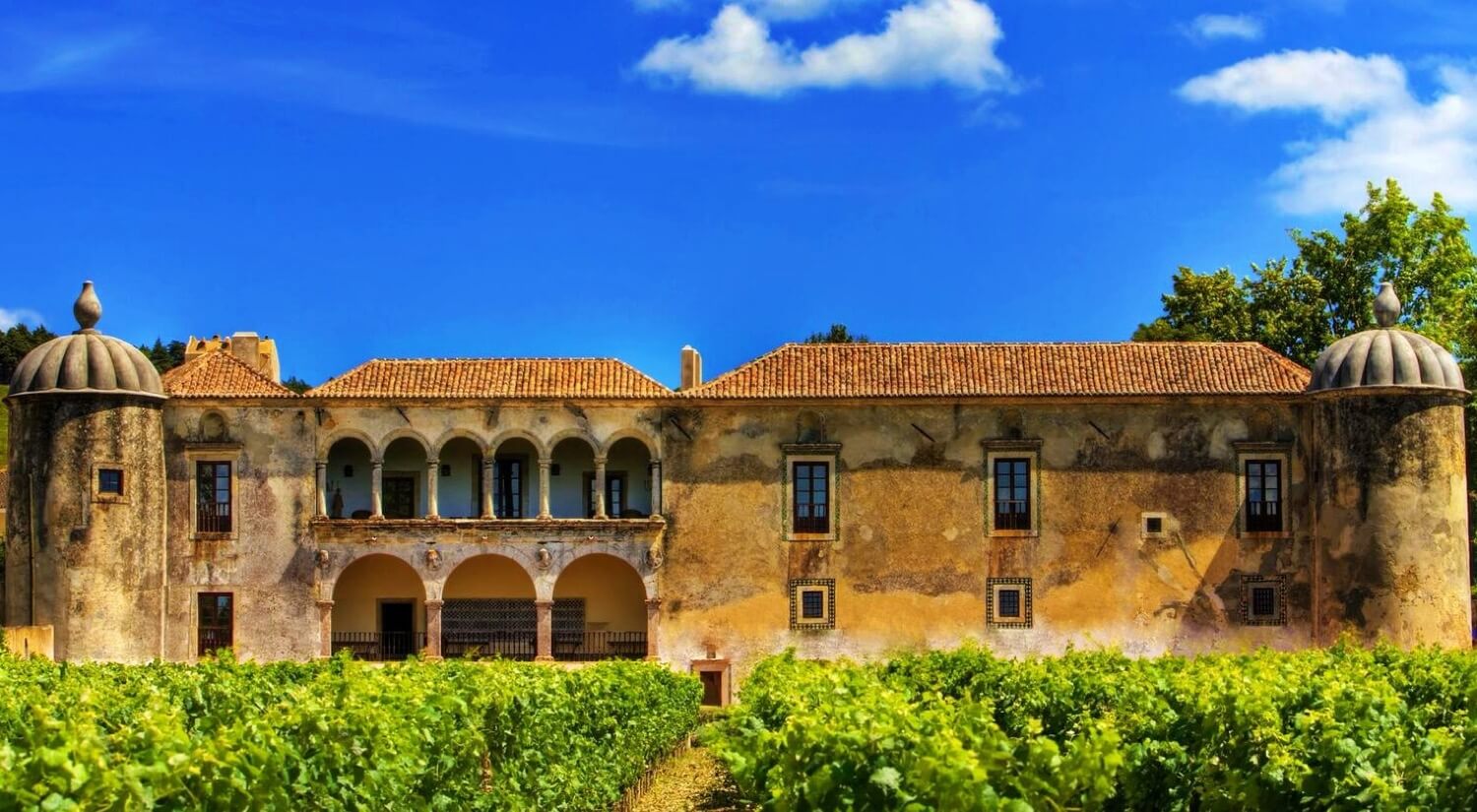
The Bacalhôa brand, established in 1922, has allays showed a search for the perfection of their wines. The commitment of Bacalhôa Vinhos de Portugal is focused on the product differentiation, followed by a strong innovative component simultaneously, in order to not only meet but also anticipate and even exceed the expectations of the visitors of its spaces. This differentiation ambience of is clearly noticed in the famous Palace and Quinta da Bacalhôa, in Azeitão, a estate with a history that dates back to the beginning of the Avis Dynasty.
In Detail
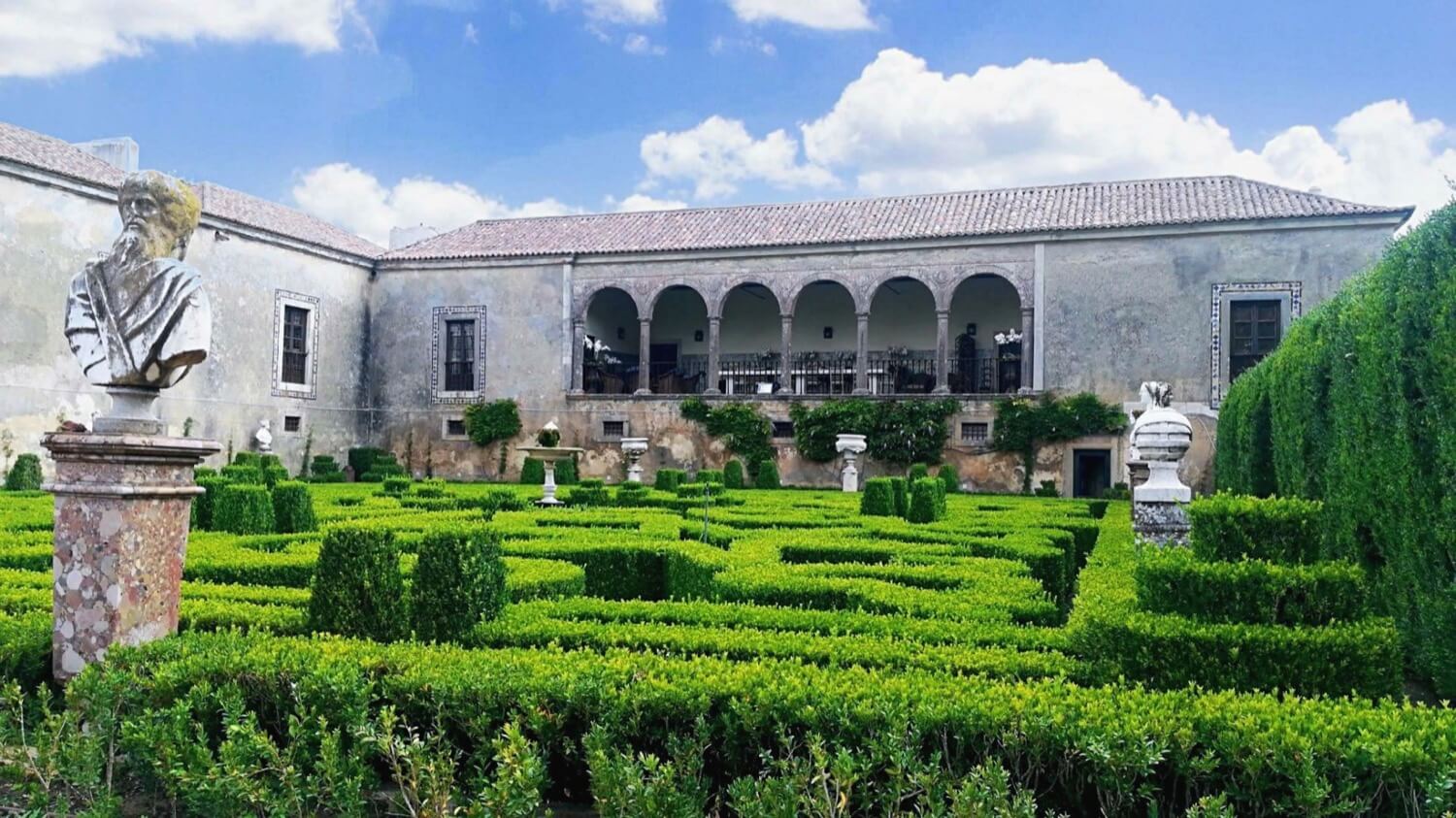
The Quinta and de Bacalhôa Palace are surrounded by a unique landscape with a historical background dating back from the early 14th century. The architecture and the décor of the Palace gardens show the influences of the Portuguese discoveries, memories of their first owners inspired in the travels along Europe, Africa and the East, thus helping to transform this space into a single gem.
Over time, the Quinta has being adorned with 14th and 15th centuries Portuguese tiles evoking Moorish designs, and a "casa de fresco" overlooking the estate. From the inside to the outside, you can see unique pieces of the private art collection of Comendador Berardo passing through the gardens and vineyards to the "casa de fresco" where you can find the first tile dated in Portugal.
In 1936, the Palace of Bacalhôa was bought and restored by Orlena Scoville, of the United States of America, whose grandson undertook the mission of making the estate one of the biggest wine producers in Portugal, in the 70s of the 20th century. Acquired by ComendadorBerardo in 2000, is classified as a National Monument.
After major restoration works inside, keeping the original design, this monument opens its doors and invites you to visit every corner with great history.
The Museum of Bacalhôa is at the group's headquarters, located in Quinta da Bassaqueira. Visit the Museum and discover the different collections of works of art divided into three thematic groups. "Out of Africa", an exhibition that aims to honour the Honourable, and forever President, Nelson Mandela. The "What a Wonderful World" exhibition, a passage for an ambiance of glamour and perfection the mixes Art Nouveau with Art Deco, in an endearing atmosphere marked by the euphoria of the Roaring Twenties. And finally, "The Portuguese Tile from the 16th to the 20th centuries" an exhibition that shows the importance of the tile in Portugal. Used for more than five centuries eventually turn into a genuine national contribution to the world's artistic and cultural heritage.
At present, Quinta da Bacalhôa belongs to the José Berardo Foundation and Bacalhôa Vinhos de Portugal.
Infrastructures
Lake House
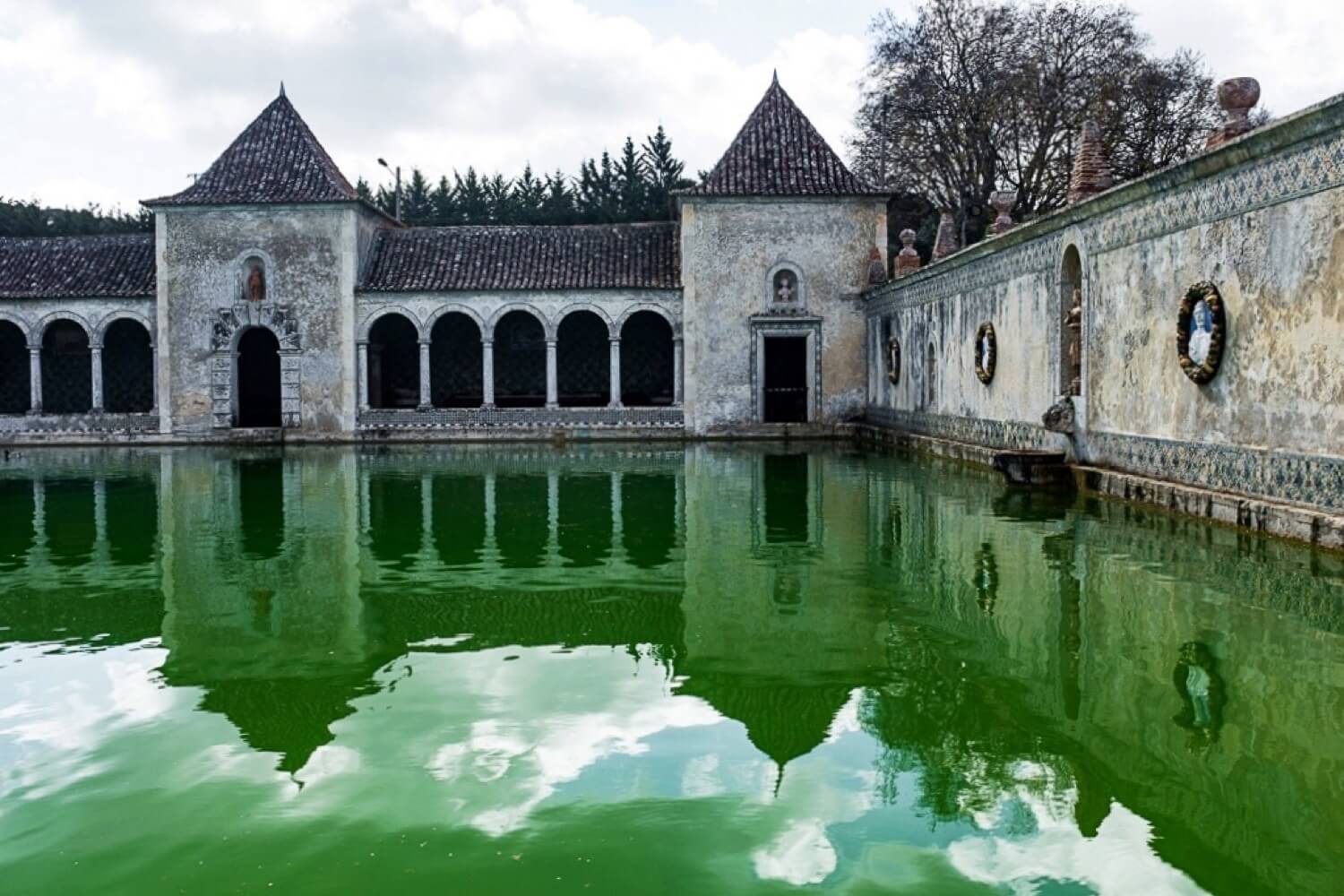
Visit the Lake House and discover the first tile ever dated in Portugal.
Tasting Room
Relax in the modern tasting room of the Bacalhôa Museum while you admire the peaceful scenery of the Japanese Garden.
Exhibition Room
Travel along the works of art divided into three thematic groups: African Art, Portuguese Tiles and Art Deco.
Location & Directions
The Palace, the Museum and the Quinta da Bacalhôa are located in Vila Fresca de Azeitão.
https://www.winetourismportugal.com/
A Quinta da Bacalhoa é uma antiga propriedade da Casa Real Portuguesa. A quinta com o famoso Palácio da Bacalhoa - também conhecido como Palácio dos Albuquerques - situa-se na freguesia de Azeitão, Concelho de Setúbal, mais precisamente na pequena aldeia de Vila Fresca de Azeitão. É considerada a mais formosa quinta da primeira metade do século XVI, ainda existente em Portugal.
História
No século XV pertenceu, como quinta de recreio, a João, Infante de Portugal, filho do rei D. João I. Herdou-a sua filha D. Brites, casada com o segundo Duque de Viseu e mãe do Rei D. Manuel I. Ainda existentes os edifícios, os muros com torreões de cúpulas aos gomos e também o grande tanque foram beneficiações mandadas construir por D. Brites.
Esta quinta viria a ser vendida em 1528 a Brás de Albuquerque, filho primogénito de Afonso de Albuquerque. O novo proprietário, além de ter enriquecido as construções com belos azulejos, mandou construir uma harmoniosa «casa de prazer», junto ao tanque, e dois robustos pavilhões, juntos aos muros laterais. Nos finais do século XVI, esta quinta fazia parte de morgadio pertencente a D. Jerónimo Teles Barreto — descendente de Afonso de Albuquerque. Este morgadio — em que estava incluída a Quinta da Bacalhoa — viria a ser herdado por sua irmã, D. Maria Mendonça de Albuquerque, casada com D. Jerónimo Manuel — da Casa da Atalaia — conhecido pela alcunha de «Bacalhau».
É muito provável que o nome de «Bacalhoa», pelo qual veio a ficar conhecida a antiga Quinta de Vila Fresca, em Azeitão, tenha tido origem no facto de a mulher de D. Jerónimo Manuel também ser designada da mesma forma sarcástica. Esta quinta ficou consagrada entre os tesouros artísticos de Portugal.
Após uma grande disputa judicial entre os descendentes, o morgado ficou para D. José Francisco da Costa de Sousa e Albuquerque (1740-1802), armeiro mor do Reino e armador mor do Rei, casado com Maria José de Sousa de Macedo, 2.ª viscondessa de Mesquitella, 5.ª baronesa de Mullingar (Reino Unido). O Morgado ficaria na família Mesquitella (posteriormente condes de Mesquitella e duques de Albuquerque), assim como os títulos palatinos de armeiro mor e armador mor do Reino e do Rei, até princípios do século XX.
Tendo, naturalmente, sofrido algumas modificações, no decurso dos seus cinco séculos de existência, conserva ainda as abóbadas ogivais dos seus tempos mais remotos, o palácio com janelas ao estilo renascentista, os cubelos representativos da Via Sacra e elementos cerâmicos decorativos, do século XVI. Nos azulejos encontra-se a data de 1565 e a assinatura do ceramista Francisco de Matos. Medalhões de faiança de origem flamenga emolduram bustos de significação histórica.
Em 1936, o Palácio da Bacalhoa foi comprado e restaurado por uma norte-americana, Orlena Scoville, cujo neto se incumbiu da missão de tornar a quinta num dos maiores produtores de vinho de Portugal. Mais tarde o Palácio e a Quinta da Bacalhôa pertenceu a José Antonio Borges.
Actualmente a Quinta da Bacalhoa pertence à Fundação Berardo, liderada pela família Berardo, a nona mais rica de Portugal, cujo patriarca é o madeirense Joe Berardo.
Foi classificada pelo IPPAR como Monumento Nacional em 1996.
Useful information
Free
Palace: 8.00 EUR
Winery+Museum: 3.00 EUR
Winery+Museum+Palace: 10.00 EUR
WC
visita@bacalhoa.pt
- Private property (farm and winery)
- Guided tours are available at certain time
- Closed on Sundays
- Wine tasting
-
External links
Nearby castles

Forte de Santa Maria da Arrábida
Setúbal
5.8km
fortress
Fort of Santiago do Outão
Setúbal
6.5km
fortress
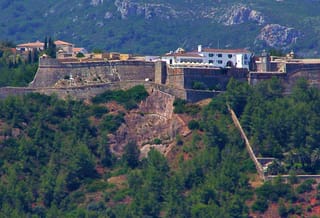
Fort of São Filipe de Setúbal
Setúbal
7.3km
fortress
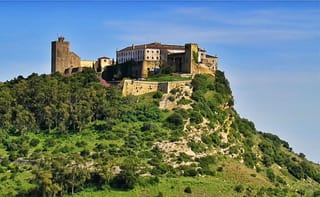
Castelo de Palmela
Palmela
9.2km
castle, chateau
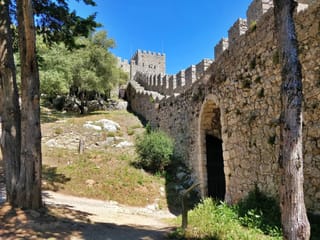
Castelo de Sesimbra
Setúbal
12.9km
castle, chateau
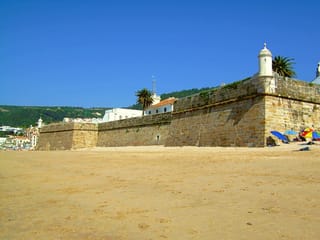
Fortress of Saint James of Sesimbra
Sesimbra
13.2km
fortress
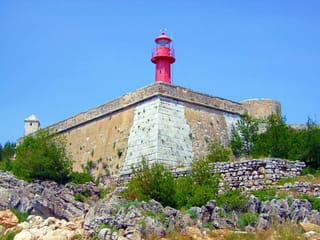
Fort of São Teodósio da Ponta do Cavalo
Sesimbra
14.8km
fortress