Erpeldange Castle
Erpeldange-sur-Sûre Diekirch Luxemburg
castle, chateau
Château d'Erpeldange
Erpeldange-sur-Sûre Diekirch Luxemburg
castle, chateau
Schloss Erpeldingen
Erpeldange-sur-Sûre Diekirch Luxemburg
castle, chateau
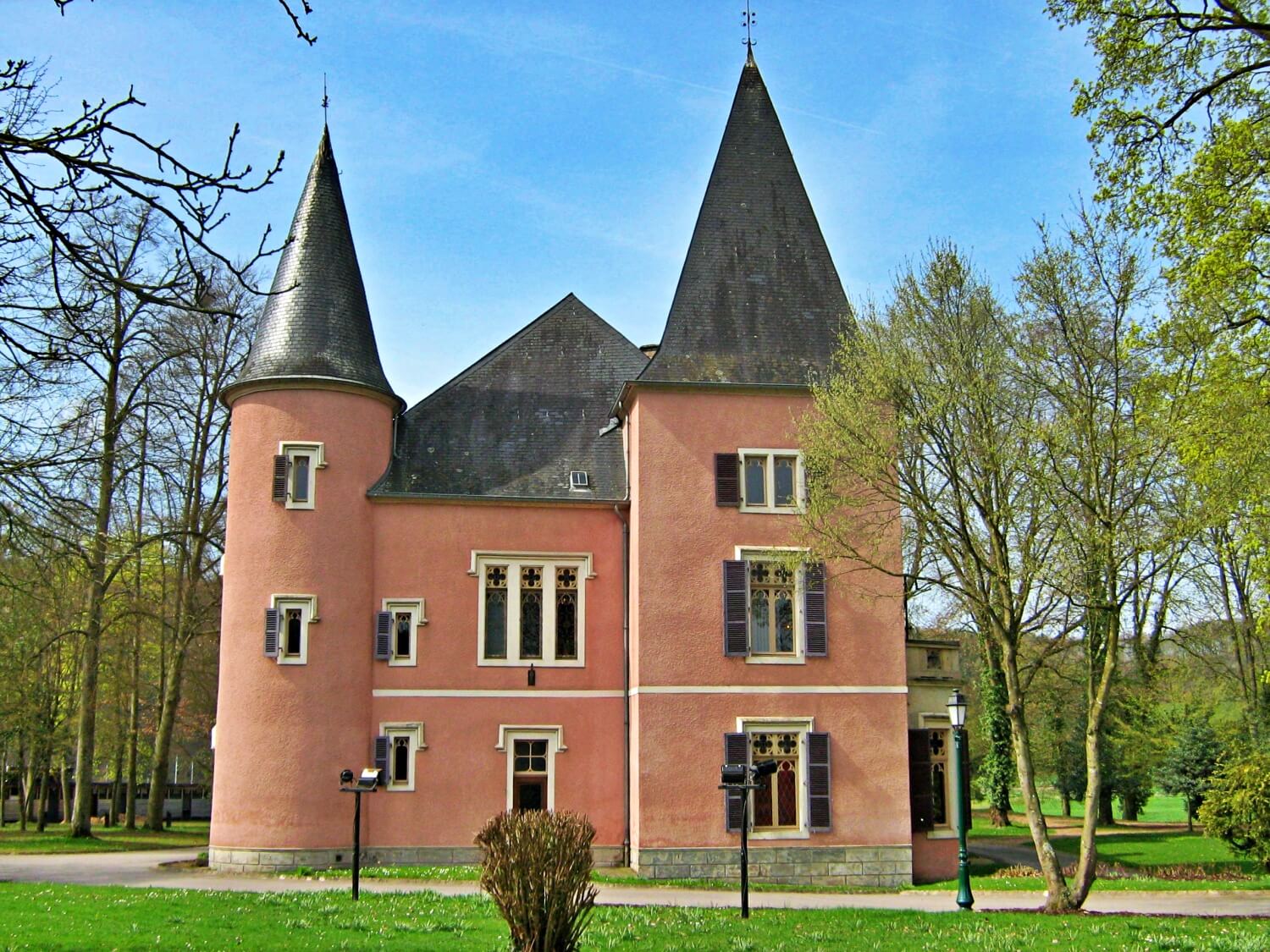
Erpeldange Castle, located in the town of the same name in north-eastern Luxembourg, now houses the administrative offices for the Commune of Erpeldange, with its grounds open to the public
Très étroitement liée à celle de son château, l'histoire d'Erpeldange-sur-Sûre remonte au 13ième siècle
Das Schloss Erpeldingen wurde im 12
Previous names
Erpeldange Castle, Château d'Erpeldange, Schloss Erpeldingen
Description
Erpeldange Castle, located in the town of the same name in north-eastern Luxembourg, now houses the administrative offices for the Commune of Erpeldange, with its grounds open to the public. It has a history dating back to the 13th century.
History
During the 12th century, there appears to have been a tower and wooden fort at the site of the present castle. In the 13th century, Frederic and Gerard d'Erpeldange, the first lords of Erpeldange, built a fortified stone castle guarding the valley at the point where the River Sûre meets the Alzette. The property passed successively into the hands of the Counts of Vianden, and the Brandenburg-Outscheid and von Moestroff-Kerpen families. Through marriage, the Gondersdorf family inherited the castle and in 1630 transformed it into a luxurious residence for their daughter. In 1677, it was inherited by Charles François baron de Failly de Sancy and Marie Marguerite de Giraldin. By that time, it was no longer of any military value as a quiet park had replaced its defences. Abandoned by the Prel family in the 19th century, it was used as a rectory. During the Second World War, the castle was damaged as a result of its use first by the Germans and then by American troops. The castle changed hands a number of times until it was acquired by the State in 1983. The commune's administrative offices have been housed there since 1987. The building still contains two fine Renaissance fireplaces.
The Chateau is not the typical castle built on a high point for good protection, it is on flat land, although surrounded by walls which probably did provide some protection. The other function of a Chateau was to serve as the residence and principal operating location of the Lord of the Manor.
The first Chateau, which probably was quite different than the present one, is believed to have been built by the Knights Frederich and Gerard d'Erpeldange, first seigneurs d'Erpeldange, vassaux de Compte de Vianden, in 1247-1252. about 1437 it passed by decree to Louis Brandenburg-Outscheid and the family von Moestroff-Kerpen. The latter added the name von Gondersdorf (source unknown) and came to be known as the Gondersdorf family.
The new Chateau was built in 1630 for a daughter of the Gondersdorf family. In 1677 the Chateau was passed in marriage to the Charles Francois baron de Failly de Sancy and Marie Marguerite de Giraldin. In 1691 it was again passed in marriage, this time to to Gerard baron du Prel de Chapois and Marie Madeleine de Failly daughter of the Charles Francois baron de Failly.
he Chateau from 1840 to 1882 was owned by the Church of Erpeldange and was occupied by the local priest Joseph Kalbersch until 1858. It also served part time as the parish church. The Chateau was passed In 1882 to the Dutch M. Willem Keun family of the Haye in exchange for the construction of a new Church, a Presbytery and a Cemetery. In 1903 the Chateau was owned by Michel Thilges of Wiltz. During the second World War the Chateau was occupied in turn by German and American troops and was badly damaged. In recent years the Chateau has been owned and occupied by the Bos family. When the Bos family purchased the property there was very little remaining but the walls. A governess for a deceased former owner, unhappy with her inheritance, had deliberately burned many of the furnishings and documents.
http://www.duprel.com/
Très étroitement liée à celle de son château, l'histoire d'Erpeldange-sur-Sûre remonte au 13ième siècle. A cette époque, les seigneurs d'Erpeldange possèdent un "fortin" probablement érigé dès le 12e siècle. Un siècle plus tard, l'ancien édifice fut remplacé par un vrai château fort en pierre dominant la vallée, au confluent de la Sûre et de l'Alzette. Le château devient successivement la propriété des comtes de Vianden, des Kerpen, des Outscheid et des Beifels. Par le jeu des alliances, la famille de Gondersdorf hérite du château et le transforme, en 1630, en une somptueuse demeure à caractère résidentiel. Il n'a en effet plus aucune valeur militaire, ses douves ayant été démolies pour faire place à un parc paisible. Délaissé par la famille du Prel au 19e siècle et transformé en presbytère, le château appartient à divers particuliers jusqu'en 1983, année où l'Etat en acquiert définitivement la propriété.
L'administration communale s'y installe en 1987.
Des circonstances heureuses ont permis de sauvegarder, dans les murs du château, deux cheminées d'une grande valeur artistique, véritables joyaux de la Renaissance.
https://www.erpeldange.lu/
Das Schloss Erpeldingen wurde im 12. Jahrhundert als Wasserburg erbaut. Die Geschichte von Erpeldingen an der Sauer ist mit der des Schlosses und seinen Besitzern eng verbunden. Von 1464 bis 1691 regierte die Familie Gondersdorf im Schloss, von 1691 bis 1840 dann die Familie der Freiherren du Prel. In der Zeit von 1840 bis 1882 war es im Besitz der Kirche und wurde vom Pastor Joseph Kalbersch (bis 1858) bewohnt. Zeitweilig wurde das Gebäude auch als Kirche genutzt.
1882 ging das Schloss dann an die holländische Familie Keun, die als Gegenleistung eine neue Kirche, ein neues Pfarrhaus und einen Friedhof errichten ließ. Es blieb bis 1983 weitgehend in privatem Besitz und wurde dann vom Luxemburger Staat aufgekauft.
Heute ist im Schloss die Gemeindeverwaltung von Erpeldingen untergebracht.
Useful information
Free
-
-
External links
Nearby castles
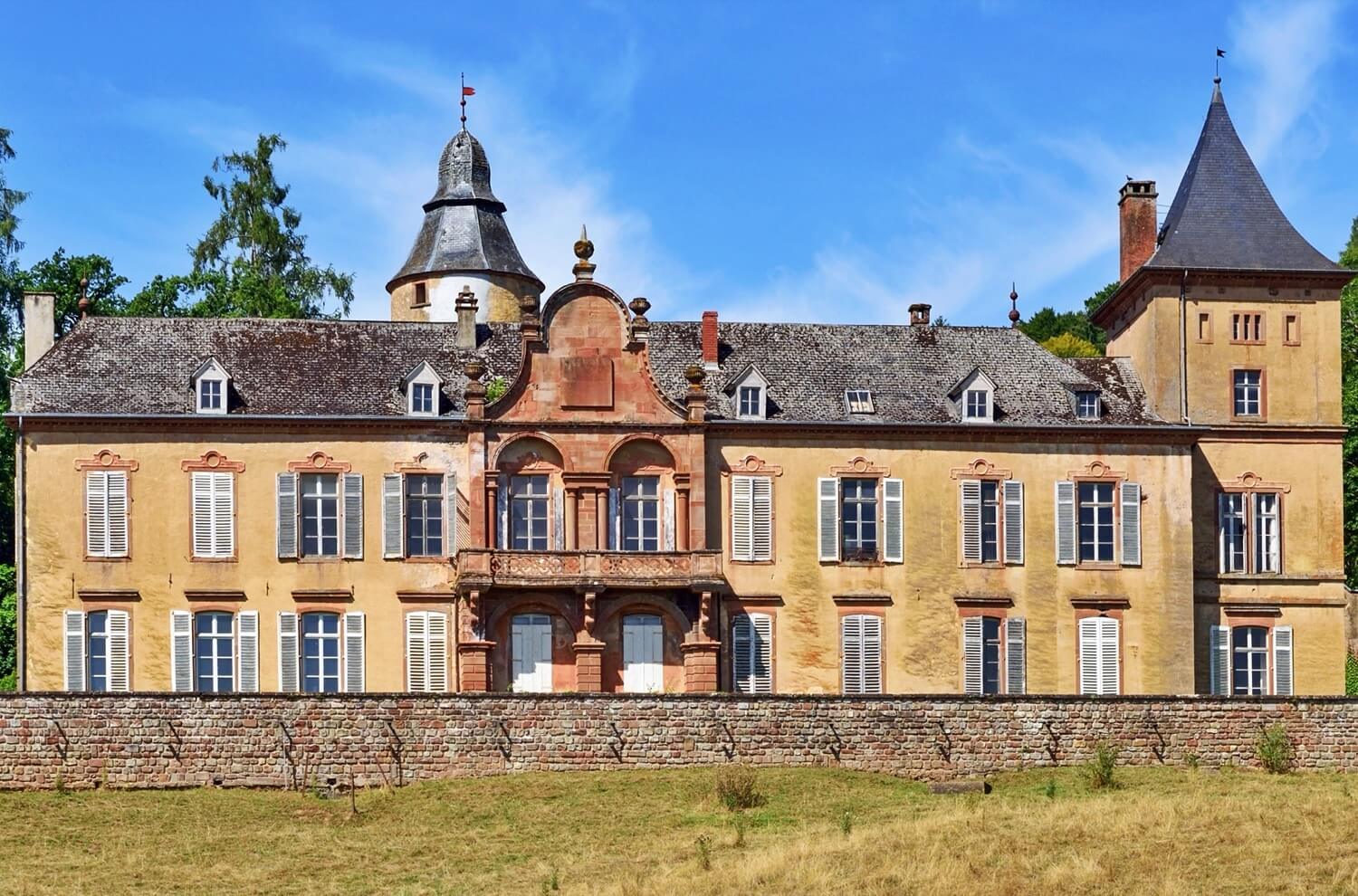
Birtrange Castle
Colmar-Berg
4.1km
castle, chateau
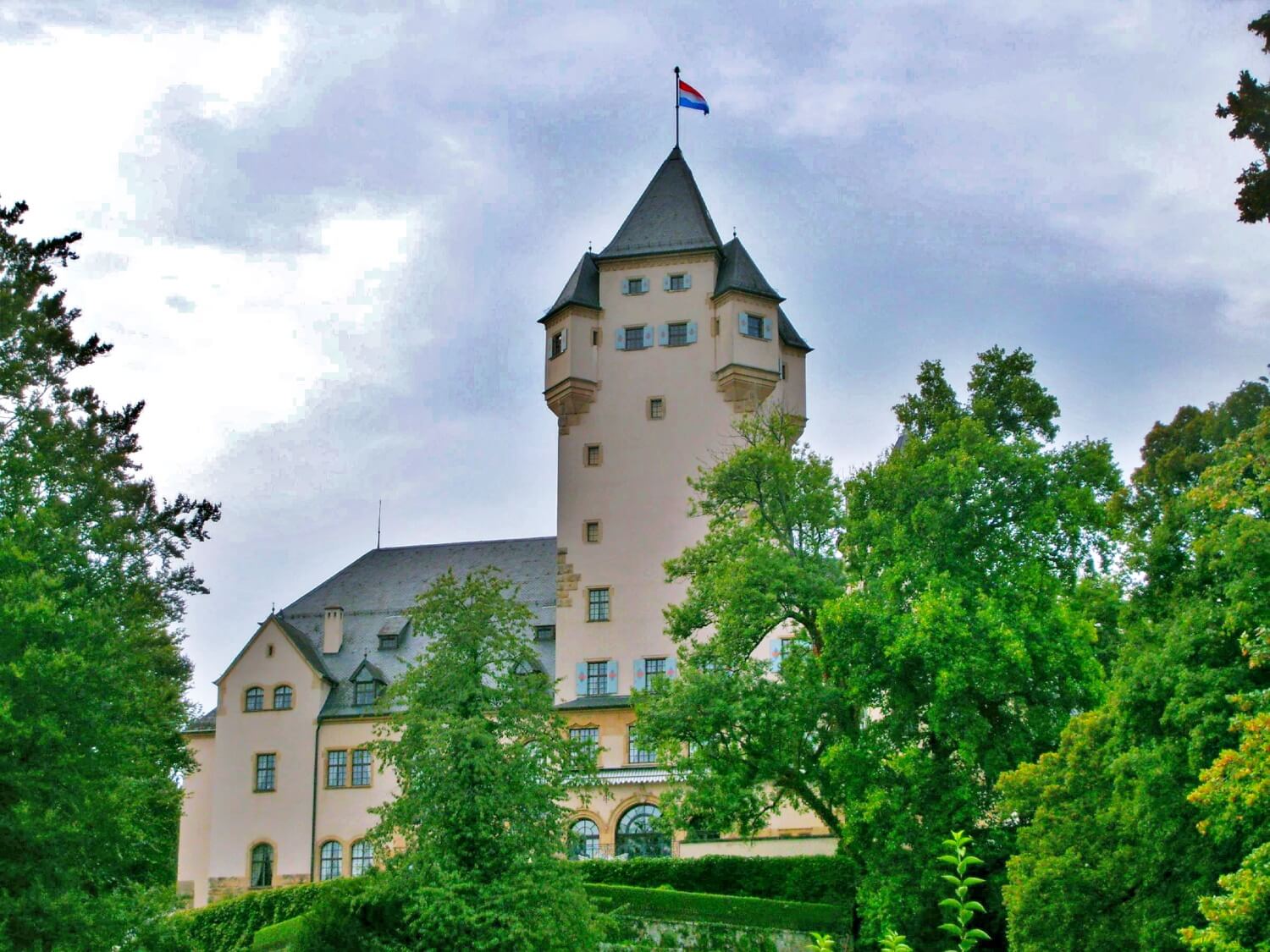
Berg Castle
Colmar-Berg
5.3km
castle, chateau
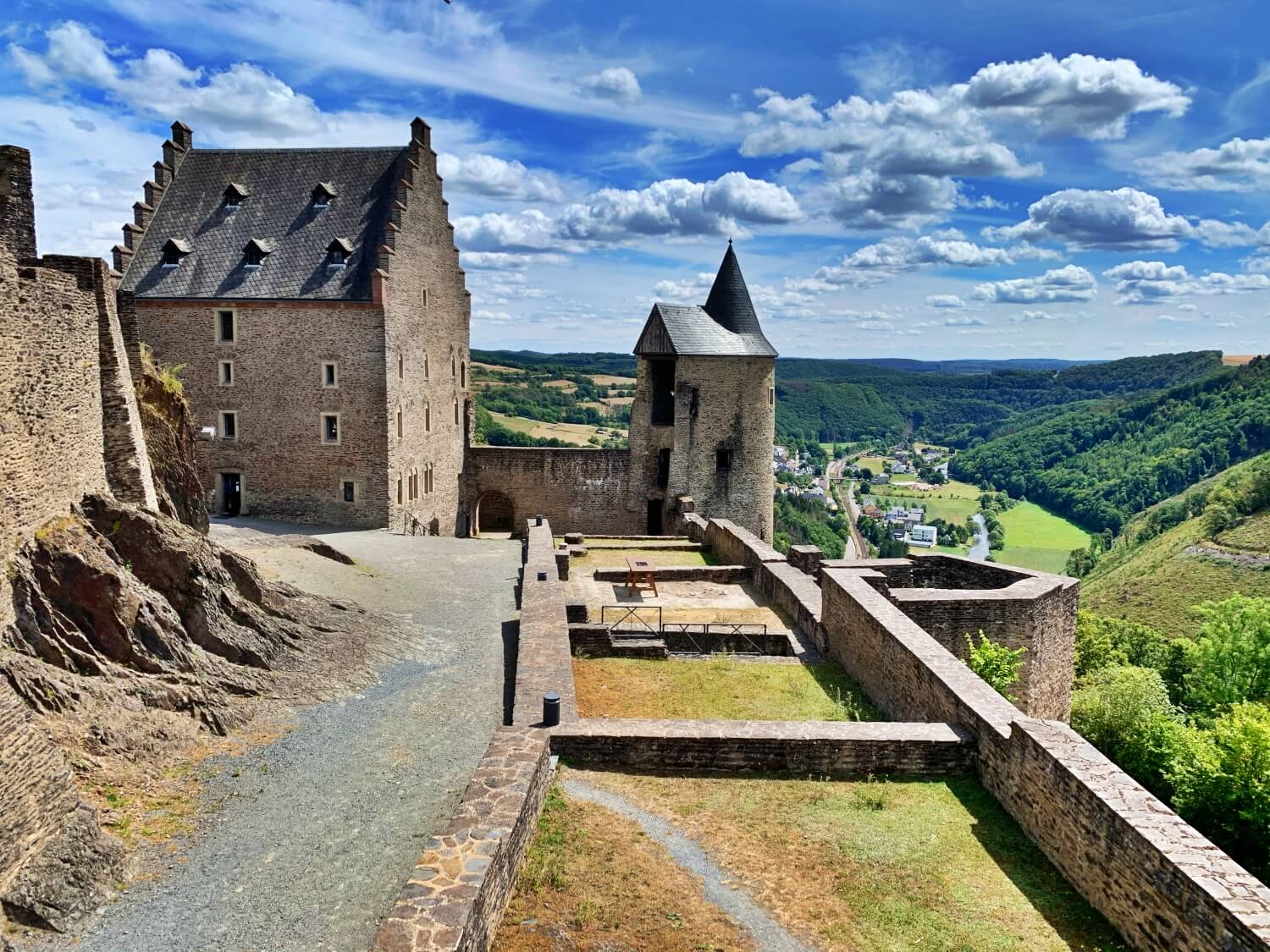
Bourscheid Castle
Bourscheid
5.6km
castle, chateau
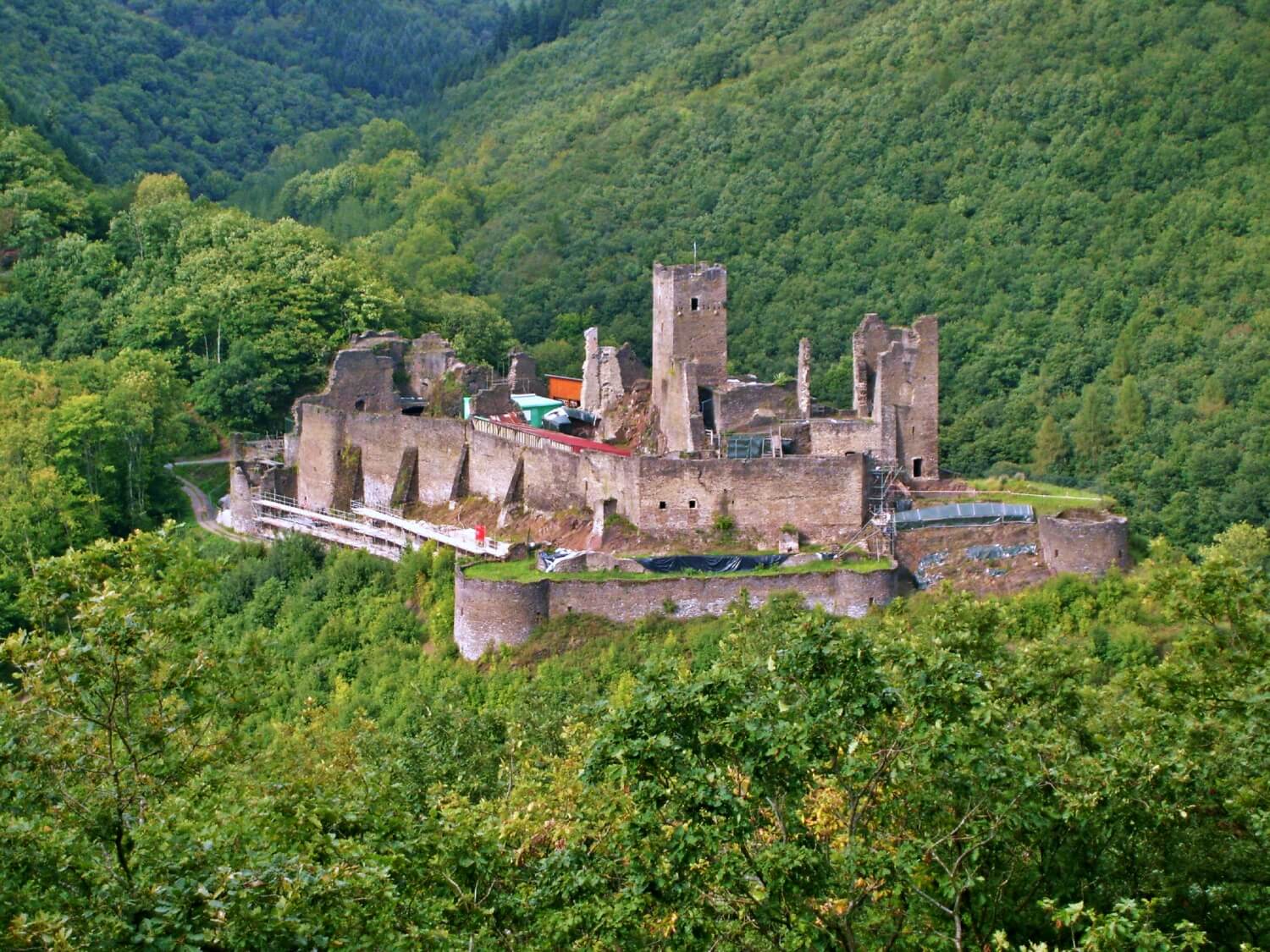
Brandenbourg Castle
Tandel
6.2km
castle, chateau
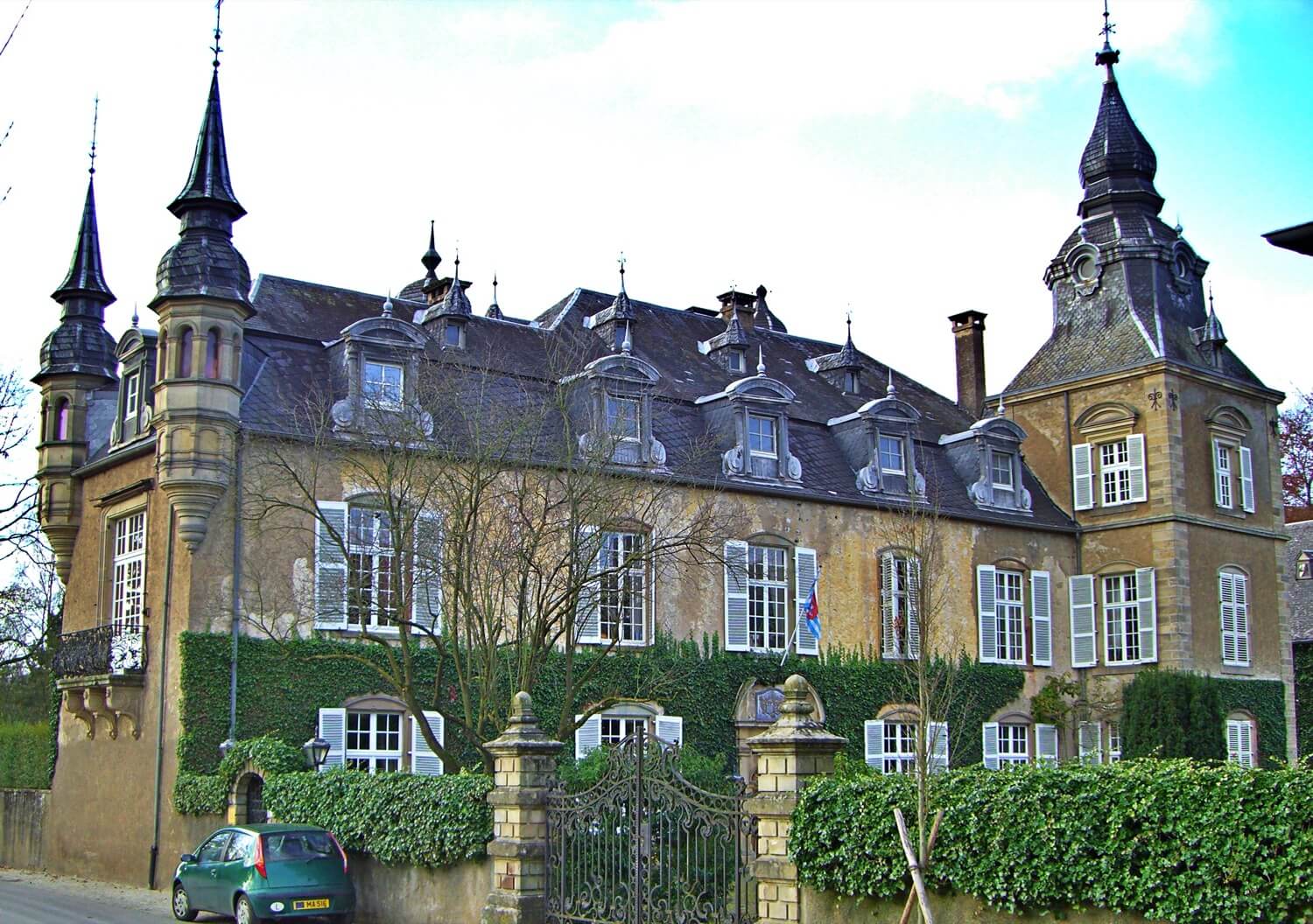
Bettendorf Castle
Bettendorf
8.0km
castle, chateau
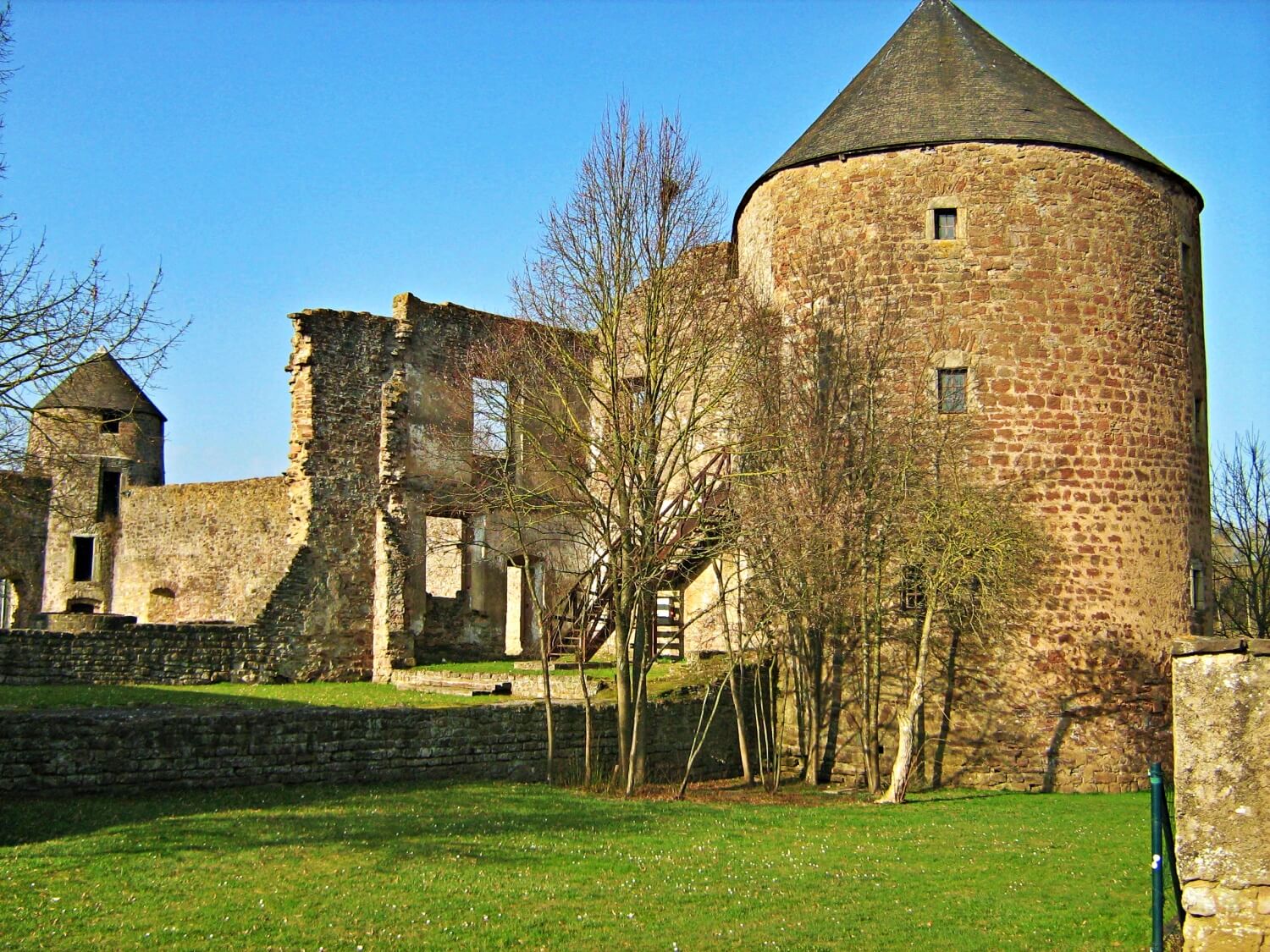
Pettingen Castle
Mersch
10.0km
castle, chateau
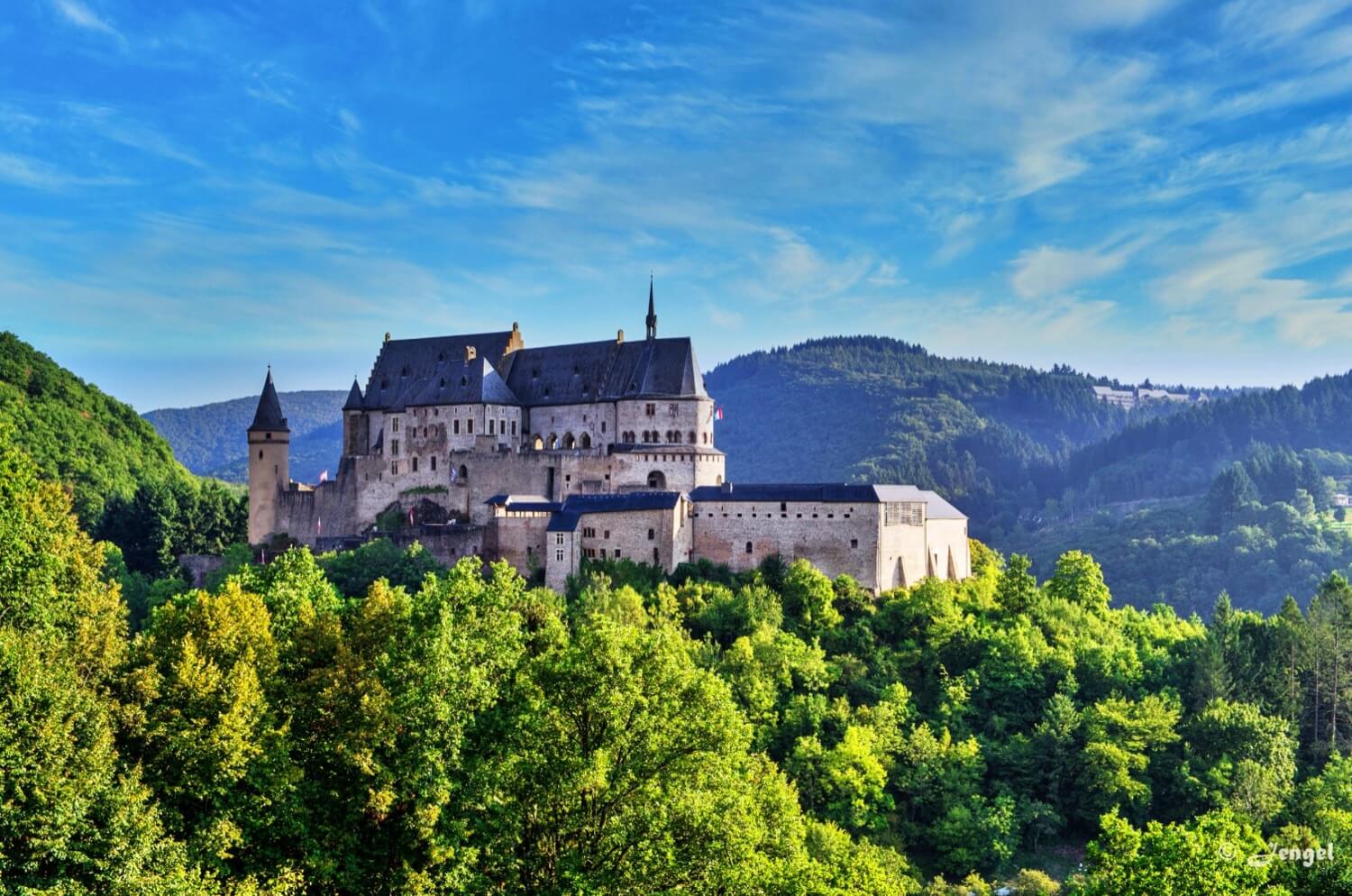
Vianden Castle
Vianden
10.6km
castle, chateau