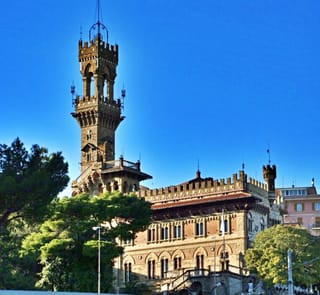
Castello di Punta Pagana
Metropolitan City of Genoa Liguria Italy
castle, chateau
Castello di Punta Pagana
Metropolitan City of Genoa Liguria Italy
castle, chateau
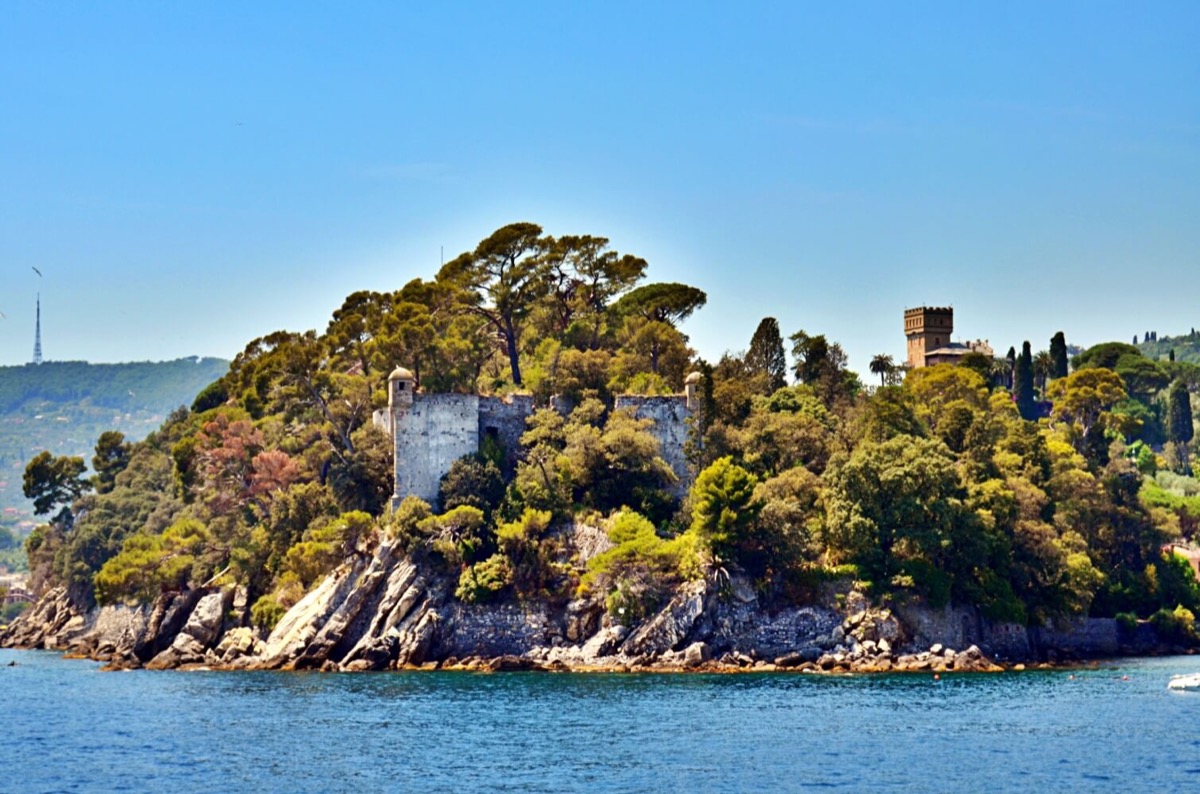
The Castello di Punta Pagana is a 17th-century fort located on the homonymous Punta Pagana, within the grounds of Villa Pagana in Rapallo, within the Metropolitan City of Genoa in Italy
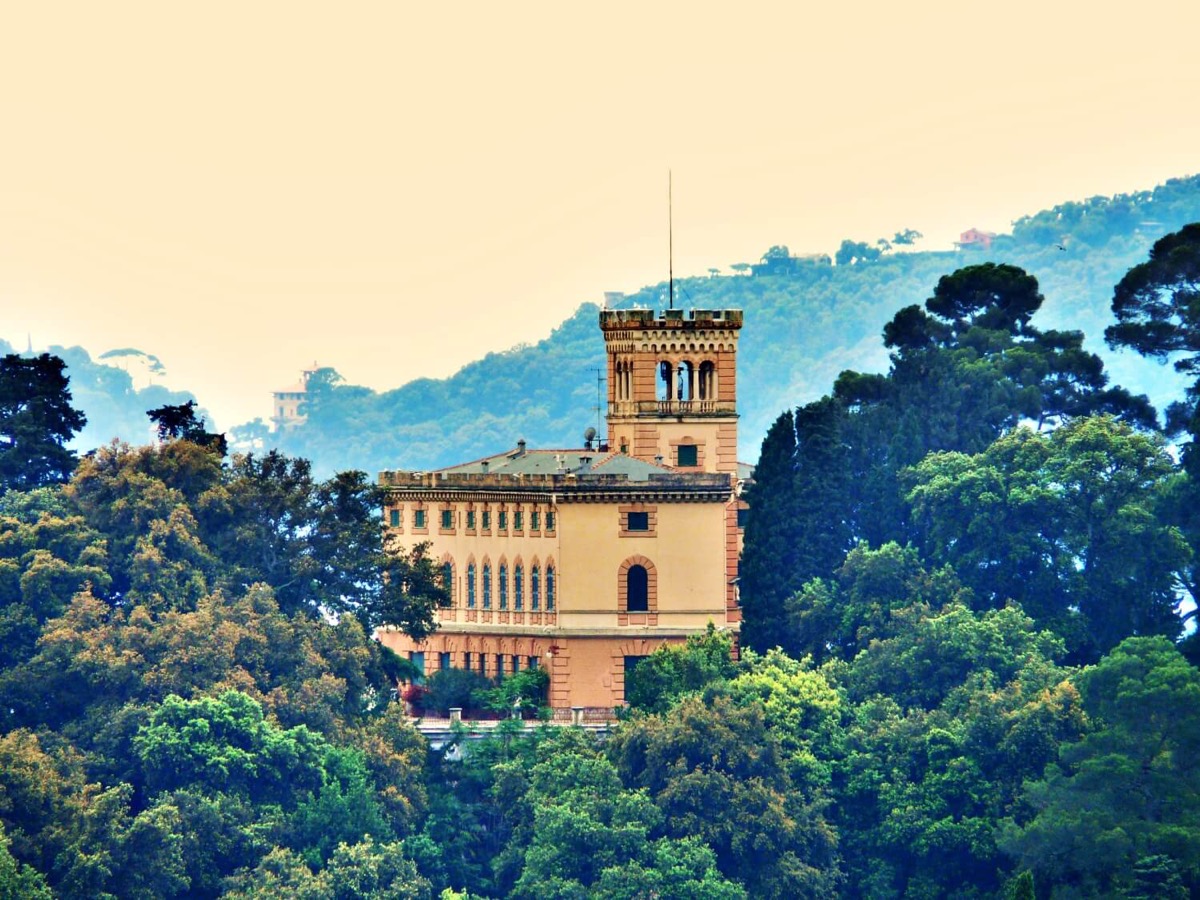
Il castello di Punta Pagana si trova nell'estrema punta omonima all'interno del parco privato di Villa Spinola, quest'ultima residenza di soggiorno, dal 1959, del Gran maestro dell'Ordine di Malta
Previous names
Castello di Punta Pagana , Castello di Punta Pagana
Description
The Castello di Punta Pagana is a 17th-century fort located on the homonymous Punta Pagana, within the grounds of Villa Pagana in Rapallo, within the Metropolitan City of Genoa in Italy. It is located west of San Michele di Pagana, close to the boundary with Santa Margherita Ligure. The fort was originally built by the Republic of Genoa, and today it belongs to the Sovereign Military Order of Malta along with the rest of the villa.
Together with the Castello di Santa Margherita Ligure to the west and the Castello di Rapallo [it] to the east, it formed part of the Genoese coastal defence system for the protection of villages on the western Tigullio gulf.
History
Construction of the fort began in April 1625 by the Republic of Genoa, the capitaneati of Rapallo, Recco, Chiavari and the podesterie of Moneglia and Sestri Levante. Its construction became necessary due to the open hostilities between Genoa and Charles Emmanuel I, Duke of Savoy, which raised fears of a Piedmontese land or sea attack.
The fort cost over 50,000 lire, and construction work progressed rapidly thanks to new taxes that allowed for the purchase of the material and paying workers' salaries. Construction was well underway by December 1625, and the moat and drawbridge were ready by 1627. The fort was fully completed and commissioned by the Republic of Genoa on 28 July 1631. It was armed with enough weapons, ammunition and gunpowder for a sudden attack.
Fortunately for the inhabitants of the nearby village of San Michele di Pagana, the area was never attacked by pirates or enemy soldiers and the fort never saw use. In 1644, the Genoese senate ordered the castellan to abandon the fort and send all military equipment inside on a galley to Genoa.
Part of the fort's walls.
The castle was subsequently garrisoned by local soldiers, and it became the headquarters of the Commissariato di Sanità di Rapallo (Health Commissariat of Rapallo). The Bombardment of Genoa by the French fleet in 1684 caused fears of another attack, so the fort was rearmed. However, no attacks occurred, and the fort was finally abandoned in 1705. It later became private property, forming part of the grounds of the nearby Villa Pagana.
The fort has belonged to the Sovereign Military Order of Malta since 1959, when the last owner of the villa passed on the entire property to the Order.
Il castello di Punta Pagana si trova nell'estrema punta omonima all'interno del parco privato di Villa Spinola, quest'ultima residenza di soggiorno, dal 1959, del Gran maestro dell'Ordine di Malta. L'antica fortezza seicentesca è ubicata nel territorio amministrativo di Rapallo, ad ovest di San Michele di Pagana, lungo il confine geografico con Santa Margherita Ligure.
Assieme alla fortezza cinquecentesca di Santa Margherita Ligure (ad ovest) e al castello sul mare di Rapallo (ad est) faceva parte di quella funzione di avvistamento e difesa voluta dalla Repubblica di Genova per la protezione delle coste e dei borghi del golfo tigullino occidentale.
Storia
L'opera di edificazione della fortezza si avviò nell'aprile del 1625 ad opera della Repubblica di Genova e dei capitaneati di Rapallo, Recco, Chiavari e delle podesterie di Moneglia e Sestri Levante. La sua costruzione divenne necessaria a seguito della forte ostilità aperta tra la repubblica genovese e Carlo Emanuele I di Savoia, e quindi per la paura di un possibile attacco via mare o terra delle truppe piemontesi.
I lavori, costati oltre 50.000 lire, furono celeri tanto che a dicembre del 1625 i lavori di edificazione procedevano a pieno rigore, grazie a nuove tasse che assicurarono l'acquisto del materiale necessario e alla compensazione dello stipendio. Nel 1627 si completò il fossato completo di ponte levatoio e tre anni dopo, il 28 luglio del 1631, venne posto sotto il servizio della Repubblica di Genova. La fortezza venne munita di armi, munizioni e polvere da sparo necessarie per un improvviso attacco.
Il castello non subì mai un attacco da parte di pirati o soldati nemici - per la fortuna degli abitanti del borgo - tanto che già nel 1644 il senato genovese ordinò al castellano di imbarcare tutto il materiale bellico su di una galea diretta a Genova, a causa della decisione di sgombero totale del castello.
Abbandonato ormai dalla Repubblica di Genova, ma sempre con la presenza di alcuni soldati locali, divenne sede del "Commissariato di Sanità di Rapallo". Il bombardamento navale di Genova nel 1684, da parte della flotta francese, causò un rapido riarmamento per scongiurare un improvviso attacco che, per fortuna, non accadde. Il maniero verrà definitivamente abbandonato nel 1705, per poi divenire successivamente proprietà privata, assieme alla villa adiacente, nei secoli successivi.
Scorcio di una garitta
L'ultimo proprietario della villa donò, tramite testamento, l'intero complesso costituito dalla villa, dal parco e dal forte al Sovrano Militare Ordine di Malta tuttora insediati.
Useful information
No
Proprietà di Sovrano Militare Ordine di Malta
-
Nearby castles
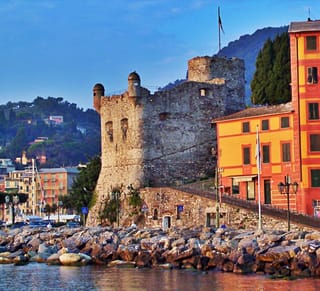
Castello di Santa Margherita Ligure
Città Metropolitana di Genova
1.0km
castle, chateau
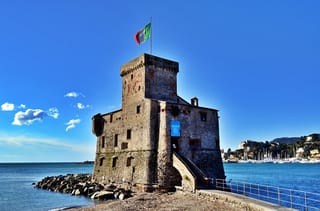
Castello di Rapallo
Città Metropolitana di Genova
1.5km
castle, chateau
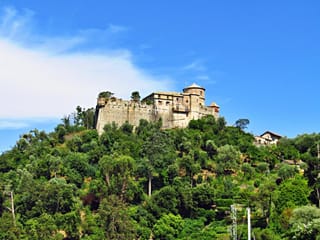
Castello Brown
Città Metropolitana di Genova
3.8km
castle, chateau
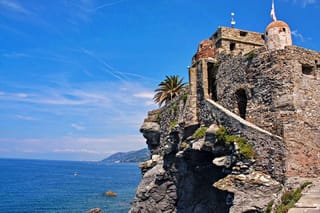
the Dragonara Castle
Città Metropolitana di Genova
6.1km
castle, chateau
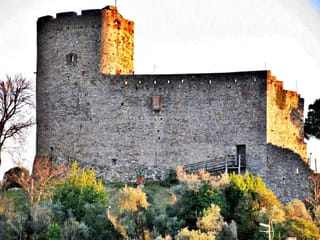
Castello di Chiavari
Città Metropolitana di Genova
8.2km
castle, chateau
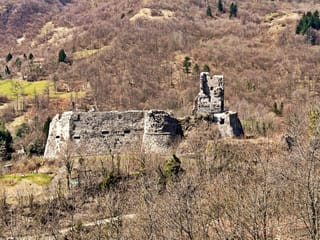
Castello di Torriglia
Città Metropolitana di Genova
21.3km
castle, chateau
The Mackenzie Castle
Città Metropolitana di Genova
23.8km
castle, chateau