Château de Vaux-le-Vicomte
Seine-et-Marne Île-de-France France
castle, chateau
Château de Vaux-le-Vicomte
Seine-et-Marne Île-de-France France
castle, chateau
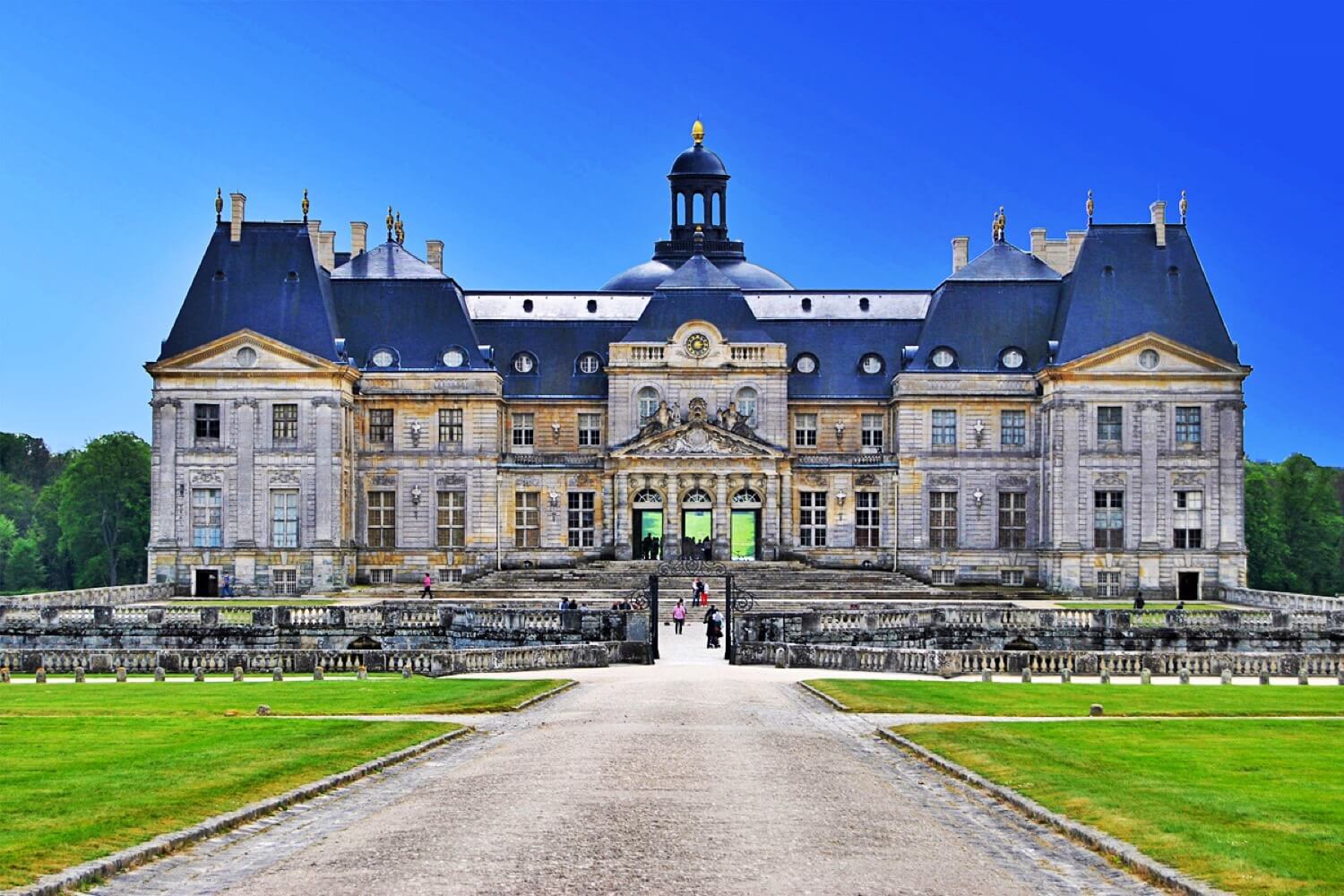
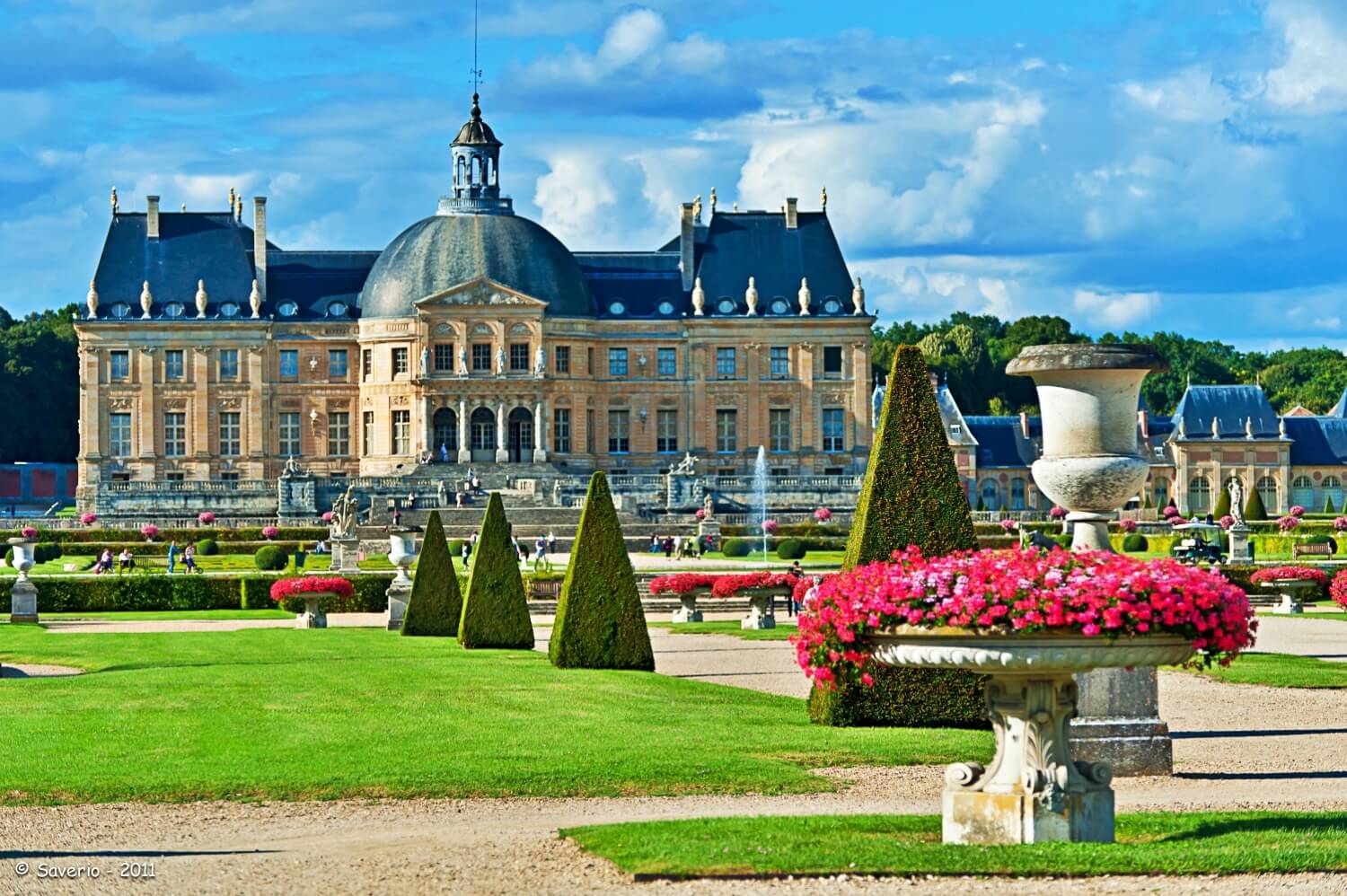
The Château de Vaux-le-Vicomte {voh-luh-vee-kohnt'}, outside Paris, represents the crystallization of the French baroque château and was the model for the Palace of Versailles
Chef d’œuvre du 17e siècle, Vaux-le-Vicomte fut le théâtre d’événements historiques marquants et le témoin de l’éviction tragique de son créateur, Nicolas Fouquet, emprisonné à la suite d’un procès rocambolesque
Previous names
Château de Vaux-le-Vicomte, Château de Vaux-le-Vicomte
Description
The Château de Vaux-le-Vicomte {voh-luh-vee-kohnt'}, outside Paris, represents the crystallization of the French baroque château and was the model for the Palace of Versailles. However, during the early part of the 17th century, Vaux was merely a small castle situated at the confluence of two small rivers, between the royal residences of Vincennes and Fontainebleau. At the time, it was just a place on the map and its reputation was yet to be made.
Then, in 1641, a 26-year-old parliamentarian — Nicolas Fouquet (1615-1680) — purchased the estate. Descended from a line of parliamentarians, Fouquet's own father, François Fouquet, had been a trusted advisor to Cardinal Richelieu on maritime and commercial affairs. Attaining the high posts of procureur général (Attorney General) and financier in the parliament of Paris in 1650, the younger Fouquet had become a rapidly rising star in both national politics and personal finances, remaining true to his family crest — the squirrel — and to his motto, "Quo non ascendet" ("What heights will he not scale?"). The rank of officier also conveyed a particular status of nobility, la noblesse de la robe.
This form of nobility — as opposed to la noblesse de l'épée ("blue blood", or inherited nobility) — aspired to aristocracy, struggling endlessly to secure a place among the true nobles of France. Similar to the modern-day contrasts between "nouveaux-riches" and "old money" families, la noblesse de la robe tended to demonstrate more ostentatiously, through appearance and behaviour, that one had "arrived" and learned to live like a nobleman.
A series of troubling national events, including the depletion of the royal coffers, led to Cardinal Mazarin's appointment of Nicolas Fouquet as financial secretary in 1653. Fouquet's mission was to replenish the empty treasury, the better to fund Royal spending, to supply the needs of the administration and the war (against Spain), to cover the cost of court entertainments, and to satisfy the colossal greed of Mazarin. From his position of power, Fouquet was successful both in replenishing the royal treasury and in amassing his family's fortune.
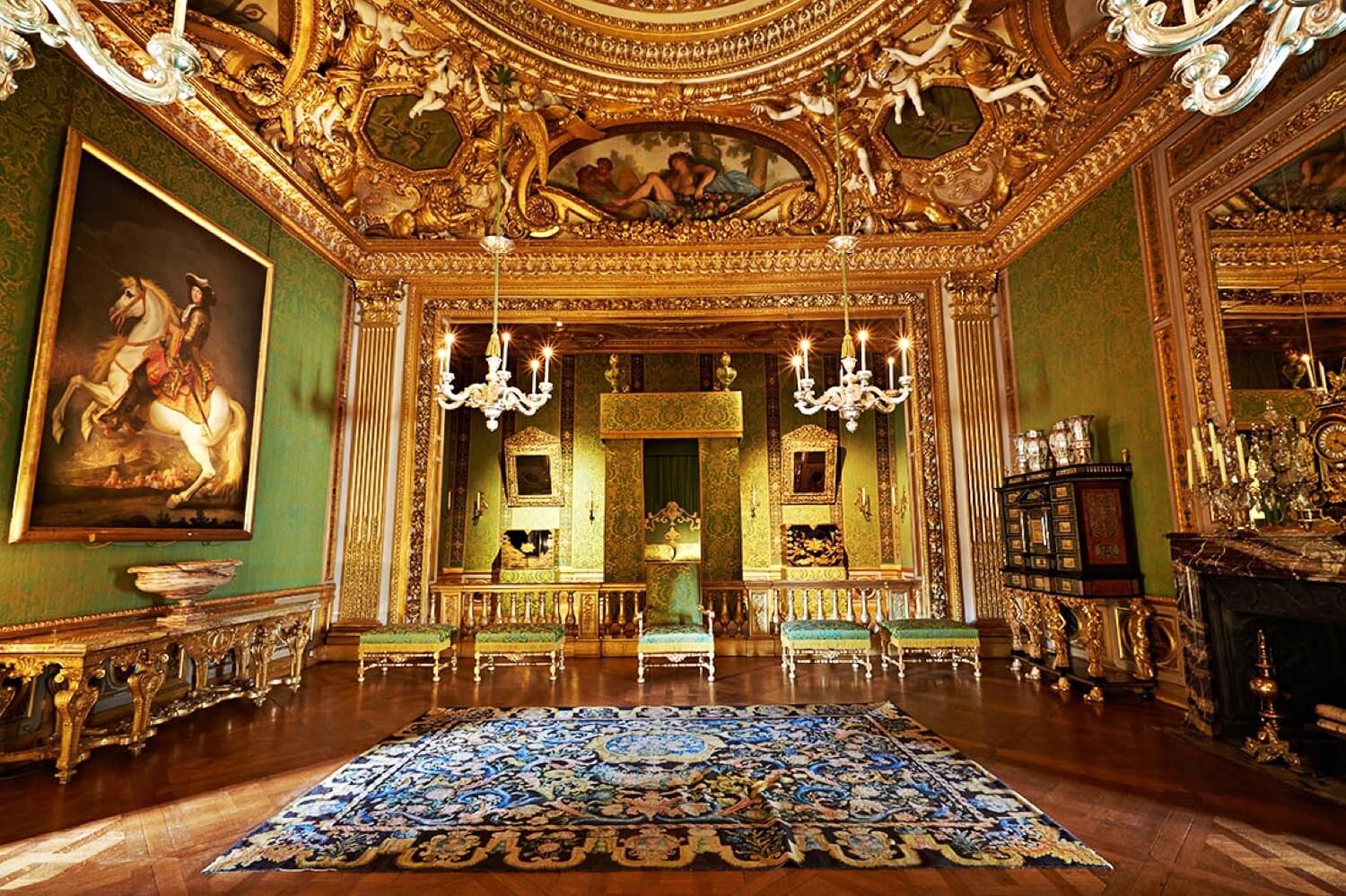
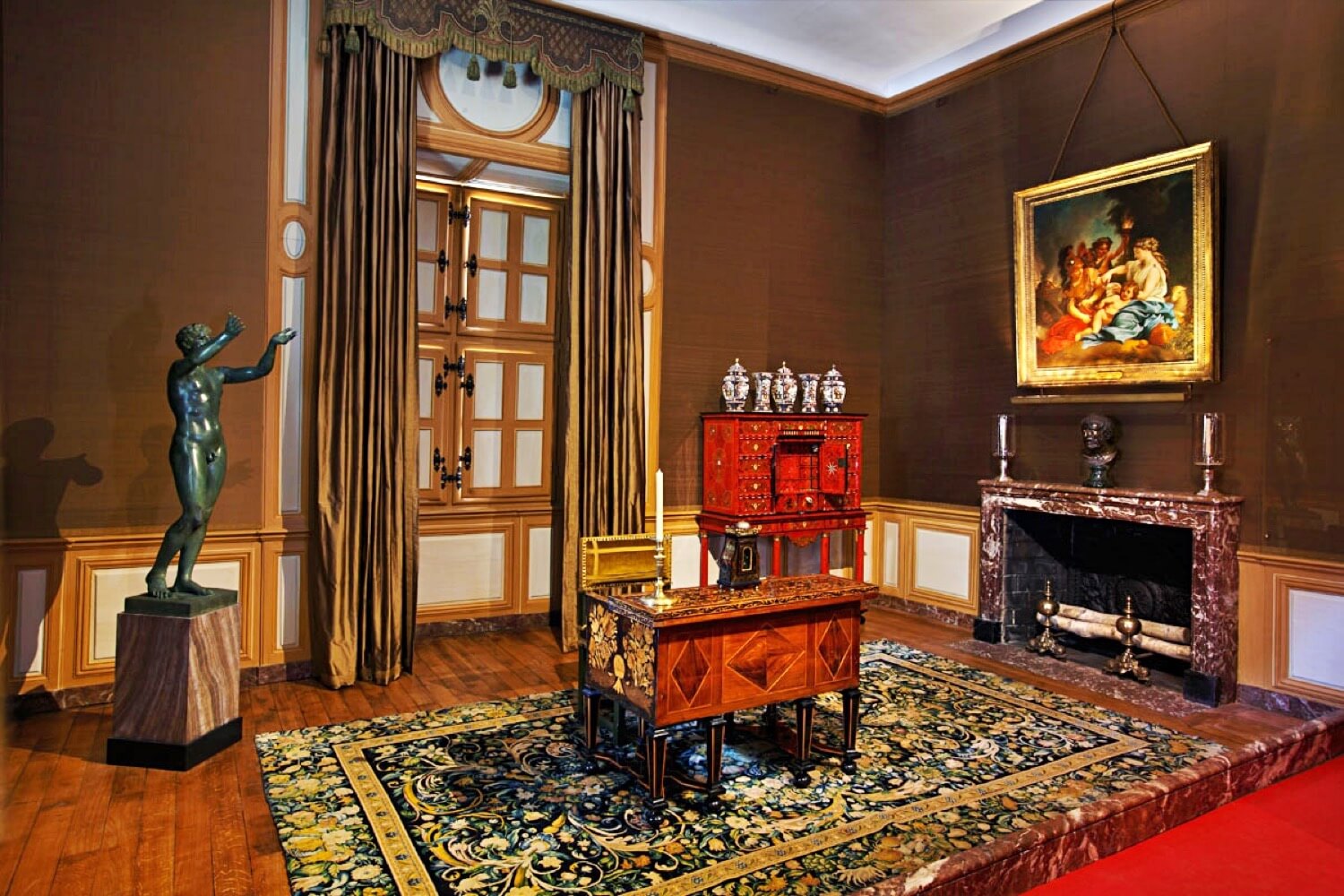
A charming man of matchless intelligence, Nicolas Fouquet possessed a lively, winning manner, and an overarching ambition to live amid luxury and refinement. He loved the arts, letters, poets, flowers, pictures, tapestries, books, statues — in short, beauty and pleasure in every form. He showered artists with gifts, commissions, and encouragement, and in this way, attracted a distinguished circle of men which included, among others, La Fontaine and Molière, Nicolas Poussin, Puget, and La Quintinie.
http://vaux-le-vicomte.com
Chef d’œuvre du 17e siècle, Vaux-le-Vicomte fut le théâtre d’événements historiques marquants et le témoin de l’éviction tragique de son créateur, Nicolas Fouquet, emprisonné à la suite d’un procès rocambolesque.
En 1641, Nicolas Fouquet, jeune parlementaire de 26 ans, acquiert le fief de Vaux-le-Vicomte. Vingt ans plus tard, il en fait un chef-d’œuvre unique : le château et le jardin sont parmi les plus beaux de France. Pour la première fois dans l’histoire, ce visionnaire réunit sur un même projet l’architecte Louis Le Vau, le peintre-décorateur Charles Le Brun et le jardinier André Le Nôtre.
Victime d’un complot, Fouquet est arrêté puis condamné au bannissement puis à la prison à vie par Louis XIV en 1661 (en savoir plus). Vaux-le-Vicomte est alors mis sous scellés et le roi saisit la quasi intégralité de ce qu’il contient : tapisseries, mobilier, peintures, livres, tapis… jusqu’aux orangers ! Madame Fouquet mettra 10 ans à récupérer son bien où elle se retirera avec son fils aîné. Après la mort de celui-ci, elle se résout à se séparer du château de Vaux-le-Vicomte qui est mis en vente en 1705.
Claude-Louis-Hector de Villars, Maréchal et Pair de France, l’acquiert sans même le visiter et en apprécie le charme pendant de longues années. Son fils le vend en 1764 au Duc de Praslin. Ses descendants le conserveront pendant plus d’un siècle, dont 30 ans d’abandon, avant de le remettre en vente.
En juillet 1875, alors que le château est vide et que le jardin à la française n’est plus qu’un lointain souvenir, le domaine de Vaux-le-Vicomte est mis aux enchères publiques. Un amateur d’art, Alfred Sommier, l’achète et commence un immense travail de restauration pour restituer au domaine son incomparable beauté d’origine. Ses enfants poursuivront son œuvre après sa mort, et, aujourd’hui, ses descendants directs, Patrice et Cristina de Vogüé, épaulés par leurs enfants Jean-Charles, Alexandre et Ascanio poursuivent l’œuvre commencée il y a 140 ans.
http://vaux-le-vicomte.com
Useful information
Parking GRATUIT (les camping cars, autocars, parkings sont fermés tous les soirs, non gardés, parking PMR, 3000 places de parking)
Adulte (de 18 ans): 16,90 € (visite en journée, hors événements); 19,90 € (soirées aux chandelles ou Noël); 17,90 € (visite durant les événements)
Tarif réduit (étudiant, demandeur d’emploi): 14,90 € (visite en journée, hors événements); 17,90 € (soirées aux chandelles ou Noël); 15,90 € (visite durant les événements)
Enfant (de 6 à 17 ans): 11 € (visite en journée, hors événements); 14 € (soirées aux chandelles ou Noël); 12,90 € (visite durant les événements)
Enfant (moins de 6 ans): gratuit
Personne handicapée: 11 € (visite en journée, hors événements); 14 € (soirées aux chandelles ou Noël); 12,90 € (visite durant les événements)
Membre de l’Association des Amis de Vaux-le-Vicomte ou du Cercle des entreprises mécènes: gratuit
Privatisation du Château: à partir de 33 000 € HT
WC GRATUIT/WC pour PMR
chateau@vaux-le-vicomte.com
-
External links
Nearby castles
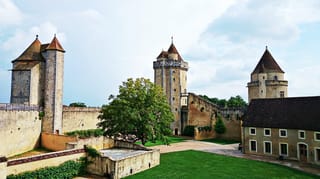
Château de Blandy-les-Tours
Seine-et-Marne
5.0km
castle, chateau
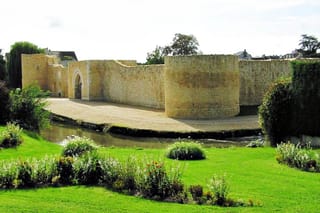
Château de Brie-Comte-Robert
Seine-et-Marne
16.0km
castle, chateau

Château royal du Vivier
Seine-et-Marne
16.6km
castle, chateau
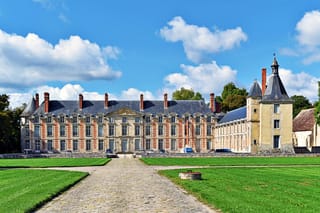
Château de Fleury-en-Bière
Seine-et-Marne
18.0km
castle, chateau
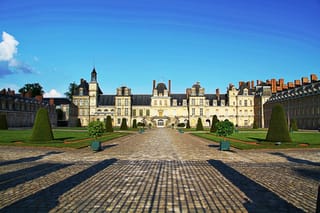
Château de Fontainebleau
Seine-et-Marne
18.2km
castle, chateau
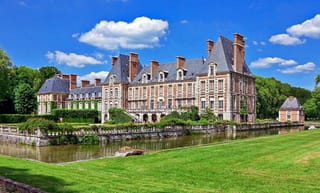
Château de Courances
Essonne
22.8km
castle, chateau
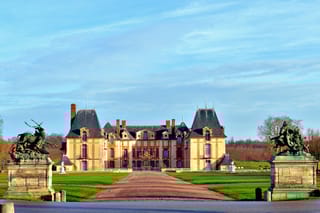
Château de Grosbois
Val-de-Marne
23.3km
castle, chateau