Aydon Castle
Northumberland England England
castle, chateau
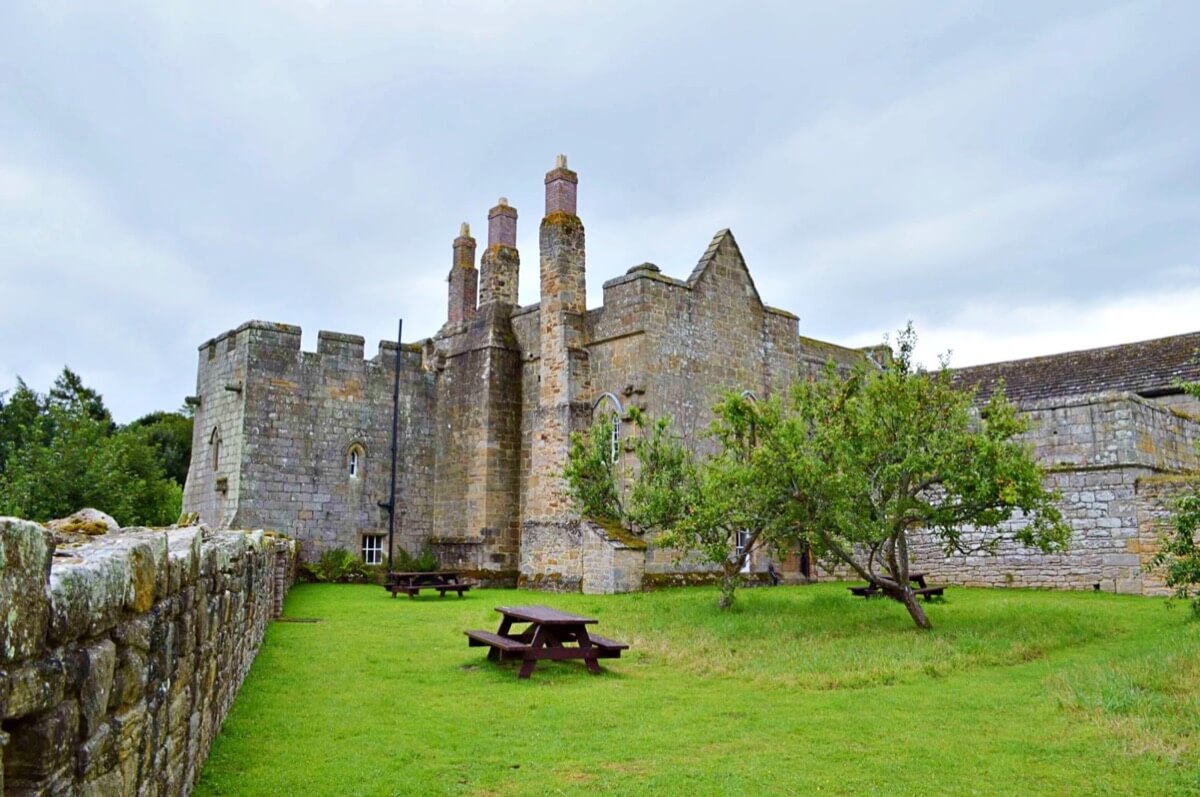
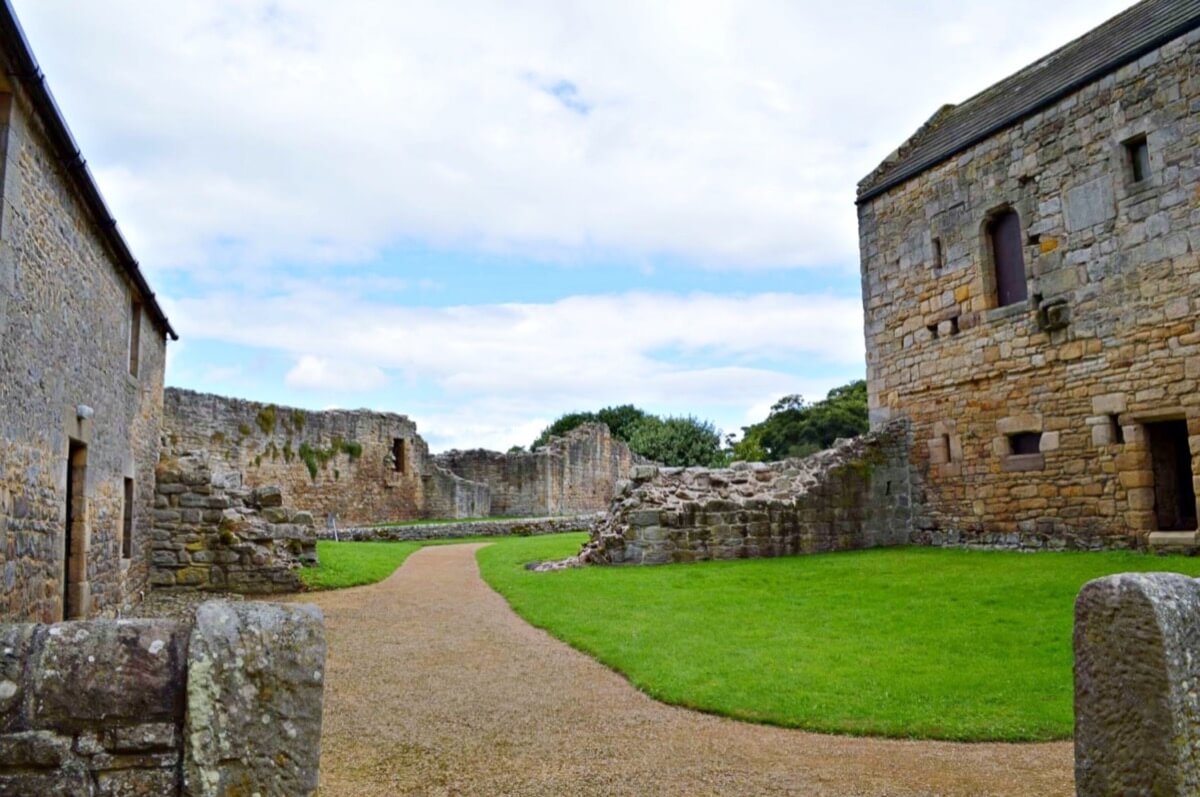
Aydon Castle, previously sometimes called Aydon Hall, is a fortified manor house at Aydon near to the town of Corbridge, Northumberland, England
Previous names
Aydon Castle
Description
Aydon Castle, previously sometimes called Aydon Hall, is a fortified manor house at Aydon near to the town of Corbridge, Northumberland, England. It is a Scheduled Ancient Monument, and is designated by English Heritage as a Grade I listed building
Details
Documentary evidence shows that a timber hall first existed on this site. The manor house was built by Robert de Reymes, a wealthy Suffolk merchant, starting in 1296, adjacent to the steep valley of the Cor Burn. At this time the building consisted of a two-storeyed hall house with a solar, dining hall and kitchen on the upper floor.In 1305 he obtained a licence to crenellate his property and added battlements and curtain walls. It was captured by the Scots in 1315 and again in 1346. In the middle of the 16th century it was renovated and in the middle of the 17th century it was converted into a farm. The building remained in use as a farm until 1966 but has since been restored to its medieval appearance. It is managed by English Heritage.
Aydon was purchased in the early 1290s by Hugh de Raymes, a major Suffolk merchant who sought to improve his standing by buying the estates of an impoverished neighbour. Hugh died in 1295 and the following year his son, Robert, adopted Aydon as his primary residence, most probably as he sought to capitalise on the opportunities afforded by the Scottish Wars of Independence. He certainly fought in Scotland in 1297 and 1298 including participation in the Battle of Falkirk (1298) where William Wallace was defeated by Edward I. Concurrently Robert began construction of the first stone structure at Aydon Castle augmenting an existing timber hall house with a two storey chamber block. Shortly after he added a two-storey hall range.
Aydon Castle was designed to be as much a statement of the prestige and power of Robert de Raymes as it was for defence. A licence to crenellate was granted in 1305 but this was probably just to enhance the status of the property. However in 1306 Robert the Bruce rebelled and seized the Scottish throne. Although initially defeated, the death of Edward I in 1307 and his replacement by the weak and ineffectual Edward II allowed Bruce's rebellion to gain traction. Over the course of the next seven years Scottish forces largely expelled the English and then commenced a series of border raids into Northumberland. Aydon, along with surrounding area, was laid waste by Scottish forces in 1311 and 1312 although on both occasions the castle held out.
The situation in Northumberland deteriorated further after the catastrophic English defeat at the Battle of Bannockburn (1314). The situation was particularly grim for Robert for he was captured at the battle and ransomed for an eye-watering 500 marks - a significant sum and testament to his wealth. This act alone was enough to destroy Robert’s wealth but it was compounded by further raids into Northumberland. In 1315 Aydon was attacked again and this time the Governor of the castle surrendered resulting in it being burnt and pillaged. The weakened structure was attacked once more in 1317, this time by English raiders seeking to steal all wealth from the site. When Robert de Raymes died in February 1324 he had been financially ruined and the Aydon estate was regarded as worthless.
Robert's son continued to occupy Aydon Castle and enhanced the defences of the site. He also managed to restore some of his family’s fortunes and, when he died in 1349, he left his son, Nicholas de Raymes, in a position to enjoy a successful career. Despite periodic legal troubles for debt, financial irregularities and even murder Nicholas prospered with the help of his patron Henry Percy, Earl of Northumberland. This was the high point for Aydon Castle - by the fifteenth century the family were struggling to maintain their position and ultimately sold the castle. Over the subsequent centuries few changes were made to Aydon and although it had a number of owners, many simply lodged tenants there. By the seventeenth century it was used as a farmhouse.
http://www.castlesfortsbattles.co.uk
Useful information
Parking FREE
http://www.english-heritage.org.uk/visit/places/aydon-castle/prices-and-opening-times
http://www.english-heritage.org.uk/visit/places/aydon-castle/prices-and-opening-times
http://www.english-heritage.org.uk/visit/places/aydon-castle/prices-and-opening-times
WC FREE
- Dogs on lead allowed. Assistance dogs welcome.
- Baby changing facilities available.
- Pushchairs allowed
External links
Nearby castles
Halton Castle
Northumberland
1.7km
castle, chateau
Prudhoe Castle
Northumberland
9.7km
castle, chateau
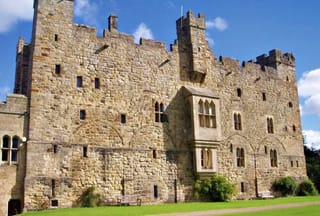
Haughton Castle
Northumberland
10.6km
castle, chateau
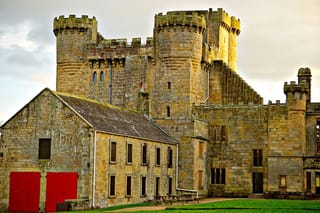
Belsay Castle
Northumberland
15.0km
castle, chateau
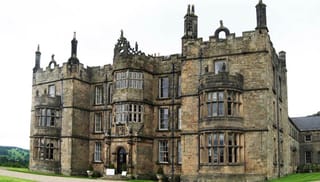
Chipchase Castle
Northumberland
15.2km
castle, chateau
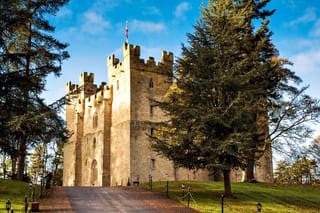
Langley Castle
Northumberland
17.0km
castle, chateau
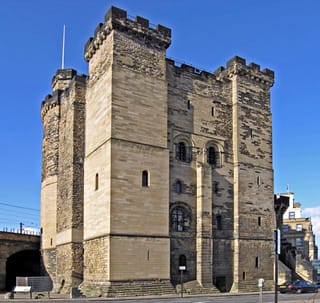
Newcastle Castle
Tyne and Wear
25.0km
castle, chateau