Berlin Cathedral
Kreisfreie Stadt Berlin Berlin Germany
castle, chateau
Berliner Dom
Kreisfreie Stadt Berlin Berlin Germany
castle, chateau
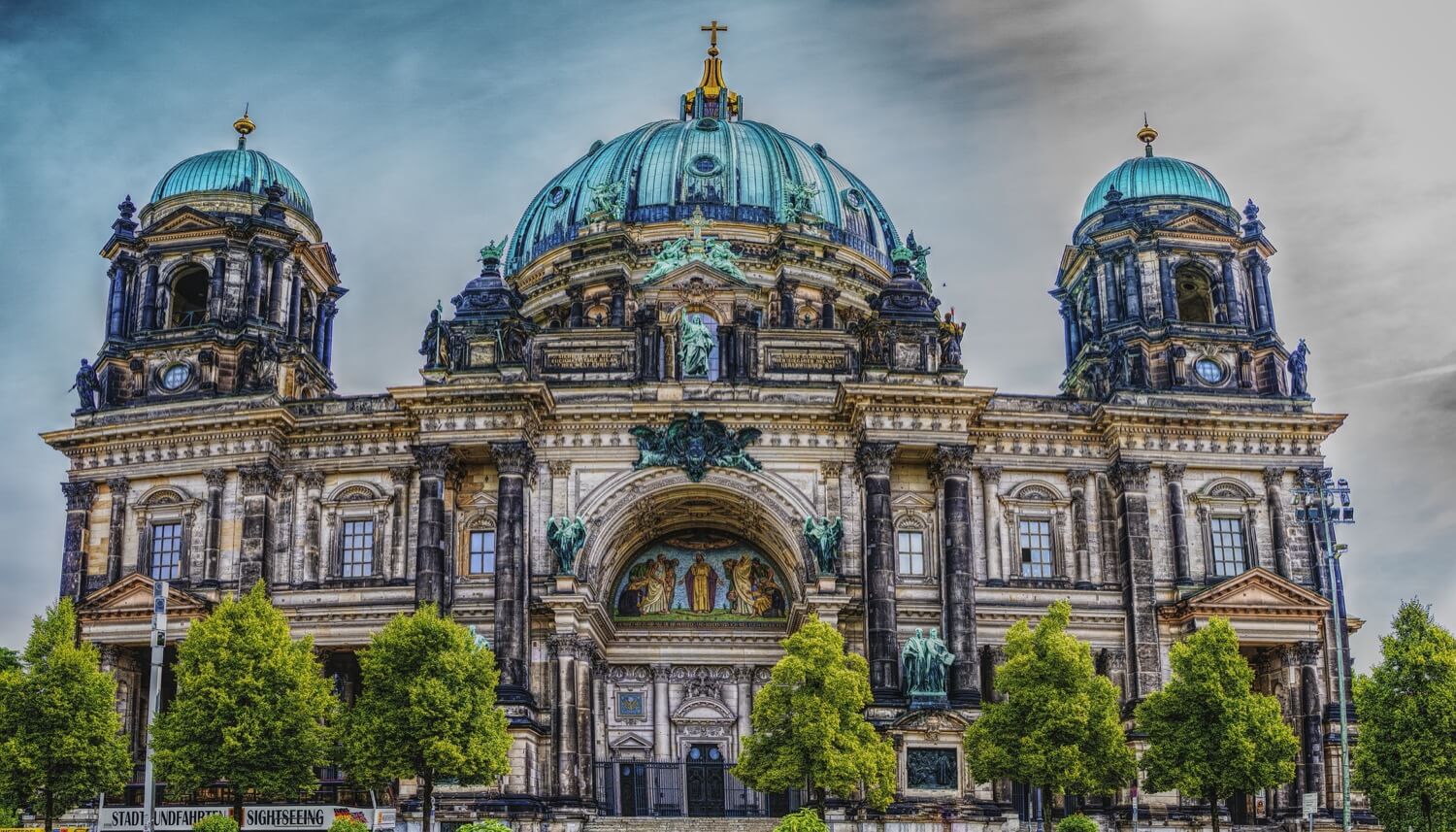
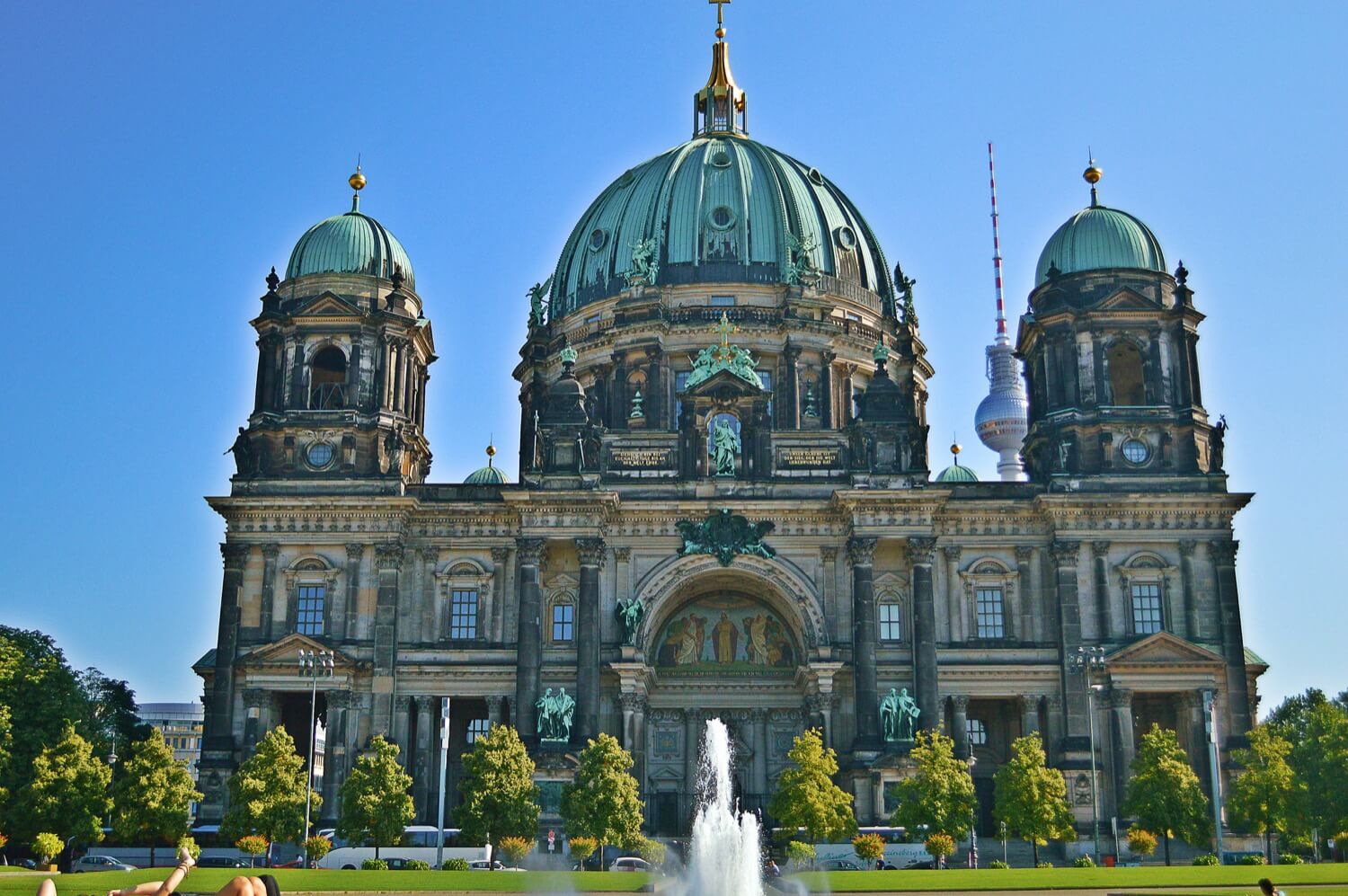
The magnificent dome of the Cathedral Church (Berliner Dom) is one of the main landmarks in Berlin’s cityscape – and marks the spot of the impressive basilica housing the city’s most important Protestant church
Groß und prunkvoll mit seiner weithin sichtbaren Kuppel erhebt sich der Berliner Dom mitten im Herzen der Stadt
Previous names
Berlin Cathedral, Berliner Dom
Description
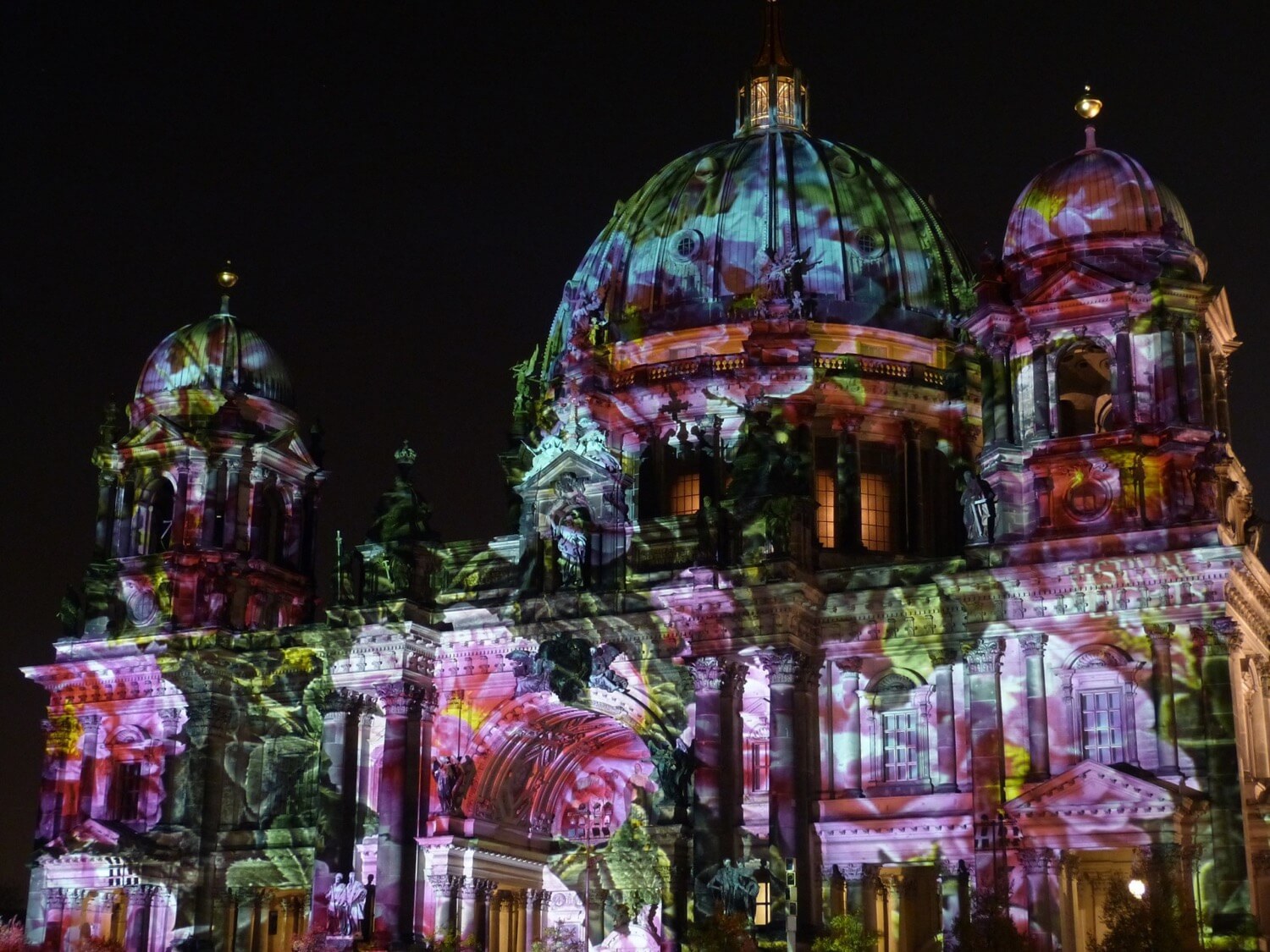
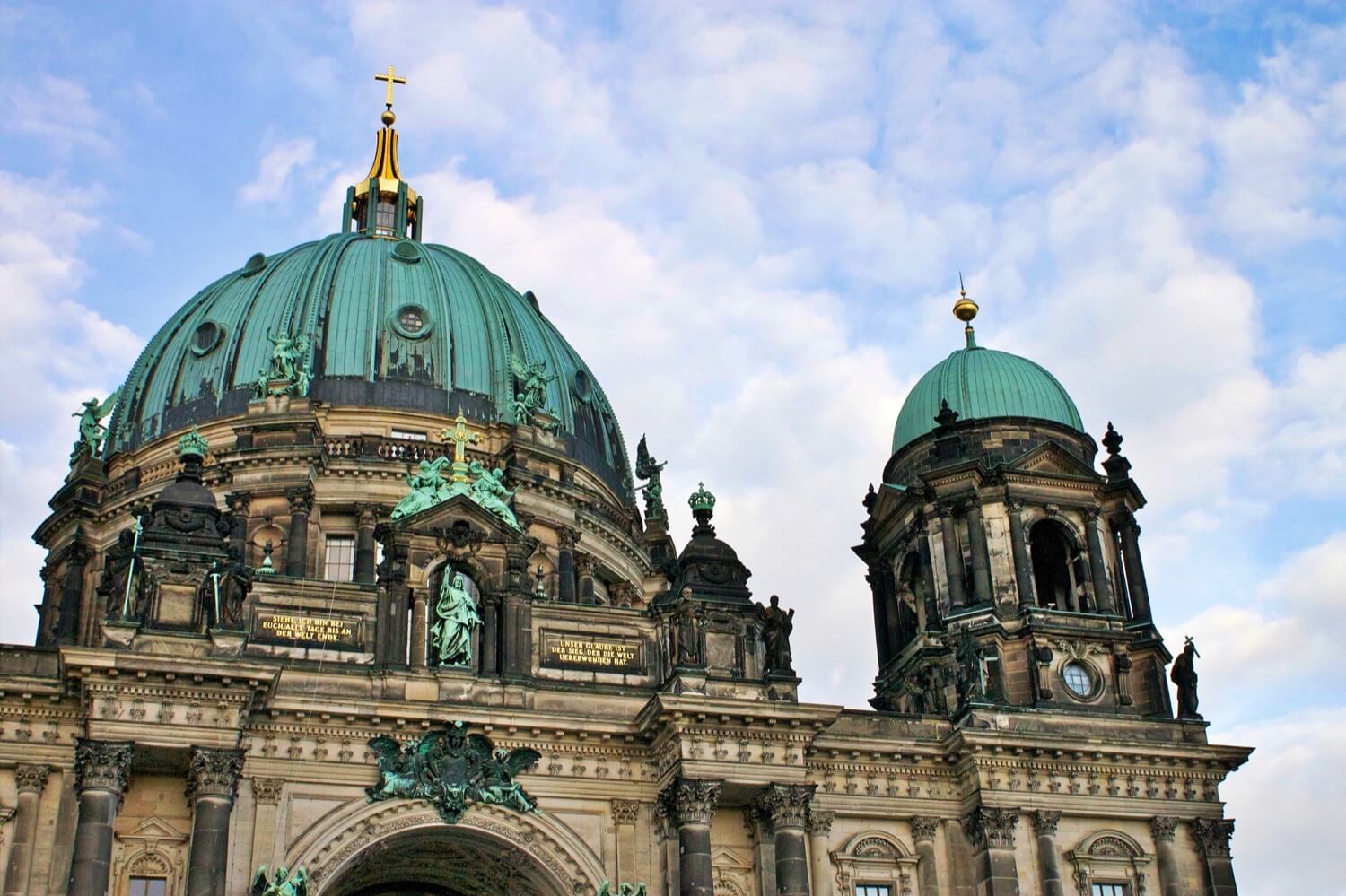
The magnificent dome of the Cathedral Church (Berliner Dom) is one of the main landmarks in Berlin’s cityscape – and marks the spot of the impressive basilica housing the city’s most important Protestant church. With its elaborate decorative and ornamental designs, the church interior is especially worth seeing.
Yet although the church is known as a cathedral, it actually has the status of a parish church – though not just any parish. This was the court church to the Hohenzollern dynasty, the rulers of Prussia and later the German Emperors. Today, as the High Parish and Cathedral Church, the church serves the Protestant community in Berlin and the surrounding areas. The congregation is not based on place of residence, but open through admission to all baptised Protestants in the region.
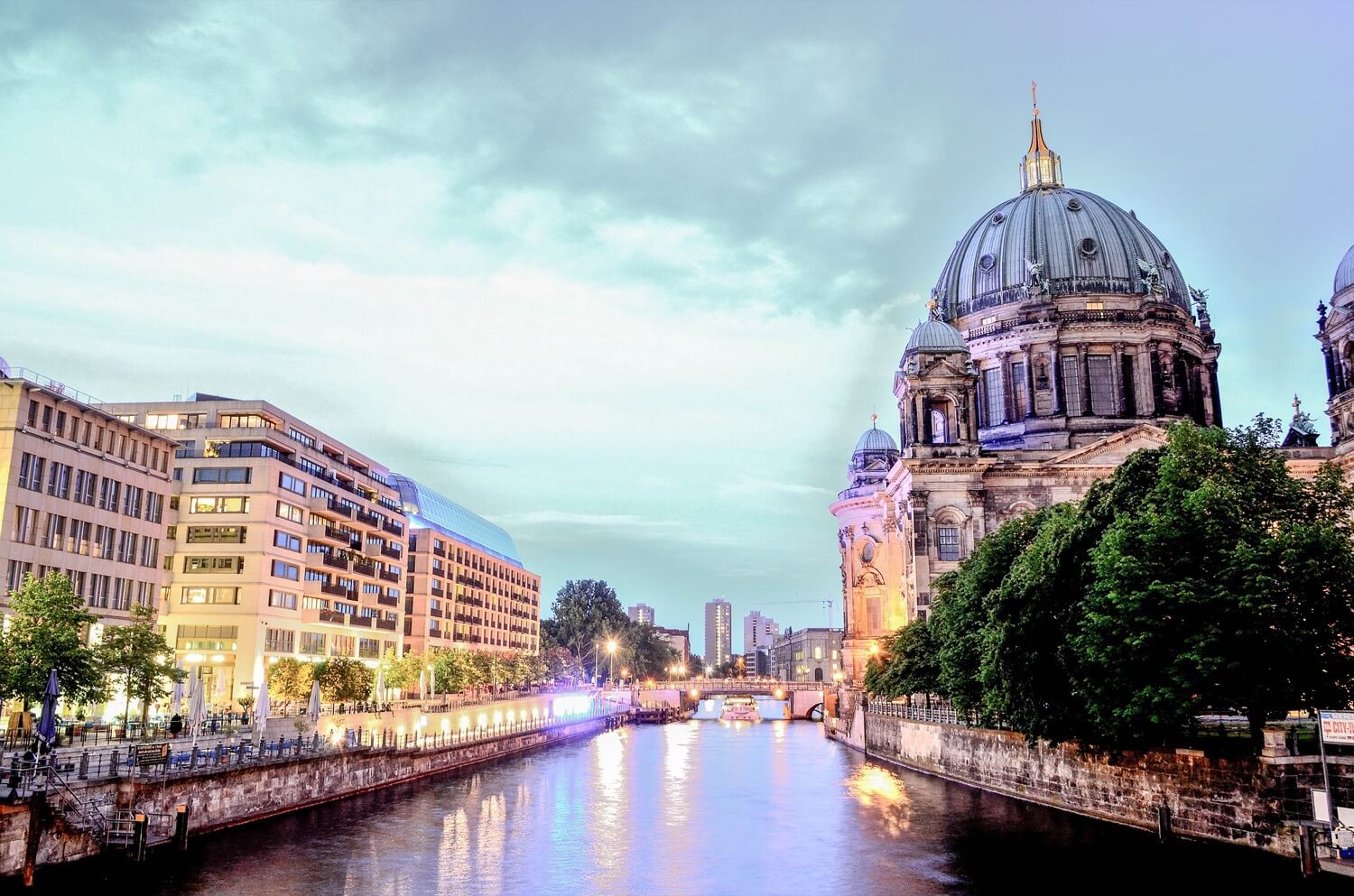
The history of the church on the island in the River Spree goes back to the fifteenth century, when the chapel of the new royal city palace was elevated to the status of a collegiate church. As a collegiate church, this was a Domkirche (cathedral church). Even though not technically a cathedral, since it is neither the seat of a bishop nor the central church in a diocese, the church continued to be known as the Dom (cathedral) down the centuries.
In the early nineteenth century, Prussia’s leading architect Karl Friedrich Schinkel transformed the court church into a neo-classical building. But fifty years on, tastes had changed. By the time Friedrich Wilhelm II came to throne as Emperor of Germany in 1888, several designs had been proposed for a new church, though none had been accepted. The Emperor also found the Schinkel church far too modest, and insisted on a new monumental church in keeping with the imperial monarchy’s power and prestige. Architect Julius Carl Raschdorff was commissioned for the new church, but had to present three designs before Wilhelm II was satisfied. Raschdorff’s opulent, grandiose structure was Berlin’s answer to Saint Peter’s in Rome and Saint Paul’s Cathedral in London.
The old building was demolished in 1893, and the foundation stone for the new church laid in 1894. Eleven years later in 1905, the new church was consecrated. The church was severely damaged during the Second World War. After the division of Germany, the Cathedral Church was in East Berlin. The work on restoring the church began there in 1975, although in a simplified form. The full restoration was only completed in 1993, four years after the Berlin Wall fell. In 2008, a new golden cross on the dome replaced the rather simple one from the East German period.
The Cathedral Church is dominated by a monumental dome crowned by a lantern with a golden cross and flanked by four towers. Raschdorff drew his inspiration from the Italian High Renaissance and the more florid baroque style. With its lavish mix of ornamental mosaics, gold features and impressive statues, the octagonal interior is clearly informed by the late nineteenth century’s love of grand gestures and display. The most notable works of art are the marble and onyx altar, designed by Friedrich August Stüler, and the white marble baptismal font by Christian Daniel Rauch. In the Baptismal and Matrimonial Chapel, the monumental painting of the Descent of the Holy Spirit by Carl Begas in the style of Raphael is also well worth seeing.
The main nave with the massive dome soaring above it is certainly one of the church’s signature sights, and not to be missed. In contrast, the simpler Baptismal and Matrimonial Chapel is far more meditative, inviting visitors to stop, rest and reflect. The Hohenzollern Crypt, the most important dynastic sepulchre in Germany, contains nearly 100 sarcophagi and burial monuments from four centuries. Some are plain and simple, while others are extremely ornate as, for example, the sarcophagi carved by Andreas Schlüter for Friedrich I and Queen Sophie Charlotte, which are ranked as masterpieces of baroque sculpture.
The only Hohenzollern ruler not buried here is Kaiser Wilhelm II, who abdicated at the end of the First World War in 1918. His body lies in a mausoleum in the grounds of his house in Holland, where he lived in exile.
The museum showcases drawings, designs and models illustrating the history of the Cathedral Church. In particular, the walk-in models give an impressive sense of the church interior. And to get a marvellous impression of the exterior, you can climb 270 steps to the dome’s outer walkway – and be rewarded by some stunning panoramic views! The richly decorated Imperial Staircase was intended for the use of the German Emperor. The stairwell comes with an American-made elevator included at the wish of Kaiser Wilhelm II, an enthusiastic follower of new technologies. The elevator is available for use by visitors with disabilities.
There is no viewing of the Cathedral Church during religious services and events.
Groß und prunkvoll mit seiner weithin sichtbaren Kuppel erhebt sich der Berliner Dom mitten im Herzen der Stadt. Eine wahre Augenweide ist der Kirchenraum – aufwändig verziert und kunstvoll geschmückt.
Der Berliner Dom war einst die Hofkirche der Hohenzollern, welche im Stadtschloss auf der anderen Seite der Spree residierten. Heute spielt die größte Kirche Berlins als Oberpfarr- und Domkirche der evangelischen Kirchengemeinde eine wichtige Rolle über die Stadtgrenzen hinaus.
Die monumentale Kuppel, flankiert von vier Türmen, dominiert den Bau. Die Kuppel krönt eine Laterne mit goldenem Kreuz. Raschdorff hat den Berliner Dom im Stil der italienischen Hochrenaissance mit barocken Einflüssen gestaltet. Auch das Innere der Kirche entspricht dem üppigen Geschmack des späten 19. Jahrhunderts: Ein prunkvoller Mix aus verschiedenen Stilepochen mit ornamentalen Mosaiken, Gold und Statuen ziert den achteckigen Kirchenraum. Der Marmoraltar von Stüler und der Marmortaufstein von Christian Daniel Rauch sind die wohl bedeutendsten Kunstwerke. Beeindruckend ist auch das riesige Gemälde der Ausgießung des Heiligen Geistes von Carl Begas in der Tauf- und Traukirche.
Alle 20 Minuten finden Führungen durch den Berliner Dom statt, welche im Eintrittspreis enthalten sind. Neben der Predigtkirche mit der beeindruckenden Kuppel lohnt auch die Tauf- und Traukirche mit ihrer eher stillen und zur Einkehr einladenden Atmosphäre einen Besuch. In der Hohenzollerngruft ruhen rund 100 Särge aus vier Jahrhunderten, einige schlicht gehalten andere prunkvoll gestaltet. Die aufwändig gestalteten Sarkophage von Andreas Schlüter für Friedrich I und Königin Sophie Charlotte sind Meisterwerke des Barocks. Nur Kaiser Friedrich Wilhelm II fand nicht in seiner Kirche die letzte Ruhe, sondern im holländischen Exil.
Das Dommuseum zeigt Zeichnungen und Entwürfe zur Entstehungsgeschichte des Berliner Doms. Die originalgetreuen Modelle vermitteln einen guten Eindruck vom Innern der Kirche. Ein sagenhafter Panoramablick über Berlins Zentrum belohnt den Aufstieg auf die Kuppel mit rund 270 Stufen. Und das üppig verzierte Kaiserliche Treppenhaus verfügt sogar über einen Fahrstuhl, den der technikbegeisterte Kaiser 1905 von einer amerikanischen Firma einbauen ließ. Er ist außer Betrieb und wird nur zu besonderen Gelegenheiten geöffnet.
Besichtigungen bei Gottesdiensten und Veranstaltungen sind nicht möglich.
Schon seit dem 15. Jahrhundert stehen Vorgängerbauten an der Stelle des heutigen Domes, sind sie doch die Hofkirchen des nahegelegenen Berliner Stadtschlosses. Anfang des 19. Jahrhunderts hat Berlins wichtigster Baumeister Schinkel den bestehenden Dom in einen schlichten klassizistischen Bau umgewandelt. Doch zur Jahrhundertwende ändert sich der Geschmack. Kaiser Friedrich Wilhelm II findet, dass der eher bescheidene Schinkel-Dom den Repräsentationsansprüchen der Monarchie nicht mehr entspricht und treibt einen Neubau voran – größer, prachtvoller und üppiger ausgeschmückt. Julius Carl Raschdorff erhält den Auftrag für den monumentalen Bau, erst sein dritter Entwurf überzeugt den König. Die Kirche ist die Berliner Antwort auf den Petersdom in Rom und St Pauls Cathedral in London.
Die Einweihung des repräsentativen Gebäudes findet 1905 statt. Im Zweiten Weltkrieg erleitet der Dom große Schäden. Erst 1975 beginnt die DDR mit der Wiederherstellung, wenn auch in vereinfachter Form. Abgeschlossen wurde sie sogar erst vier Jahre nach der Wende im Jahr 1993. Zuletzt ersetzt 2008 ein neues goldenes Kuppelkreuz das eher schlichte Kreuz aus der DDR-Zeit.
Nearby castles
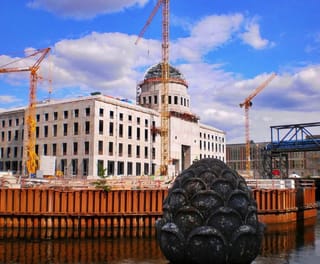
City Palace (Berlin)
Kreisfreie Stadt Berlin
0.3km
manor, mansion
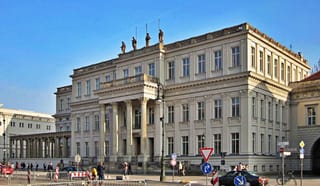
Kronprinzenpalais
Kreisfreie Stadt Berlin
0.4km
castle, chateau
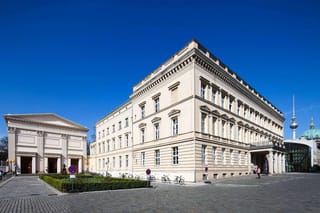
Palais am Festungsgraben
Kreisfreie Stadt Berlin
0.4km
castle, chateau
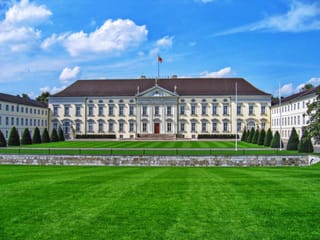
Bellevue Palace (Germany)
Kreisfreie Stadt Berlin
3.2km
manor, mansion
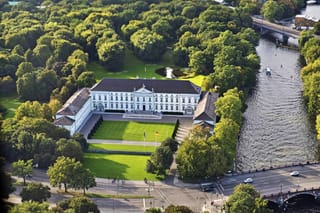
Bellevue Palace
Kreisfreie Stadt Berlin
3.2km
manor, mansion
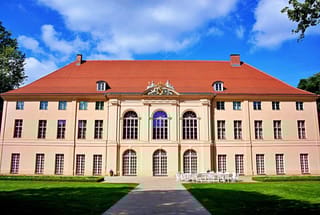
Schönhausen Palace
Kreisfreie Stadt Berlin
6.6km
manor, mansion
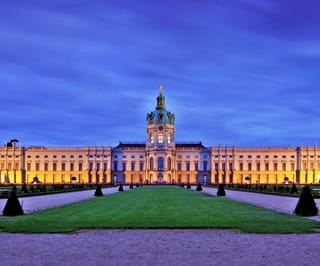
Charlottenburg Palace
Kreisfreie Stadt Berlin
7.1km
manor, mansion