Royal Palace of Brussels
Bruxelles Bruxelles Belgium
manor, mansion
Palais royal de Bruxelles
Bruxelles Bruxelles Belgium
manor, mansion
Koninklijk Paleis
Bruxelles Bruxelles Belgium
manor, mansion
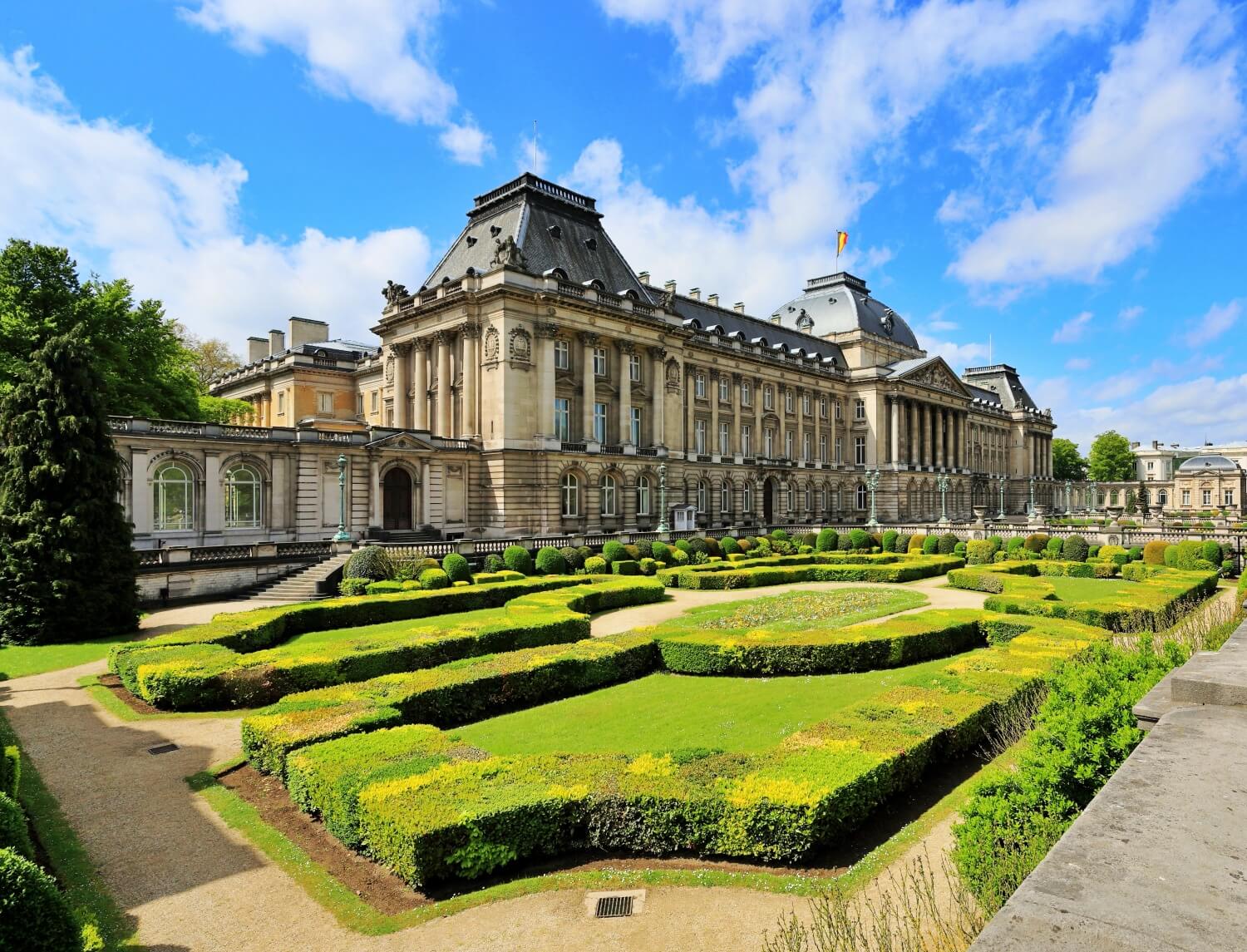
The Royal Palace of Brussels is the official palace of the King and Queen of the Belgians in the centre of the nation's capital Brussels
Le palais royal de Bruxelles est situé place des Palais
Het Koninklijk Paleis van Brussel is een paleis in het centrum van Brussel, gelegen op de Koudenberg, vlak voor het Warandepark

Previous names
Royal Palace of Brussels, Palais royal de Bruxelles, Koninklijk Paleis
Description
The Royal Palace of Brussels is the official palace of the King and Queen of the Belgians in the centre of the nation's capital Brussels. However it is not used as a royal residence, as the king and his family live in the Royal Palace of Laeken on the outskirts of Brussels. The website of the Belgian Monarchy describes the function of the palace as follows:
The Palace is where His Majesty the King exercises his prerogatives as Head of State, grants audiences and deals with affairs of state. Apart from the offices of the King and the Queen, the Royal Palace houses the services of the Grand Marshal of the Court, the King's Head of Cabinet, the Head of the King's Military Household and the Intendant of the King's Civil List. The Palace also includes the State Rooms where large receptions are held, as well as the apartments provided for foreign Heads of State during official visits.
The palace is situated in front of Brussels Park. A long square called the Paleizenplein/Place des Palais separates the palace from the park. The middle axis of the park marks both the middle peristyle of the palace and the middle of the facing building on the other side of the park, which is the Palace of the Nation (the Belgian Federal Parliament building). The two facing buildings are said to symbolize Belgium's system of government: a constitutional monarchy.
As often mentioned, it has a facade 50% longer than that of Buckingham Palace but its floor area of 33,027 m2 is less than half of Buckingham Palace's floor area (77,000 m2).
History
The facade existing today was only built after 1900 on the initiative of King Leopold II. The first nucleus of the present-day building dates from the end of the 18th century. However, the grounds on which the palace stands were once part of the Coudenberg Palace a very old palatial complex that dated back to the Middle Ages.
The first building on the Coudenberg hill was constructed between the second half of the 11th and first half of the 12th century. At that time it probably looked like a fortified castle forming a part of the fortifications of the city of Brussels. It was the home of the Dukes of Brabant who also resided in the nearby city of Leuven and in the Castle of Tervuren. In the following centuries it was rebuilt, extended and improved in line with the increased prestige of the Dukes of Brabant and their successors; the Dukes of Burgundy, the Emperor Charles V, the Archduke Albert of Austria and Infanta Isabel of Spain and successive Governors of the Habsburg Netherlands.
The Aula Magna, or Throne Room, was built for Philip the Good in the 15th century. It was in this room that the Emperor Charles V abdicated in 1555 in favour of his son Philip II of Spain. This prestigious complex was unfortunately destroyed by a fire on February 3, 1731. The ruins only disappeared when the district was redeveloped after 1775. At that time the urban axes of the present-day Brussels Park were laid out. The Place Royale was built on top of the ruined palace. Excavations of the site by different archeological organisations have unearthed various remains of different parts of the Palace as well as the surrounding town. The monumental vaults remaining under the square and its surrounding buildings can be visited.
The New Palace
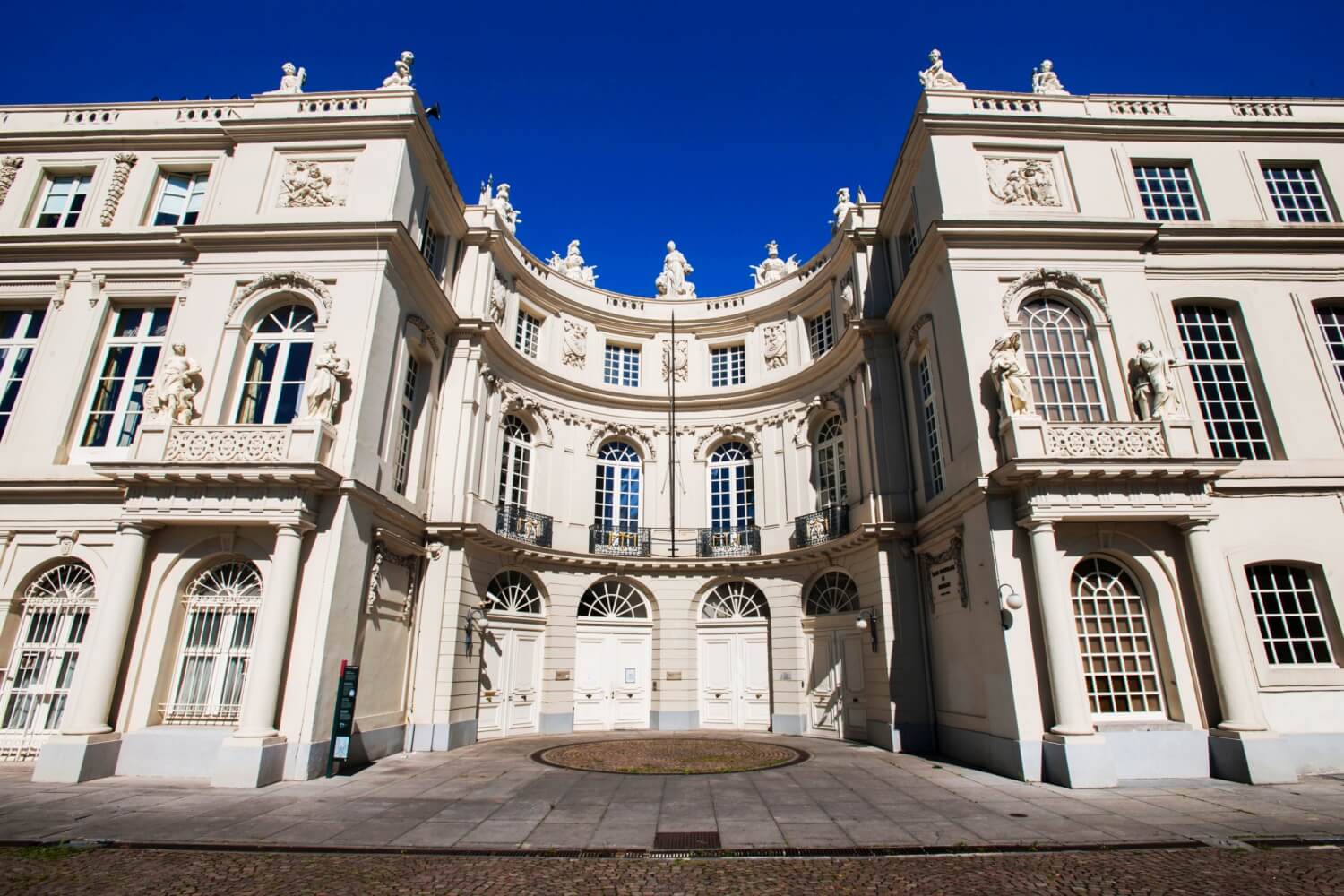
Charles Alexander of Lorraine, at that time Governor of the Habsburg Netherlands had a new palace, the Palace of Charles of Lorraine, built on the nearby site of the former palace of the Nassau family (Hof van Nassau). The Palace of Charles of Lorraine is now part of the Royal Library of Belgium. The old palace garden was redesigned as a public park. On the north side a new building for the Council of Brabant (Raad van Brabant / Conseil de Brabant) was built by the French architect Gilles Barnabé Guimard, which today houses the Belgian Federal Parliament and is known as the 'Palace of the Nation'. On the other side of the park (the building plot of the present-day palace) the middle axis of the park continued as a street between two newly built mansions. One served as the residence of the Abbot of the nearby Coudenberg Abbey, while the other was inhabited by important government members.
After the Congress of Vienna in 1814, Brussels became (together with The Hague) the joint capital of the new established United Kingdom of the Netherlands. It was under the rule of William I of the Netherlands that the street was covered and the two mansions were joined with a gallery. The newly created 'palace' received a new neo-classic facade designed by Tilman-François Suys with a peristyle in the middle, and a balcony with a wrought iron parapet surrounding the entire first floor.
The street running alongside the new palace was widened and thus the Place des Palais or Paleizenplein was created. The new square was called 'Square of the Palaces' in plural, because another palace was built on the left side of the Royal Palace. This new building (1823) was designed as the residence of the Crown Prince called the Prince of Orange (the later King William II of the Netherlands). Today it houses the Royal Academies of Sciences and Arts of Belgium and is consequently called Academiënpaleis / Palais des Academies. The rooms and 'Salons' of the old mansions were incorporated in the new Royal Palace and were only partly refurnished. Some of them survived al the 19th and 20th century renovations and are still partly intact today. A major addition to the interior decoration from the time of William I is the so-called 'Empire room' which was designed as a ballroom. It has a very refined cream and gold decoration designed and executed by the famous French sculptor François Rude.
Extensions by Leopold II
After the Belgian revolution the palace was offered to Leopold of Saxe-Coburg when he ascended the throne as the first King of the Belgians. Just like his predecessor William II he used the palace mainly for official receptions and other representational purposes and lived in the Royal Palace of Laeken. During his reign (until 1865) little was changed to the palace. It was his son and successor Leopold II who judged the building to be too modest for a king of his stature, and who kept on enlarging and embellishing the palace until his death in 1909. During his reign the palace nearly doubled in surface. After the designs of his architect Alphonse Balat, imposing rooms like the 'Grand Staircase', 'Throne Room' and the 'Grande Gallerie' were added. Balat also planned a new façade but died before the plans could be executed.
It was only after 1904 that the new façade was executed after new plans by Henri Maquet. The pediment sculpture shows an allegorical figure of Belgium flanked by groups representing Industry and Agriculture, by Belgian sculptor Thomas Vinçotte. The new design included a formal front garden separating the building from the 'Place des Palais'.
Le palais royal de Bruxelles est situé place des Palais. Né de la réunion de quatre hôtels particuliers construits au xviiie siècle : Walckiers, Bender, Belgiojoso et Belle-Vue, il abrite aujourd’hui le bureau du roi des Belges, qui y accorde ses audiences et y exerce ses activités officielles, ainsi que quelques salles de réceptions richement décorées servant aux diverses manifestations annuelles telles que les visites de chefs d'État et concerts de Noël.
Historique
Afin d’offrir au souverain, le roi Guillaume Ier des Pays-Bas, une résidence digne de son rang à Bruxelles, où il est censé résider une année sur deux, les deux hôtels centraux, situés de part et d’autre de la rue Héraldique, ont été agrandis et réunis par un bâtiment central à colonnade. Trois architectes de la Cour – Ghislain-Joseph Henry, Charles Vander Straeten et Tilman-François Suys – ont œuvré à ce bâtiment entre 1815 et 1829 pour créer ce que l'on appelle dès lors le palais royal de Bruxelles. Propriété de l'État, le palais passe des Pays-Bas à la Belgique qui en devient propriétaire après la révolution belge de 1830.
Tandis que Léopold Ier s’accommode sans trop de mal de ce palais qui se révèle peu pratique pour la réception, son successeur, Léopold II, est plus exigeant. Pour lui, « les Palais royaux sont des bâtiments destinés non seulement à loger le Roi et sa famille, mais aux réceptions et aux cérémonies publiques, qui incombent à celui qui représente la Nation ». Dès sa prestation de serment, il commande d’importantes transformations à son architecte, Alphonse Balat : restauration de l’aile droite où il compte installer ses appartements, aménagement des salles et des galeries d’apparat pour les réceptions dans la partie gauche avec, à l’étage, des appartements pour les hôtes étrangers. Ce premier programme d’urgence est achevé dès 1872. Restait à s’attaquer à « l’horrible façade » avant de l’édifice, selon les propres termes du monarque pour que le palais royal de Bruxelles devienne digne des ambitions du roi.
Au moment de racheter l’hôtel Belle Vue, situé à l’angle de la place Royale, qu’il veut arrimer à son palais, Léopold II parvient à convaincre la ville de Bruxelles de lui céder un morceau du parc de Bruxelles en échange du financement, par l’État, du réaménagement de la place des Palais, qui sera décalée en vue de la création de la clôture et des jardins situés devant le palais royal.
Le budget prévu à cet effet en 1903 englobe une enveloppe pour l’achèvement des façades du palais, confié à l’architecte Henri Maquet. Les travaux débutent l’année suivante par la démolition de la façade de Suys, offrant ainsi les salons d’apparat et les chambres éventrés aux badauds ébahis. Mais le chantier s’éternise et engloutit l’argent du contribuable belge. À la mort du souverain, en 1909, le programme n’est pas terminé alors qu’il a déjà coûté plus cher que prévu. Octave Flanneau succède alors à Henri Maquet mais se contente d’achever ce qui avait déjà été entamé. Depuis, le palais royal n’a plus subi de transformation notoire.
Toutefois, en 2010, vers la fin de son règne, le roi Albert II fit don d'une somme importante qui, jointe à un apport de l'État, finança l'aménagement de certaines salles à une destination de congrès (traduction simultanée, adaptation à une installation audio-visuelle) tout en respectant le style traditionnel du palais.
D'autre part, au cours du règne de son époux Albert II de 1993 à 2013, la reine Paola a entrepris un vaste programme de rénovation et de valorisation des demeures royales. Elle crée un comité artistique chargé d'intégrer l'art contemporain belge dans le palais royal de Bruxelles. Cette démarche déboucha sur l'inauguration en 2002 de trois œuvres d'artistes belges : une série de photos de Dirk Braeckman, sept toiles de la peintre Marthe Wéry et le revêtement en carapaces de scarabées du plafond de la salle des Glaces par Jan Fabre. En 2004, la reine Paola inaugure une quatrième œuvre d'art : les Fleurs du Palais royal conçue par Patrick Corillon et installée dans la salle Empire. En 2010, dans le cadre des travaux pour accueillir un sommet Union européenne-Asie, trois salons (le salon Louis XVI, le salon des Pilastres et le salon des Maréchaux) sont rénovés par le décorateur Axel Vervoordt, et une cinquième œuvre d'art contemporain est intégrée : une série de tableaux et une vidéo de Michaël Borremans sur le thème du laquais.
Le prince Philippe, fils aîné du roi, est le dernier en date à avoir habité une partie du palais, de la fin des années 1980 jusqu'à son mariage en décembre 1999.
Le 21 juillet 2013, c'est au palais royal de Bruxelles que le roi Albert II signe son acte d'abdication.
Het Koninklijk Paleis van Brussel is een paleis in het centrum van Brussel, gelegen op de Koudenberg, vlak voor het Warandepark. Het paleis is formeel de voornaamste koninklijke residentie in België. Het is het officiële adres van het hof. De kantoren van het huis van de koning en de diensten van andere leden van de koninklijke familie zijn er ondergebracht.
De koning gebruikt het als werkpaleis, waar hij meestal audiënties verleent. Het paleis wordt ook gebruikt voor koninklijke recepties, feesten en andere plechtigheden.
De koning woont niet in dit paleis, hoewel hij er formeel over appartementen beschikt. De gebruikelijke woonplaats van de koning is het Kasteel van Laken, dat enkele kilometers buiten het stadscentrum ligt.
Geschiedenis
De plaats van het huidige koninklijk paleis behoorde tot het gebouwencomplex rond het voormalige Paleis op de Koudenberg, de vroegere residentie van de hertogen van Brabant. Nadat het paleis in 1731 door een brand was verwoest, werd het hele complex in 1774 afgebroken en werden er gebouwen in classicistische stijl rond het Warandepark aangelegd. Aan de kant van de Koudenberg kwamen er twee officiële gebouwen die later het paleis zouden vormen: de ambtswoning van de gevolmachtigde minister, bekend als het hôtel Belgiojoso, en die van de militaire bevelhebber, bekend als het hôtel Bender.
Het hôtel Belgiojoso werd daardoor de zetel van de politieke macht in de Zuidelijke Nederlanden. Tijdens de Brabantse Omwenteling zetelde daar het Soeverein Congres, de regering van de Verenigde Nederlandse Staten. Na de annexatie door Frankrijk resideerde de Franse prefect er.
Verbouwing tot paleis
Bij de oprichting van het Verenigd Koninkrijk der Nederlanden in 1815 werd bepaald dat de koning een deel van het jaar in Brussel zou resideren. Omdat er geen echt paleis beschikbaar was (het Paleis van Karel van Lotharingen, dat het oude Paleis op de Koudenberg moest vervangen, werd gebruikt als museum) kreeg de nieuwe koning Willem I de twee ambtswoningen Belgiojoso en Bender ter beschikking. Deze gebouwen waren van elkaar gescheiden door een centrale laan. De bedoeling was ze om te vormen tot één paleis door de scheidingsruimte op te vullen.
Architect des Konings Ghislain-Joseph Henry begon de bouwwerken, maar overleed nog voor de aanvang van de eerste fase (1820). Het werk begon traag en de architecten begonnen onderling te ruziën. Het werd zelfs zo erg dat de nieuwe architect Charles Vander Straeten werd ontslagen. Hij werd vervangen door Tieleman Franciscus Suys. Die stond onder grote druk, want de koning werd ongeduldig. Bovendien moesten nog een paar belangrijke zaken worden afgewerkt, met beperkte middelen; de koning had bijvoorbeeld laten besparen op alle beeldhouwwerk.
Het resultaat was een strenge gevel (1826), die niet zo in de smaak viel bij de burgerij. De binnenkant werd beter ontvangen: Suys mocht daar meer zijn zin doen. Zo werden verschillende zalen vergroot, waaronder de Empirezaal. Rond 1829 kon de koning eindelijk in zijn paleis vertoeven. Dit was echter van korte duur, want in 1830 brak de Belgische Revolutie uit.
Latere verbouwingen
Toen koning Leopold I op 21 juli 1831 de troon besteeg, kon hij beschikken over een gloednieuw paleis, dat hij echter weinig gerieflijk vond. In 1859 werden er plannen gemaakt om het paleis uit te breiden. Toen de bouw in 1865 aanvatte, overleed de eerste koning der Belgen. Zijn zoon Leopold II kreeg van de staat 700.000 frank om het paleis te verfraaien. Een paar salons kregen een nieuwe verflaag en de oude trap van het Belgioioso werd heringericht. Opnieuw werd de bouw van het paleis vertraagd, maar in 1877 was de eerste fase achter de rug. Het geld was echter op, zodat de voorziene vergulding moest worden uitgesteld. Uit deze tijd stammen de monumentale Eretrap en de Troonzaal, waar Auguste Rodin voor de bas-reliëfs zorgde. Leopold voorzag het paleis van bronzen gasluchters versierd met geslepen kristal.
Wel was de oppervlakte van het paleis verdubbeld. De koning kon zich nu bezighouden met de inrichting van het paleis. Tegen het einde van de regering van koning Leopold II werden eveneens werken uitgevoerd aan de te strenge en te sobere voorgevel. Omdat Suys inmiddels was overleden, werd Henri Maquet aangesteld. Financiële problemen waren er niet en de bouw kon opnieuw beginnen. De gevel kreeg nu een monumentaal karakter en werd van de straat gescheiden door voortuinen. Daarvoor werd het Paleizenplein, het plein voor het paleis, iets verschoven ten koste van een zuidelijke strook van het Warandepark.
De kosten waren aanzienlijk - dertien miljoen goudfranken - en het werk was bovendien niet voltooid toen de koning stierf. Leopold II had intussen zelf twee gebouwen aan beide zijden van het paleis, het hôtel Bellevue en het hôtel Walckiers, aangekocht en liet ze door een galerij met het paleis verbinden.
Na de dood van koning Leopold was de Congozaal nog niet voltooid. Op de wanden moesten allegorische taferelen komen over de Onafhankelijke Congostaat. Na de dood van Leopold II in december 1909 besloot koning Albert I deze oppervlakten te vullen met spiegels. Deze zaal werd de Spiegelzaal.
Sindsdien is het paleis niet meer wezenlijk veranderd. Wel werd in 2002 op verzoek van koningin Paola uitgevoerd het plafond van de de Spiegelzaal gewijzigd. Het plafond, dat nooit was afgewerkt, werd door kunstenaar Jan Fabre volledig ingelegd met groene schubben van de exotische Thaise juweelkever. Het kunstwerk kreeg de naam Heaven of Delight. Het duurde ruim drie maanden om de anderhalf miljoen groene schildjes een voor een te bevestigen. Uiteraard was deze aanpassing een probleem voor Monumentenzorg, aangezien het paleis volledig beschermd patrimonium is. Dankzij een impuls van de kunstkenner Jan Hoet kreeg Jan Fabre uiteindelijk zelfs toestemming om een van de drie grote kroonluchters te transformeren. De koningin was onder de indruk, en heeft zelf haar eigen initiaal vervaardigd op het plafond.
Ten slotte zijn rond 2010 sommige zalen van het paleis ingericht als vergaderzalen, met aangepaste geluidsinstallaties en inrichtingen voor simultaanvertaling.
Architectuur
Het paleis wordt gekenmerkt door veel neostijlen, waar Leopold een aanhanger van was. Van het oude paleis bleven alleen de zuilengalerij en het balkon bewaard. De straat werd verschoven, zodat er plaats was voor een voortuin, bestaande uit drie ingegraven parterres. De gevel, die volledig symmetrisch is, werd in het midden bekroond met een groot fronton. Langs de straatzijde zijn er twee erehekken en op de hoeken twee paviljoenen.
Het paleis heeft ook drie binnenplaatsen en aan de achterkant een grote tuin.
De salons zijn gebouwd in functie van de ceremoniële rol. Er is een eetzaal, troonzaal, grote galerij, spiegelzaal en eretrap. Sommige salons zijn intact gebleven, zoals de Empiresalon, die een paar jaar geleden gerestaureerd werd. Het merendeel dateert nog van vóór Leopold II.
De koning voegde een paar grote zalen toe zodat het paleis niet voor andere grote koninklijke residenties moest onderdoen; hij betaalde alles zelf met geld uit de Onafhankelijke Congostaat. Het interieur bevat Frans meubilair geschonken door de schoonouders van koning Leopold I, stukken uit de Oostenrijkse tijd en nog een deel meubels van Napoleon en Willem I. Nadien werd alles aangevuld met stukken uit de koninklijke collectie van Leopold II; hij verkoos meubelen in de eclectische Lodewijk XVI-stijl.
Op de eerste verdieping vinden we dan ook veel staatssalons en zalen die verlicht zijn met prachtige luchters, wat toentertijd zeer modern was.
Nearby castles
Palace of Charles of Lorraine
Brussel
0.4km
manor, mansion
Egmont Palace
Bruxelles
0.4km
manor, mansion
Kasteel Karreveld
Molenbeek-Saint-Jean
3.9km
manor, mansion
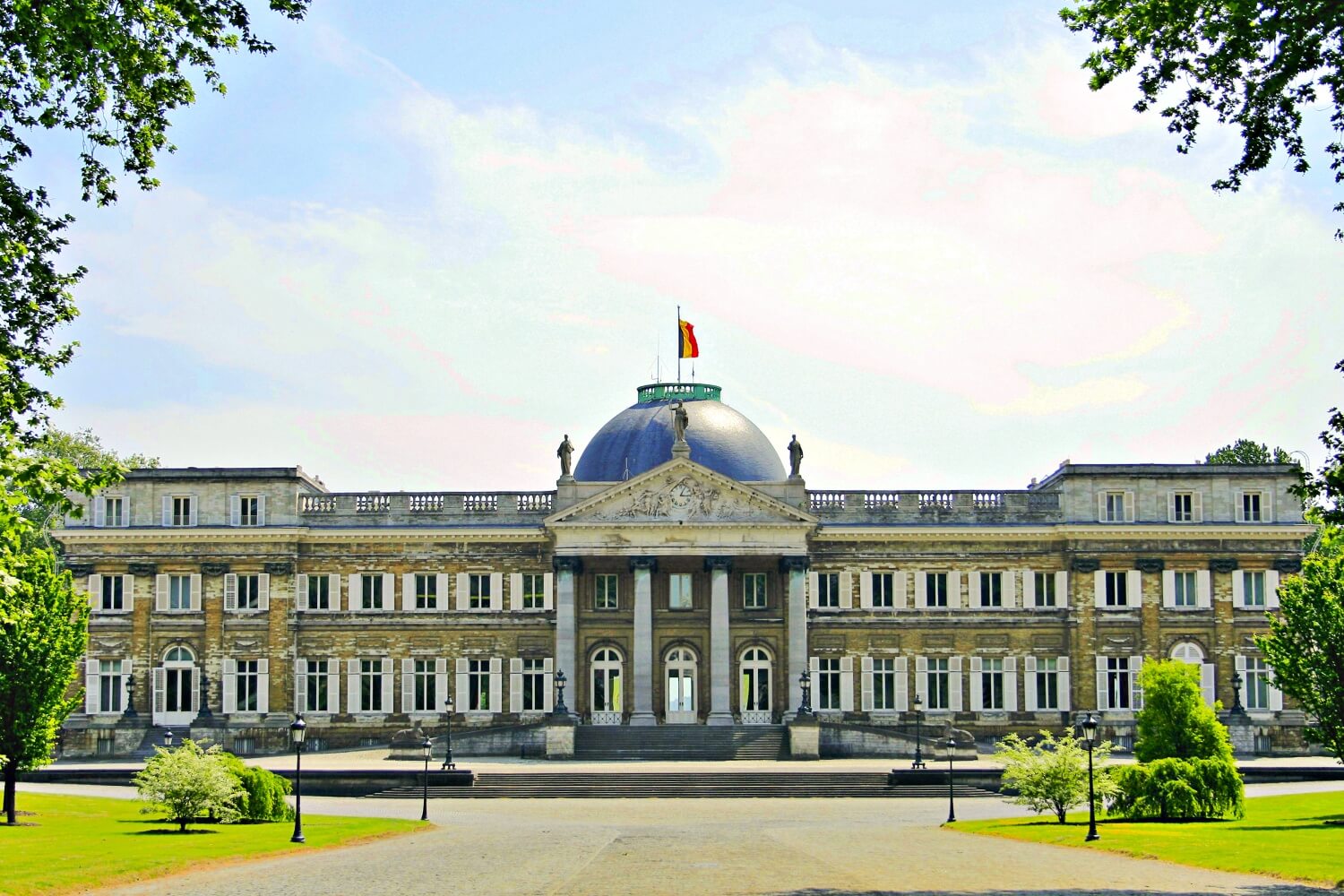
Palace of Laeken
Schaerbeek
5.0km
manor, mansion
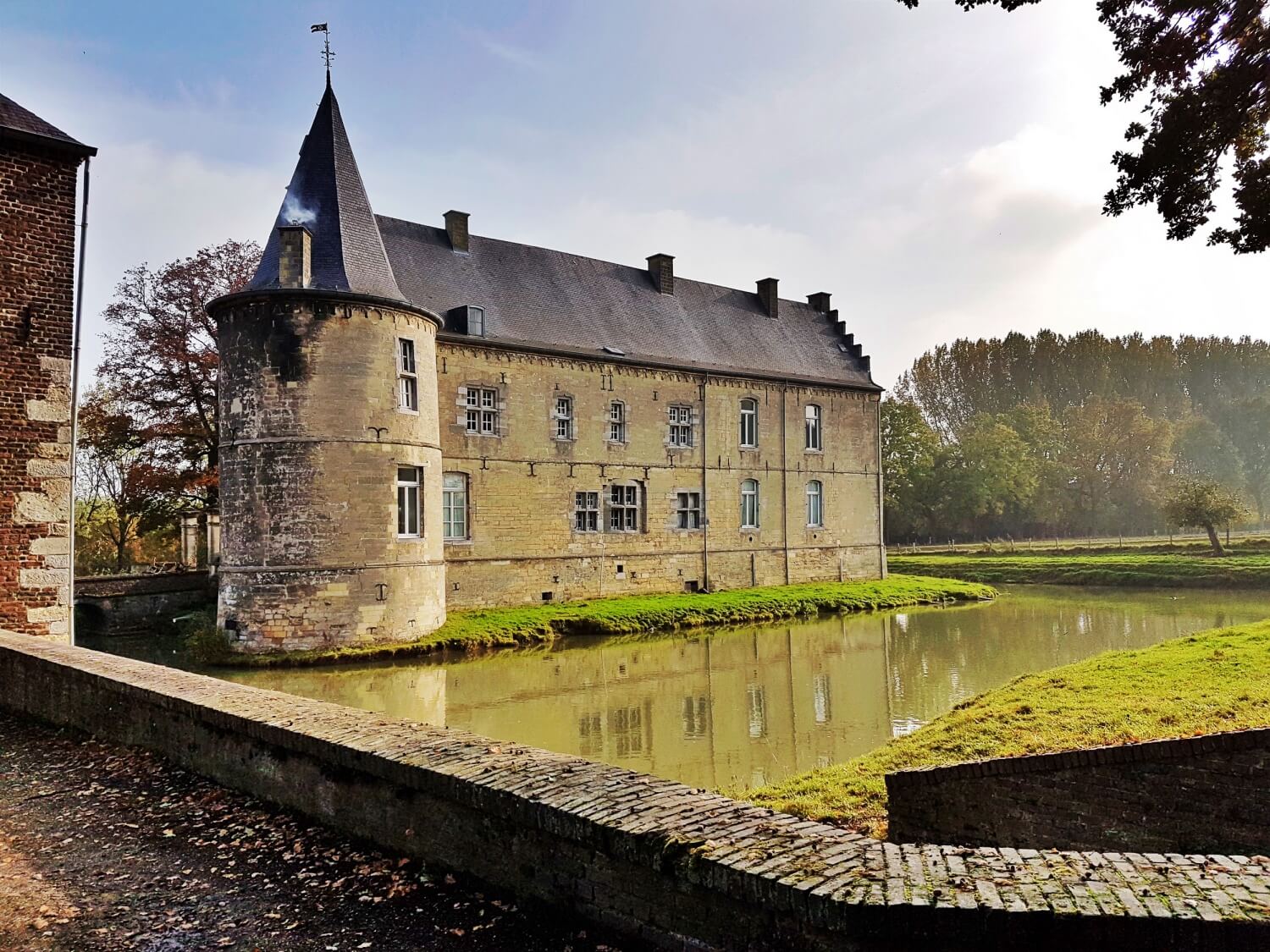
Rivieren Castle (Ganshoren)
Ganshoren
5.3km
castle, chateau
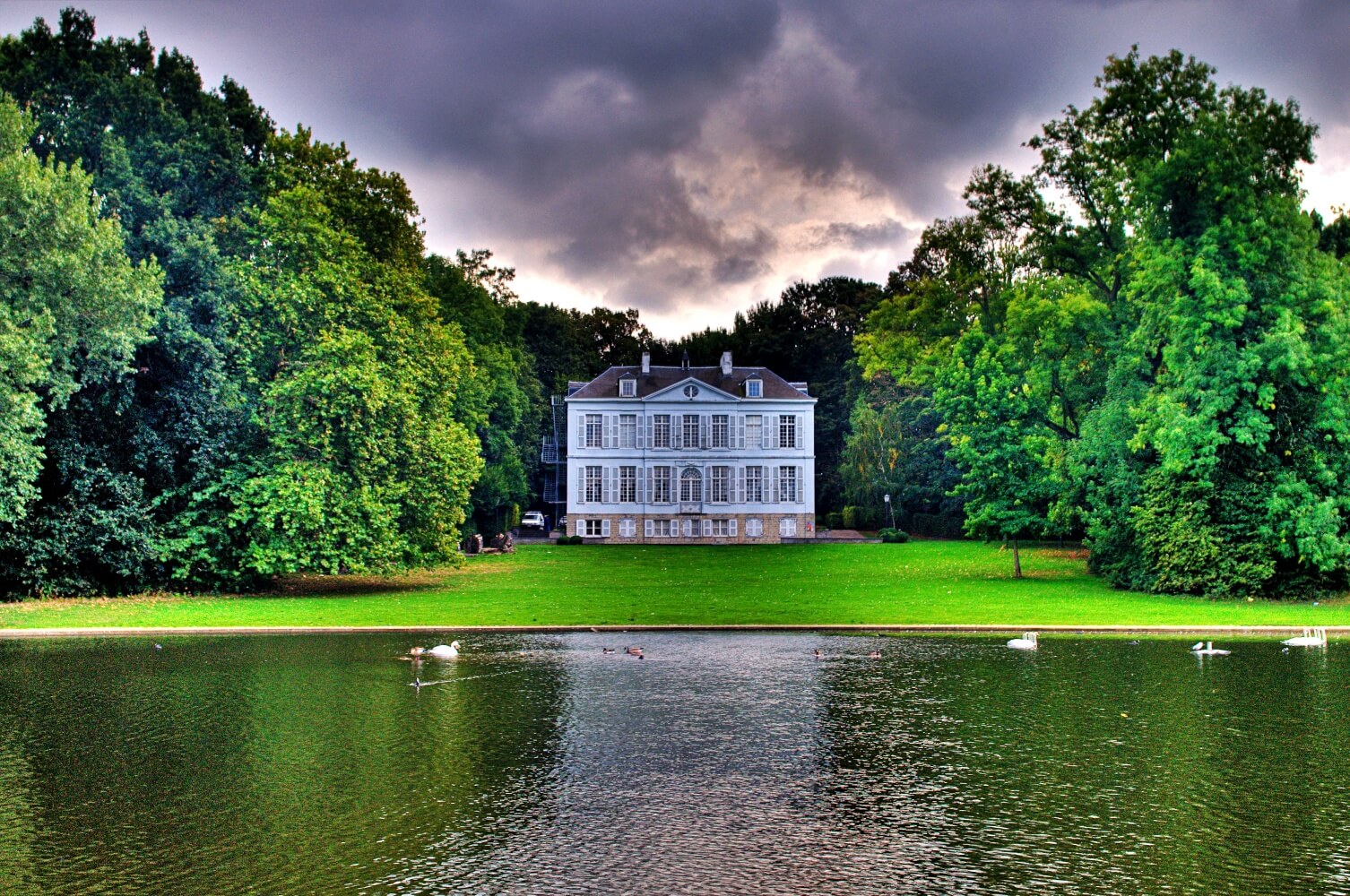
Maloukasteel
Sint-Lambrechts-Woluwe
5.4km
manor, mansion
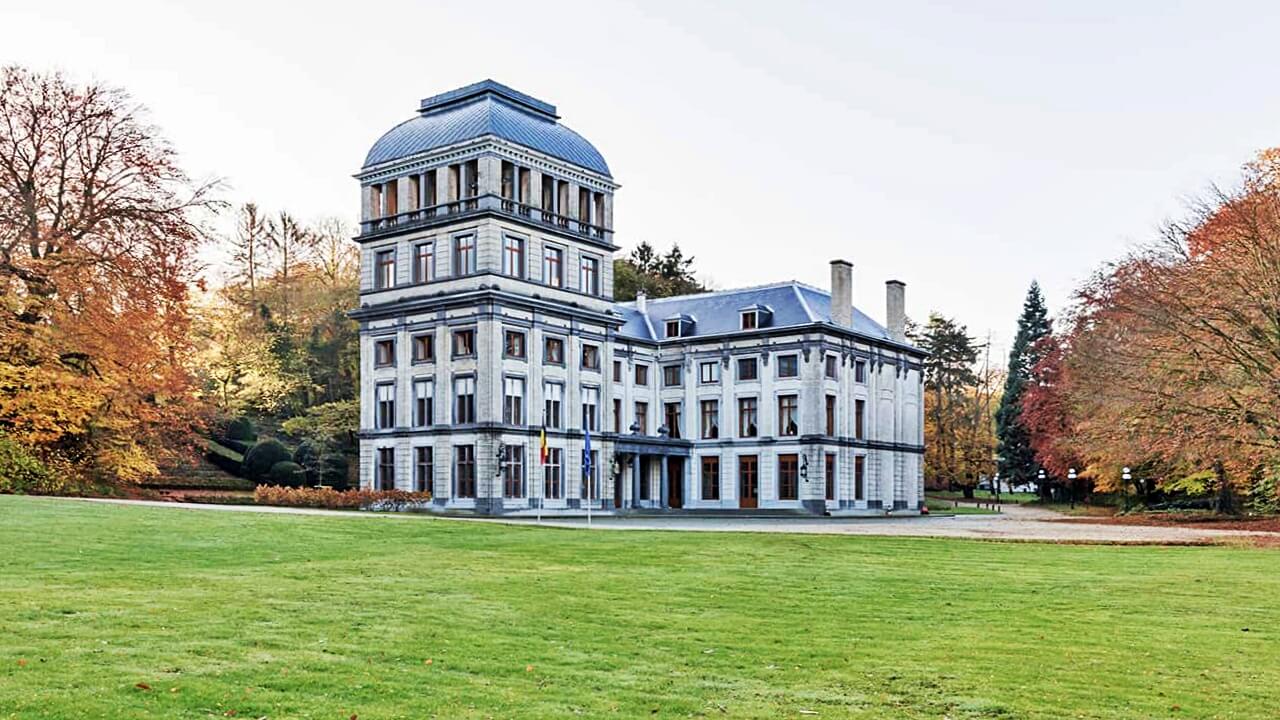
The Château of Val-Duchesse
Oudergem
5.6km
castle, chateau