The Ruins of the castle of Montaigle
Namur Région Wallonne Belgium
castle, chateau
Kasteel van Montaigle
Namur Région Wallonne Belgium
castle, chateau
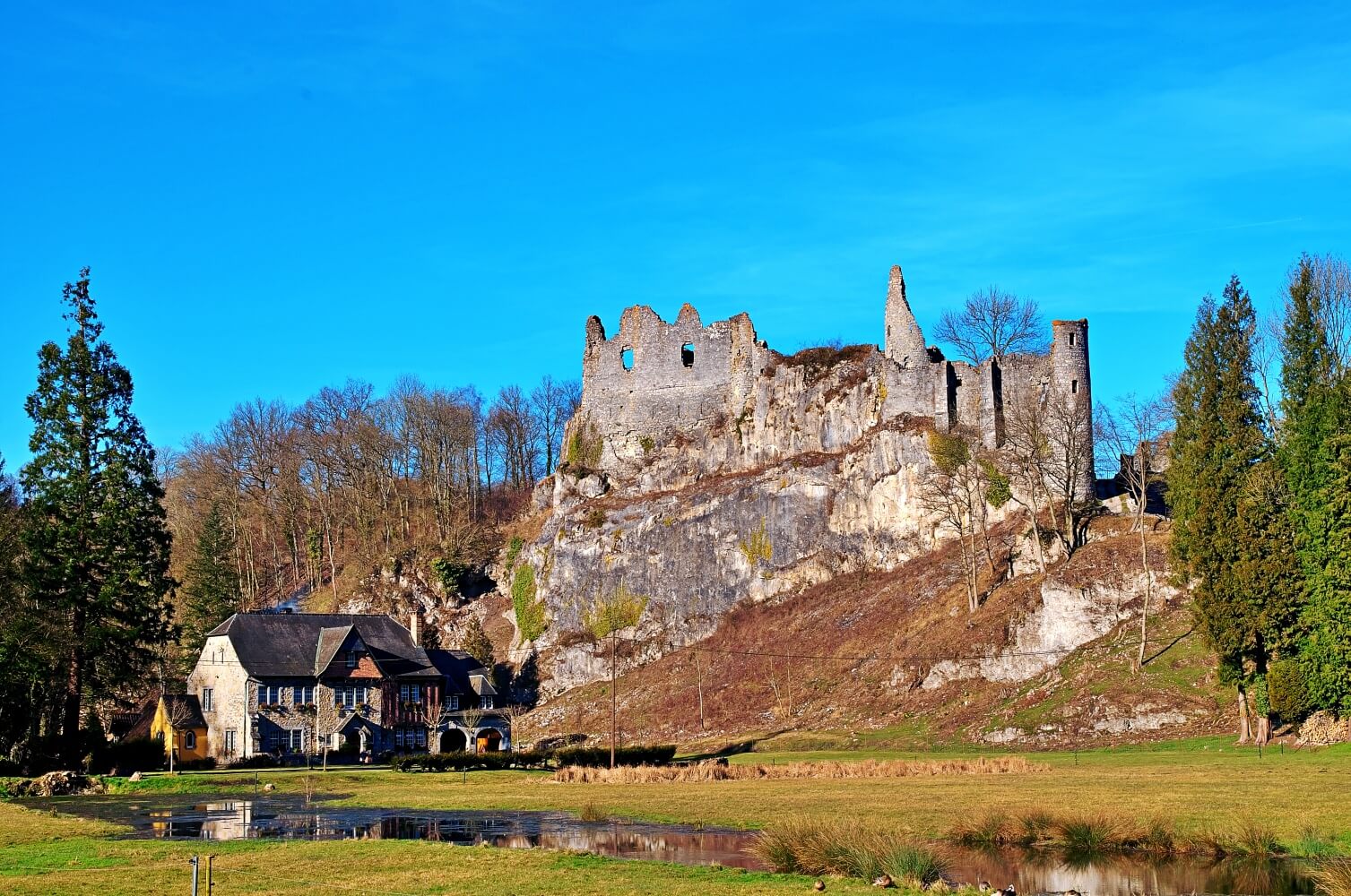
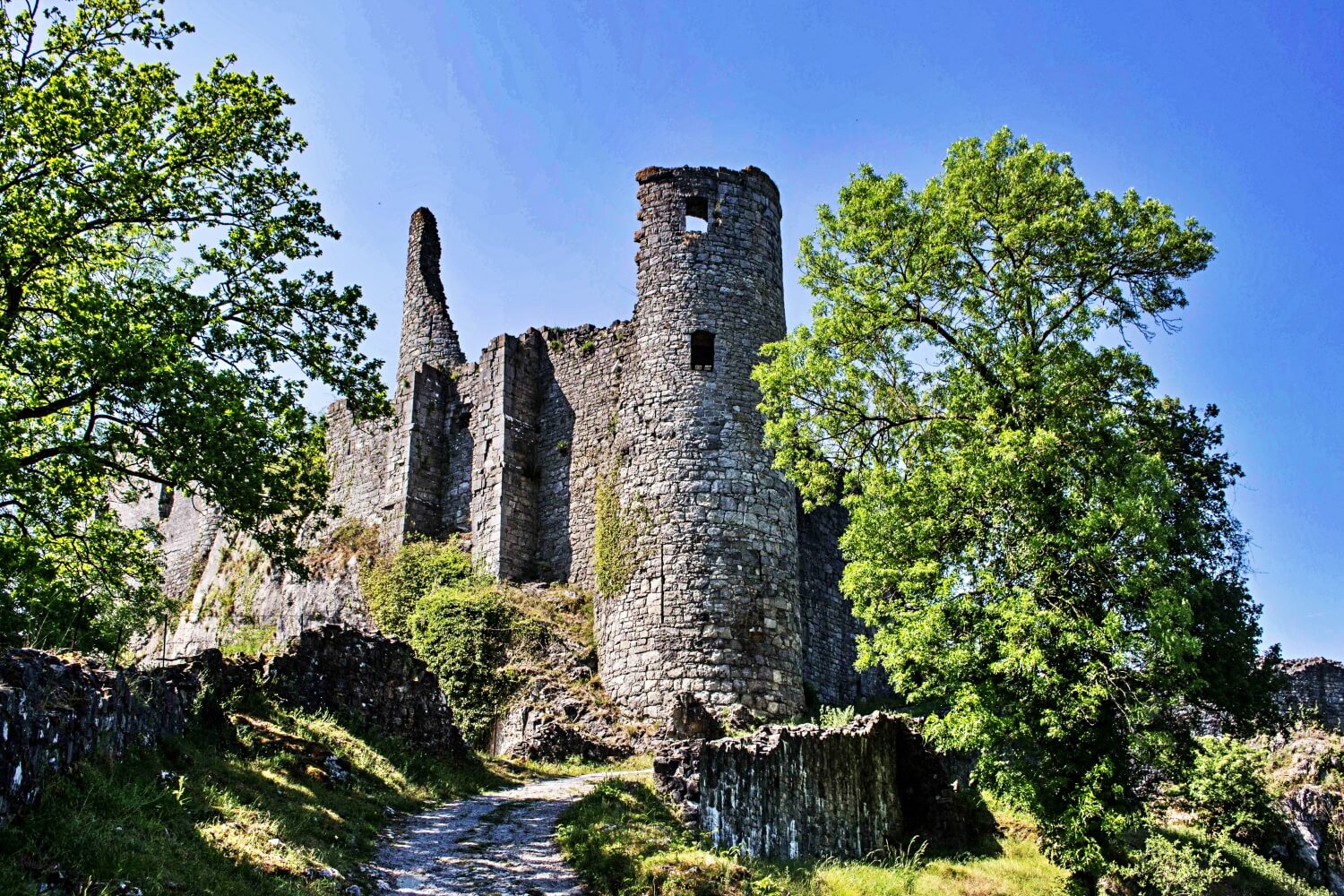
Situated at the confluent of the Molignée and the Flavion, the castle of Montaigle rises on a rocky spur of the escarpment which was occupied by a small military garrison at the end of the Roman period, Byzantine Era (± IIIrd to Vth century) and probably served as a place of refuge for the local populations during the germanic invasions
De ruïnes van het kasteel van Montaigle bevinden zich te Falaën, een deelgemeente van de Belgische gemeente Onhaye
Previous names
The Ruins of the castle of Montaigle, Kasteel van Montaigle, Kasteel van Montaigle
Description
Situated at the confluent of the Molignée and the Flavion, the castle of Montaigle rises on a rocky spur of the escarpment which was occupied by a small military garrison at the end of the Roman period, Byzantine Era (± IIIrd to Vth century) and probably served as a place of refuge for the local populations during the germanic invasions.
Built on a more ancient construction, the fortress was erected at the beginning of the XIVth century by Guy de Dampierre, Count of Namur, known besides as regent of Flanders and as a key-figure of the Golden Spurs Battle (1302).
Abandoned by order of Charles the Fifth during the war against Henri II, king of France, Montaigle was burn down by Henry's troops in 1554. The castle was not reconstructed; but certain parts appear to have been put in order and occupied at various later epochs. Invaded by vegetation, especially by the ivy, deteriorated by the elements, it entered the legend, as showed in the pathetic story of the "Lady with the Faggot" and the dramatic legend of "Midone de Bioul" (see museum). Montaigle inspirated also many romantic artists; among them, several english painters or engravers (see the documentation published by the Friends of Montaigle).
Exploited as a quarry by the local inhabitants, the fortress owes its salvation to the intervention of the Count of Beauffort who purchased it in 1854 to avoid its total destruction and who began the first work of consolidation. The del Marmol family, owners of Montaigle since 1865, have followed this work of protection, obtaining among other things the classification of the site (1946 & 1980) and of the ruins (1965).
In 1965, preoccupied with the deterioration of these beautiful classified remains, benevolent people offered the owner their help for the safeguard and revival of the ruins and their exceptional site. The association of "The Friends of Montaigle" was born. Their efforts have resulted, among others things, in the perfecting of a new efficient method of consolidation by projecting micro-concrete.
Subsidized since 1982 by the Culture Walloon Ministry (Protection of the Patrimony), the systematic consolidation of the ruins benefits also from the assistance of a squad of workers partly paid by the Employment and Work Ministry (PRIME project). To be added : the aid of occasional volunteers (The Youth of Architectural Patrimony...), and of generous patrons.
The efforts of the Friends of Montaigle were rewarded in March 1985 by a prize of the King Baudouin Foundation (competition "Safeguard by undertaking"); another prize awarded by the Royal Association of the Belgian historical residences was won in 1993. But the Friends of Montaigle are especially happy because Montaigle is now classified as an Exceptional Walloon patrimony.
The access to the ruins is by a very steep path protected by two walls. Originally one had to cross a ditch, to-day filled in, and a first door situated where the present houses can be seen.
The farm-yard (barns, stables, pastures) was located in an enclosure below the south side of the castle and left of the access path.
http://montaigle.be/redirect/MOpg0303A.html
De ruïnes van het kasteel van Montaigle bevinden zich te Falaën, een deelgemeente van de Belgische gemeente Onhaye.
Geschiedenis
In Montaigle, in het schilderachtige dal van de Molignée, werden sporen van menselijke aanwezigheid gevonden van minstens 7000 v.Chr. Tussen 250 en 400 na Chr. was de 160 m hoge rots een schuilplaats (oppidum) voor de Gallo-Romeinse bevolking. Op deze plaats liet Gilles de Berlaymont een versterkte residentie bouwen. In 1298 werd deze verkocht aan Gwijde van Dampierre. Vervolgens werd diens zoon en opvolger Gwijde van Namen de eigenaar. Hij liet er in 1309 een burcht optrekken.
Tijdens alle militaire conflicten in de Middeleeuwen en daarna schaarden de burchtheren van Montaigle zich achter Bouvignes. Het jaar 1554 zou fataal worden: bij het naderen van het Franse leger van koning Hendrik II kreeg het garnizoen van Montaigle de opdracht zich terug te trekken. De verlaten burcht werd door de Fransen geplunderd en in brand gestoken.
In 1965 werd de Belgische overheid eigenaar van het romantische ruïneveld. Het wordt nu onderhouden en uitgebaat door de vereniging "Les Amis de Montaigle". Het kan in de zomermaanden juli en augustus elke dag bezocht worden.
In 2010 werd Kasteel van Montaigle gebruikt als locatie voor de special: Anubis - De Terugkeer van Sibuna.
Nearby castles

Kasteelhoeve van Falaën
Namur
2.2km
manor, mansion
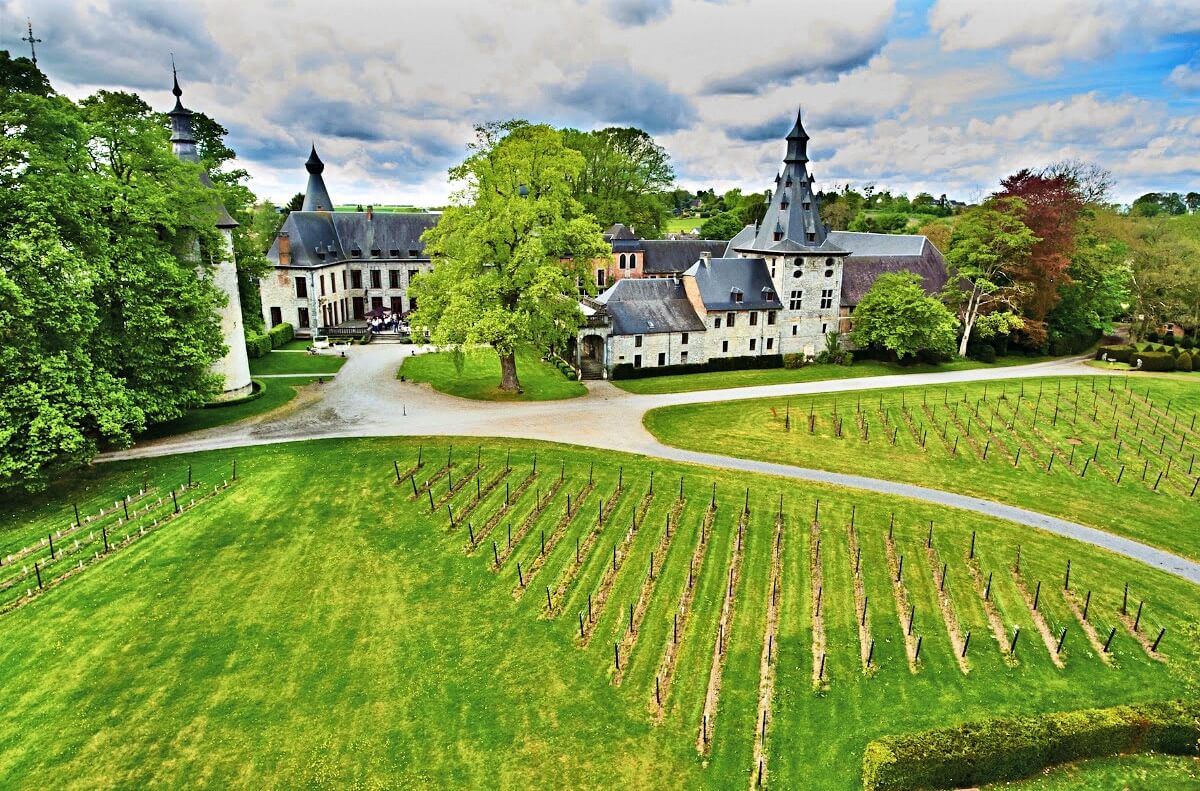
Kasteel van Bioul
Namur
4.7km
manor, mansion
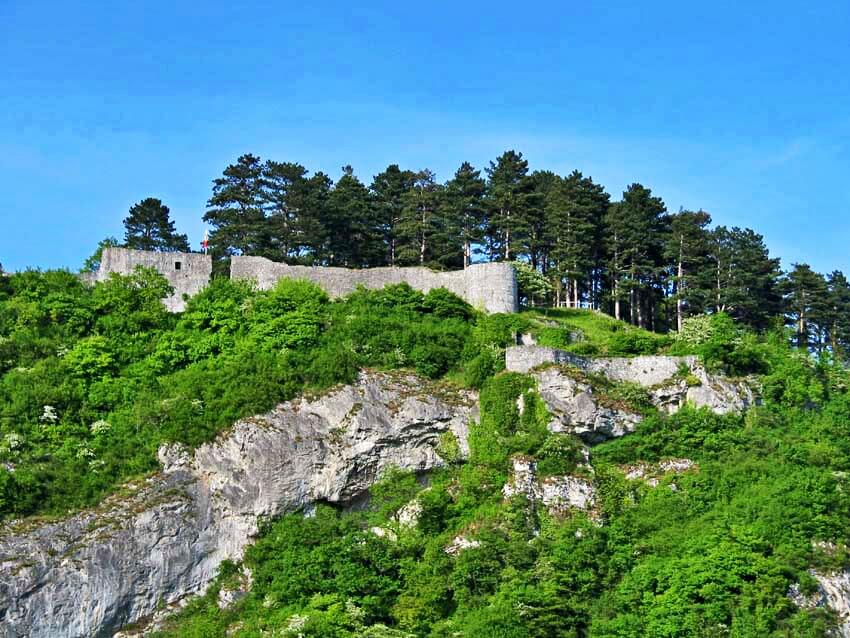
Poilvache Castle
Namur
6.0km
castle, chateau
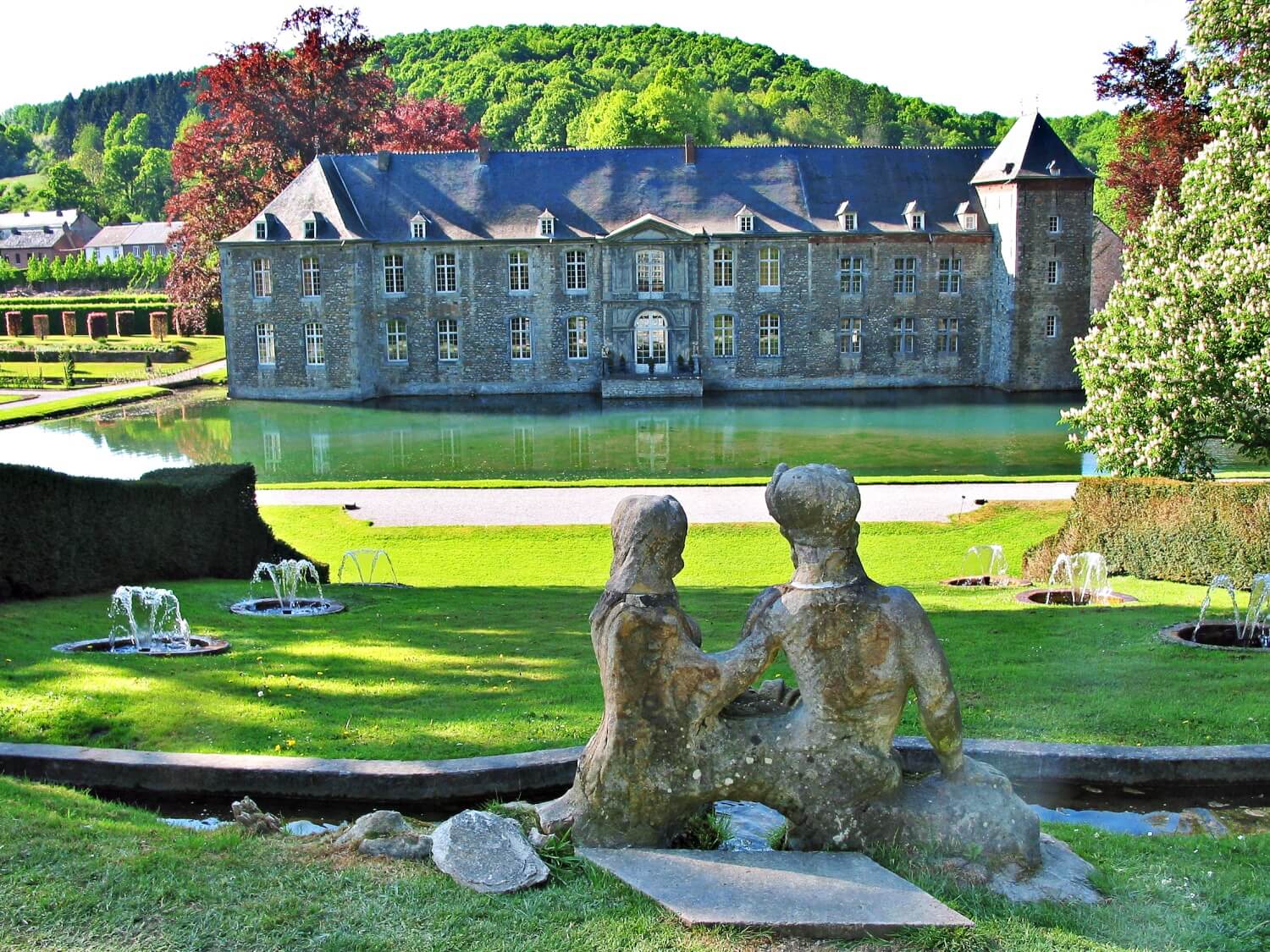
Kasteel van Annevoie
Namur
6.1km
manor, mansion
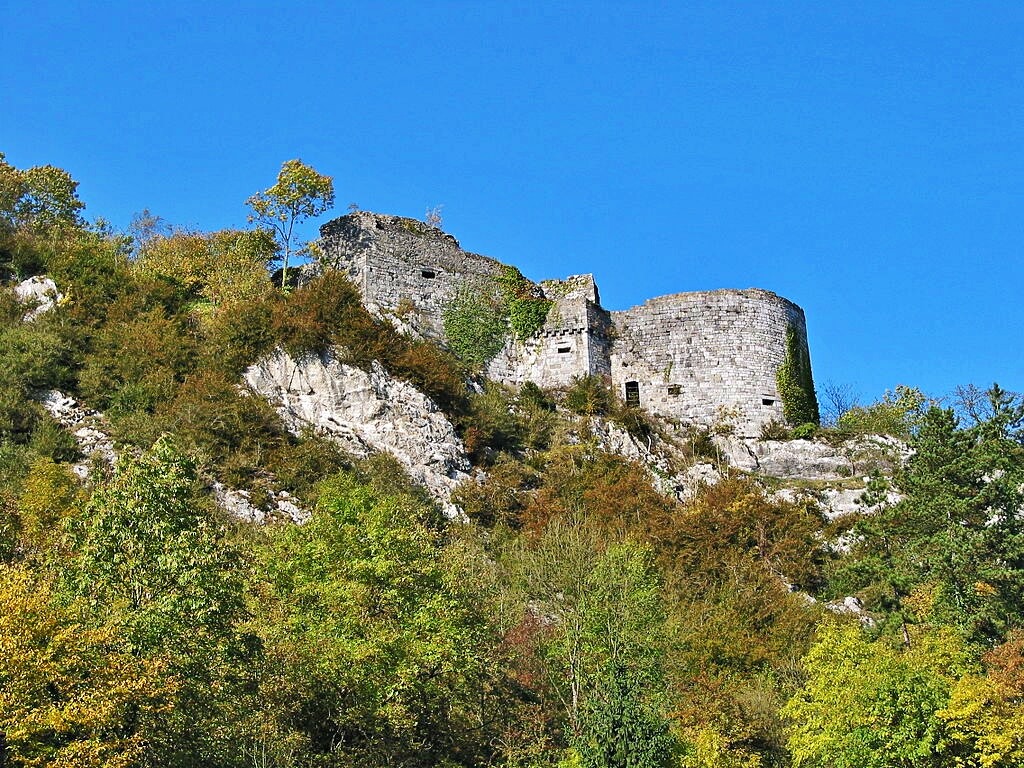
Crèvecœur Castle
Namur
6.1km
castle, chateau
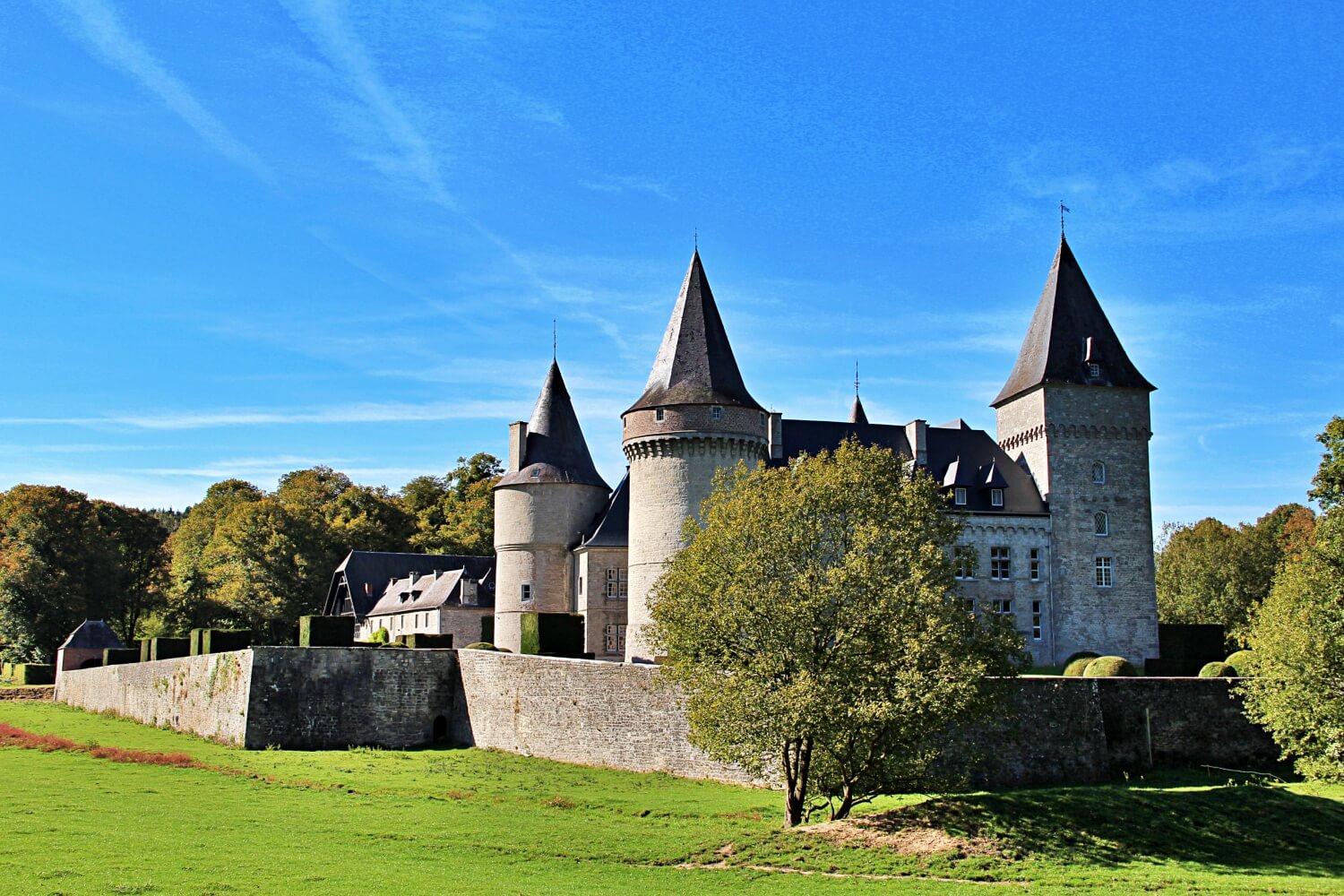
Kasteel van Fontaine (Anthée)
Province of Namur
7.7km
manor, mansion
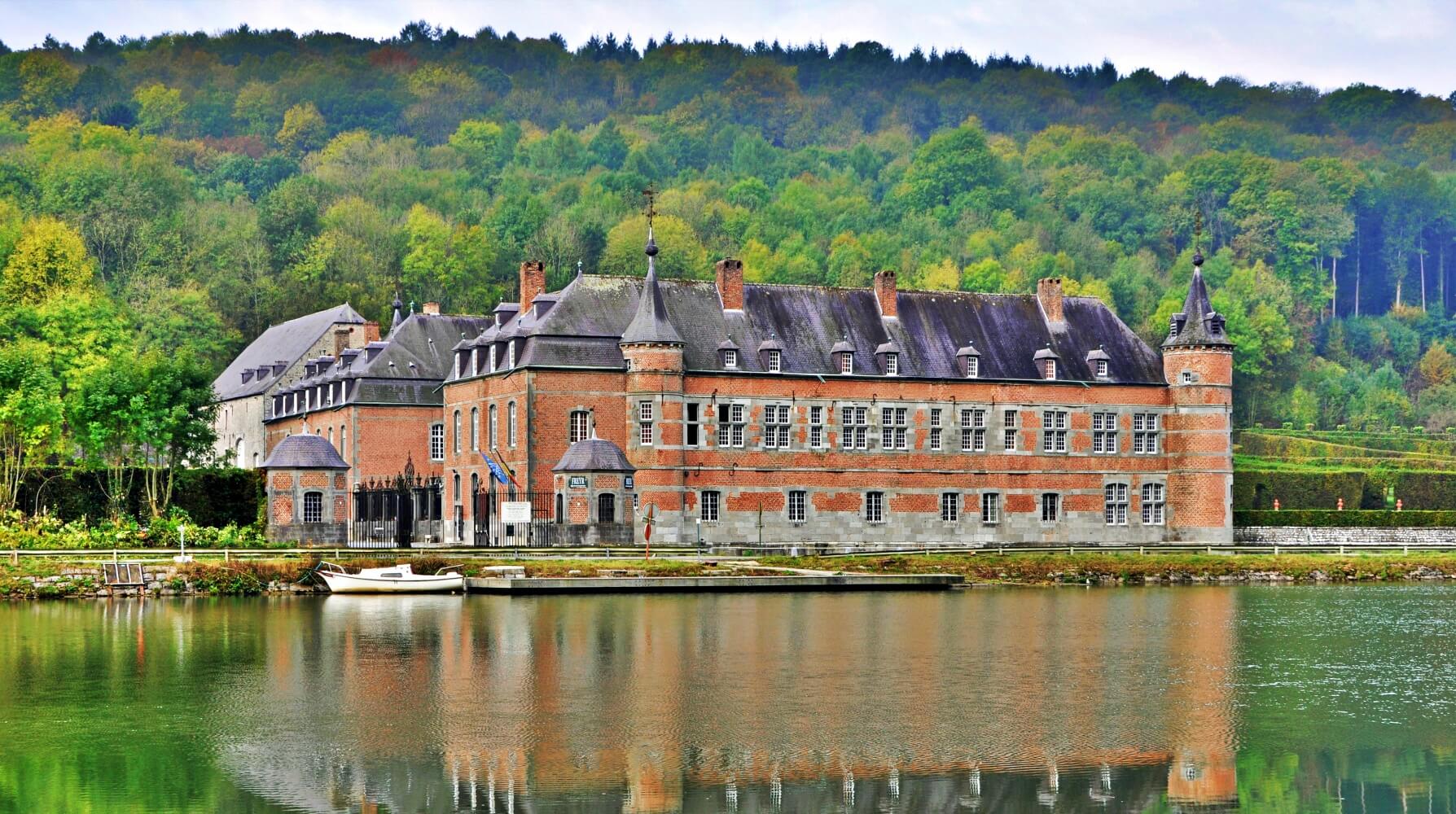
Castle of Freÿr
Namur
9.1km
castle, chateau