Kasteel Gravenhof
Vlaams-Brabant Vlaams Gewest Belgium
manor, mansion
Kasteel Gravenhof
Vlaams-Brabant Vlaams Gewest Belgium
manor, mansion
Kasteel Gravenhof
Vlaams-Brabant Vlaams Gewest Belgium
manor, mansion
Mr Constant Theys book “The History of Dworp” teaches us that the castle goes back to 1649
Si nous nous basons sur le livre de M
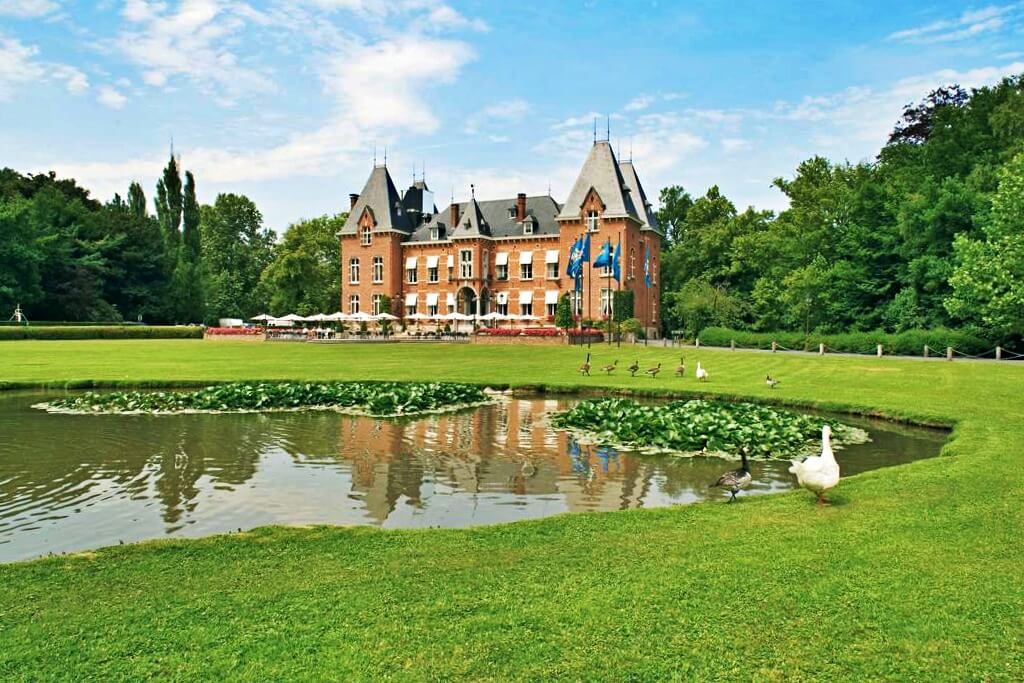
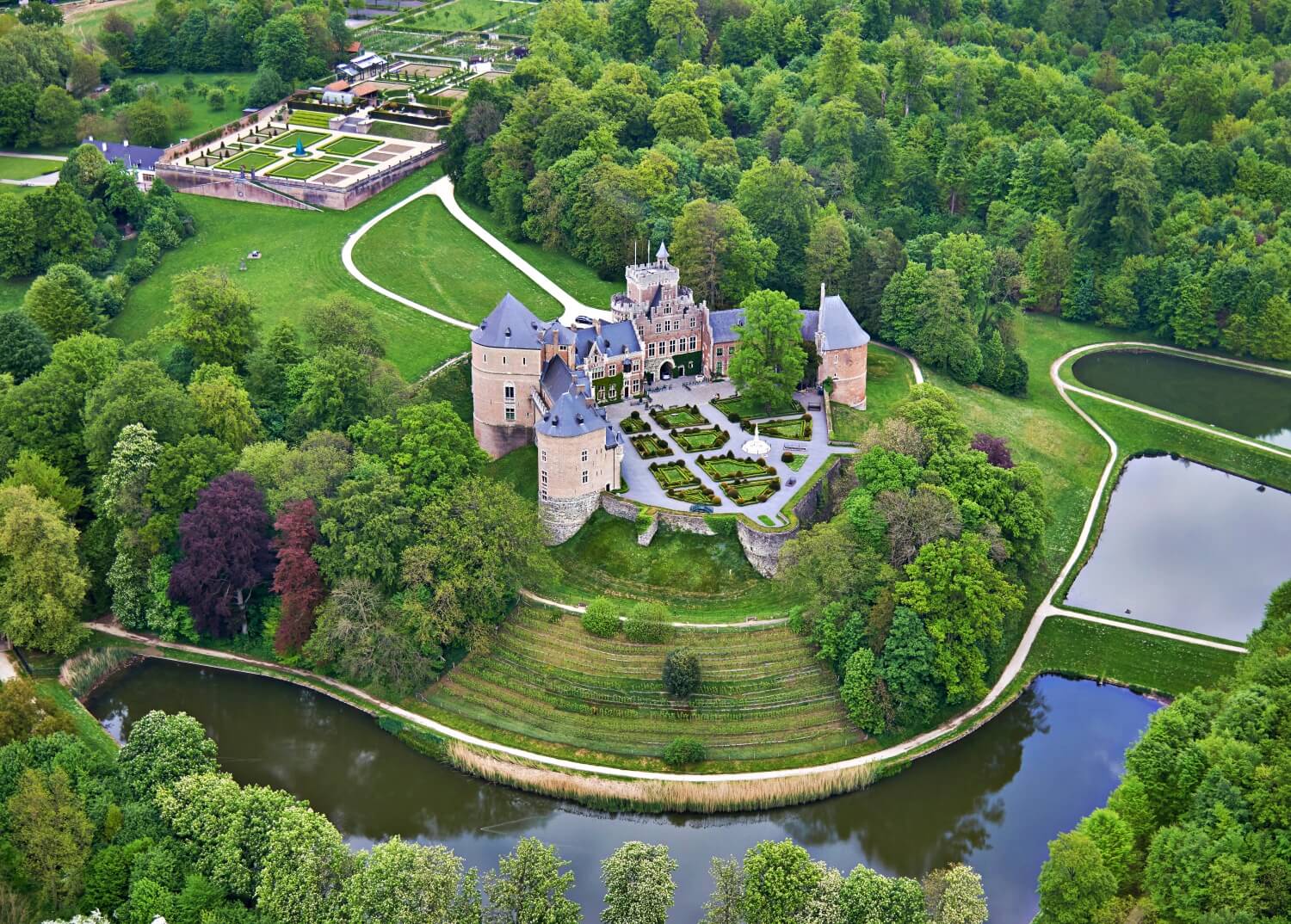
Bakstenen 19de-eeuws kasteel met 17de-eeuwse kern omgeven door een bomenrijk landschapspark met ruime vijver ten noorden en oosten van het kasteel; ten zuiden ruim grasveld met kleinere vijver
Previous names
Kasteel Gravenhof, Kasteel Gravenhof, Kasteel Gravenhof
Description
Mr Constant Theys book “The History of Dworp” teaches us that the castle goes back to 1649.
The present structure has been built by Mr Ignaas Le Roy, who ordered to build the castle east of the farmhouse that already existed under the name “Borchthoeve” with “Den Toren”. This tower was then one of the remains of the “Kesterbeek” domain that we find also in the acts of 1438 and 1558. The castle as it is today is a renovation of the ancient one. There was the master’s house, the big (inner) court and all the wings surrounded by water. The lift bridge gave entrance to the house. Above the door we can still see the escutcheon of the family Le Roy.
The castle, house and farm included, was destroyed on 17 February 1684 by the army of Louis XIV. Jaak Landelijn Le Roy, son of Ignaas, had it rebuilt. The remains of the restored castle are : the central part with the square tower, based on 4 pillars with 4 arches and a remake of the castle, burnt down in 1684.
Later in 1693, he sold the castle to Pieter Fraiseau for the price of 26.000 florins.
In 1725 Pieter Robyns took possession of the house and after his death in 1728 his wife remarried the knight Willem de Hemptines. On his request, the Dworp domain was ennobled to the barony by the king in 1757.
The son-in-law of Baron de Hemptines, count Gommart de Crez, inherited all the lands and the entire property after his wife’s death without children. In this way, the Dworp domain came into the possession of the family Cornet de Crez.
We find their escutcheon with 3 horns in the weathercock of the donjon (castle tower). This escutcheon has also been incorporated in the new emblem of the Gravenhof castle. It was not before 1870 that the side wings with the four corner towers were added. On the same occasion they had the canals filled in the front.
Meanwhile the castle passed from family to family according to the succession principles.
Eventually the last heiress of the family Cornet de Crez, the baroness of Anetham rented the castle to the Brussels family Wauquez.
During the First World War the Germans have occupied the castle. Thereafter the family could repossess it. During the Second World War it has again been occupied by German generals and after the liberation soviet prisoners took their place, followed by the Foster Parents Plan for war children. Afterwards the castle remained mostly uninhabited. As a matter of fact, the castle hadn’t been looked after since the First World War and as a consequence looked dreary at that time.
Particularly the lack of maintenance works as to the roof and the sewerage and the failing lighting system accelerated the castle’s decline. It went on his way till 9 August 1959, when Mr Piet Demol, who had been dreaming of this castle from his early youth, could finally take possession of it.
He bought the castle with the 4,5 hectares surroundings from baroness of Anethan. The remaining 18 hectares have been purchased by the F.I.V.B. (Federale Immobiliën Vennootschap van het Bouwbedrijf = Federal Immovable Partnership of the Building Industry) who planned to parcel it out into 136 building lots. On July I 1960, the castle was opened to the public and was named Gravenhof, according to the different counts who had been living in the castle. It became a place for family celebrations, receptions, meeting and study centres, besides 26 rooms and 56 beds.
On May I 1988 Gravenhof S.A. has been taken over by the Van Wonterghem house, who promised to render it all its glory by renovation and by adjusting the comfort of the rooms and the hotel to the modern standards.
http://www.gravenhof.be/en/historiek
Si nous nous basons sur le livre de M. Constant Theys « L’histoire de Dworp », nous apprenons que le château date de 1649. Le bâtiment actuel a été construit par M. Ignaas Le Roy, qui a fait bâtir le château à l’est de la ferme déjà existante «Borchthoeve” avec « Den Toren ». La dite Tour était alors un des restes du domaine «Kesterbeek » que nous retrouvons dans les actes de 1438 et de 1558.
Le château tel qu’il existe aujourd’hui est une rénovation de l’ancien.
On avait la maison de maître, la grande cour et tous les flancs qui étaient entourés d’eau. Le pont-levis donne l’accès à la maison. Au-dessus de la porte on voit toujours l’écusson des Le Roys.
Le château, maison et ferme incluses, a été détruit le 17 février 1684 par l’armée de Louis XIV.
Jaak Landelijn Le Roy, fils d’Ignaas, l’a fait reconstruire.
Les parties suivantes sont tout ce qui reste du château rénové : la partie centrale avec la tour carrée, basée sur 4 piliers avec 4 arcs et une imitation du château brûlé en 1684.
Ensuite, en 1693, il a vendu le château à Pieter Fraiseau pour 26.000 florins. En 1725 la maison pesait aux mains de Pieter Robijns, après sa mort en 1728, son épouse se remariait avec le chevalier Willem de Hemptines. À sa demande le domaine de Dworp a été élevé baronnie par le roi en 1757.
Le gendre du Baron de Hemptines, comte Gommart de Crez, héritait toutes les terres et toutes les propriétés après la mort sans enfants de sa femme. Ainsi le domaine de Dworp passait à la famille Cornet de Grez. Nous retrouvons leur écusson avec 3 cornes dans la girouette du donjon. Cet écusson a été repris dans le nouveau symbole du château Gravenhof.
Il faut attendre 1870 pour voir les ailes latérales s’ajouter aux quatre tours flanquantes. Au même moment on a également comblé les canaux à l’avant.
Entretemps le château passait de famille en famille selon des principes de succession. Jusqu’au moment où la dernière héritière de la famille Cornet de Crez, la baronne d’Anetham a loué le château à la famille bruxelloise Wauquez.
Pendant la première Guerre Mondiale, les Allemands utilisaient le château. Après la famille a pu le reprendre. Pendant la deuxième Guerre Mondiale le château était à nouveau occupé par des généraux allemands et après la libération arrivaient les prisonniers soviétiques et le Foster Parents Plan for war children. Après le château était pour la plus grande partie inhabité.
En effet, le château n’avait pas été entretenu depuis la première Guerre Mondiale et avait un aspect triste en ce temps-là. Surtout le manque des travaux d’entretien au toit et aux égouts, et pas beaucoup d’enluminure faisait décliner le château très rapidement.
Cela a duré jusqu’au 9 août 1959 quand M. Piet Demol, qui depuis sa tendre enfance rêvait déjà de ce château, a pu l’acquérir. Il a acheté le château de la baronne d’Anethan, avec le 4,5 hectares environnants. Les autres 18 hectares ont été achetés par la F.I.V.B. (Federale Immobiliën Vennootschap van het bouwbedrijf), qui voulait les lotir en 136 terrains à bâtir.
Le premier juillet 1960 le château a été ouvert au public nommé Gravenhof, selon les différents comtes qui ont vécu dans le château.
Le château devenait un complexe pour des fêtes familiales, des réceptions, des réunions et des centres d’étude. Et en plus 26 chambres et 56 lits.
Le premier mai 1988 Gravenhof S.A. a été repris par la maison Van Wonterghem, qui promettait de lui redonner toute sa gloire en le rénovant et en adaptant le confort des salles et de l’hôtel aux normes actuelles.
http://www.gravenhof.be/fr/historiek
Bakstenen 19de-eeuws kasteel met 17de-eeuwse kern omgeven door een bomenrijk landschapspark met ruime vijver ten noorden en oosten van het kasteel; ten zuiden ruim grasveld met kleinere vijver. De zone ten westen van het kasteel is vandaag ingericht als parking.
Historiek
Het huidige Gravenhof gaat terug op de zetel van de heerlijkheid Kesterbeek, leen van de hertogen van Brabant. Over het Hof van Kesterbeek is weinig geweten. Het zou in de 17de eeuw bestaan hebben uit een hoeve met bijgebouwen en een vierkante toren. Die zijn echter al in ruïneuze toestand wanneer Ignaas Le Roy heer van Kesterbeek wordt. In 1649 kocht hij ook de heerlijkheid Dworp en verbond zo de geschiedenis van beide heerlijkheden. Hij bouwde vermoedelijk in 1649 (muurankers) een nieuw kasteel ten oosten van de oude site. Het bestond uit een opperhof met ten westen een neerhof (= voormalige Hof van Kesterbeek). Het kasteel was een omwald onregelmatig complex met ophaalbrug en bestond uit een donjon omgeven door vier gebouwen. Het neerhof, eveneens met walgracht, werd omstreeks 1650 vervangen door een nieuwe hoeve, aansluitend bij de oude toren.
In 1684 wordt het waterkasteel vernield door het brandschattende leger van Louis XIV. Het kasteel wordt door Jacques Landelin Le Roy, zoon van Ignaas, heropgebouwd. Boven de deur prijkt nog zijn wapen. Van die bouwfase die bestond uit een woonhuis met achterliggende tuin, voorplein, poort, twee paviljoenen en een brug, bleef het hoofdgebouw met centrale vierkante toren bewaard. Ten noorden van het kasteel, over de wal, lag een aansluitende tuin die via haakse paden was onderverdeeld in parterres. Er was een fontein. Het is onduidelijk of het om een siertuin dan wel een moestuin ging.
Guillaume-François Joseph de Hemptinnes verkreeg de verheffing van de heerlijkheid tot baronie in 1737. Na zijn overlijden werd zijn schoonzoon graaf Gommart-Ignace-Antoine Cornet de Grez de kasteelheer. Hij liet de grachten dempen in 1870 en voegde de vier hoektorens aan het kasteel toe (1878). De westelijke toren kreeg sierankers die het jaartal 1649 vormen. Het park werd omgevormd tot een Engels landschapspark met siervijver.
De volledige 19de en het begin van de 20ste eeuw werd de geschiedenis van het kasteel en het politieke leven te Dworp bepaald door de graven Cornet de Grez. Zijn leverden tussen 1804 en 1918 de burgemeesters. In de kerk bleven verschillende obiits van de familie bewaard. Na de verhuis van Ferdinand de Grez naar Brussel in 1914 keert de familie niet meer terug naar Dworp. Tijdens de Eerste en Tweede Wereldoorlog werd het kasteel gebruikt door de Duitsers, gevolgd door Russische krijgsgevangenen en het Foster Parents Plan for War Children na de Tweede Wereldoorlog.
In 1961 kocht Piet Demol het kasteel en 4,5 hectare grond. Hij restaureerde het kasteel en richtte het in als hotel en feestzalen met de naam 'Gravenhof'. De resterende 18 hectare werden verkaveld in 1964-65 (registratie kadaster) door de Federale Immobiliën Vennootschap van het Bouwbedrijf uit Brussel. Zij realiseerden er 136 bouwpercelen.
https://inventaris.onroerenderfgoed.be/erfgoedobjecten/38882
Nearby castles
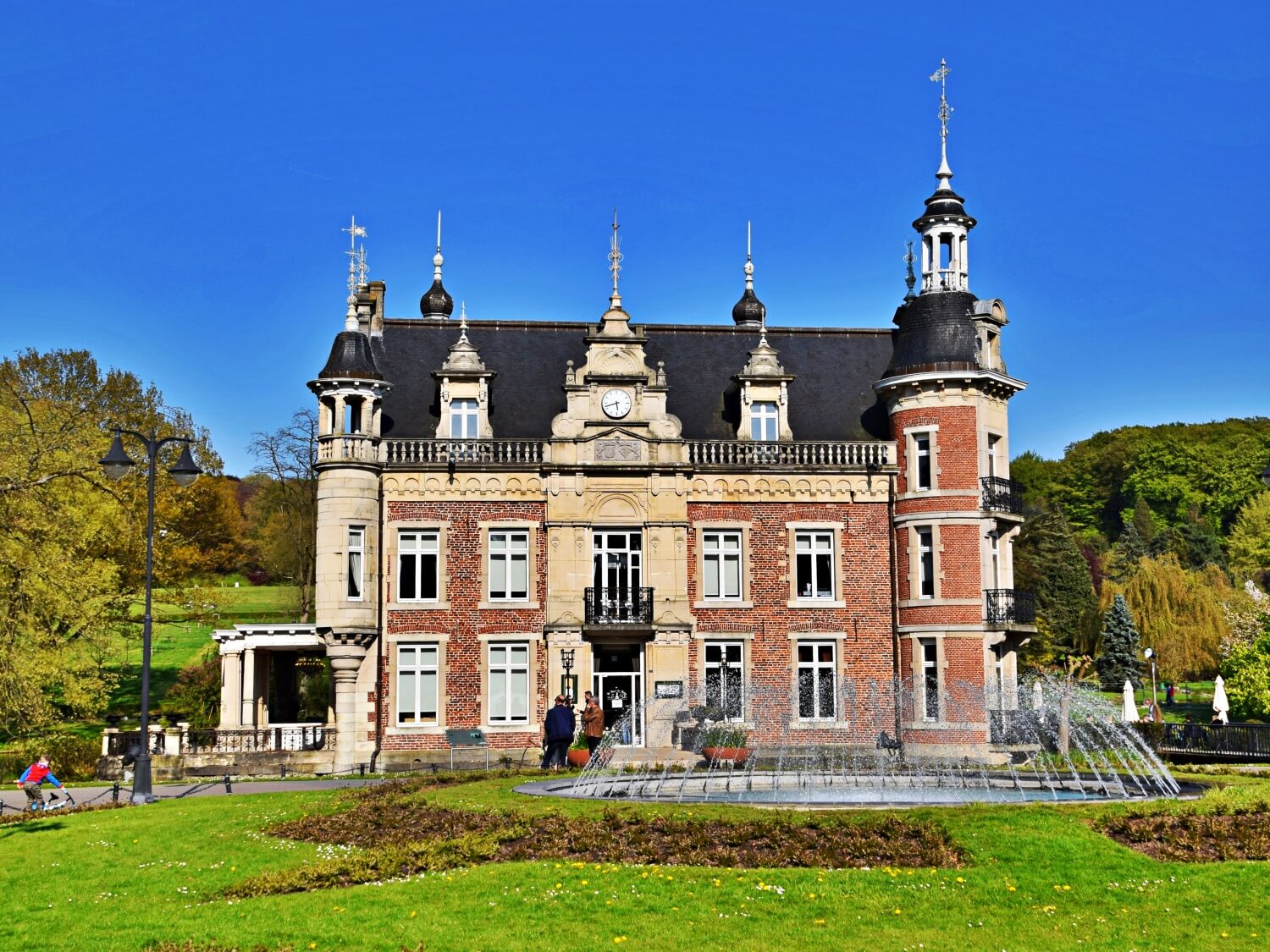
Kasteel van Huizingen
Vlaams-Brabant
1.4km
manor, mansion
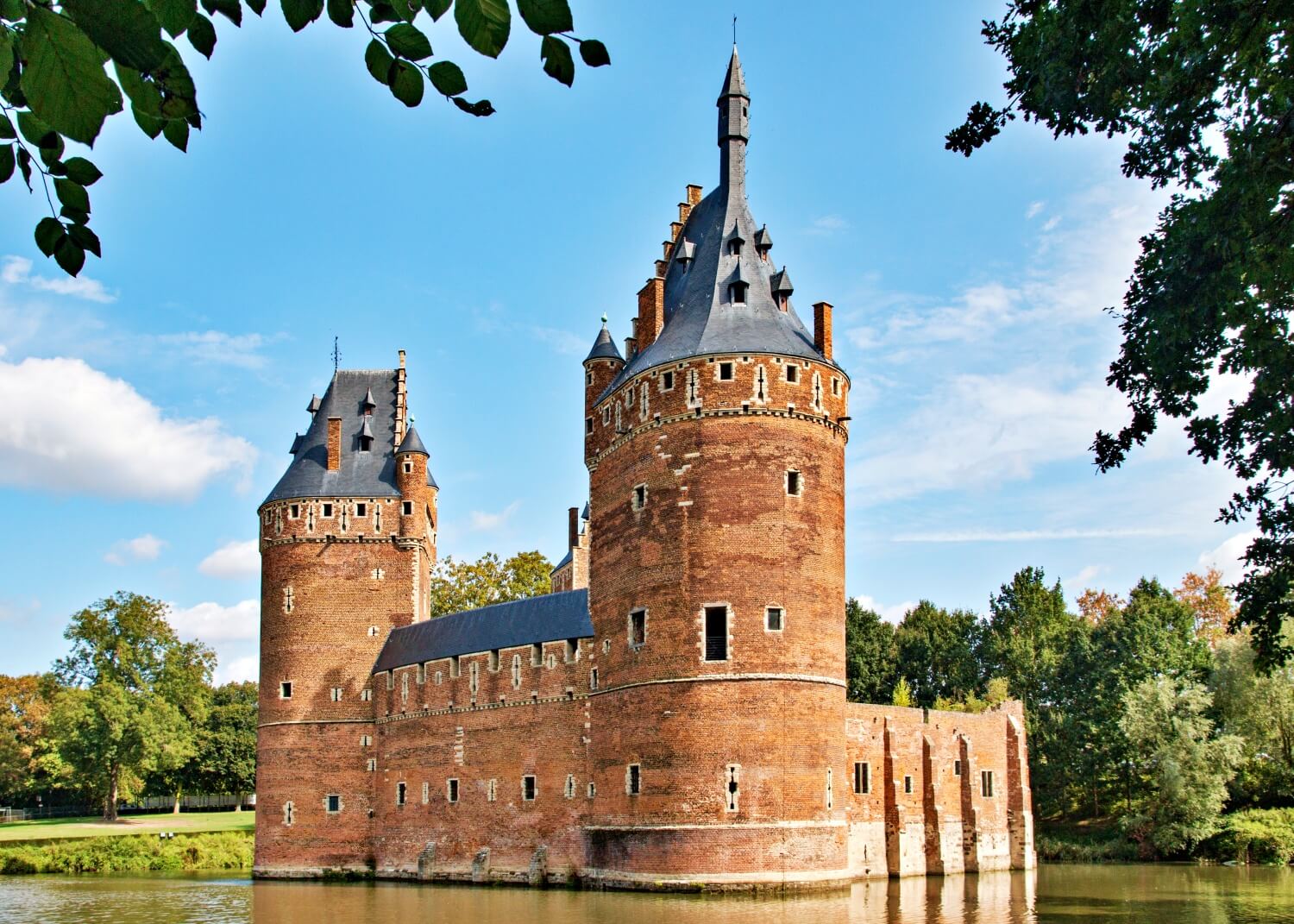
Beersel Castle
Vlaams-Brabant
3.6km
castle, chateau
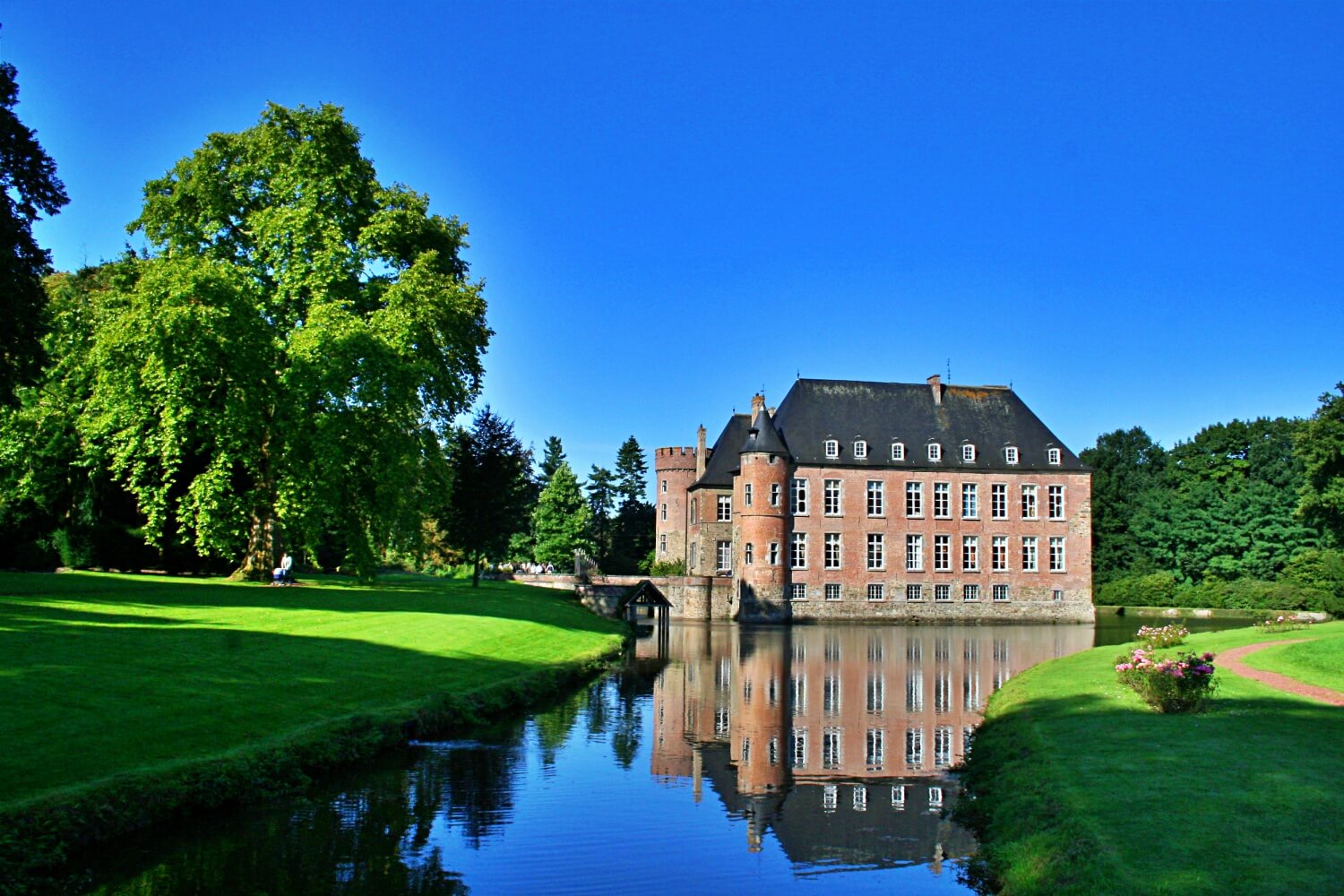
Kasteel van Braine-le-Château
Brabant Wallon
5.9km
manor, mansion
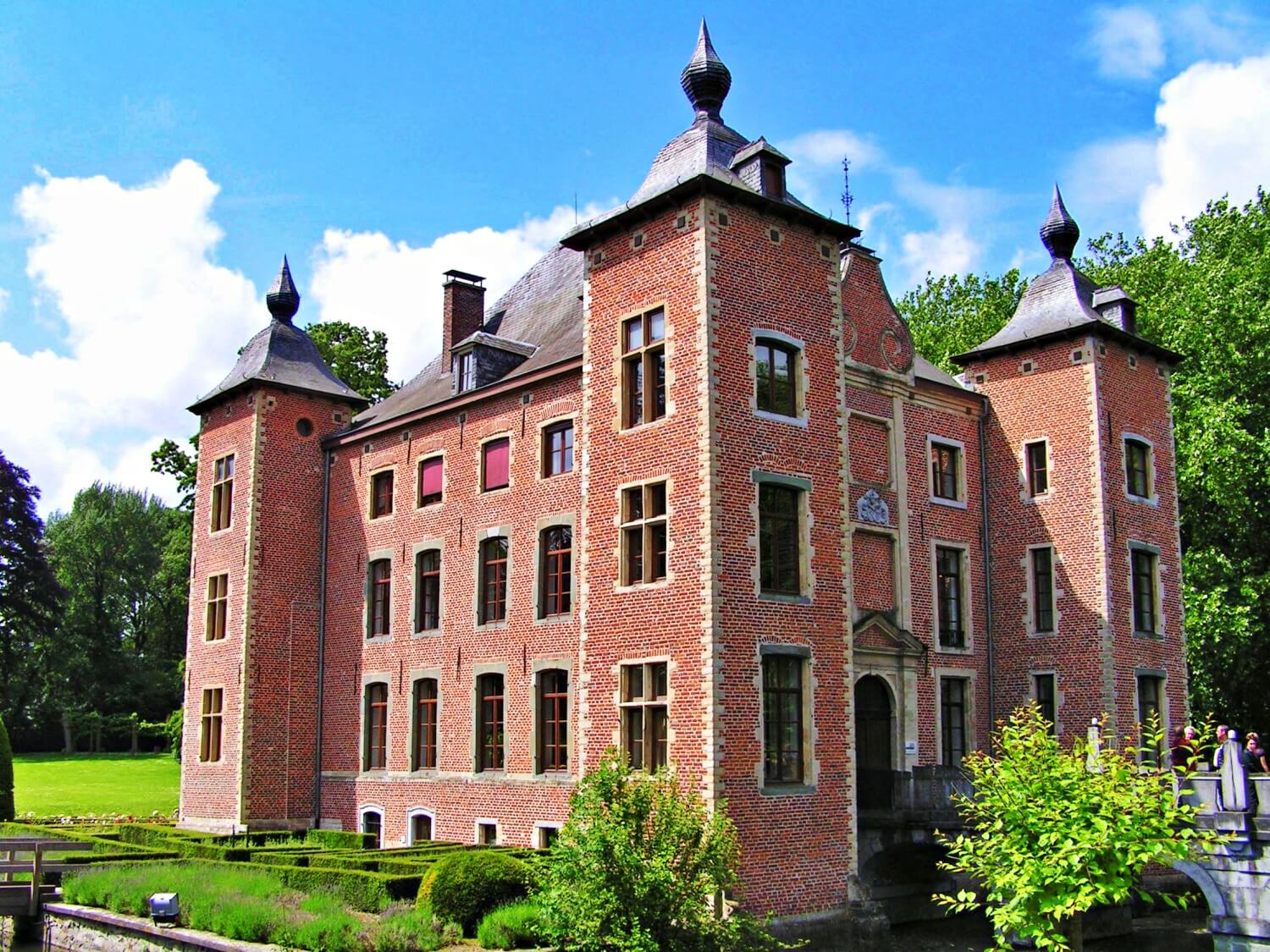
Kasteel van Coloma
Vlaams-Brabant
6.0km
manor, mansion
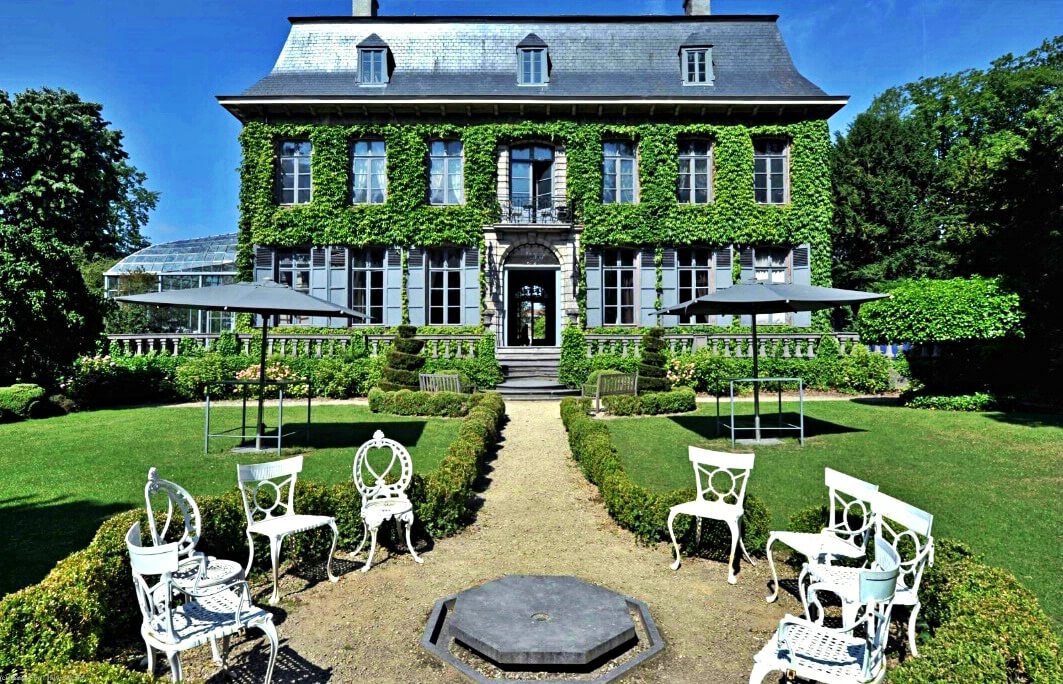
Kasteel van Ruisbroek
Vlaams-Brabant
6.2km
manor, mansion
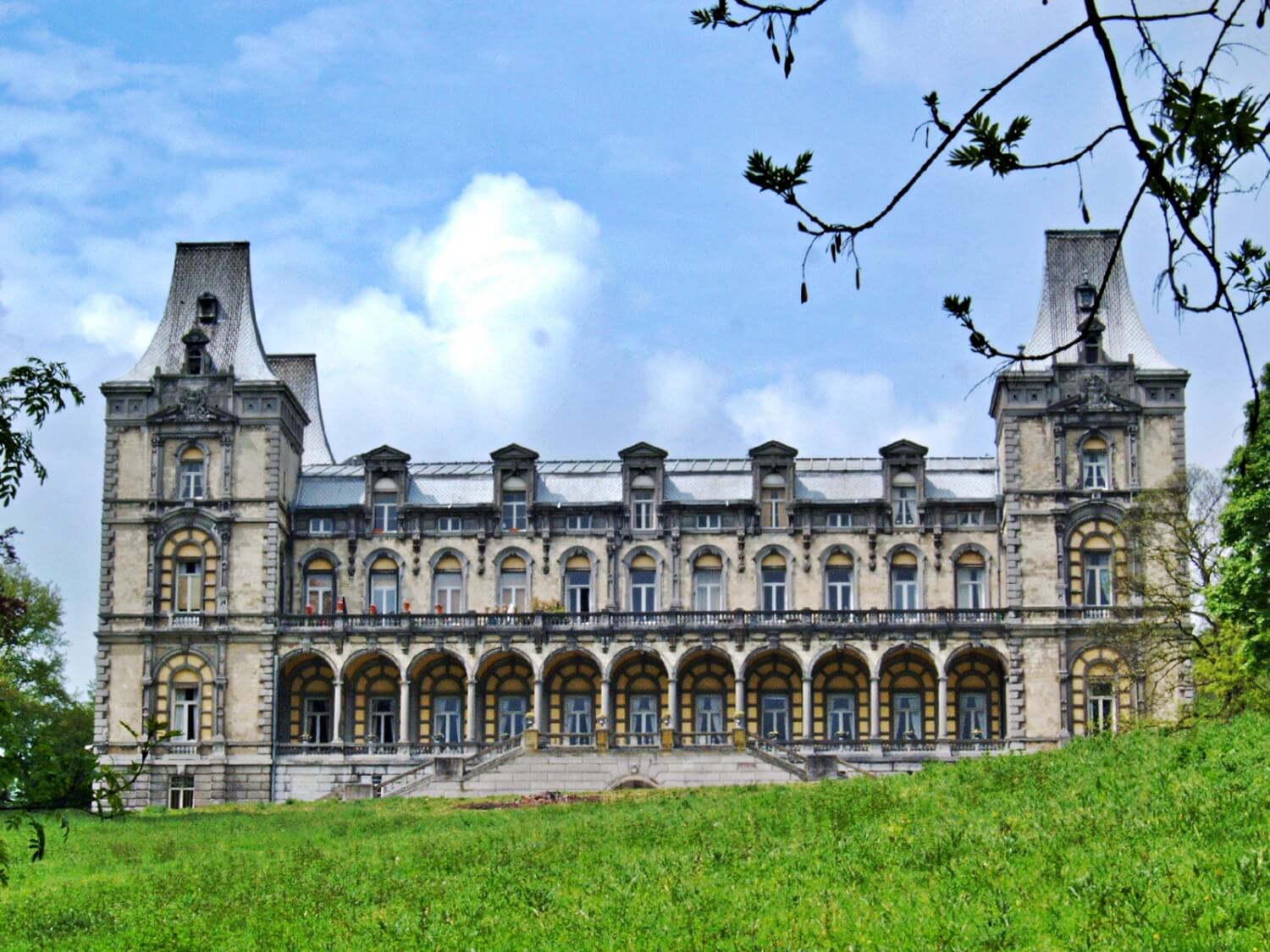
Kasteel van Argenteuil
Brabant Wallon
9.7km
manor, mansion
Gaasbeek Castle
Vlaams-Brabant
9.8km
castle, chateau