Plaveč
Plaveč Prešov county Slovakia
castle ruin
Plaveč
Plaveč Prešovský kraj Slovakia
zrúcanina hradu
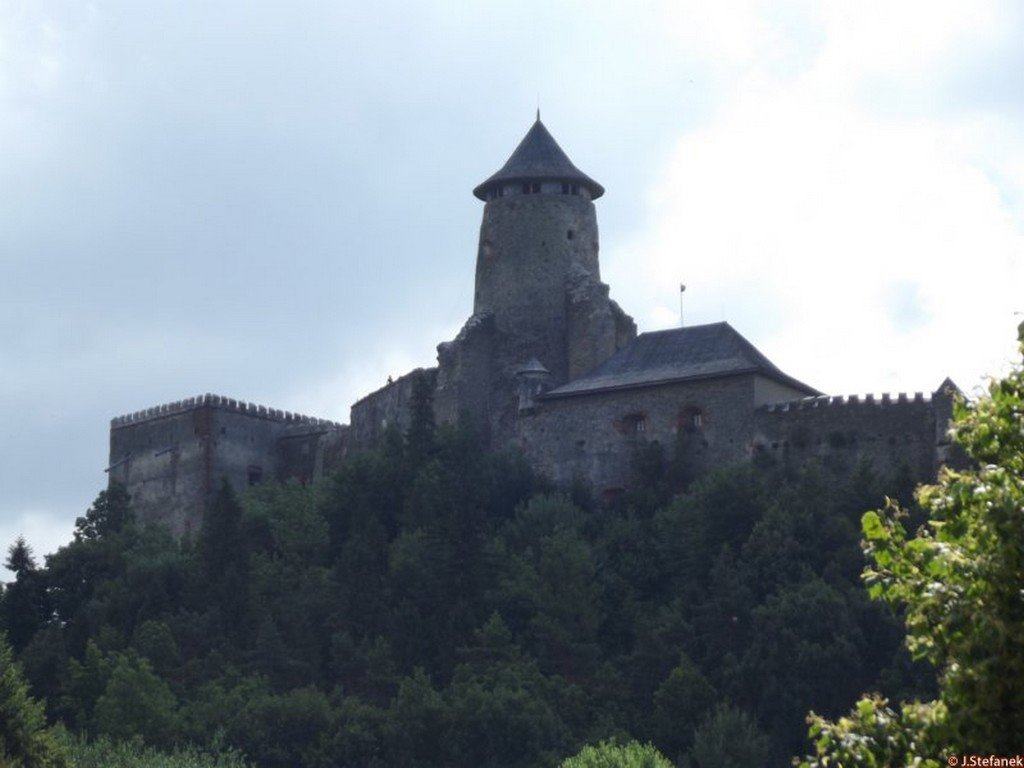
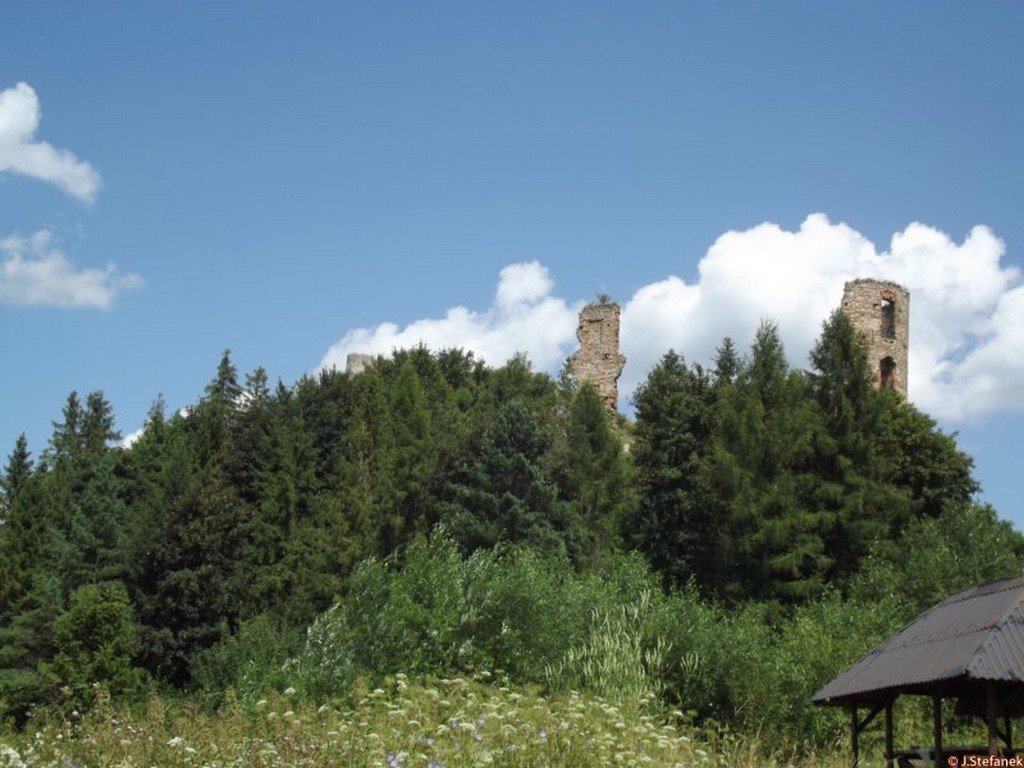
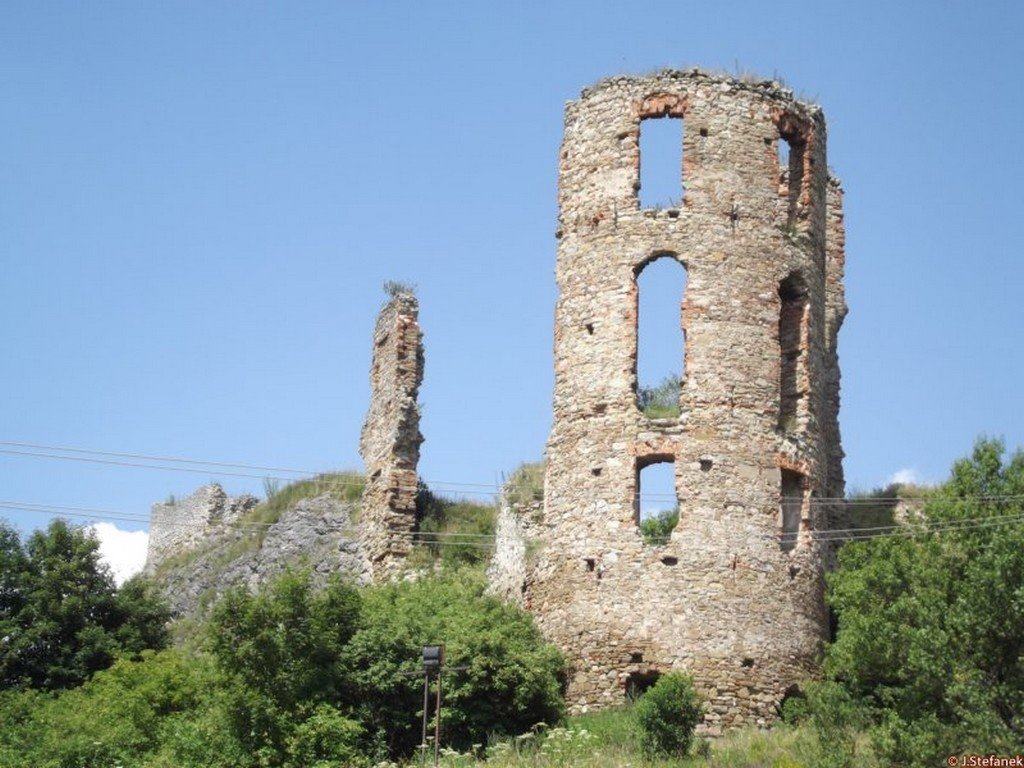
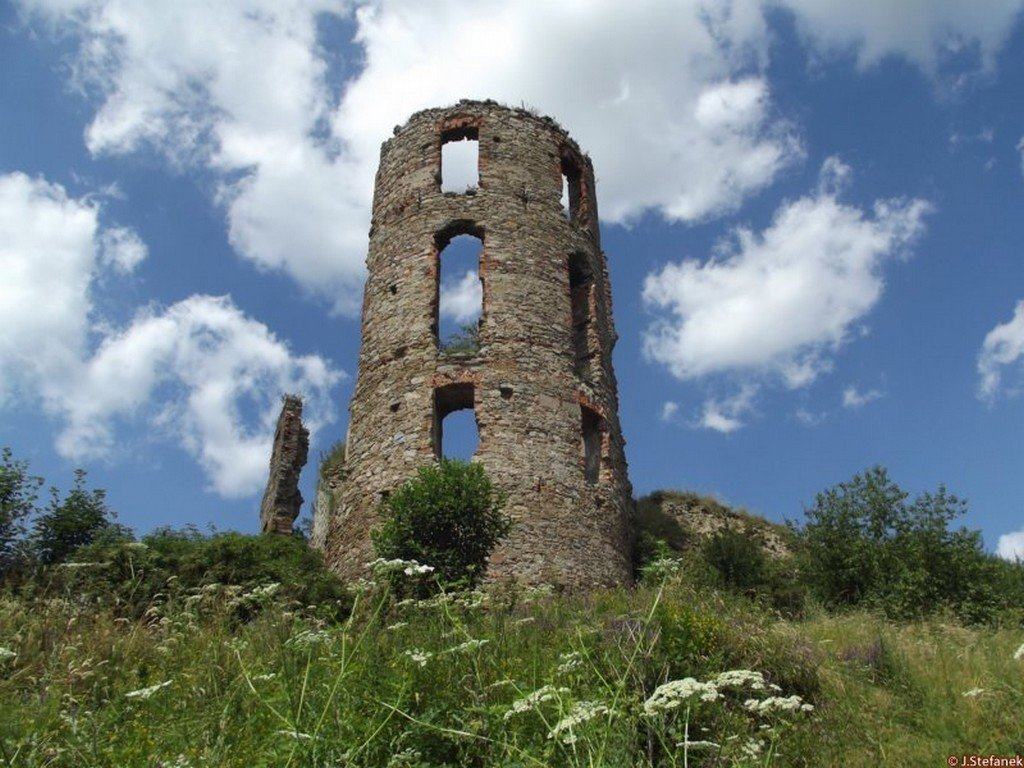
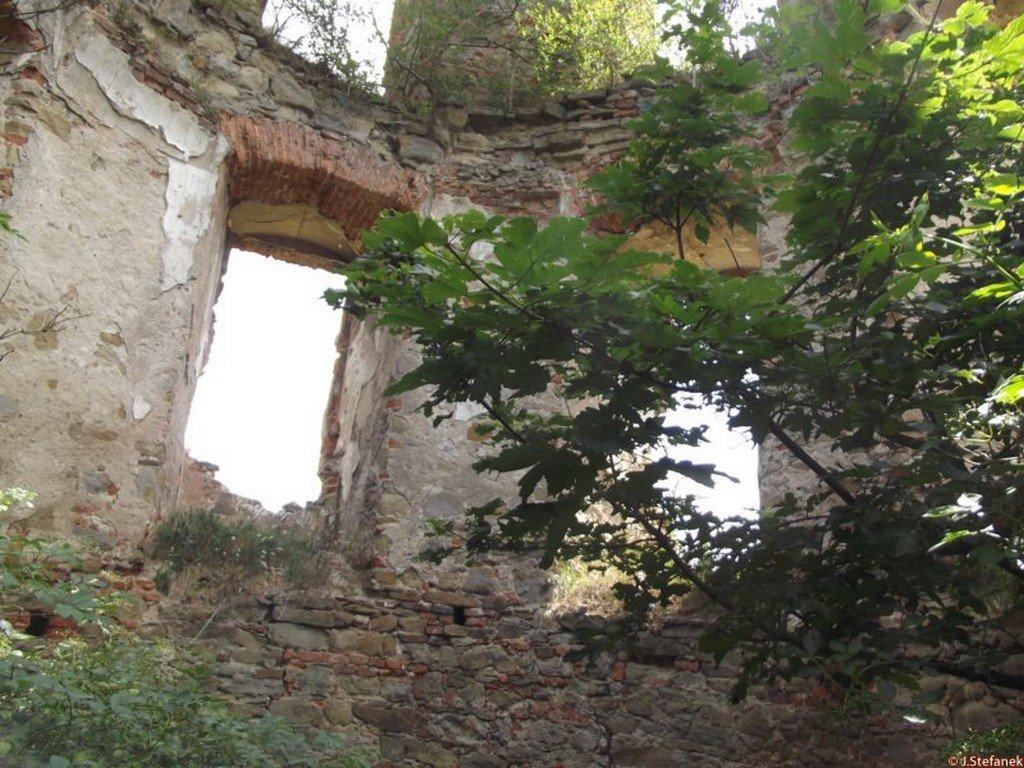
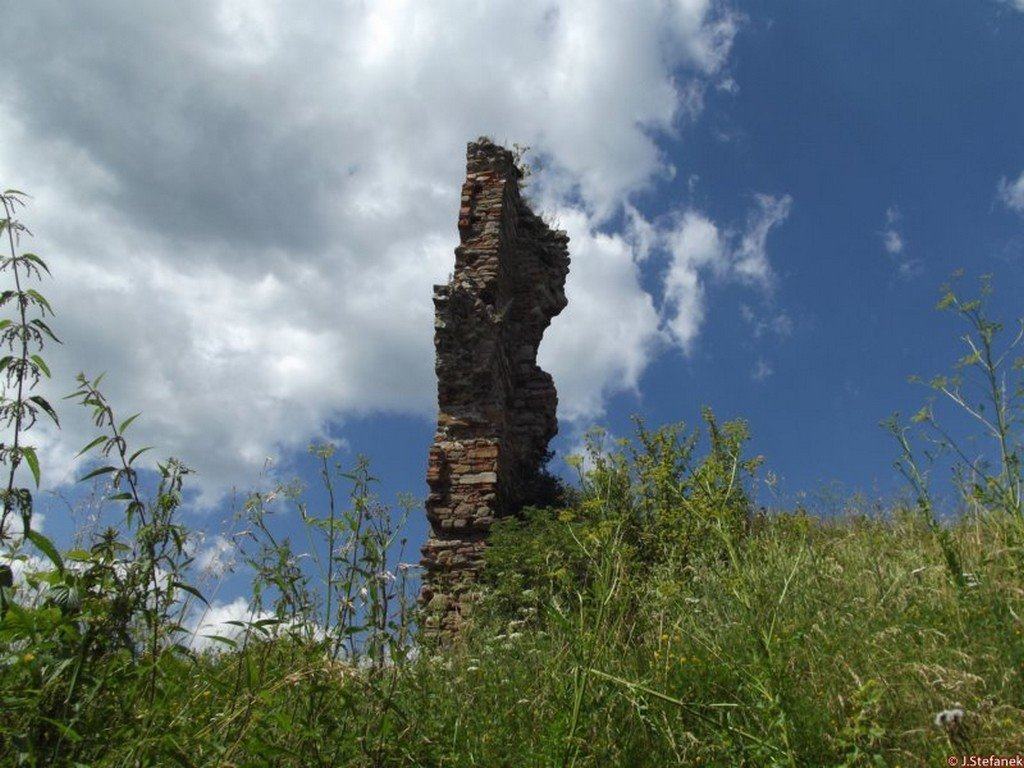
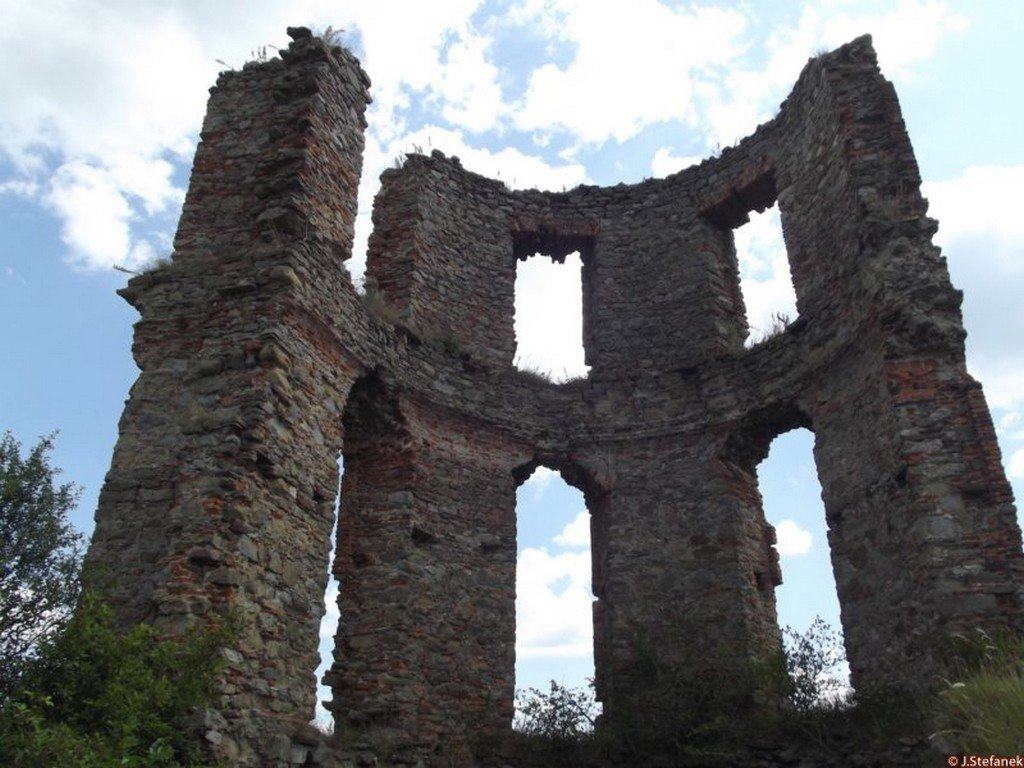
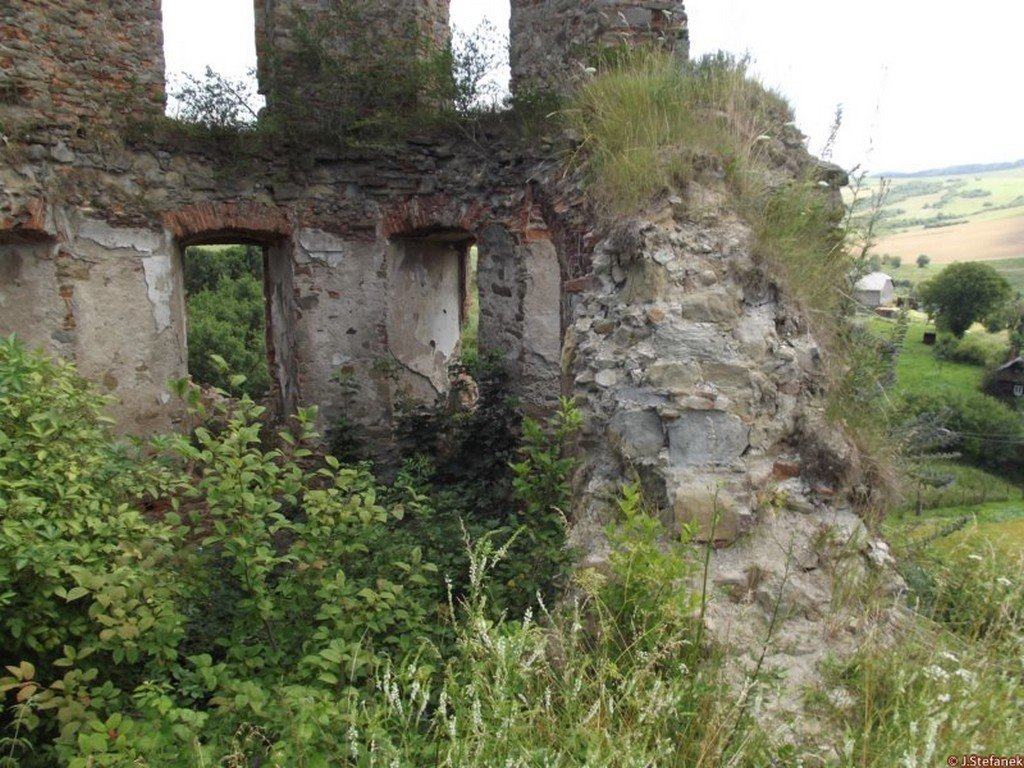
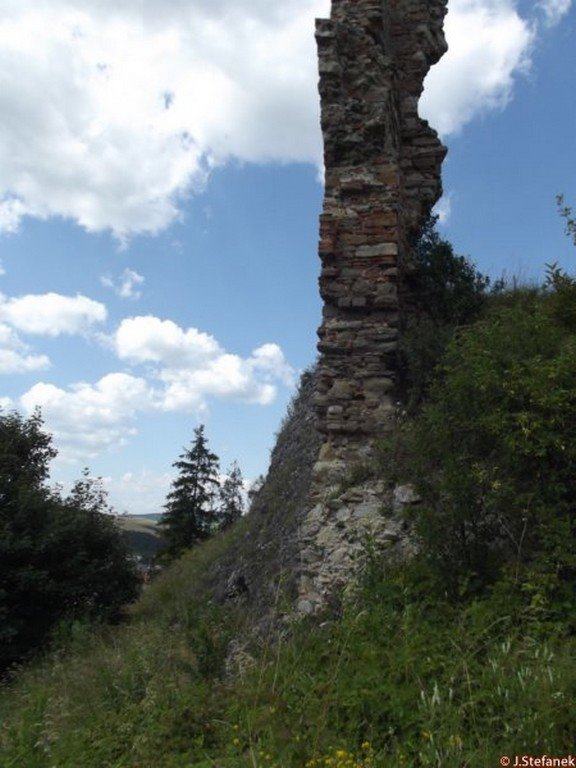
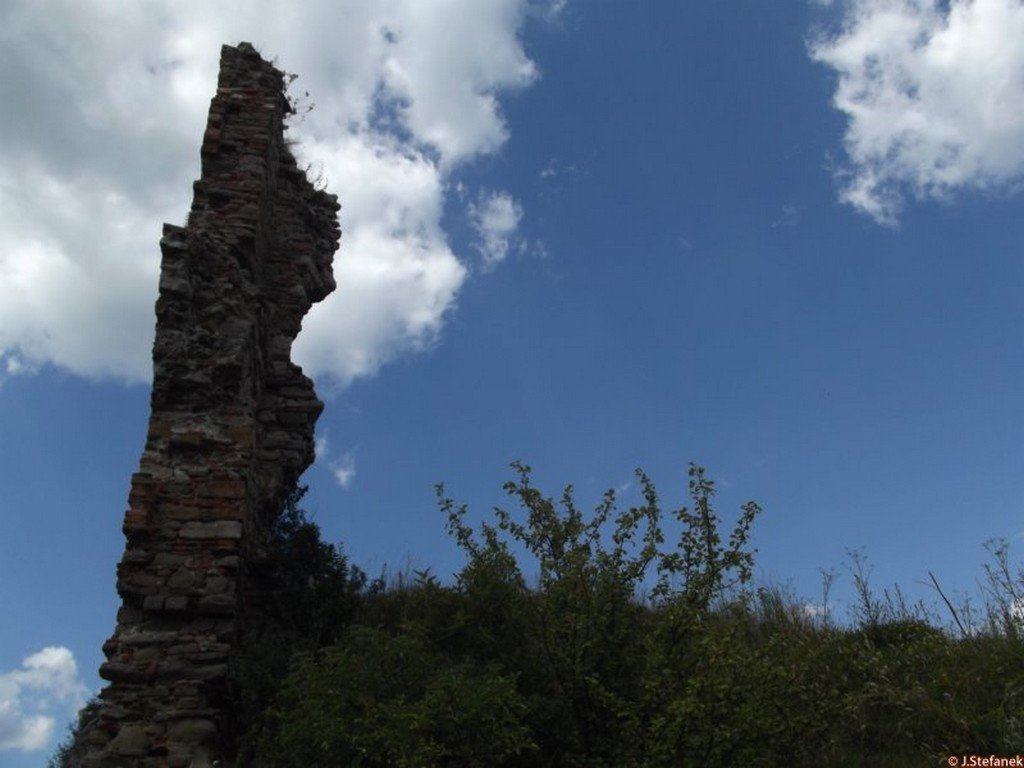
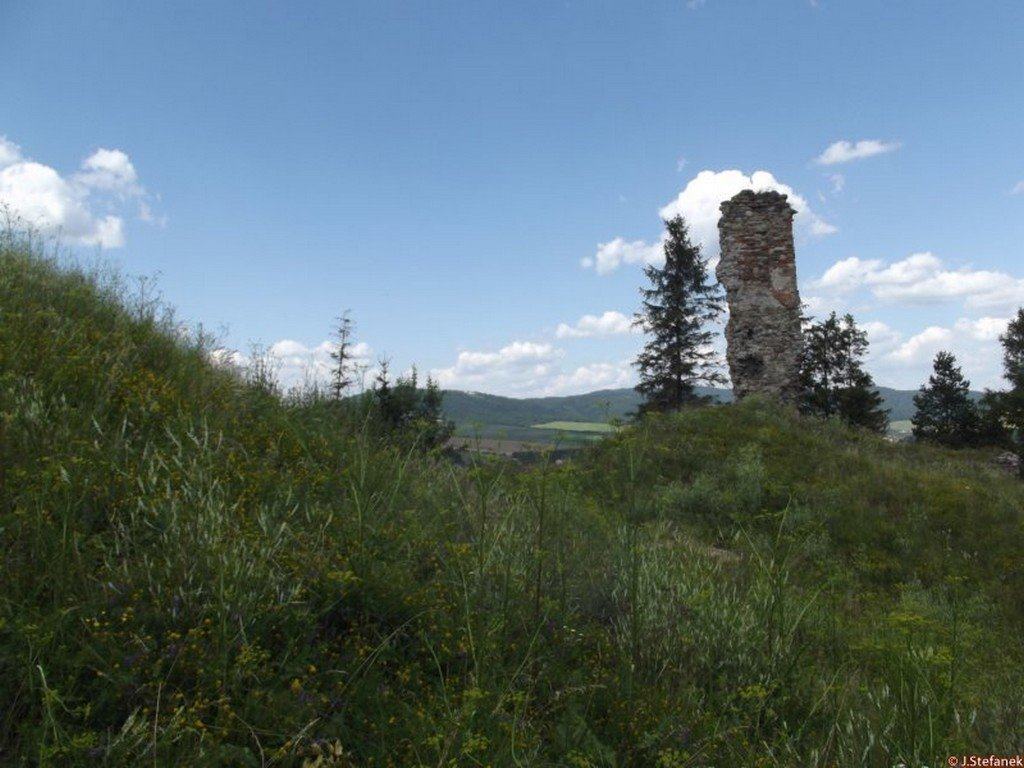
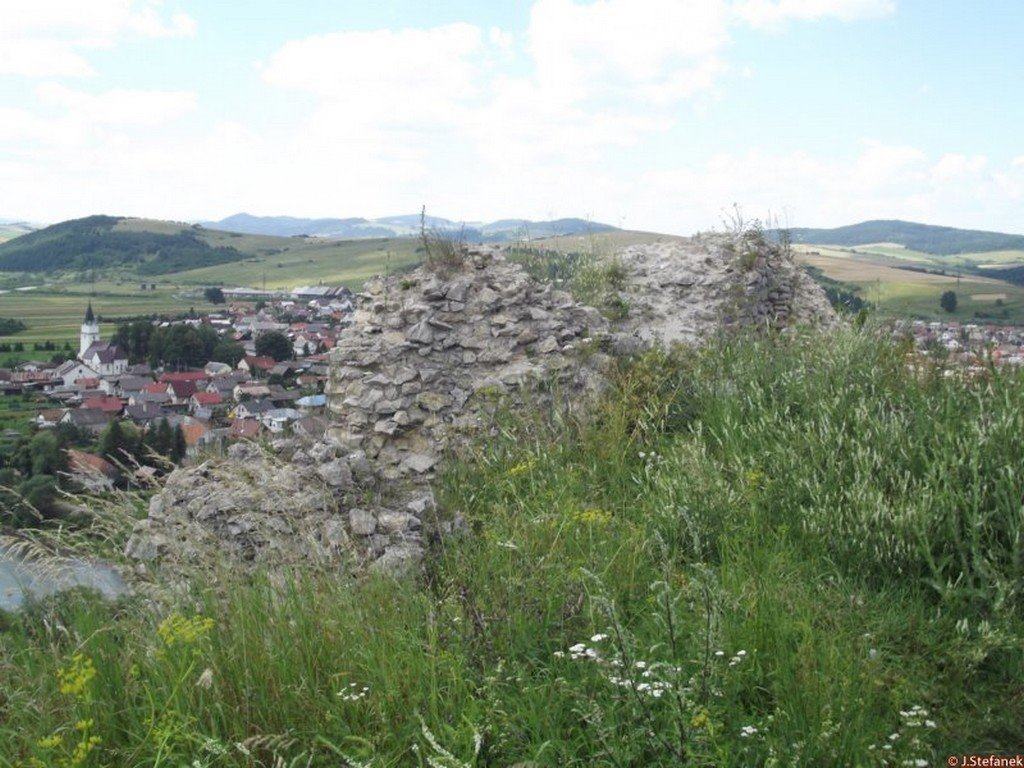
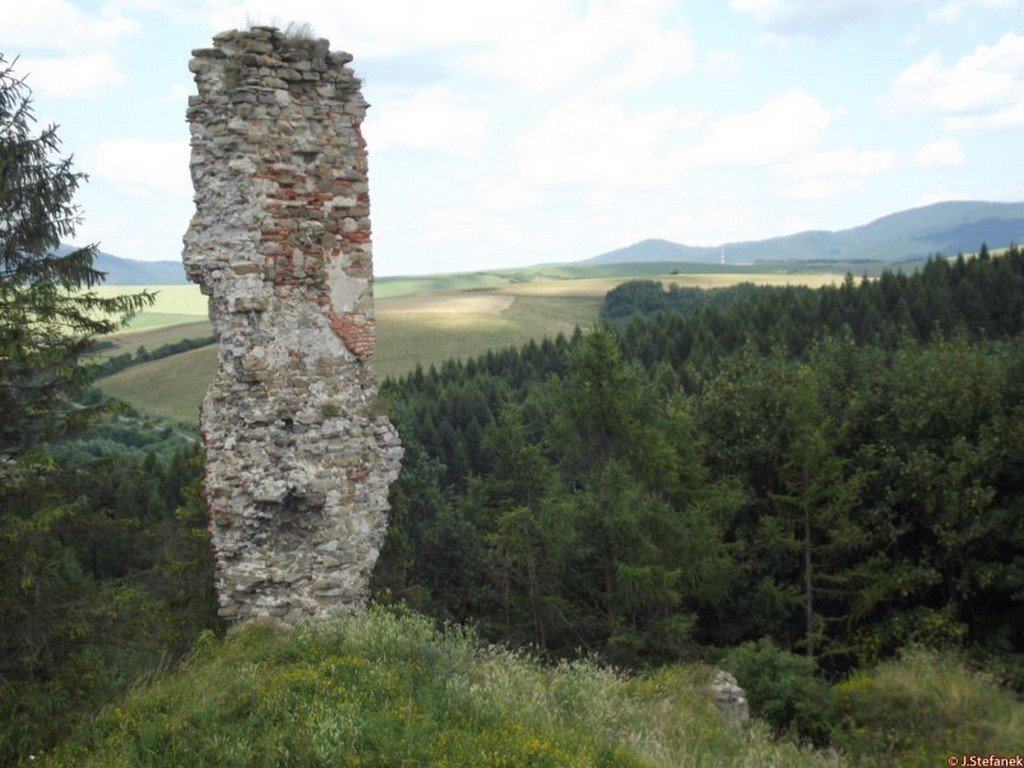
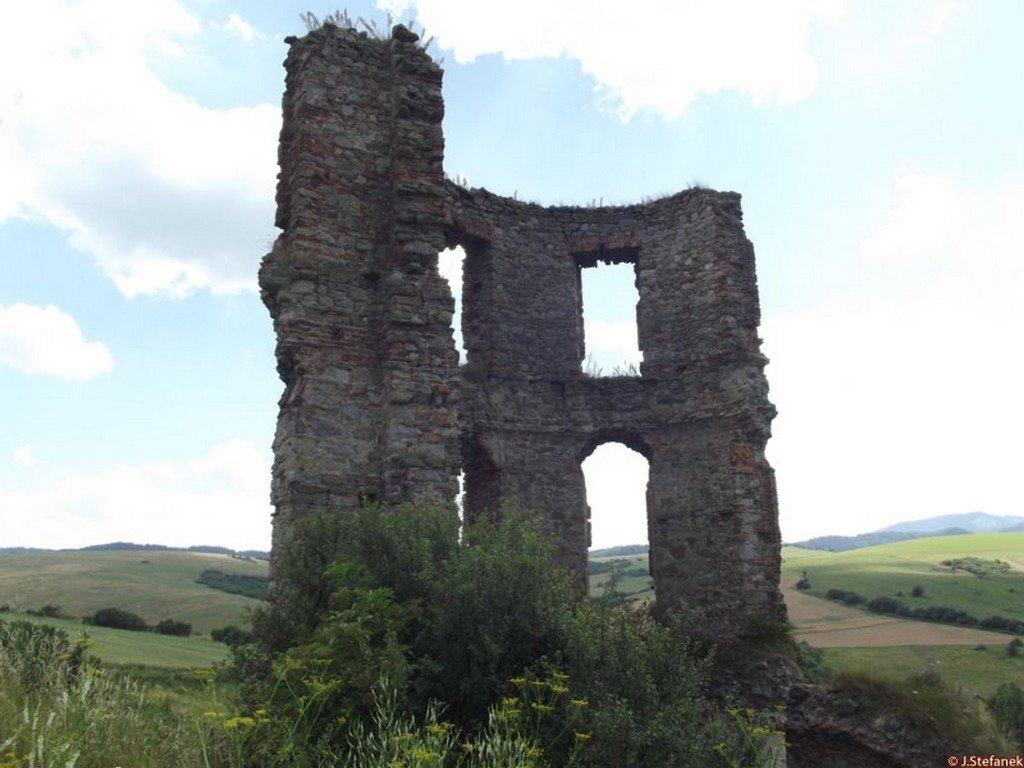
The ruins of the castle on the hill of the Spiš-Šariš mountains, above the village of Plaveč - part of Podzámok (Stará Ľubovňa district), above the valley of the river Poprad
Zrúcanina hradu na návrší Spišsko-šarišského medzihoria, nad obcou Plaveč - časť Podzámok (okr. Stará Ľubovňa), nad údolím rieky Poprad
Previous names
Palocha, Ploche, Plaucha, Plautz, Polocha, Polovcha, Plawcz, Plavycz, Palocsa
Roads
We can approach the Plaveč castle if we come from Stará Ľubovňa and turn right at the first turn to the right after entering the village of Plaveč (there is a bridge on the board with the name of the village and right after it). The castle is located in Podzámok. Then we continue to the right and at the small crossroads we keep to the left - we should already be on a narrow asphalt road. We continue straight on, following the houses until we reach a crossroads again. The road continues straight to Pastovník, but we turn left until we reach the parking lot directly below the castle.
Na hrad Plaveč sa dostaneme, ak prichádzame od Starej Ľubovne a odbočíme hneď na prvej odbočke vpravo po vstupe do obce Plaveč (po tabuli s názvom obce je mostík a hneď po ňom doprava). Hrad sa nachádza v časti Podzámok. Vzápätí pokračujeme vpravo a pri malom rázcestí sa držíme vľavo - to už by sme mali byť na úzkej asfaltovej cestičke. Pokračujeme po nej stále rovno, pomedzi domky až dôjdeme opäť na rázcestie. Cesta pokračuje rovno na Pastovník, ale my odbočíme doľava, až prídeme na parkovisko priamo pod hradom.
Description
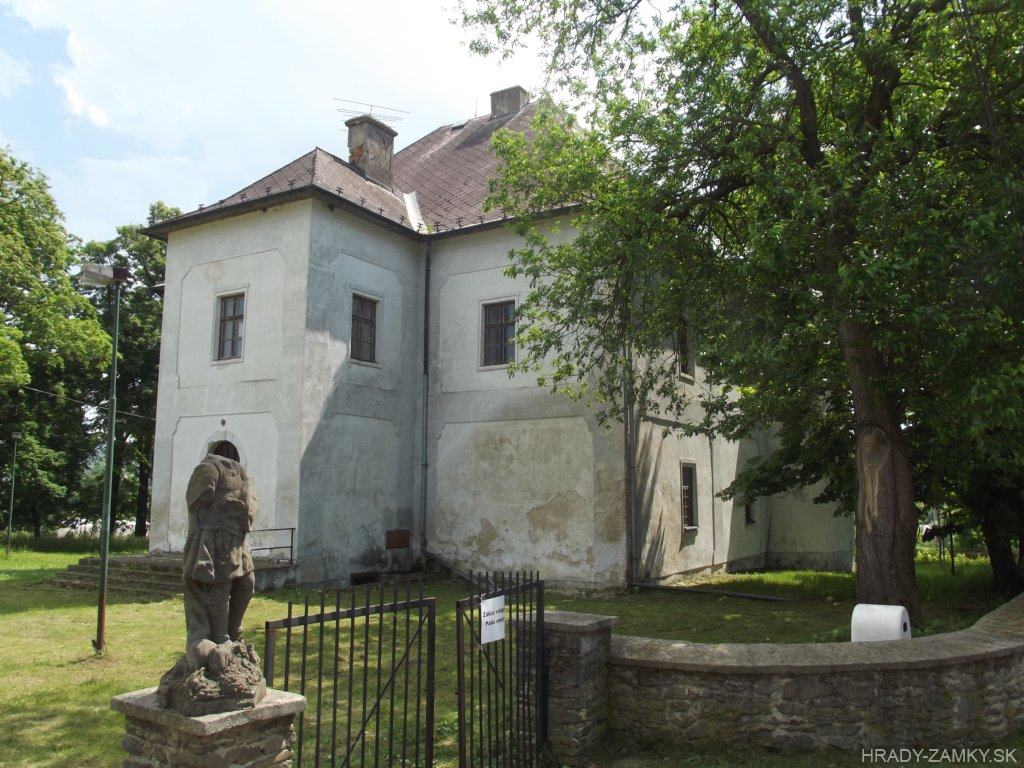
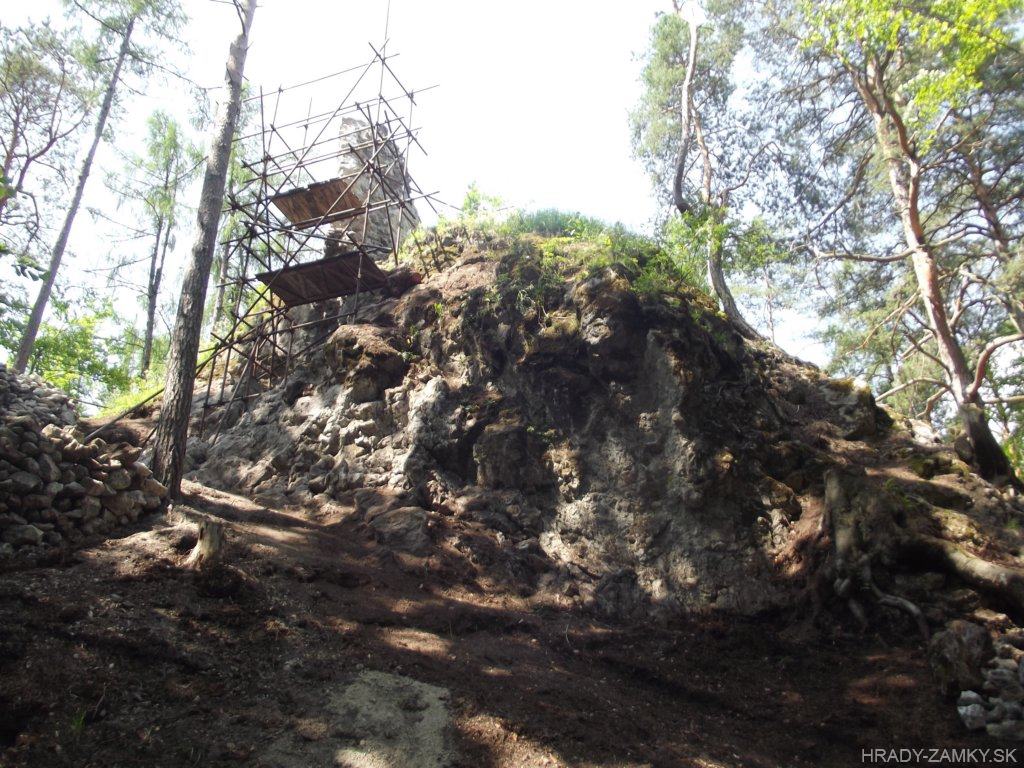
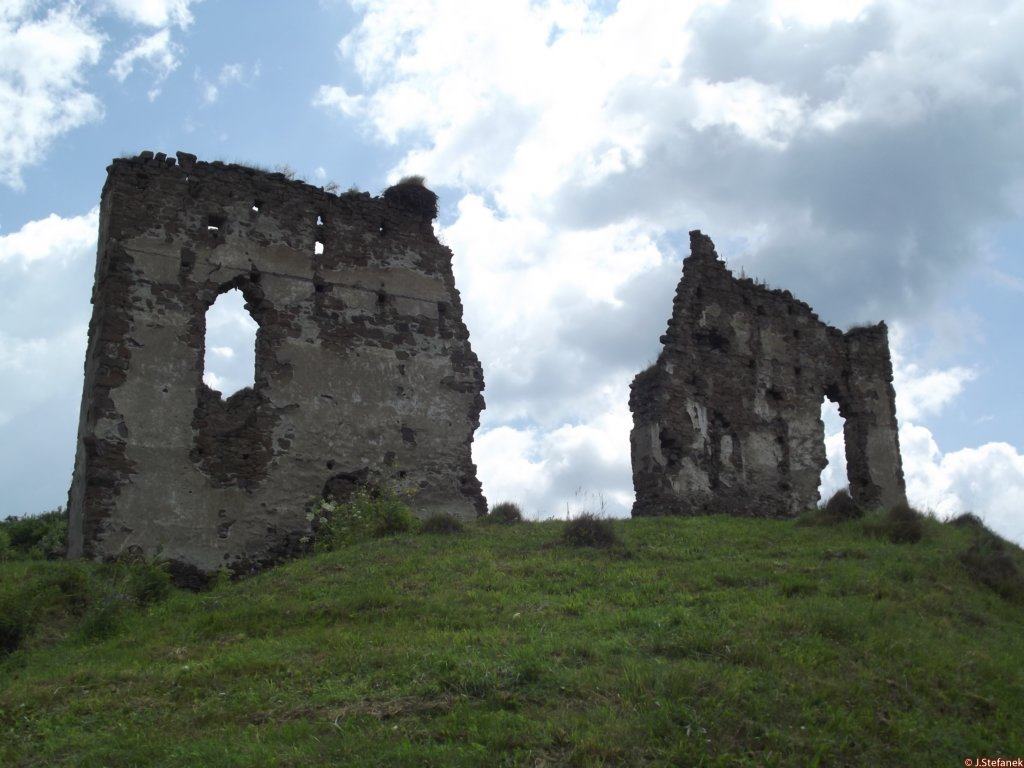
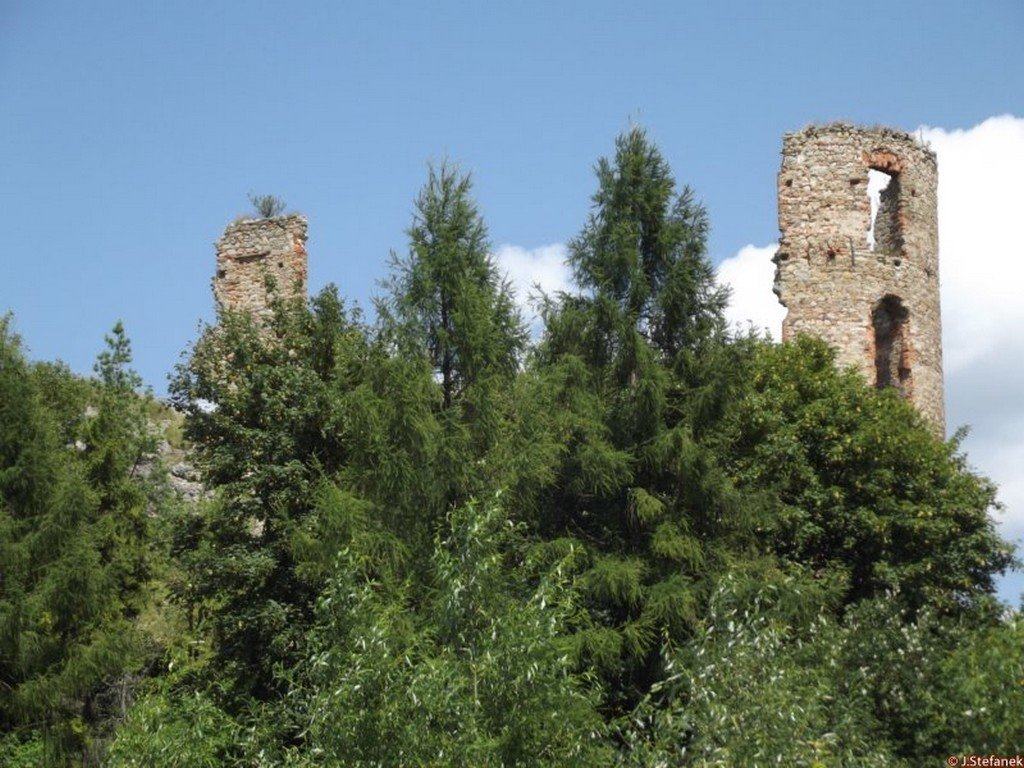
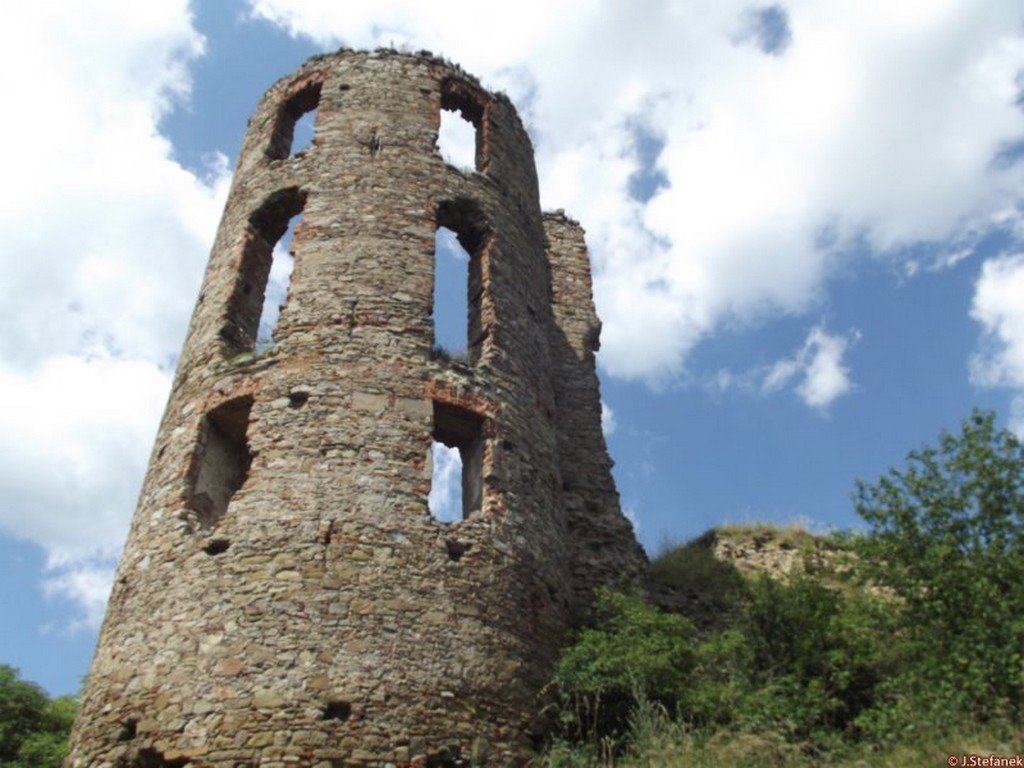
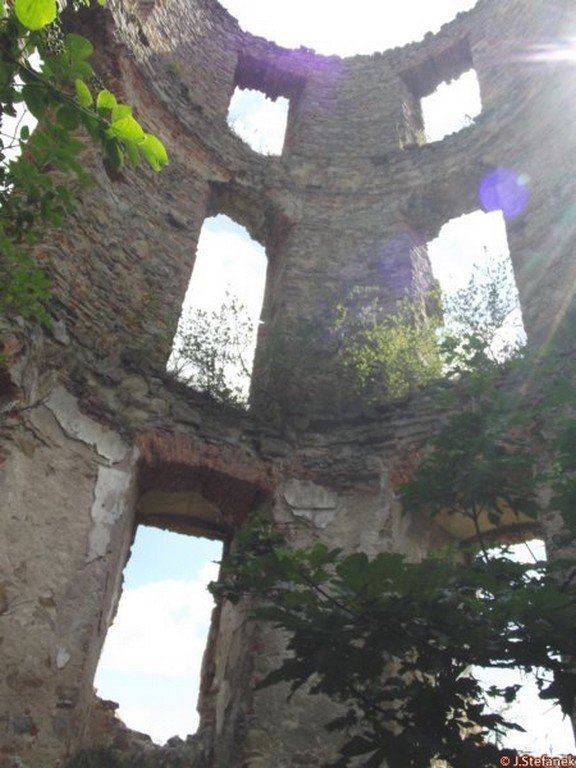
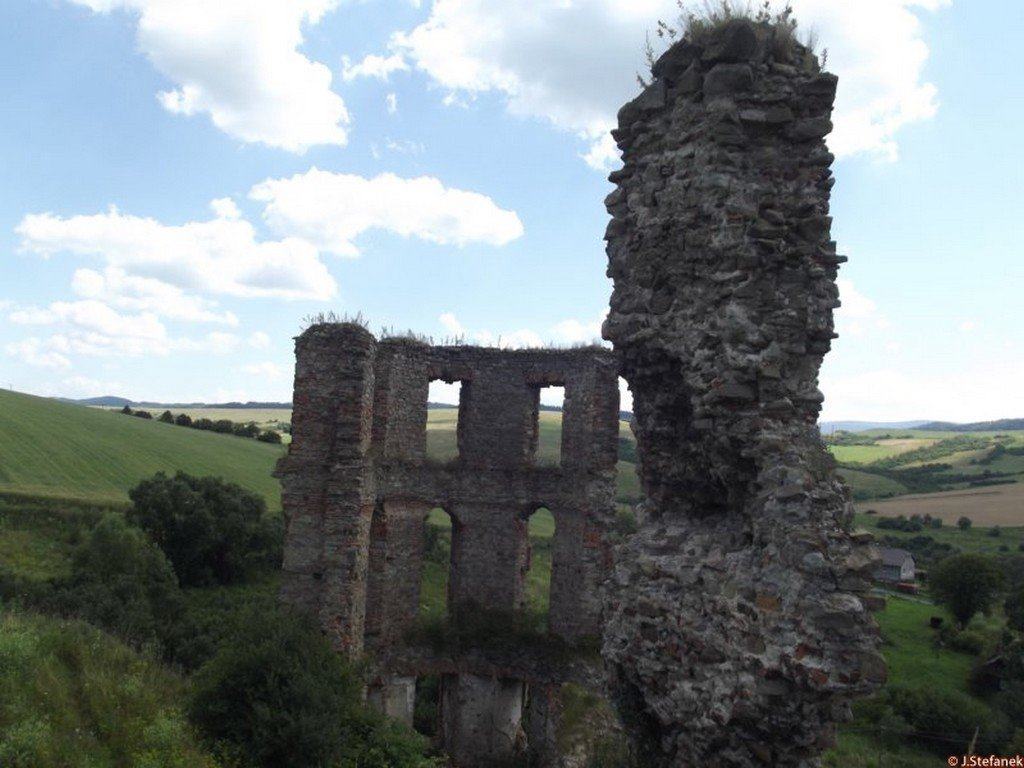
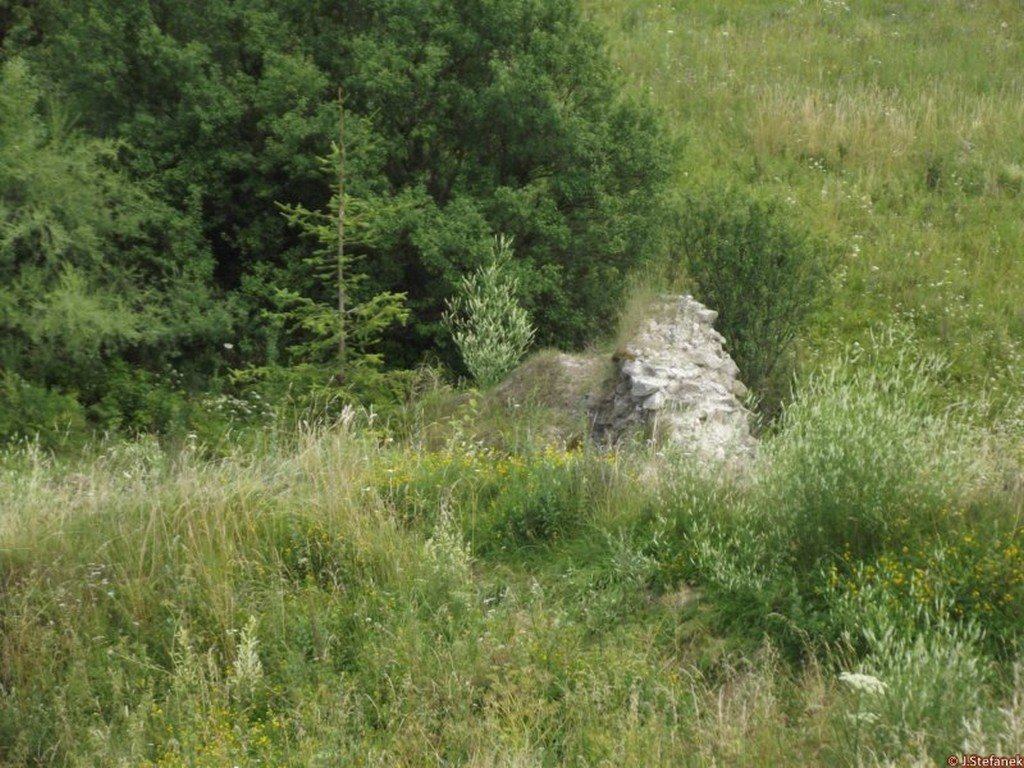
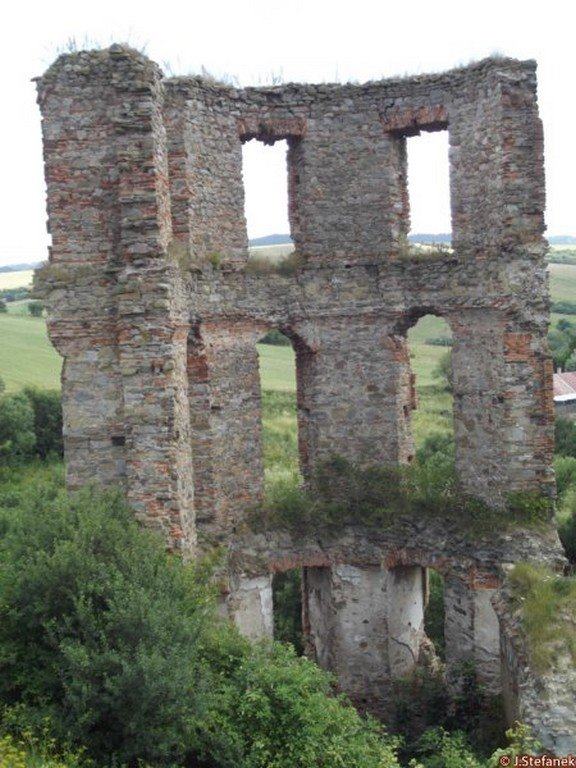
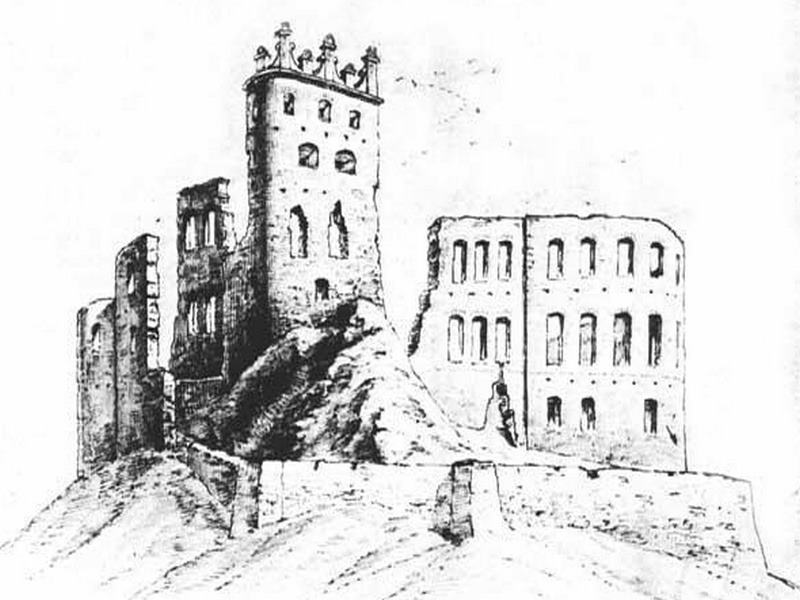
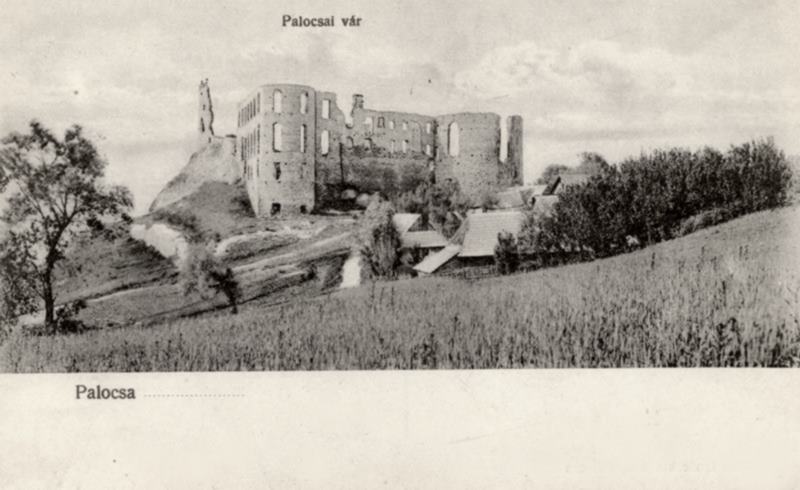
The size and segmentation of the complex is indicated by the rest of the original residential tower, defensive bastions and the remains of a semicircular bastion from the modern reconstruction, which together with the fragments of the lower structures of the Renaissance walls define the courtyard. According to earlier descriptions, the courtyard on the inside of the walls was surrounded by buildings and accessible by a gate in the middle of the eastern wing. In the south and in the west the castle area was extended by a dam.The castle lost its characteristic silhouette after the collapse of a large part of the palace wall and only a few walls of the former residential area remained. Since 2014, however, began the reconstruction of the castle, they built up two large defensive towers, which are larger than the first mentioned in a plan. They were more underground than above, but they were uncovered, namely the southeast and northeast bastions.
Veľkosť a členitosť areálu naznačuje zvyšok pôvodnej obytnej veže, obranných bášt a pozostatky polkruhovej bašty z novodobej prestavby, ktoré spolu s útržkami spodných konštrukcií renesančných múrov vymedzujú nádvorie. Podľa starších opisov býval dvor na vnútornej strane hradieb obstavaný budovami a prístupný bránou v strede východného krídla. Na juhu a na západe rozširovalo priestor hradu predhradie.Hrad stratil svoju charakteristickú siluetu po páde veľkej časti steny paláca a zostalo potom už len zopár múrov bývalej obytnej časti. Od r.2014 však začala obnova a rekonštrukcia hradu, dobudovali sa dve veľké obranné veže, ktoré sú v pôdoryse väčšie ako prvá spomínaná. Nachádzali sa viac pod zemou ako nad ňou, ale podarilo sa ich odkryť a domurovať, konkrétne ide o juhovýchodnú a severovýchodnú baštu.
Plan
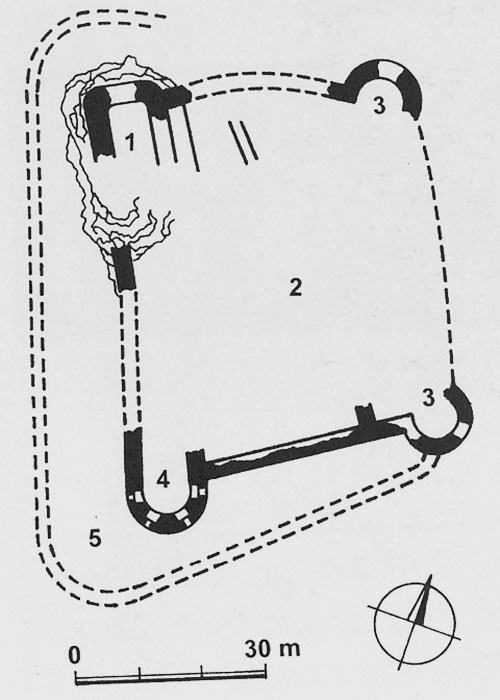
Legend to the ground plan
- 1 - remains of the castle tower
- 2 - courtyard
- 3 - defensive bastions
- 4 - rest of the bastion after reconstruction
- 5 - fortification
Legenda k pôdorysu
- 1 - zvyšky hradnej veže
- 2 - nádvorie
- 3 - obranné bašty
- 4 - zvyšok bašty po prestavbe
- 5 - predhradie
History
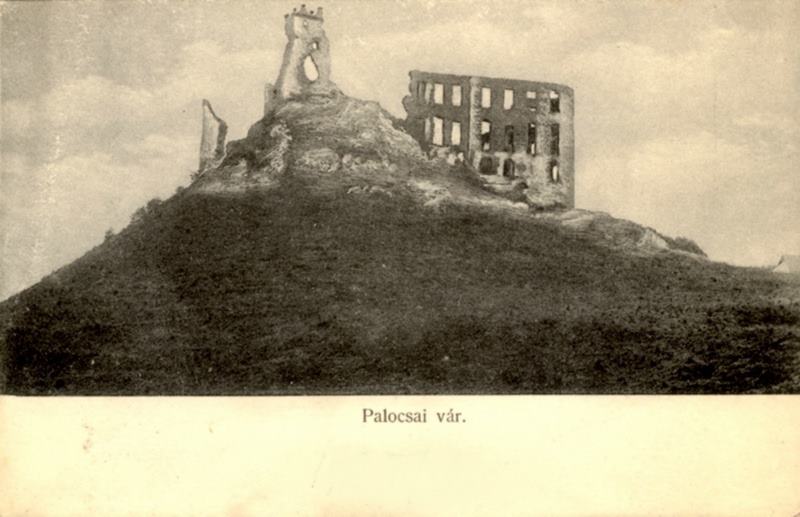
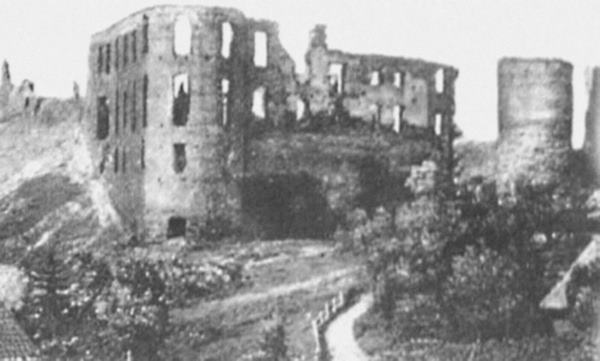
The first mention of the castle dates back to 1294. It was built at his own expense by the nobleman Arnold, son of Ditrich of Spiš. From the beginning, it was made of stone. It probably owes its name to the tribe of Polovcov (Swimmers), who were invited by Hungarian kings to the border areas of Hungary in the 11th - 12th centuries to defend the borders. As a royal castle, Charles I. Robert of Anjou donated it in 1317 together with the Drugeth manor and after the extinction of the family in 1366, King Sigismund of Luxembourg regained it. Around 1400, the king gave the castle to the Bebek family, who were the permanent owners of the swimming estate. However, before the middle of the 15th century, Ján Jiskra of Brandýs seized the castle and from 1453 Plaveč was the main stronghold of his military activities. However, Captain Peter Aksamita fell in battle in 1458 during the battle of Sárospatak and the castle was acquired by Imrich Zápoľský, who had the castle re-fortified.
In 1505 it was received from Zápoľský by Michal Horváth from Veľká Lomnica, whose descendants adopted the name after the castle - the Palocsay family. It was owned until 1857. During the uprising of Juraj I. Rakóczi, the castle was on the side of the rebels. In the 18th century, when it lost its military significance, the Palocsay family supplemented it with residential buildings and adapted it into comfortable housing to such an extent that in 1715, in accordance with the order of Emperor Charles VI. on the demolition of castles avoided demolition because it was recognized as having the character of a residential building. The castle underwent its last generous transformation in 1830 under Ferdinand Horváth-Palocsay, when part of the residential development acquired the character of a classicist manor house. In 1856, the building burned down and remained in ruins, and a year later, in 1857, the Palocsay family died out. The remaining scenery of the western castle facade also succumbed to the progressive decay in the second half of the 20th century. In 2014, the restoration and reconstruction of the castle began, and two large defensive towers were completed.
Prvá zmienka o hrade je datovaná do roku 1294. Na vlastné náklady ho dal vybudovať šľachtic Arnold, syn Ditricha zo Spiša. Od začiatku bol vymurovaný z kameňa. Za svoje meno vďačí pravdepodobne kmeňu Polovcov (Plavcov), ktorých uhorskí králi v 11. - 12. storočí za účelom obrany hraníc pozývali do pohraničných oblastí Uhorska. Ako kráľovský hrad ho Karol I. Róbert z Anjou daroval v r. 1317 spolu s panstvom Drugethovcom a po vymretí rodu v roku 1366 ho kráľ Žigmund Luxemburský získal späť. Okolo r.1400 dal kráľ hrad do držby Bebekovcom, ktorí boli trvalými vlastníkmi plavečského panstva. Avšak pred polovicou 15.storočia sa hradu zmocnil Ján Jiskra z Brandýsa a od r.1453 bol Plaveč hlavným oporným bodom jeho vojenských aktivít. Hajtman Peter Aksamita však v r.1458 pri bitke pri Sárospataku padol v boji a hrad získal Imrich Zápoľský, ktorý dal hrad nanovo opevniť.
V r.1505 ho od Zápoľského dostal Michal Horváth z Veľkej Lomnice, ktorého potomkovia prijali meno podľa hradu - Palocsayovci. Vlastnili ho až do roku 1857. Počas povstania Juraja I. Rakócziho bol hrad na strane vzbúrencov. V 18. storočí, keď stratil vojenský význam, Palocsayovci ho doplnili obytnými budovami a upravili na pohodlné bývanie natoľko, že sa v roku 1715 v zmysle nariadenia cisára Karola VI. o demolácii hradov vyhol zbúraniu, pretože bol uznaný, že má charakter obytného objektu. Poslednou veľkorysou premenou prešiel hrad v r.1830 za Ferdinanda Horvátha-Palocsaya, keď časť obytnej zástavby nadobudla charakter klasicistického kaštieľa. V r.1856 objekt vyhorel a zostal v zrúcaninách a o rok neskôr, v roku 1857 rod Palocsayovcov vymrel. Progresívnemu chátraniu v druhej polovici 20.storočia podľahla i zvyšná kulisa západného zámockého priečelia. Od r.2014 začala obnova a rekonštrukcia hradu, dobudovali sa dve veľké obranné veže.
Myths and legends
The rumor says
After the last estate uprising, Plaveč was to be demolished in 1715. The eloquent Juraj Palocsay allegedly managed with wine and gold to persuade the commission to declare the castle a residential mansion, which was not covered by the monarch's mandate.
The legend of the castle lord
The castle lord Mikuláš was a man with a hard heart. He also fired his brother, whom he always hated, after his death. When his spiritual father entered his conscience in Sunday's discipline, the great man flew out of the church like a pinched man. He jumped into the carriage and chased the wild horses straight at the priest, who went out into the street to reassure him. The emperor sentenced Mikuláš to punish him for killing God's servant with blackbirds. He was not allowed to attract horses anymore. The cold winter has come. An ox-sledge sleigh approached the village from the castle, and a wolf pack raced behind the sleigh. The freeborn propelled the wolves to a brisk pace. They did not go further than the church. Where horses trampled the pastor in the summer, the lord of the castle paid a fine with his life. He was torn apart by wolves.
Povráva sa...
Po poslednom stavovskom povstaní, Plaveč mali v roku 1715 zbúrať. Výrečnému Jurajovi Palocsayovi sa vraj podarilo pomocou vína a zlata presvedčiť komisiu, aby hrad vyhlásila za obytný kaštieľ, na ktorý sa mandát panovníka nevzťahoval.
Povesť o hradnom pánovi
Hradný pán Mikuláš bol človek s tvrdým srdcom. Ešte aj brata, ktorého vždy nenávidel, dal po smrti palicovať. Keď mu v nedeľnej kázni duchovný otec vstúpil do svedomia, veľkomožný vyletel z kostola ako uštipnutý. Skočil do koča a zdivené kone hnal rovno na kňaza, čo ho vyšiel na ulicu upokojiť. Za to, že vraníkmi usmrtil božieho sluhu, cisár pánu Mikulášovi vymeral trest. Nesmel viac zapriahať kone. Prišla tuhá zima. K dedine sa od hradu blížili sane s volským záprahom a za saňami uháňala svorka vlkov. Darmo urodzený poháňal volky do svižného kroku. Ďalej ako ku kostolu nedošli. Tam, kde v lete kone ušliapali farára, hradný pán zaplatil pokutu životom. Rozdriapali ho vlci.
Useful information
The ruins are freely accessible
Zrúcanina je voľne prístupná
Nearby castles