Markušovce castle
Markušovce Košice county Slovakia
castle ruin
Markušovský hrad
Markušovce Košický kraj Slovakia
zrúcanina hradu
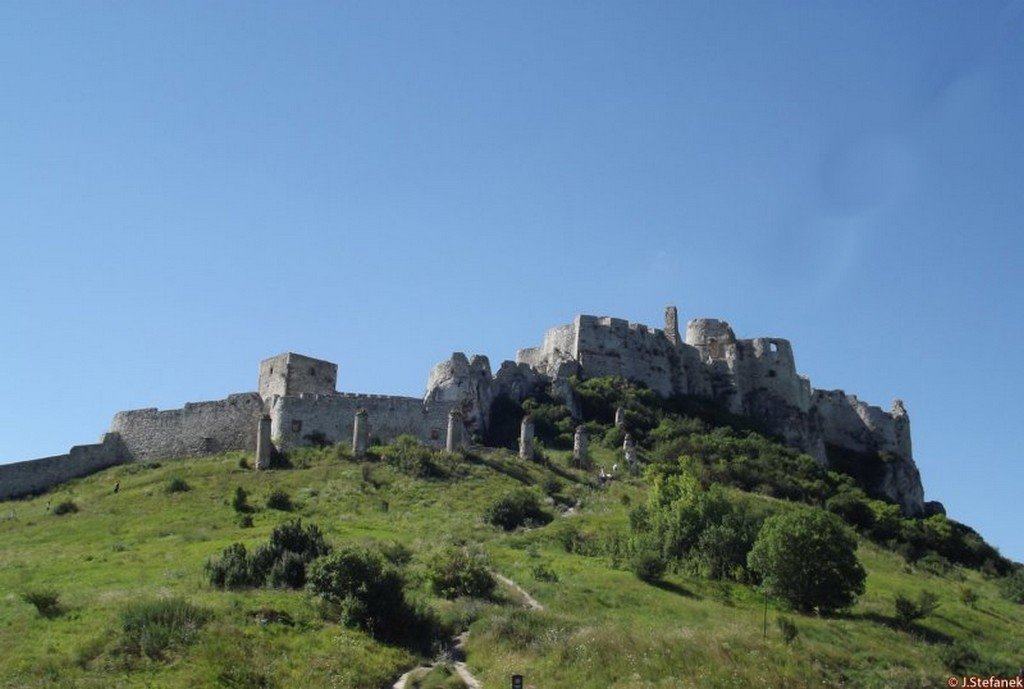
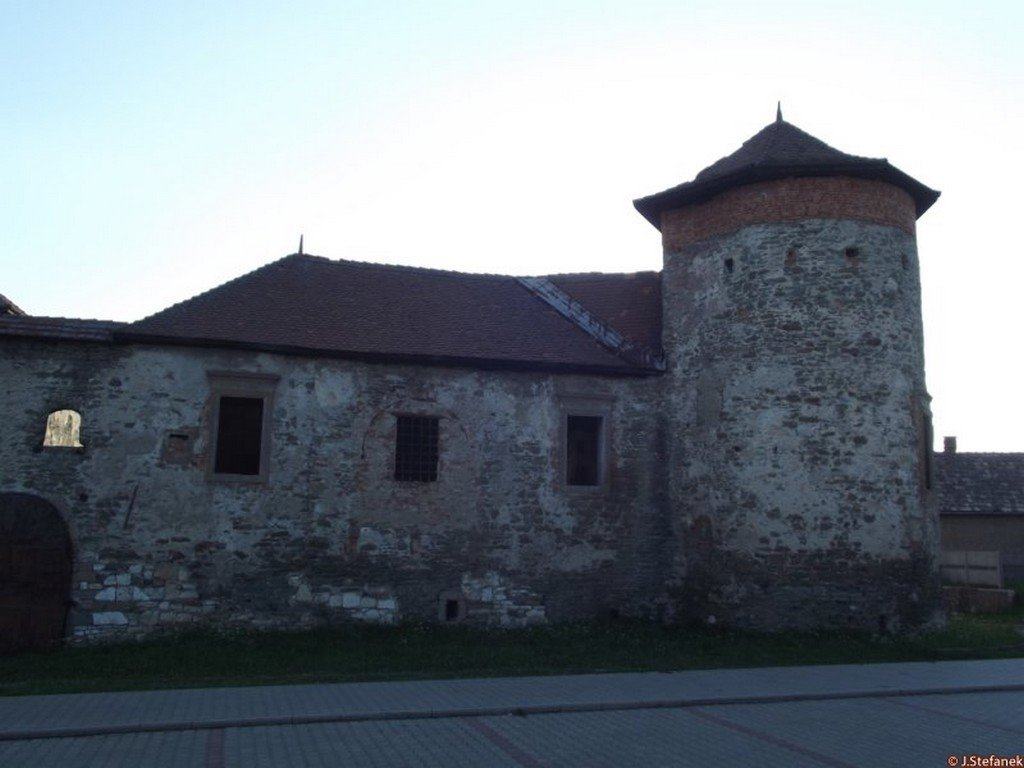
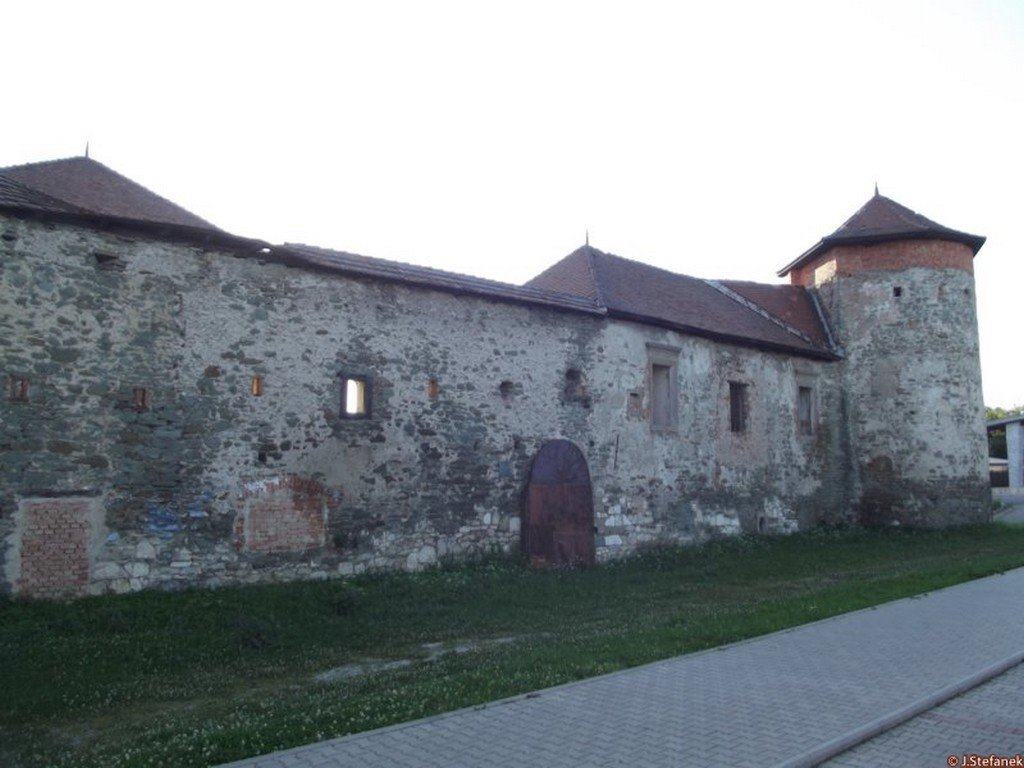
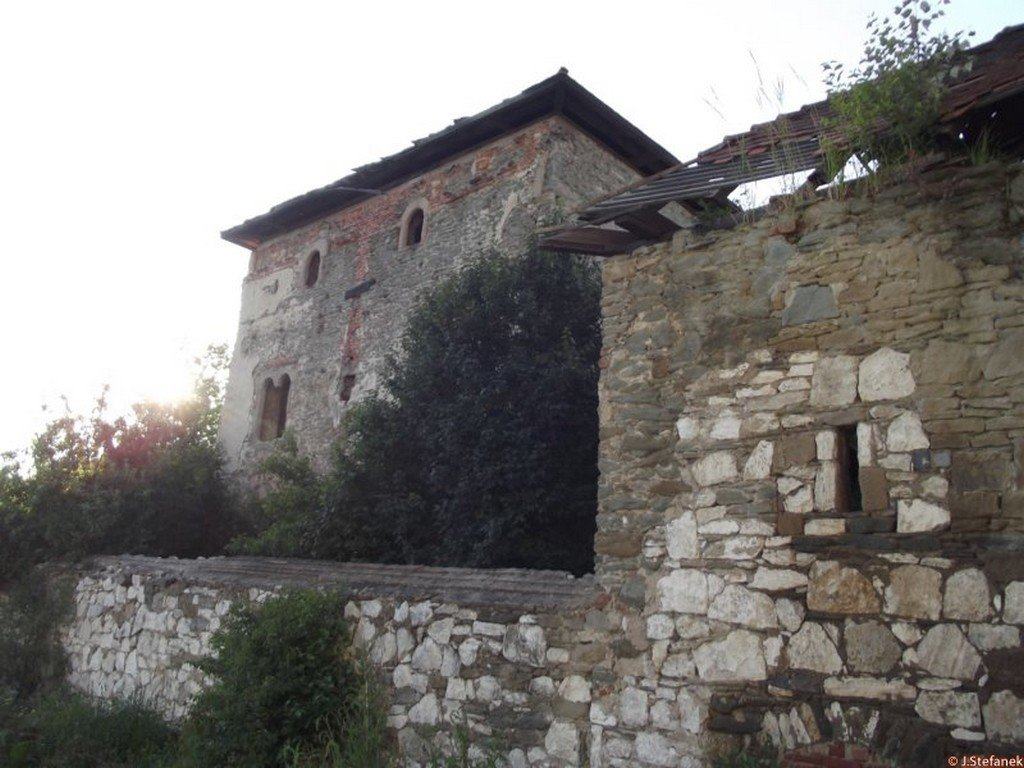
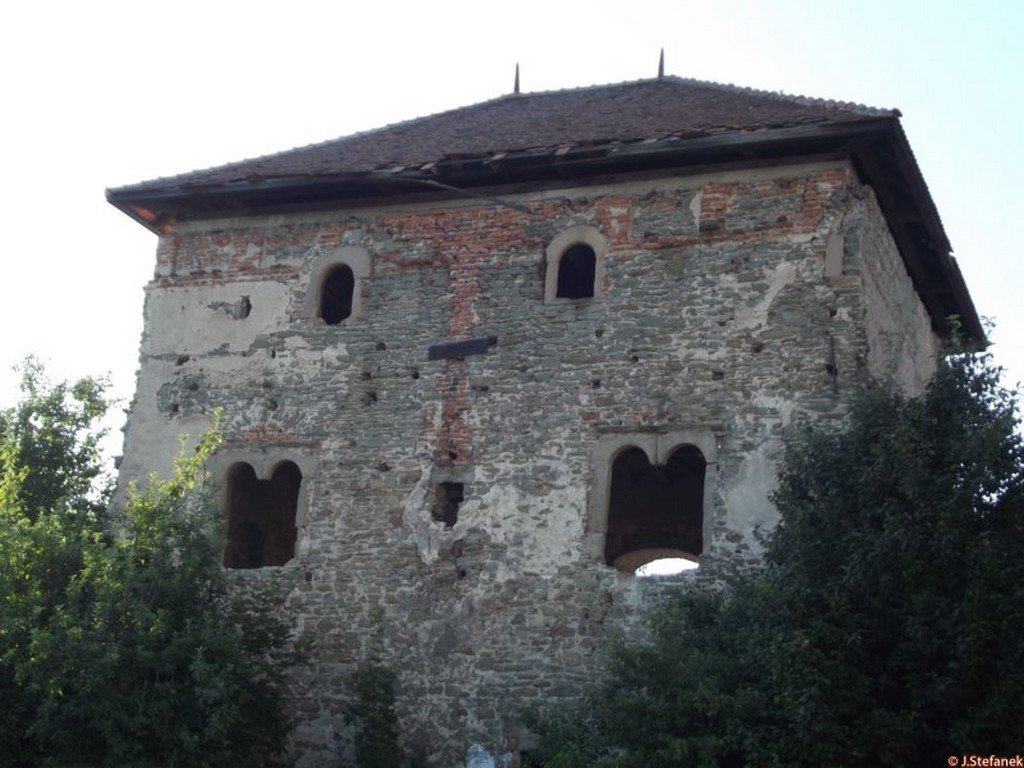
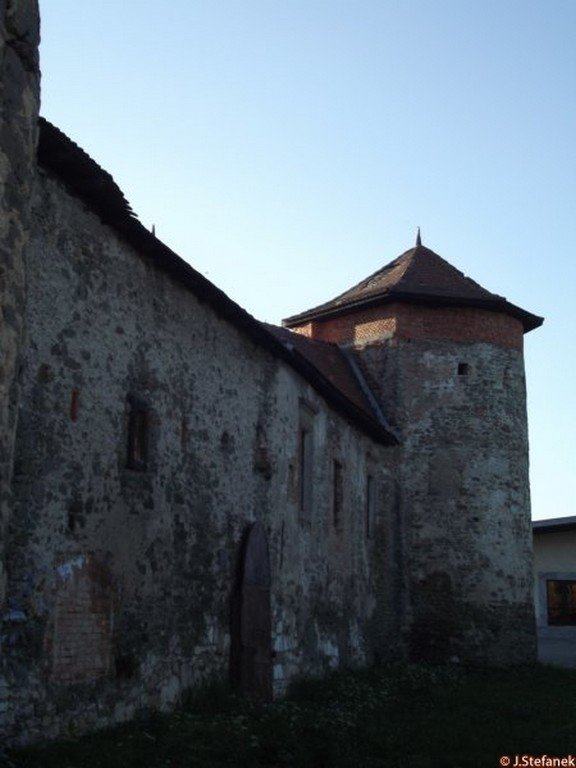
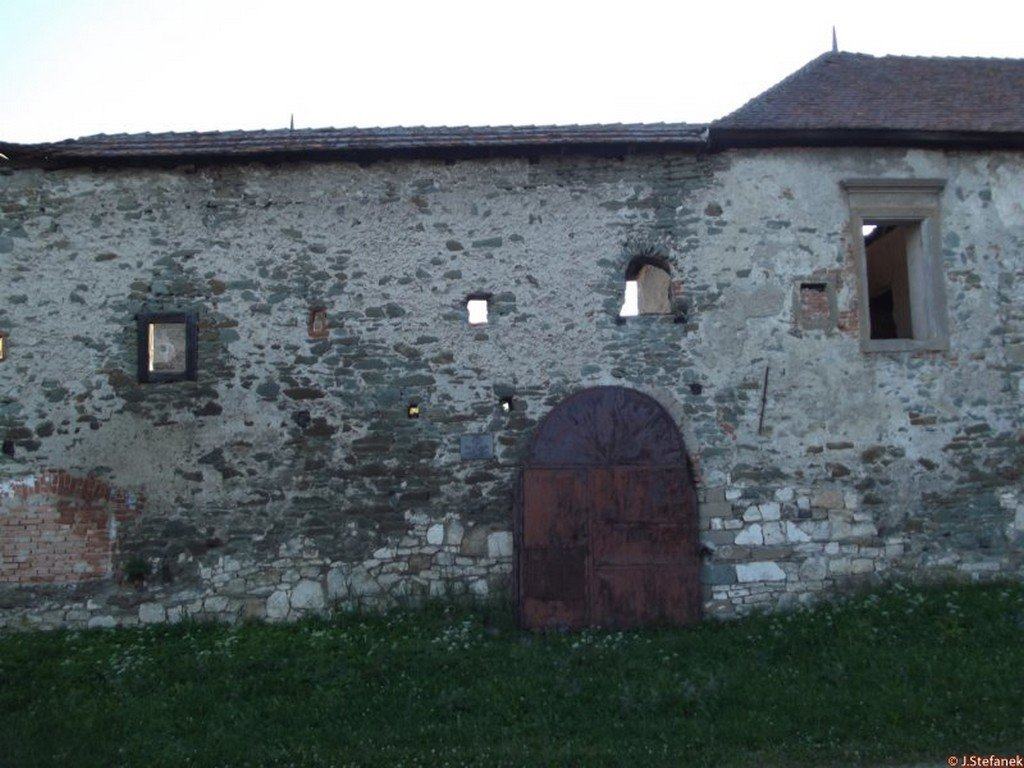
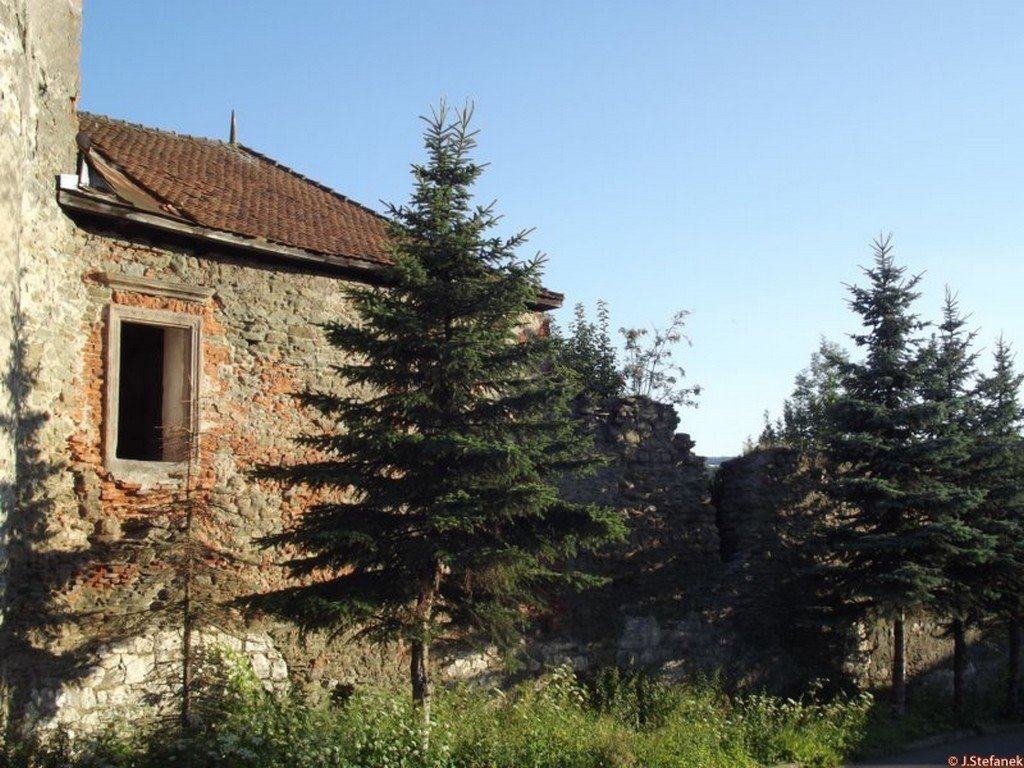
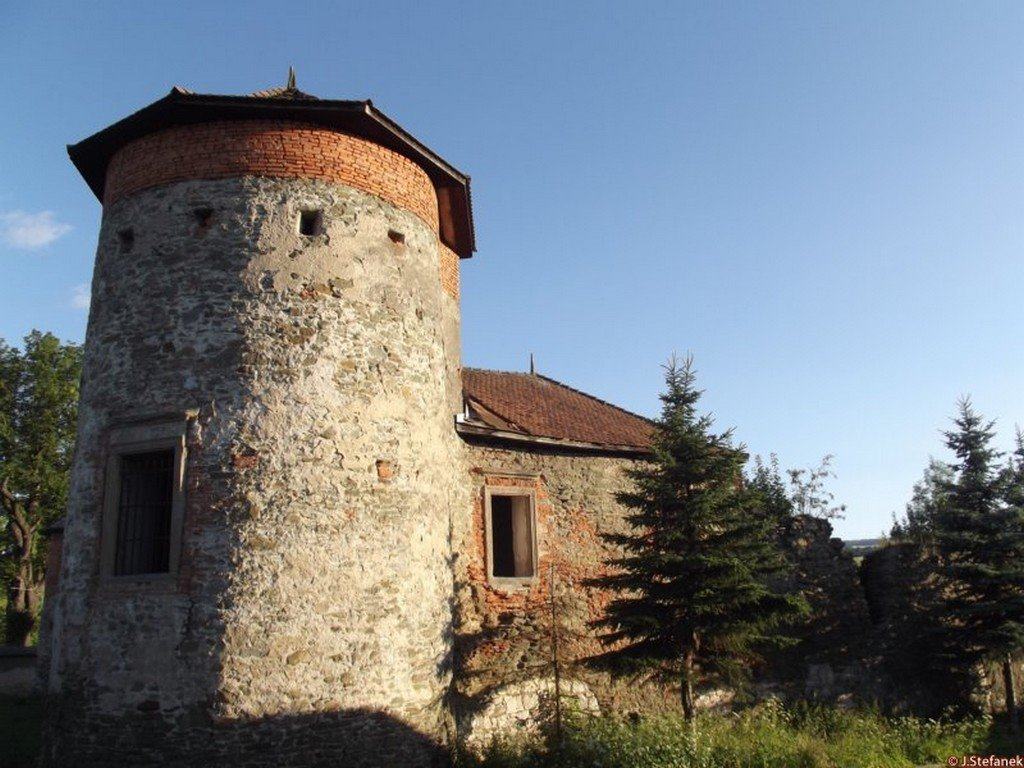
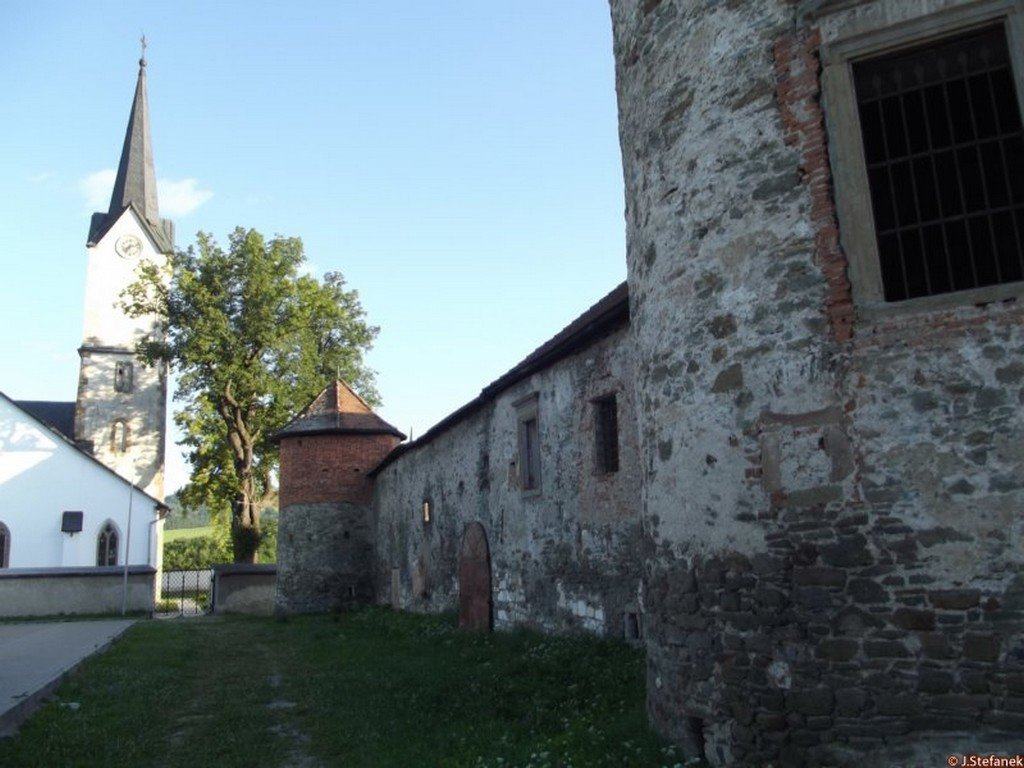
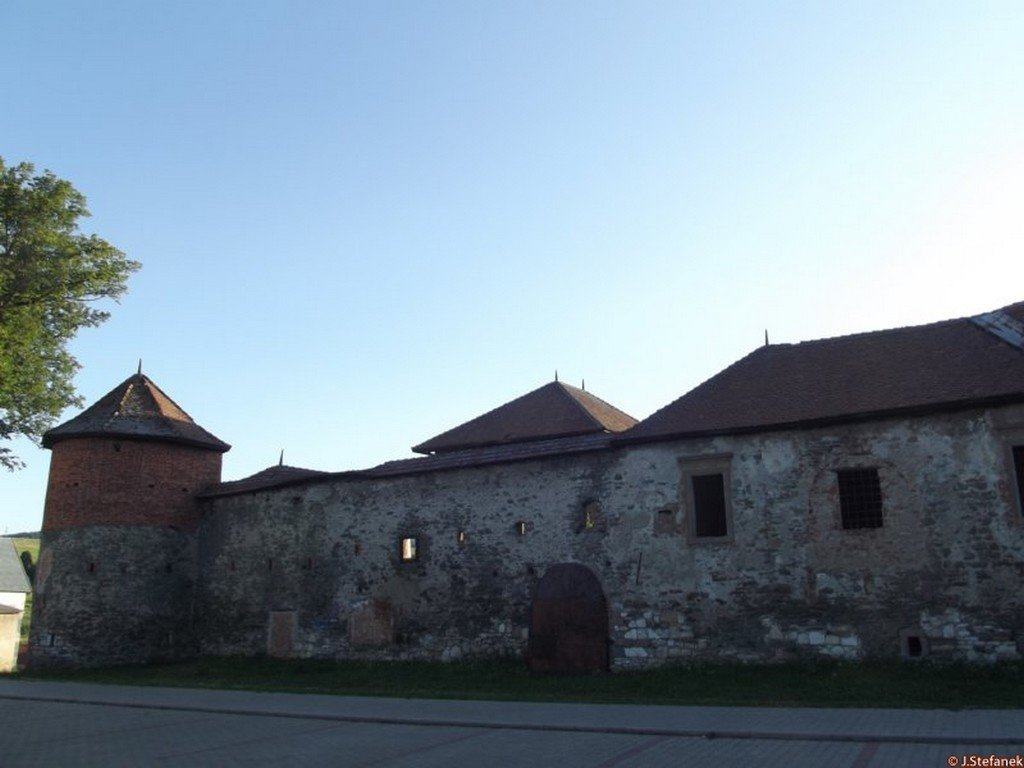
Relatively preserved ruins of the castle in Hornádská kotlina basin, situated on a hill near the church in the village of Markušovce
Pomerne zachovaná zrúcanina hradu v Hornádskej kotline, situovaná na návrší pri kostole v intraviláne obce Markušovce
Previous names
Marci, Marcus, Markus, Markussowcze, Marksdorf, Markusfálva
Roads
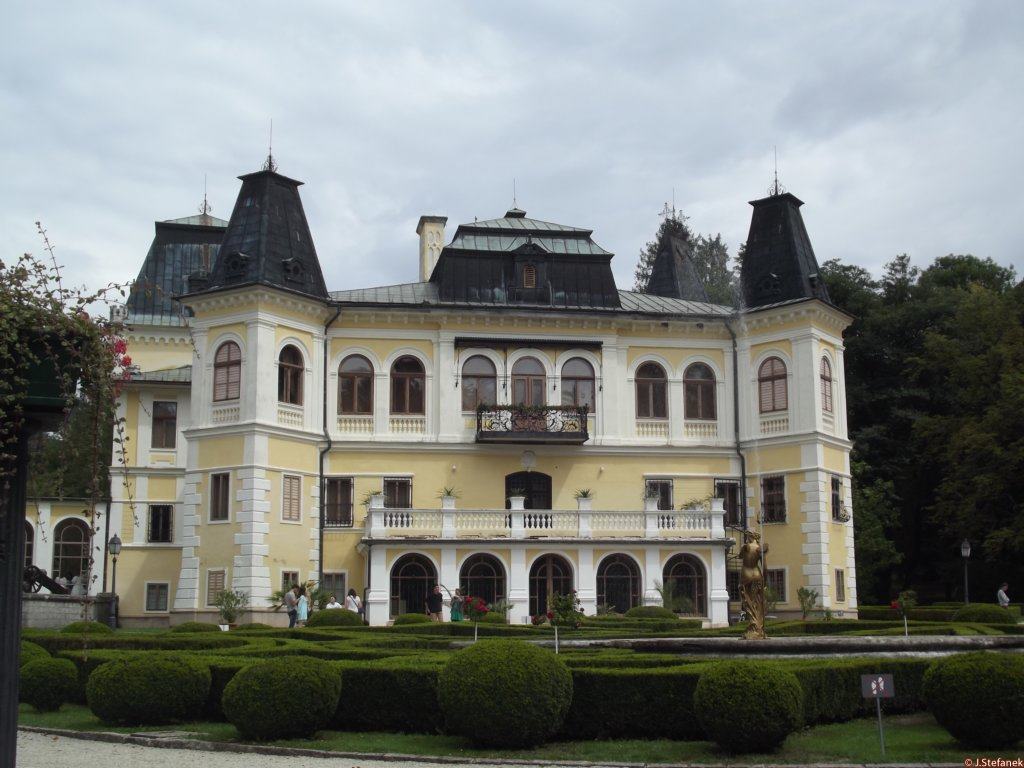
Markušovce castle is located in the village Markušovce, near Spišská Nová Ves. The main road runs through the village - in the direction from Spišská Nová Ves it is Michalská Street and from the east side from Matejovce nad Hornádom this road is called Sv. Jána Nepomuckého. If we continue along this road, we will get to the aforementioned Michalská Street. Here we pass the Markušovce's mansion along the way. To get to the castle from Michalská road turn to Podhradová street, or to Školská street and from it left to Podhradová.The castle ruins are located just off this road. By car we recommend to approach the castle from Školská Street and then to Podhradová, as the road from Michalská directly to Podhradová is very narrow. It is possible to park directly at the castle without any problems.
Markušovský hrad sa nachádza priamo v obci Markušovce, neďaleko Spišskej Novej Vsi. Cez obec prechádza hlavná cesta - v smere od Spišskej Novej Vsi je to Michalská ulica a z východnej strany od Matejoviec nad Hornádom sa táto cesta po vstupe do obce nazýva Sv. Jána Nepomuckého. Pokiaľ budeme pokračovať po tejto ceste, dostaneme sa na spomínanú Michalskú cestu. Tu popri ceste minieme Markušovský kaštieľ. K hradu sa dostaneme ak z Michalskej cesty odbočíme na Podhradovú ulicu, prípadne na Školskú ulicu a z nej doľava na Podhradovú.Zrúcanina hradu sa nachádza hneď popri tejto ceste. Autom odporúčame priblížiť sa k hradu zo Školskej ulice a potom na Podhradovú, nakoľko cesta z Michalskej priamo na Podhradovú je veľmi úzka. Bez problémov je možné zaparkovať priamo pri hrade.
Description
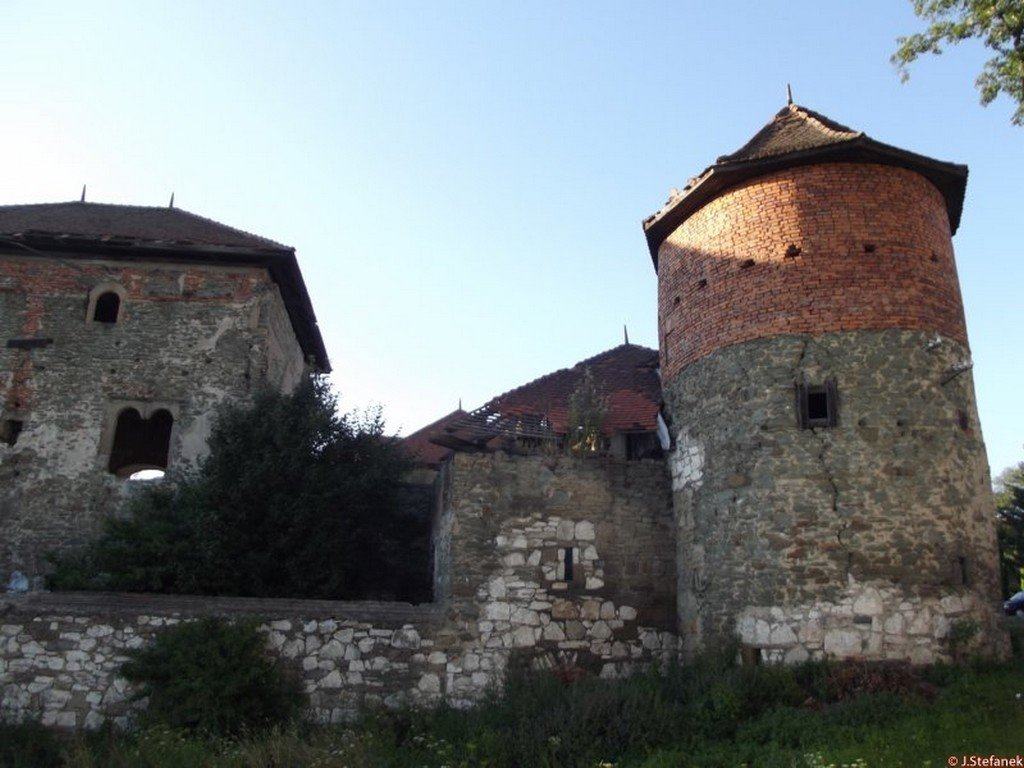
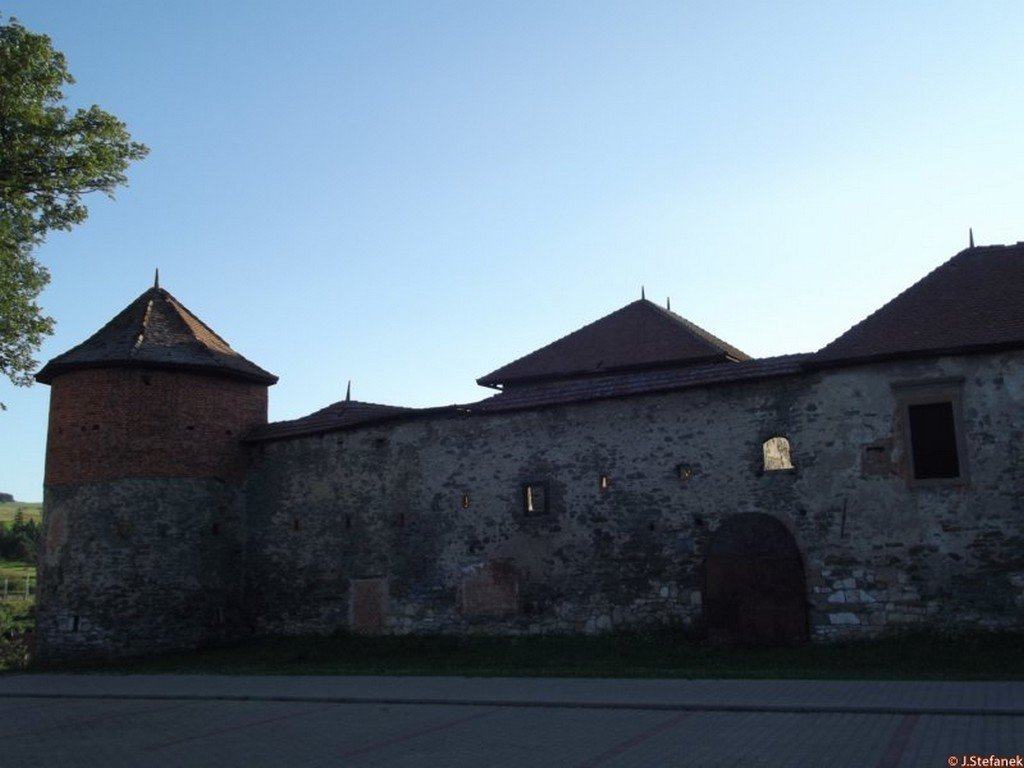
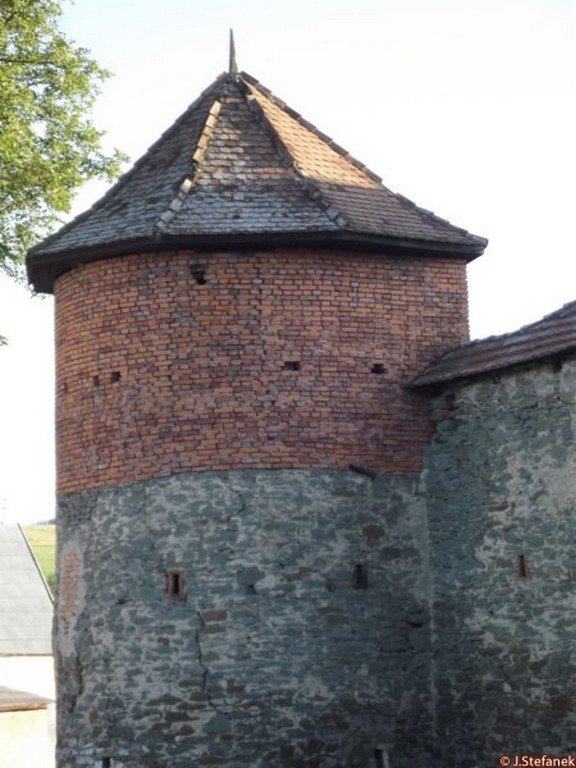
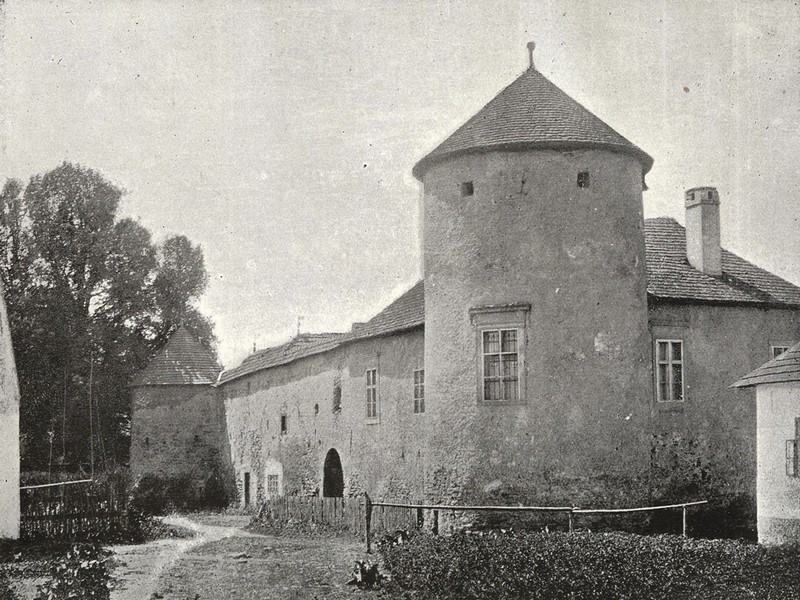
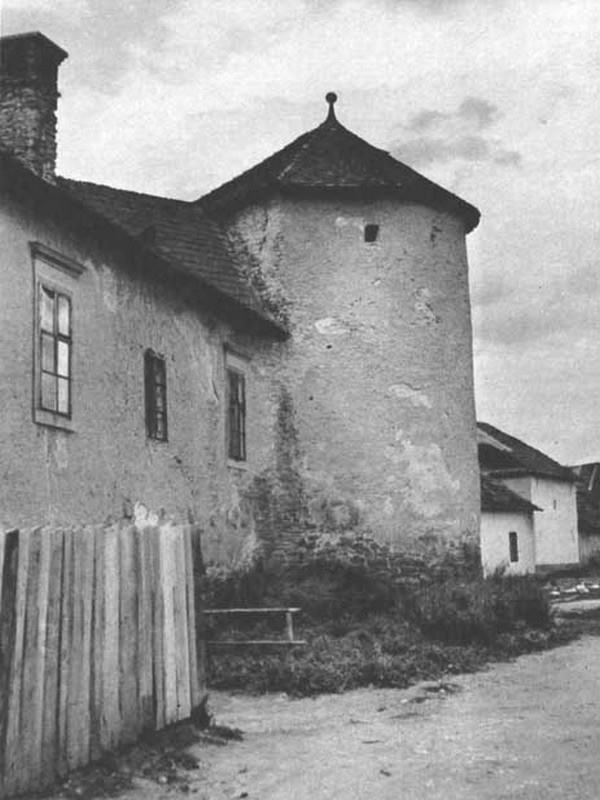
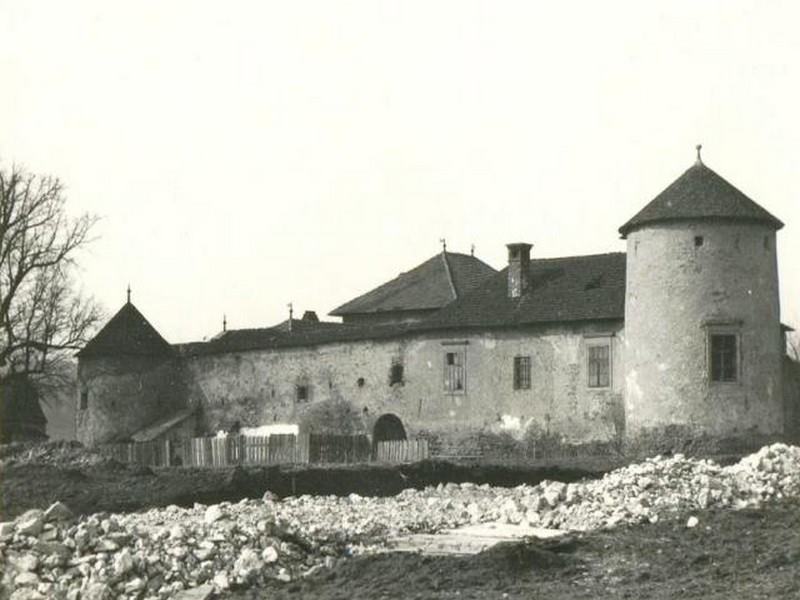
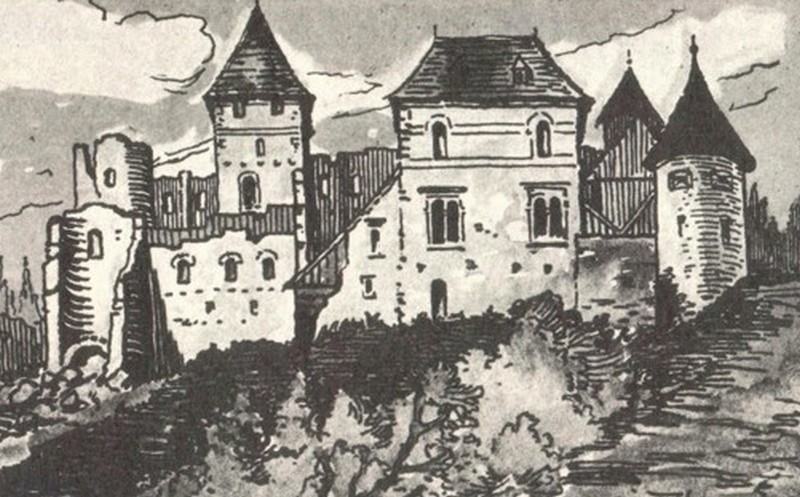
The remains of the castle are located near the church St.Michael on a rocky hill. In the preserved rooms in the eastern part was a wooden beam ceiling recently. The large residential tower with perimeter fortifications was rebuilt in the 15th century. The castle was enlarged by a courtyard 25x20m in the western direction, which closed two semicircular bastions with an entrance. It was supplemented by a fortified bailey, along the perimeter of which other residential and farm buildings were built at the beginning of the 16th century. They gradually fortified the castle - they raised older walls and built fires in them. On the NE and SE corners were bastion bastions with loopholes. In the interior there was also a residential palace with dimensions of 17x10m. After the Renaissance reconstruction, a fortified four-wing irregular building with a rectangular ground plan, circular corner bastions and a narrow courtyard, which is accessed on the west and east sides by semi-circular gates, has been preserved. The facade on the south side has Renaissance windows combined with stone ledges.The castle is partially preserved and since 2018 its reconstruction has been underway. During the reconstruction of the castle in Markušovce, they found the foundations of a residential circular tower from the turn of the 14th and 15th centuries.
Zvyšky hradu sa nachádzajú v tesnej blízkosti kostola sv. Michala na skalnom návrší. V zachovaných miestnostiach vo východnej časti bol ešte nedávno drevený trámový strop. Veľká obytná veža s obvodovým opevnením bola prestavaná v 15. storočí. Hrad rozšírili o nádvorie 25x20m západným smerom, ktoré uzatvárali dve polkruhové bašty, medzi ktorými bol vstup. Doplnený bol opevneným predhradím, po ktorého obvode vznikli začiatkom 16.storočia ďalšie obytné a hospodárske budovy. Hrad postupne opevňovali - zvýšili staršie múry a vybudovali v nich strieľne. Na SV a JV nároží boli poschodové bašty so strieľňami. V interiéri vznikol aj obytný palác o rozmeroch 17x10m. Po renesančnej prestavbe sa zachovala opevnená štvorkrídlová nepravidelná stavba s obdĺžnikovým pôdorysom, kruhovými nárožnými baštami a úzkym nádvorím, do ktorého sa vstupuje na západnej a východnej strane polkruhovými bránami. Fasáda na južnej strane má renesančné združené okná s kamennými nadokennými rímsami.Hrad je čiastočne zachovaný a od r.2018 prebieha jeho obnova. Pri obnove hradu v Markušovciach našli základy obytnej kruhovej veže z prelomu 14. a 15. storočia.
Plan
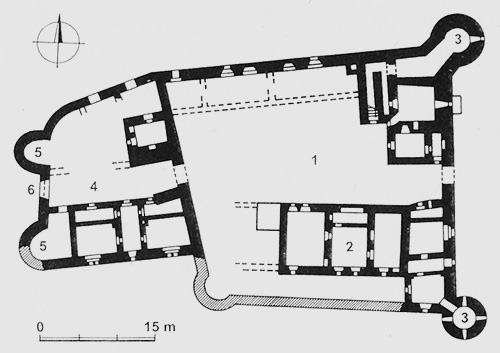
Legend to the ground plan
- 1 - courtyard
- 2 - palace
- 3 - corner cylindrical towers
- 4 - fortifications
- 5 - semicircular bastions
- 6 - original entrance gate
Legenda k pôdorysu
- 1 - nádvorie
- 2 - palác
- 3 - nárožné valcové veže
- 4 - predhradie
- 5 - polkruhové bašty
- 6 - pôvodná vstupná brána
History
During the Tartar invasion in 1241, the territory of present-day Markušovce was plundered, and only after the Tartar army left Hungary - Markus, son of Gol, restored the settlement, which changed its then name Svätý Michal to "Terra Marci" - Land of Markov - Markušovce. Thanks to Mark's eldest son Batyz, who took part in military expeditions, received permission from his brother Mikuláš to build a castle in the Markušovice area in 1284. Originally, it was probably a simple manor house, consisting of a stone prismatic residential tower and a perimeter wall.
The Máriássy family, the followers of Mark, grew in wealth and rank. In 1486, Štefan Máriássy took over the administration of the family property and had the castle rebuilt and expanded. However, the reconstruction of the castle provoked resistance from Spiš towns, especially Levoča. The cities feared that the domination of the upland road by the strong castle of the Máriássy family would endanger their interests. Therefore, in 1507 they extorted from Vladislav II. prohibition of further construction of the fortress. In the end, however, both parties agreed that Štefan undertook not to expand the castle grounds with a fortified church and not to surround the castle with a moat. Under these conditions, the reconstruction was completed.
After Štefan's death in 1516, the castle passed into the hands of his son František, who, however, in 1526, after the battle of Mohács, supported the election of Ján Zápoľský as King of Hungary. King Ferdinand declared the followers of Zápoľský traitors. The Levočans took advantage of this, dusted off old disagreements and in 1527 attacked Markušov Castle, which they conquered, plundered and ravaged. The castle and the property belonged to Habsburg General Katzianer, who in 1529 gave them to the Levoča advance. In 1546, Žofia Pongrácz, the widow of František Máriássy, managed to get the property back to its original extent. Her son Pavol then reconciled with Levoča and received money for the damage he used, which he used to rebuild the destroyed castle. During the reconstruction, the castle was renovated in the Renaissance style. Paul founded an agricultural school here in 1567 and the castle served as a family residence for more than half a century.
Pavlov's grandson František had a comfortable manor house built in the village, completed in 1643, which has survived to this day. In 1773, lightning struck the church tower and set the church on fire. The castle was seized from it, and it burned to the ground. Later, in 1789, the castle was partially renovated by Farkas (Wolfgang) Máriássy, but at that time the already large family had other mansions and manors built in the village. In 1933, Ödön Máriássy sold his property in Markušovce and moved to Mád. He also took with him the family archive, which they stored in the Regional Archive in Budapest. The castle was inhabited by locals until 1965.
The premises of the former archive were used by an eight-year school from 1945 to 1959. Later, it was decided that a museum of the Spiš nobility and a museum of Ján Ámos Komenský would be established at the castle. Because of this, in the years 1971 to 1974, they began conserving the castle. However, the castle was then abandoned until 1992.
The project of the Ministry of Labor and Social Affairs of the Slovak Republic and the Ministry of Culture of the Slovak Republic and the European Social Fund from 2017 to 2019 supported the actual restoration of Markušov Castle. Thanks to these projects, the castle grounds were cleaned of rubble, municipal waste and overgrown trees. The rubble stones were built into the northern castle wall, and two counter roofs were built in the upper courtyard. In parallel with these works, an archeological probe was carried out across the entire castle from east to west. Significant findings were found within it. The most important was the discovery of the foundations of a round residential tower with a diameter of 13 m and a masonry thickness of 1.6 m from the end of the 11th century.
Za tatárskeho vpádu v roku 1241 bolo územie súčasných Markušoviec vyplienené, a až po odchode tatárskeho vojska z Uhorska - Markus, syn Golu obnovil osadu, ktorá svoje vtedajšie meno Svätý Michal zmenila na „Terra Marci" - Zem Markova - Markušovce. Vďaka najstaršiemu Markovmu synovi Batyzovi, ktorý sa zúčastňoval vojenských výprav, dostal jeho brat Mikuláš povolenie na výstavbu hradu na území Markušoviec. K stavbe hradu došlo v r.1284. Pôvodne sa pravdepodobne jednalo o jednoduchý zemepanský hrádok, pozostávajúci z kamennej hranolovej obytnej veže a z obvodovej hradby.
Máriássyovci, následovníci Marka, rástli bohatstvom i hodnosťami. V r.1486 Štefan Máriássy prevzal správu rodinných majetkov a dal hrad prestavať a rozšíriť. Prestavba hradu však vyvolala odpor spišských miest, najmä Levoče. Mestá sa obávali, že ovládnutie pohornádskej cesty silným hradom Máriássyovcov ohrozí ich záujmy. Preto si v r.1507 vymohli od Vladislava II. zákaz ďalšej výstavby pevnosti. Nakoniec sa však obe strany dohodli tak, že sa Štefan zaviazal, že areál hradu nerozšíri o opevnený kostol a hrad neobklopí priekopou. Za týchto podmienok bola prestavba dokončená.
Po Štefanovej smrti v r.1516 hrad prešiel do rúk jeho syna Františka, ktorý však v r.1526 po bitke pri Moháči podporil voľbu Jána Zápoľského na uhorského kráľa. Kráľ Ferdinand vyhlásil prívržencov Zápoľského za vlastizradcov. Toto využili Levočania, oprášili staré nezhody a v r.1527 napadli Markušovský hrad, ktorý dobyli, vyplienili a spustošili. Hrad i majetky pripadli Habsburgovmu generálovi Katzianerovi, ktorý ich v r.1529 dal do zálohu Levoči. V r.1546 sa Žofii Pongrácz, vdove po Františkovi Máriássym, podarilo získať majetky v pôvodnom rozsahu naspäť. Jej syn Pavol sa potom pomeril s Levočou a získal peniaze za spôsobené škody, ktoré použil na obnovu zničeného hradu. Pri prestavbe bol hrad renesančne upravený. Pavol tu založil v r.1567 zemiansku školu a hrad slúžil ako rodinné sídlo ešte vyše pol storočia.
Pavlov vnuk František dal v obci postaviť pohodlný kaštieľ, dokončený v r. 1643, ktorý sa zachoval dodnes. V roku 1773 udrel do kostolnej veže blesk a zapálil kostol. Od neho sa chytil aj hrad, a zhorel do tla. Neskoršie, v roku 1789, hrad čiastočne zrenovoval Farkas (Wolfgang) Máriássy, avšak vtedy už rozrastená rodina mala v obci postavené ďalšie kaštiele a kúrie. V roku 1933 Ödön Máriássy predal svoje majetky v Markušovciach a odsťahoval sa do Mádu. Zobral so sebou aj rodový archív, ktorý uložili v Krajinskom archíve v Budapešti. Hrad obývali miestni občania až do roku 1965.
Priestory bývalého archívu v rokoch 1945 až 1959 využívala osemročná škola. Neskôr sa rozhodlo, že na hrade bude zriadené múzeum spišskej šľachty a múzeum Jána Ámosa Komenského. Kvôli tomu v rokoch 1971 až 1974 začali s konzerváciou hradu. Hrad však bol potom už opustený až do roku 1992.
Projekt Ministerstva práce a sociálných vecí SR a Ministerstva kultúry SR a Európskeho sociálneho fondu od roku 2017 - 2019 podporil skutočnú obnovu Markušovského hradu. Vďaka týmto projektom bol areál hradu vyčistený od sutín, komunálneho odpadu a náletových drevín. Kamene zo sutín boli zabudované do severného hradného múra, na hornom nádvorí boli postavené dve pultové strechy. Súbežne s tými to prácami bola realizovaná archeologická sonda naprieč celým hradom od východu na západ. V rámci neho boli najdené významné nálezy. Tým najzásadnejším bolo objavenie základov okrúhlej obytnej veže s priemerom 13 m a hrúbkou muriva 1,6 m z konca 11. storočia.
Myths and legends
The rumour says
In the church, which was not included in the castle grounds due to the resistance of the Levočans, there are several epitaphs of the Mariássy family from the 16th-17th centuries, made of red marble, with a relief figure of the deceased.
Legend about Štefan
Markušov Castle Lord Štefan was a very cunning house. He paid the scribe a promise that he would not forget him in a will. The pastor, who invoked the performance of patronage duties towards the church, was also beaten at his last will. He referred everyone who asked him anything to his will. He sat over it all day. He kept improving it, cibrilting it, grinding it, adding it. He knew full well that the family was angry at first for the messy little things. The castle, villages and lands are given to the heirs by law. He didn't mention those in a will. He only distributed small things. When Štefan left for eternity, the notary read the will to the bereaved. The assembled heirs rejoiced not in their share, but in how modestly the deceased gave to others. After all, mischief is the greatest joy ...
Legend about Daniš and Juditka
The people of Levoča were very angry at the castle lord Mariássy of Markušovce, who wrongfully robbed them of their property. One day all their patience passed. It was when the country bachelor Daniš and the driver Jamník were driving a rare cargo and with him also the daughter of a Košice burgher - Juditka. As they passed through Markušovce, the spearmen of the castle lord Mariássy attacked them and seized the precious cargo. Daniš and Juditka managed to escape across the mountain to Levoča. They immediately ran to the mayor to tell them what had happened to them. The townspeople were not lazy and even with the mayor they broke into the Markušov castle. He was first looted and then set on fire. After taking revenge, everyone was looking forward to the wedding of Daniš and Judita.
Povráva sa...
V kostole, ktorý pre odpor Levočanov nebol začlenený do hradného areálu, sa nachádza niekoľko epitafov Mariássyovcov zo 16.-17.storočia, vyhotovených z červeného mramoru, s reliéfnou postavou zosnulého.
Povesť o Štefanovi
Markušovsý hradný pán Štefan bol veľmi prefíkaný gazda. Pisárovi vyplatil zárobok sľubom, že na neho nezabudne v závete. Farára, ktorý sa dovolával plnenia patronátnych povinností voči kostolu, odbil tiež na svoju poslednú vôľu. Každého, kto od neho čosi pýtal, odkázal na svoj testament. Presedel nad ním celé dni. Stále ho zlepšoval, cibril, brúsil, dopĺňal. Dobre vedel, že rodina sa najskôr pohnevá pre neusporiadané maličkosti. Hrad, dediny a pozemky dostanú dediči podľa práva. Tie v závete nespomenul ani slovom. Rozdeľoval iba drobnosti. Keď sa Štefan odobral na večnosť, notár prečítal pozostalým testament. Zhromaždení dedičia sa tešili nie zo svojho podielu, ale z toho, ako poskromne nebožtík nadelil ostatným. Veď škodoradosť je najväčšia radosť...
Povesť o Danišovi a Juditke
Levočania boli veľmi nahnevaní na hradného pána Mariássyho z Markušoviec, ktorý ich neprávom oberal o majetky. Jedného dňa ich prešla všetka trpezlivosť. Bolo to vtedy, keď zemiansky mládenec Daniš s voziarom Jamníkom viezli vzácny náklad a spolu s ním aj dcéru košického mešťana - Juditku. Keď prechádzali cez Markušovce, prepadli ich kopijníci hradného pána Mariássyho a vzácny náklad ukoristili. Danišovi a Juditke sa podarilo ujsť cez horu do Levoče. Hneď bežali k richtárovi povedať, čo sa im prihodilo. Mešťania nelenili a aj s richtárom vtrhli do markušovského hradu. Najskôr ho vyrabovali a potom podpálili. Po vykonaní pomsty sa všetci tešili na svadbu Daniša a Juditky.
Useful information
The ruin is freely accessible to the public, it is partially reconstructed. Find out about the entrance to the complex on the castle's website.More info
Zrúcanina je verejnosti voľne prístupná, čiastočne sa rekonštruuje. O vstupe do areálu sa informujte na webstránke hradu.Viac informácií
External links
Nearby castles