Kemény-Teleki Castle in Jucu de Sus
Comuna Jucu Județul Cluj Romania
castle, chateau
Castelul Kemény din Jucu de Sus
Comuna Jucu Județul Cluj Romania
castle, chateau
Kemény-kastély (Felsőzsuk)
Comuna Jucu Județul Cluj Romania
castle, chateau
The Teleki family has been present in the nearby Jucu de Jos/Alsózsuk since the beginning of the 18th century and the two estates were unified at the beginning of the 20th century by count Teleki Géze (III
Castelul Kemény din Jucu de Sus, județul Cluj, construit în secolul XIX, este înscris pe lista monumentelor istorice din județul Cluj elaborată de Ministerul Culturii și Patrimoniului Național din România în anul 2010
A kastélyt valószínűleg a XIX
Previous names
Kemény-Teleki Castle in Jucu de Sus, Castelul Kemény din Jucu de Sus, Kemény-kastély (Felsőzsuk)
Description
The Teleki family has been present in the nearby Jucu de Jos/Alsózsuk since the beginning of the 18th century and the two estates were unified at the beginning of the 20th century by count Teleki Géze (III.), who was an outstanding figure of his age both in terms of the life of fine arts of the time and his role as a patron of art.
After the Trianon treaty, Teleki's fortune was mostly dismantled and an unfortune business venture forced him to sell the estate from Jucu de Sus/Felsőzsuk in 1930. The buyer was baron Kemény Pál from Mănăstireni/Magyargyerőmonostor. He died in 1934 and the estate remained in the hands of his family until 1946, when the estate was nationalised.
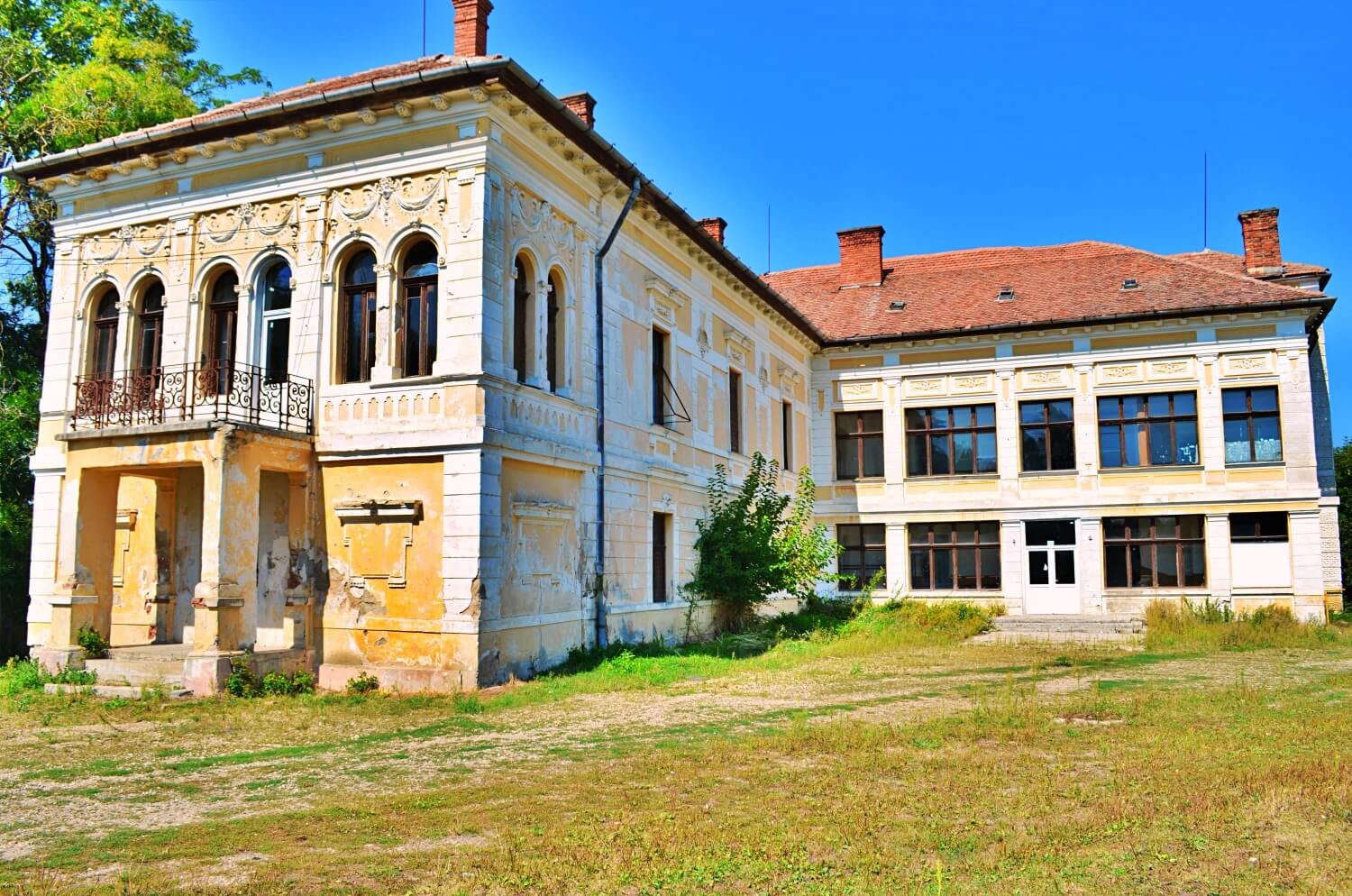
The castle's construction was probably commissioned by the knight Bakó Ferenc, from whom it was later bought by Teleki. It was built in an eclectic style, in an L-shaped layout with 16 and 22 meter long wings. The castle's most ornamented part is the main entrance closing the longer wing. Entrance to the castle leads between two squat ornamental pillars on top of which rests an open balcony with metal rails. Behind it are three large-sized double windows that close with a half-circle arc. They contain ornamental elements specific to eclecticism: human forms, ribbons, rosaries, and rustic stripes in the plaster. The rest of the windows close straight, have accentuated window sills and ornamentation. On the northwest side of the castle there is a small arched pentagonal corner turret at the ground floor level.
The castle once had an imposing park, but only traces of it can be seen today. The only remaining curiosity is a one and a half meter tall stone vase. It is beautified with animal and different ornamental shapes, as well as by the coat of arms of the Béldi family, which refers to the wife of Teleki Géza, countess Béldi Margit. After its nationalisation, the castle served as a school, but also served as a kindergarden, house of culture and eve library before that. The building was given back to Lázár Pál, the nephew of Kemény Pál in 2002, who then sold it to a private company. Renovations have since been initiated.
https://castleintransylvania.ro/
Castelul Kemény din Jucu de Sus, județul Cluj, construit în secolul XIX, este înscris pe lista monumentelor istorice din județul Cluj elaborată de Ministerul Culturii și Patrimoniului Național din România în anul 2010.
Istoric
Istoricul Mihail Macrea din Cluj-Napoca crede că la Jucu de Sus se afla, în epoca romană, o mare carieră de exploatare a pietrei. Arheologii spun că în zonă ar putea fi urme ale germanilor, așezați pe valea Someșului Mic. Numele are o origine slavă veche: „juc” înseamnă “gândac” sau “goangă”. Tudor Sălăgean, șef al secției Istoria Transilvaniei la muzeul cu același nume, precizează că primele atestări documentare datează din secolul XIV. În stânga Someșului se afla „Jucu Nobil”, reședința familiei Suky, unde a fost atestată, în 1332, cea mai veche școală sătească din Transilvania. Dincolo de râu se aflau „Jucu de Jos” și „Jucu de Sus”, părți ale vastului domeniu Suky.
De origine germană, familia nobiliară Suky s-a așezat în Transilvania în secolul XIII. Un potir făcut la comanda acesteia, păstrat în tezaurul catedralei din Esztergom (Ungaria) este considerat de istoricii de artă drept cel mai bogat și mai luxos din Transilvania. Ultimii descendenți ai acestei familii s-au stins în secolul XVIII, posesiunile familiei fiind preluate mai târziu de membrii familiei Kemény. Pe locul reședinței familiei din Cluj s-a ridicat, în secolul XIX, Casa Petrechevich-Horváth, astăzi Muzeul de Istorie a Transilvaniei.
Castelul, ridicat în secolul XIX, are forma literei L, cu laturi de 22 și 16 metri. Este format din subsol, parter, etaj și șarpantă, cu 2 intrări. Clădirea are două intrări aflate pe laturile sudice, intrarea mică fiind încadrată de un portic cu două coloane pe care se află o terasă. Legătura dintre parter și etaj se face pe o scară se piatră. În colțul nord-vestic al castelului se află un foișor de formă pentagonală. Din vechiul parc au mai rămas doar câțiva arbori bătrâni și un bloc de piatră înalt de cca. 1,5 metri, sculptat cu motive animale.
Clădirea găzduiește Școala cu clase I-VIII "George Barițiu".
A kastélyt valószínűleg a XIX. század végén építette fel lovag hetei Bakó Ferenc, akitől később megvásárolta Teleki. Eklektikus stílusban épült, az egyenletes épület alaprajza L alakú, 22 és 16 méteres épületszárnyakkal. A kastély legdíszesebb része a hosszabbik szárnyat lezáró főbejárat.
A Telekiek a XVIII. század óta jelen voltak a közeli Alsózsukon, és a két birtok a XX. század elején egyesült gr. Teleki (III.) Géza kezében, aki a kor képzőművészeti életének jeles alakja és bőkezű mecénása is volt. Teleki Trianon után a megtépázott vagyon, és egy szerencsétlen üzleti befektetés miatt végül arra kényszerült, hogy 1930-ban eladja a felsőzsuki birtokát. A vásárló a magyargyerőmonostori br. Kemény Pál volt, aki 1934-ben elhunyt, de a családja megtartotta a birtokot, így végül 1946-ban tőlük állmosították azt.
A kastélyt valószínűleg a XIX. század végén építette fel lovag hetei Bakó Ferenc, akitől később megvásárolta Teleki. Eklektikus stílusban épült, az egyenletes épület alaprajza L alakú, 22 és 16 méteres épületszárnyakkal. A kastély legdíszesebb része a hosszabbik szárnyat lezáró főbejárat. Az épületbe két zömök díszpillér között lehet bejutni, ezeken nyugszik a fémkorlátos, nyitott erkély, mögötte három nagy méretű, félköríves záródású kettős ablak, az eklektikára jellemző díszítőelemekkel: stukkókból és vakolatból formázott emberfők, szalagok, fűzérek, lizénák, rusztikázott vakolatsávok. Az épület többi részének ablakai egyenes záródásúak, ezeket hangsúlyos szemöldökpárkányok és vakolatdíszek emelik ki. A kastély északnyugati részén, az emeleti szinten egy alul ívelt, ötszögű saroktornyocskát alakítottak ki.
A kastélynak egykor volt egy nagyon impozáns parkja, ez ma már csak nyomokban létezik. Egyetlen fennmaradt érdekessége egy másfél méteres kőváza, amelyen állatfigurák és ornamentikai díszítések figyelhetőek meg, valamint a Béldi-család címere, amely Teleki Géza feleségére, gr. Béldi Margitra utal. Az államosítás után általános iskola működött az épületben, azelőtt meg óvoda, kultúrotthon és könyvtár is. Az épületet 2002-ben visszakapta Kemény Pál unokája, a csíktapolcai Lázár Pál, aki el is adta egy magáncégnek, amely javításokat kezdeményezett az épületen.
https://kastelyerdelyben.ro/
Useful information
Free
The Castle is abandoned, no visiting
-
-
Nearby castles