Ducal Palace of Vila Viçosa
Vila Viçosa Évora Portugal
manor, mansion
Paço Ducal de Vila Viçosa
Vila Viçosa Évora Portugal
manor, mansion
The Ducal Palace of Vila Viçosa (Portuguese: Paço Ducal de Vila Viçosa) is a royal palace in Portugal, located in the civil parish of Nossa Senhora da Conceição, in the municipality of Vila Viçosa, in the Alentejo, situated about 150 km (93 miles) east of the capital Lisbon
O Paço Ducal de Vila Viçosa é um importante monumento situado no Terreiro do Paço da vila alentejana do distrito de Évora
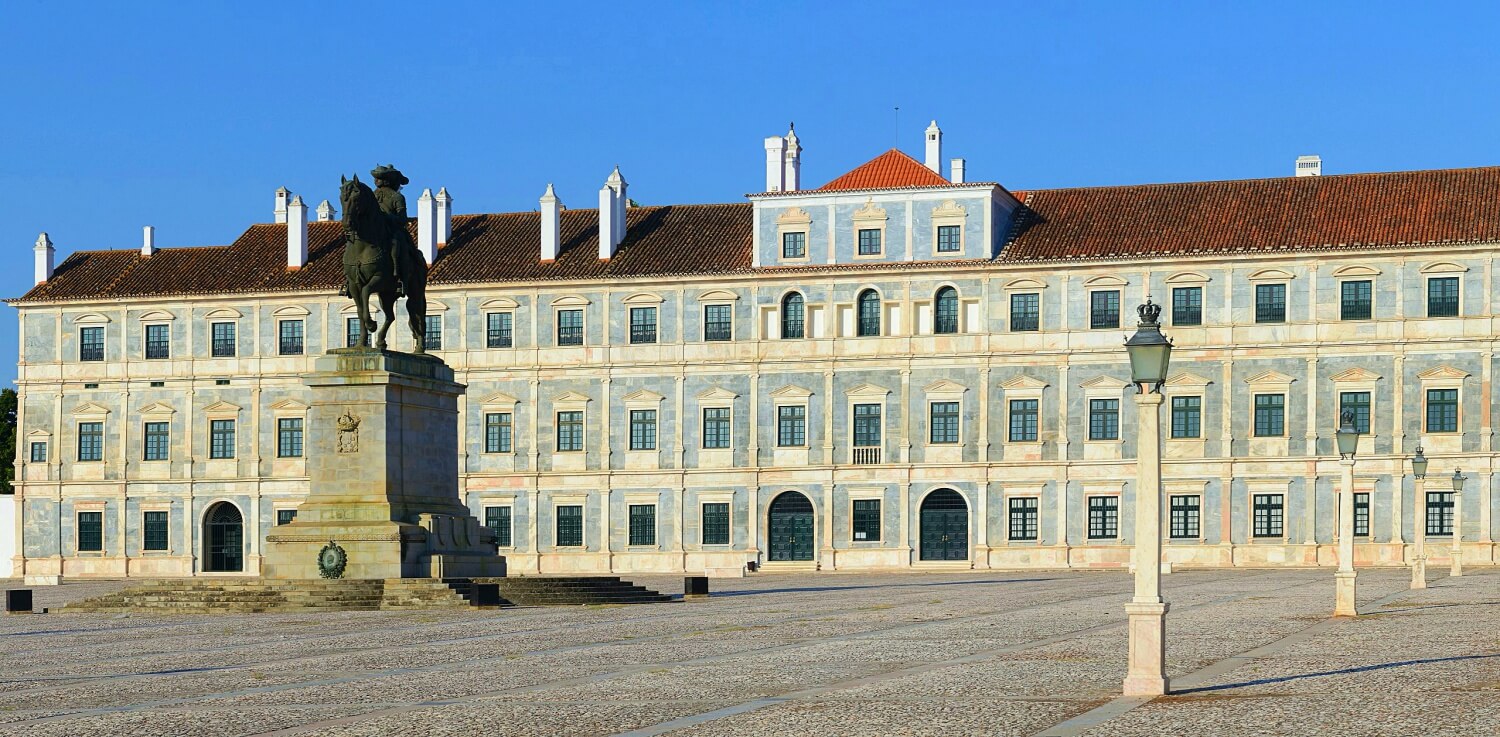
Previous names
Ducal Palace of Vila Viçosa, Paço Ducal de Vila Viçosa
Description
The Ducal Palace of Vila Viçosa (Portuguese: Paço Ducal de Vila Viçosa) is a royal palace in Portugal, located in the civil parish of Nossa Senhora da Conceição, in the municipality of Vila Viçosa, in the Alentejo, situated about 150 km (93 miles) east of the capital Lisbon. It was for many centuries the seat of House of Braganza, one of the most important noble houses in Portugal which was the ruling house of the Kingdom of Portugal from 1640 until 1910 when King Manuel II, titular head of the family, was deposed in the 5 October 1910 Revolution which brought in a Republican government.
History
Vila Viçosa became a fiefdom of the Dukes of Braganza when Fernando I of Braganza succeeded his father Afonso, 1st Duke of Braganza, and received the title of Count of Arraiolos from his grandfather, Nuno Alvares Pereira. Fernando I established his seat at the primitive Vila Viçosa Castle. However, following the 1483 execution of his son, Fernando II, 3rd Duke of Braganza, for treason by order of King John II of Portugal, the family was exiled to the Kingdom of Castile. Returning in 1498 (after the death of King John II in 1495), the family regained its ancestral lands, although Jaime, 4th Duke of Braganza (Fernando II's successor), declined to live in the Castle of Vila Viçosa, owing to its association with his father's betrayal and murder.
Construction of the ducal palace of the Dukes of Braganza began during the tenure of Duke Jaime of Braganza, between 1501–1502. It was situated in the Horta do Reguengo outside the walls of the nearby medieval village, in an area that was "characterized by extensive olive orchards and an abundance of water", presenting some similarities to the feudal residences of the region, such as the Sempre Noiva or Paço de Alvito. The House of Braganza regained much of its power and wealth over time due to Duke Jaime's close kinship with the royal family (he being the nephew of King Manuel I of Portugal) and his actions in reconciling relations between the nobles. Duke Jaime of Braganza commanded the victorious expedition to Azamor in 1513, and having secured a pardon expanded the wealth of the House of Braganza, and contributed to the growth of the ducal palace.
In 1535 Teodósio I, 5th Duke of Braganza was appointed Constable of the Kingdom. He managed to negotiate the marriage of his sister, Isabella of Braganza, with Infante Edward, 4th Duke of Guimarães (a brother of King John III of Portugal), securing a closer association with the royal family. Following the need to expand the palace for the celebrations of the royal marriage, Teodósio I began the construction of the imposing facade,[clarification needed] faced with marble in the Italianate-style, and in 1558 began the installation of the Sala de Música (Hall of Music). As Rafael Moreira (1997) indicated, the first building was a designed and decorated in the Manueline style, and was remodelled in classical lines, along with the adjacent buildings and the expansion of the square in front of the building. It was inspired by the profile of the Ribeira Palace in Lisbon. Extensive remodeling later occurred in 1566, during the tenure of João I, 6th Duke of Braganza.
It was the 7th Duke, Teodósio II, who in 1583 began the grand works of the classical facade, completed in 1635 during the regency of King John IV of Portugal, formerly Duke of Braganza. In 1602, Teodósio II married the Spanish noblewoman Ana de Velasco y Girón, hoping to produce heirs. In commemoration of the marriage a composition of azulejo tiles by Fernando Loyaza, known as the Talavera de la Reina, was installed in the Sala Grande (Great Hall). The whole project of the classical facade was firstly executed by Nicolau de Frias, royal architect, but was later supplemented by Pedro Vaz Pereira and Manuel Pereira Alvenéo. The monumental facade was completed in the Mannerist style, consisting of two floors, one with Tuscan capitals, the other with Ionic capitals. Later, in 1610, construction began of an additional third floor. In about 1611 the fireplace in the Sala de Medusa (Medusa's Hall) was designed and constructed by Pêro Vaz Pereira. Following the 1640 ascension of João II, 8th Duke of Braganza to the throne of Portugal as King John IV, the palace lost its importance as the permanent residence of the Dukes of Braganza.
The first new remodelling to the Palace occurred in the 18th century, with the installation of an organ in the chapel. In 1716 King John V began minor renovations. Later, in 1762 under Queen Maria I of Portugal, the construction began of the main tower fronting the Duchess's Garden (or Forest Garden) and of a new wing, formally designated as the Quartos Novos (New Quarters). This included the Sala de Jantar (Dining Hall), which along with the other works, was finally completed under her successor, King Joseph I of Portugal in 1770.
During the Napoleonic invasion of the Iberian peninsula, the Portuguese royal family fled to Brazil, and the palace was closed.
Long after the return of the royal family to Portugal, King Carlos I of Portugal and his wife Amélie of Orleans began the renovations of the New Quarters, to the designs of the Frenchman Negrier, in order to serve as their residence. After a period of living in these quarters as his semi-official residence, on 1 February 1908 King Carlos I returned with his family to Lisbon, where he was later assassinated.
On 5 October 1910 a revolution, instigated by Republican sympathizers, caused the royal family to flee to England and the residences of the monarchy were closed to the public.
In 1932, whilst in exile, King Manuel II of Portugal died from an abnormal swelling in the throat. His will ordered the creation of a foundation to safeguard the royal estate, which led to the creation of the Fundação da Casa de Bragança (House of Braganza Foundation). As part of this process, a systematic inventory and assessment was undertaken of the contents of the Palace by the DGEMN (Direcção Geral dos Edifícios e Monumentos Nacionais, "General-Directorate for Buildings and National Monuments") completed in 1938. Between 1945 and 1952 the DGMEN initiated public works to restore the Palace after years of neglect, supplemented by repairs to the roof in 1963.
It was not until 18 May 1984 that the palace was opened to the public, including one of the largest and most varied permanent expositions of carriages in Europe.
A re-tiling of the central wing was completed in 1985–1986, followed in 1989 by a similar project in the Ala dos Moços ("Children's Wing") in 1989.
Architecture
Located in the urban context of Vila Viçosa, the palace is situated on a stable plain at the foot of the castle hill. Rising 395 metres (1,296 ft) above this context, on a grand space, it fronts other historical buildings, including the Church of the Augustine Friars (Portuguese: Igreja dos Agostinhos), the Episcopal Palace (Portuguese: Paço do Bispo) and Convent of the Stigmata (Portuguese: Convento das Chagas).
The building consists of a grand rectangular profile, extending east to west, with three floors, and an irregular trapezoid structure to the north-south, with the roofing differently tiled above each of the spaces. The principal facade is fully lined with ashlar masonry and pink Estremoz marble, corresponding to the three respective floors and central pediment broken by two main doorways. The rest of the facades are broken by a series of rectangular windows, that harmoniously divide the surface in a rhythmic classic pattern, some with semi-circular pediments and framed cornices. Pilasters and architraves define the horizontal and vertical frames of many of the windows, giving the whole composition great sobriety and classicism.
The Lady's Garden occupies a comparable space by the residence, consisting of symmetrical patterns interspersed with sculptures of ancient shells and royal cavalry.
Interior
Access to the residence is made across the vestibule. From this space is the main marble staircase and marble walls, as well as a painted mural fresco representing the Tomada de Azamor (Taking of Azamor) in northern Africa in 1513 by Portuguese troops, commanded by James, Duke of Braganza. On the left-side is the disembarkation (Portuguese: Desembarque), to the centre the preparations of the encirclement (Portuguese: Preparativos do Cerco) and to the right the conquest of the fortress (Portuguese: Conquista da Praça).
In the first years of the 17th century, the palace received a decorative palette, considered "one of the richest group of fresco mural paintings encountered in Portuguese art". The rooms in the Palace extend along the horizontal plane, with a single corridor linking the spaces, including the Sala das Tapeçarias (Tapestry Hall), with sillar covered in 17th-century polychromtic blue-and-white azulejo tile, white marble fireplace, tile floor, and vaulted ceiling with phytomorphic painting. Several of the main rooms include spaces with painted fresco ceilings, and 17th-century blue-and-white/yellow azulejo tile, such as the Sala do Gigante (Hall of the Giant), with 16th-century fresco depicting the biblical episode between David and Goliath, which is framed by the arms of the Dukes of Braganza; the Oratório da Duquesa (Duchess' Oratory); andSala de Medusa (Hall of Medusa), with a painted fresco representing the battle between Medusa and Perseus. These group of paintings were"largely faithful to the aesthetic canons of the Italianate Mannerists". The compositions are replent in Moorish-influenced motifs executed between 1600 and 1640 by different painters: Tomás Luís, famous Lisbon painter, was attributed to the "two notable mural [ceiling] decorations" in the Hall of Medusa and the gallery of Duchess Catherine and José de Avelar Rebelo painted the ceilings of the Music Pavilion. The remainder of these rooms extend laterally through the accessway: the Sala de D. Duarte (Edwards' Hall), with a painted ceiling, with anthropomorphic elements and tiled floor; the Sala dos Duques (Hall of the Dukes) or Sala dos Tudescos is a noble salon and largest room in the building, decorated with frames of 17 Dukes of Braganza, from Joseph I: the Sala das Virtues (Hall of Virtues) has an artesnal ceiling comprising framed paintings showing the seven theological virtues and morals, among them: Fé (Faith), Esperança (Hope), Caridade (Charity),Prudência (Prudence), Justiça (Justice), Forteleza (Strength), Temperança (Temperance) and Sapiência (Wisdom); and theSala de Jantar (Dining Hall) there is a similarly paneled ceiling with medallions, decorated in classical and mythological motifs. The rooms five doorways give access to the Jardim das Damas (Lady's Garden).
A chapel, referred to as the Sala dos Paramento/Órgãos (Hall of the Vestments/Organ) is covered in a vaulted ceiling with comparably painted roof frames.
The Pavilhão da Música (Music Pavilion) is an exceptional example: it consists of a painted wood ceiling, sillar with 17th-century azulejo tile depicting figures in panchromatic tiles in yellow, blue, green and red, representing the history of Tobit (Portuguese: Tobiãs) with the coat-of-arms of the Dukes of Braganza, and signed FIAB.
In addition, there are several other "named" rooms in palace, including the Sala D. Duarte (D. Duarte's Hall), Sala D. Fernando II (Ferdinand's Hall), Sala do Século 17 (17th-century Hall), Sala da Restauração (Restoration Hall), Sala de Hércules (Hall of Hercules), Sala Dourada ou da Duquesa (Golden Hall or Duchess Hall), named for Catherine wife of the 6th Duke, the Sala da Cabra Cega (Hall of the Blind Goat); Sala Indo-Portuguesa (Portuguese-India Hall); Sala das Loiças (Hall of Dishware); Sala dos Vidros (Hall of Glass); Sala dos Reis (Kings' Hall); the armory; and the famous wing of the New Quarters, named for the fact that it acted as the residence and studies for the King, with diverse antechambers, and corridors. Near the kitchen are the ovens, wine cellars, avery and storage spaces.
Azulejos
There are two panels (1558) made by Flemish Joan Boagerts in Antwerp. The rest of the historical azulejos (17th-century) that has the Ducal Palace are located in the Sala do Gigante and were made by Spanish Talavera de la Reina pottery, are of the very few of the kind still implanted in the place where they were designed, after the destruction of the historic center of Guadalajara during the Spanish Civil War.
O Paço Ducal de Vila Viçosa é um importante monumento situado no Terreiro do Paço da vila alentejana do distrito de Évora. Foi durante séculos a sede da Sereníssima Casa de Bragança, uma importante família nobre fundada no século XV, que se tornou na casa reinante em Portugal, quando em 1 de Dezembro de 1640 o 8º Duque de Bragança foi aclamado Rei de Portugal (D. João IV) e deu início à Dinastia de Bragança.
É uma das obras-primas da arquitectura civil portuguesa da Idade Moderna, assumindo-se que a sua traça se deve ao arquitecto régio Nicolau de Frias, que terá iniciado o projecto cerca de 1577 a mando do sexto Duque D. João I, interrompendo a obra com a Batalha de Alcácer Quibir e retomando-a com celeridade em 1583, já a mando do Duque D. Teodósio II. O término, que decorre já no primeiro terço do século XVII, deveu-se ao arquitecto Pero Vaz Pereira.
Origem
Vila Viçosa tornou-se sede do importante ducado de Bragança quando D. Fernando (1403-1461) sucedeu a seu pai, tornando-se o 2º Duque de Bragança, em 1461. Na verdade, o 2º Duque de Bragança recebera de seu avô, o Condestável do Reino, D. Nuno Álvares Pereira, o título de Conde de Arraiolos, pelo que quando chegou a Duque, não quis trocar as planuras alentejanas pelo Paço Ducal de Guimarães. Assim se estabeleceram os Bragança em Vila Viçosa, no primitivo Paço do Castelo. Porém, o seu filho, também D. Fernando (3º Duque de Bragança), veio a ser executado em 1483, por ordem de D. João II, acusado de traição, tendo a família sido exilada para Castela, de onde só regressaram em 1496, após a morte do Rei. Uma vez reabilitado o Ducado, o 4º Duque, D. Jaime, não quis habitar o Paço do Castelo, por estar ligado à memória do seu pai, mandando construir um palácio novo, no sítio chamado do Reguengo, assim começou a ser erguido o que é hoje o magnífico Palácio Ducal de Vila Viçosa.
Obras de D. Jaime
As obras, comandadas por D.Jaime, iniciaram-se em 1501, sendo dessa época o claustro e a zona da capela, bem como as actuais salas da Armaria. Porém nova tragédia atingiria a ilustre família, quando D.Jaime, suspeitando (injustamente) da fidelidade de sua jovem mulher, a Duquesa D. Leonor de Gusmão, a mandou degolar. Entretanto a Casa de Bragança crescia em poder e em riqueza, fruto dos laços de parentesco com a Casa Real e com os feitos do Duque D. Jaime, que em 1513 comandou a vitoriosa expedição a Azamor.
Obras de D. Teodósio I
O 5º Duque, D. Teodósio I, nomeado Condestável do Reino, em 1535, conseguiu negociar o casamento da sua irmã D. Isabel com o Infante D. Duarte (irmão do Rei D. João III). Aproveitando a necessidade de ampliar o Palácio para as faustosas festas do matrimónio real, em 1537, o Duque mandou construir a imponente fachada do palácio, revestida a mármore, ao gosto italiano, que hoje podemos admirar.
Casa de férias dos Reis da Dinastia de Bragança
O Palácio conheceu ainda várias obras e melhoramentos até 1640, data em que o Duque de Bragança foi feito Rei, levando grande parte do seu notável recheio para o Palácio da Ribeira, em Lisboa. Doravante, o Palácio de Vila Viçosa seria apenas uma residência de caça e recreio para a família dos seus proprietários, agora senhores do trono de Portugal. D. João IV manteve porém a independência da Casa de Bragança relativamente à Coroa, destinando-a para morgadio do herdeiro do trono. No século XVIII, D. João V fez ainda alguns melhoramentos (capela, cozinha e pavilhão dos quartos novos), na sequência das suas visitas a Vila Viçosa, nomeadamente para a chamada troca das princesas (casamento do príncipe D.José com uma Infanta de Espanha e do Príncipe das Astúrias com a Infanta D.Maria Bárbara), ocorrida na fronteira do Caia, em 1729. Também D. Maria I fez ainda alguns melhoramentos, acrescentando o corpo das Salas de Jantar e dos Vidros. Finalmente, no final do século XIX, o velho Paço seria ainda objecto de algumas obras, fruto da predilecção que os Reis D. Carlos e D. Amélia tinham por ele. D.Carlos apreciava muito o Palácio calipolense, aqui passando largas temporadas, quando promovia com os seus amigos (raramente trouxe convidados oficiais a Vila Viçosa) grandes caçadas na extensa Tapada Ducal.
Com efeito, foi neste palácio que o Rei D.Carlos dormiu a sua última noite antes de ser assassinado, em 1 de Fevereiro de 1908 (conservando-se intactos desde então os seus aposentos). No último reinado, o paço de Vila Viçosa acolheu ainda a visita do Rei Afonso XIII de Espanha a D. Manuel II, em Fevereiro de 1909.
O Palácio na actualidade
Após a proclamação da república, em 1910, o Palácio de Vila Viçosa, bem como todos os bens da Casa de Bragança, permaneceram na posse do Rei D.Manuel II, por serem bens familiares do Rei e não do Estado. Em 1933, na sequência das disposições testamentárias de D. Manuel II (falecido em 1932), o Palácio integrou a Fundação da Casa de Bragança, que abriu as suas portas ao público, como museu. Nessa época o Paço recebeu ainda grande parte dos bens móveis, obras de arte e a preciosa biblioteca do rei exilado (provenientes da residência de Londres).
O Palácio apresenta uma grande colecção de obras de arte (pintura, mobiliário, escultura, etc..), sendo particularmente nobres as salas do primeiro piso, de que são exemplos as Salas da Medusa, dos Duques (com retratos de todos os duques até ao século XVIII, no tecto) e de Hércules, muitas delas enobrecidas com belíssimos fogões de sala de mármore esculpido. Permanecem particularmente vivas no palácio as memórias dos dois últimos reinados (fruto da especial predilecção que por ele tiveram os soberanos), como se pode observar nos aposentos régios e nos inúmeros exemplares da obra artística do rei D.Carlos (aguarelas e pastel). A cozinha apresenta uma das maiores colecções de baterias de cozinha, em cobre. São ainda de realçar a Biblioteca (com exemplares bastante preciosos) e a armaria. Nas antigas cocheiras está instalada uma secção do Museu Nacional dos Coches, onde entre outras carruagens, se pode admirar o landau que transportava a Família Real no dia do regicídio.
Iluminação
Até 2021 o Paço Ducal era iluminado por projetores simples equipados com lâmpadas de 250 W de iodetos metálicos, sendo que passou a ser iluminado por projetor VIENA com uma potência de 200 W com um rendimento luminoso de 130 lm/W, equipado com LEDs Philips no módulo ótico e alimentado por um driver MeanWell – um equipamento robusto, com garantia de uma redução de consumos e com um rendimento muito superior à solução existente.
Useful information
Free
Ducal Palace: 8.00 EUR
0 - 12 years: free
Children 12+ years: 50% discount
WC
fcbraganca@fcbraganca.pt
- Closed on Mondays and Tuesdays
- Guided tours are available in Portuguese
-
External links
Nearby castles
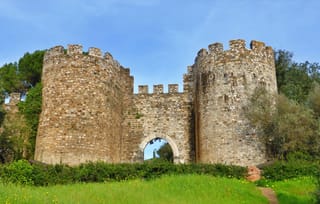
Castle of Vila Viçosa
Vila Viçosa
0.7km
castle, chateau
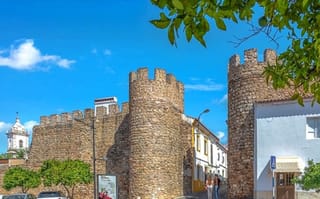
Castelo de Borba
Borba
3.9km
castle, chateau
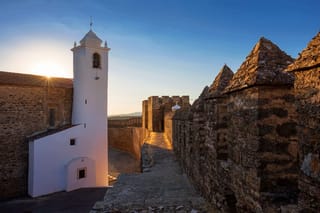
Castle of Alandroal
Alandroal
9.1km
castle, chateau
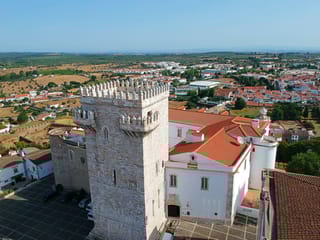
Castelo de Estremoz
Estremoz
16.2km
castle, chateau
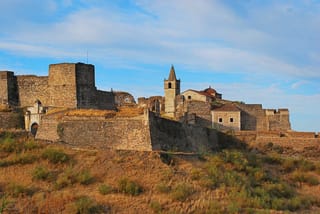
Fortaleza de Juromenha
Évora
16.5km
fortress
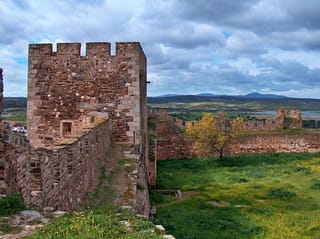
Castle of Terena
Évora
17.9km
castle, chateau

Castle of Redondo
Redondo
18.2km
castle, chateau