The Residence of Biscainhos
Braga Braga Portugal
castle, chateau
Palácio dos Biscainhos
Braga Braga Portugal
castle, chateau
The Residence of Biscainhos (Portuguese: Casa dos Biscainhos/Museu dos Biscainhos), is a former-signeurial residence located in civil parish of Braga (Maximinos, Sé e Cividade), in the municipality of Braga, in northern Portuguese district of Braga
O Palácio dos Biscainhos localiza-se na freguesia da Sé, cidade e concelho de Braga, distrito de mesmo nome, em Portugal
Previous names
The Residence of Biscainhos, Palácio dos Biscainhos
Description
The Residence of Biscainhos (Portuguese: Casa dos Biscainhos/Museu dos Biscainhos), is a former-signeurial residence located in civil parish of Braga (Maximinos, Sé e Cividade), in the municipality of Braga, in northern Portuguese district of Braga.
History
In 1665, Maria da Silva e Sousa married Dr. Constantino Ribeiro do Lago (1619-1686), who was one of the most important civil personalities in Braga. He was a Knight in the Order of Christ, alcalde of Ervededo, Overseer and Judge of Braga, Chancellor of Relação, attorney-general of Mitra, represented the city in the 1667 Cortes in Lisbon. Lago ordered the construction of a residence, that was likely constructed by Basque artisans from the province of Biscay, then working in the cathedral of Braga, resulting in its name, Biscainhos. The work was concluded in 1699 by his son, Diogo de Sousa da Silva, who was also a knight in the Order of Christ.
In the 18th century, over three generations, the residence was passed-on through the matrilineal descendant of the family.
On 26 November 1712, Francisco Pereira da Silva (who was the Dean of the Cathedral of Braga) signed a contract with mason Manuel Fernandes da Silva, to expand the residence along Rua dos Biscaínhos, the second executed to that effect. In the course of this work, a ceiling painting in the main hall was executed by painter Manuel Furtado de Mendonça (in 1724), and later, azulejo tile, which came from fabricators in Coimbra.
In the intervening years it passed-into the possession of various illustrious owners. António Pereira Pinto de Eça, was administrator of the second founding of Bertiandos. João Pereira Forjaz Coutinho, was the son of the Secretário dos Negócios Estrangeiros, da Guerra e da Marinha (Secretary for International Affairs, War and the Army). Damião Pereira da Silva de Sousa e Menezes (1764-1835) was administrator of the first founding of Bertiandos. Gonçalo Pereira da Silva de Sousa e Menezes (1797-1856), Count of Bertiandos, member of the council of Queen D. Maria II, Peer of the Kingdom, Civil Governor of Braga and attorney of the 1928 Cortes. His daughter, Joana Maria do Rosário Francisca Sales Pereira da Silva de Sousa e Menezes (1818-1874), second Countess of Bertiandos, lading-in-waiting of Queens D. Estefânia and D. Maria. Her nephew, Gaspar Lobo Machado do Amaral Cardoso de Menezes, 3rd Viscount of Paço de Nespereira was the last member of the family to be owner of the Residence of Biscainhos.
The dominant period of its history occurred in the 18th century, resulting in exquisite Baroque interiors that included azulejos, ceilings with beautiful relief stucco work and paintings of the period. It was also framed by the magnificent gardens.
In 1963, the building was acquired by the District Junta from the Viscount of Paço de Nespereira, in order to install a museum, with work initiated under the responsibility of Alberto da Silva Bessa. On 11 February 1978, the Museum of the Biscaínhos was opened to the public. Due to the financial incapacity of the district junta, by decree 133/87 (18 March) the building was placed into the management of the IPPAR Instituto Português do Património Cultural (Portuguese Institute of Cultural Patrimony). During this time, the exterior facades were repaired and the paintings in the halls were repaired. But, on 9 August 1991, it was succeeded by its transfer into the management of the Instituto Português de Museus (Portuguese Institute of Museums), in decree 278/91 (Diário da República, Série-1A), and later (29 March 2007), to the Instituto dos Museus e Conservação, I.P. (Institute of Museums and Conservation) by decree 97/2007 (Diário da República, Série 1, 63).
Architecture
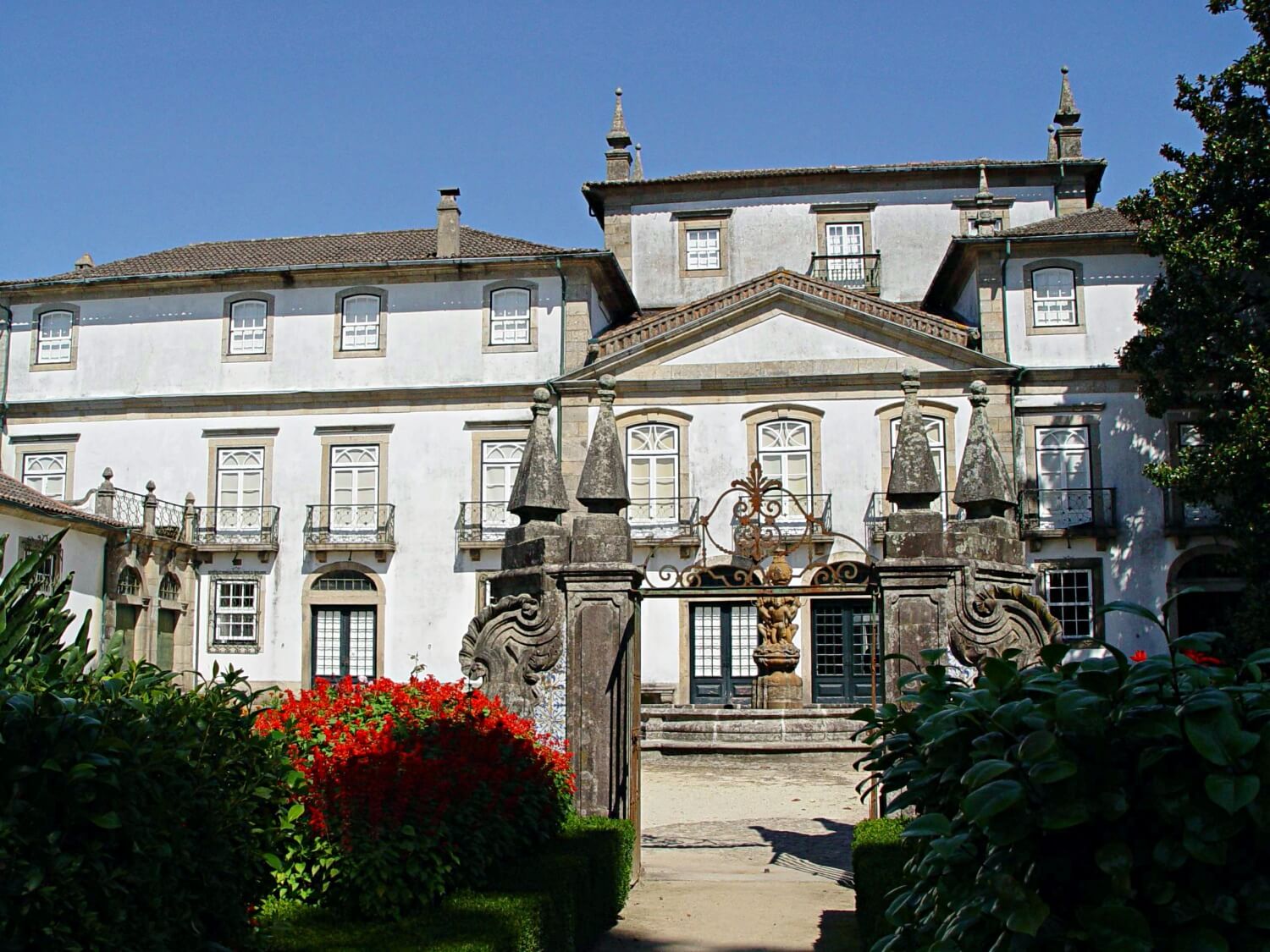
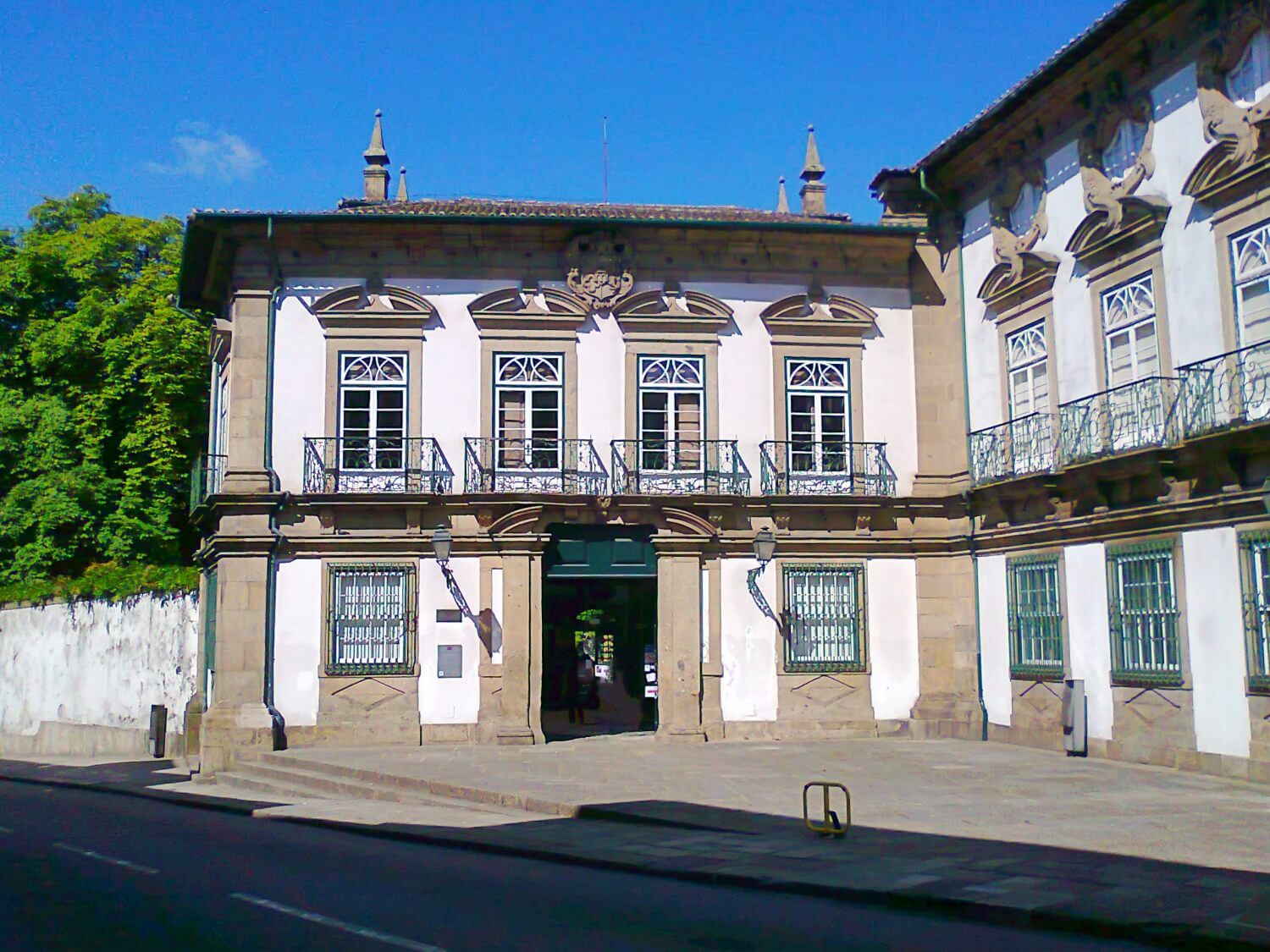
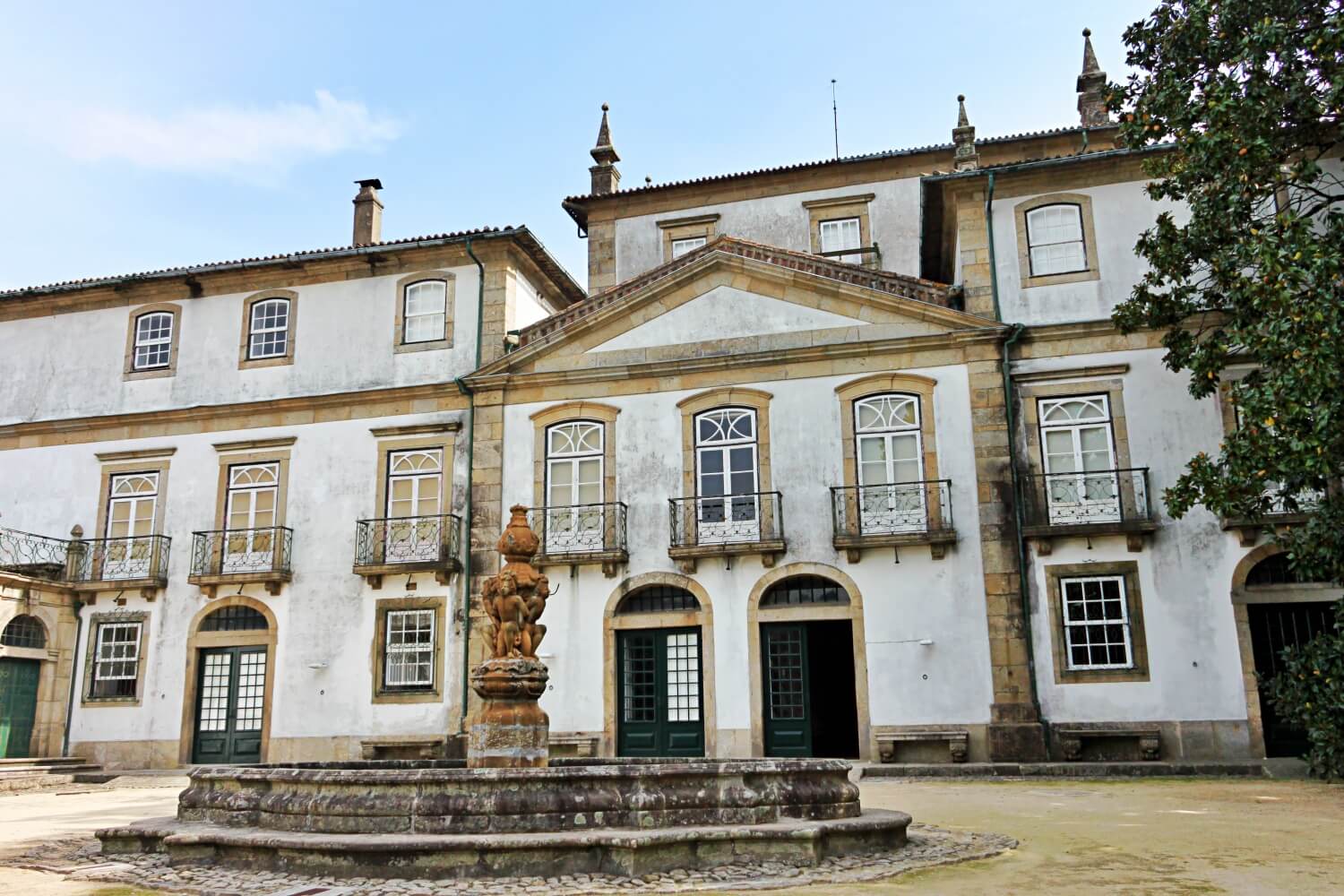
The building is located in an isolated context, situated outside the walls of the ancient city, in an area that was formerly rural, but absorbed into the city of Braga overtime, today inserted in what is considered the historic centre, addorsed to other constructions.
The large entranceway was structured in a way to permit carriages, and other vehicles, to enter by way of a covered patio, that served simultaneously as principal entrance and passage to the stables and gardens. The space is covered in grooved, non-slip, granite slabs and arch-shaped entrances with granite pilasters. In each of these pilasters there are small statues of a page or knight in costume from the 18th century.
The first floor of the main body of the house includes seven rooms. The azulejo hall is of particular interest: it is a large space, about 13 metres (43 ft) long, covered in azulejo tile, with its ceiling covered in painted wood, representing the history of the illustrious, and much venerated, Bracarense Beato Miguel de Carvalho. Next to this a smaller room, painted with mythological motifs, but from a later period. The set of rooms arranged along the garden, especially the dining room, is furnished and decorated with pieces dating from the beginning of the 18th century and the beginning of the 19th. The romanticised scenes, painted on canvas, evoke themes about ruins and fantastical stories.
Garden
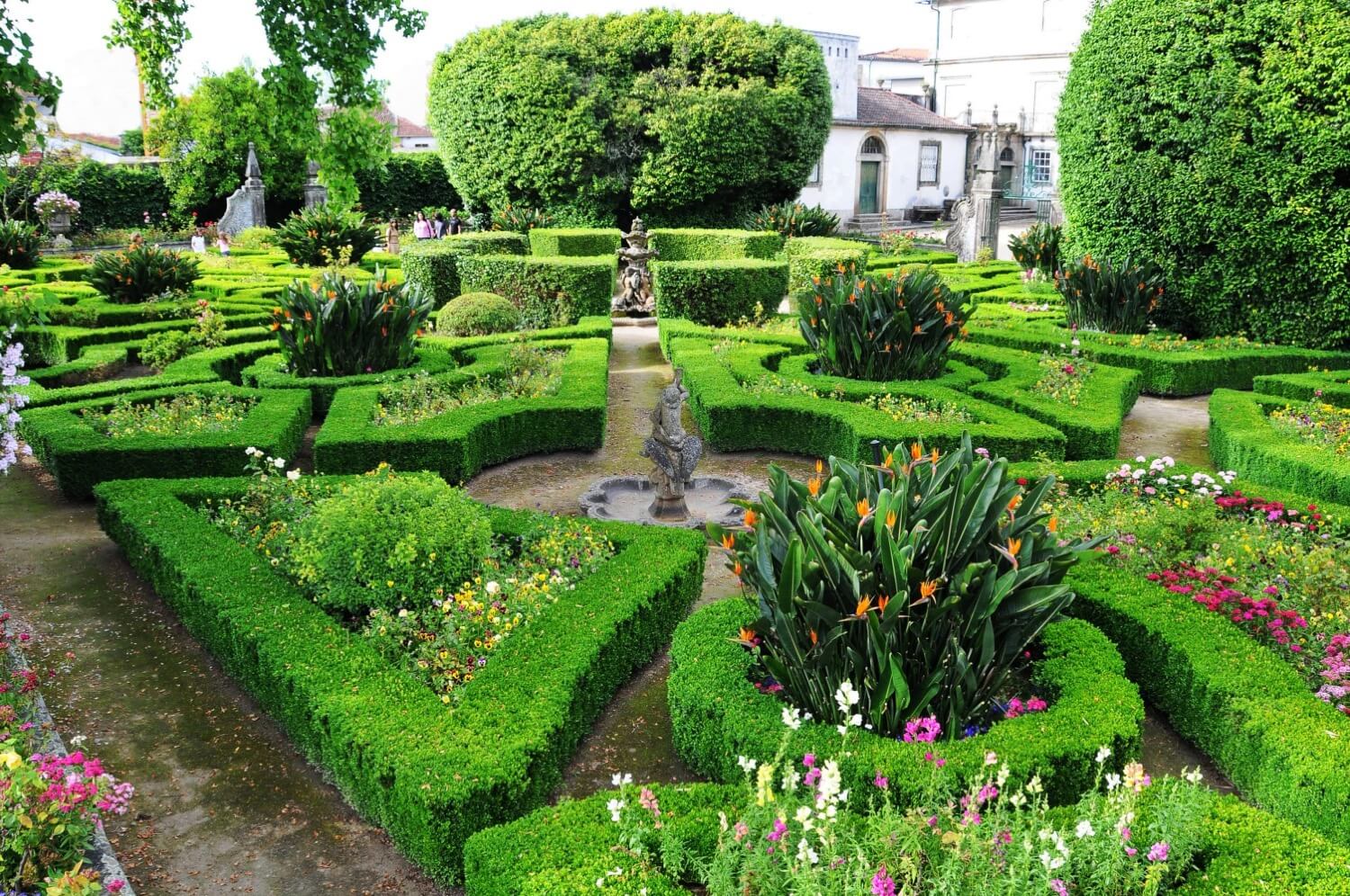
About a hectare in the rear of the house was surrounded by walls and divided into landscaped terraces. On the opposite wall is a polygonal structure of buttresses which, together with its crowning of battlements and sentries located at the angles, gives it an aspect of a 16th century fortress. Inside the bulwark's simulacrum is a small temple with dome and lantern, that contains sepulchral slabs dedicated to the former-gentry the masters of the house. The estate is divided into three terraces, rising slightly from the house to the west, separated by walls crowned with tile planting boxes.
The terraces are supported by decorative granite columns that are arranged along the walls and terraces of the estate. Of these terraces, the lower two were cultivated with vegetables and orchard, divided into blocks flanked by boxwood stools. The upper terrace is occupied by the garden itself and by a terrarium that separates it from the house. It occupies a rectangular terrace surrounded by a wall with tiled floor, decorated pyramids, urns and statuary statues, over the access gates, on the side viewpoints and at the angles, together with the raised beds. Inside the flower beds, are five bowls with water springs, similar to those introduced by Muslims during the 8th century, in the Rocaille style. Among the species in the garden are stands of tulip poplar (Liriodendron tulipifera) that were contemporary to the initial plantation.
The Museum
The museum exhibits, on a permanent basis, collections of decorative arts, integrated into the structure of the 18th century northern manorhouse. Its collection includes furniture, ceramics, European and Oriental porcelain, glassware, and examples of European and Portuguese watches and clocks.
O Palácio dos Biscainhos localiza-se na freguesia da Sé, cidade e concelho de Braga, distrito de mesmo nome, em Portugal.
História
Foi erguido no século XVII e modificado ao longo dos séculos.
No século XIX foi propriedade dos segundos condes de Bertiandos e a filha destes, D. Maria da Conceição Eugénia, foi casada com D. João Lobo Machado Cardoso do Amaral e Meneses, 2º visconde de Paço de Nespereira, antigo governador civil de Braga.
O seu último proprietário, Dr. Gaspar José Maria Lobo Machado do Amaral Cardoso de Menezes, 3º visconde de Paço de Nespereira e senhor da Casa dos Lobo Machado em Guimarães, faleceu em 10 de julho de 1963, tendo, às vésperas da morte, doado os seus bens à cidade.
Encontra-se classificado como Imóvel de Interesse Público desde 1949.
A ala nascente do imóvel está tutelado pela Câmara Municipal de Braga, tendo aí em tempos funcionado provisoriamente a antiga Assembleia Distrital, criada em 1977 e extinta posteriormente. Essa parte encontra-se abandonada e em avançado estado de degradação. Em 2011, apesar de a gestão do edifício ser da responsabilidade do Ministério da Cultura, o então presidente da Câmara Municipal de Braga, Mesquita Machado, instalou nesta parte do palácio a Associação de Motoristas Aposentados dos TUB. Apesar de diligências várias no sentido da desocupação, a referida associação não desocupou o local.
No restante palácio e espaço exterior, sob a tutela da Direção Regional de Cultura do Norte, está instalado o Museu dos Biscainhos.
Em Outubro de 2020, foi anunciado que o museu vai ser alvo de obras de conservação e restauro orçadas em 700 mil euros. A intervenção incidirá nas coberturas, vãos e arranjos exteriores.
Em novembro de 2021, foi anunciado um investimento total de 1,3 milhões de euros, que prevê a reabilitação de fachadas, a melhoria das condições de acessibilidade e a instalação de rede ‘wifi’. Incluem ainda a beneficiação de coberturas e de sistemas de drenagem pluvial, assim como o restauro e a conservação do Jardim Histórico. O início da empreitada está marcado para o primeiro trimestre de 2023 e, o termo, para o final do primeiro trimestre de 2024.
Características
Palácio
Este palácio aristocrático, com amplos salões com tetos luxuosos, e os jardins barrocos revelam o quotidiano da nobreza setecentista, assim como numerosas referências à vida dos outros habitantes do espaço: criados, escravos, capelães.
O pavimento estriado do rés-do-chão, particularmente invulgar, permitia que as carruagens entrassem no edifício a fim de desembarcarem os passageiros e seguissem para as cavalariças.
Jardim
O jardim, formado por volta de 1750, é considerado um dos mais importantes jardins históricos do período barroco em Portugal.
O espaço, de aproximadamente um hectare, está dividido no "terreiro", "jardim formal", "patamares do pomar e das hortas" ("parterres"), "recinto das muralhas", "canavial" e "largo do pombal", estando enriquecido com diversas fontes e esculturas barrocas.
O "jardim formal" apresenta um traçado labiríntico de canteiros de buxo. A embelezá-lo, existem janelas e portões ornamentais, encimados por pináculos ou por meninos com charamelas, esculturas decorativas, painéis de azulejos polícromos, cinco fontes de repuxo, um pavilhão de jardim, um mirante e duas monumentais e paralelas casas de fresco (construídas por árvores vivas) de japoneiras oitocentistas com chafarizes no interior.
Dentre as várias árvores existentes, a mais notável é um majestoso tulipeiro da Virgínia ("Liriodendron tulipifera") plantado no século XVIII.
No reinado de Luís I de Portugal, o jardim mereceu a honra de ser visitado pela família real a convite dos condes de Bertiandos, senhores do Palácio.
O Museu dos Biscainhos
Trata-se de museu público, inaugurado em 11 de fevereiro de 1978. Esta instituição permite o conhecimento contextualizado da vida quotidiana do período compreendido entre os séculos XVII e XIX, através de coleções de peças de artes decorativas (mobiliário, ourivesaria, cerâmicas, vidros, têxteis etc.), instrumentos musicais e meios de transporte, nacionais e estrangeiras.
Faz também parte do acervo do museu a única colecção pública de brinquedos portugueses existente no país, que transitou nos anos 90 do Museu de Etnologia e História do Porto, albergado então no Palácio de São João Novo. O espólio no seu conjunto não se encontra acessível ao público.
Número de visitantes
Em 2015 o museu foi visitado por 28.086 turistas número que aumentou para 38 039 em 2016.
Useful information
Free/Charge
2.00 EUR
Youth Card, Student Card, Seniors: 50% discount
0 - 12 years: free
Family: 50% discount
- Palace Gardens
- Free entrance on Sundays and bank holidays
- Information tables
mbiscainhos@culturanorte.gov.pt
- It houses a museum
- Guided tour: +50% of price
- Closed on Mondays
- Accessible for wheelchairs
-
External links
Nearby castles
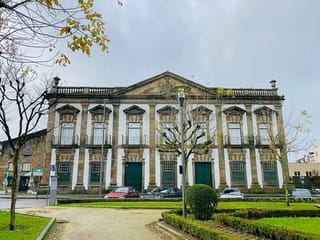
Casa Grande
Braga
0.2km
castle, chateau
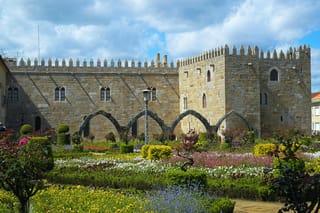
Episcopal Palace
Braga
0.2km
manor, mansion
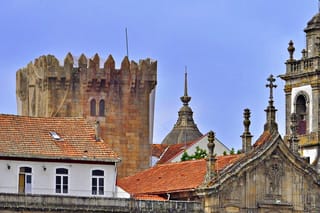
Castle of Braga
Braga
0.5km
castle, chateau
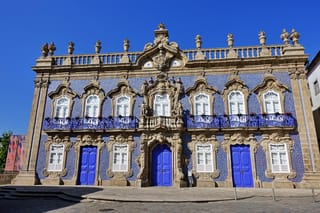
Raio Palace
Braga
0.7km
manor, mansion
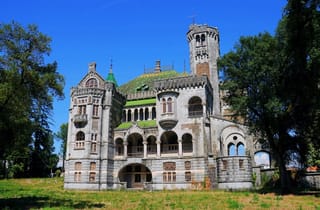
Castle of Dona Chica
Palmeira
4.2km
castle, chateau
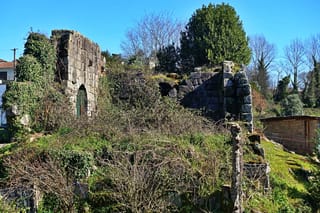
Torre de Vasconcelos
Ferreiros
10.1km
castle, chateau
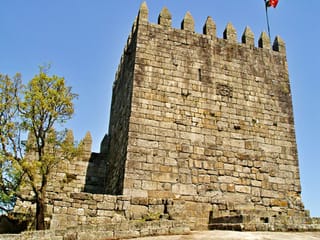
Castle of Lanhoso
Póvoa de Lanhoso
13.0km
castle, chateau