Forte de Nossa Senhora da Graça
Elvas Portalegre District Portugal
fortress
Forte de Nossa Senhora da Graça
Elvas Portalegre District Portugal
fortress
The Nossa Senhora da Graça Fort, officially Conde de Lippe Fort and known historically as La Lippe, is a fort in the village of Alcáçova, about 1 kilometre (0
O Forte de Nossa Senhora da Graça, oficialmente denominado como Forte Conde de Lippe, no Alentejo, localiza-se na freguesia da Alcáçova, a cerca de um quilómetro a norte da cidade de Elvas, concelho de mesmo nome, distrito de Portalegre, em Portugal
Previous names
Forte de Nossa Senhora da Graça, Forte de Nossa Senhora da Graça
Description
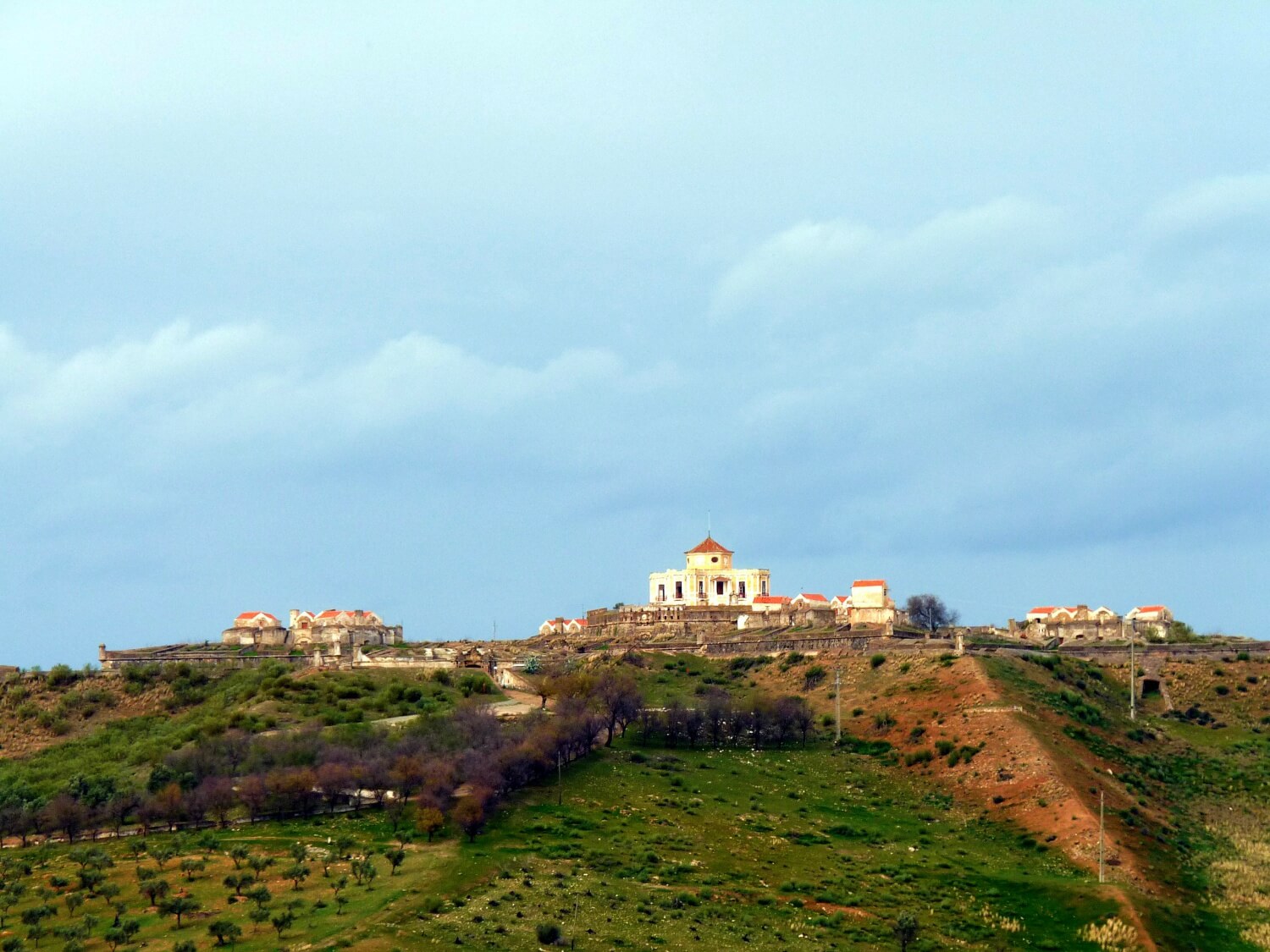
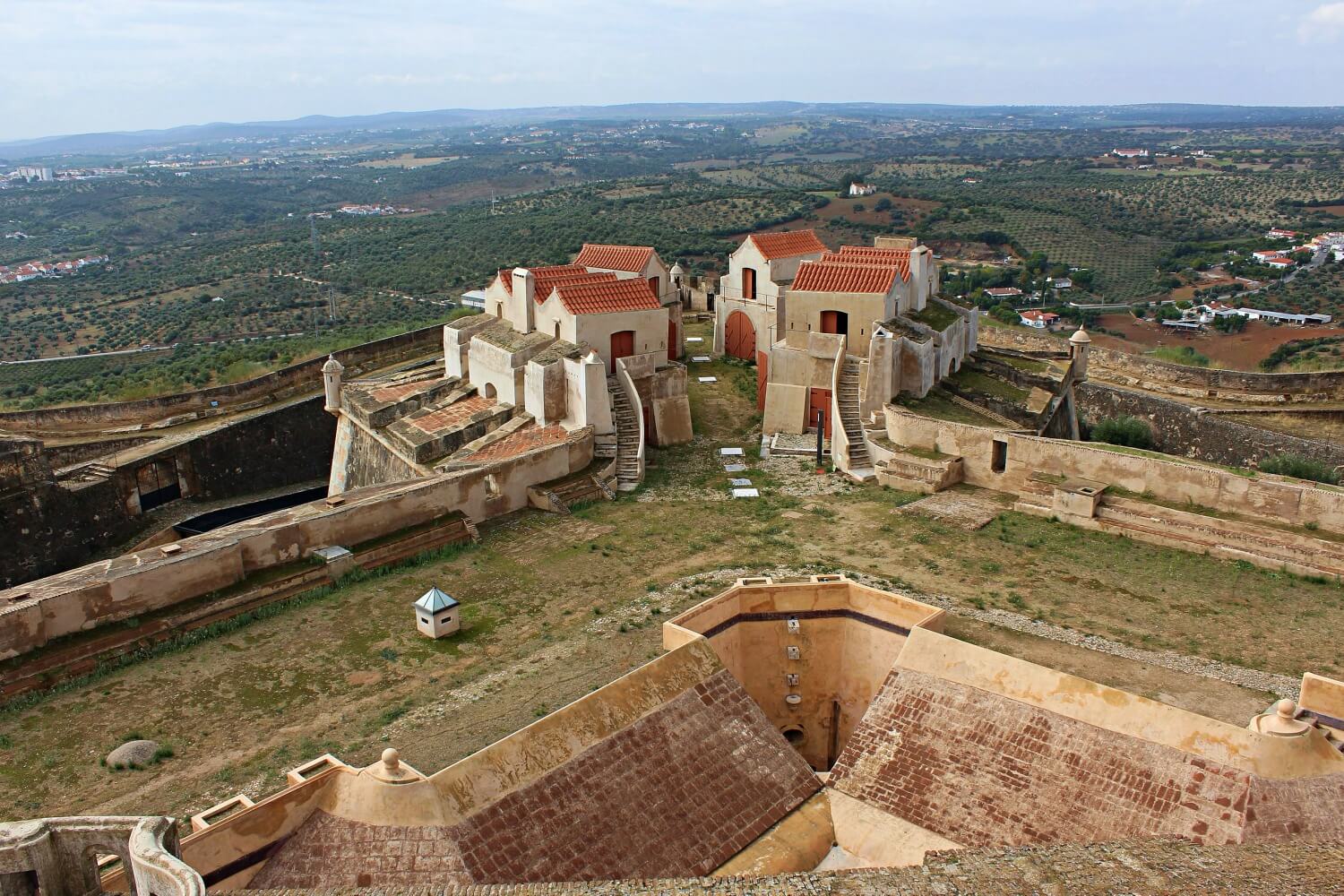
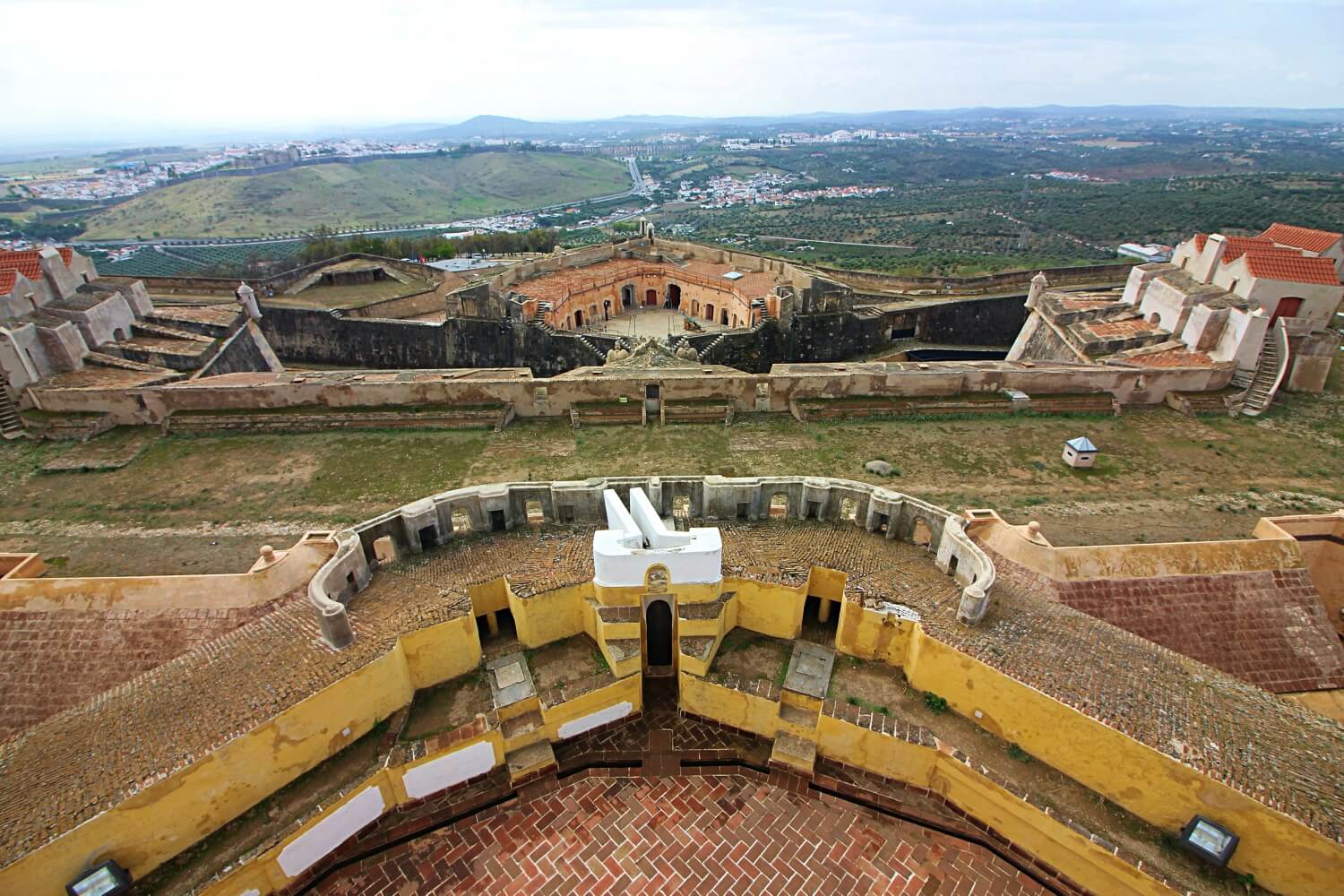
The Nossa Senhora da Graça Fort, officially Conde de Lippe Fort and known historically as La Lippe, is a fort in the village of Alcáçova, about 1 kilometre (0.62 mi) north of the town of Elvas in the Portalegre District of Portugal.
It stands in a dominant position on the Monte da Graça (Hill of Grace) and forms part of the Garrison Border Town of Elvas and its Fortifications, which on 30 June 2012 was classified as a UNESCO World Heritage Site.
In 2014, the fort became part of a new project under the aegis of the Portuguese Ministry of National Defense, with the support of Turismo de Portugal (Portuguese Tourism), which features historical itineraries based on Portuguese heroes.
History
The strategic importance of the fort was demonstrated during the Portuguese Restoration War, when in 1658 Spanish troops occupied the site during the siege of the town of Elvas prior to the Battle of the Lines of Elvas on 14 January 1659.
A century later, during the Seven Years' War (1756-1763) King Joseph I of Portugal and the Marquis of Pombal called on Marshal Lippe to reorganize the Portuguese army and draw up plans for the modernization of the stronghold. He drew a nearly identical copy of his home fortress Wilhelmstein, which he built in 1761.
The work began in 1763 and continued into the reign of Maria I of Portugal (r. 1777–1816), with the fort reopening in 1792 under the name of Conde de Lippe Fort after its designer.
The fort resisted Spanish troops during the 1801 War of the Oranges and a later attack in 1811 during the Peninsular War by the troops of Marshall Jean-de-Dieu Soult.
In September 1808, when the Spanish General Galluzzo heard of the signing of the Convention of Cintra, under which the defeated French were allowed to evacuate their troops from Portugal, he refused to acknowledge it. Instead he proceeded to carry out "a trifling bombardment of La Lippe from an immense distance, and the utmost damage sustained or likely to be sustained by that fortress, was the knocking away the cornices and chimney's of the governor's house, every other part being protected by bomb proofs of the finest masonry." The French commander of the La Lippes's garrison, Captain Girod de Novillars, held out against the Spanish until late November when the 1,200 French troops inside marched out following the arrival of the British.
Subsequently used as a military prison, by 2014 the site was in a near ruinous condition and awaited transfer to the Municipality of Elvas for restoration. The necessary work on the infrastructure was completed in September 2015 with the aim of turning the fort into a functional museum.
O Forte de Nossa Senhora da Graça, oficialmente denominado como Forte Conde de Lippe, no Alentejo, localiza-se na freguesia da Alcáçova, a cerca de um quilómetro a norte da cidade de Elvas, concelho de mesmo nome, distrito de Portalegre, em Portugal.
Em posição dominante sobre o chamado Monte da Graça, integrava a defesa da Praça-forte de Elvas e Cidade – Quartel Fronteiriça de Elvas e as suas Fortificações – classificado desde o dia 30 de Junho de 2012 como Património Mundial da Humanidade pela UNESCO.
A boa posição estratégica do local evidenciou-se durante a Guerra da Restauração, quando as tropas espanholas ocuparam o local durante o cerco à cidade de Elvas no ano de 1658 que precedeu a Batalha das Linhas de Elvas a 14 de Janeiro de 1659.
Em 2014, o Forte Nossa Senhora da Graça foi integrado num novo projeto do Ministério da Defesa Nacional, criado com o apoio do Turismo de Portugal, chamado Turismo Militar, que apresenta roteiros históricos baseados em heróis portugueses.
Devido à forte necessidade de preservação, em 2014 o Forte entrou para a lista bienal do World Monuments Watch.
História
No século XVII, a posição estratégica do monte da Graça, ocupada por tropas espanholas no contexto da Guerra da Restauração da independência, muito caro custou a Portugal durante o cerco a Elvas (1658-1659).
Um século mais tarde, durante a Guerra dos Sete Anos (1756-1763), a cidade sofreu novo sítio (1762). Com esse fato em mente, sob o reinado de D. José I (1750-1777), tendo o Marquês de Pombal chamado o Marechal Wilhelm von Schaumburg-Lippe, conde de Lippe para reorganizar o Exército português, determinou-lhe traçar planos para a modernização daquela praça-forte.
Os trabalhos do Forte da Graça iniciaram-se em 1763, estendendo-se até ao reinado de Dna. Maria I (1777-1816), que a inaugurou em 1792, com o nome de Forte Conde de Lippe, militar que havia proposto a sua construção e que comandou o Exército português entre 1762 e 1764. Em 1763 foram precisos quase 30 anos, seis mil homens, quatro mil animais e 120 mil moedas de ouro para a renovação.
O forte resistiu às tropas espanholas durante a chamada Guerra das Laranjas (1801) e, mais tarde, no contexto da Guerra Peninsular, às tropas do general Nicolas Jean de Dieu Soult, que a bombardearam (1811), não chegando a tomá-la.
Utilizado no passado como prisão militar, o conjunto encontrava-se até 2014 em condições próximas da ruína, aguardando a sua cedência à Câmara Municipal de Elvas para consolidação e restauro. Em Setembro de 2015 foram concluídas as obras de restauro nas infrastruturas, com o objectivo de transformar o forte num museu miltiar funcional.
Em 2015, foram precisos quase 11 meses, 220 trabalhadores a tempo inteiro e 6,1 milhões de euros para o restaurar e reabilitar a tempo de no dia 27 de novembro de 2015, reabrir as suas portas ao público.
Useful information
Free
5.00 EUR
0 - 12 years: free
Family: 2.50 EUR
- Information tables
- WC
- It is used as a military museum
- Closed on Mondays
-
Nearby castles
Castle of Elvas
Elvas
1.3km
castle, chateau
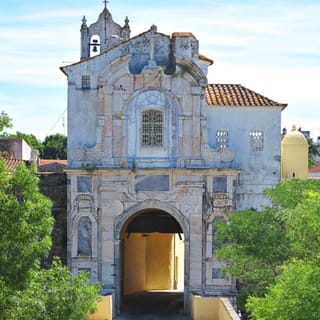
Praça-forte de Elvas
Elvas
1.6km
fortress

Forte de Santa Luzia
Elvas
2.5km
fortress
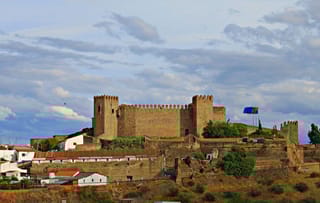
Castle of Campo Maior
Campo Maior
15.2km
castle, chateau
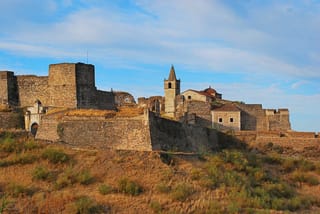
Fortaleza de Juromenha
Évora
18.6km
fortress
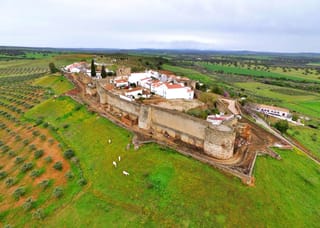
Castle of Ouguela
Portalegre
23.5km
castle, chateau
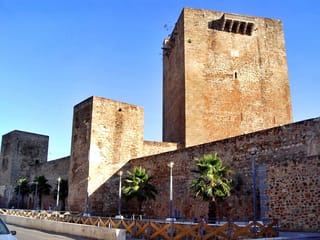
Castelo de Olivença
Badajoz
23.9km
castle, chateau