Forte do Guincho
Alcabideche Lisboa Portugal
fortress
Forte do Guincho
Alcabideche Lisboa Portugal
fortress
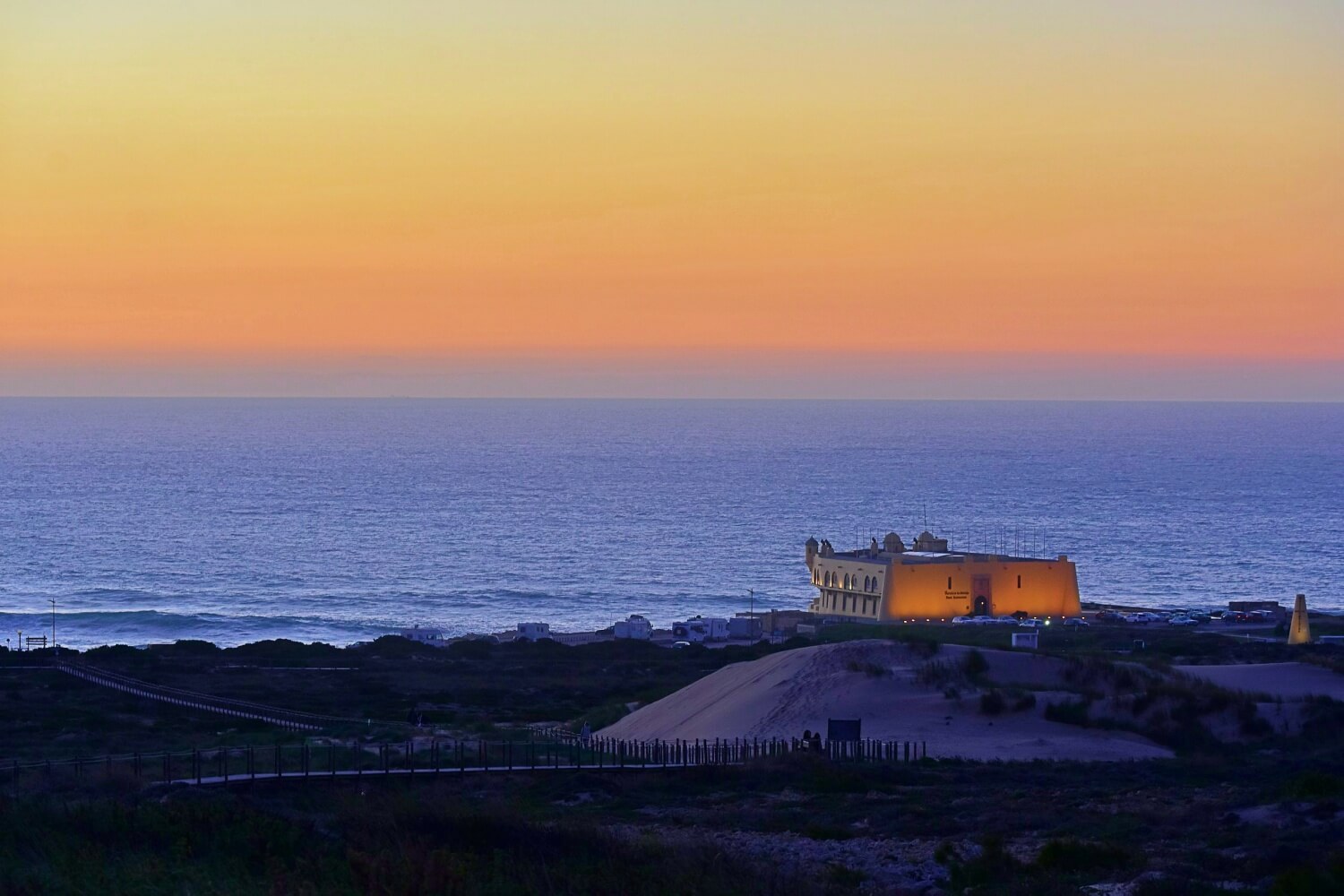
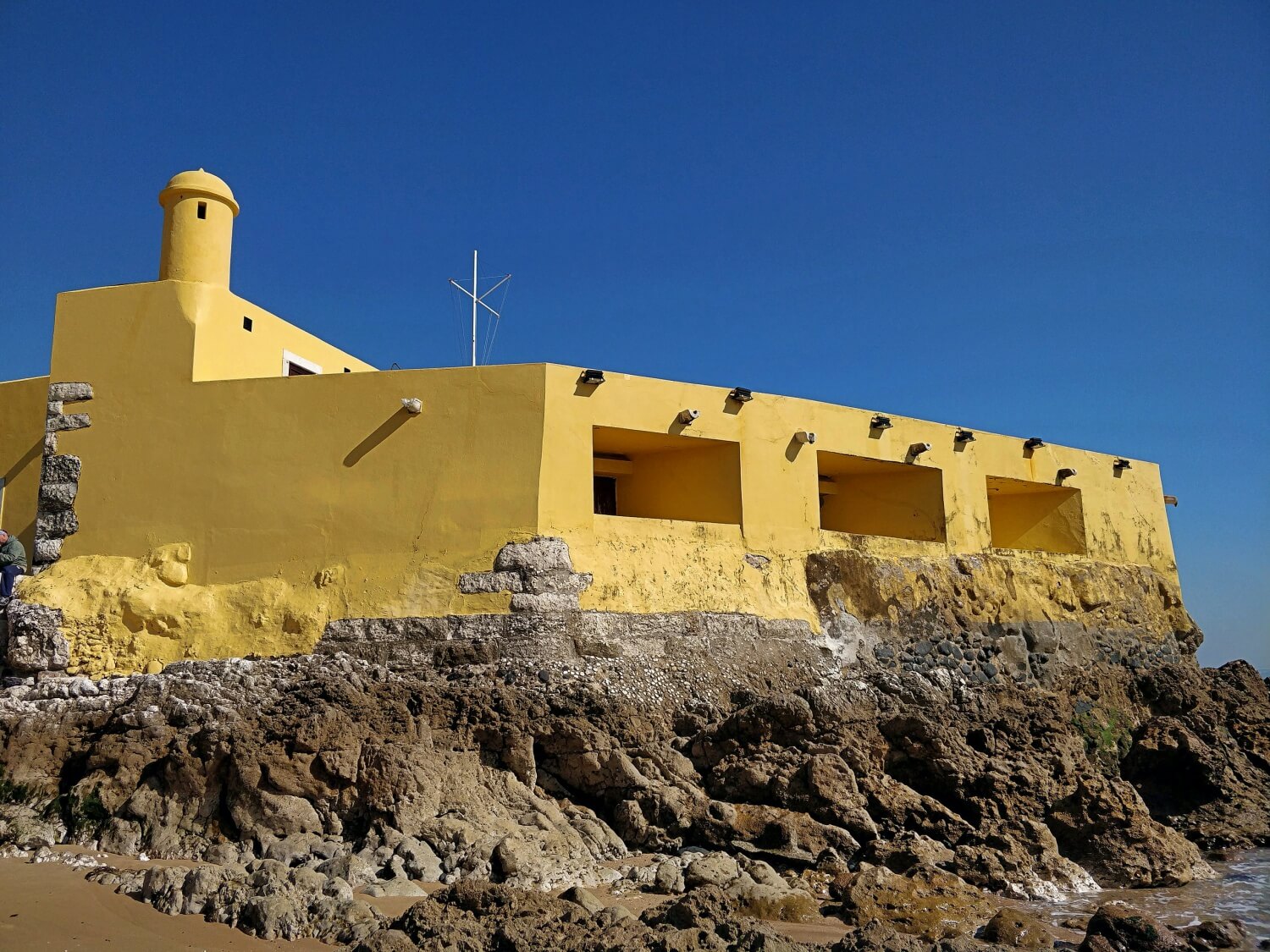
The Fort of Guincho, also known as the Fort of Velas, is located at the edge of the Praia do Abano, along the southern edge of the coast of the civil parish of Alcabideche, in Cascais Municipality, Lisbon District, Portugal
Situado num local isolado, muito ventoso, considerado por alguns místico, de uma beleza natural única na encosta da Serra de Sintra junto ao mar, que tanto tem de belo como de tenebroso, o Forte do Guincho, também denominado de Forte das Velas ou do Abano, localiza-se sobre o maciço rochoso em posição dominante sobre a praia do Abano na Freguesia de Alcabideche no Conselho de Cascais
Previous names
Forte do Guincho, Forte do Guincho
Description
The Fort of Guincho, also known as the Fort of Velas, is located at the edge of the Praia do Abano, along the southern edge of the coast of the civil parish of Alcabideche, in Cascais Municipality, Lisbon District, Portugal.. It was classified as Property of Public Interest (Portuguese: Imóvel de Interesse Público) by the national government on 29 September 1977, but today stands in a state of decay, even after studies to remodel the location as a visitors centre for the nearby Sintra-Cascais Nature Park.
History
Construction of the fort took place during the 1640s, with it becoming integrated into a group of fortifications that formed a defensive belt along the Cascais coast to the north of the River Tagus estuary. Construction was ordered by António Luís de Meneses, governor of Cascais during the post-Restoration era. It was a strategic point north of the Tagus River, and used to watch for ships on the high-seas and protect against disembarkation on Guincho beach. Its cannons intersected with those of the battery of Galé to the south of the beach, the site of which is now covered by a hotel.
The first reference to a completed fort guarding the coast in this area dates back to 1675, in an inspection report that indicated that the fortification was guarded by the 3rd Cascais regiment and supported by seven cannons. A similar survey report by architect Mateus do Couto was completed in 1693.
In a report dated 29 June 1720, Colonel João Xavier Teles documented the extent of repairs necessary to maintain the walls and quarters and to replace the main gate and bunkers. Although he provided quotes as to these costs, there are no indications as to whether the projects were completed. At the time of this assessment, the garrison was composed of a commander, three soldiers and two artillery gunmen, placed in weekly rotation. The artillery pieces, which included one iron (out of use) and two bronze (operational) cannon, were considered inadequate by the Colonel, who urged that four new cannon should be sent to the fort to reinforce the garrison. In 1751 and 1758, there were new references to the inadequacy of the post, referring to the need to repair the walls of the fortification, the chimneys in the kitchens, the guardhouse and the barracks. At the time of the latter report, only two cannons continued to be operational. But, to some degree, this had changed by 1777 when the fort was, generally, reported to be in a good state of repair, although it required some small repairs to the quarters and cistern. The garrison at the time included a commander and three soldiers and had been upgraded to include five iron cannon.
Following the threat of landslide within the area of the fort, the structure was reinforced in 1793. In addition the barracks were enlarged to include extra space for living quarters, a kitchen, a magazine and warehouse, resulting in the reconstruction of the main entrance and the enlargement of the cistern. The walls were made thicker and, to impede the destructiveness of the ocean waves, a small breakwater wall was constructed (along with a road to circulate between the two walls). The rotting wood and rusting ironwork were also replaced in the quarters and kitchens. By 1796, a new plan for the fort had been completed by Sergeant-major Maximiano José da Serra.
By the 19th century, four sentry boxes (of which only their bases remain) and seven cannon emplacements on the parapets of the battery were remodelled (with the addition of two new gun emplacements to the south and one to the north). At the time of the Peninsular War the post was manned by nine artillery men, a commander and eleven members of the infantry. But, between 1813 and 1814, there was no manned garrison on the site.
A military report concerning the inspection completed at the fort in 1829 determined that some of the arms could not be fired while others could not be repaired. In 1831-1832 work was carried out to repair the parapets, bartizans and cannon emplacements, to patch the walls, to apply bitumen to the cistern, and to tile and repair the powder magazine. Despite this work, during the next decade the fort continued to be abandoned. An inspection of the site, on the 26 March 1854, by Brigadier José Gerardo Ferreira Passos and Captain João António Esteves Vaz, referred to the advanced state of its ruin.
By the end of the 19th century, the Count of Moser had obtained the right to rent the property, and others rented it subsequently. By the 20th century, the Fort had been taken over by the Ministry of Economy (Portuguese: Ministério da Fazenda) on 3 November 1934, while still being rented by other people. In 1944 the fort began operating as a shelter, in the hands of the Clube Nacional de Campismo (National Club for Camping). Small renovations and adaptions were made for this purpose.
Between 1970 and 1975 the fort was unoccupied, although there were plans to install a post for customs officers. The Direcção-Geral da Fazenda Pública (Directorate-General for Public Finances) ceded the fort once again, to the Clube Nacional de Campismo. But its tenure was short-lived, being handing back by the Club on 25 August 1976. At the beginning of 1977, the fort suffered several acts of vandalism, with items stolen from the site, resulting in its closing.
Between 2003 and 2004, the fort was ceded to the Municipal Government of Cascais, with the hope that the site would be restored and converted into a cafetaria and visitors centre for the Parque Natural Sintra-Cascais (Nature Park of Sintra-Cascais). But, in 2018 it remained unoccupied.
Situado num local isolado, muito ventoso, considerado por alguns místico, de uma beleza natural única na encosta da Serra de Sintra junto ao mar, que tanto tem de belo como de tenebroso, o Forte do Guincho, também denominado de Forte das Velas ou do Abano, localiza-se sobre o maciço rochoso em posição dominante sobre a praia do Abano na Freguesia de Alcabideche no Conselho de Cascais. Constitui, entre outros, mais um exemplo da arquitectura militar ao estilo maneirista do século XVII. Mandado construir no reinado de D. João IV (1604 - 1656), por D. António Luís de Menezes (1596 - 1675), enquanto Governador das Armas da Praça de Cascais, a partir de 1643, na época pós-Restauração, tendo sido responsável por esta e outras obras de reforço da Barra do Tejo. Esta edificação será, possivelmente, da autoria dos engenheiros militares, o holandês João Paschasio Cosmander (1602 - 1648), ou do francês Charles Lassart, ambos chamados a Portugal pelo rei D. João IV para ajudar na construção de fortificações no reino durante a Guerra da Restauração (1640 - 1668). O Forte do Guincho ou das Velas, foi edificado a partir de 2 de janeiro de 1642, integrando o conjunto das fortalezas que formavam uma cintura defensiva na costa de Cascais. Tinha como objectivo esta fortaleza a defesa da costa, servindo, sobretudo, para vigia do mar, cruzando fogos com a Bataria da Galé, fortificação também existente na zona do Guincho, inviabilizando qualquer desembarque naquela parte da costa. Dai esta pequena fortificação, assim como as demais existentes na região, fazerem parte das Batarias de Artilharia de Costa da Barra do Tejo. Construído sobre o maciço rochoso, a sua planta é rectangular, dividida em dois espaços distintos, a plataforma da bateria voltada para o mar, área de maiores dimensões, que albergava inicialmente sete peças de artilharia e a casa forte, de menores dimensões, virada para terra, que correspondia aos alojamentos dispostos em torno de um pátio. As suas fachadas de uma grande sobriedade e o frontispício é apenas rasgado por uma porta de armas com um arco de volta perfeita, estando encimado pelas armas de Portugal e a coroa do reinado de D. João IV. Como será fácil de imaginar, os militares destacados para esta fortificação, neste local ermo, viviam num enorme isolamento durante longos períodos e longe do convívio com a sociedade.
Com o Grande Terramoto de 1755 e com o Maremoto que daí resultou, o Forte do Guincho ou das Velas, terá sofrido alguns danos tal como os ocorridos na Vila de Cascais, no entanto nos séculos XVIII e XIX esta edificação foi reformada em diferentes campanhas de obras de melhoramentos e adaptação. As mais importantes obras desta fortificação aconteceram por volta de 1793, quando a plataforma rochosa em que o forte assentava ameaçou a desmoronar-se. Procedeu-se, então, a um reforço significativo das muralhas, sendo o embasamento rochoso "contrafortado" (reforçado), por um paredão de cantaria, ainda hoje visível. No decorrer dessas mesmas obras, o interior da fortaleza foi restaurado com algumas alterações da sua organização espacial, como se pode verificar na planta desta fortificação de 1798 feita pelo Segundo Tenente de Engenharia João da Mata Chapuzet (1777 - 1842). Manteve ainda assim uma pequena guarnição militar até 1832, ano em que foi desactivado e abandonado, quando o exército miguelista abandonou a região de Lisboa. De referir que esta fortificação desde então nunca mais foi ocupada pelo exército. Tal como a maior parte das fortificações entre Cascais e Lisboa, o Forte do Guincho ou das Velas, nunca participou em nenhuma operação defensiva significativa, funcionando apenas como um elemento dissuasor. Depois de desactiva esta fortificação terá sido ainda arrendada, por diversas vezes, a particulares. Em 1934 o Forte do Guincho ou das Velas, passou para a posse do Ministério das Finanças, embora posteriormente tenha sido cedido ao Clube Nacional de Campismo em dezembro de 1944, passando a funcionar como Casa-abrigo. Para essa nova função, o forte sofre algumas obras de restauro que pouco interferiram na traça original. Como curiosidade, enquanto Casa-abrigo, foi bastante utilizado, tendo mesmo sido escolhida, devido à sua situação privilegiada, por alguns jovens casais de campistas para local de lua-de-mel. Em 1970 esta actividade foi interrompida naquela edificação, quando esta foi cedido à Guarda Fiscal que ali pretendia instalar um posto fiscal, o que nunca veio a acontecer. Já no ano de 1977, um ano depois de devolvido aos campistas, o edifício foi assaltado e pilhado por desconhecidos, segundo notícias da época. Tendo o Forte do Guincho ou das Velas sido classificado como imóvel de interesse Público em 1977, foi entregue à Câmara Municipal de Cascais em 2003. Na actualidade esta pequena fortaleza encontra-se desocupada, sendo visível o seu estado ruinoso e quase ao abandono. Esta prevista no entanto a sua recuperação pela autarquia, prevendo a instalação no local de uma cafetaria e de um núcleo de divulgação do Parque Natural Sintra-Cascais, tendo sido elaborados alguns projectos. O Forte do Guincho ou das Velas, (ou ainda do Abano) é visível para quem circula na estrada junto à praia do Guincho. De alertar no entanto que se trata de um local que pode ser visitado por quem ali se deslocar, mas com as devidas precauções, pois trata-se de um local de acesso um pouco problemático, sem segurança alguma e que pode oferece grandes perigos por se situar numa falésia sem protecção alguma.
https://historiaschistoria.blogspot.com
Useful information
Free
Free
Great view
Ruins of the fort
-
Nearby castles
Forte de Crismina
Cascais
2.0km
fortress
Forte de São Jorge de Oitavos
Cascais
4.5km
fortress
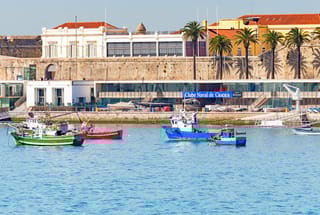
Citadel Palace
Cascais
6.9km
manor, mansion
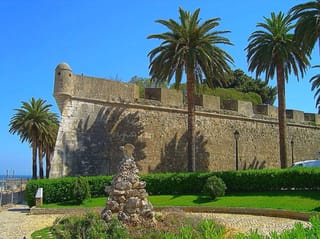
Citadel of Cascais
Cascais
7.0km
castle, chateau
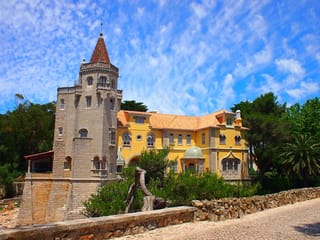
Palácio dos Condes de Castro Guimarães
Cascais
7.0km
castle, chateau
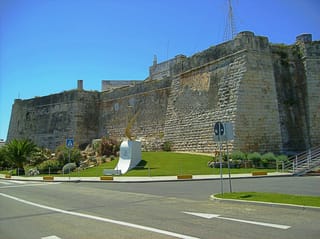
Forte de Nossa Senhora da Luz de Cascais
Cascais
7.0km
fortress
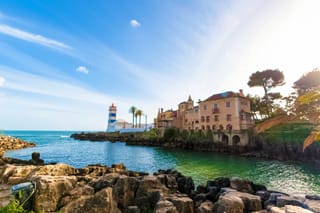
Santa Marta Lighthouse
Cascais
7.1km
castle, chateau