Rocca Sforzesca di Imola
Città Metropolitana di Bologna Emilia-Romagna Italy
castle, chateau
Rocca Sforzesca di Imola
Città Metropolitana di Bologna Emilia-Romagna Italy
castle, chateau
First built in the second half of the 13th century, it is an exquisite example of fortified architecture in the period between the Middle Ages and the Renaissance
La Rocca Sforzesca è un castello di età medievale che sorge nel centro della città di Imola
Previous names
Rocca Sforzesca di Imola, Rocca Sforzesca di Imola
Description
First built in the second half of the 13th century, it is an exquisite example of fortified architecture in the period between the Middle Ages and the Renaissance.
The Fortress was home to the reigning leaders of Imola throughout the centuries. First of all the Roman Catholic Church, then the noble families Alidosi, Visconti and Manfredi, but the renaissance transformation of the fortress began under the Sforza reign.
The Fortress was given as dowry to Caterina Sforza, on her marriage to Girolamo Riario, nephew of Pope Sixtus IV and new Lord of Imola.
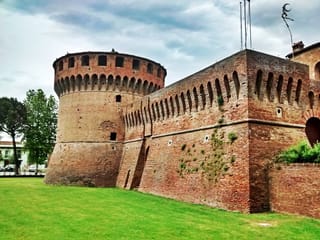
In the original fortified layout, nine towers were built along the perimeter and the tenth at the centre of the courtyard, where it still stands. The renovated building includes dungeons, residences on the main floor and a terrace that offers a beautiful view of Imola and the hills around the city. The only element of the original building that is still visible is a Gothic arch that was the first entrance to the castle in ancient times.
At the end of the 15th century, the corner towers were englobed in wider, rounded structures or “torrioni”, for better defense. The effects of this transformation are visible in the tower on the east corner. The same period saw the construction of a noble living quarters inside the Fortress, called “Il Palazzetto”.
With the death of Pope Sixtus IV, the Sforza-Riario leadership began to crumble, culminating with the arrival of Cesare “il Valentino” Borgia in 1499 and the definitive return to power of the Vatican.
The Fortress was used mostly as a prison until the beginning of the current restoration in 1958. The Fortress has been open to the public since 1973 as museum, housing collections of weapons and ceramics.
https://www.bolognawelcome.com
La Rocca Sforzesca è un castello di età medievale che sorge nel centro della città di Imola. Costituisce un ottimo esempio di architettura fortificata tra Medioevo e Rinascimento.
I lavori per la costruzione della Rocca cominciarono probabilmente nel 1332. L'edificio fu costruito sui resti di un torrione preesistente, risalente all'XI secolo.
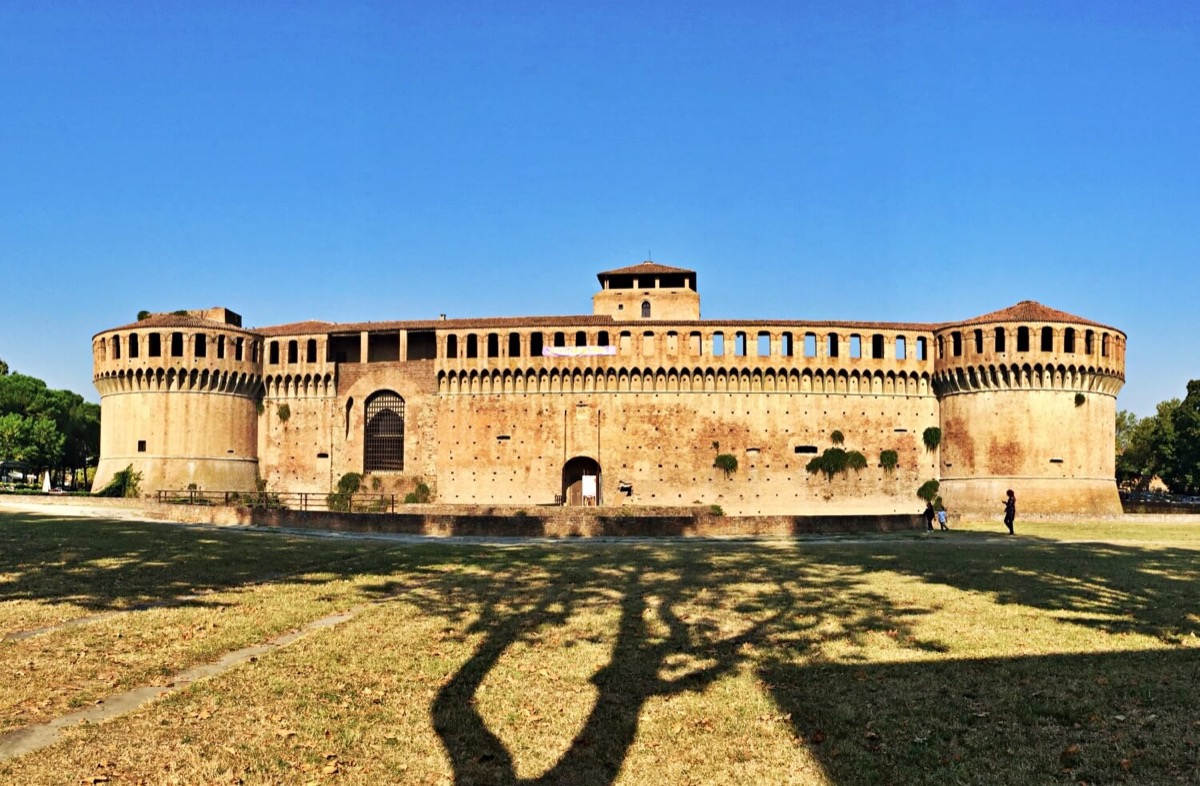
Nel XV secolo il castello venne adeguato ai nuovi sistemi di difesa richiesti dalle armi comparse in quel tempo, sotto la guida di Gian Galeazzo Sforza. Fu in questo periodo che la rocca assunse la struttura attuale, caratterizzata dai quattro torrioni perimetrali e dal mastio, abbassato di alcuni metri, per poter resistere meglio ai colpi delle armi da fuoco. Oltre agli scopi difensivi, le mura servirono anche come prigione. Nella prima metà del XV secolo vi fu rinchiuso per dodici anni Antonio Ordelaffi, signore di Forlì.
Nel 1499 la Rocca fu assediata e conquistata da Cesare Borgia. Nel 1502 lo stesso Borgia chiamò Leonardo da Vinci per preparare i disegni e i lavori di rafforzamento dell'edificio dopo i danni subiti dall'artiglieria borgiana.
Successivamente Imola passò sotto il diretto dominio pontificio. Non essendoci più bisogno di una struttura difensiva a Imola, la Rocca perse la sua originale funzione. Dal 1524, anno dell'arrivo in Romagna di Francesco Guicciardini in qualità di Presidente della Provincia Romandiolæ, la Rocca divenne carcere pontificio. Anche con l'avvento del Regno d'Italia mantenne tale funzione. Durante il secondo conflitto mondiale, e in particolare dopo l'8 settembre del 1943, le celle della Rocca sforzesca furono utilizzate per incarcerare gli oppositori politici. Da qui vennero prelevati i prigionieri che furono poi uccisi presso il pozzo Becca. La Rocca rimase in funzione fino al 1958, quando le carceri furono chiuse.
Successivamente il complesso è stato restaurato e nel 1973 è stato aperto al pubblico come museo. Ospita una collezione di ceramiche e una raccolta di armi costituita da circa seicento pezzi, databili dal XIV al XX secolo.
Nella Rocca ha sede una prestigiosa istituzione culturale, l'Accademia Pianistica Internazionale «Incontri col Maestro».
Useful information
A pagamento
4.00 EUR
oltre i 65 anni: 3.00 EUR
GRATUITO
20+ persone: 3.00 EUR
- La mini-guida del museo
- Il parco
musei@comune.imola.bo.it
- Sede del museo
- Visite guidate su prenotazione
-
External links
Nearby castles