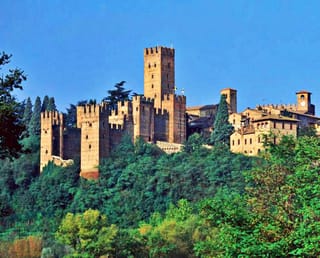
Castello di Scipione
Provincia di Parma Emilia-Romagna Italy
castle, chateau
Castello di Scipione
Provincia di Parma Emilia-Romagna Italy
castle, chateau
The Castle of Scipione, one of the oldest in the region, was built in the eleventh century by the Marquis Pallavicino, one of the few European families to have more than a thousand years of documented history
Il castello di Scipione, noto anche come Castello Pallavicino, è un maniero medievale che sorge nella piccola frazione di Scipione Castello, appartenente al comune di Salsomaggiore Terme, in provincia di Parma
Previous names
Castello di Scipione, Castello di Scipione
Description
The Castle of Scipione, one of the oldest in the region, was built in the eleventh century by the Marquis Pallavicino, one of the few European families to have more than a thousand years of documented history.
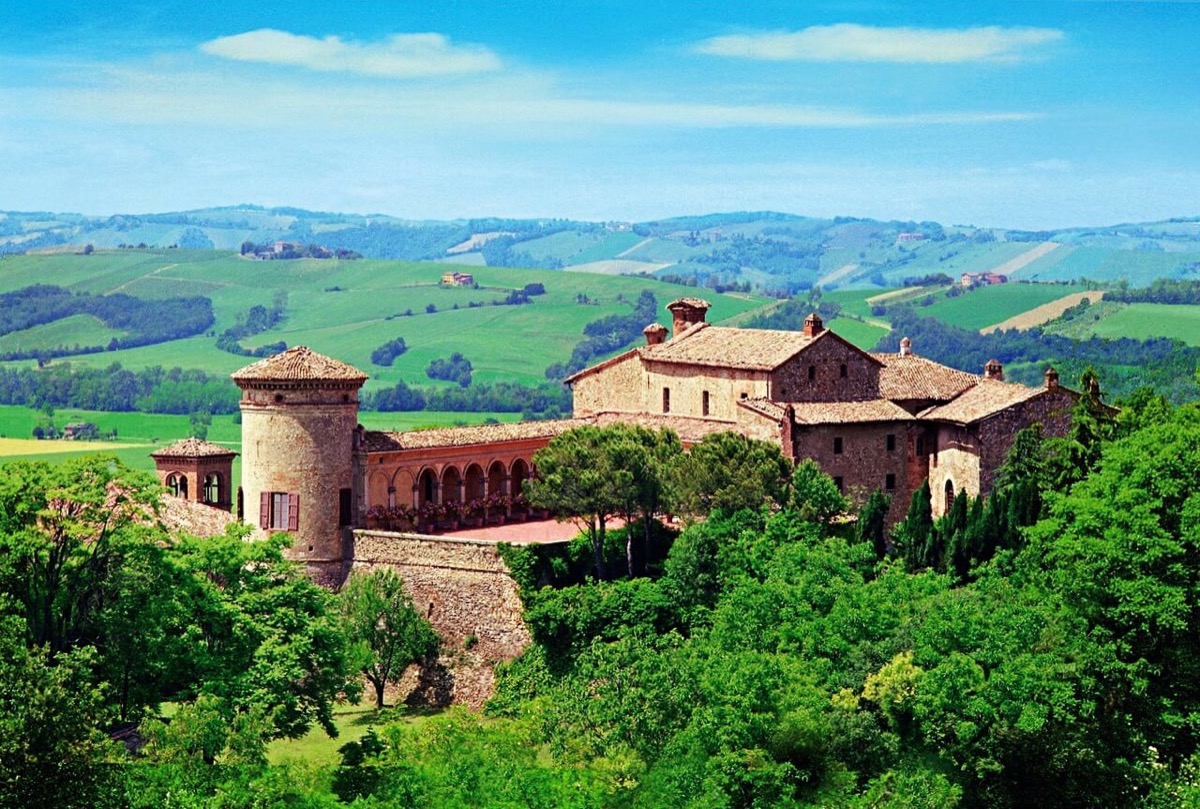
Even today inhabited by the direct descendants of the same family, the castle was born as a military structure within a broader defensive system, in defense of the Pallavicino State, fief of the Holy Roman Empire and had considerable strategic importance throughout the Middle Ages for the its crucial position for the defense of wells for the extraction of salt, an element at the time necessary for the preservation of food, of which the Marquis Pallavicino were the major producers. Legend has it that the castle owes its name to the pre-existing Roman villa built by the family of Publius Cornelius Scipio the Emilian, the Roman general who annihilated Carthage.
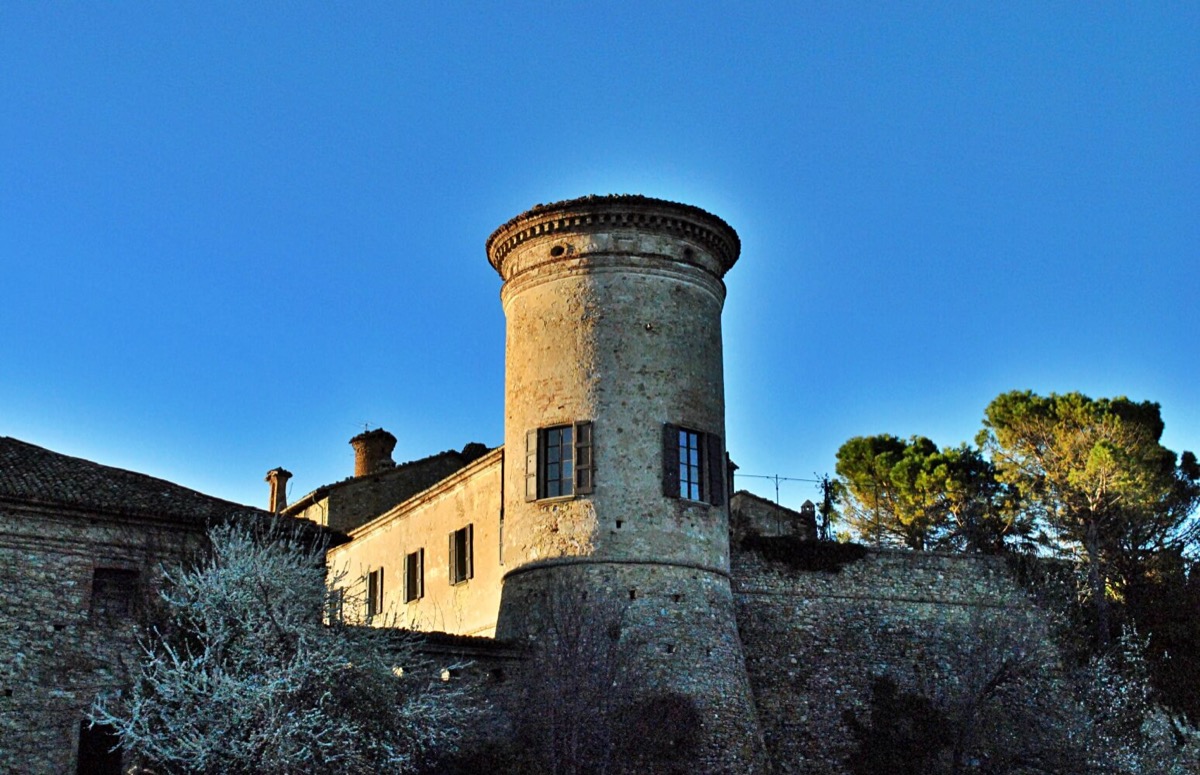
At the time of the bitter fights between the Guelphs and the Ghibellines, in 1267 the castle suffered various attacks from the Piacenza area and later in the early 1400s by the Guelph families Rossi and Da Correggio. Rebuilt and enlarged in 1447 by the Pallavicino family, which adapted it to new defensive needs, it saw the addition of the cylindrical tower and the "reinforced", reinforced and lowered walls. Even the small prisons date back to the same years, which have remained unchanged until today and can be visited under the castle.
During the Second World War the fortress was turned into a concentration camp for foreign enemies, in particular Slovenes and Dalmatians, as well as for political prisoners, reaching up to 173 people in July 1943; following the armistice of 8 September 1943, the castle was used by the German armies as a sorting camp before the definitive deportation to the Nazi concentration camps in Germany.
After a few years of neglect, in 1969 the manor was bought by Count Christian Frederik Per von Holstein, who gave it to his wife Maria Luisa Pallavicino, descendant of the ancient lineage; in the following years the first restoration works were started, which involved the main rooms of the large structure, which in 2008 was partially open to the public.
Among the first in the region to be declared a National Monument (in 1922) for its historical and artistic value, the Castle of Scipione today, after a careful restoration, offers inside its elegant suites of charm for a stay full of history immersed in a romantic atmosphere of an evocative medieval village.
Equipped with a kitchenette and comfortable lounges, the spacious and bright suites offer enchanting views of the surrounding hills, the village and the plain. The interiors are furnished with care, with antique furniture and precious fabrics and along the rooms of the castle you can admire the many testimonies of the seventeenth century, from the frescoes to the wooden ceilings to the coffered.
On the southern edge of the castle there is a noteworthy seventeenth-century loggia, characterized by the portico plastered with round arches that develops at an angle on two sides, culminating in the cylindrical corner tower on the southern edge; the large terrace, supported by the high walls of the shoe, allows you to admire a fine view of the valley below, while on the eastern side gives access to the scale of the horses, which leads to the secret garden, full of tall trees in addition to roses and irises .
https://www.histouring.com
Il castello di Scipione, noto anche come Castello Pallavicino, è un maniero medievale che sorge nella piccola frazione di Scipione Castello, appartenente al comune di Salsomaggiore Terme, in provincia di Parma.
Storia
L'originario castello fu innalzato da Adalberto Pallavicino nel 1025, sui resti, secondo la tradizione, di una villa romana appartenuta al console Gneo Cornelio Scipione Calvo, zio di Publio Cornelio; in posizione sopraelevata, la fortezza garantiva un importante presidio lungo la via del sale, i cui pozzi di estrazione sorgevano in zona già da millenni.
Nel 1145 il Comune di Piacenza investì Oberto Pallavicino del castello di Scipione, che dal 1221 appartenne al ramo del marchese Manfredo; i Pallavicino si arricchirono notevolmente grazie al controllo dell'estrazione del sale, di cui divennero i maggiori produttori della regione, grazie anche all'apertura di nuovi pozzi nella vicina vallata di Salsomaggiore; l'importanza raggiunta dal maniero quale baricentro del commercio della preziosa risorsa, utilizzata all'epoca anche per la conservazione dei cibi, ne determinò all'epoca la denominazione di "Castello del Sale".
Nel 1267 la fortezza fu attaccata dai guelfi piacentini, senza successo; successivamente subì altri assalti nel 1403 da parte delle famiglie dei Rossi e dei Da Correggio; nel 1407 Ottobuono de' Terzi riuscì ad impossessarsi del castello, che restituì ai Pallavicino solo in seguito alla cessione di Borgo San Donnino per Cortemaggiore. Il maniero, profondamente danneggiato, pervenne nel 1447 ai fratelli Lodovico e Giovanni Pallavicino, che ne avviarono la ricostruzione e la fortificazione, per adeguarlo alle nuove esigenze di difesa; fu innalzata allora la torre circolare in corrispondenza dello spigolo meridionale, mentre furono abbassate e rinforzate le mura e fu scavato un fossato più profondo.
Intorno alla metà del XVII secolo il castello fu trasformato in elegante dimora nobiliare, con l'edificazione del loggiato panoramico, l'apertura del portale d'ingresso al cortile d'onore e la decorazione di numerose sale interne.
Nel 1776 si estinse il ramo dei Pallavicino di Scipione, con Dorotea, che sposò il duca Carlo Sforza Fogliani d'Aragona; i loro discendenti occuparono il castello fino agli inizi del XX secolo, quando la stirpe si dissolse con Clelia Sforza Fogliani d'Aragona, che si coniugò con il marchese Pallavicino di Parma ma non ebbe figli; poco prima della sua scomparsa, la nobildonna donò il castello all'Opera Nazionale Orfani di Guerra, che lo utilizzò quale colonia agricola per gli orfani della prima guerra mondiale.
Durante la seconda guerra mondiale la fortezza fu trasformata in campo di concentramento per stranieri nemici, in particolare sloveni e dalmati, oltre che per prigionieri politici, arrivando a contenere fino a 173 persone nel luglio del 1943; in seguito all'armistizio dell'8 settembre 1943, il castello fu utilizzato dalle armate tedesche come campo di smistamento prima della deportazione definitiva verso i lager nazisti in Germania.
Dopo alcuni anni di abbandono, nel 1969 il maniero fu acquistato dal conte Christian Frederik Pier von Holstein, che ne fece dono alla moglie Maria Luisa Pallavicino, discendente del ramo di Zibello dell'antica stirpe; negli anni successivi furono avviati i primi lavori di restauro, che interessarono i principali ambienti della grande struttura, che nel 2008 fu parzialmente aperta al pubblico. Nel 2011 iniziarono a cura dei proprietari altri interventi di ripristino e consolidamento, che coinvolsero l'ala nord-ovest, la torre quadrata, una porzione dell'edificio sul retro dell'antico ponte levatoio e le scuderie; l'opera consentì il recupero di varie sale decorate ed affrescate, che l'anno seguente si aggiunsero a quelle già visitabili in precedenza; la torre di guardia e la sala adiacente all'antico ingresso del castello furono inoltre adibite a piccolo residence di lusso, con due suite attrezzate.
Useful information
GRATUITO
- WC
- Aria condizionata
info@castellodiscipione.it
Ottimo posto dove fermarsi
-
External links
Nearby castles
Terme Berzieri
Provincia di Parma
1.8km
castle, chateau
Castello di Contignaco
Province of Parma
4.4km
castle, chateau
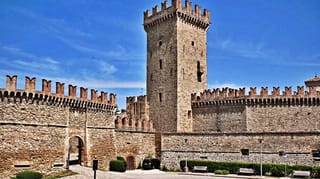
Castello di Vigoleno
Provincia di Piacenza
5.0km
castle, chateau
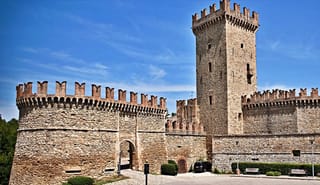
Mastio e borgo di Vigoleno
Provincia di Piacenza
5.0km
castle, chateau
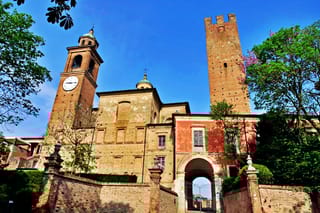
Castello di Castelnuovo Fogliani
Provincia di Piacenza
5.5km
castle, chateau
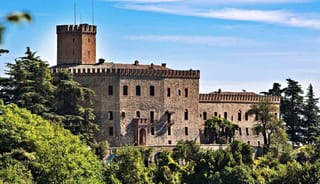
Castello di Tabiano
Provincia di Parma
6.2km
castle, chateau
Rocca Viscontea di Castell'Arquato
Provincia di Piacenza
7.9km
castle, chateau