Castle of Racconigi
Provincia di Cuneo Piemonte Italy
castle, chateau
Castello Reale di Racconigi
Provincia di Cuneo Piemonte Italy
castle, chateau
The Royal Castle of Racconigi is a palace and landscape park in Racconigi, province of Cuneo, Italy
l castello reale di Racconigi (in piemontese ël castel ëd Racunìs) è situato a Racconigi, in provincia di Cuneo ma poco distante da Torino
Previous names
Castle of Racconigi, Castello Reale di Racconigi
Description
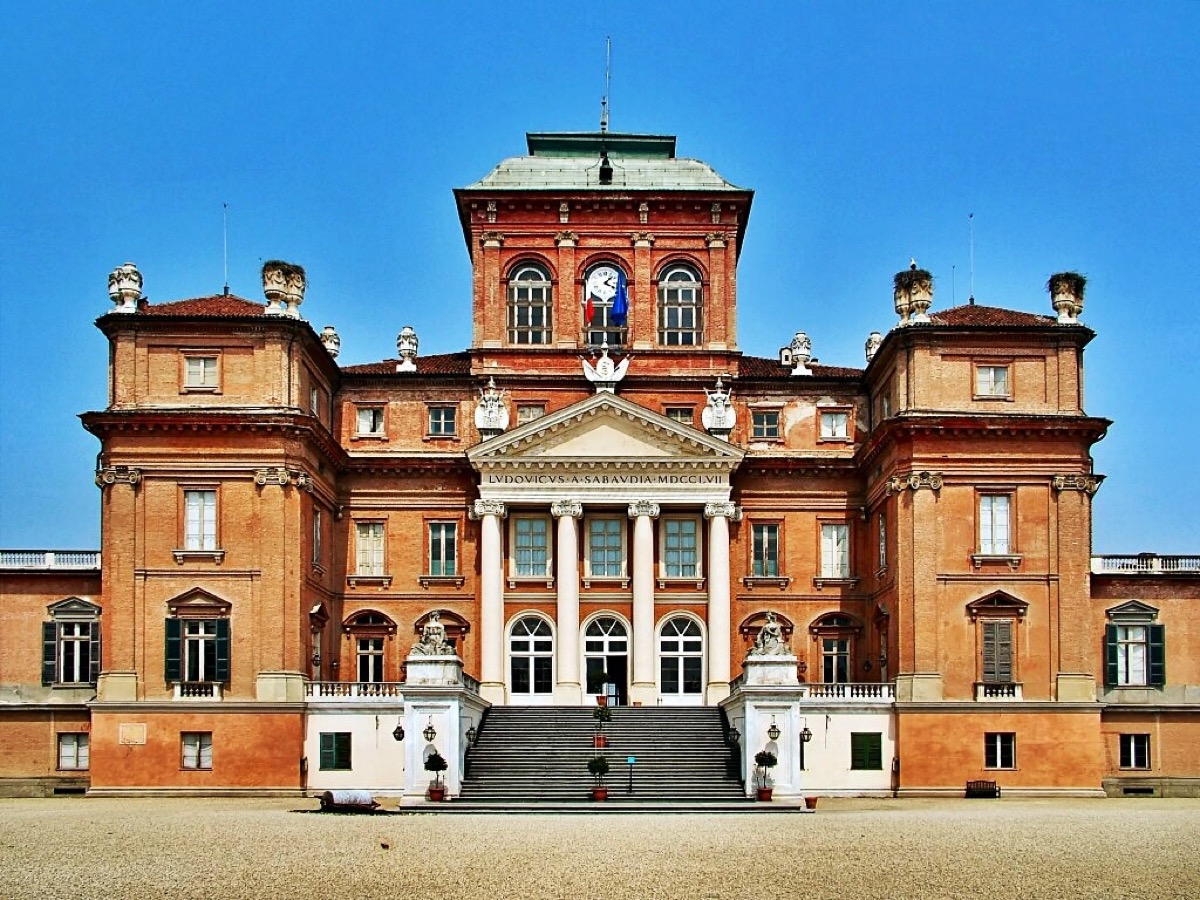
The Royal Castle of Racconigi is a palace and landscape park in Racconigi, province of Cuneo, Italy. It was the official residence of the Carignano line of the House of Savoy, and is one of the Residences of the Royal House of Savoy included by UNESCO in the World Heritage Sites list.
History
The first records of the castle are from around the year 1000, when Bernardino of Susa rebuilt an ancient manor, leaving it to Cistercian monks.
The castle was a possession of the margraves of Saluzzo and others starting in the 13th century, and in the 16th century was acquired by the House of Savoy. In 1630, Duke Charles Emmanuel I granted it to his nephew Thomas Francis, Prince of Carignano, founder of the Savoy-Carignano line. At this time, the castle was a high brick moated fortress with a square plan, four corner towers and a tall donjon (mastio) on one side.
Architecture
Emanuele Filiberto, Prince of Carignano, Tommaso's son, in the late 17th century, commissioned Guarino Guarini to transform the fortress into a pleasure residence. The architect erected the current central section where the court was, adding a pagoda-like roof. The two northern towers were replaced by pavilions with dome roof and square plan, provided with white marble lanterns. The gardens were also created.
In the late 18th century, Ludovico Luigi Vittorio of Carignano ordered a renovation of the interiors, enlarging the two southern towers, adding stucco and other neoclassical decoration; he also commissioned a new entrance, with 4 Corinthian columns and a triangular fronton, and the great staircase.
Charles Albert, a Carignano who eventually became King of Sardinia, further enlarged and embellished the castle to represent the splendour of the newly acquired reign. His court architect Ernesto Melano expanded the ancient square structure around the central section, added two side buildings connected to the façade pavilions, as well as another staircase on the southern side.
Here the last King of Italy, Umberto II, was born in 1904. Having received the castle as a wedding present in 1930, he proceeded to install in it the family gallery of some 3,000 paintings and historical documents regarding the Shroud of Turin.
l castello reale di Racconigi (in piemontese ël castel ëd Racunìs) è situato a Racconigi, in provincia di Cuneo ma poco distante da Torino.
Nel corso della sua quasi millenaria storia ha visto numerosi rimaneggiamenti e divenne di proprietà dei Savoia a partire dalla seconda metà del XIV secolo. In seguito fu residenza ufficiale del ramo dei Savoia-Carignano e successivamente fu eletto sede delle «Reali Villeggiature» della famiglia reale dei re di Sardegna (e poi d'Italia) nei mesi estivi e autunnali.
Divenuto un polo culturale e museale altamente frequentato, il castello fa parte del circuito delle Residenze Sabaude del Piemonte, del sistema Castelli Aperti del Basso Piemonte e dal 1997 è parte del sito seriale residenze sabaude compreso nella lista dei Patrimoni dell'Umanità dell'UNESCO.
Nel 2016 ha fatto registrare 127 368 visitatori.
Origini (XI secolo)
Le prime notizie di una fortificazione presente a Racconigi risalgono all'XI secolo, epoca in cui il territorio era parte della Marca di Torino e dove Bernardino di Susa edificò o riadattò un'antica casaforte, sui resti di un precedente monastero.
Nel 1091, alla morte della marchesa Adelaide di Susa, i territori furono occupati dal nipote Bonifacio del Vasto e il feudo di Racconigi entrò quindi a far parte dei possedimenti dei marchesi di Saluzzo.
Successivamente, il nipote Manfredo II di Saluzzo ampliò la struttura esistente facendo innalzare un primo castello a pianta quadrata con cortile interno, destinandolo a difesa strategica per i territori del marchesato.
Da fortezza medievale a «villa di delizie» (XIV-XVIII secolo)
Nel 1372 il marchese Federico II di Saluzzo cedette in pegno il castello ai conti Falletti ma dopo alcuni anni ritornò di proprietà dei Marchesi di Saluzzo.] Infine, nella seconda metà del XIV secolo, un figlio illegittimo di Ludovico, ultimo principe di Savoia-Acaia, ottenne il feudo e il castello di Racconigi, dando inizio alla linea dinastica dei Savoia-Racconigi estintasi nel 1605.
Nel 1620 il duca Carlo Emanuele I di Savoia ne fece dono a suo figlio Tommaso Francesco di Savoia, capostipite della dinastia Savoia-Carignano. A quel tempo la struttura appariva come un classico castello medievale: una massiccia fortezza in mattoni nudi a pianta quadrata, con quattro grandi torri angolari, il fossato, il ponte levatoio e un alto mastio laterale.
Useful information
GRATUITO
5.00 EUR
0 - 18 anni: gratuito
18 - 25 anni: 2.00 EUR
5.00 EUR
WC
pm-pie@beniculturali.it
- Escursione al palazzo reale
- Visita guidata al parco reale per un costo aggiuntivo di 2 EUR
-
External links
Nearby castles
Castello dei Solaro
Provincia di Cuneo
9.1km
castle, chateau
The Castle of Carmagnola
Città Metropolitana di Torino
9.3km
castle, chateau
The Castle of Marchierù
Città Metropolitana di Torino
17.8km
castle, chateau
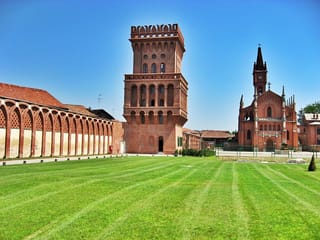
Castello di Pollenzo
Provincia di Cuneo
19.8km
castle, chateau
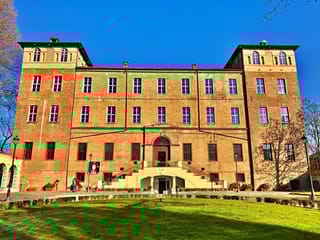
Castello Della Rovere (Vinovo)
Città Metropolitana di Torino
20.4km
castle, chateau
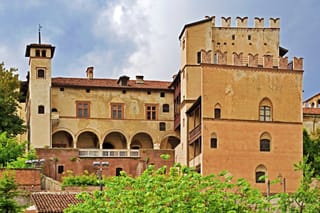
Casa Cavassa
Provincia di Cuneo
20.4km
castle, chateau
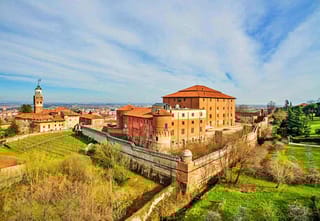
La Castiglia
Provincia di Cuneo
20.5km
castle, chateau