The Castle of Marchierù
Città Metropolitana di Torino Piemonte Italy
castle, chateau
Castello di Marchierù
Città Metropolitana di Torino Piemonte Italy
castle, chateau
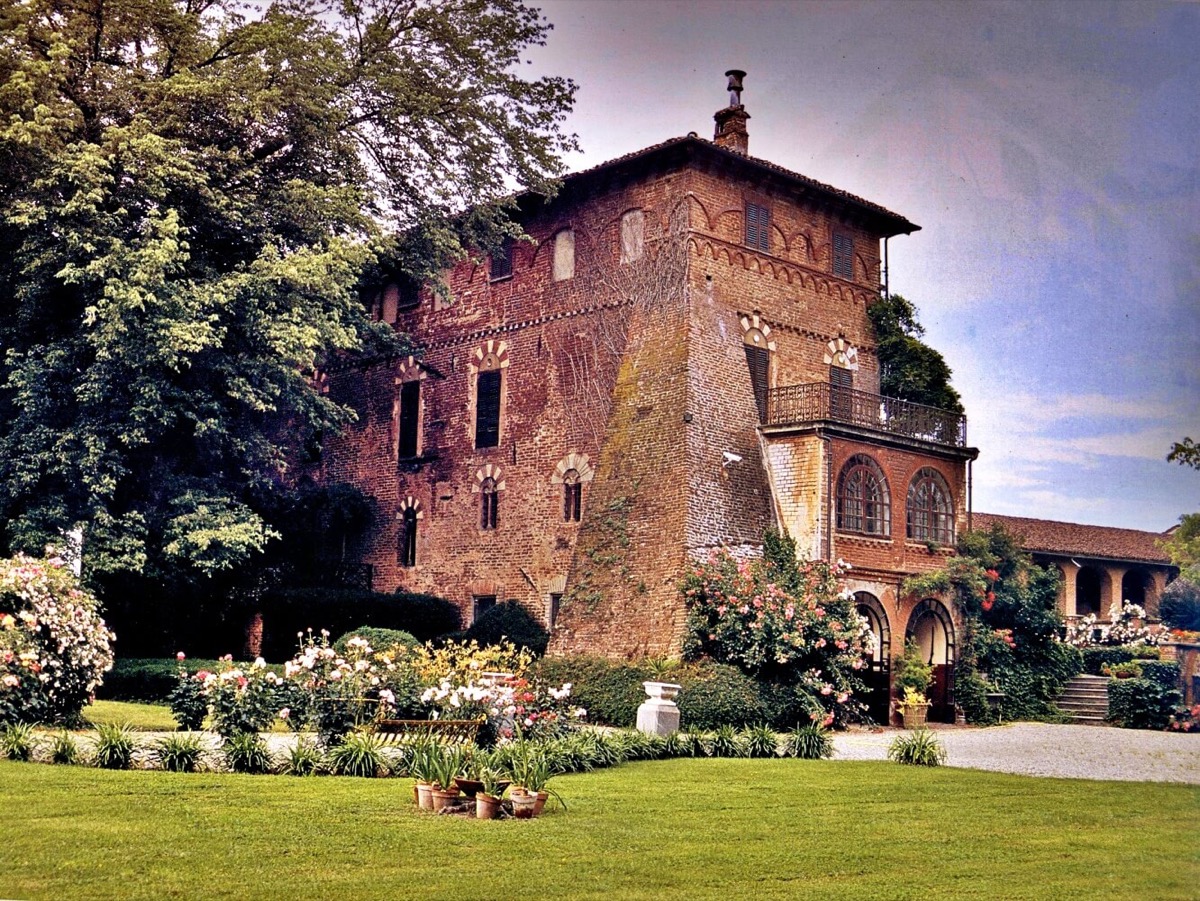
Complex of buildings of the Twelfth century composed of Castle, From Chapel of the nobility, from the custodian's dependence, from the stables and from ancient farmhouse of Soave, originally of the Savoia Acaja with defensive characteristics and as such fortified; from the eighteenth century it became a residential residence, characterized in the inner courtyard by the use of colored horizontal bands in style neogothic
Il castello di Marchierù è una dimora storica sita in borgata Soave, nel comune di Villafranca Piemonte
Previous names
The Castle of Marchierù, Castello di Marchierù
Description
Complex of buildings of the Twelfth century composed of Castle, From Chapel of the nobility, from the custodian's dependence, from the stables and from ancient farmhouse of Soave, originally of the Savoia Acaja with defensive characteristics and as such fortified; from the eighteenth century it became a residential residence, characterized in the inner courtyard by the use of colored horizontal bands in style neogothic.
Inside a boundary wall that surrounds it in its entirety, stands the nineteenth-century park with interesting plot of "broderie" in toposso box and suggestive corners dedicated to hydrangeas, peonies and roses that adorn paths that immerse themselves in the shade of ancient trees up to the modern swimming pool.
The Castle, from Savoia Acaja was always transferred by inheritance to some of the most ancient and prestigious Piedmontese houses, from Petitti ai Solaro del Macello, Up to conti Filippi di Baldissero and Prunas Tola Arnaud of San Salvatore, whose direct descendant is currently a resident owner.
The Dimora can be visited by small groups by appointment.
The history of the Castello di Marchierù
The places where Borgo Soave and Marchierù were located were always desired, and the same origin of the name is linked to "marcio", wet; we are in fact in the zone of the "fontanili", places where the water of the stratums reaches the surface forming crystalline and clean pools that are maintained at a constant temperature of 12 / 16 degrees in every period of the year, allowing a continuous temperate irrigation.
The other hypotheses on the etymology of the name of Marchierù appear less reliable. For some it could come from "brand" as a borderland with the Marquisate of Saluzzo, as it actually was, but certainly there were never "Marquis of Marchierù".
Legendary would seem to derive from the ancient French "macheron" that is pile of rubble, the result of the invasion of Federico Barbarossa.
The first lords of Marchierù were the Lords of Barge but, with an act of 11 March 1251, all their goods in Soave were ceded to Thomas II of Savoy.
The Acaja, with a residential castle in Villafranca, preserved Marchierù for their descendants: so Filippo d'Acaja gave it as a dowry to his natural daughter Francesca, married to Antonio Bocchiardi.
From these the fief passed to the cousins Petitti, sons of Beatricina d'Acaja, who kept it until 1482.
In the 1483 Marchierù he returned to the House of Savoy, and was assigned half in fief to Filiberto, of the illegitimate branch of the Acaja-Racconigi. and half to his sister Claudia, wife of Besso Ferrero, Marquis of Masserano.
It was however a short lordship, since already in the 1640 the castle and its lands passed to the Counts Solaro del Macello through the Solaro di Moretta whose family belonged Ottavia, the bride of Filiberto d'Acaja.
Later, by succession, the castle passed to the Cacherano heirs of Osasco and the Filippi di Baldissero until in the 1827 Count Vittorio Ignazio Filippi di Baldissero redeemed the entire property (which towards the 1750 had been incorporated in Commenda of the Sovereign Military Order of Malta ) from the cousin Policarpo Cacherano from Osasco.
That of the Filippi family was an ancient family, dating back to Alineo, viscount d'Auriate in the 878, one of the most illustrious of Cavallermaggiore; from the earliest times they covered countless civic magistrates and were in the 1583 Decurions of Turin.
To this family belonged Vittorio Antonio, in the 1736 aide of Campo del Principe Eugenio di Savoia in the siege of Vienna, Field Marshal of Austria, Commander General of the Imperial Cavalry and commander of the Army of Hungary.
Who brought the feud of Marchierù to the ancient splendor was Carlo Alberto Filippi di Baldissero, bearer of Genoa Cavalleria in the First War of Independence, godson and page of King Carlo Alberto of Savoy, member of the Royal Academy of Agriculture of Turin, architect of important innovations in the agricultural field, emulation of the cousin and friend of Camillo Benso di Cavour who often stayed in Marchierù, until beginning work on the irrigation network of the countryside surrounding his properties, concluded by his son Enrico.
His mother was Maria Canera di Salasco, Court Lady of Queen Maria Teresa, sister of Count Carlo Canera di Salasco, Chief of Staff of the Piedmont Army who signed the armistice which took his name from him, with which the end of the first War of Independence.
Enrico married Maria Arnaud of San Salvatore, descending from two of the most important French families, the Richelieu and the Gallifet.
The last heir of the Filippi, Camilla, was married to Count Vittorio Prunas Tola, and then to their firstborn son Severino, also an Academic Agriculture, through which the castle and the estate were received by the current owners.
https://www.dimorestoricheitaliane.it
Il castello di Marchierù è una dimora storica sita in borgata Soave, nel comune di Villafranca Piemonte.
Storia
L'origine dell'edificio va fatta risalire almeno al 1220, allorché se ne fa menzione in un documento riguardante una donazione di beni all'abbazia di Santa Maria di Cavour.
L'etimologia del nome non è ad oggi accertata, ma secondo l'ipotesi più accreditata essa sarebbe da far risalire al termine "marcio", o altamente irriguo, a causa della presenza in zona di un elevato numero di sorgenti a temperatura costante, le quali hanno sempre reso la zona continuativamente irrigabile. Meno probabili sono le ipotesi che fanno risalire il nome alla parola "marchesato" ed alla sua natura di posizione di confine con il marchesato di Saluzzo; o alla parola francese macheron, che alluderebbe alle macerie ivi lasciate dal passaggio di Federico Barbarossa.
Dai signori di Barge, iniziali proprietari, il castello passò nella disponibilità di Tommaso II di Savoia con atto dell'11 marzo 1251. Attraverso il figlio Tommaso III di Savoia, il castello pervenne al figlio di questi Filippo, fondatore del ramo Savoia-Acaia. Ereditato dalla figlia naturale Francesca, che andò in moglie ad Antonio Bocchiardi, l'edificio passò fino al 1482 ai Petitti, cugini di costui e figli di Beatricina d'Acaia.
L'anno successivo, l'edificio tornò nella disponibilità di Casa Savoia, essendo assegnato per metà a Filiberto Acaia-Racconigi, e per metà a sua sorella Claudia, che andò in sposa a Besso Ferrero, marchese di Masserano. Nel 1640 il castello passò ai Conti Solaro di Macello, attraverso Ottavia Solari di Moretta, moglie di Filiberto d'Acaia - Racconigi; divenuta Solari - Savoia. Nel 1750, l'intera proprietà fu costituita in Commenda dal Sovrano militare ordine di Malta e dai Solaro pervenne in parti eguali ai Cacherano di Osasco ed ai Filippi di Baldissero. L'intera proprietà fu quindi riscattata nel 1827 da Vittorio Ignazio Filippi di Baldissero, cugino di Policarpo Cacherano di Osasco.
Passato nelle mani di Carlo Alberto Filippi di Baldissero, figlioccio e paggio di Carlo Alberto di Savoia e porta stendardo di Genova Cavalleria durante la Prima guerra di indipendenza, il feudo conobbe un periodo di grande splendore. Membro della Regia accademia di agricoltura di Torino, cugino ed amico di Camillo Benso conte di Cavour, Carlo Alberto Filippi aveva un'ottima conoscenza delle tecniche di coltivazione ed irrigazione più avanzate, e le applicò al feudo con il supporto del figlio Enrico, che li portò a compimento. Enrico sposò Maria Arnaud di San Salvatore, la quale discendeva da due fra le più importanti famiglie francesi, i Richelieu ed i Gallifet.
Pervenuto all'ultima erede della famiglia Filippi, Camilla, andata in sposa al conte Vittorio Prunas Tola, il castello fu ereditato dal figlio Severino, anch'egli Accademico dell'Agricoltura, e quindi dall'attuale proprietaria, la contessa Paola Prunas Tola Mariconda. Nel castello, nella stessa sala ove fu firmato il "trattato di Cavour", nel 1991 si riunì il consiglio nazionale dell'Ass.ne Ex allievi della scuola militare Nunziatella, per la prima volta fuori sede, ospitatovi del presidente della sezione Piemonte-Valle d'Aosta, presieduta dall'attuale proprietario.
Useful information
GRATUITO
GRATUITO
GRATUITO
Escursione gratuita con l'host
segreteria@castellodimarchieru.it
Padroni di casa molto carini
-
External links
Nearby castles
Castello dei Solaro
Provincia di Cuneo
12.3km
castle, chateau
Palazzotto Juva
Città Metropolitana di Torino
16.5km
castle, chateau
Casa Cavassa
Provincia di Cuneo
17.4km
castle, chateau
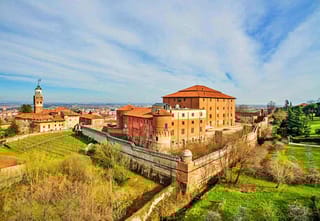
La Castiglia
Provincia di Cuneo
17.6km
castle, chateau
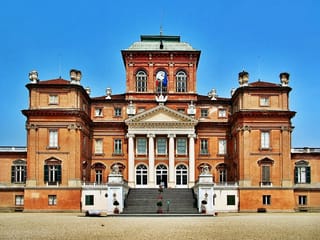
Castle of Racconigi
Provincia di Cuneo
17.8km
castle, chateau
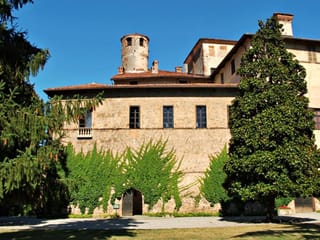
Castello della Manta
Provincia di Cuneo
20.4km
castle, chateau
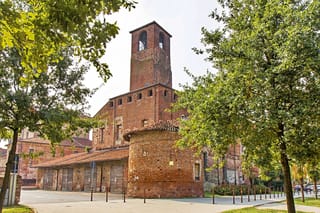
The Castle of Carmagnola
Città Metropolitana di Torino
21.6km
castle, chateau