Castello di Briona
Provincia di Novara Piemonte Italy
castle, chateau
Castello di Briona
Provincia di Novara Piemonte Italy
castle, chateau
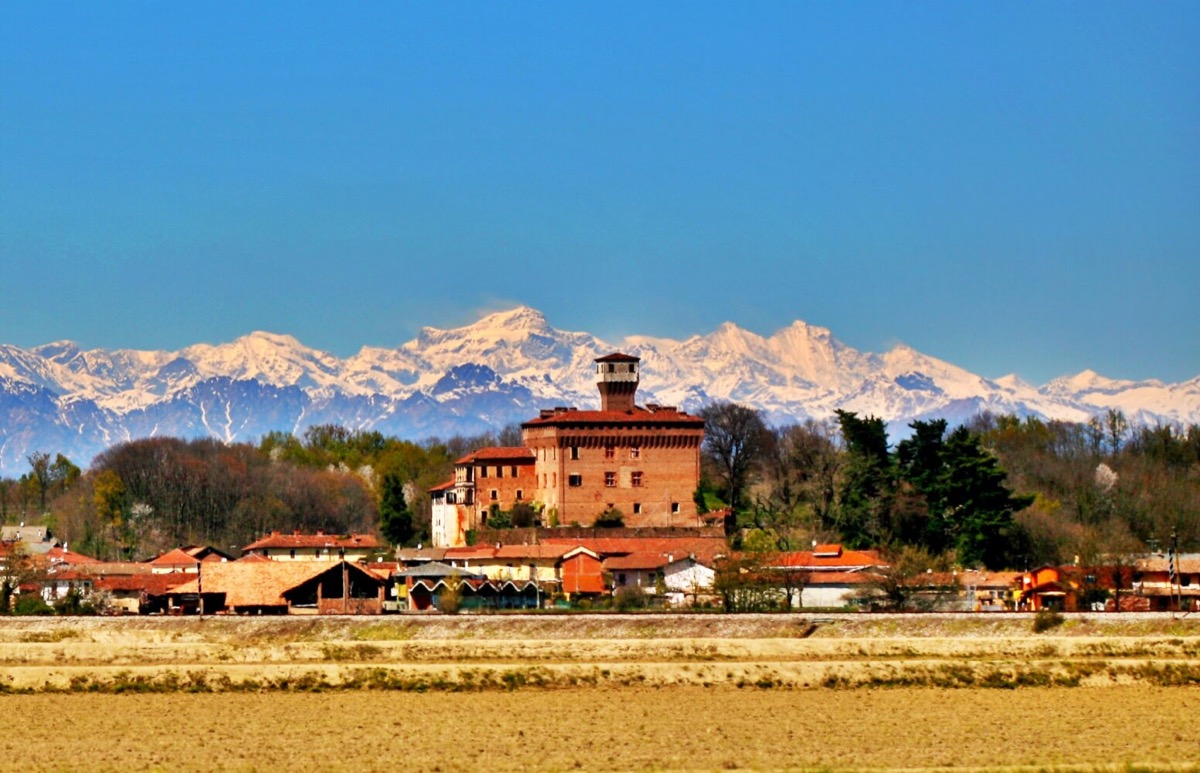
Situated on the alluvial hill of the Strona River, the castle of Briona dominates the plain and the village below, the first inhabited settlement of the Valsesia State road
Il castello di Briona, di proprietà dei marchesi Solaroli, domina la pianura circostante e l'abitato dal retrostante pendio collinare
Previous names
Castello di Briona, Castello di Briona
Description
Situated on the alluvial hill of the Strona River, the castle of Briona dominates the plain and the village below, the first inhabited settlement of the Valsesia State road. The structure of the castle dates back partially to the 14th century and partially to the 15th, but the first news about the existence of this castle come from the early months of 1140. For sure, the 20th of November 1449, Francesco Sforza yielded in fee the “Castrum et Locum Brione” to the Novarese Lord Giovanni Zanardo Tornielli as reward for the services he got during two fighting years together. Tornielli decided to live there and built up the fortification, which is to-day one of the most picturesque and better kept military buildings in this zone. In the course of the 17th century, the castle walls witnessed the stories of a famous figure, husband of the last descendant of the family, Giovanni Battista Caccia, called Cacetta, who was eventually tried and sentenced to death in 1609, dragging his family to the ruin. Some modern historians individuate in this figure the Manzoni’s Don Rodrigo of the “Promessi Sposi”. The general of the Savoy army, Baron Paolo Solaroli, then bestowed with the title of Marquis of Briona, became owner of the castle in 1864. The marquis left an important collection of arms and objects gathered during his young years in Eastern countries. Some of them are downstairs, inside a large room called “gallery of arms”. The fortification is perfectly four-sided and houses a square hanging court-yard with its floor on an equal footing with the first level. This yard is supported by cross vaults built on a central pilaster. Beneath there are the capitulary room and the crypt. A sole tower with expanded pigeonry, shaped almost as a mushroom, looks over the castle. The rustic part of the castle, better known as “Tinaja” is worth our interest, too, where different tools for farmers’ and wine-makers’ works are gathered. The castle, private mansion, is surrounded by a nice garden.
https://www.turismonovara.it
Il castello di Briona, di proprietà dei marchesi Solaroli, domina la pianura circostante e l'abitato dal retrostante pendio collinare. Le prime testimonianze della presenza di un edificio fortificato in questo luogo risalgono al 1140, quando divenne possesso del conte Guido III di Biandrate, anche se probabilmente esisteva già un presidio in epoca longobarda; grazie alla sua posizione strategica, infatti, poteva controllare la direttiva che da nord-ovest conduceva a Novara.
Nel 1356 il castello divenne possesso dei Visconti e nel 1363, come buona parte del novarese, subì il saccheggio da parte della Compagnia Bianca di Alberto Sterz, in lotta contro Galeazzo II Visconti.
Nel 1449 Francesco Sforza, duca di Milano, diede il paese ed il "castrum" in feudo a Giovanni Tornielli che vi trasferì la propria abitazione insieme al figlio Melchiorre, ampliando il complesso fortificato con l'erezione della rocca.
Nel 1488 la proprietà passò a Manfredo, figlio di Melchiorre, che in contrasto con Lodovico il Moro si alleò ai francesi in guerra contro gli Sforza. In un primo tempo il duca di Milano ebbe la meglio e Manfredo fu processato e i suoi beni confiscati. Nel 1499 una nuova spedizione militare contro la Lombardia ebbe successo, Lodovico il Moro cadde e i Tornielli rientrarono in possesso della rocca.
Nel 1583 il conte Manfredo II Tornielli scomparve senza lasciare successori maschi. Del 1653 la rocca passò ai marchesi Dal Pozzo d'Annone, imparentati con i Tornielli, fino al 1864, quando fu ceduta al generale sabaudo Paolo Solaroli, insignito del titolo di "marchese di Briona" nel 1867 da re Vittorio Emanuele II.
Il complesso si presenta come un perfetto quadrilatero in buono stato di conservazione; nel corso dei secoli fu più volte riadattato ed è tuttora abitato. Le strutture risalgono prevalentemente al XIV e XV secolo; l'aspetto attuale, con ogni probabilità, gli fu dato alla fine del XV dal marchese Manfredo I Tornielli. All'interno è racchiuso un cortile pensile posto all'altezza del primo piano, sorretto da volte a crociera che posano su un pilastro centrale. Al piano terra si trovano la sala capitolare e la cripta. La struttura è sovrastata da un'alta torre con piccionaia ed è circondata da un parco.
Useful information
No
comune@pec.comune.briona.no.it
Proprietà privata
-
External links
Nearby castles
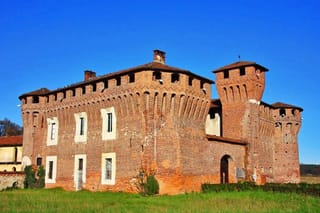
Castello di Proh
Provincia di Novara
2.5km
castle, chateau
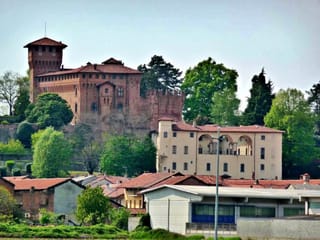
Castello di Barengo
Provincia di Novara
4.1km
castle, chateau
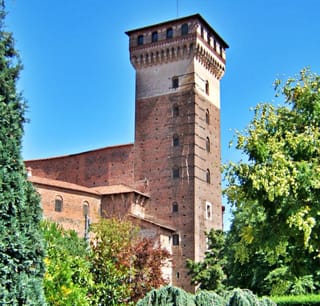
The Rovasenda Castle
Provincia di Vercelli
13.1km
castle, chateau
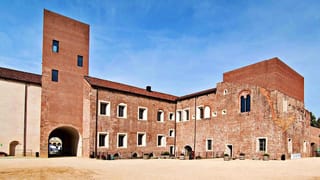
Castello di Novara
Provincia di Novara
15.3km
castle, chateau
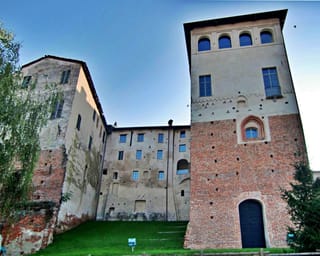
Buronzo Castle
Provincia di Vercelli
18.0km
castle, chateau
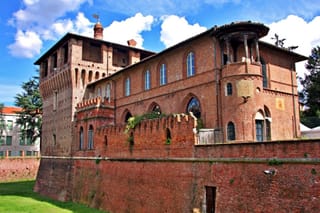
Castello Sforzesco di Galliate
Provincia di Novara
18.2km
castle, chateau
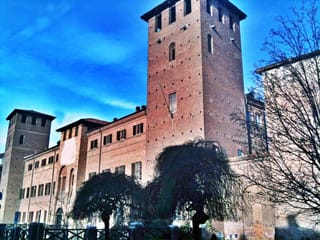
Visconti Castle (Vercelli)
Provincia di Vercelli
24.3km
castle, chateau