Casa Natale Verdi
Provincia di Parma Emilia-Romagna Italy
castle, chateau
Casa natale di Giuseppe Verdi
Provincia di Parma Emilia-Romagna Italy
castle, chateau
It is only natural for the itinerary to start from here
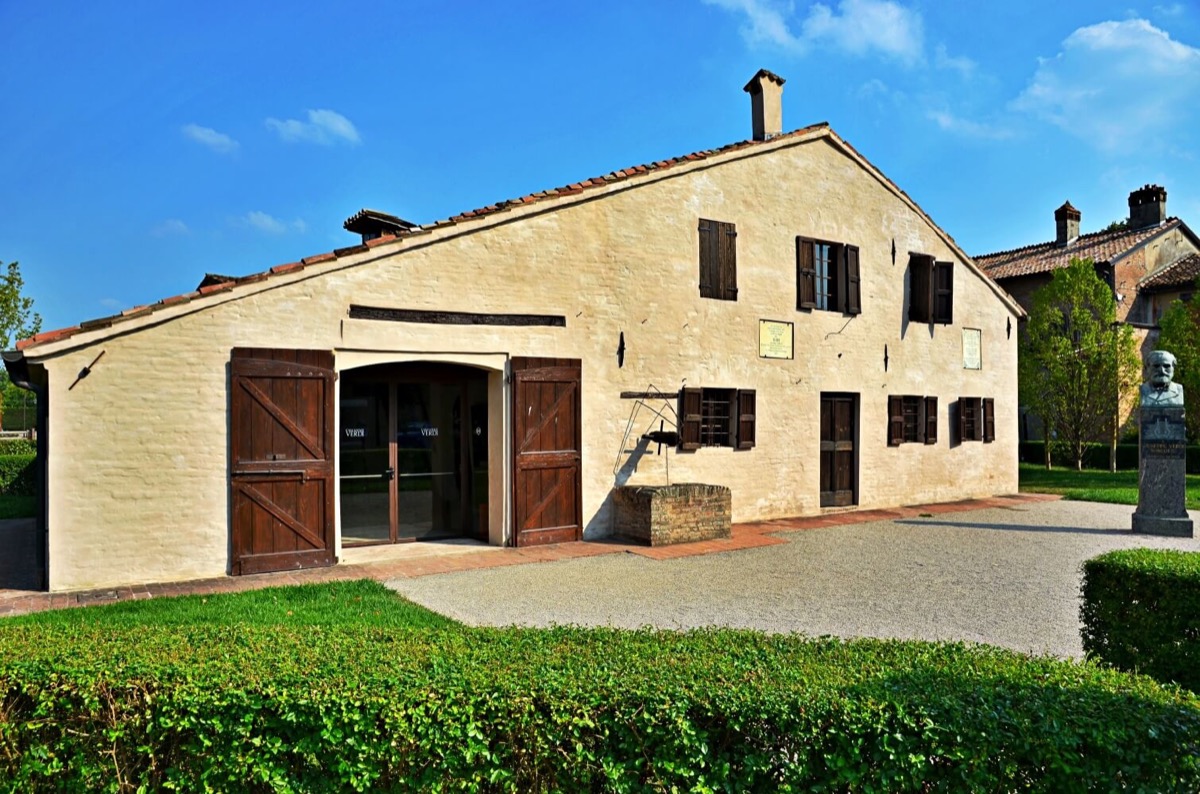
La casa natale di Giuseppe Verdi è la casa museo in cui il 10 ottobre 1813 nacque il celebre compositore; ha sede in via della Processione 1 a Roncole Verdi, frazione di Busseto, in provincia di Parma
Previous names
Casa Natale Verdi , Casa natale di Giuseppe Verdi
Description
It is only natural for the itinerary to start from here. As can be read on his birth certificate (written in French, since at that time the Municipality of Busseto was under the Department of Taro, directly annexed to France), Giuseppe Fortunino Francesco Verdi, son of Carlo and Luigia Uttini, was born at eight o’clock in the evening on 10th October 1813. In this modest building, located at a crossroads in the centre of the village, his father ran an inn with an attached grocery store. His mother was a spinner.
As legend has it, because the yearly festivities for the feast of San Donino, the patron saint of the diocese, were underway at his birth, the music played by a group of strolling musicians was a good omen for the future of the newborn baby. According to recent studies, the Verdis were a family of small landowners who were not illiterate; often, in fact, the innkeeper read letters for those who could not. Hence, the legend of the poverty-stricken family, of the uneducated, poor little peasant, of the starving artist, later fuelled by the editor Ricordi, should be re-evaluated.
Yet, to this day, the most evocative place of Verdi, thanks to the important work of recovery and restoration begun in 2013, does not fail to touch the numerous visitors at the thought of the triumphant goals achieved by the composer. Verdi, however, never forgot his own origins and, in 1863, wrote: “I was, am and always will be a peasant from Roncole.” On the front of the house, a commemorative plaque from 1872 reminds us that the marquises Pallavicino, who were the owners, wanted the house to stay as it was. Over time, other commemorative plaques have been put up. One in particular should be recalled; that given by the poor of Roncole who were helped by the Maestro (1901). In 1913, the centennial of his birth, a bronze bust by G. Cantù was placed in the small garden in front of the house.
As you enter the Museum, the guide will hand you an iPad and earphones. That iPad has an app that allows you to visit the house independently. An interactive map helps you find your way around, the audio sections tell anecdotes and facts about the composer’s childhood, while textual and video materials supplement the narration. To see the same scenes that Verdi would have seen as a child, to listen to his voice telling the story of his own family and to catch sight of his shadow on the walls: all this is possible. Because your guide in this Museum will be Giuseppe Verdi.
http://www.bussetolive.com
La casa natale di Giuseppe Verdi è la casa museo in cui il 10 ottobre 1813 nacque il celebre compositore; ha sede in via della Processione 1 a Roncole Verdi, frazione di Busseto, in provincia di Parma.
Giuseppe Antonio e Francesca Verdi presero in affitto il fatiscente edificio nel 1781, per adibirne il piano terreno a osteria ed il livello superiore a loro residenza; per questo nel 1783 avviarono alcuni lavori di ristrutturazione della casa. In seguito alla scomparsa di Giuseppe nel 1798, il figlio Carlo gli subentrò nell'attività di oste e nel 1805 gli si affiancò la moglie Luigia Uttini, giovane filatrice.
Alle 8 di sera del 10 ottobre 1813, festa del patrono della diocesi san Donnino, Luigia diede alla luce nella casa il piccolo Giuseppe, che mostrò fin da bambino spiccate doti musicali, tanto che nel 1821 il padre gli regalò una spinetta di seconda mano, acquistata del rettore del vicino santuario della Madonna dei Prati; su quello strumento il futuro compositore si esercitò nei primissimi anni, su insegnamento di Pietro Baistrocchi, anziano organista della vicina chiesa di San Michele Arcangelo, del quale prese il posto nel 1823.
Carlo Verdi si riforniva dal bussetano Antonio Barezzi, facoltoso grossista e droghiere, grande appassionato di musica, tanto da aver fondato nel 1816 la Filarmonica di Busseto; fu grazie a lui che il giovane Giuseppe si trasferì a Busseto e venne in contatto con Ferdinando Provesi, direttore della scuola municipale di musica e organista della collegiata di San Bartolomeo Apostolo; lo stesso Barezzi, che sarebbe diventato nel 1836 suocero di Verdi, lo ospitò in casa sua e gli finanziò gli studi a Milano.
Nel 1872 i marchesi Pallavicino, all'epoca proprietari dell'edificio, apposero la prima lapide commemorativa sulla facciata, indicando il loro impegno a non modificare la dimora che aveva ospitato la nascita del compositore; ad essa si aggiunsero altre targhe e, nel 1913, centenario della nascita del Maestro, il busto in bronzo raffigurante Giuseppe Verdi, realizzato dallo scultore Giuseppe Cantù.
Il modesto edificio, nel frattempo dichiarato monumento nazionale e diventato casa museo, fu ristrutturato parzialmente nel 2001 a cura dell'architetto Pierluigi Cervellati, ma subì un radicale intervento di consolidamento e di restauro fra il 2013 e il 2014, che ricostruì anche alcuni dei probabili arredi originari, andati interamente perduti, facendo affidamento anche alla multimedialità.
Useful information
GRATUITO
5.00 EUR
oltre i 65 anni: 4.00 EUR
6 - 14 anni: 4.00 EUR
oltre 20 persone: 4.00 EUR
La chiesa di San Michele Arcangelo con un piccolo museo di cimeli verdiani
info@bussetolive.com
Video di ricostruzione storica
-
External links
Nearby castles
Palazzo Orlandi
Provincia di Parma
3.9km
castle, chateau
Casa Barezzi
Provincia di Parma
4.0km
castle, chateau
Rocca Pallavicino (Busseto)
Provincia di Parma
4.1km
castle, chateau
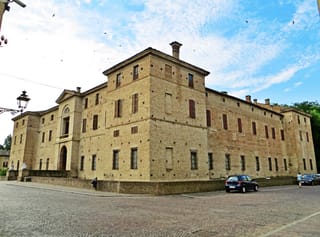
Rocca Meli Lupi
Provincia di Parma
4.8km
castle, chateau
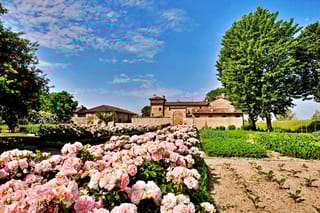
Antica Corte Pallavicina
Provincia di Parma
7.8km
castle, chateau
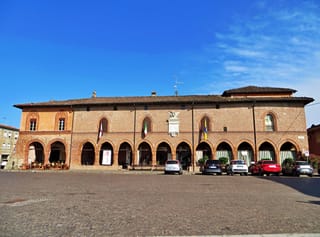
Teatro Pallavicino
Provincia di Parma
8.6km
castle, chateau
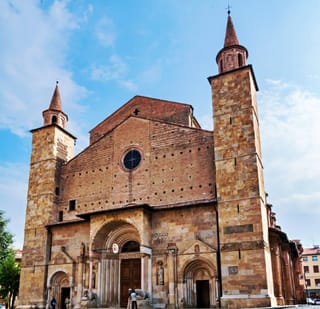
Fidenza Cathedral
Provincia di Parma
9.6km
castle, chateau